Artwork
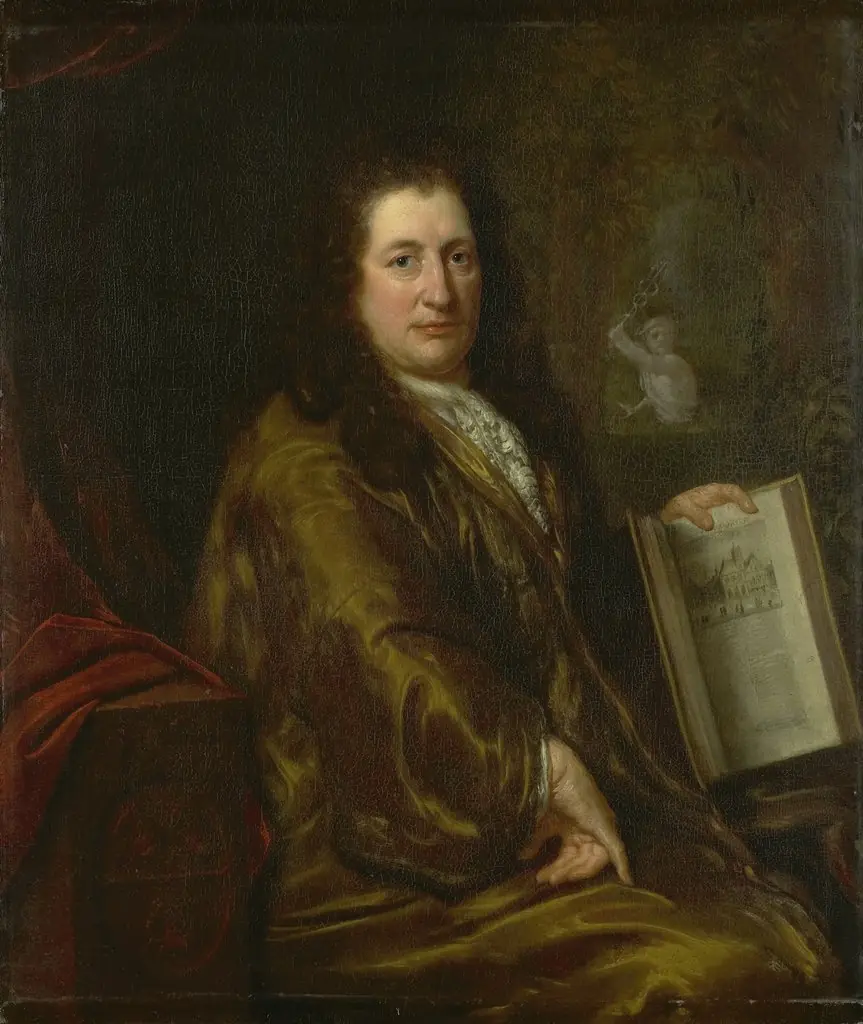
Portrait of Cornelis Tromp (1629-91), vice-admiral of Holland and West Friesland
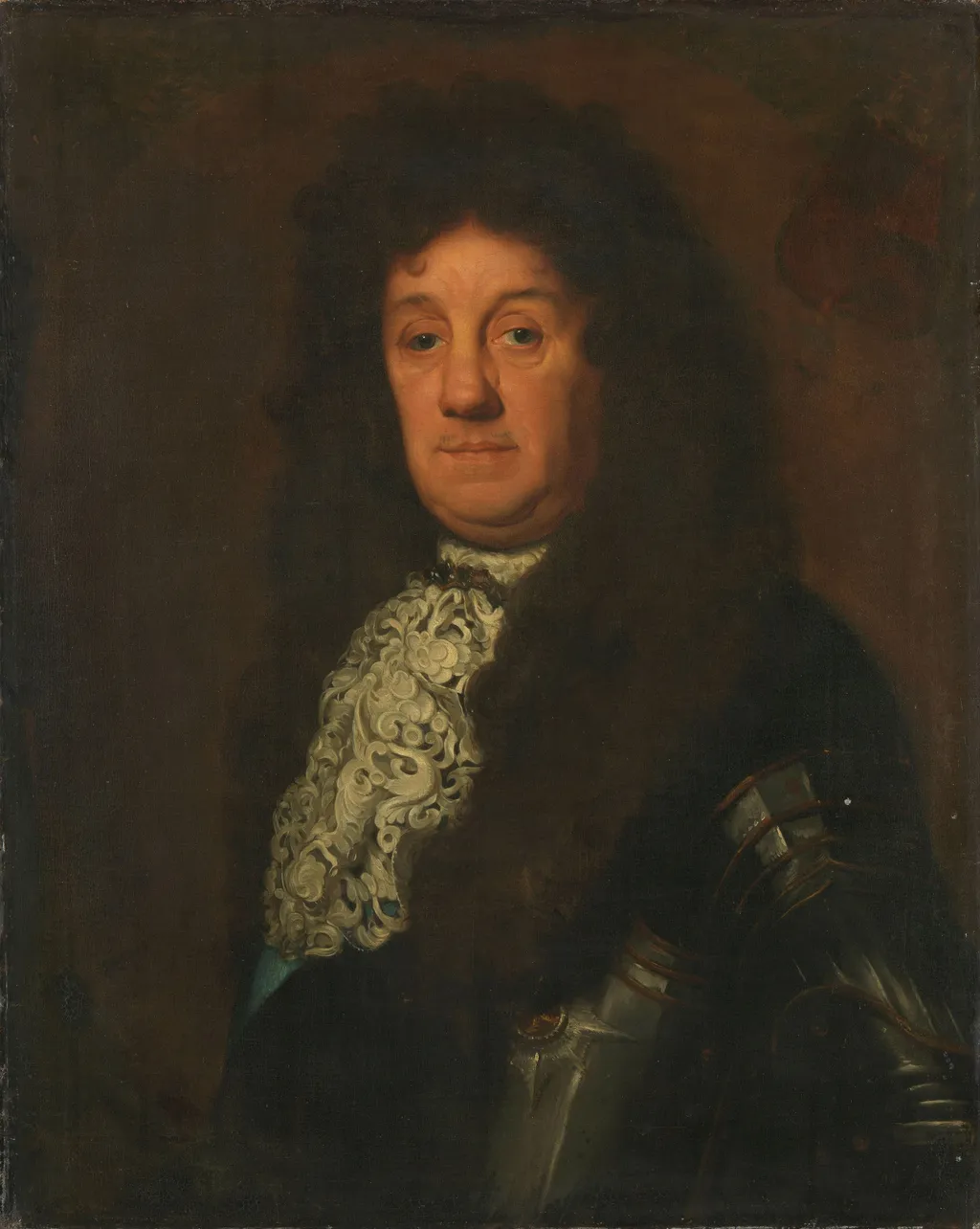
Portrait of Cornelis Tromp (1629-91), vice-admiral of Holland and West Friesland is an oil painting by the Dutch Golden Age artist David van der Plas. It dates from 1650 and is held in the collection of the Rijksmuseum.
About this work
Subject & Meaning
The painting depicts Cornelis Tromp, a vice-admiral of Holland and West Friesland, identified as the main subject of the work.
The painting depicts Cornelis Tromp, a vice-admiral of Holland and West Friesland, identified as the main subject of the work. Created in 1650 by David van der Plas, the portrait presents the naval officer in a formal stance, characterized by the inclusion of a cravat as a specific detail of his attire. As a genre portrait, the work serves to document the likeness of this historical military figure, establishing his visual identity during the mid-seventeenth century.
Technique & Style
The portrait is executed in oil paint on canvas, a standard support for mid-seventeenth-century Dutch portraiture. The work measures 80 cm in height by 64 cm in width, an upright rectangular format well suited to a half- or three-quarter-length depiction of a sitter.
Stylistically, the painting belongs to the formal portrait tradition associated with David van der Plas, who produced it in 1650. The composition focuses on the sitter, Cornelis Tromp, with attention to costume details such as the cravat, a typical element of formal dress in elite Dutch portraiture of the period. The handling reflects the restrained, descriptive approach characteristic of mid-century Dutch portrait practice, prioritizing clear likeness and dignified presentation over bravura brushwork.
The work is held in the Rijksmuseum collection, and no specific condition notes are recorded in the available sources.
History & Provenance
David van der Plas executed this oil-on-canvas portrait of Vice-Admiral Cornelis Tromp in 1650. The work measures 80 cm in height and 64 cm in width. Historical records indicate that the painting was once owned by Jan Hendrik Cremer. The artwork currently resides in the collection of the Rijksmuseum.
The Portrait of Cornelis Tromp (1629-91), vice-admiral of Holland and West Friesland, painted by David van der Plas in 1650, is held in the Rijksmuseum collection in Amsterdam. It entered the museum through acquisition from Jan Hendrik Cremer, establishing its current provenance. The work has been exhibited in major Rijksmuseum displays focusing on Dutch Golden Age portraiture, including thematic exhibitions on naval figures and 17th-century leadership.
The painting is cataloged under the Rijksmuseum's inventory system with standard accession documentation for Dutch Republic artworks of the period.
Context
David van der Plas painted this portrait in 1650, depicting Admiral Cornelis Tromp in a simple cravat, a departure from earlier formal representations that emphasized his heroic status. The work entered the collection of Jan Hendrik Cremer and was later acquired by the Rijksmuseum, where it remains on display. Contemporary scholars note its significance as part of a broader shift in 17th-century Dutch portraiture toward naturalism and personal identity, reflecting the political prominence of the Tromp family within the Dutch Republic.
The painting's composition and restrained elegance have been cited in studies of Dutch Golden Age portraiture as exemplifying the era's evolving artistic conventions.
Legacy
The 1650 portrait of Cornelis Tromp by David van der Plas, housed in the Rijksmuseum, established a visual archetype of the Dutch naval commander that resonated through 19th-century historical painting and 20th-century popular culture. Its depiction of Tromp in ceremonial dress became a reference point for subsequent artistic representations of Dutch maritime power, particularly in works commemorating the Dutch Golden Age. The image's frequent reproduction in publications and exhibitions contributed to Tromp's enduring reputation as the archetypal Dutch vice-admiral, shaping both academic discourse and public perception of his naval legacy.
The painting's influence is evident in its role as a visual template for later artists seeking to depict Tromp, ensuring his image remained closely tied to his historical persona. This legacy persists in contemporary scholarship and cultural memory, where the work is cited as a key artifact in understanding the intersection of portraiture and national identity in 17th-century Netherlands.
Overview
David van der Plas painted an oil portrait of Cornelis Tromp, the 17th‑century vice‑admiral of Holland and West Friesland, around the middle of the 1650s. The work is part of the Rijksmuseum’s collection and presents the naval officer in a formal, half‑length pose.
Own this work as a print
Artist & collection

 Portrait of Johannes Camprich van Cronefelt, Knight of the Order of St. Maurice and St. Lazarus, Imperial German Ambassador to The Hague
 Mandsportræt
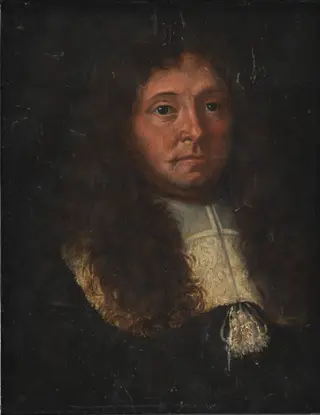 Mandsportræt
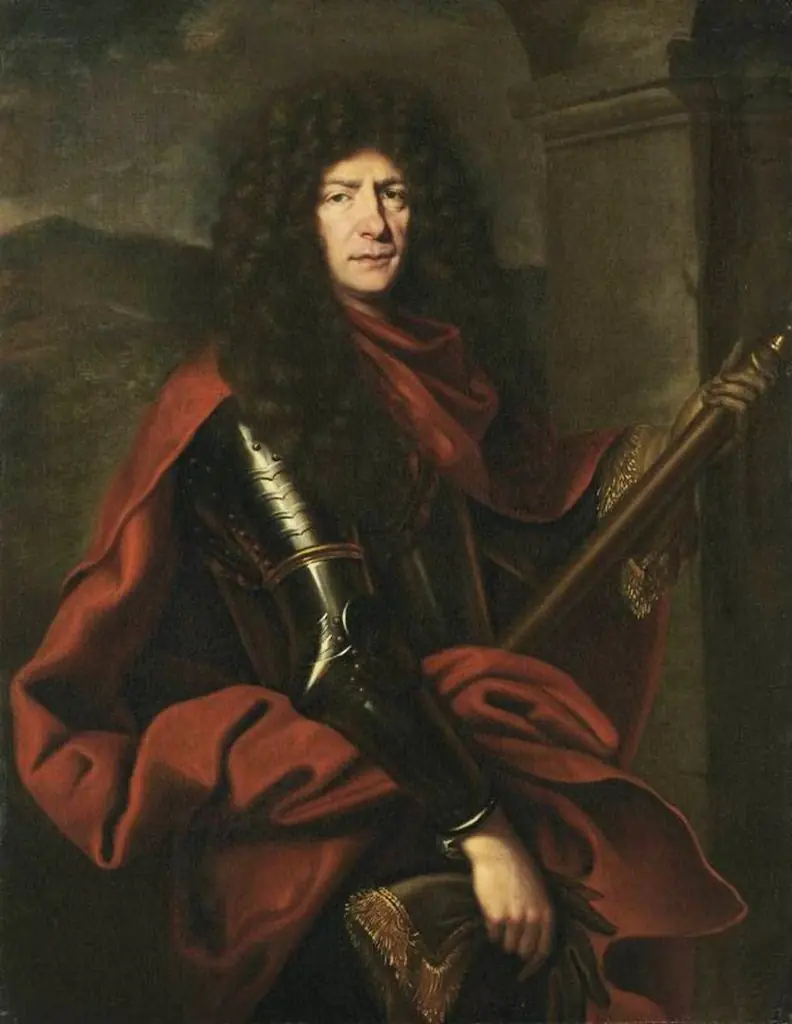 Bildnis des Christian II., Pfalzgrafen von Zweibrücken-Birkenfeld (1637-1717)
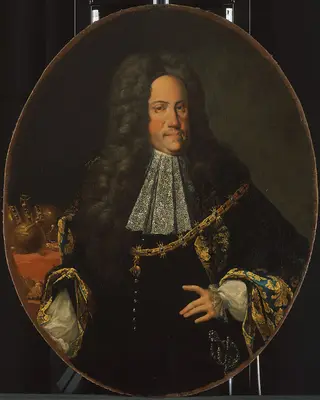 Portrait of Charles VI, Holy Roman Emperor
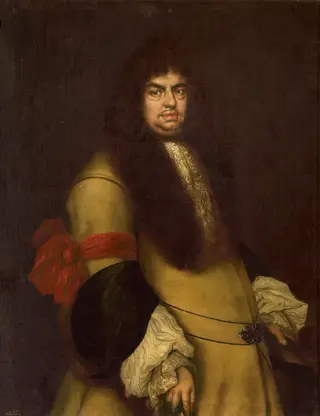 Guillermo Ramón de Moncada marqués de Aytona
 Nobil din sec. XVIII
 Portrait of Carel Rabenhaupt, Lieutenant-General
 Jan Karel Nicolaas van Hove, Dean of the Guild of Saint Luke
 Adriaen Banckert (c 1620-1684), Vice Admiral of Zeeland