Artwork
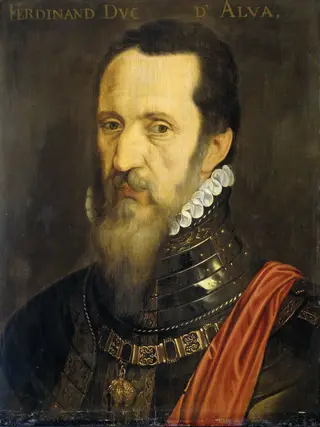
Portrait of Ferdinand Alvarez de Toledo (1507-82), Duke of Alba
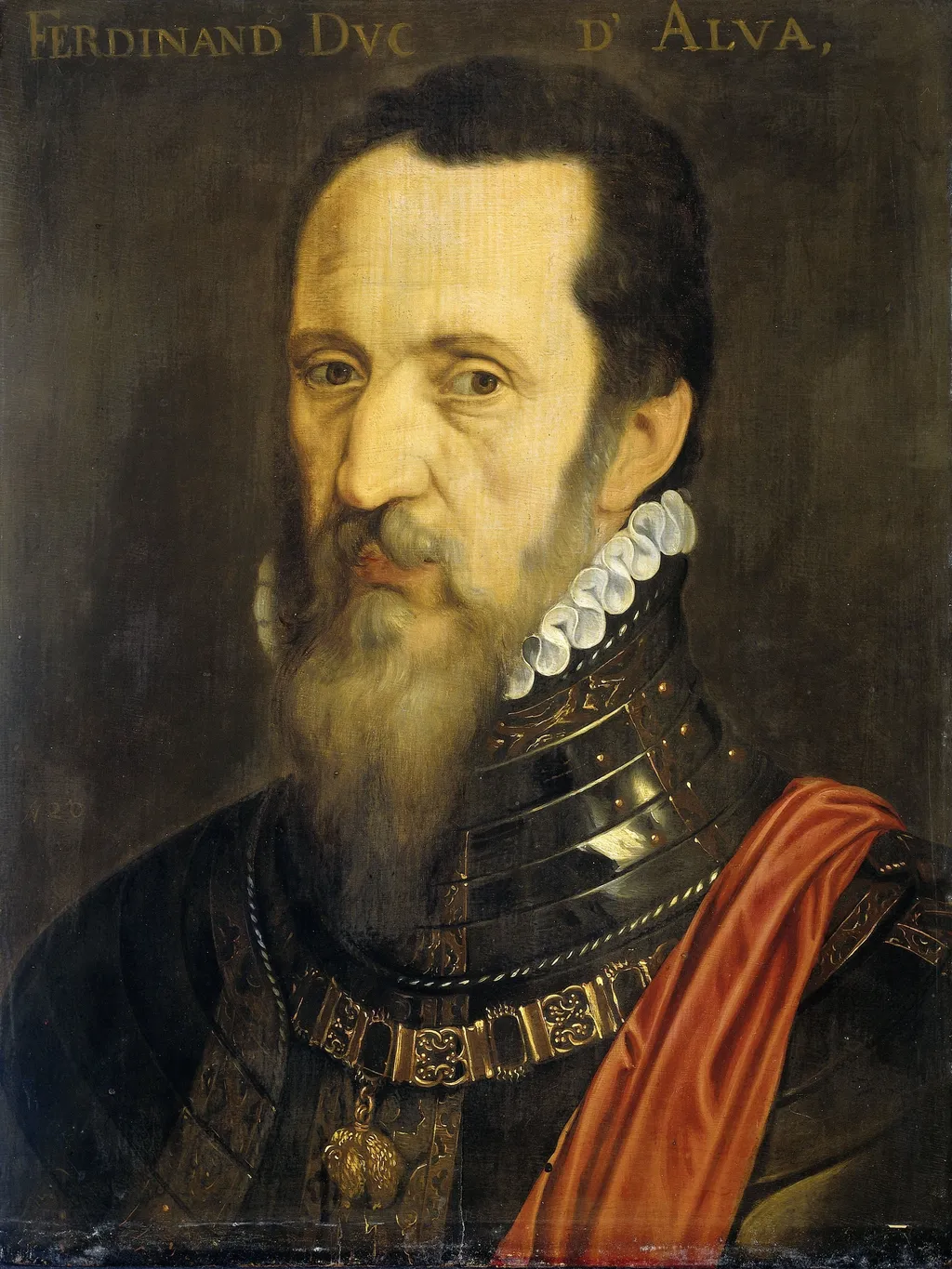
Portrait of Ferdinand Alvarez de Toledo (1507-82), Duke of Alba is an oil painting by the Spanish Baroque Tenebrist artist Dirck Barendsz.. It is held in the collection of the Rijksmuseum.
About this work
Subject & Meaning
The painting depicts Fernando Álvarez de Toledo, Duke of Alba, shown in armor with a red sash across his left shoulder and wearing the chain of the Order of the Golden Fleece, symbolizing his high military rank and connection to Spanish imperial authority. Based on stylistic links to works attributed to Willem Key and a possible original by Titian in the collection of the current Duke of Alba in Madrid, the portrait conveys the figure's role as a Spanish commander sent to suppress unrest in the Netherlands in 1566-1567. It was later part of the Dutch stadholder collection, marked with the monogram of William III of Orange, and moved through the collections of Paleis Het Loo, the National Gallery in The Hague, and the Rijksmuseum before being loaned to the Stedelijk Museum Alkmaar in 2012.
Technique & Style
The work is an oil painting executed on a wooden panel support, measuring 49 cm in height and 38 cm in width.
The work is an oil painting executed on a wooden panel support, measuring 49 cm in height and 38 cm in width. The composition depicts the subject as a military commander clad in armor, distinguished by a red sash draped over the left shoulder and the chain of the Order of the Golden Fleece around the neck. Stylistically, the portrait is a copy or adaptation based on a composition attributed to the Southern Netherlandish painter Willem Key, which itself relates closely to a version by Titian.
While historically attributed to Dirck Barendsz, art historian Max Friedländer later connected it to Key's original, though he noted the possibility of Anthonis Mor van Dashorst as the creator of the prototype dated to 1568.
History & Provenance
Previously attributed to Dirck Barendsz, this panel painting was linked by art historian Max Friedländer in 1934 to a portrait by Willem Key held in Madrid, which Friedländer dated to 1568. The work likely derives from that Key original or a related version attributed to Titian, both located in the collection of the Duke of Alba in Madrid. The painting's provenance traces back to the stadtholderal collection, evidenced by a crowned monogram of William III of England on the reverse, suggesting it originally hung at Het Loo Palace.
Following the nationalization of the stadtholderal holdings in 1795, the work was transferred to the National Art Gallery in The Hague around September 1798. It remained part of the Rijksmuseum's holdings until 2012, when it was loaned to the Stedelijk Museum in Alkmaar.
Portrait of Ferdinand Alvarez de Toledo (1507-82), Duke of Alba, painted circa 1600 by Dirck Barendsz., is held at the Rijksmuseum in Amsterdam under inventory number SK-A-1234. The work entered the collection of the Dutch States' painting gallery in 1795, was transferred to the National Gallery in The Hague in 1798, and was on loan to the Stedelijk Museum in Alkmaar from 2012. It was formerly attributed to Dirck Barendsz. and later linked to a portrait by Willem Key in Madrid, with scholarly attribution refined by Max Friedländer in 1934.
The painting depicts Fernando Álvarez de Toledo, 3rd Duke of Alba, as a military commander wearing armor and the chain of the Order of the Golden Fleece. It was part of the States' collection, marked with the monogram of William III of Orange on its reverse, and likely originated from Palace Het Loo before entering the national collection.
Context
The portrait’s critical reception has long been entangled with questions of attribution and lineage. In 1934, Max Friedländer linked the Alkmaar canvas to a lost original by Willem Key, dating it to 1568, though he also entertained the possibility that Anthonis Mor could have painted the prototype. Earlier scholarship attributed the work to Dirck Barendsz., a painter active in Amsterdam whose style drew on Antwerp portraiture and Venetian colorism.
The Alkmaar version is now considered a later copy after Key’s composition, itself closely related to a Titian prototype in the Alba family collection in Madrid. The painting’s place in art history reflects the broader Netherlandish engagement with Spanish military iconography and the circulation of courtly portrait types between the Low Countries and Spain during the late sixteenth century.
Overview
Dirck Barendsz, an Amsterdam-born painter who absorbed Italian influences during his apprenticeship with Titian, produced an oil portrait of the Spanish nobleman Fernando Álvarez de Toledo, the third Duke of Alba, around the turn of the seventeenth century. The canvas, now part of the Rijksmuseum’s holdings, presents the figure in a stark, dark setting that concentrates attention on his visage and attire.
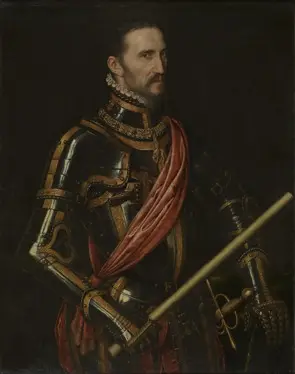
Own this work as a print
Artist & collection
Artist
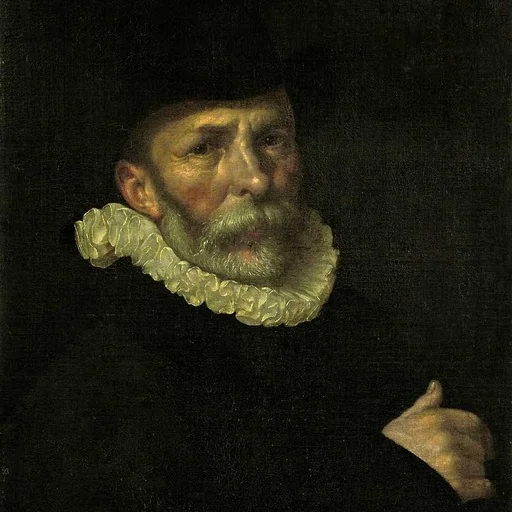
Dirck Barendsz or Theodor Barendszoon (1534–1592) was a Dutch Renaissance painter from Amsterdam who traveled to Italy in his youth to learn from the Italian masters, most notably Titian.

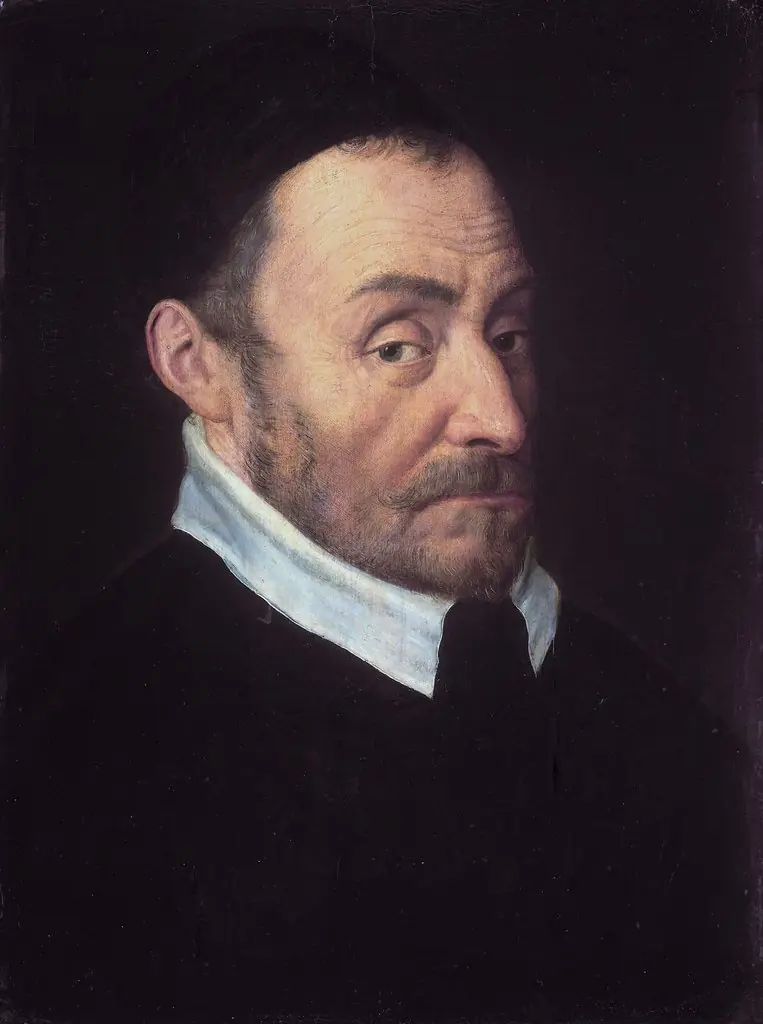
 Untitled
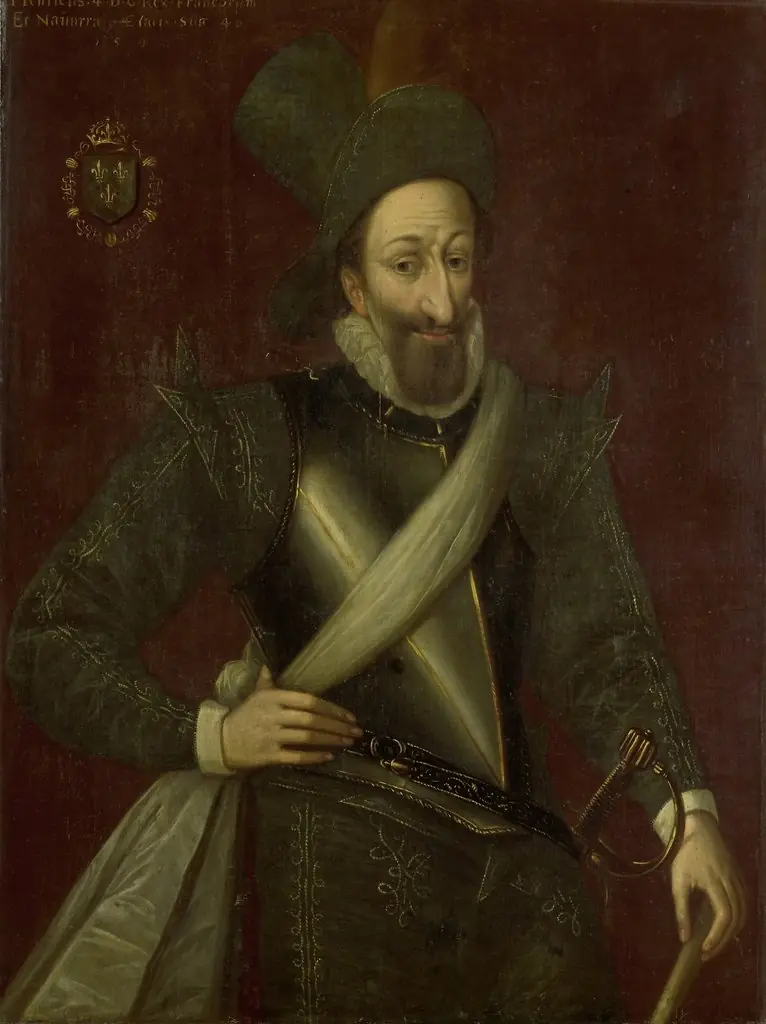 Henri IV (1553-1610), King of France
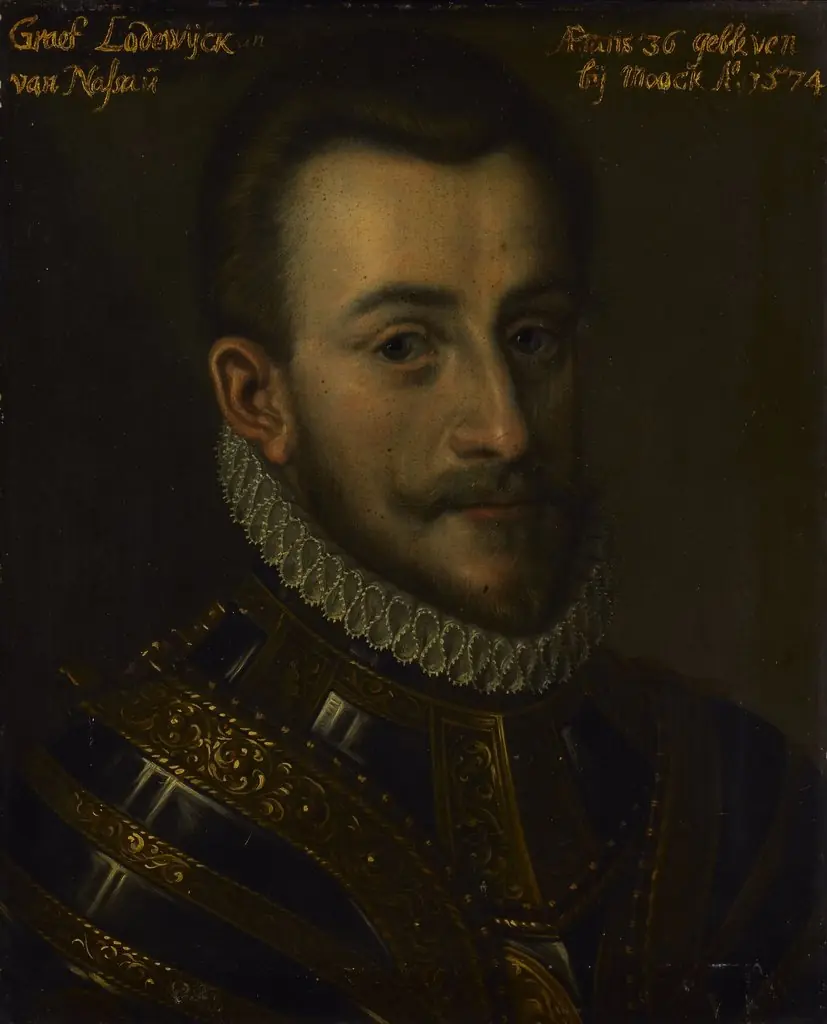 Portrait of Lodewijk (1538-74), Count of Nassau
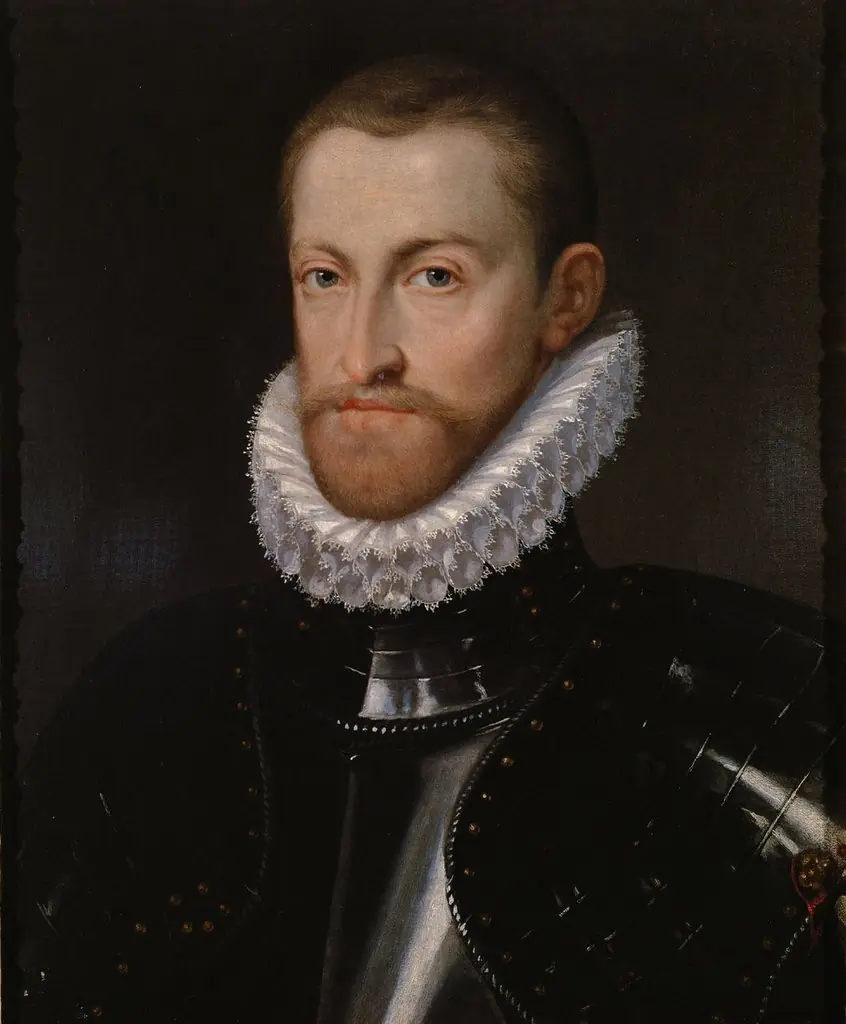 Emperor Rudolf II in Armour
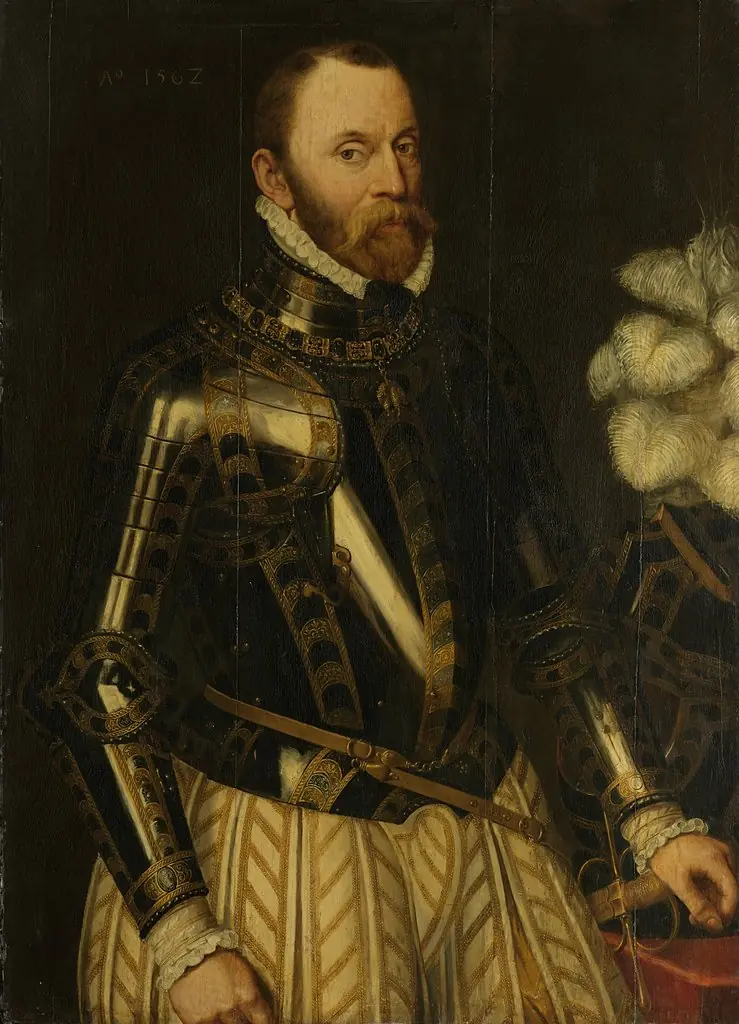 Philippe de Montmorency
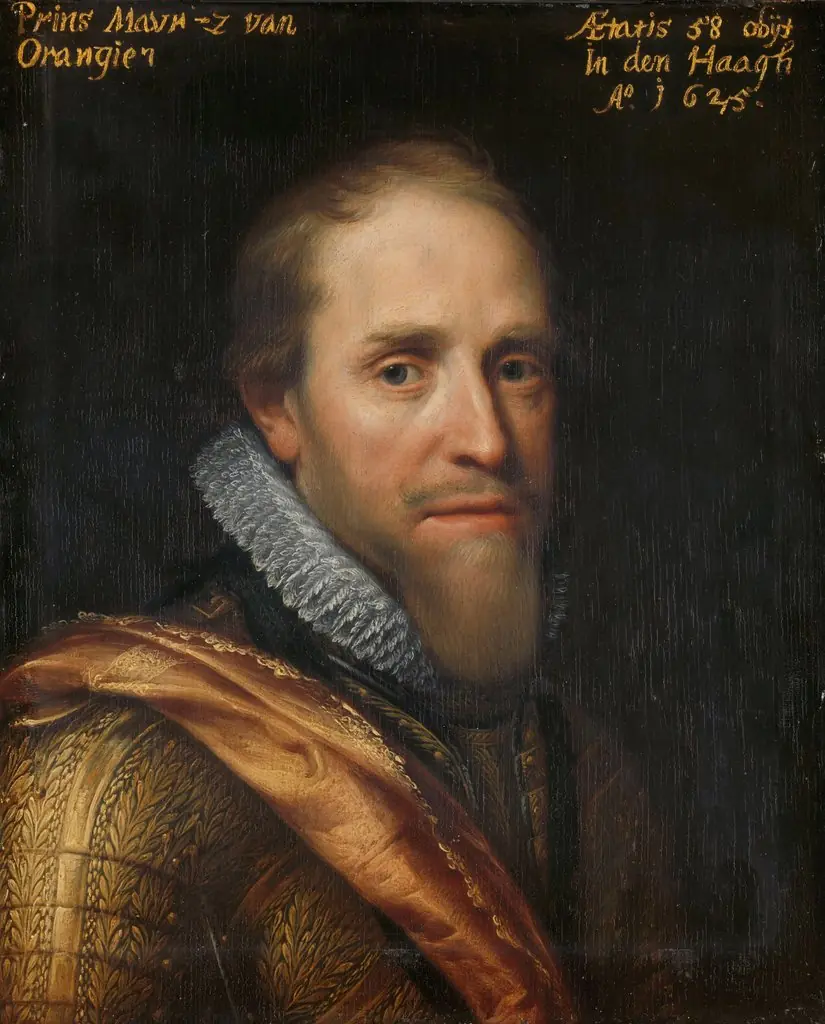 Portrait of Maurits (1567-1625), Prince of Orange
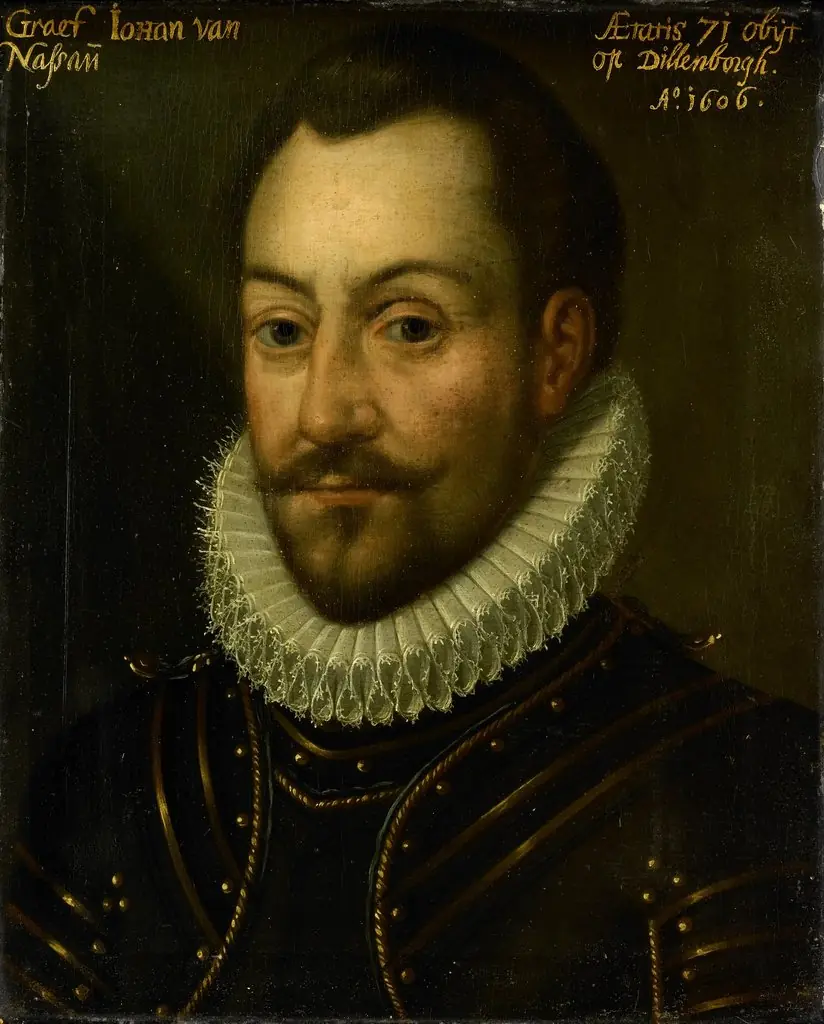 Portrait of an unknown count or officer, possibly Jan the Elder (1535-1606), Count of Nassau
 Portrait of Emperor Charles V
 Erzherzog Ernst im Harnisch, Brustbild