Artwork
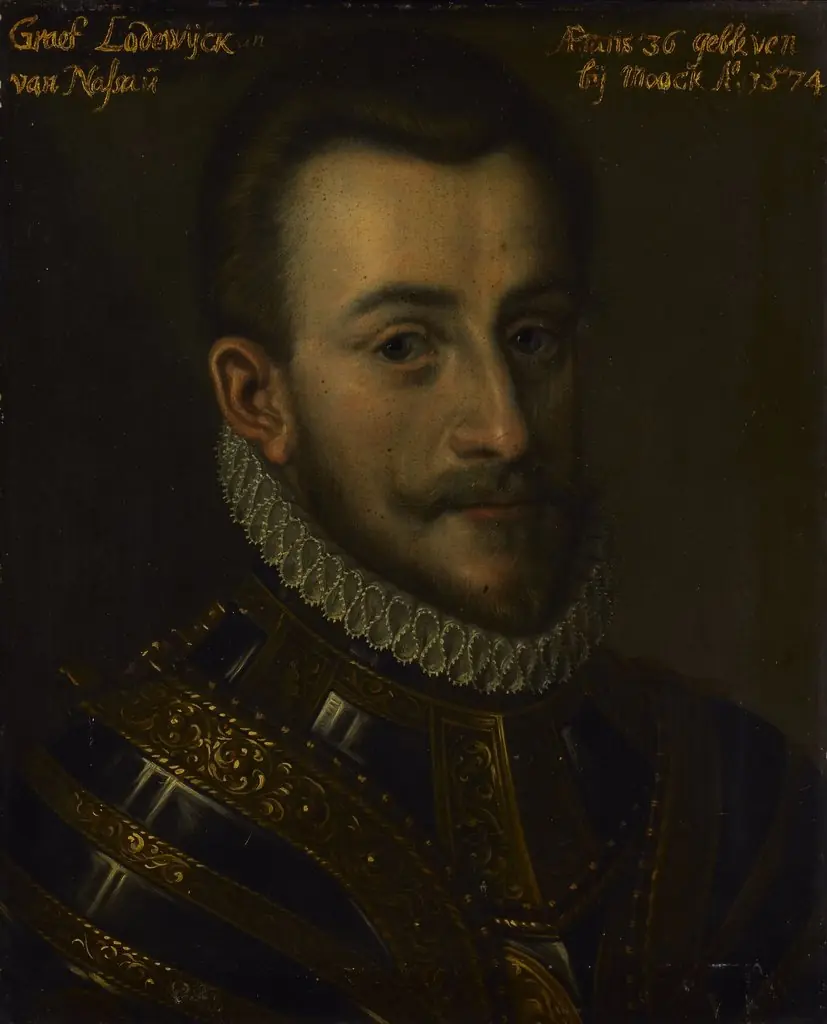
Portrait of an unknown count or officer, possibly Jan the Elder (1535-1606), Count of Nassau
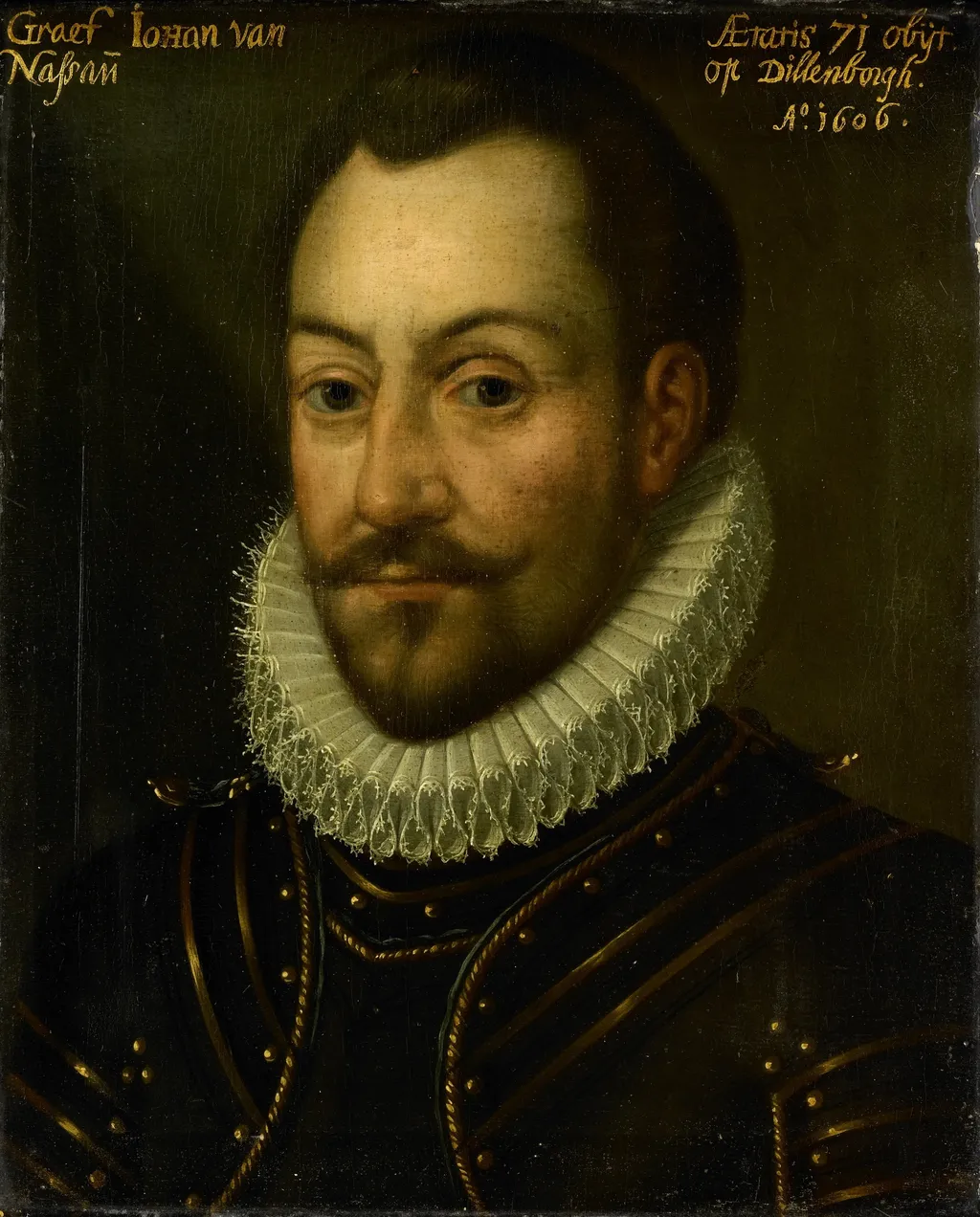
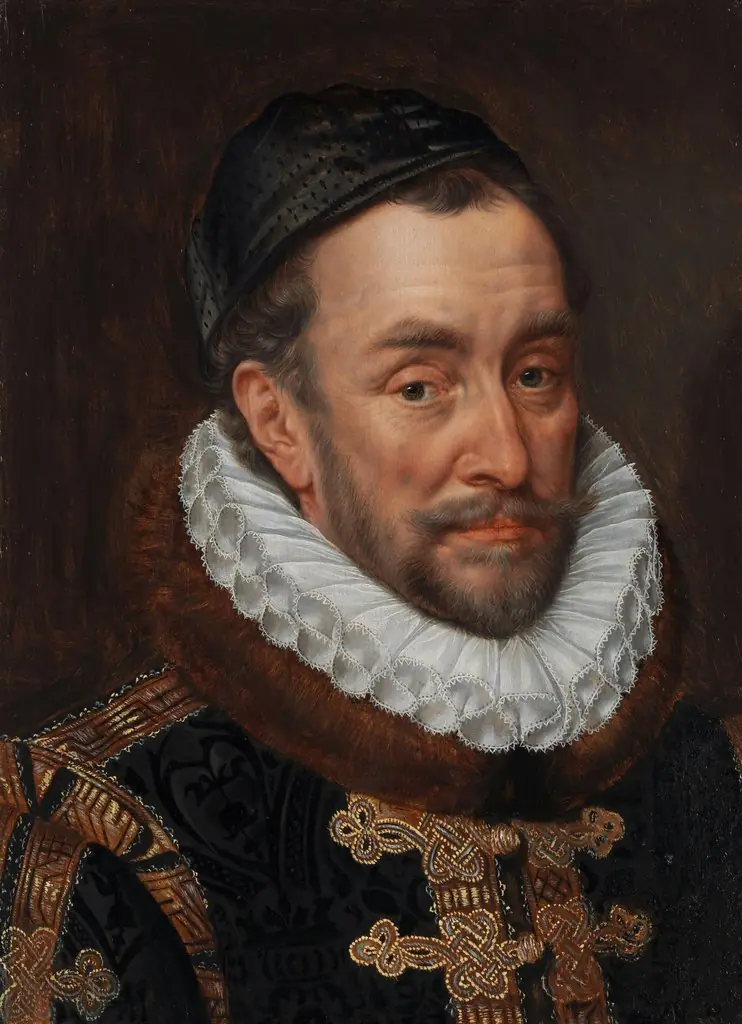
Portrait of an unknown count or officer, possibly Jan the Elder (1535-1606), Count of Nassau is an oil painting. It dates from 1621 and is held in the collection of the Rijksmuseum. This portrait depicts a solemn, mustachioed man set against a dark background, emphasizing his face and ornate attire.
About this work
Technique & Style
No condition reports are provided in the sources, and no significant paint loss or restoration is indicated.
The painting is executed in oil on a wooden panel support, measuring 29.8 cm in height and 24.2 cm in width. The handling is precise, with smooth transitions between areas of flat color and subtle modeling in the face, consistent with early 17th-century Northern European portrait conventions. The figure is rendered with careful attention to costume detail, particularly in the lace collar and metallic gorget, which are articulated through fine, controlled brushwork over a darker underlayer.
The palette is restrained, dominated by muted tones with restrained accents in the sitter’s complexion and metallic highlights, reinforcing the dignified, official character of the portrait.
No condition reports are provided in the sources, and no significant paint loss or restoration is indicated.
History & Provenance
The portrait was painted in 1621, as indicated by the date on the work.
It entered the collection of the Stadhouderlijk Hof, the residence of the Stadtholders of the Dutch Republic, where it was recorded as part of the holdings of Frederick Henry of Orange-Nassau. The painting was later transferred to the Rijksmuseum, where it is currently held. The dimensions of the panel are 29.8 cm in height and 24.2 cm in width.
The painting is currently held by the Rijksmuseum in Amsterdam, having been acquired from the Stadhouderlijk Hof collection. Its provenance traces back to Frederick Henry of Orange-Nassau, who originally owned the work. The artwork is also associated with the Centraal Museum and the National Art Gallery of the Netherlands within the broader context of Dutch heritage collections.
While specific inventory numbers are not detailed in the available records, the piece is cataloged as an anonymous oil-on-panel portrait created in 1621. The work depicts John VI, Count of Nassau-Siegen, though it is alternatively titled as a portrait of an unknown count or officer, possibly Jan the Elder. No specific exhibition history or loan records are provided in the source material.
Legacy
The portrait was long attributed to an anonymous hand but is now associated with the workshop of a Dutch master who trained Rembrandt. Its depiction of John VI, Count of Nassau-Siegen, linked to Frederick Henry of Orange-Nassau, contributed to the visual iconography of Dutch aristocratic authority in the 17th century. The work’s presence in major collections such as the Rijksmuseum and Centraal Museum cemented its role in narratives of Dutch Golden Age portraiture, influencing later interpretations of Dutch elite identity.
Scholars have reevaluated the painting’s authorship in light of stylistic parallels with Rembrandt’s early portraits, though definitive attribution remains unresolved. Its inclusion in exhibitions at the National Gallery of the Netherlands further elevated its status as a representative example of early Dutch portraiture, shaping academic discourse on the period’s artistic conventions.
Overview
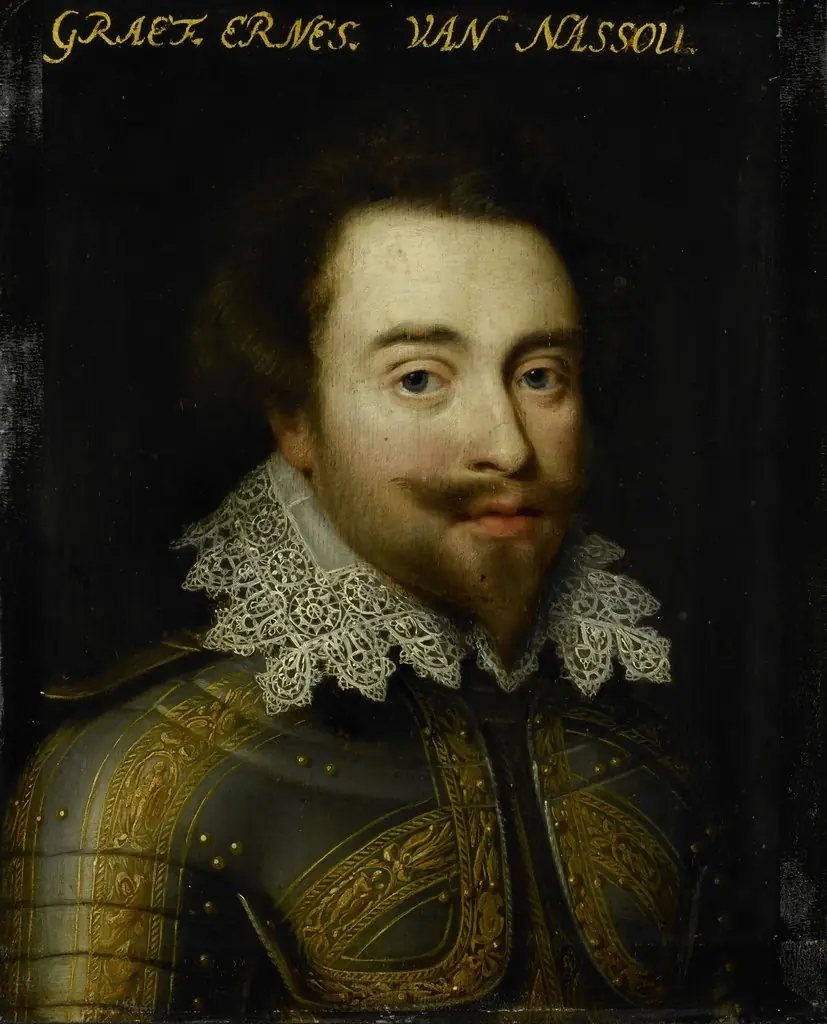
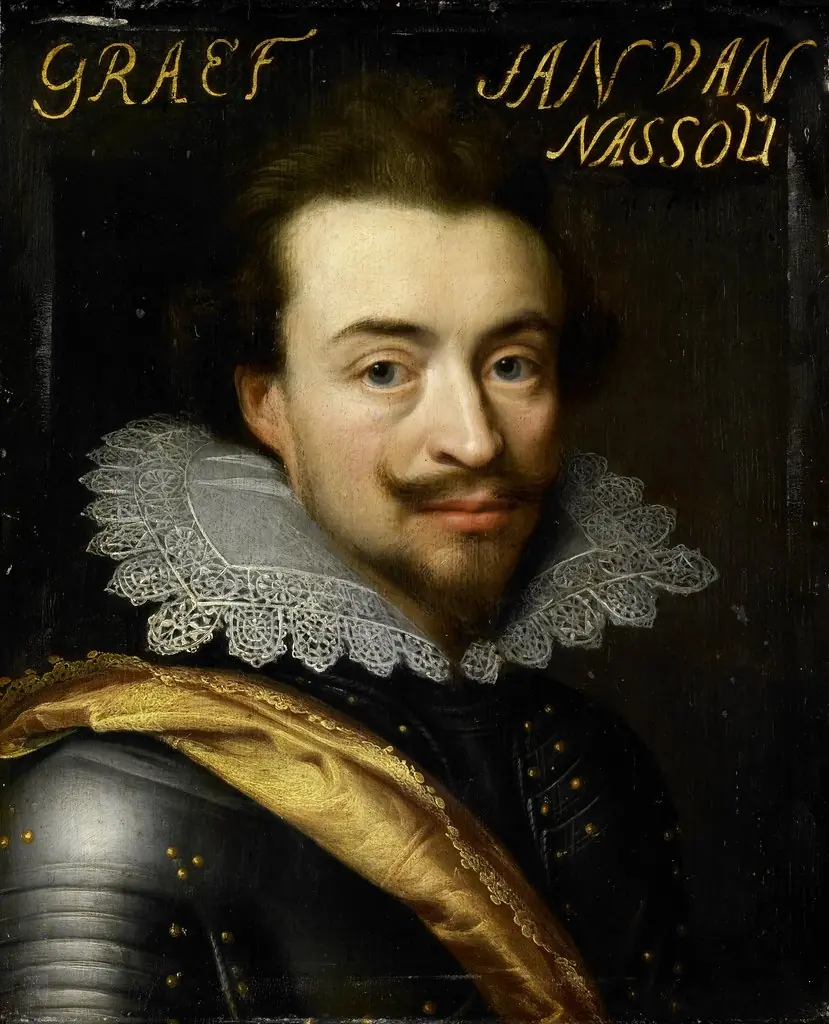
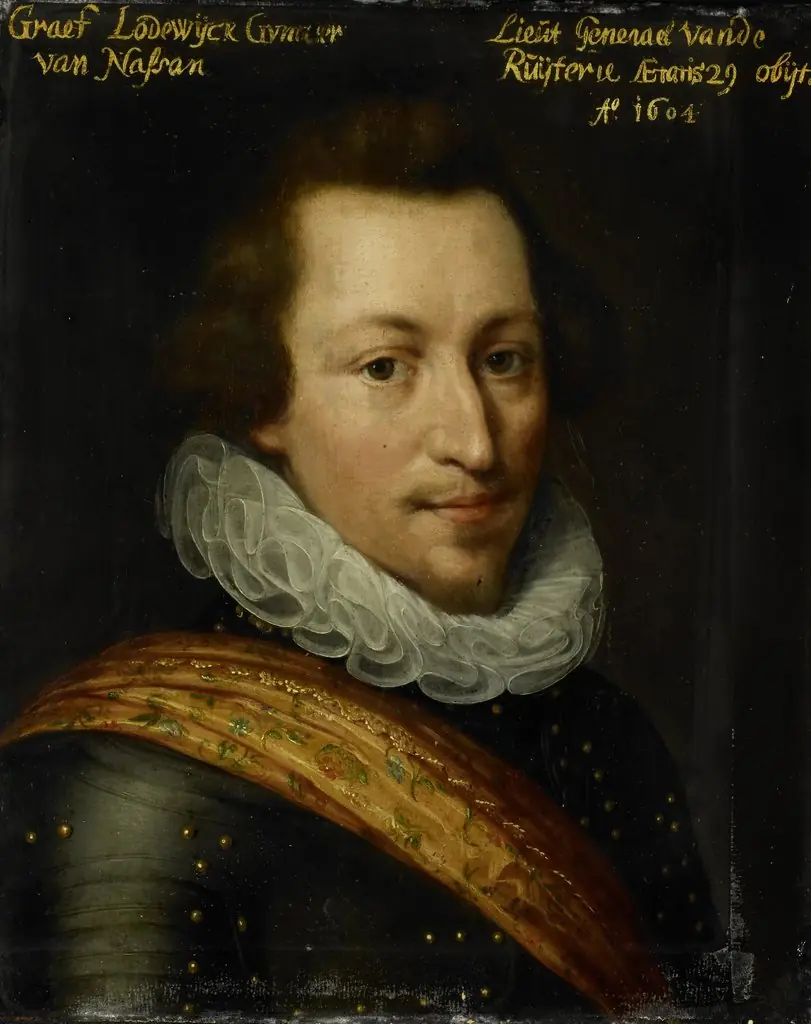
This portrait depicts a solemn, mustachioed man set against a dark background, emphasizing his face and ornate attire. The subject's dark jacket with gold trim and ruffled collar indicate high social status, possibly nobility or a high-ranking officer.
Subject & Meaning
The identity of the subject remains uncertain, with a speculative attribution to Jan the Elder, Count of Nassau (1535-1606). His serious expression and formal, detailed attire suggest a portrayal of authority and dignity.
Context
The work reflects the portraiture conventions of its time, where dignitaries were often depicted in formal, symbolic attire against subdued backgrounds to highlight their status and character.
Artist & collection

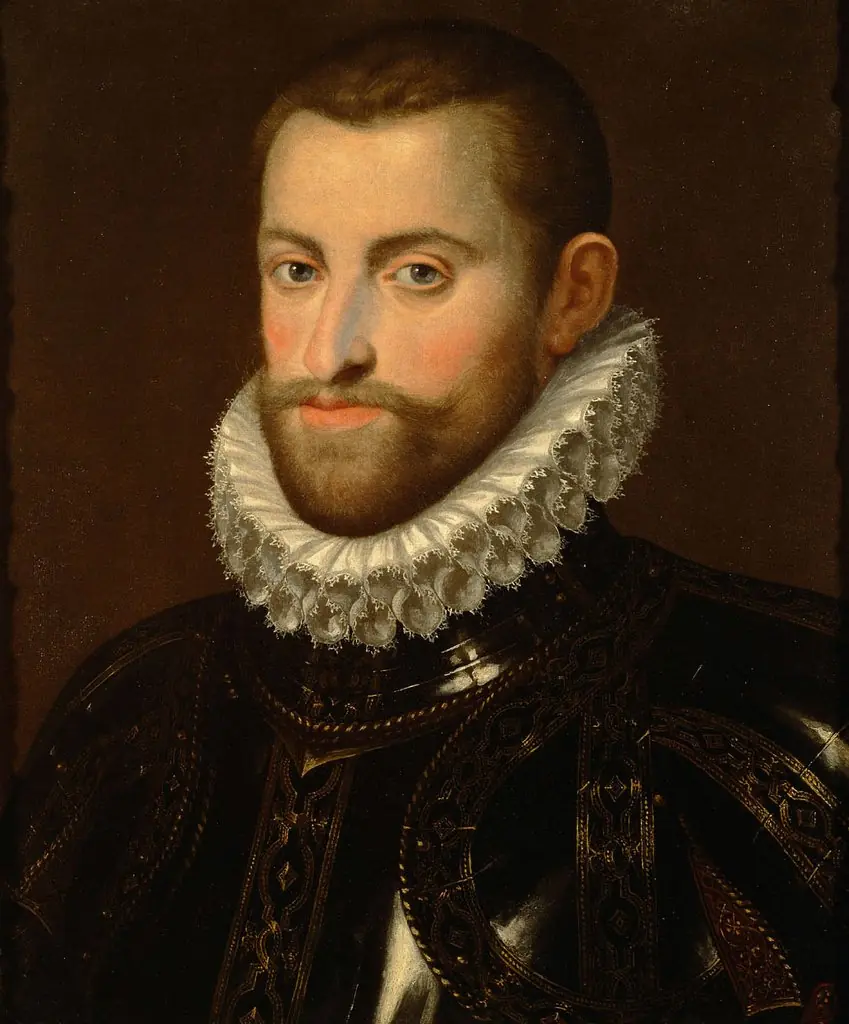 Erzherzog Ernst im Harnisch, Brustbild
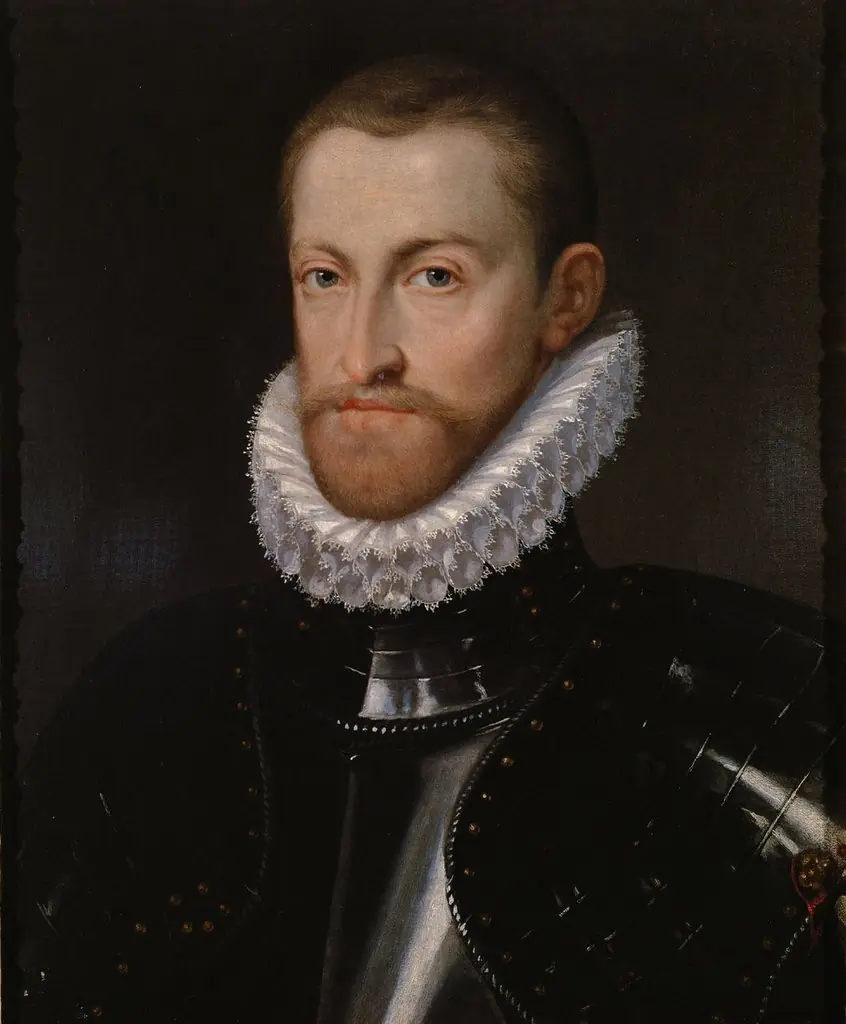 Emperor Rudolf II in Armour
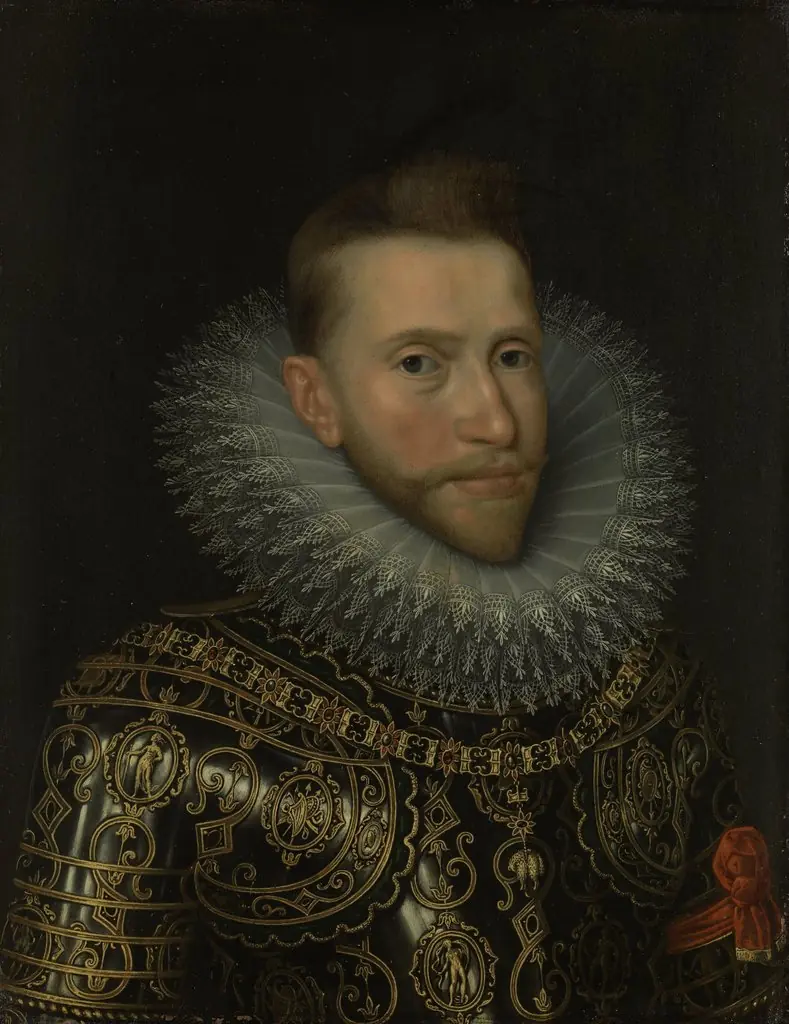 Albert VII, Archduke of Austria
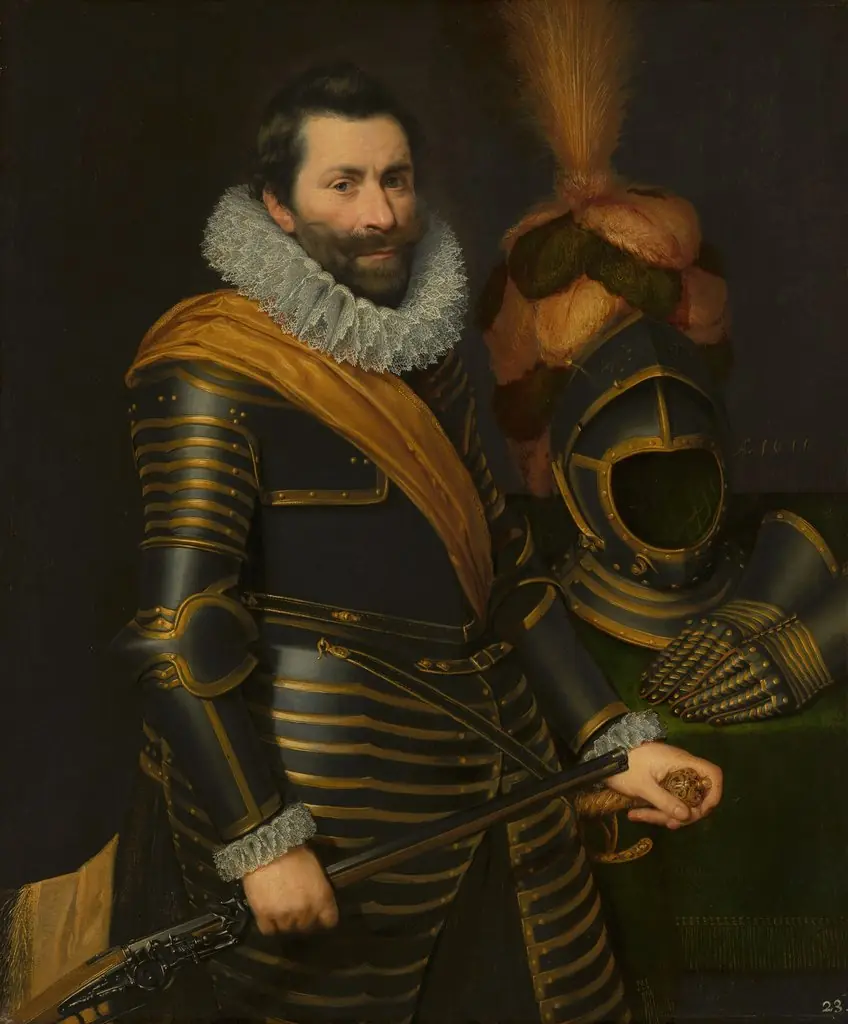 Portrait of an unknown man
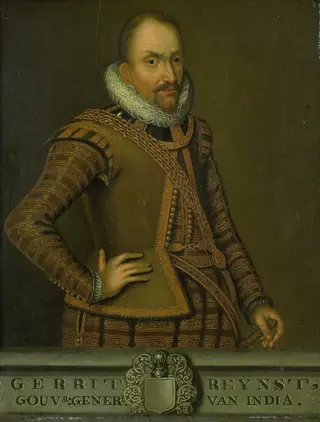 Portrait of Gerard Reynst, Governor-General of the Dutch East Indies
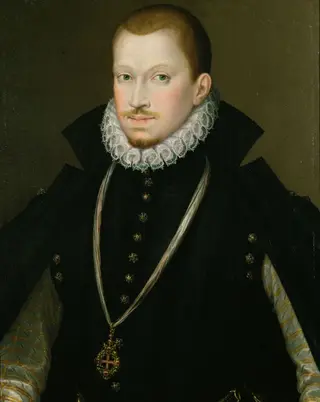 Don Sebastian (1554-nach 1578), König von Portugal, mit dem Kreuz des Christusordens, Halbfigur (beschnitten)
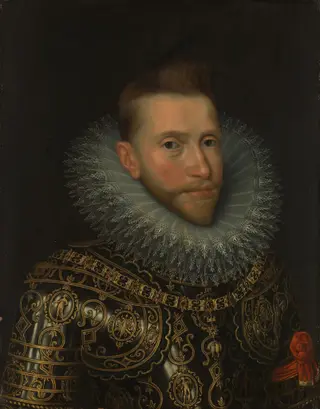 Untitled
 William I, Prince of Orange