Movement
Spanish Baroque Tenebrist
Spanish Baroque Tenebrist is an art movement. The gallery holds 316 works in this movement, including works by Antonio María Esquivel, Luis de Morales and Pedro Orrente. Browse Spanish Baroque Tenebrist paintings, portraits, pictures and artworks from the world's public-domain museum collections.
Spanish Baroque tenebrism was the dominant idiom of Spanish painting in the first half of the seventeenth century, an art of deep, enveloping shadow torn open by a single shaft of raking light. The term derives from the Italian *tenebroso* ("murky" or "dark"), and the manner reached Spain in the wake of Caravaggio (1571–1610), whose violent chiaroscuro spread northward and, crucially, through Naples — a Spanish viceregal possession where Caravaggesque pictures circulated and Spanish patrons commissioned new ones. It took root in the devotional climate of the Counter-Reformation, where the Church prized images that made saints, martyrs, and penitents palpably, physically present. The Valencian painter Francisco Ribalta (1565–1628) is usually credited as the first native Spanish *tenebroso*, modelling solid forms out of darkness in works such as *Saint Francis Comforted by an Angel*.
The style's hallmark is the fusion of stark naturalism with theatrical lighting: figures emerge from a near-black ground, their flesh, wrinkled skin, coarse cloth, and bread or bone described with unflinching, almost tactile exactitude. Backgrounds are suppressed to nothing so that gesture and emotion carry the whole drama. The aim is not decorative but devotional — to dramatize spiritual suffering and grace through bodily fact.
Its greatest exponent was Jusepe de Ribera (1591–1652), called *Lo Spagnoletto* ("the Little Spaniard"), who settled in Naples in 1616 and built an international reputation on harrowing martyrdoms such as *The Martyrdom of Saint Bartholomew*. Francisco de Zurbarán (1598–1664), the "Spanish Caravaggio," supplied the monastic orders of Seville with austere, sculptural saints — his *Saint Serapion* (1628), painted for the Mercedarians, is canonical. The young Diego Velázquez (1599–1660) absorbed the manner in his Sevillian *bodegones*, among them *Old Woman Frying Eggs* (1618) and *The Waterseller of Seville* (c. 1620), before lightening his palette at court.
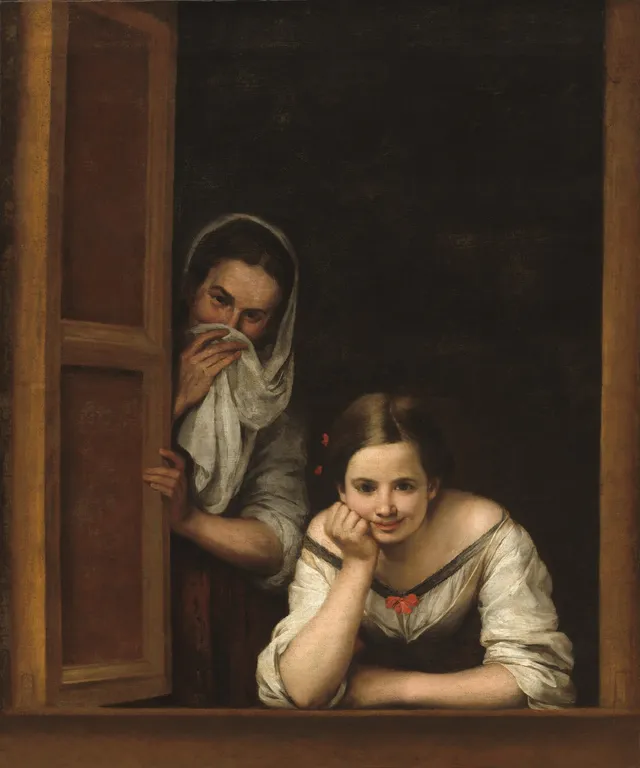
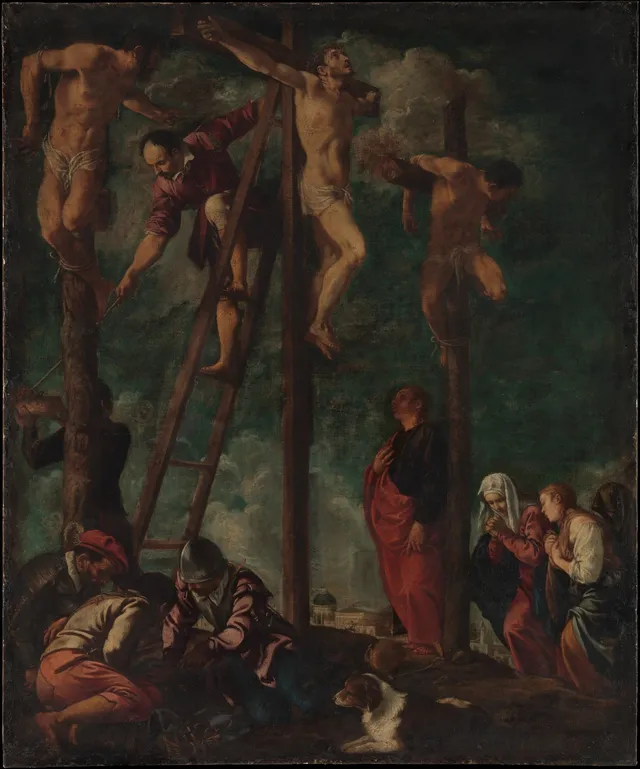
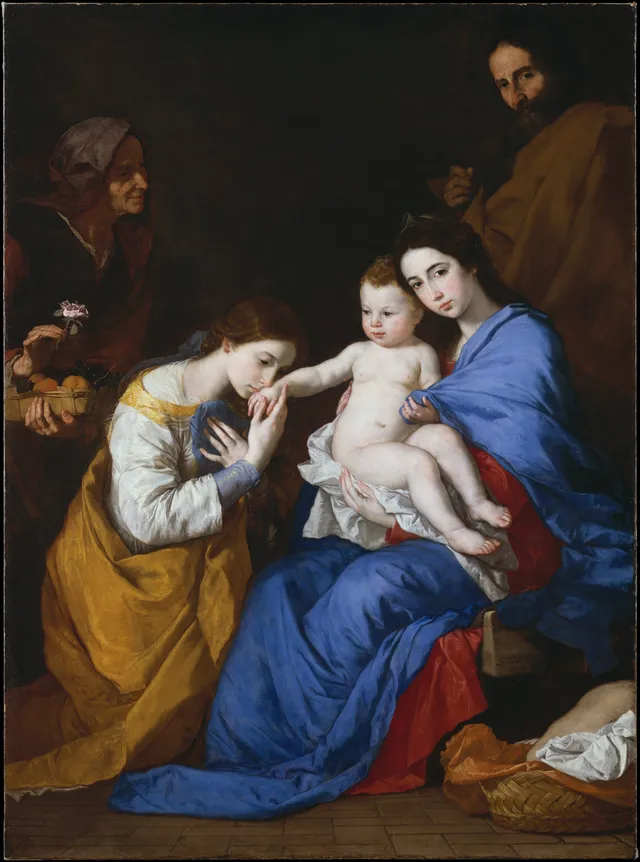
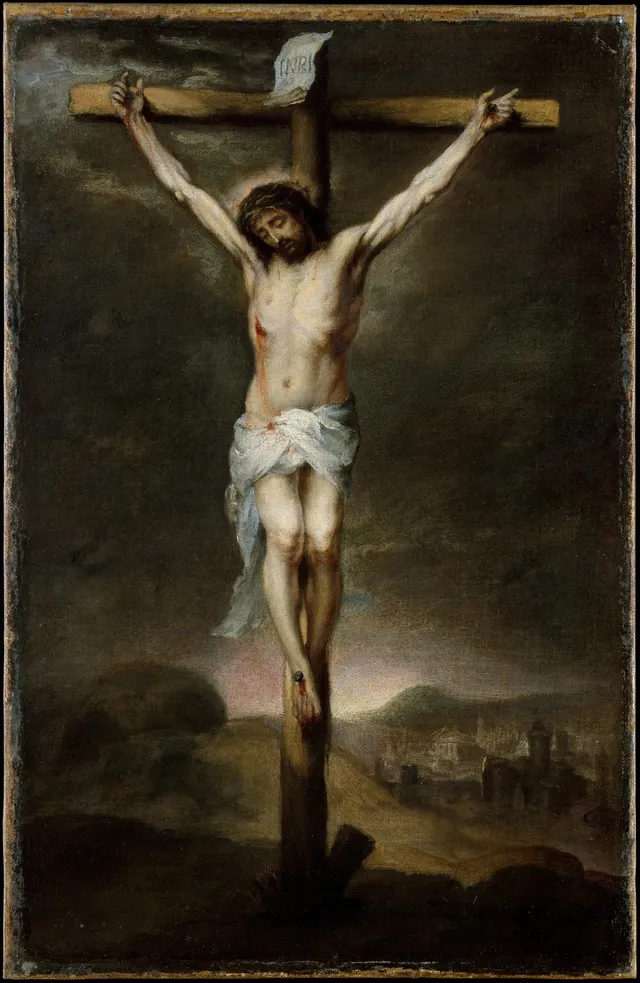
Tenebrism is the Spanish branch of European Caravaggism, and its grip loosened around mid-century as a brighter, more atmospheric Baroque took hold. Bartolomé Esteban Murillo (1617–1682) — represented here by *Two Women at a Window* and *The Crucifixion* — typifies that softening into warmth and sentiment. Yet the tradition's dramatic realism cast a long shadow, informing devotional painting across Spain and its empire and, distantly, the dark intensity of Goya. The collection also holds Ribera's *The Holy Family with Saints Anne and Catherine of Alexandria* and Pedro Orrente's *The Crucifixion*.
Key artists
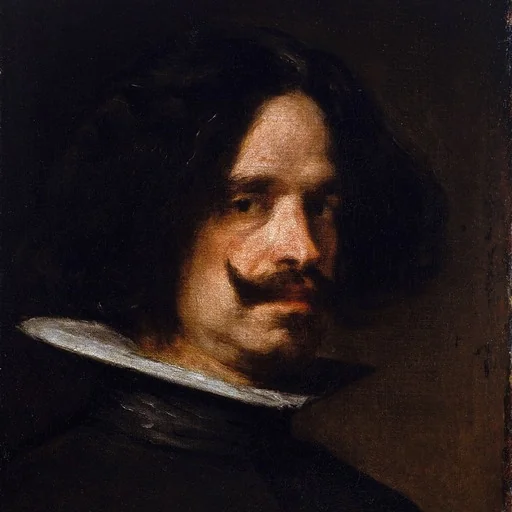
Works
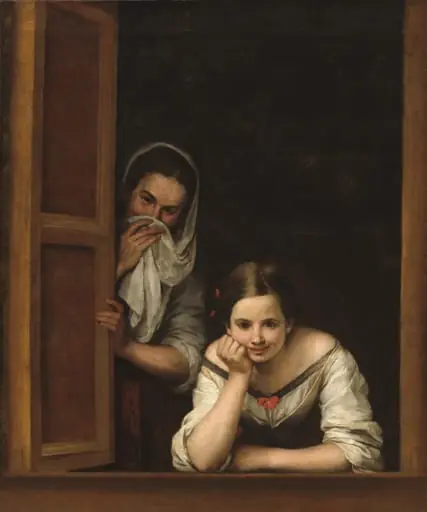 Two Women at a Window
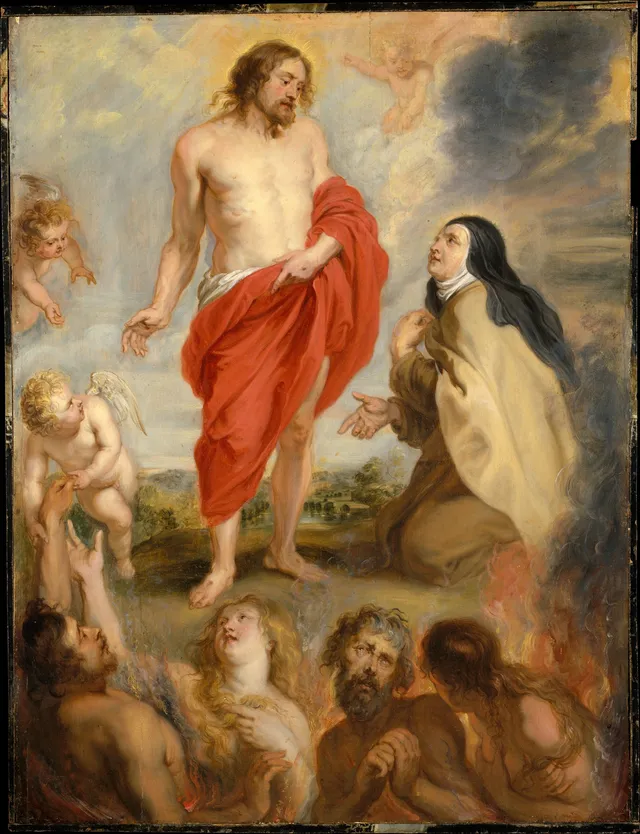
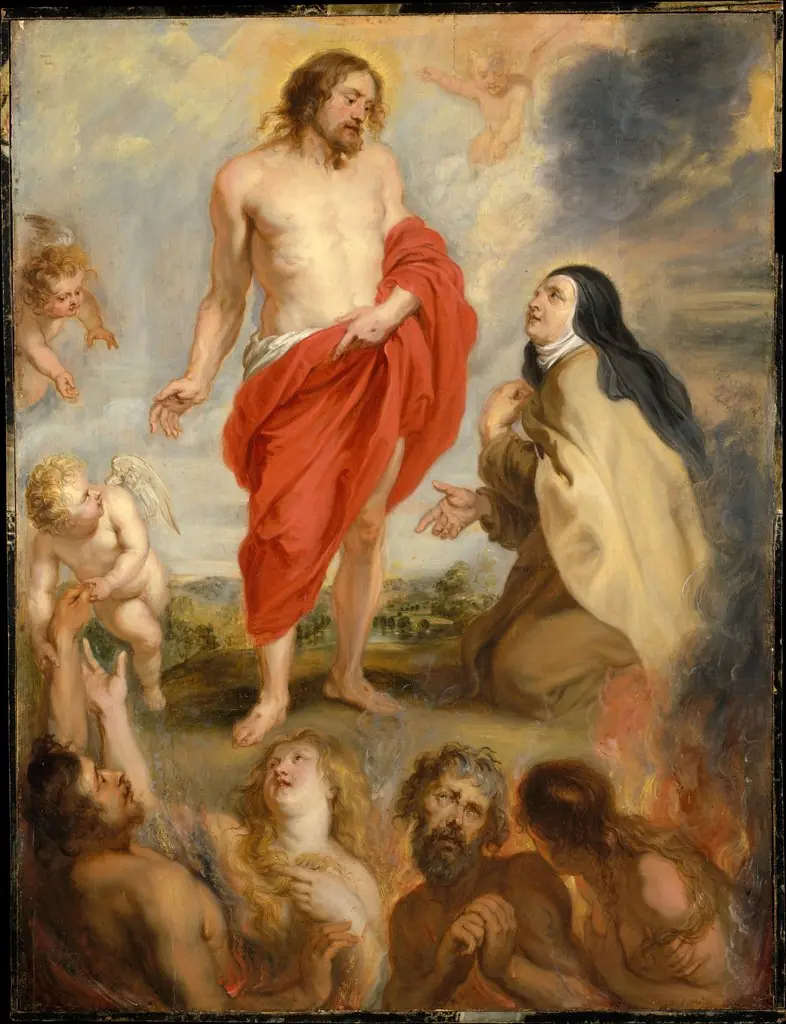 Saint Teresa of Ávila Interceding for Souls in Purgatory
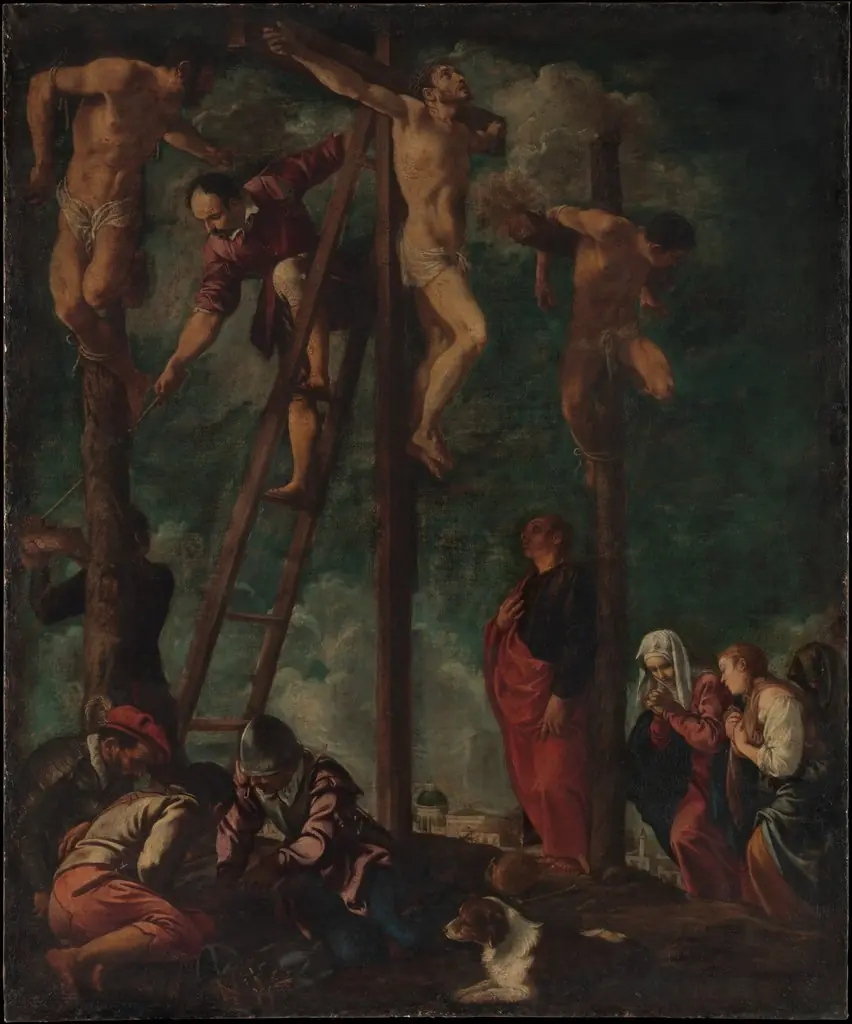 The Crucifixion
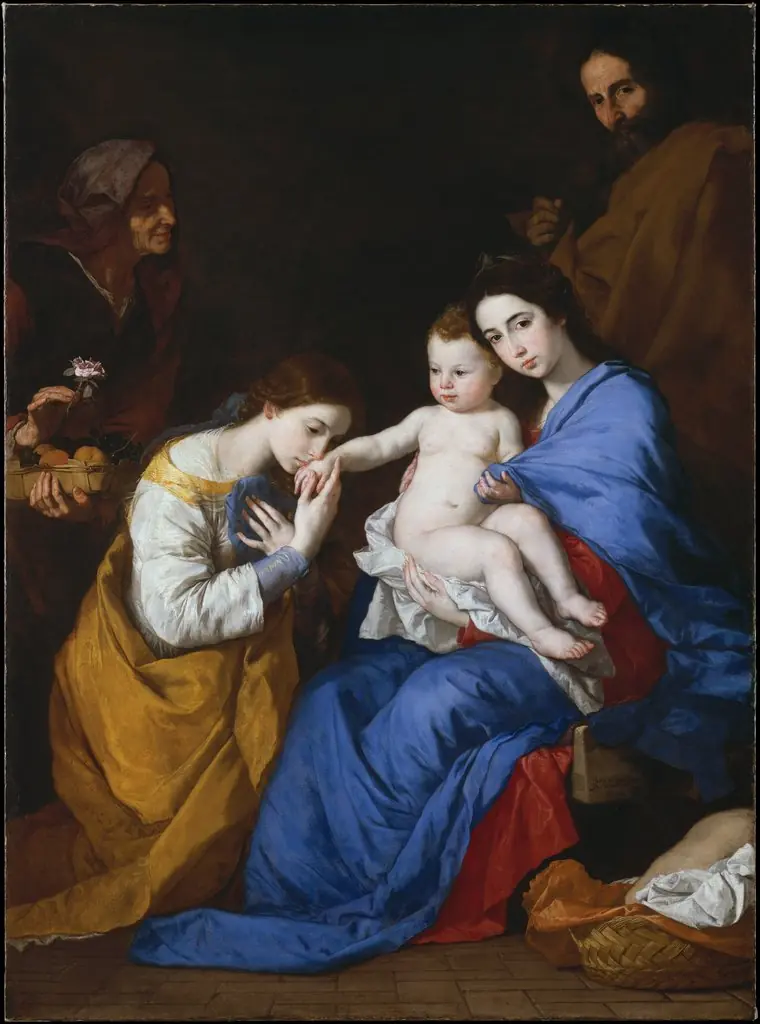 The Holy Family with Saints Anne and Catherine of Alexandria
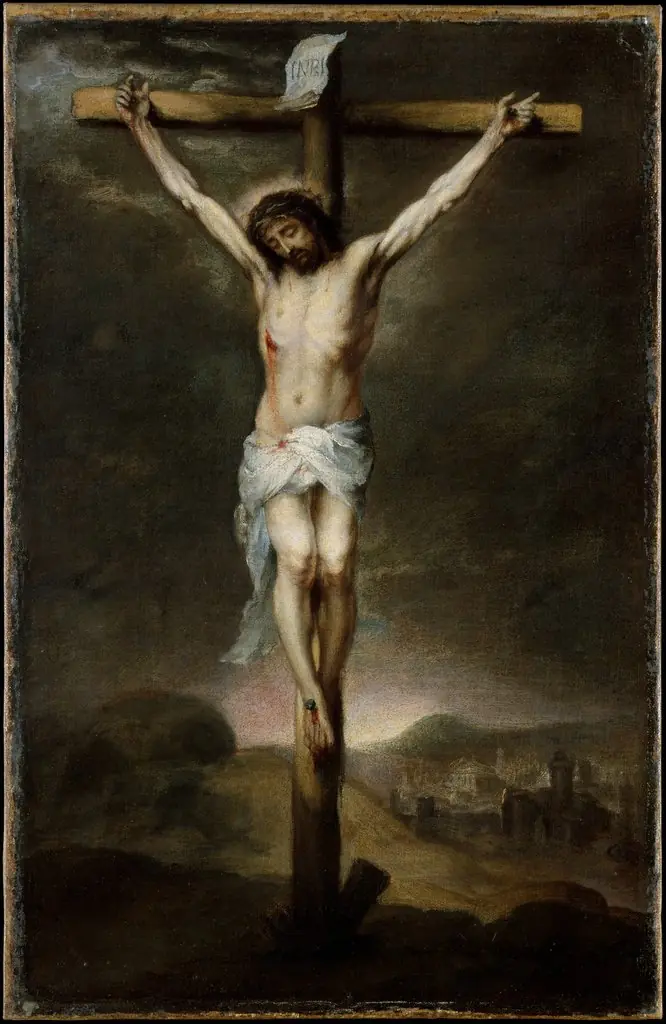 The Crucifixion
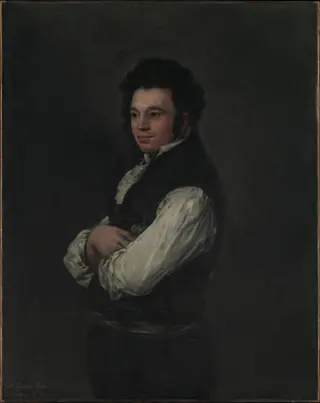 Portrait of Tiburcio Pérez y Cuervo, the Architect
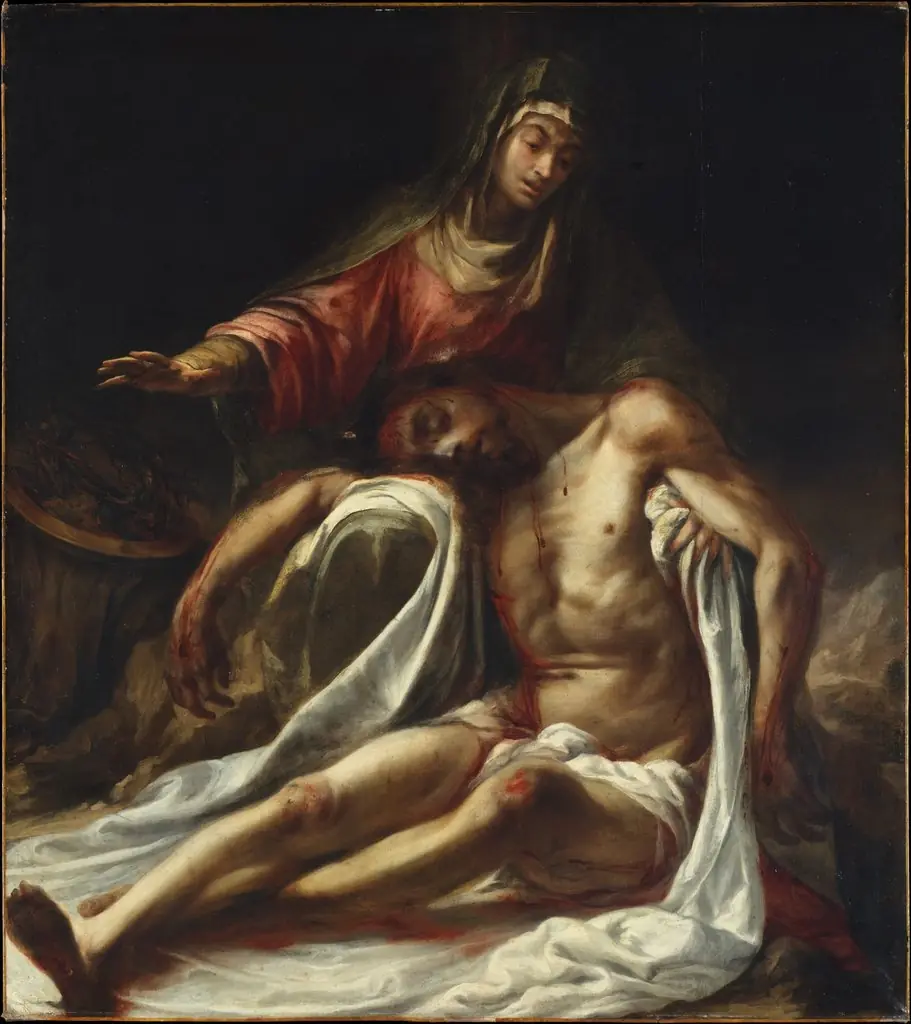 Pietà
Pietà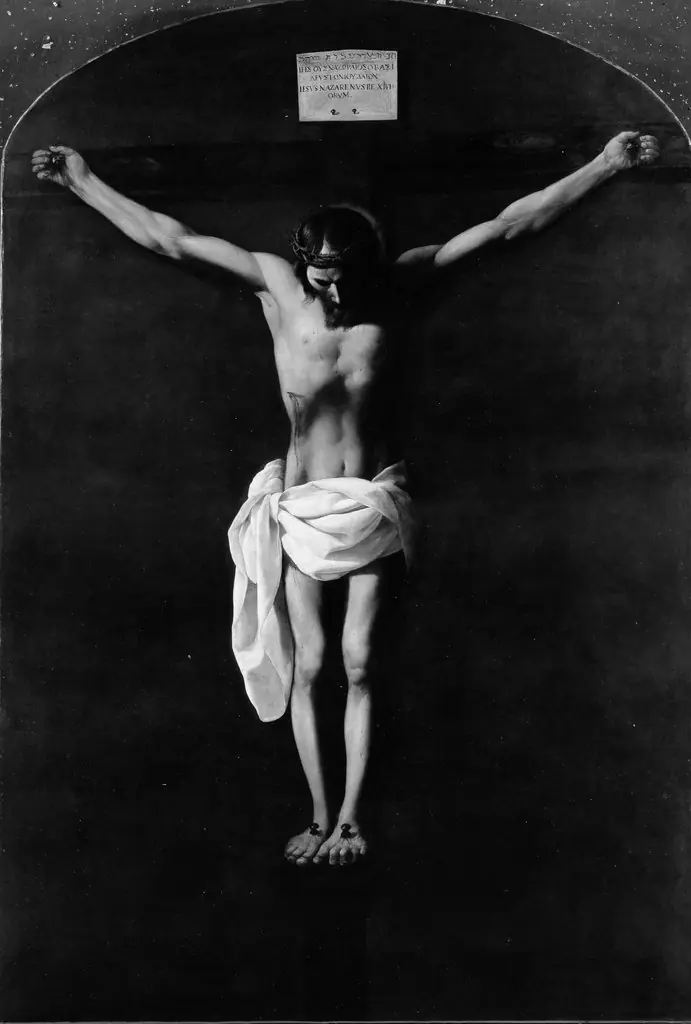 The Crucifixion
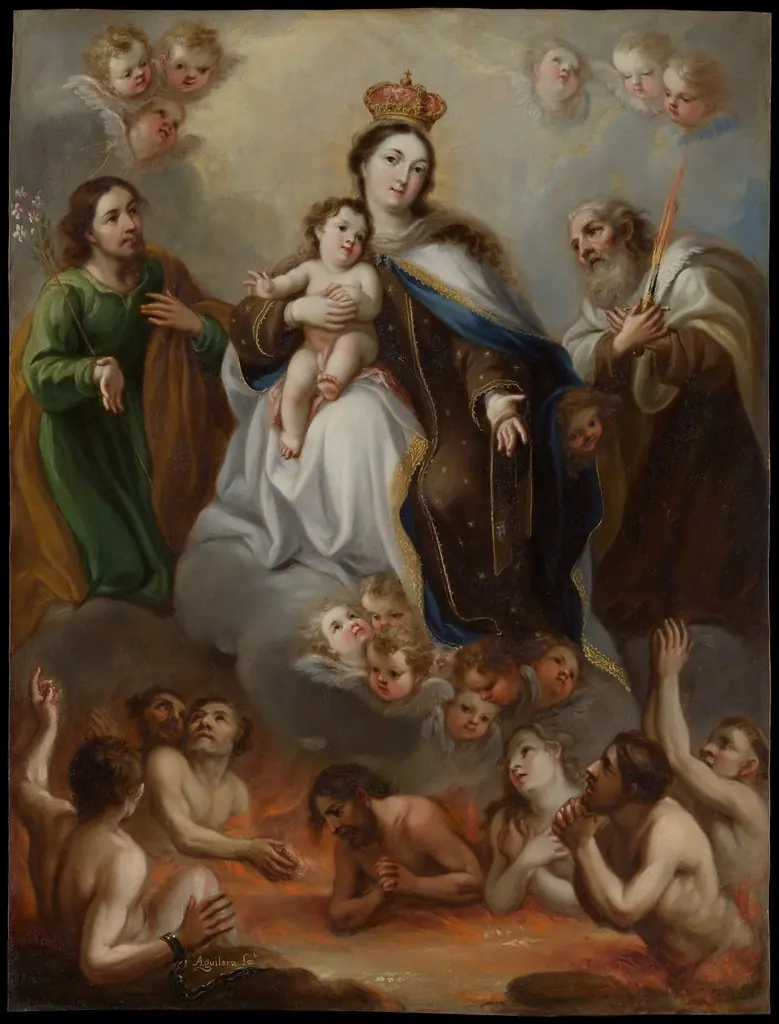 The Virgin of Carmen and the Souls of Purgatory with St. Joseph and the Prophet Elijah
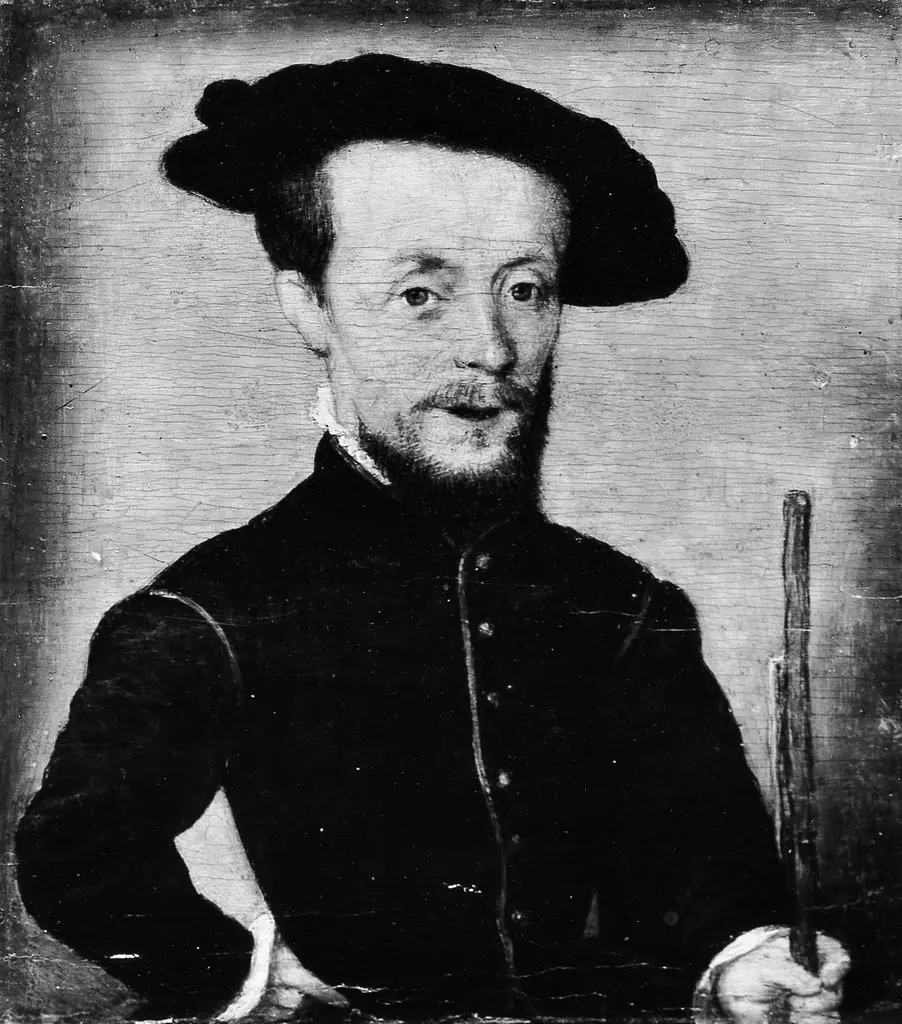 Portrait of a Dwarf
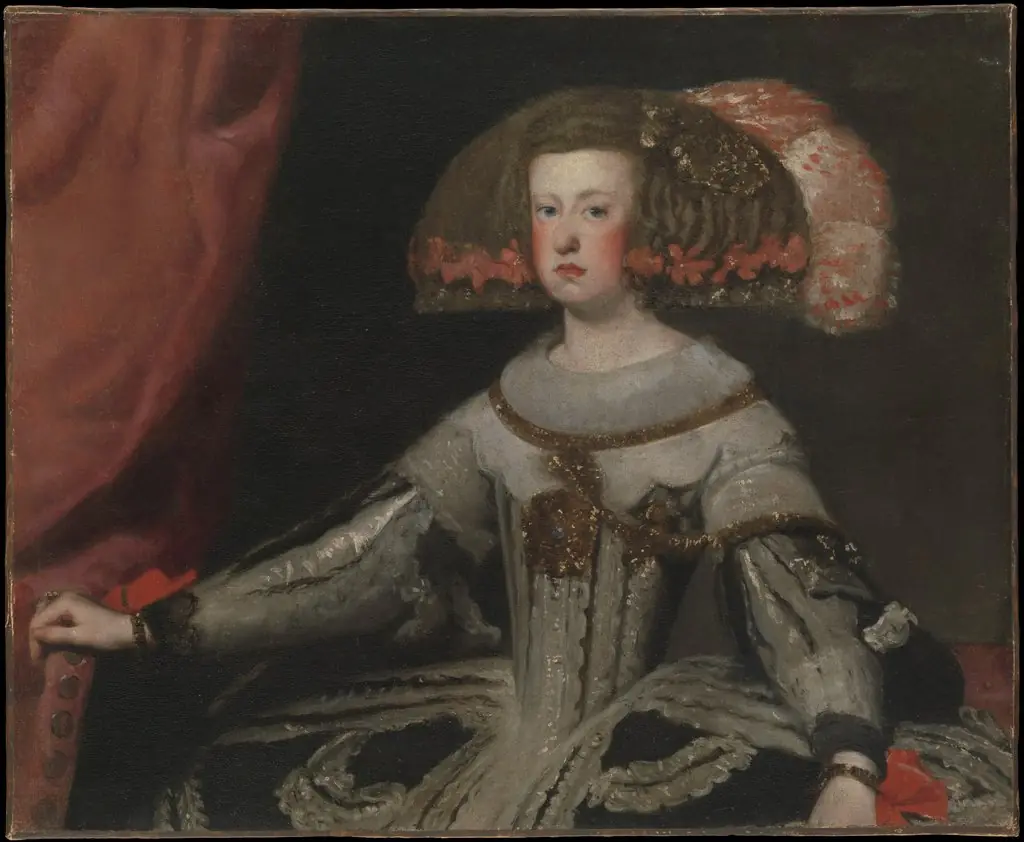 Mariana of Austria (1634–1696), Queen of Spain
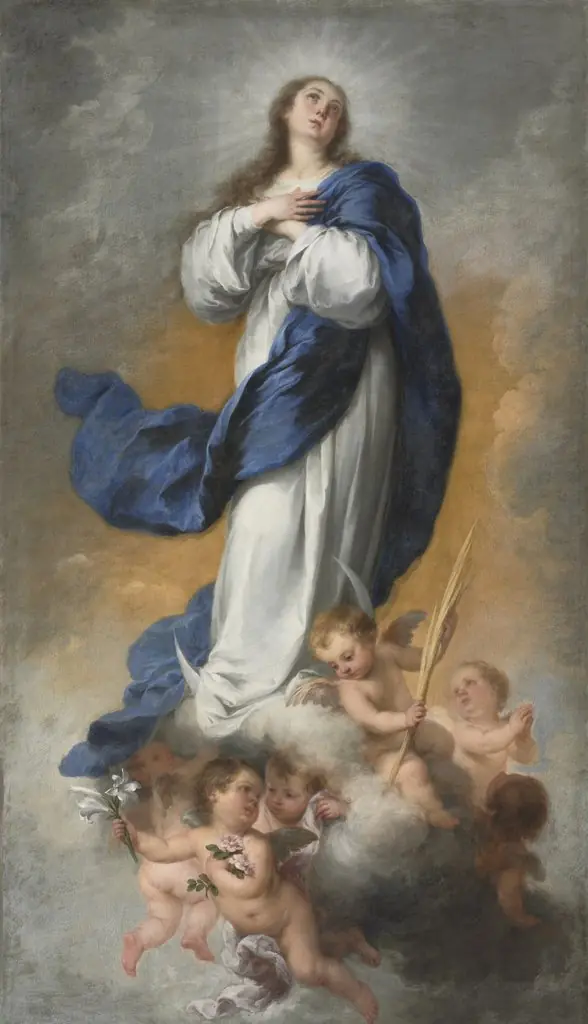 The Immaculate Conception
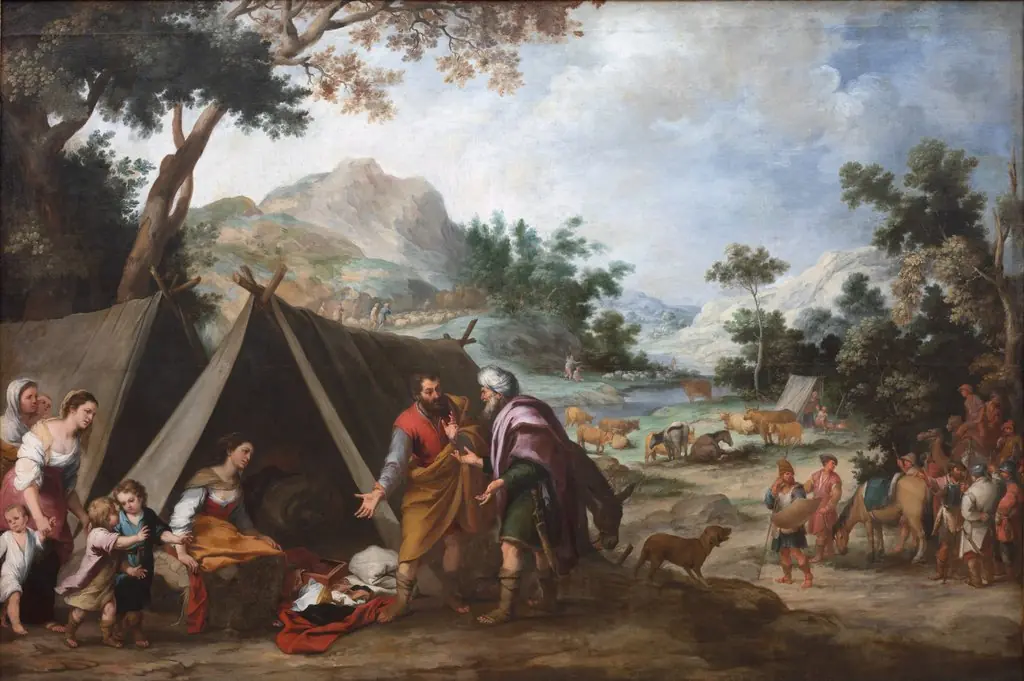 Laban Searching for his Stolen Household Gods
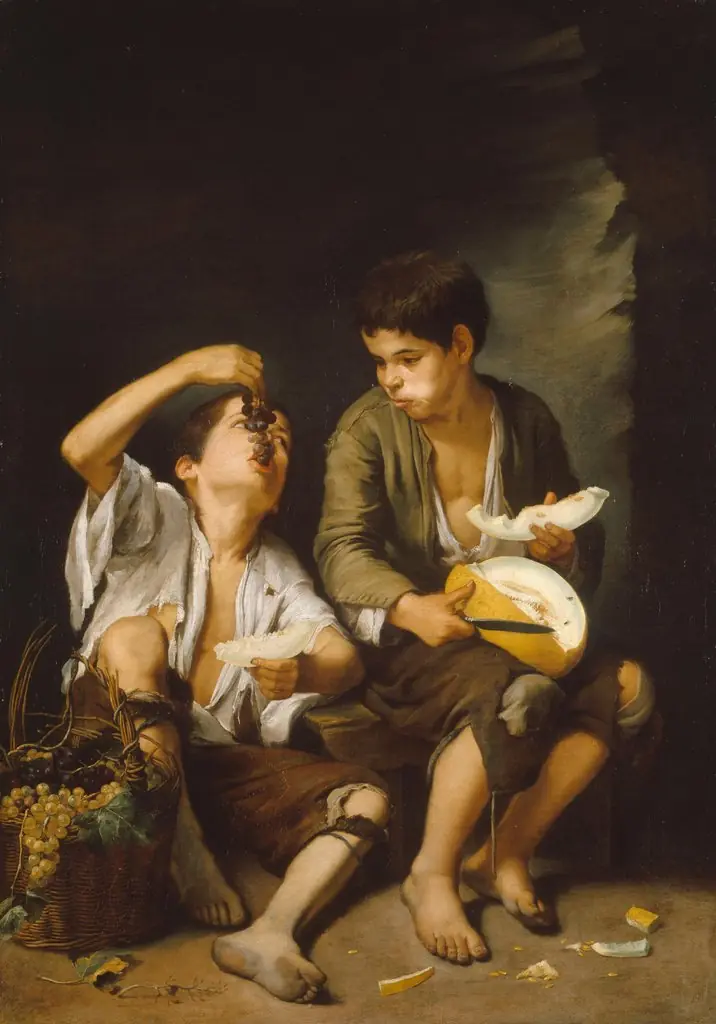 Grape and Melon Eaters
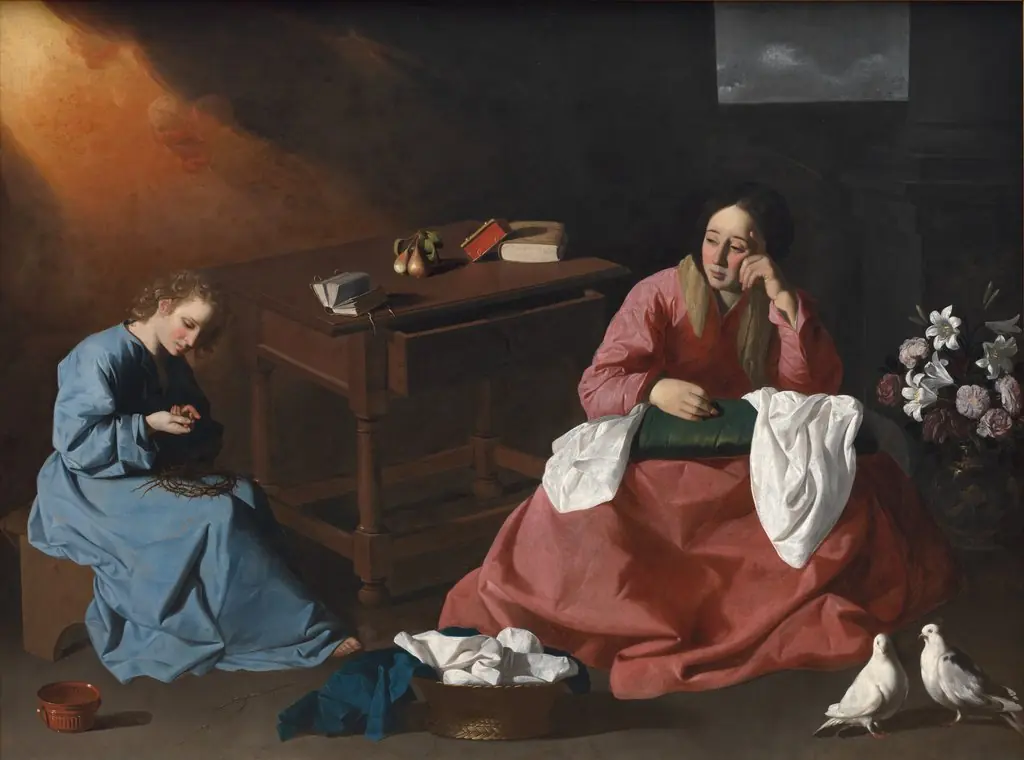 Christ and the Virgin in the House at Nazareth
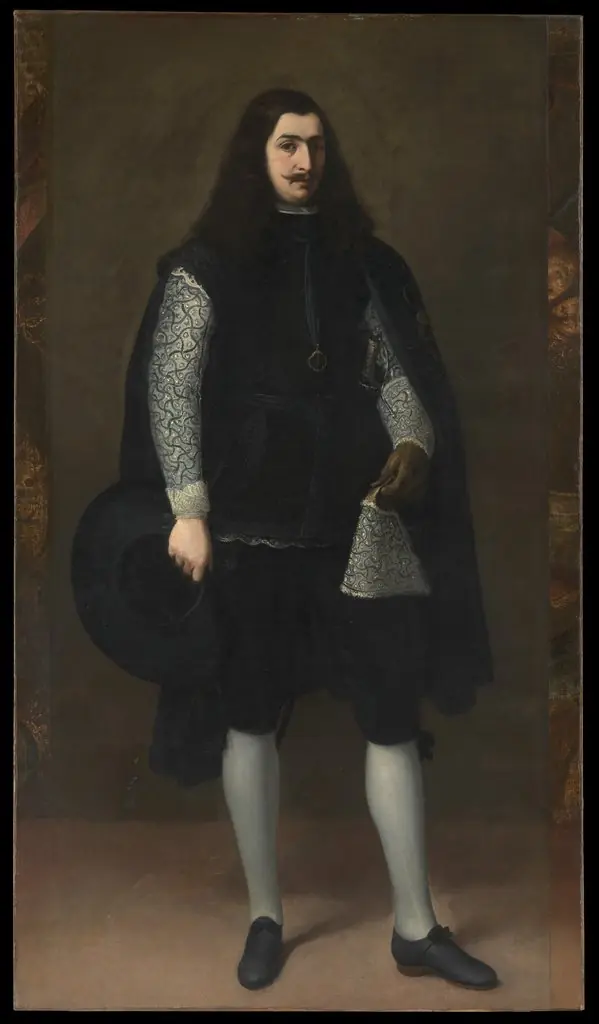 A Knight of Alcántara or Calatrava
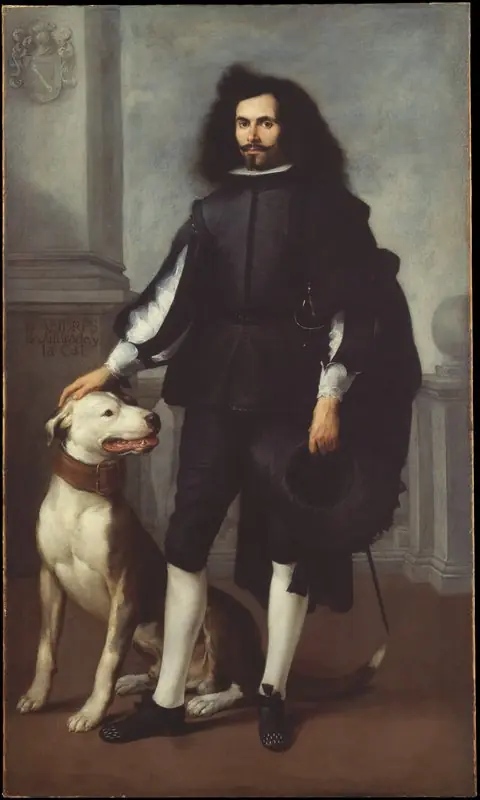 Don Andrés de Andrade y la Cal
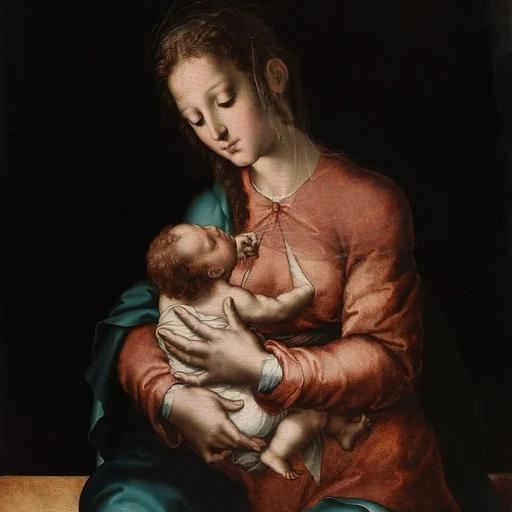
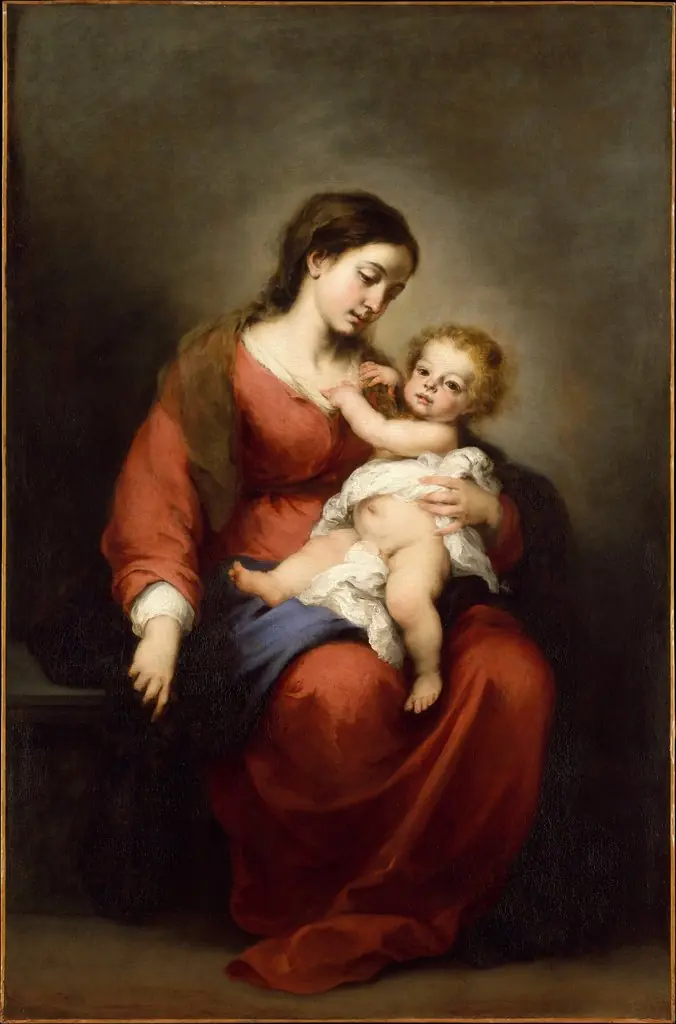 Madonna and Child
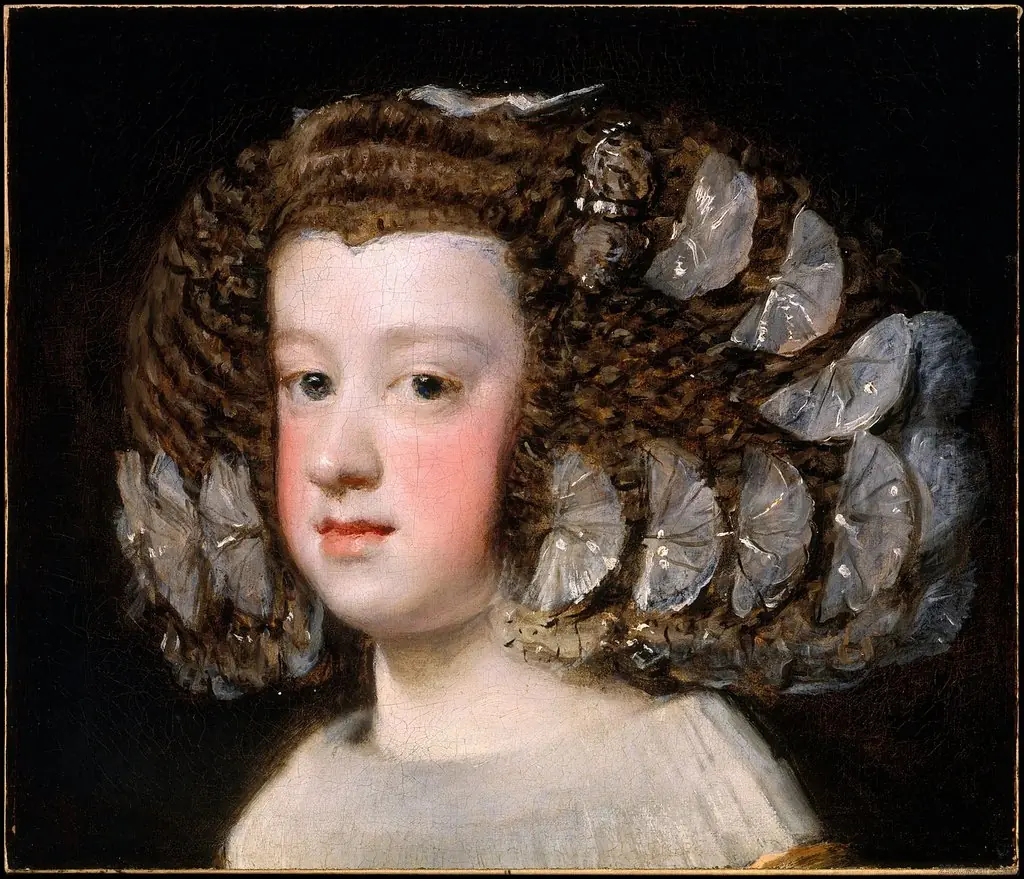 María Teresa (1638–1683), Infanta of Spain
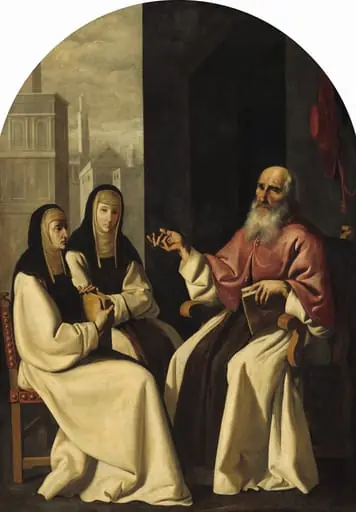 Saint Jerome with Saint Paula and Saint Eustochium
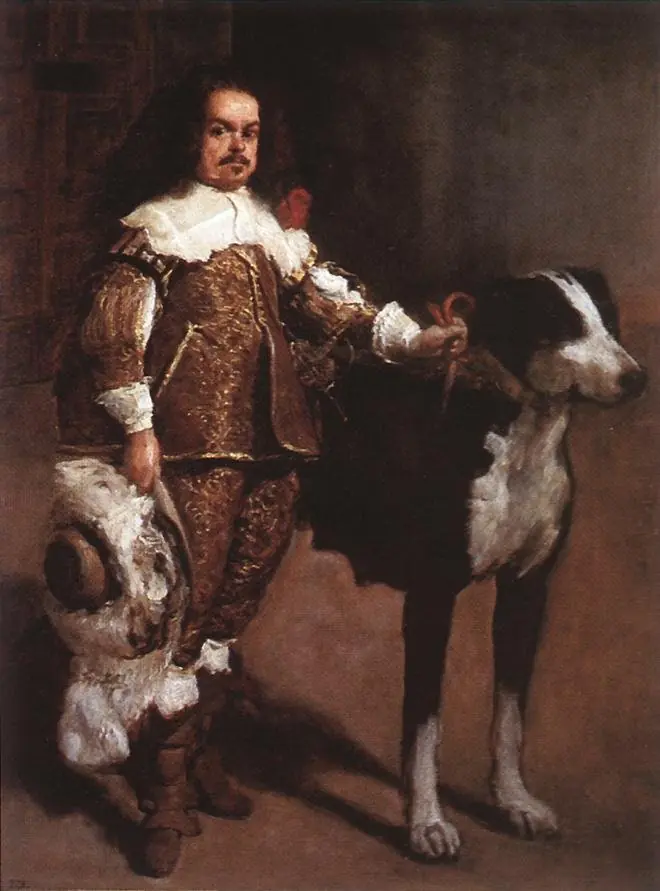 Dwarf with a Dog, formerly denominated Antonio el Inglés
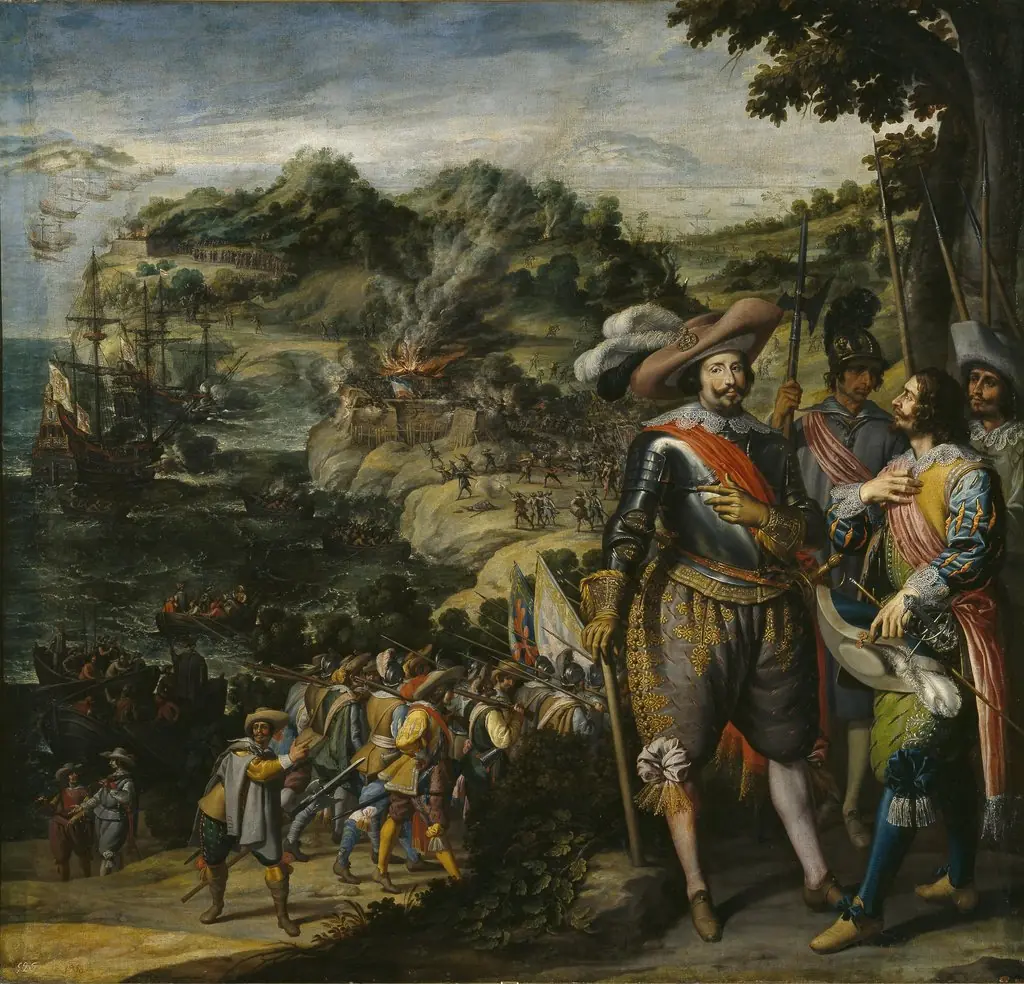 The recovery of the island of San Cristobal by Don Frederic of Toledo
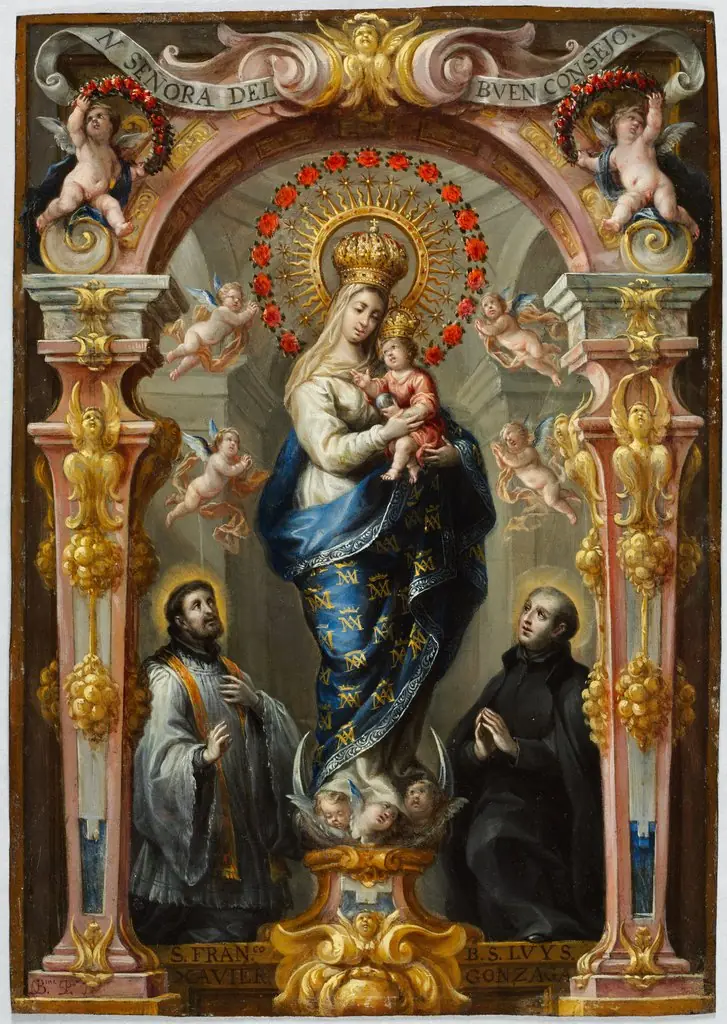 Our Lady of Good Counsel
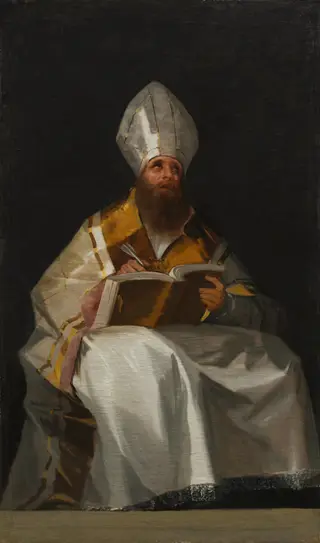 Saint Ambrose
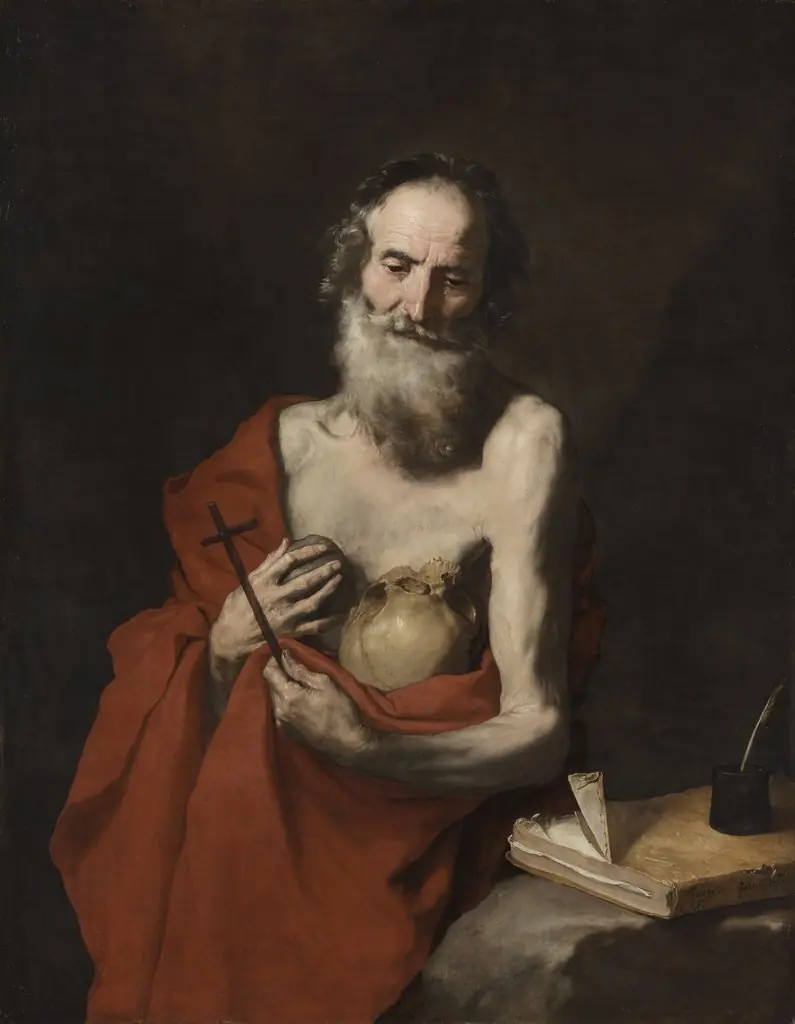 Saint Jerome
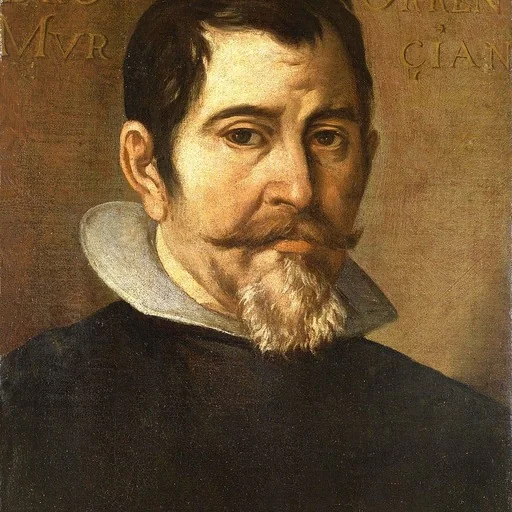
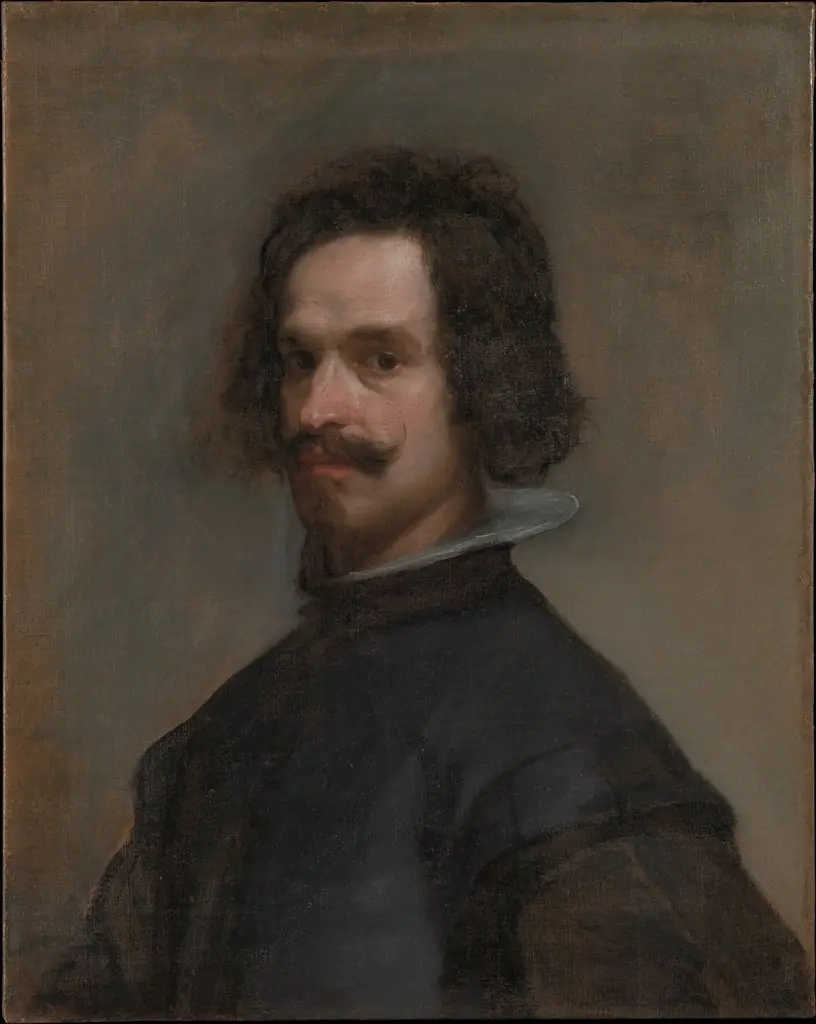 Portrait of a Man
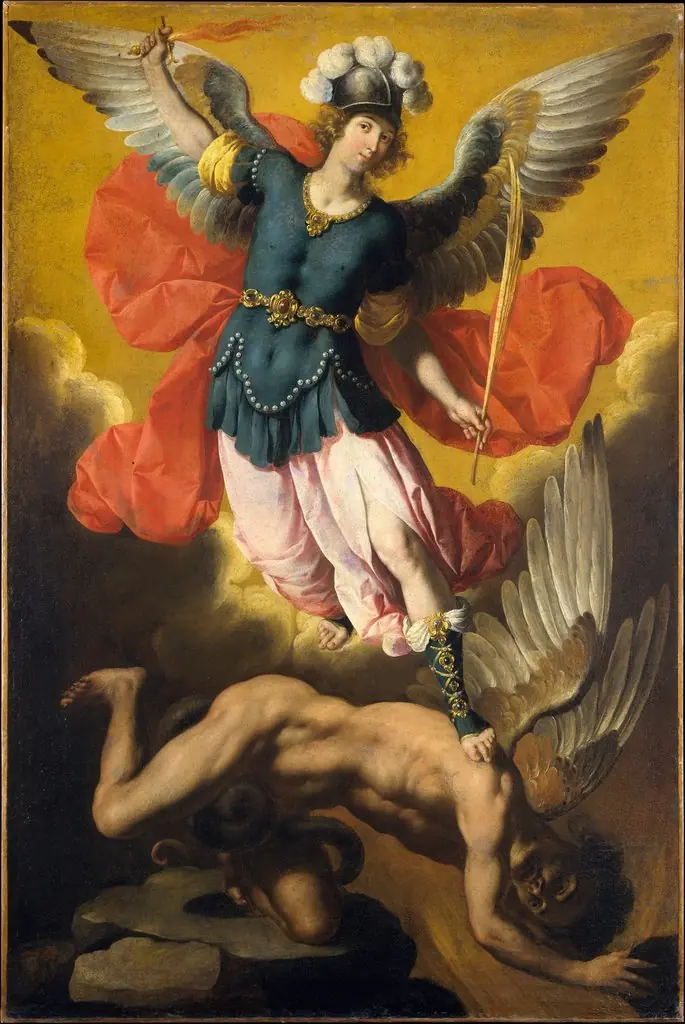 Saint Michael the Archangel
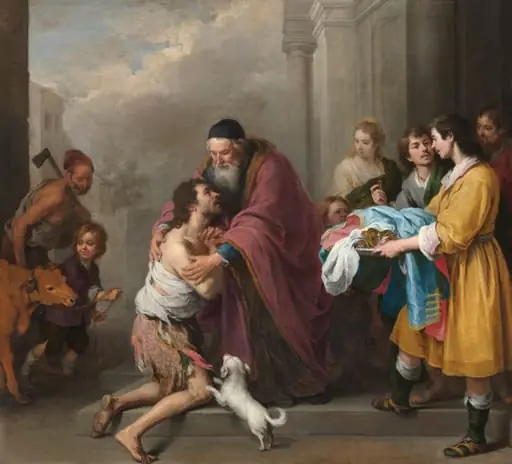 The Return of the Prodigal Son
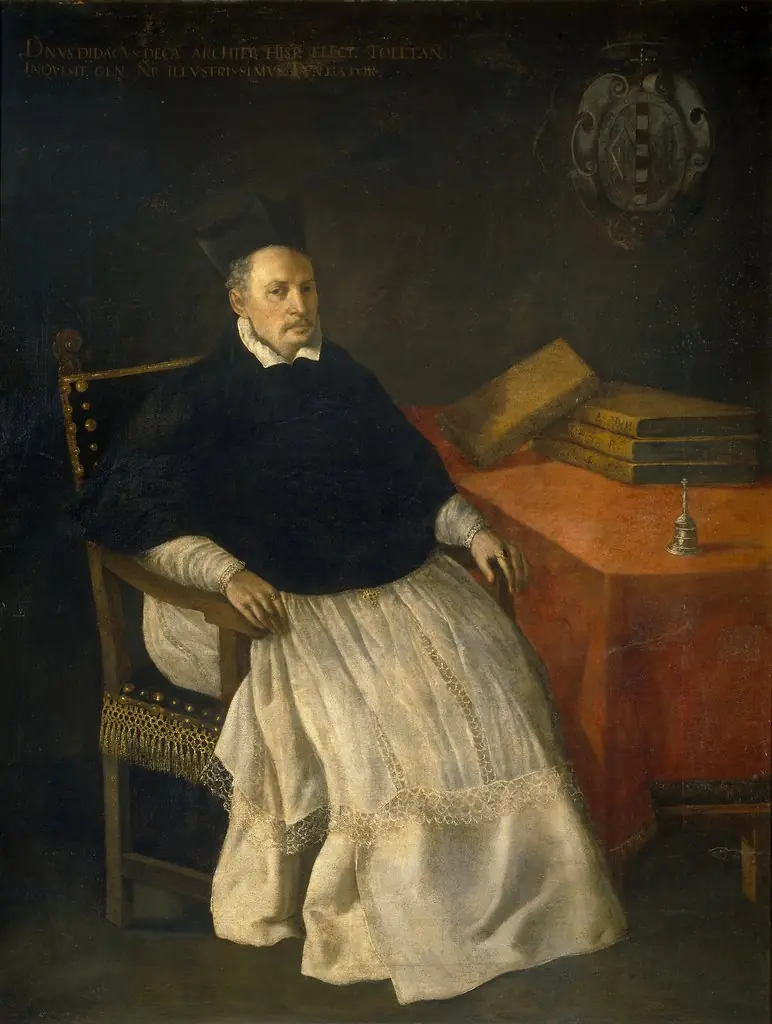 Fray Diego de Deza y Tavera arzobispo de Sevilla
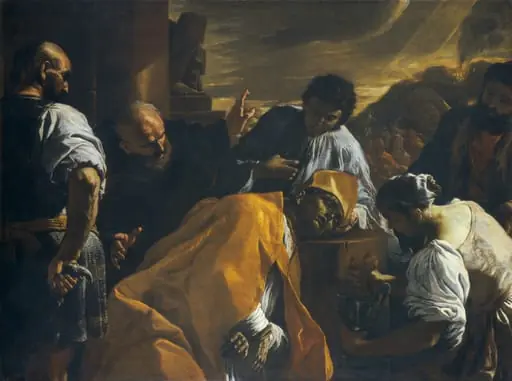 The Martyrdom of Saint Gennaro
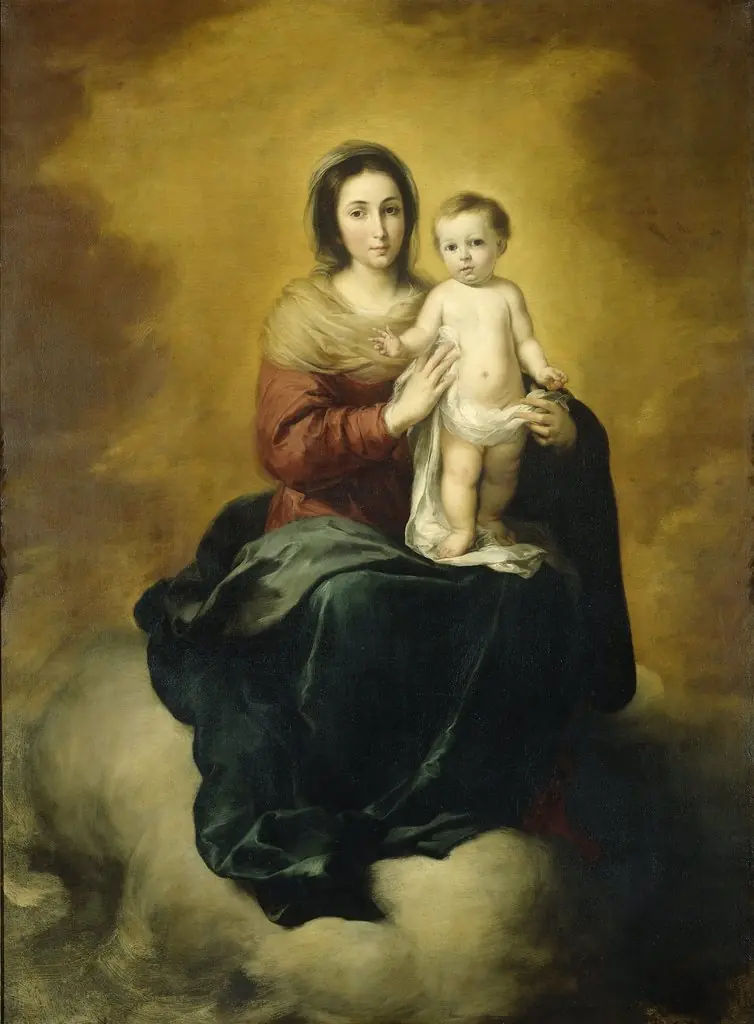 Virgin and Child
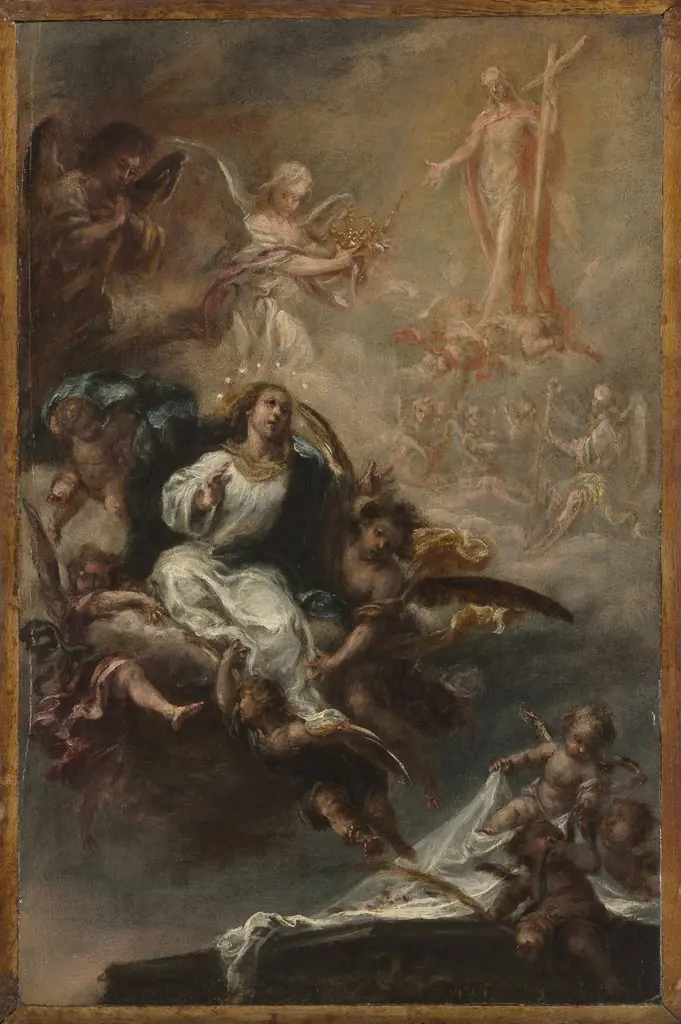 Study for "The Assumption of the Virgin" for San Augustín, Seville
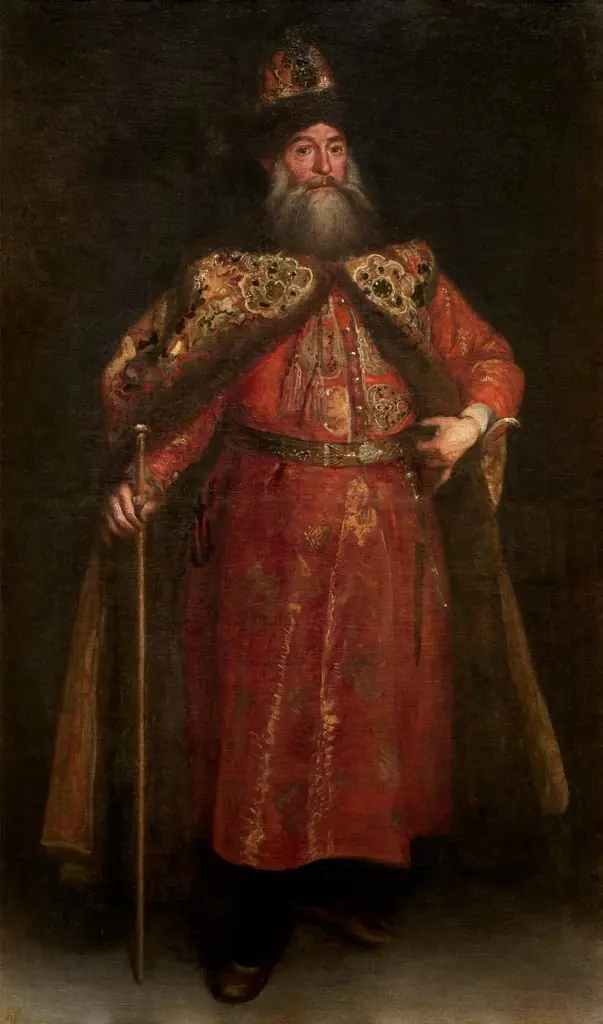 Peter Ivanowitz Potemkin, The Russian Ambassador
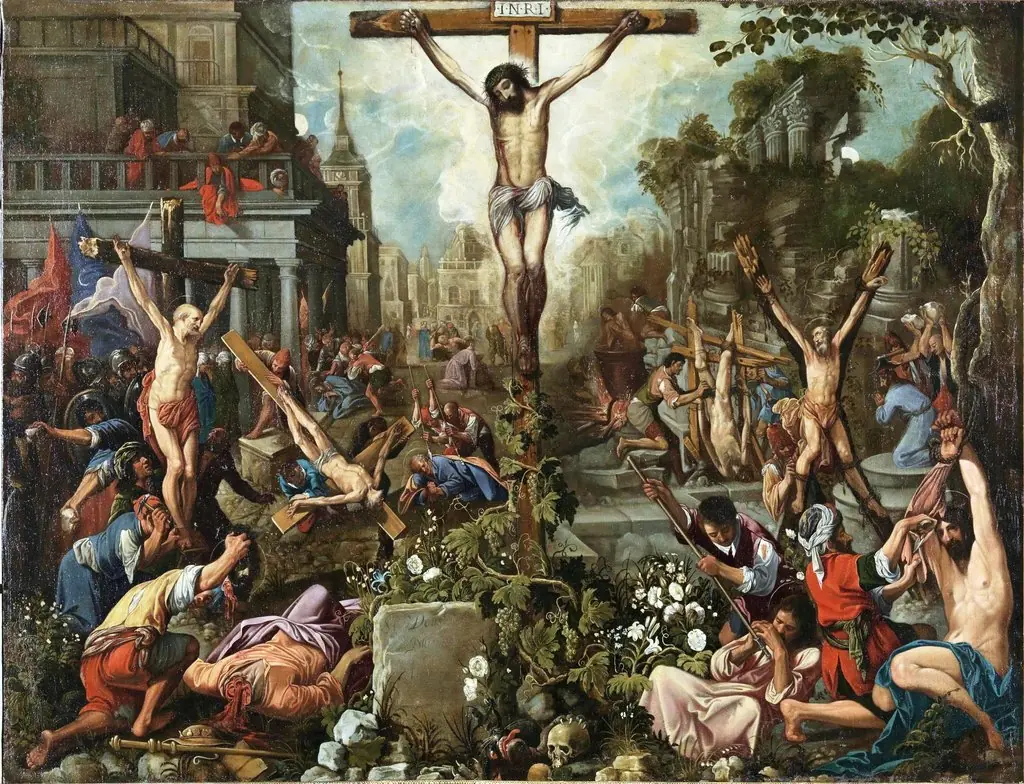 Christ, the Example for Martyrs
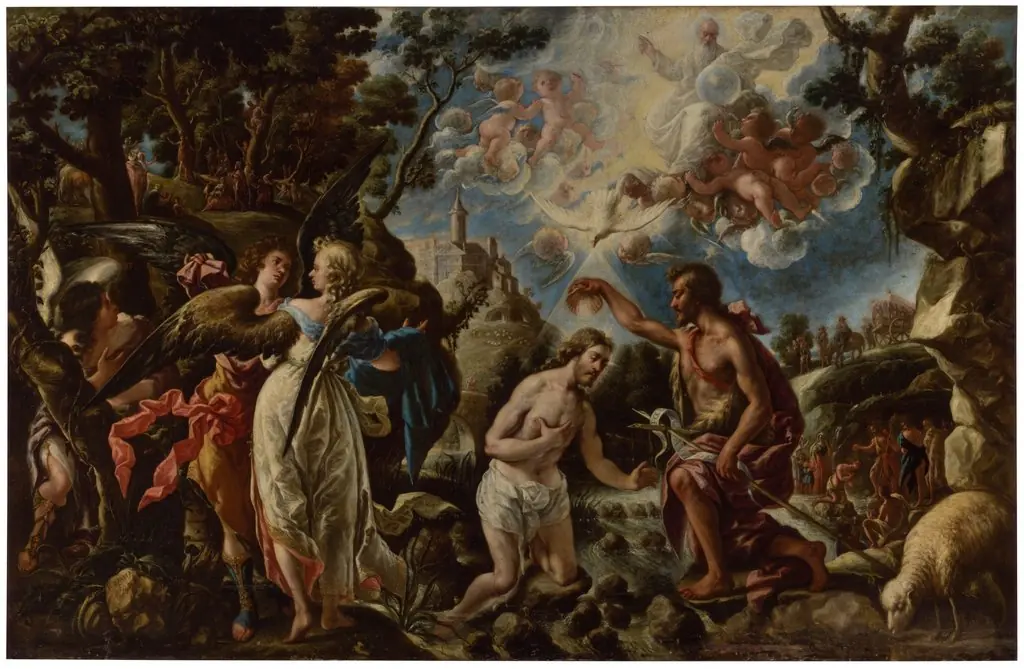 El Bautismo de Cristo
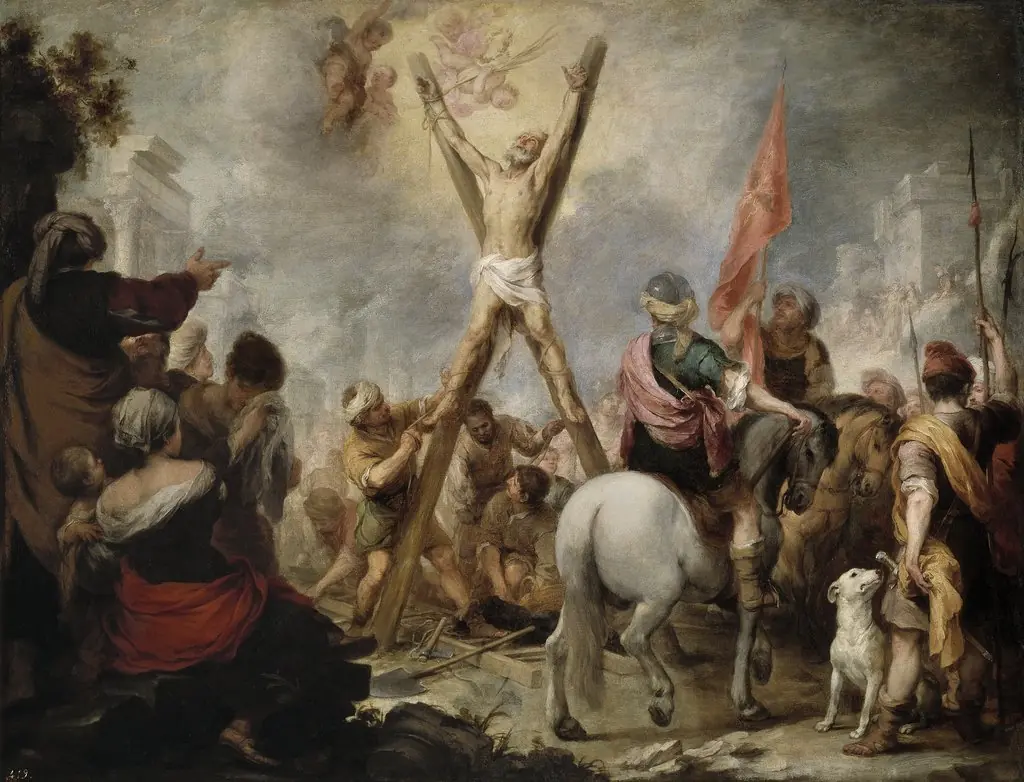 The Martyrdom of St. Andrew
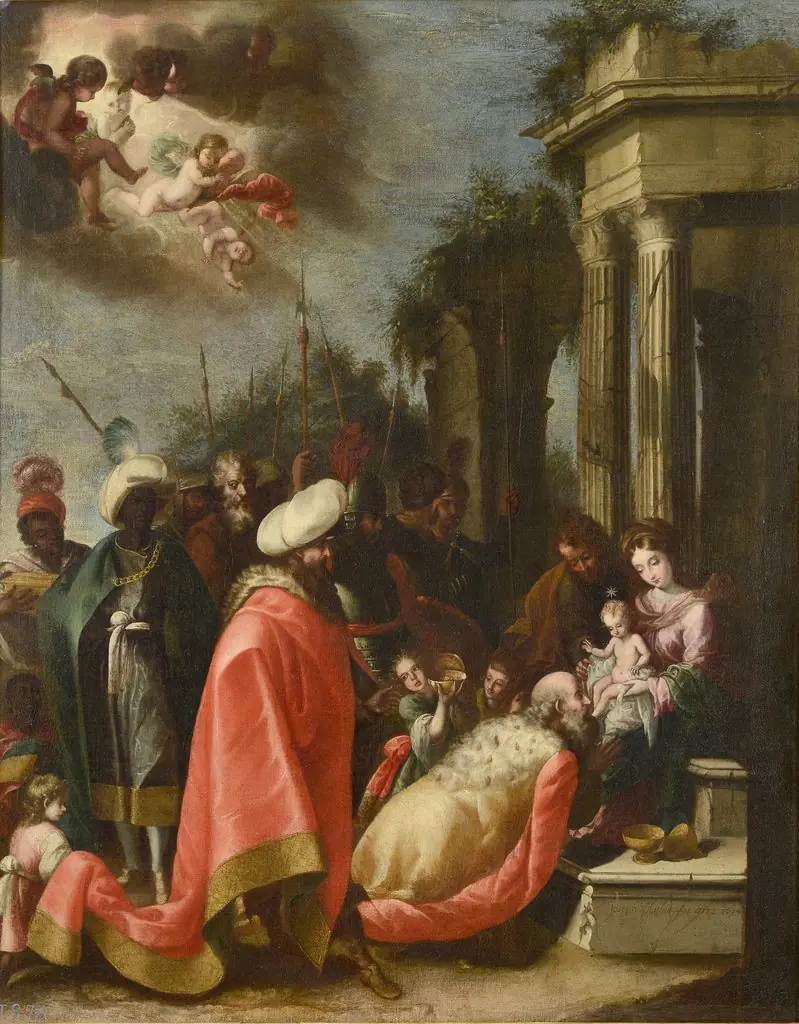 Adoración de los Reyes Magos
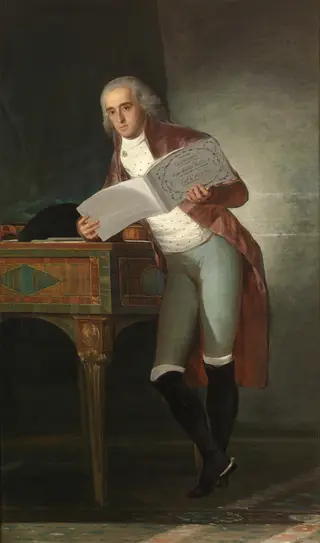 José Álvarez de Toledo, marqués de Villafranca y duque de Alba
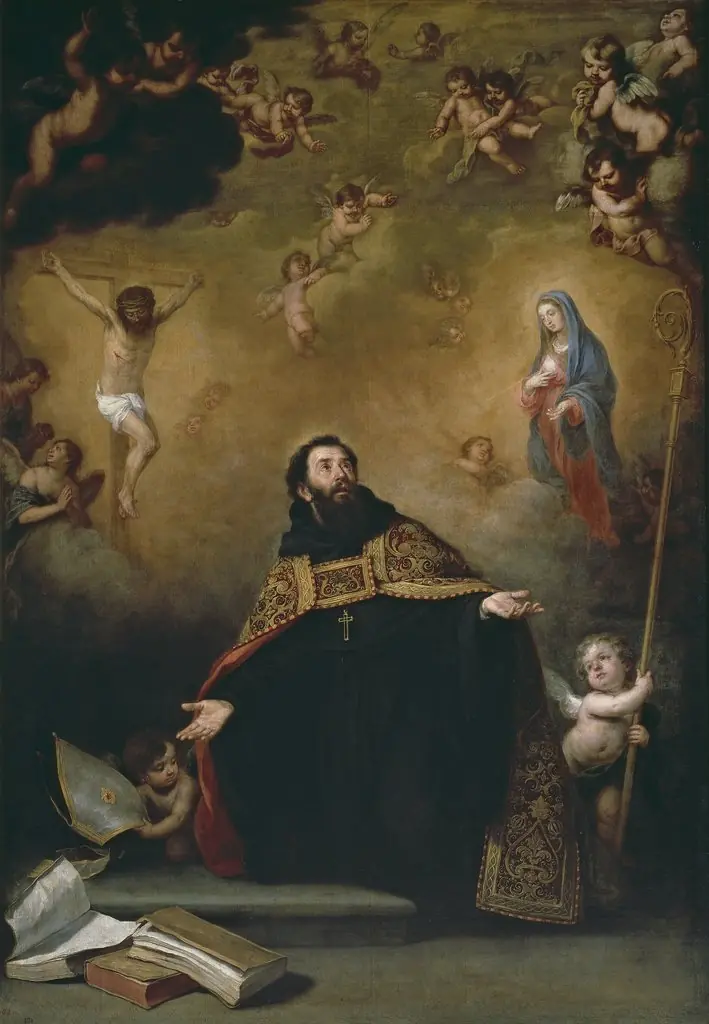 Saint Augustine between Christ and the Virgin
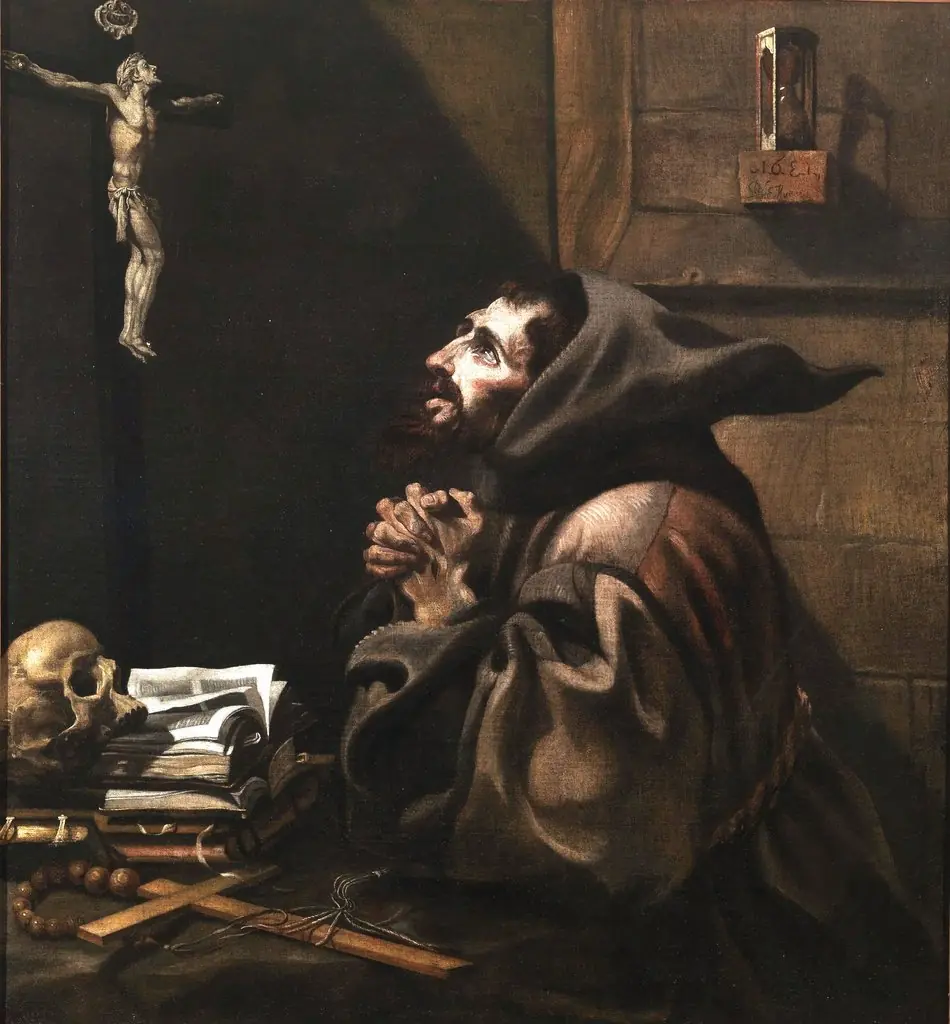 St. Francis in Prayer
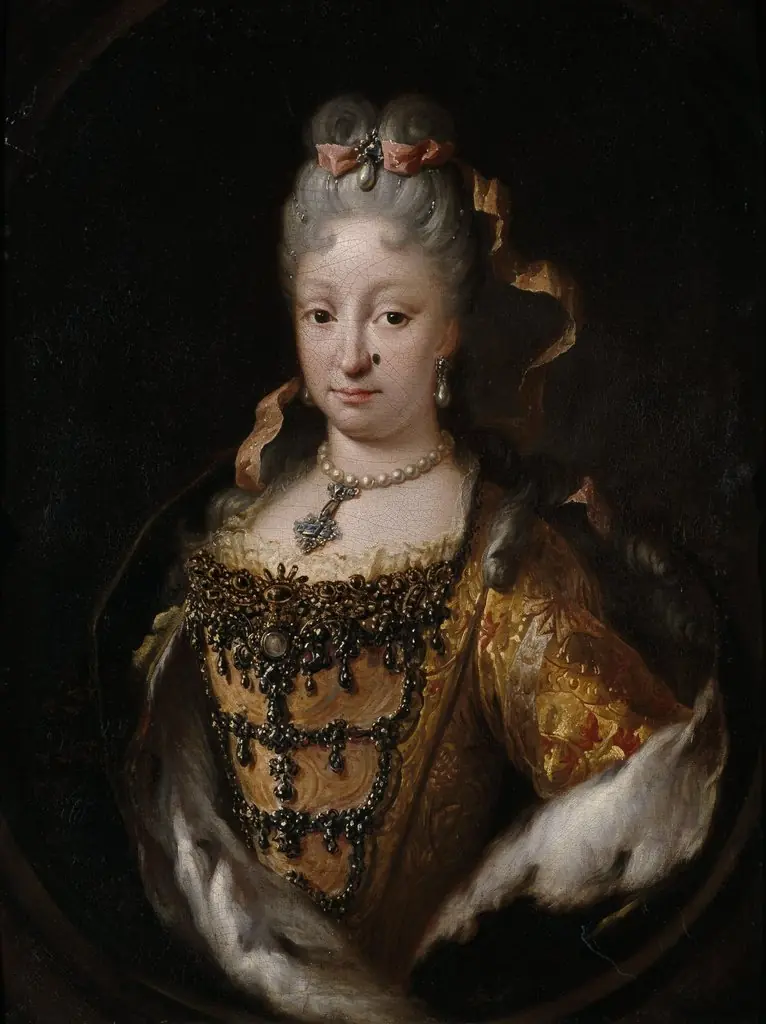 Isabella Farnese
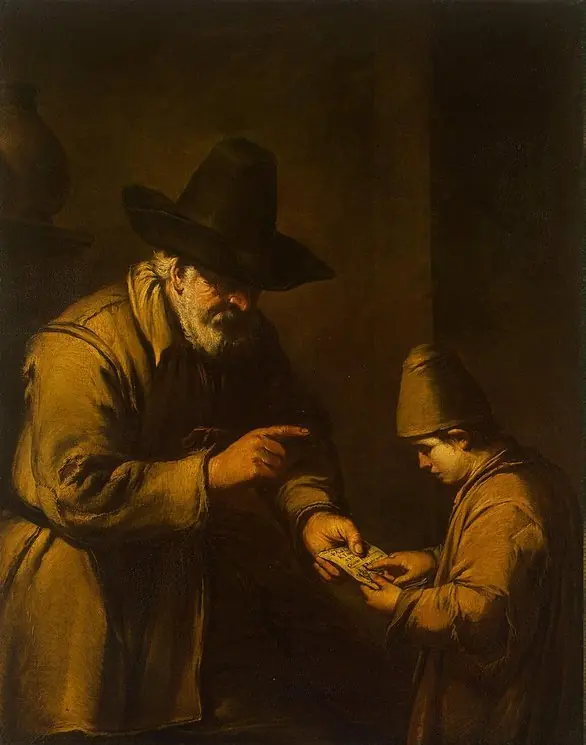 Old Man Teaching a Boy to Read
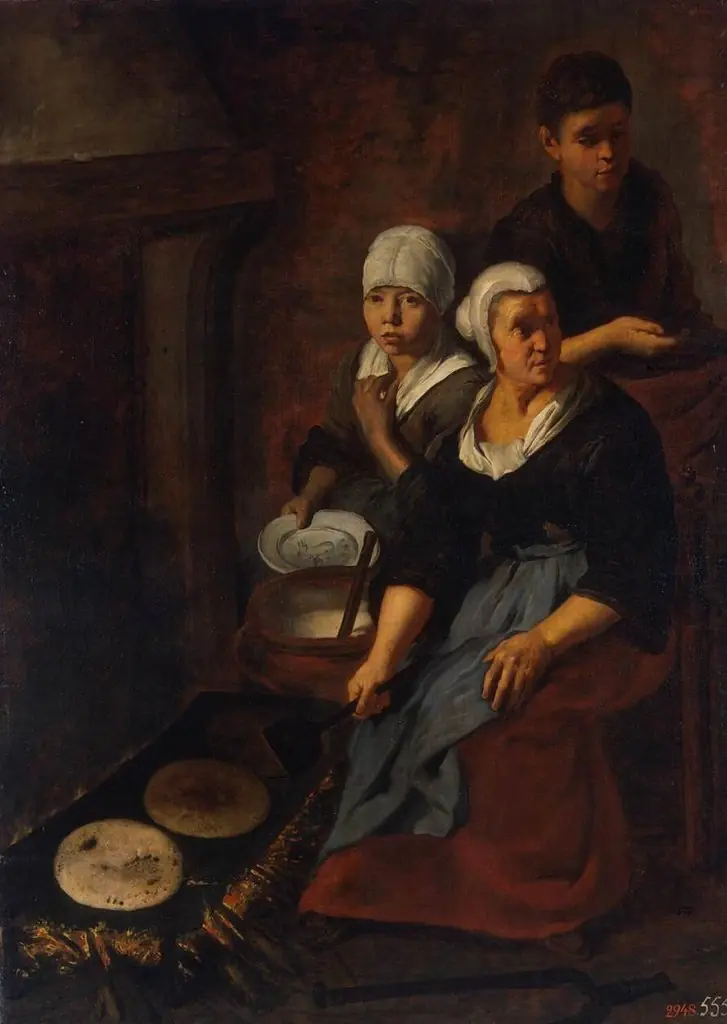 Baking of Flat Cakes
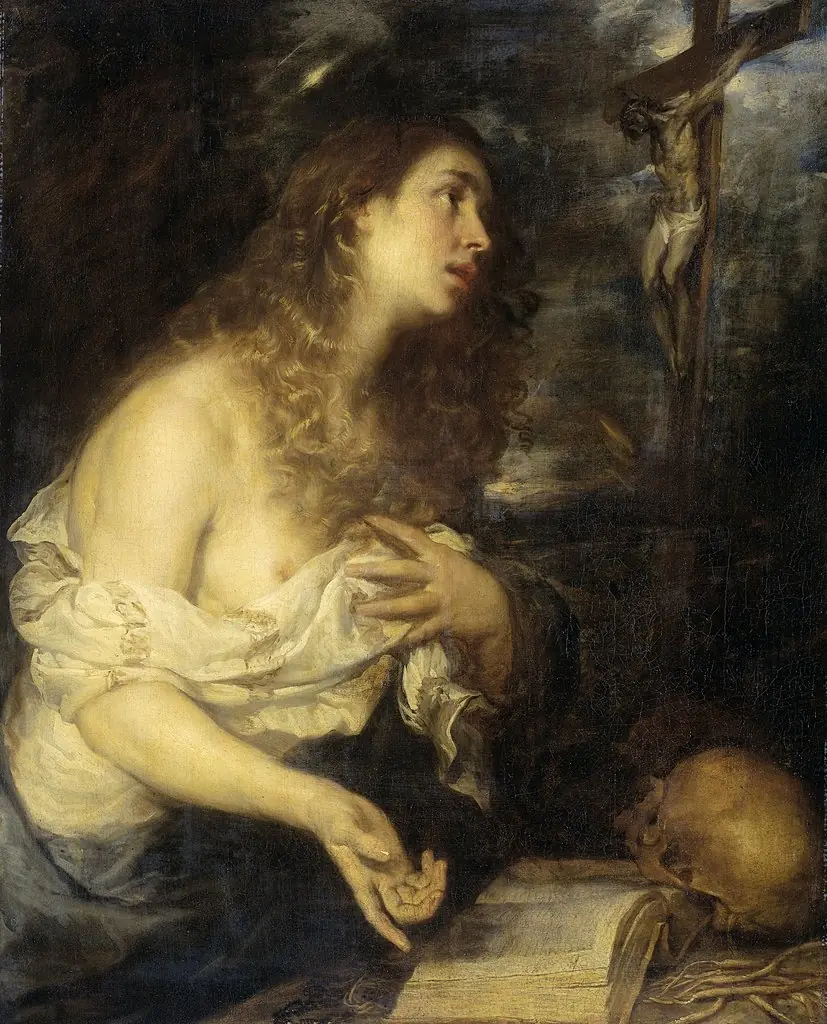 The Penitent Mary Magdalene
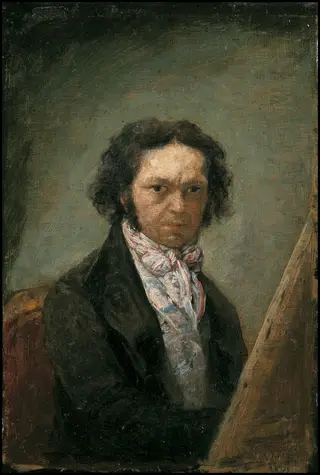 Self-portrait on Linen
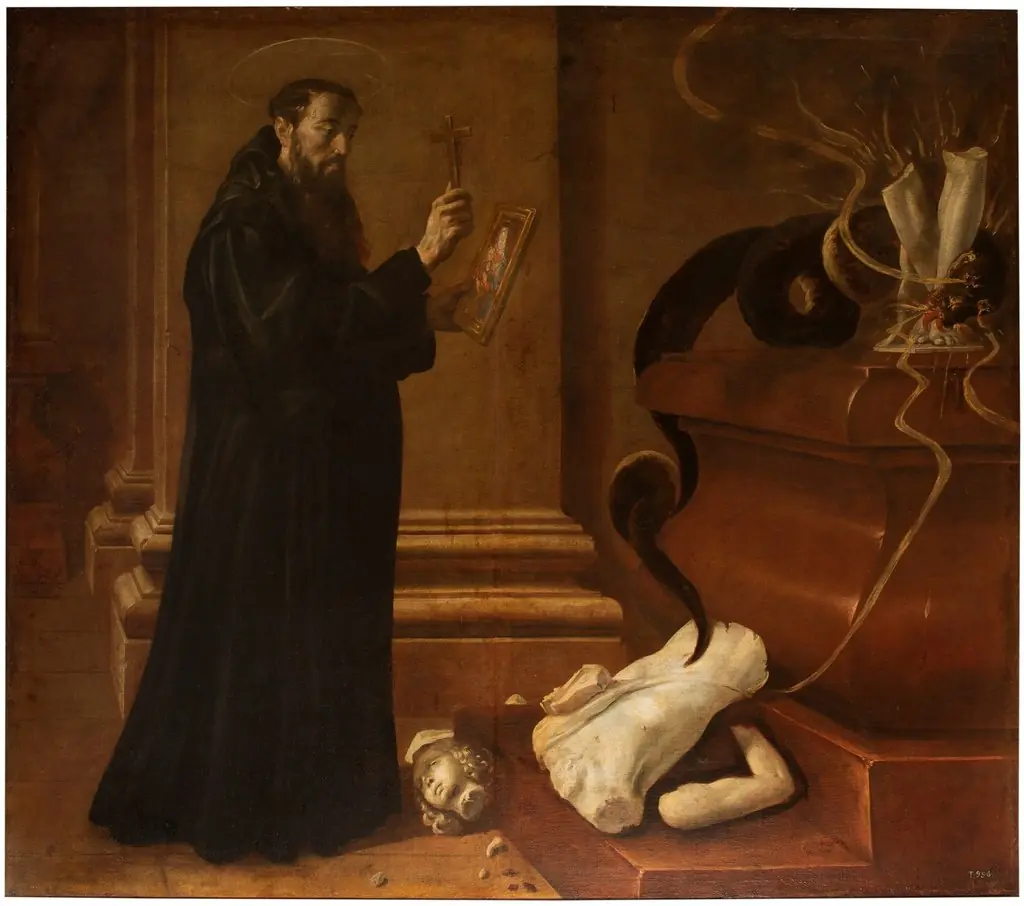 Saint Benedict destroying Idols
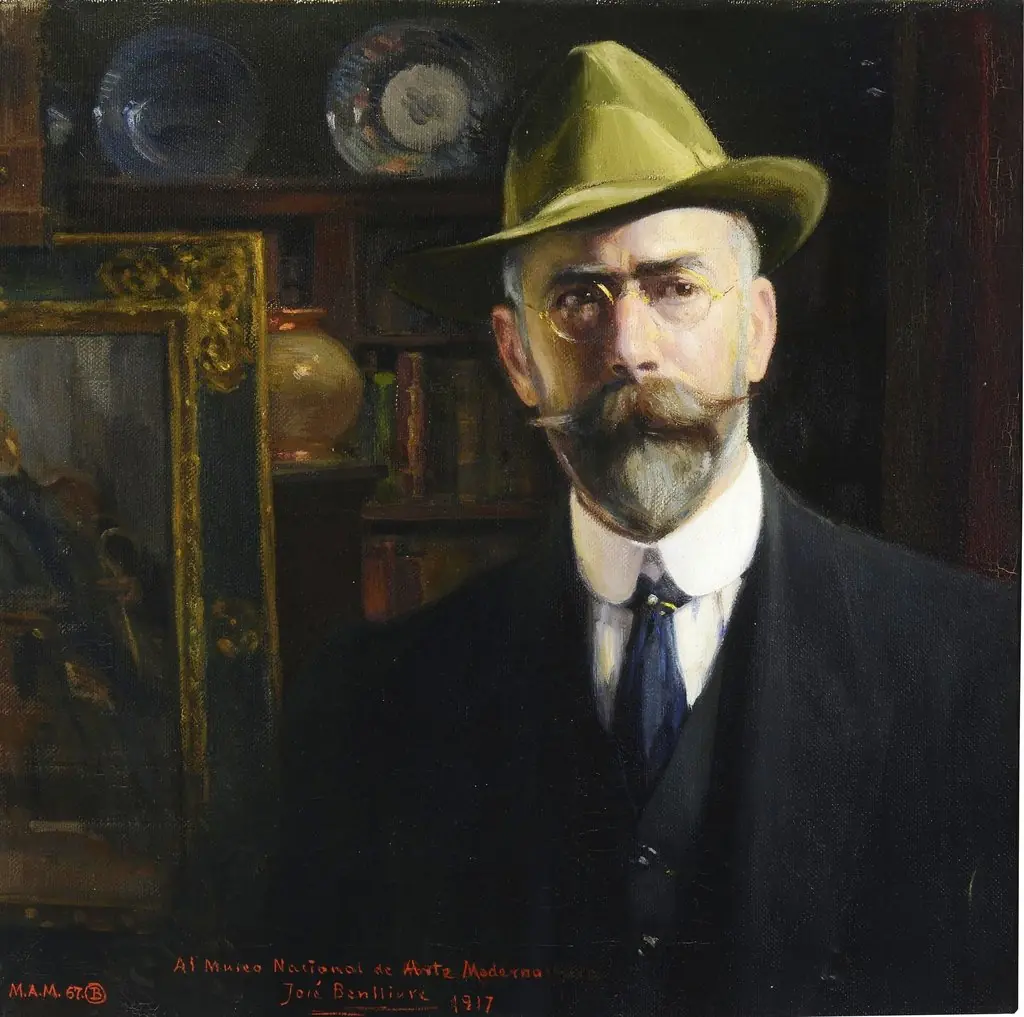 Self-portrait
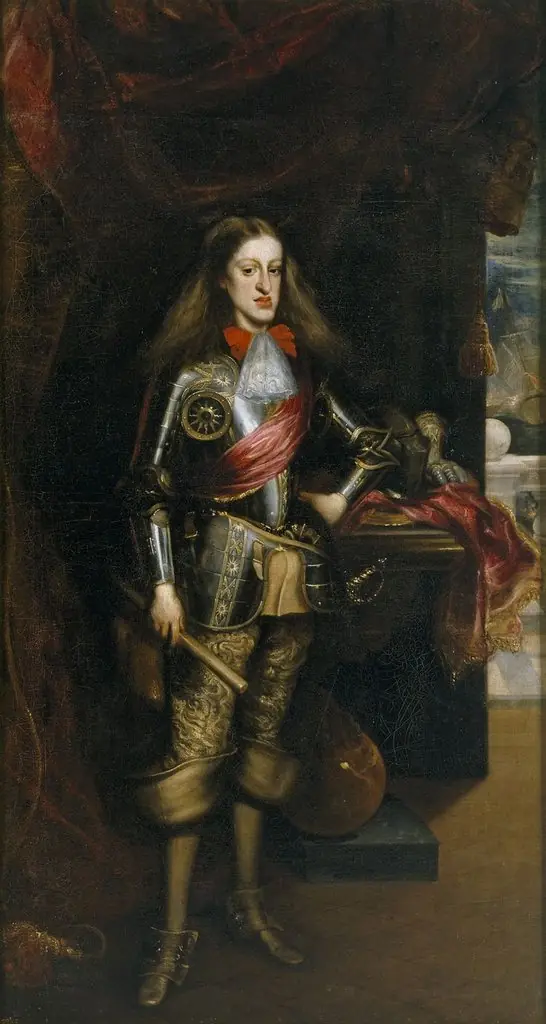 Charles II in armour
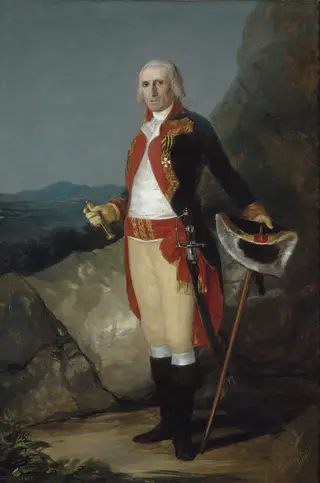 General José de Urrutia
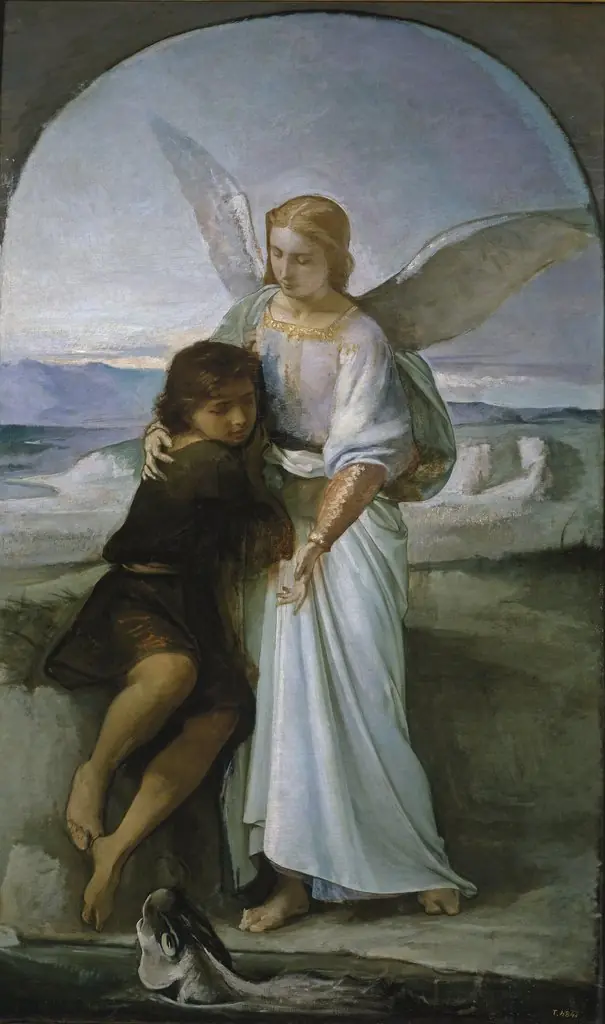 Tobias and the Angel
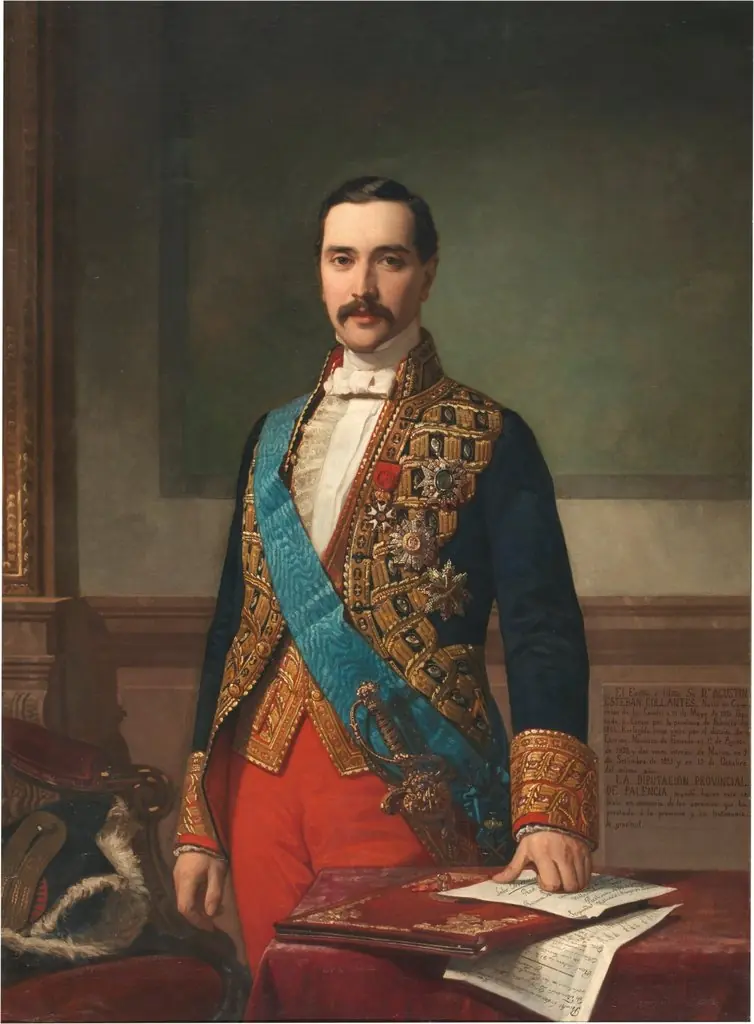 Agustín Esteban Collantes
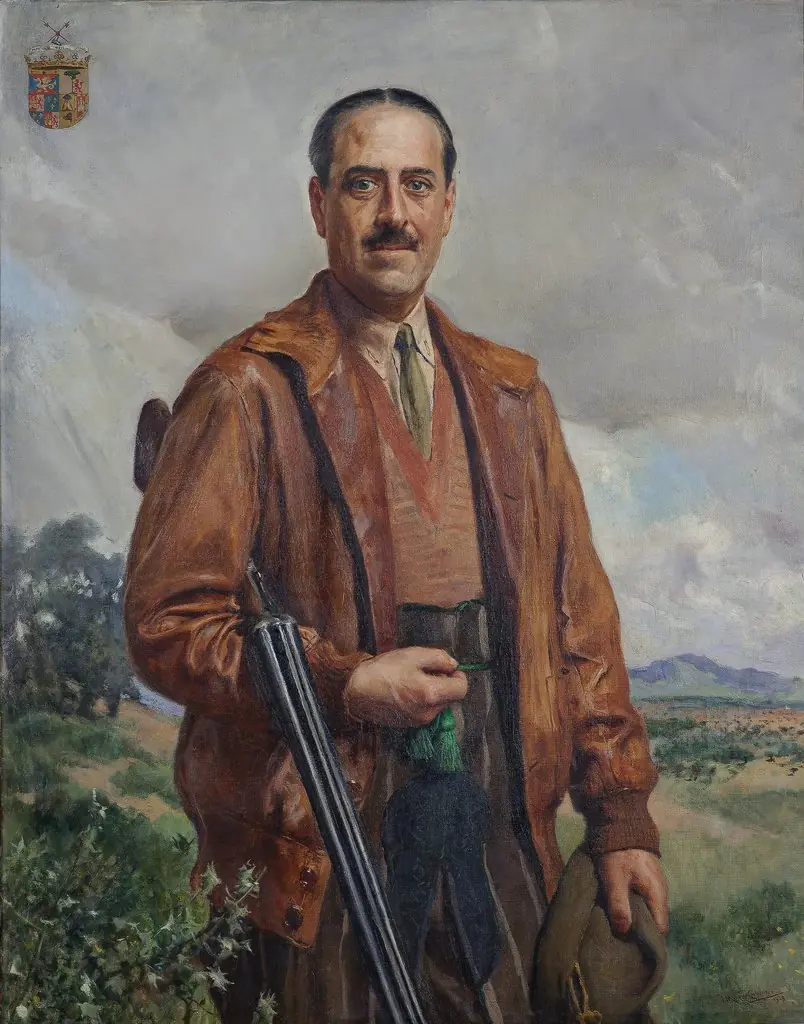 Álvaro Drake marqués de Villablanca
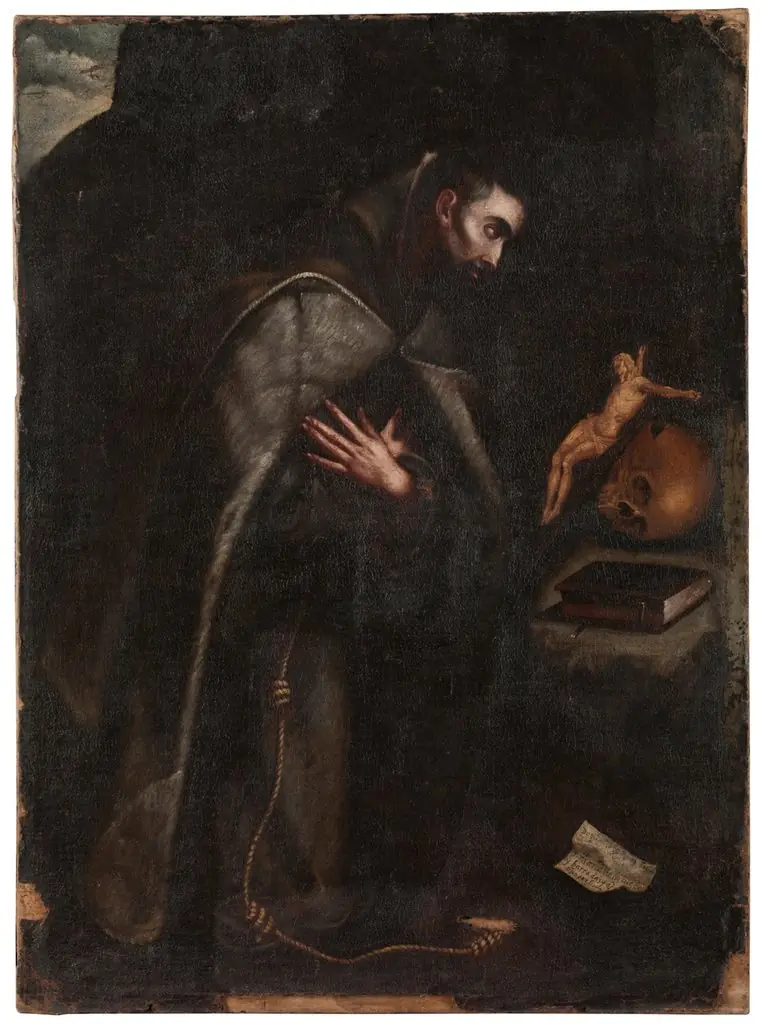 Saint Francis of Assisi kneeling in meditation
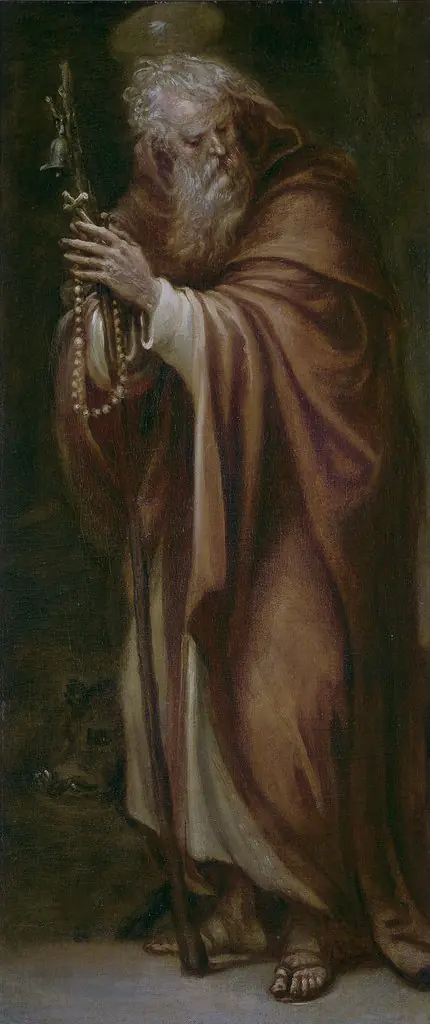 San Antonio Abad
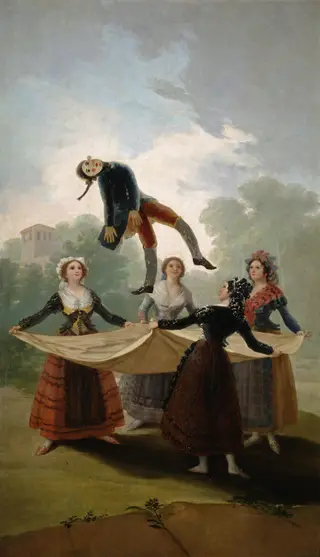 The Straw Manikin
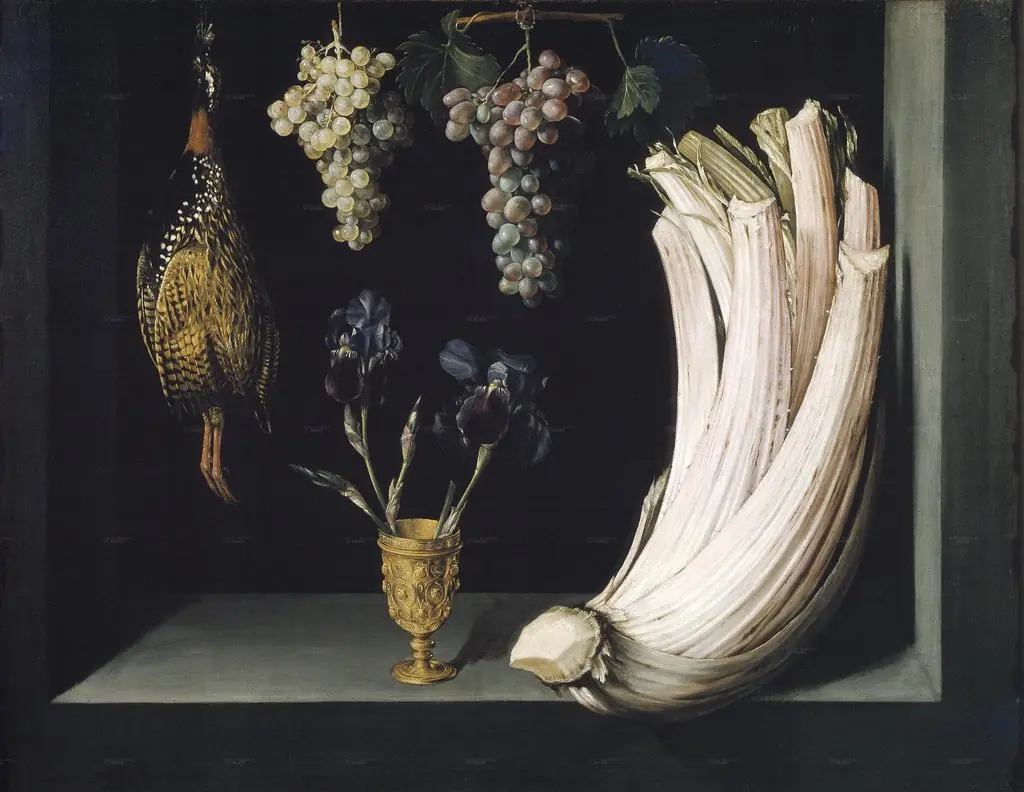 Still Life with Cardoon, Francolin, Grapes and Irises
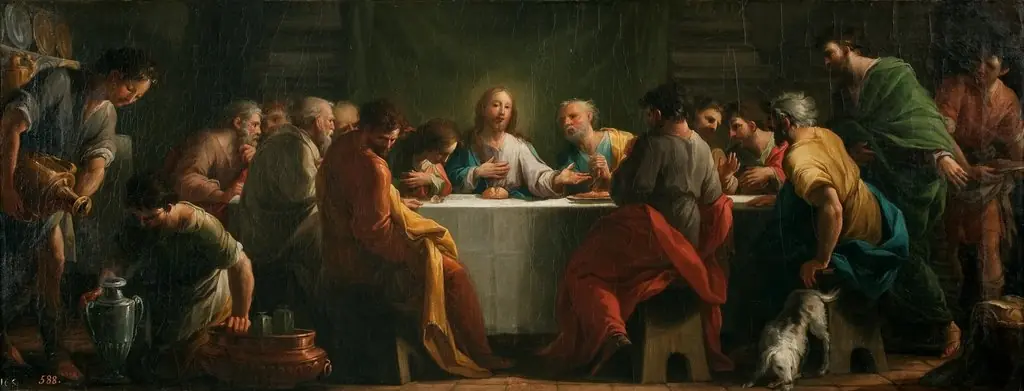 The Last Supper
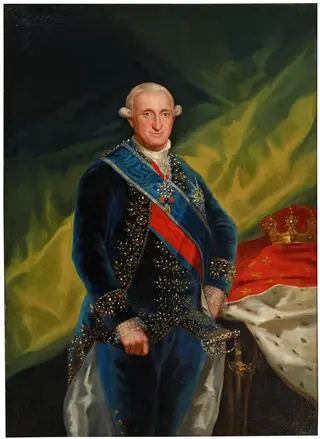 Portrait of King Charles IV
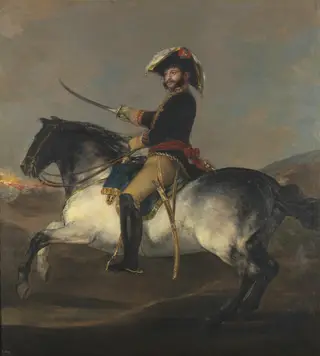 General José de Palafox on Horseback
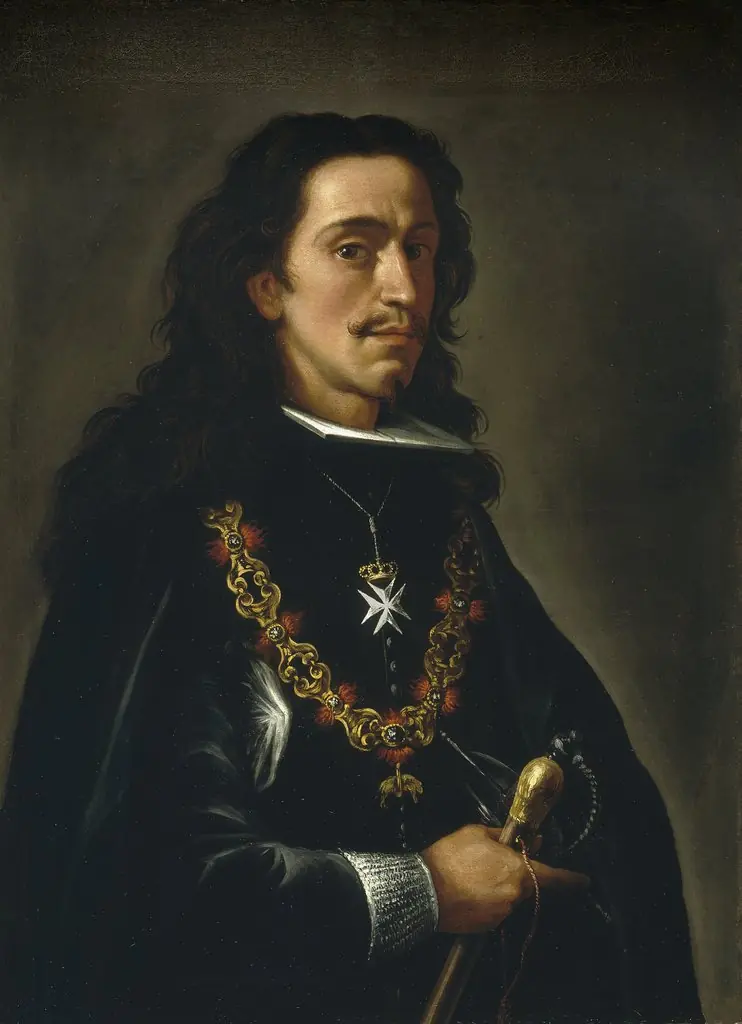 Don Juan José de Austria (¿?)
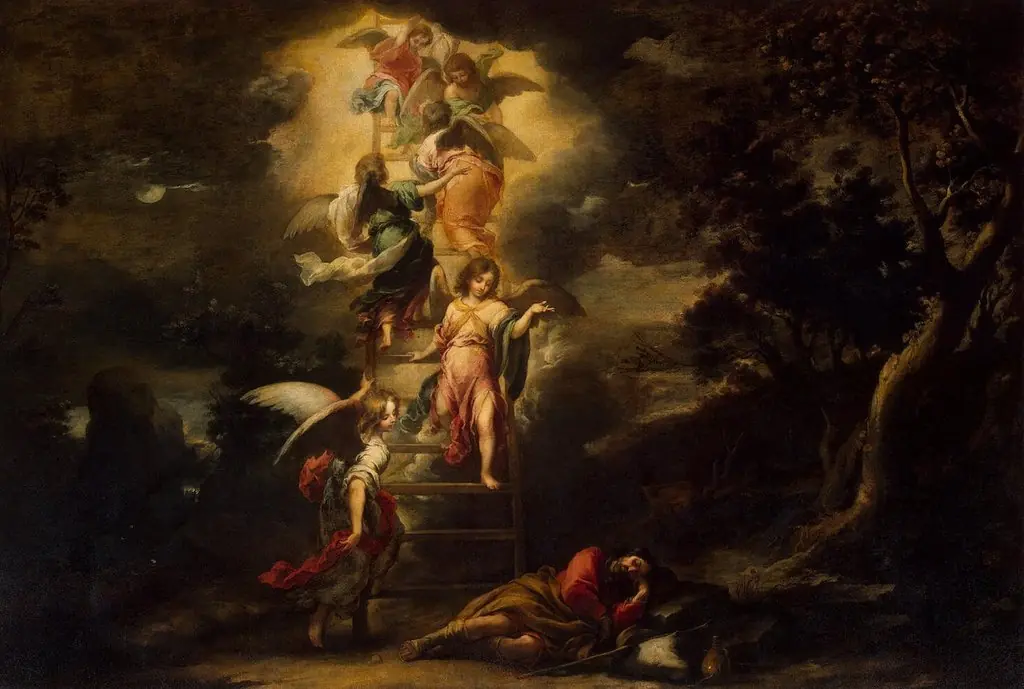 Jacob's Dream
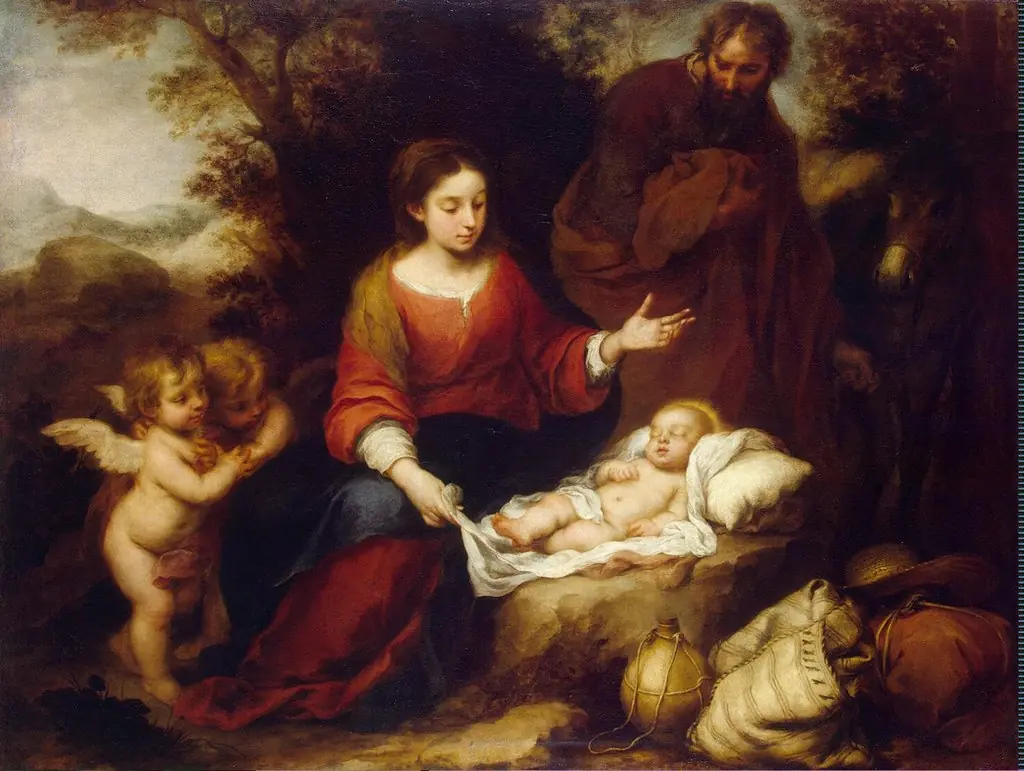 Rest on the Flight into Egypt
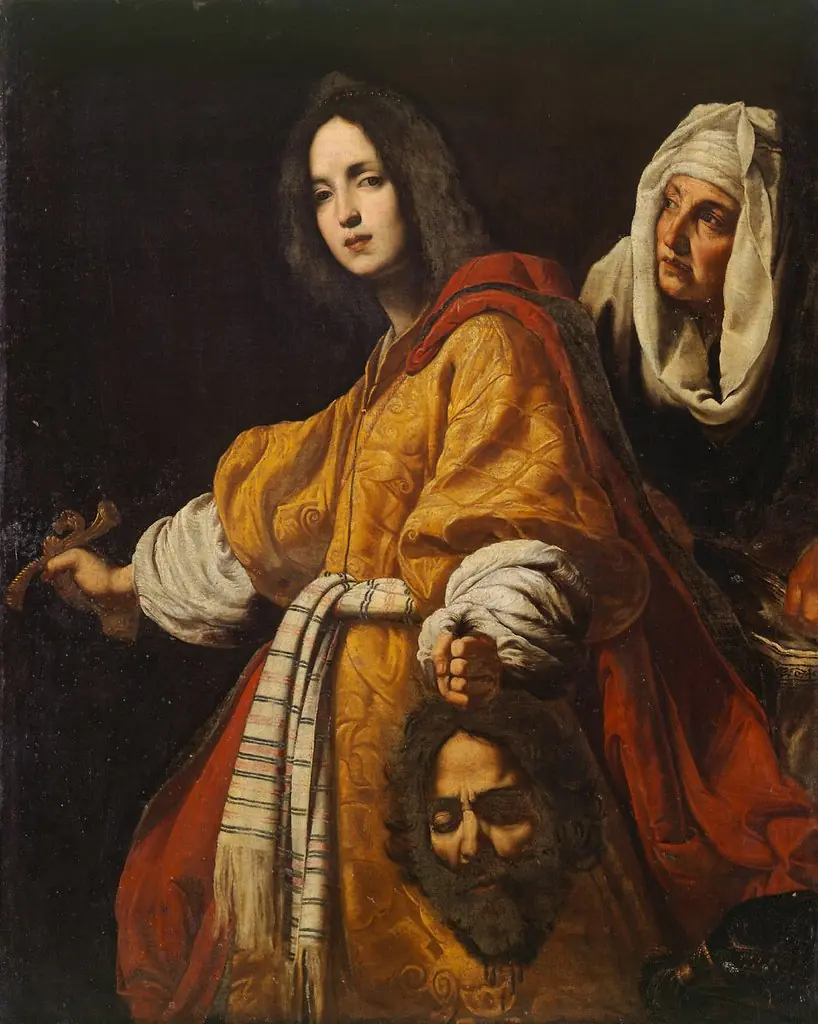 Judith with the head of Holofernes
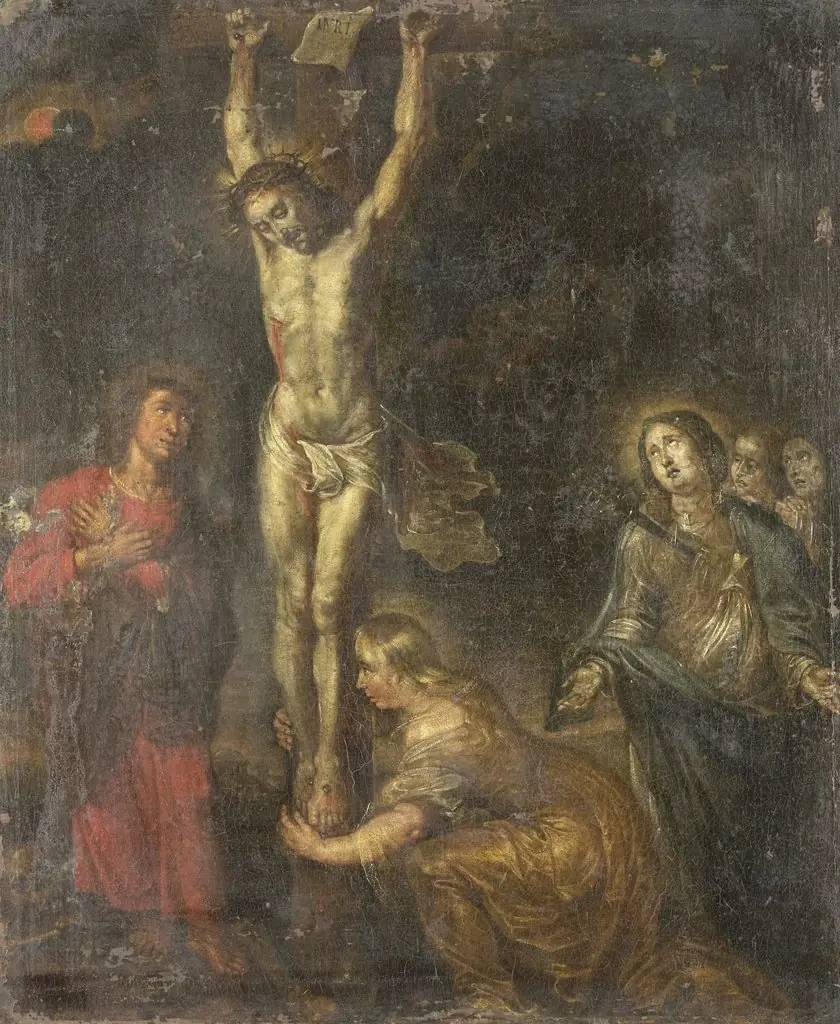 Christ on the Cross
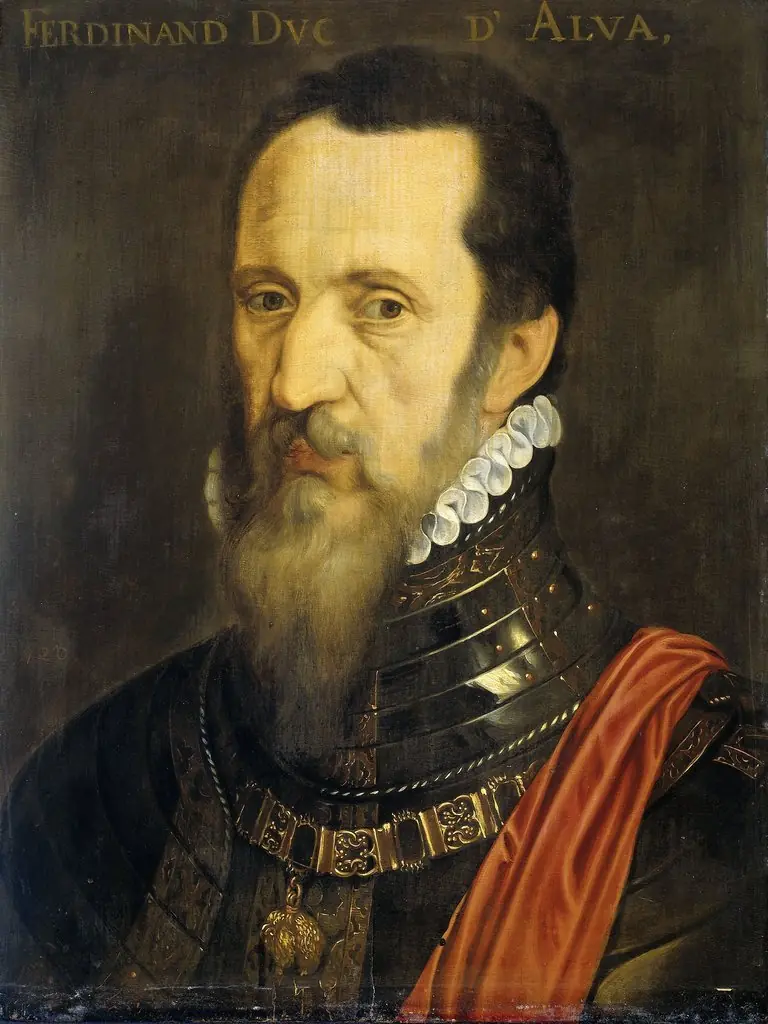 Portrait of Ferdinand Alvarez de Toledo (1507-82), Duke of Alba
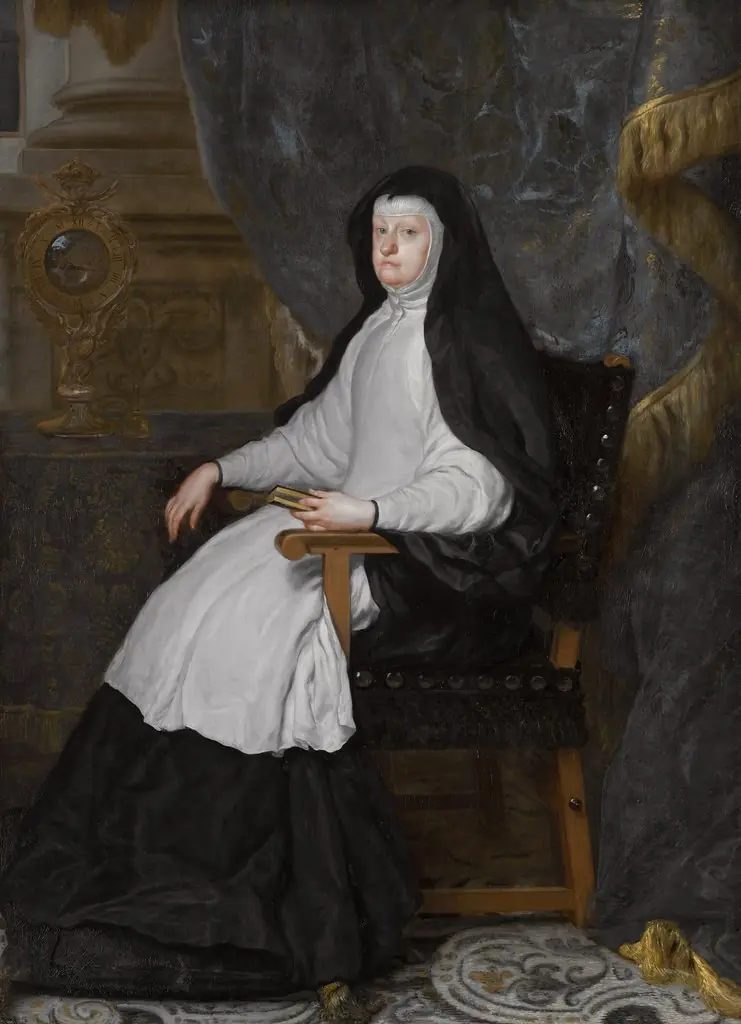 Mariana of Austria, Consort of King Philip IV of Spain, as a Widow
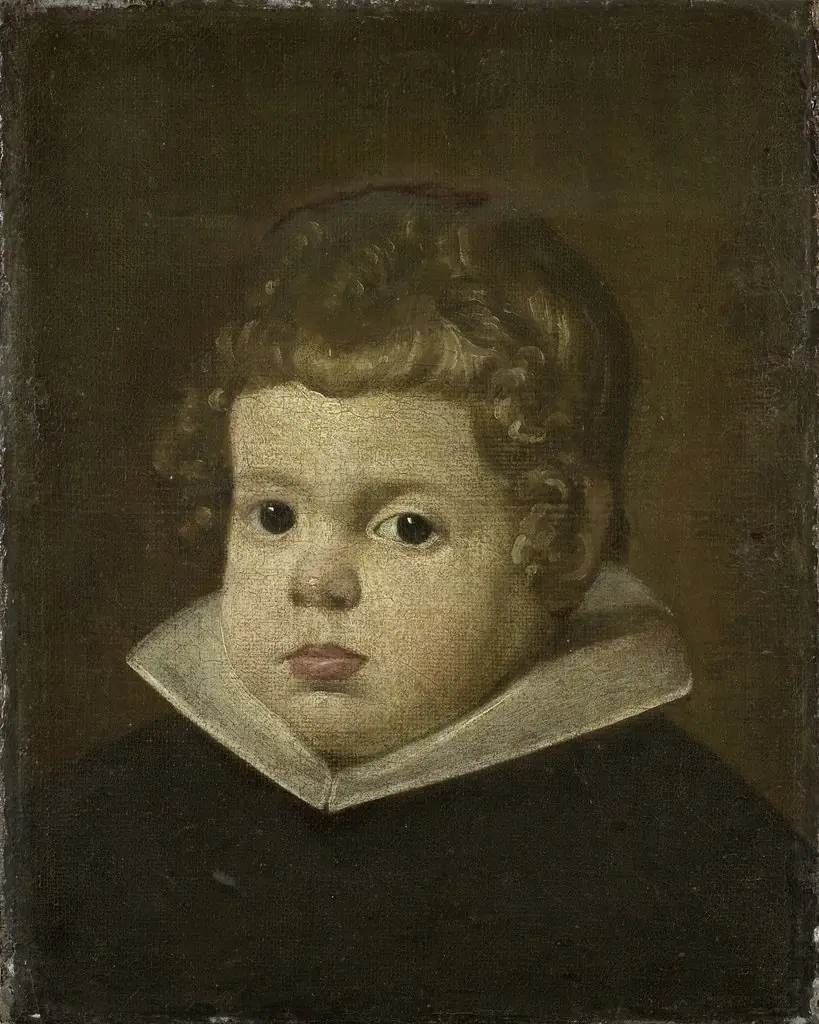 Portrait of a Boy about three years old, possibly Prince Balthasar Carlos, Son of the Spanish King Philip IV
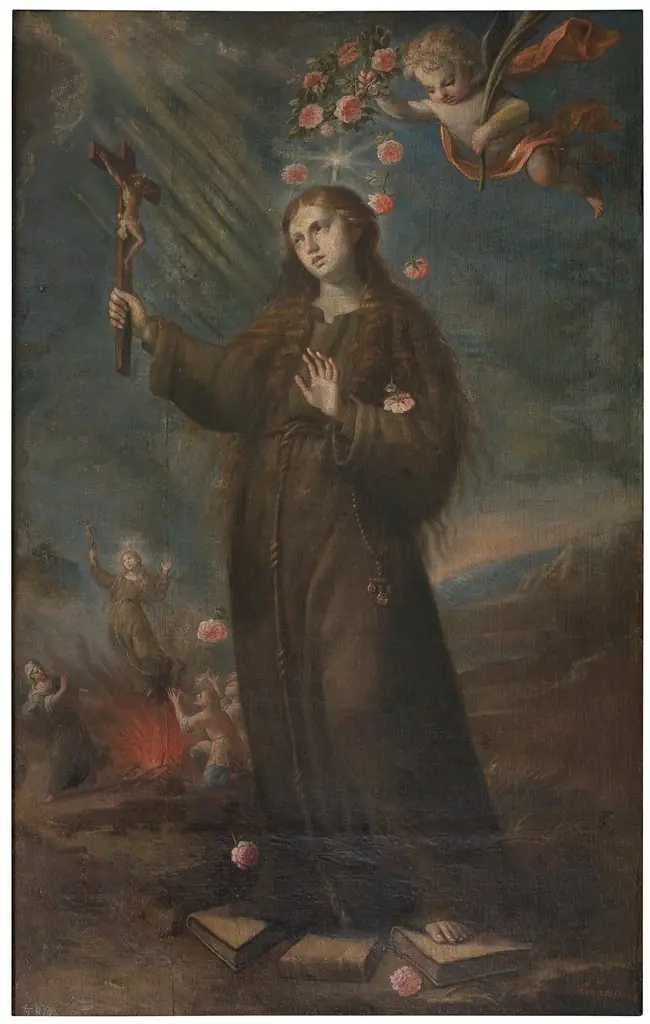 Saint Rose of Viterbo
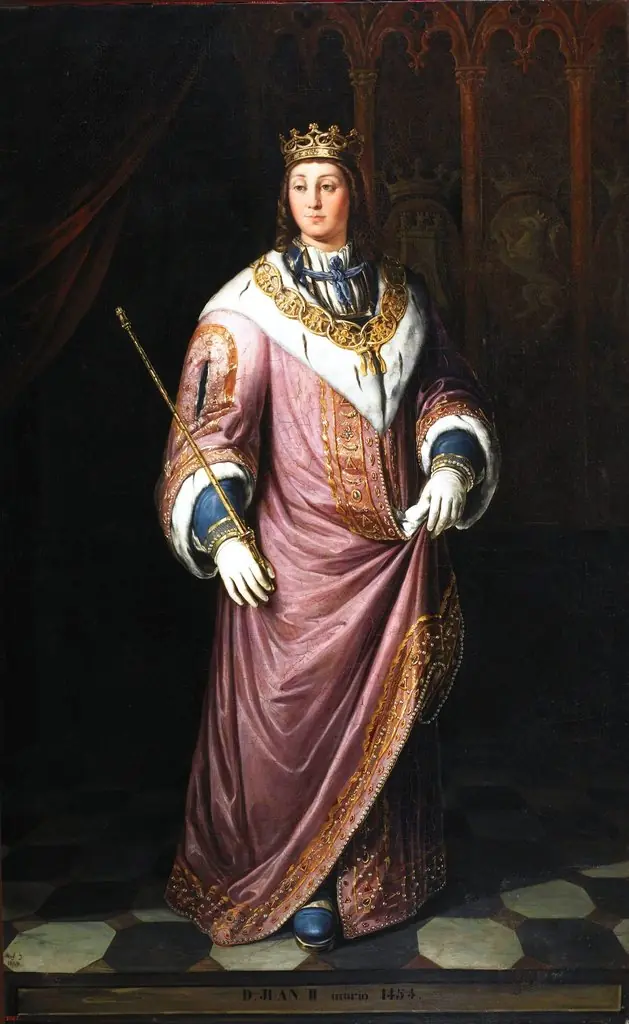 Juan II de Castilla
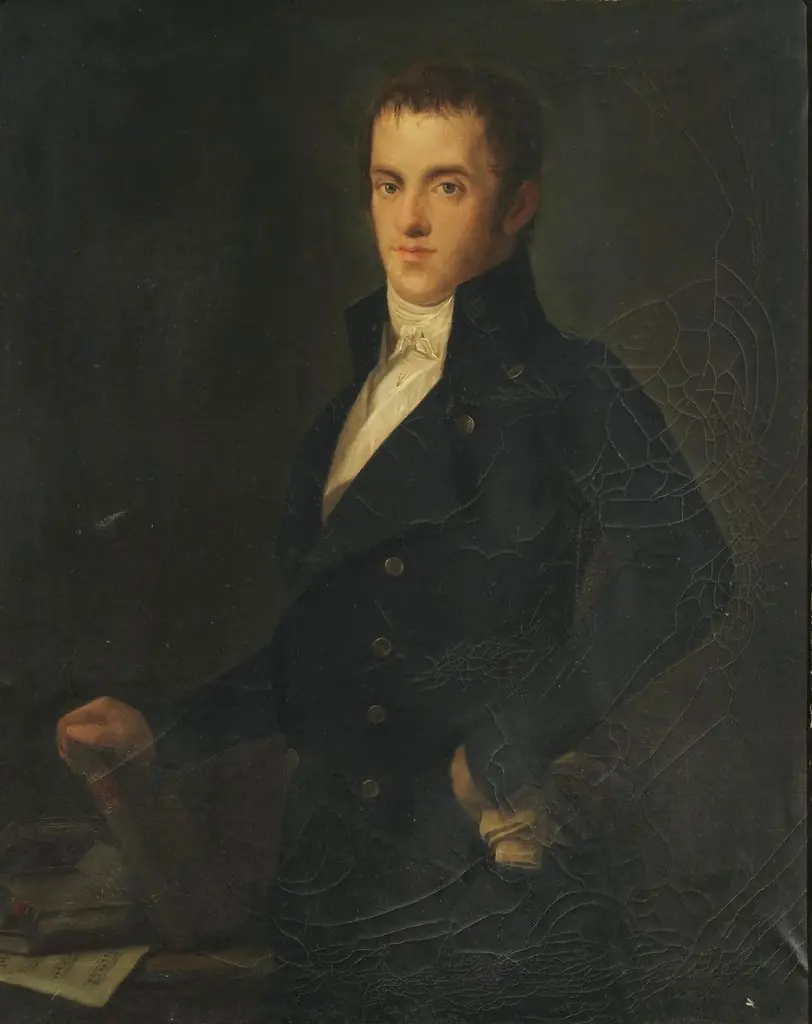 Gabriel de Aristizábal (copia)
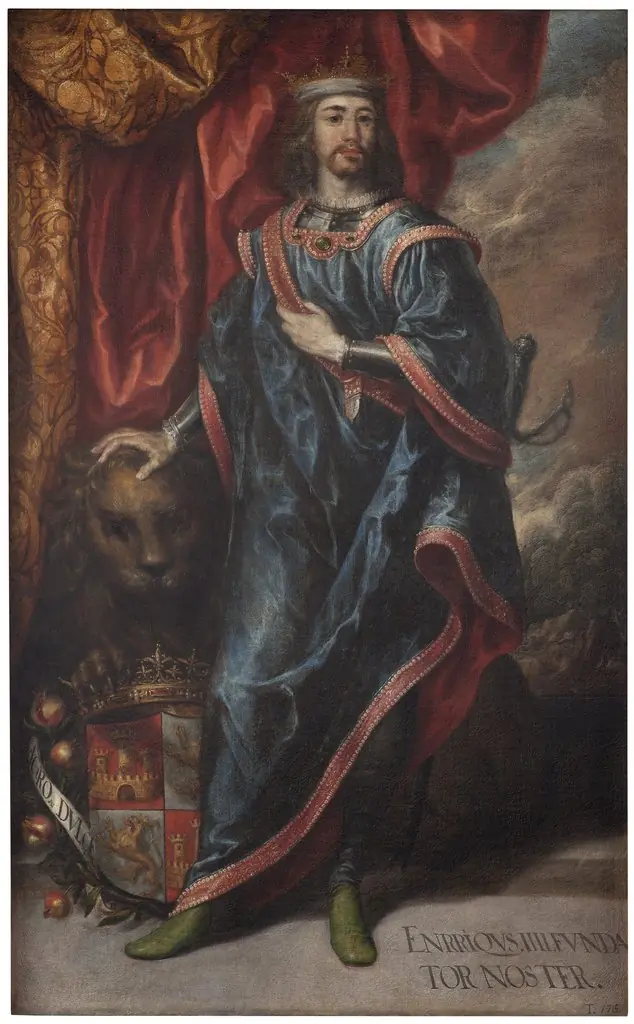 Henry IV
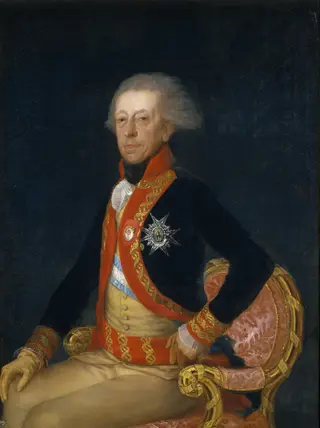 General Antonio Ricardos
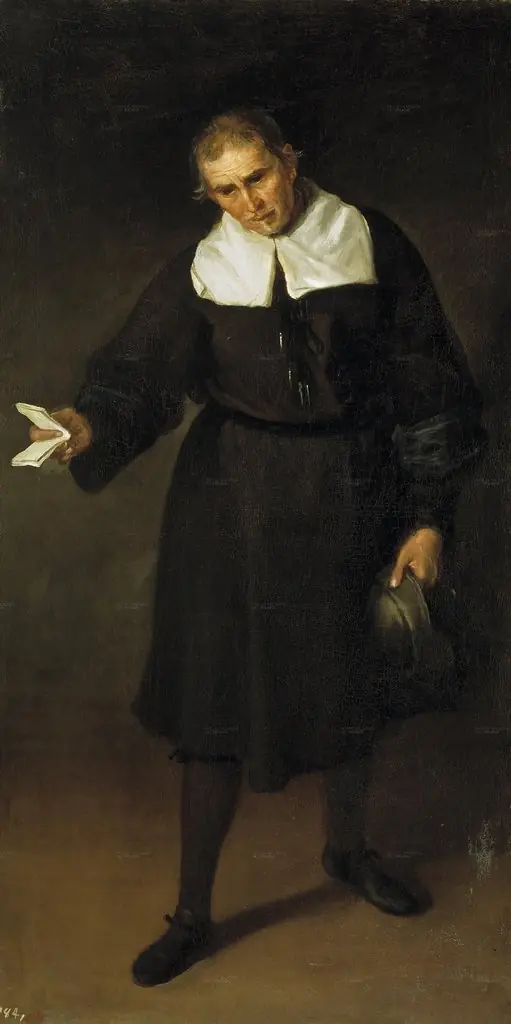 Le Bouffon Francisco Bazán
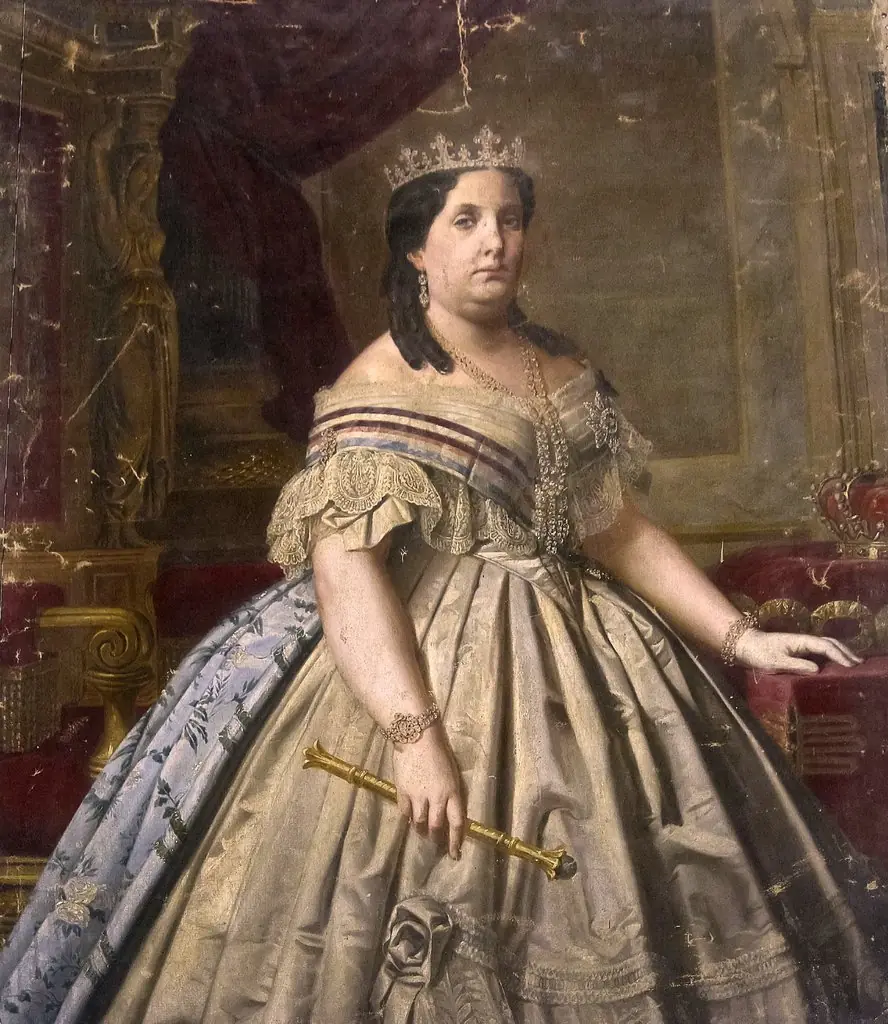 Isabel II reina de España
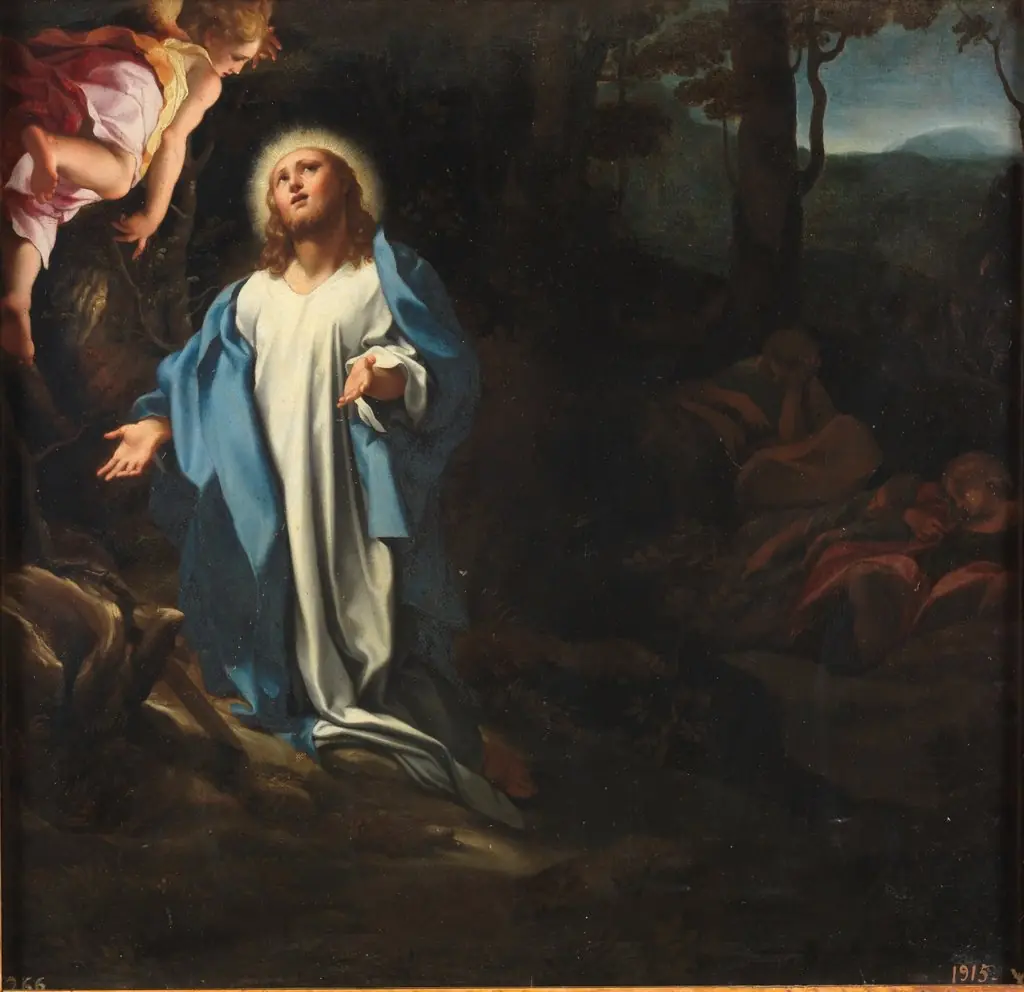 The Agony in the Garden
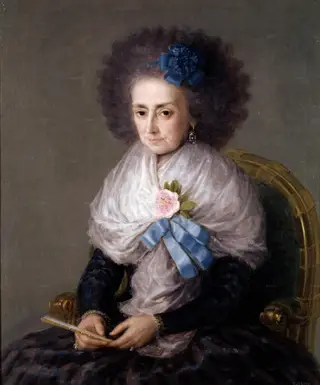 María Antonia Gonzaga, Dowager Marchioness of Villafranca
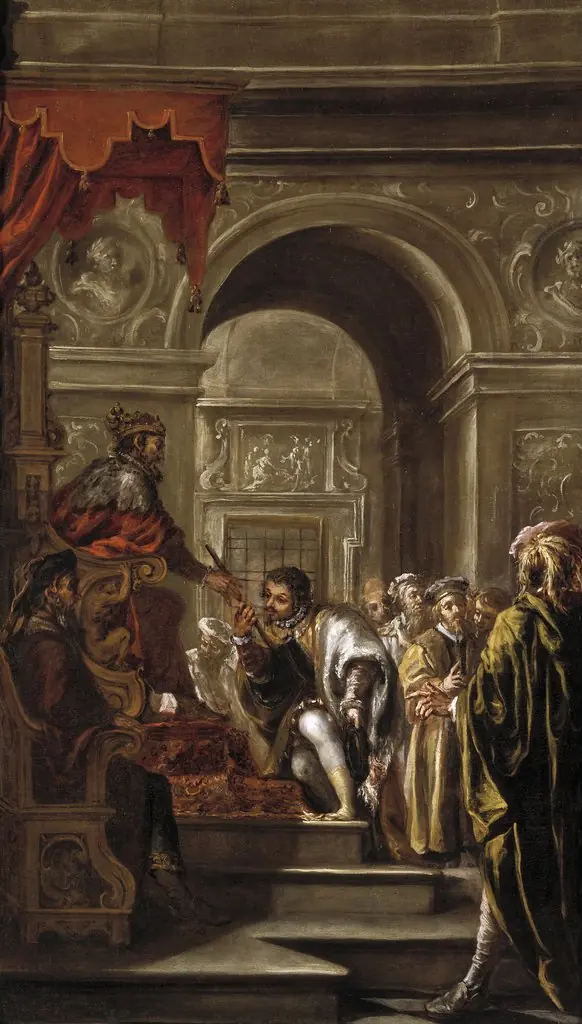 Saint Ambrose appointed Governor of Liguria and Emilia
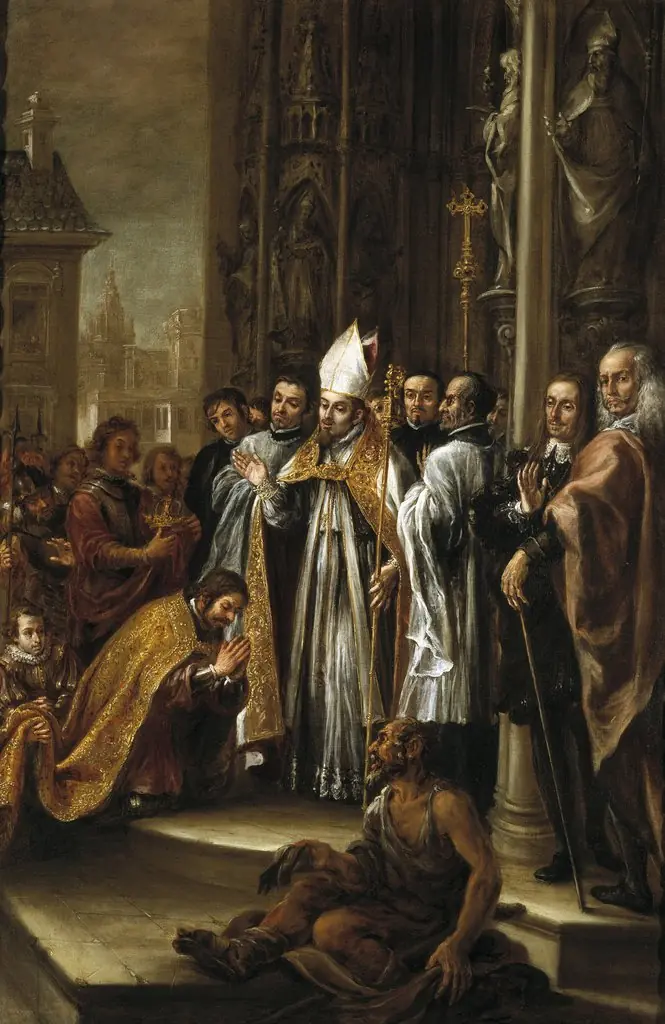 Saint Ambrose absolves the Emperor Theodosius
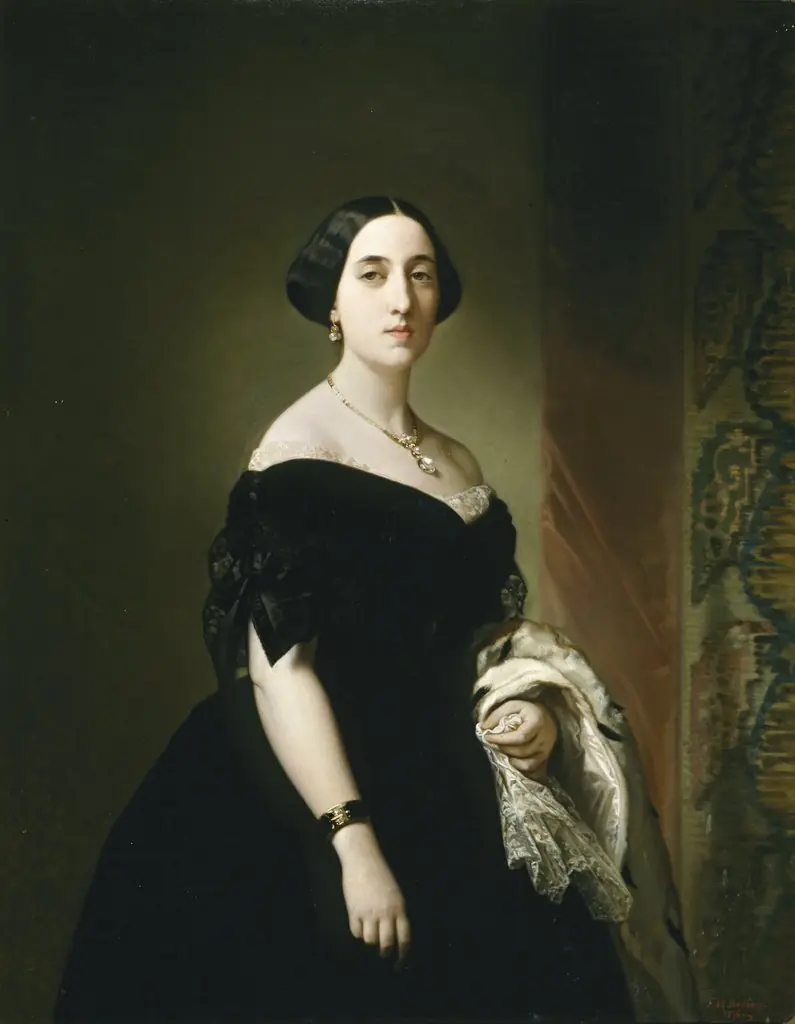 Concepción Remisa
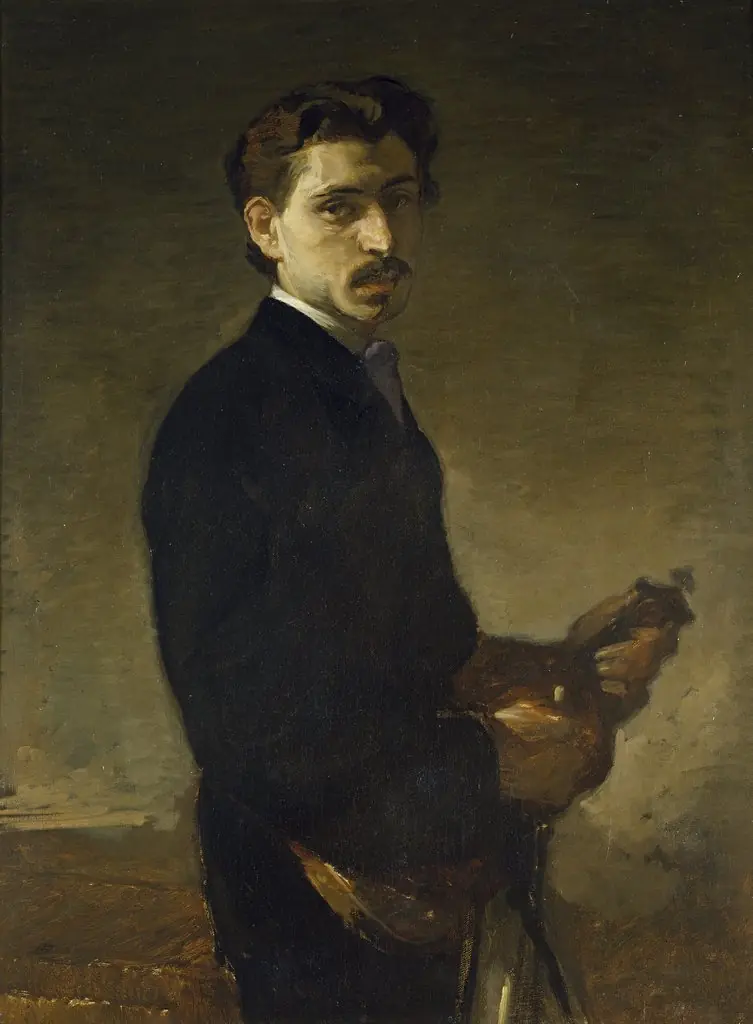 Ettore Pinelli, the Violinist
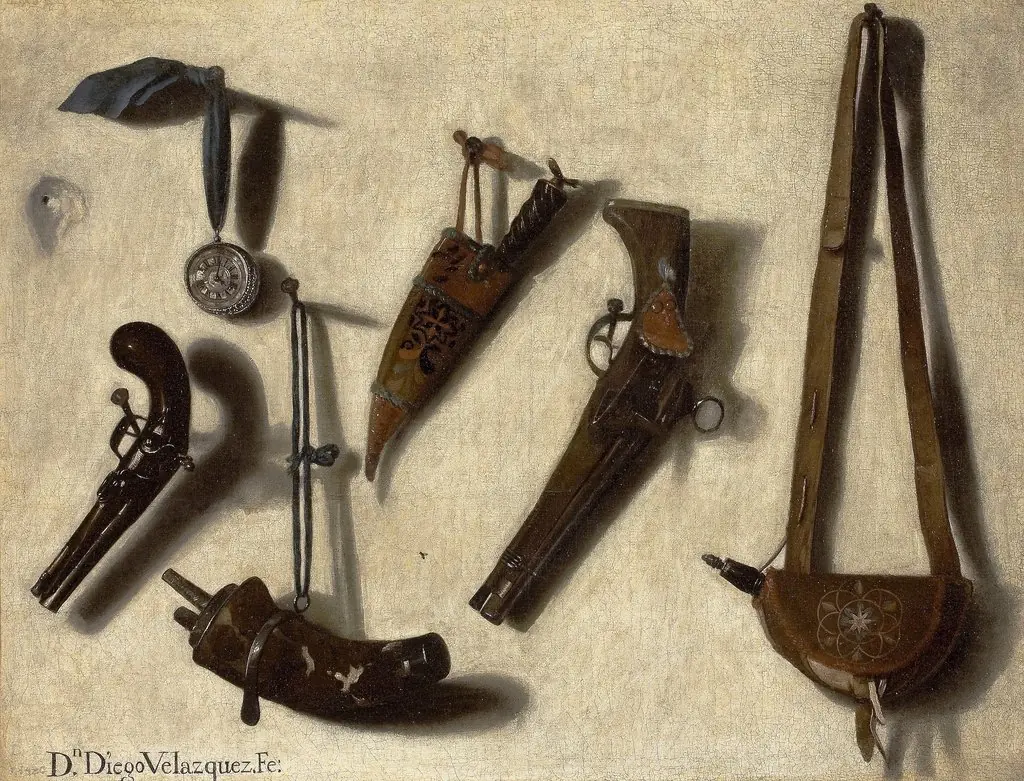 Weapons and Hunting Equipment
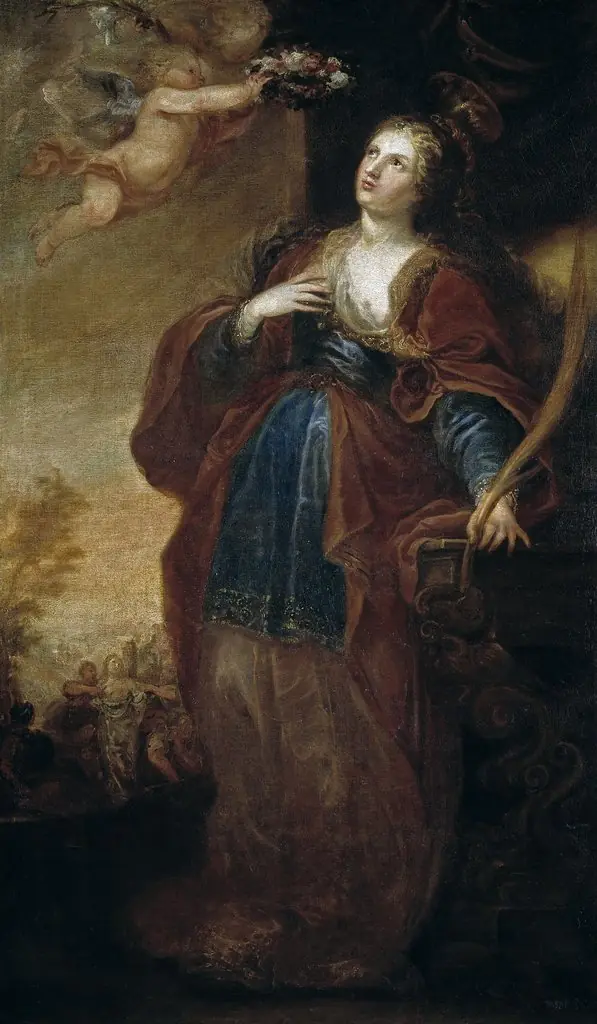 Santa Águeda
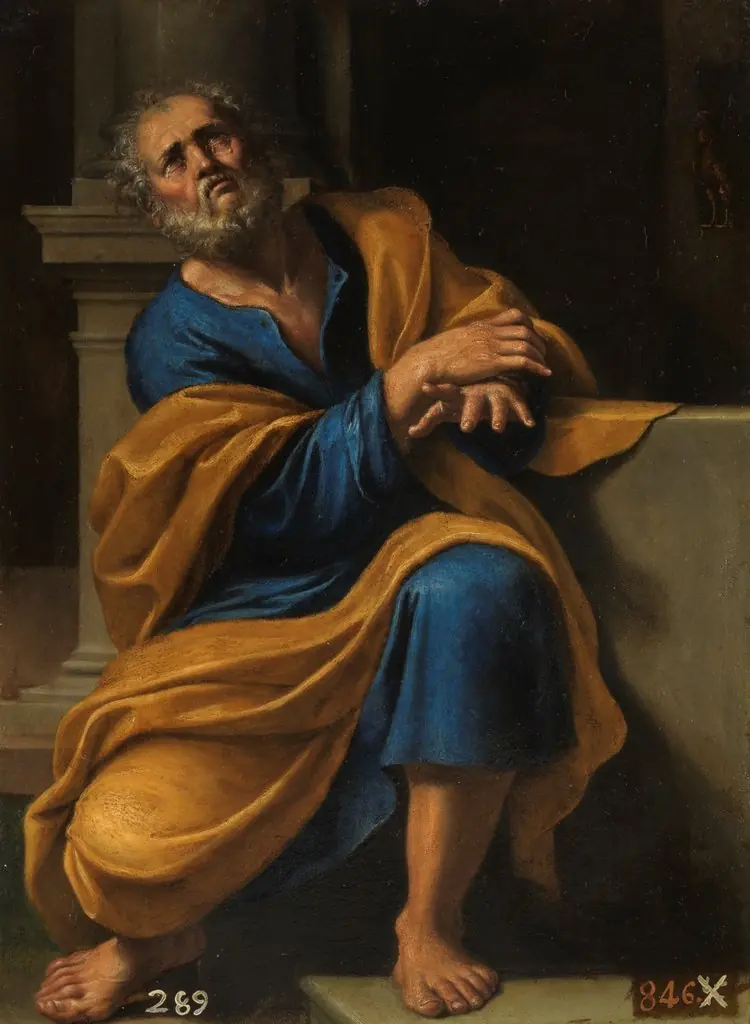 Lágrimas de San Pedro
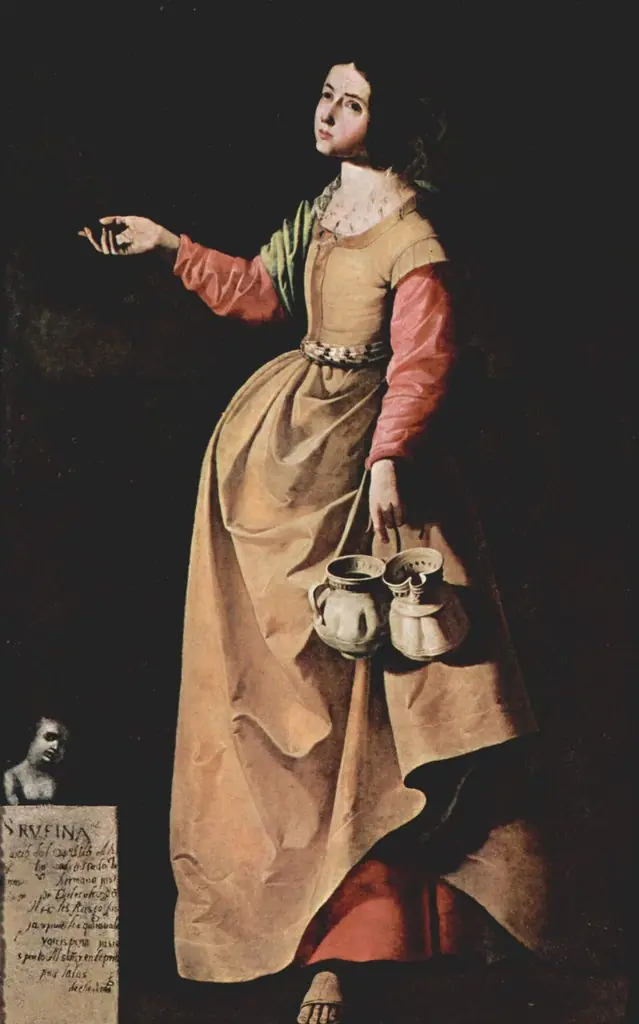 Saint Rufina
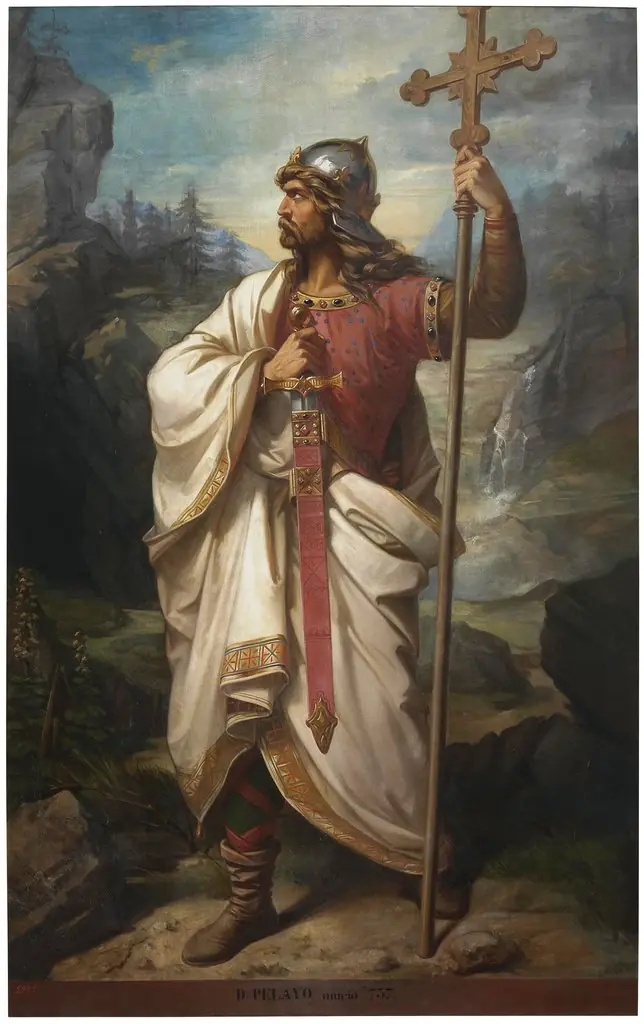 Don Pelayo rey de Asturias
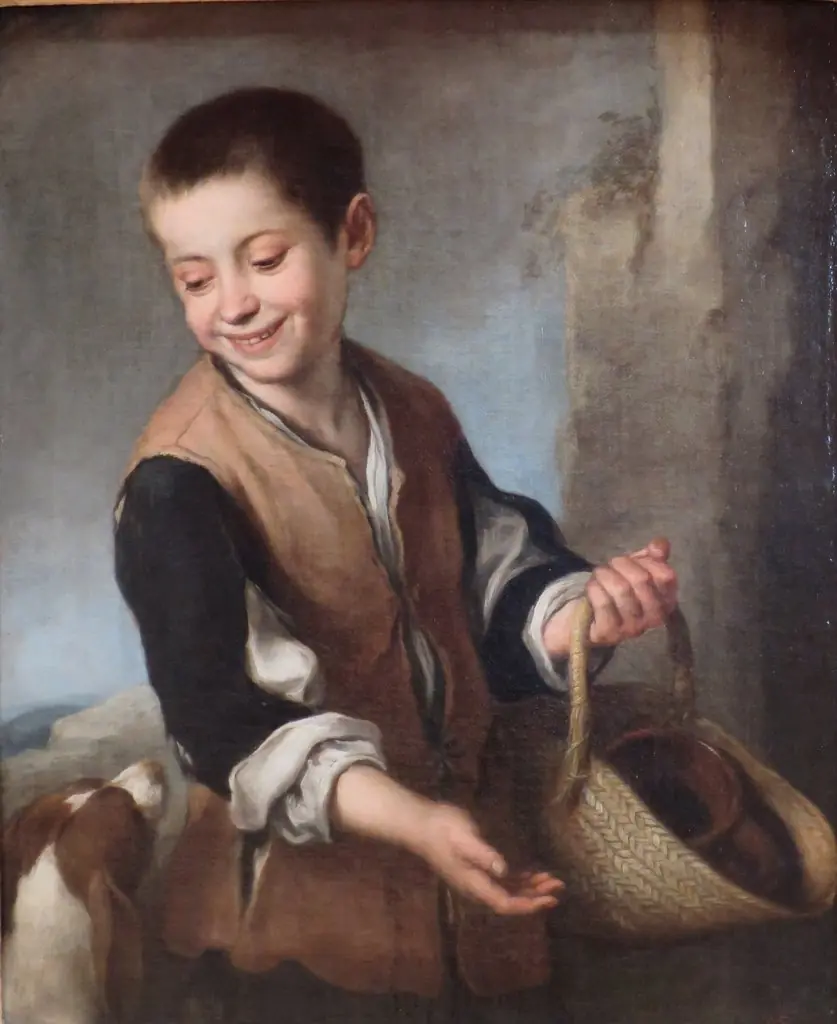 Boy with a dog
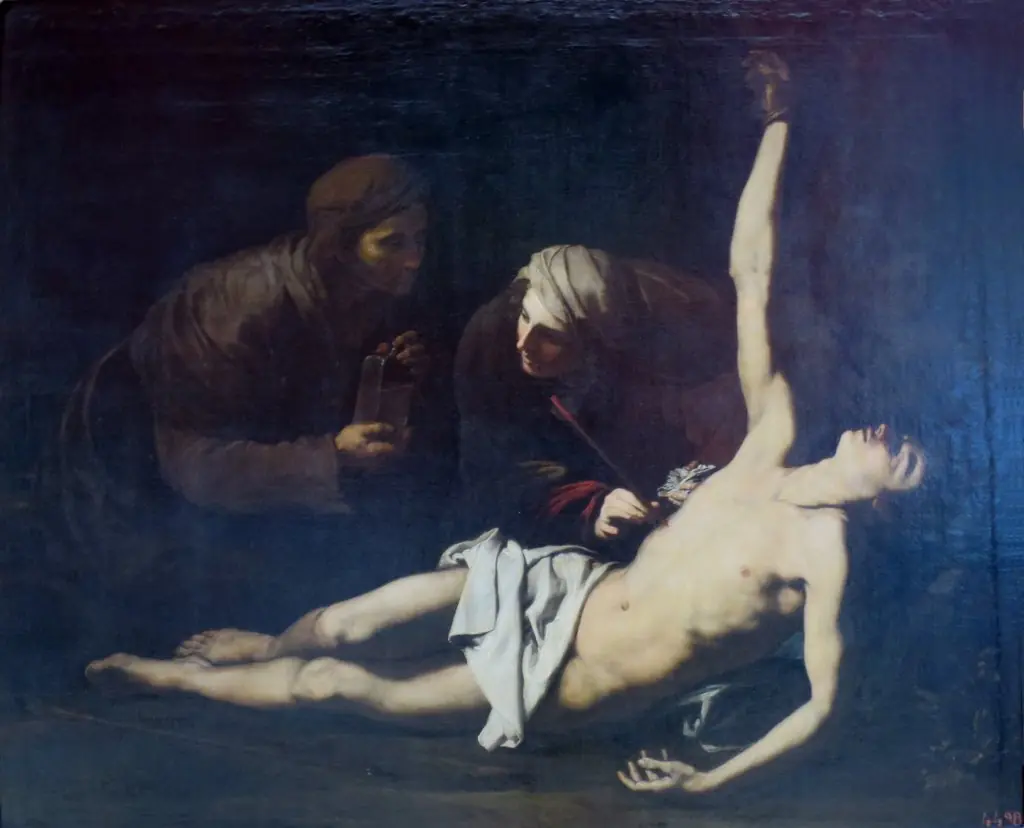 St Sebastian Cured by St Irene
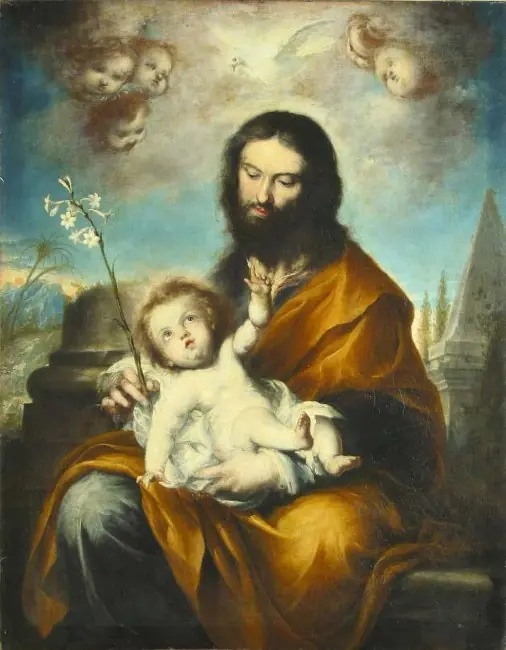 St Joseph with the Infant Christ
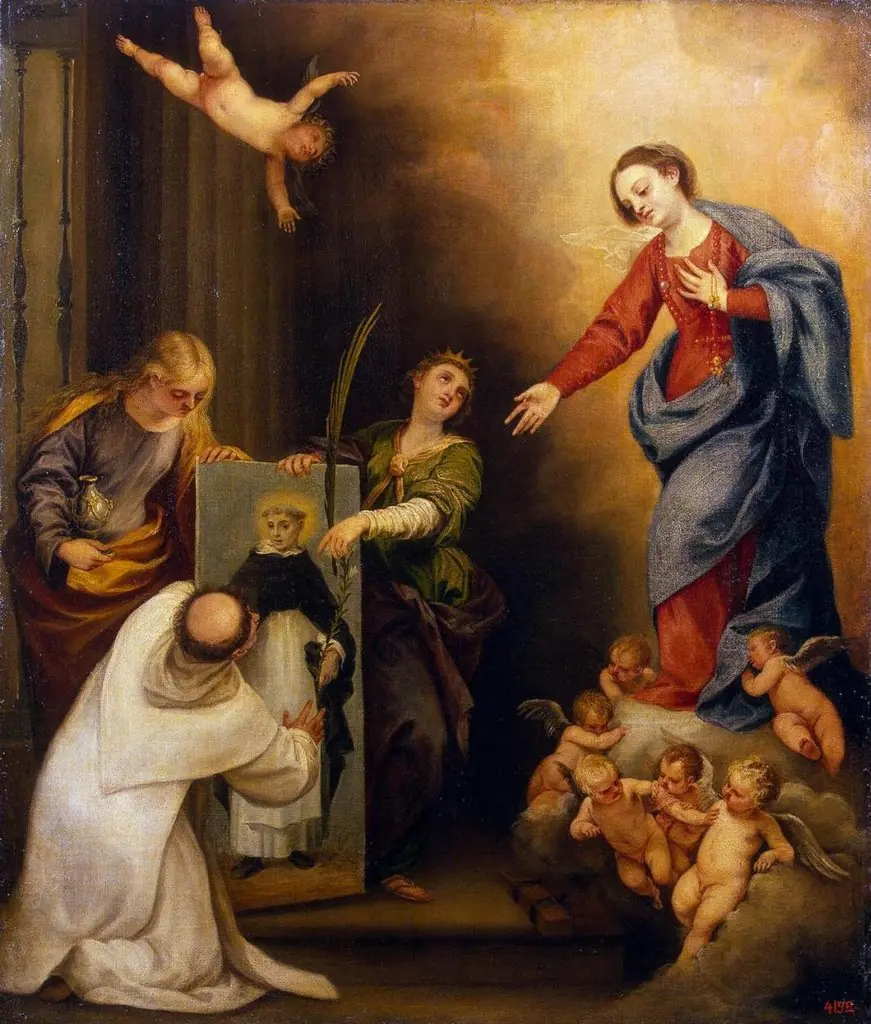 Appearance of Virgin to a Dominican Monk in Soriano
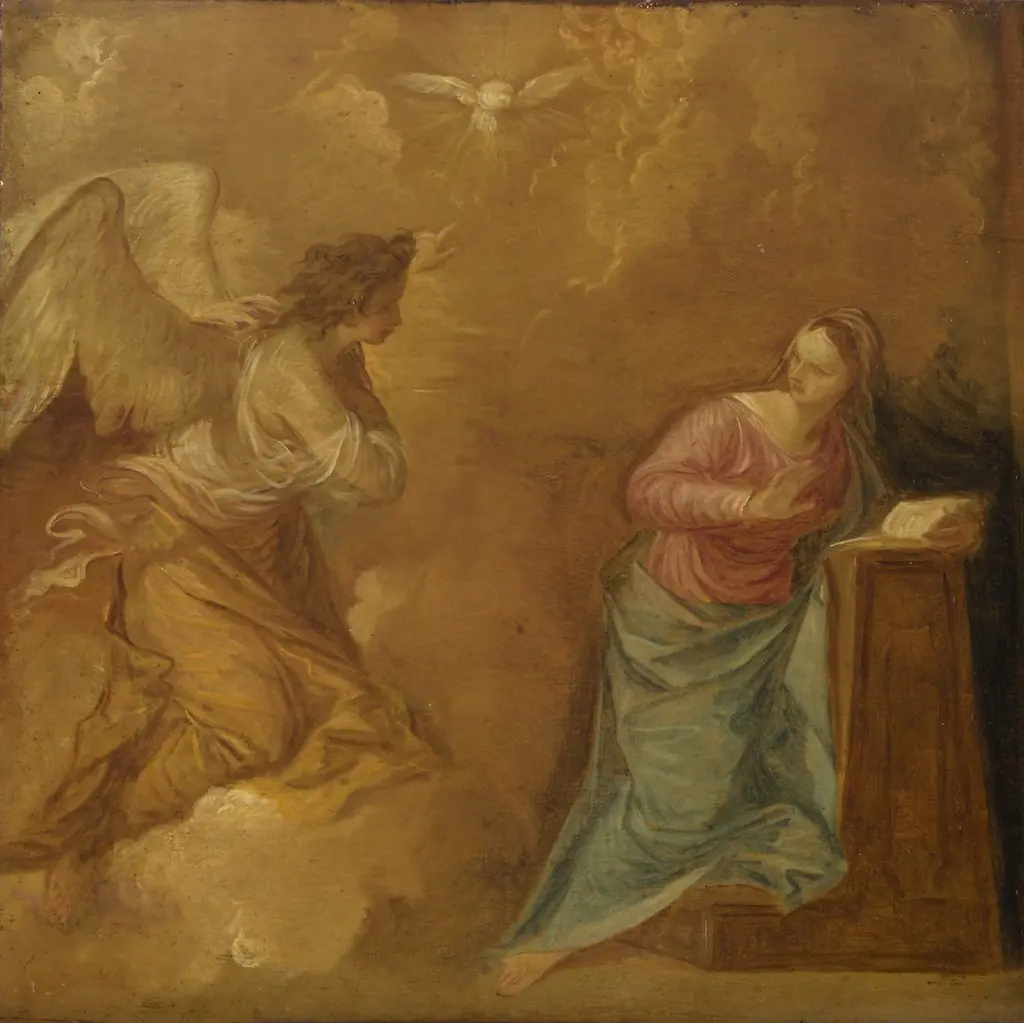 Annunciation to Mary
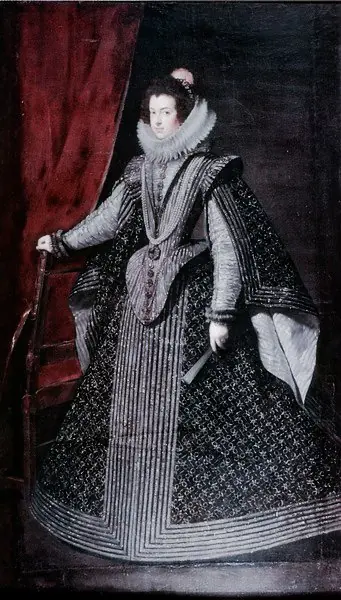 Isabella of Bourbon. First Queen of King Philip IV
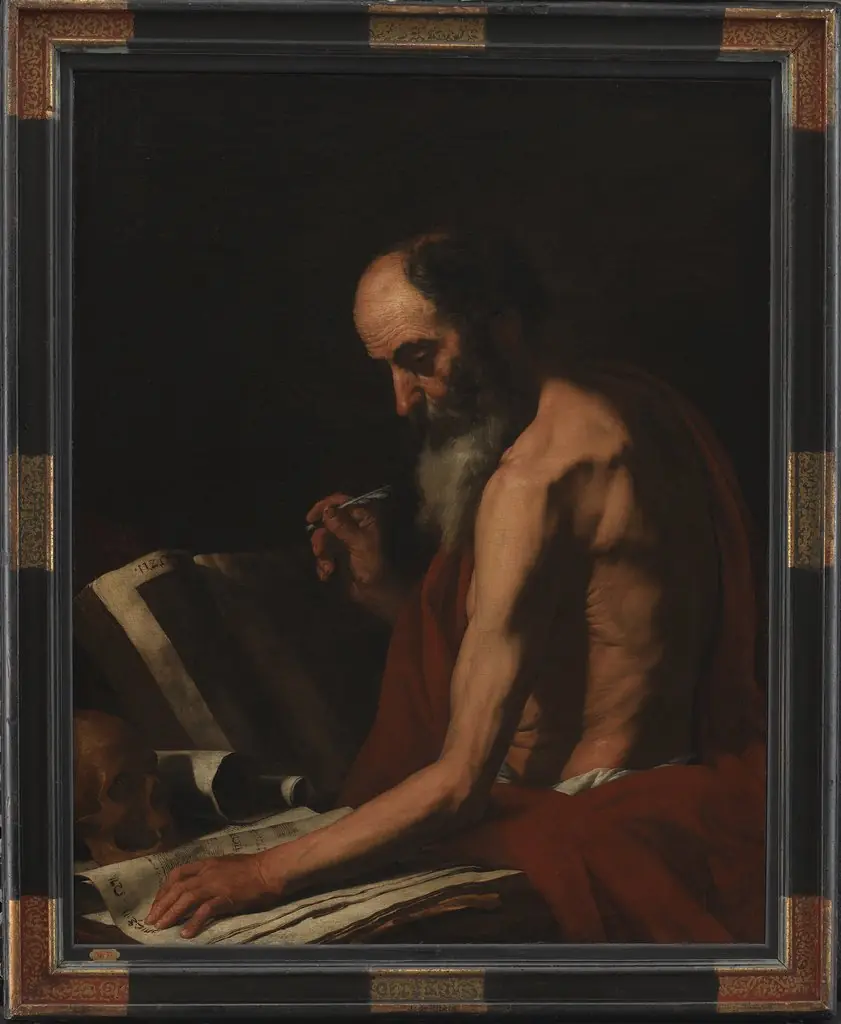 St Jerome
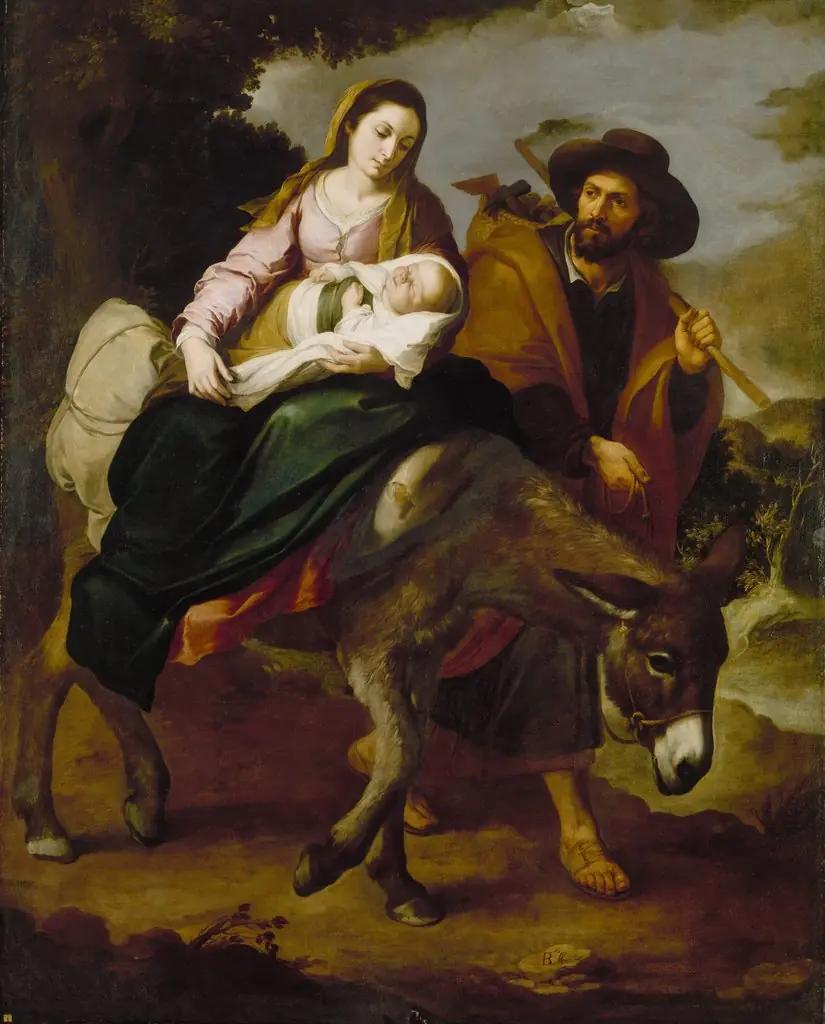 The Flight into Egypt
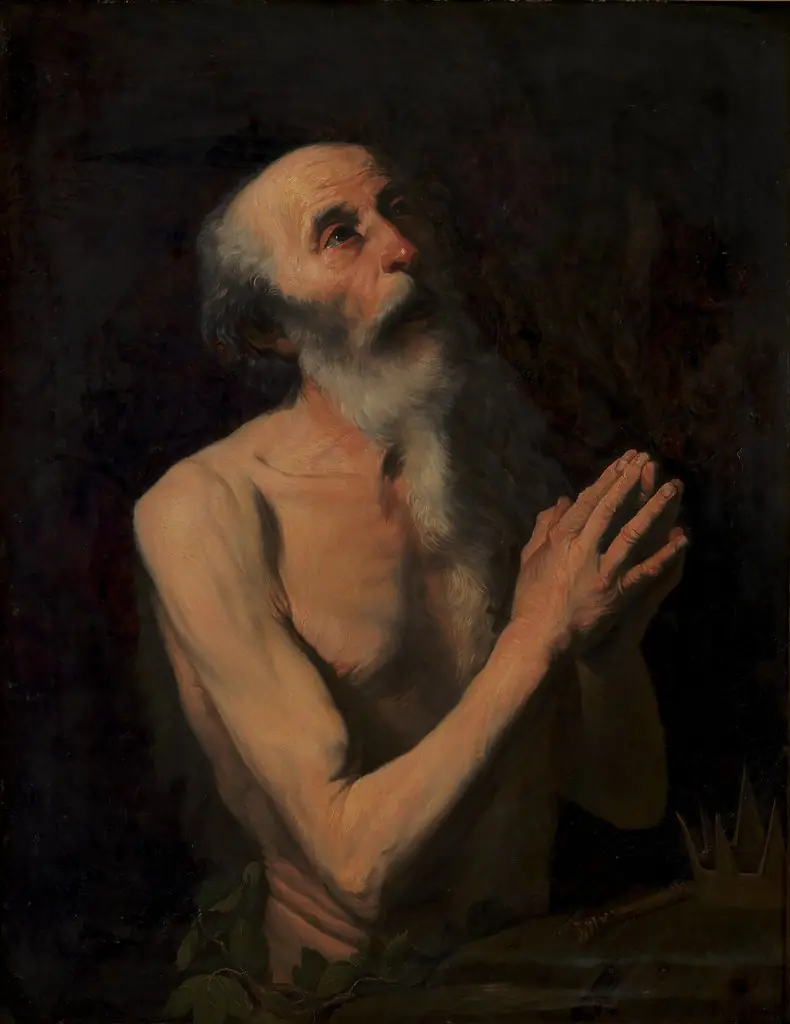 Saint Onufrius
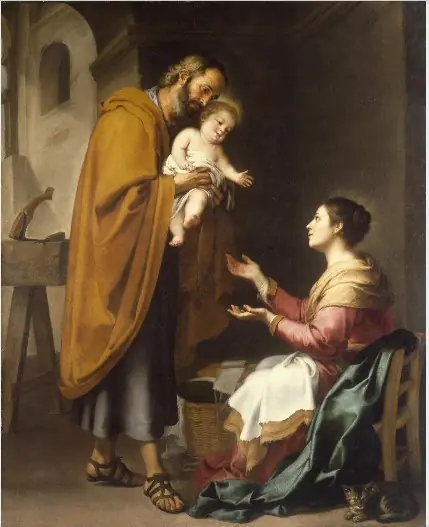 The Holy Family
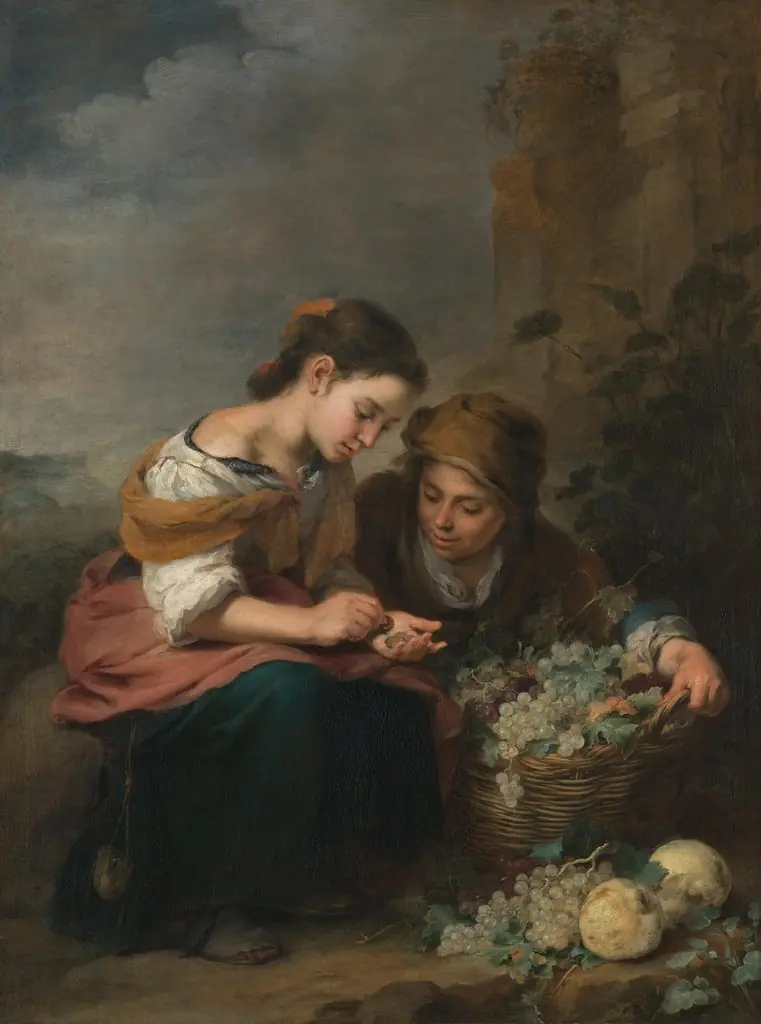 The Little Fruit Seller
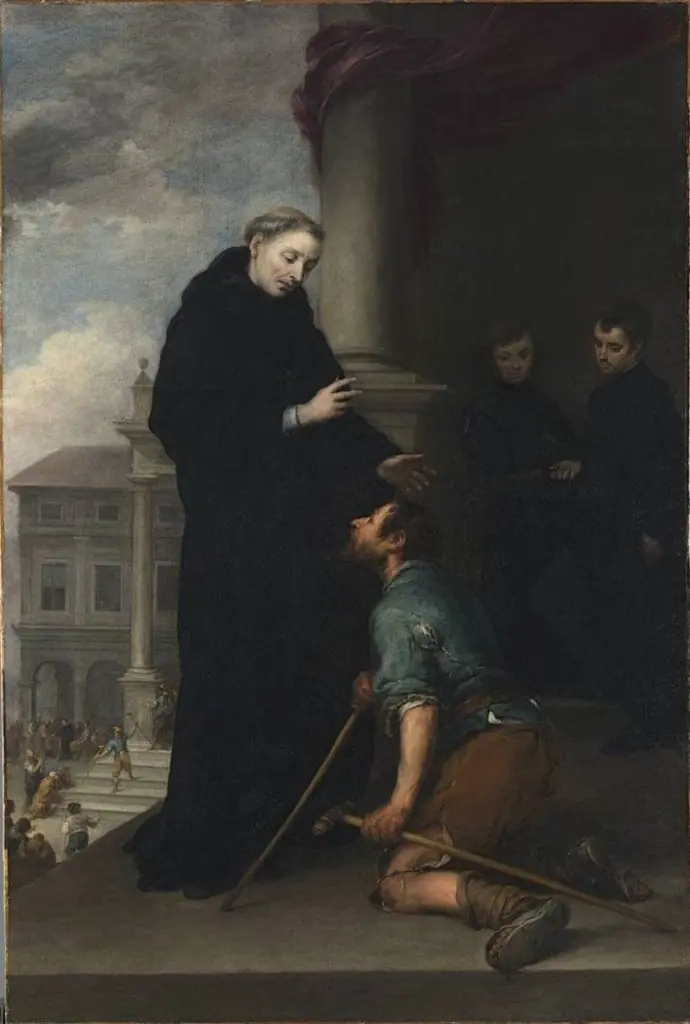 Thomas of Villanova heals the sick
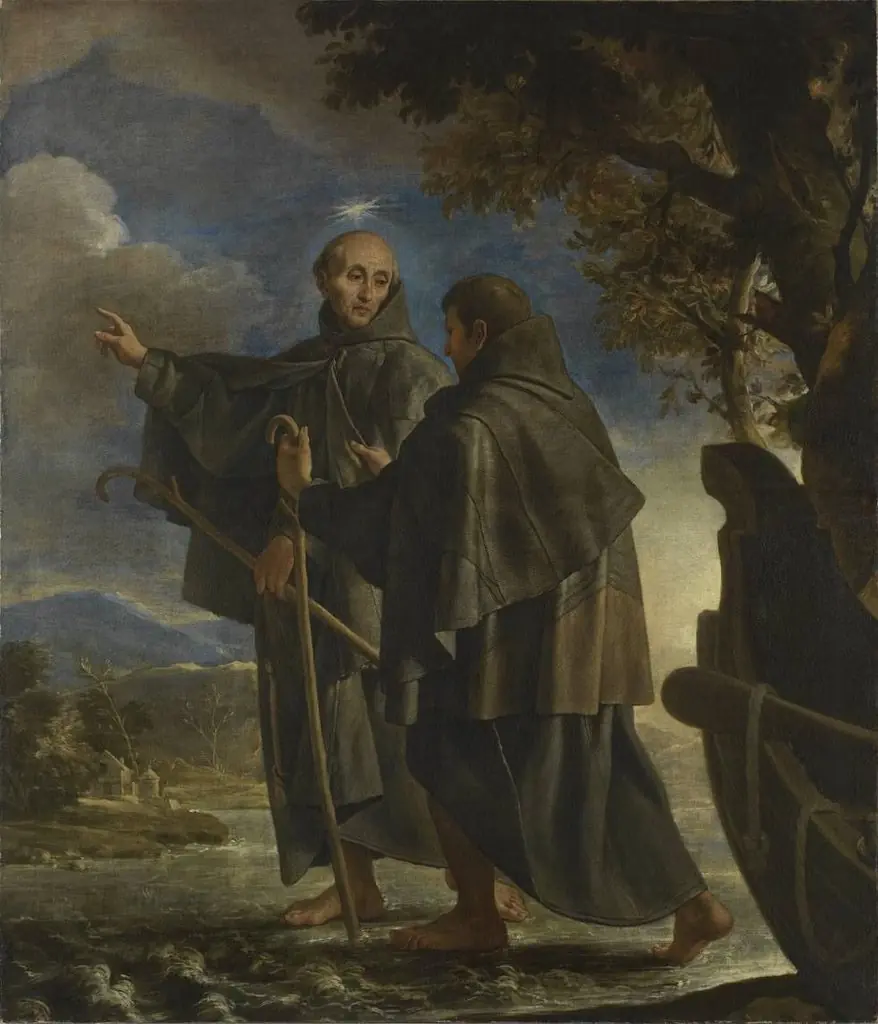 Der hl. Petrus von Alcántara wandelt über den Fluss Quadiana
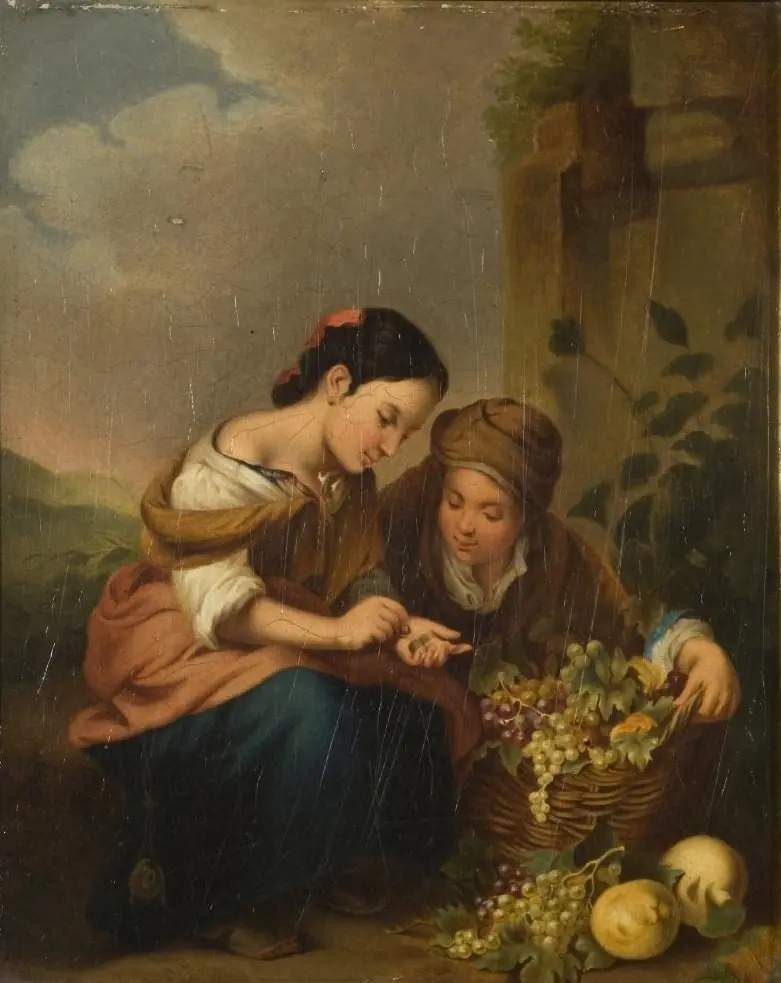 The Money Counter
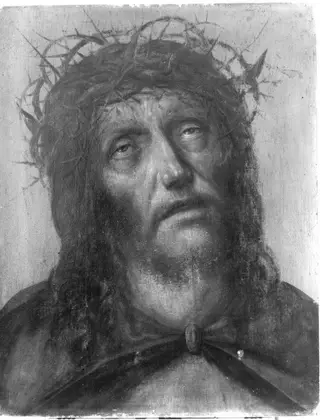 Ecce Homo
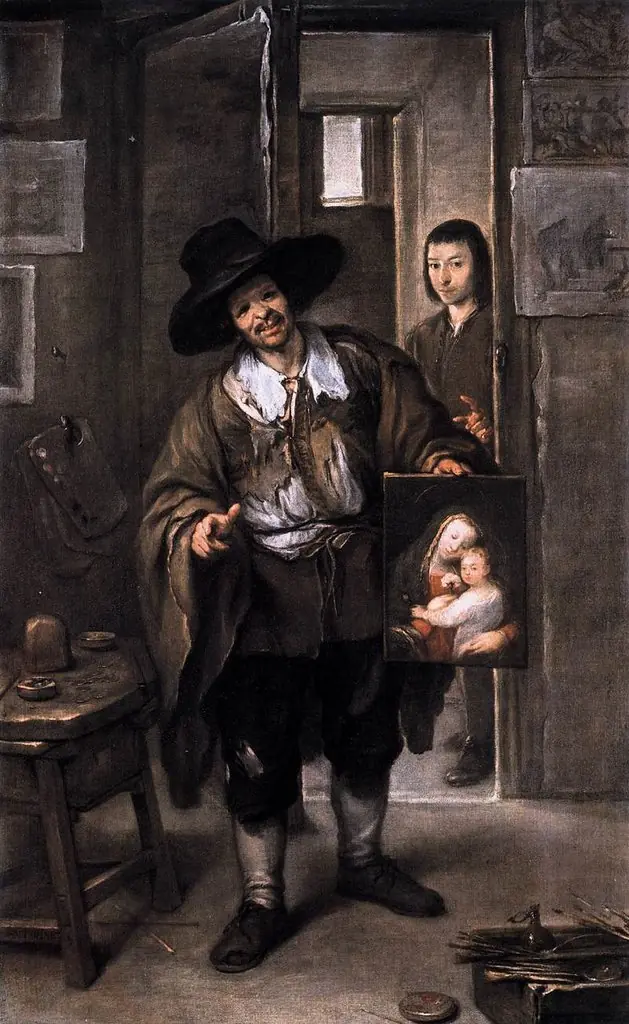 The Picture Merchant
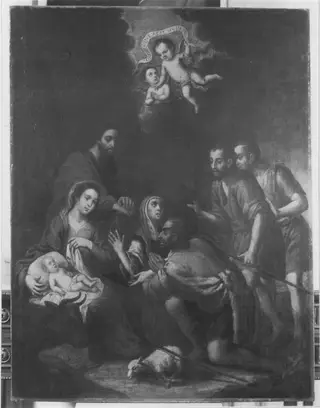 Anbetung der Hirten
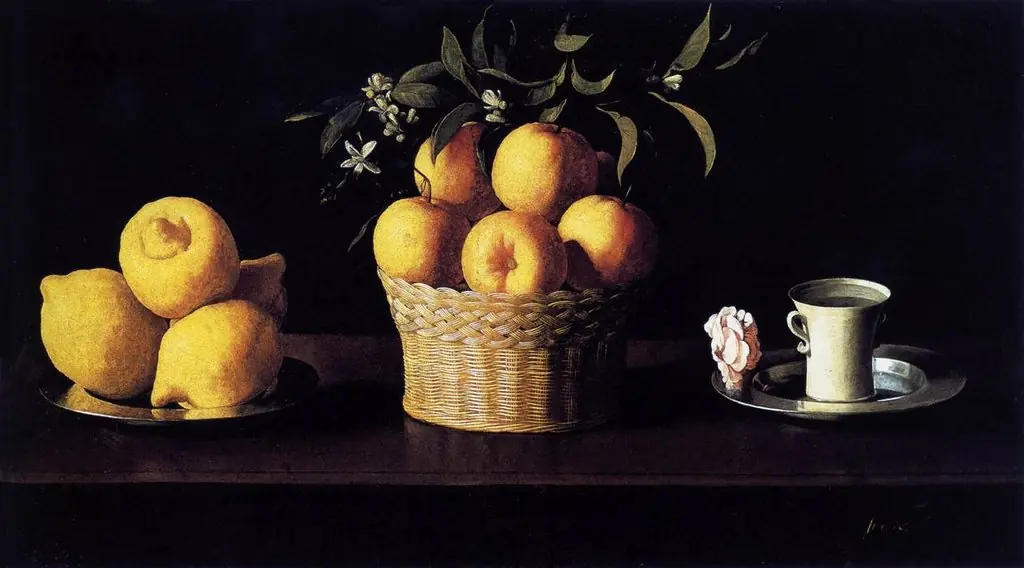 Still Life with Lemons, Oranges and a Rose
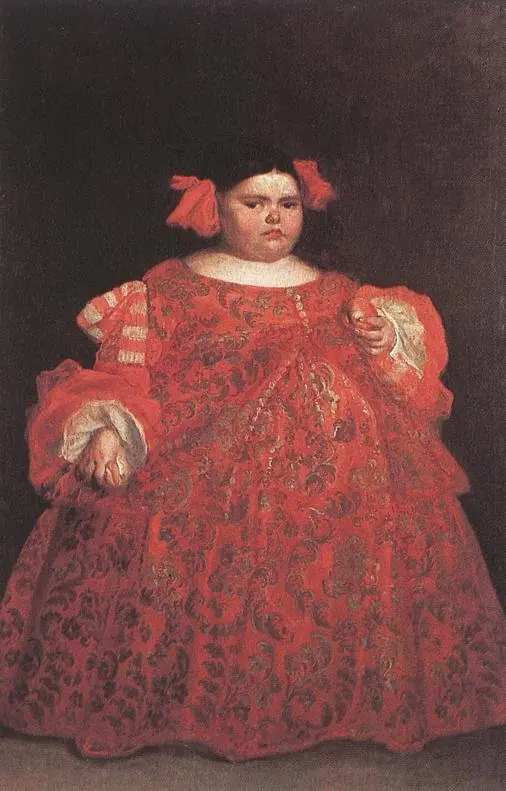 Eugenia Martinez Valleji, called La Monstrua
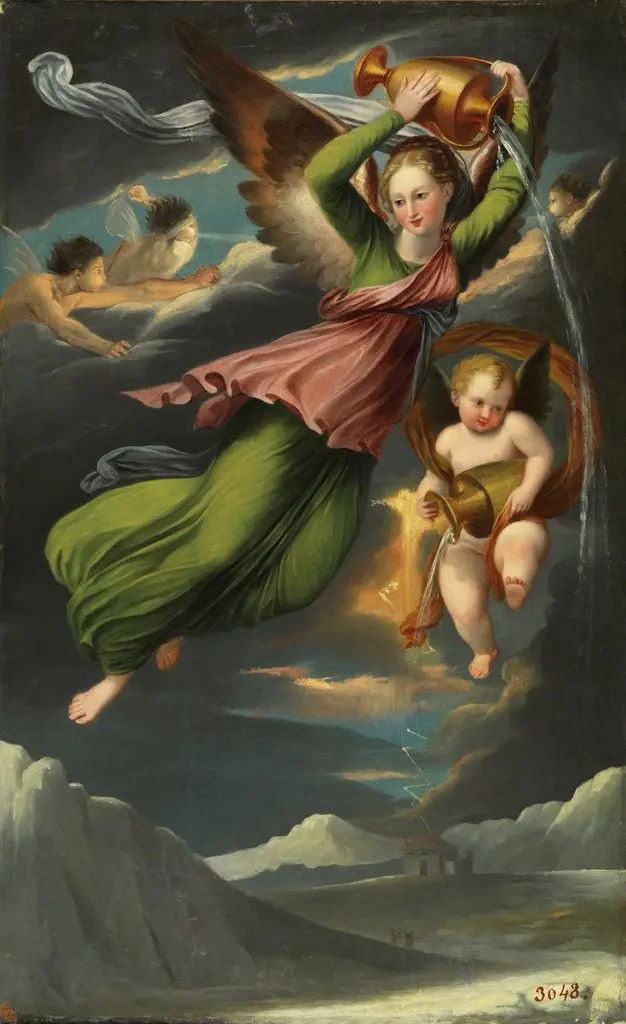 Alegoría del Invierno
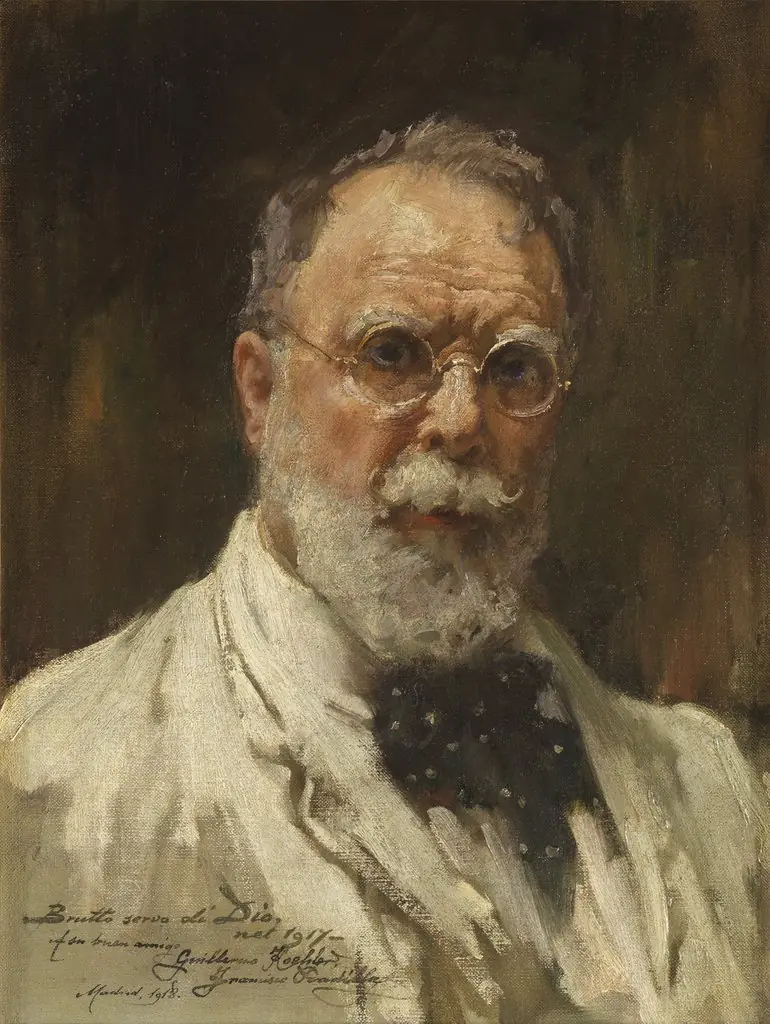 Autorretrato
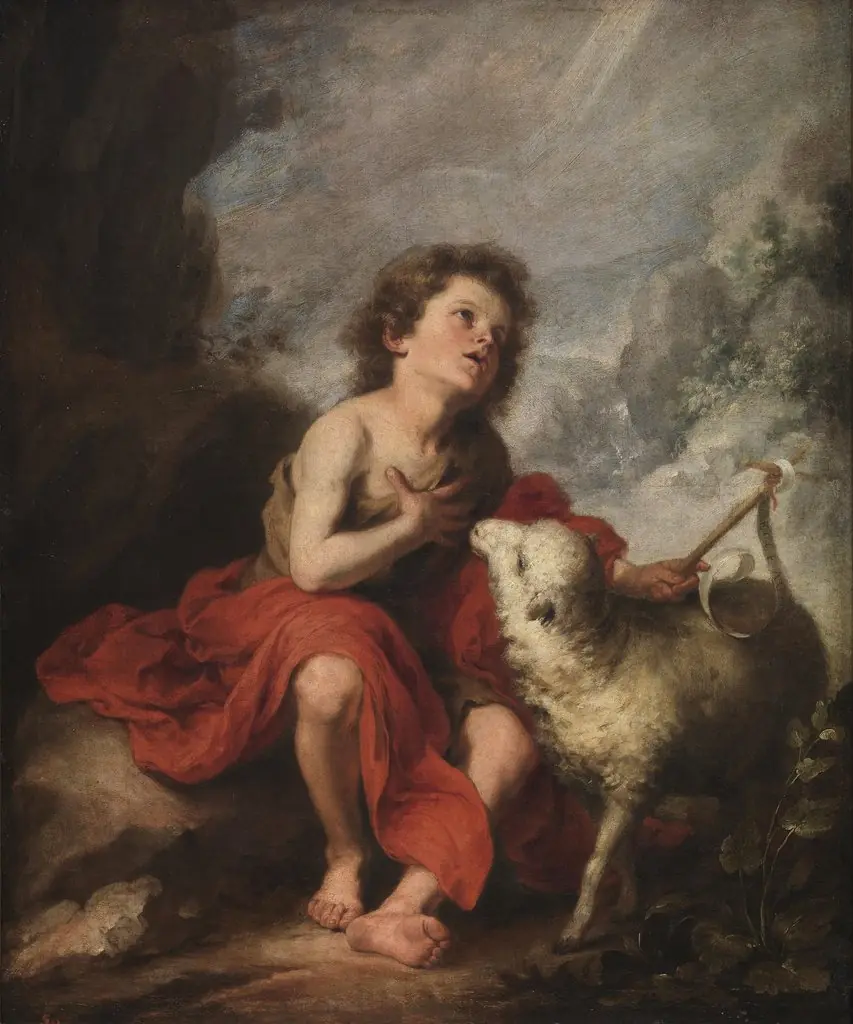 The Infant Saint John the Baptist
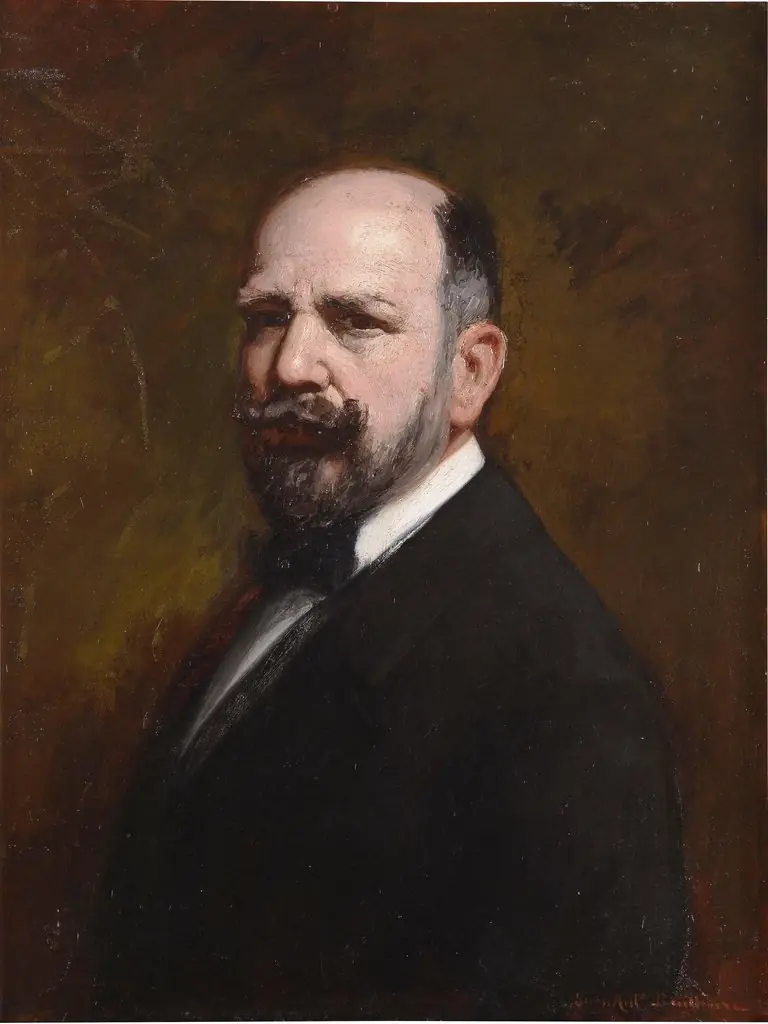 Autorretrato
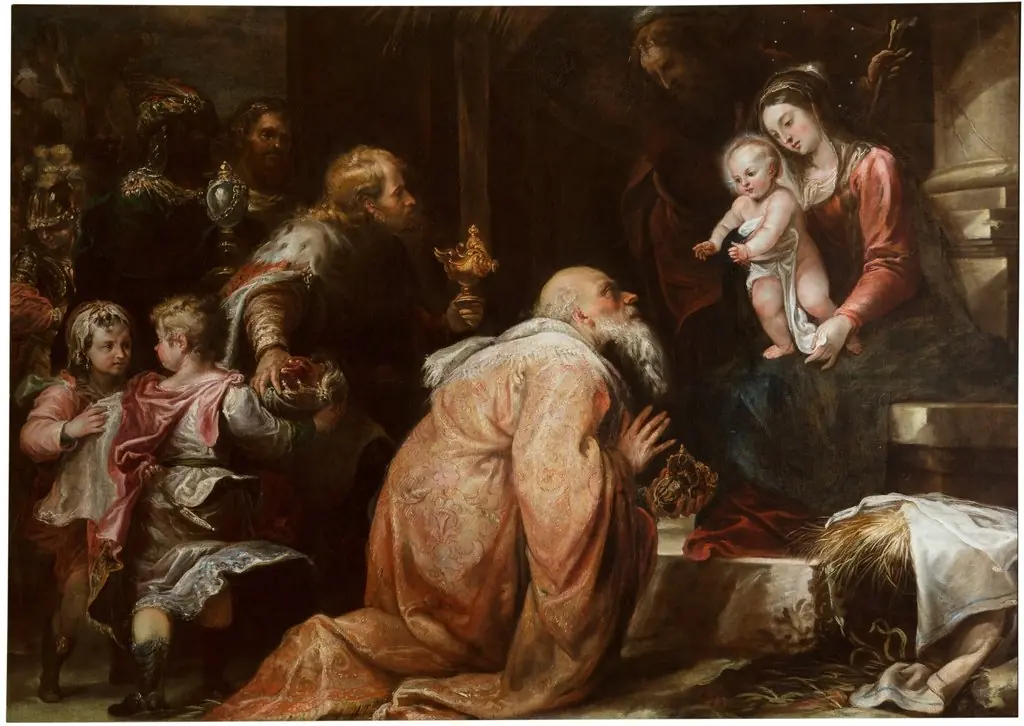 Adoración de los Reyes Magos
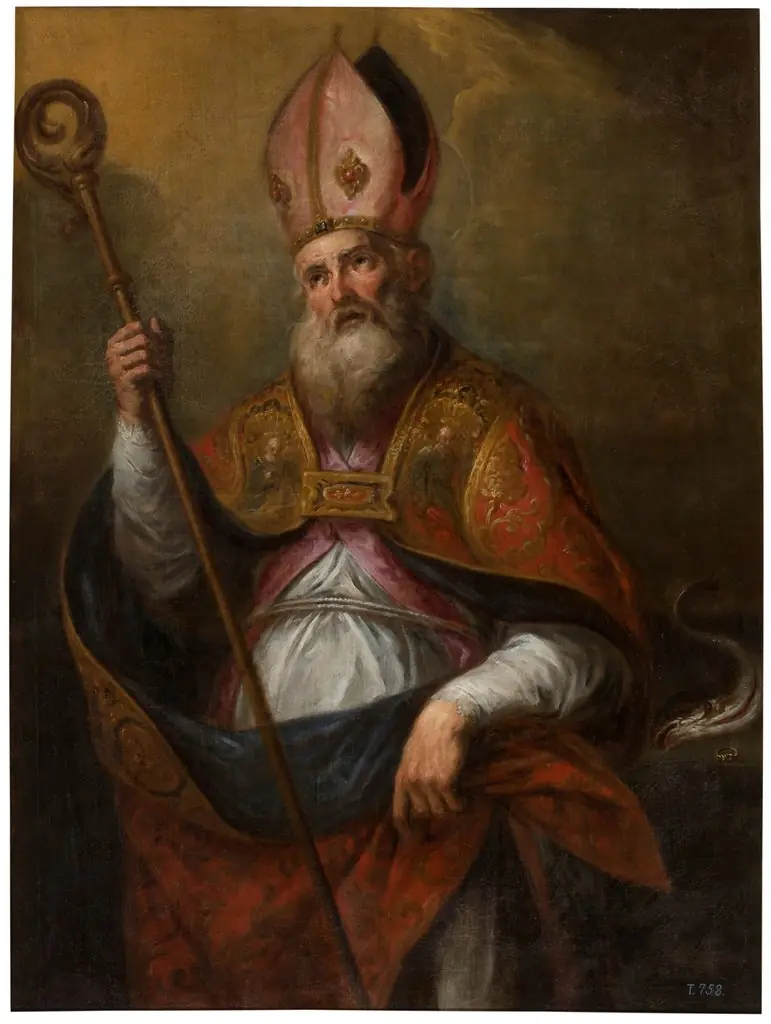 Saint Attila
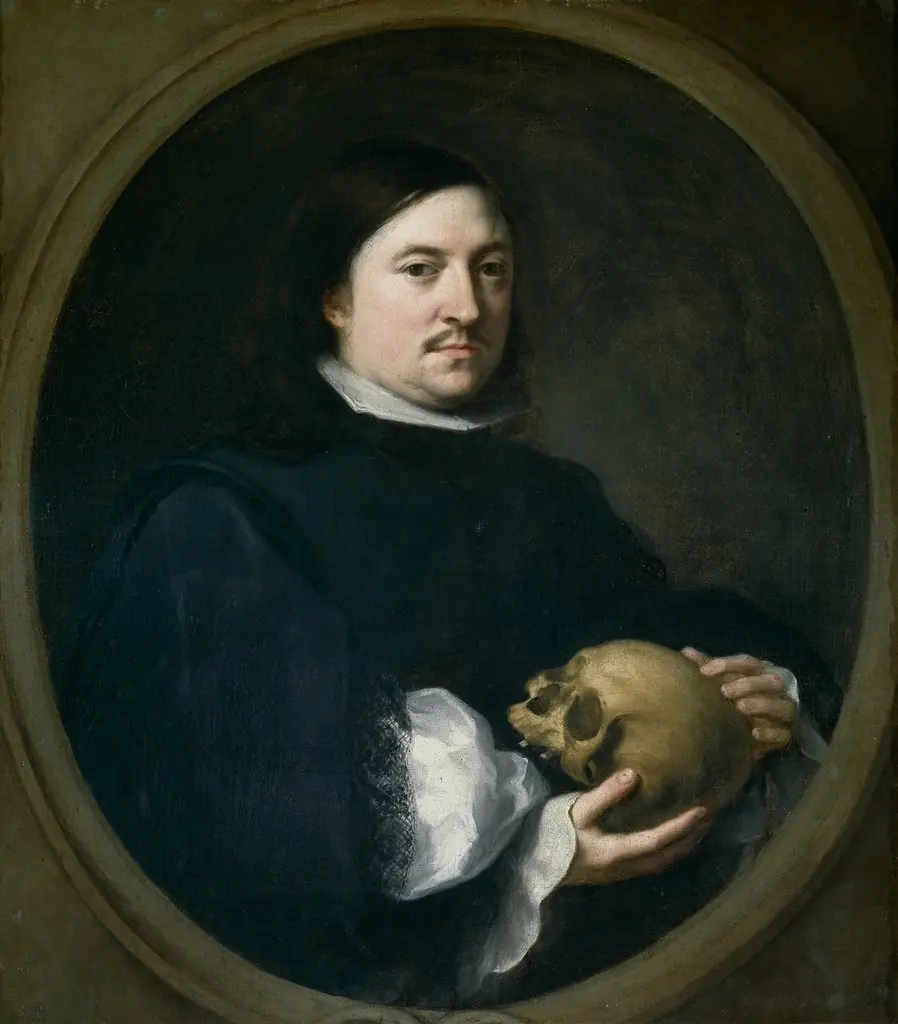 Nicolás Omazur
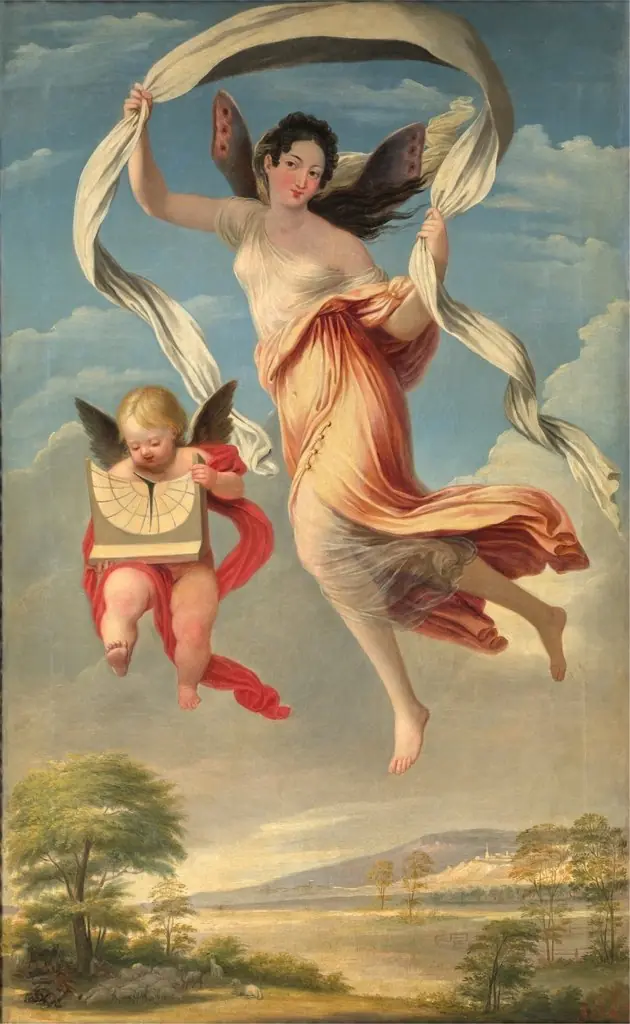 Allegory of Noon
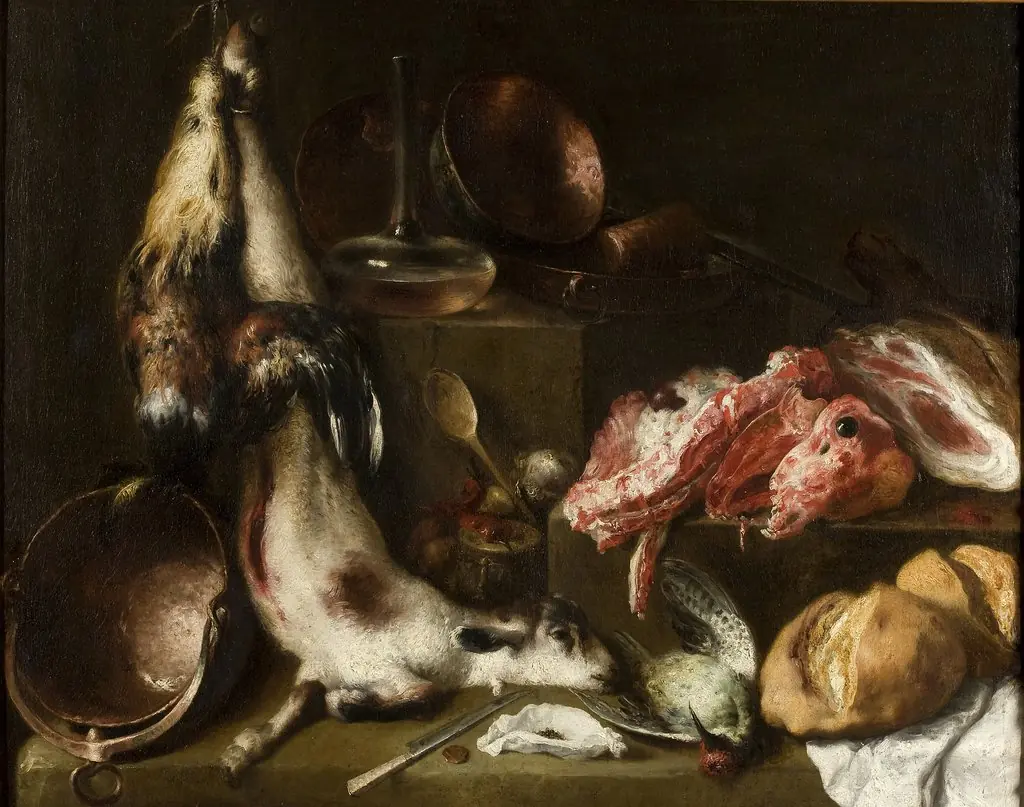 Kitchen Still Life
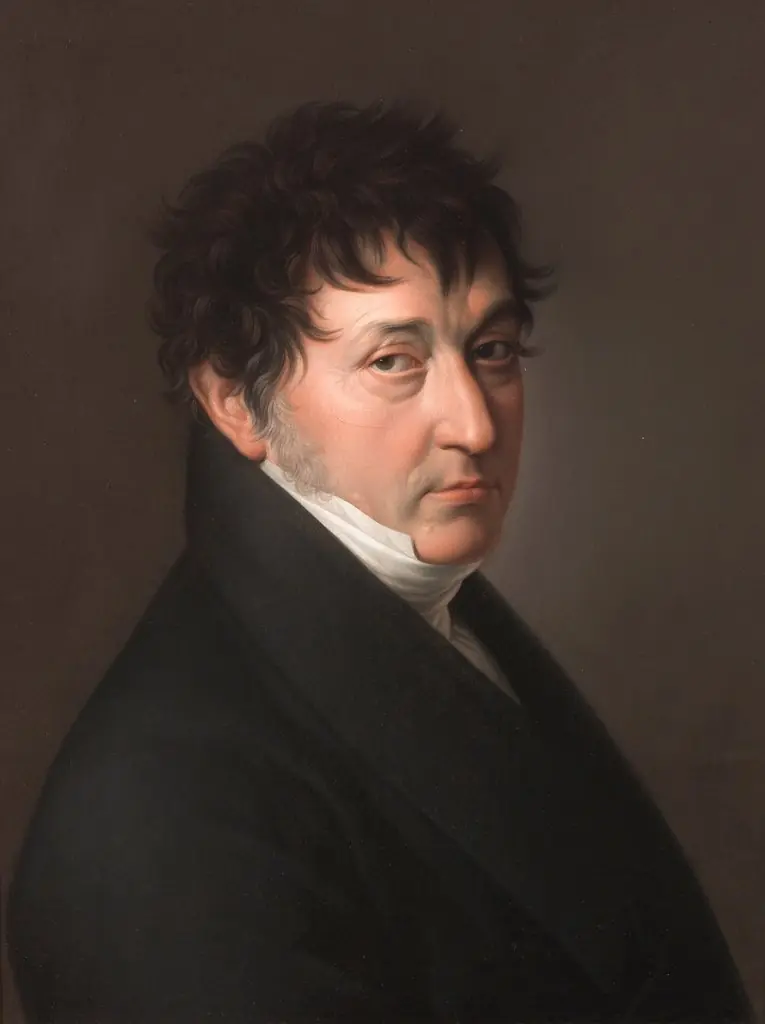 Self-portrait
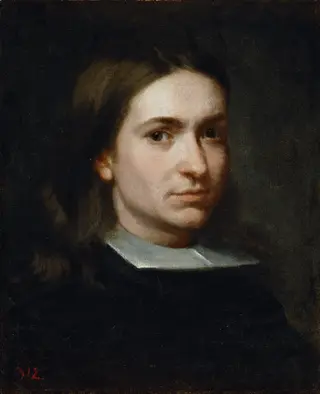 Self-Portrait
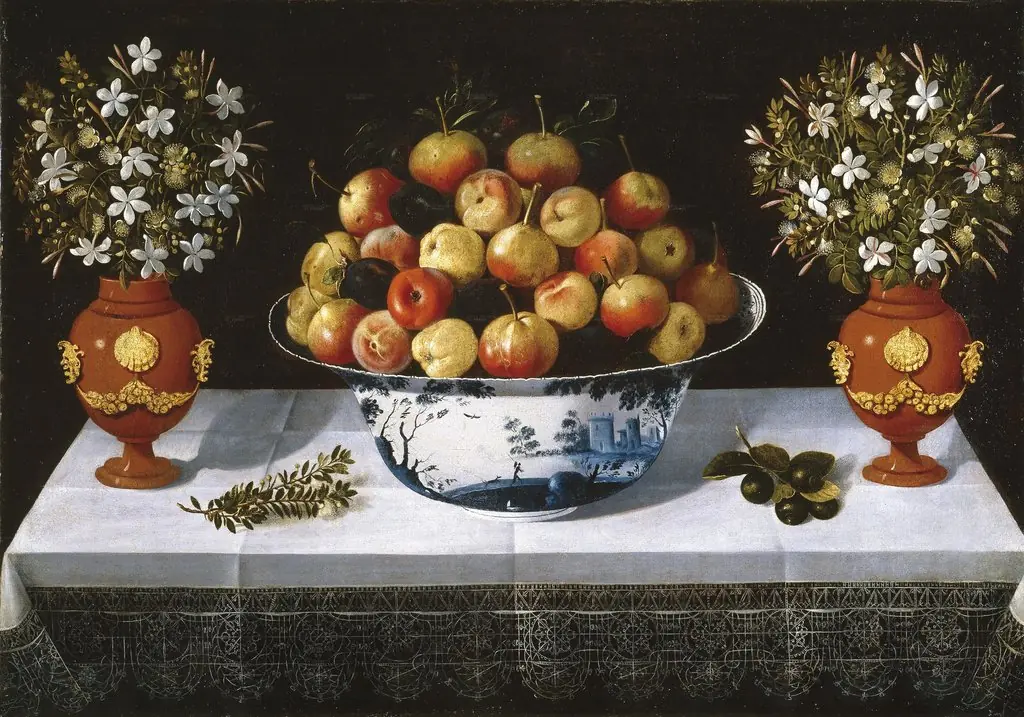 Delft Fruit Bowl and two Vases of Flowers
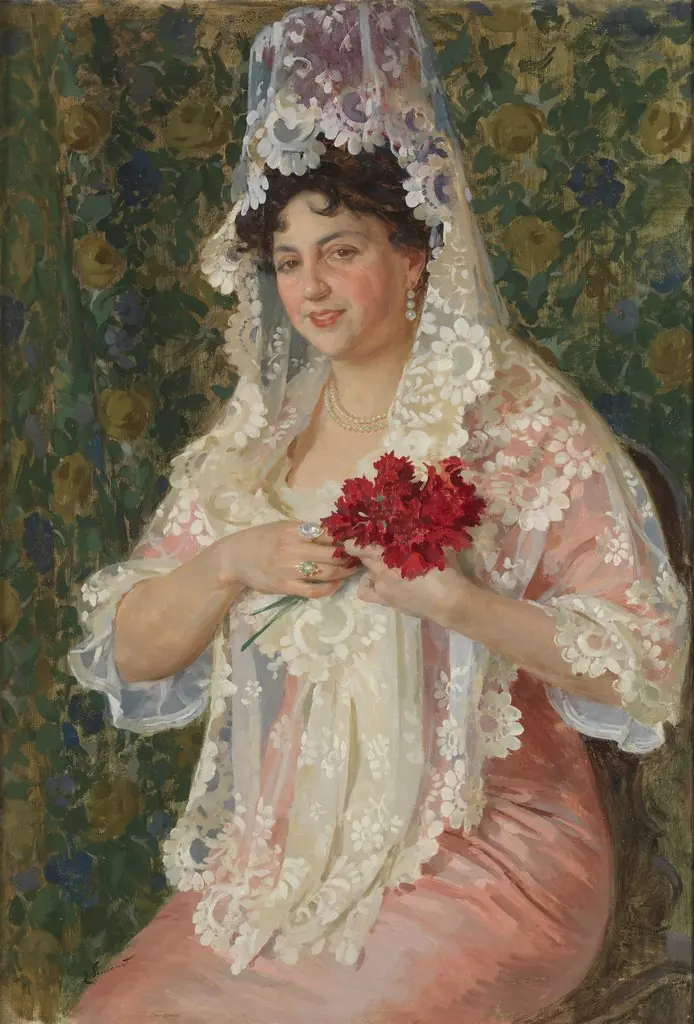 Asunción Castro Crespo, wife of the painter
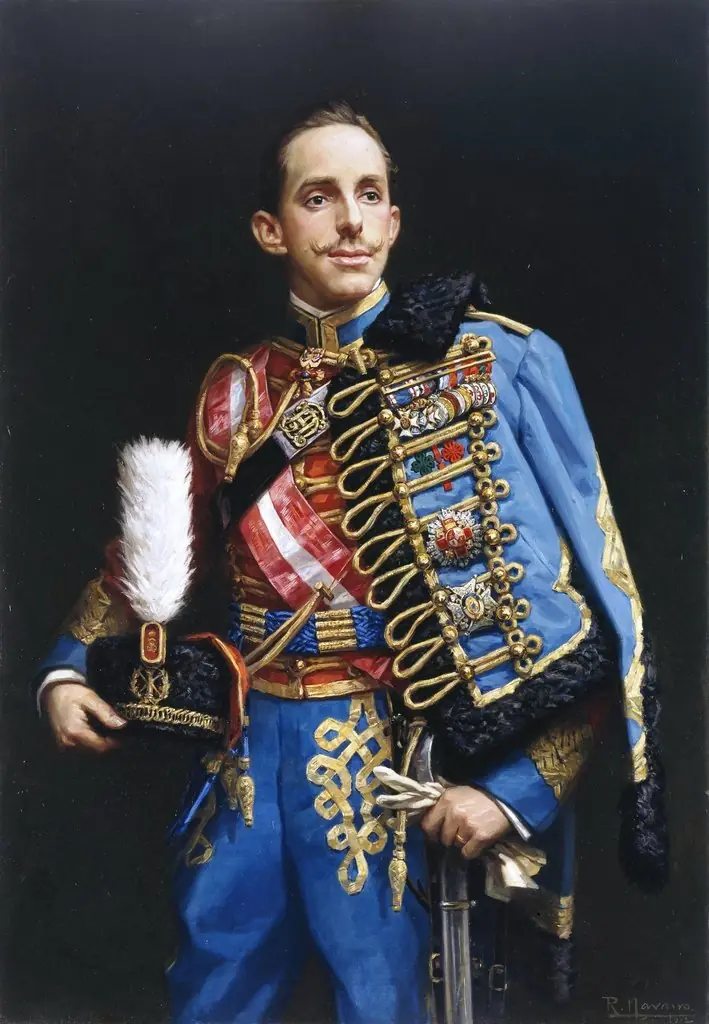 Alfonso XIII
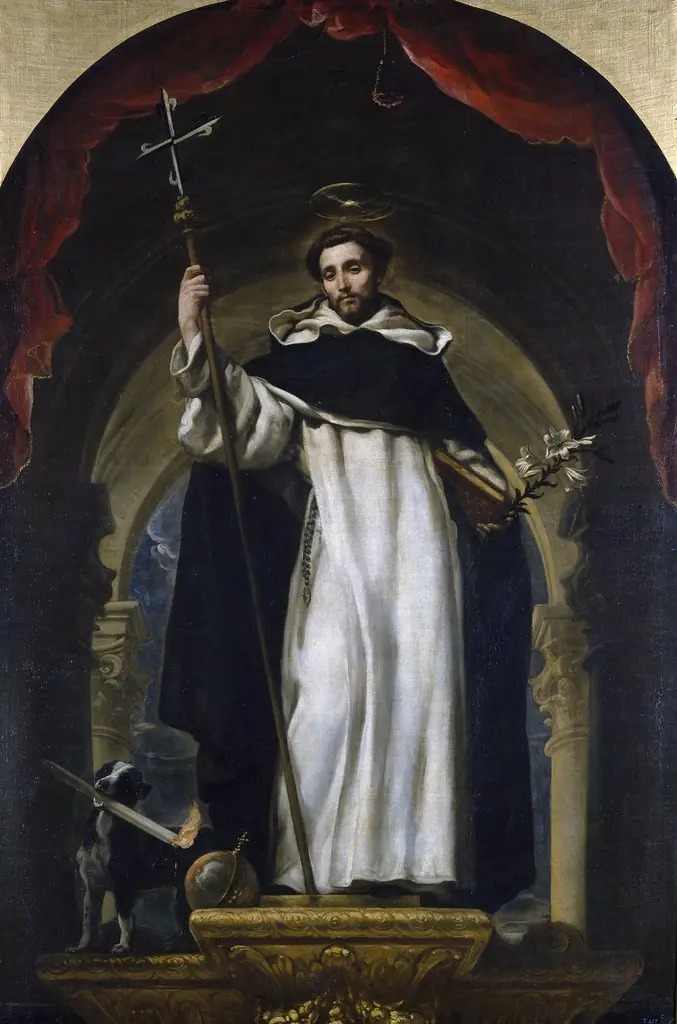 Saint Dominic of Guzmán
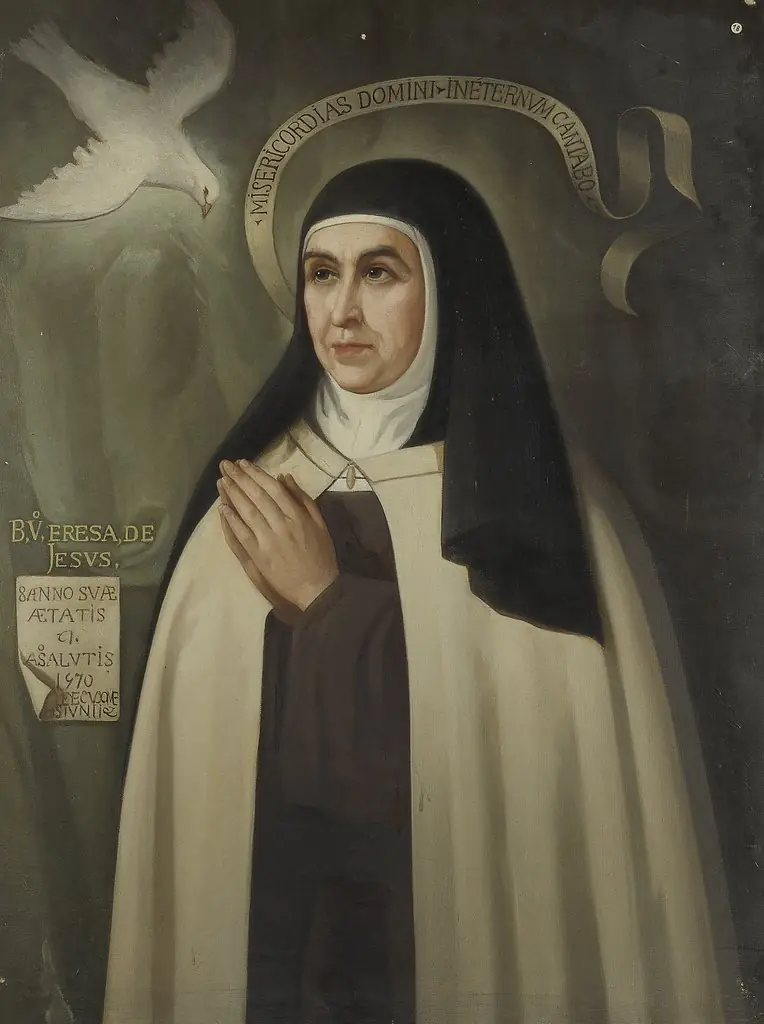 Saint Teresa of Ávila
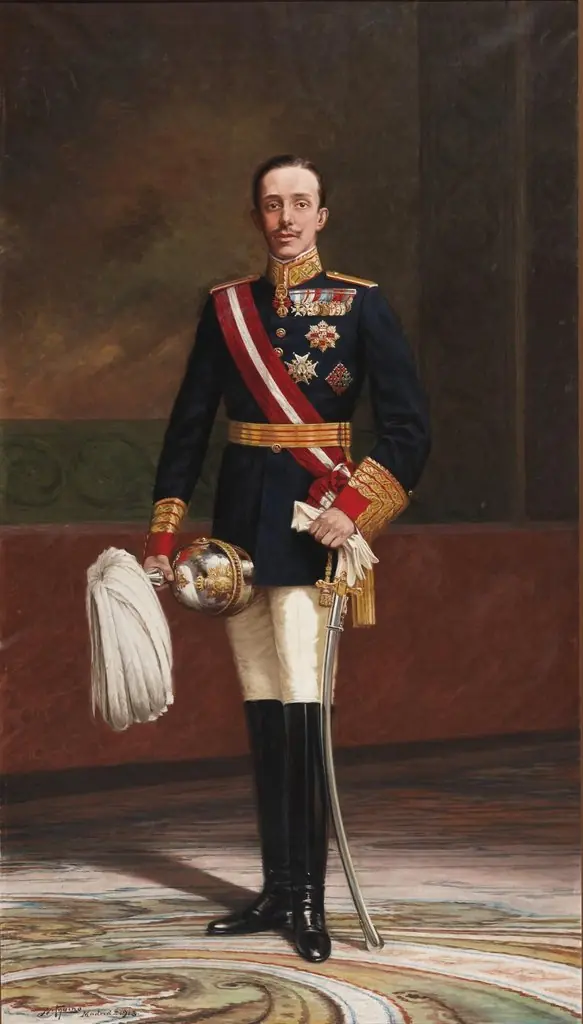 Alfonso XIII con uniforme de capitán general
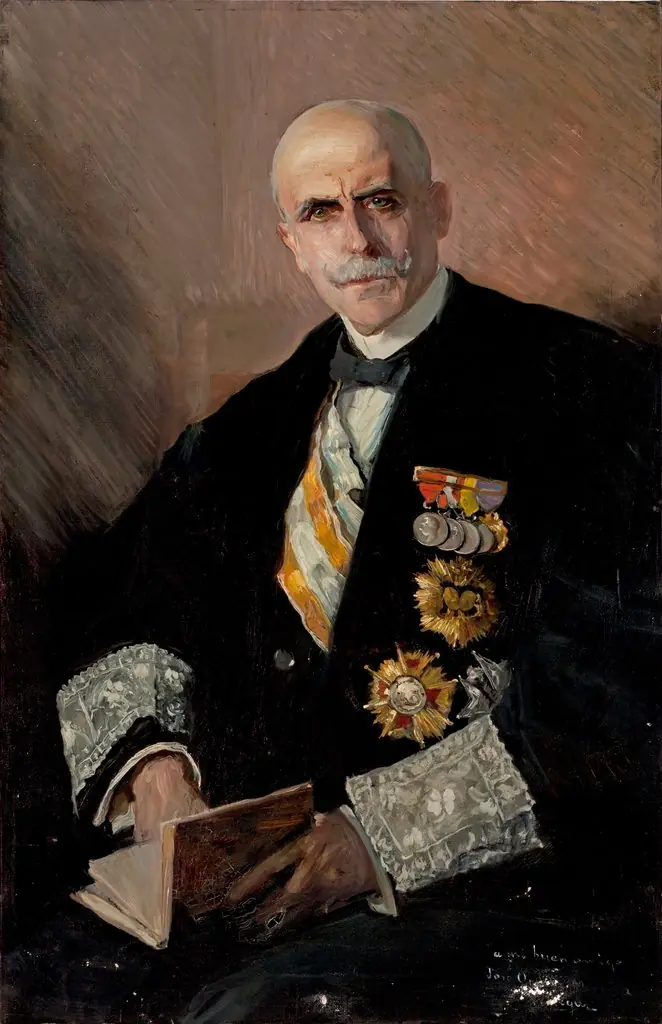 José María Ortega Morejón
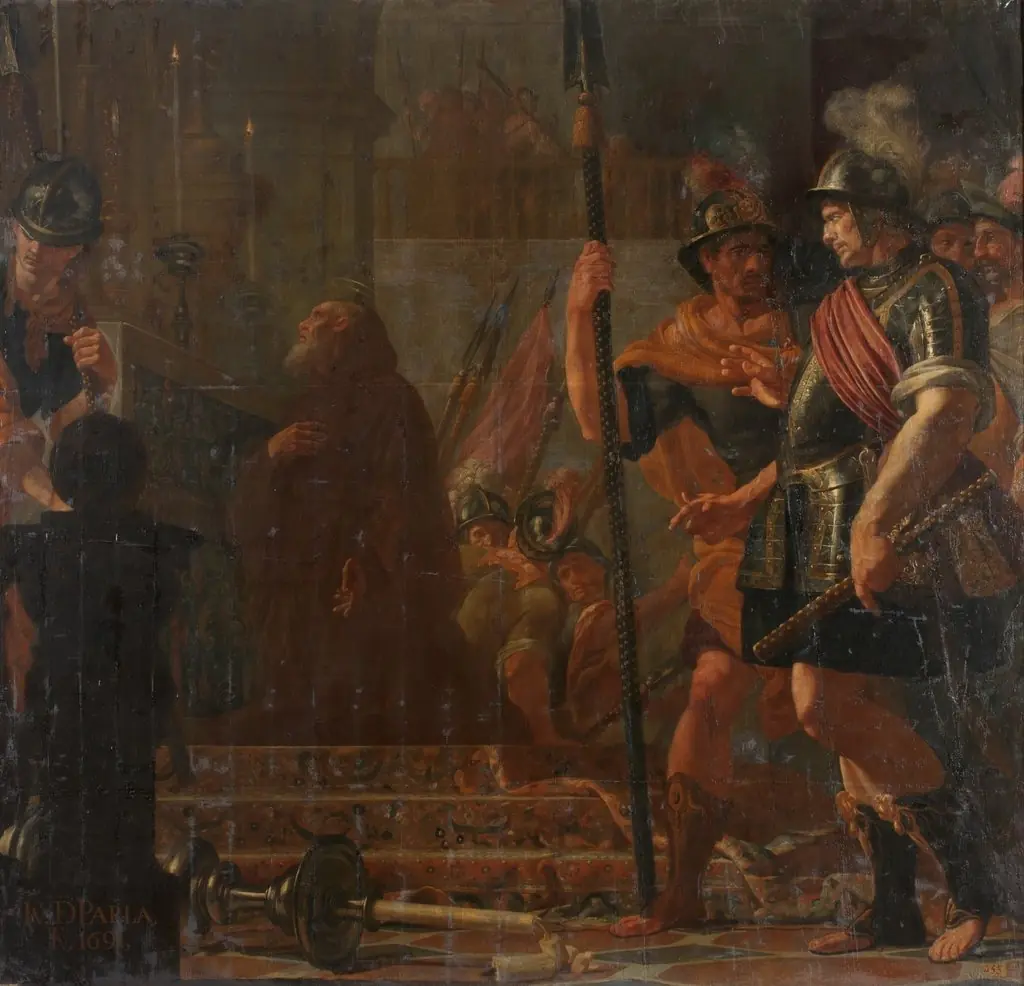 Saint Francis of Paola
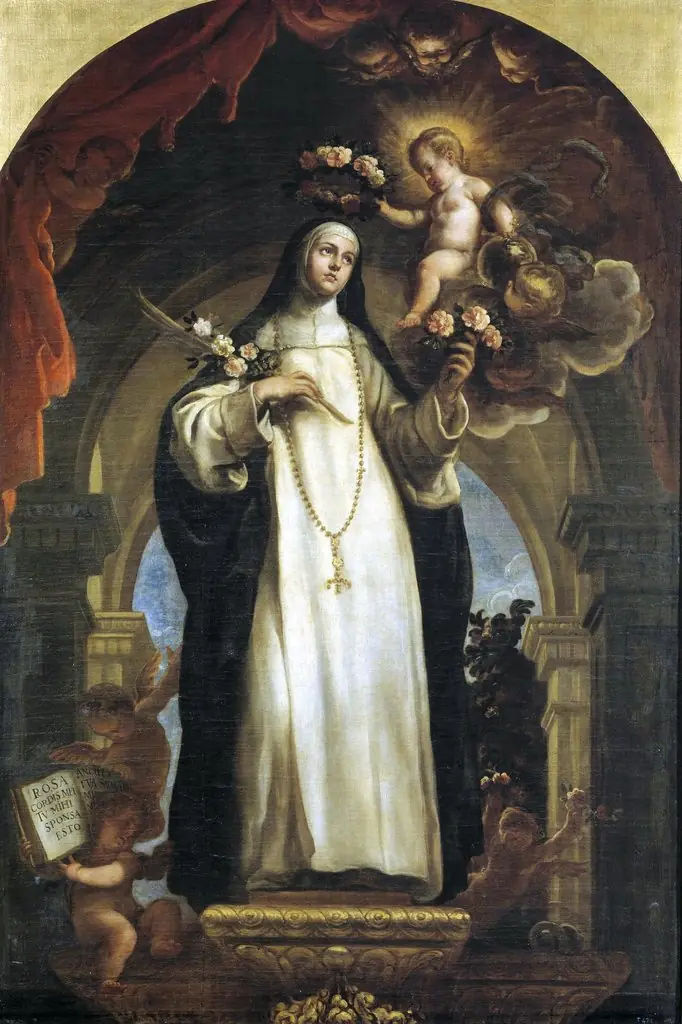 Santa Rosa de Lima
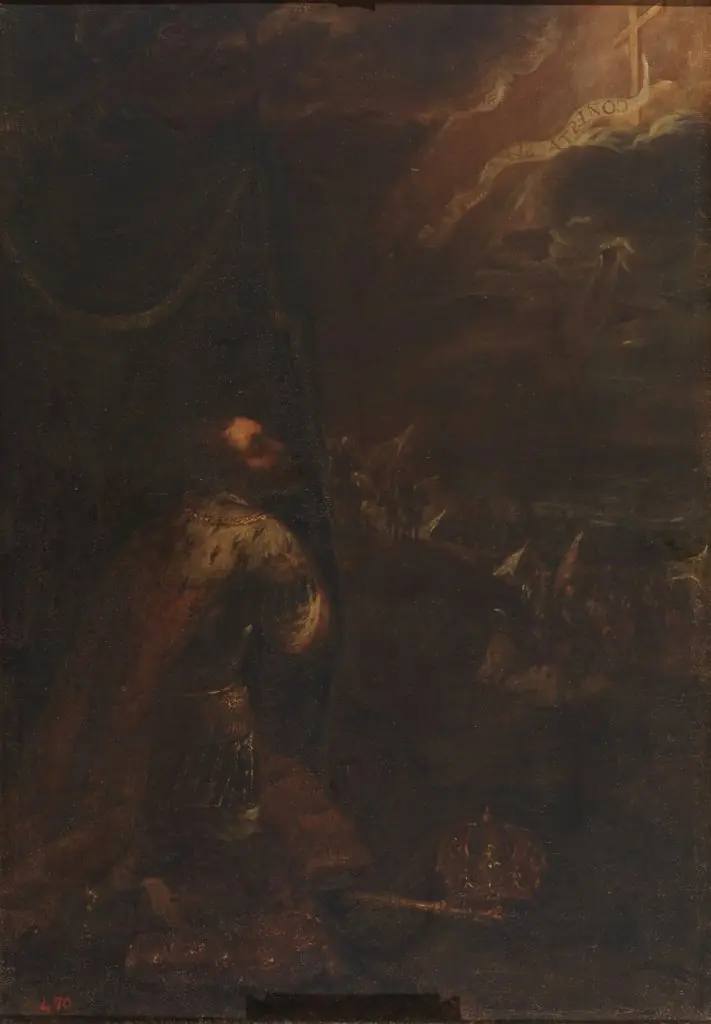 San Fernando arrodillado
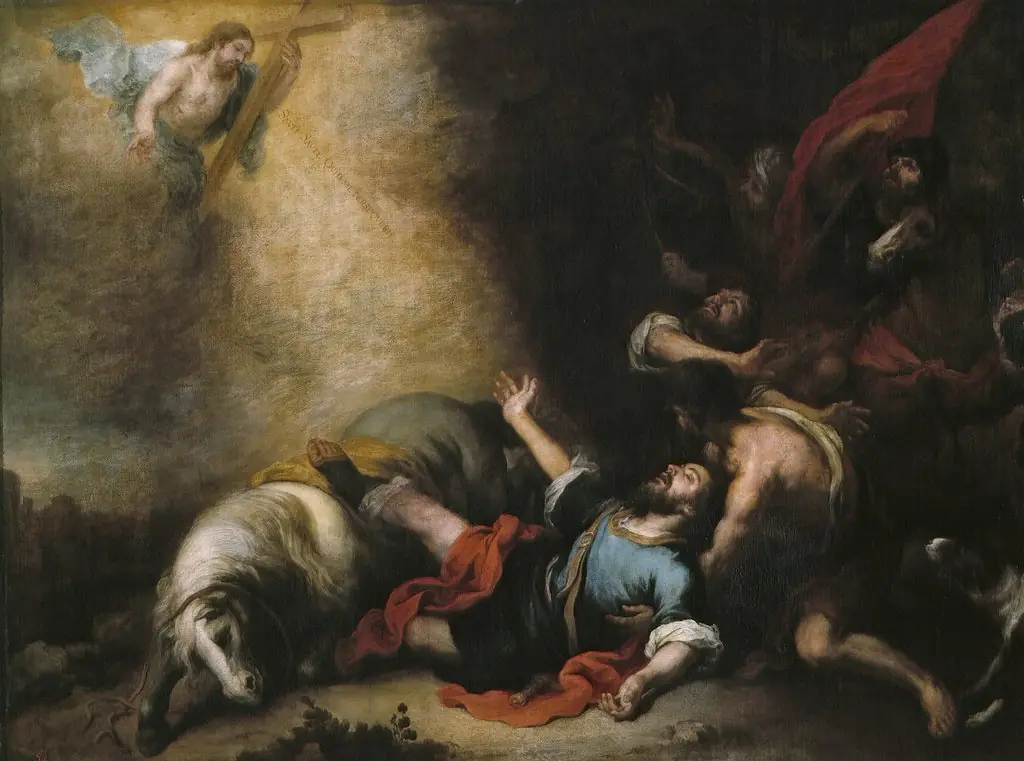 Conversion of Saint Paul
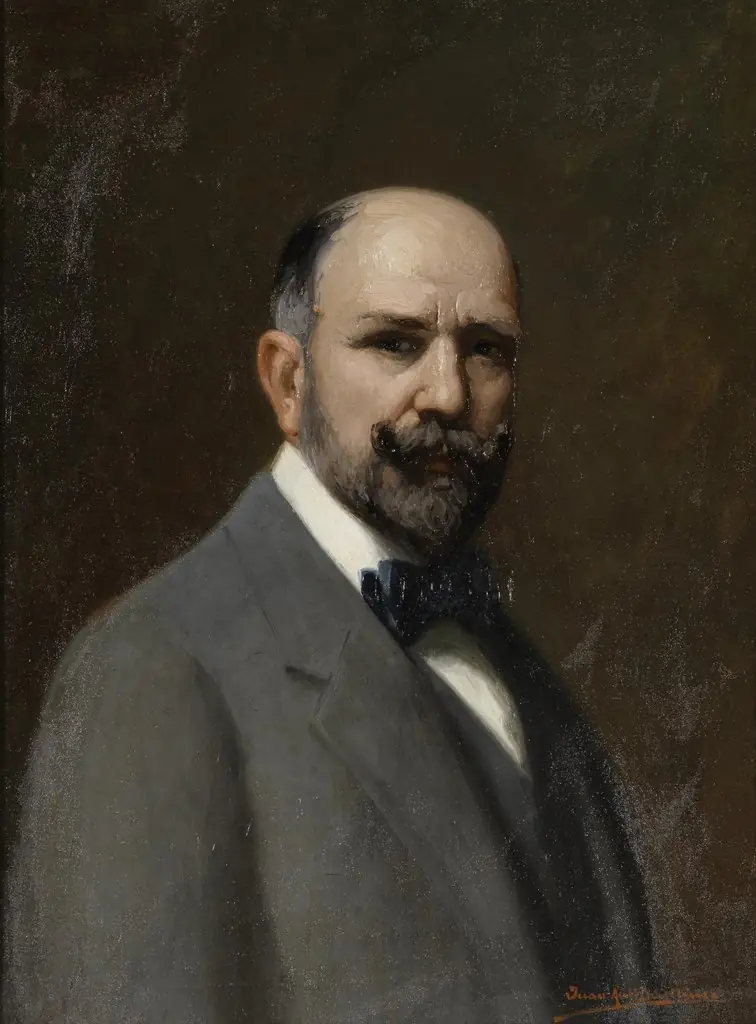 Self-portrait
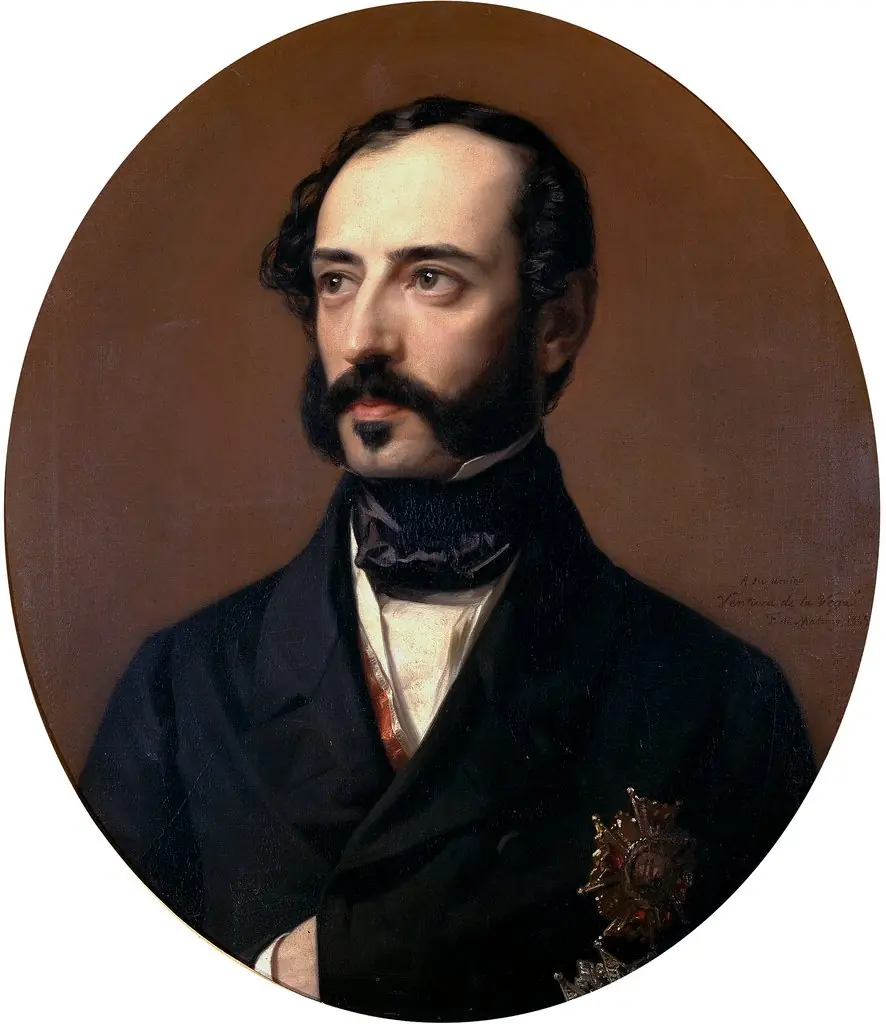 Ventura de la Vega
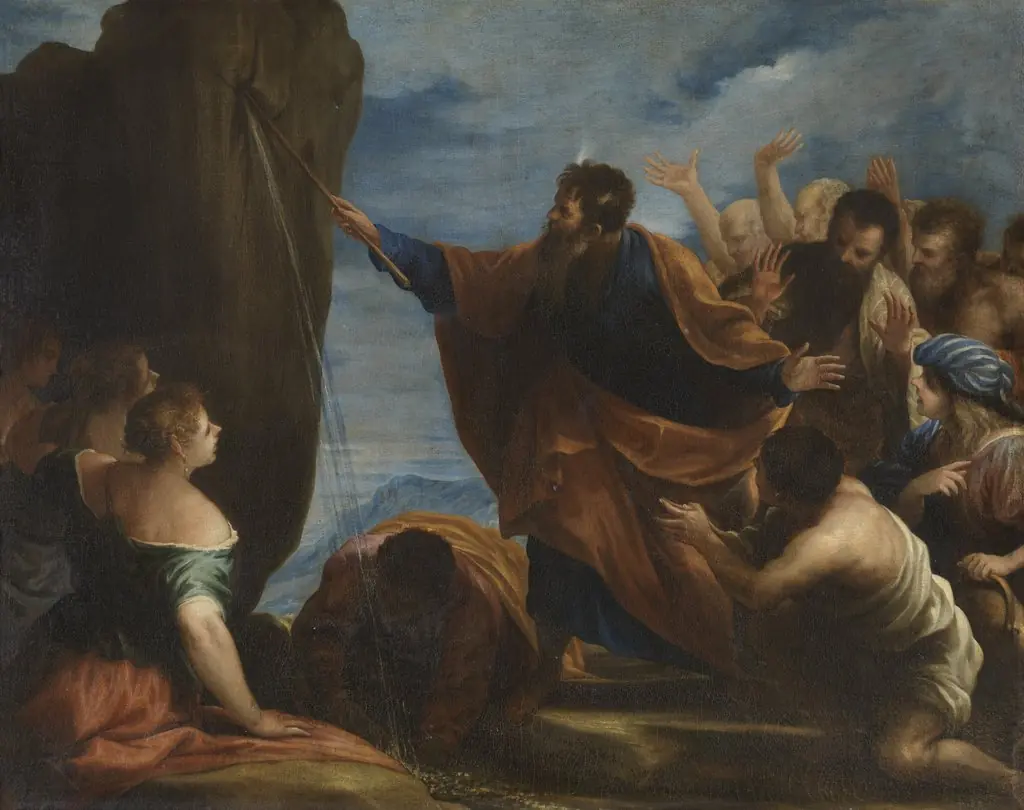 Moisés y el agua de la roca
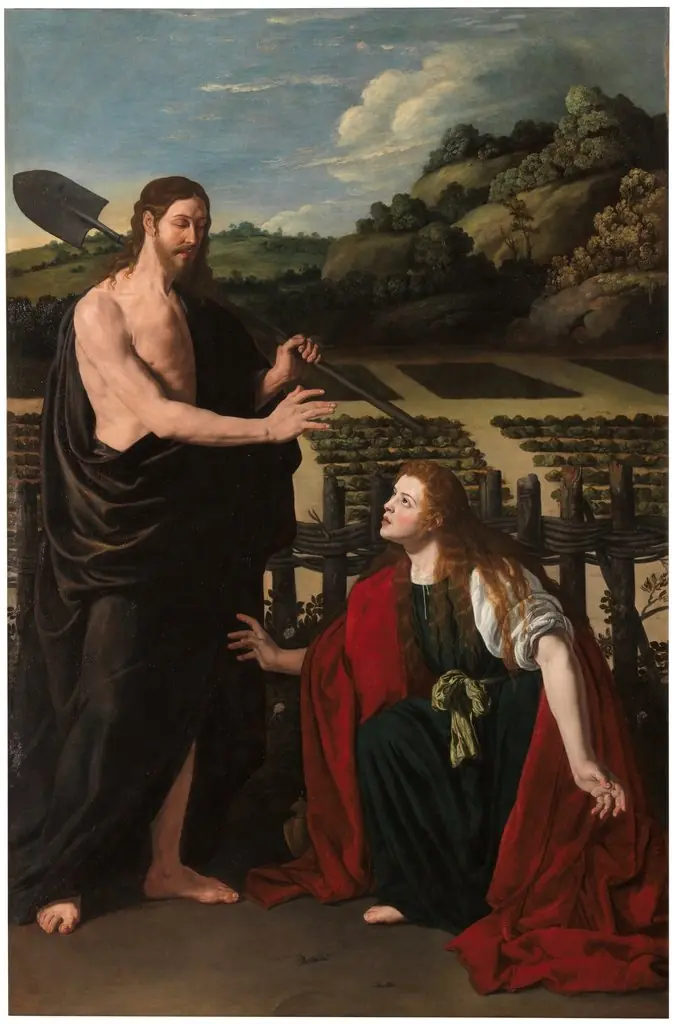 Noli me Tangere
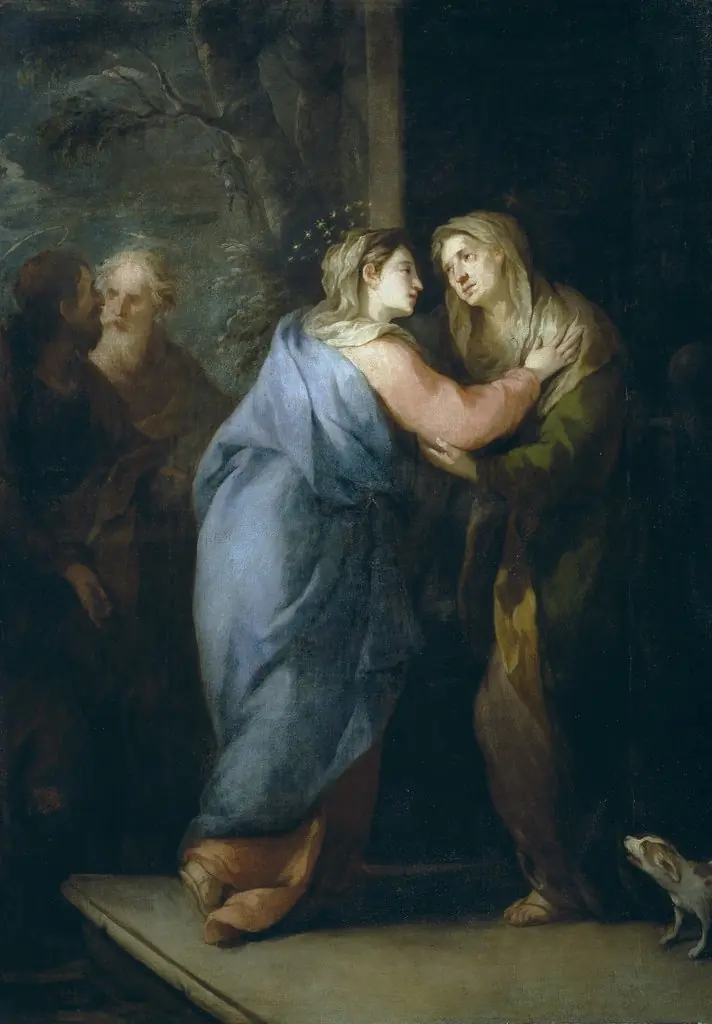 La Visitación
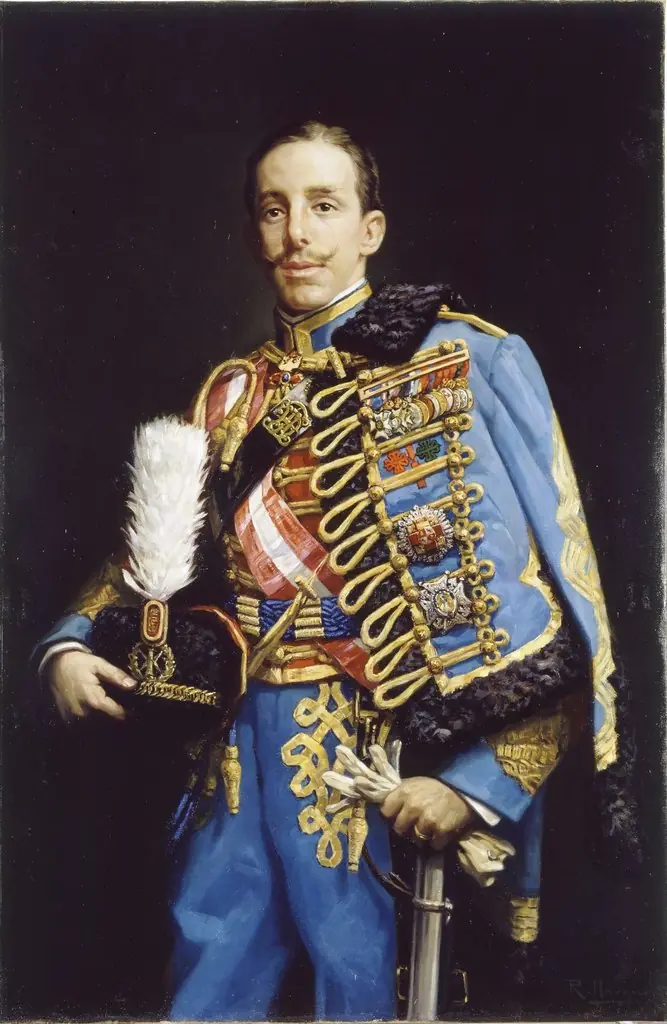 El rey Alfonso XIII
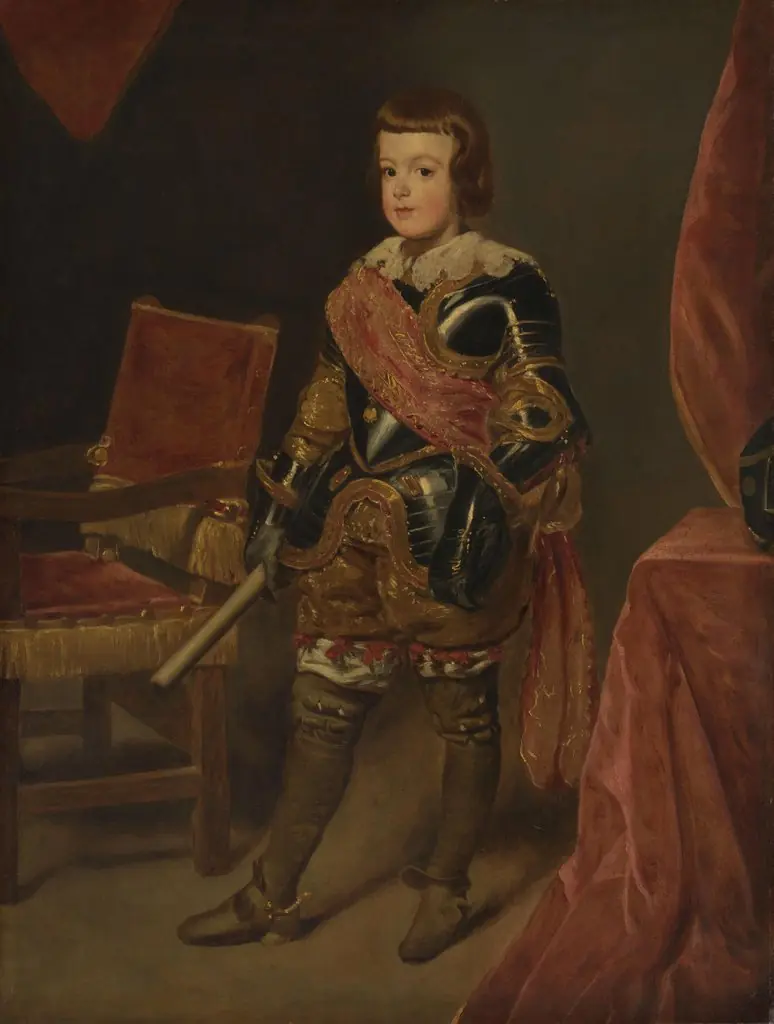 Portrait of Infante Balthasar Carlos
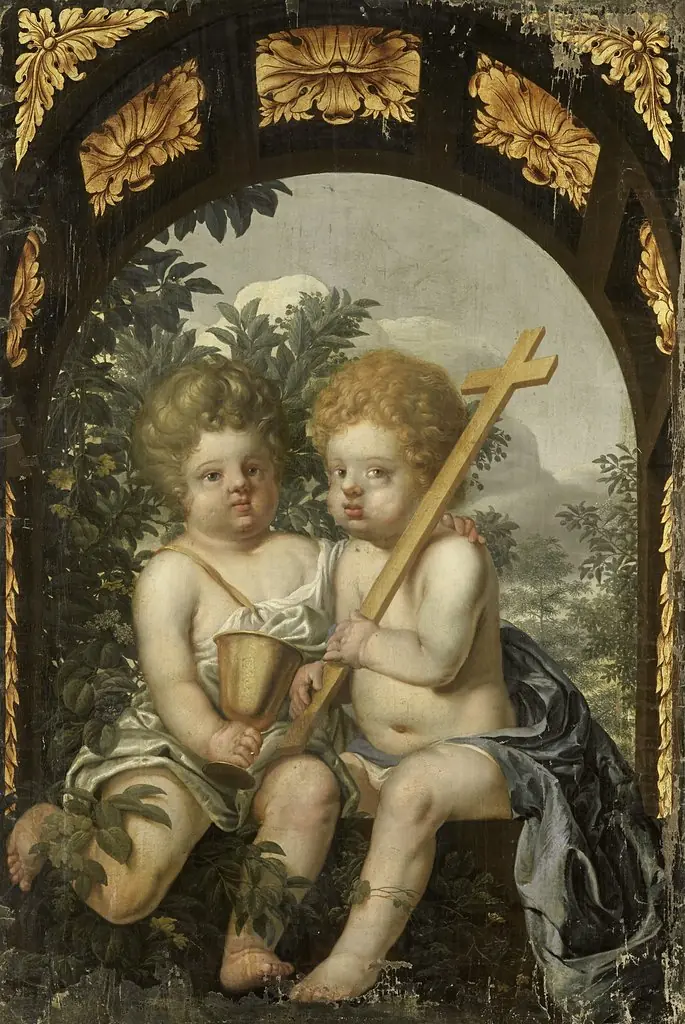 Christian Allegory with two Children with Cross and Chalice
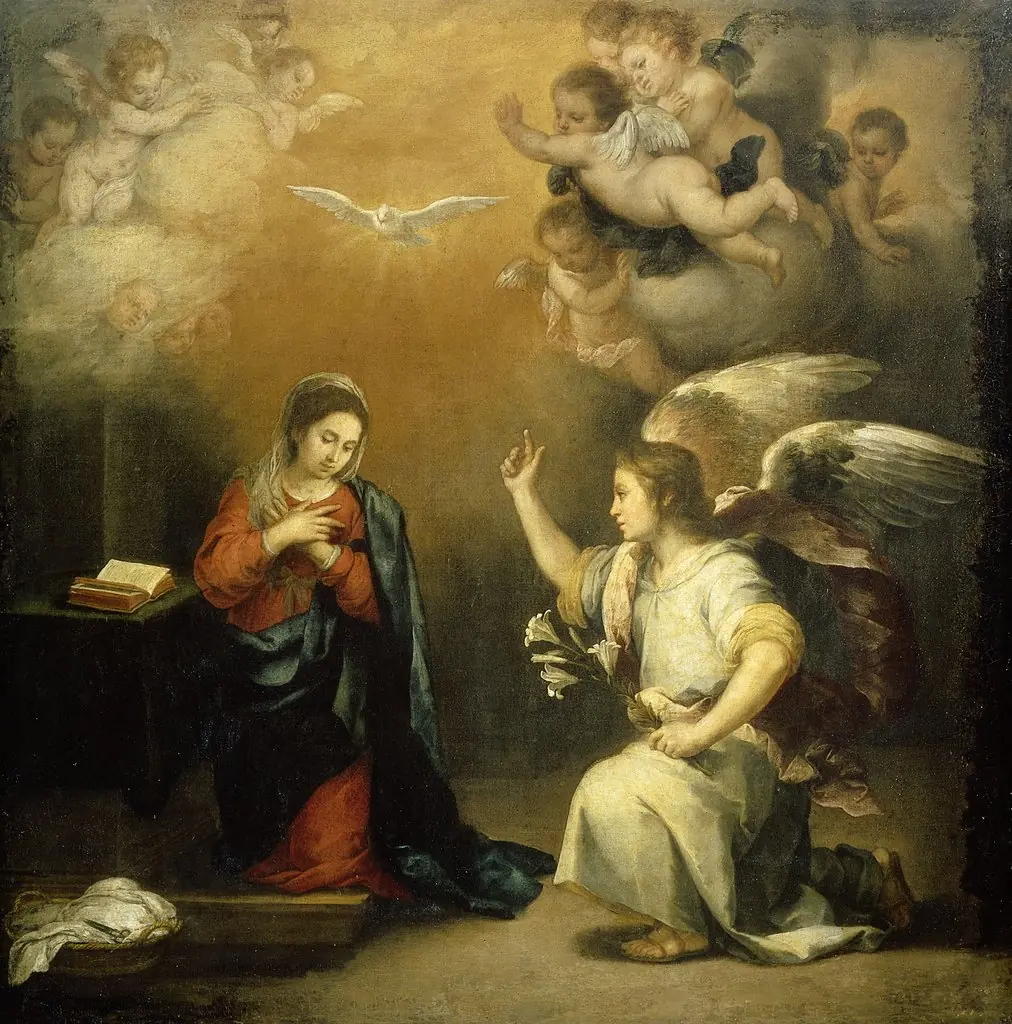 The Annunciation
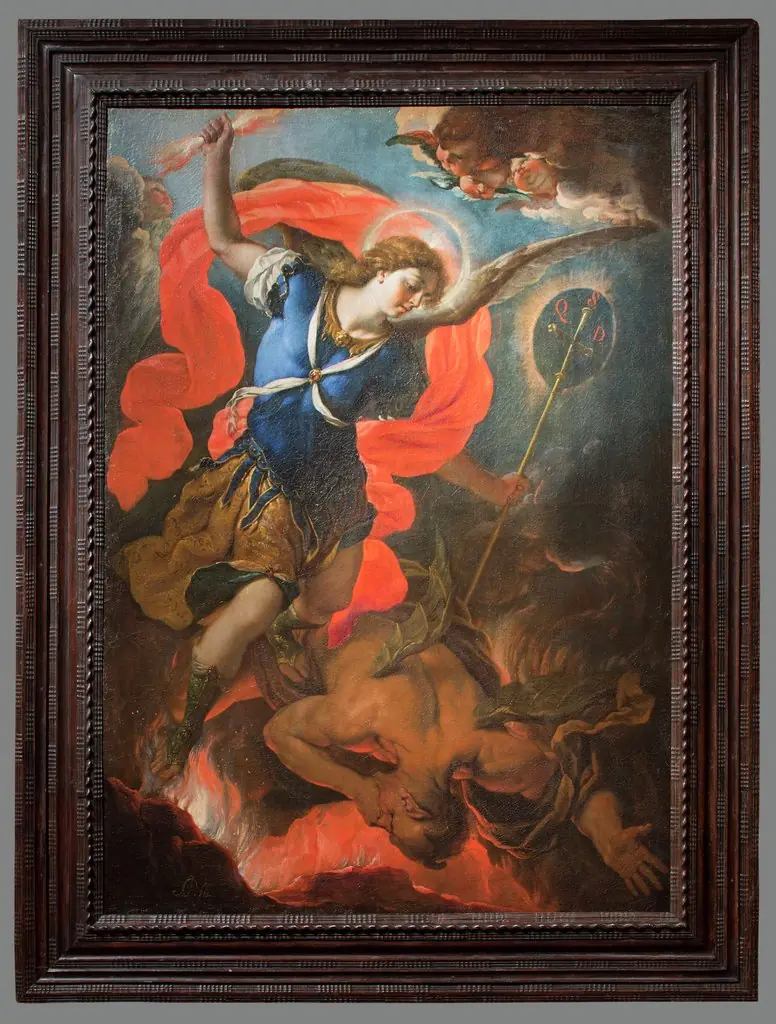 The Archangel Michael Defeating Satan
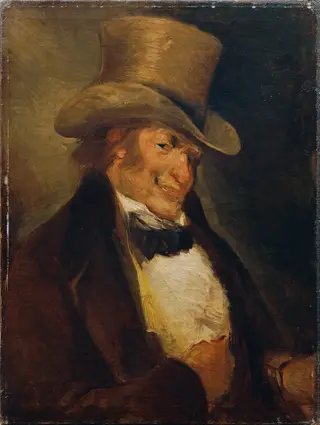 Selbstbildnis
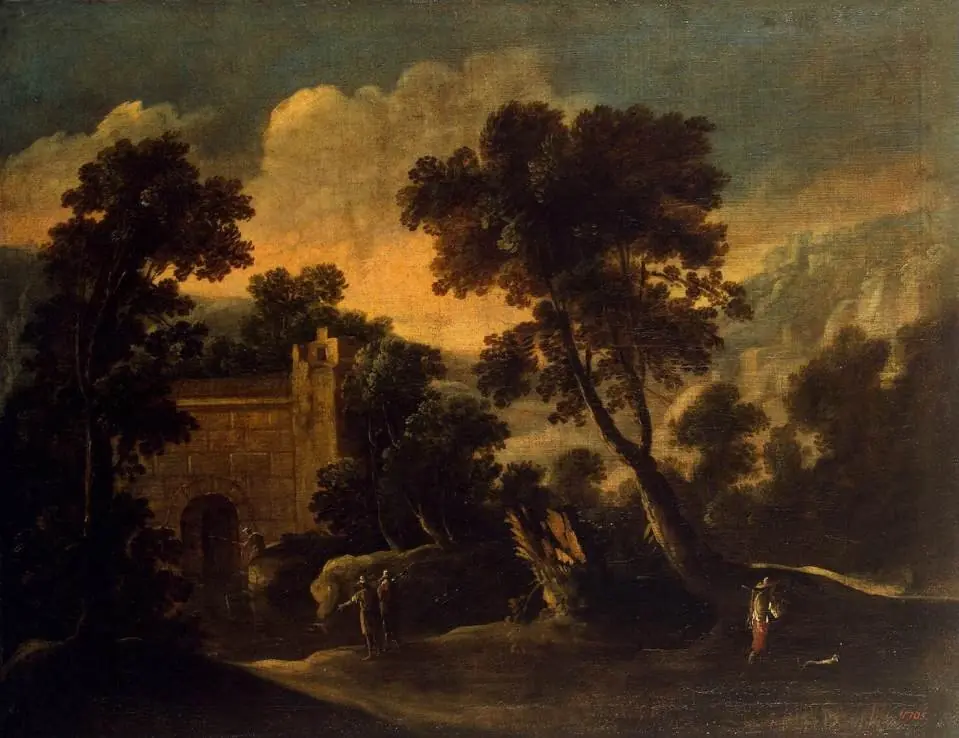 Landscape with Ruins
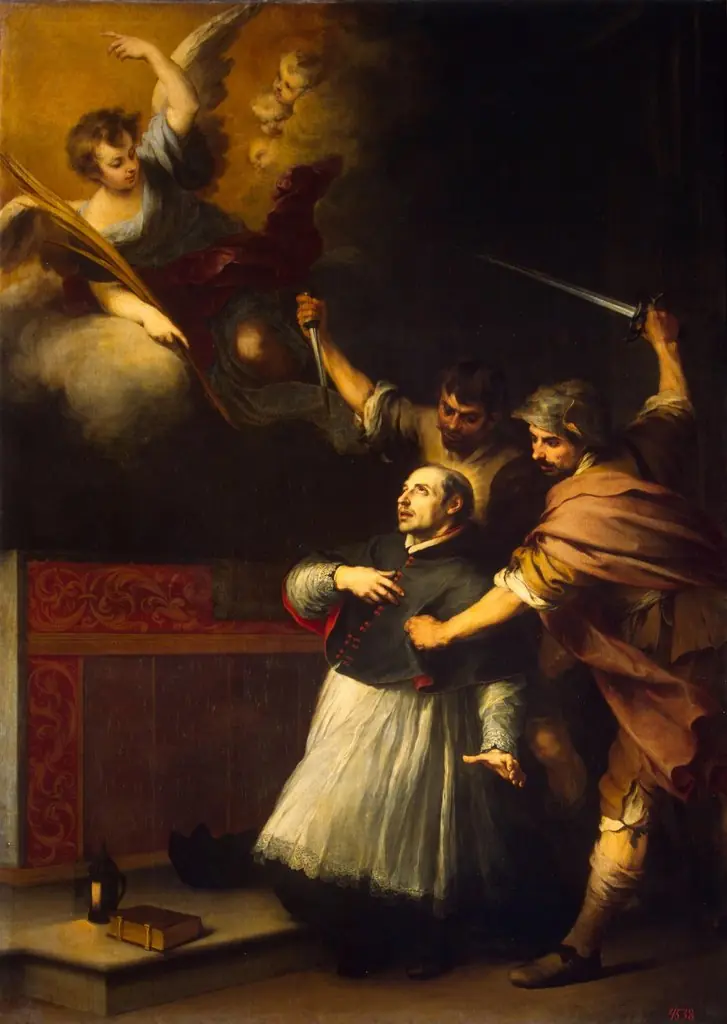 Death of the Inquisitor Pedro de Arbues
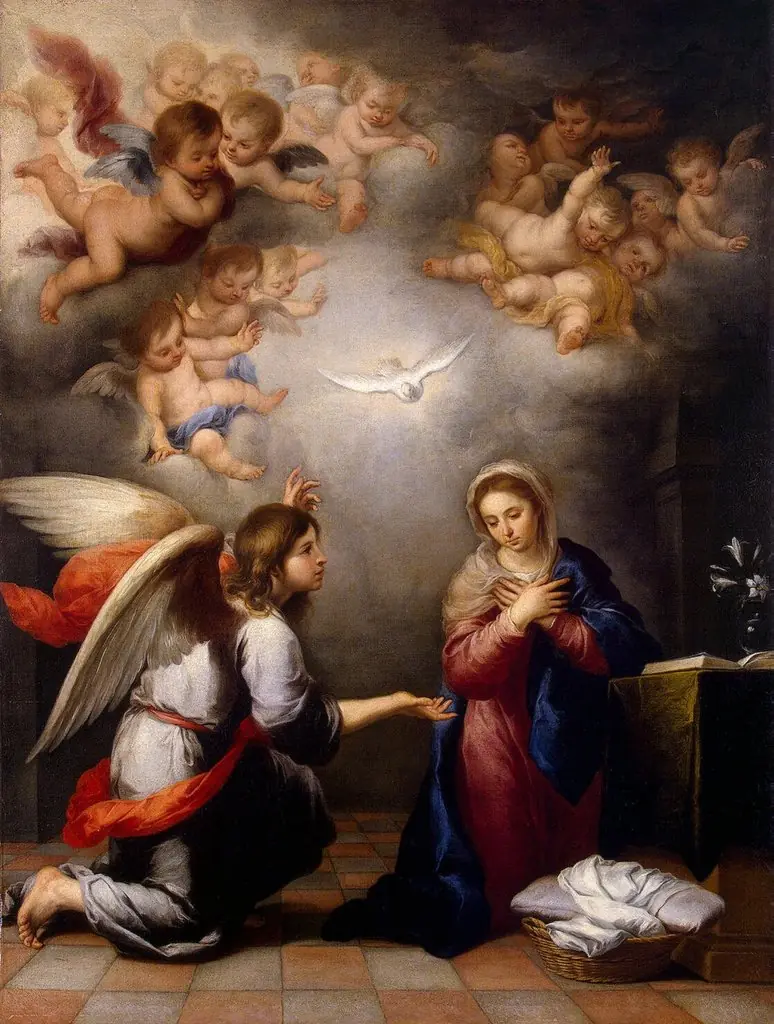 The Annunciation
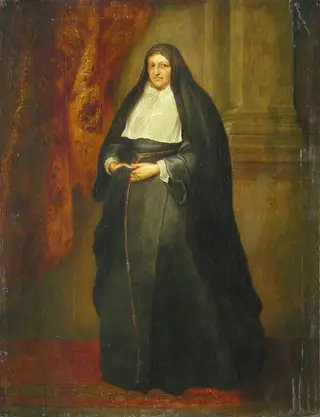 Portrait of Infanta Isabella Clara Eugenia of Spain (1566-1633)
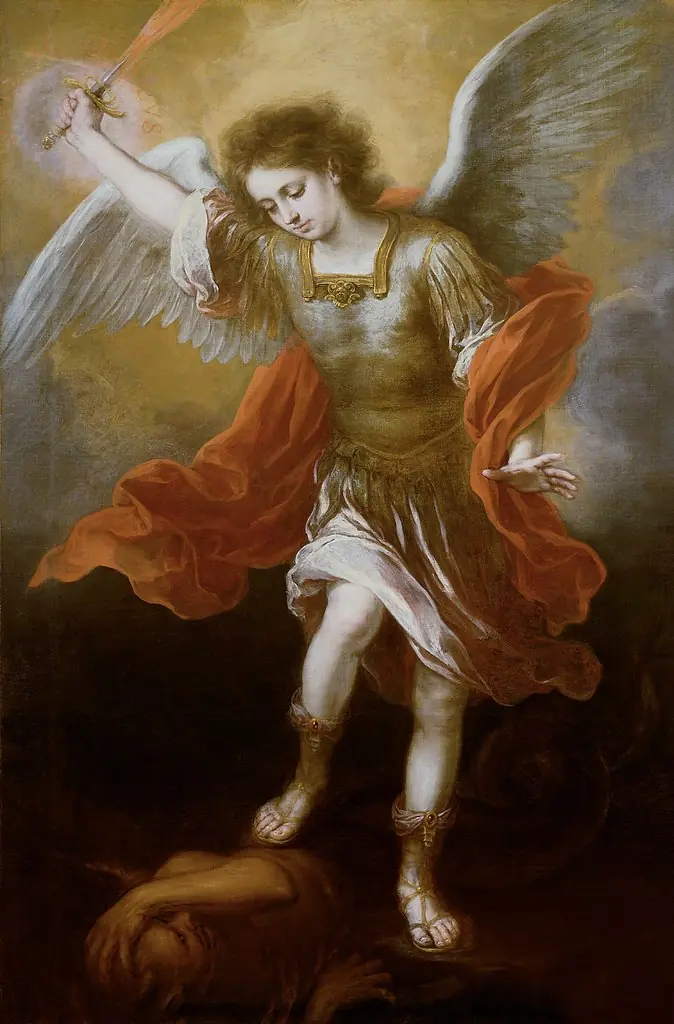 Archangel Michael plunges the devil into the abyss
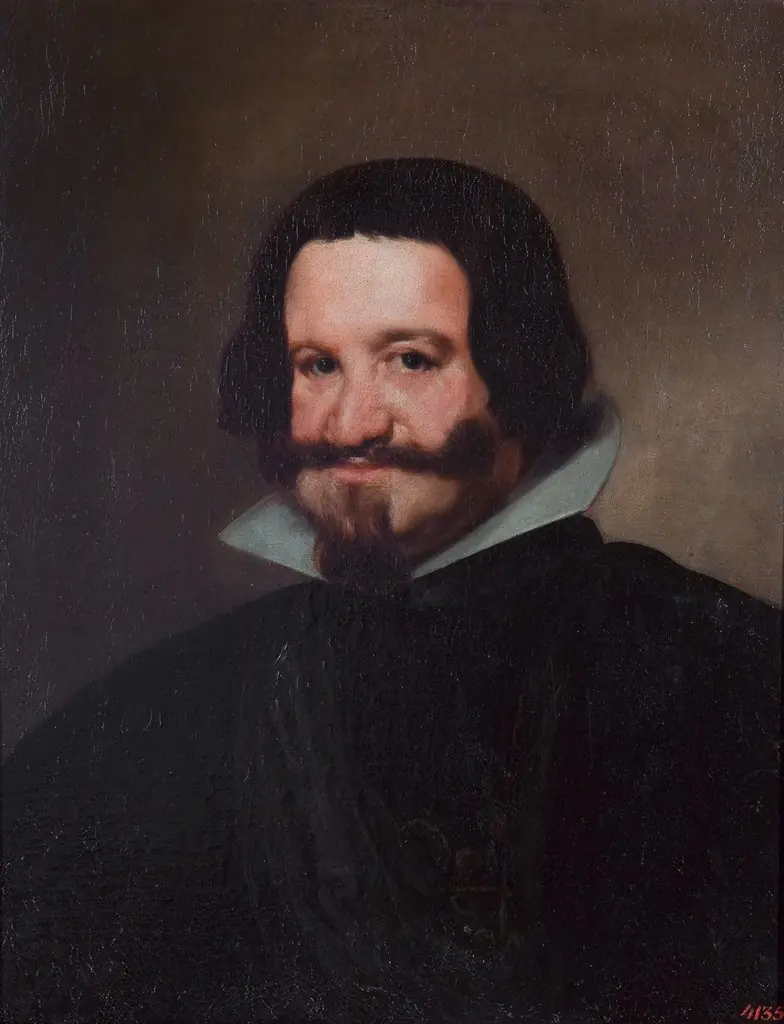 Portrait of the Count-Duke of Olivares
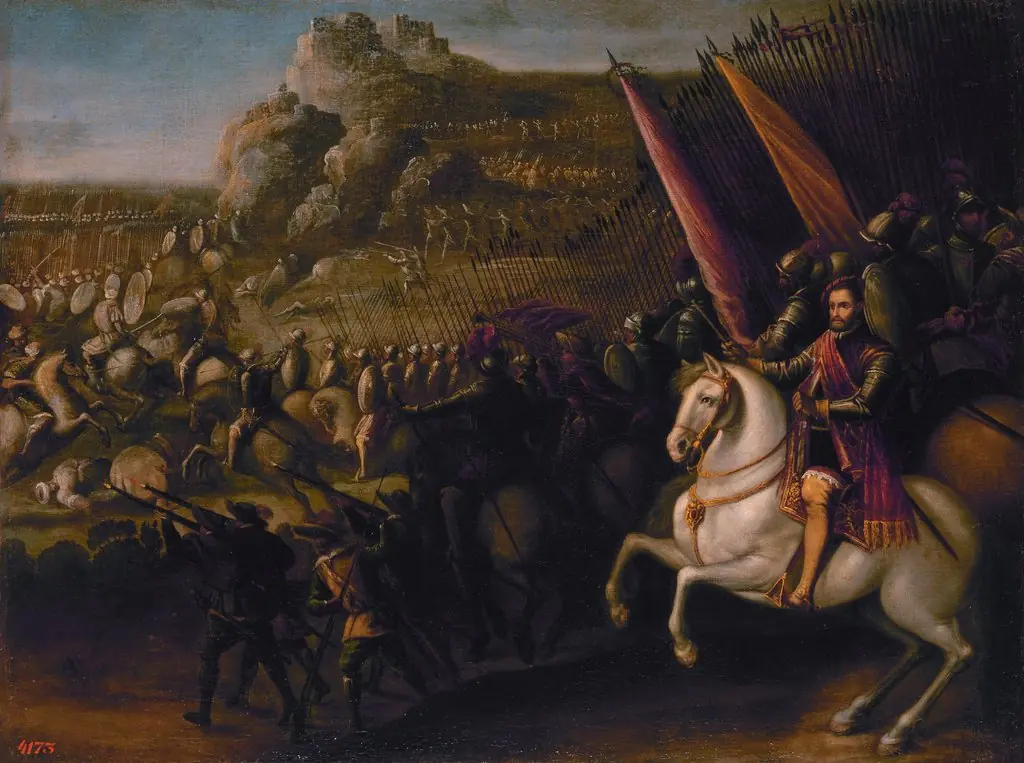 Battle
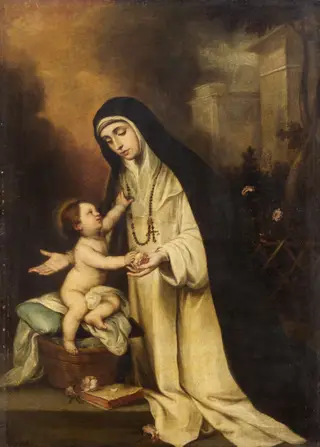 Saint Rose of Lima
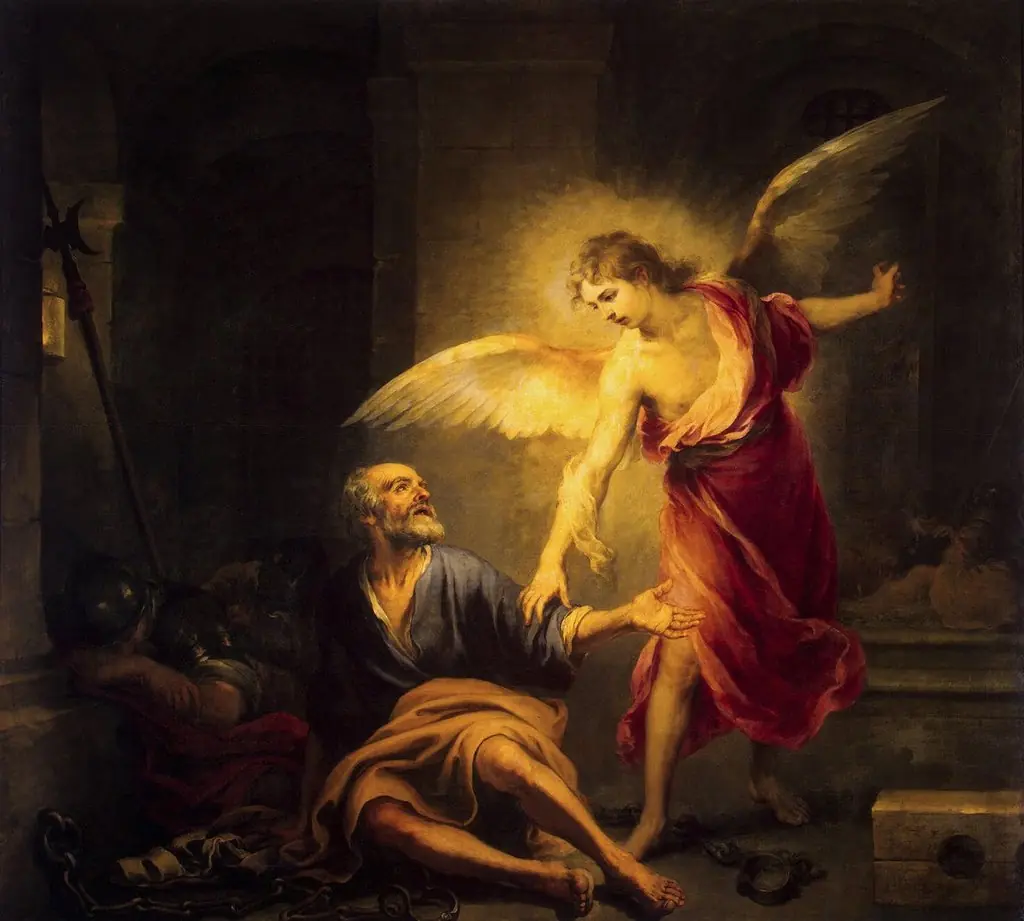 Liberation of Saint Peter
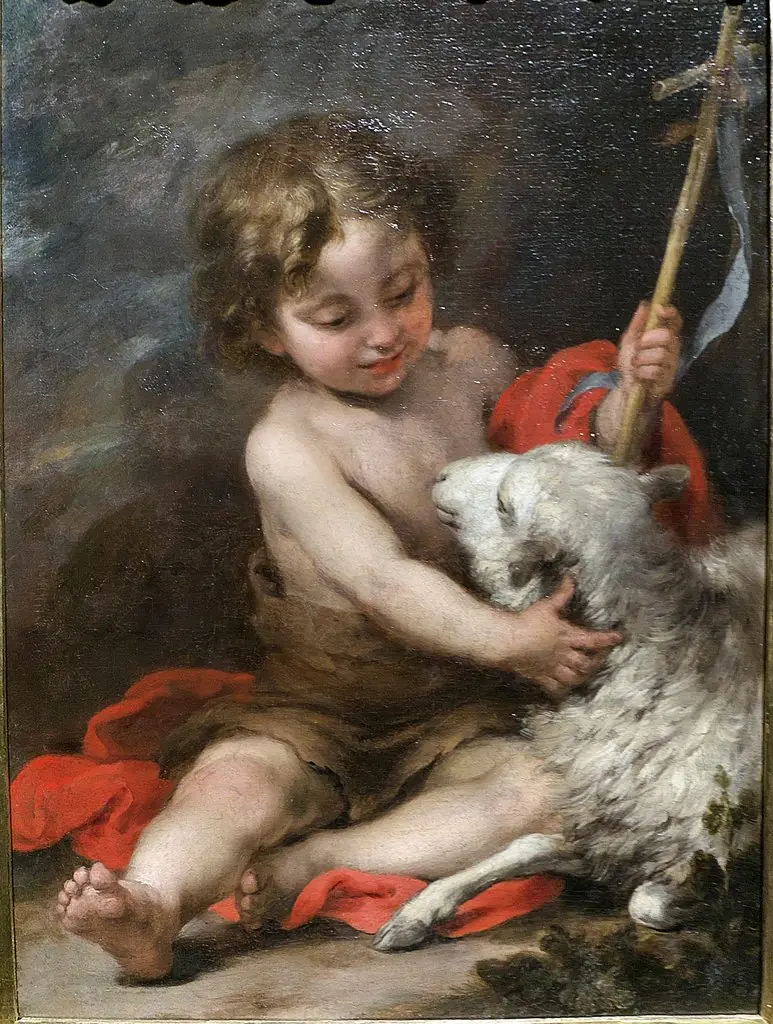 The Infant Saint John Playing with a Lamb
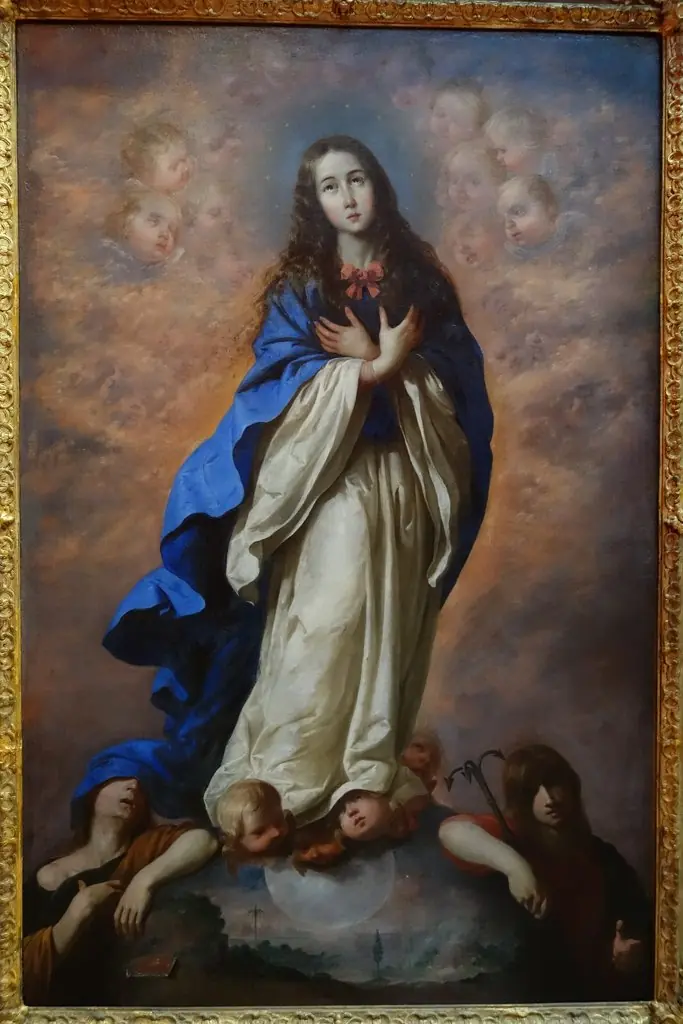 The Immaculate Conception
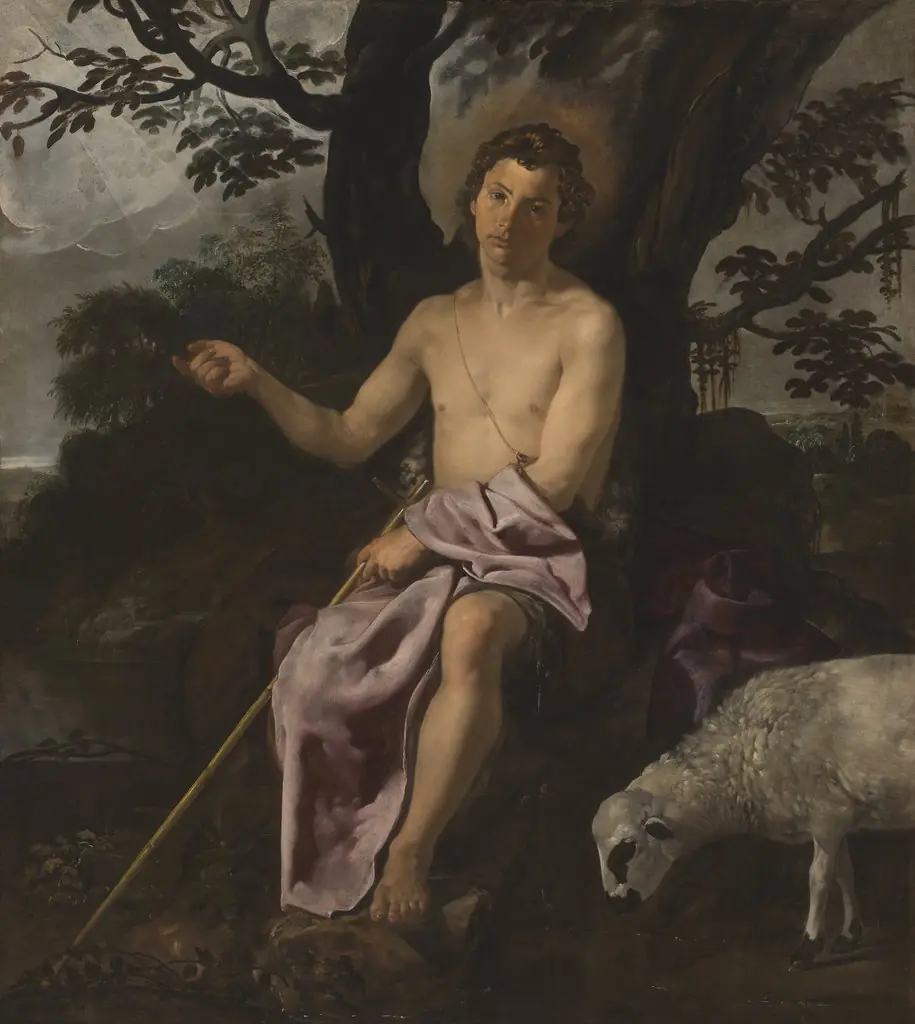 Saint John the Baptist in the Wilderness
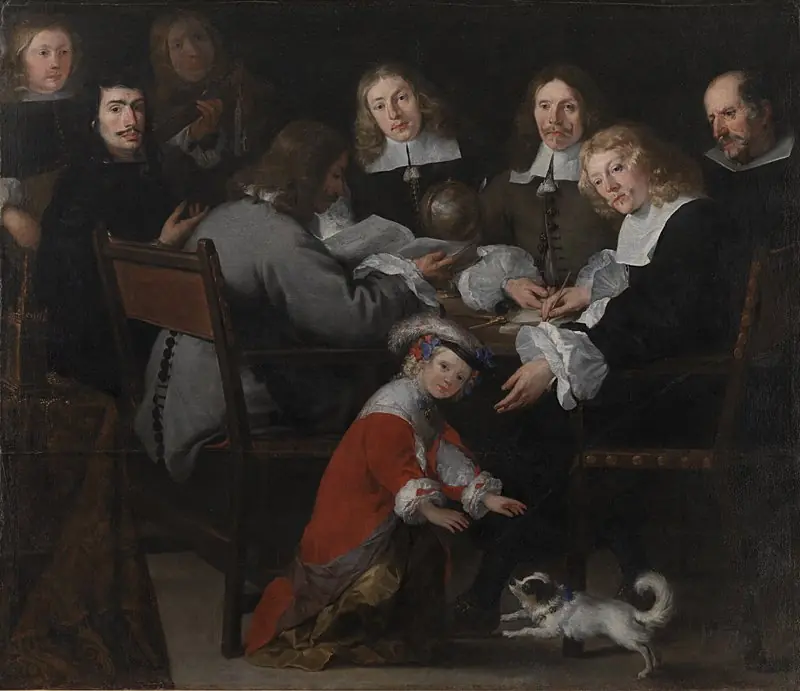 Ambassador C. Pedersen Lerche with his Staff
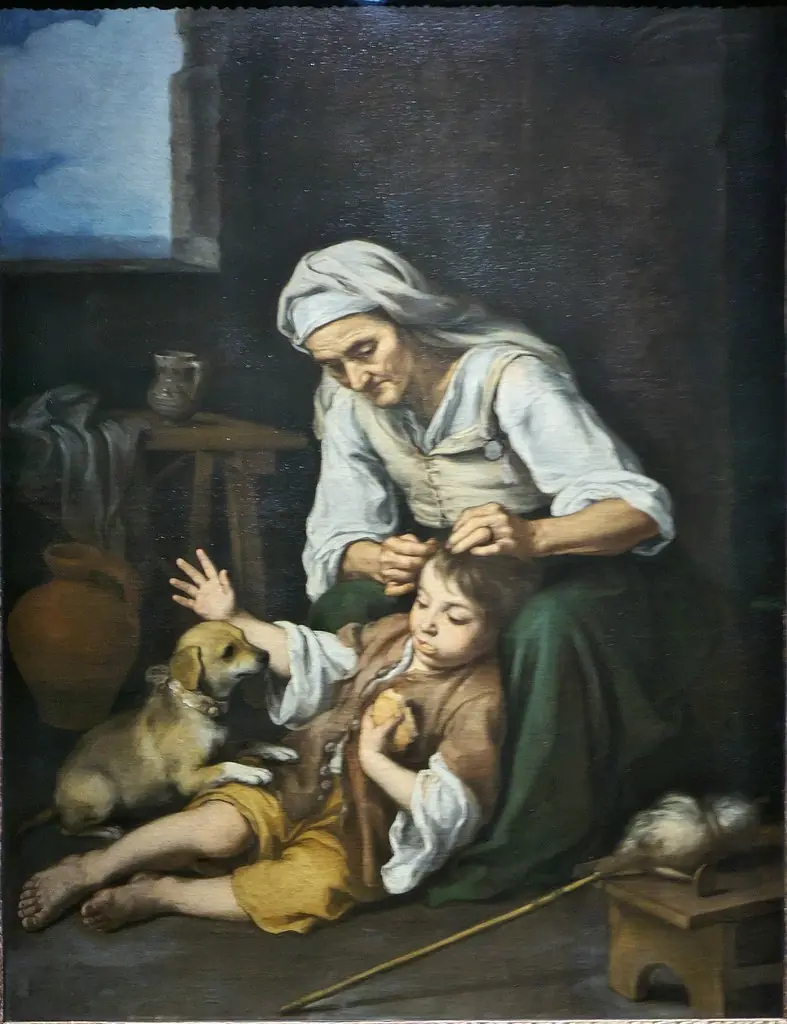 Vieja despiojando a un niño
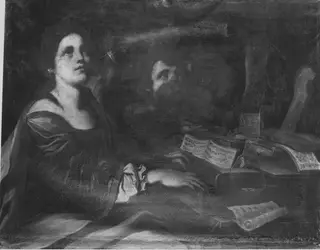 Hl. Cäcilia am Spinett (Nachfolger)
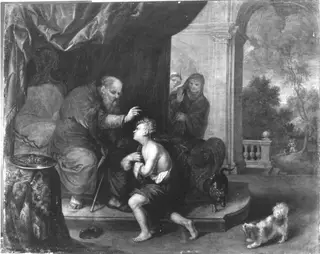 Isaak segnet Jakob
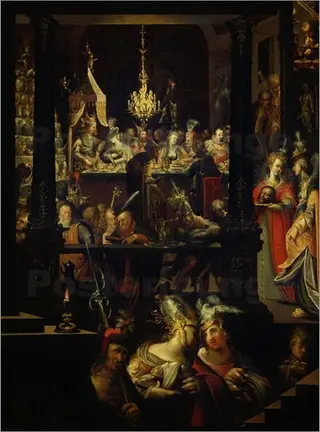 Feast of Herod
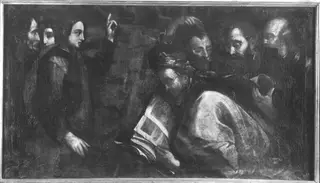 Der zwölfjährige Jesus im Tempel
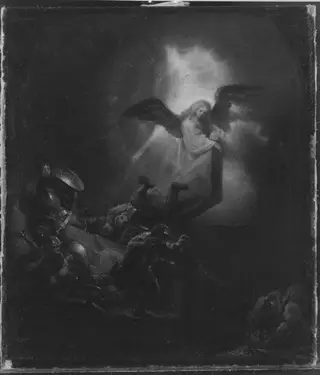 Auferstehung Christi (Kopie nach)
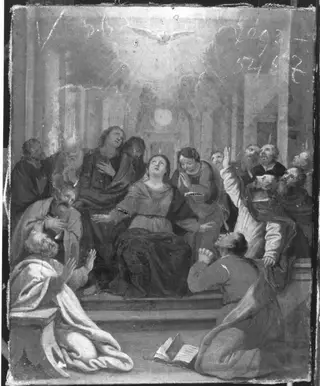 Ausgießung des Heiligen Geistes
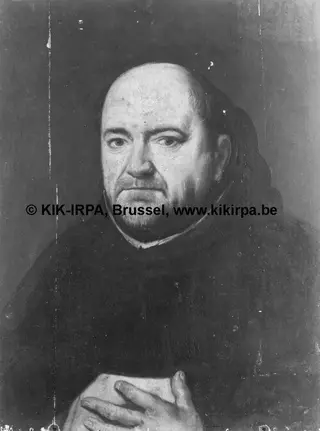 Portrait of a Dominican
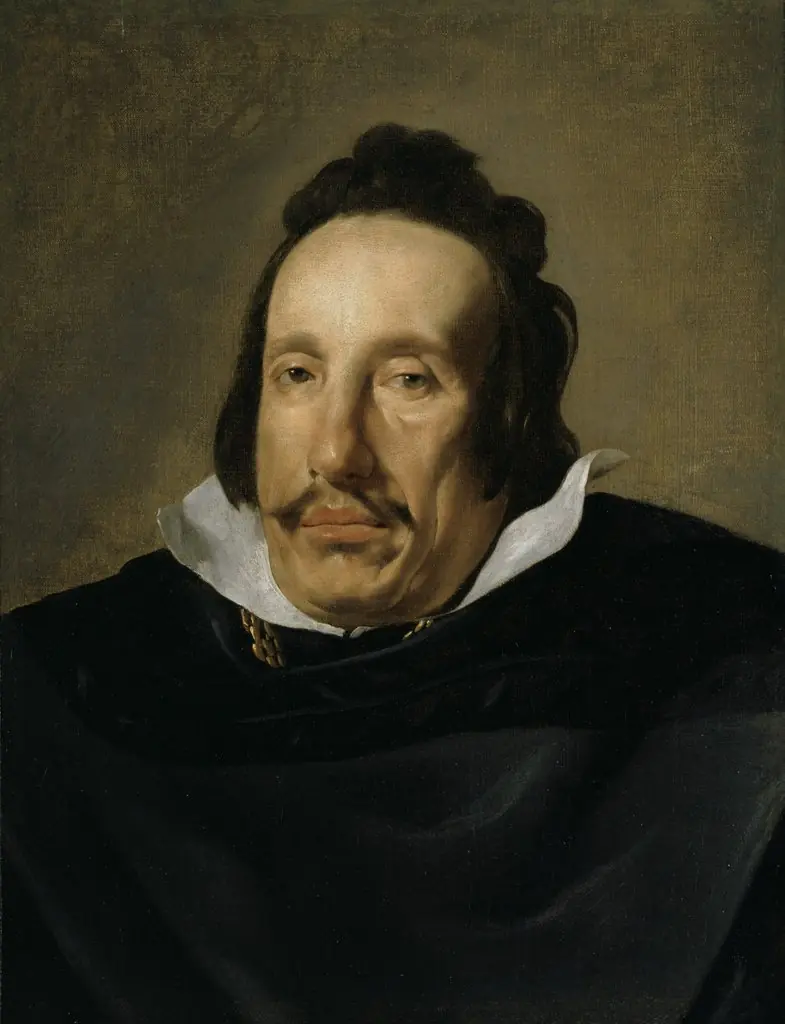 Portrait of a nobleman
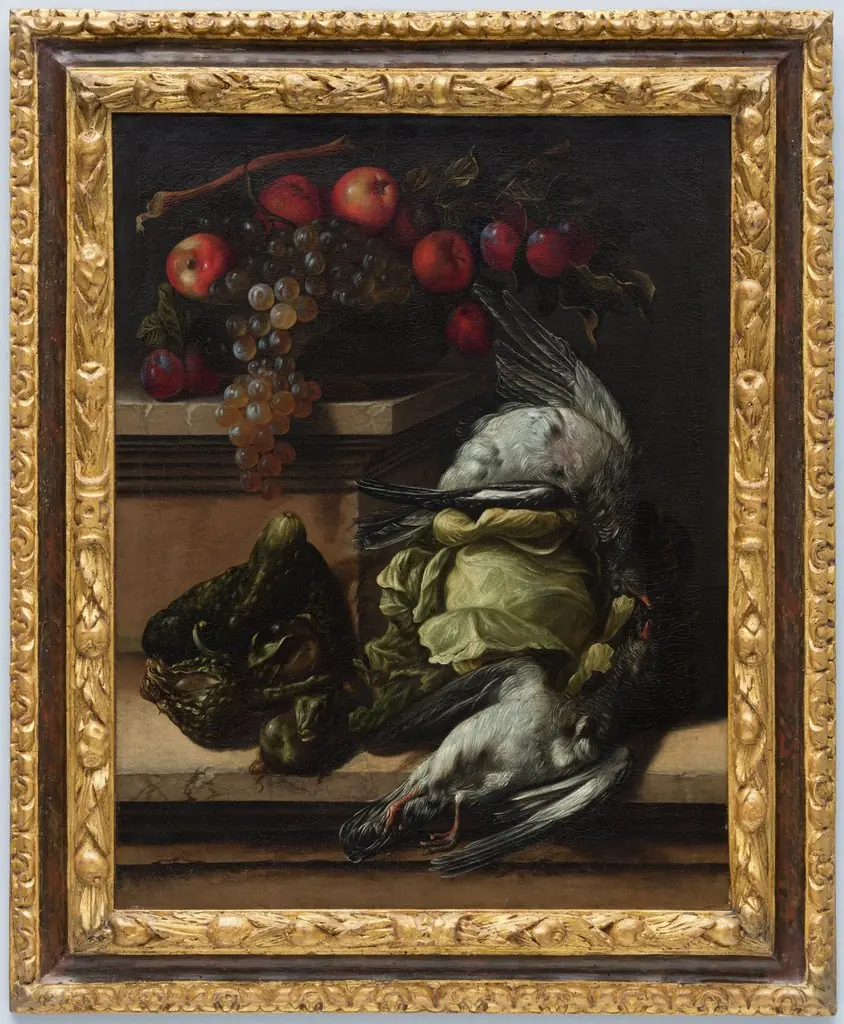 Still Life with Fruit, Vegetables and Wild Fowl
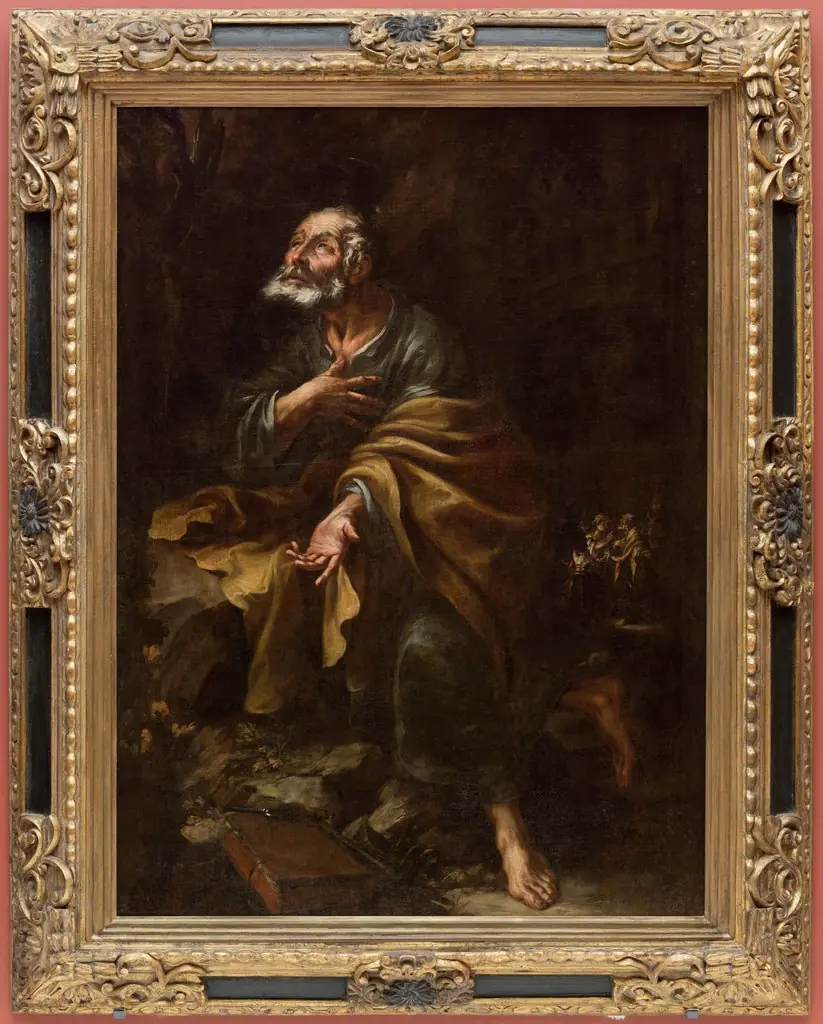 Saint Peter Repentant
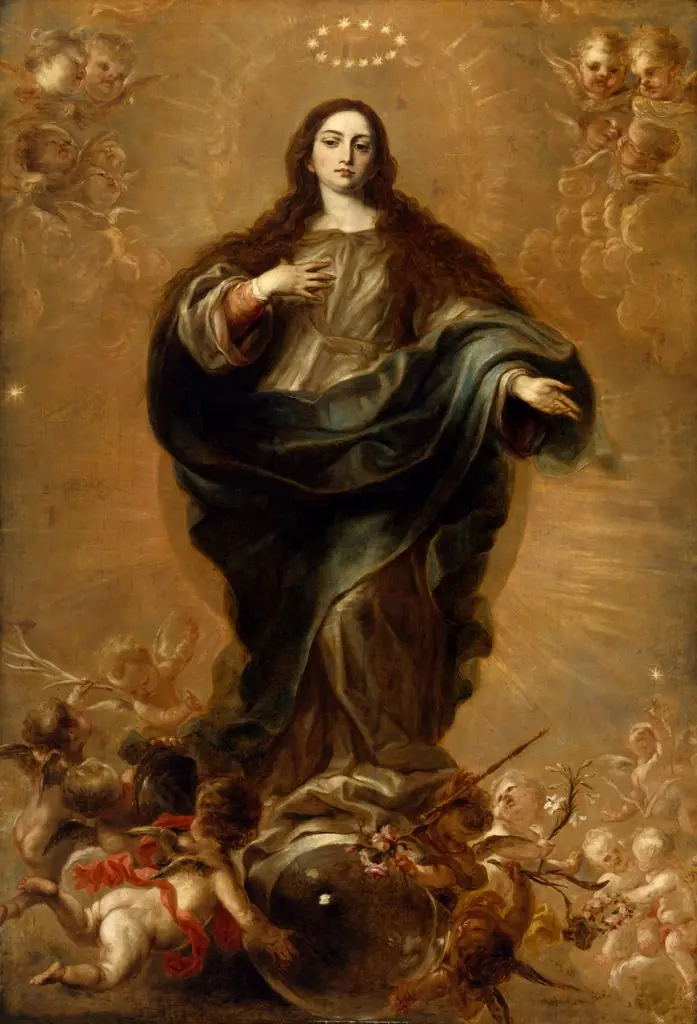 The Immaculate Conception
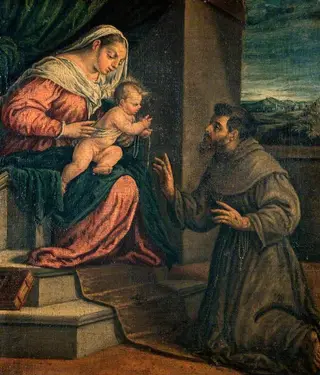 Saint Francis Kneeling before the Virgin and Child
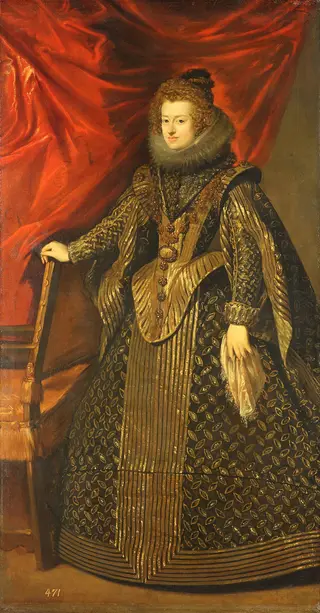 Portrait of Infanta María of Habsburg (1606-1646)
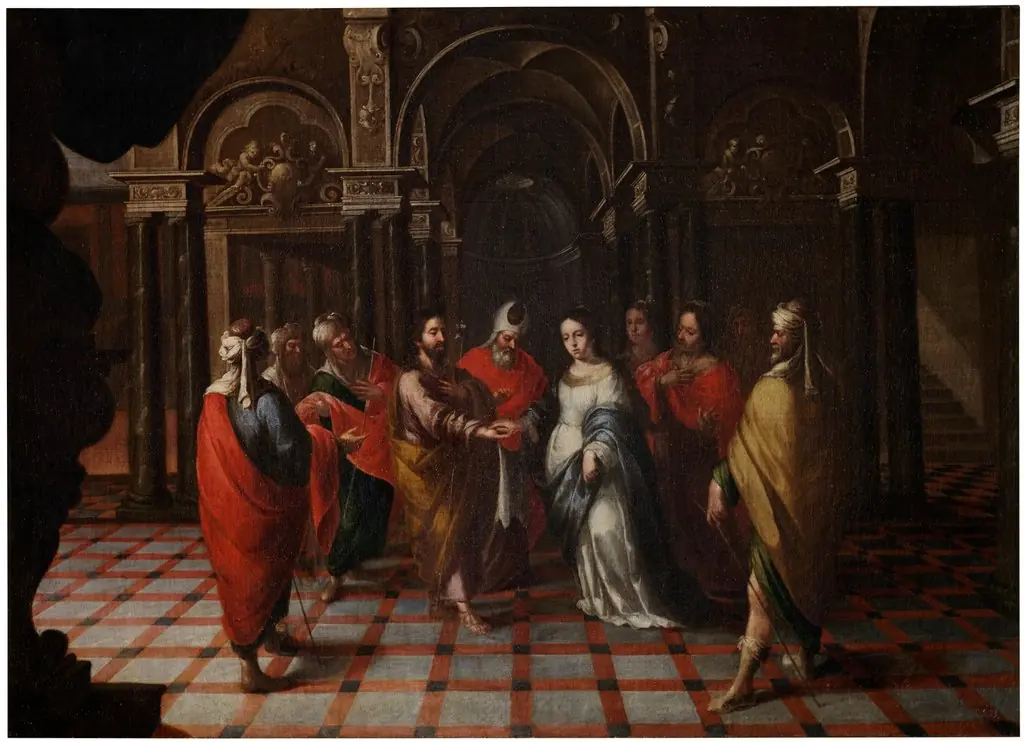 The Betrothal of the Virgin
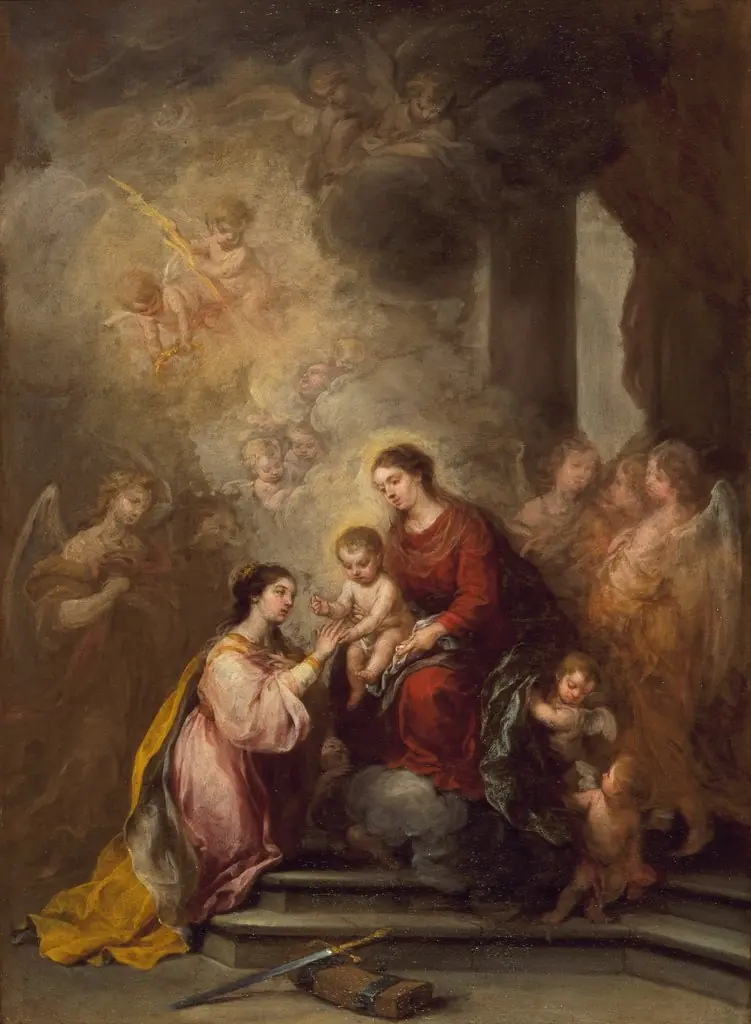 The Mystic Marriage of Saint Catherine
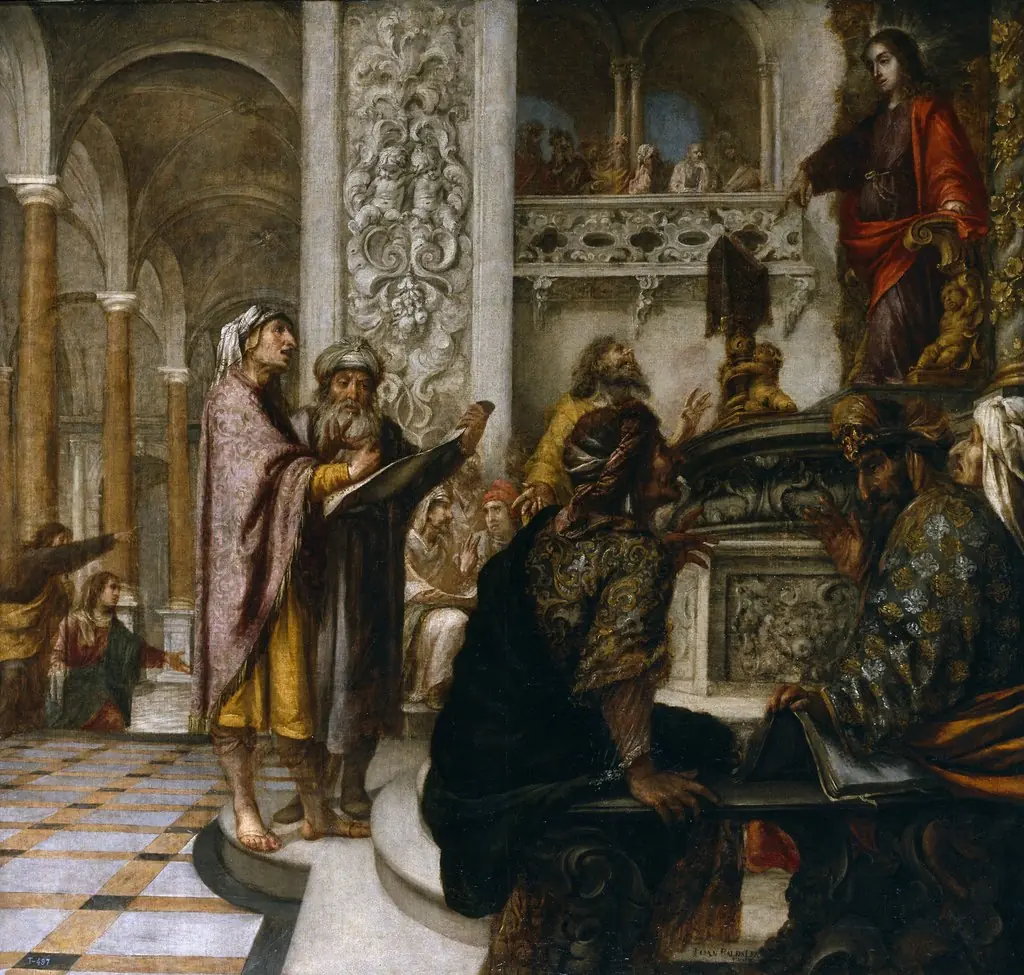 Christ disputing with the Doctors
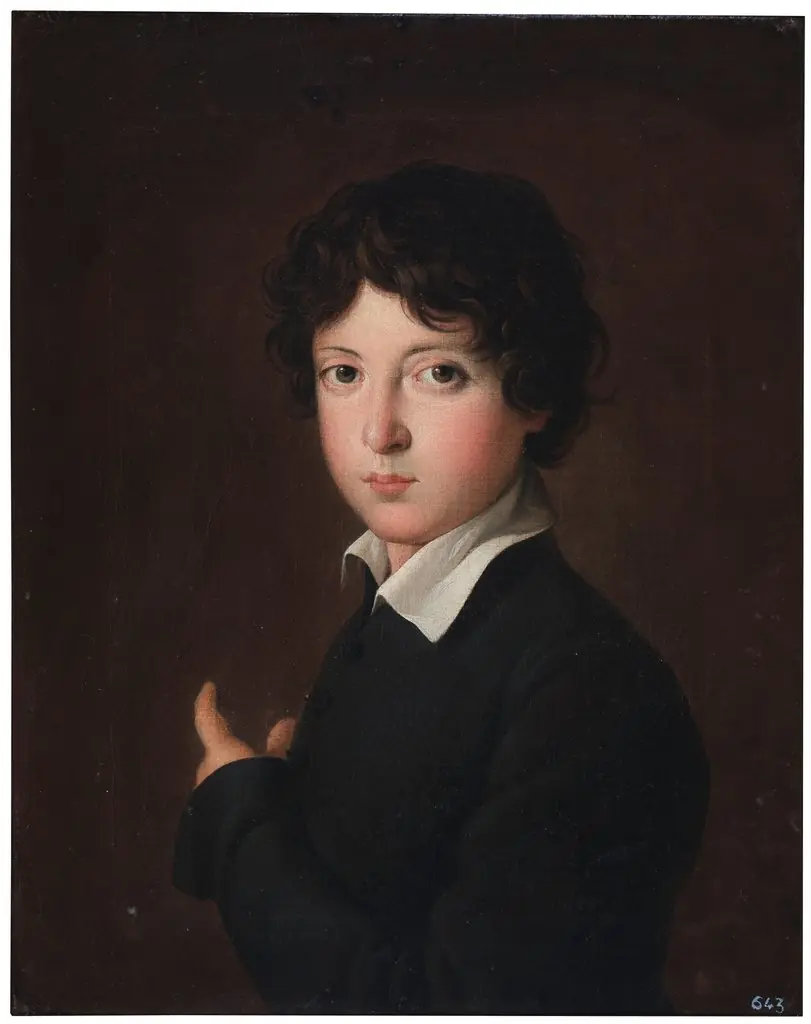 Retrato de un niño
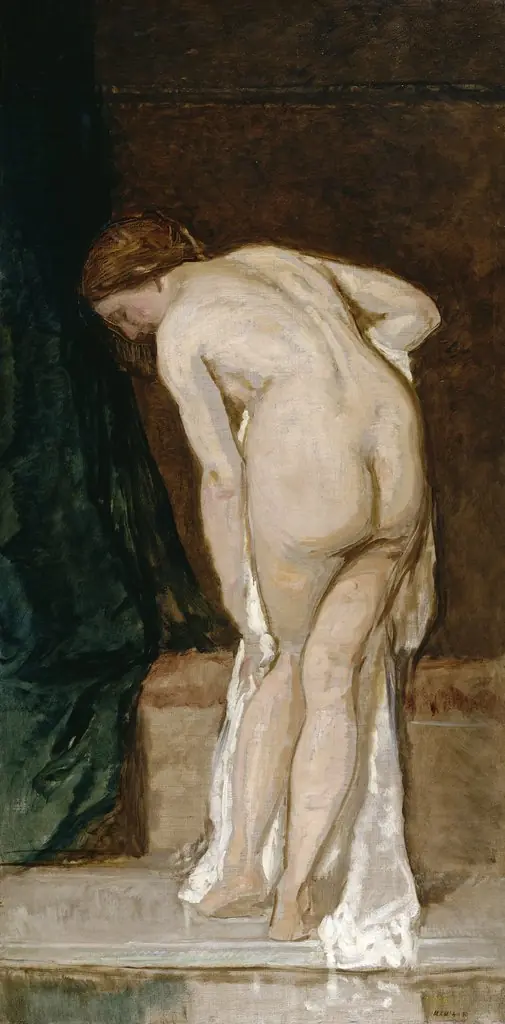 Female Nude or After the bath
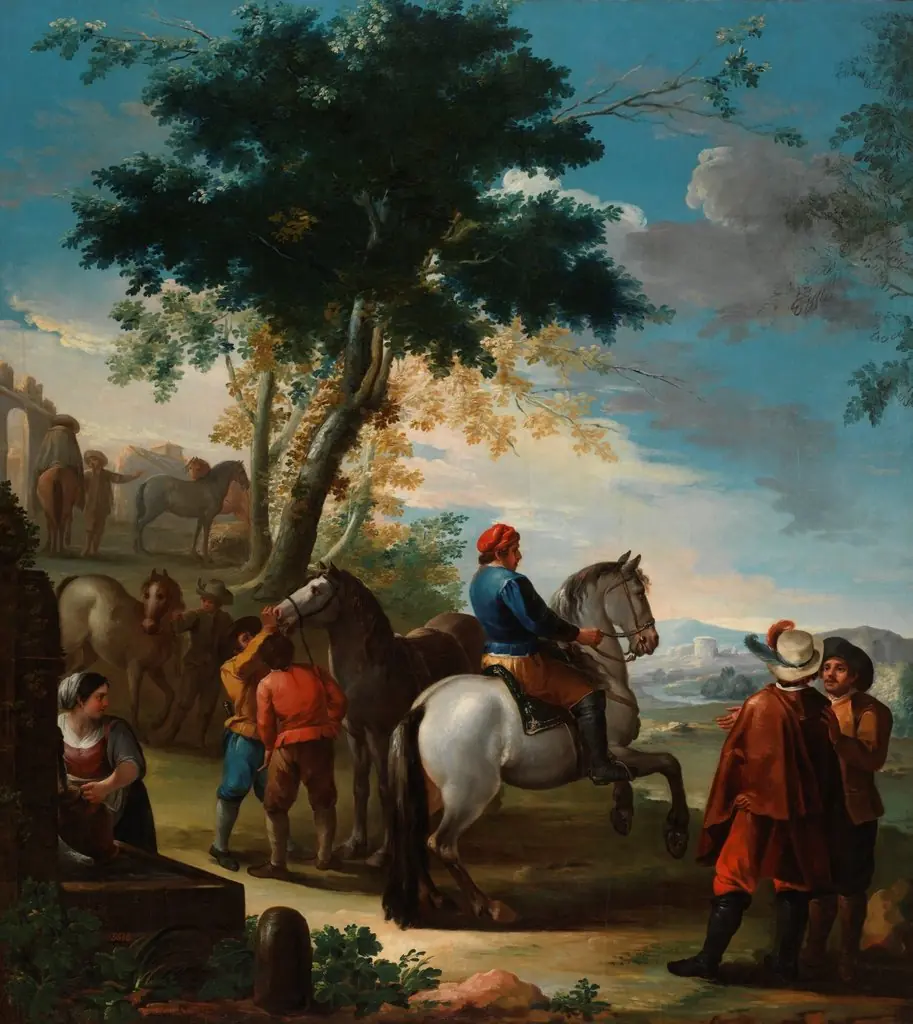 Un mercado de caballos
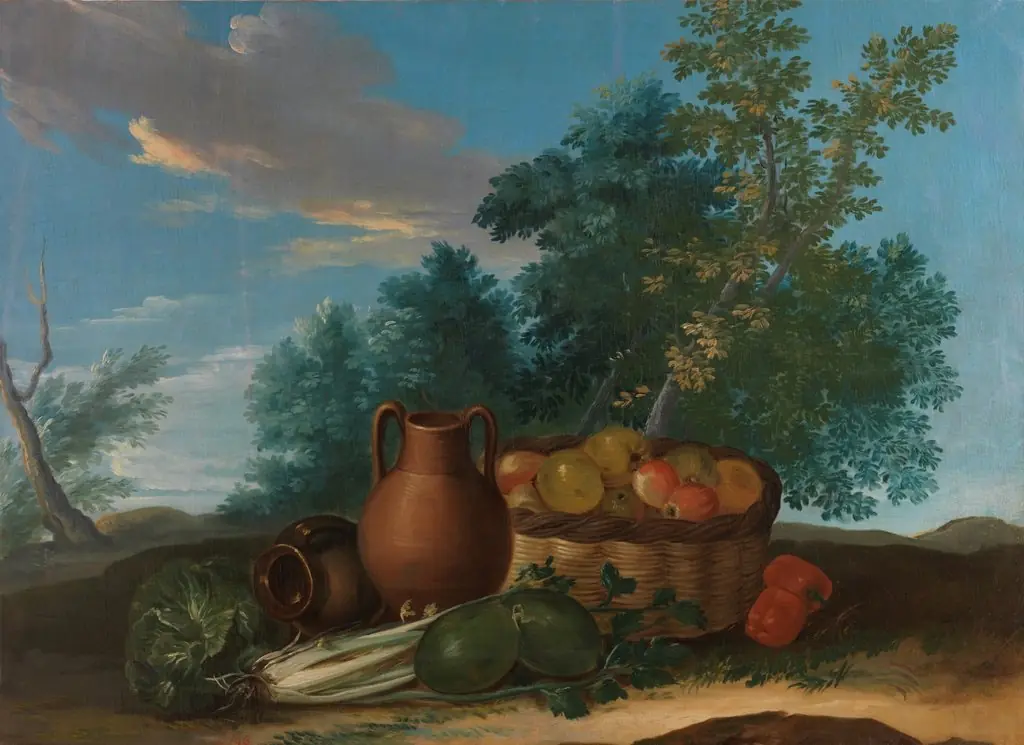 Bodegón de frutas y verduras
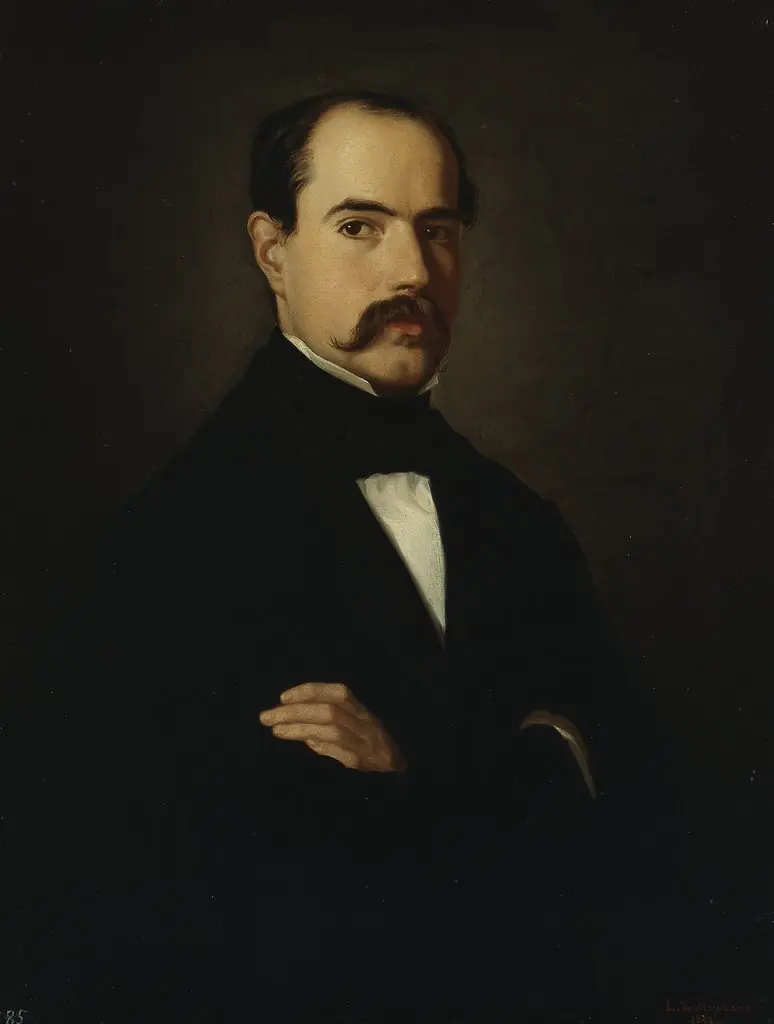 El pintor Francisco Sainz
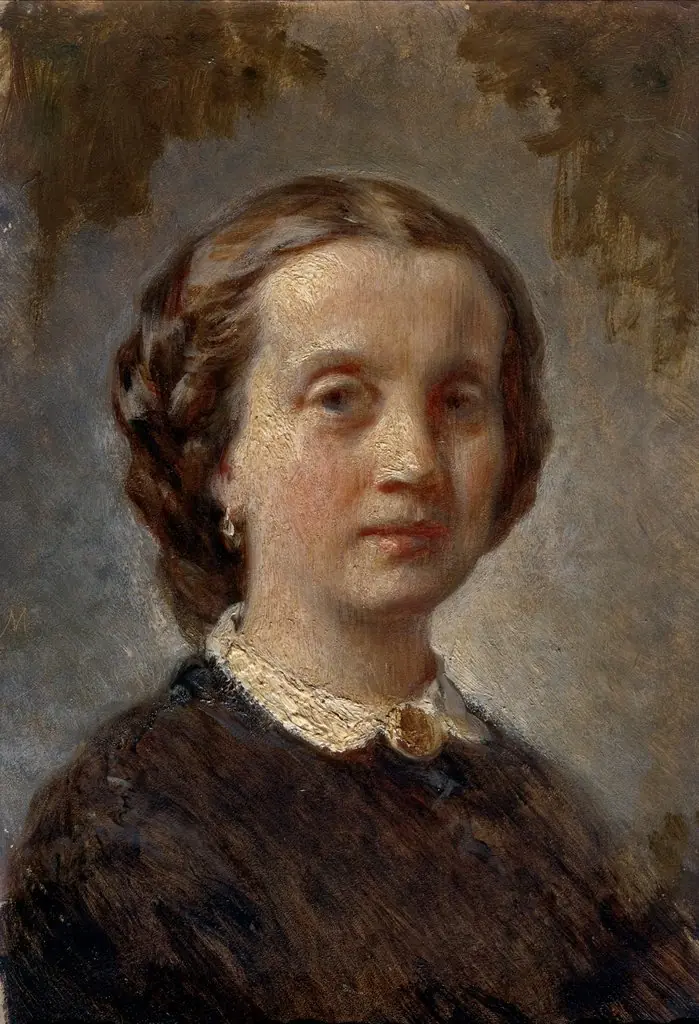 Octavia Bouchet
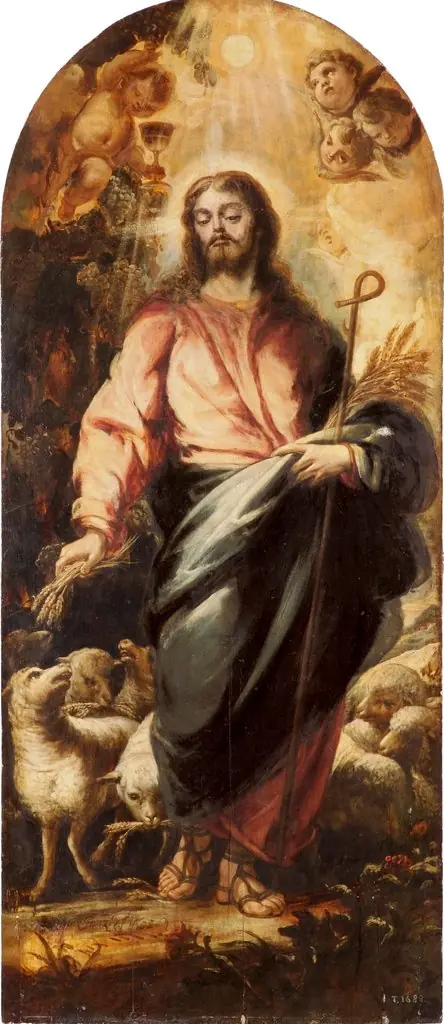 The Good Shepherd
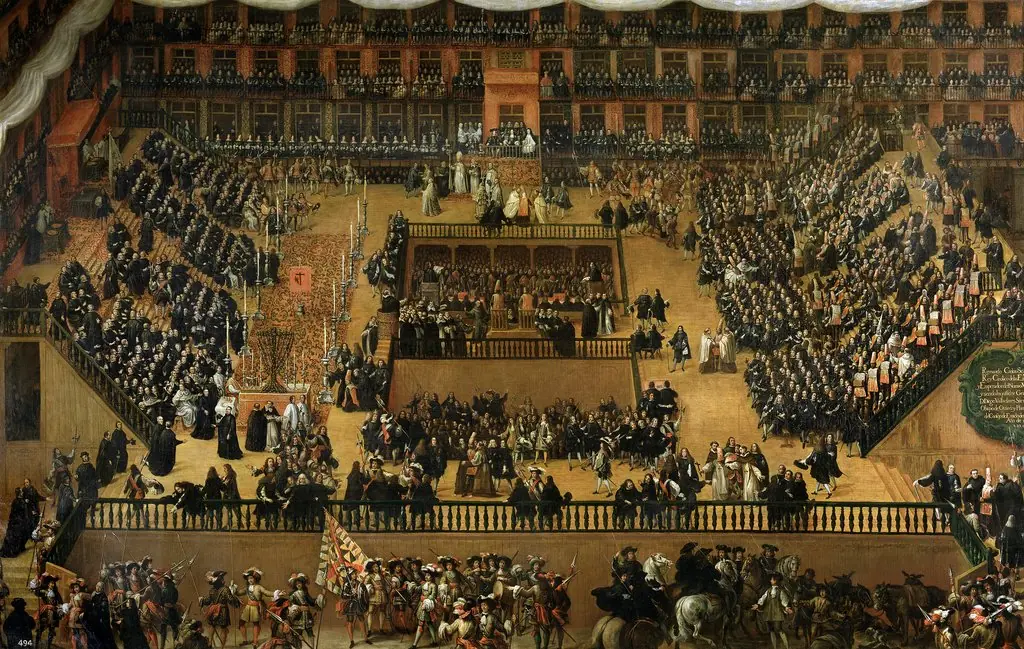 Auto-da-fe on Plaza Mayor, Madrid
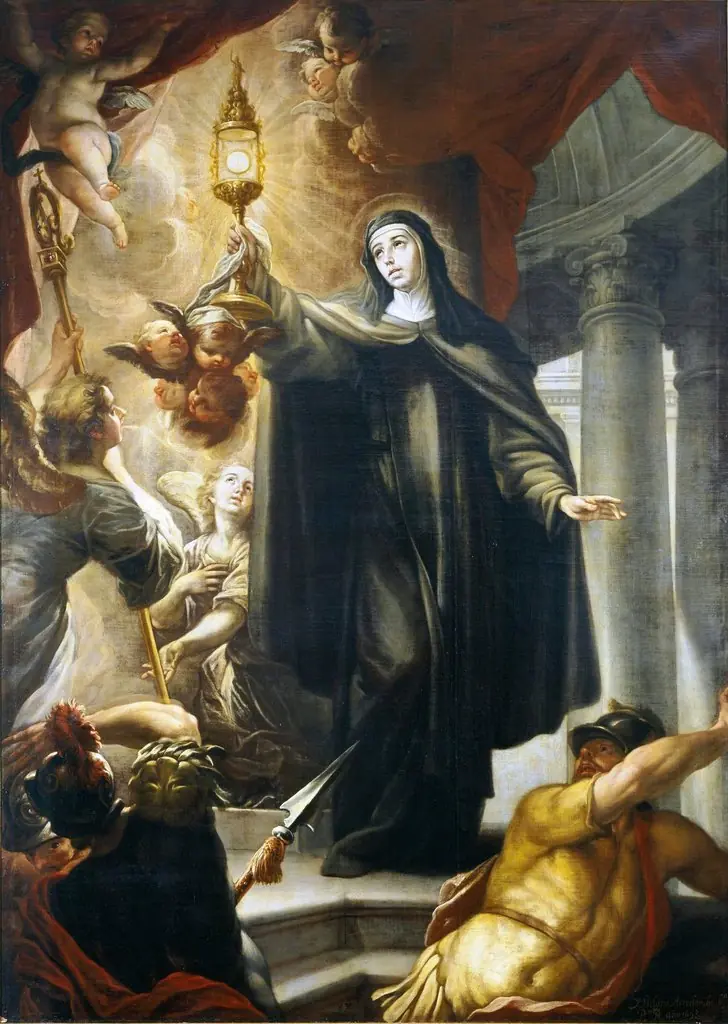 Saint Clare Driving Away the Infidels with the Eucharist
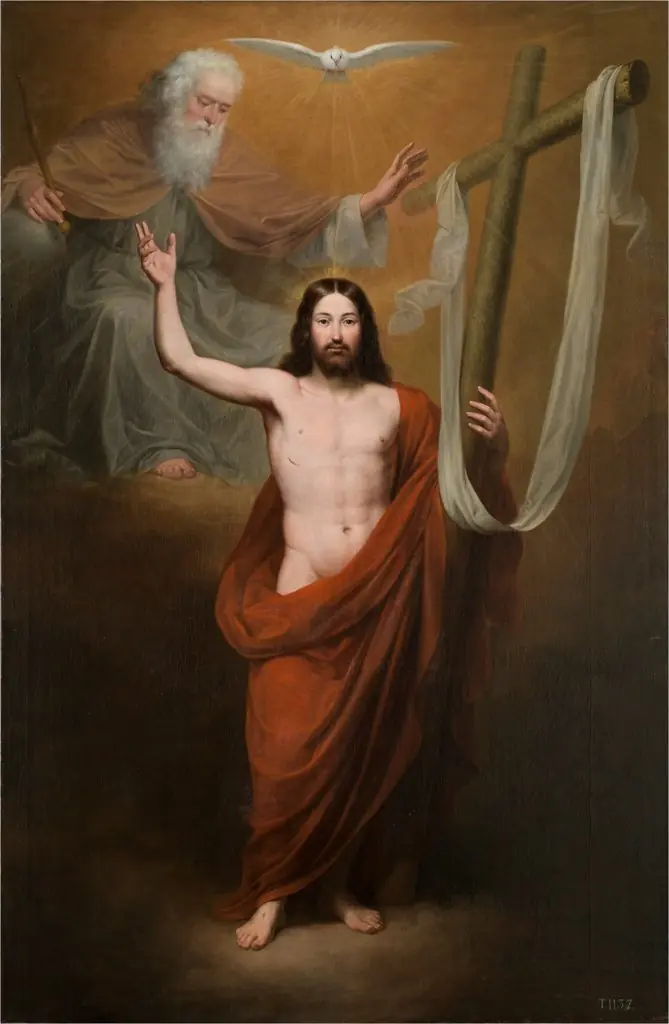 Christ the Saviour
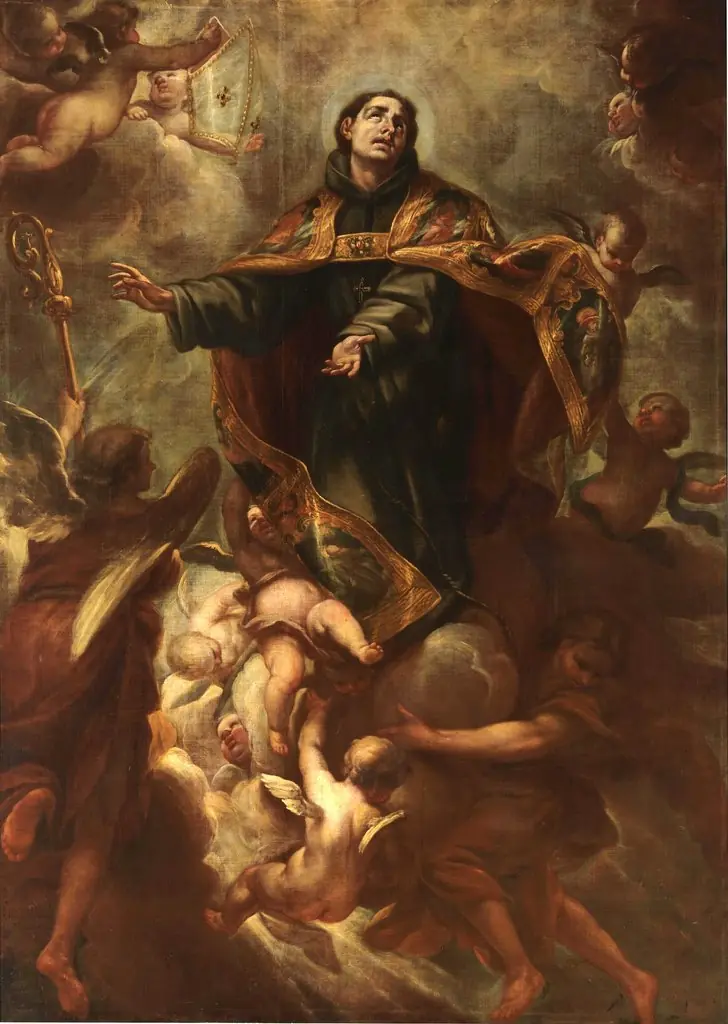 Saint Louis Bishop in Glory
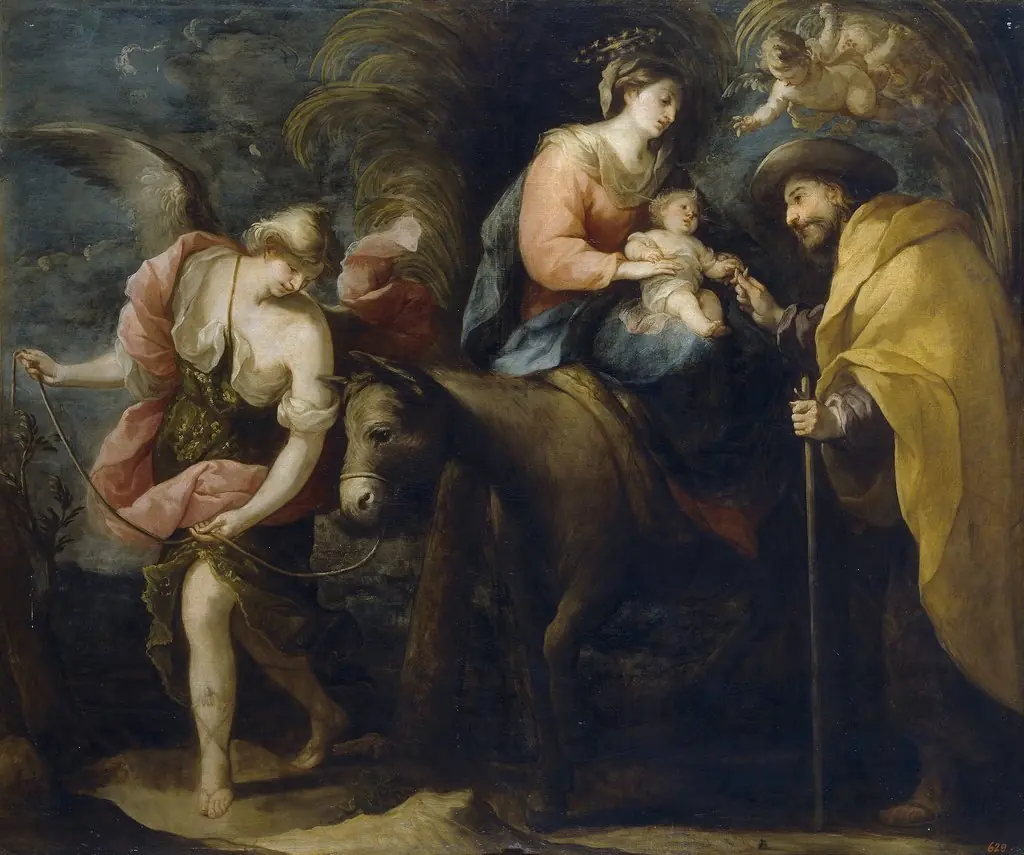 The Flight into Egypt
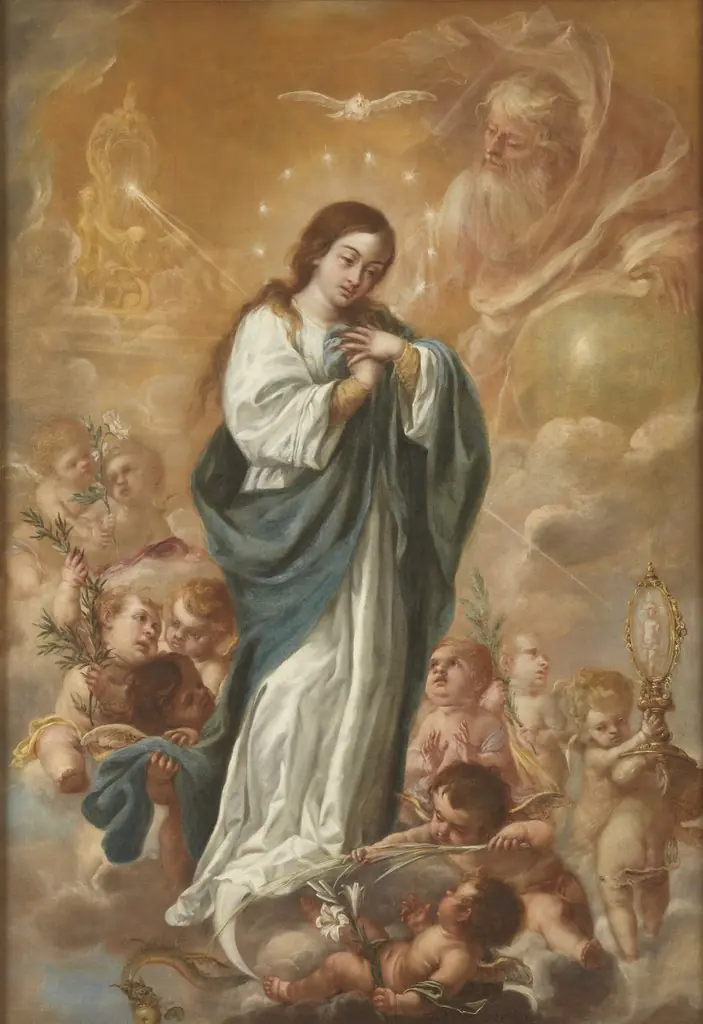 Immaculate Conception
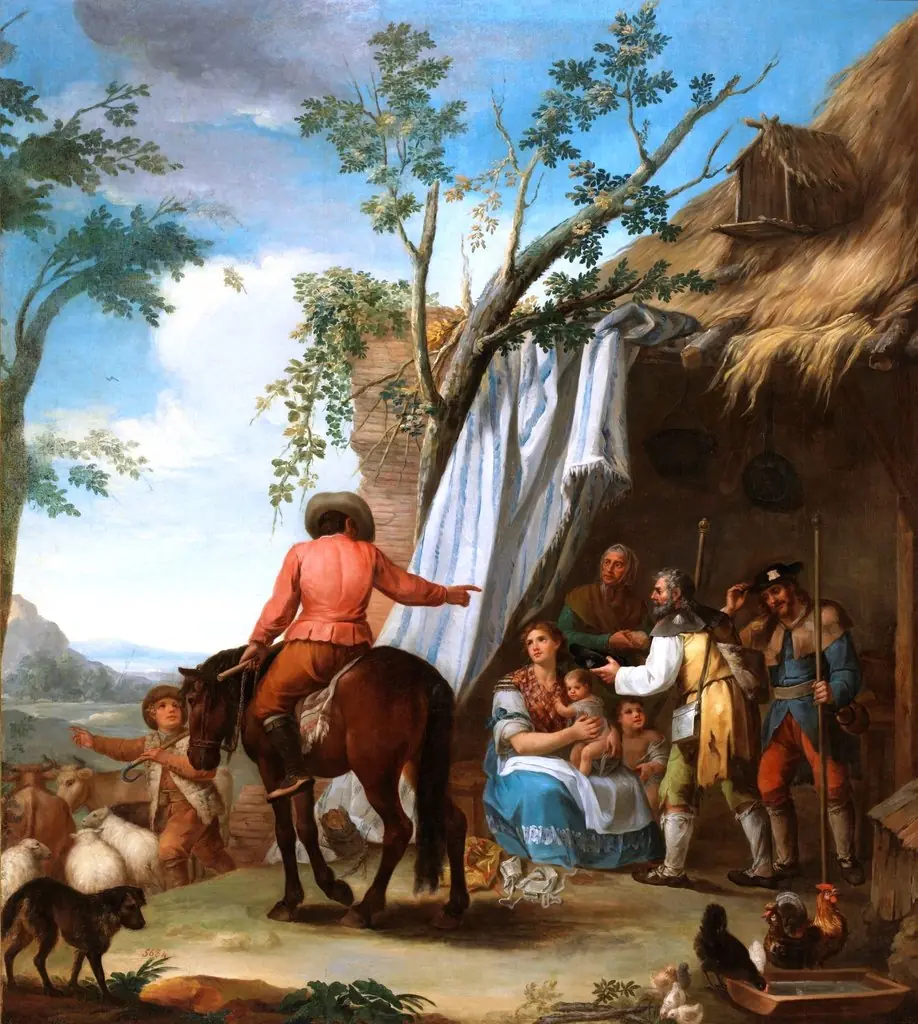 Un hombre a caballo junto a tienda de campaña
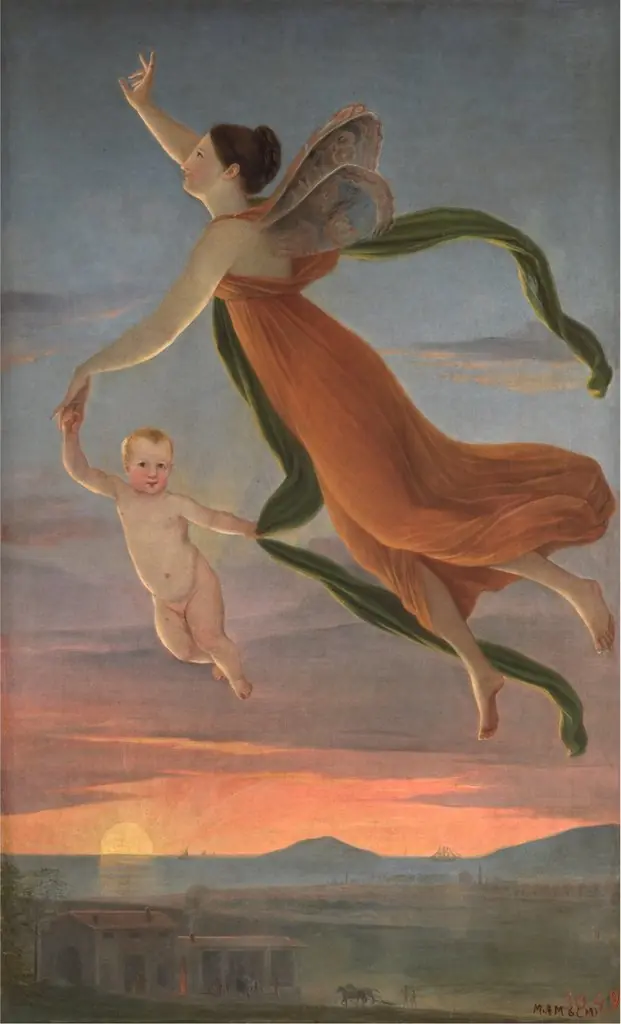 Allegory of Dusk
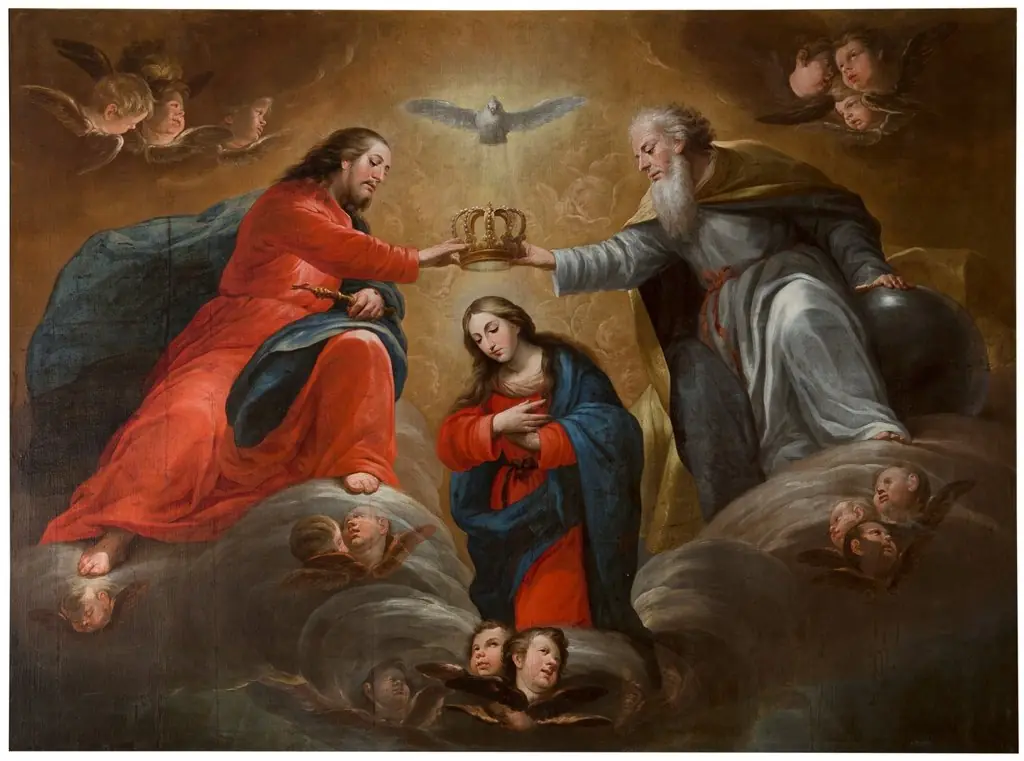 The Coronation of the Virgin
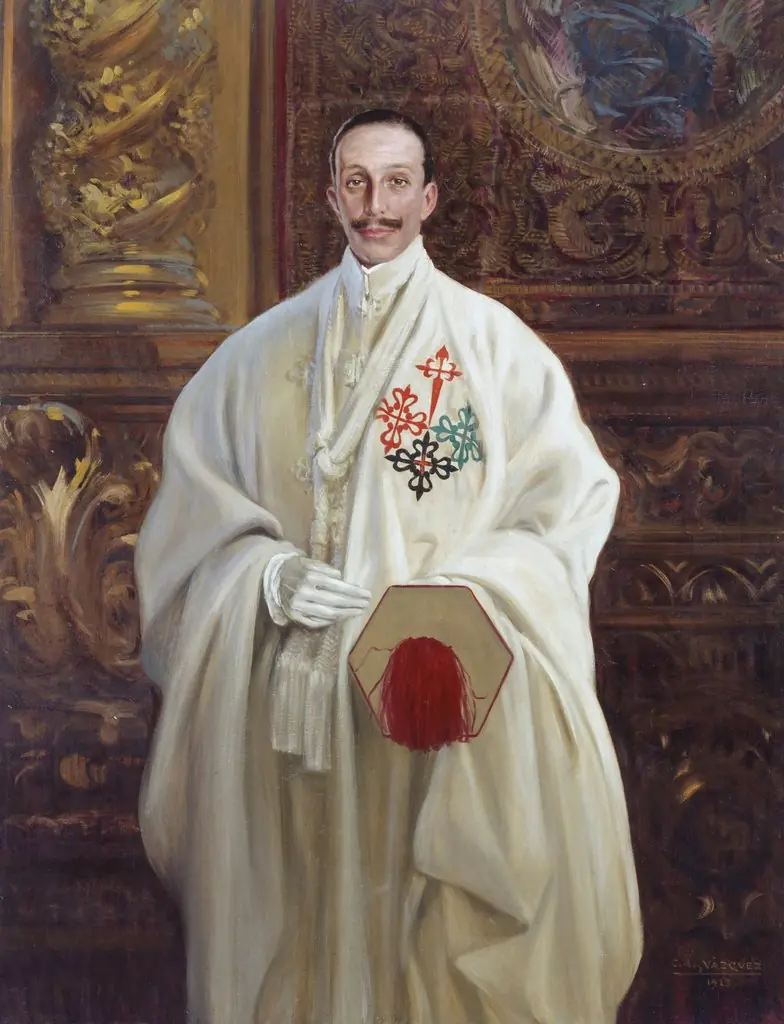 Alfonso XIII con hábito de maestre de las órdenes militares
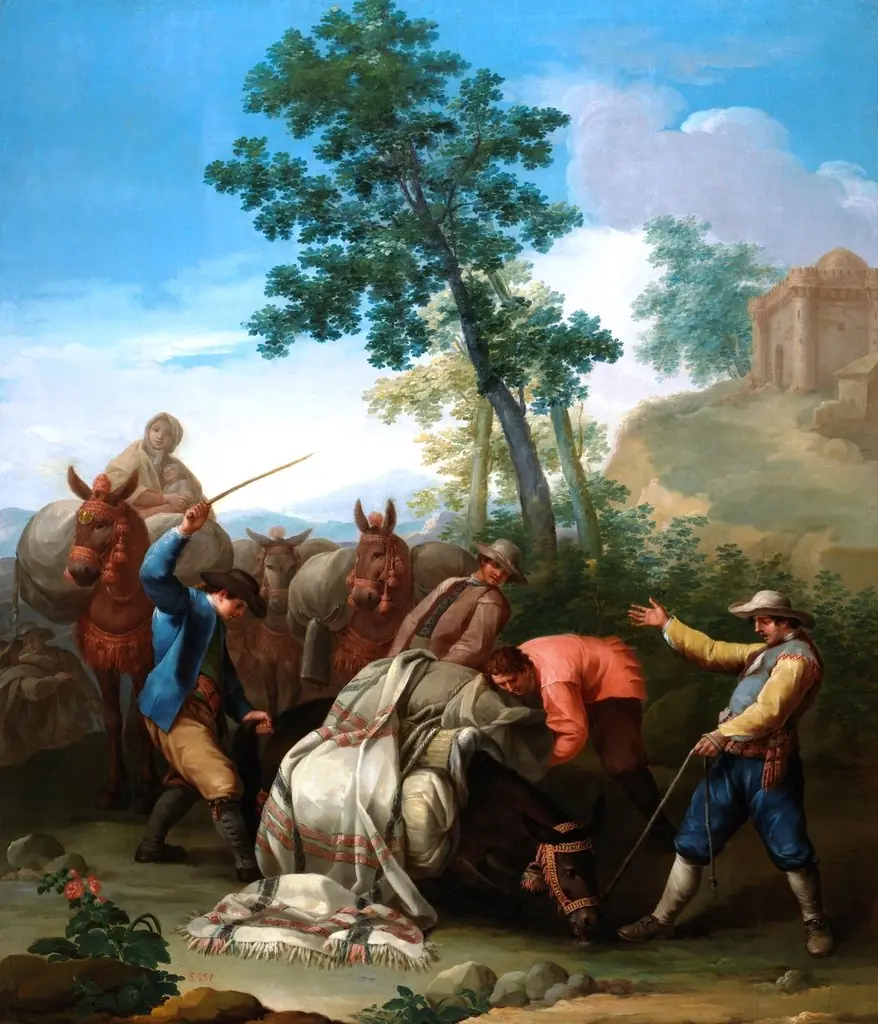 Un mulo caído con su carga y unos arrieros levantándolo
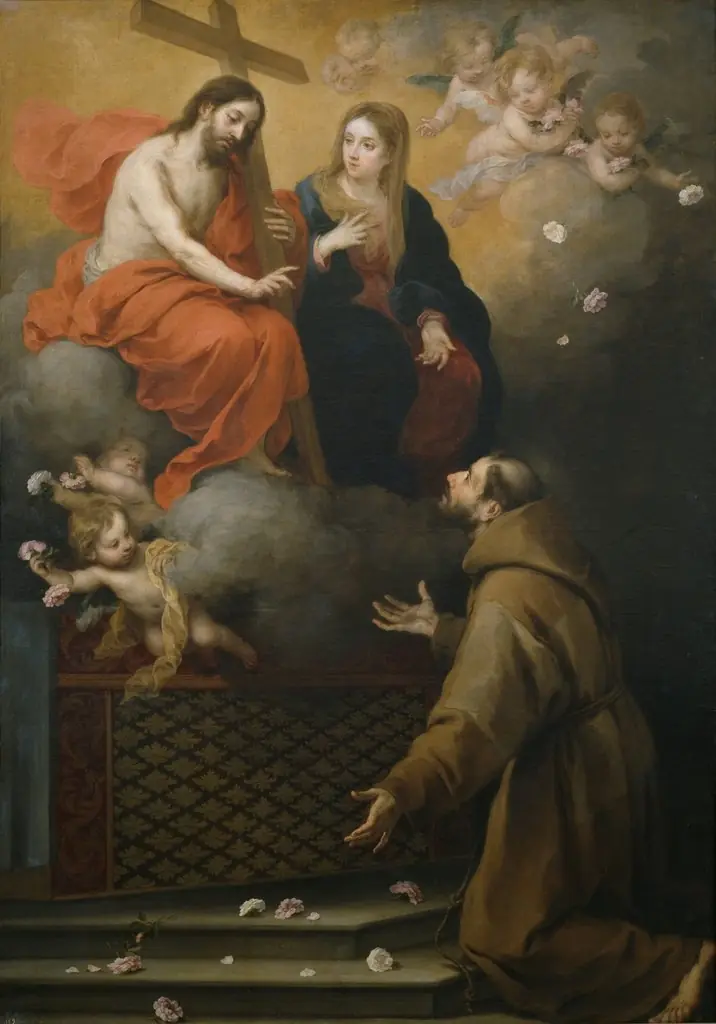 The Vision of Saint Francis in the Portiuncula
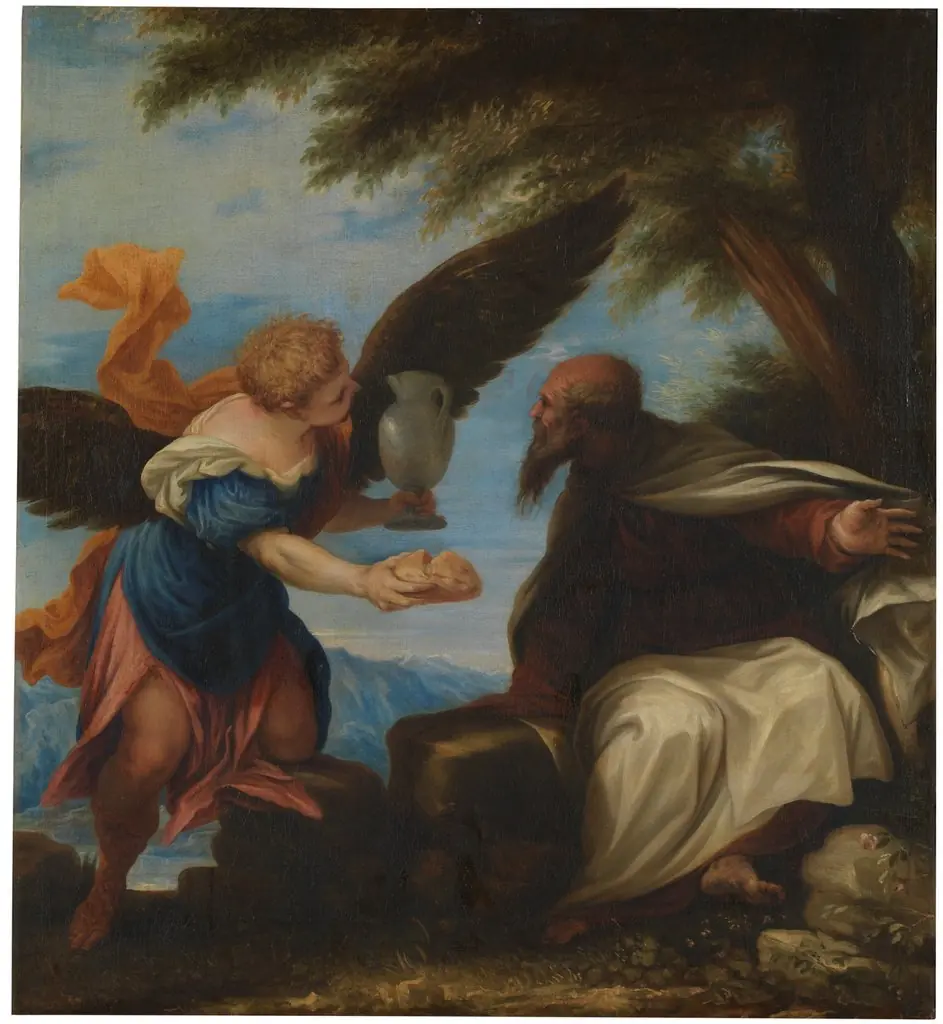 El profeta Elías y el ángel
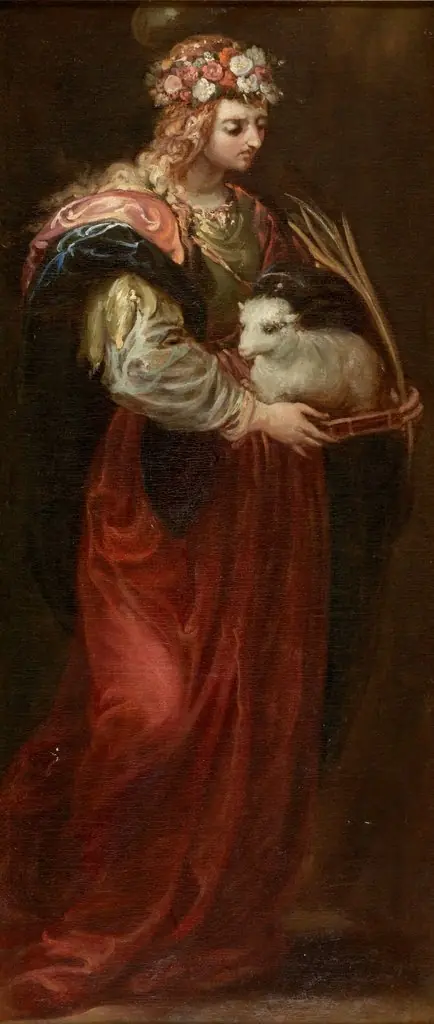 Santa Inés
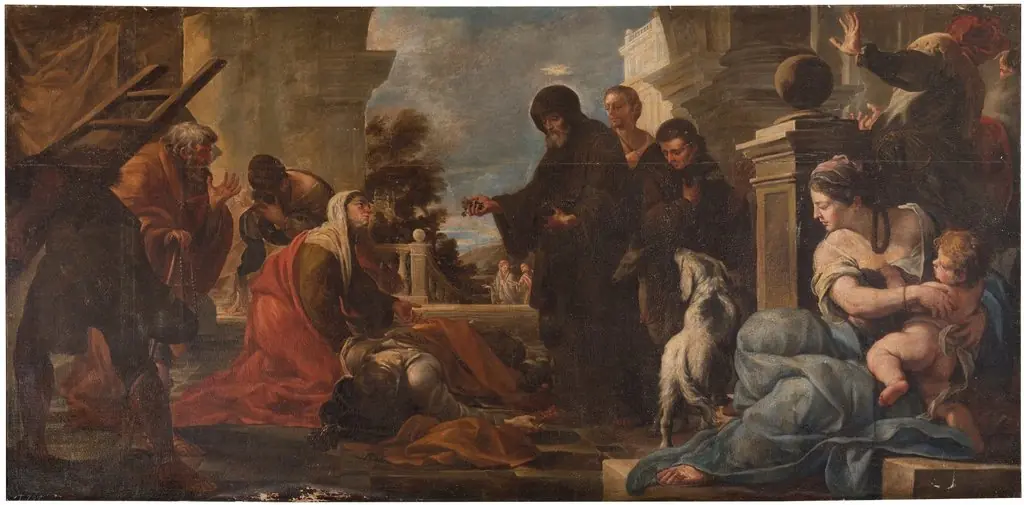 Milagro de San Francisco de Paula
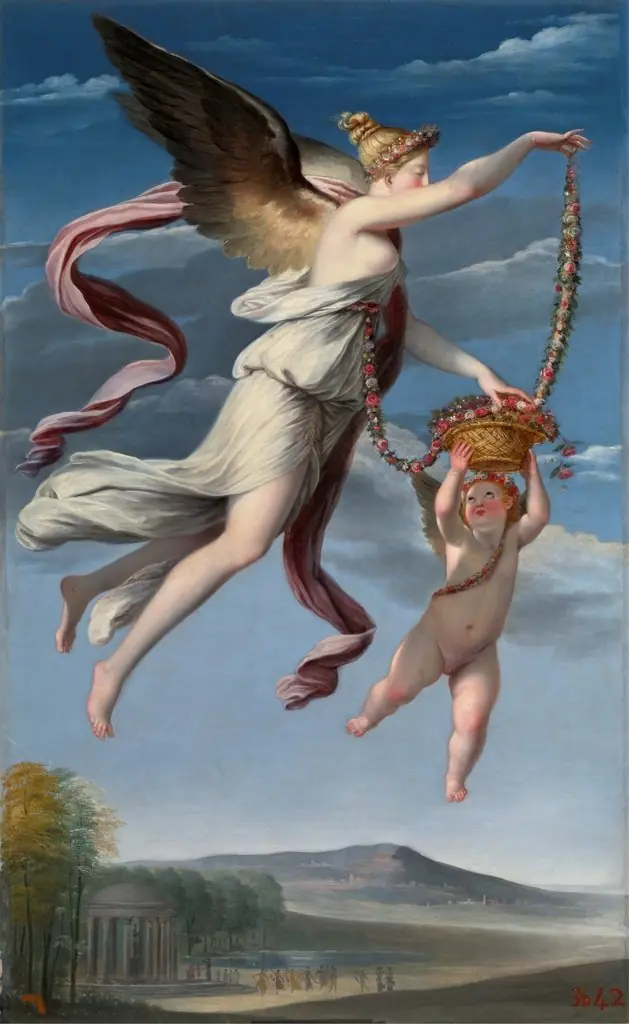 Alegoría de la Primavera
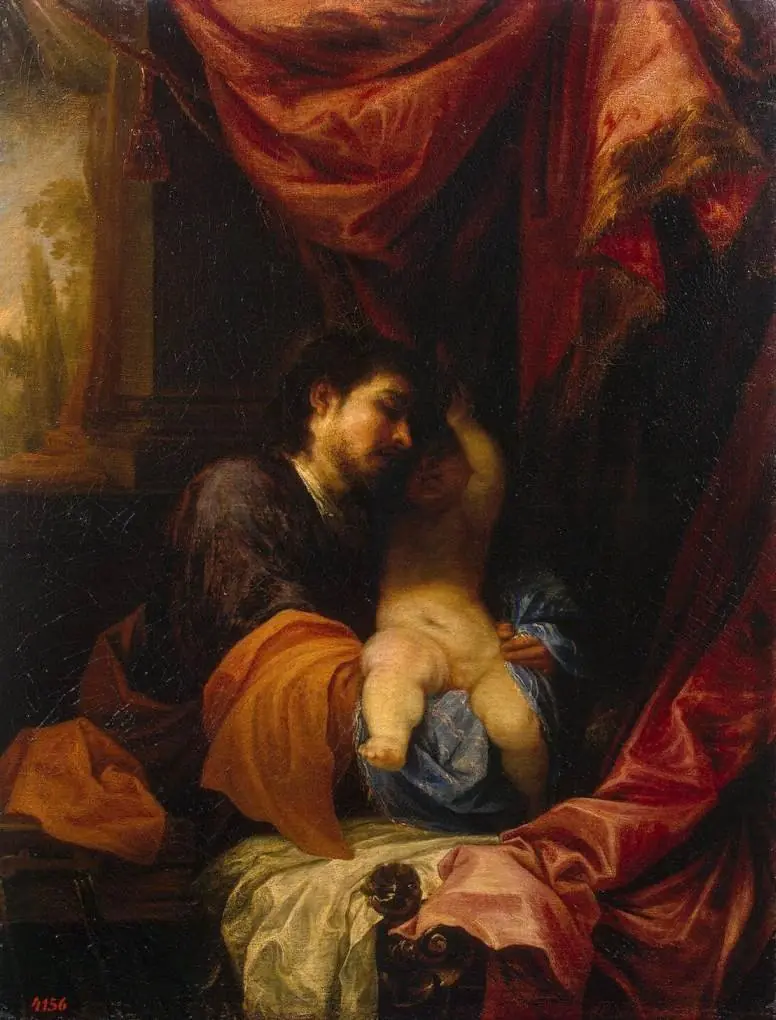 St Joseph and the Infant Christ
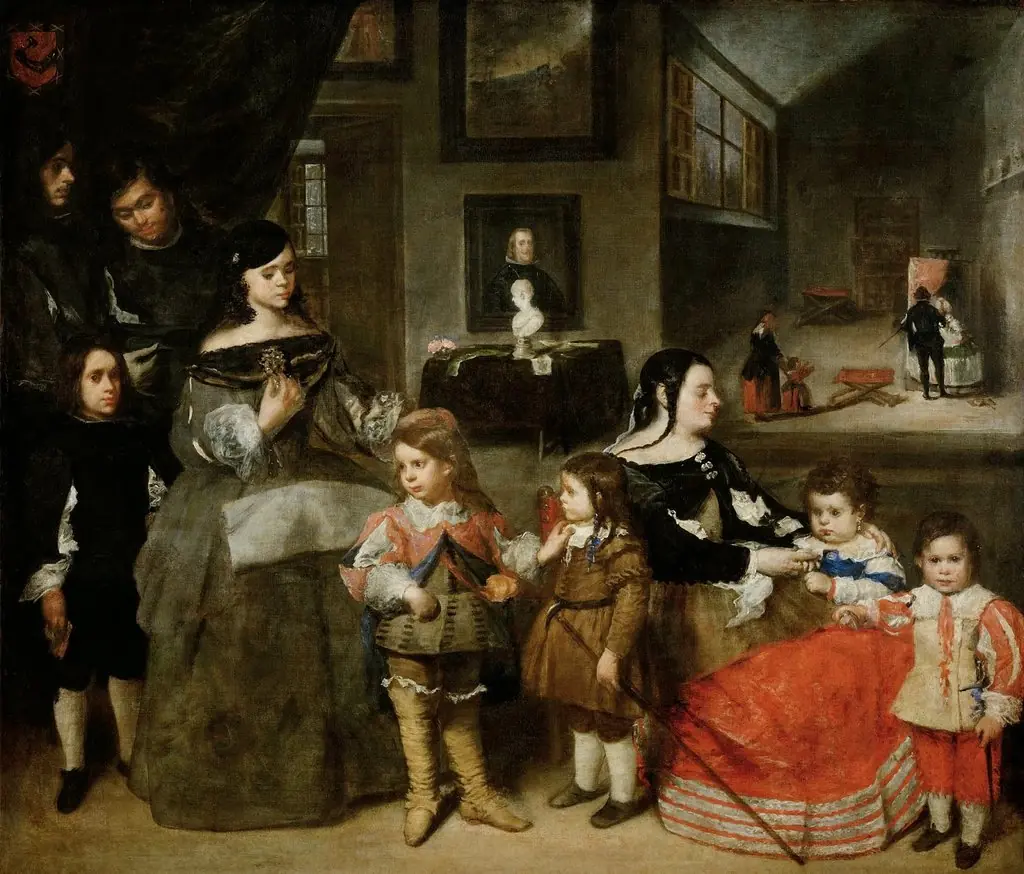 The Artist's Family
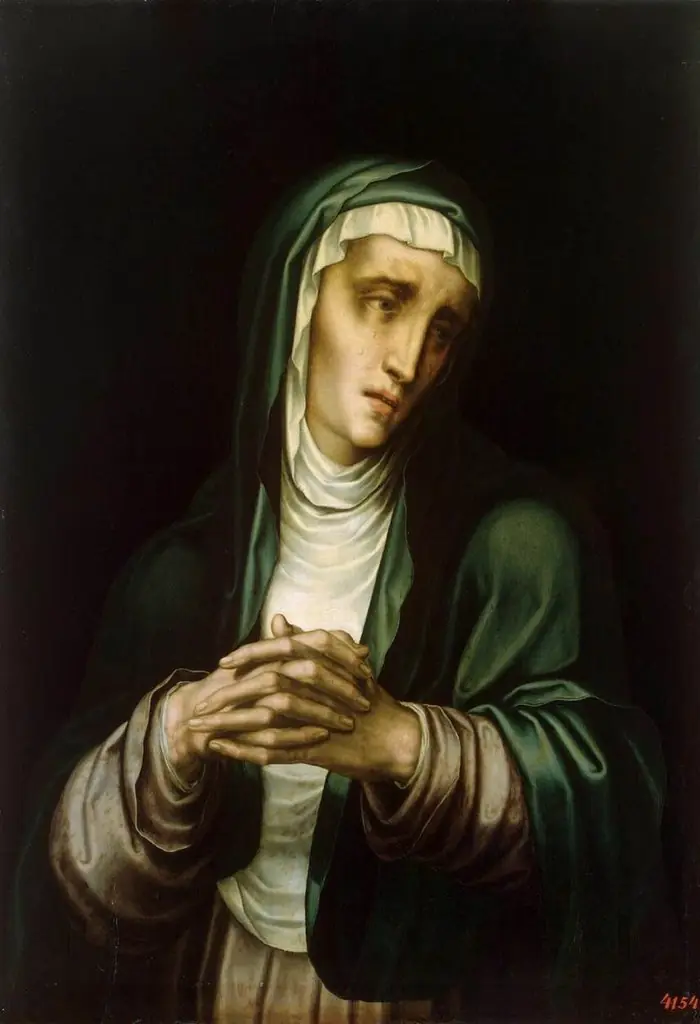 The Virgin Mourning (Mater Dolorosa)
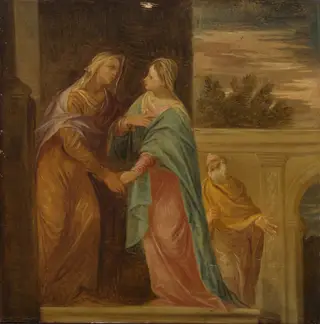 Visitation
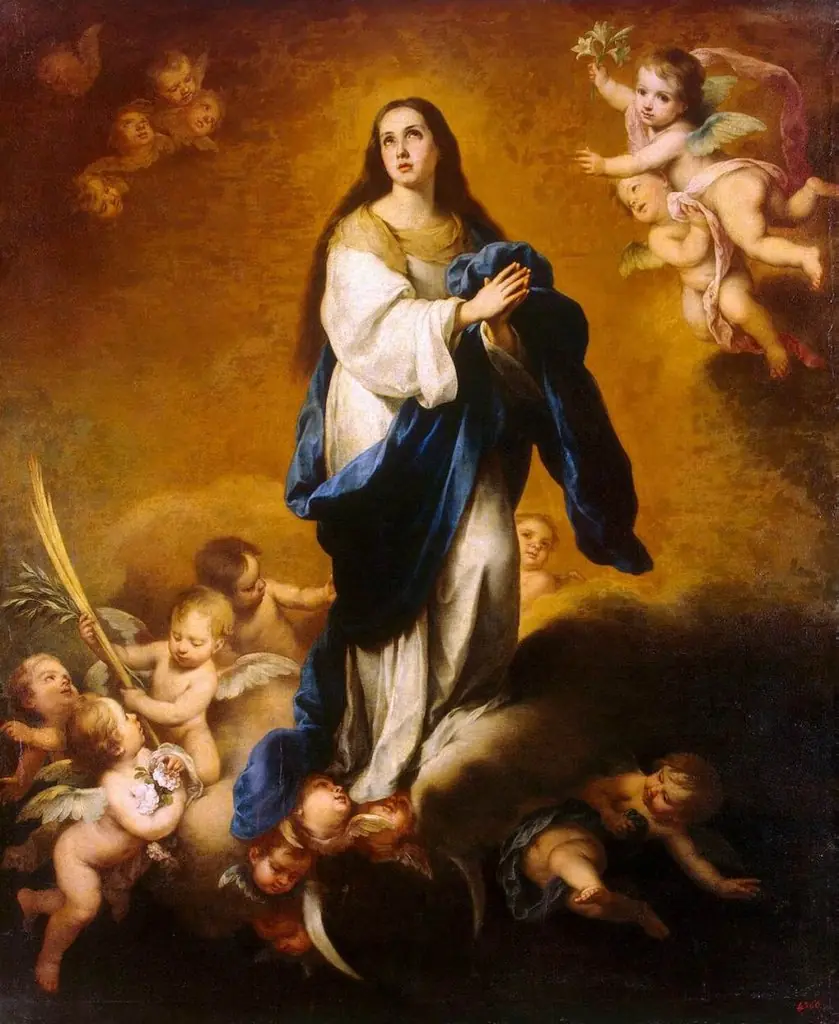 Esquilache Immaculate Conception
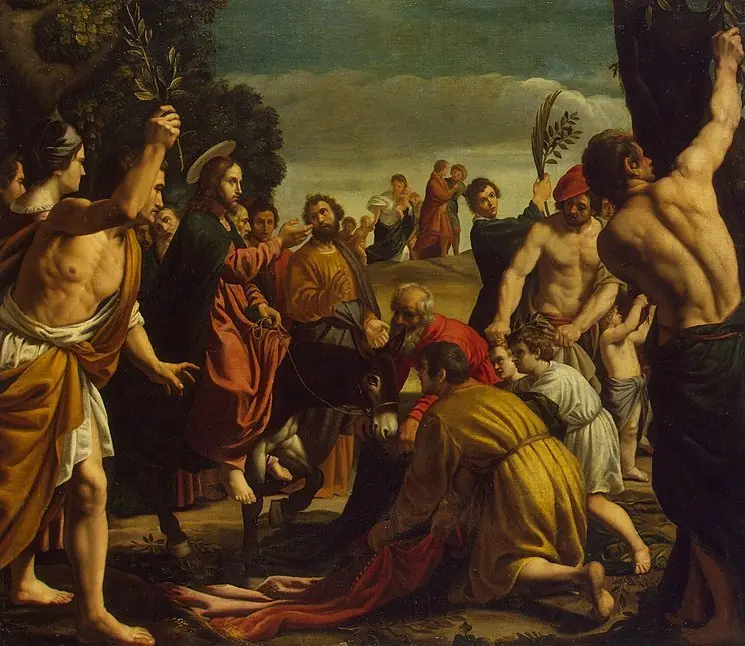 Entry into Jerusalem
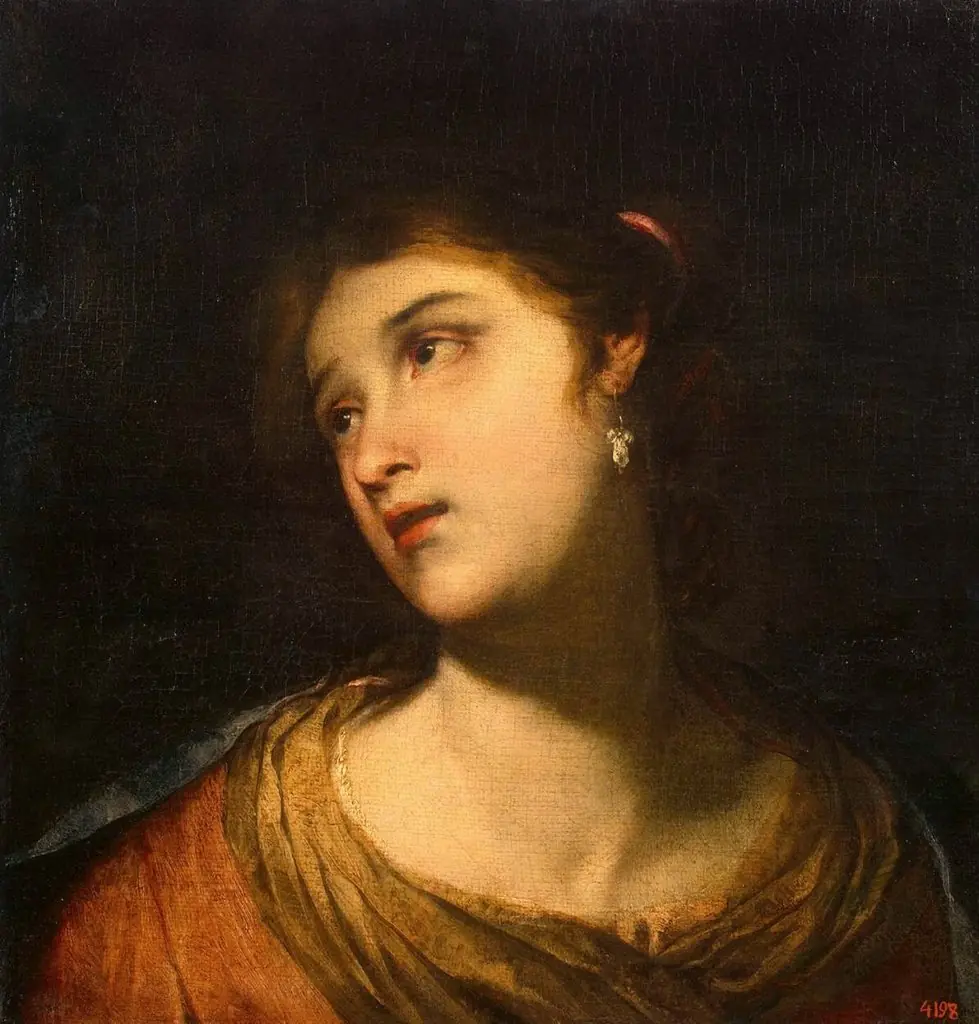 Head of a Woman
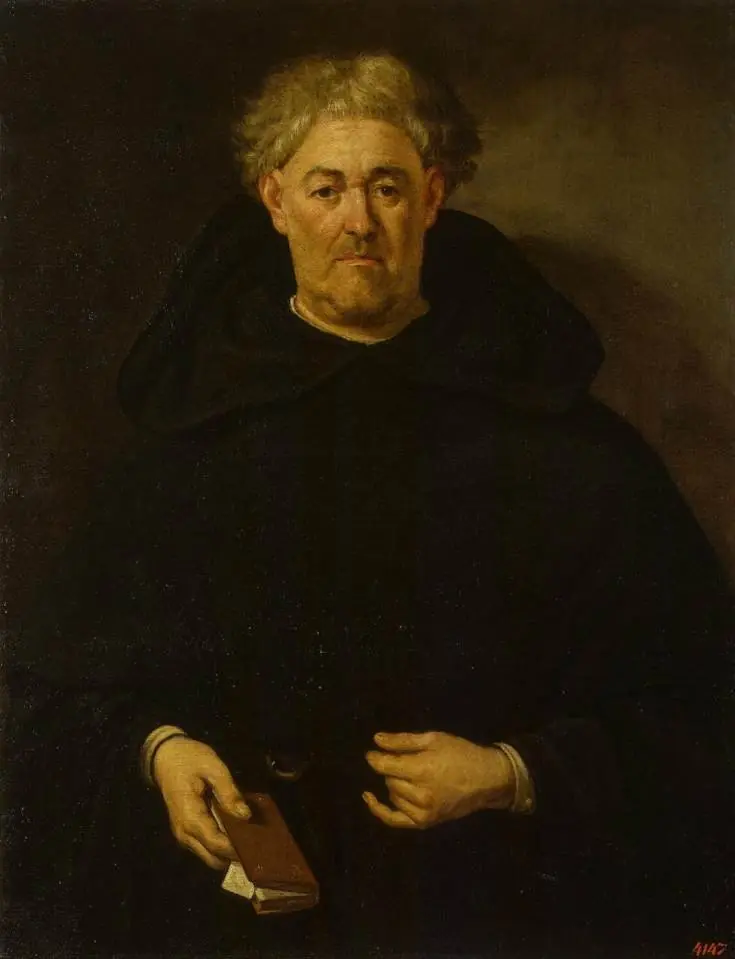 Portrait of a Monk
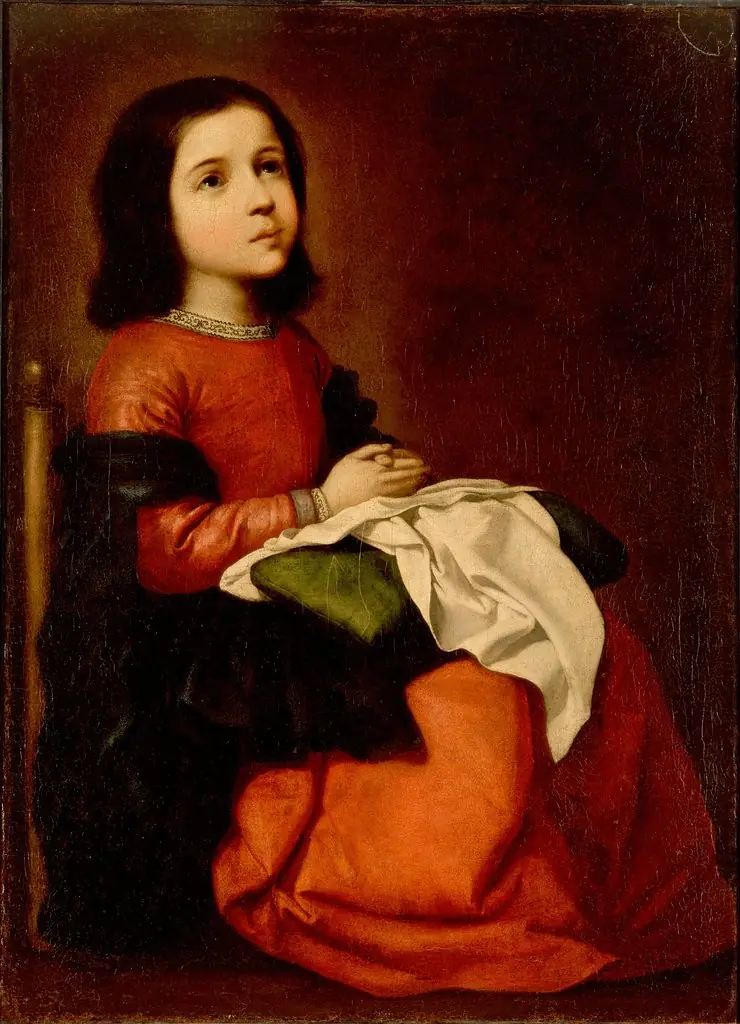 Childhood of the Virgin
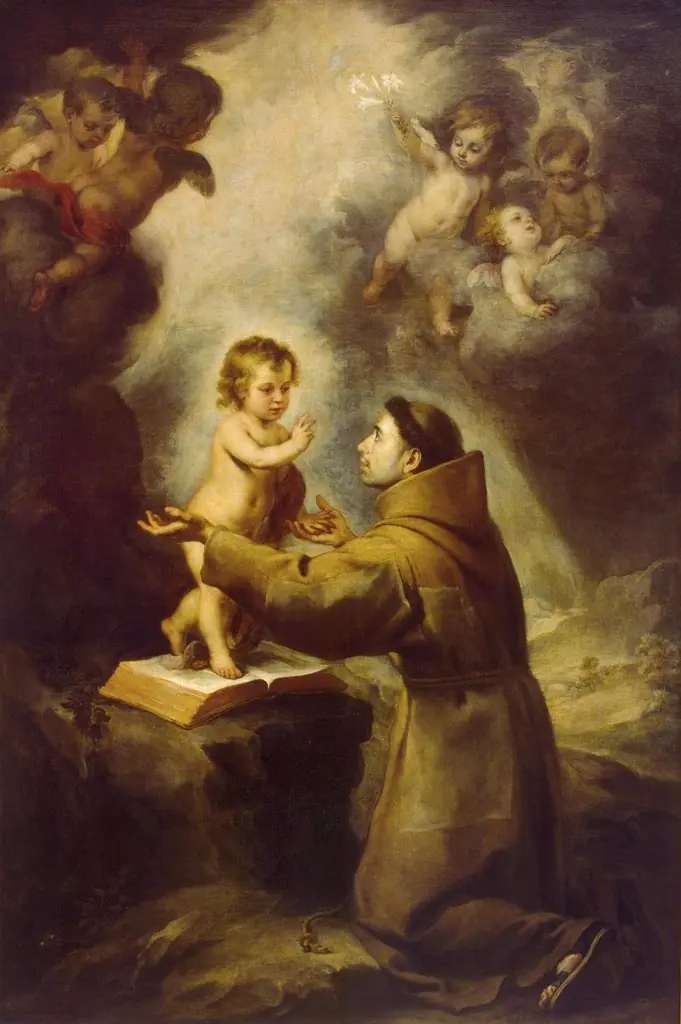 Vision of St Antony of Padua
Frequently asked questions
What is Spanish Baroque Tenebrist?
Spanish Baroque Tenebrist is an art movement. Spain's dramatic 17th-century style built on tenebrism — deep shadow pierced by raking light.
How many Spanish Baroque Tenebrist works does Artifact World Gallery have?
Artifact World Gallery holds 316 public-domain Spanish Baroque Tenebrist works, all free to view and download.
Who are the key Spanish Baroque Tenebrist artists?
Key Spanish Baroque Tenebrist artists in the collection include Antonio María Esquivel, Luis de Morales and Pedro Orrente.
Where can I see Spanish Baroque Tenebrist works?
Spanish Baroque Tenebrist works in the collection are held by Museo del Prado, Hermitage Museum and Metropolitan Museum of Art.