Artwork
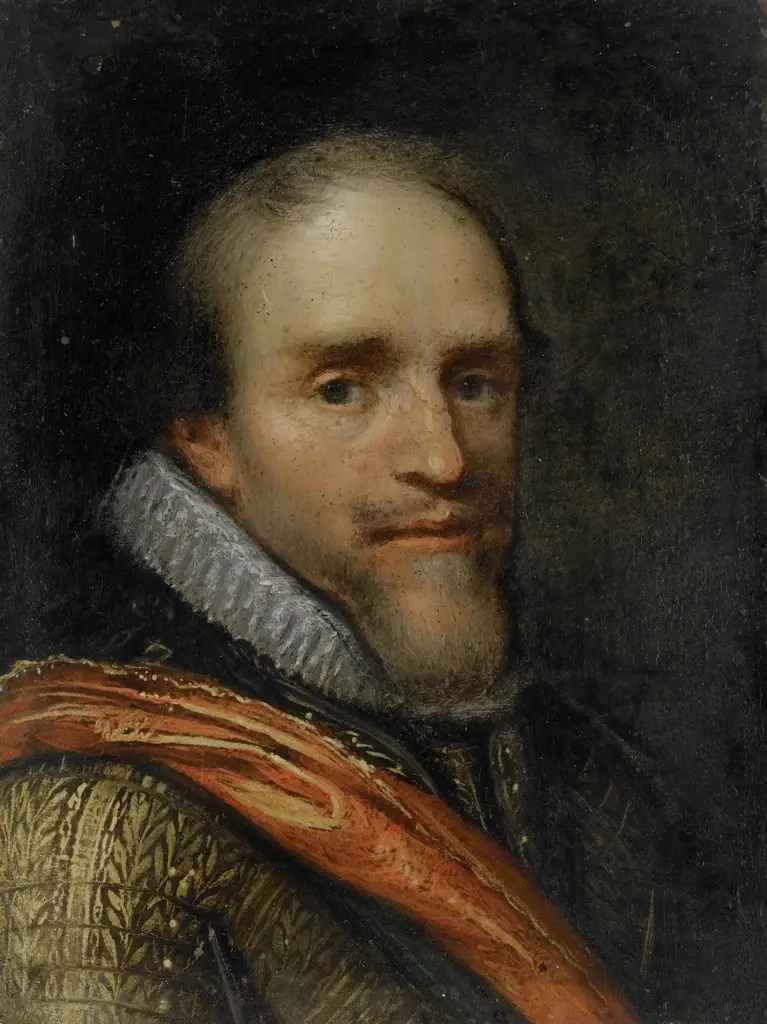
Portrait of Maurits (1567-1625), Prince of Orange
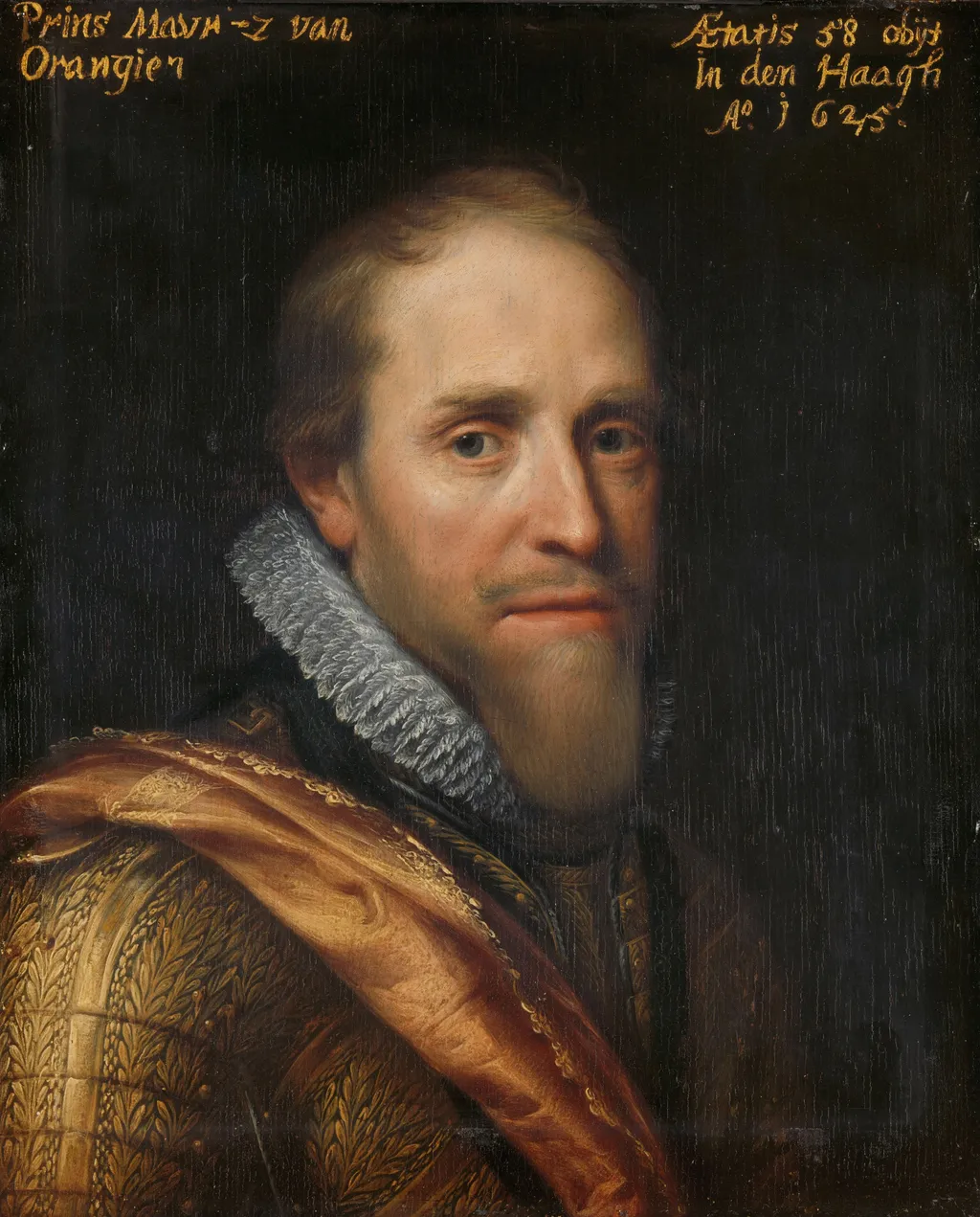
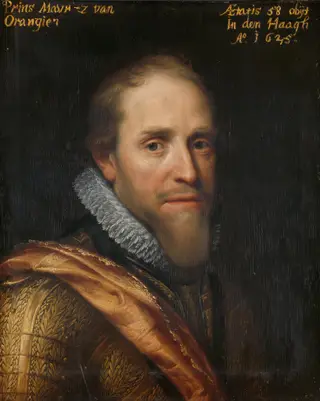
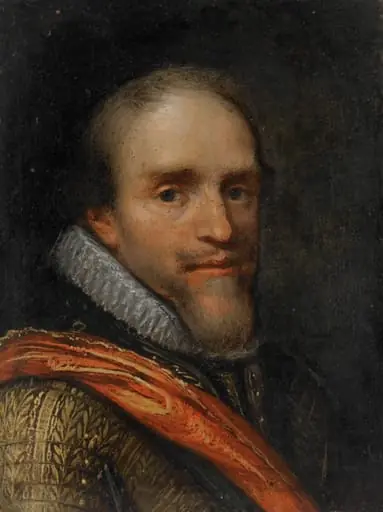
Portrait of Maurits (1567-1625), Prince of Orange is an oil painting. It dates from 1621 and is held in the collection of the Rijksmuseum. This portrait depicts Maurits, Prince of Orange (1567-1625), in a realistic and detailed manner.
About this work
Subject & Meaning
The painting was originally owned by Maurice of Nassau himself, indicating its function as a personal representation of the prince during his lifetime.
The work depicts Maurice of Nassau, who held the title of Prince of Orange and lived from 1567 to 1625. Created in 1621, the portrait identifies the sitter as the main subject of the composition, focusing on his likeness as a Dutch ruler. The painting was originally owned by Maurice of Nassau himself, indicating its function as a personal representation of the prince during his lifetime.
As a portrait genre work, it serves to document the physical appearance and status of the historical figure without additional symbolic elements described in the available records.
Technique & Style
Created in 1621, this portrait is executed in oil paint on a wooden panel support. The work measures 29.8 cm in height and 24.5 cm in width. It is attributed to the workshop of Michiel Jansz. van Mierevelt rather than the master's own hand.
The painting functions as a formal portrait depicting Maurice of Nassau, capturing the subject with the stylistic conventions typical of the artist's circle during the early 17th century.
History & Provenance
This oil-on-panel portrait was created in 1621 by the workshop of Michiel Jansz. van Mierevelt. The work depicts Maurice of Nassau, also known as Prince of Orange, who is recorded as the owner of the piece. Currently held in the collection of the Rijksmuseum (National Art Gallery of the Netherlands), the painting is displayed in hall 2.1 within the Stadhouderlijk Hof. The panel measures 29.8 cm in height and 24.5 cm in width.
The Portrait of Maurits (1567-1625), Prince of Orange, painted in 1621, is held by the Rijksmuseum under inventory number SK-A-518. It was created by the workshop of Michiel Jansz. van Mierevelt and originally owned by Maurice of Nassau, who is depicted as the main subject. The work has been exhibited in Rijksmuseum hall 2.1 at the Stadhouderlijk Hof, establishing its presence within the museum's permanent display.
Context
The 1621 portrait of Maurice of Nassau, painted in oil on panel, was created within the artistic milieu of Michiel Jansz. van Mierevelt's workshop, where collaborative production was standard for prestigious commissions. Its placement in Rijksmuseum hall 2.1 at the Stadhouderlijk Hof underscores its historical function as both state portraiture and dynastic propaganda during the Dutch Republic's formative decades. Contemporary scholarship situates the work within the broader trajectory of early Baroque portraiture, noting its technical precision and symbolic use of regalia to assert princely authority, while its presence in the Prince of Orange's personal collection reflects the intersection of artistic patronage and political legacy.
Overview
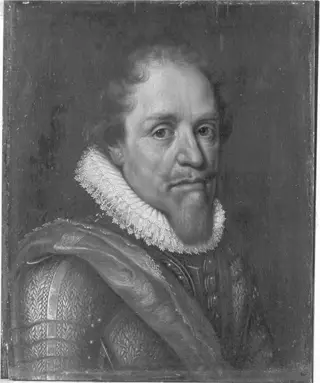
This portrait depicts Maurits, Prince of Orange (1567-1625), in a realistic and detailed manner. Executed in oil paint, the work showcases the prince in a formal, high-collared gold-patterned jacket and red sash against a dark background.
Legacy
While the painting's impact on art history is not explicitly outlined, its detailed realism contributes to the broader legacy of Dutch Golden Age portraiture, influencing subsequent representations of nobility.
Artist & collection