Artwork
Still Life with Trophies of the Hunt
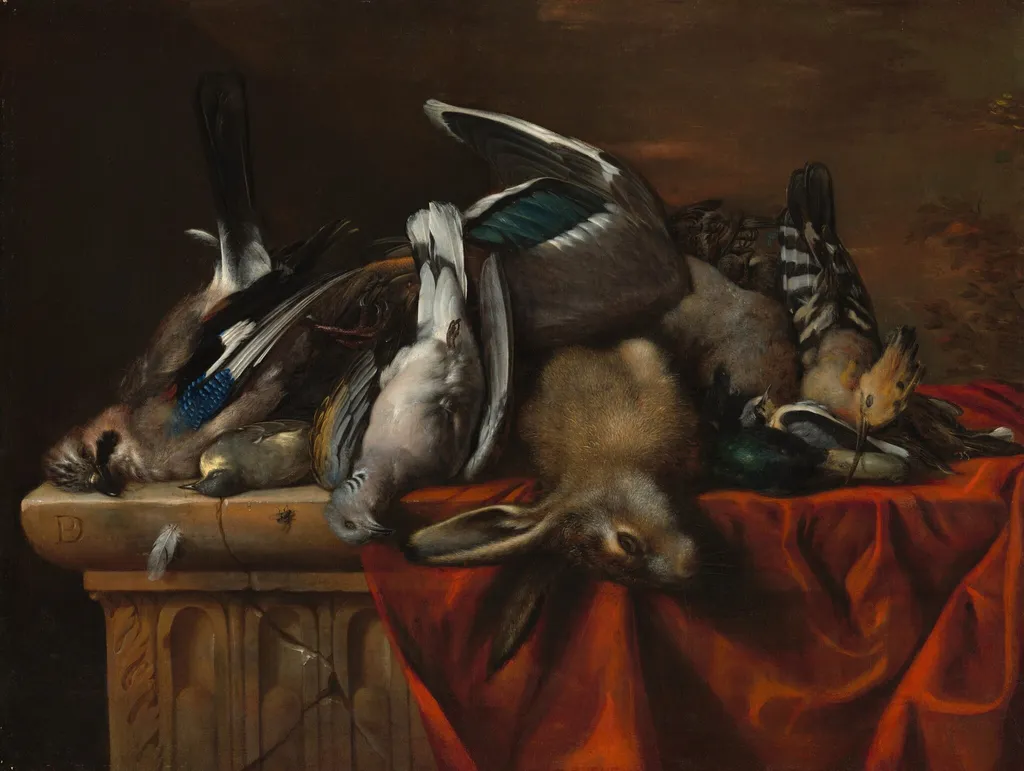
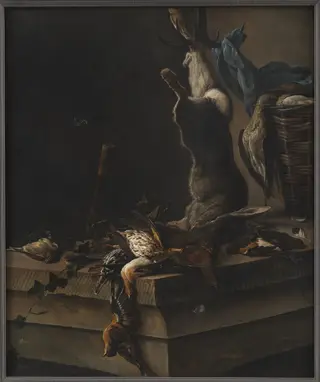
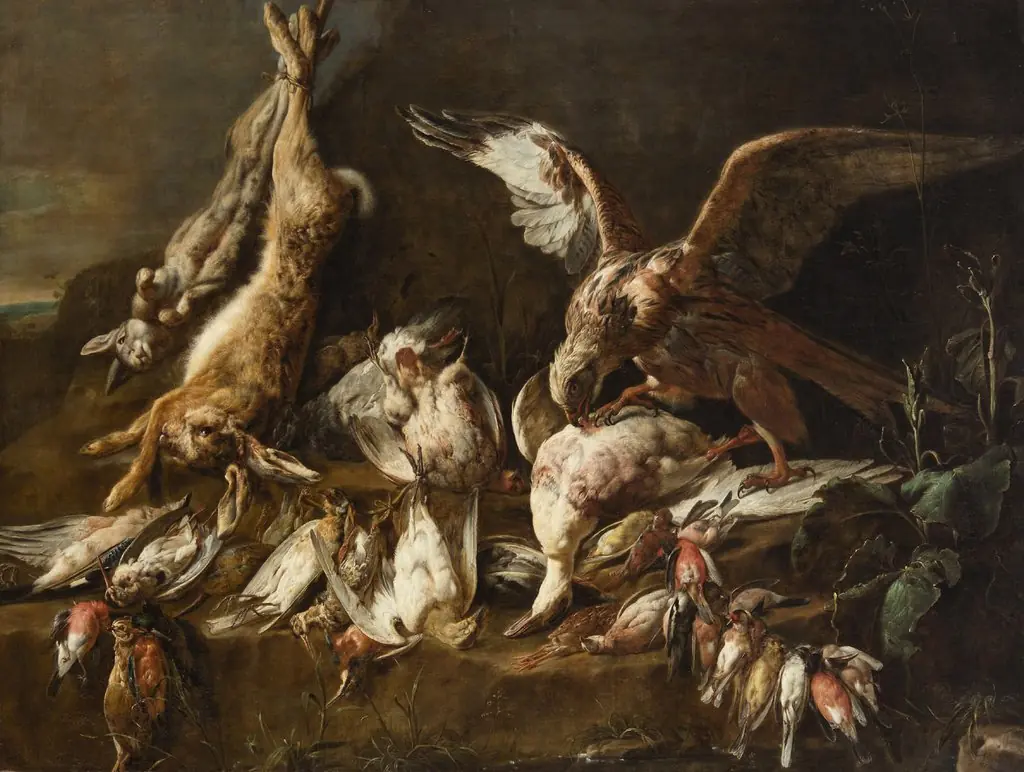
Still Life with Trophies of the Hunt is an oil painting by the Baroque artist Pierre Dupuis. It dates from 1650 and is held in the collection of the National Gallery of Art.
- Inscription
- Inscribed:lower left on edge of cornice, PD in monogram: PD vpvis
About this work
Technique & Style
Dated 1650, it belongs to the still-life genre, featuring an arrangement of hunting trophies that reflects the decorative conventions of the period.
The painting is executed in oil on canvas and measures 57 cm by 76 cm. Dated 1650, it belongs to the still-life genre, featuring an arrangement of hunting trophies that reflects the decorative conventions of the period. The canvas support is typical of seventeenth-century easel works. The piece is part of the Horvitz Collection at the National Gallery of Art, Washington, D.C., where it has been displayed since its 2017 donation.
History & Provenance
The painting's documented provenance begins with Galerie Eric Coatalem in Paris. In 2013, Jeffrey E. Horvitz of Beverly Farms, Massachusetts, purchased the work from that gallery. Horvitz subsequently gave the painting to the National Gallery of Art in Washington, D.C., in 2017, where it entered the Horvitz Collection.
The work is an oil on canvas by Pierre Dupuis. No information regarding an original commission, earlier ownership, or exhibition history is recorded in the available sources.
Overview
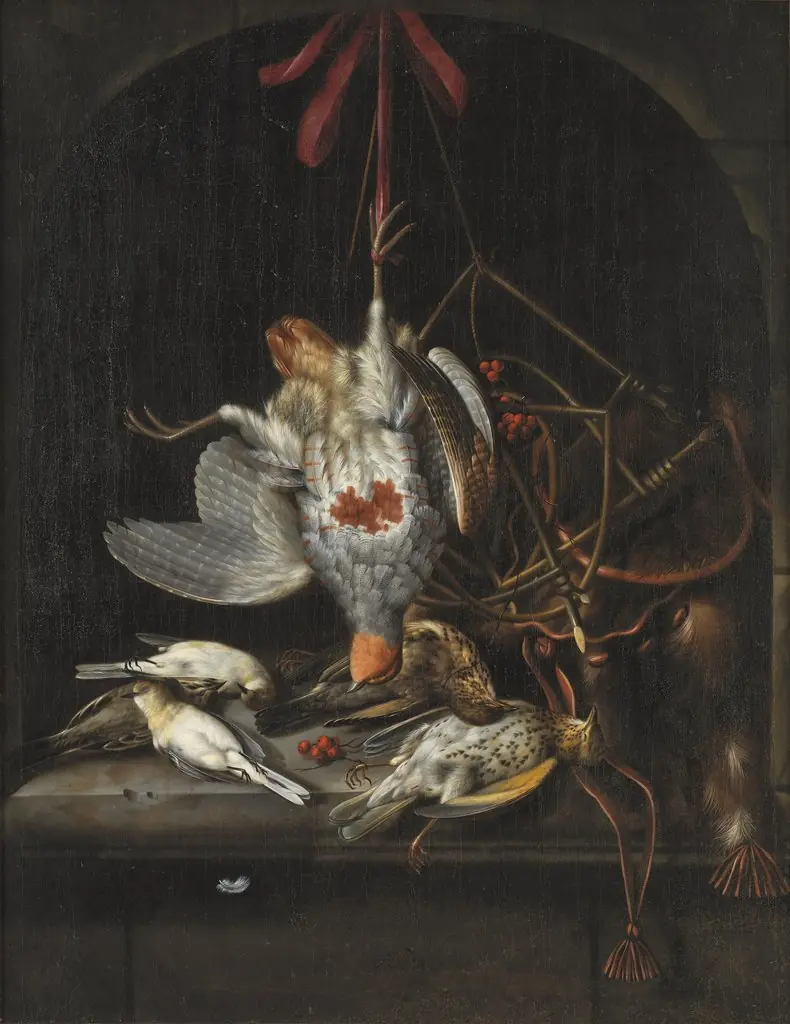
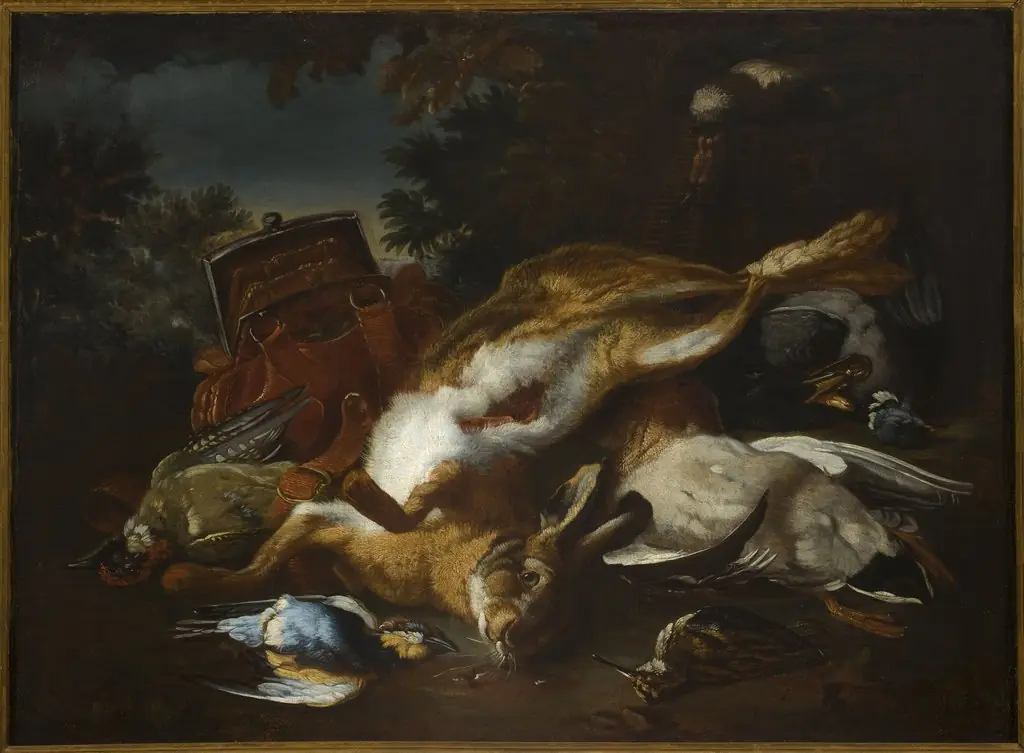
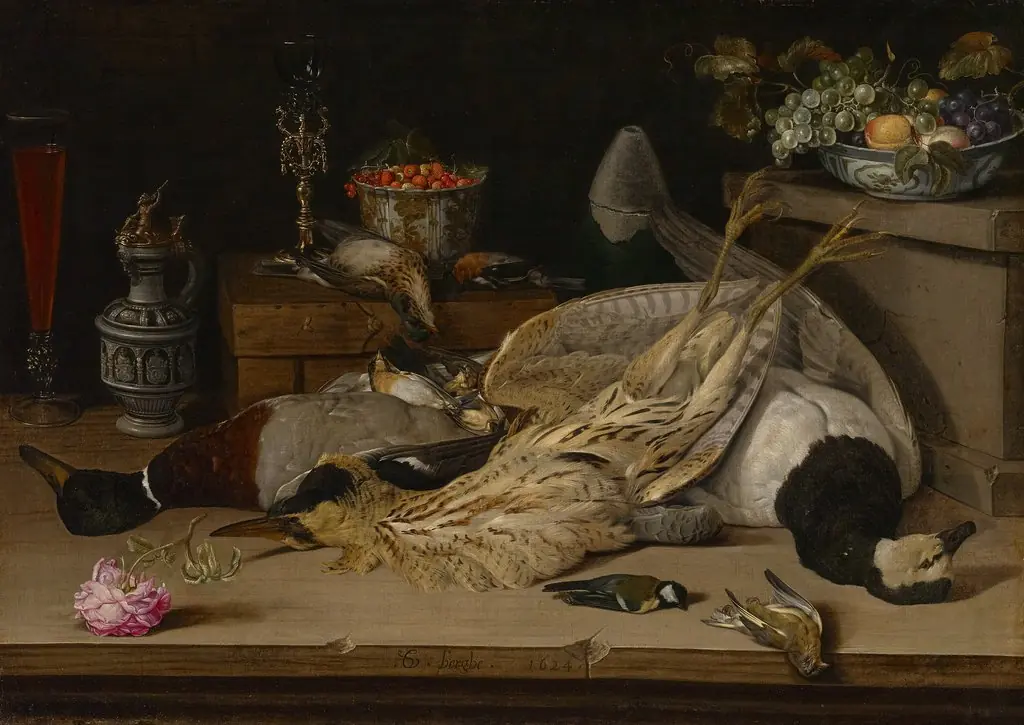
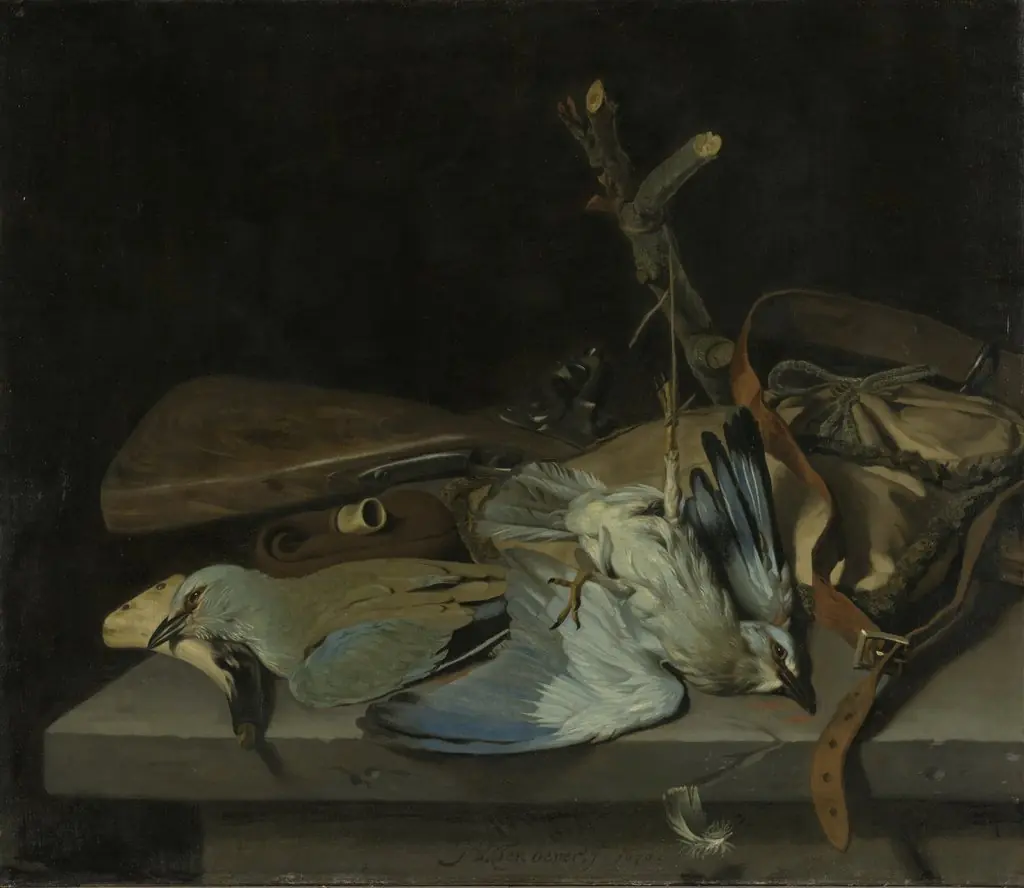
Pierre Dupuis's "Still Life with Trophies of the Hunt," painted in 1650, is an oil on canvas depicting a collection of game. The composition centers on various deceased birds and animals arranged on a stone ledge, presenting a detailed study of the spoils of a hunt. This work exemplifies the genre of still life prevalent in the mid-17th century.
Subject & Meaning
The painting presents a stark arrangement of recently hunted game, including birds with vibrant plumage in shades of blue, brown, and black, alongside animals whose fur appears dense yet soiled. These forms are dramatically piled on a stone surface, partially covered by a rich red drapery that spills over the edge. A deep, dark background serves to intensify the vivid hues of the foreground elements.
Own this work as a print
Artist & collection