Subject
Table
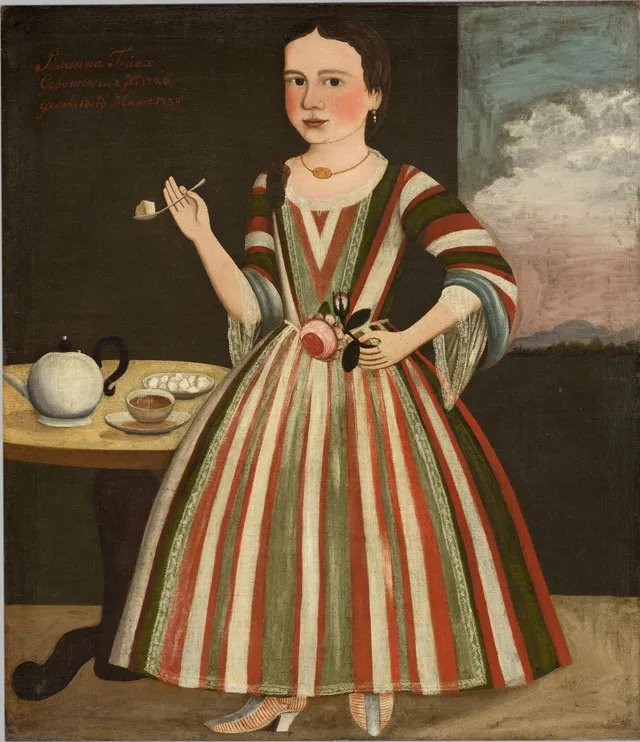
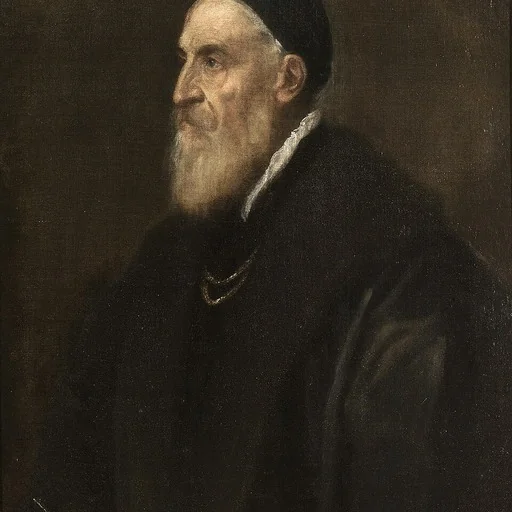
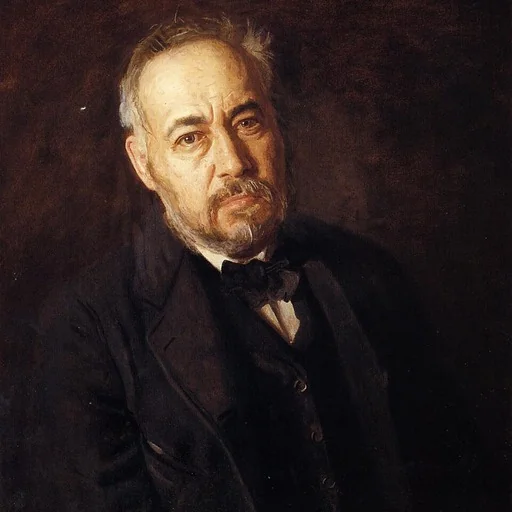
Table is a subject in art. The gallery holds 200 works in this subject in art, including works by Titian, Thomas Eakins and Edgar Degas.
A table is a piece of furniture with a raised flat top, supported most commonly by one to four legs, used as a surface for working, eating, or placing things. Yet in the history of art the table is far more than utilitarian: it is one of Western painting's most durable stages, a horizontal plane on which objects are arranged, meals are shared, and meaning is composed. Its forms reach back to antiquity—the Romans set the low, three-legged mensa delphica beside reclining banqueters in the triclinium, and wooden examples of just this type were recovered from Herculaneum—establishing the table as both a marker of hospitality and a frame for display.
In religious and narrative painting the table organizes the drama. Leonardo da Vinci's Last Supper (1495–98), painted for the refectory of Santa Maria delle Grazie in Milan, ranges Christ and the twelve apostles along a single long table whose tablecloth, plates, and glasses form an extraordinary still-life frieze, with the perspective's vanishing point fixed at Christ's temple.
The table found its richest role in the still life that flourished in the seventeenth-century Netherlands. Haarlem masters such as Pieter Claesz (1597–1660) and Willem Claesz. Heda perfected the monochrome 'ontbijt' or breakfast piece, while Clara Peeters made the laid table itself the subject as early as about 1611. The tabletop became the natural site of the vanitas, where worldly goods declared life's transience. Our collection holds Claesz's Vanitas Still Life with the Spinario (1628), its table strewn with skull, books, and a cast of the antique thorn-puller, and Georges de La Tour's candlelit Repentant Magdalen (c. 1640), in which a single flame illuminates the skull, mirror, and books arrayed before her.
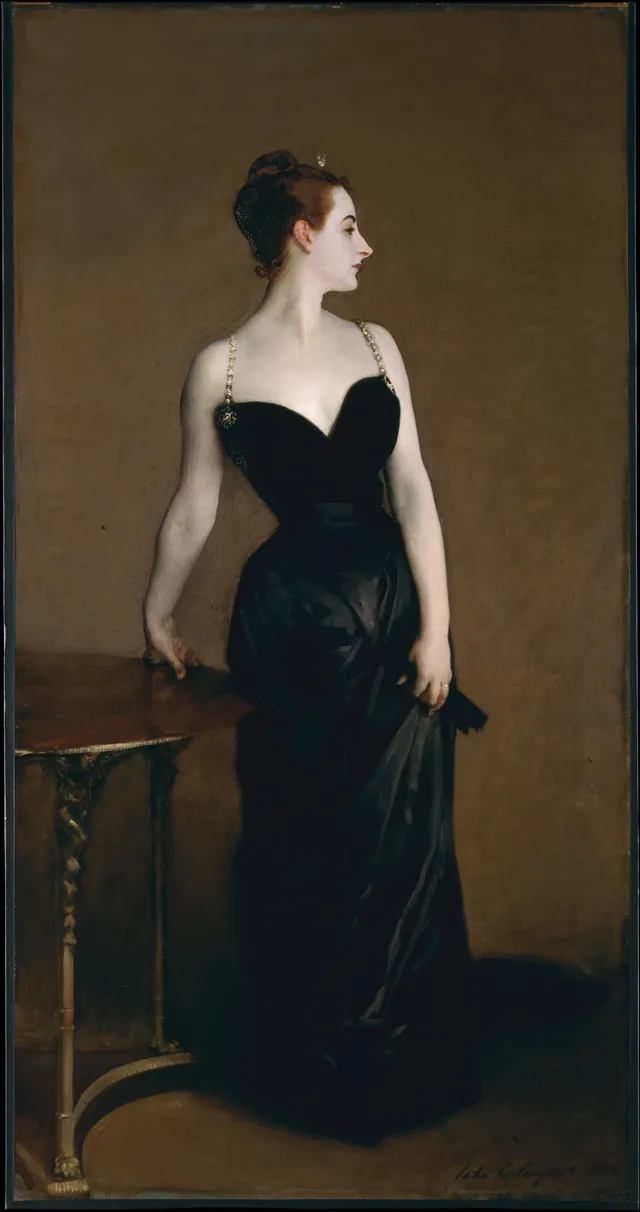
Beyond still life the table anchors portraiture and genre alike—from the bare wooden table steadying the famous pose of John Singer Sargent's Madame X (1883–84) to the connoisseurial interiors of David Teniers the Younger and the intimate scenes of Edgar Degas. With Paul Cézanne the table itself became the experiment: by tilting its planes and combining multiple viewpoints in works like Still Life with Apples (1895–98), he dissolved single-point perspective and laid the groundwork for the Cubism of Picasso and the spatial freedoms of Matisse, making the humble tabletop a launching point for modern art.
Key artists
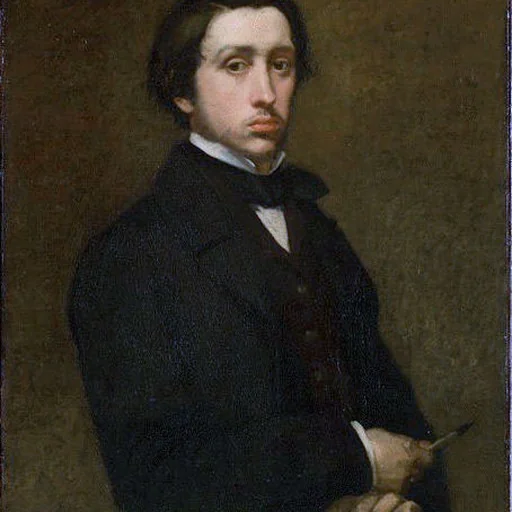
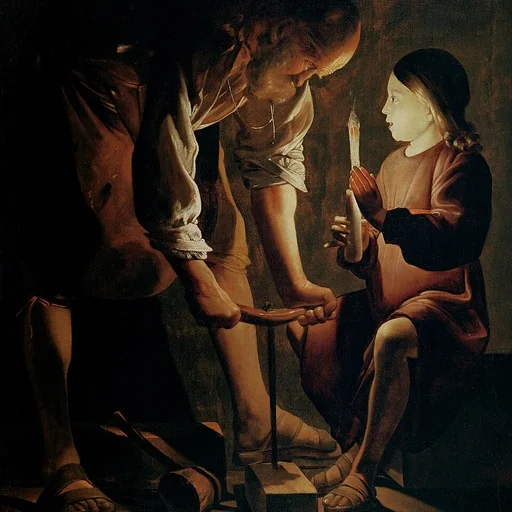
Overview
A table is a piece of furniture consisting of a raised, flat horizontal top supported by one or more legs, pedestals, or alternative mounts such as wall brackets. Constructed from diverse materials including wood, stone, metal, glass, and plastic, its primary function is to provide an elevated surface for working, eating, or placing objects. The form varies widely, from small bedside and coffee tables to large conference and dining tables, with heights generally ranging between 46 and 76 centimeters to correspond with seated or standing use. Its ubiquity in domestic, public, and working environments has made it a recurring motif in visual art, often serving as the structural anchor for still lifes, domestic interiors, and portraits.
Iconography & meaning
In art, the table transcends its utilitarian function to symbolize community, status, mortality, and domesticity. Its iconography is deeply tied to its social role as a gathering point. The shape of the table often dictates its symbolic reading: round tables suggest equality among those seated, while elongated rectangular tables emphasize hierarchy and the preeminence of the host. In vanitas still lifes, the table serves as the literal and figurative stage for moral allegories, holding skulls, writing quills, and other objects that signify the transience of life and the futility of earthly pursuits. During the Middle Ages, the banquet table, particularly the elevated table of honor known as the deis, represented feudal power and social order, with placement dictating one's proximity to authority.
Across movements & periods
The depiction of the table in art reflects its evolving design and cultural function over time. Ancient Egyptian art shows tables as simple stone or wooden platforms, often used for offerings or games. In classical antiquity, Greek and Roman art featured tables of marble or richly ornate metal, used for dining, while the Romans introduced the large semicircular mensa lunata. During the Middle Ages, western European art depicted portable trestle tables that were assembled for meals and cleared away, reflecting the itinerant nature of noble life. By the Renaissance, the table became a sedentary, permanent piece of furniture, replacing the mobile trestle design. The 18th century saw the emergence of the dedicated dining room, though tables were often still designed to be disassembled so rooms could serve multiple functions. As industrialization standardized furniture production in the 20th century, the table's artistic representation shifted toward modernist aesthetics and everyday functionalism.
Legacy
The table's legacy extends beyond furniture design into the very language of modern technology and cultural rituals. The etymological evolution from the Latin tabula, meaning a board or plank, to the Old English tabele, influenced by the French table, underscores its enduring conceptual identity as a flat working surface. This legacy persists in the digital realm, where the graphical user interface of a computer is known as the desktop. Culturally, the table remains the central site for rituals of dining and socialization, from the formal banqueting traditions of the European aristocracy to the negotiations of international diplomacy, where the shape of the table itself can dictate the dynamics of peace conferences. In art, the table continues to be a vital motif, bridging historical vanitas themes and contemporary explorations of domestic space.
Works
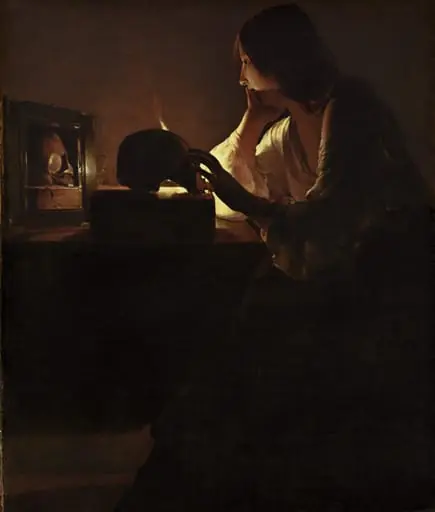 The Repentant Magdalen
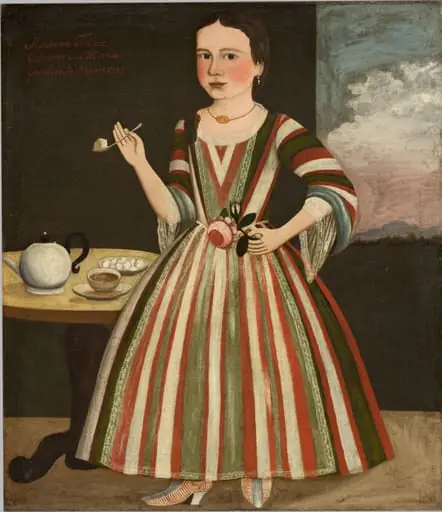 Susanna Truax
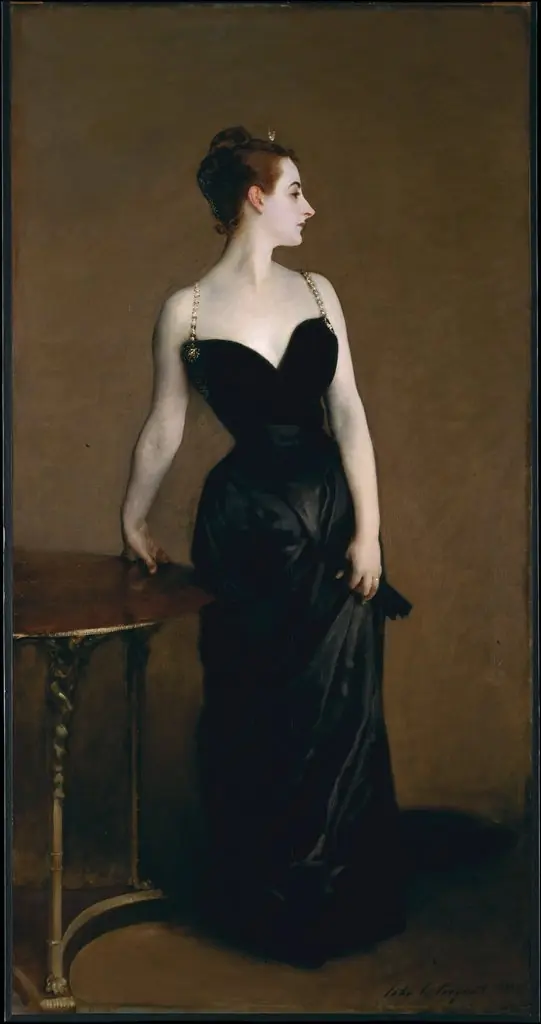 Madame X (Virginie Amélie Avegno Gautreau)
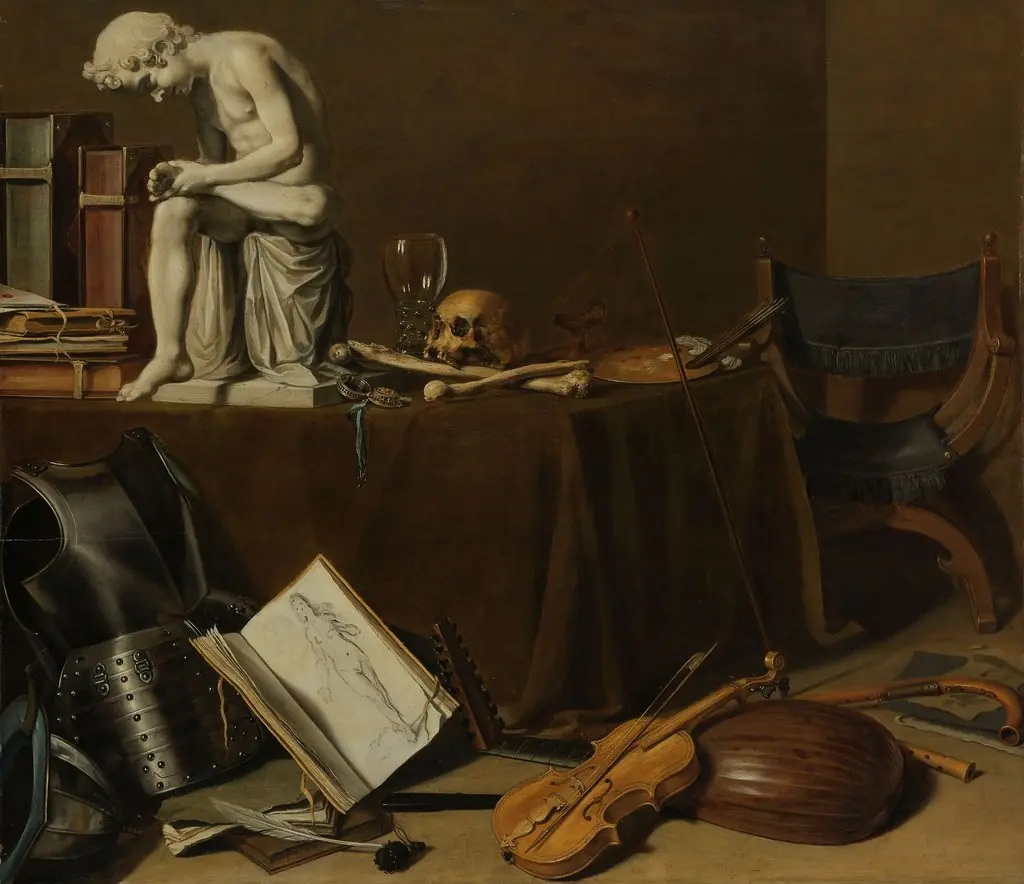 Vanitas Still Life with the Spinario
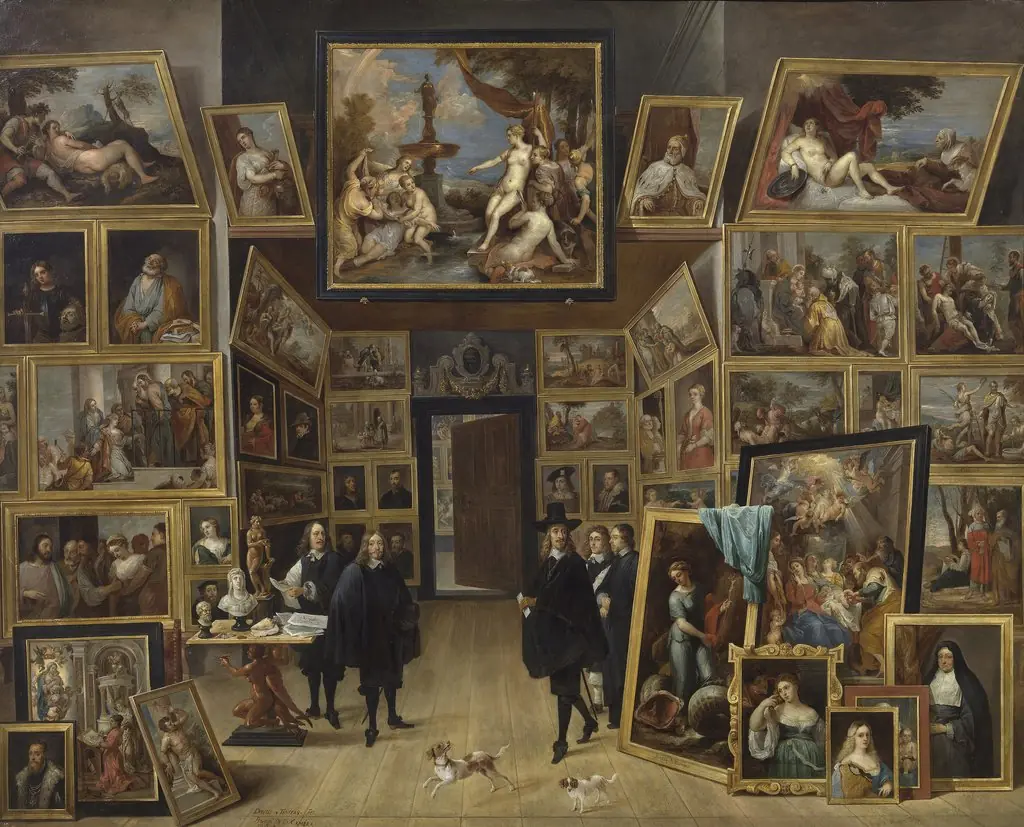 Archduke Leopold Wilhelm in his Gallery
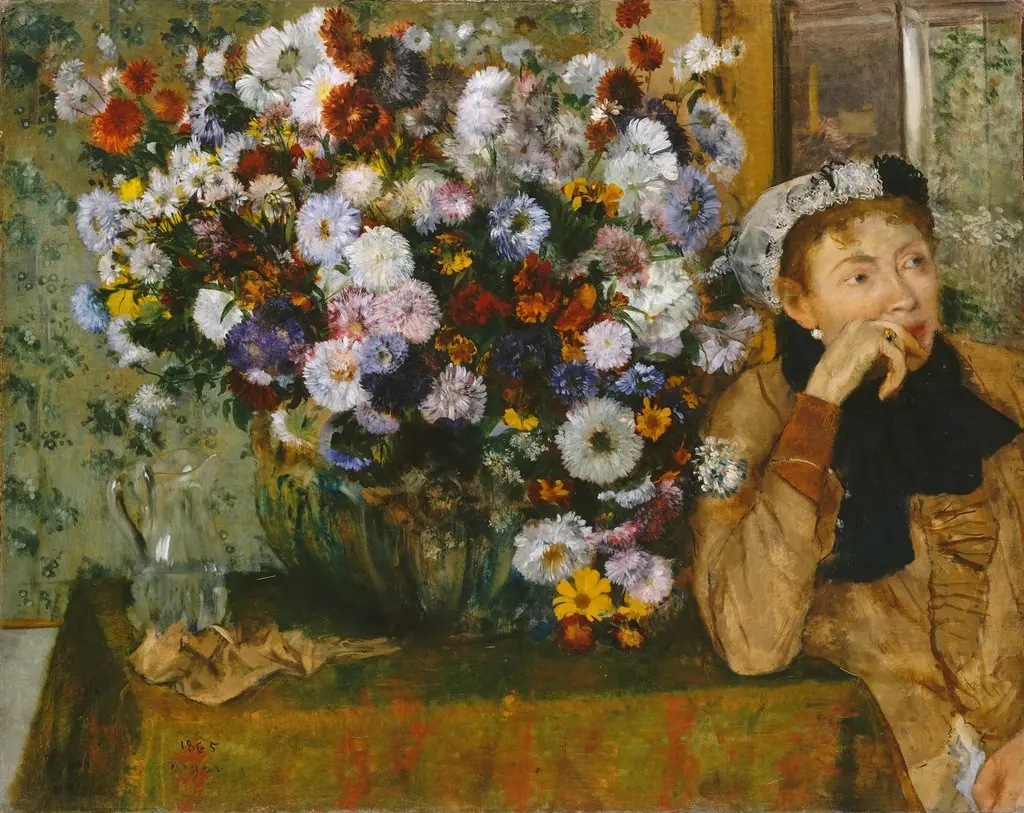 A Woman Seated beside a Vase of Flowers
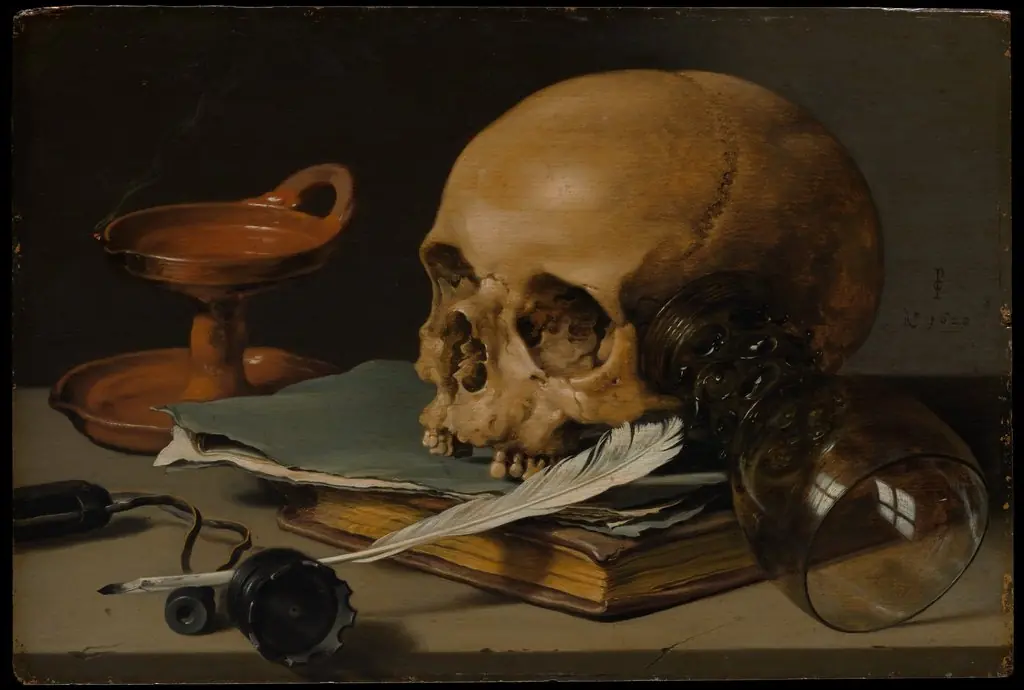 Still Life with a Skull and a Writing Quill
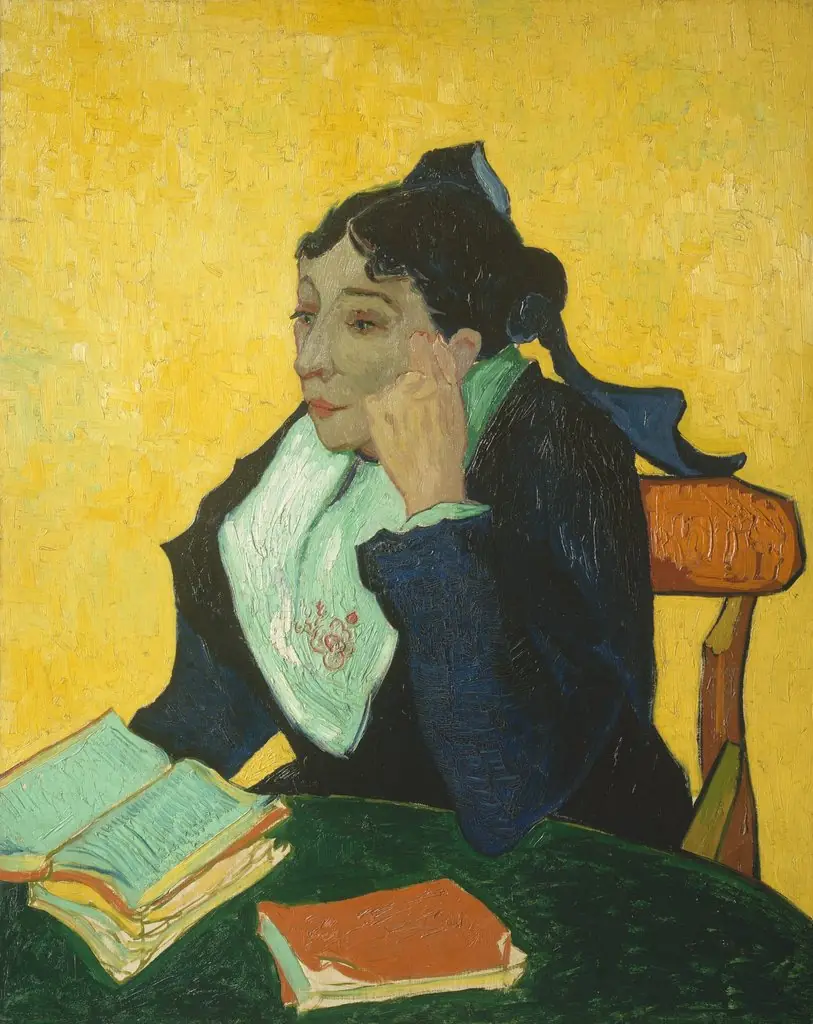 L'Arlésienne
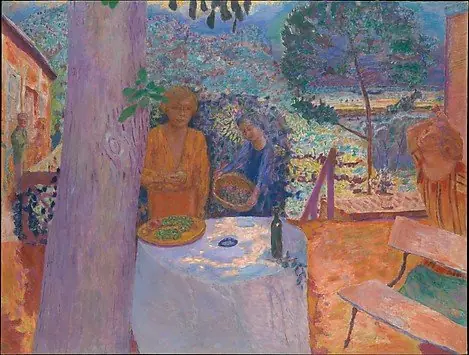 The Terrace at Vernonnet
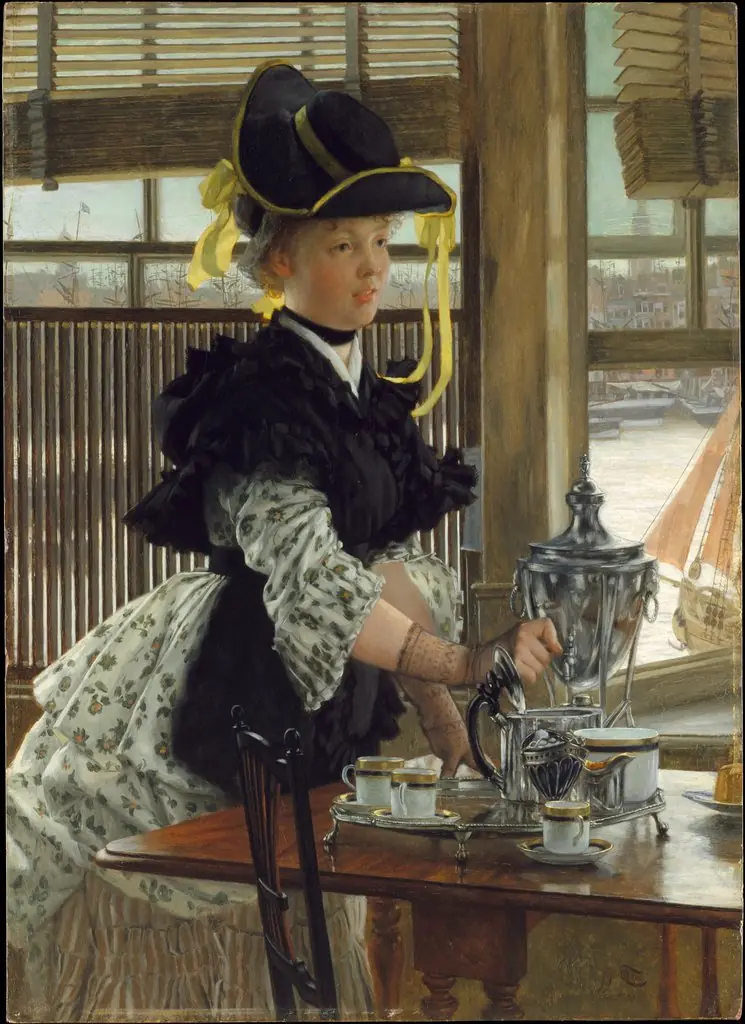 Tea
Tea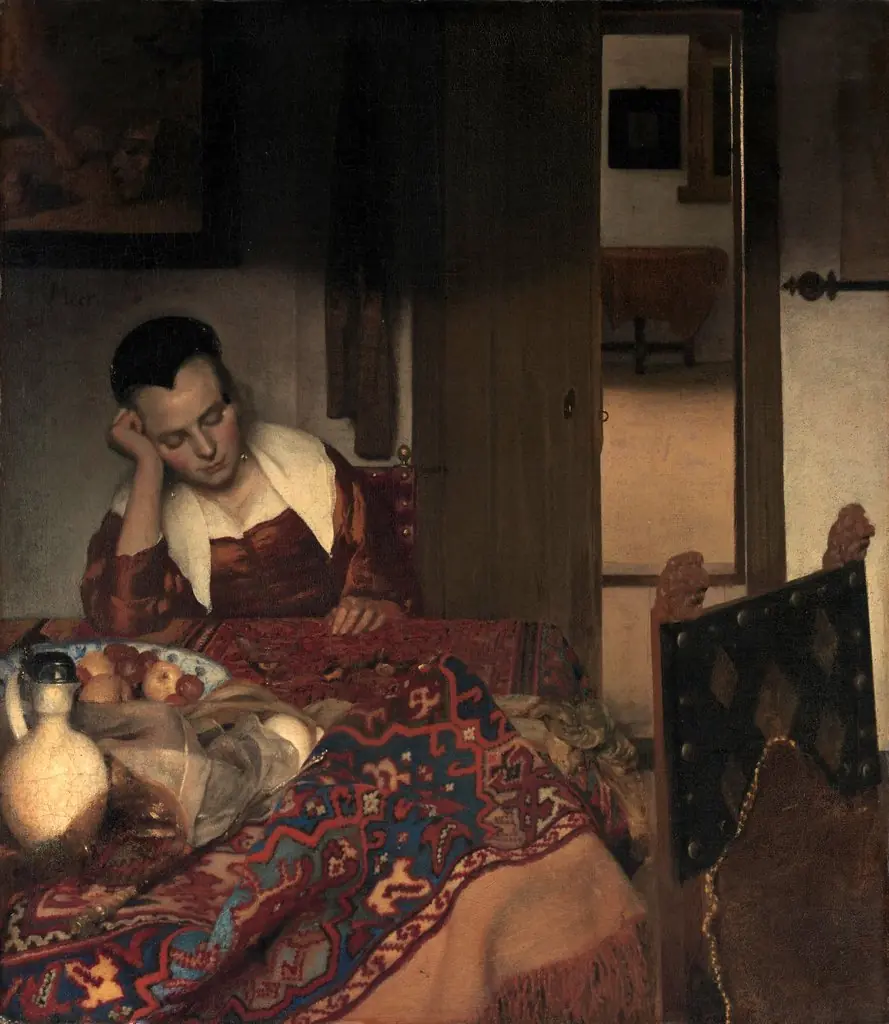 A Girl Asleep
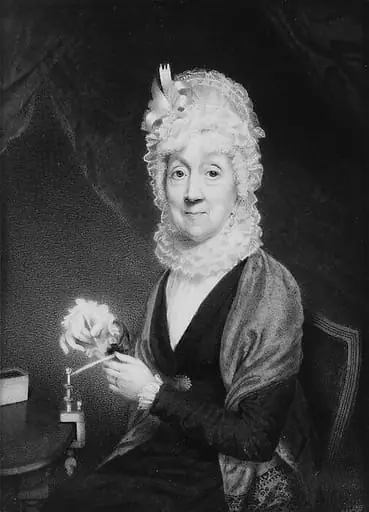 Portrait of a Lady
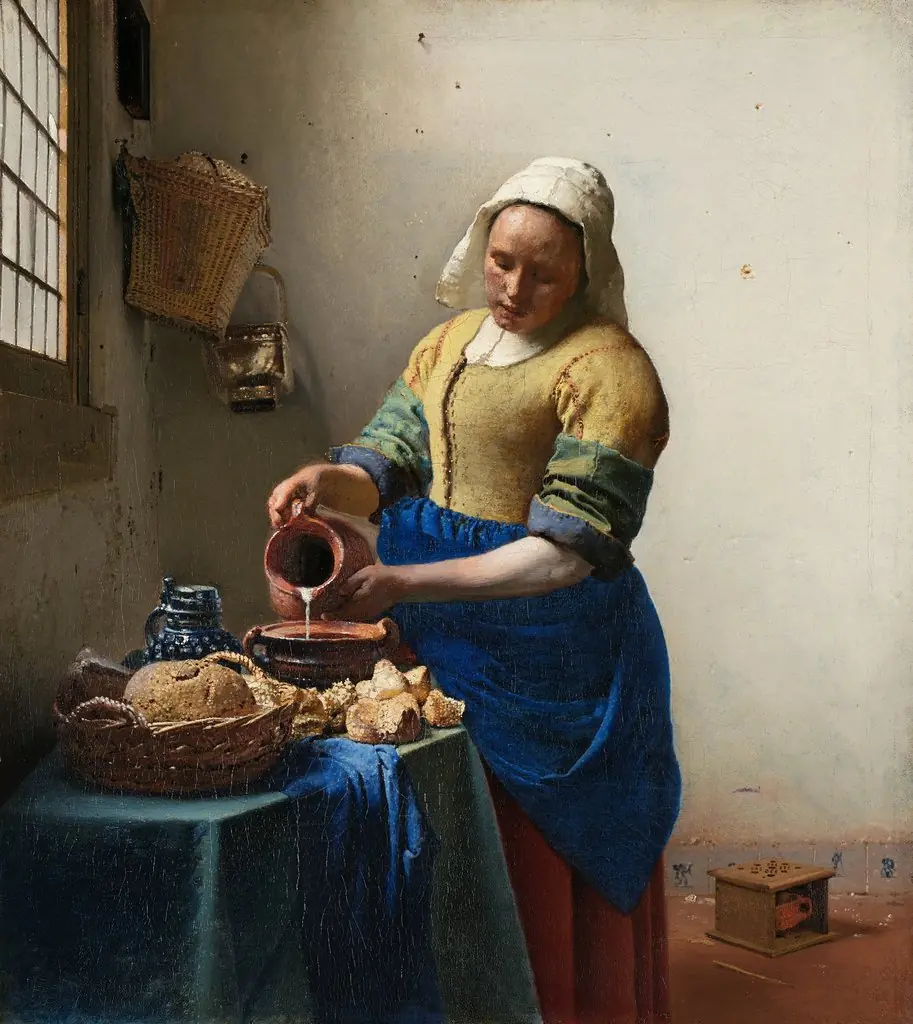 The Milkmaid
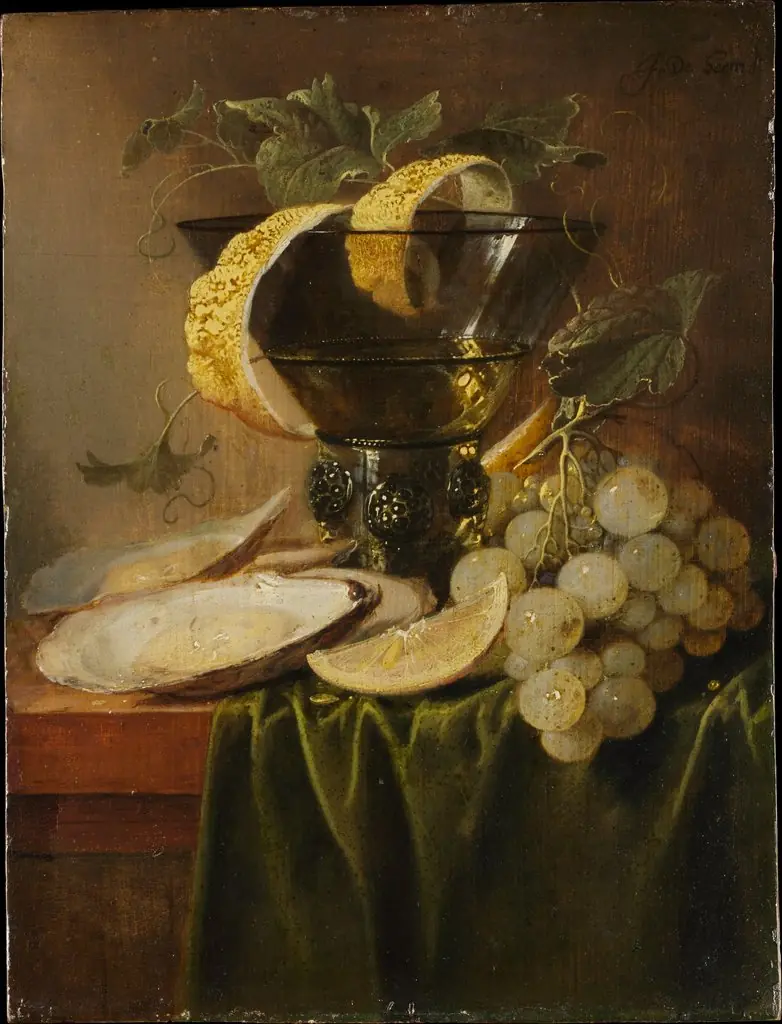 Still Life with a Glass and Oysters
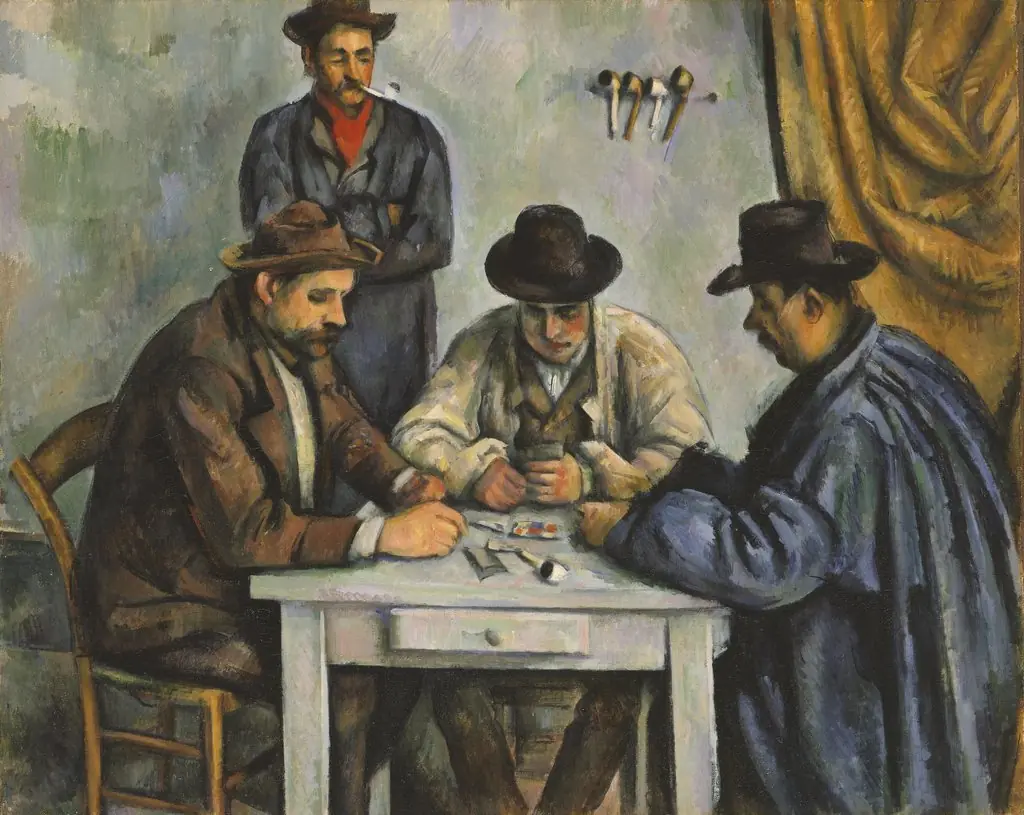 The Card Players
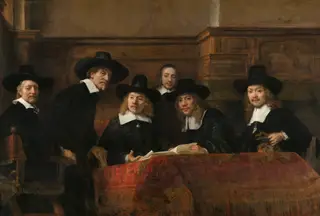 Syndics of the Drapers' Guild
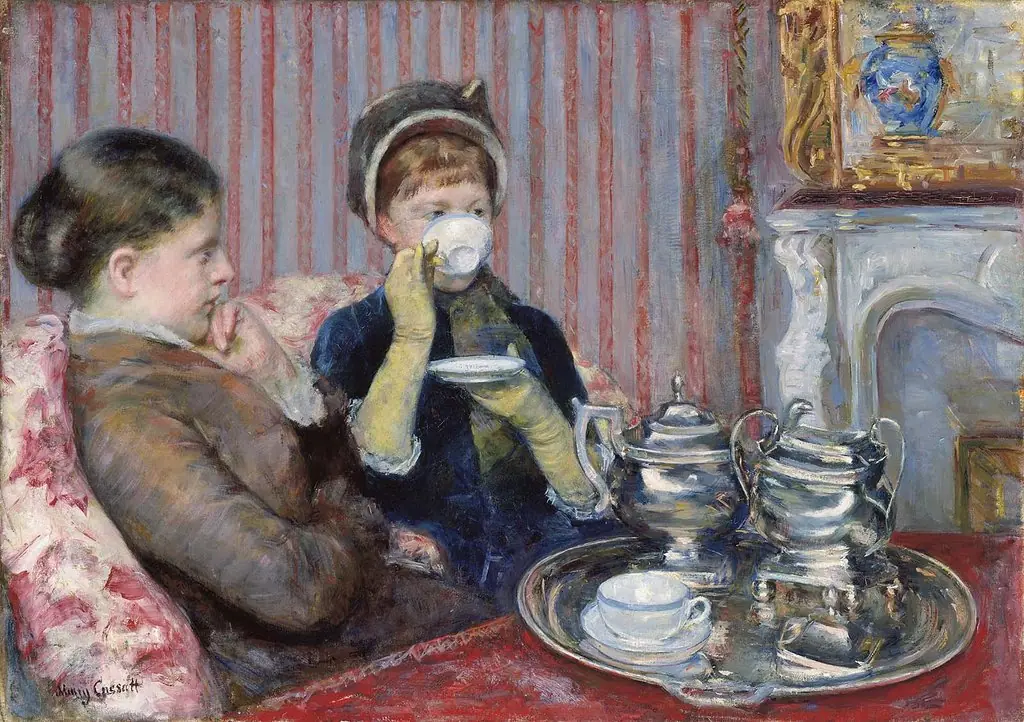 Five O'Clock Tea
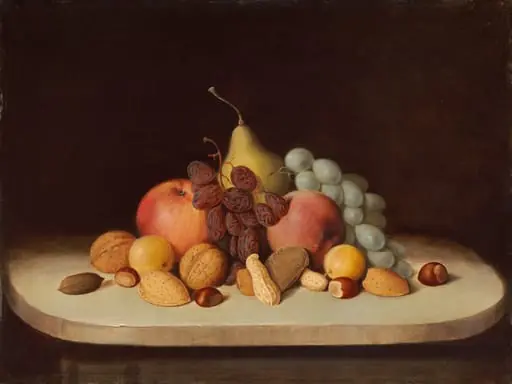 Still Life with Fruit and Nuts
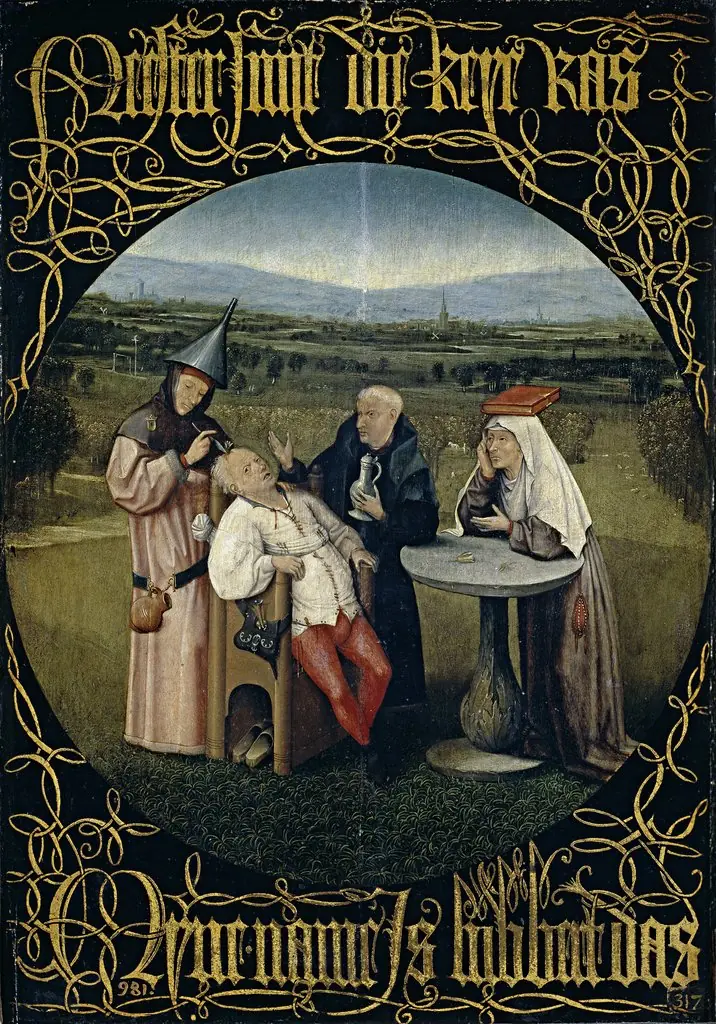 Cutting the Stone
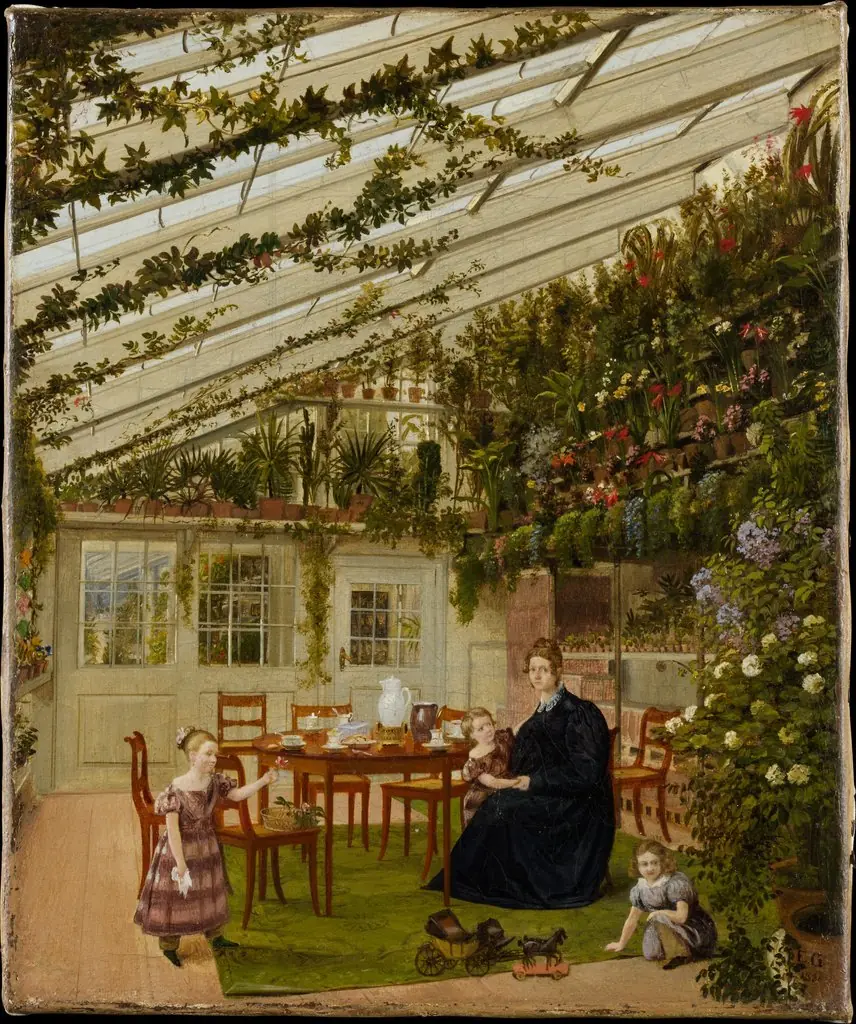 The Family of Mr. Westfal in the Conservatory
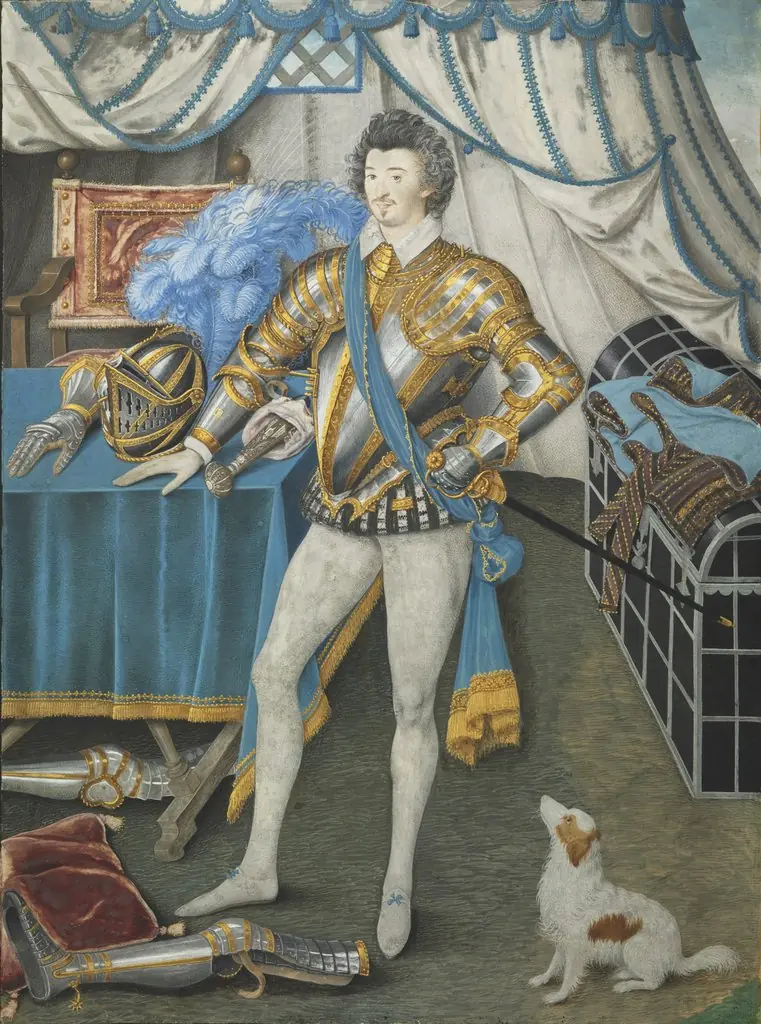 Sir Anthony Mildmay, Knight of Apethorpe, Northamptonshire
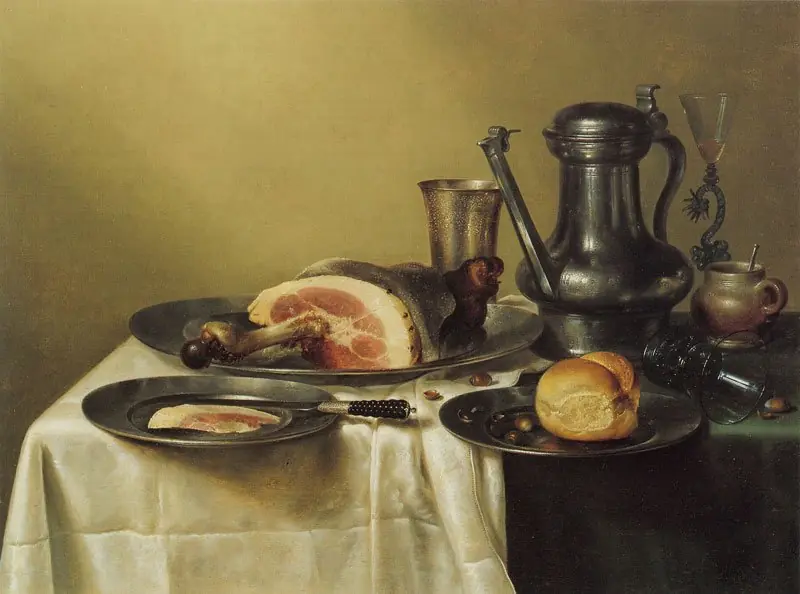 Laid Table with Ham and a Roll
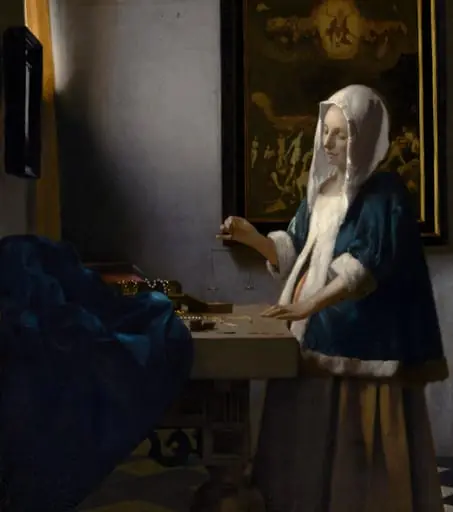 Woman Holding a Balance
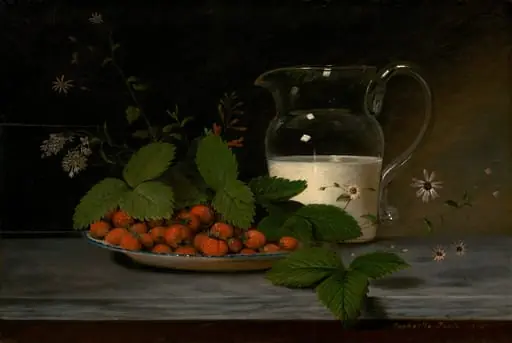 Strawberries and Cream
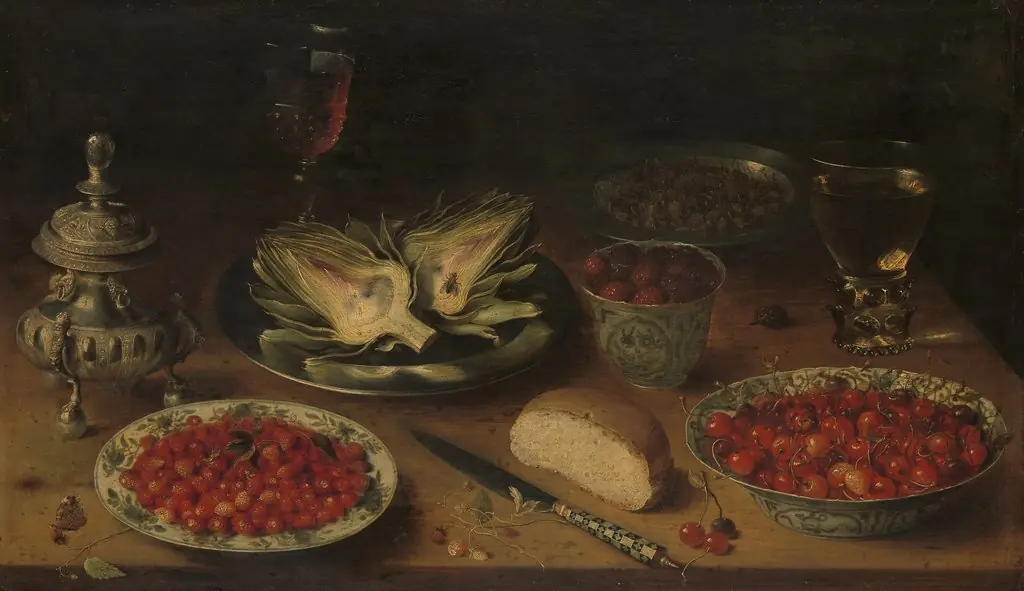 Still life with chinese porcelain, berries, and artichokes
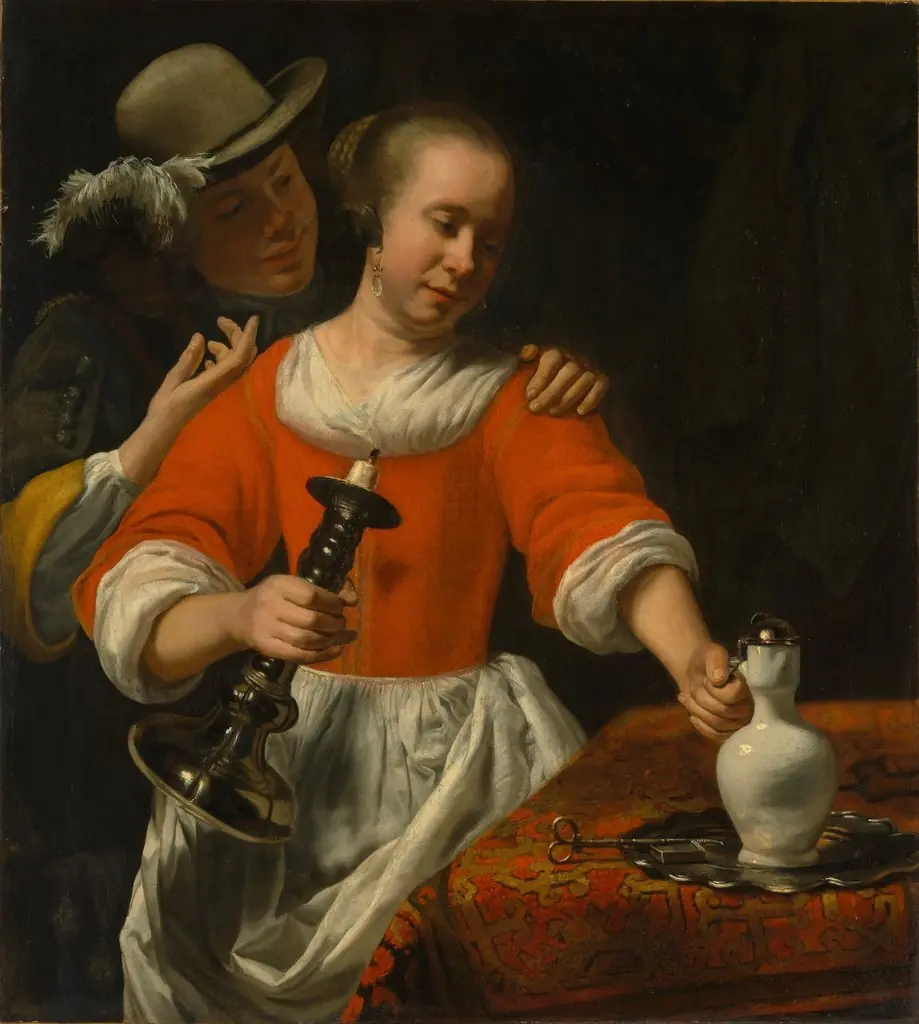 A Young Woman and a Cavalier
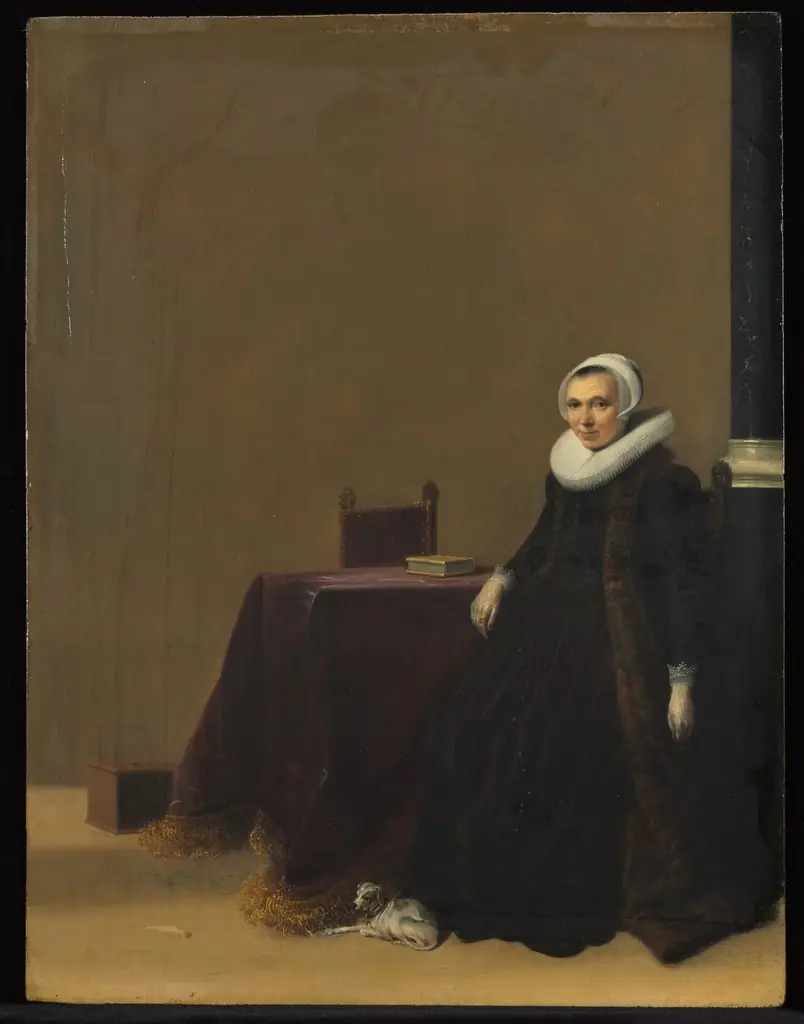 Portrait of a Woman with a Dog
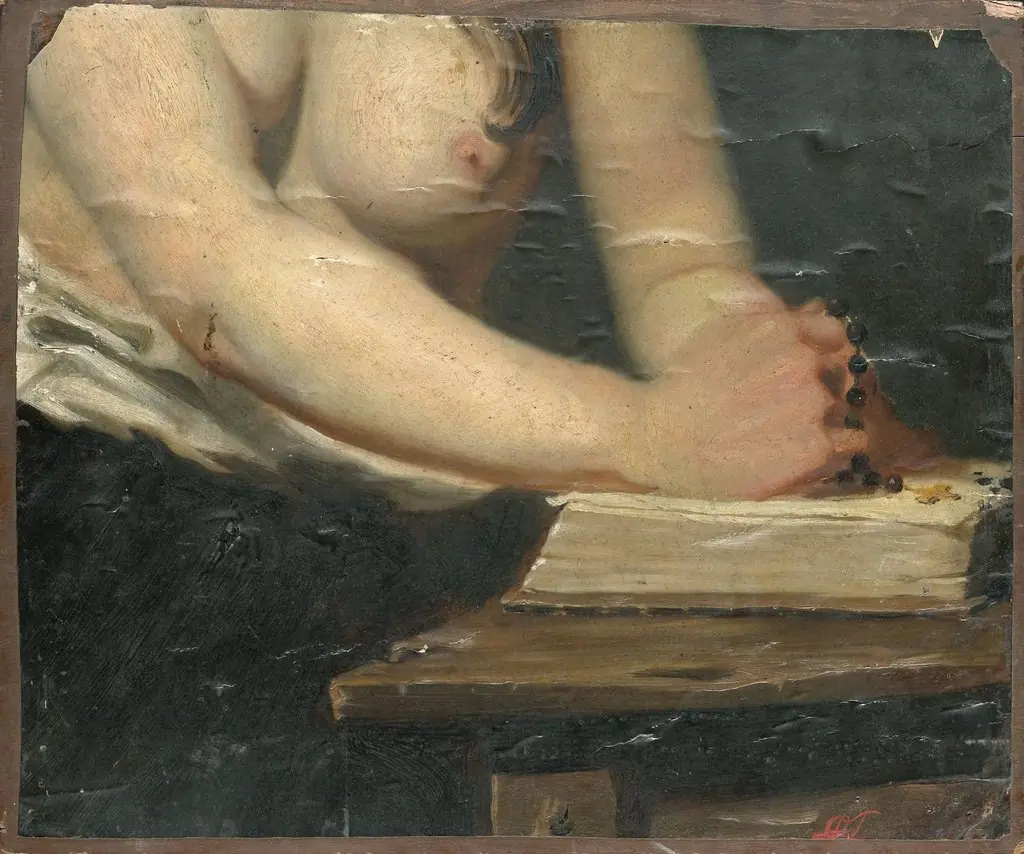 Mary Magdalene
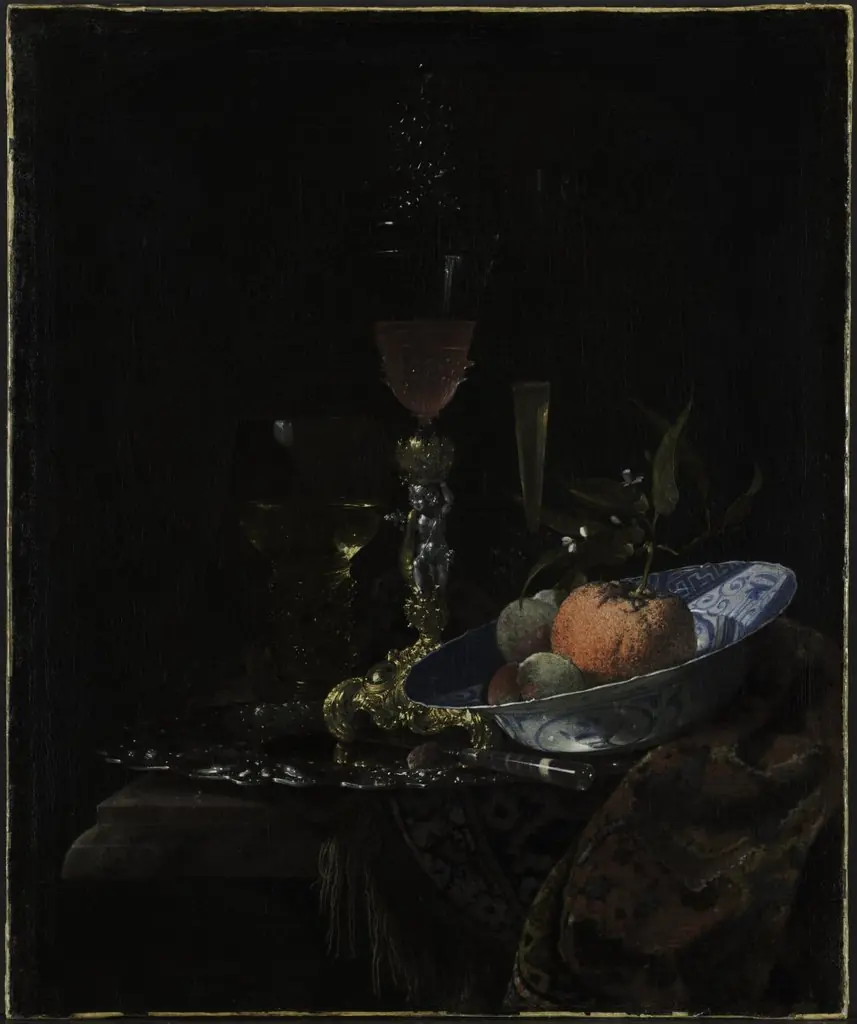 Wineglass and a Bowl of Fruit
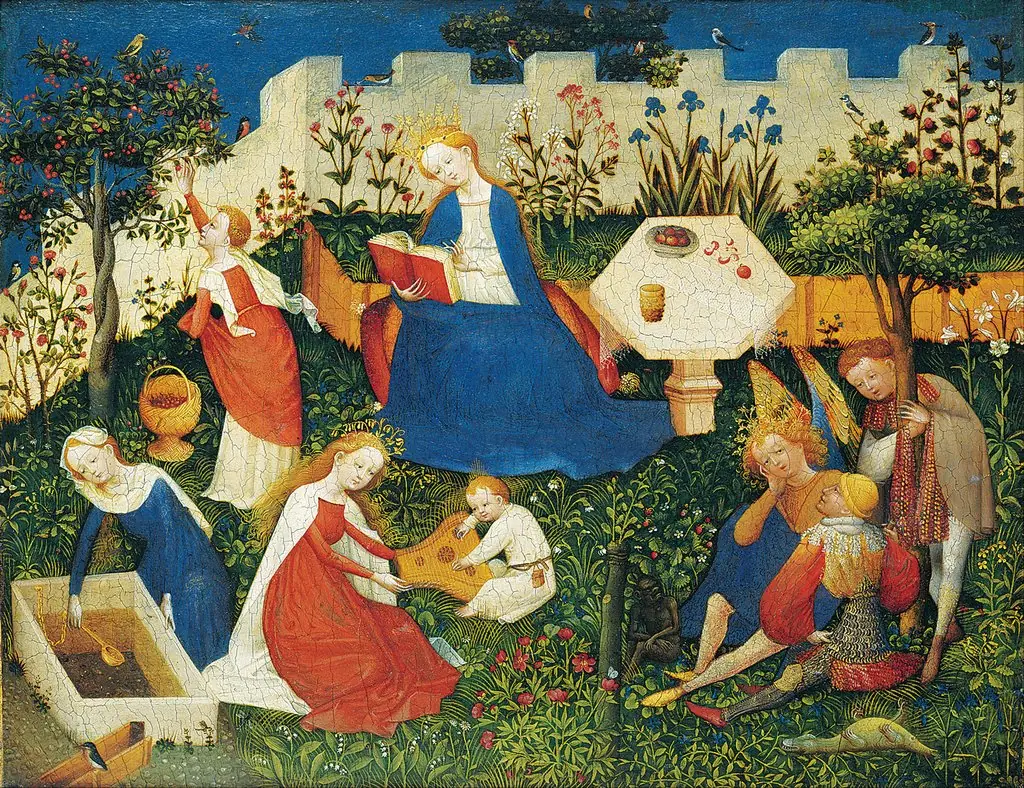 Paradiesgärtlein
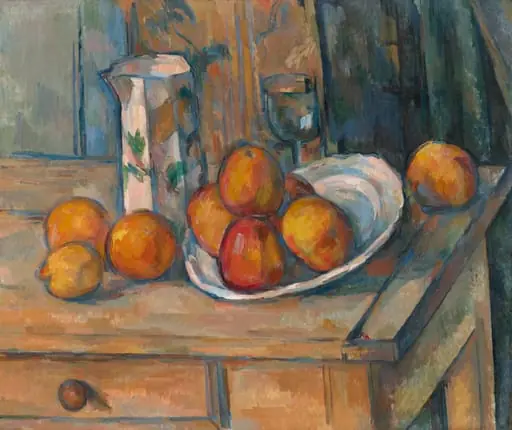 Still Life with Milk Jug and Fruit
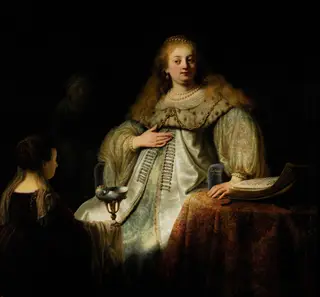 Judith at the Banquet of Holofernes
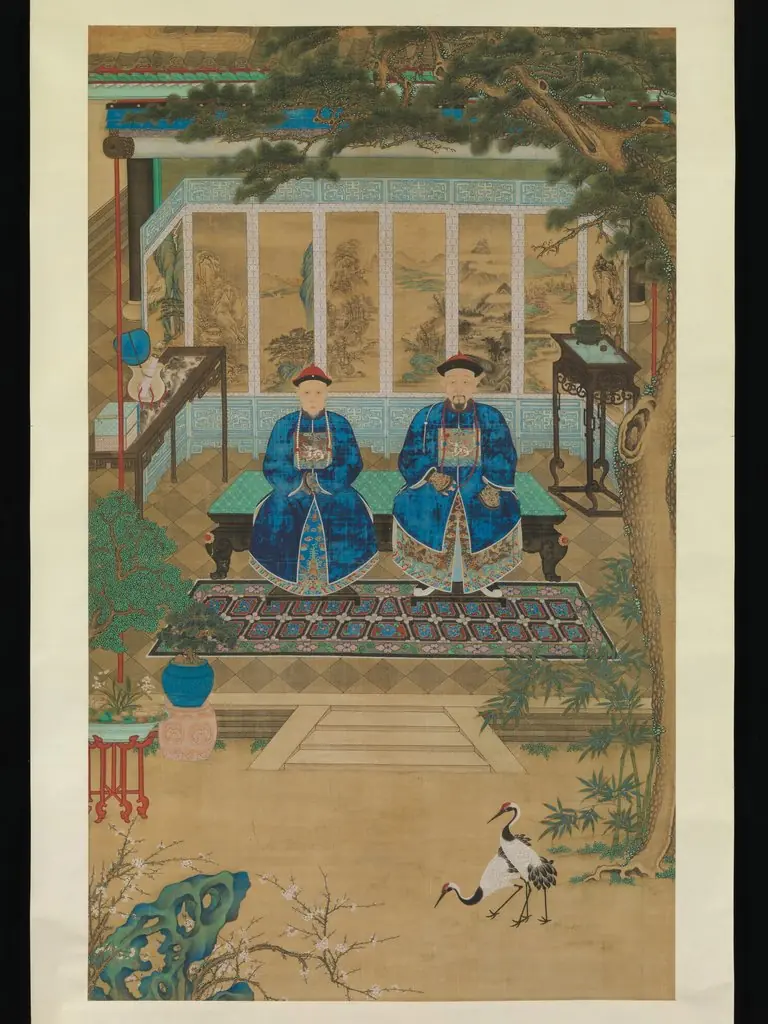 Portrait of an imperial censor and his wife
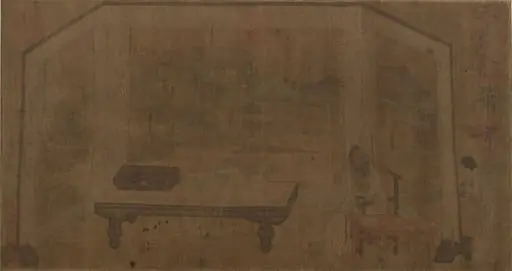 宋/明? 佚名 仿王齊翰 挑耳圖 卷|Library Scene
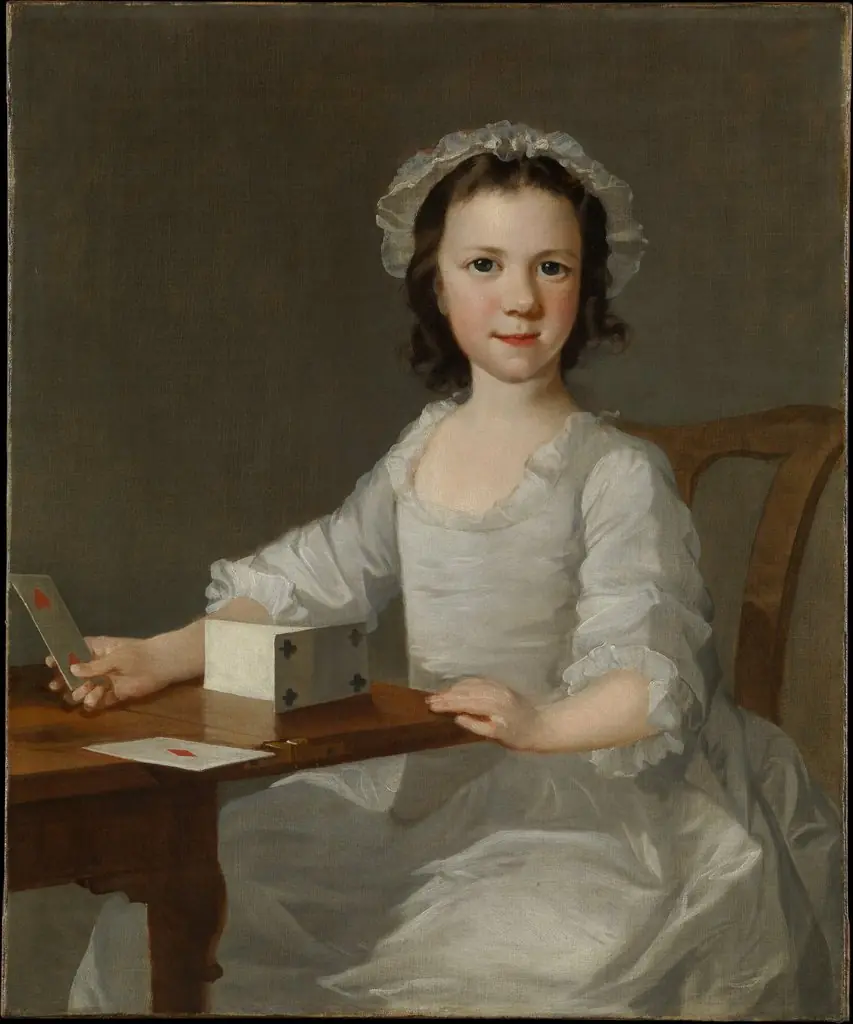 Girl Building a House of Cards
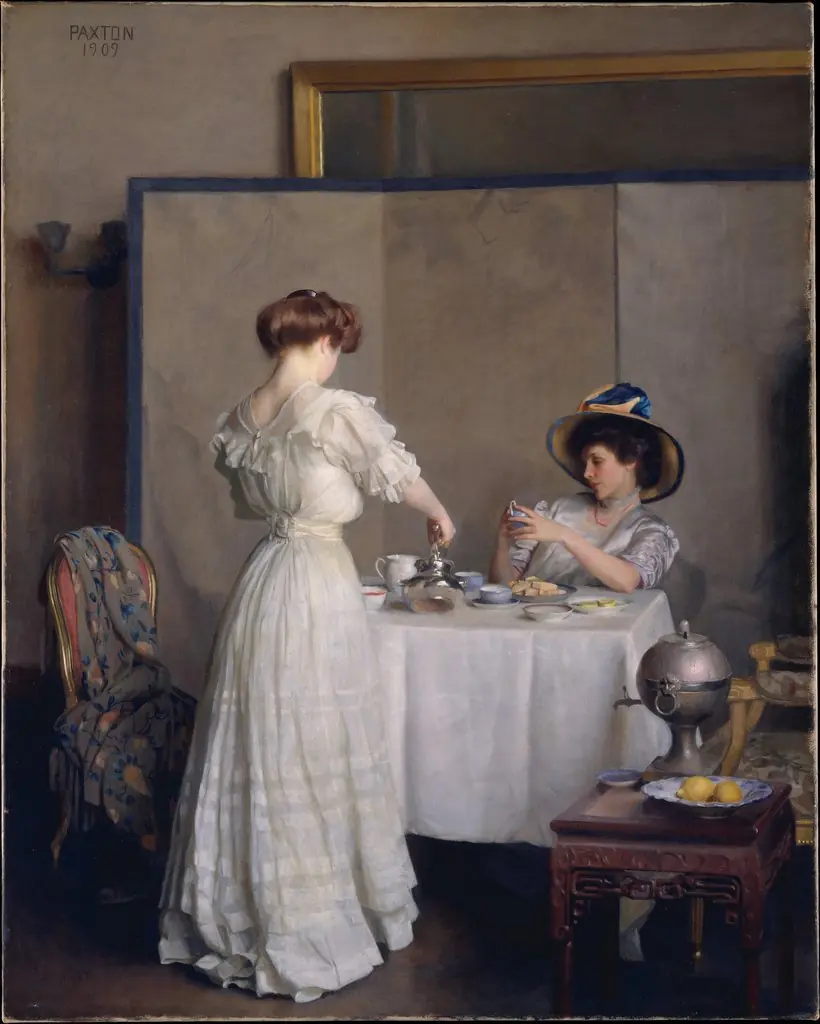 Tea Leaves
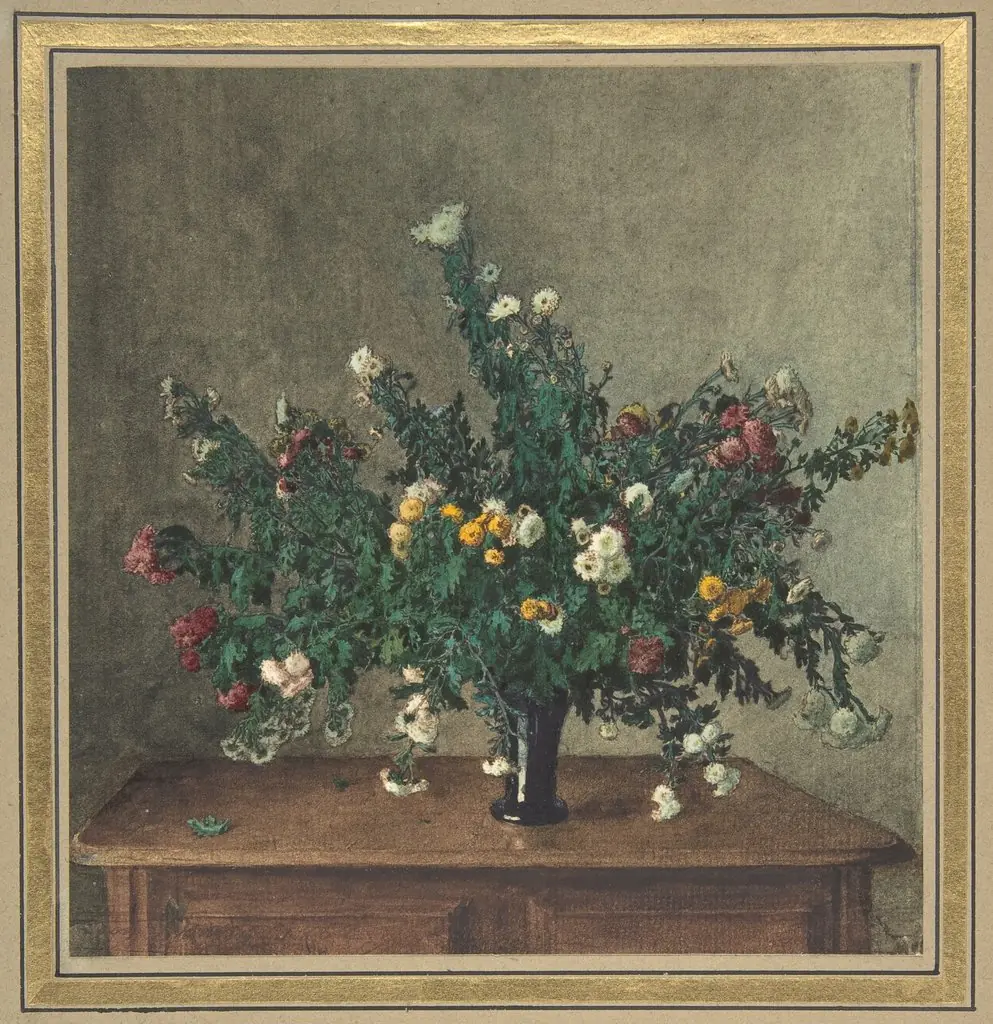 Bouquet of Small Chrysanthemums
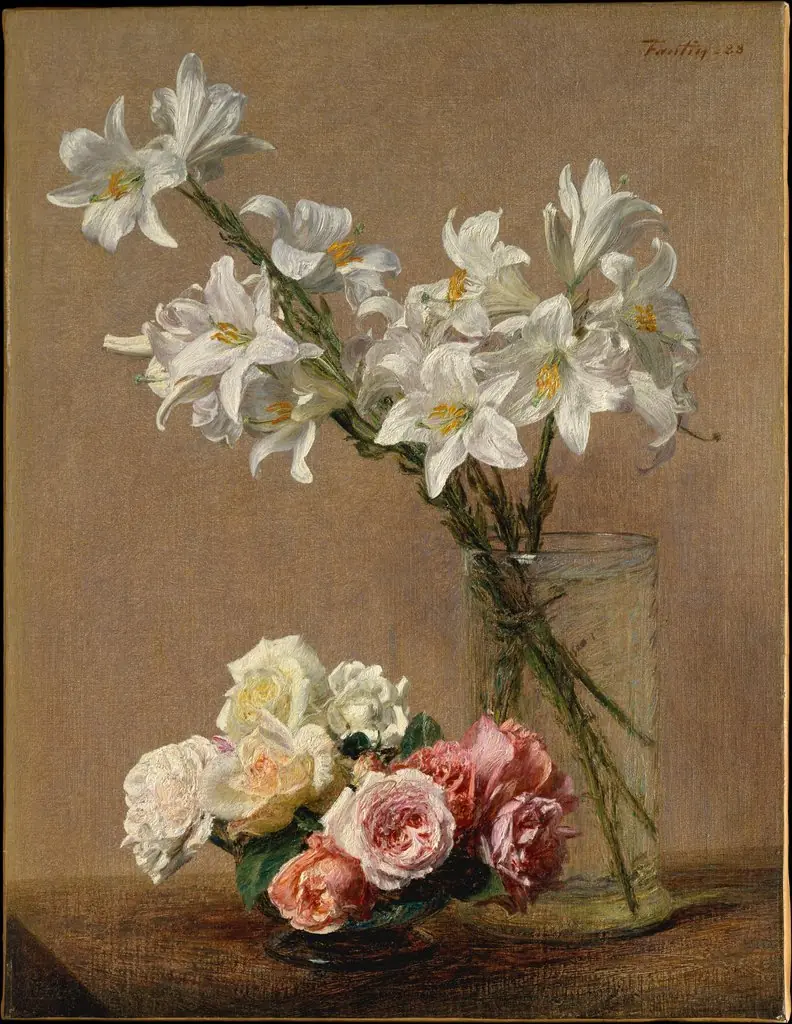 Roses and Lilies
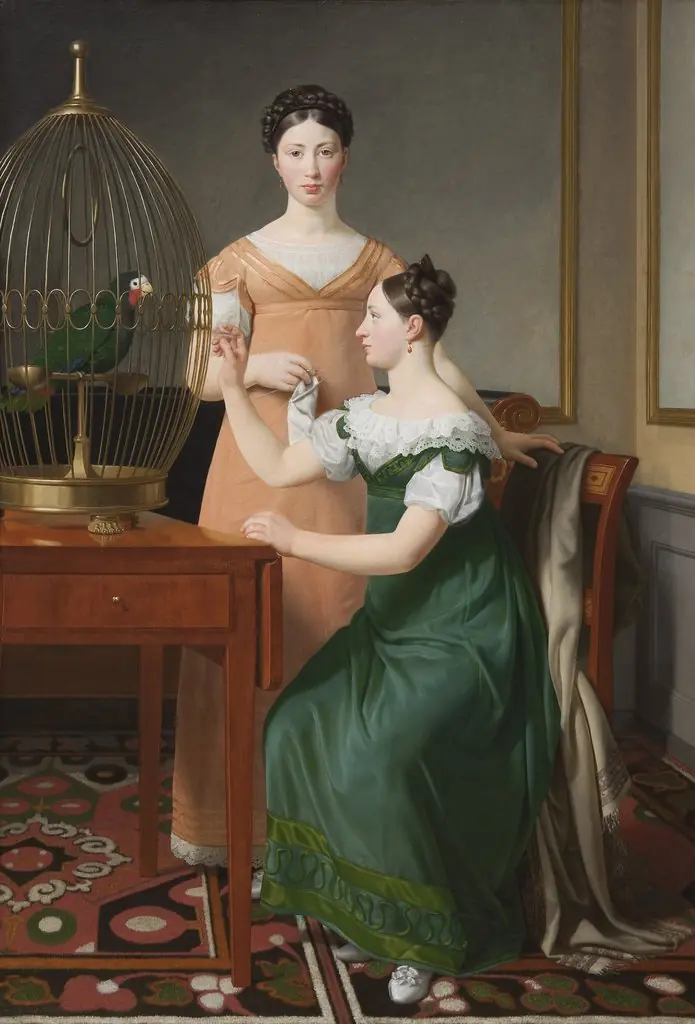 Bella and Hanna. The Eldest Daughters of M. L. Nathanson
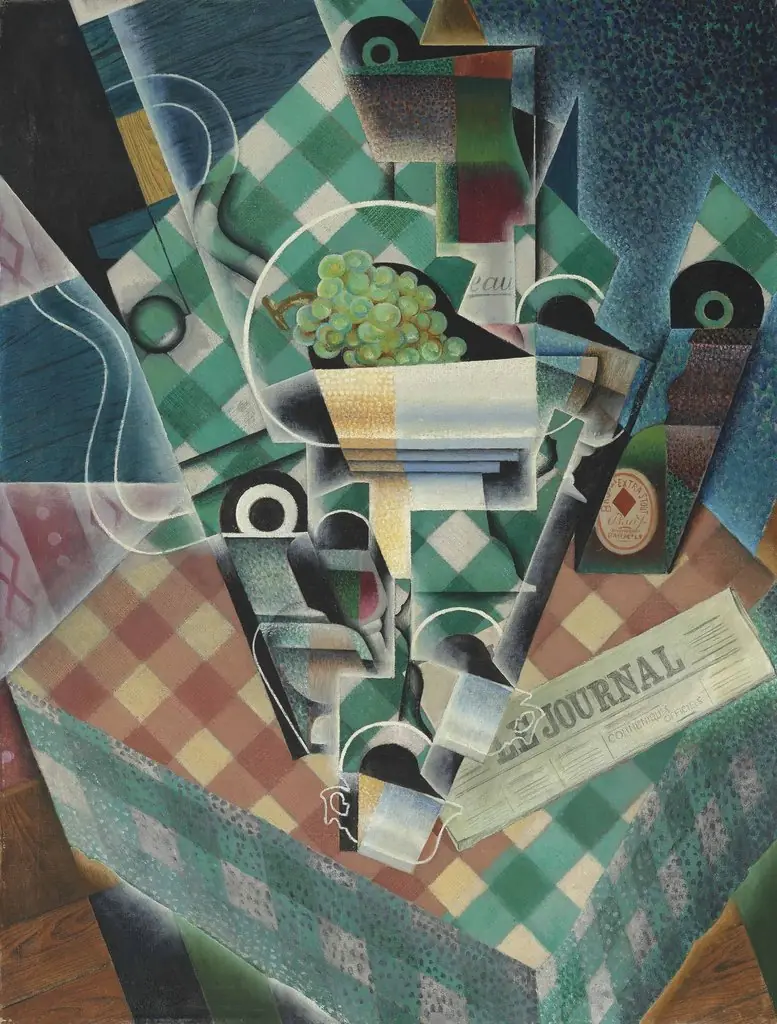 Still Life with Checked Tablecloth
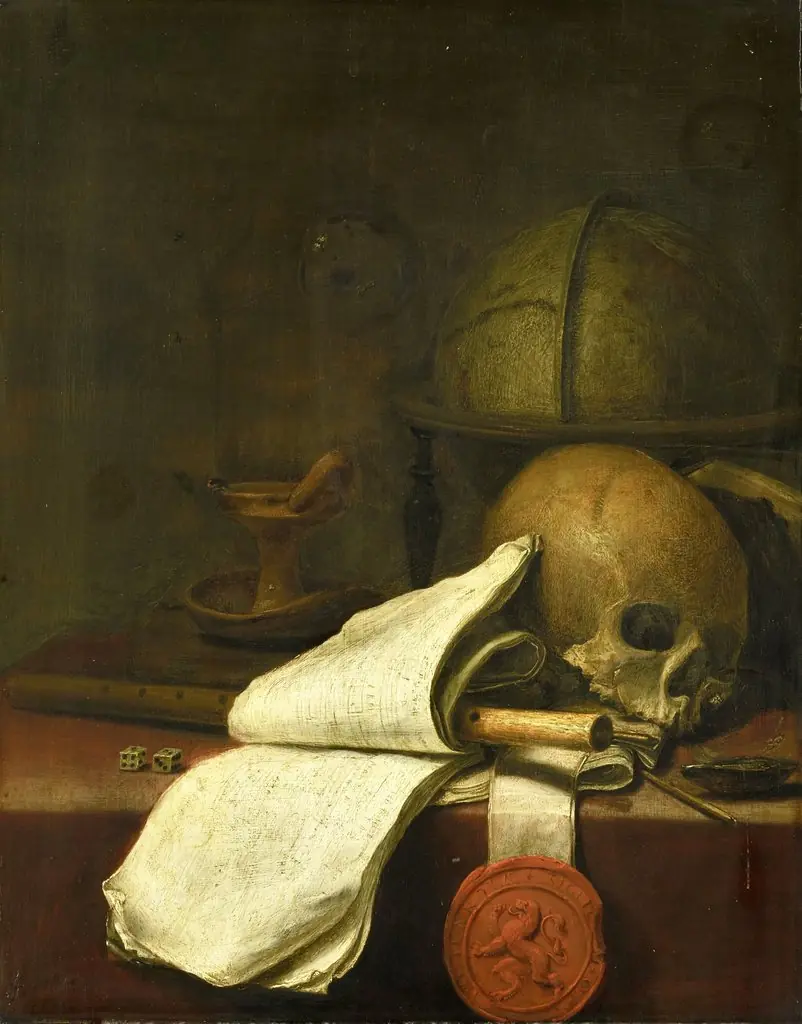 Vanitas still life
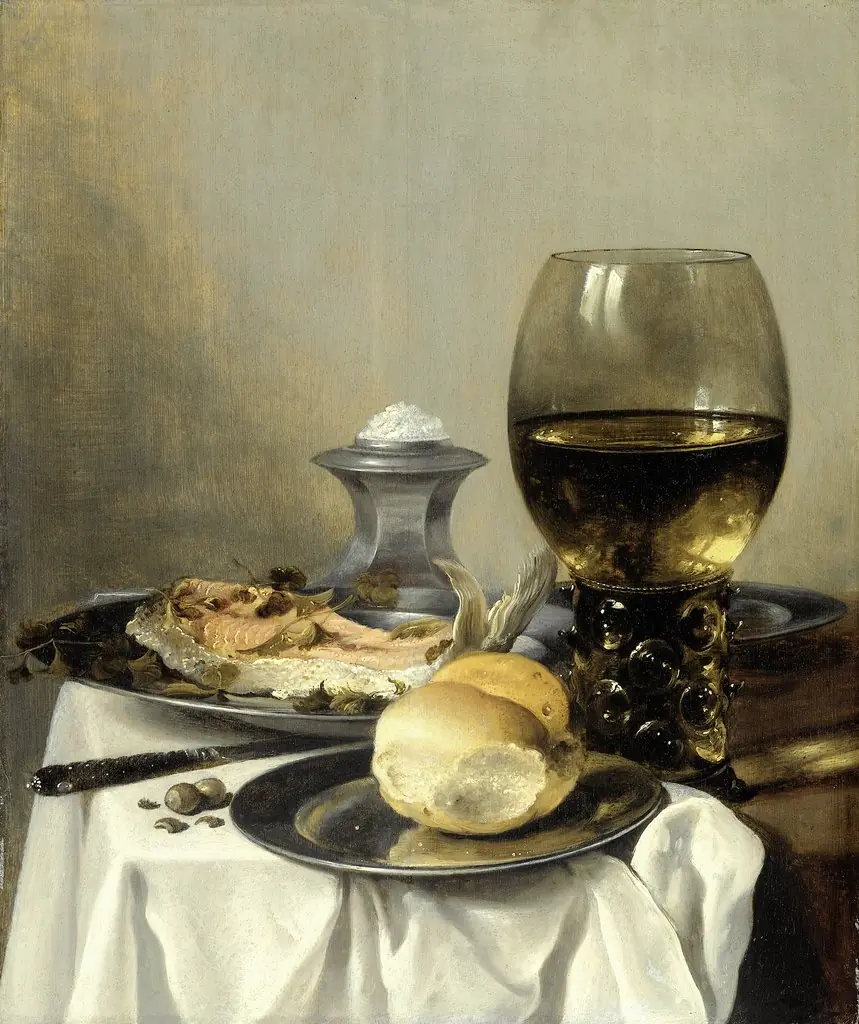 Still life with a salt cellar
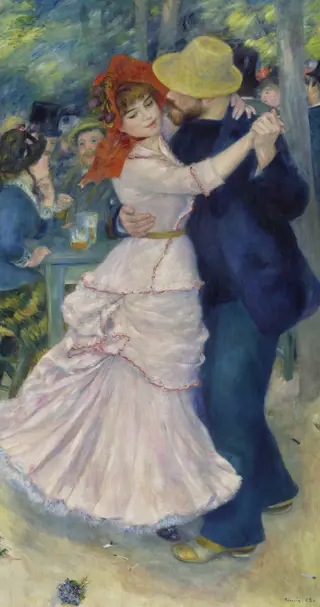 Dance at Bougival
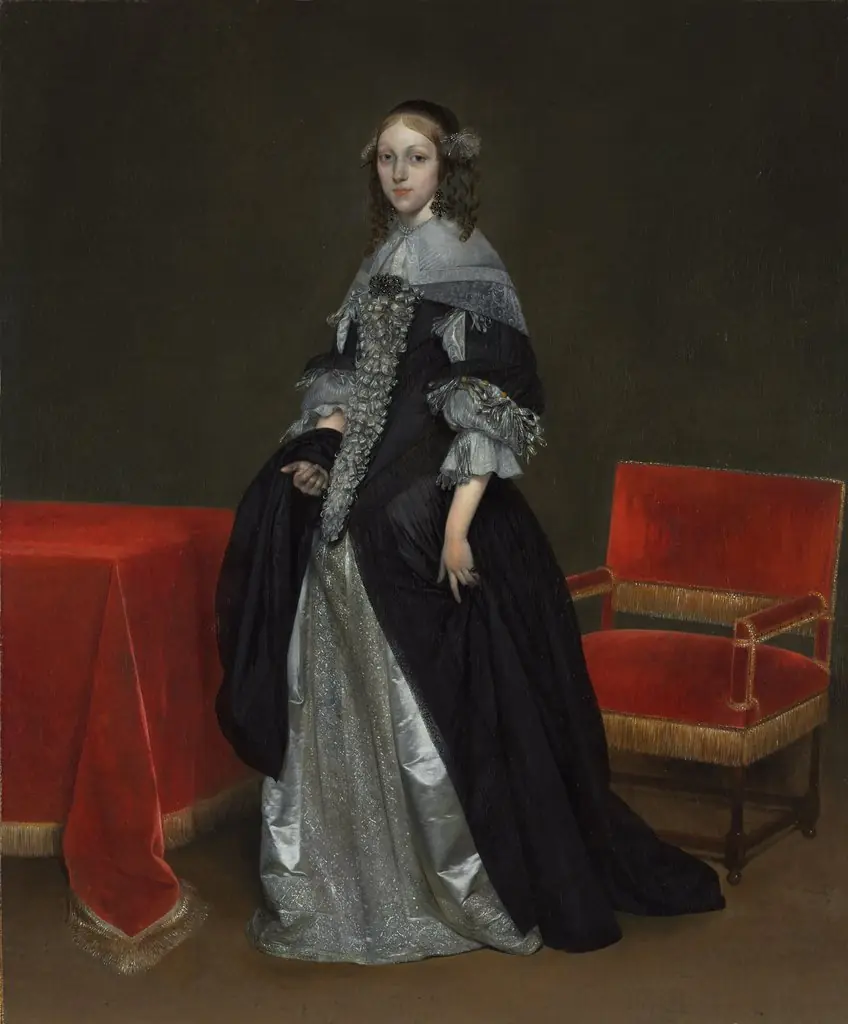 Portrait of a Woman
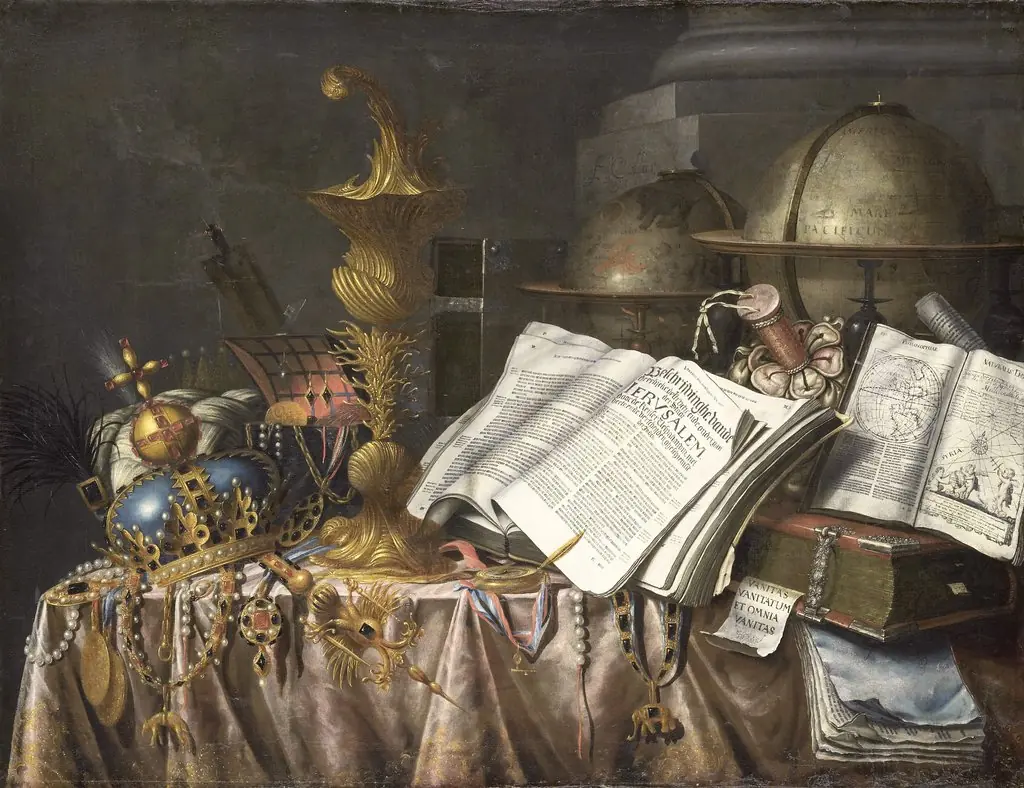 Vanitas still life
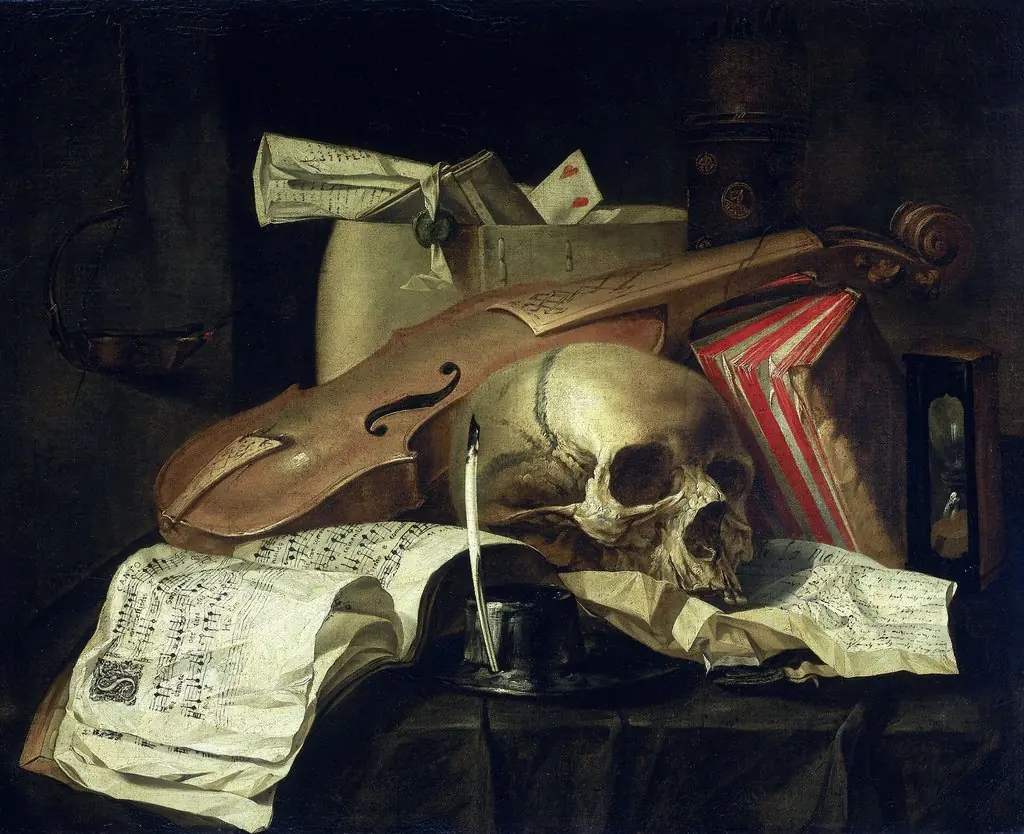 Vanitas still life
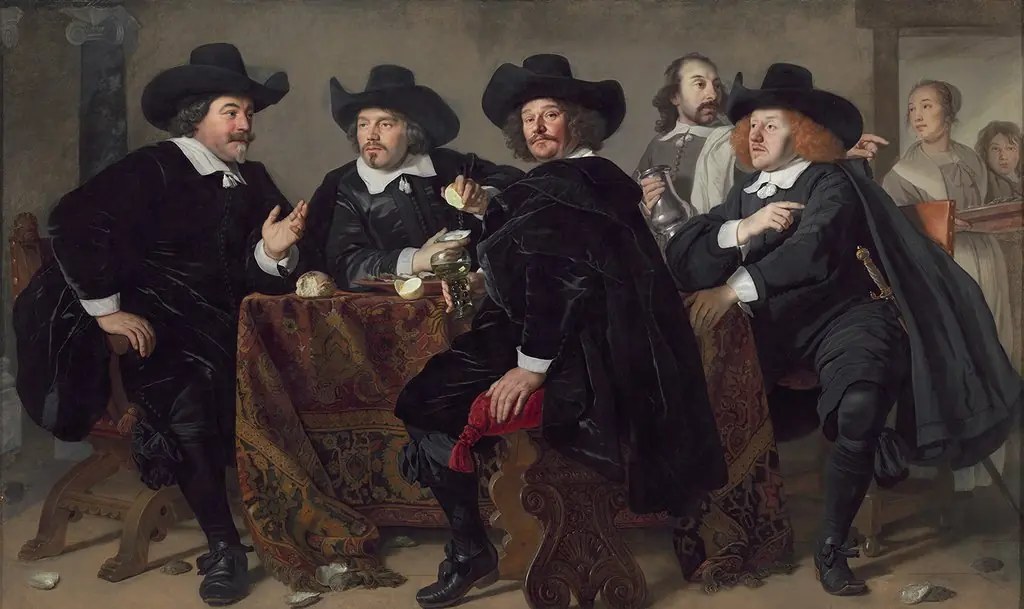 Four directors of the arquebusier's guild, Amsterdam, 1655
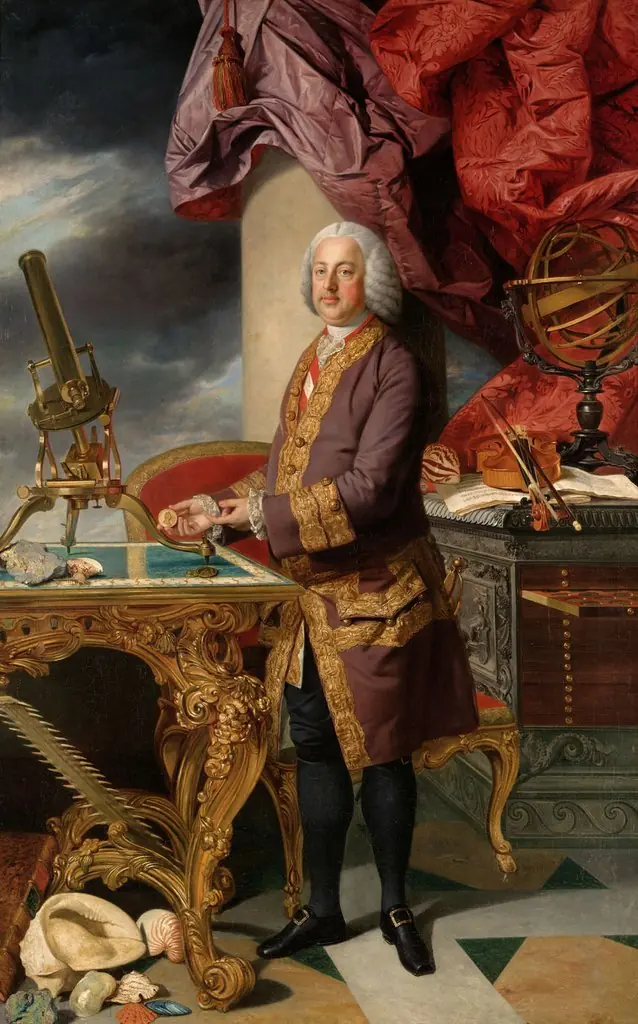 François Ier du Saint-Empire et sa collection d'histoire naturelle
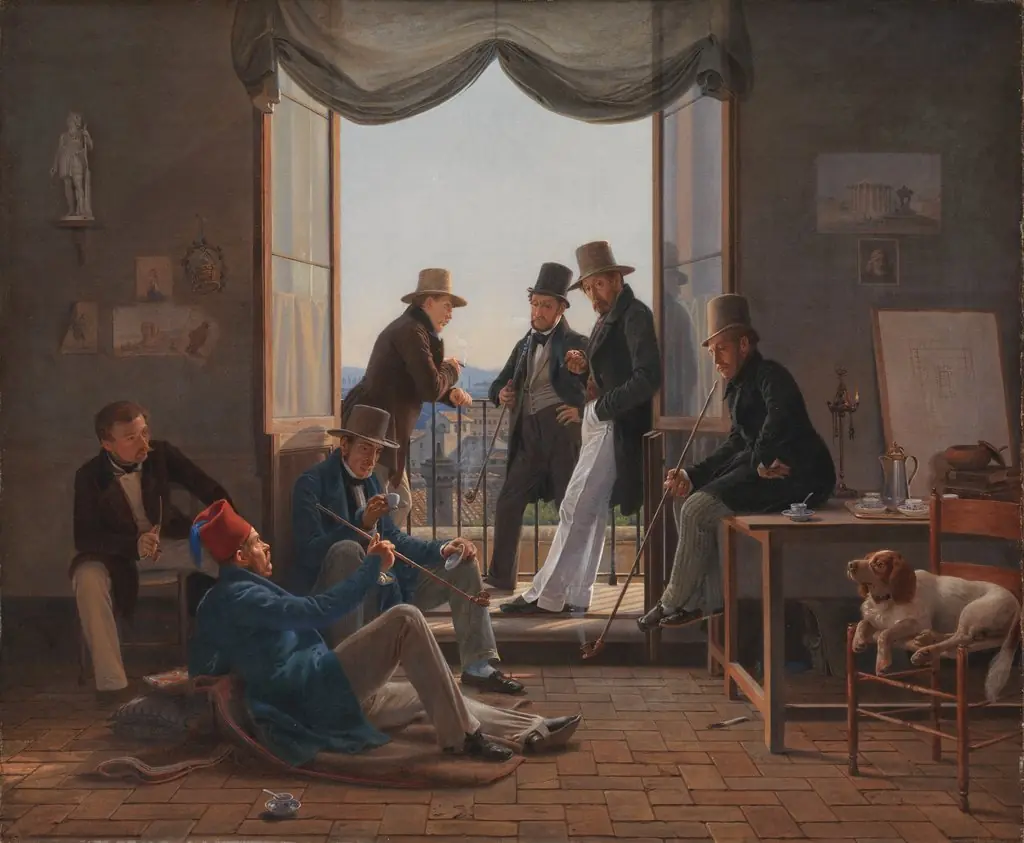 A Group of Danish Artists in Rome
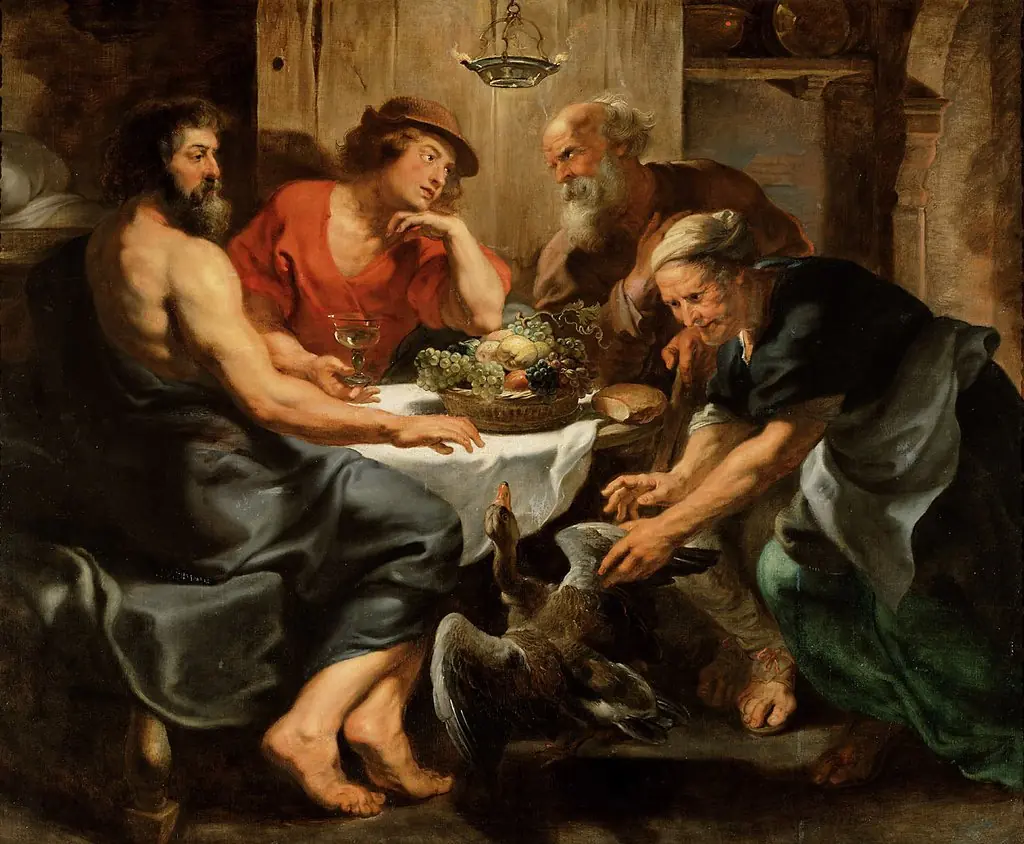 Jupiter and Mercury at Philemon and Baucis
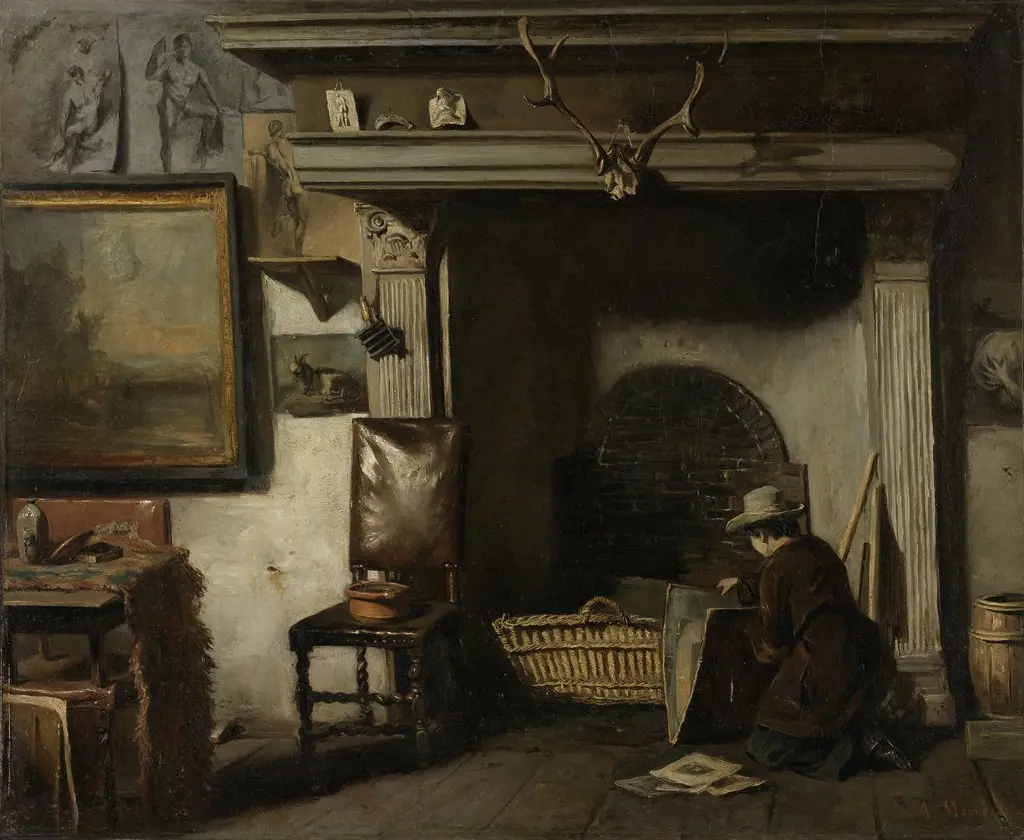 The Studio of the Haarlem Painter Pieter Frederik van Os
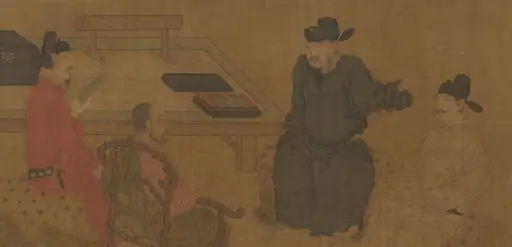 南宋 佚名 舊傳五代周文矩 琉璃堂人物圖 卷|Scholars of the Liuli Hall
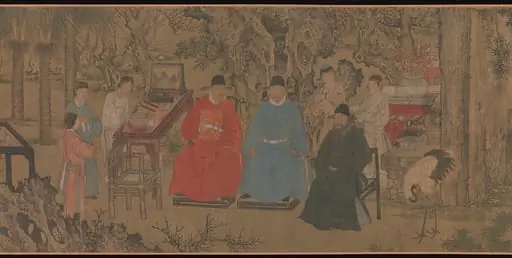 明 傳謝環 杏園雅集圖 卷|Elegant Gathering in the Apricot Garden
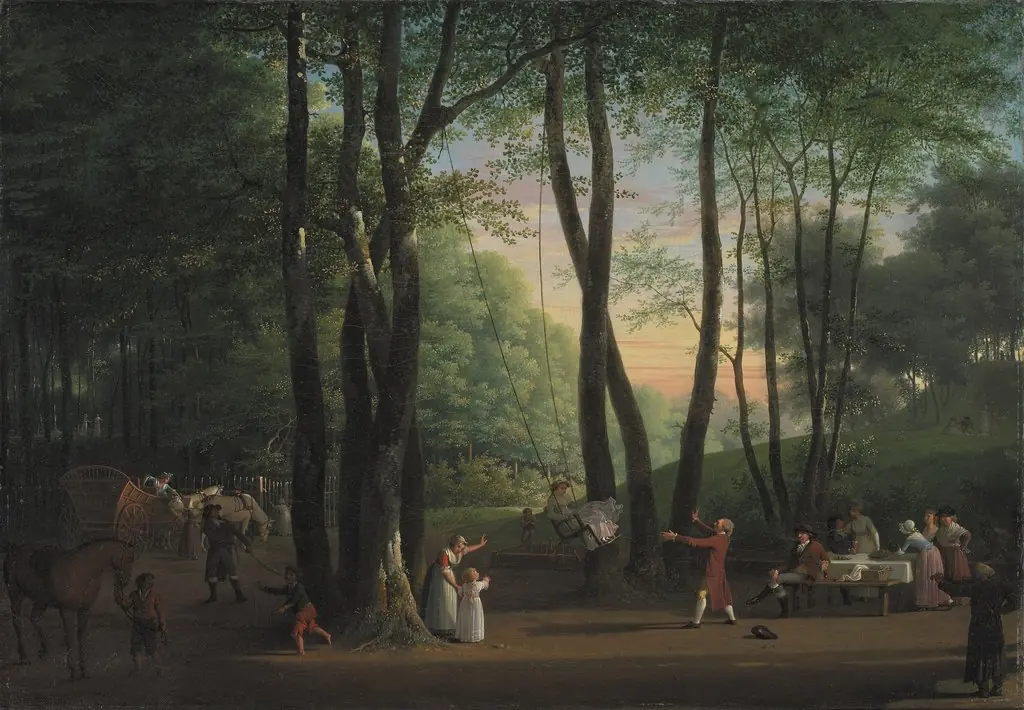 The Dancing Glade at Sorgenfri
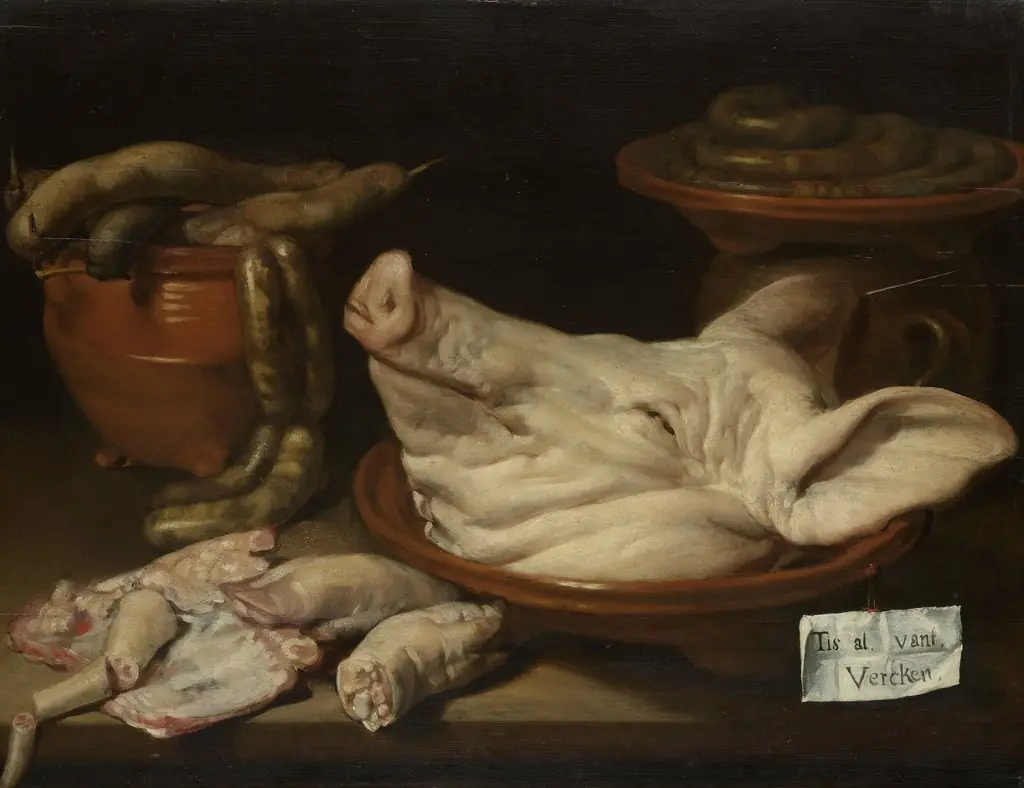 Still Life with Pig's Head, Trotters and Sausage
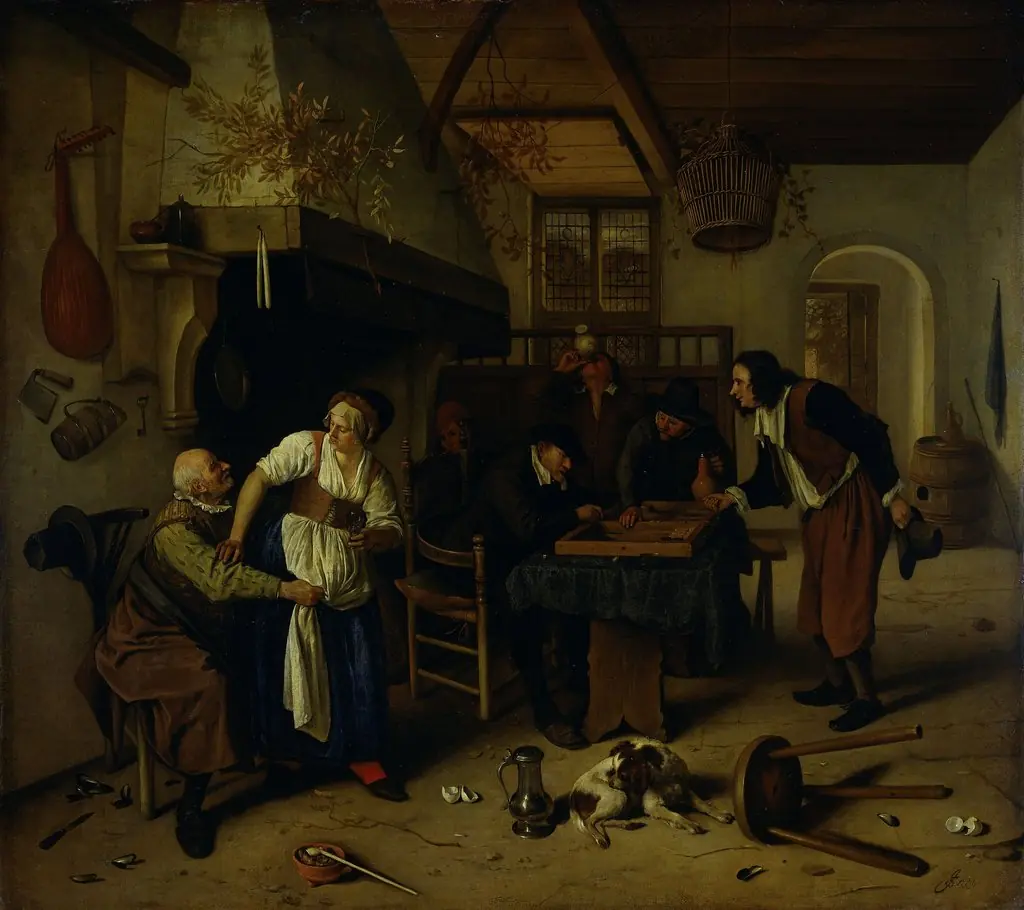 Interior of an inn with an old man amusing himself with the landlady and two men playing backgammon, known as 'Two kinds of games'
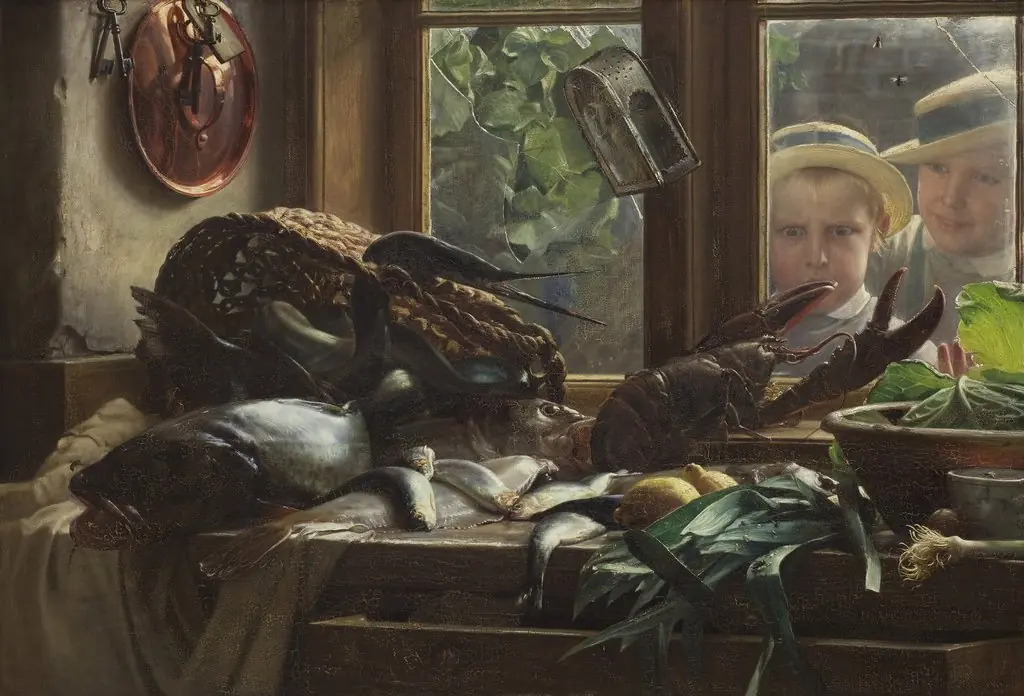 Still Life with Fish
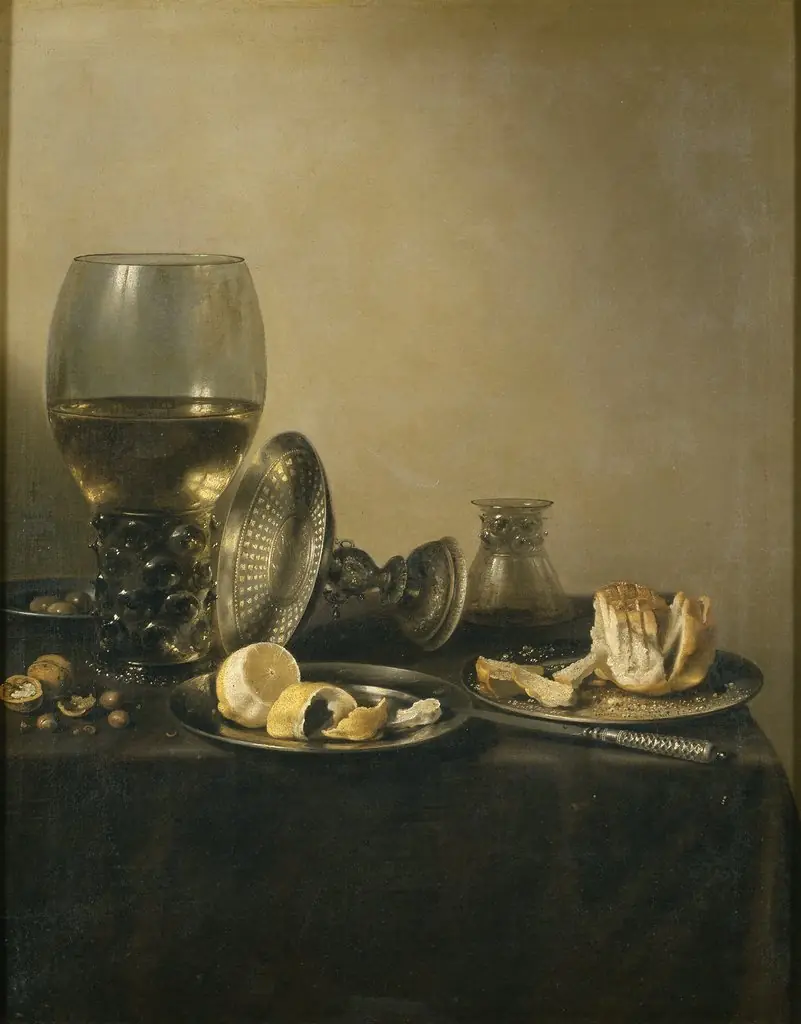 Still Life
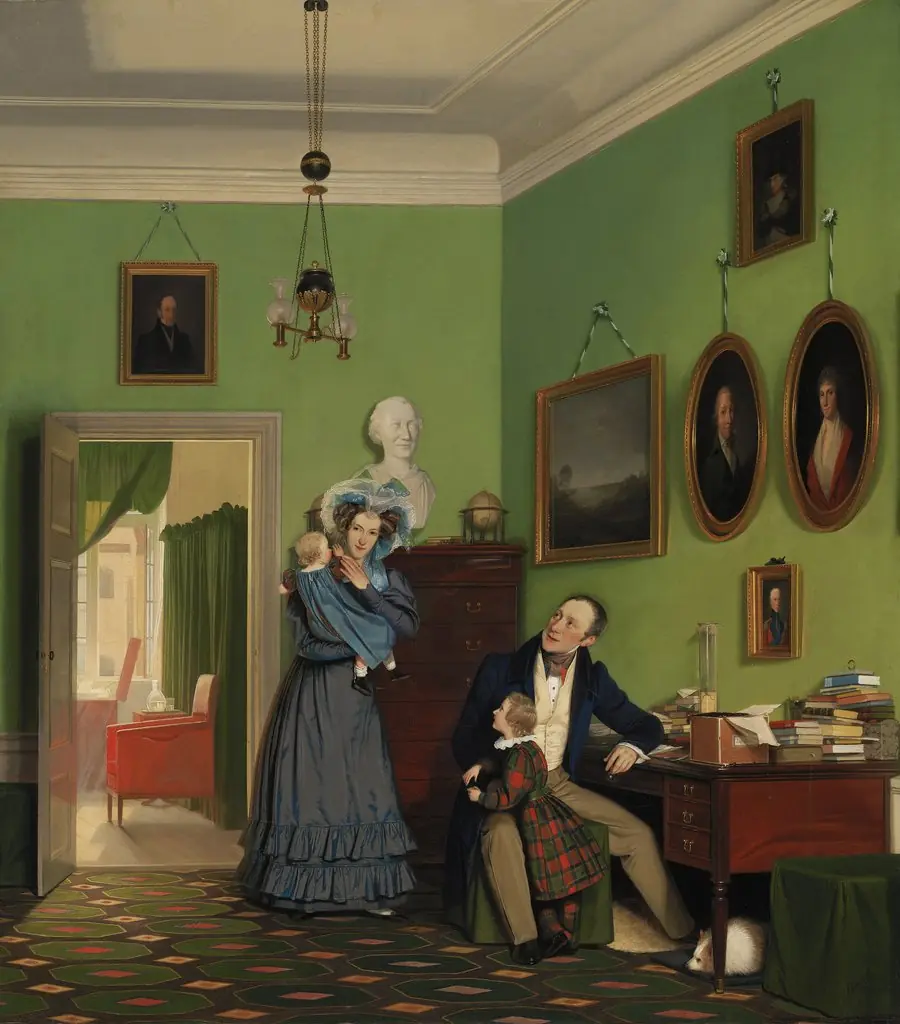 Familien Waagepetersen
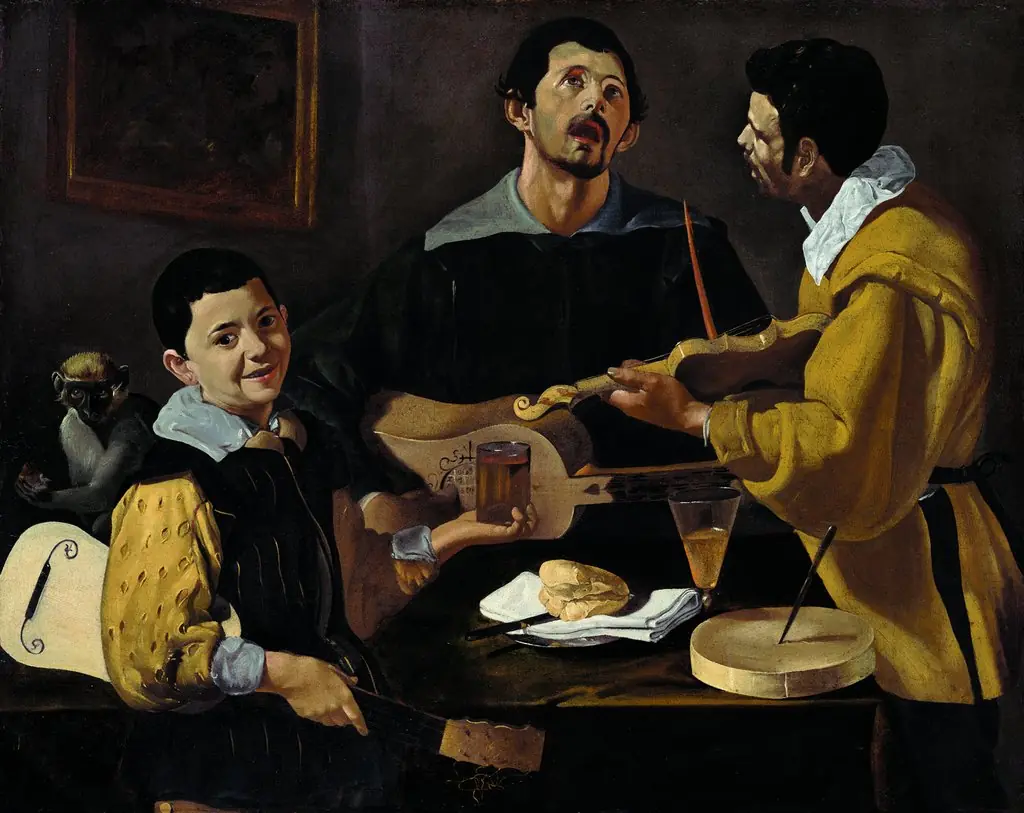 Three Musicians
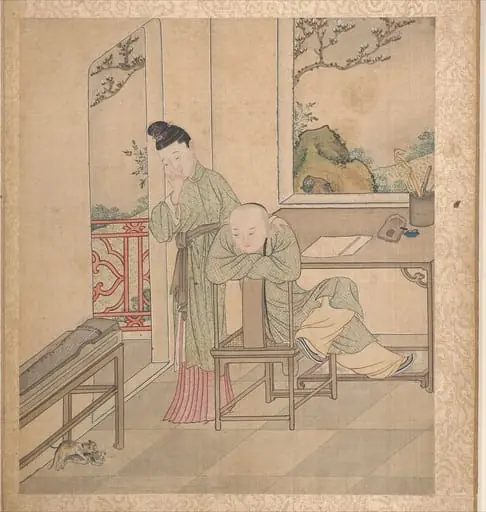 Untitled
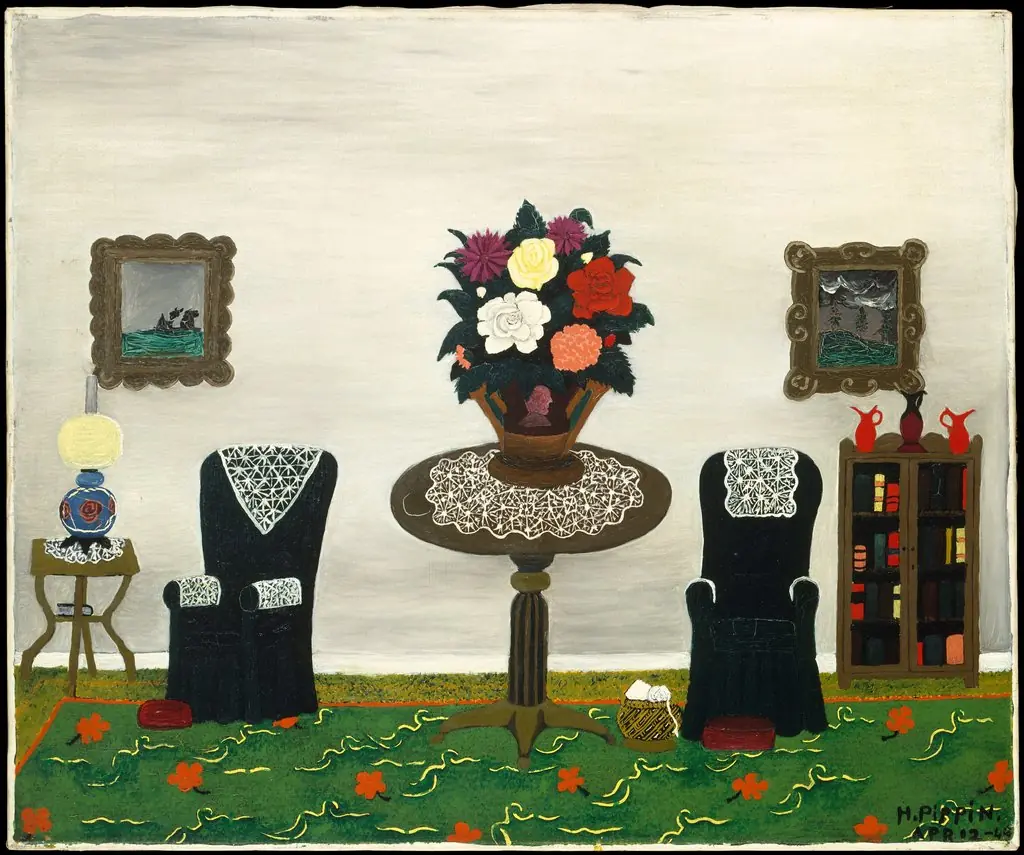 Victorian Interior II
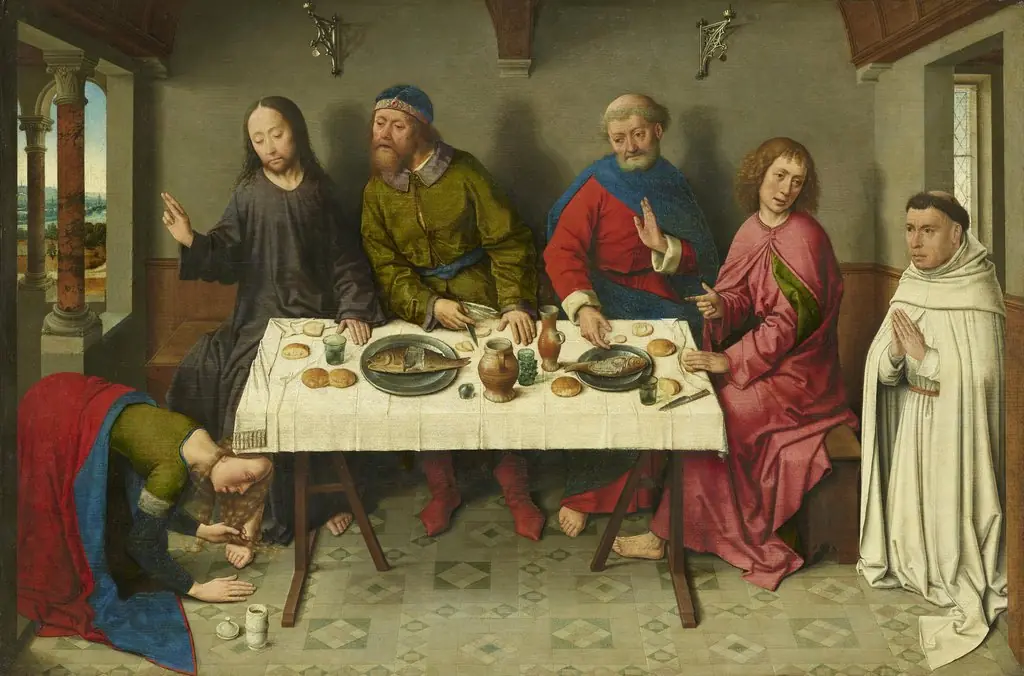 Christ in the house of the Pharisee Simon
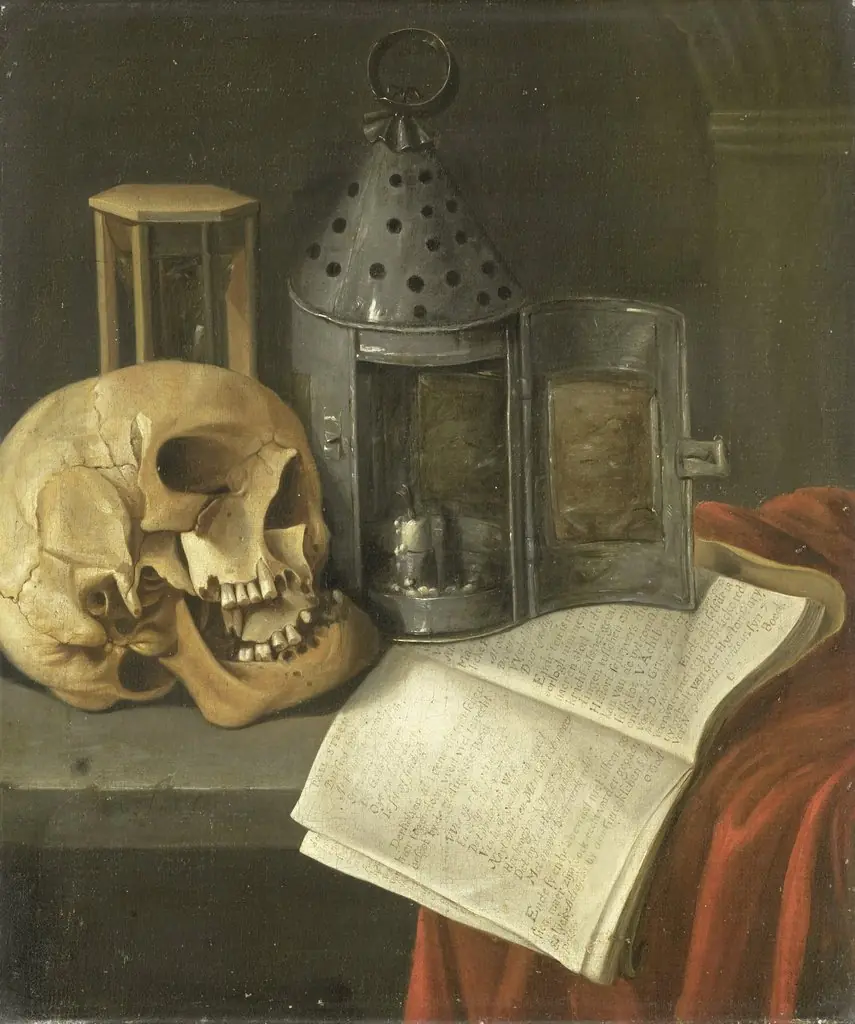 Vanitas Still Life
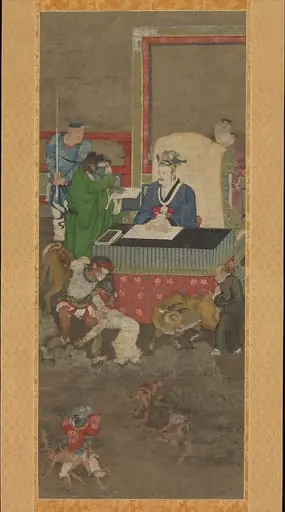 金處士筆 十王図の内|Ten Kings of Hell
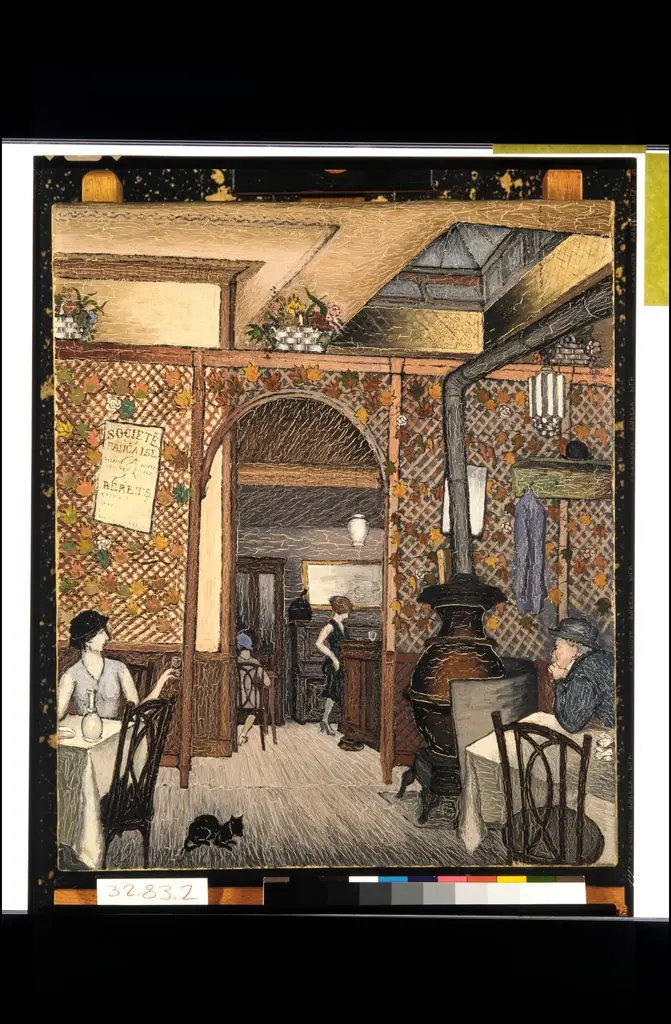 Speakeasy
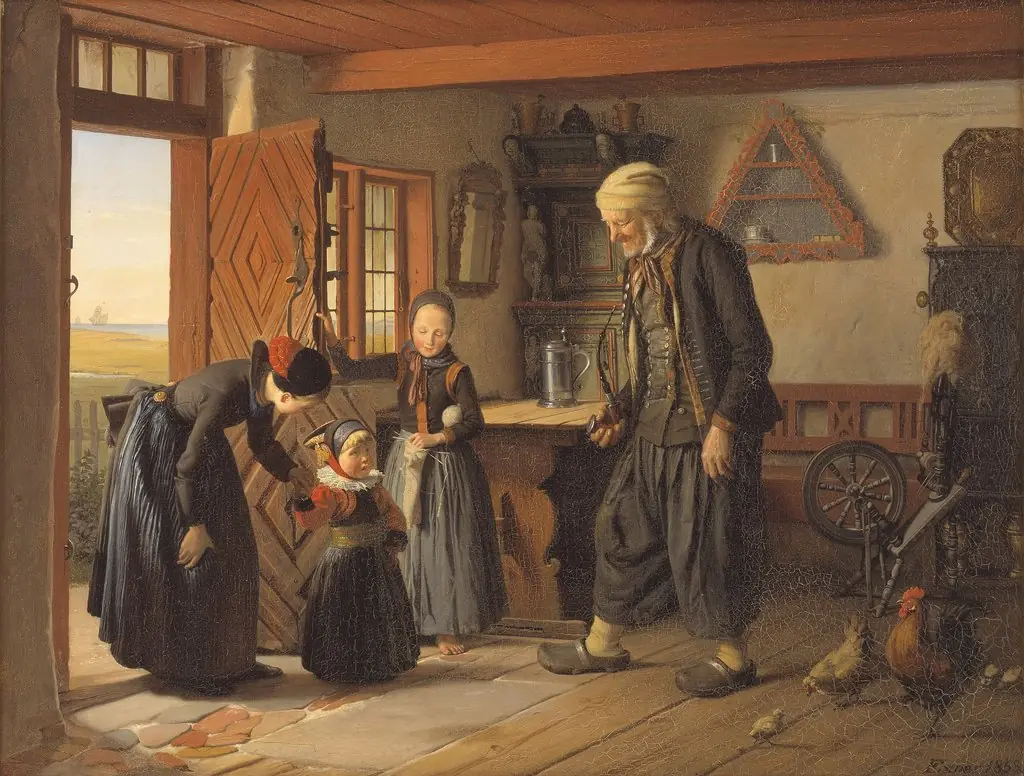 Visiting Grandfather
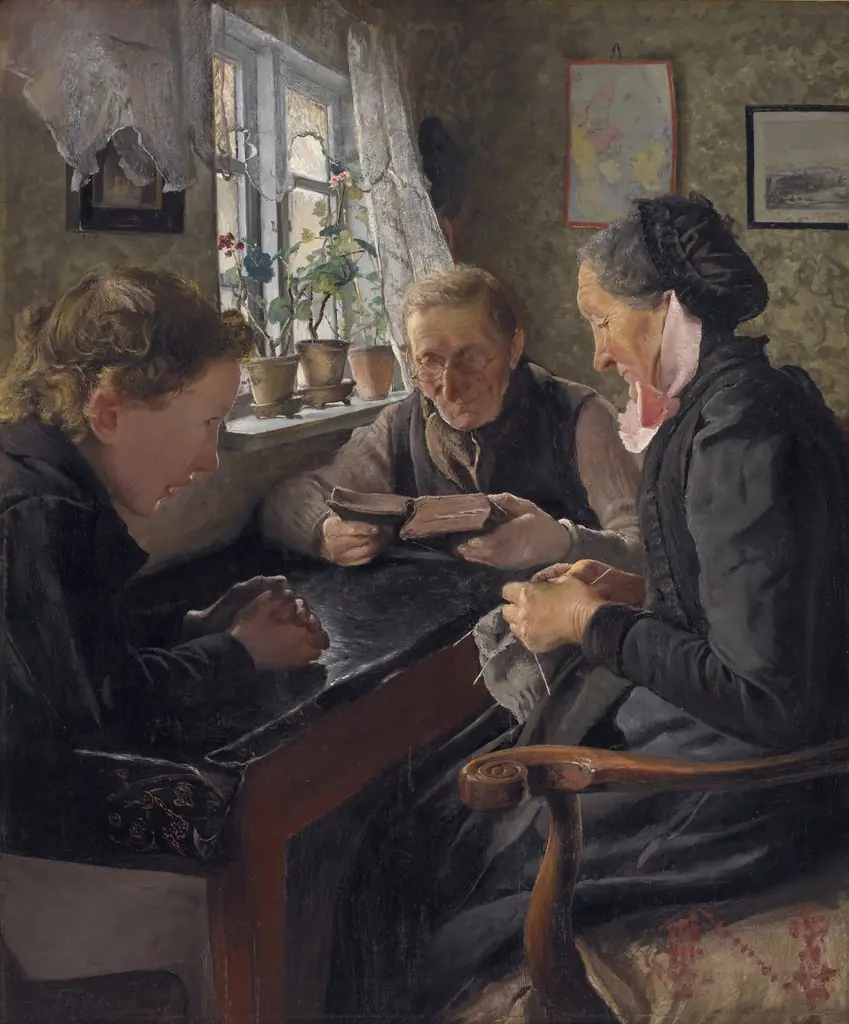 A Child Visiting his Grandparents on a Sunday
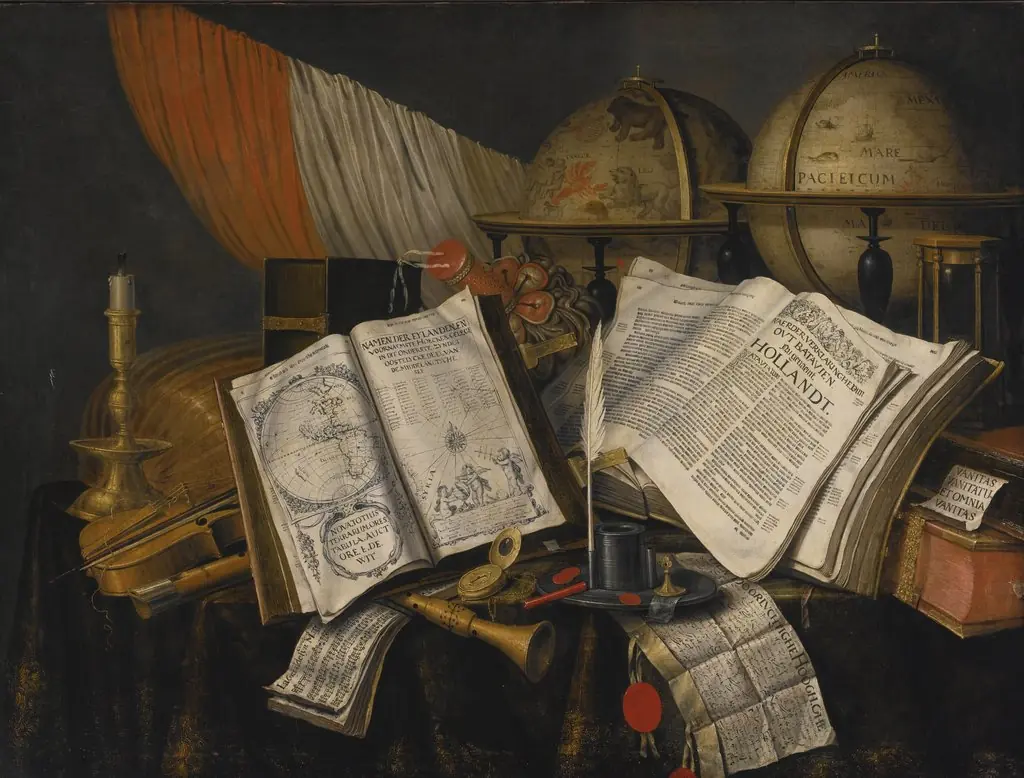 Vanitas Still Life with a Candlestick, Musical Instruments, Dutch Books, a Writing Set, an Astrological and a Terrestial Globe and an Hourglass, All on a Draped Table
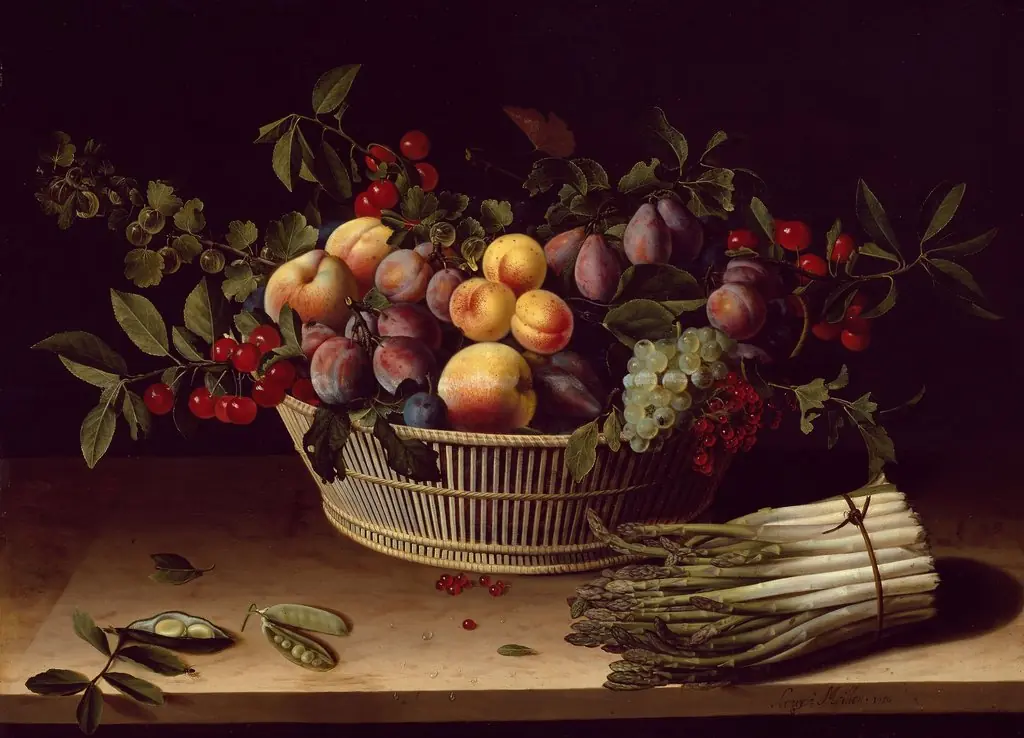 Still Life with a Basket of Fruit and a Bunch of Asparagus
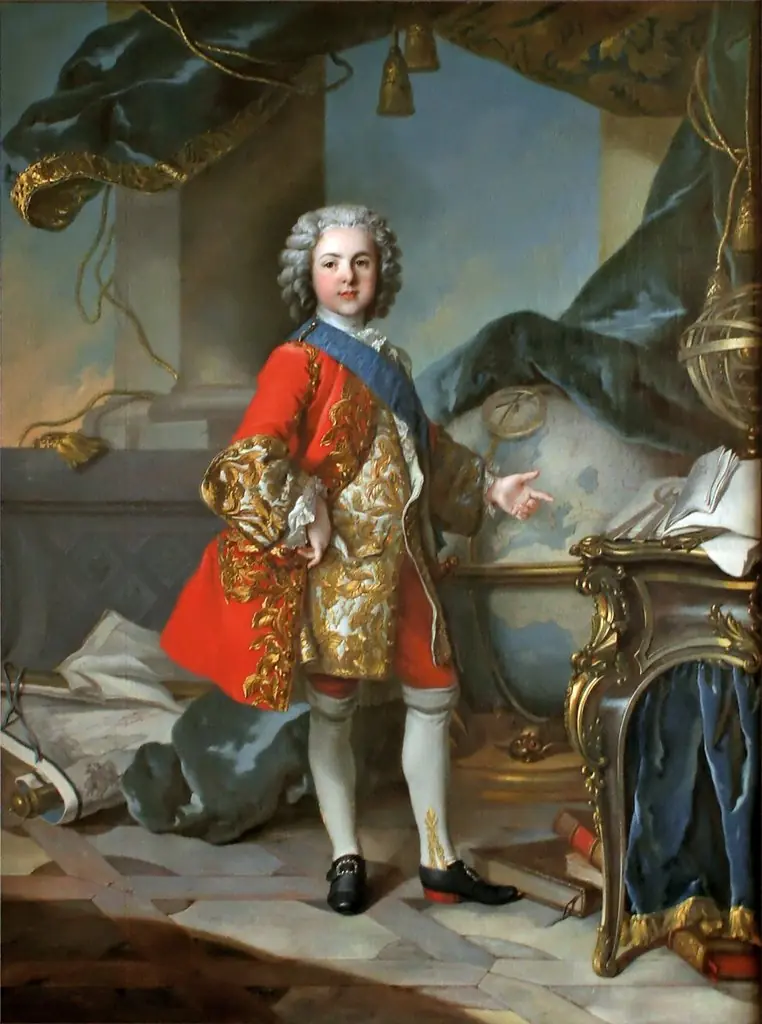 Portrait of Louis of France
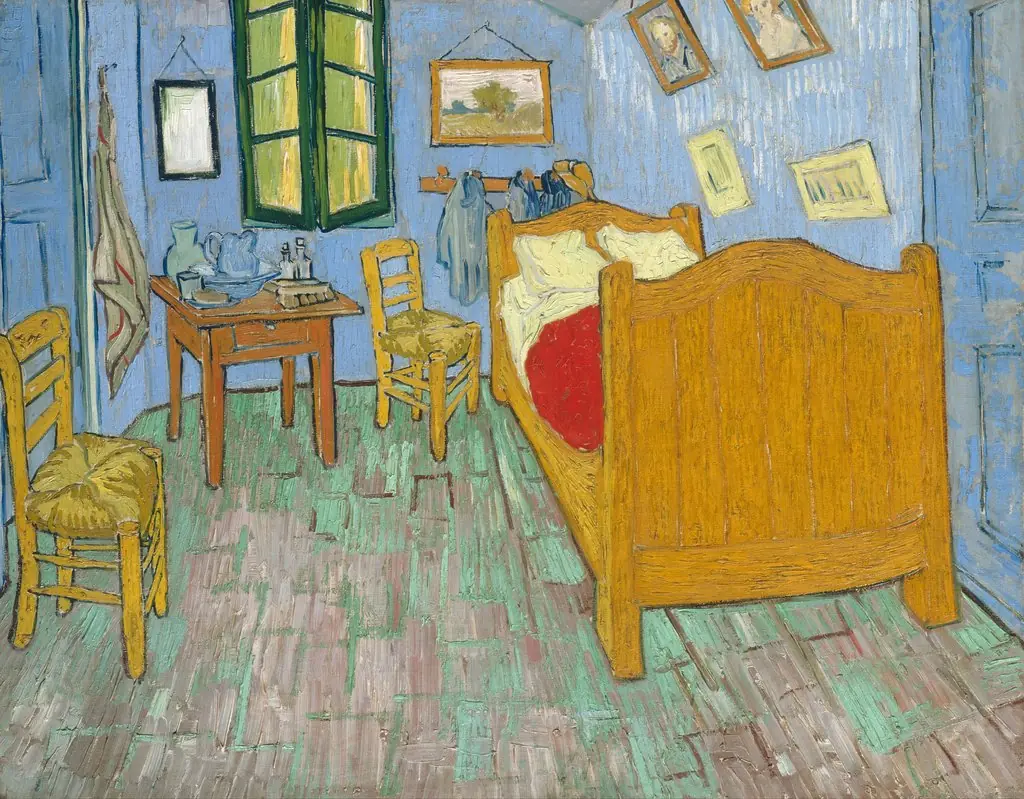 Bedroom in Arles
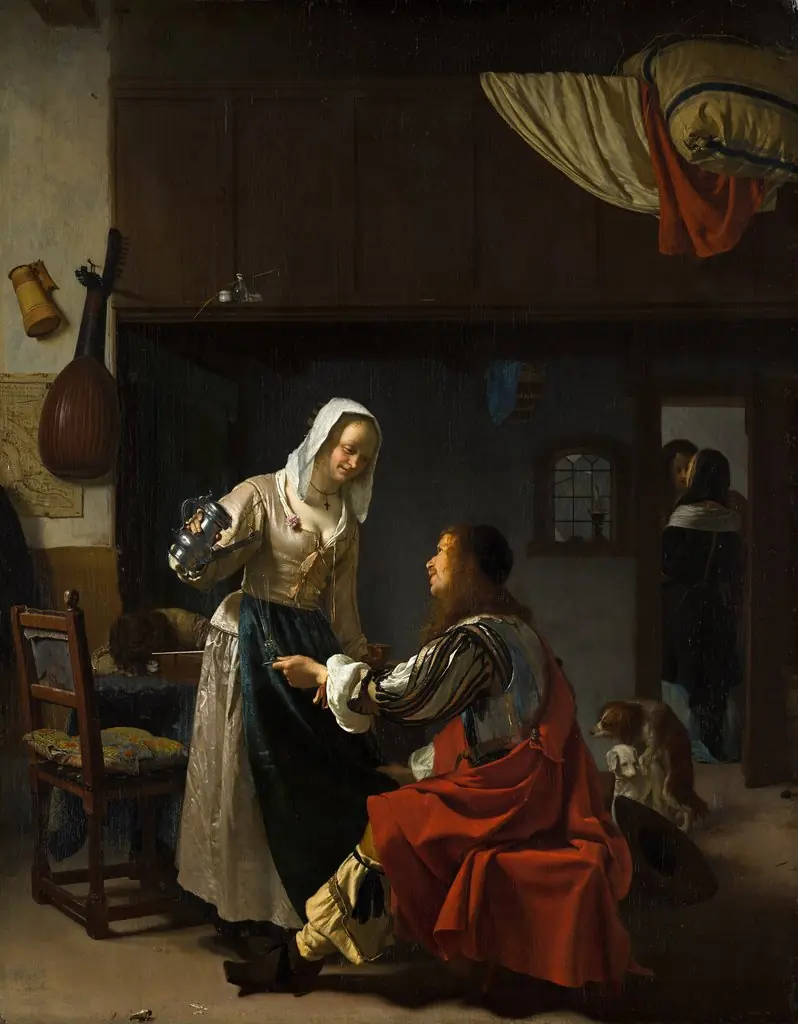 Brothel Scene
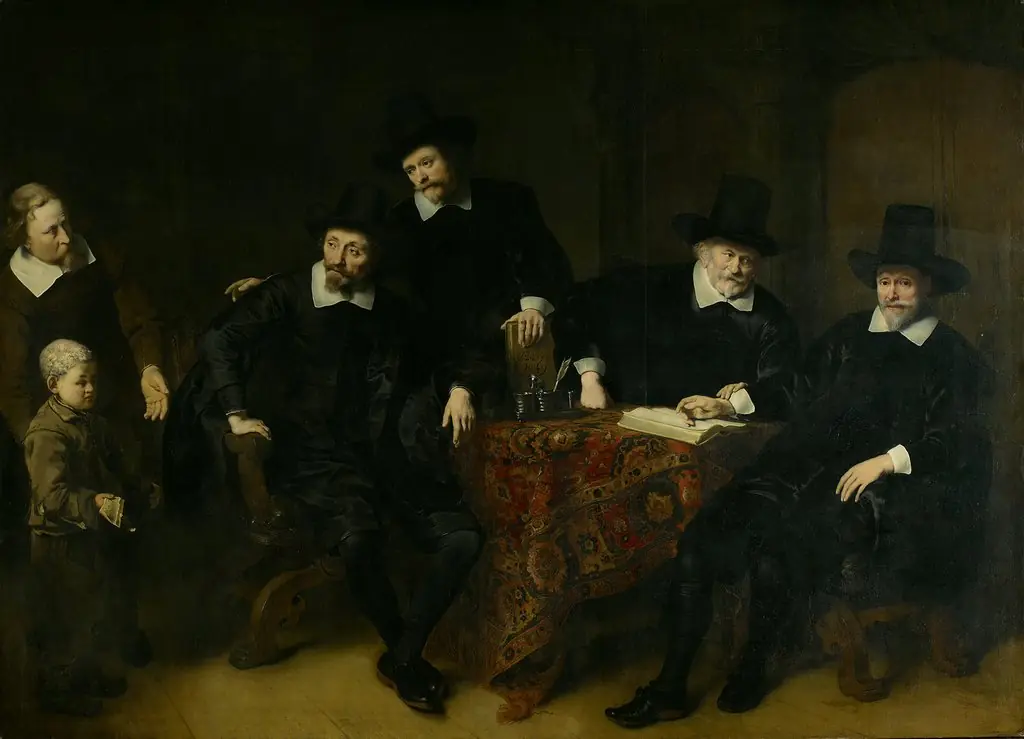 The Regents of the Leper's house in Amsterdam in 1649
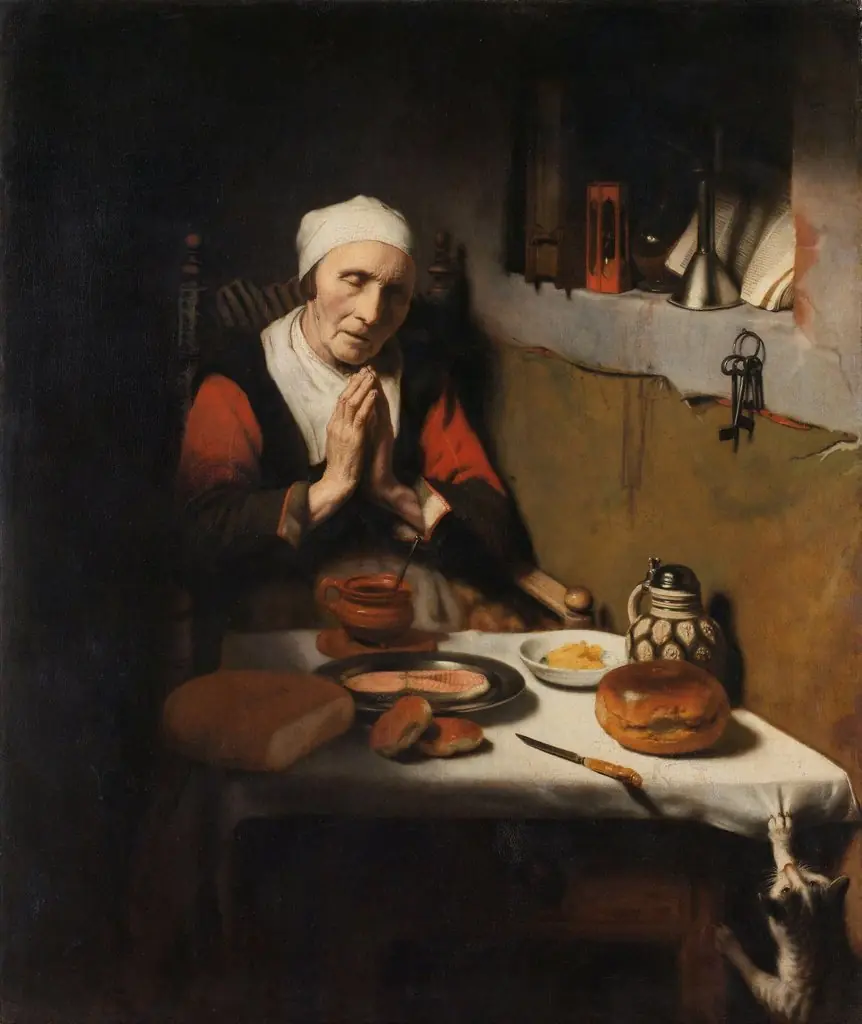 Old Woman Saying Grace, Known as ‘The Prayer without End’
 金處士筆 十王図の内|Ten Kings of Hell
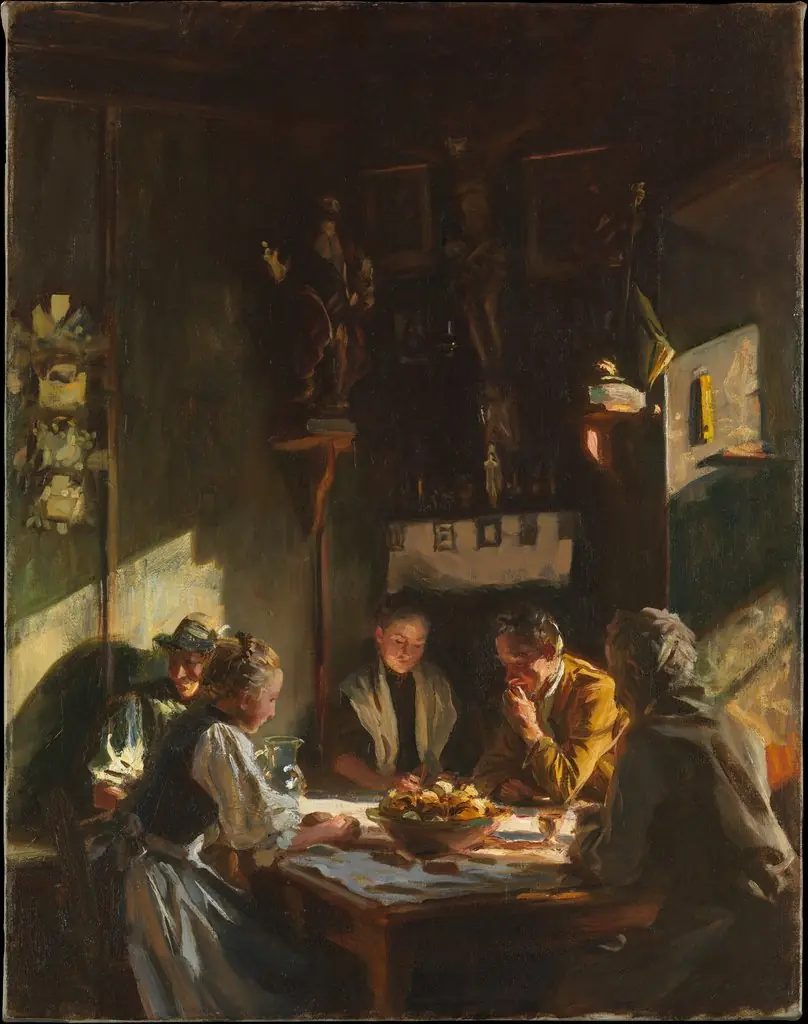 Tyrolese Interior
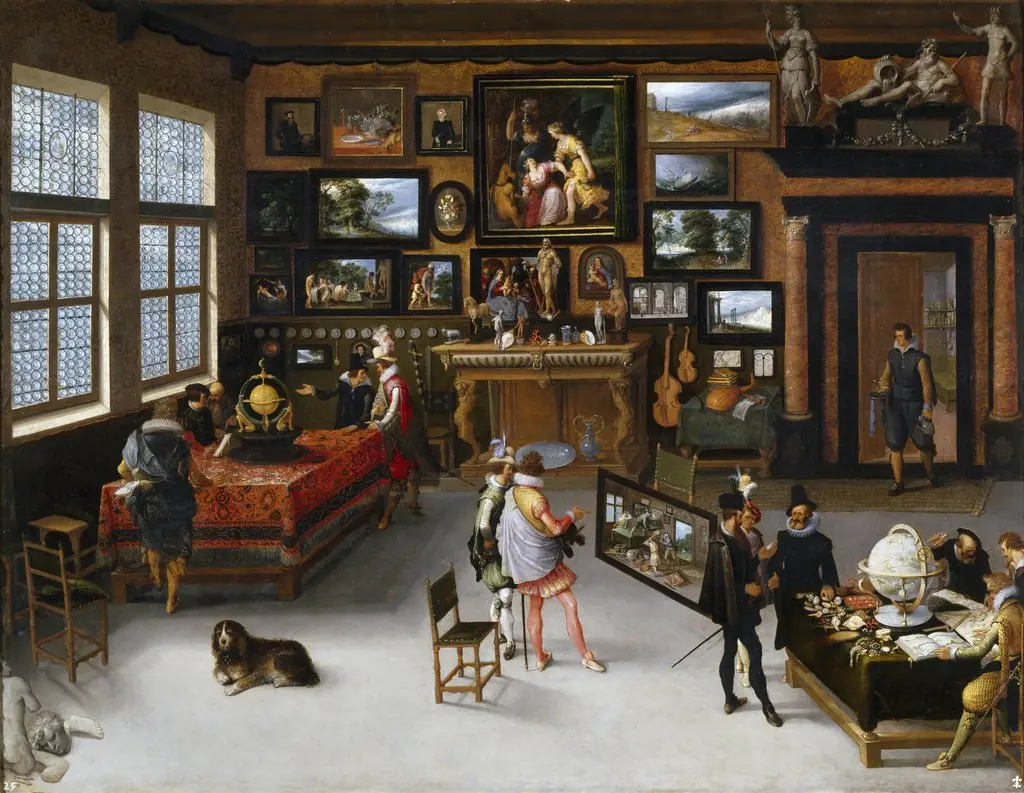 The Sciences and Arts
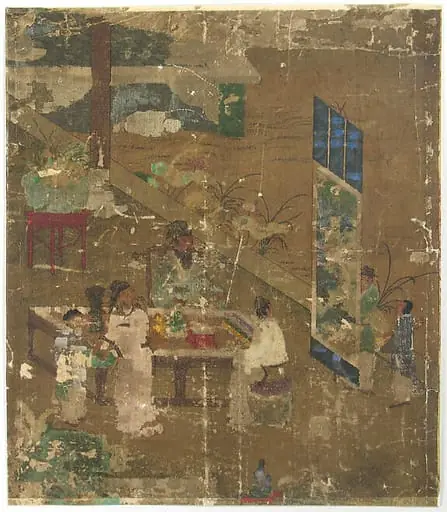 Untitled
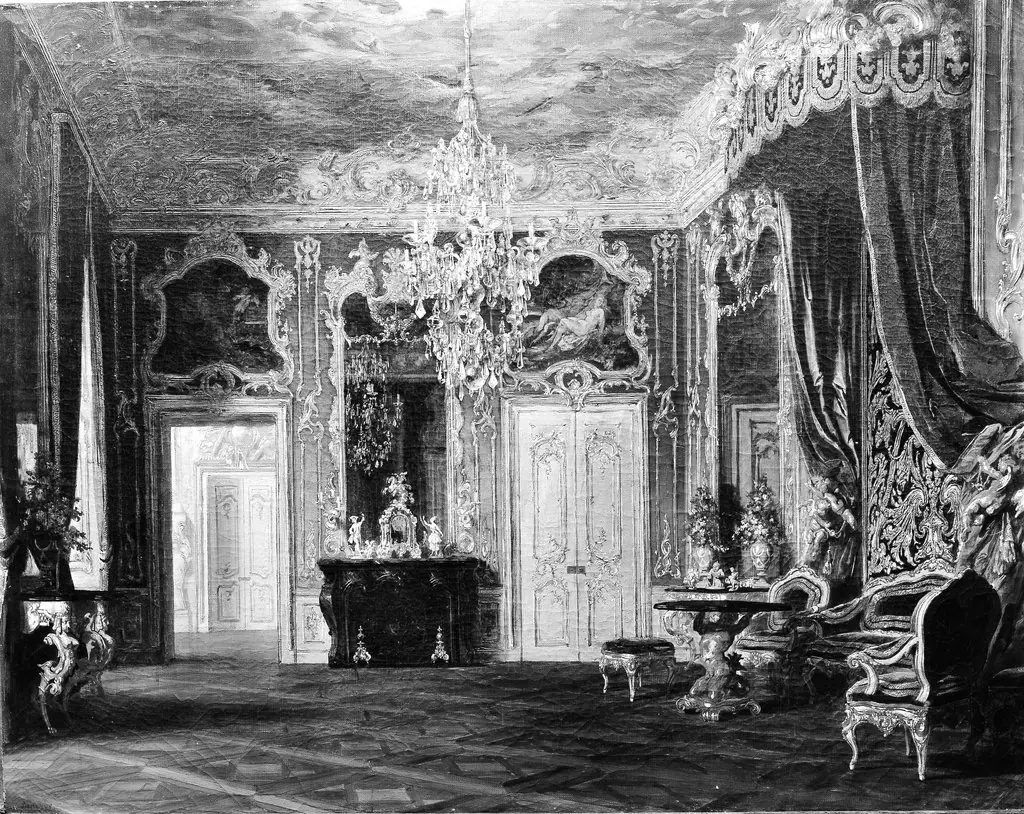 Project for a Room for King Ludwig II (1854–1886) of Bavaria
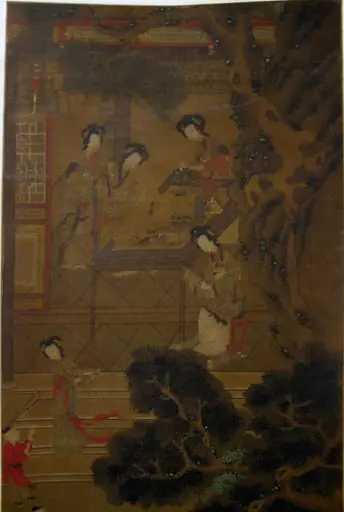 Untitled
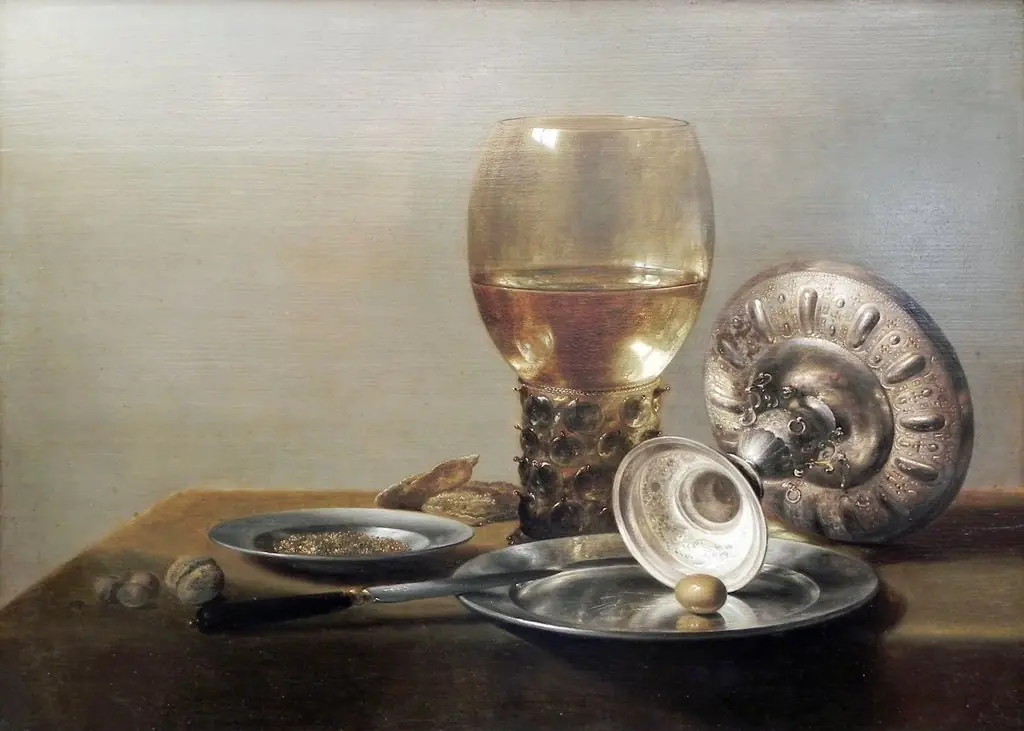 Still-life with Wine Glass and Silver Bowl
 金處士筆 十王図の内|Ten Kings of Hell
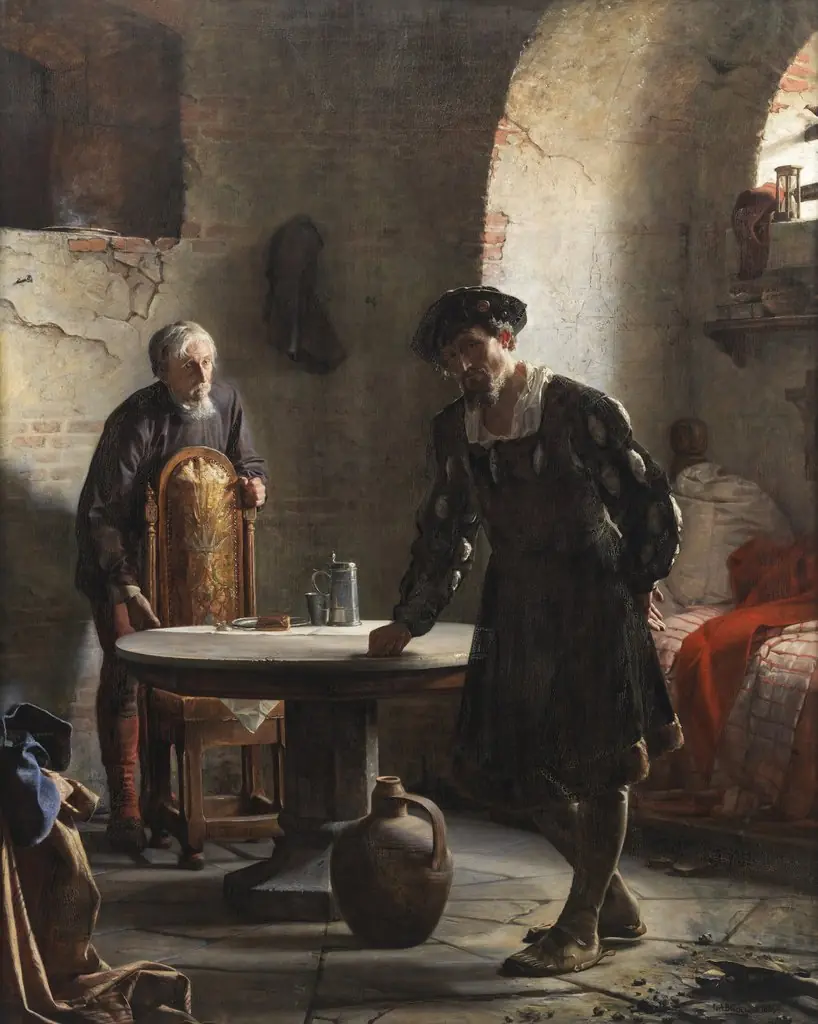 Christian II i fængslet på Sønderborg Slot
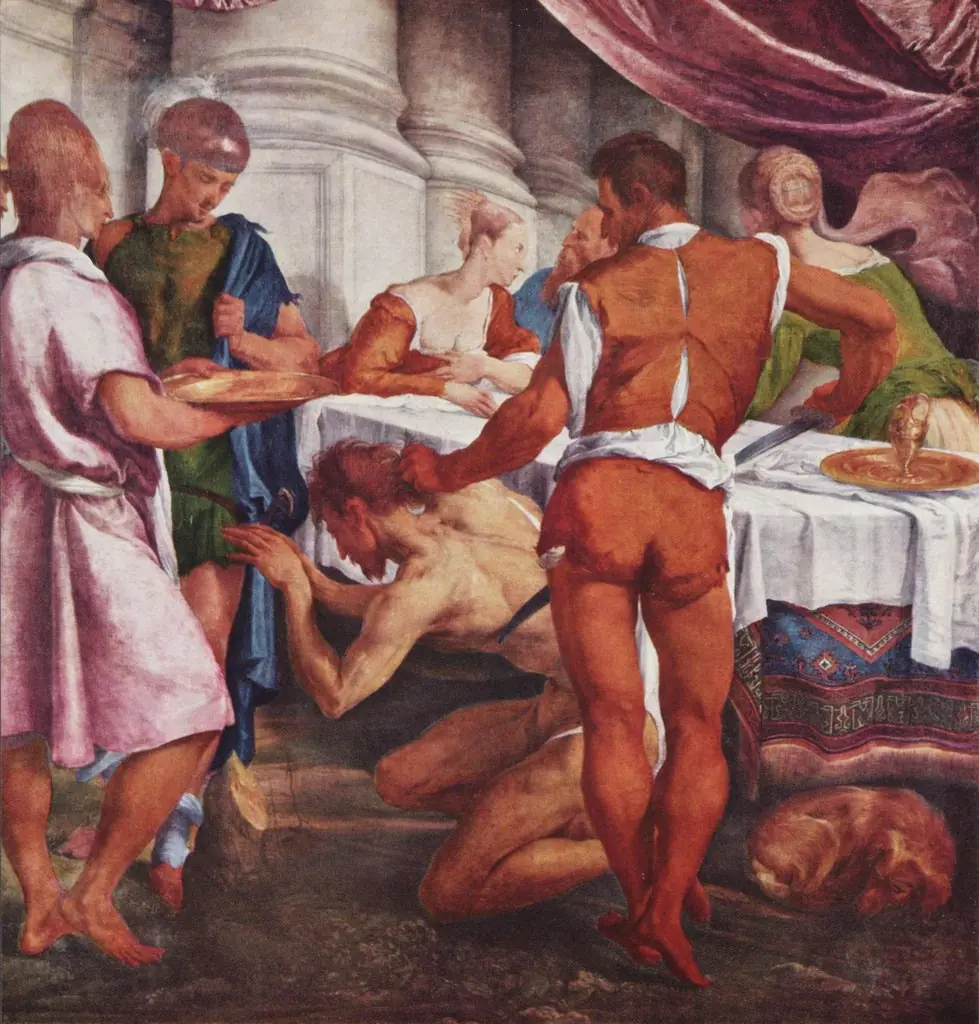 The Decapitation of St John the Baptist
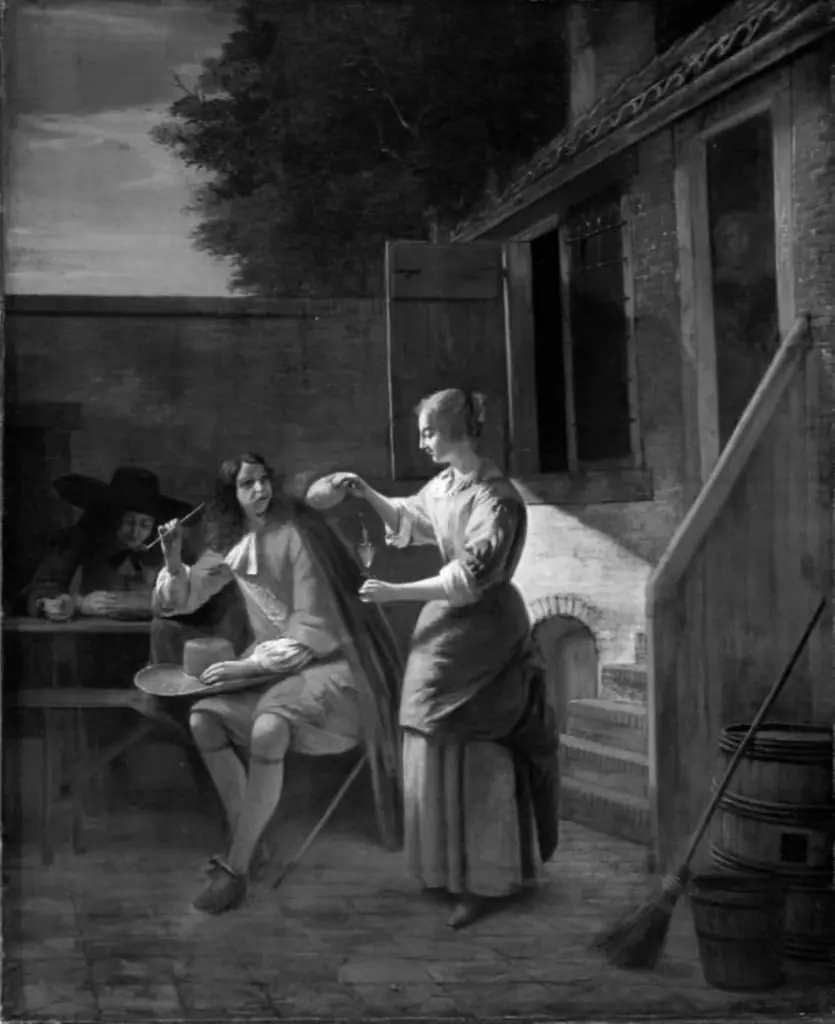 Outside the Tavern
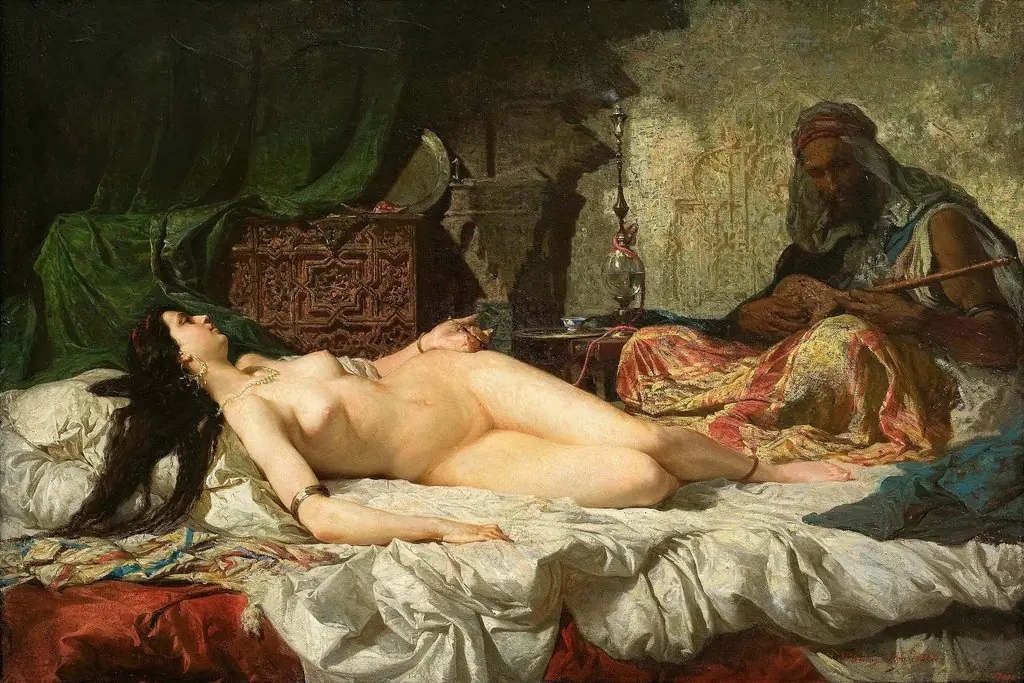 The Odalisque
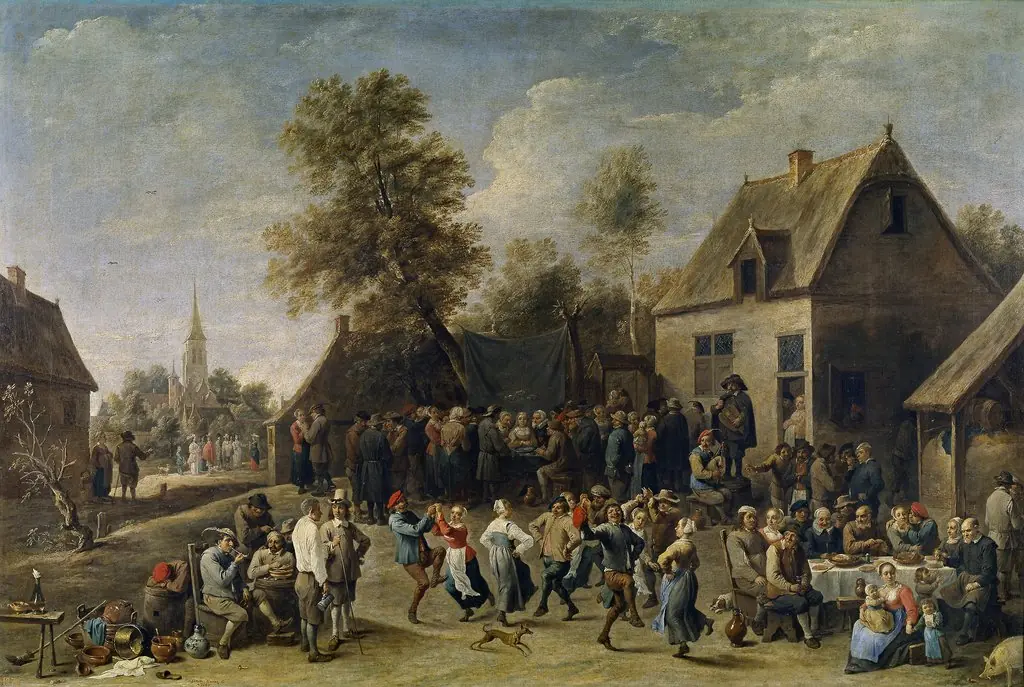 Country Feast
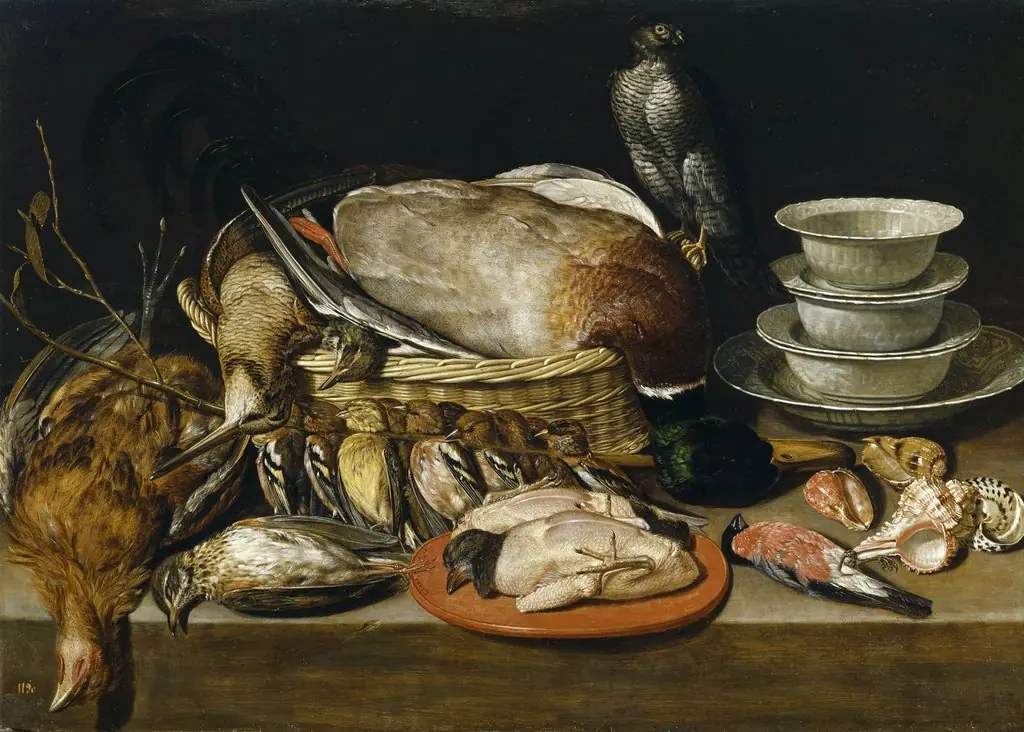 Game piece with poultry
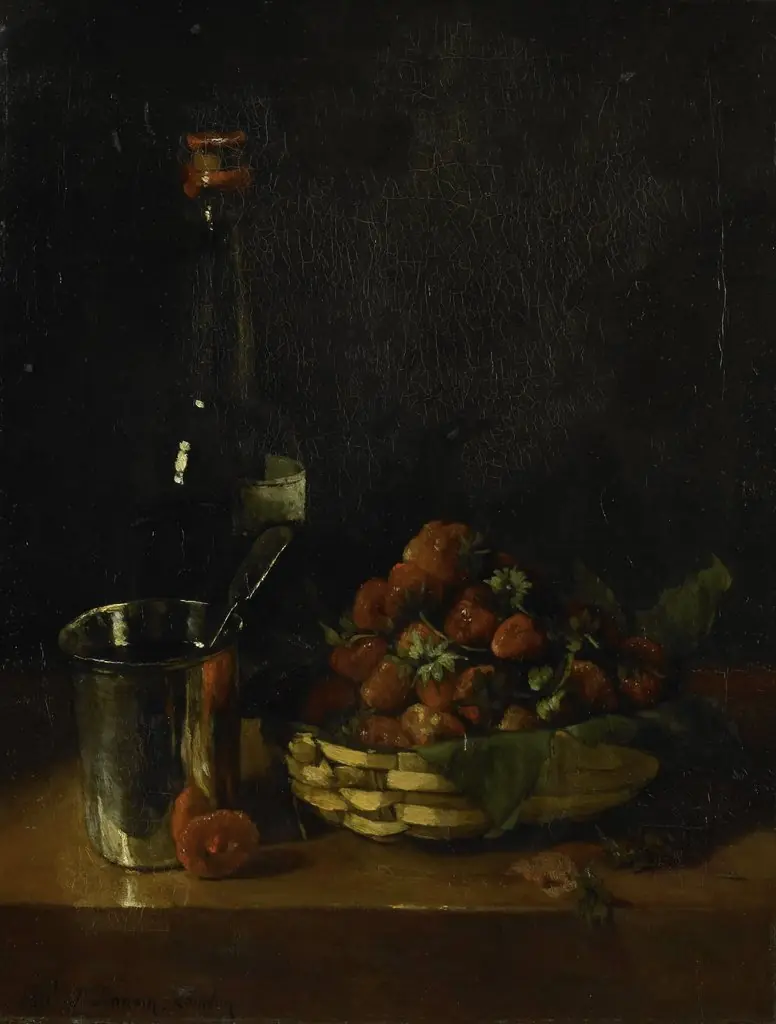 Still life
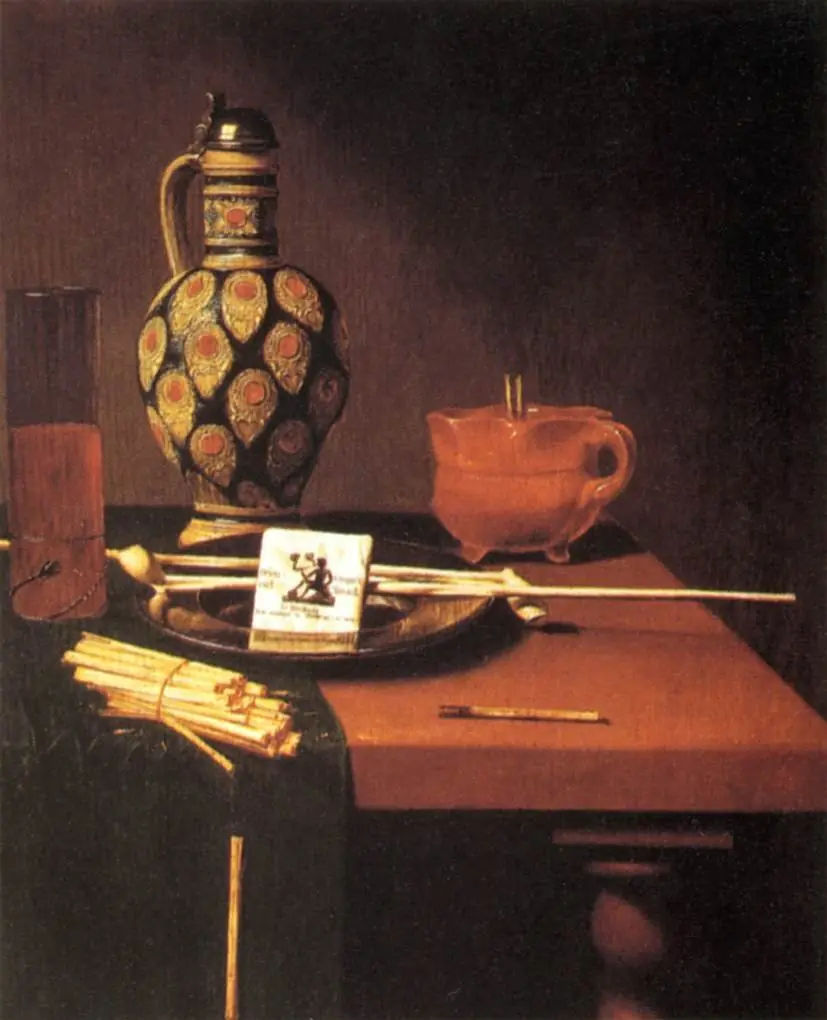 Still life with glass, flask, pipe and tobacco packet
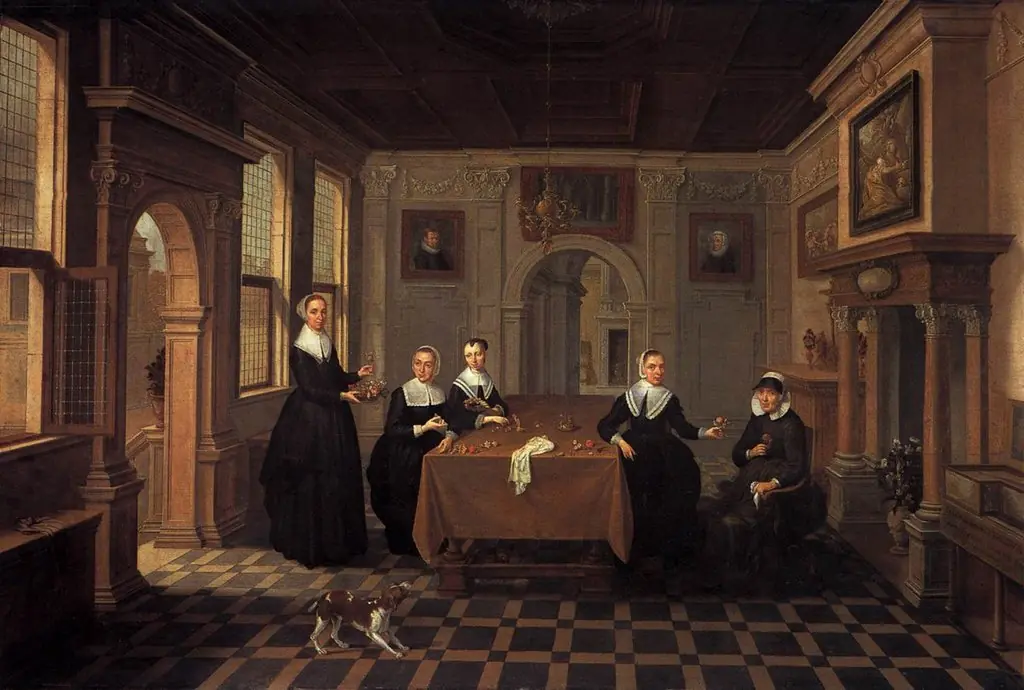 Five ladies in an interior
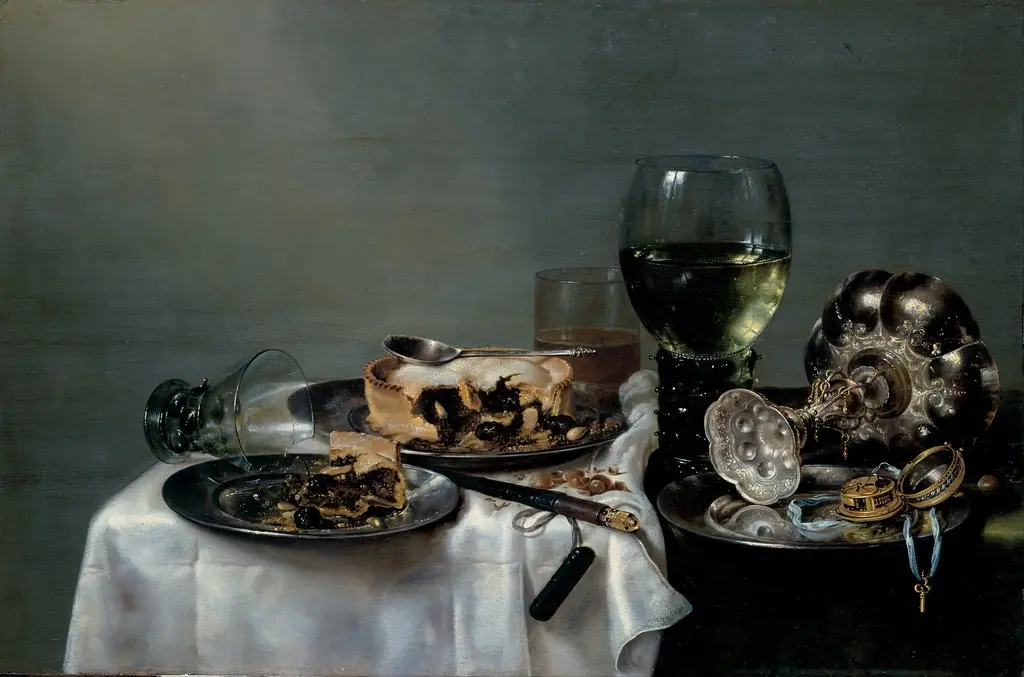 Breakfast Table with Blackberry Pie
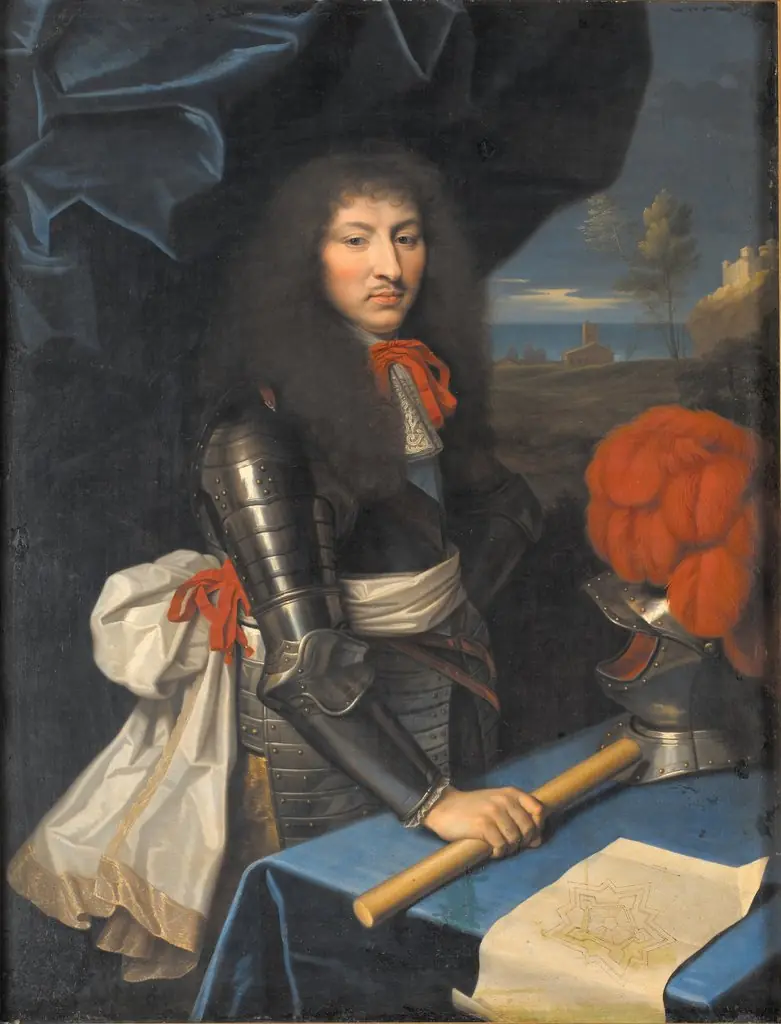 The Young Louis XIV
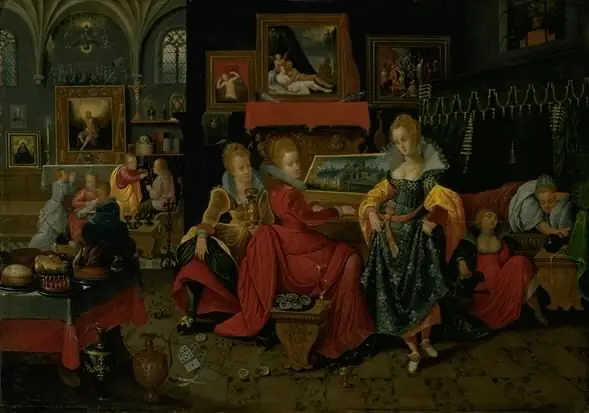 The Parable of the Wise and the Foolish Virgins
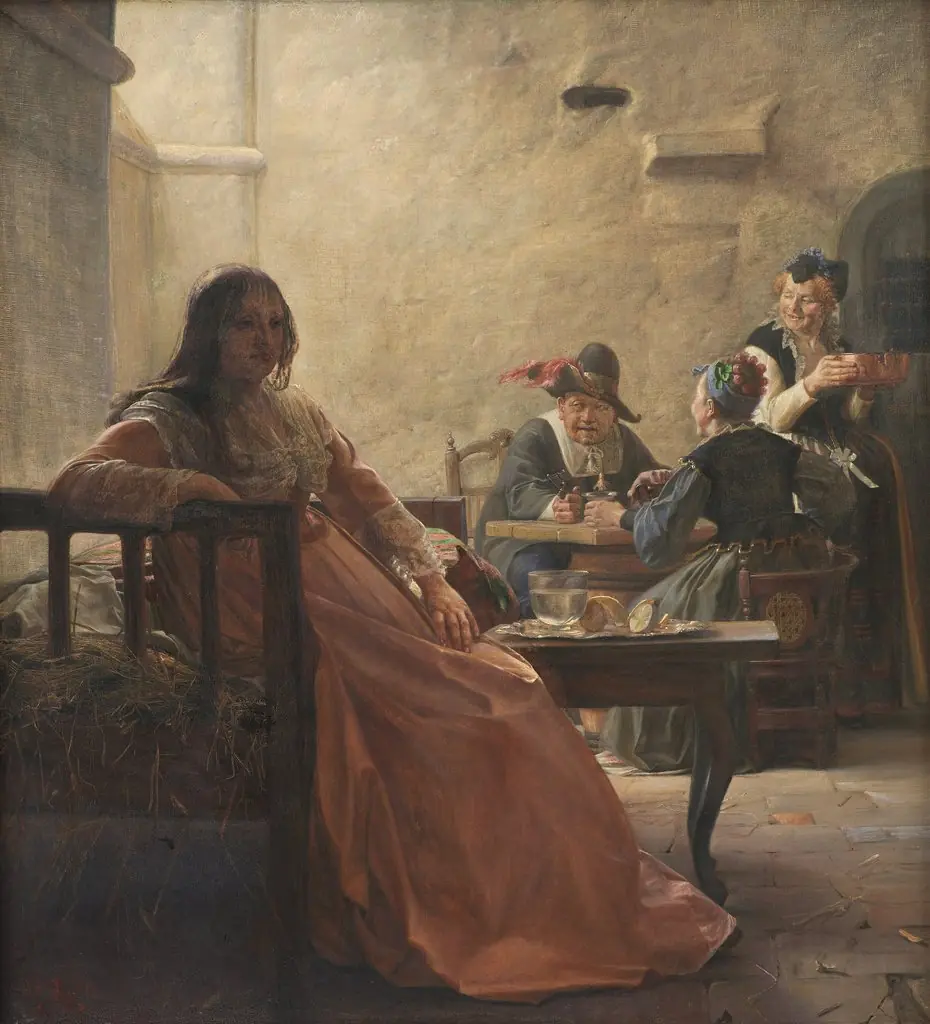 Leonora Christina in Prison
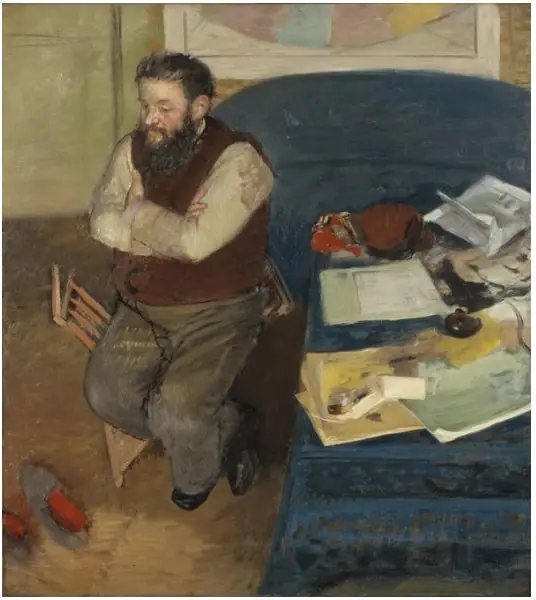 Portrait of Diego Martelli
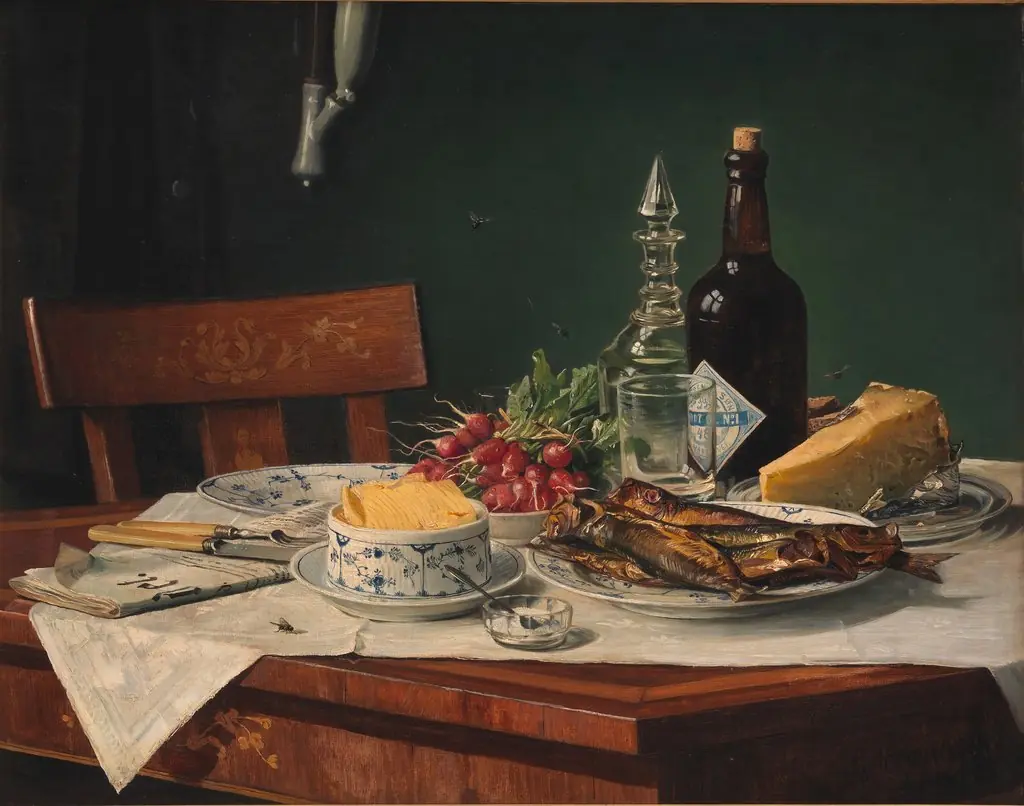 Et frokostbord
 Portrait of Gaspar Melchor de Jovellanos
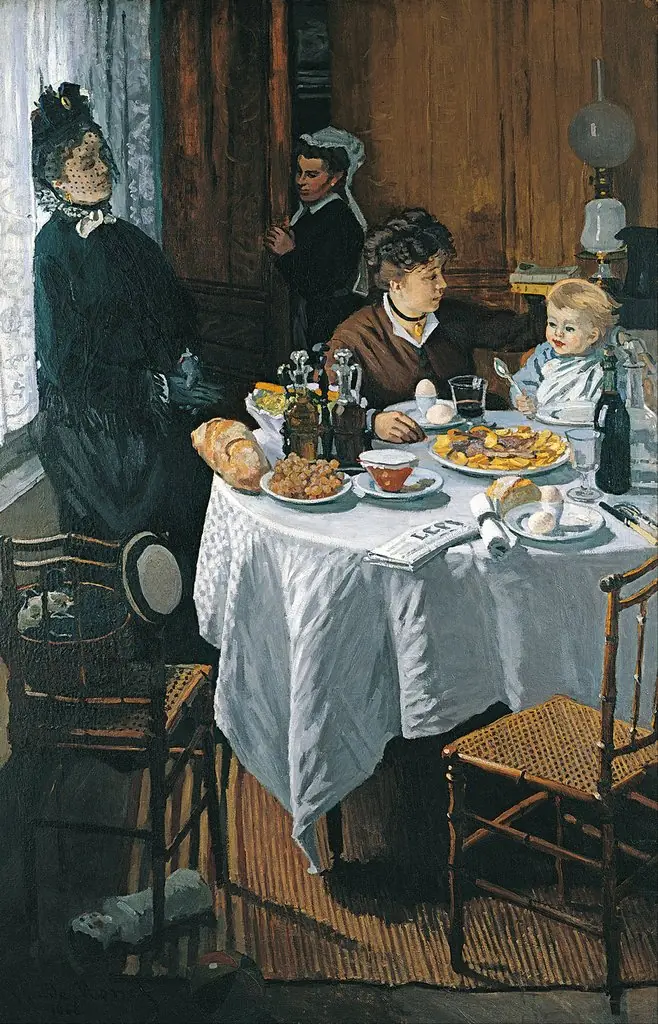 The Luncheon
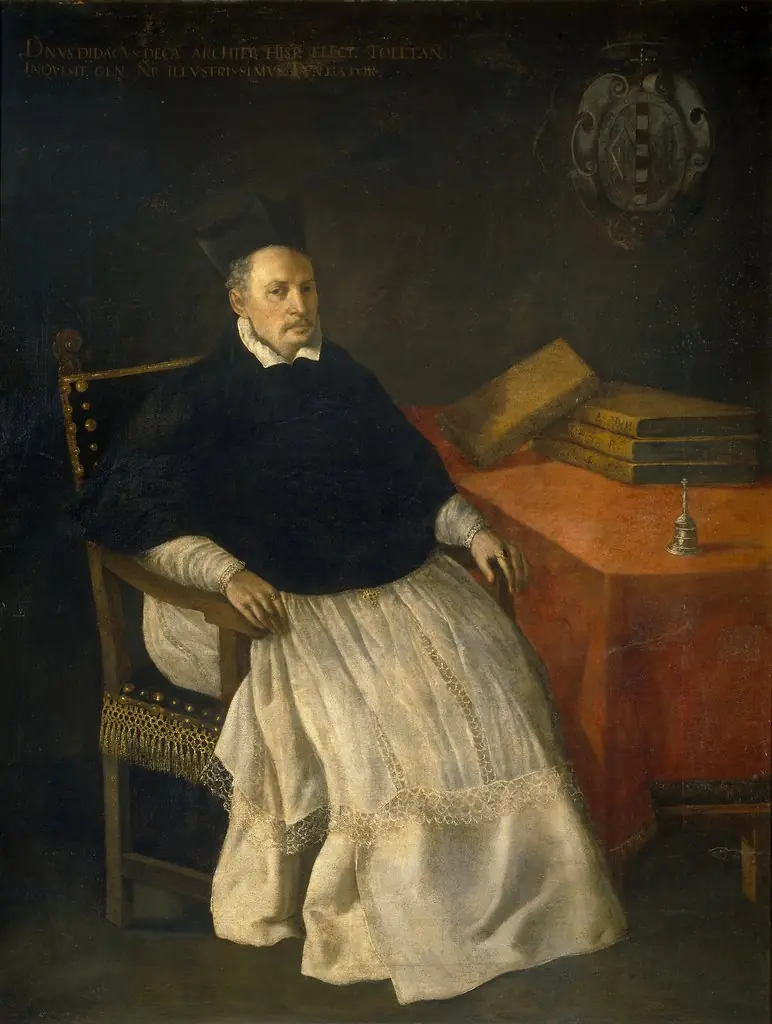 Fray Diego de Deza y Tavera arzobispo de Sevilla
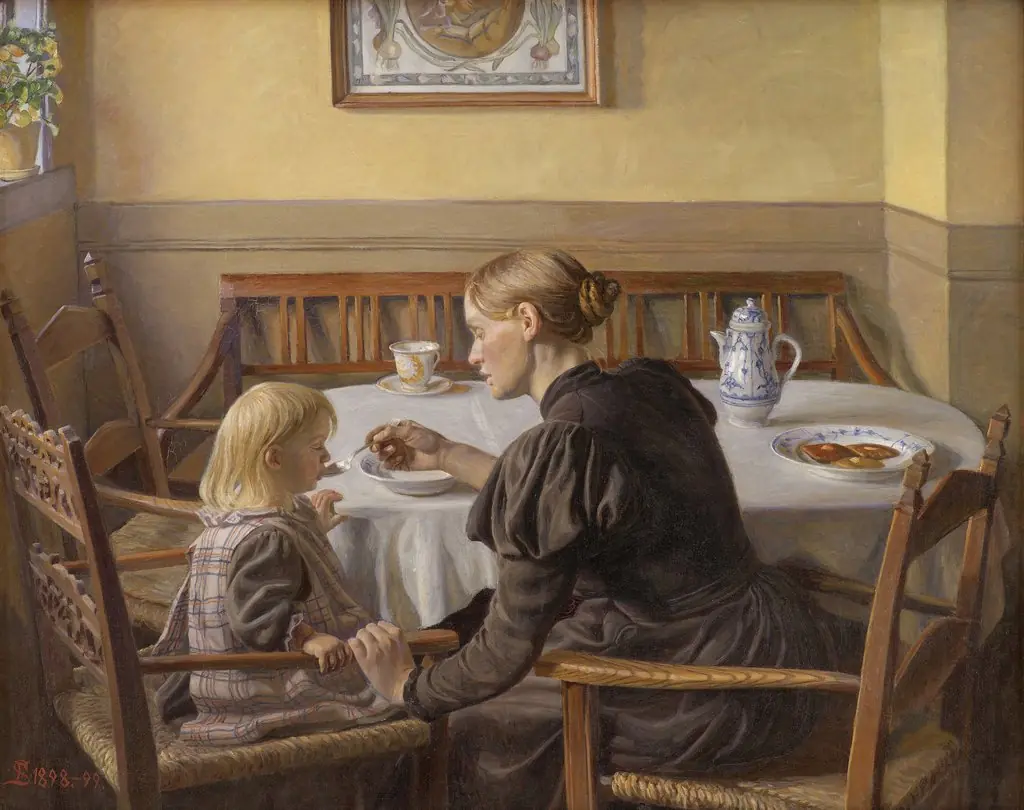 Mother and Child
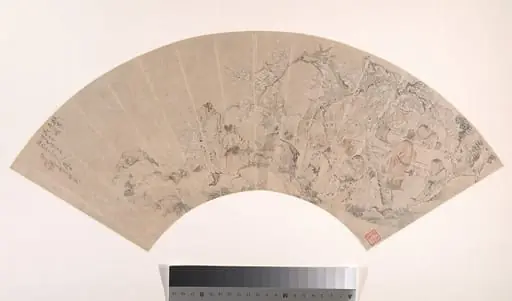 清 沙馥 桃李芳園圖 摺扇|The Peach and Plum Garden
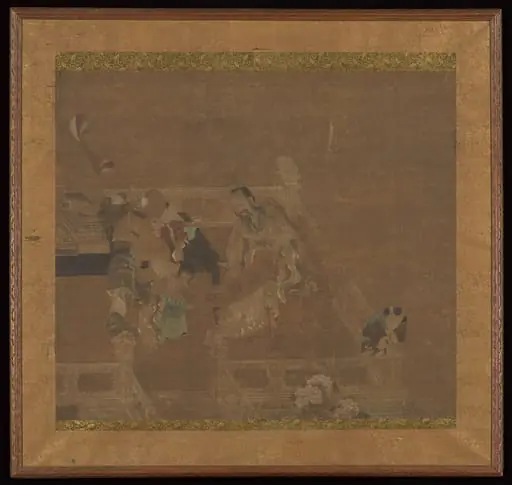 Untitled
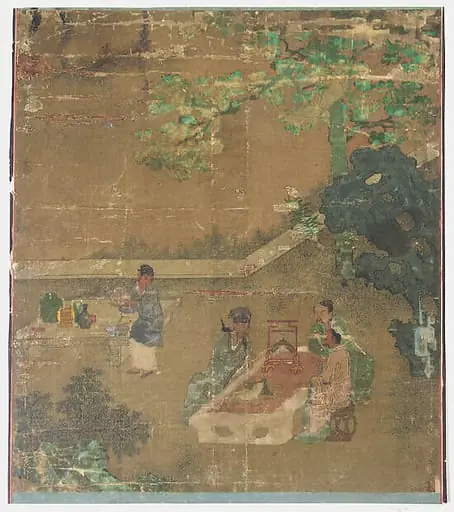 Untitled
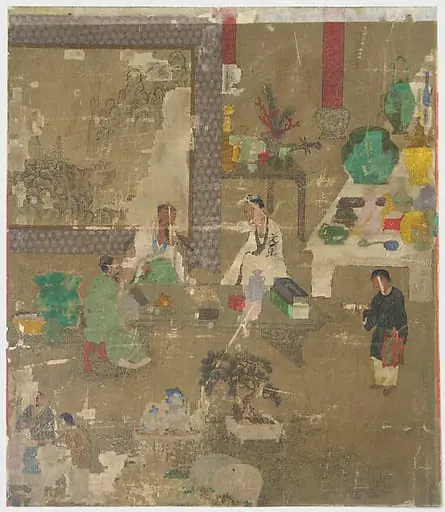 Untitled
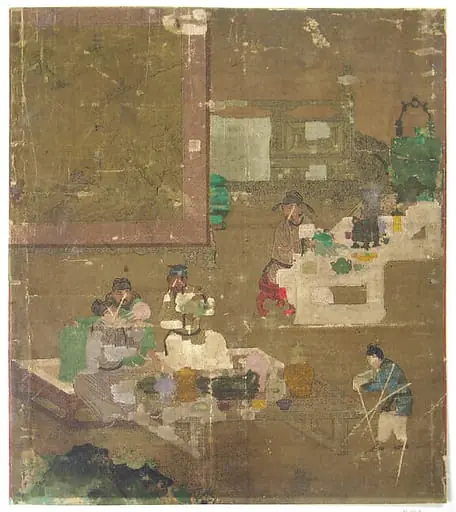 Untitled
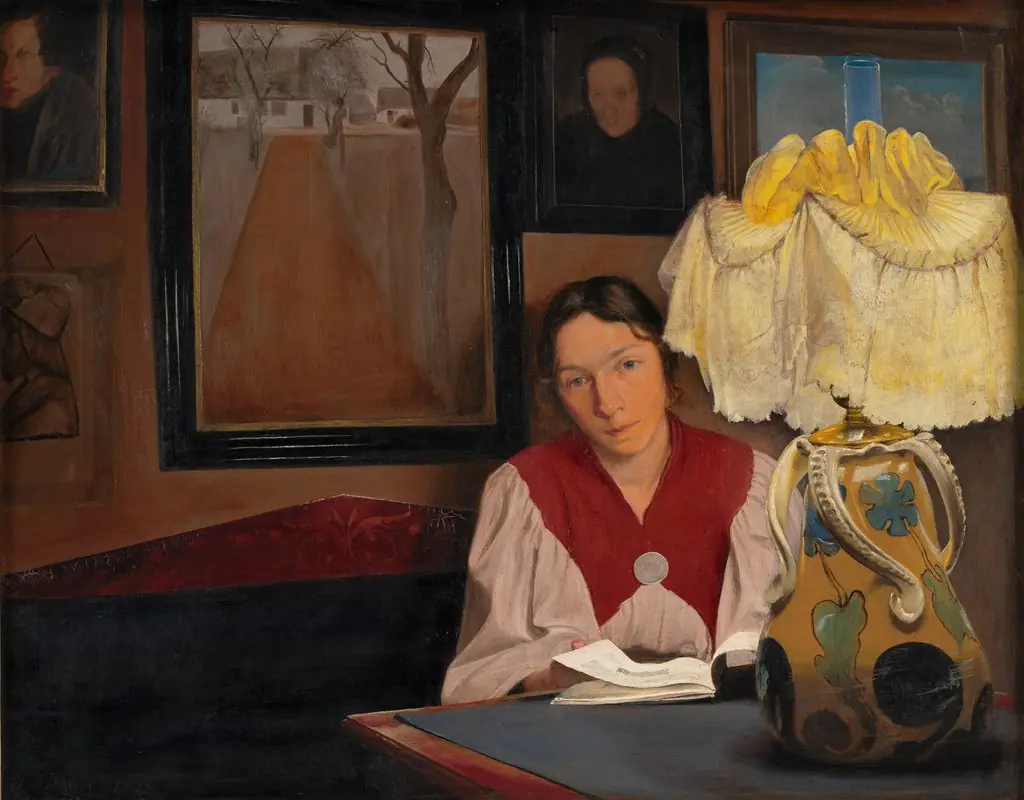 The Artist's Wife by Lamplight
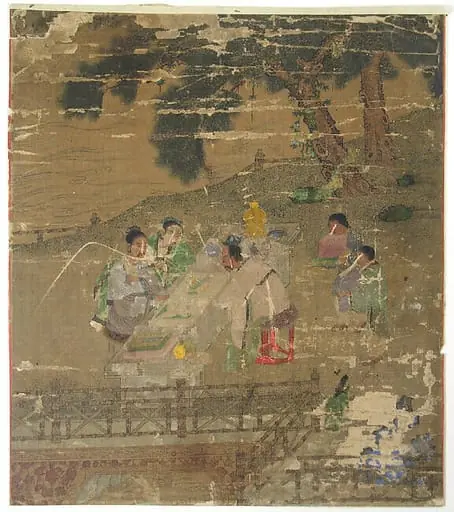 Untitled
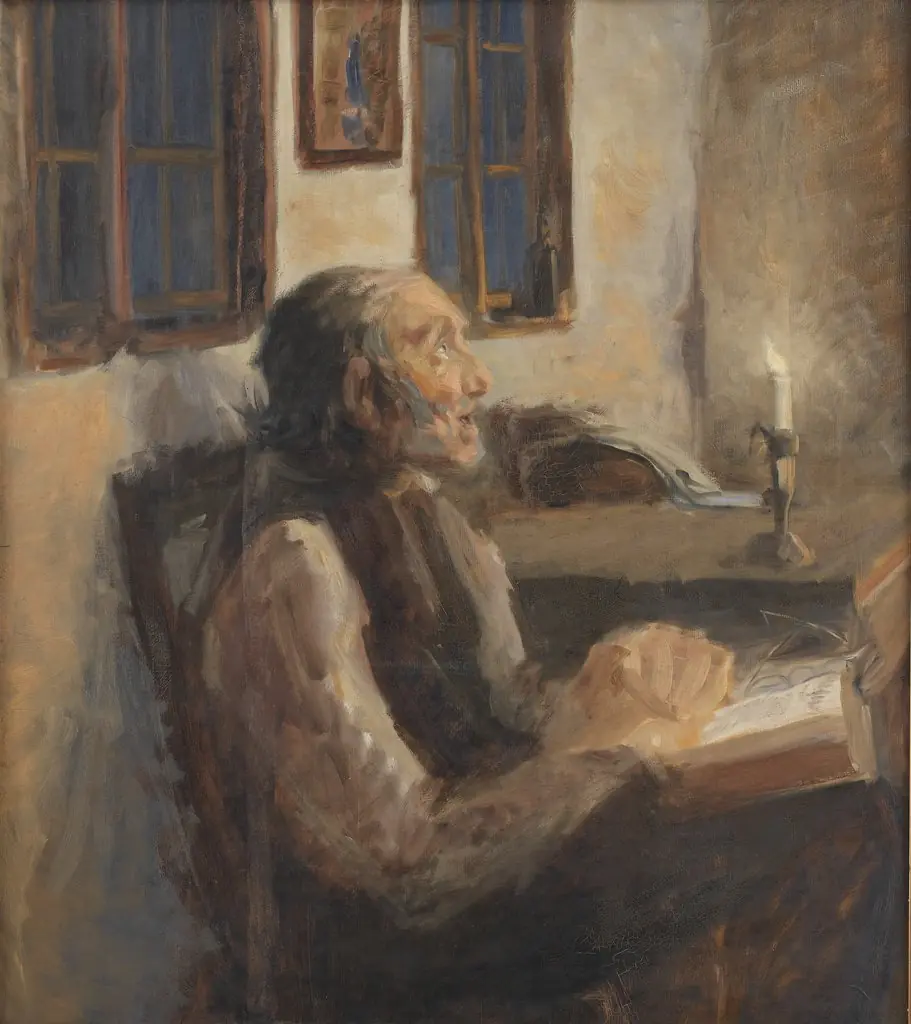 Den gamle mand ved spedelyset
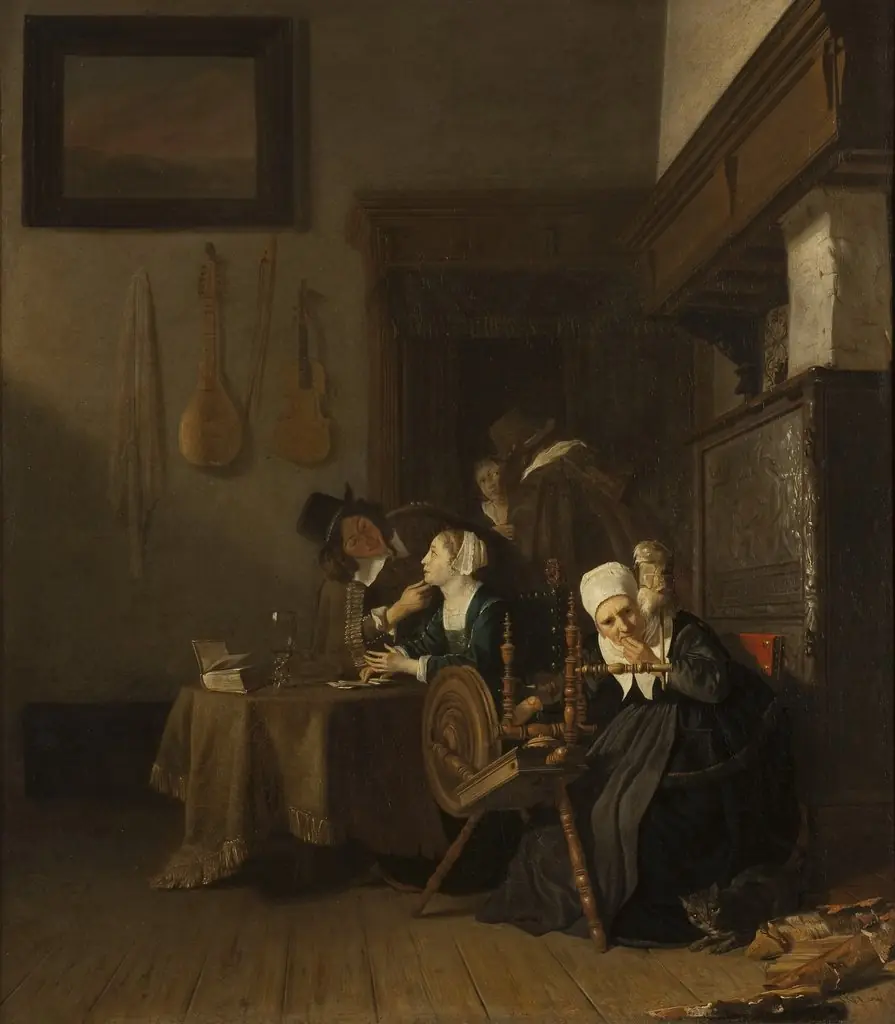 Indulgent Old Lady
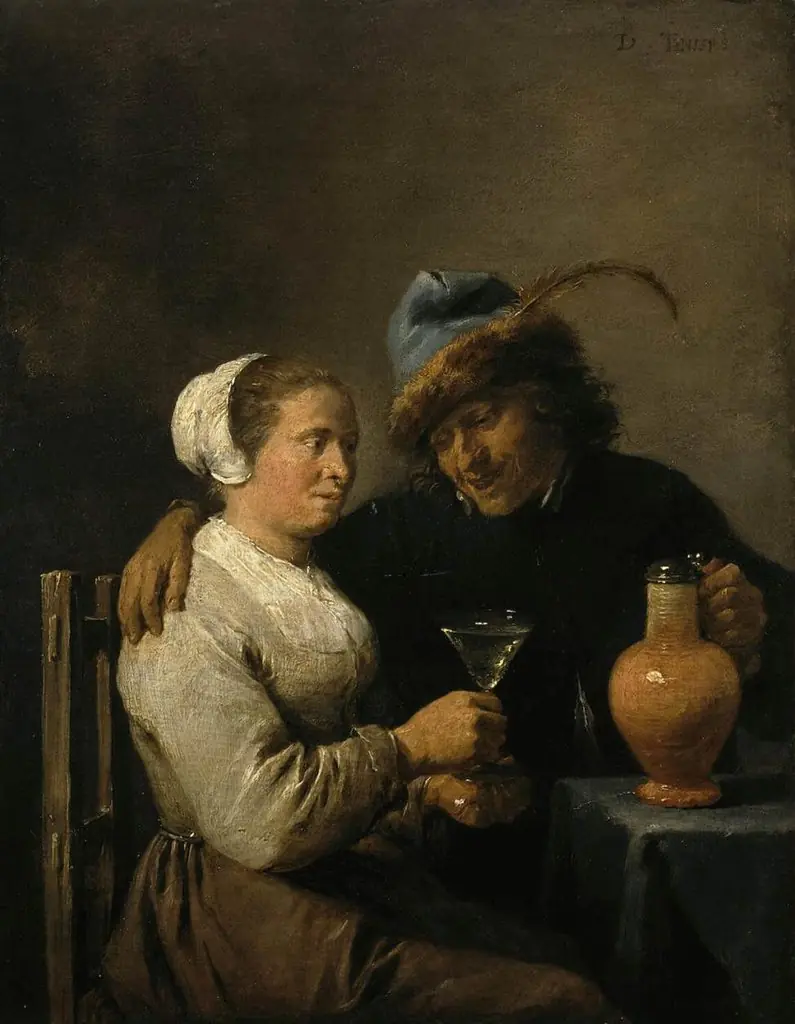 Scene in a Tavern
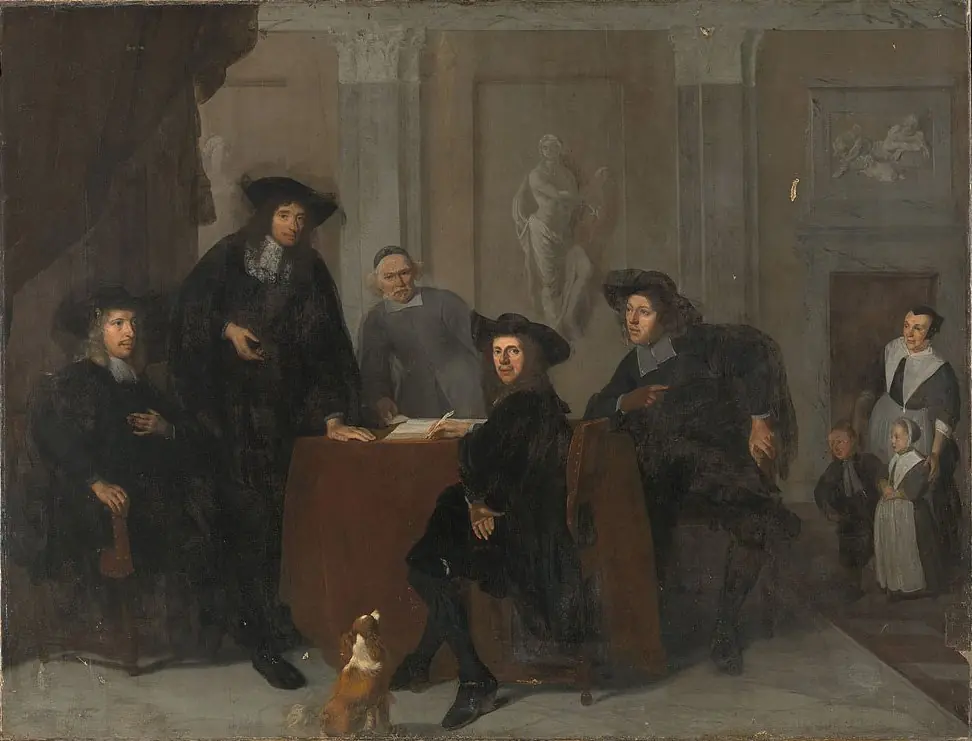 Regents of the Leper's house in Amsterdam
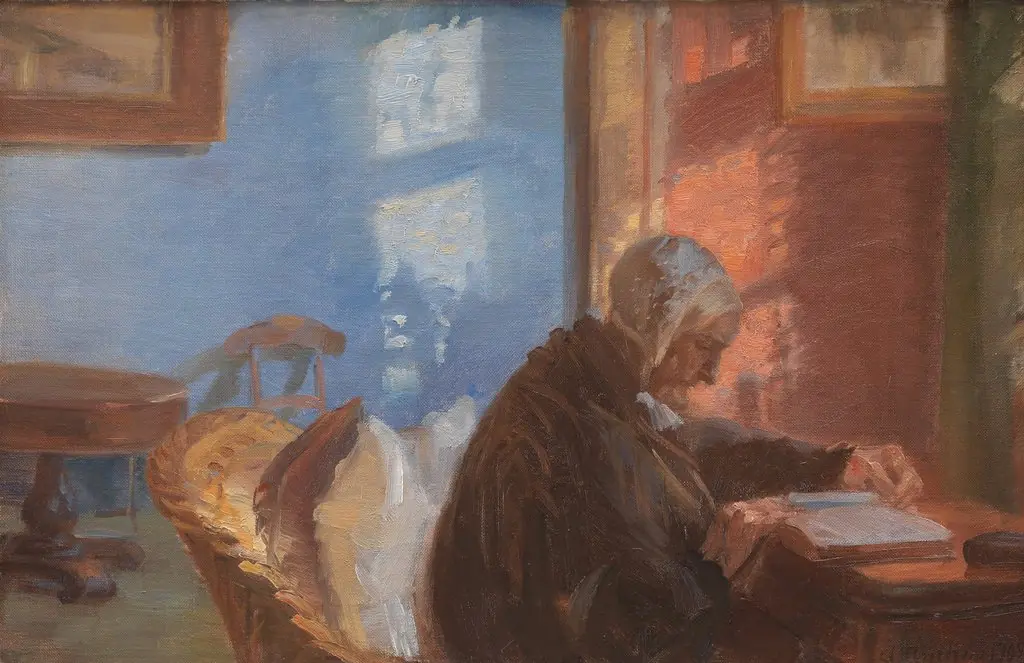 The Artist's Mother Ane Hedvig Brøndum in the Red Room
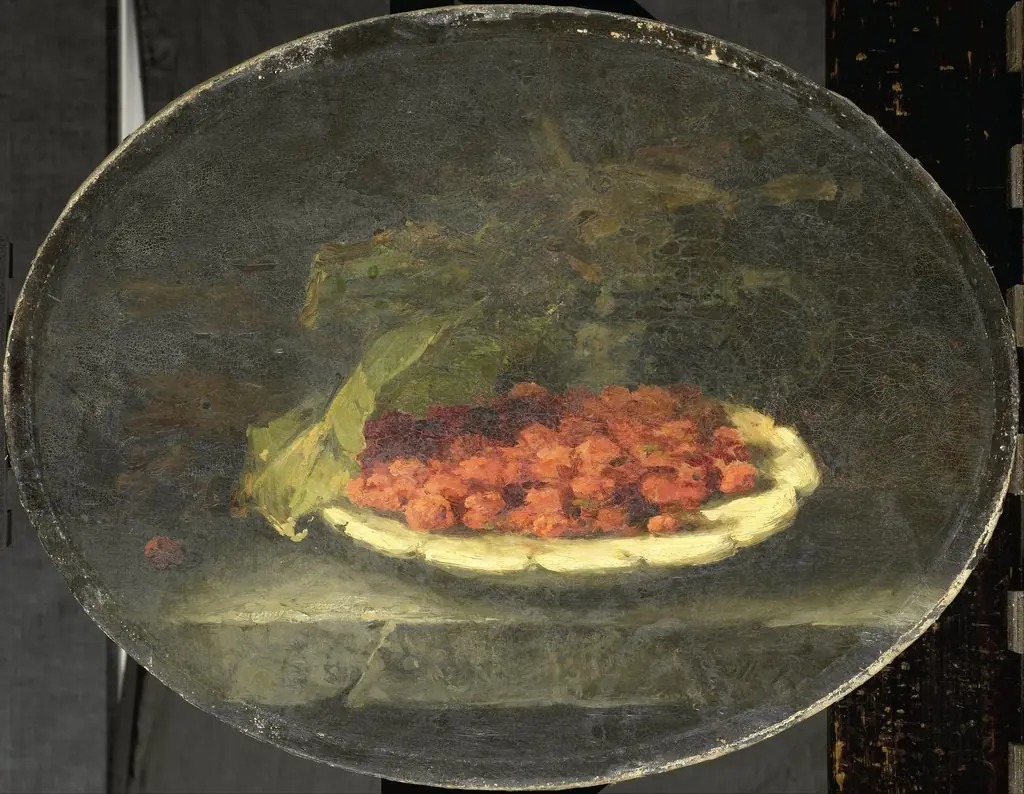 Stilleven met aardbeien in een witte schaal
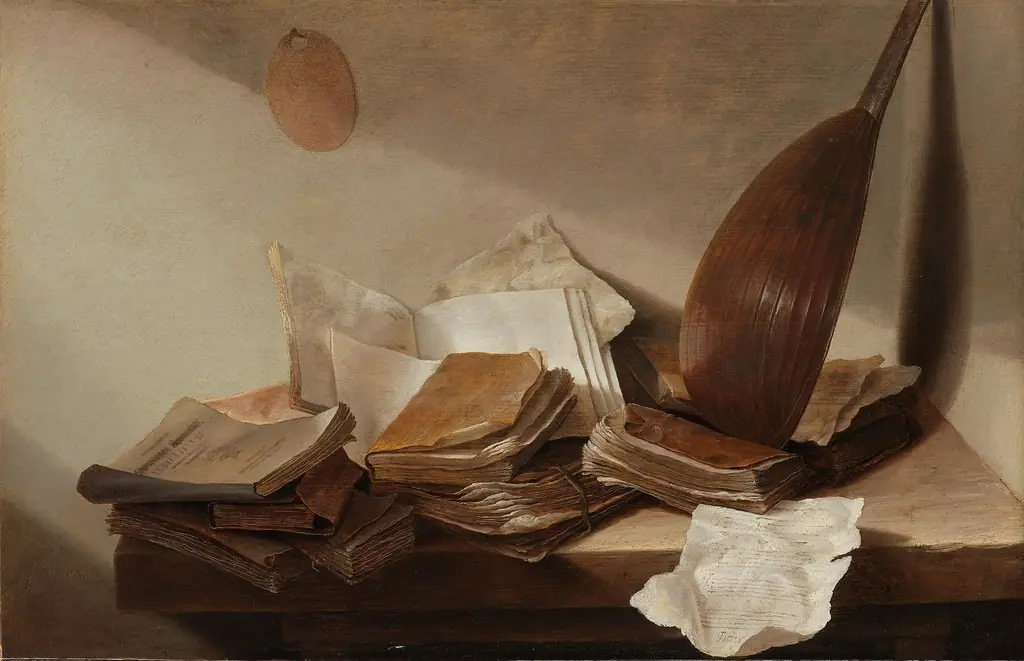 Still Life with Books
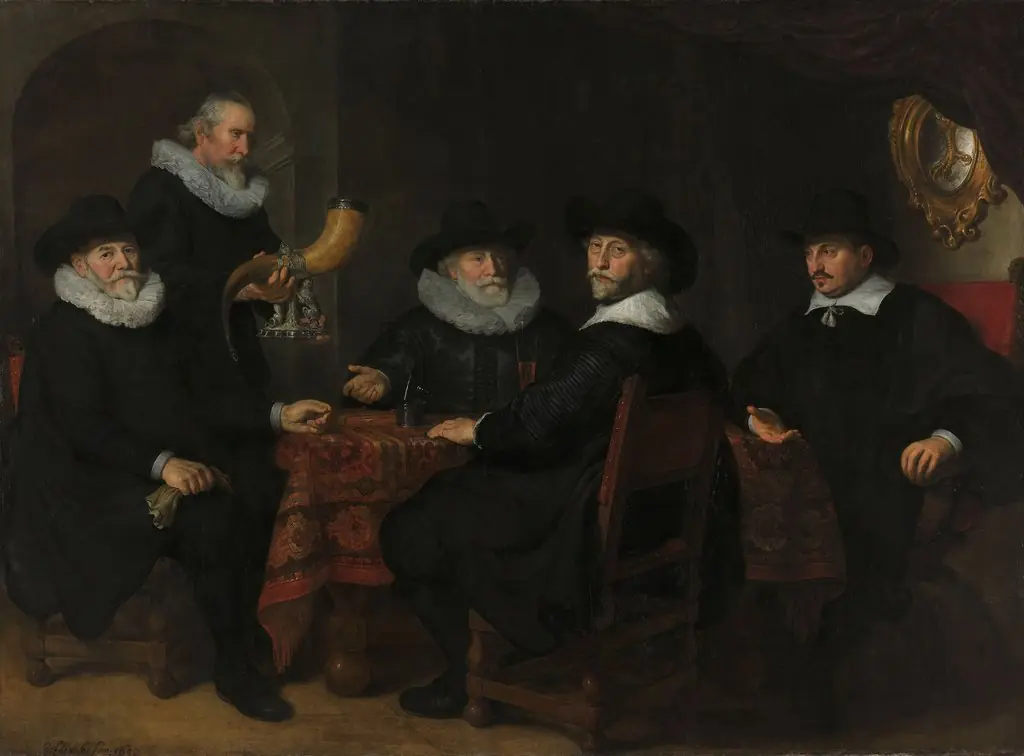 Four directors of the arquebusier's guild, Amsterdam, 1642
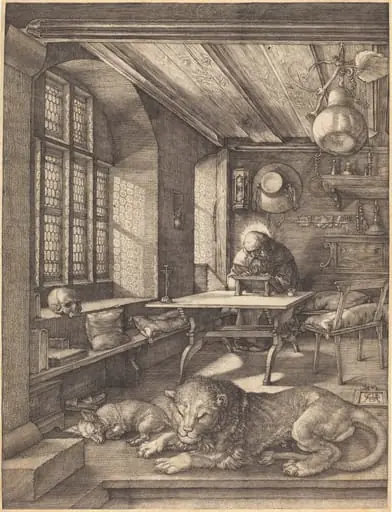 Saint Jerome in His Study
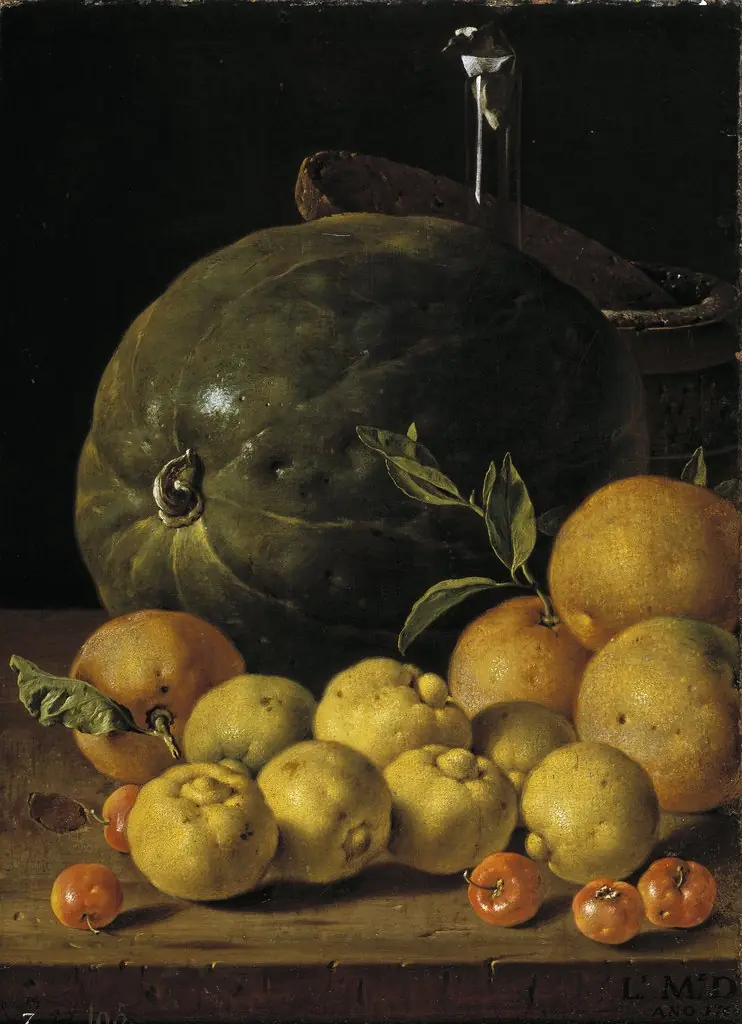 Still Life with Limes Oranges Haw Berries and Watermelon
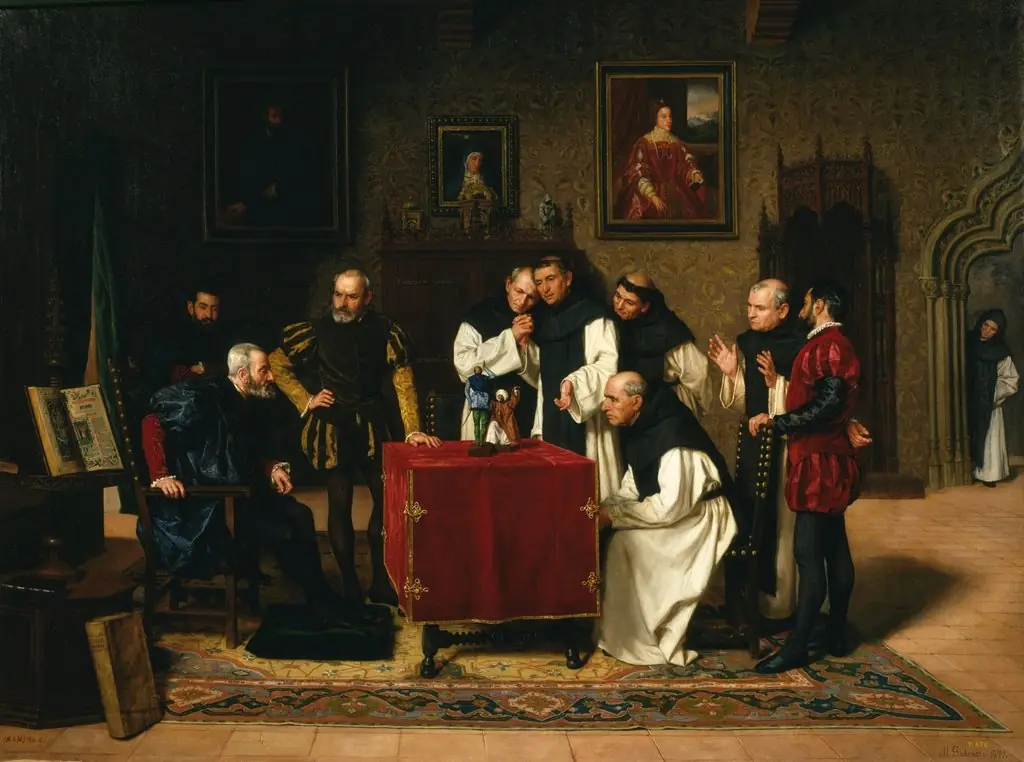 Charles V at Yuste
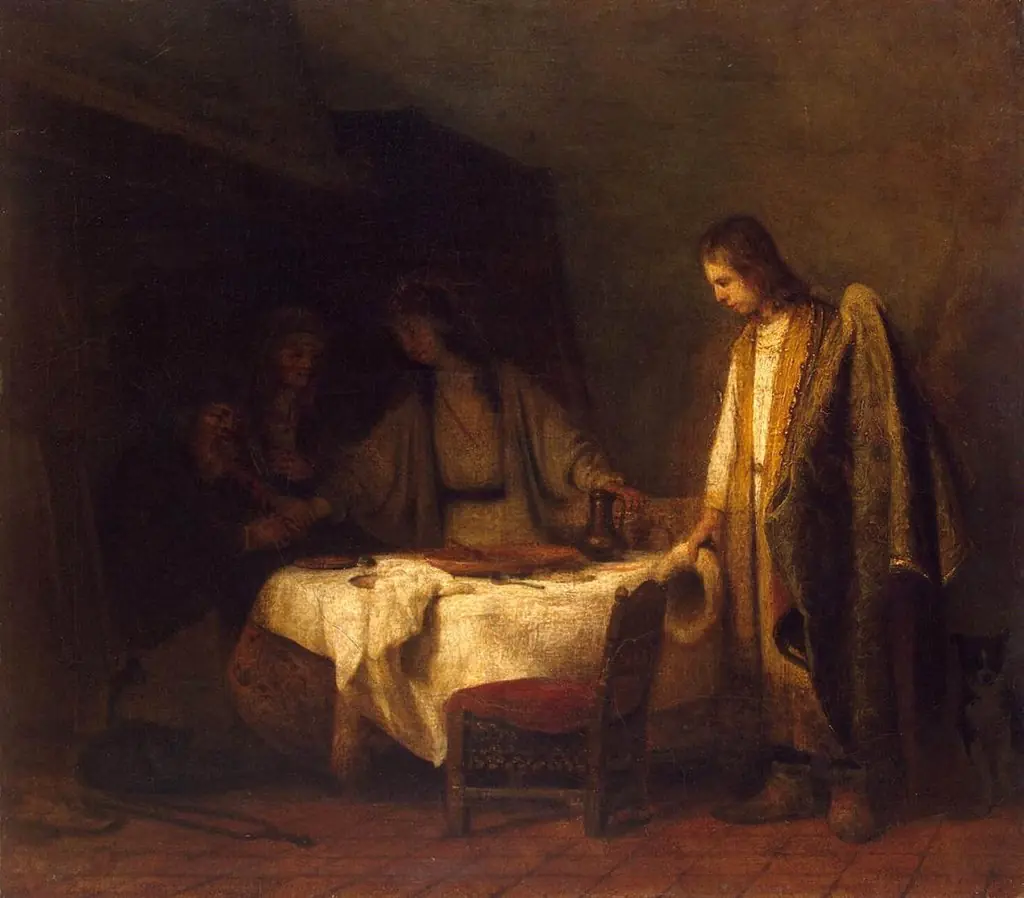 Tobias's Farewell to his Parents
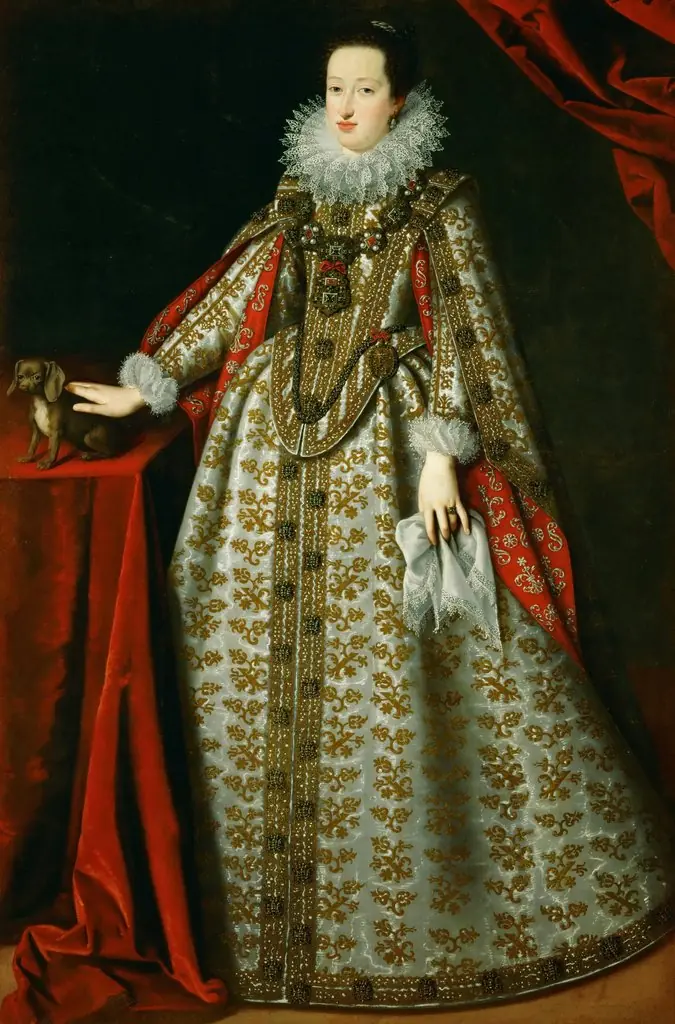 Portrait of Eleonore von Gonzaga (1598-1655), wife of Ferdinand II
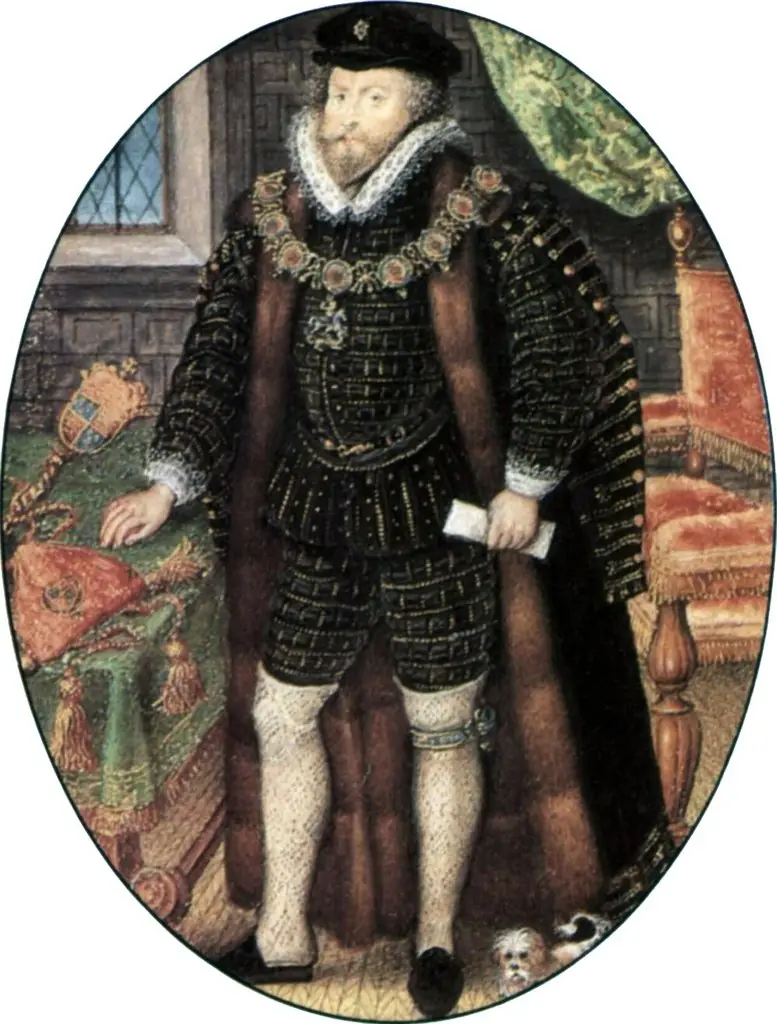 Sir Christopher Hatton
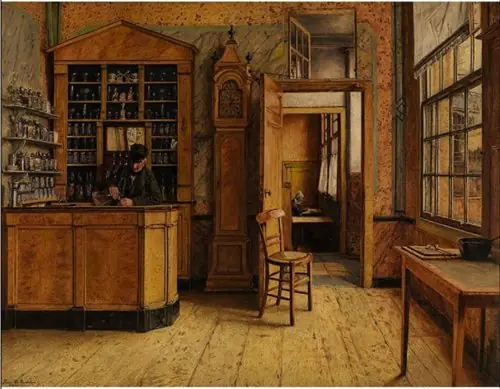 The old inn
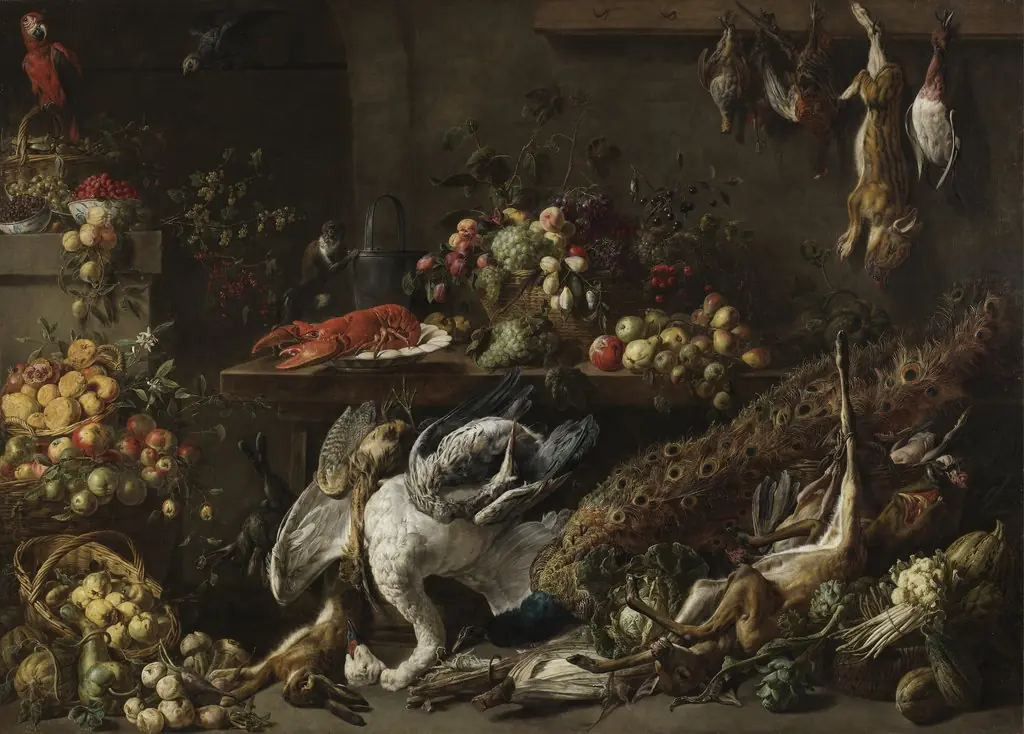 A Larder
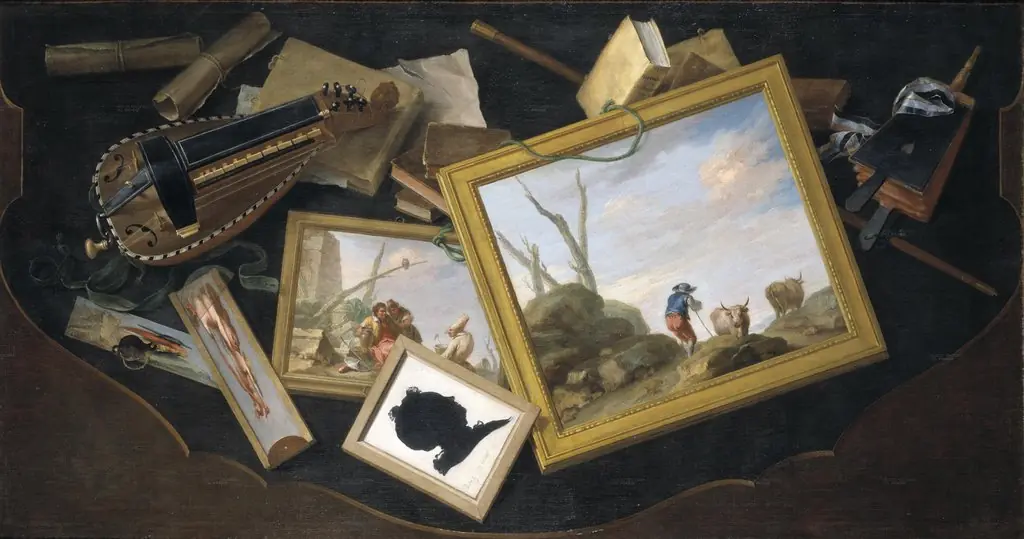 Trompe-l'œil of a Table in a Mess with Paintings, a Hurdy-Gurdy, Books and Other Objects
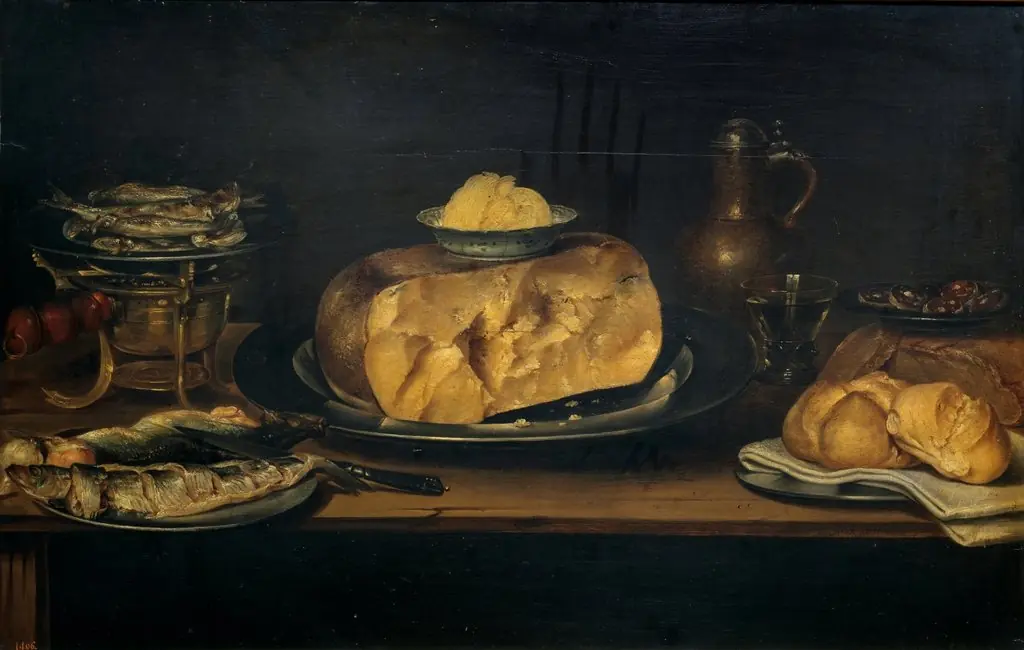 Still life of a table with crockery, cheese, sausage and fish
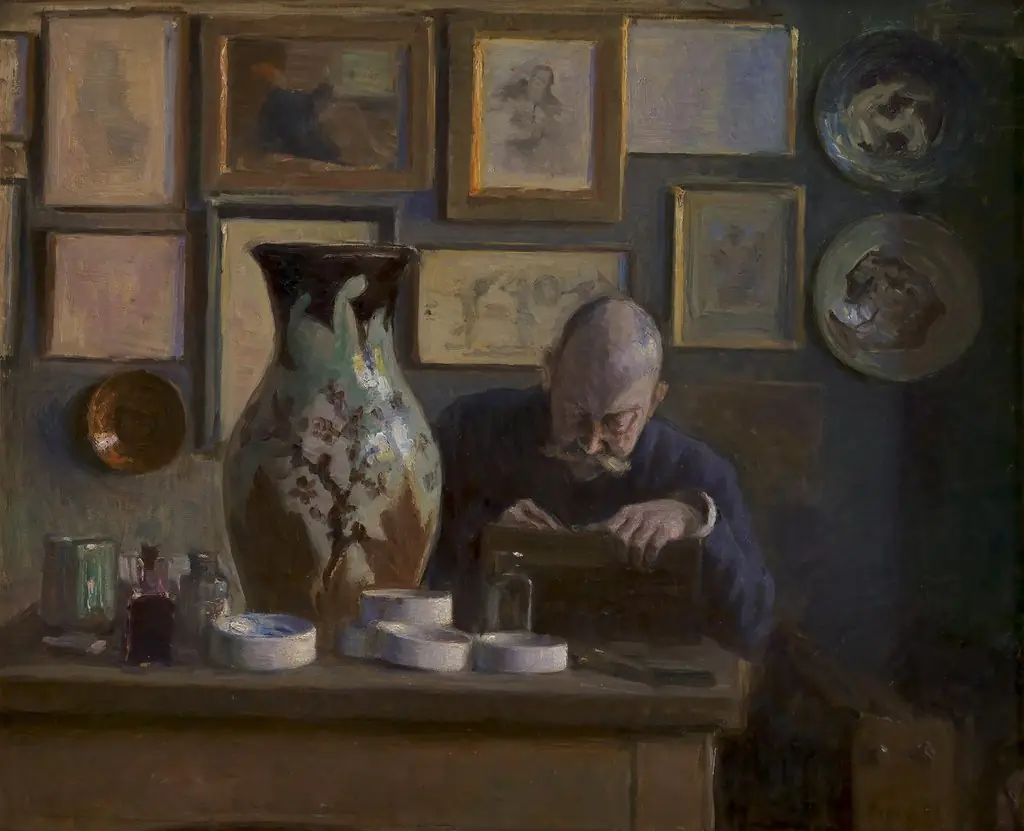 Arkitekten Thorvald Bindesbøll i sin arbejdsstue
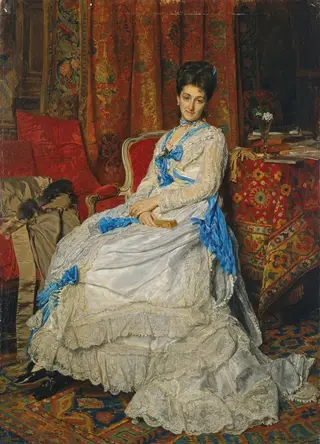 Josefa Manzanedo e Intentas de Mitjans, Second Marchioness of Manzanedo
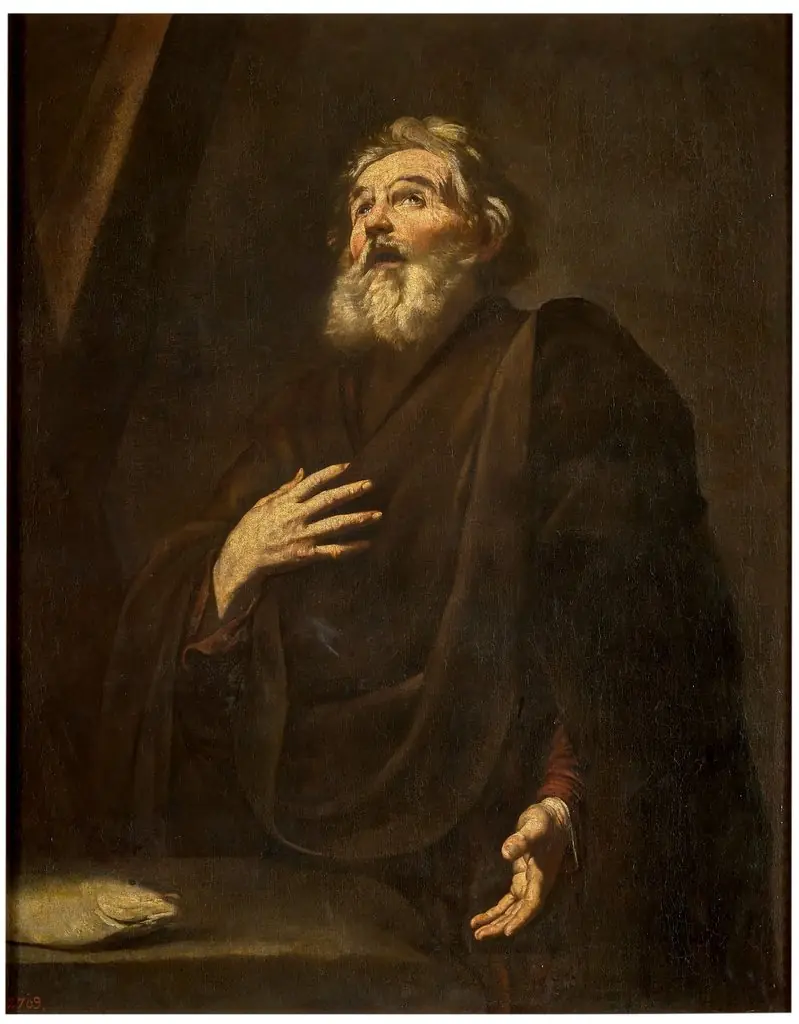 St. Andrew
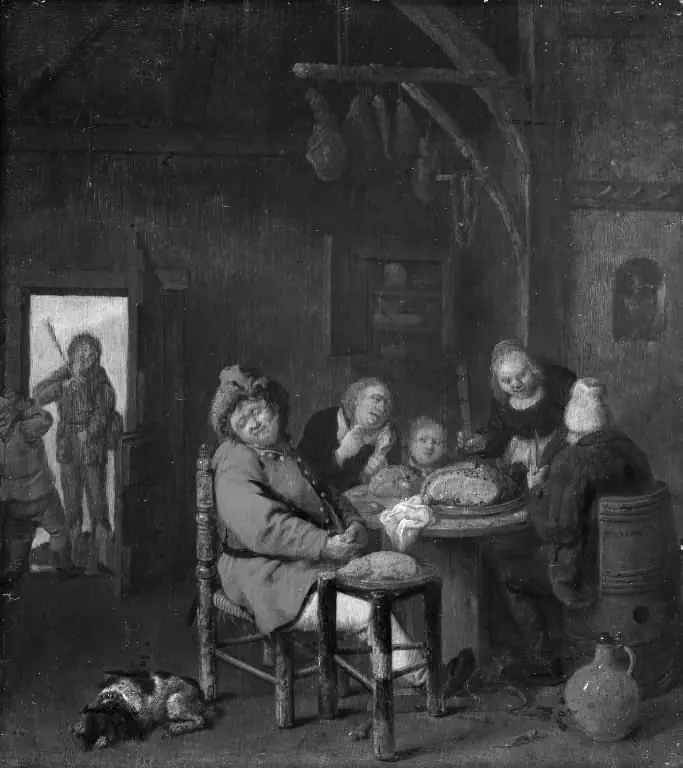 Peasant Family
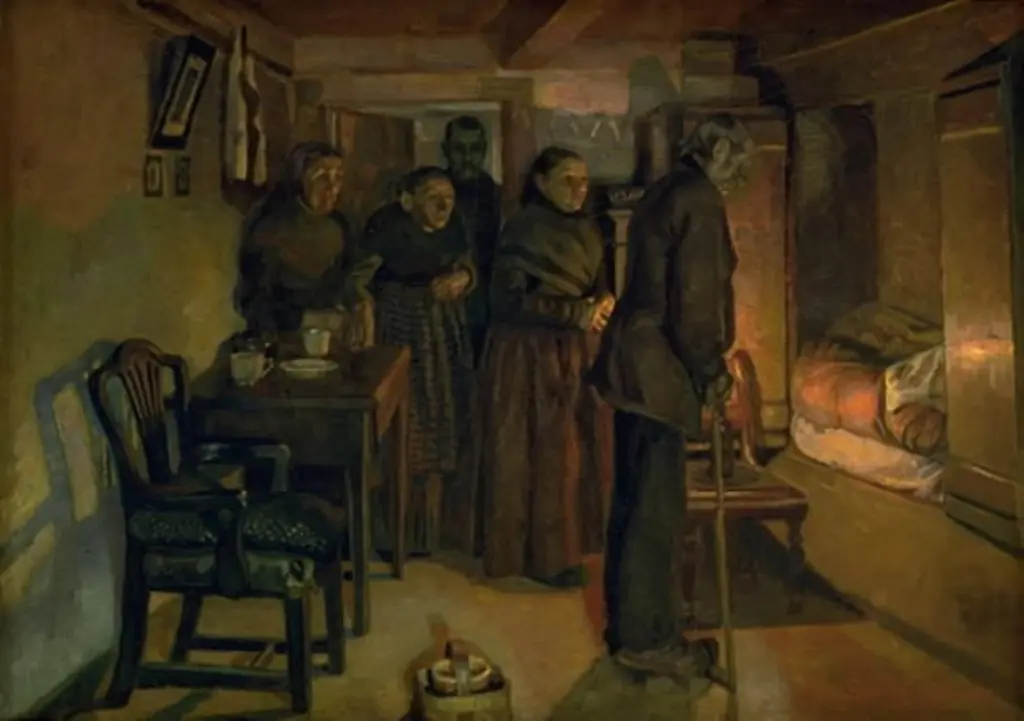 At a Deathbed
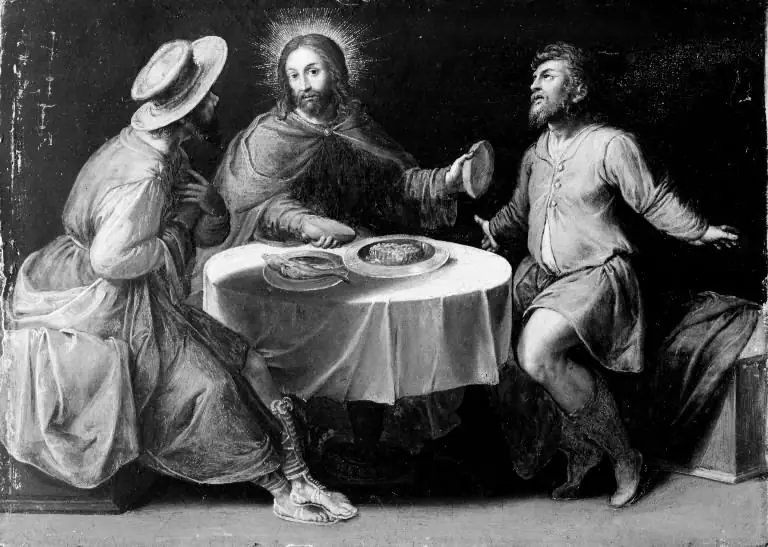 Christ and the Disciples in Emmaus
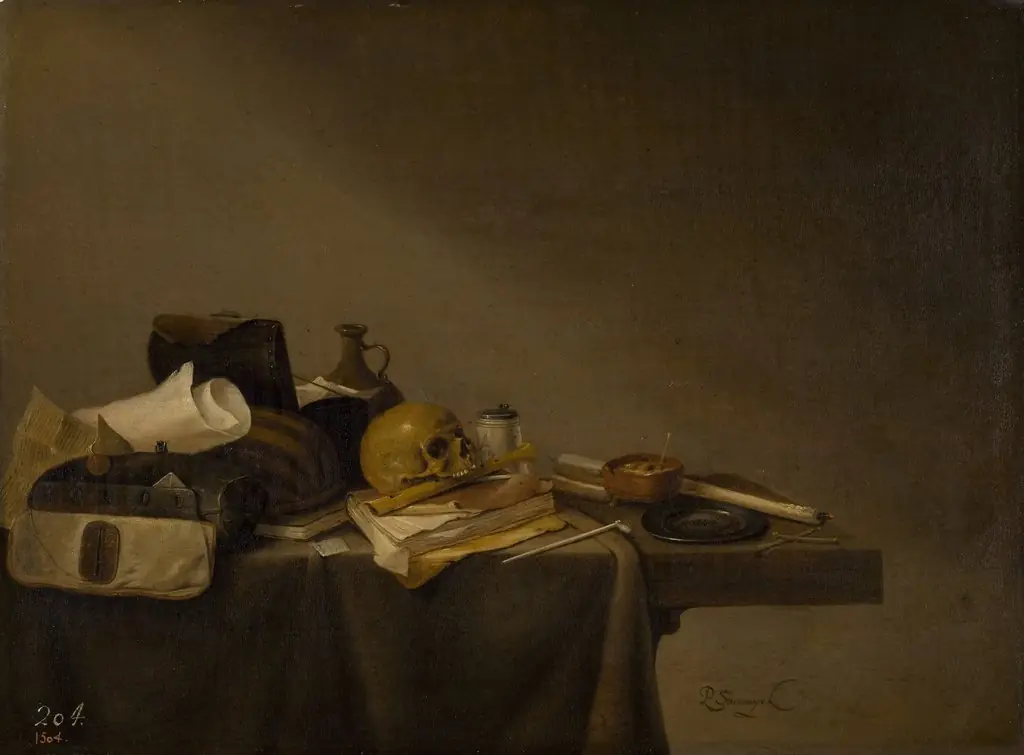 Emblem of Death
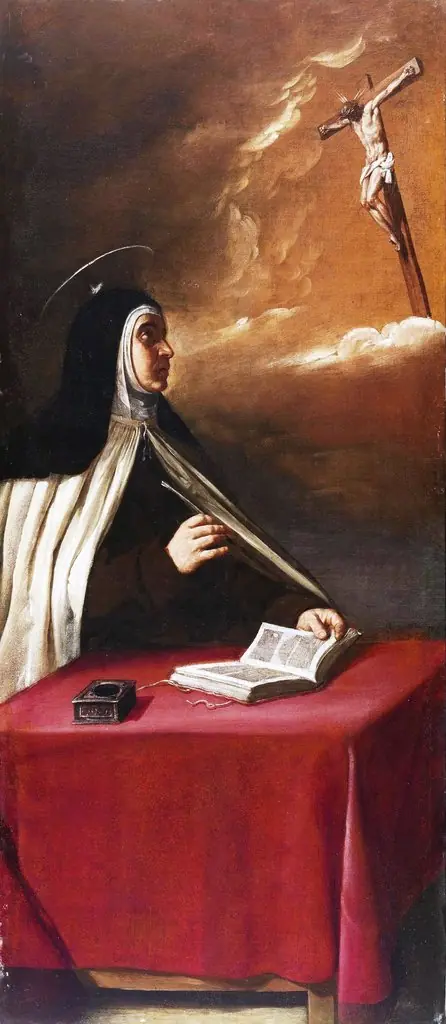 The crucified Christ appears to Saint Teresa of Avila
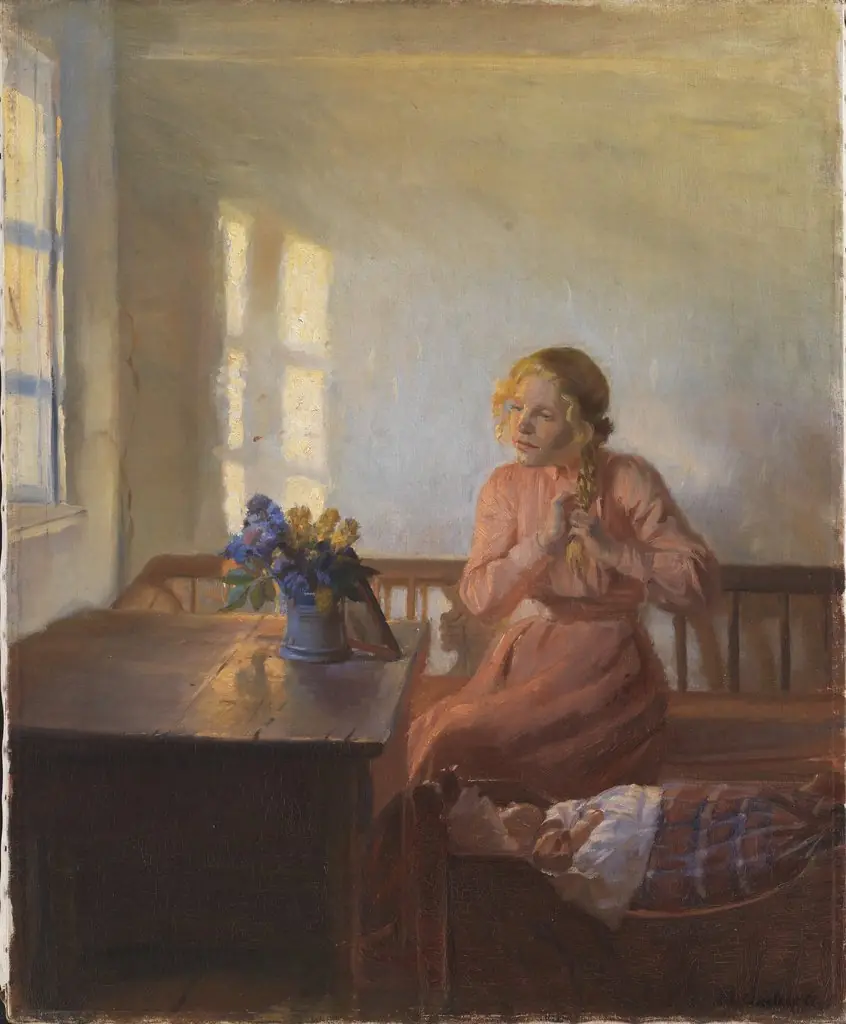 A Young Girl Plaiting her Hair
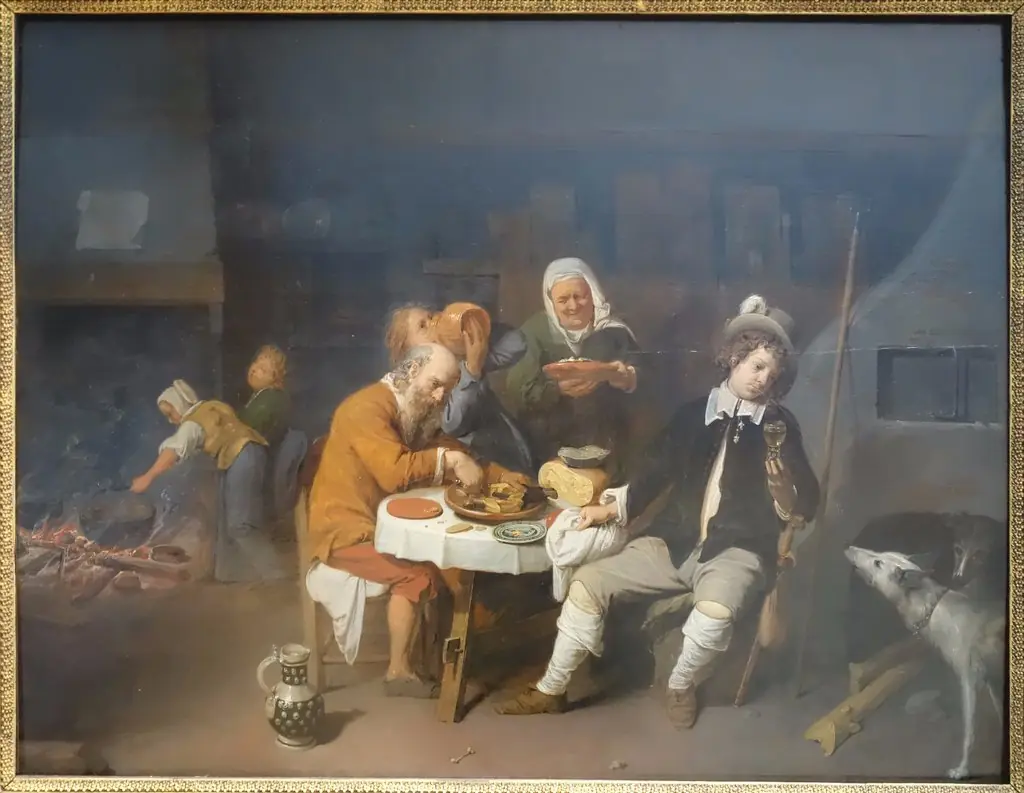 Dinner at a Farmhouse
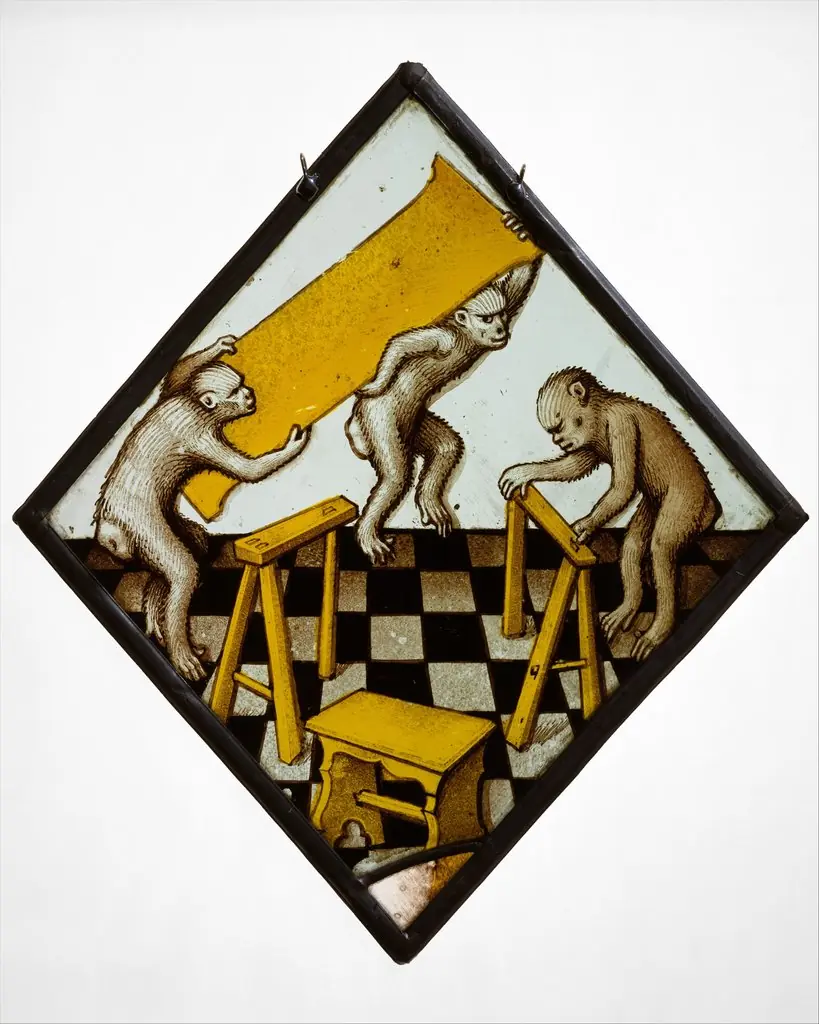 Roundel with Three Apes Building a Trestle Table
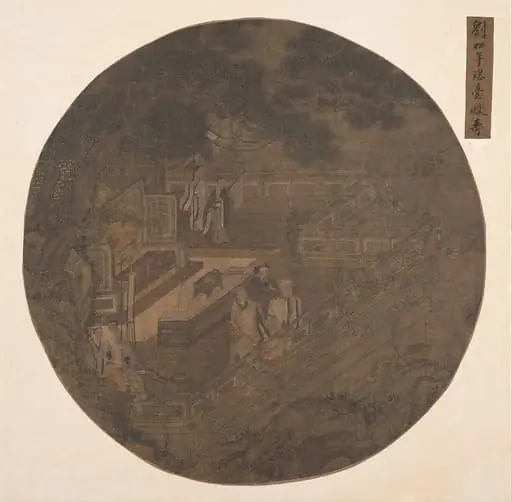 明 佚名 瑤臺獻壽圖 扇|Paying homage to Xiwangmu, the Queen Mother of the West
 The Vision of Zacharias in the Temple
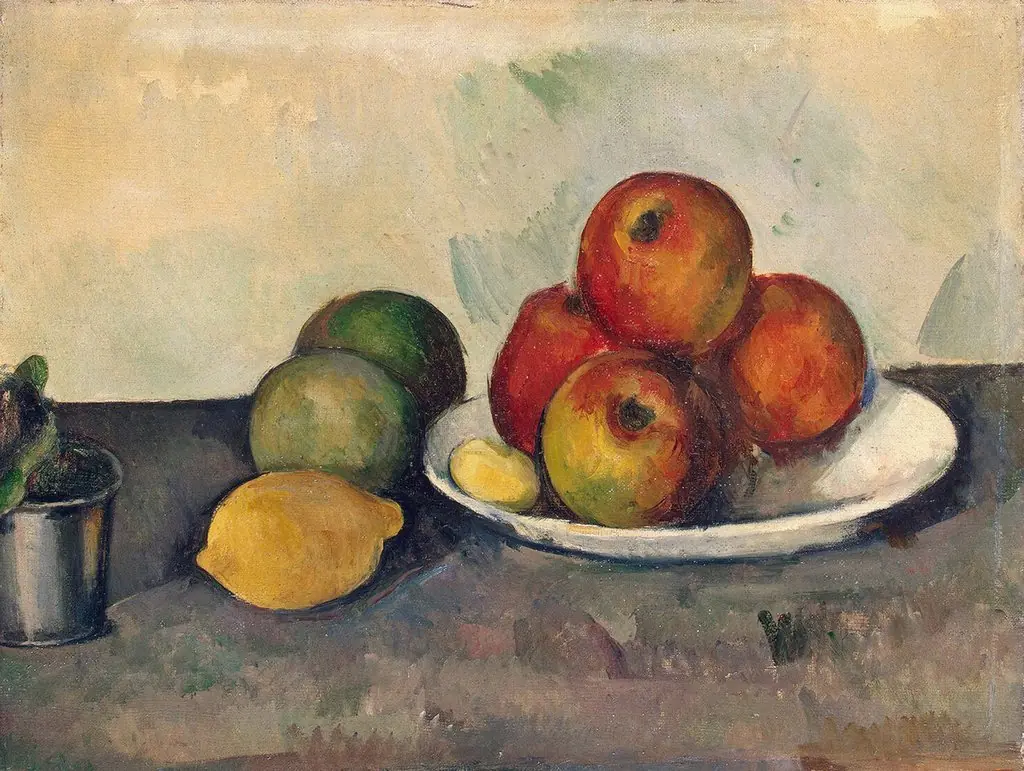 Still Life with Apples
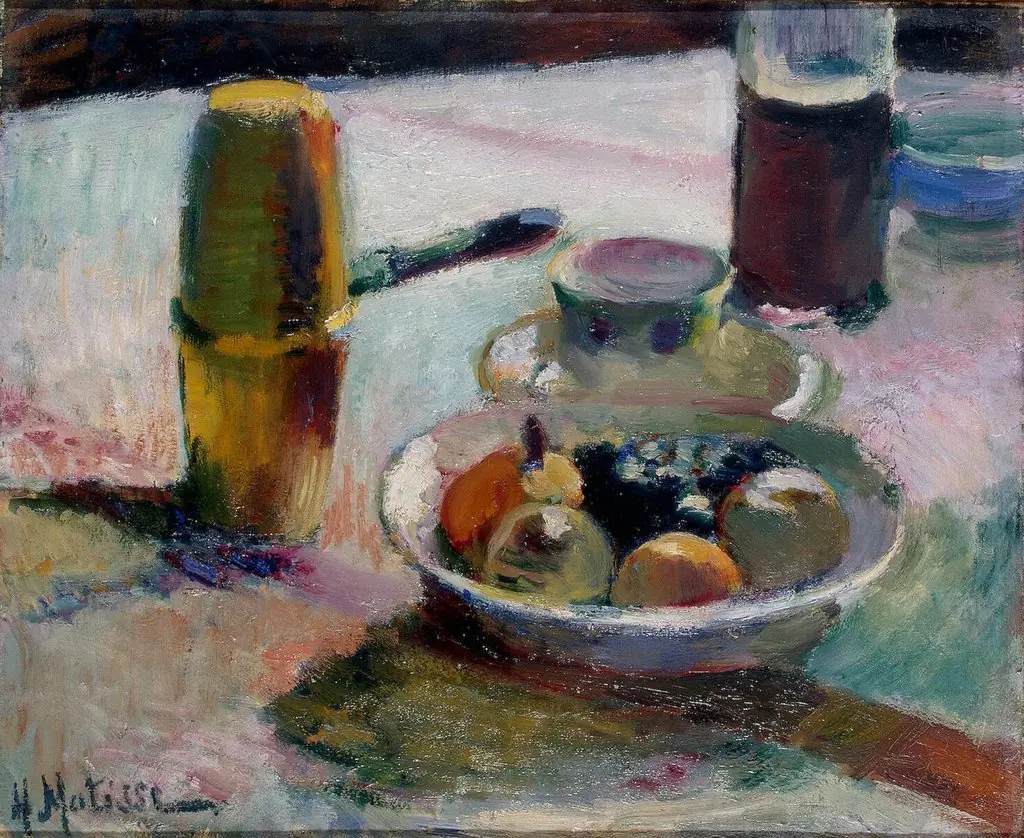 Fruit and Coffeepot
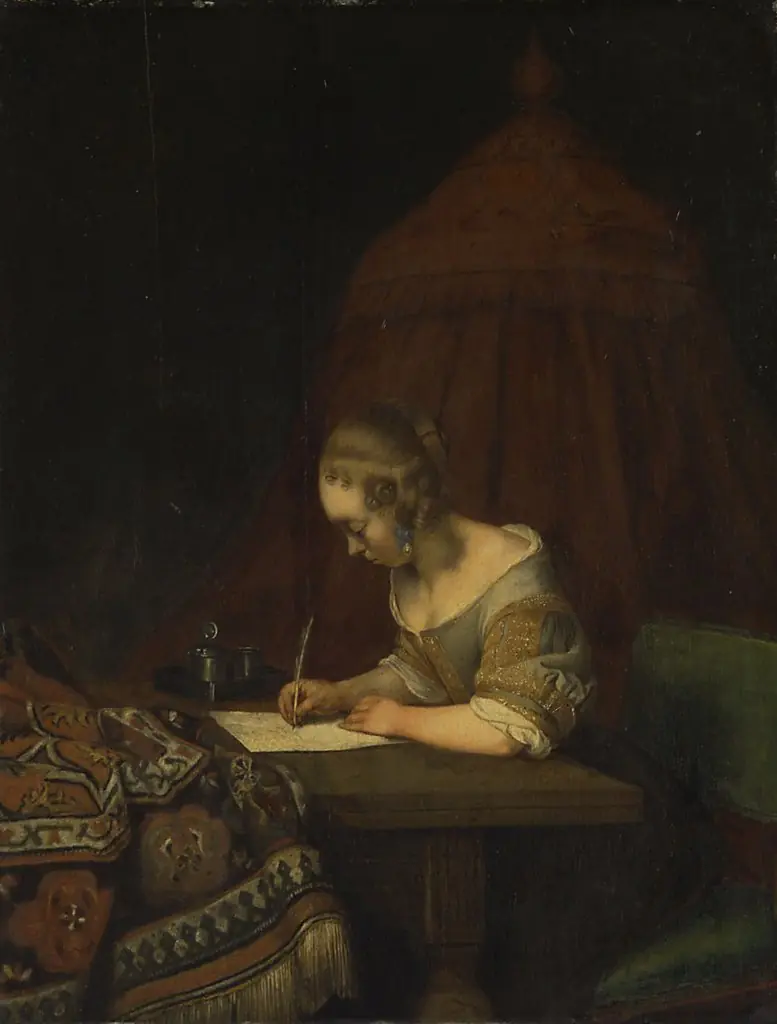 A woman writing a letter
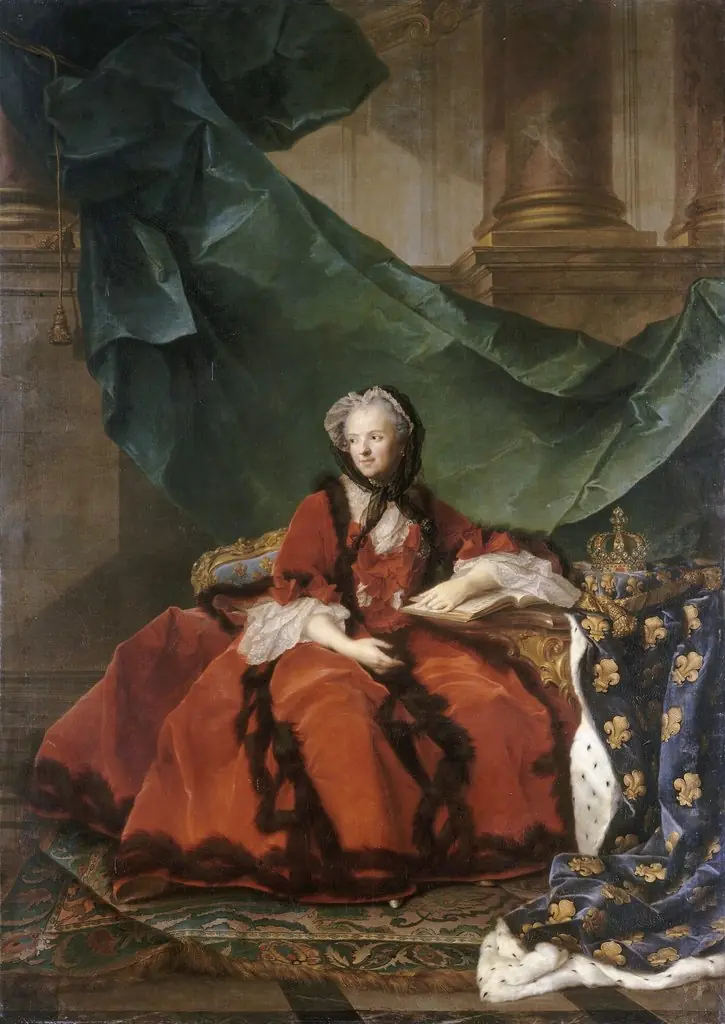 Marie Leszczyńska, Queen of France (1703–1768)
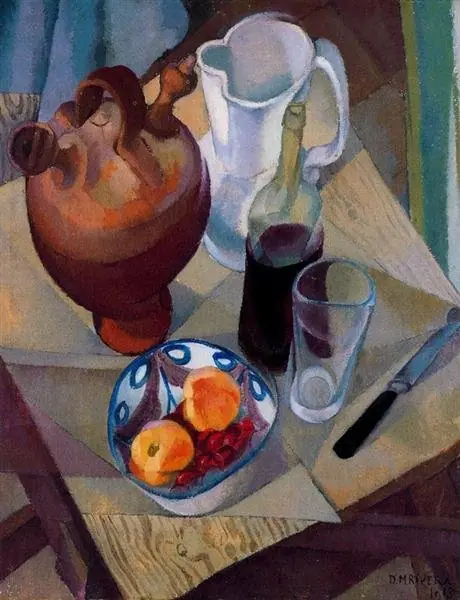 Still Life
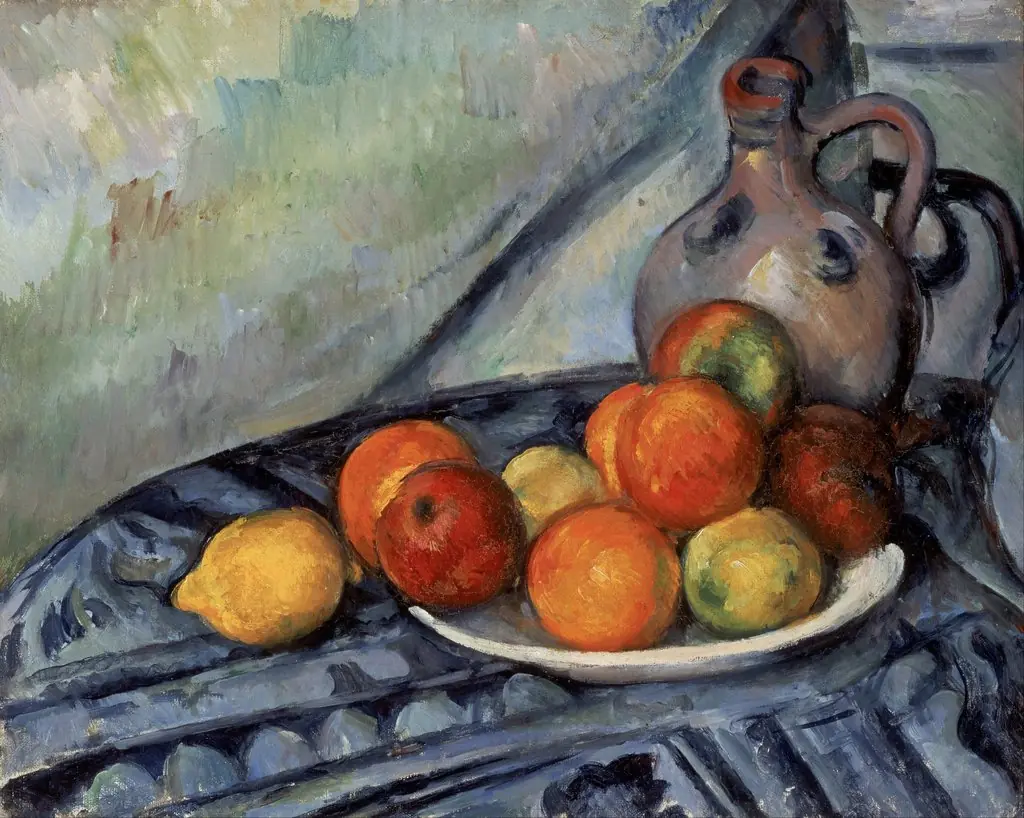 Fruit and a Jug on a Table
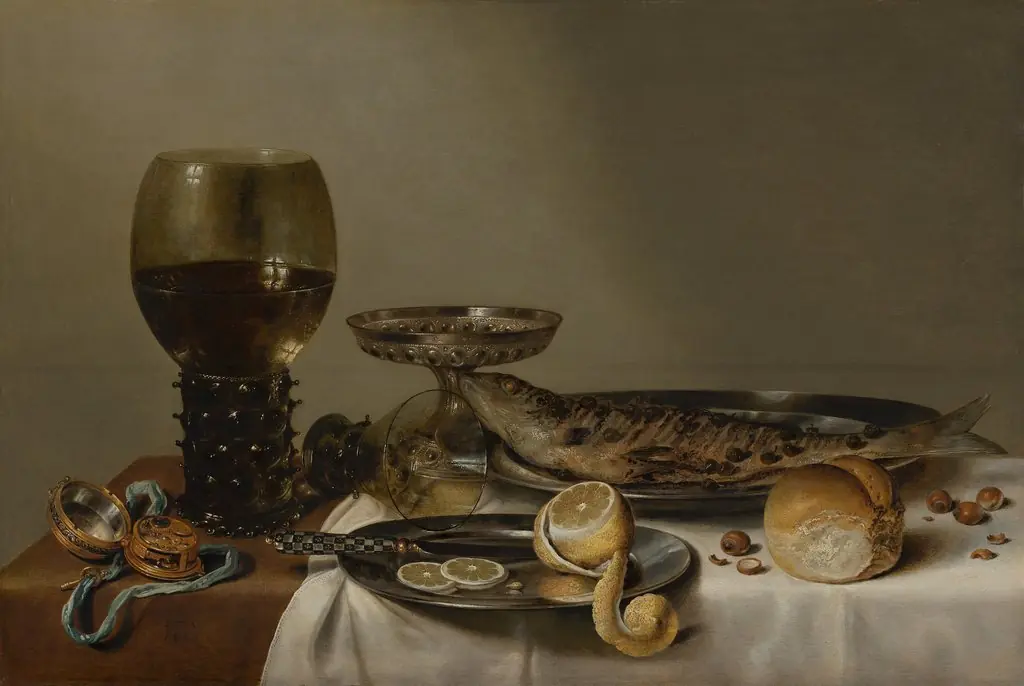 Still Life with a Roemer and a Watch
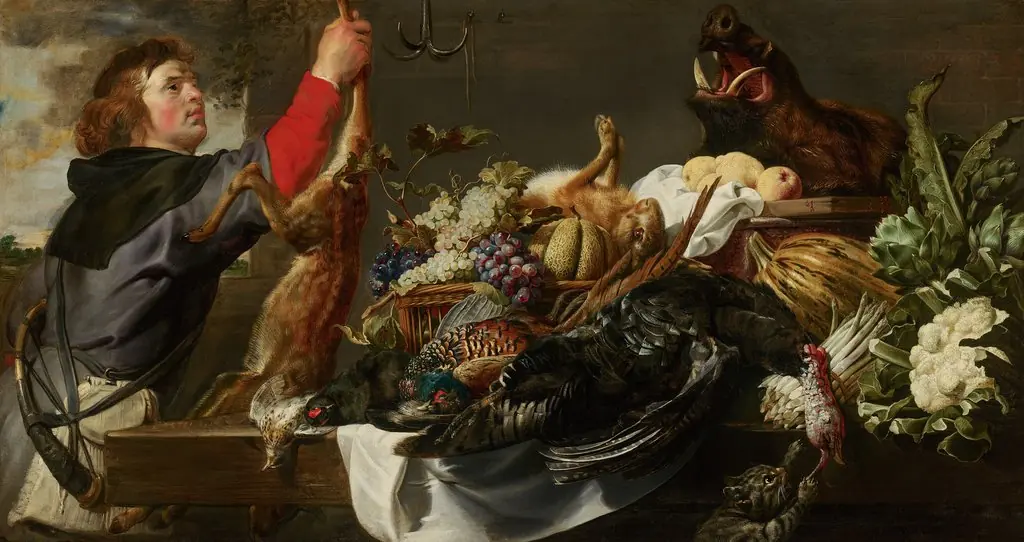 Still Life with Huntsman
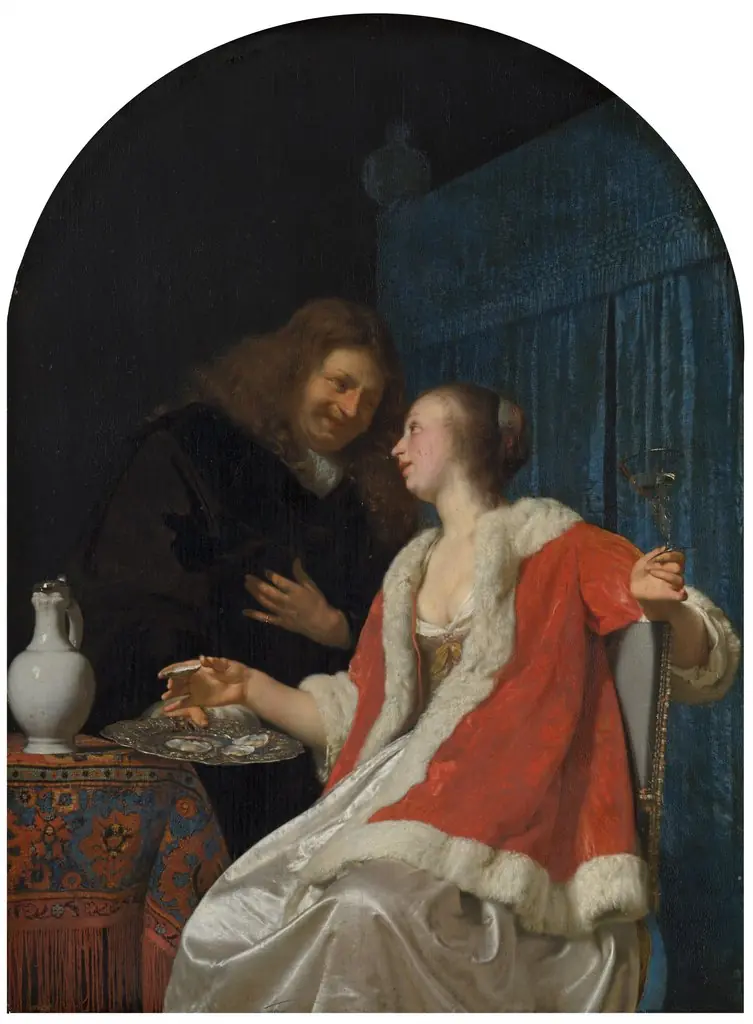 A Meal of Oysters
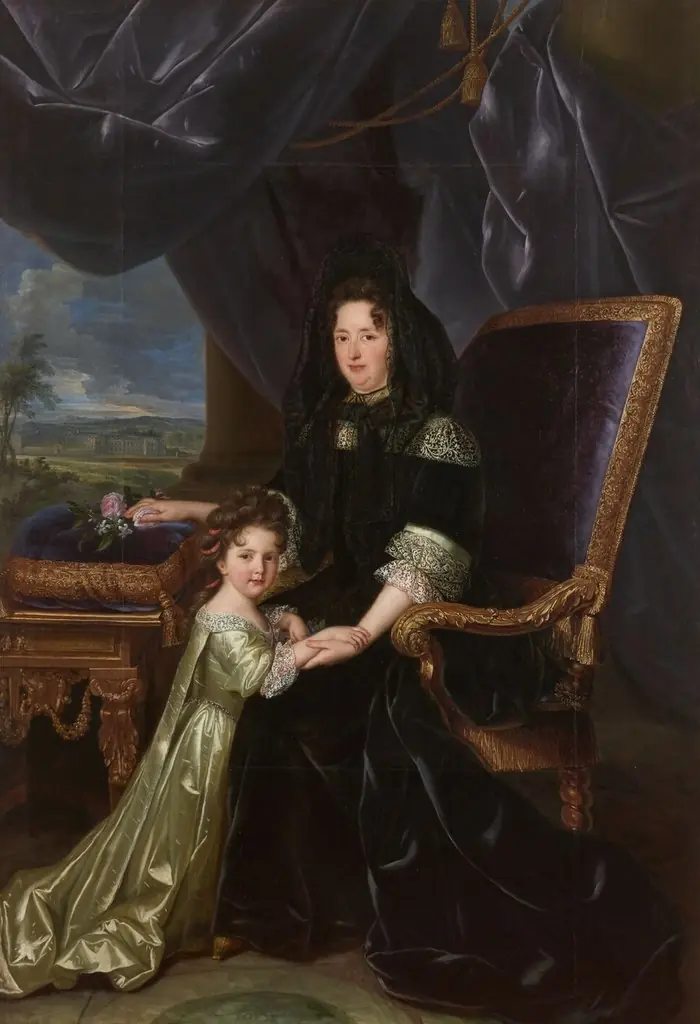 Françoise Charlotte d'Aubigné with her aunt Madame de Maintenon.
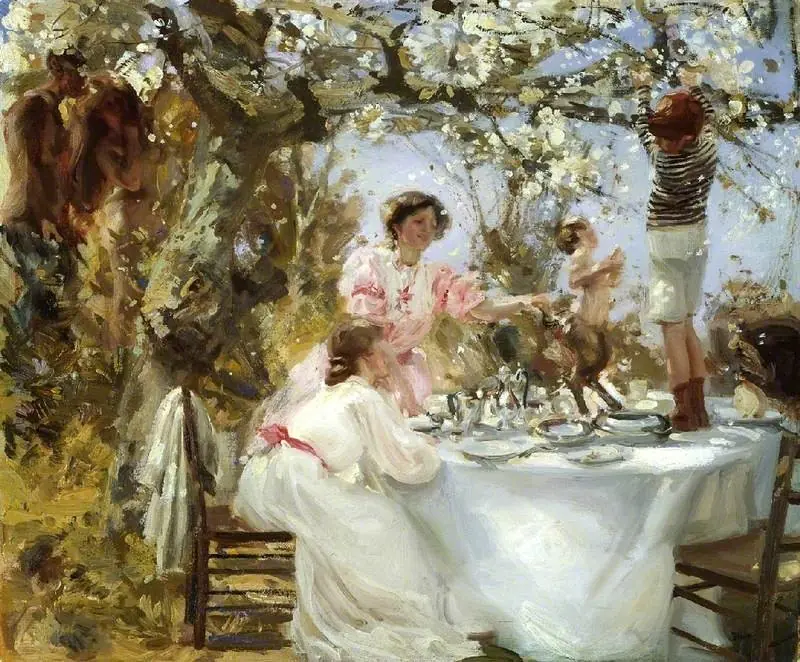 The little faun
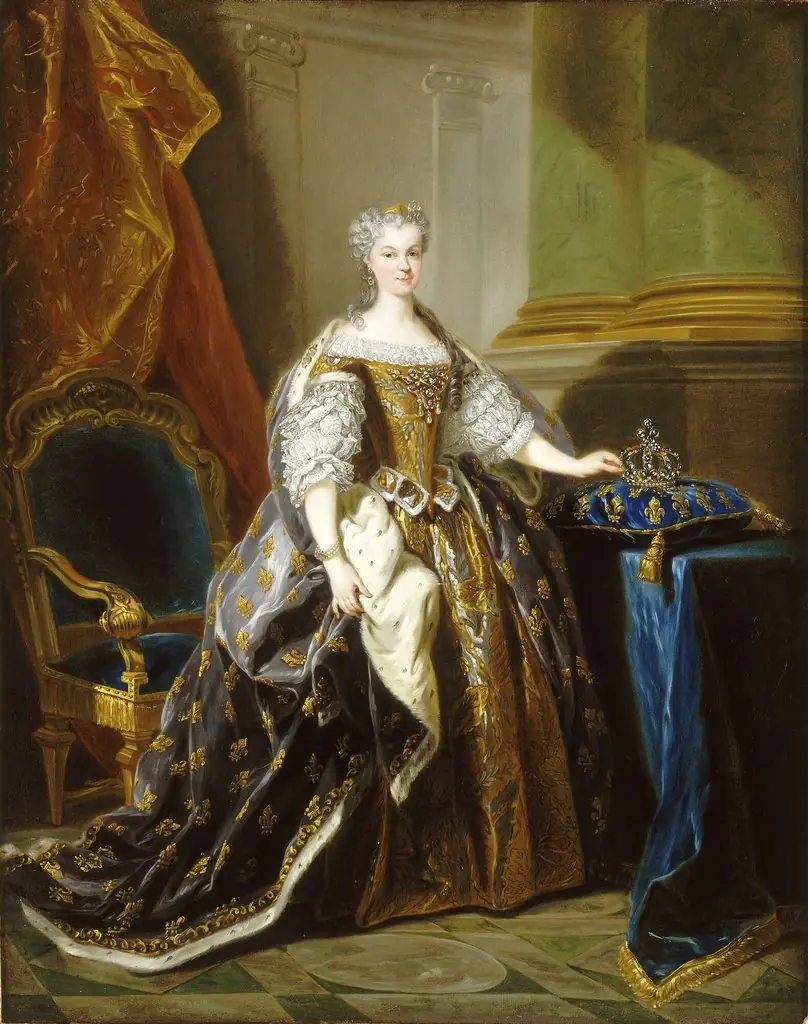 Portrait of Marie Leszczyńka.
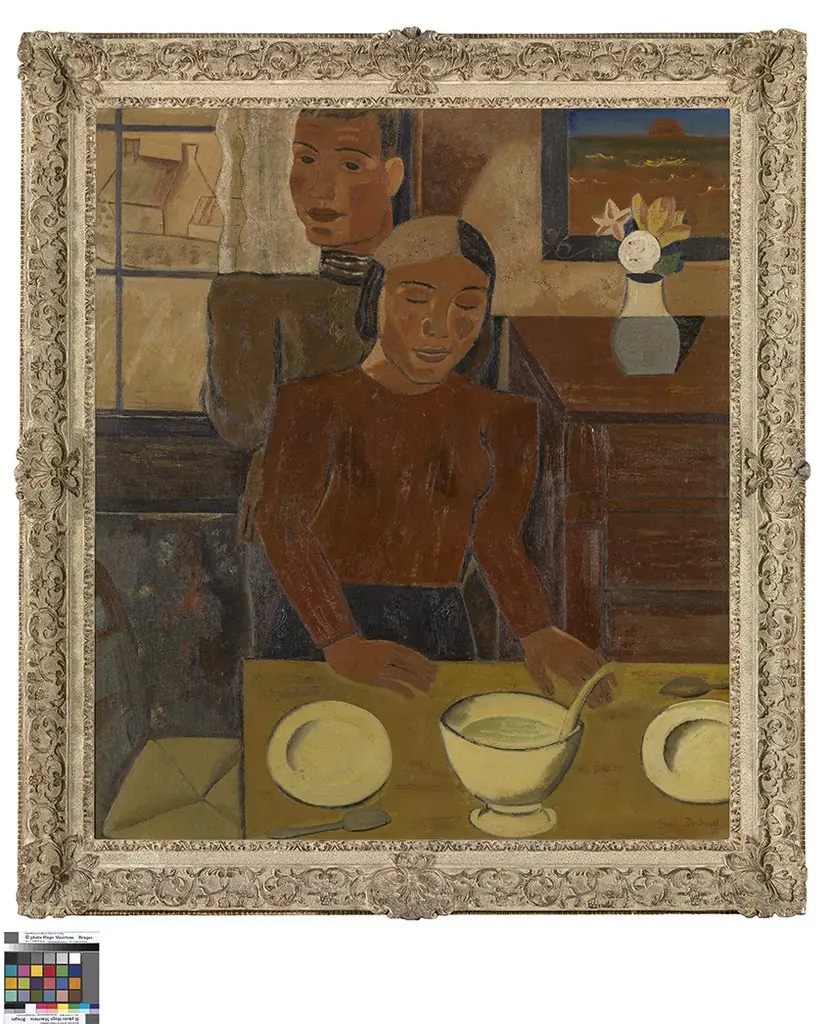 De maaltijd
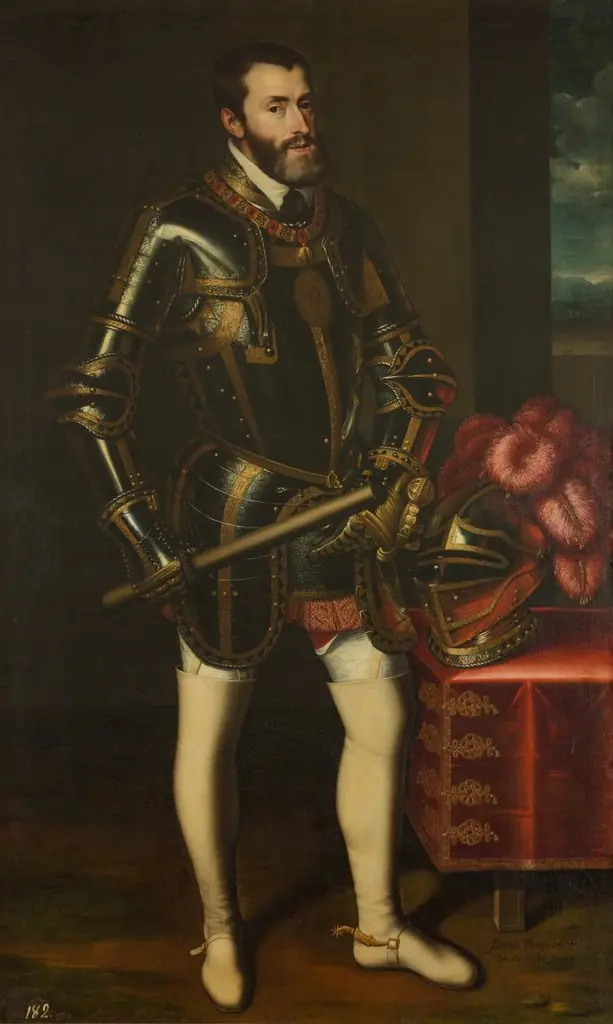 The Emperor Charles V
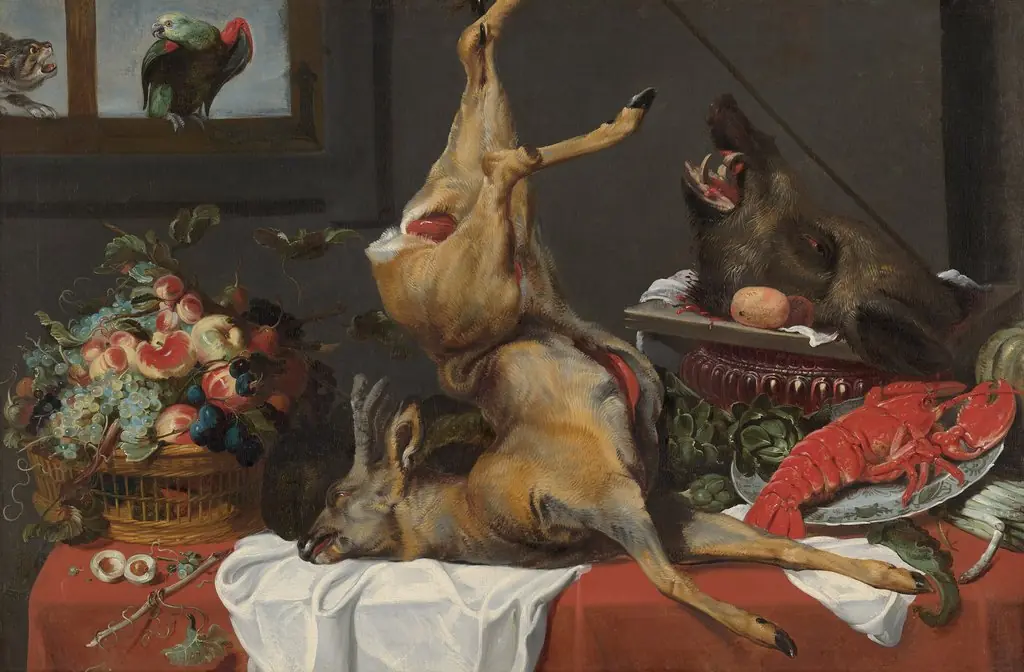 Still Life with a Dead Stag
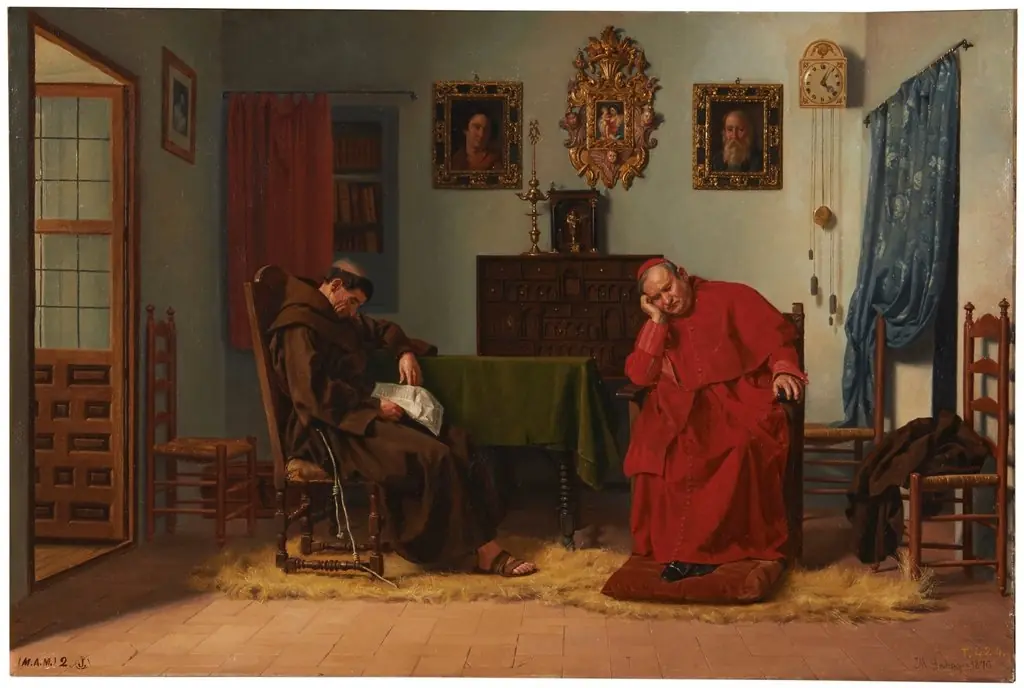 Una lectura interesante
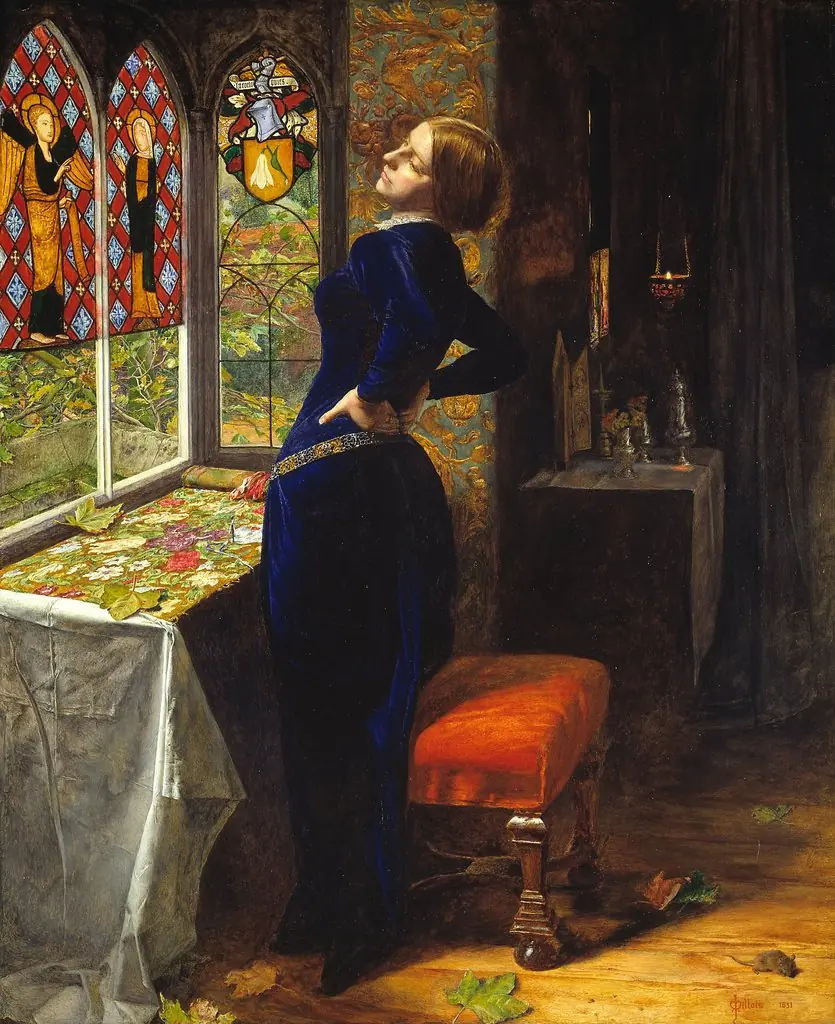 Mariana
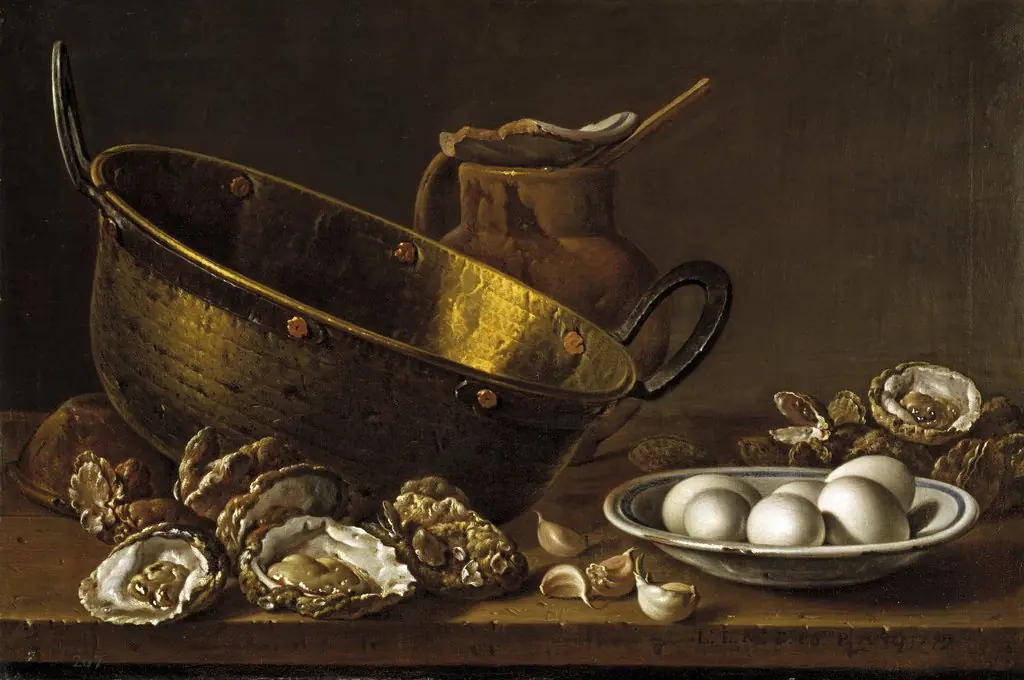 Still Life with Oysters Garlic Eggs Pot and Pan
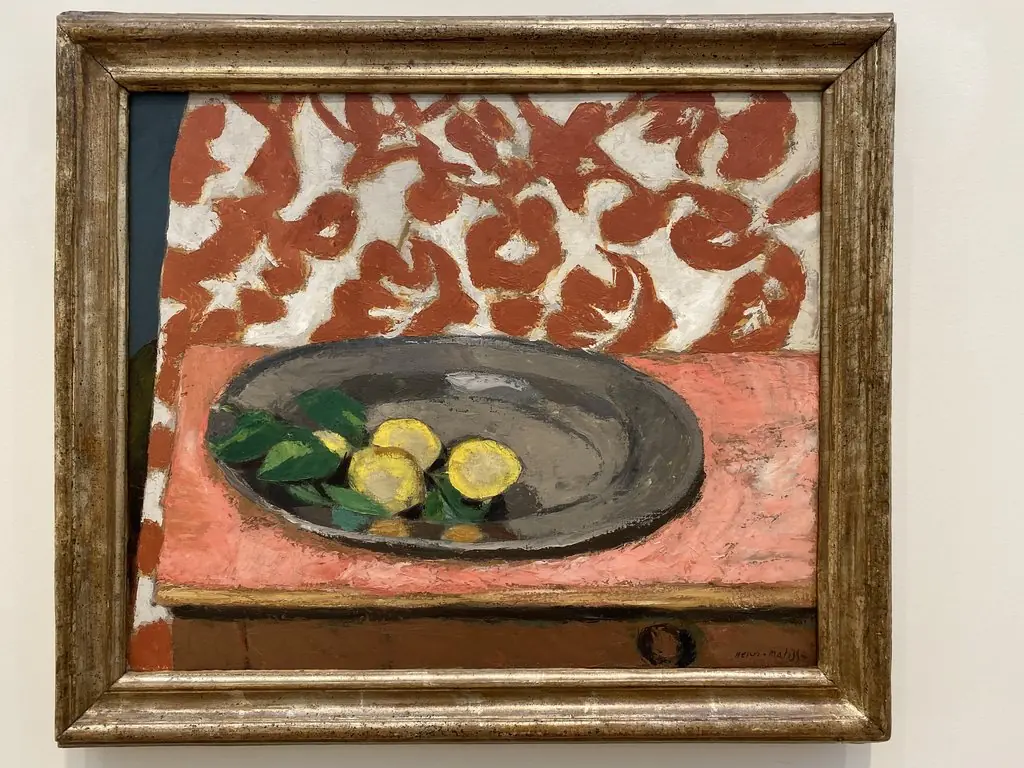 Lemons on a Pewter Plate
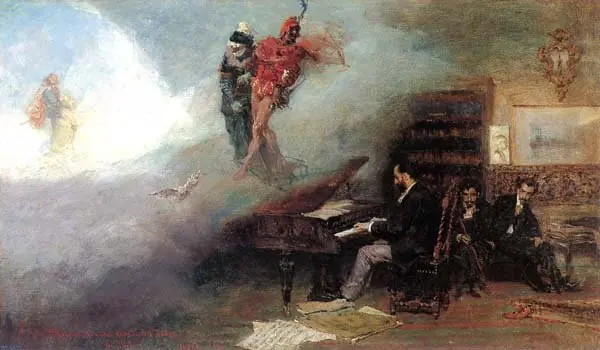 Fantasy on Faust
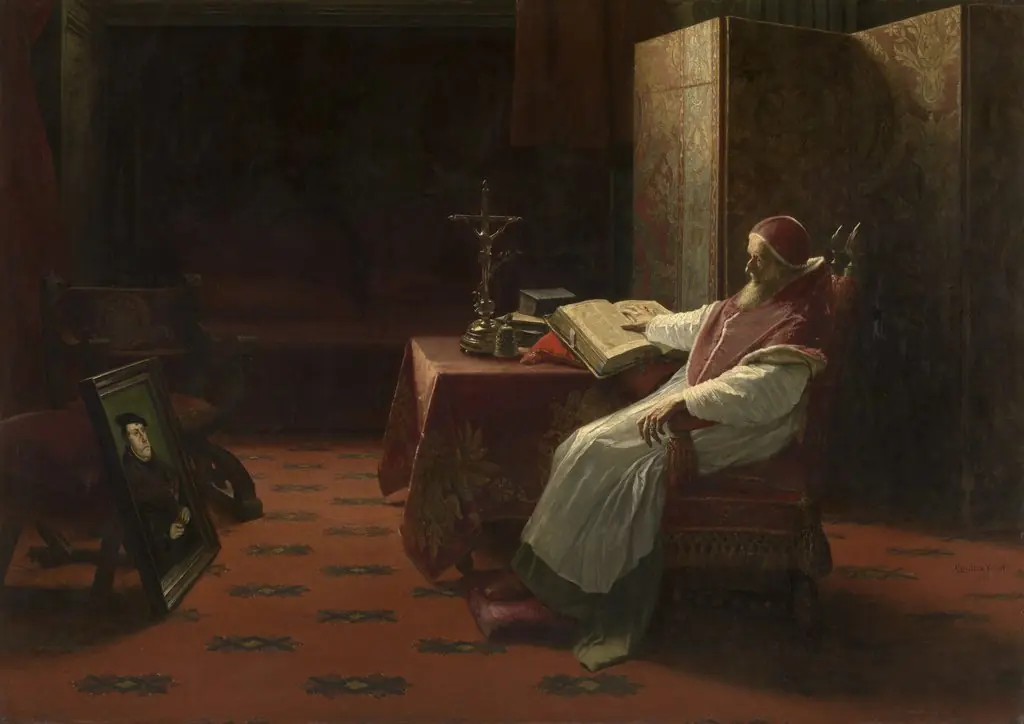 Pope Paul III in front of the Portrait of Luther
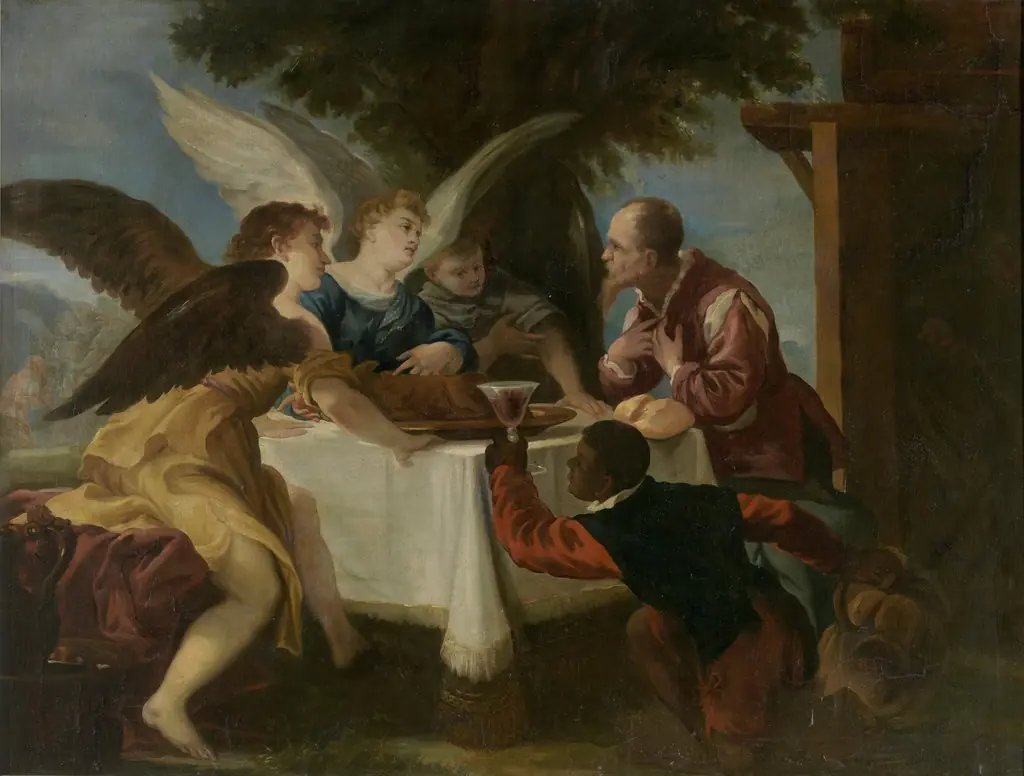 Abraham y los tres ángeles
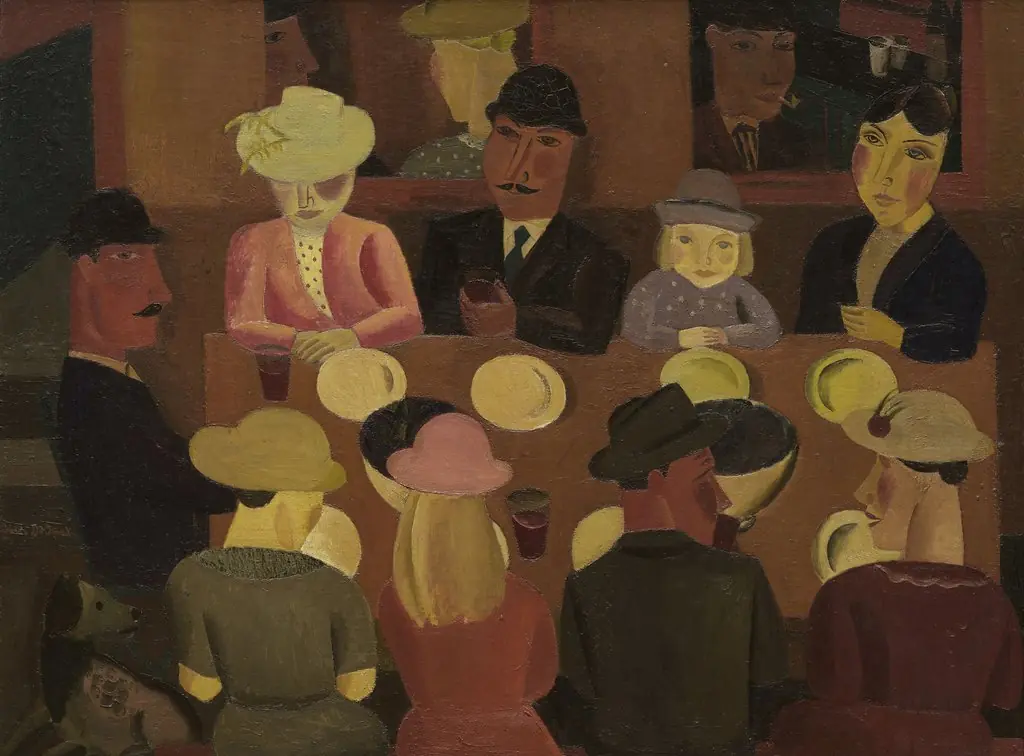 The Mussel Eaters
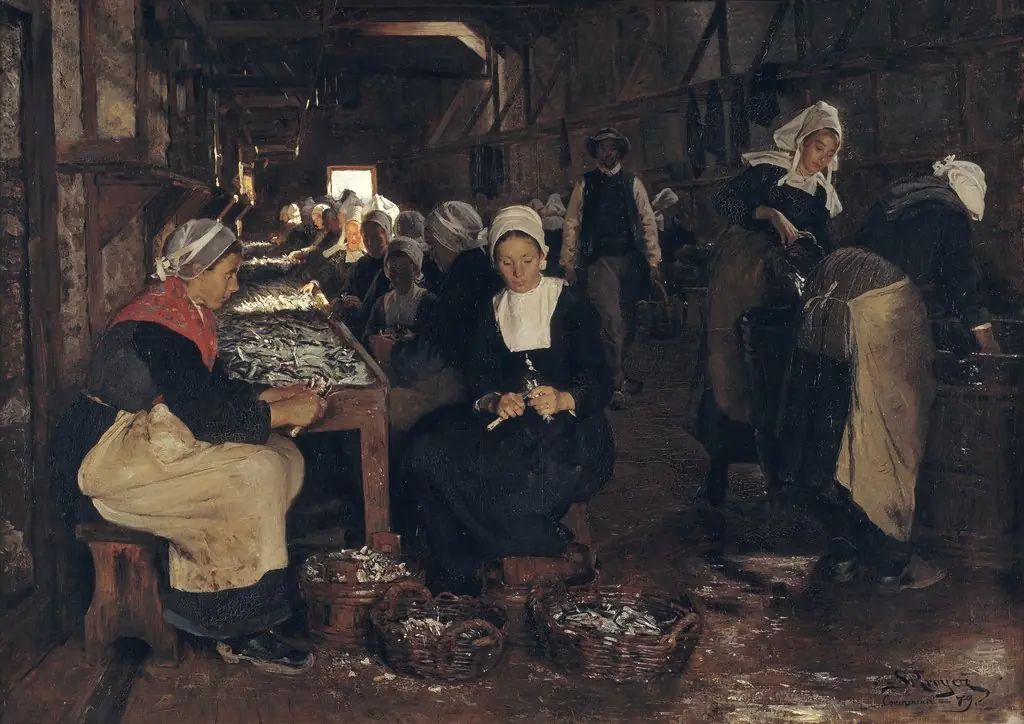 Et sardineri i Concarneau
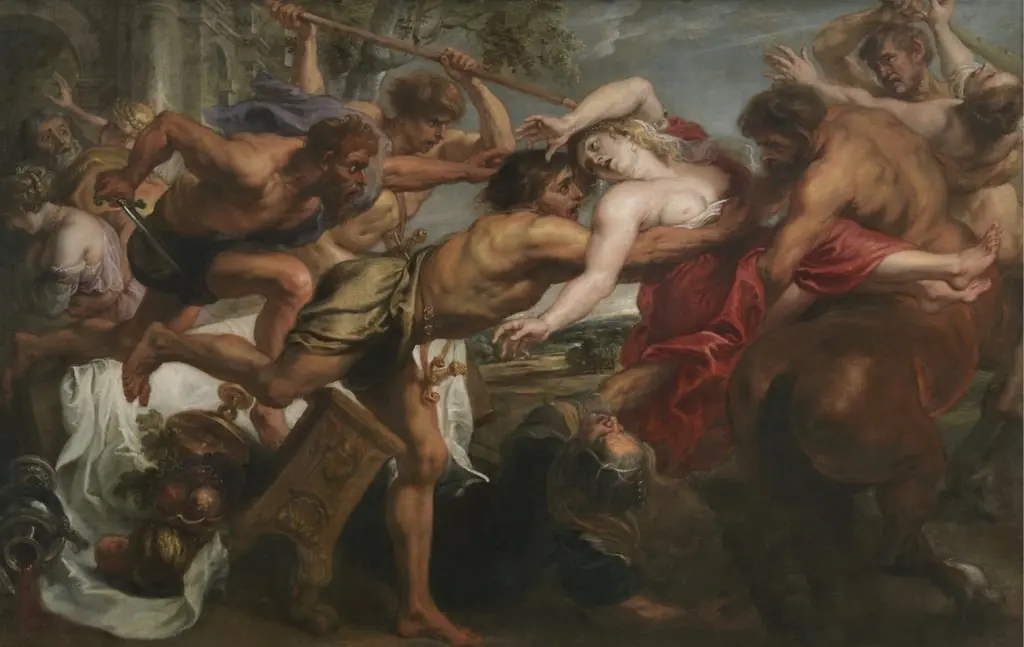 Rape of Hippodamia
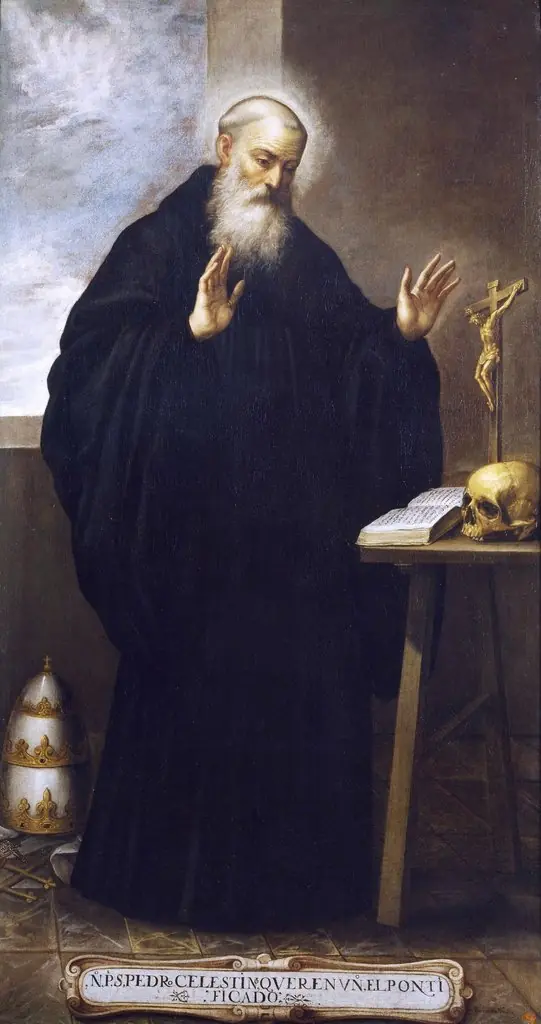 San Pedro Celestino papa
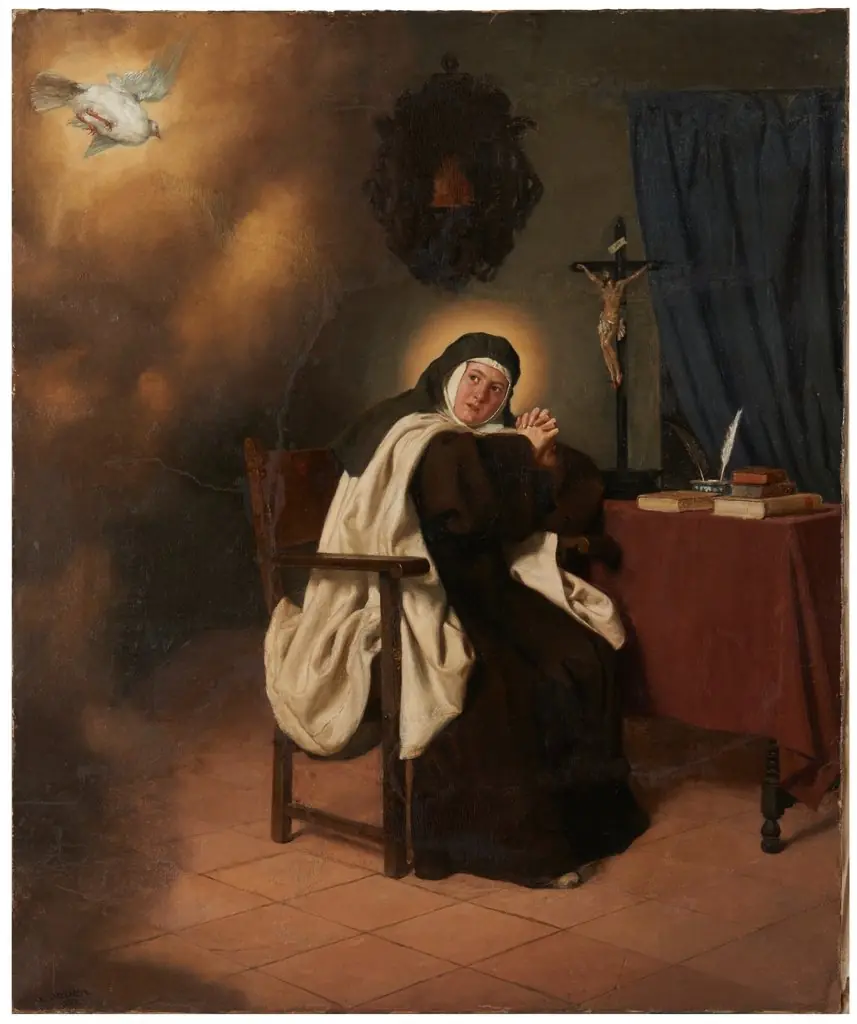 Santa Teresa de Jesús
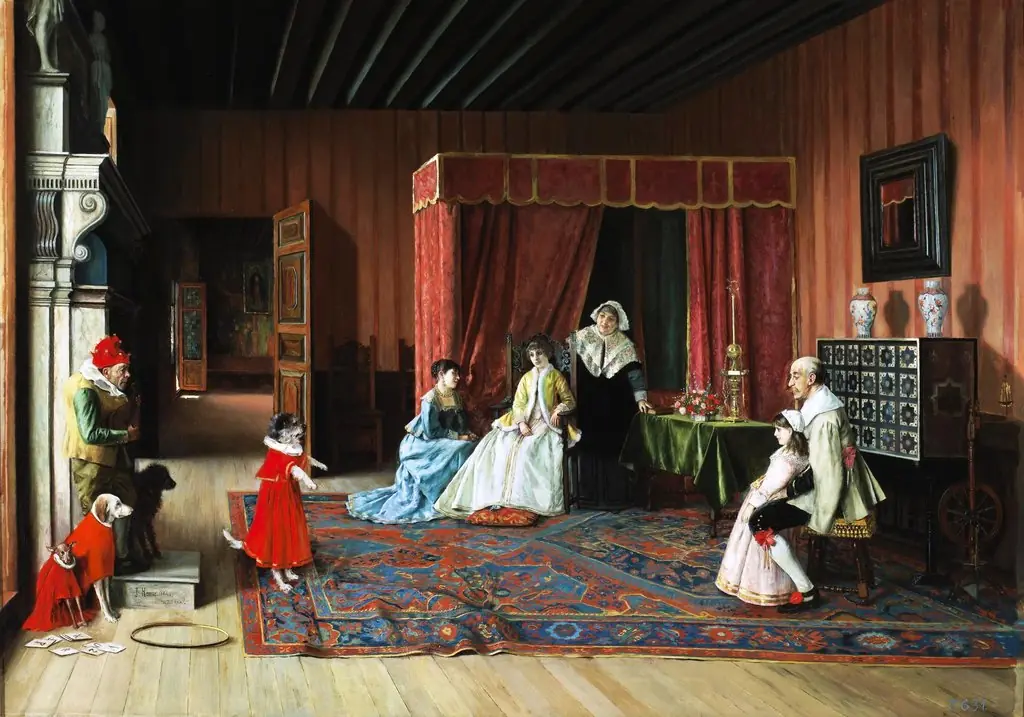 El pasatiempo
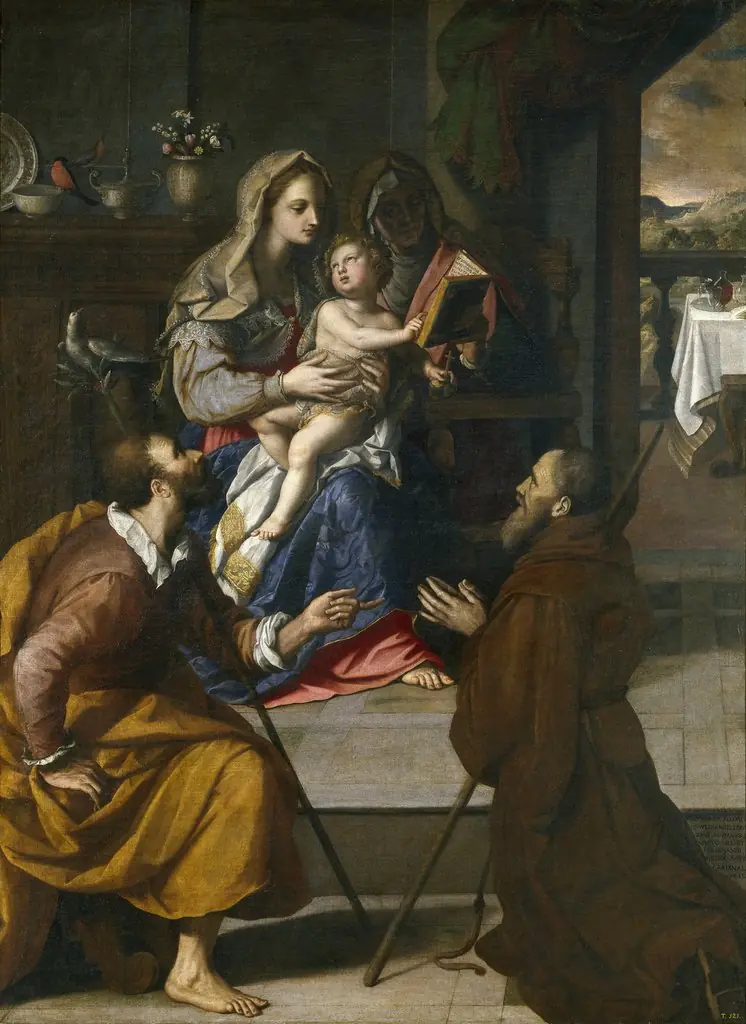 The Holy Family of Cardinal Fernando de’ Medici
 Saint John the Evangelist with Two Ladies and Two Girls (front). Saint Hadrian (reverse)
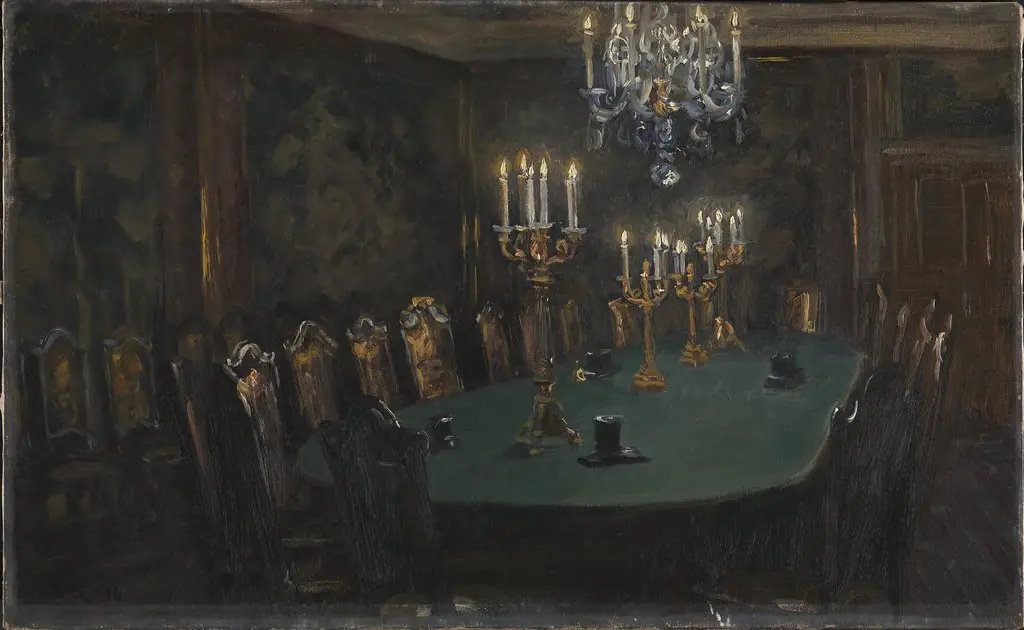 Interiør
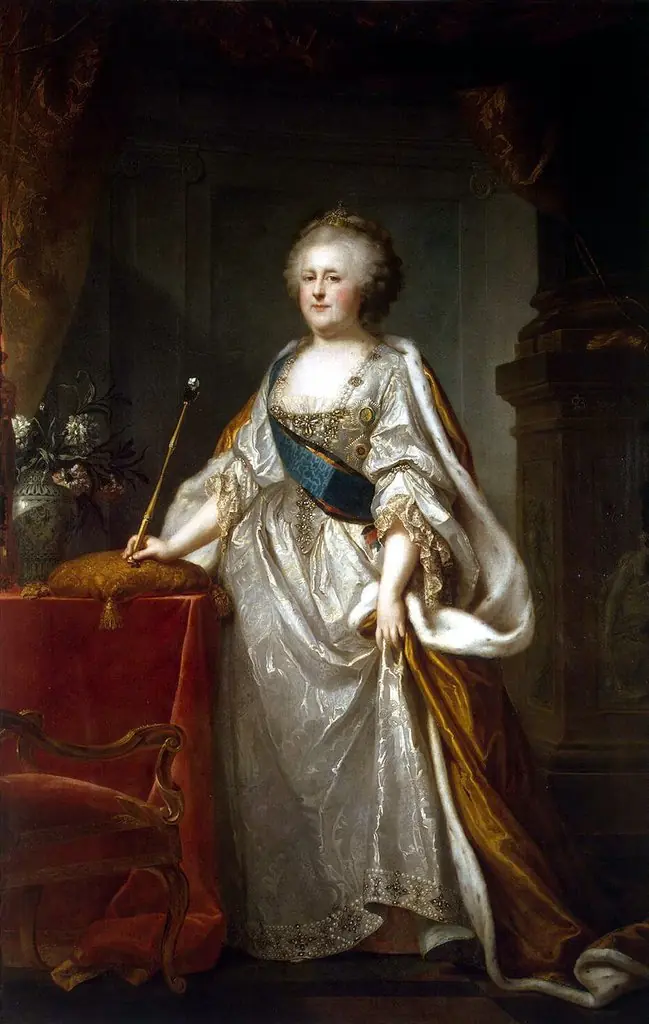 Portrait of Catherine II
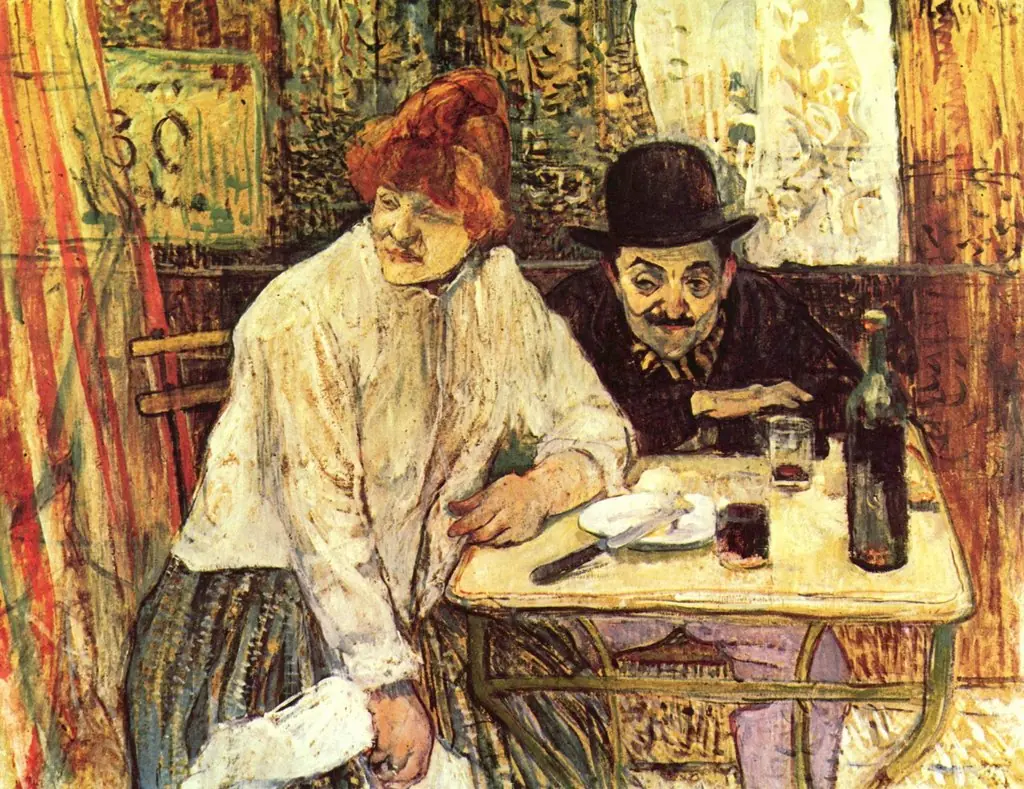 At the Café La Mie
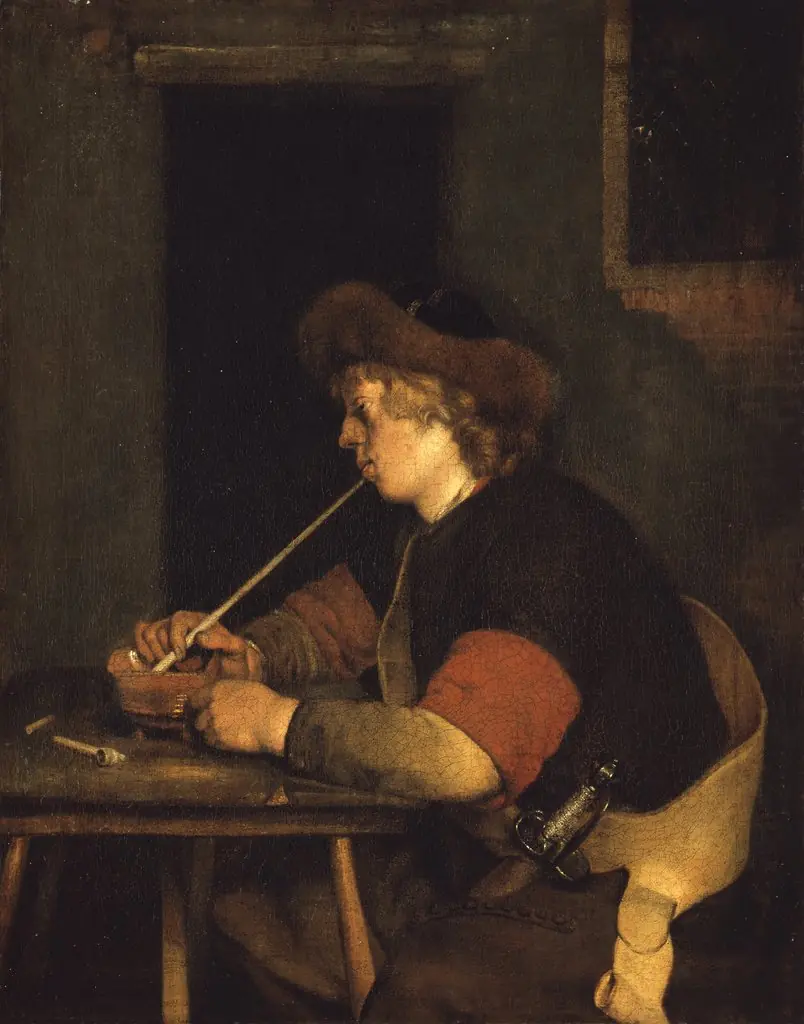 Man Smoking a Pipe
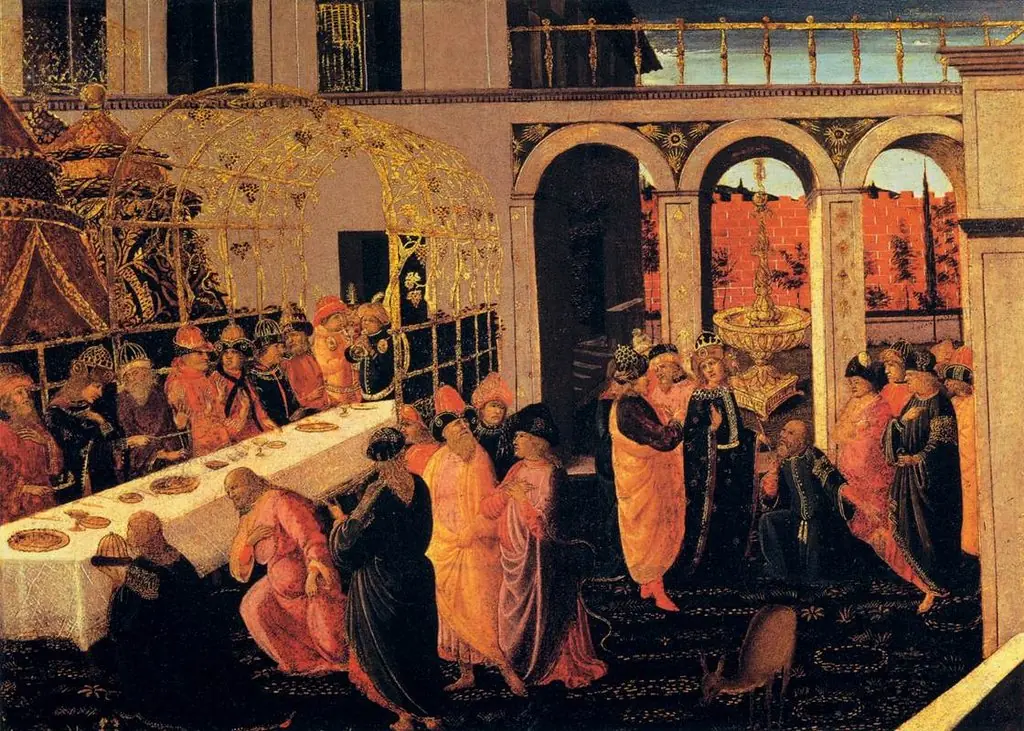 The Banquet of Ahasuerus
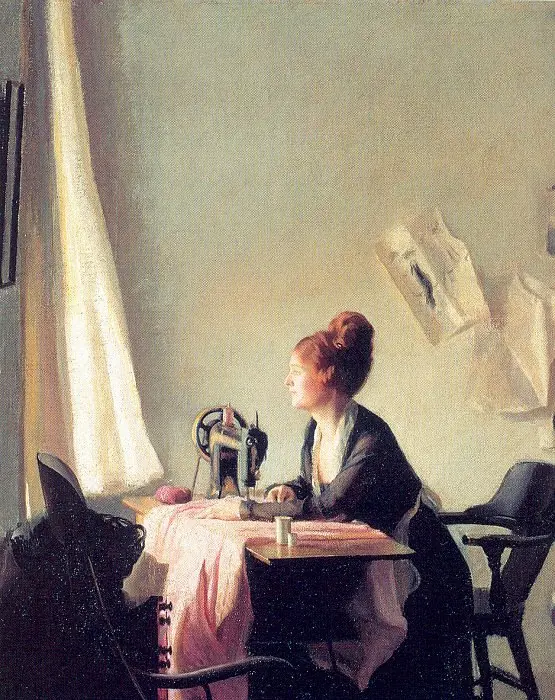 The Open Window
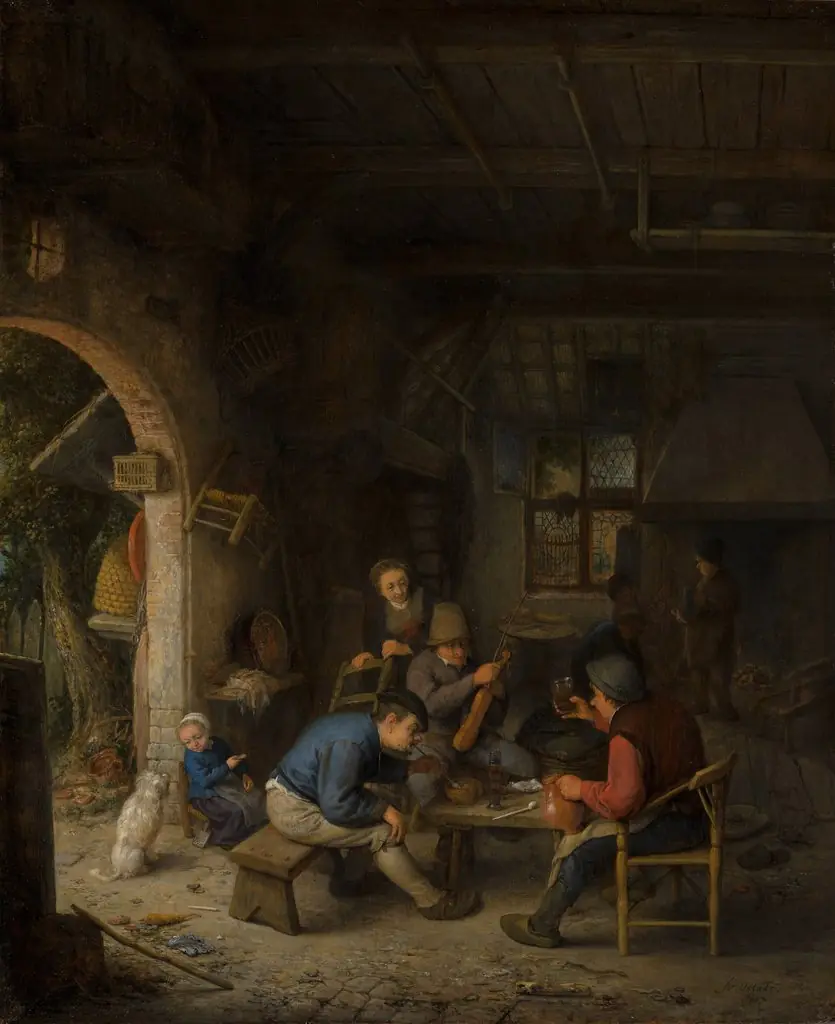 Peasants in an inn
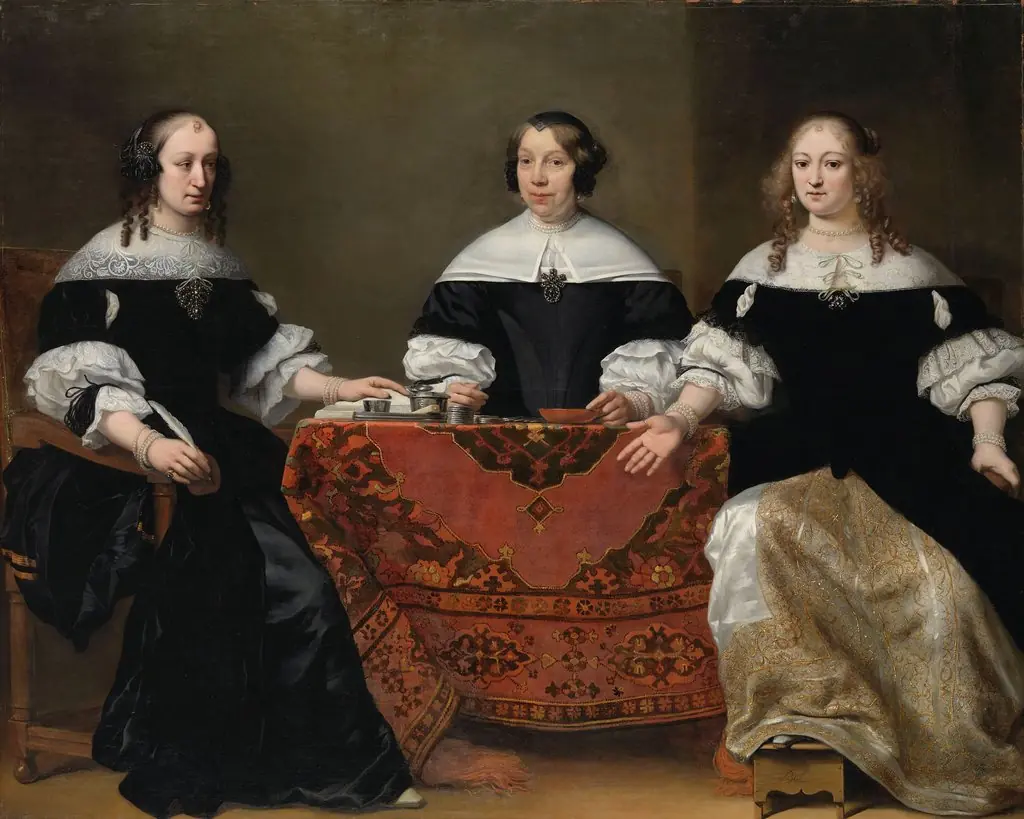 Portrait of the Three Regentesses of the Leprozenhuis, Amsterdam
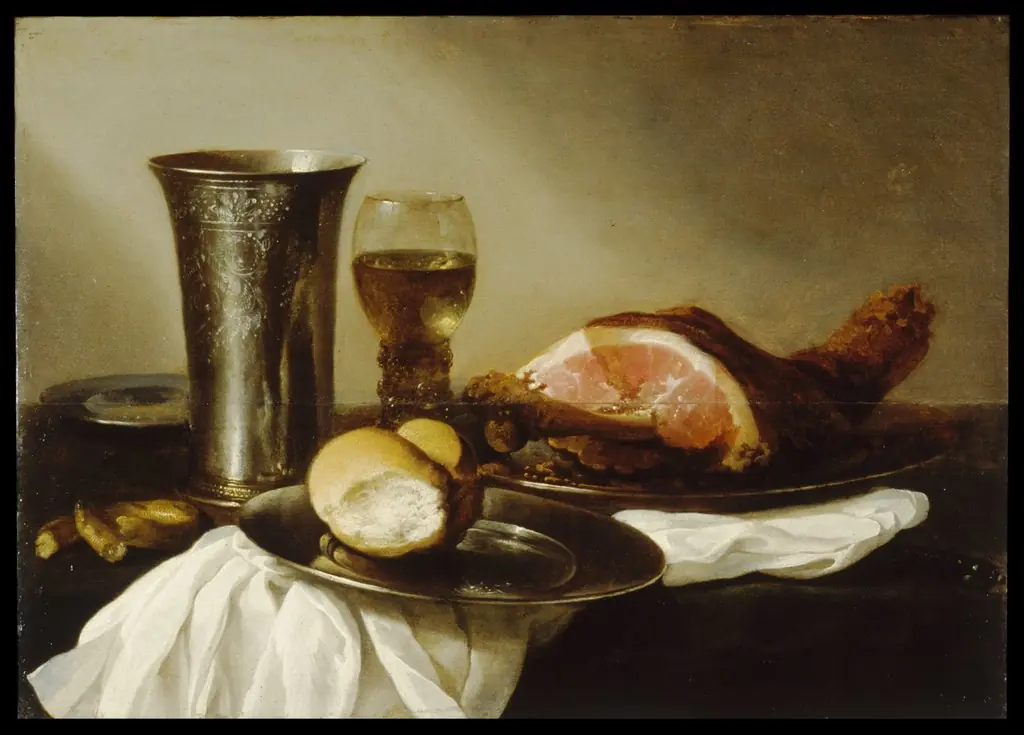 Breakfast Piece
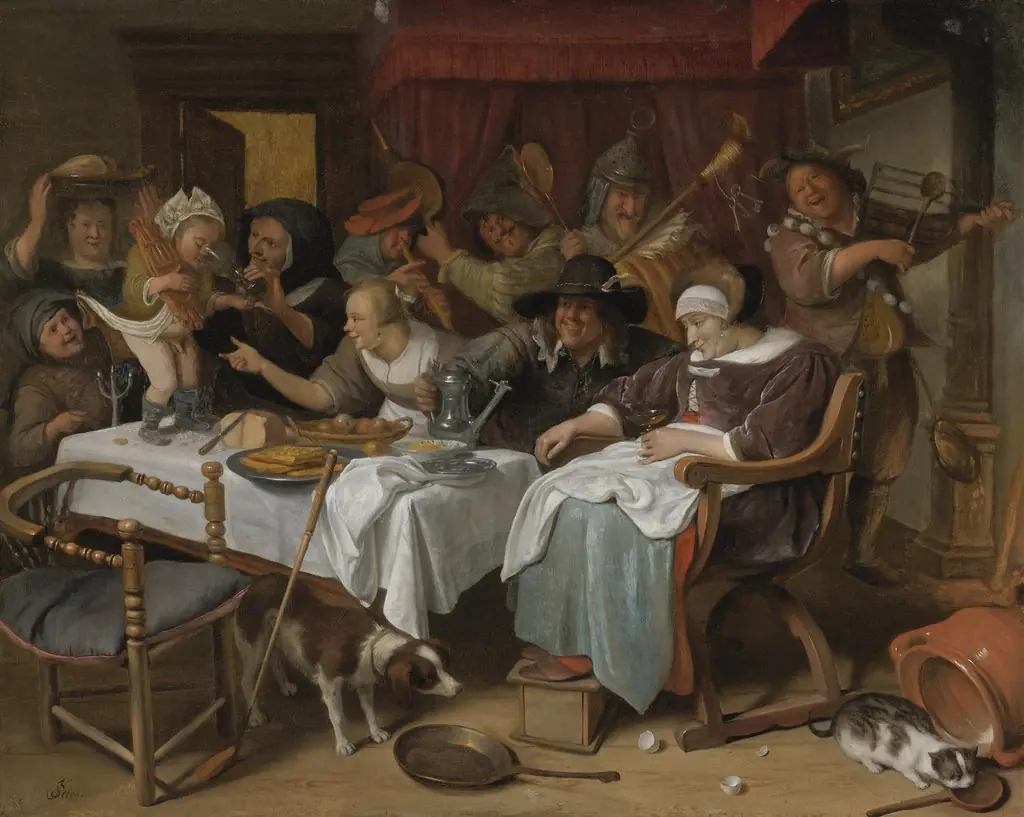 Twelfth Night
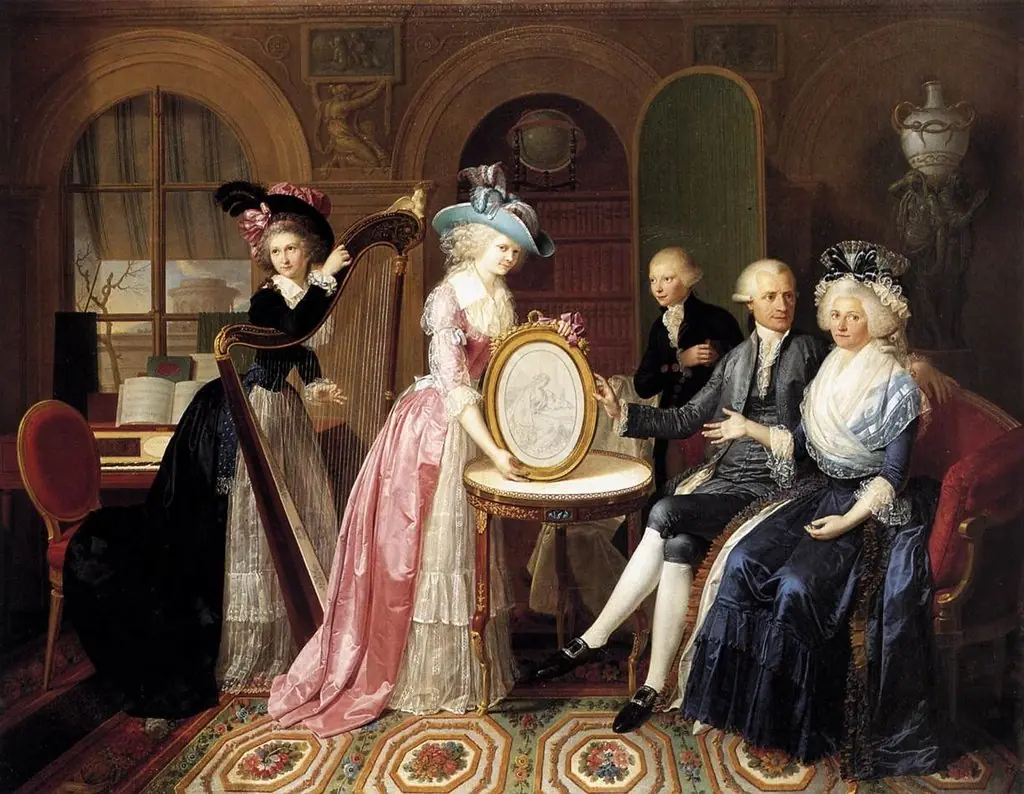 Portret van de familie Villers
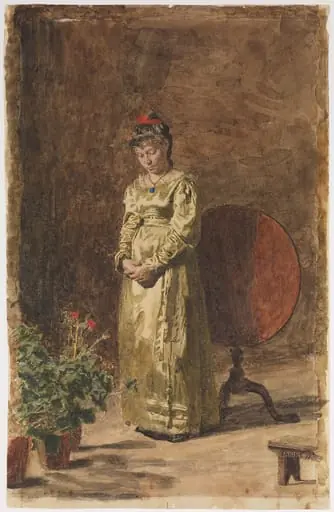 Young Girl Meditating
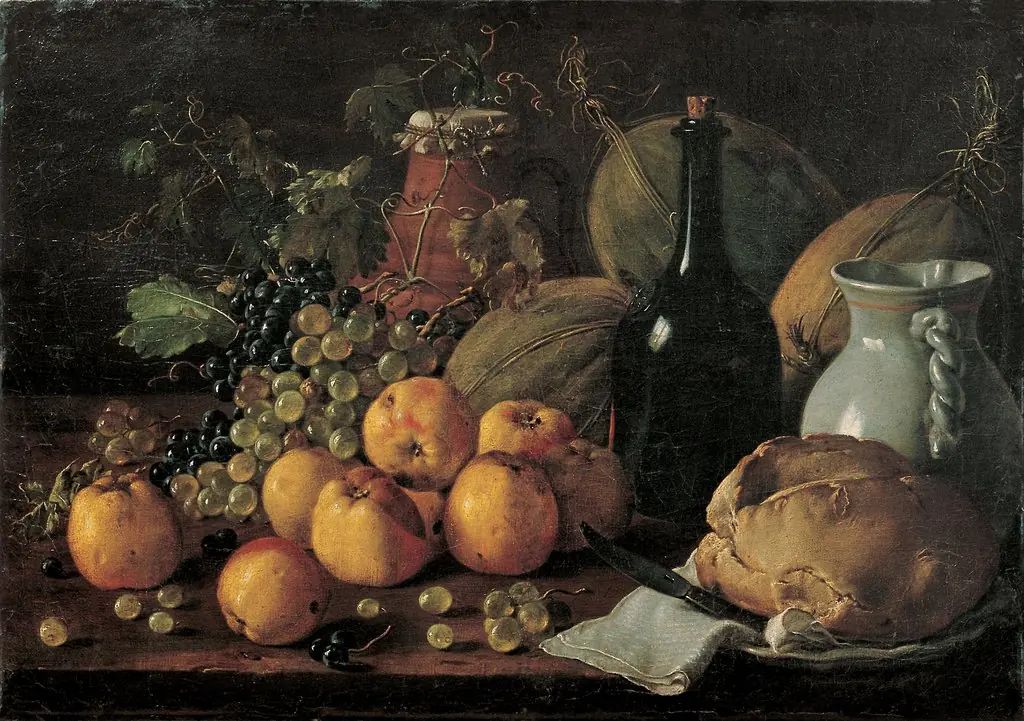 Still Life with Apples, Grapes, Melons, Bread, Jug and Bottle
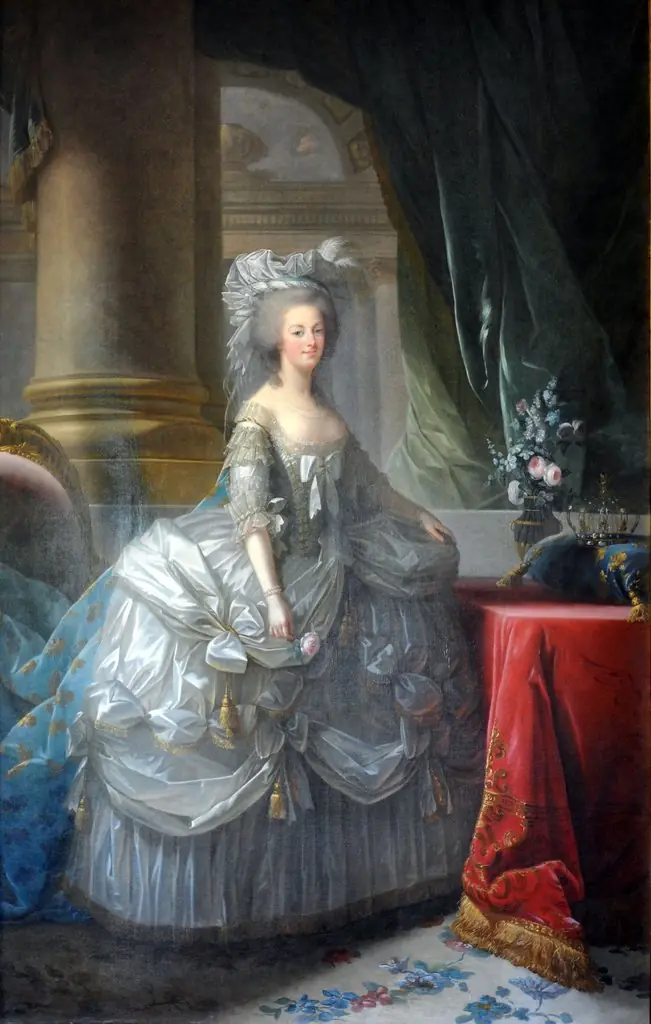 Marie Antoinette in Court Dress
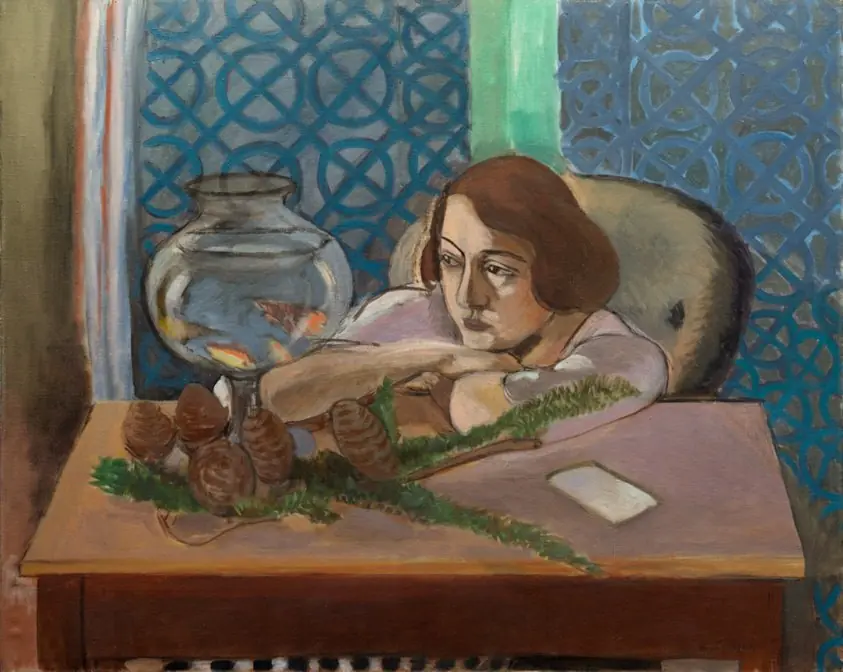 Woman Before an Aquarium
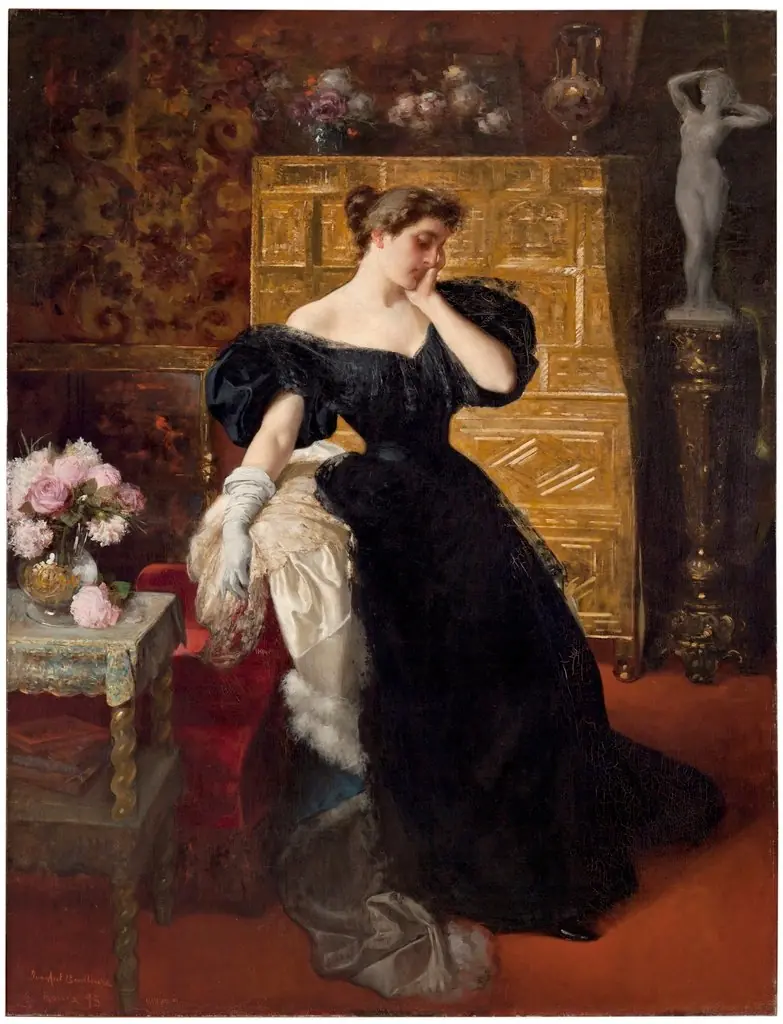 Después del baile
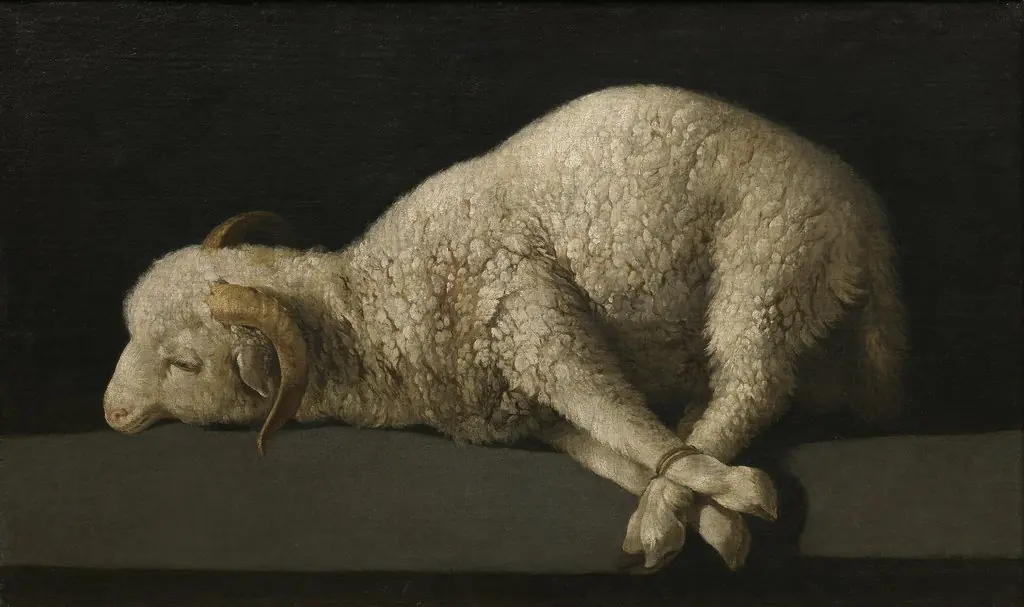 Agnus Dei
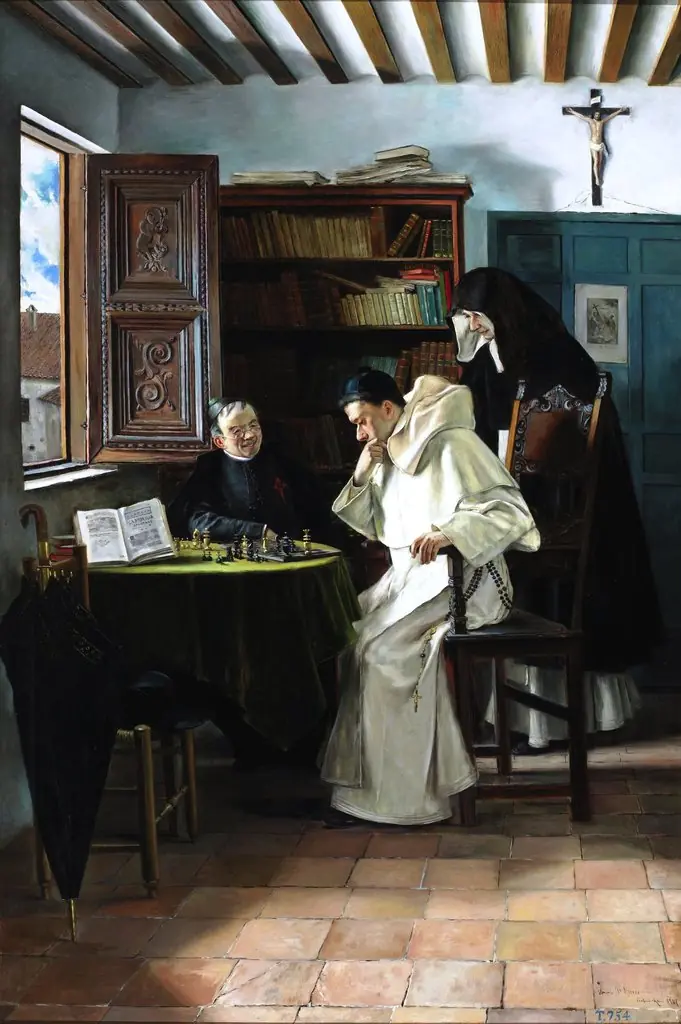 Jaque mate
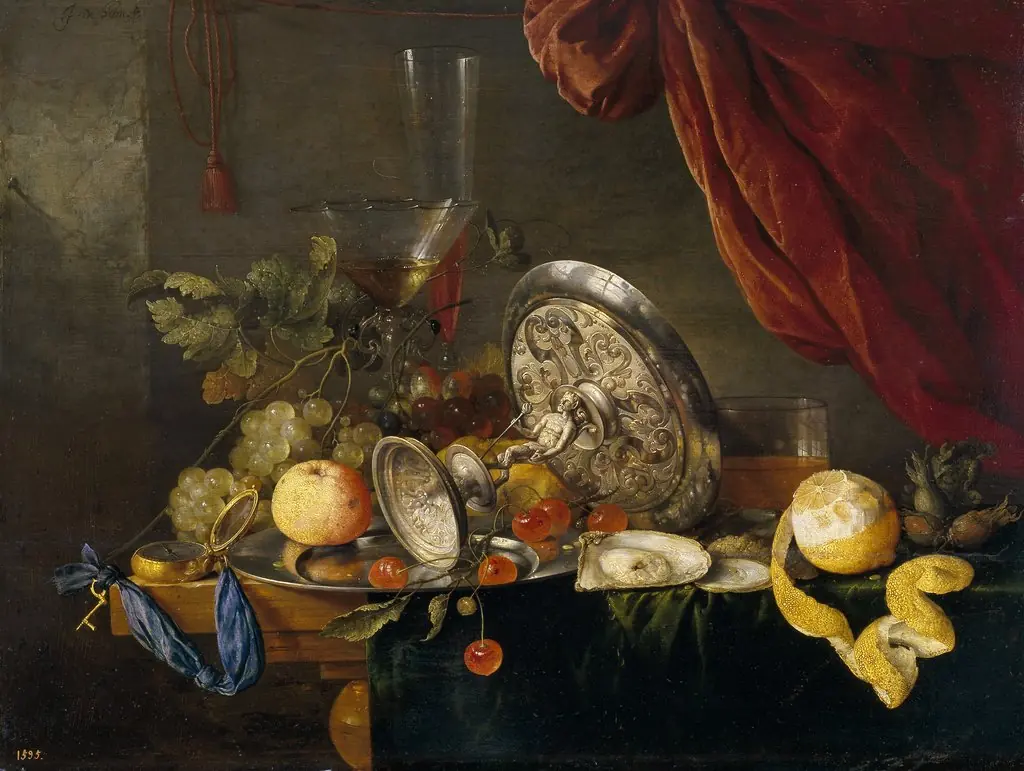 Still Life on a Wooden Table (Mesa)
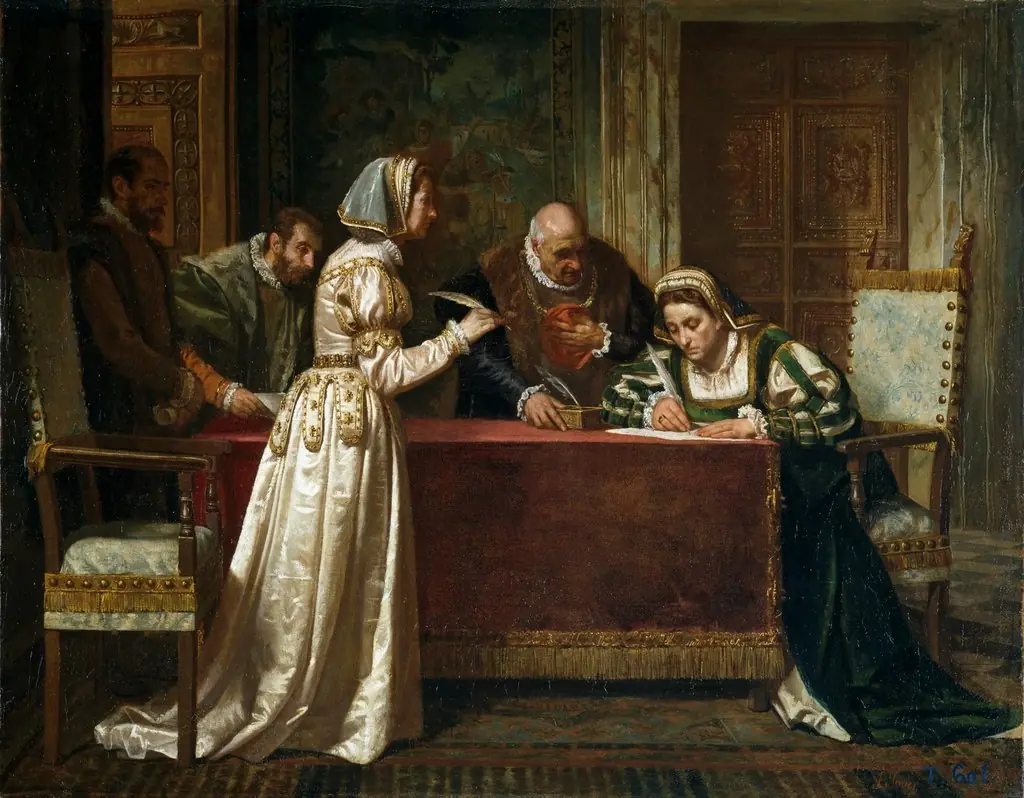 Tratado de Cambray
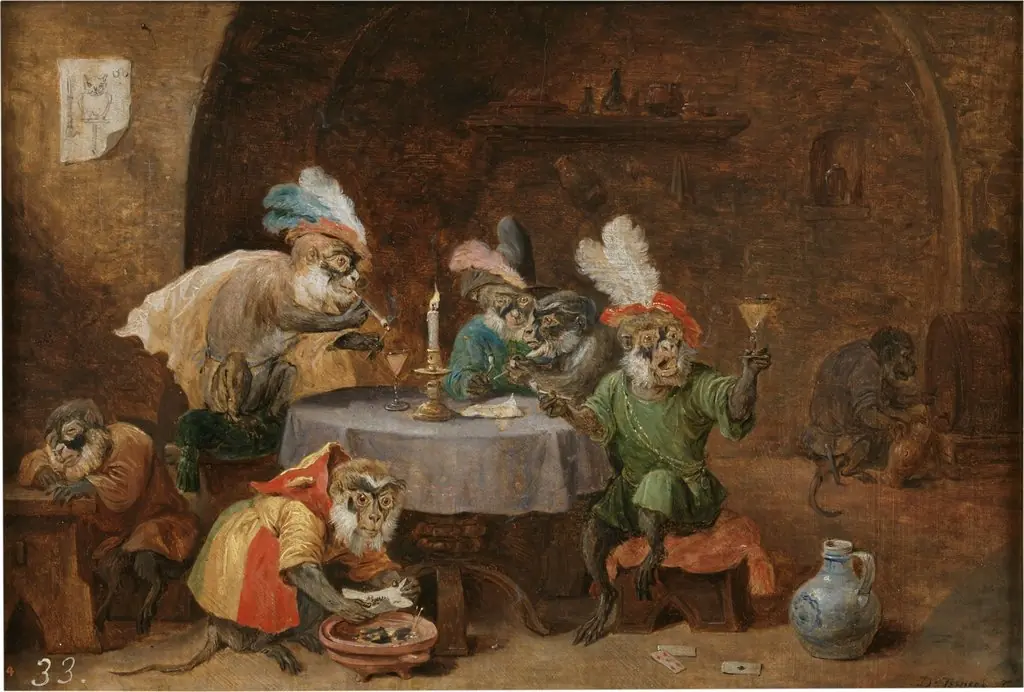 Monkeys smoking and drinking
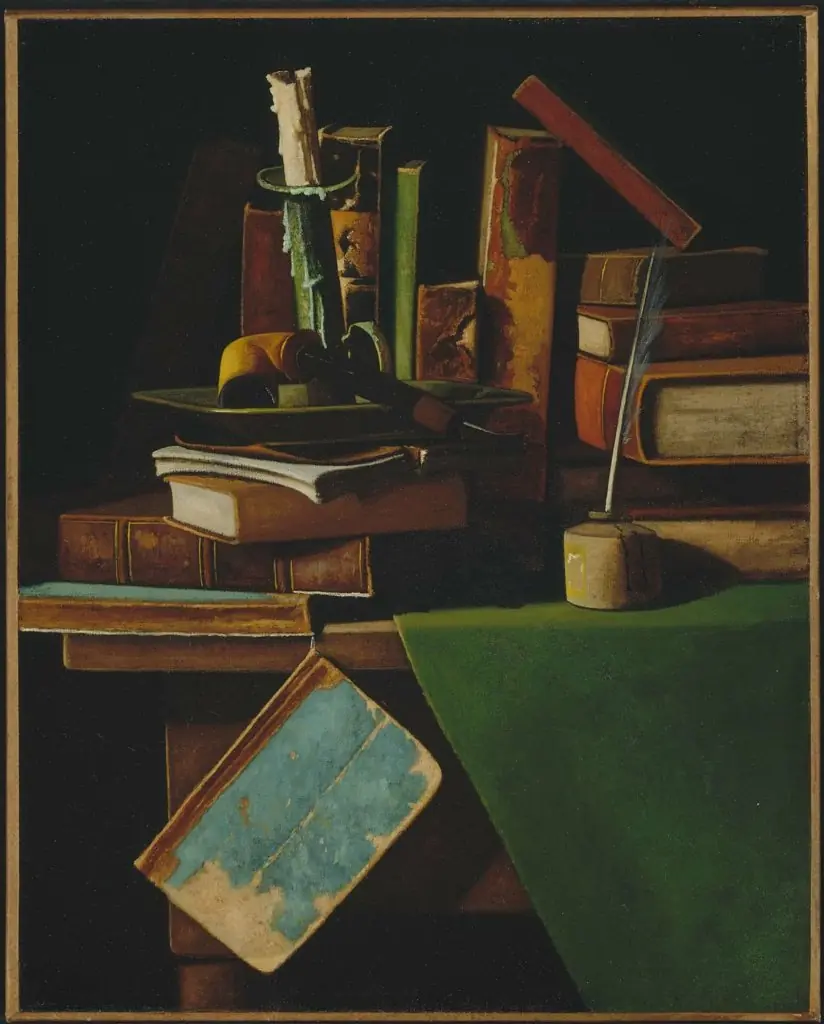 Student's Materials
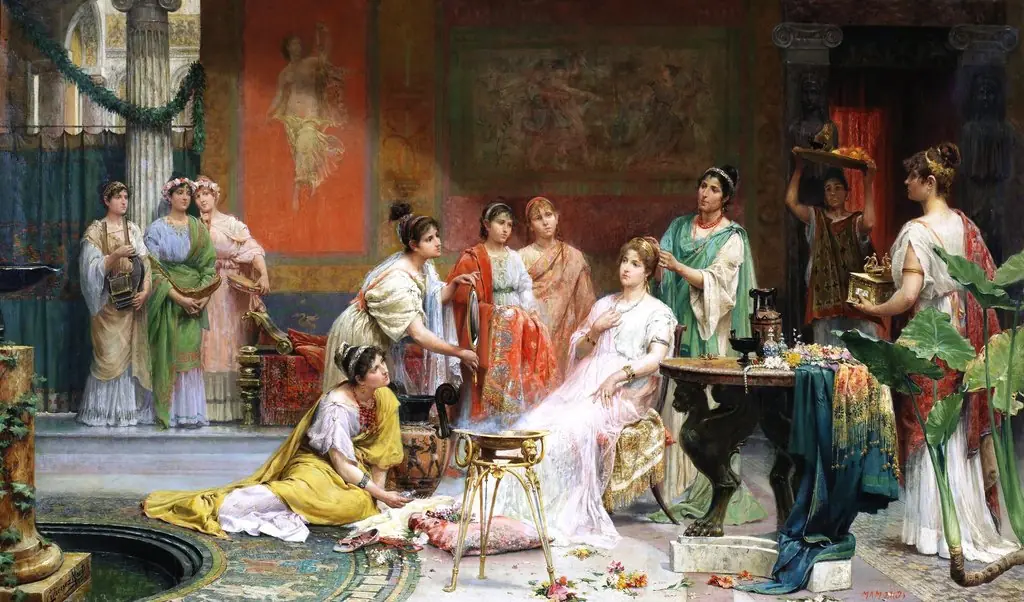 Tocador de una dama romana
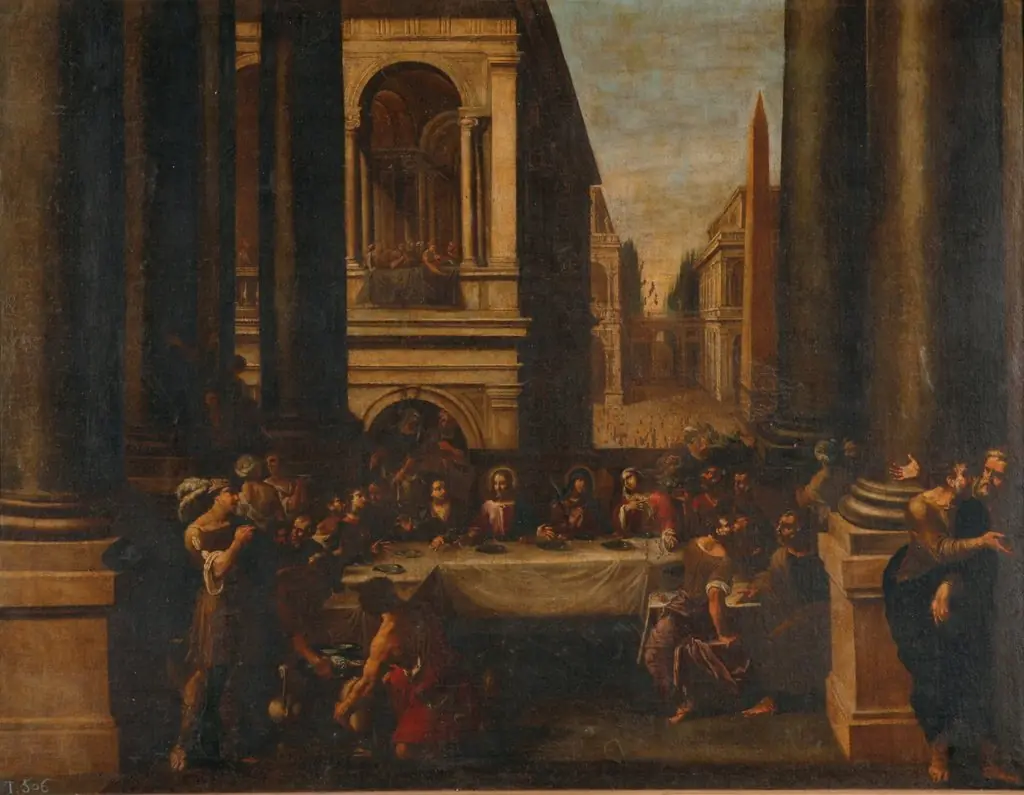 The marriage at Cana
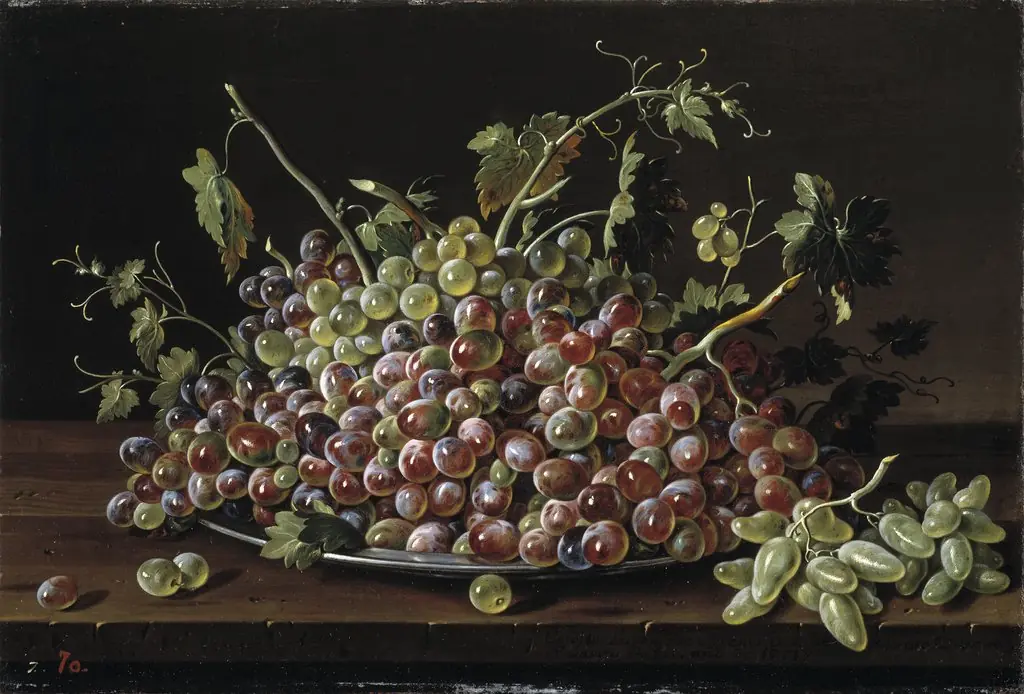 Still Life with Grapes
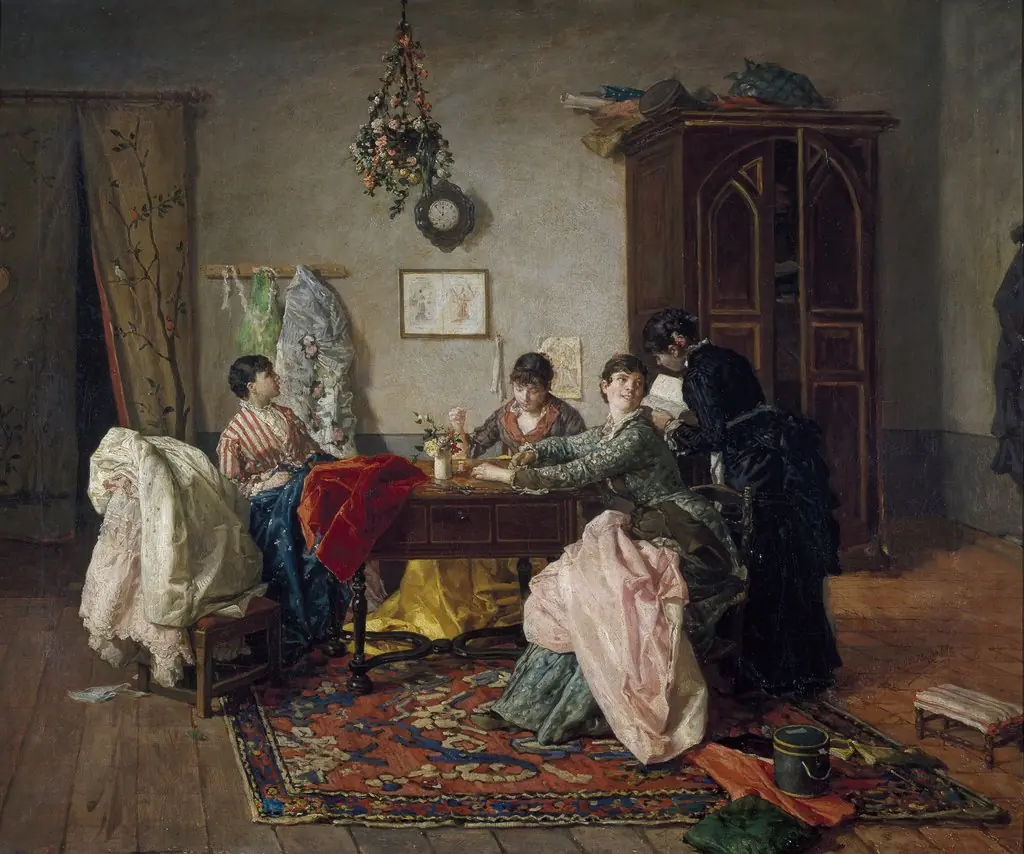 Dressmaker shop
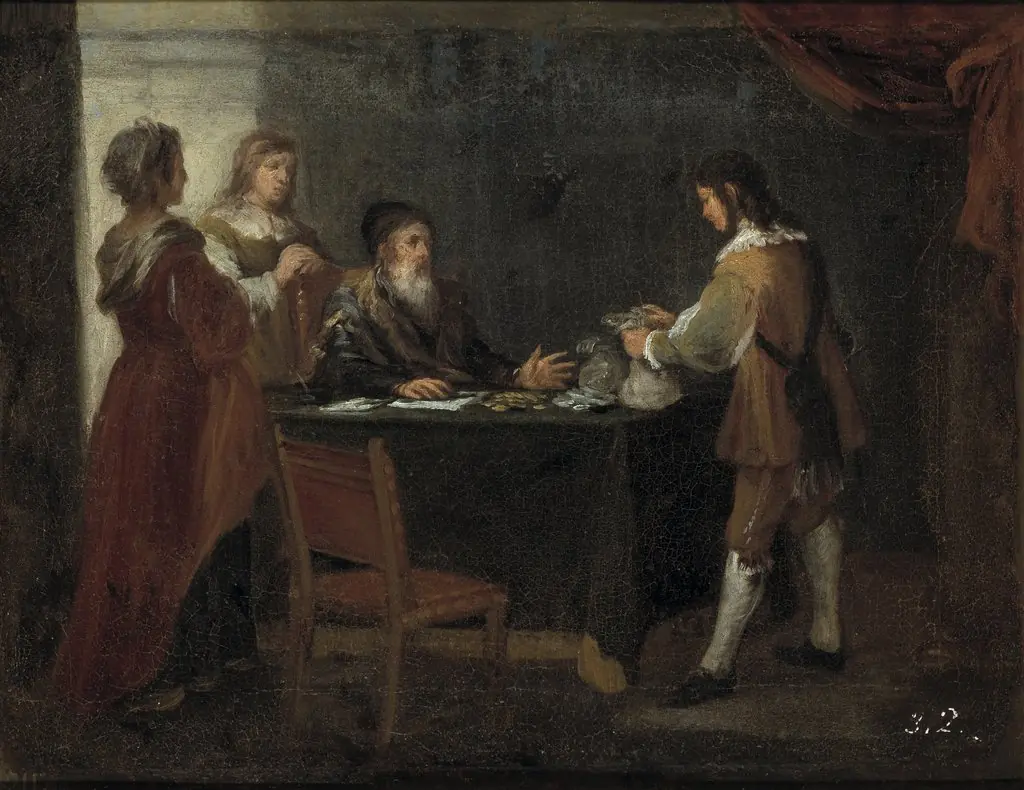 The Prodigal Son receiving his Inheritance
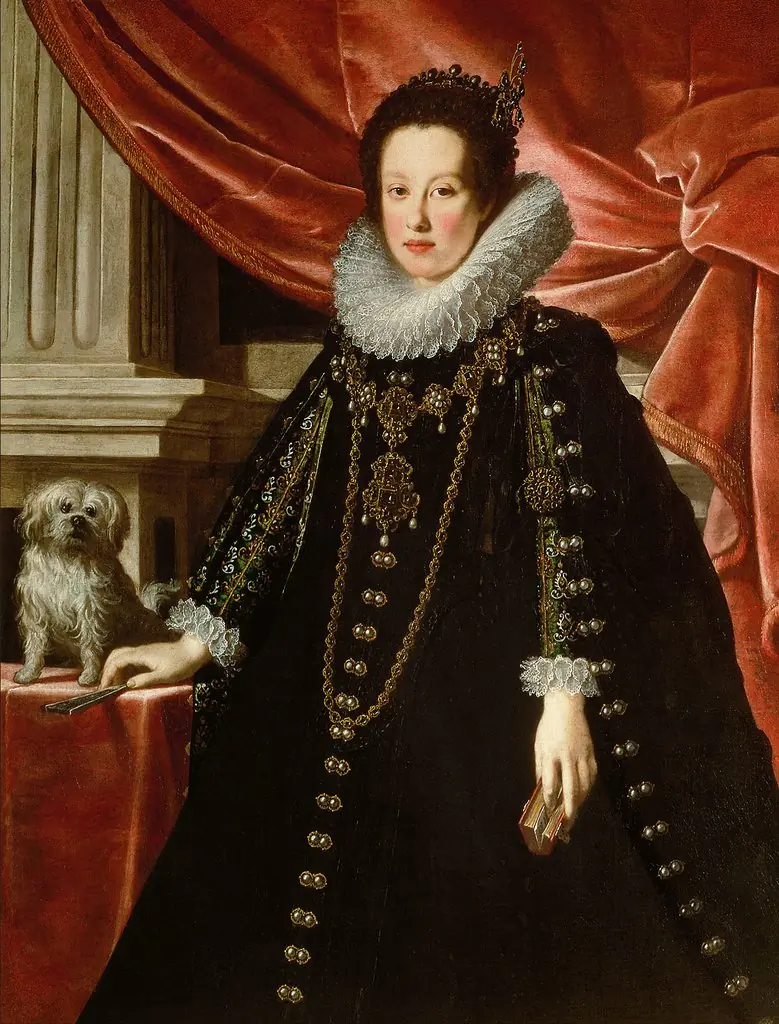 Portrait of Anna de' Medici (1616-1676), Archduchess with her Lapdog
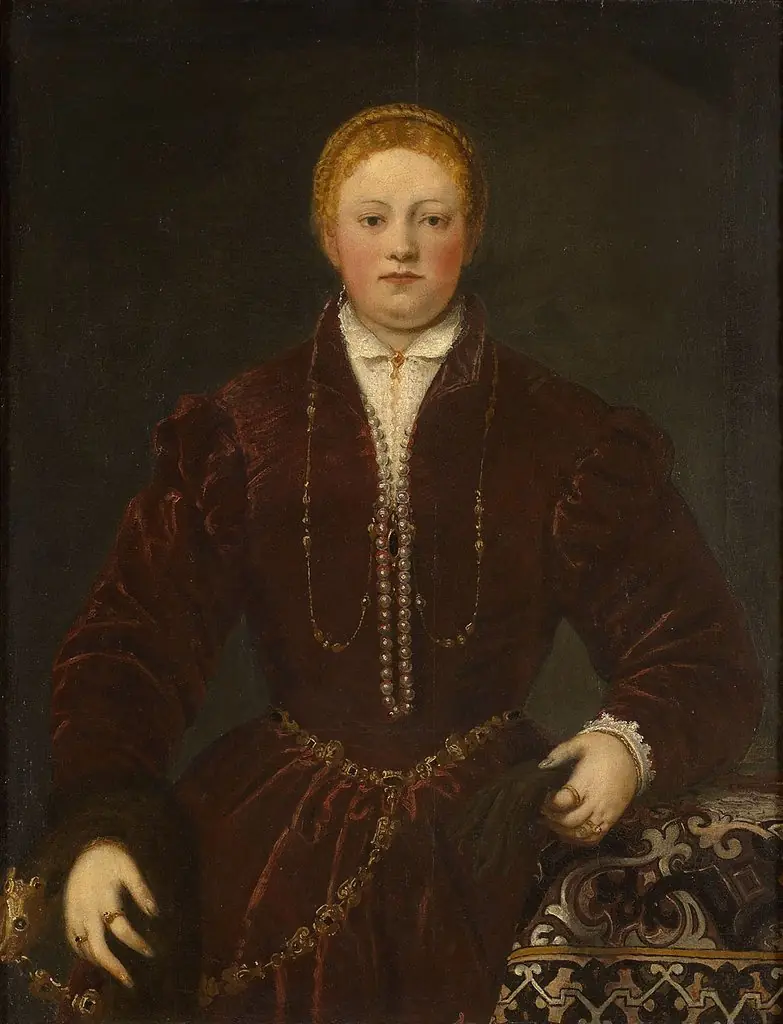 Portrait of a Young Lady
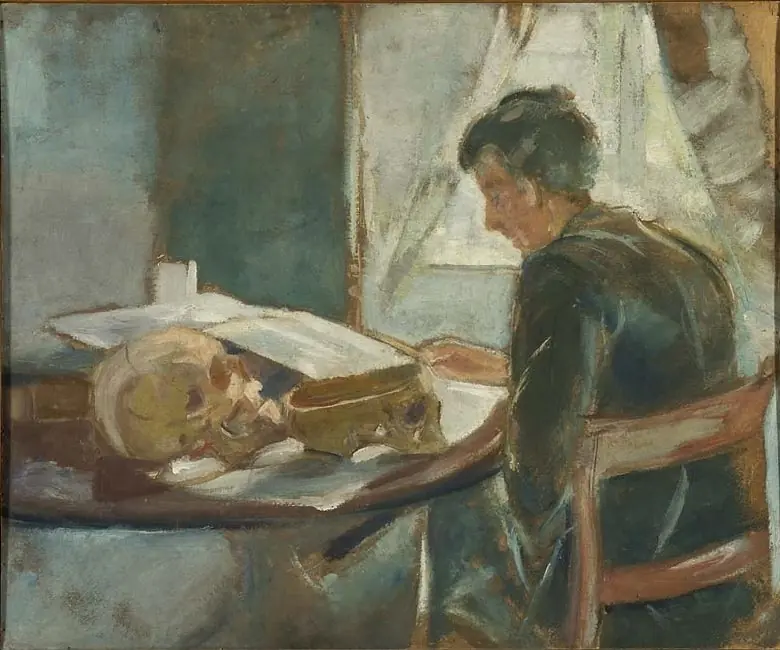 Andreas Munch Studying Anatomy
Frequently asked questions
What is Table?
Table is a subject in art. A table is a piece of furniture with a raised flat top and is supported most commonly by 1 to 4 legs (although some can have more).
How many Table works does Artifact World Gallery have?
Artifact World Gallery holds 200 public-domain Table works, all free to view and download.
Who are the key Table artists?
Key Table artists in the collection include Titian, Thomas Eakins and Edgar Degas.
Where can I see Table works?
Table works in the collection are held by Museo del Prado, Metropolitan Museum of Art and Statens Museum for Kunst.