Artwork
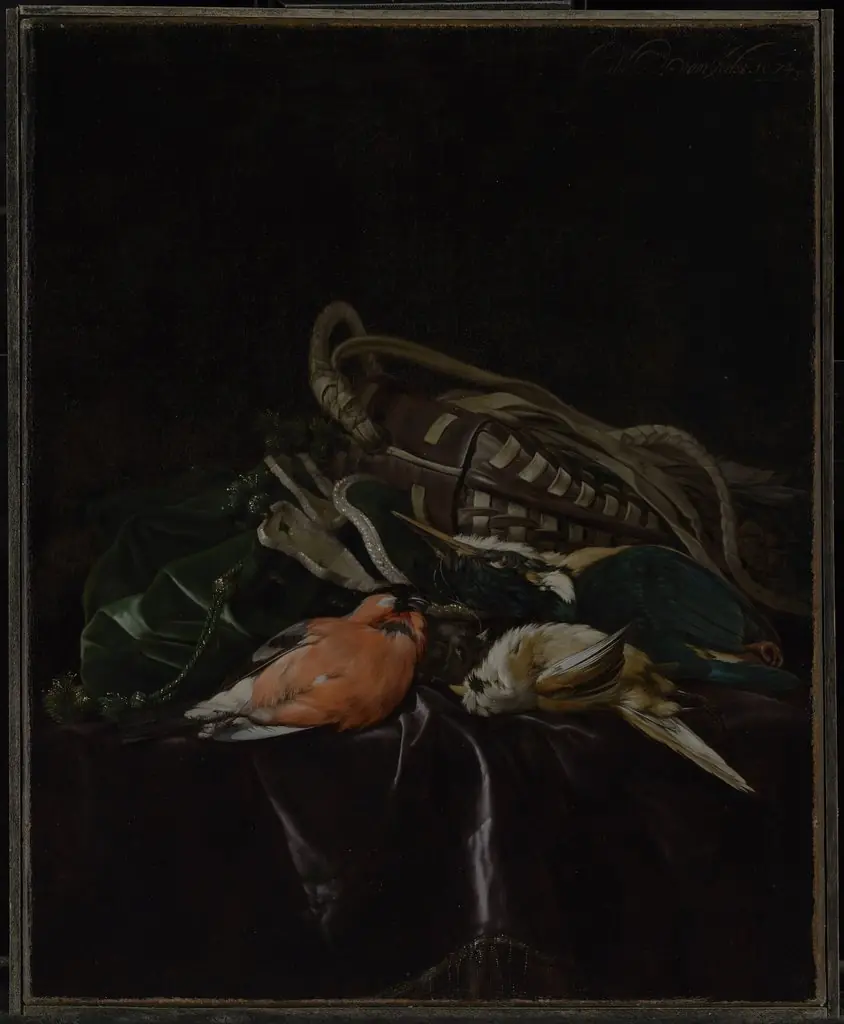
Still life with hunting implements and birds
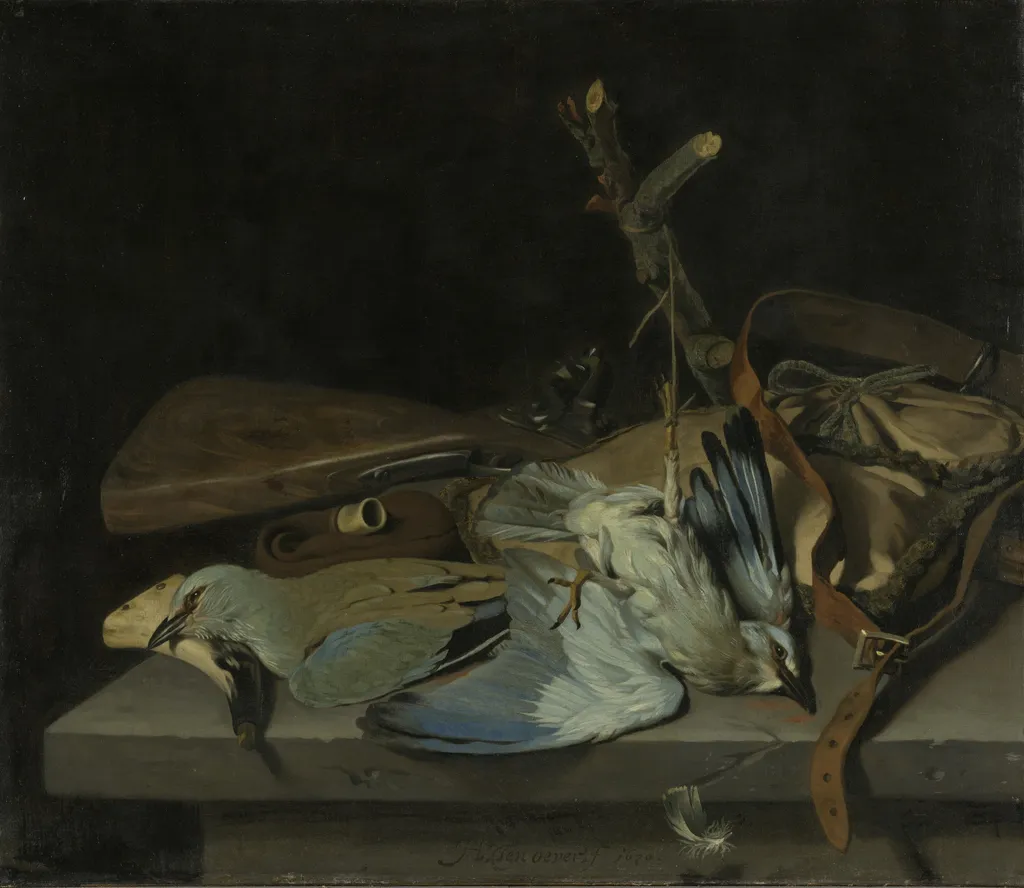
Still life with hunting implements and birds is an oil painting by the Dutch Golden Age artist Hendrick ten Oever. It dates from 1670 and is held in the collection of the Rijksmuseum.
About this work
Technique & Style
The work is held by the Rijksmuseum in Amsterdam, with associated records in the Dienst Verspreide Rijkscollecties and the Stedelijk Museum Zwolle collections.
The work is executed in oil paint on canvas, a standard support for Dutch still-life painting of the period. According to the catalogue record, the canvas measures 60.5 cm in height by 71 cm in width, giving the composition a horizontal orientation suited to its spread of game and implements across the picture plane. The painting is classified as a still life and dates to 1670.
While the sources confirm the medium, support, dimensions, and genre classification, they do not provide further detail on handling, surface condition, or specific stylistic qualities.
The work is held by the Rijksmuseum in Amsterdam, with associated records in the Dienst Verspreide Rijkscollecties and the Stedelijk Museum Zwolle collections.
History & Provenance
The painting is held in the collection of the Rijksmuseum in Amsterdam. It also belongs to the Dienst Verspreide Rijkscollecties and the Stedelijk Museum Zwolle. No specific inventory or accession number is provided in the sources. Its exhibition history is not documented in the available sources.
Context
The work depicts a hunter's equipment alongside game birds, reflecting 17th-century Dutch fascination with outdoor pursuits and the symbolic use of hunting gear in vanitas compositions. Ten Oever's precise rendering of textured surfaces and his contribution to the evolution of the Dutch still life genre are noted in scholarly assessments of his oeuvre.
The painting is housed in the Rijksmuseum collection and was documented in the museum's catalog as part of their dispersed collections.
Art historical context places this piece within the trajectory of Dutch Golden Age still lifes, emphasizing its role in documenting contemporary leisure activities and moral themes through symbolic objects.
Legacy
Hendrick ten Oever's 1670 still life with hunting implements and birds influenced later Dutch decorative painting through its precise rendering of game and household objects, a technique later echoed in 18th-century Dutch hunting scenes by artists such as Rachel Ruysch. The work remains in the Rijksmuseum collection and is recognized as an early example of the hunting still life subgenre in Dutch art.
Overview
An oil painting from 1670 by the Dutch artist Hendrick ten Oever, this still life belongs to the collection of the Rijksmuseum in Amsterdam. The work exemplifies the Northern European tradition of meticulously arranged objects rendered with careful attention to surface detail and material presence.
Subject & Meaning
The composition centers on the aftermath of the hunt: two small birds rest on a table alongside the tools of their capture, a hunting bag, a leather strap, and a small branch. The juxtaposition of dead game with the implements of pursuit invites reflection on mortality, a common theme in Dutch still life painting of this period.
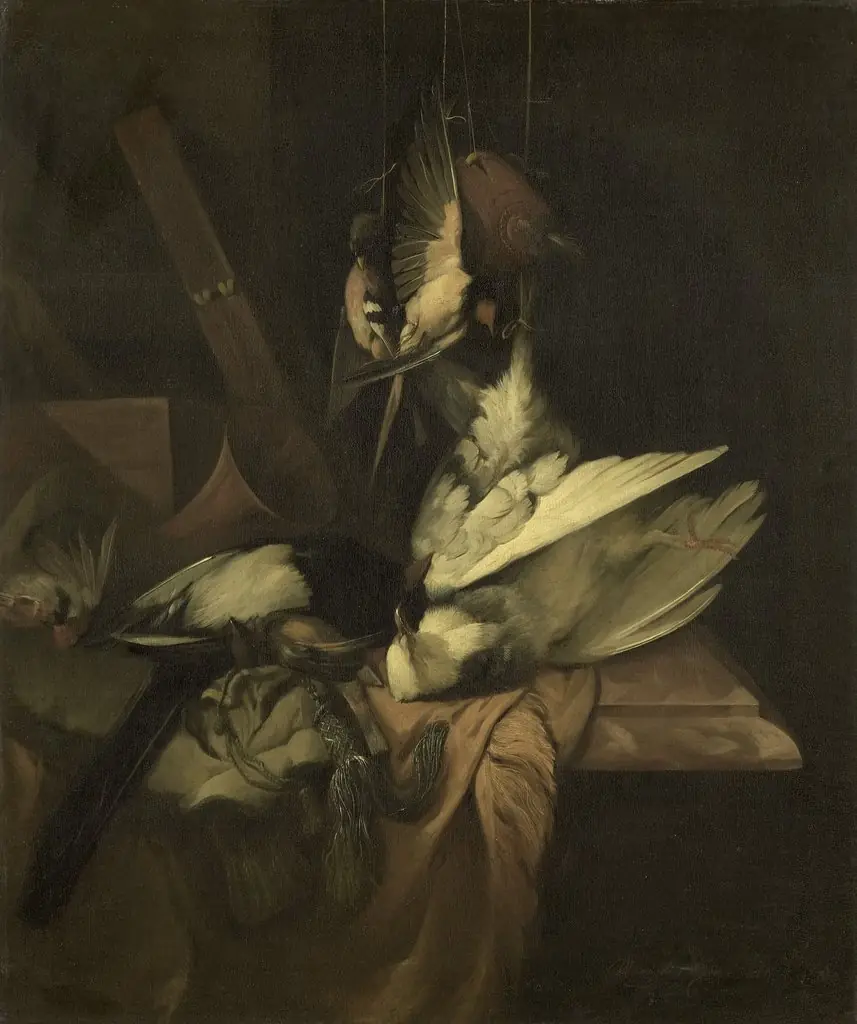
Own this work as a print
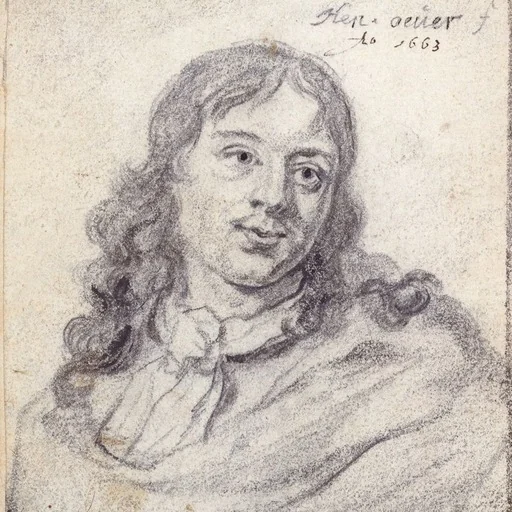
Artist & collection

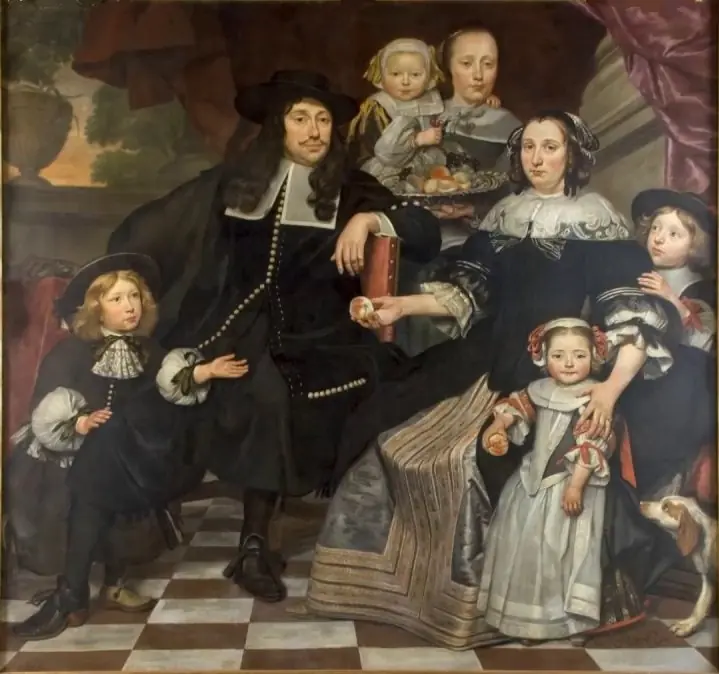 A family on the terrace of a country house
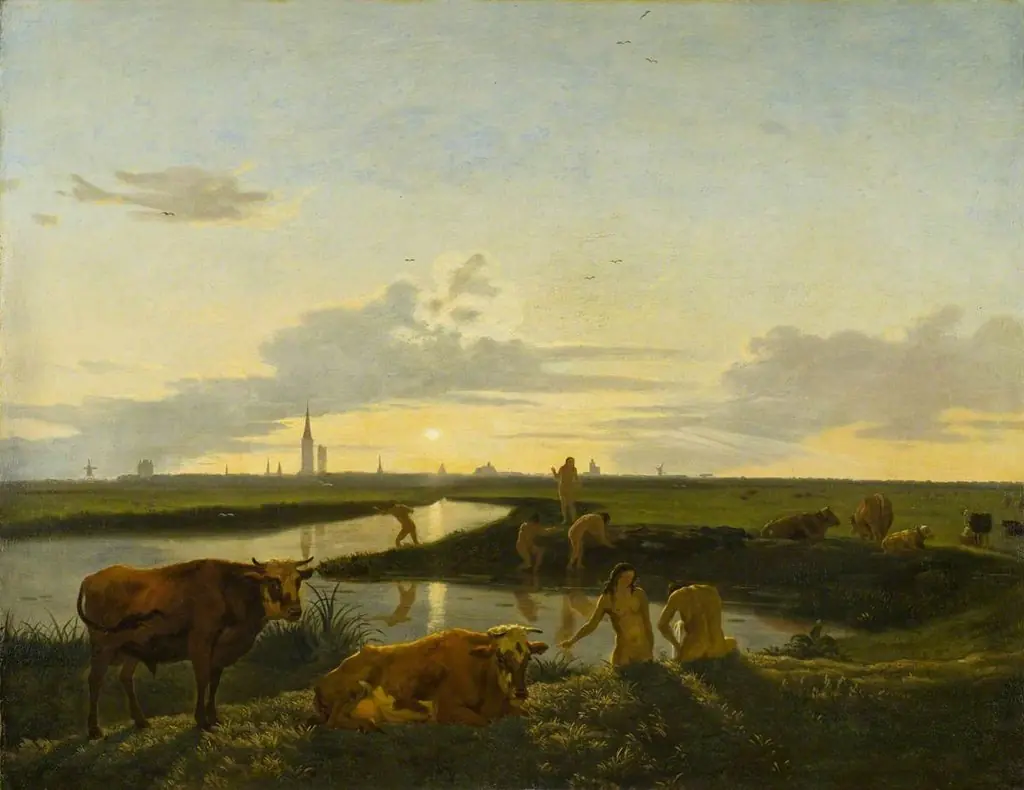 Canal Landscape with Figures Bathing
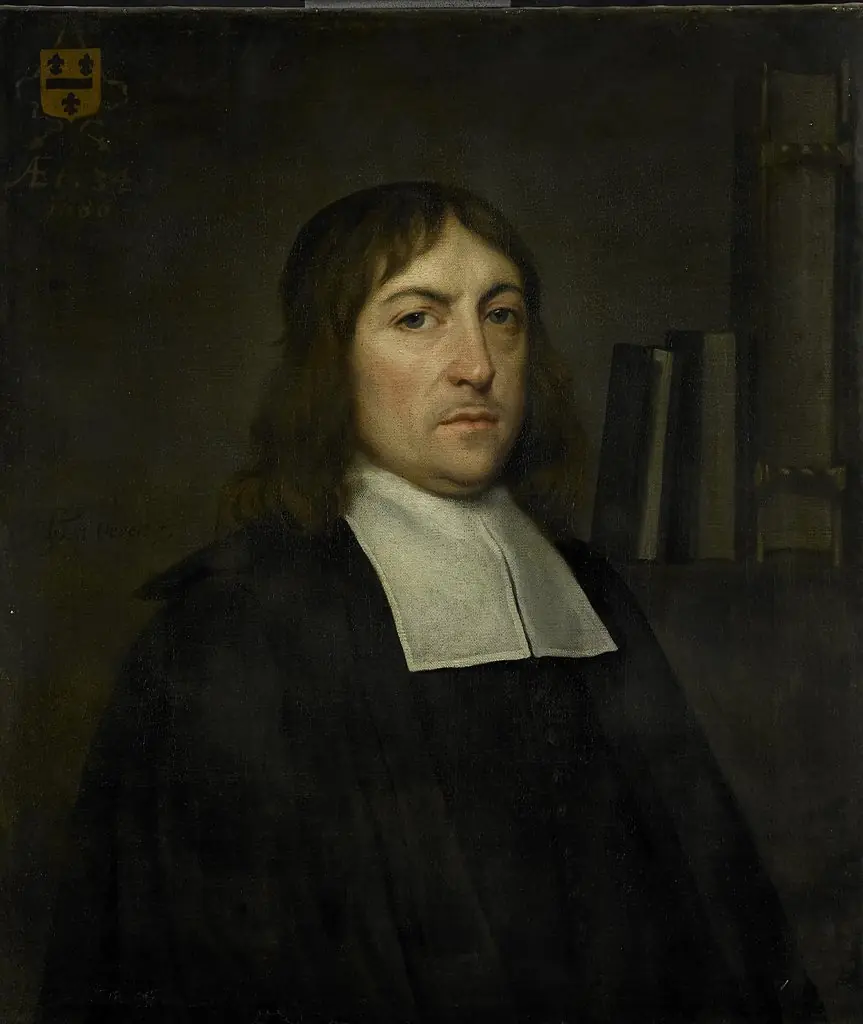 Portrait of Barend Hakvoort (1652-1735), bookseller, church reader and catechism master in Zwolle
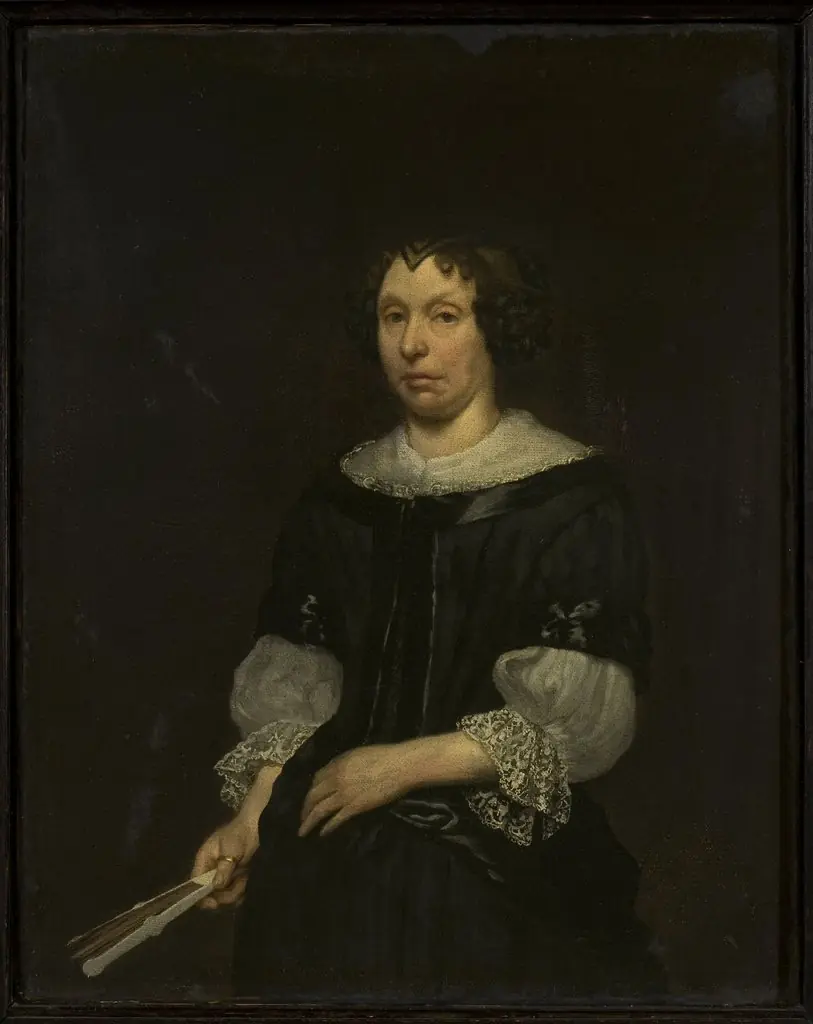 Portrait of a lady with a folding fan
 Portrait of Barend Hakvoort (1652-1735)
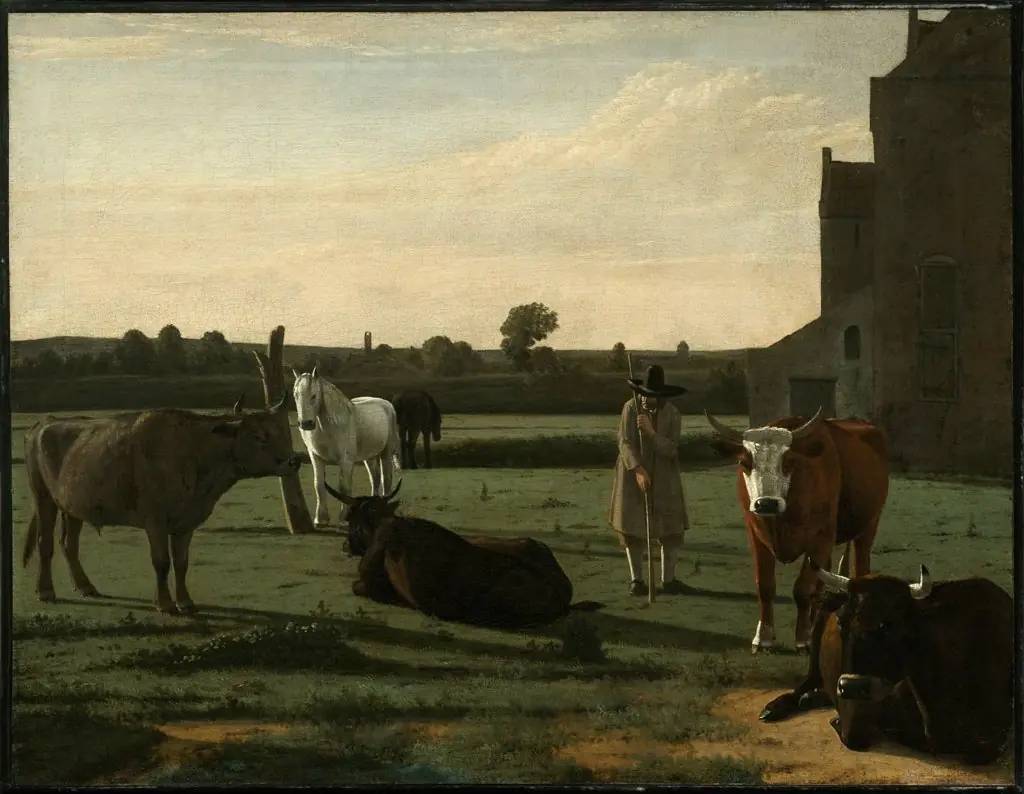 Cattle and Horses with a Herdsman
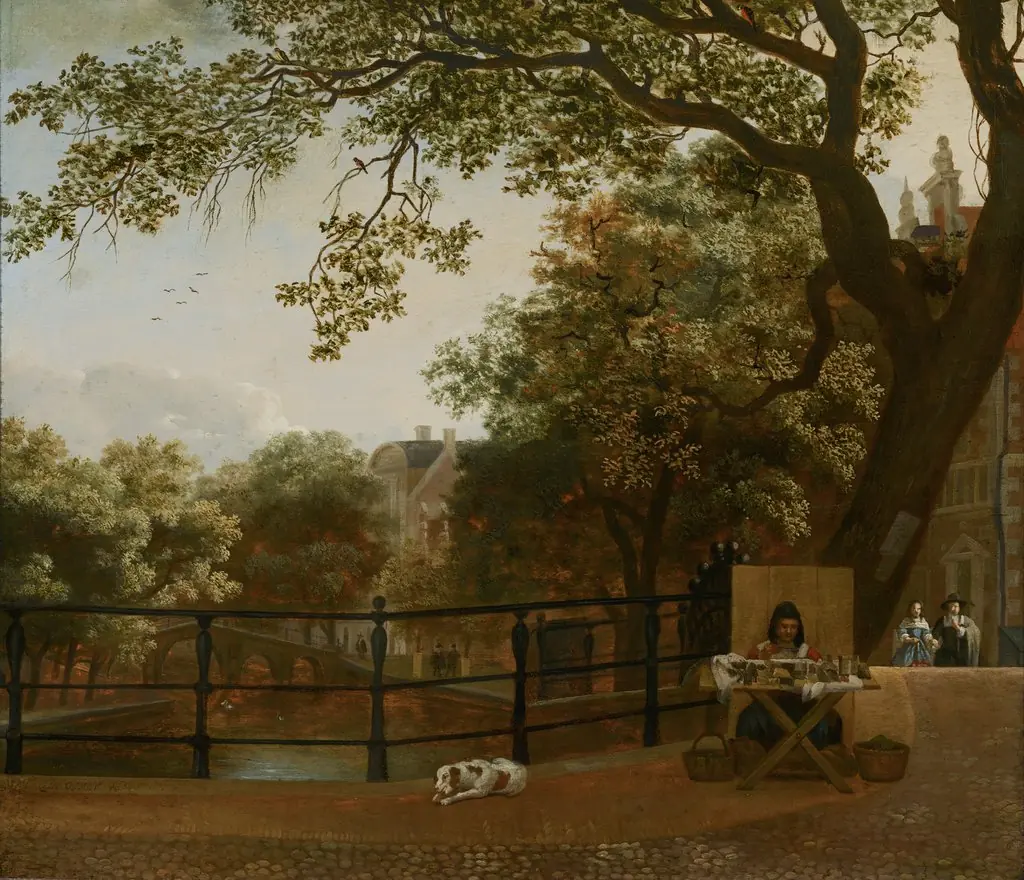 View of the Herengracht in Amsterdam
- Still life with birds and hunting implements
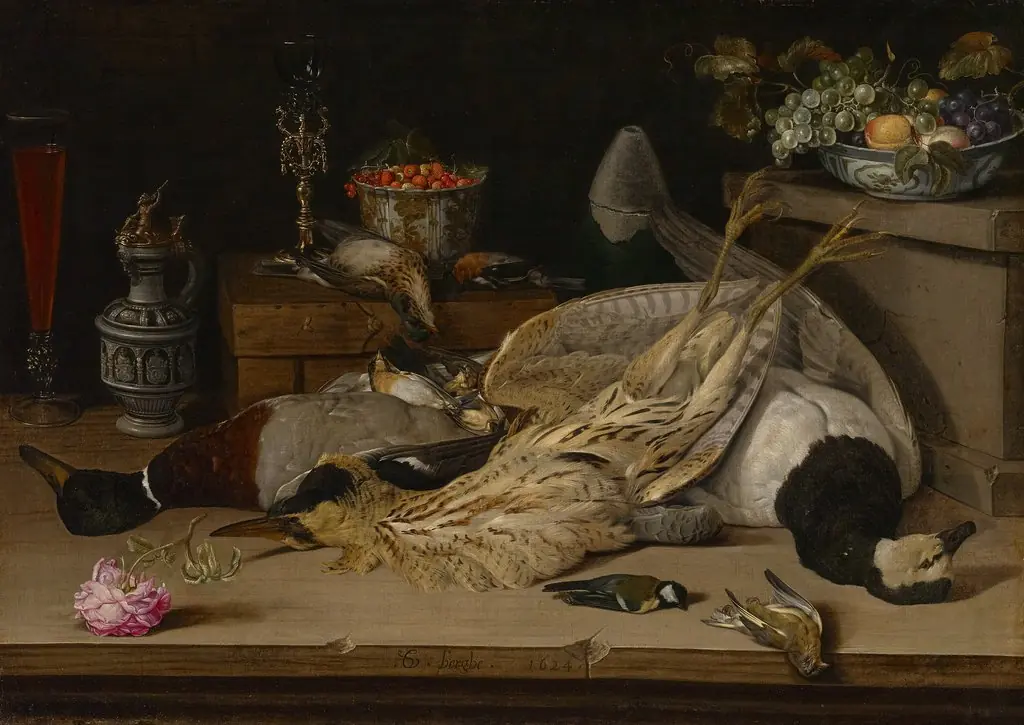 Still Life with Dead Birds
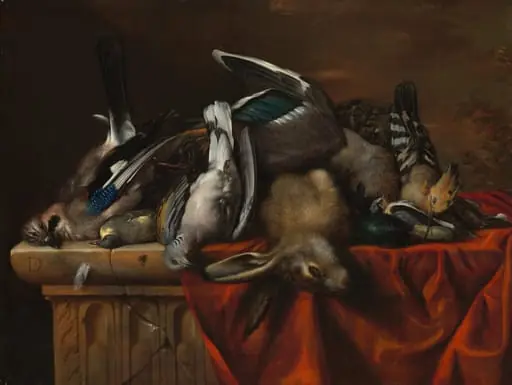 Still Life with Trophies of the Hunt
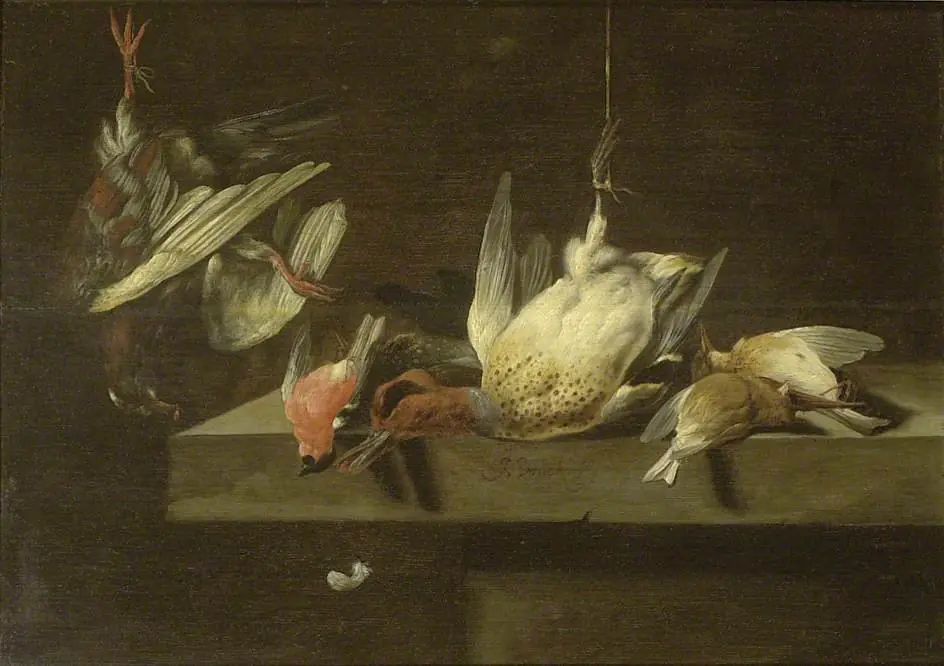 Still Life of dead Birds
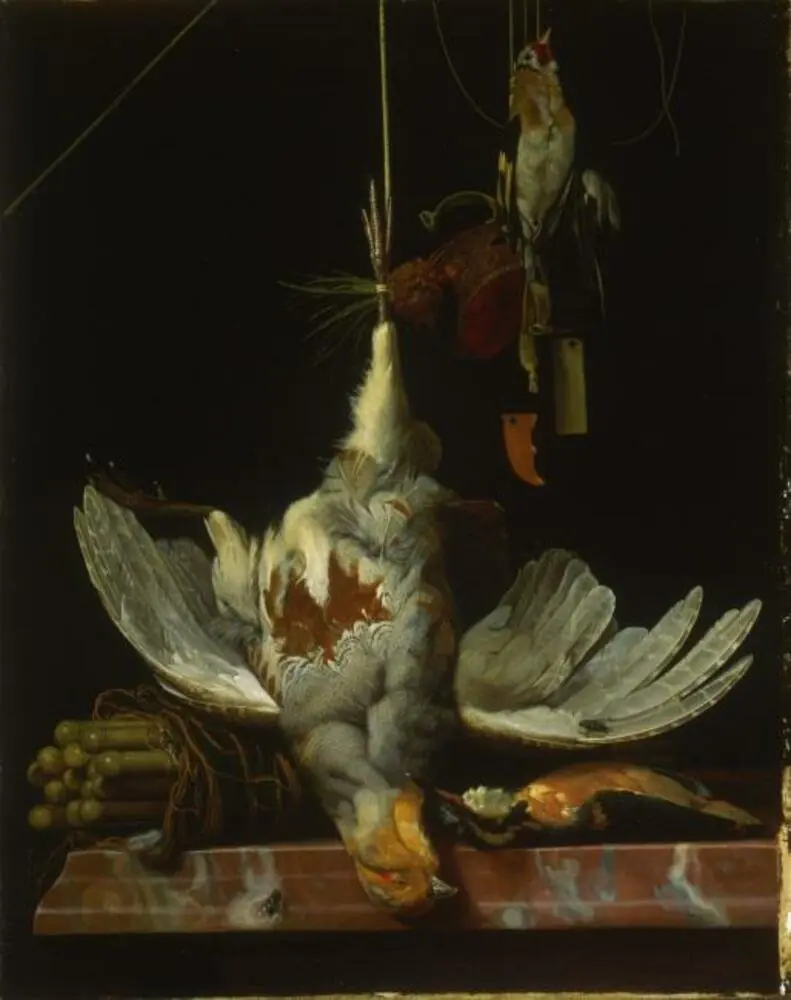 Still Life with Birds
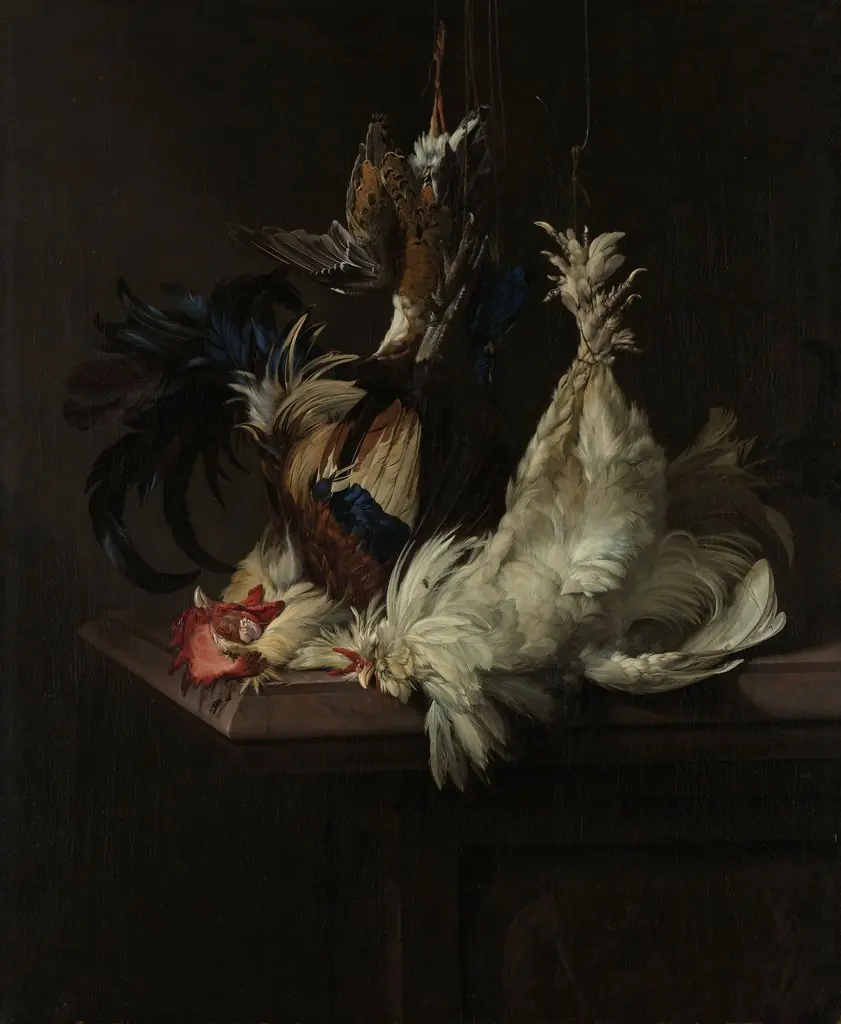 Still Life with Poultry
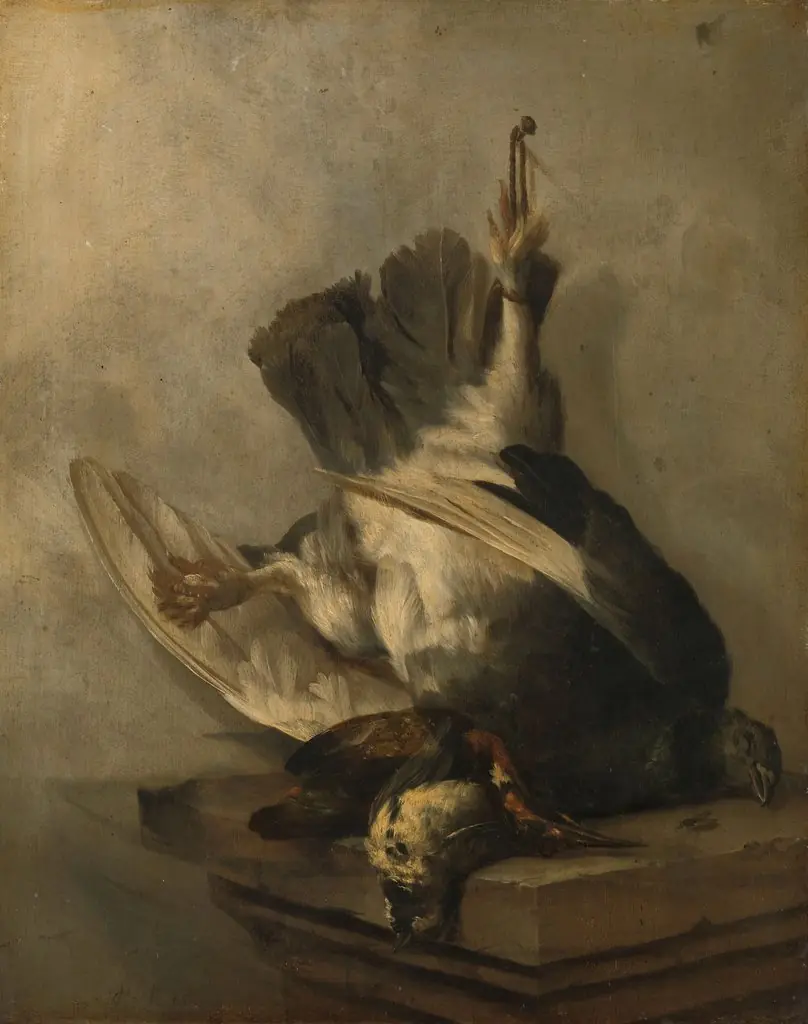 Still life with woodpecker and snipes
 Still Life with Dead Birds and Game Bag
 Still Life with Birds and Hunting Gear in a Niche
 Still life with game and hunting gear
 Still Life with a dead Pheasant and a Hunting Bag