Artwork
The Eagle's Nest
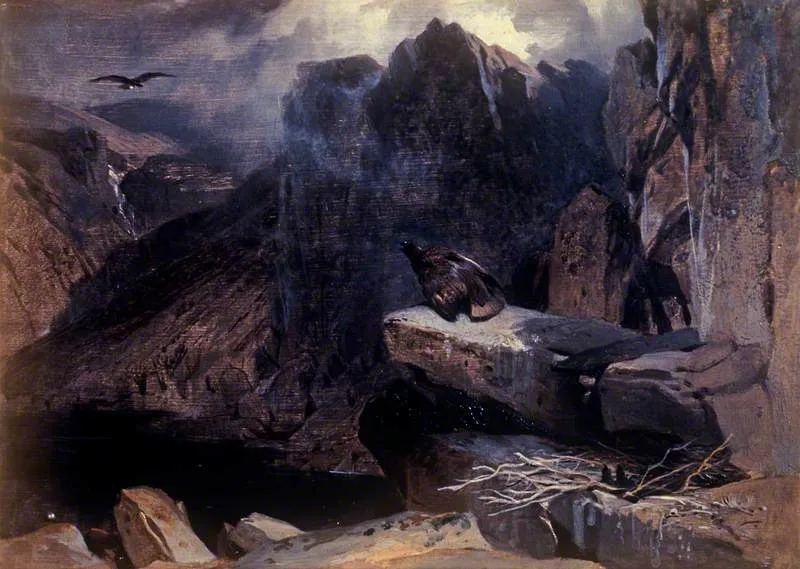
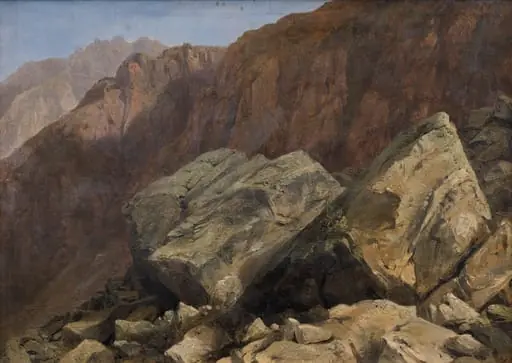
The Eagle's Nest is an unspecified painting by Edwin Landseer. It dates from 1833 and is held in the collection of the Victoria and Albert Museum. Created in 1833, this oil on canvas portrays an eagle perched on a crag, its nest tucked into the rocky ledge below.
About this work
Overview
Created in 1833, this oil on canvas portrays an eagle perched on a crag, its nest tucked into the rocky ledge below. The bird faces outward, its dark brown plumage and outstretched talons rendered with meticulous detail, while a rugged, snow‑capped mountain range recedes into the sky behind it.
Subject & Meaning
The composition centers on the solitary eagle, a symbol of power and vigilance, calling to a mate that is suggested but unseen. The tangled nest and scattered feathers lend a naturalistic atmosphere, emphasizing the harshness and isolation of the highland environment that likely inspired the work.
Technique & Style
Landseer employs strong chiaroscuro, contrasting illuminated feathers and rock against deep shadows to accentuate the bird’s muscular form. The brushwork varies from fine, precise strokes in the plumage to broader, textured applications in the surrounding terrain, creating a sense of depth and three‑dimensionality.
History & Provenance
The painting debuted at the British Institution’s annual exhibition in Pall Mall in 1834. It entered the collection of prominent 19th‑century patron John Sheepshanks, who later bequeathed it to the Victoria and Albert Museum in 1857 as part of his extensive Sheepshanks Gift.
Artist & collection

Artist
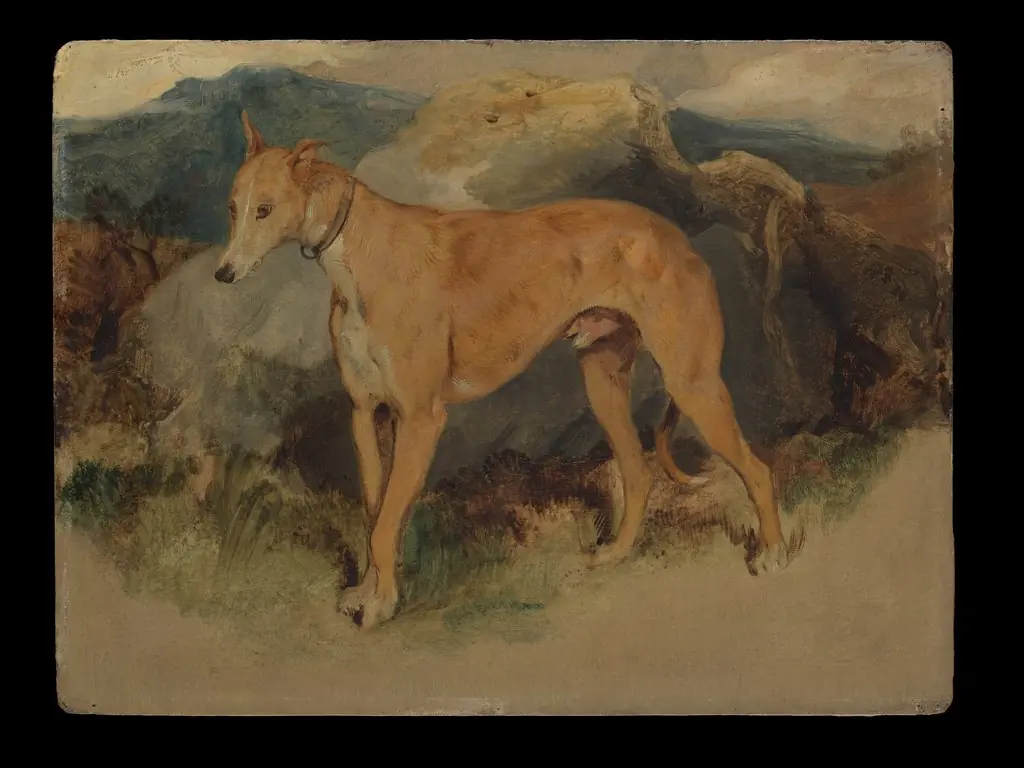
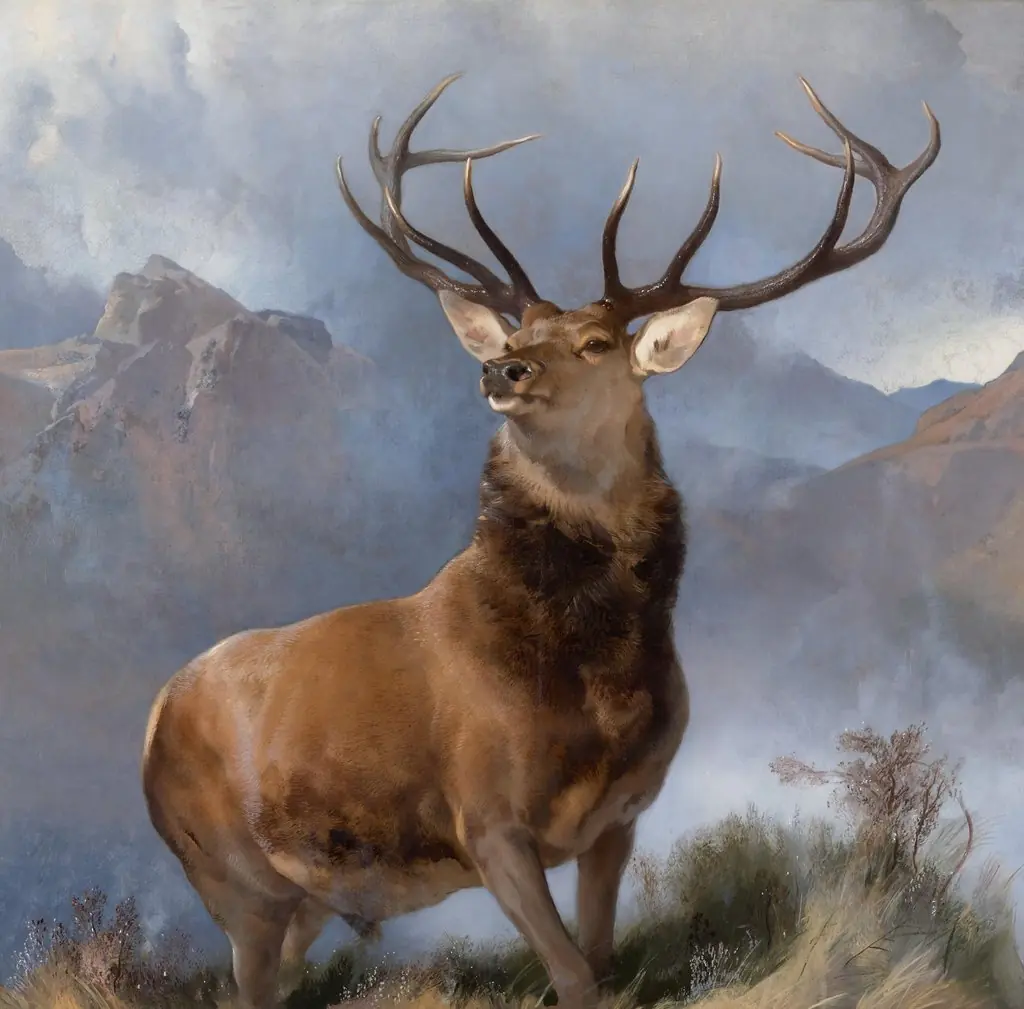
Sir Edwin Henry Landseer was an English painter and sculptor, well known for his paintings of animals – particularly horses, dogs, and stags. His best-known work is the lion sculptures at the base of Nelson's Column in Trafalgar Square.

 View of a Norwegian Lake Before the Sun has Dissipated the Early Morning Mist
 Glen Massan
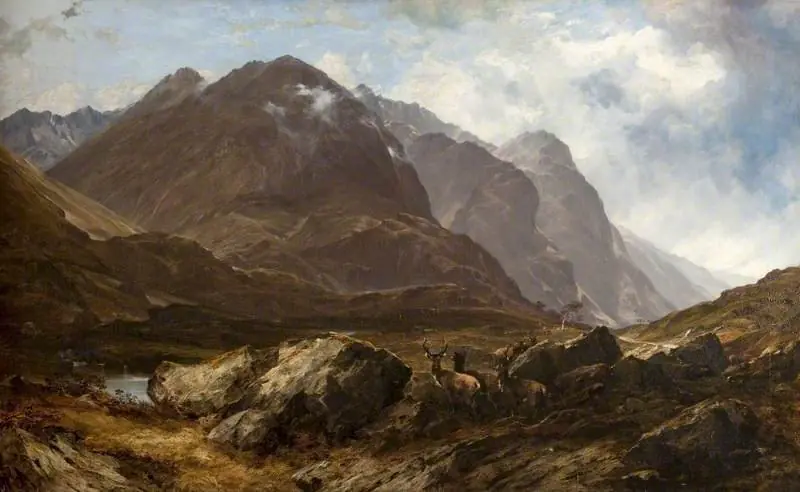 Glencoe
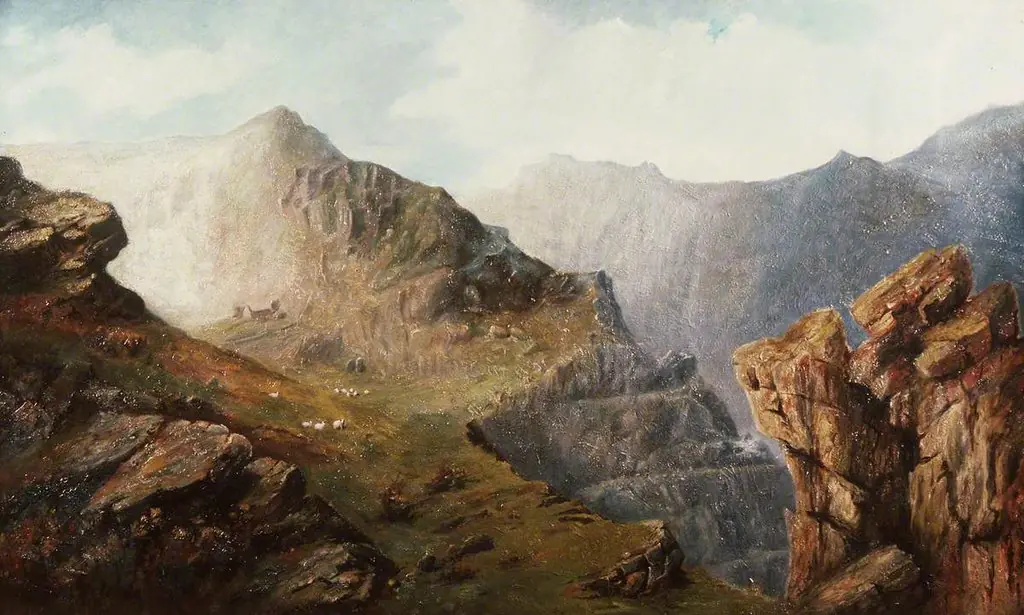 Dinorwic Slate Quarry
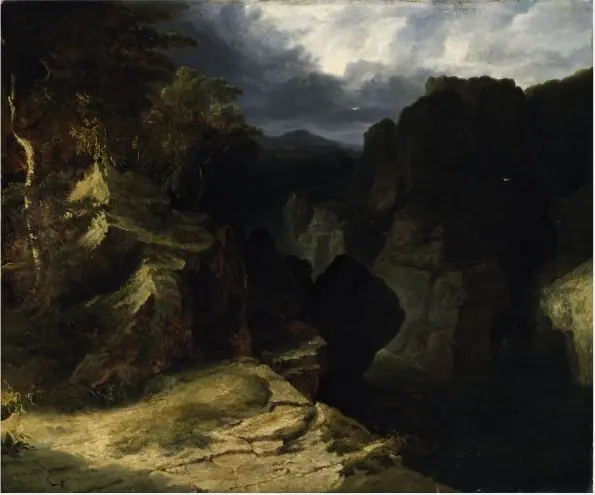 View of the Devil's Glen
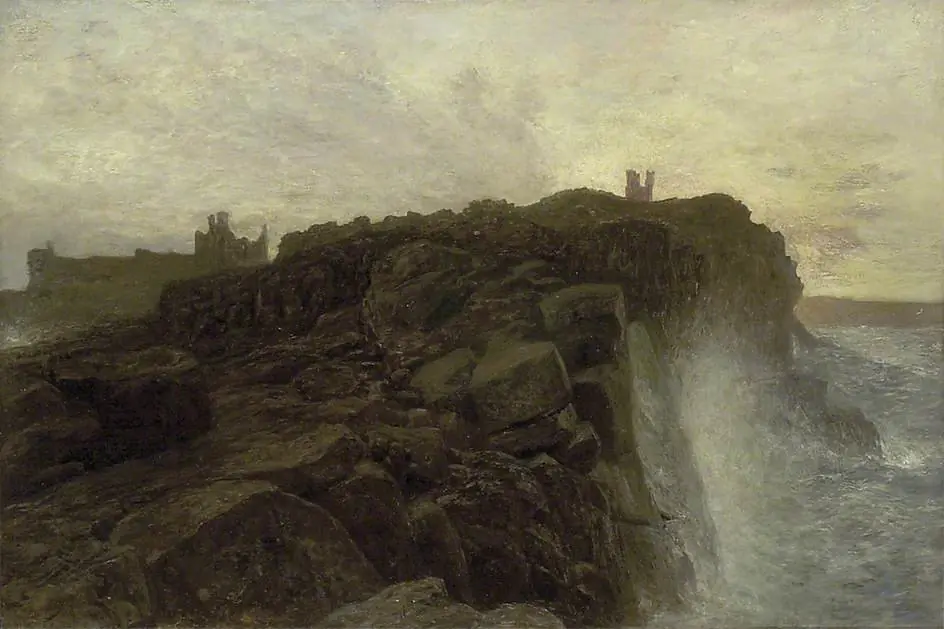 Dunstanborough
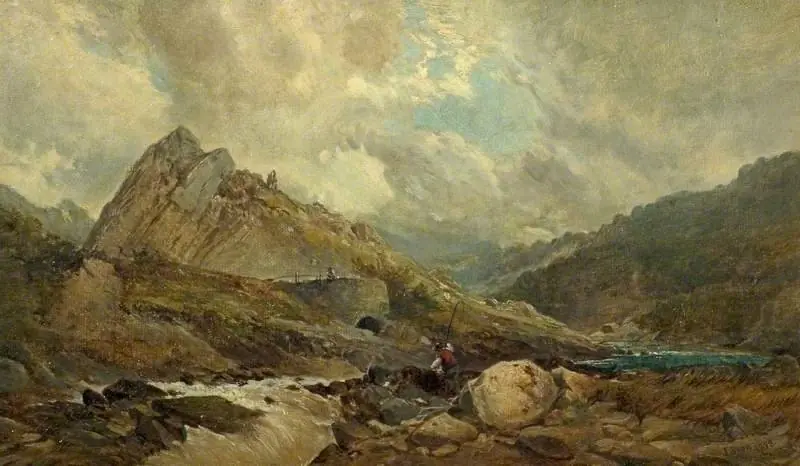 Valley of the Neath
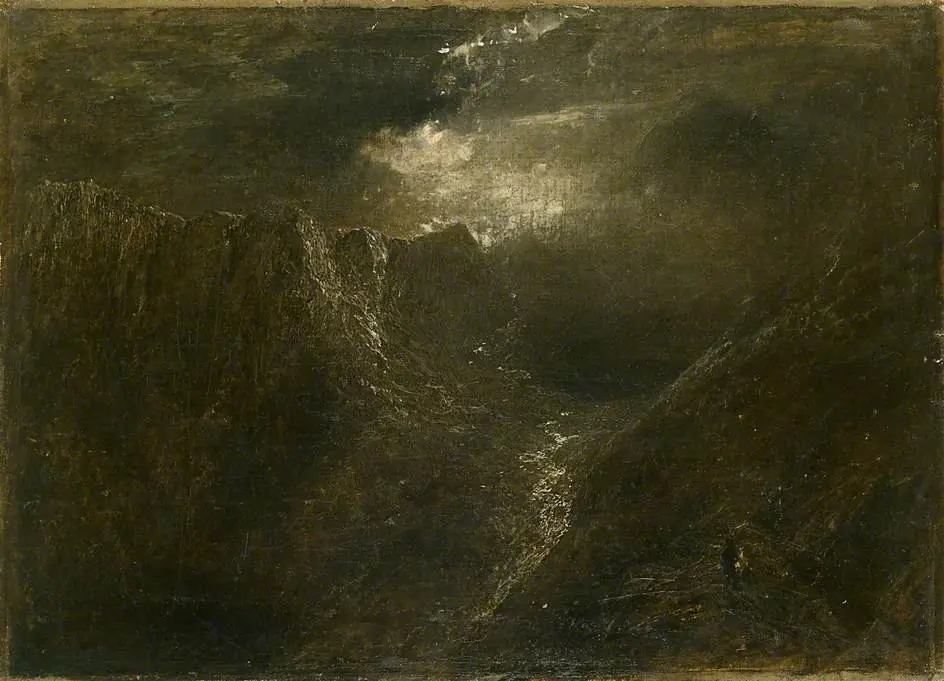 Glen Lyon by Moonlight, Snowdon
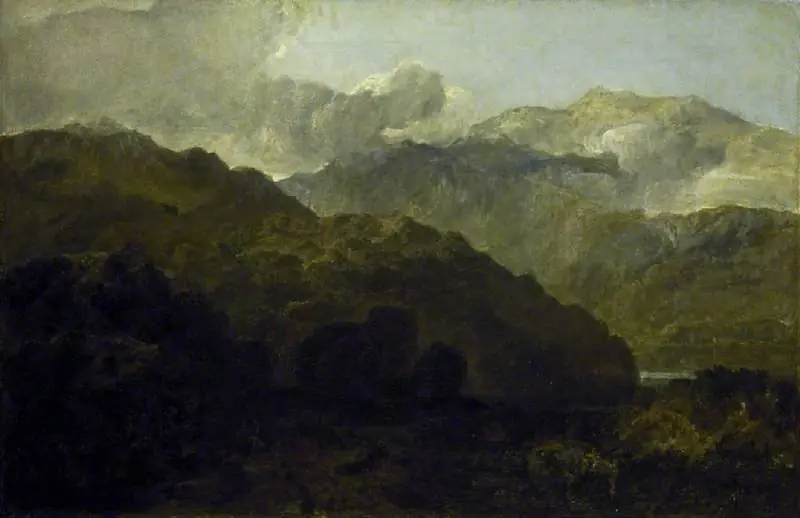 Ben Lomond Mountains, Scotland: The Traveller - Vide Ossian's War of Caros
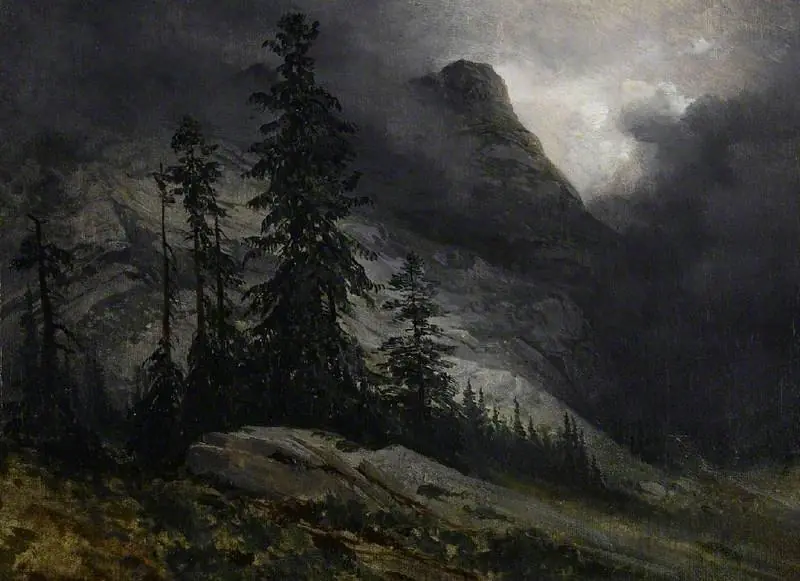 Storm at Handeck
 Stânci
- The Eagle's Nest, Skye