Artwork
Damas. Intérieur de Maison. Consul Anglais (Syrie)
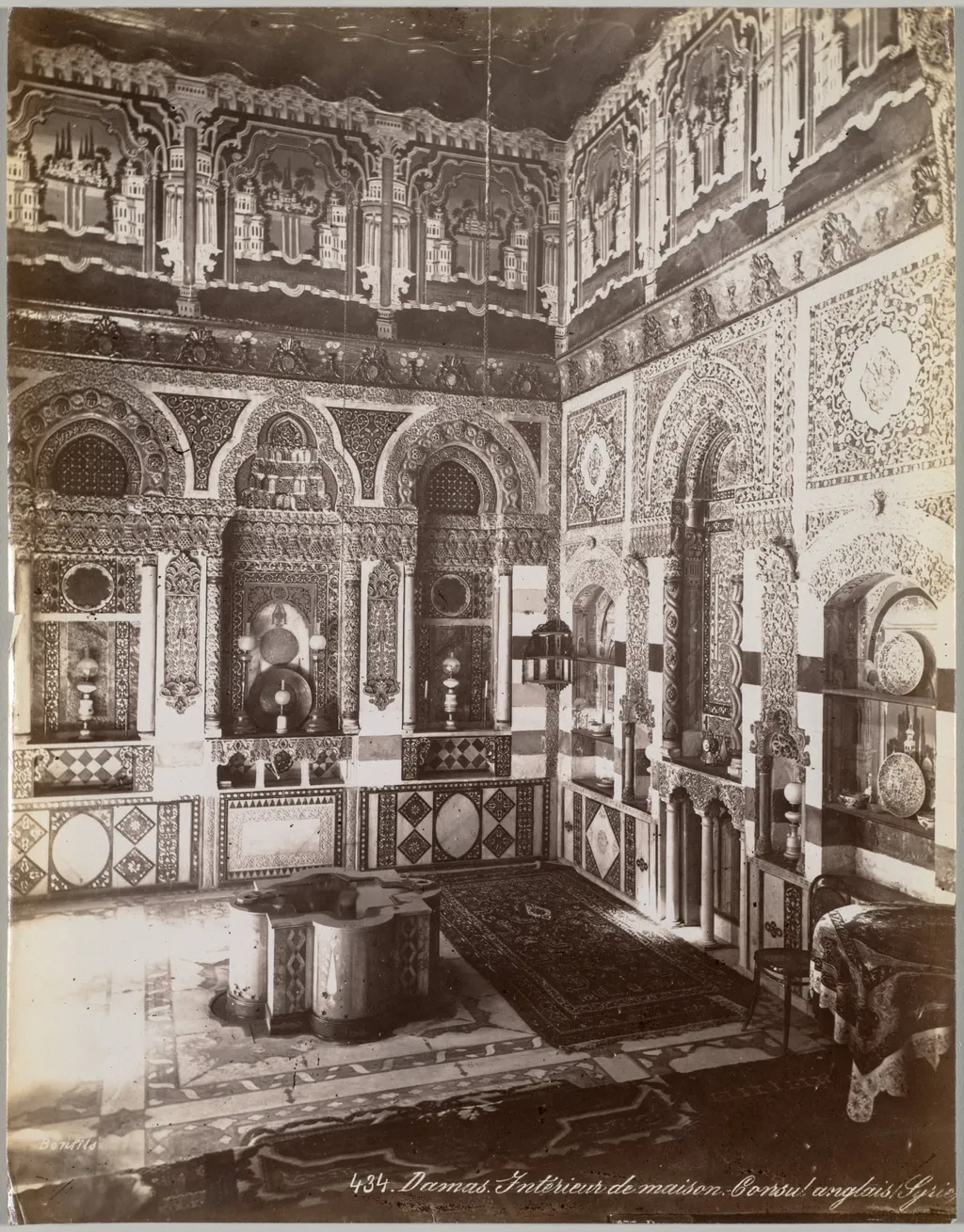
Damas. Intérieur de Maison. Consul Anglais (Syrie) is a photography by the Impressionist artist Félix Bonfils. It dates from 1867 and is held in the collection of the Cleveland Museum of Art.
- Accession no.
- 2016.322
- Credit line
- Gift of Eric Zafran
About this work
Overview
A patterned rug covers the floor, grounding the scene in everyday domestic life while highlighting the region's decorative arts.
Félix Bonfils' 1867 albumen print, 'Damas. Intérieur de Maison. Consul Anglais (Syrie),' documents the interior of a residence in Damascus, historically associated with the British Consul.
The photograph captures a densely furnished room characterized by traditional Levantine architectural elements, including intricately carved dark wood paneling, arched niches, and small, high-set windows that filter natural light into the dim space. The composition emphasizes the texture and materiality of the environment, showcasing shelves laden with ceramic vessels, clocks, and other domestic objects arranged against the ornate woodwork. A patterned rug covers the floor, grounding the scene in everyday domestic life while highlighting the region's decorative arts.
Created during Bonfils' extensive documentation of the Middle East, this work reflects his systematic approach to recording local customs and architecture for a European audience. As part of the studio's commercial output in Beirut, the image serves as both a documentary record and a curated representation of Syrian interior design, bridging ethnographic interest with aesthetic appreciation of the period's craftsmanship.
Subject & Meaning
The scene depicts a formal sitting room associated with the English consular residence in Damascus. Dark‑stained wood paneling, carved arches, and small, high windows frame a setting that blends local decorative traditions with the tastes of a European diplomatic household, suggesting a cultural intersection between Ottoman‑era Syria and Western presence.
Technique & Style
Bonfils employed the wet‑collodion process, common in the 1860s, to achieve fine detail and a broad tonal range. The photograph’s composition emphasizes depth through the receding arches and the play of light from the elevated windows, rendering textures of wood, metal, and a patterned rug with remarkable clarity.
History & Provenance
Taken during Bonfils’s extensive photographic work in the Levant, the image entered the Cleveland Museum of Art’s collection through a mid‑20th‑century acquisition of European photography. Its provenance reflects the museum’s commitment to preserving early documentary photography of the Near East.
Context
The photograph belongs to a period when European powers established consular posts throughout the Ottoman Empire, and visual records of these outposts were in demand. Bonfils, a French photographer based in Beirut, produced a series of images that documented both public and private spaces, providing contemporary audiences with rare visual access to foreign interiors.
Artist & collection

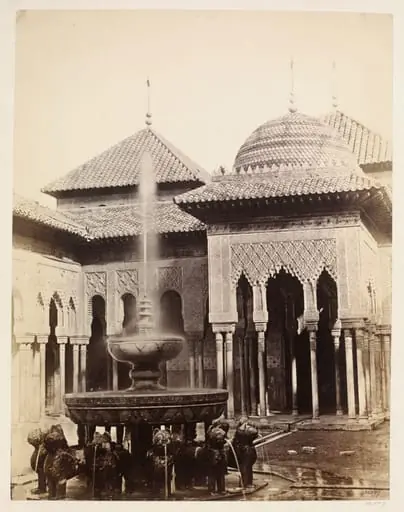
- The Alhambra. Fountain and the pavilion of the Court of the Lions
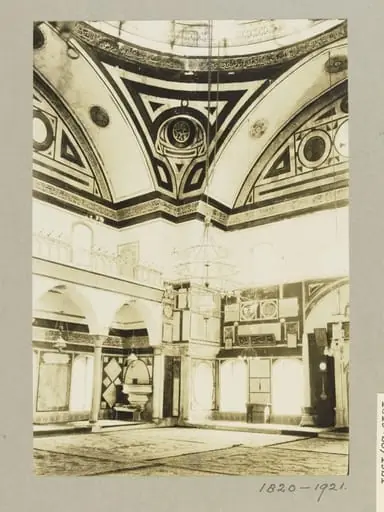 The Mosque of Jazzar Pasha, Acre
 Courtyard, Casa de Pilatos, Seville
 Entrance portal of the mosque of Qadi Yahya Zayn al-Din (Habbaniyya), Cairo
 Courtyard, Alhambra
 Picturesque Sketches in Spain: The Mosque, Cordova
 Pendentive of dome over mihrab in the mosque of Qadi Yahya Zayn al-Din (Habbaniyya), Cairo
 Egypt and Nubia, Volume III: Interior of the Mosque of the Sultan El Ghoree
 The Mosque of Omar
 Delhi. Gateway of Allahood Deen's Palace, Old Delhi
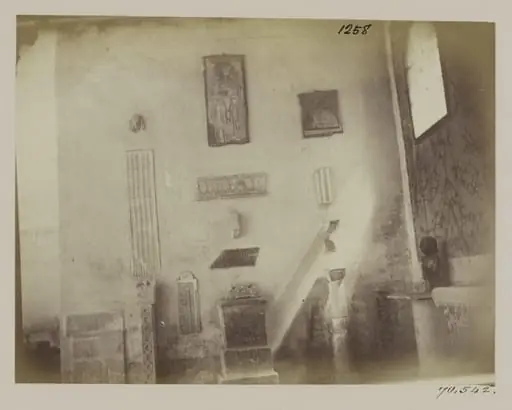 Church of S. Giorgio in Velabro - Fragments of marble sculpture, Tombs, &c., from the old Church, built into the wall.
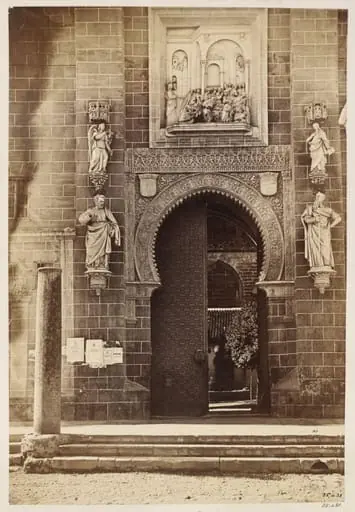 Cathedral Moorish Door (or door of Pardon), Seville