Artwork
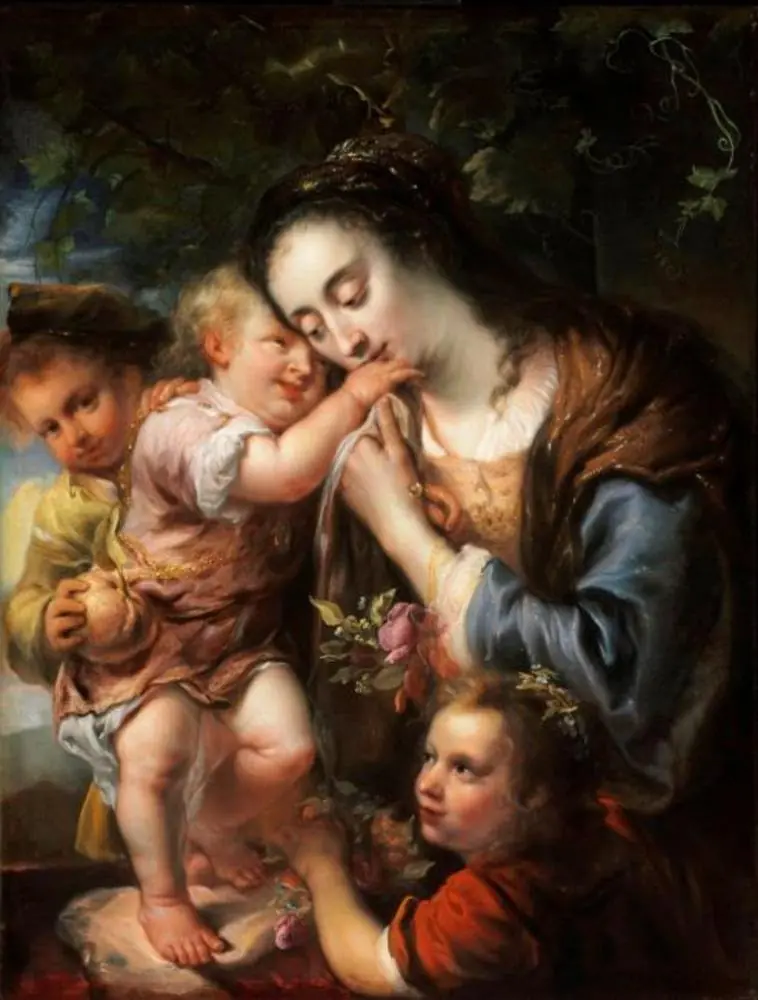
Caritas: Johanna de Geer (1629-91) with her children Cecilia Trip (1660-1728) and Laurens Trip (b 1662)
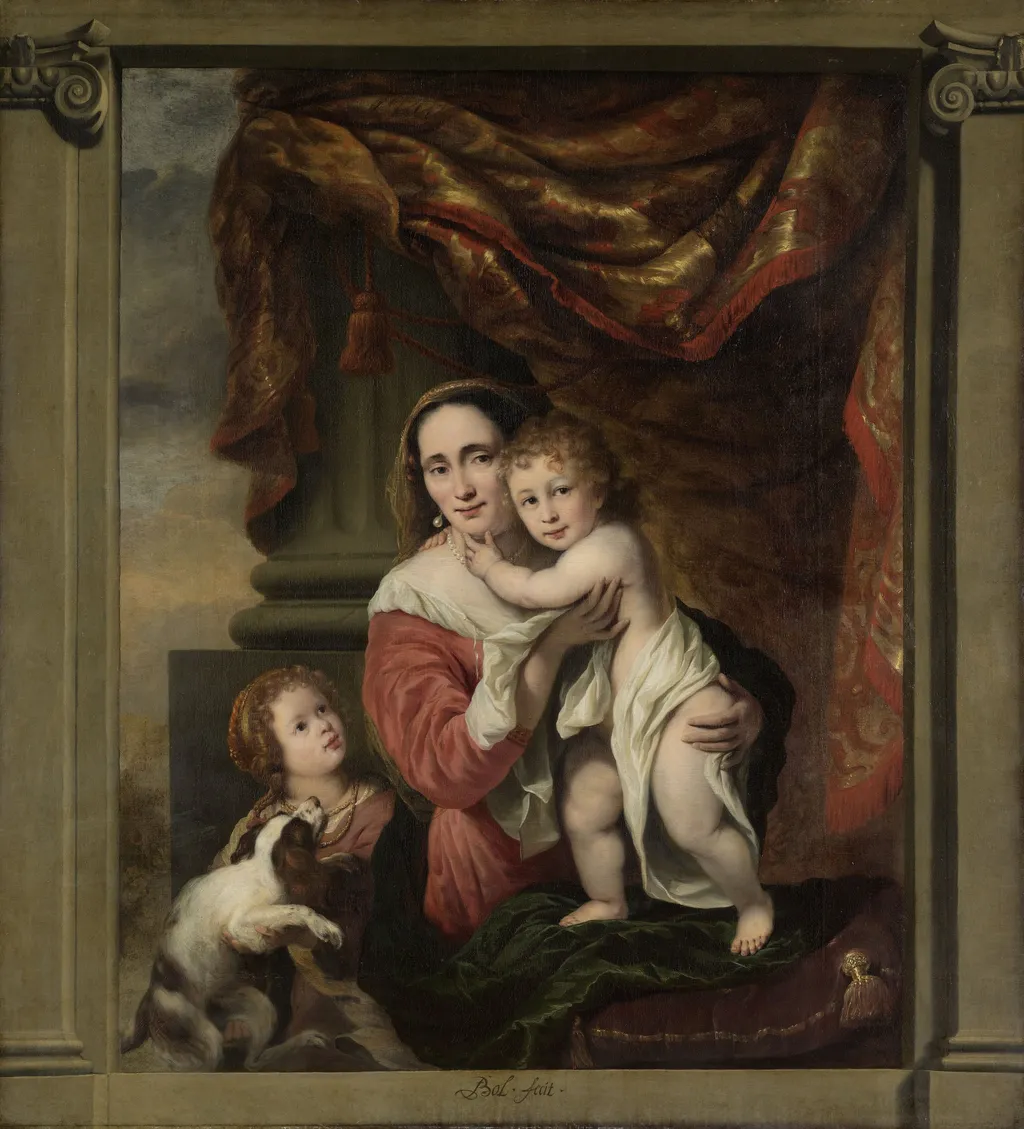
Caritas: Johanna de Geer (1629-91) with her children Cecilia Trip (1660-1728) and Laurens Trip (b 1662) is an oil painting by the Dutch Golden Age artist Ferdinand Bol. It dates from 1664 and is held in the collection of the Rijksmuseum.
About this work
Subject & Meaning
Because of this maternal imagery, the work is interpreted as an allegory of Caritas, or charity, personified through the figure of the devoted mother.
The painting presents Johanna de Geer, second wife of the wealthy merchant Hendrik Trip, as a caring mother surrounded by her two children, Cecilia Trip and Laurens Trip, and accompanied by a small dog. Because of this maternal imagery, the work is interpreted as an allegory of Caritas, or charity, personified through the figure of the devoted mother. The classical column and sumptuous curtain behind the family lend the domestic portrait the dignified, elevated character typical of allegorical representations, while a glimpse of landscape on the left opens the interior setting outward.
The composition was originally designed as a mantelpiece for the Trippenhuis, with its painted Ionic pilasters aligning with the sculpted decoration of the chimney, integrating the allegory of maternal charity into the architectural program of the family home.
Technique & Style
Executed in oil paint on canvas, this 1664 work by Ferdinand Bol features a signed inscription reading 'fBol · fecit ·' at the bottom center. The composition presents the figures against a sumptuous curtain that partially obscures a classical column, with the left side opening to reveal a landscape background. Painted Ionic pilasters flank the scene, designed originally to align with the sculpted decoration of a chimney piece in the Trippenhuis.
The large-scale portrait, measuring 167 by 152.5 centimeters, utilizes these architectural elements to integrate the painting into its intended mantel setting. The formal arrangement emphasizes an allegorical interpretation of charity through the depiction of a caring mother surrounded by her children and a small dog.
History & Provenance
The painting was commissioned circa 1664 by Hendrik Trip as a chimneypiece for the Trippenhuis in Amsterdam, the residence he shared with his brother Louis. It depicts Johanna de Geer, Trip’s second wife, with their children Cecilia (born 1660) and Laurens (born 1662), presented as an allegory of Caritas. The work was designed to integrate with the sculpted chimneypiece, its painted Ionic pilasters aligning with the surrounding decoration.
After the Trippenhuis became home to the Rijksmuseum in 1816, the painting remained in situ until renovations in 1858, when it was removed and added to the museum’s collection. In 2024 it was on long-term loan to the Royal Netherlands Academy of Arts and Sciences, displayed in the restored Trippenhuis.
The painting is owned by the Rijksmuseum in Amsterdam, where it is part of the permanent collection. However, it is not currently displayed in the museum's main galleries; instead, it hangs on long-term loan at the Royal Netherlands Academy of Arts and Sciences (KNAW), also located in Amsterdam. The work is situated in the Trippenhuis, the historic building that once housed the Rijksmuseum from 1816 to 1885.
While specific accession numbers are not provided in the available records, the painting's provenance traces back to the Trippenhuis, where it originally served as a mantelpiece in the corner room of the northern house before being incorporated into the museum's holdings during the 19th century.
Context
Ferdinand Bol's portrait of Johanna de Geer with her children Cecilia and Laurens Trip as Caritas, painted c. 1664, is now read as an allegory of charity, presenting the sitter as a caring mother with her two children and a small dog. The work was originally designed as a mantelpiece for the Trippenhuis, the grand Amsterdam residence built by Hendrik Trip and his brother Louis; its painted Ionic pilasters aligned with the carved decoration of the chimney. During the 1858 renovation of the Trippenhuis, when the Rijksmuseum (housed there from 1816 to 1885) divided its main hall to display Rembrandt's Night Watch opposite Bartholomeus van der Helst's Riflemen's Meal, Bol's chimneypieces may have been removed and entered the Rijksmuseum collection.
The painting is signed 'fBol · fecit ·' and is now held by the Rijksmuseum on long-term loan to the Royal Netherlands Academy of Arts and Sciences, returning it to the Trippenhuis.
The canvas, measuring approximately 167 by 152.5 cm, situates the family before a sumptuous curtain and classical column opening onto a landscape, a compositional formula that reflects Bol's mature portrait practice in Amsterdam.
Overview
Ferdinand Bol’s oil on canvas, dated around 1664, portrays Johanna de Geer together with her children Cecilia and Laurens Trip. The work is signed “fBol · fecit·” and is held by the Rijksmuseum, though it is displayed on long‑term loan at the Royal Netherlands Academy of Arts and Sciences in Amsterdam.
Own this work as a print
Artist & collection
Artist
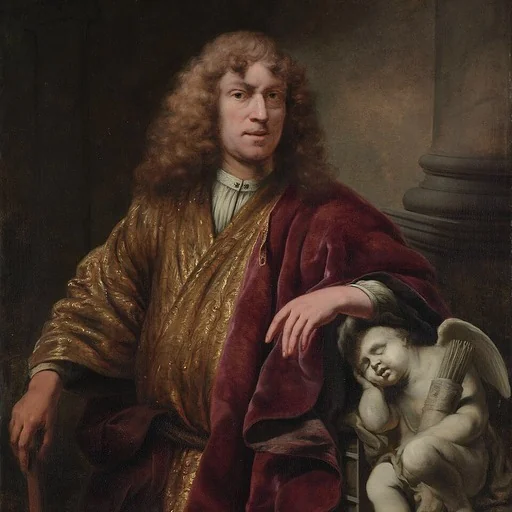
Ferdinand Bol (24 June 1616 - 24 August 1680) was a Dutch painter, etcher and draftsman.

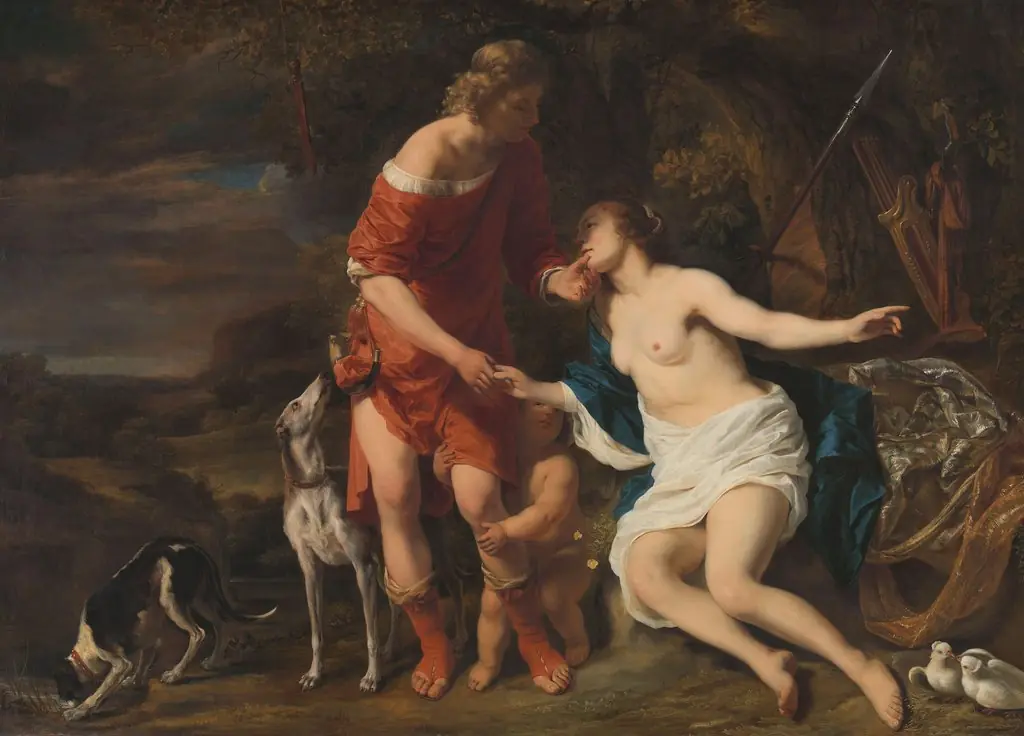 Venus and Adonis
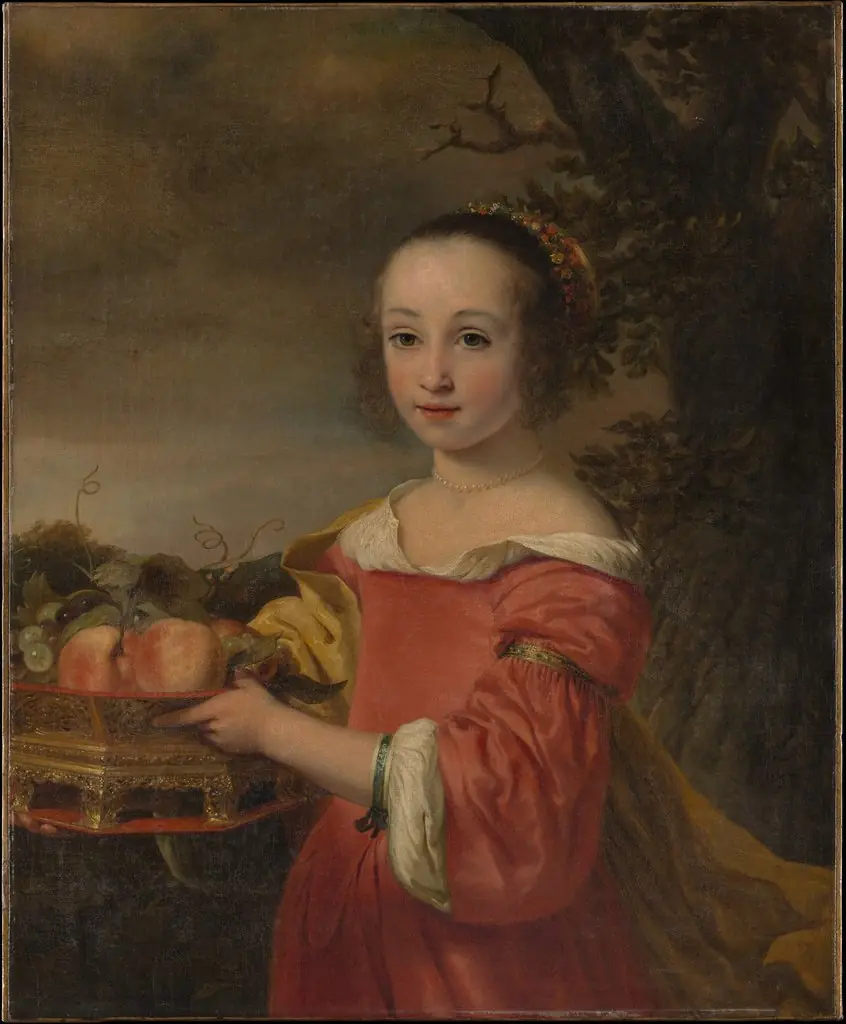 Petronella Elias (1648–1667) with a Basket of Fruit
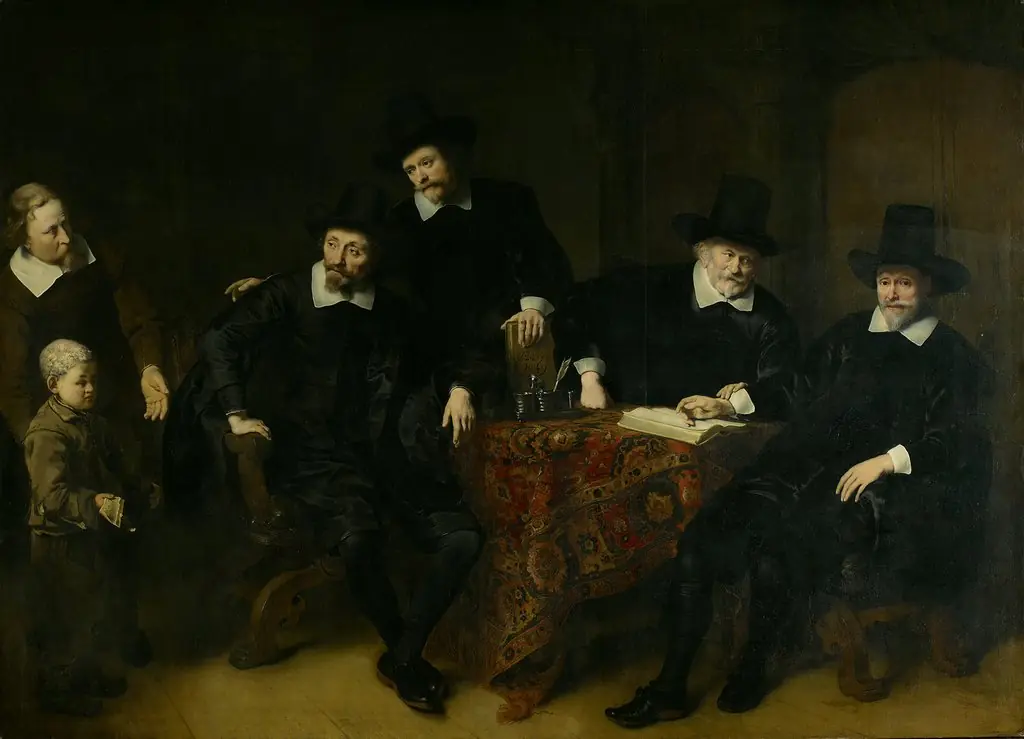 The Regents of the Leper's house in Amsterdam in 1649
- Caritas: Joanna de Geer (1629-1691) with her Children Cecilia Trip (1660-1728) and Laurens Trip (b. 1662)
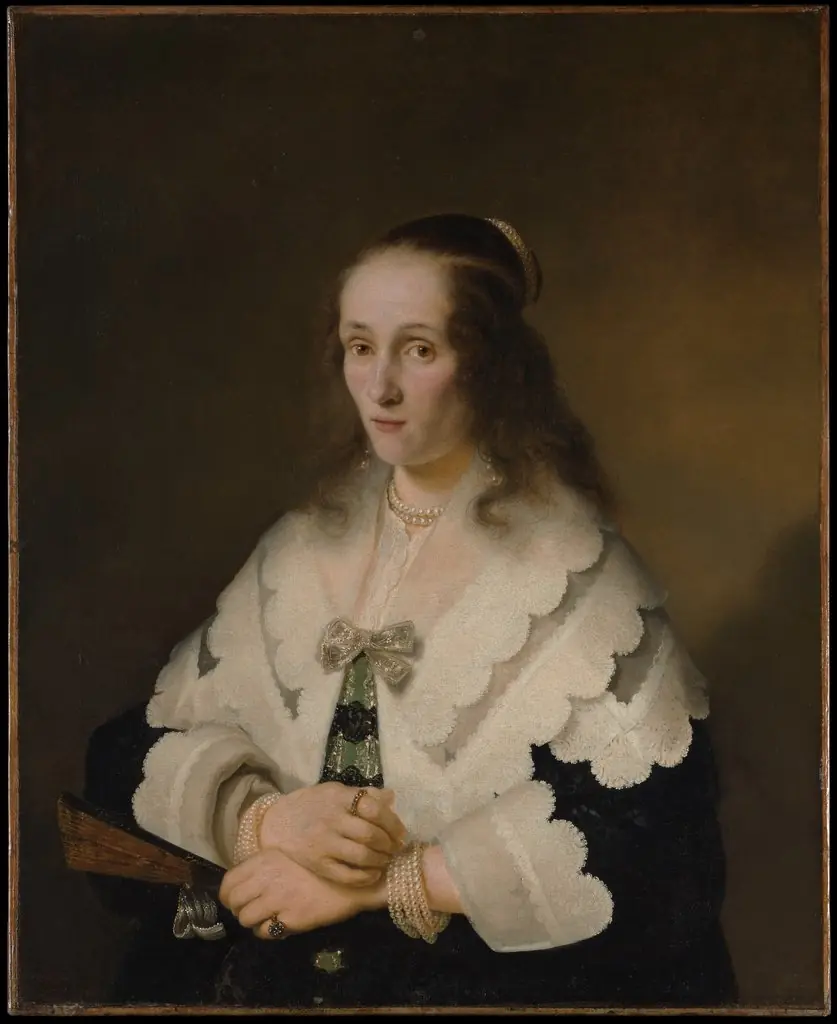 Portrait of a Woman
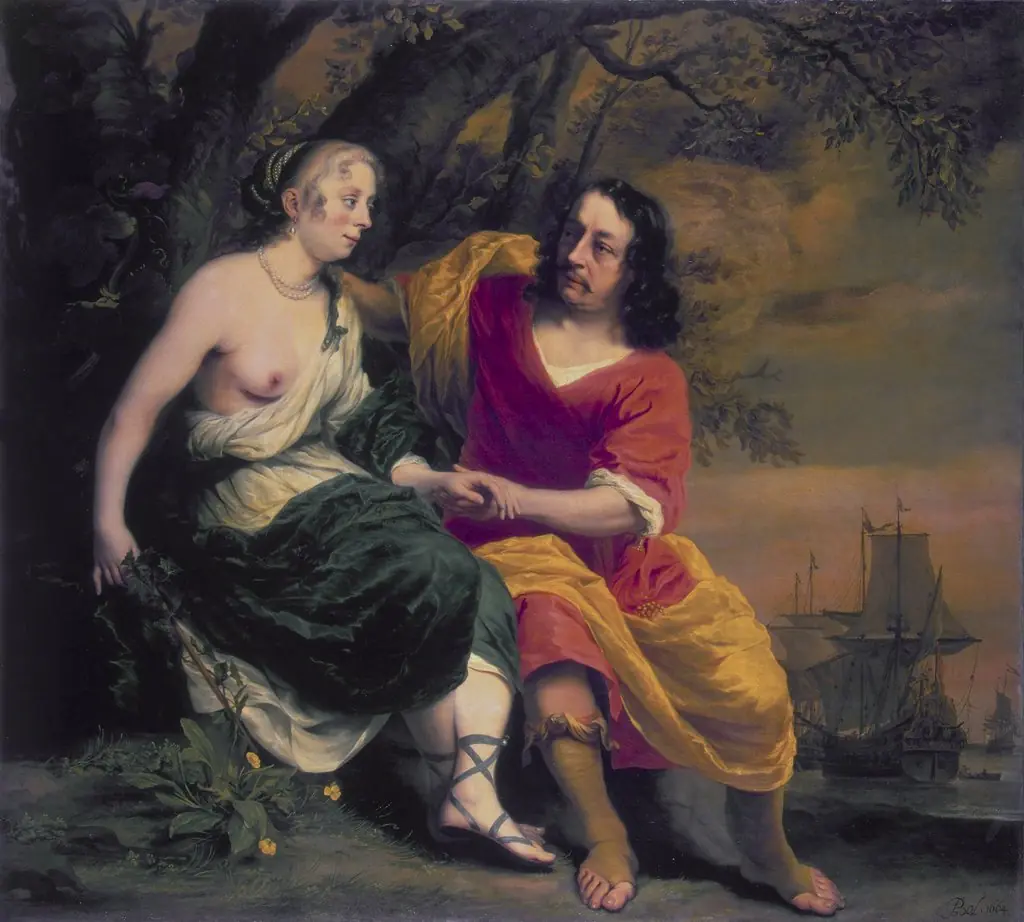 Bacchus and Ariadne
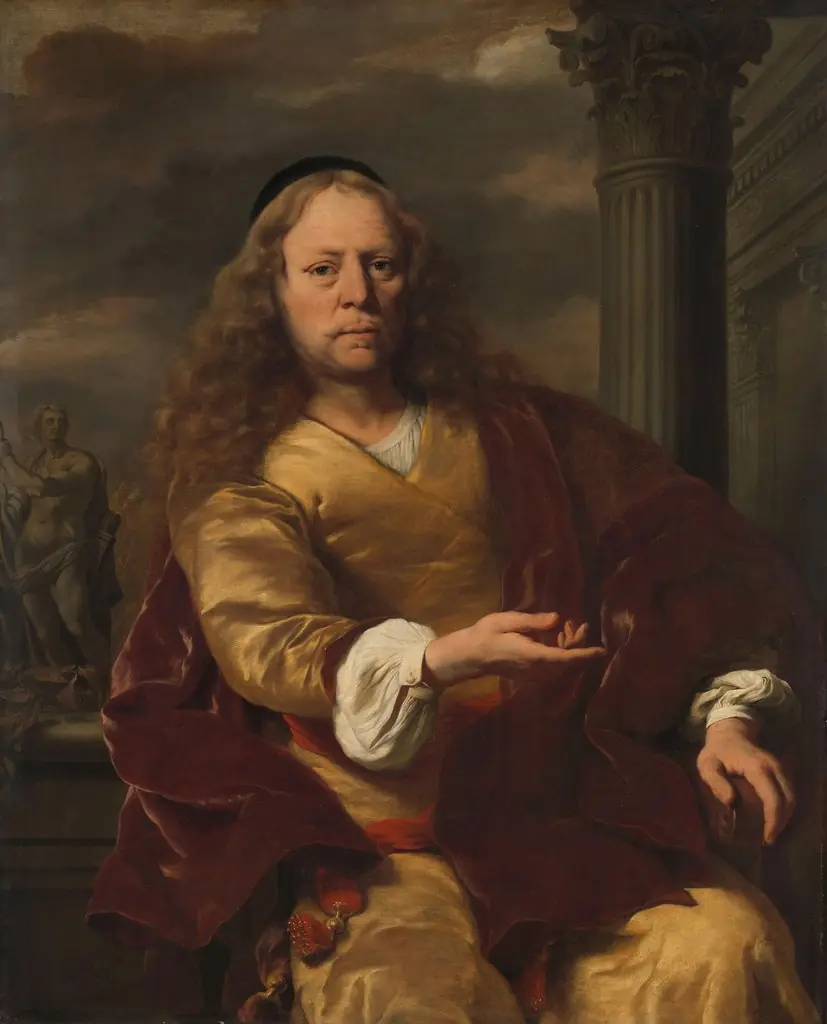 Portrait of a man
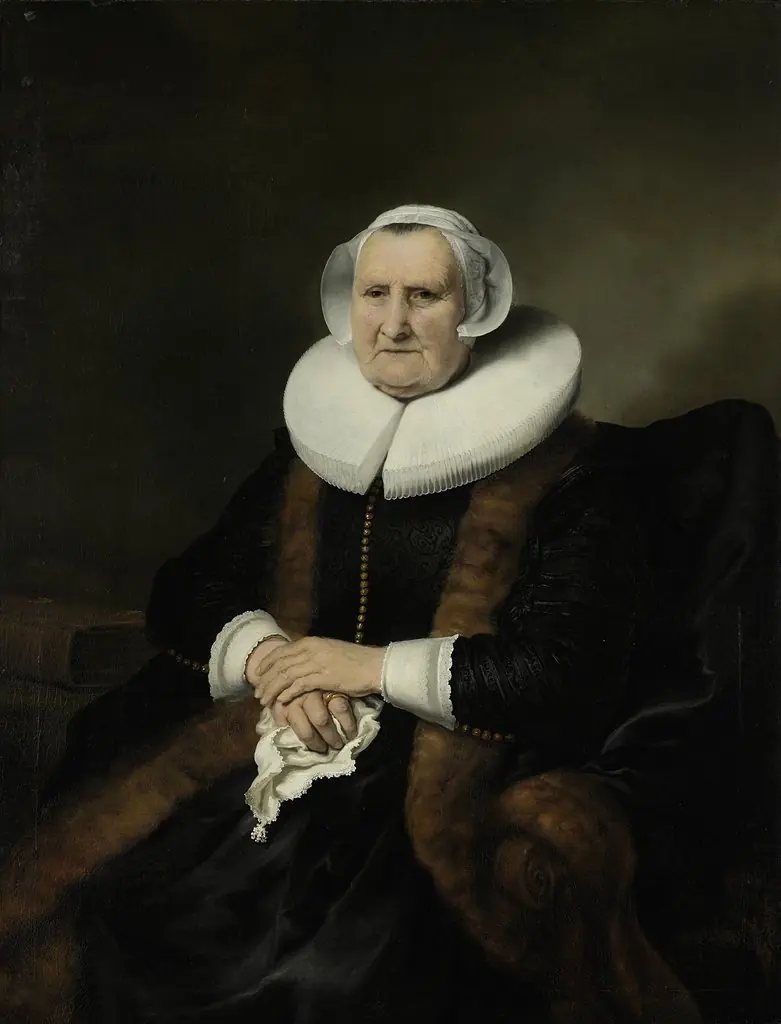 Portrait of an Old Lady, Possibly Elisabeth Bas
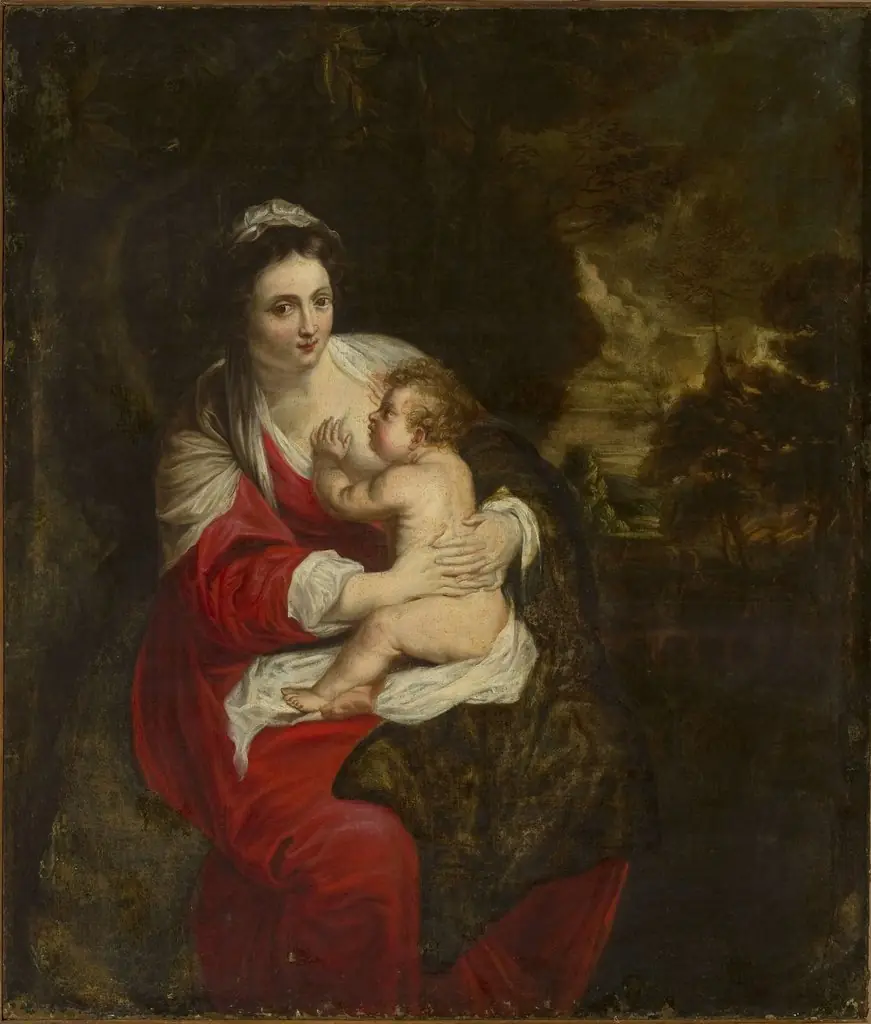 Madonna with Child Jesus
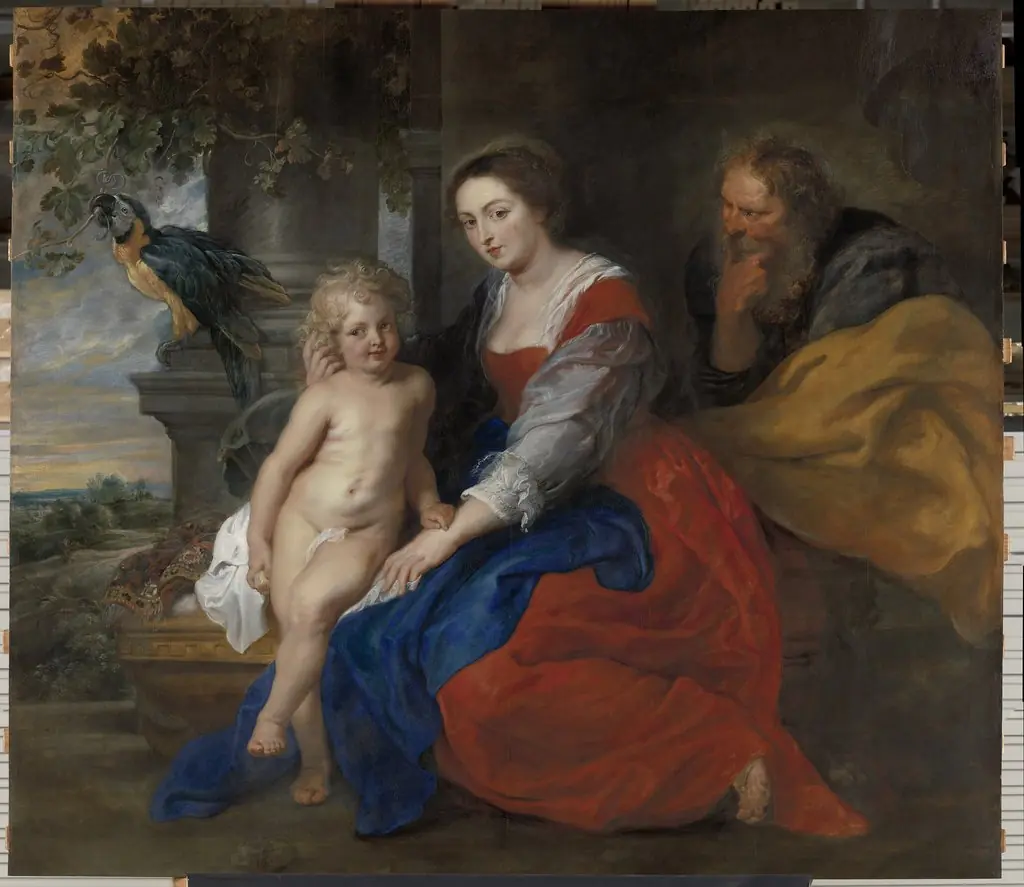 The Holy Family with the Parrot
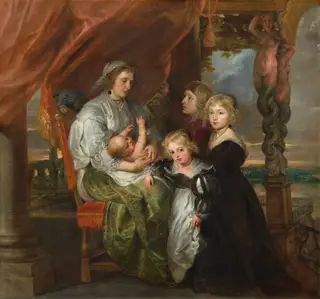 Deborah Kip, Wife of Sir Balthasar Gerbier, and Her Children
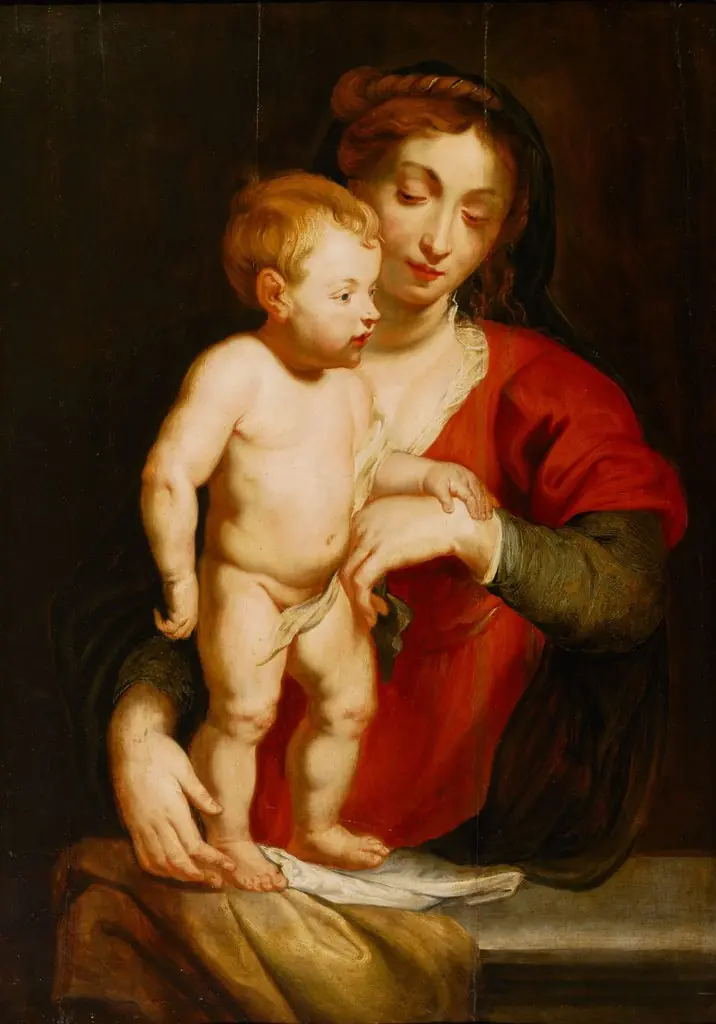 Madonna and Child
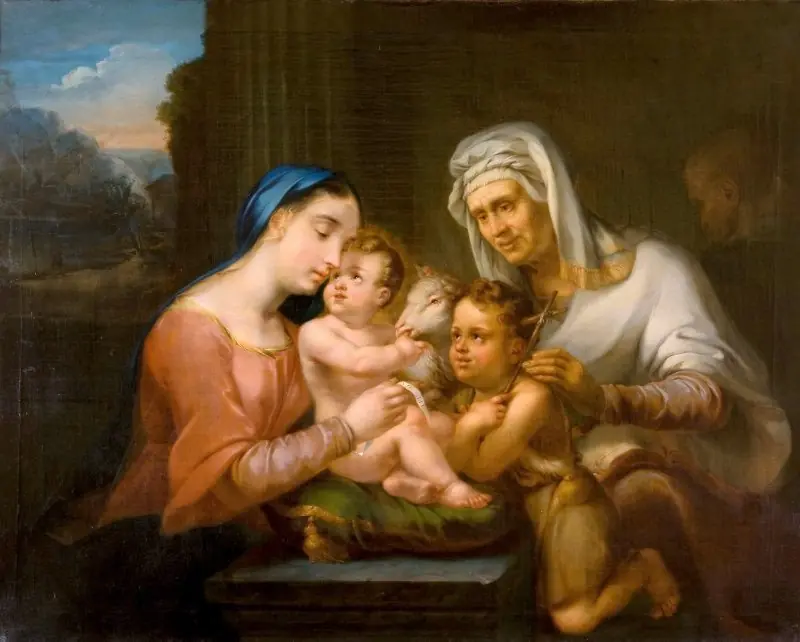 Święta Rodzina (Święta Familia; Familia święta)
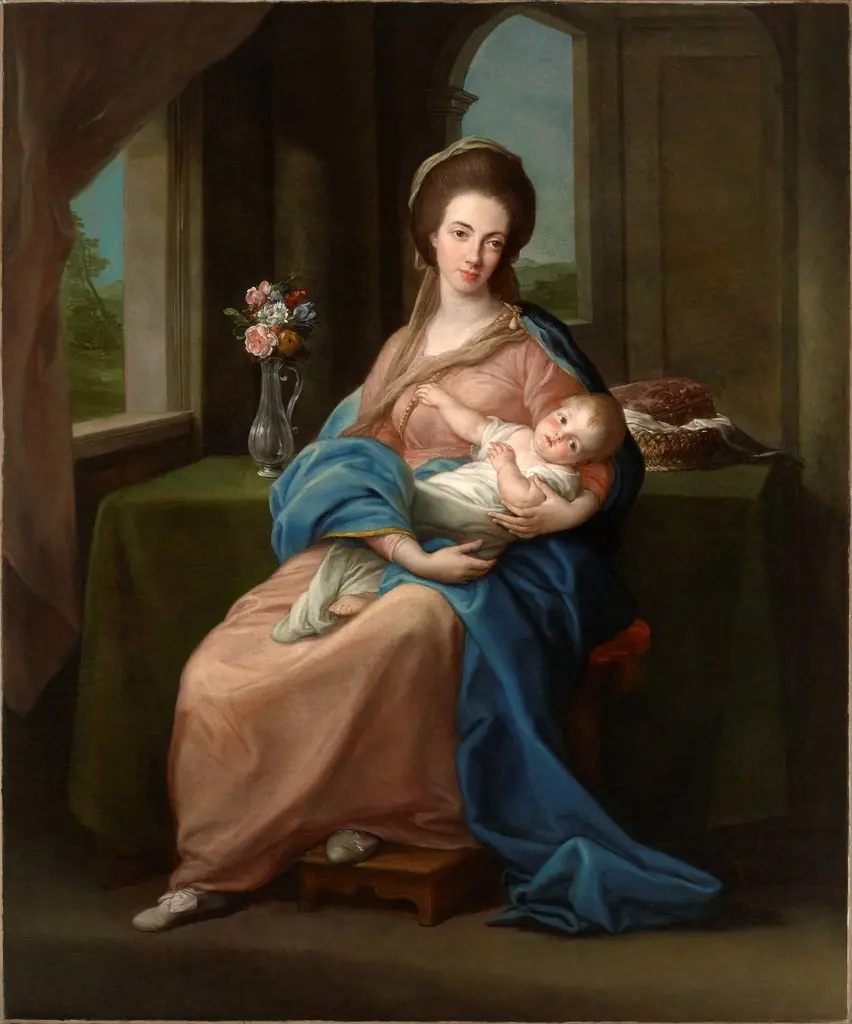 Mary Taylour, Viscountess of Headfort, later Countess of Bective and Marchioness of Headfort (1776–1795)
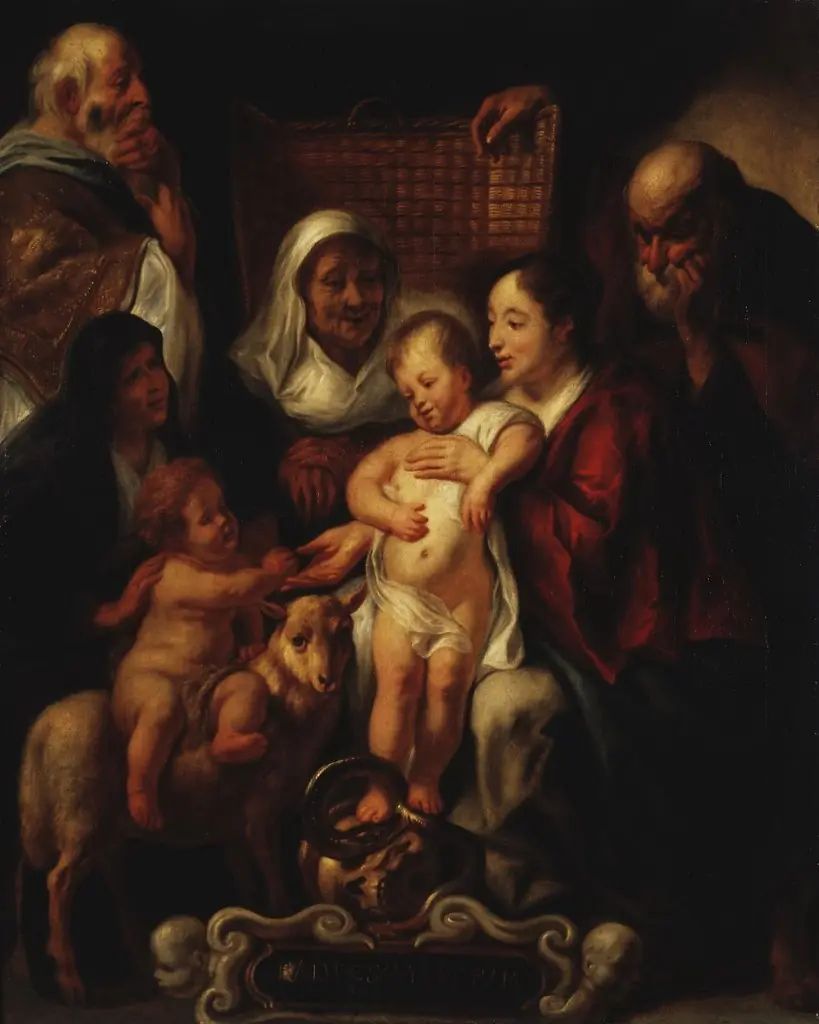 The Holy Family (Hermitage)
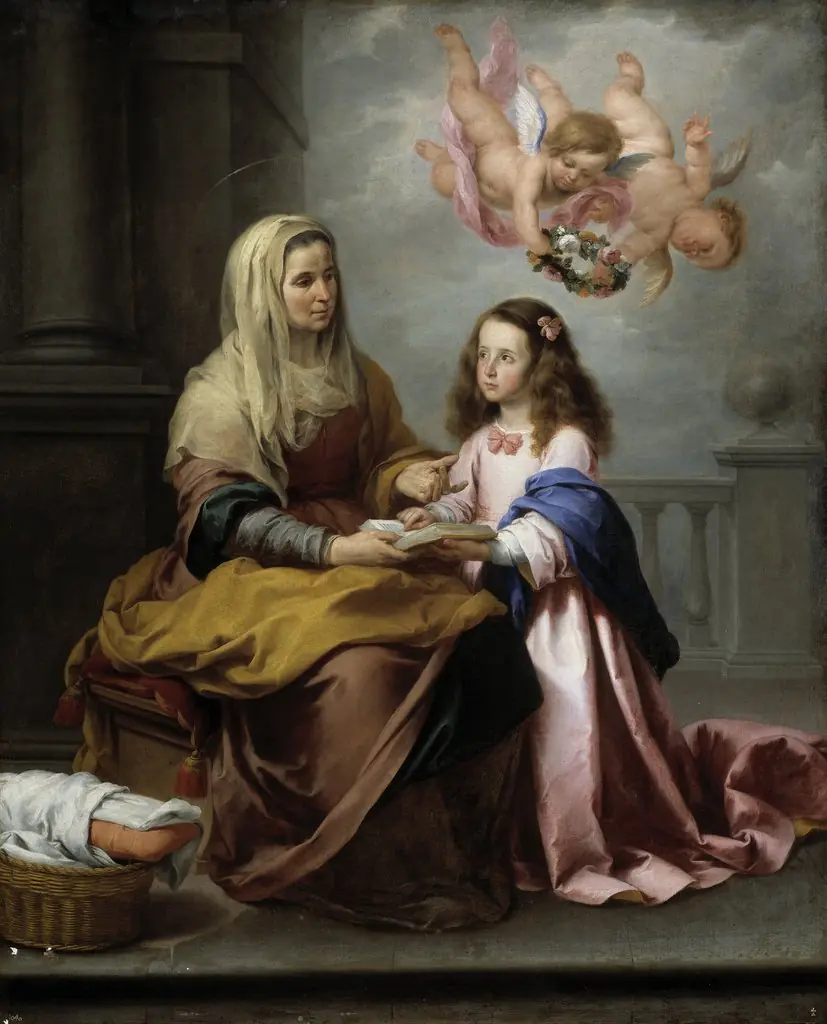 Saint Anne teaching the Virgin to read
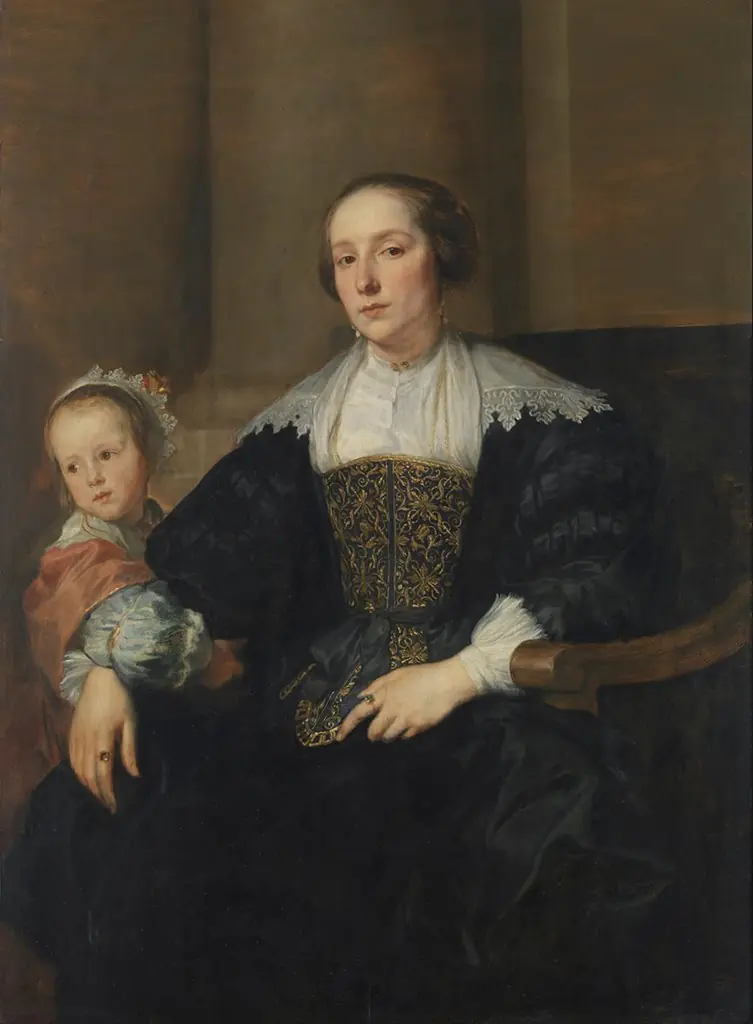 Portrait of Anna van Thielen, wife of the painter Theodoor Rombouts with their daughter
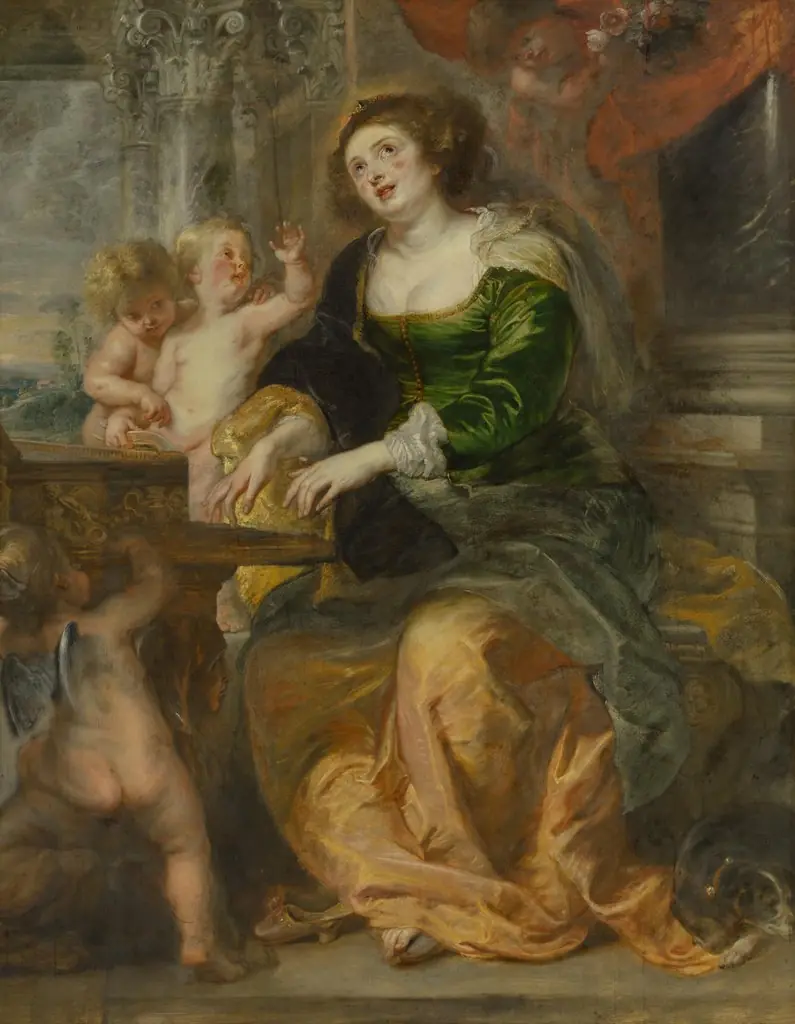 Saint Cecilia playing the virginal
 Mother with her Three Children (Maria Ovens, the Wife of the Painter)