Artwork
Saint Anne teaching the Virgin to read
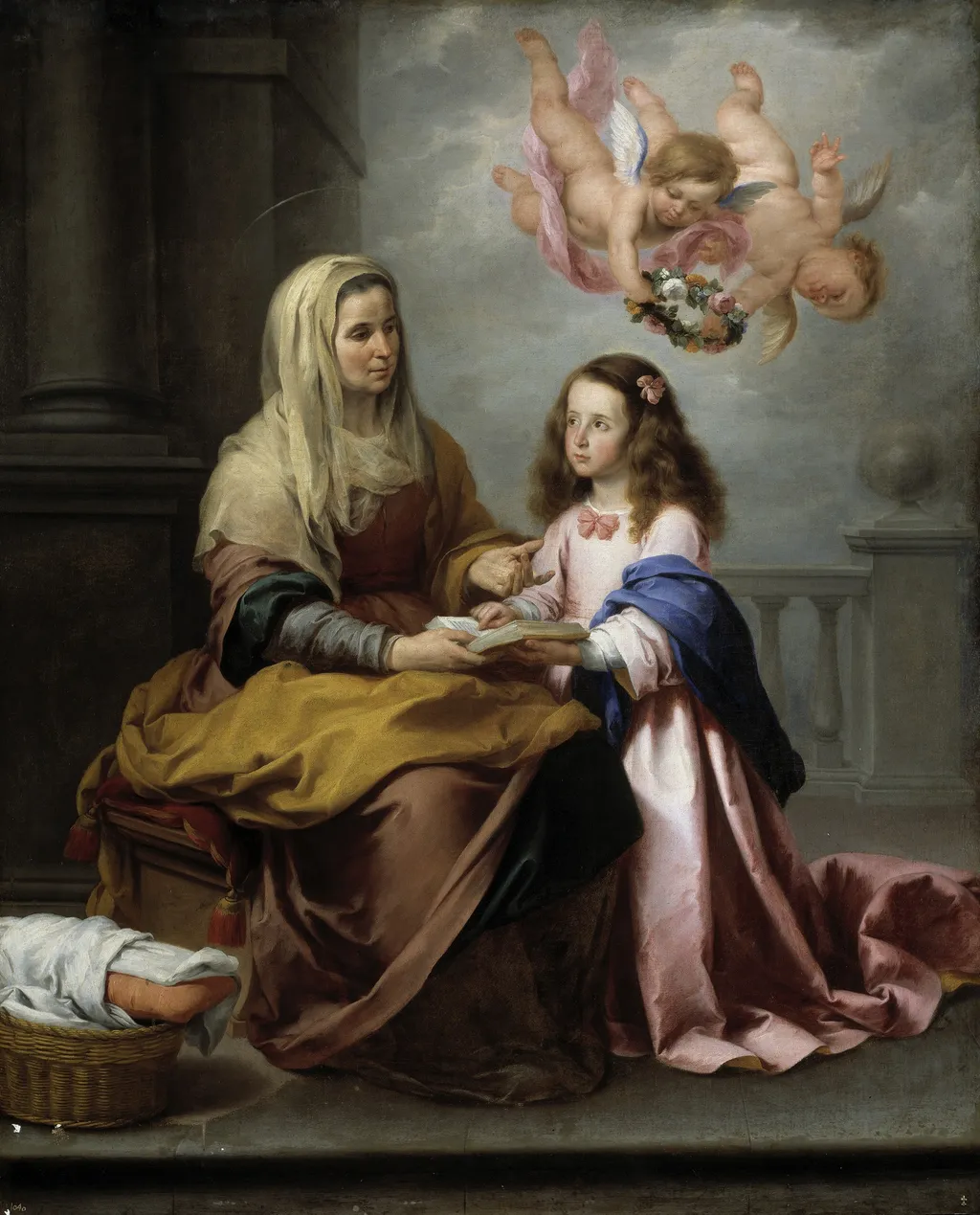
Saint Anne teaching the Virgin to read is an oil painting by the Early Baroque Italian artist Bartolomé Esteban Murillo. It dates from 1655 and is held in the collection of the Museo del Prado.
About this work
Subject & Meaning
The painting depicts the religious subject of Saint Anne teaching the Virgin Mary to read, a scene illustrating the education of the future mother of Christ.
The painting depicts the religious subject of Saint Anne teaching the Virgin Mary to read, a scene illustrating the education of the future mother of Christ. This iconography emphasizes the importance of literacy and religious instruction within the Holy Family, grounding the divine narrative in a domestic, human context. By portraying the Bible as the text being studied, the work symbolizes the transmission of sacred knowledge and the preparation of Mary for her pivotal role in Christian theology.
The composition serves as a visual representation of piety and maternal guidance, characteristic of Baroque religious art intended to inspire devotion through accessible, intimate scenes.
Technique & Style
The work is an oil painting on canvas, measuring 219 cm by 165 cm. Murillo employed layered brushwork to render the figures with soft chiaroscuro and delicate modeling, creating a naturalistic interaction between Saint Anne and the Virgin. The composition emphasizes tactile gestures that convey instruction and intimacy, reflecting Baroque devotional realism. The surface bears a fine varnish layer that has yellowed slightly, affecting the subtlety of tonal transitions.
History & Provenance
The work was painted by Bartolomé Esteban Murillo in 1655, as recorded in the artist’s corpus documentation.
Its early ownership traces to the Spanish royal collection: it was held by Elisabeth Farnese, then passed to her son Philip V, and subsequently to Charles III. By the early nineteenth century it belonged to Ferdinand VII. The painting entered the Museo del Prado, where it is listed with dimensions of 219 cm in height and 165 cm in width.
Bartolomé Esteban Murillo's Saint Anne teaching the Virgin to read is held in the collection of the Museo del Prado. The work has been associated with several royal locations, including the Royal Palace of Aranjuez and the Royal Palace of La Granja de San Ildefonso. Historically, the painting was owned by Spanish monarchs and royal figures such as Philip V, Elisabeth Farnese, Charles III, and Ferdinand VII.
The source material does not provide a specific inventory or accession number for the work, nor does it list any exhibition history.
Overview
This oil painting, created in 1655 by Bartolomé Esteban Murillo, depicts a tender scene of Saint Anne instructing the Virgin Mary to read.
Own this work as a print
Artist & collection
Artist
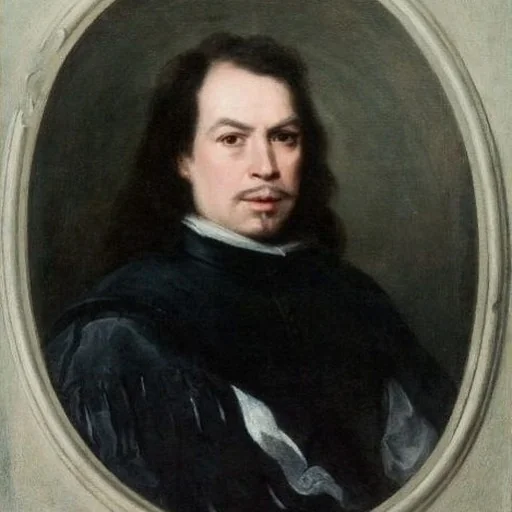
Bartolomé Esteban Murillo ( mure-IL-oh, m(y)uu-REE-oh, Spanish:; late December 1617, baptised 1 January 1618 – 3 April 1682) was a Spanish Baroque painter.

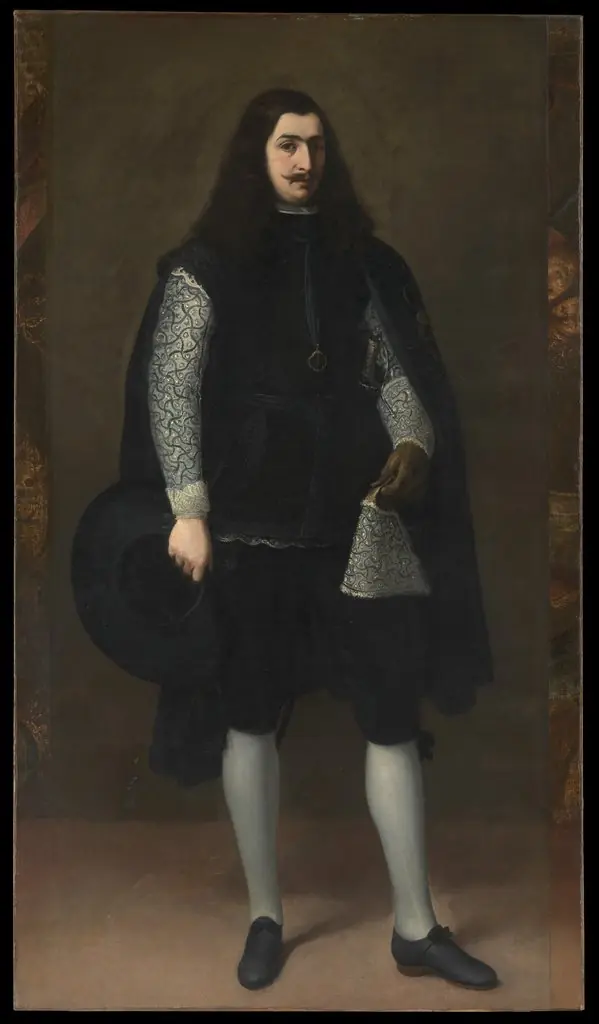
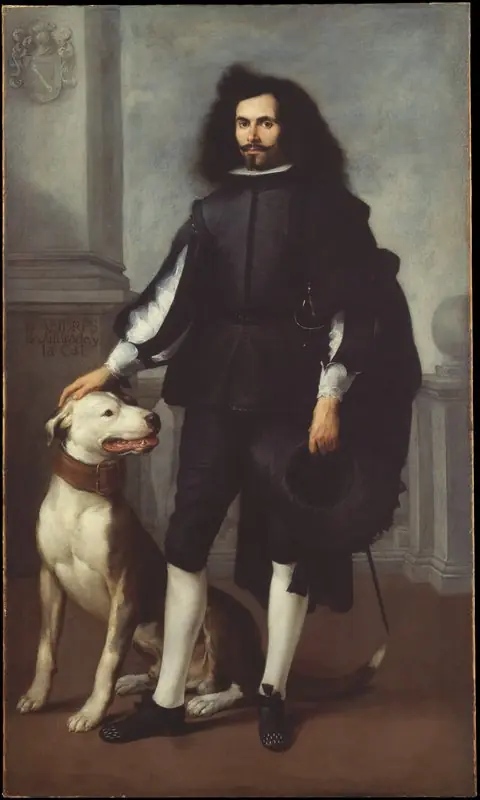
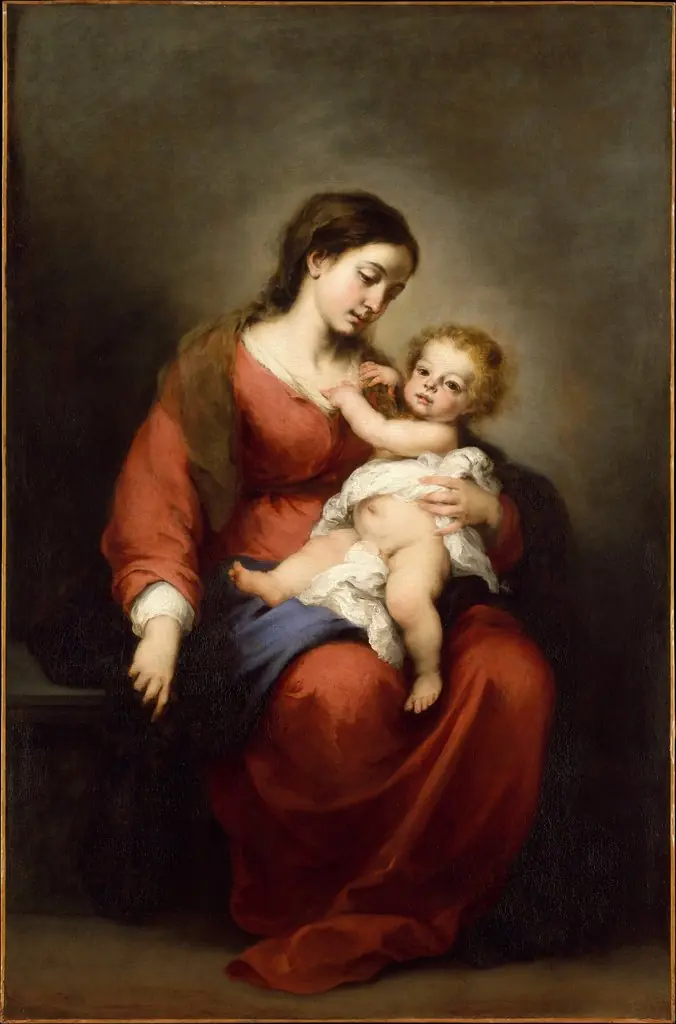
- Annunciation to the Virgin
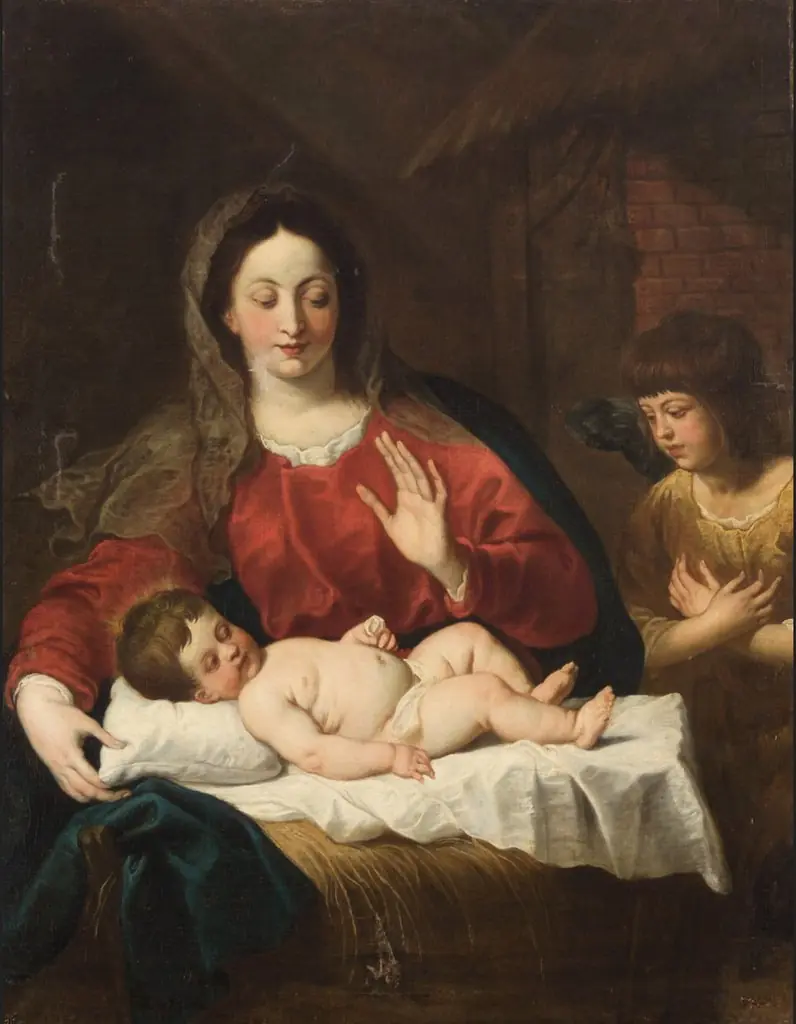 Maria mit Kind und Engel
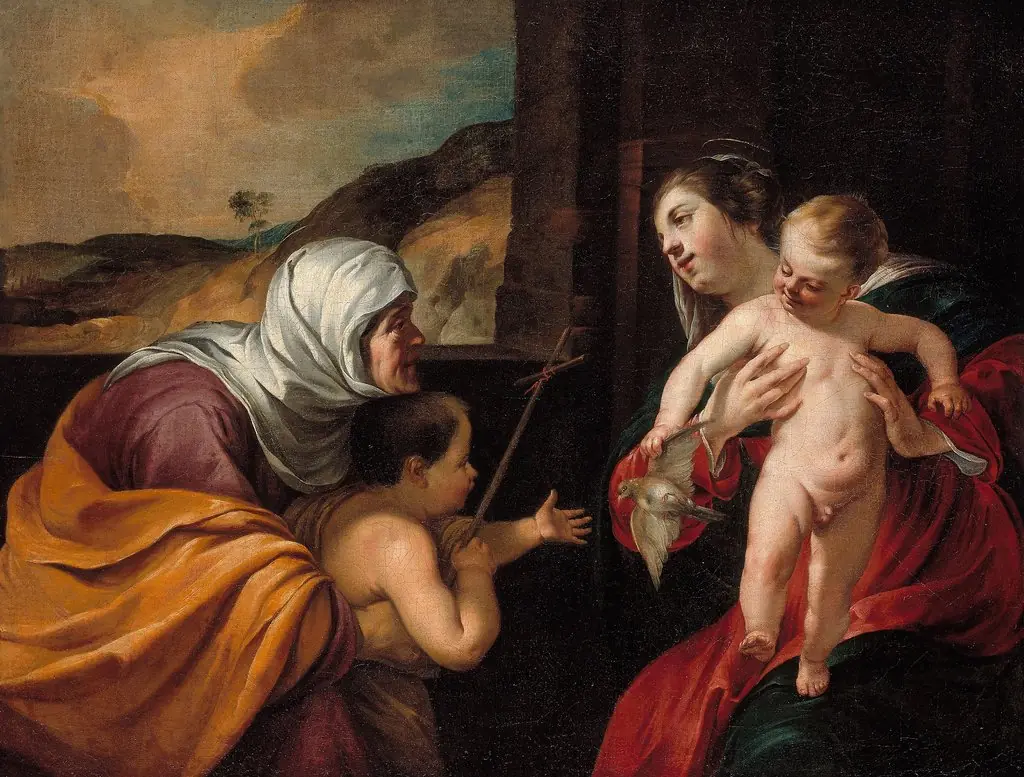 Virgin and Child with Saint Elizabeth and the Infant Saint John the Baptist
 Virgin and Child with Saint Elizabeth and the Infant Saint John the Baptist
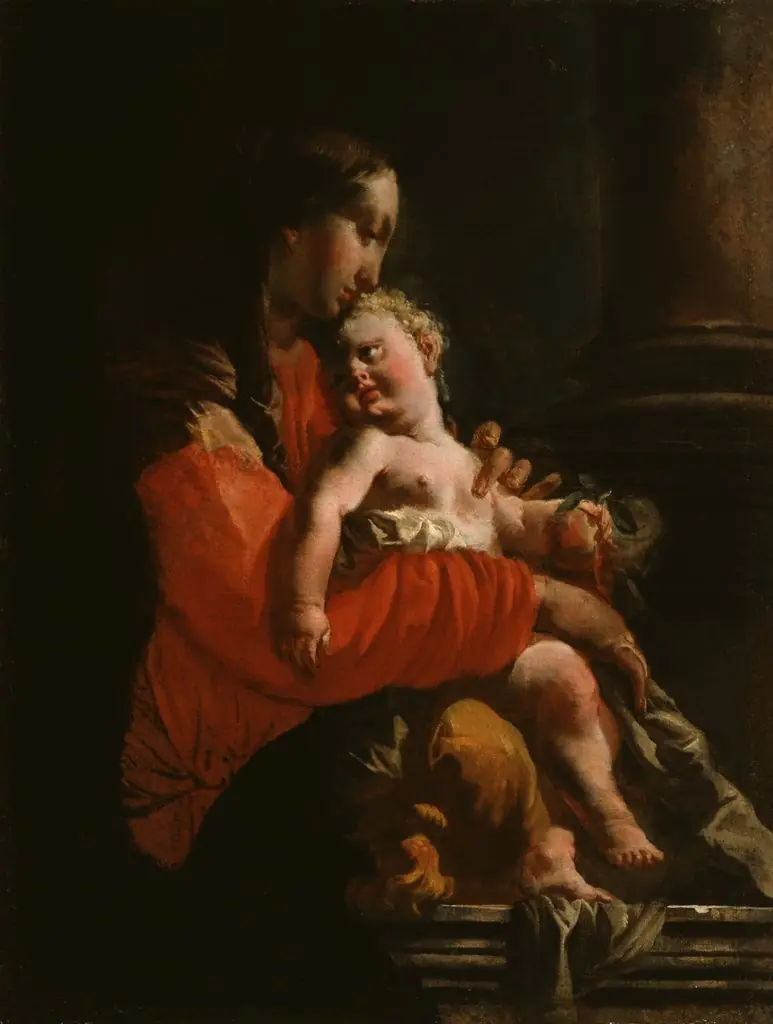
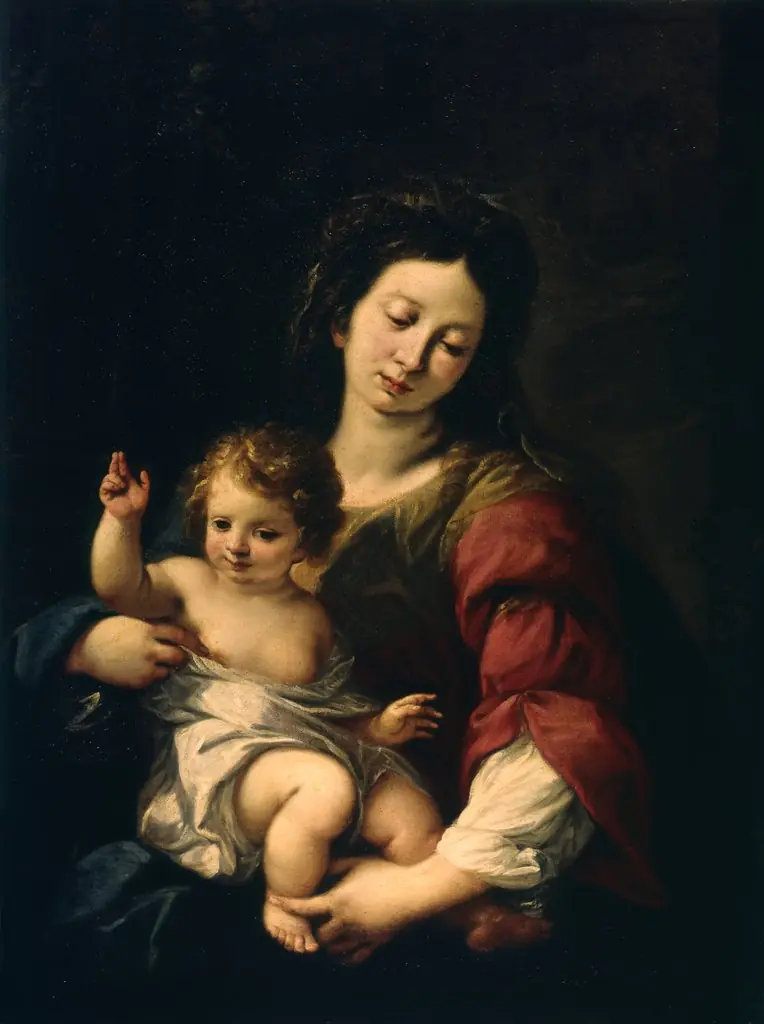 Madonna and Child
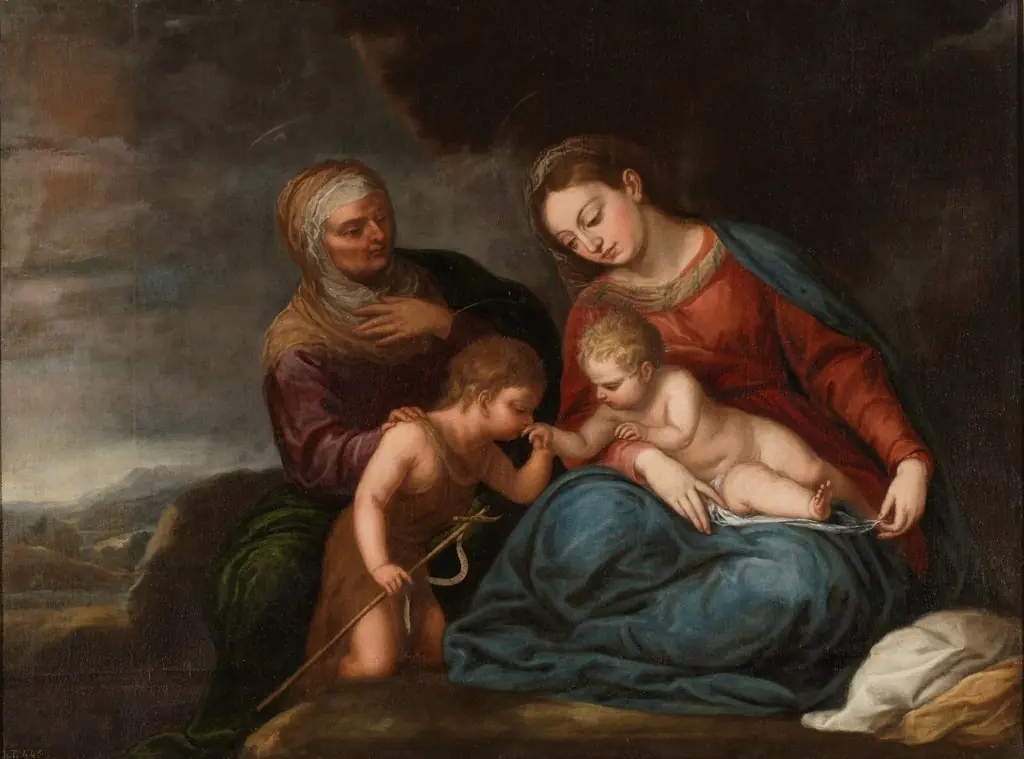 The Virgin and Child with Saints Elizabeth and John
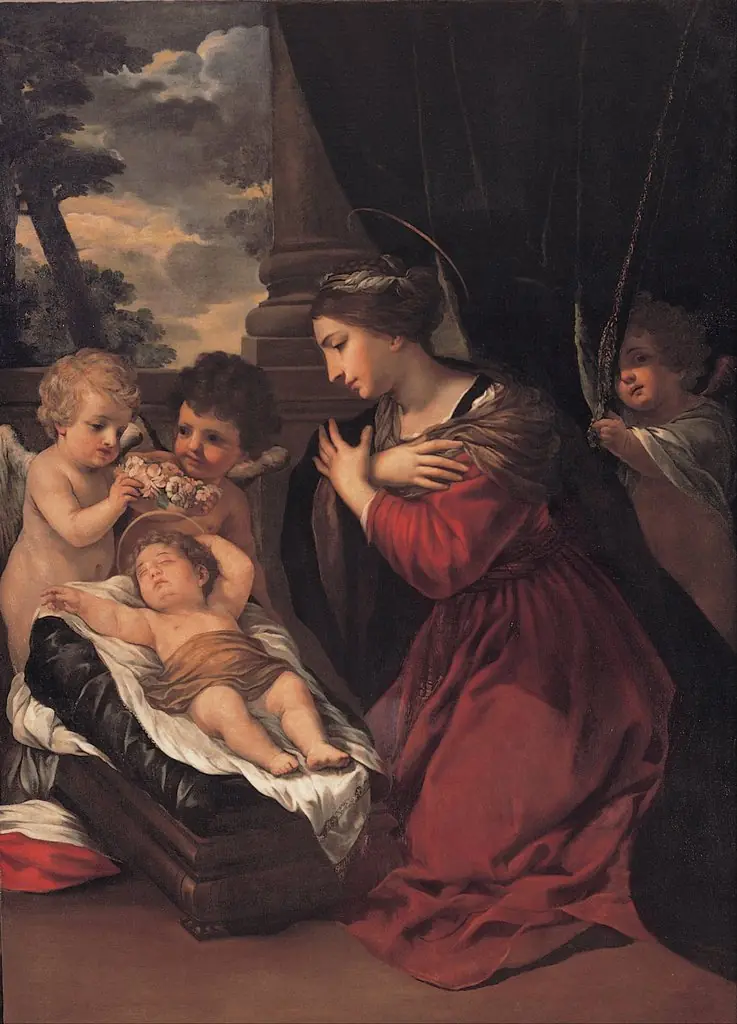 Madonna with the Child and angels
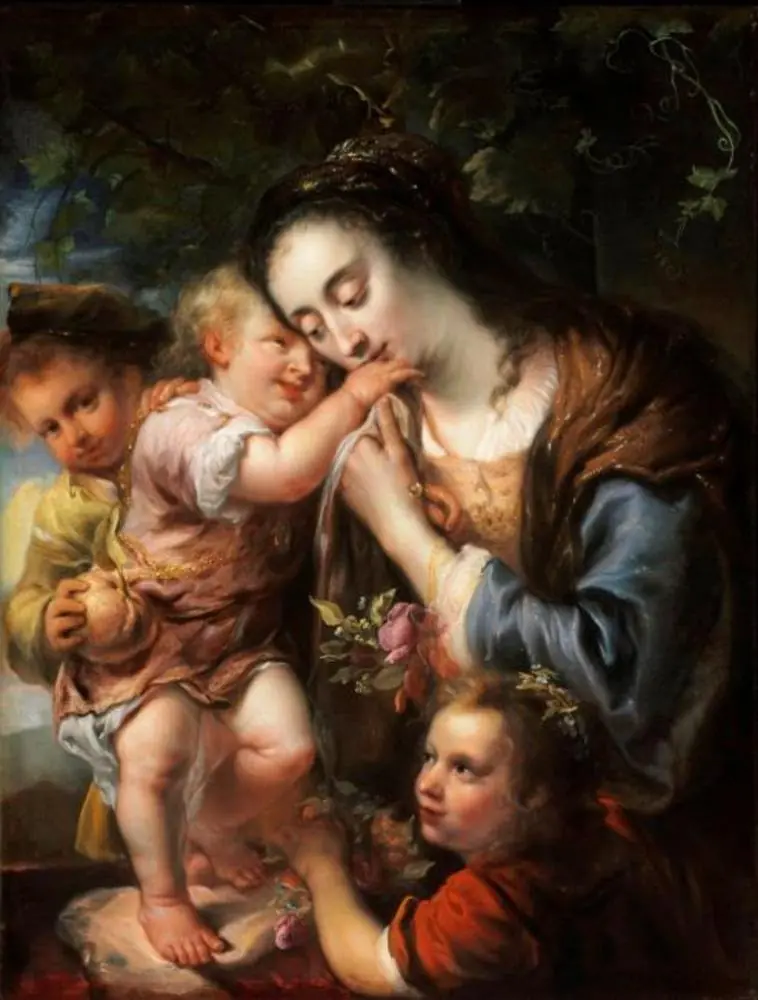 Mother with her Three Children (Maria Ovens, the Wife of the Painter)
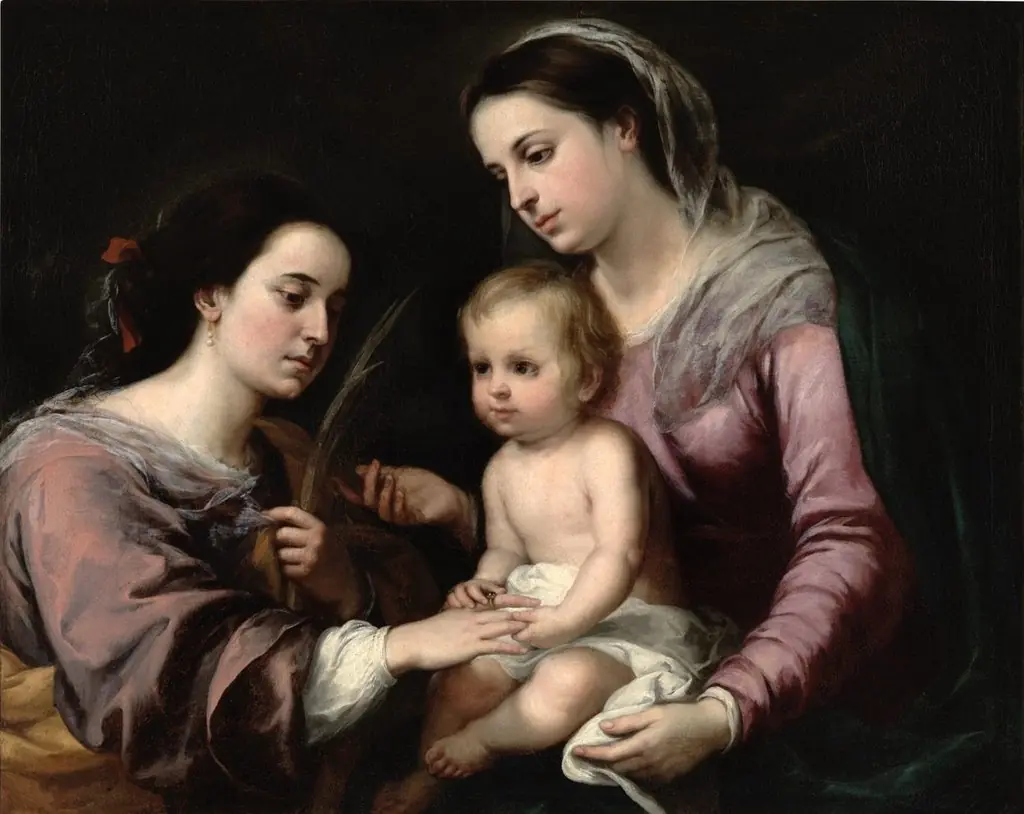
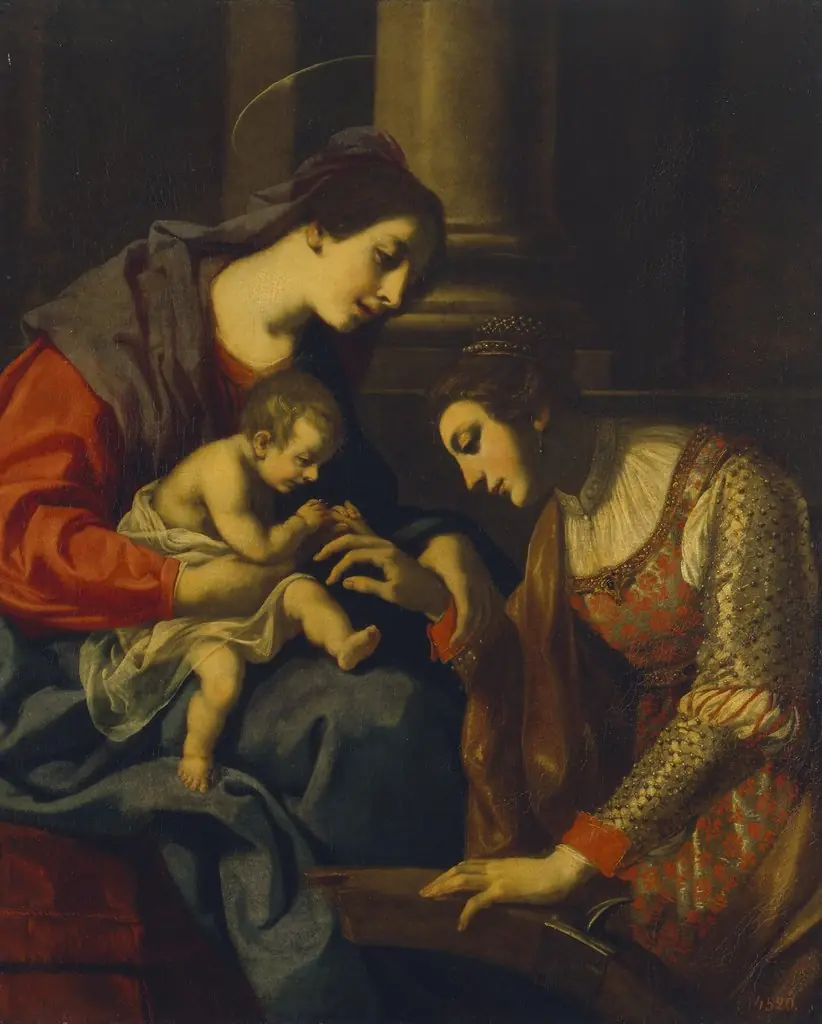 Mystic Marriage of St Catherine
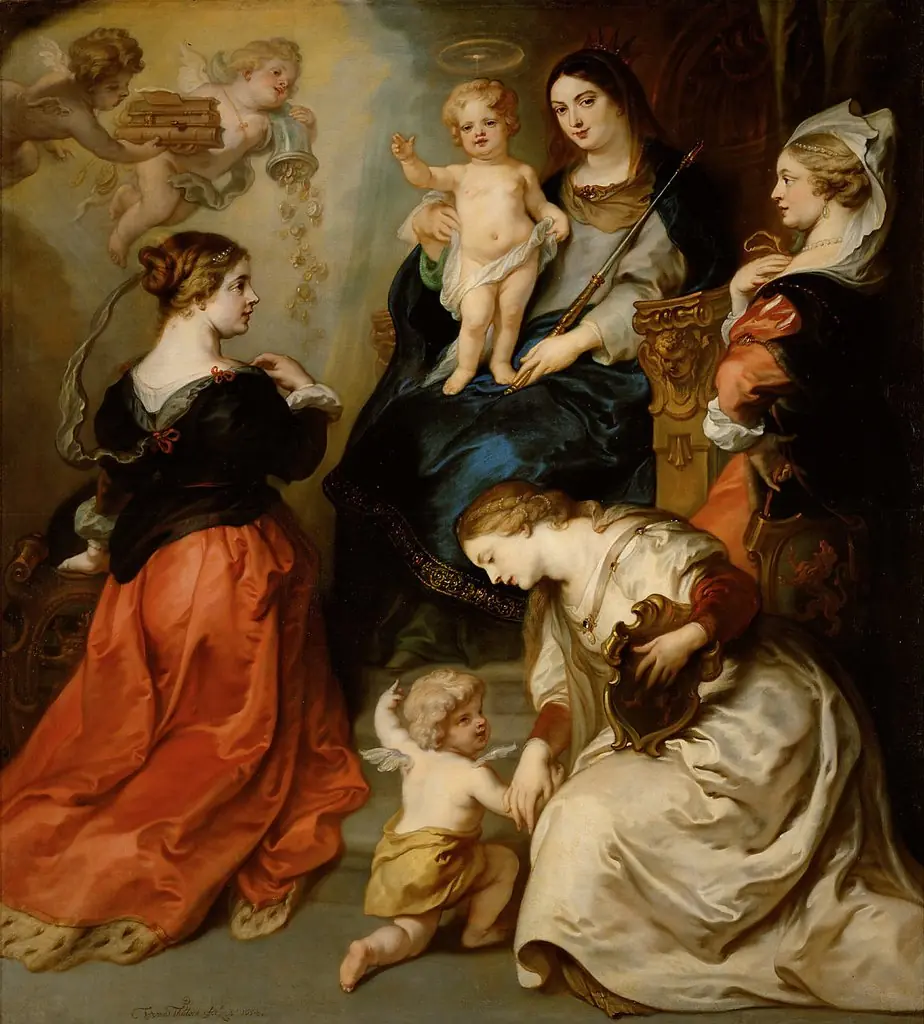 The provinces of Brabant, Hainaut and Flanders pay homage to the Virgin
 The Mystical Marriage of Saint Catherine
 Virgin and Child