Artwork
Portrait of a Man
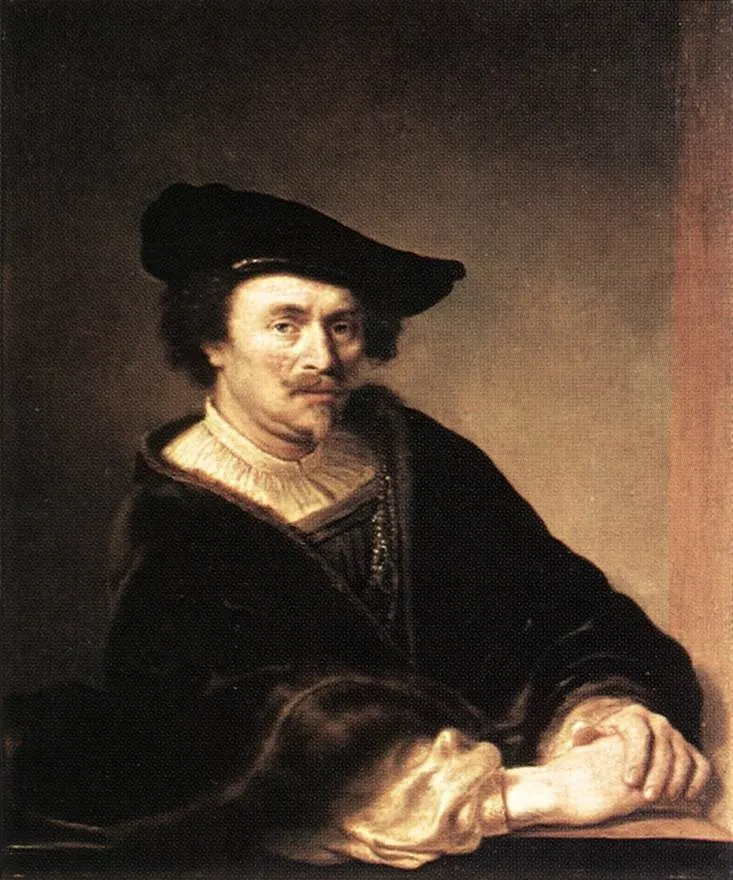
Portrait of a Man is an oil painting by the Dutch Golden Age artist Ferdinand Bol. It dates from 1648 and is held in the collection of the Bavarian State Painting Collections.
About this work
Subject & Meaning
The painting shows a solitary male sitter rendered in life‑size proportions, his identity left unnamed but likely reflecting the sitter’s status as a member of the Bavarian court elite. Bol employs a restrained palette and delicate chiaroscuro to emphasize the sitter’s thoughtful expression, a hallmark of mid‑17th‑century Dutch portraiture that conveys both psychological depth and social distinction. The work’s composition, with the figure positioned against a muted background, underscores a focus on individual character rather than narrative symbolism, inviting viewers to contemplate the sitter’s inner life and the cultural values of 1640s Amsterdam.
Measured at 87 cm by 72.5 cm, the canvas exemplifies the modest scale typical of private portrait commissions of the period, reinforcing its function as a personal record rather than a public statement.
Technique & Style
Portrait of a Man is executed in oil paint on canvas, a standard support for mid-seventeenth-century Dutch portraiture.
Portrait of a Man is executed in oil paint on canvas, a standard support for mid-seventeenth-century Dutch portraiture. The work measures 87 cm in height by 72.5 cm in width, a vertical format well suited to a single half- or three-quarter-length sitter. Classified simply as a painting, it belongs to the portrait genre and depicts a man as its main subject.
The medium and dimensions are consistent with Ferdinand Bol's practice in 1648, when he was active in Amsterdam and producing oil-on-canvas portraits in this size range. No specific information about handling, condition, or stylistic qualities is documented in the available sources.
History & Provenance
The painting was created in 1648 by Ferdinand Bol. It entered the Bavarian State Painting Collections through the Johann Wilhelm von der Pfalz collection, later becoming part of the holdings of the Alte Pinakothek in Munich. No documented commission or earlier provenance prior to its inclusion in the Johann Wilhelm collection has been recorded.
The Portrait of a Man by Ferdinand Bol is held in the Alte Pinakothek in Munich, which is part of the Bavarian State Painting Collections. The work originates from the Johann Wilhelm von der Pfalz collection. Created in 1648, the oil-on-canvas painting measures 87 cm in height and 72.5 cm in width. The provided sources do not list specific inventory numbers or a history of exhibitions for this work.
Context
Ferdinand Bol's Portrait of a Man (1648) exemplifies Dutch Golden Age portraiture through its restrained realism and psychological depth. Art historical scholarship situates it within Bol's oeuvre as a refinement of Rembrandt's influence, particularly in chiaroscuro and compositional intimacy. The work's provenance in the Bavarian State Painting Collections, specifically the Johann Wilhelm von der Pfalz collection at the Alte Pinakothek, underscores its significance within institutional holdings of 17th-century European art.
Its classification as a portrait, depicting an unidentified man in oil on canvas (87 x 72.5 cm), reflects contemporary Dutch bourgeois aesthetics while demonstrating Bol's technical mastery within the portrait genre.
Overview
Ferdinand Bol’s Portrait of a Man was painted in 1648 using oil on canvas. Executed during the Dutch Golden Age, the work exemplifies the period’s focus on realistic, individualized portraiture. The painting is part of the Alte Pinakothek’s collection, where it is displayed among other 17th‑century Dutch works.
Artist & collection
Artist
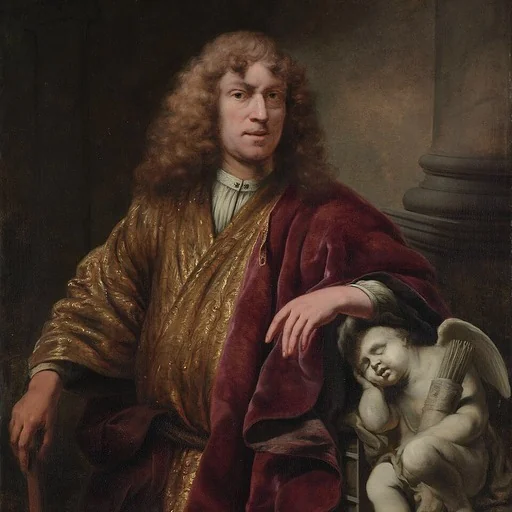
Ferdinand Bol (24 June 1616 - 24 August 1680) was a Dutch painter, etcher and draftsman.

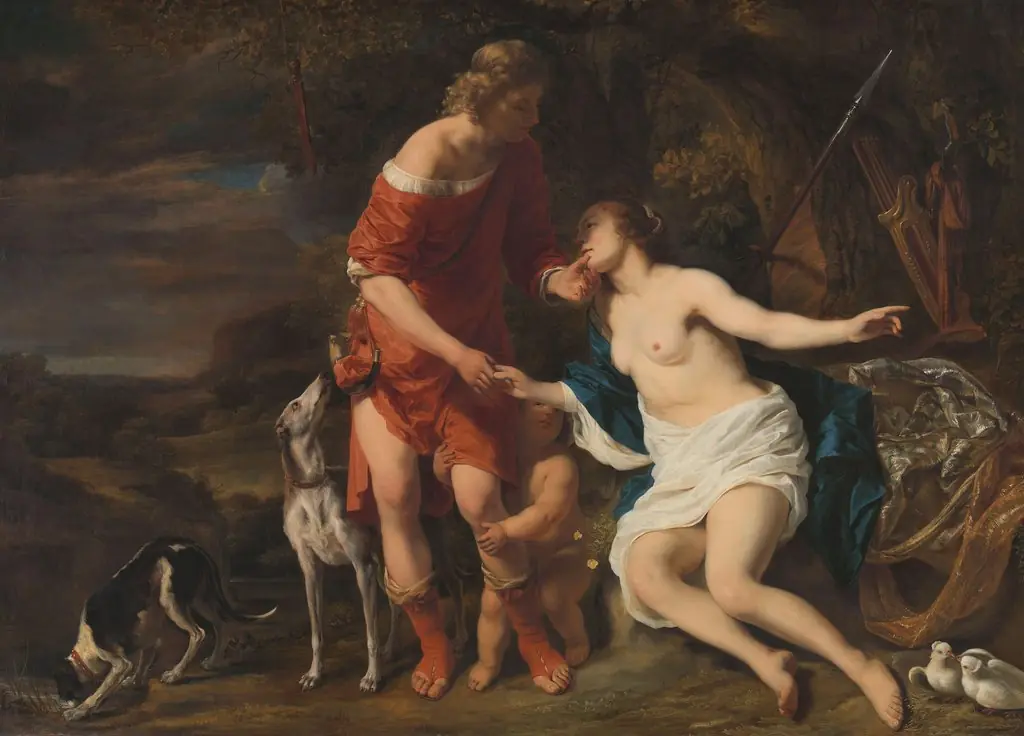 Venus and Adonis
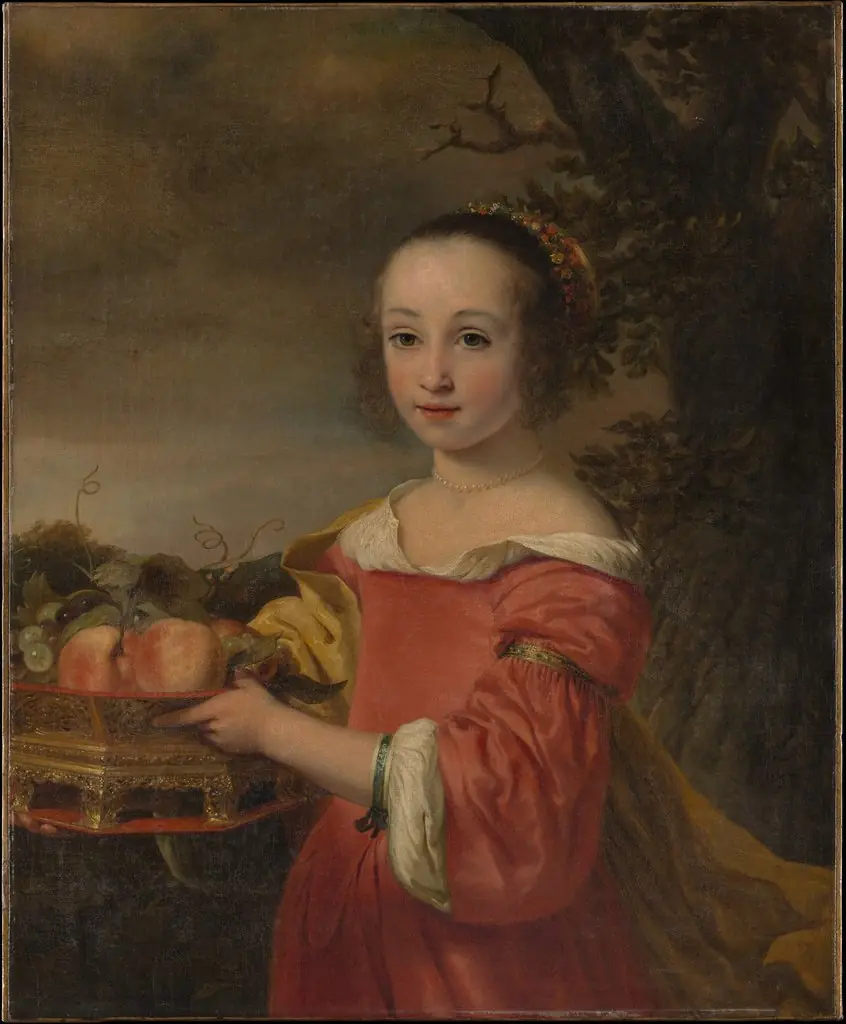 Petronella Elias (1648–1667) with a Basket of Fruit
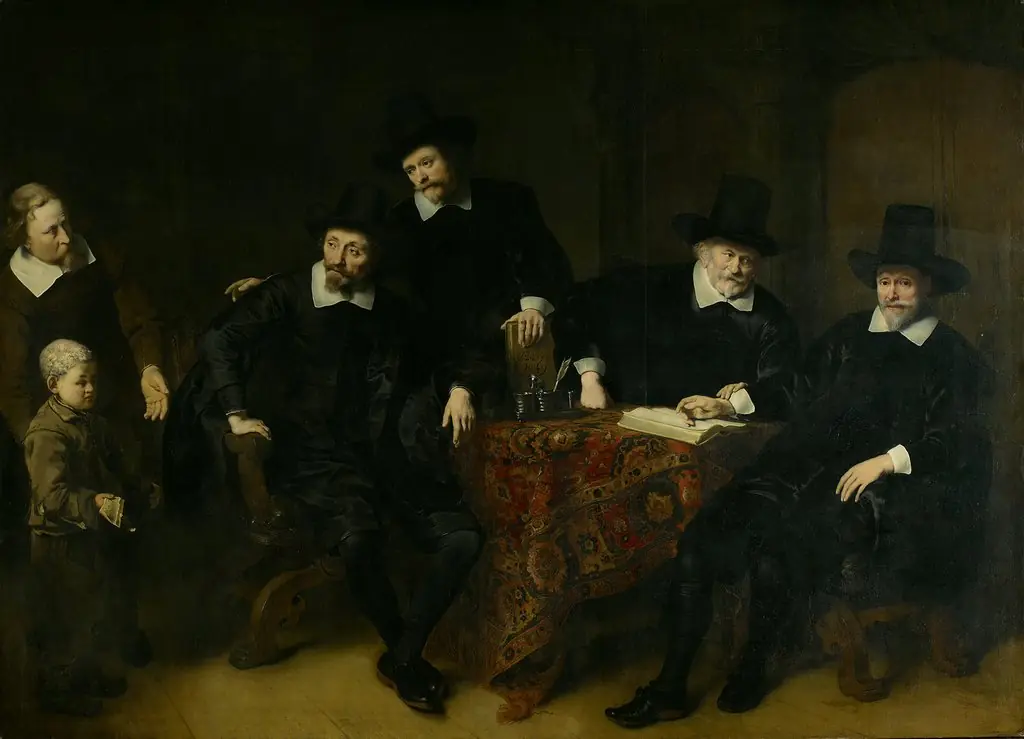 The Regents of the Leper's house in Amsterdam in 1649
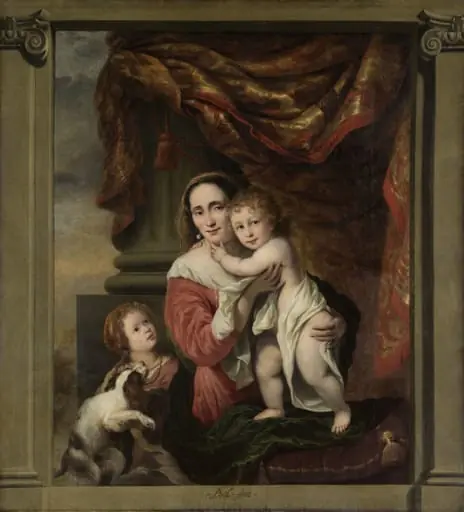 Caritas: Joanna de Geer (1629-1691) with her Children Cecilia Trip (1660-1728) and Laurens Trip (b. 1662)
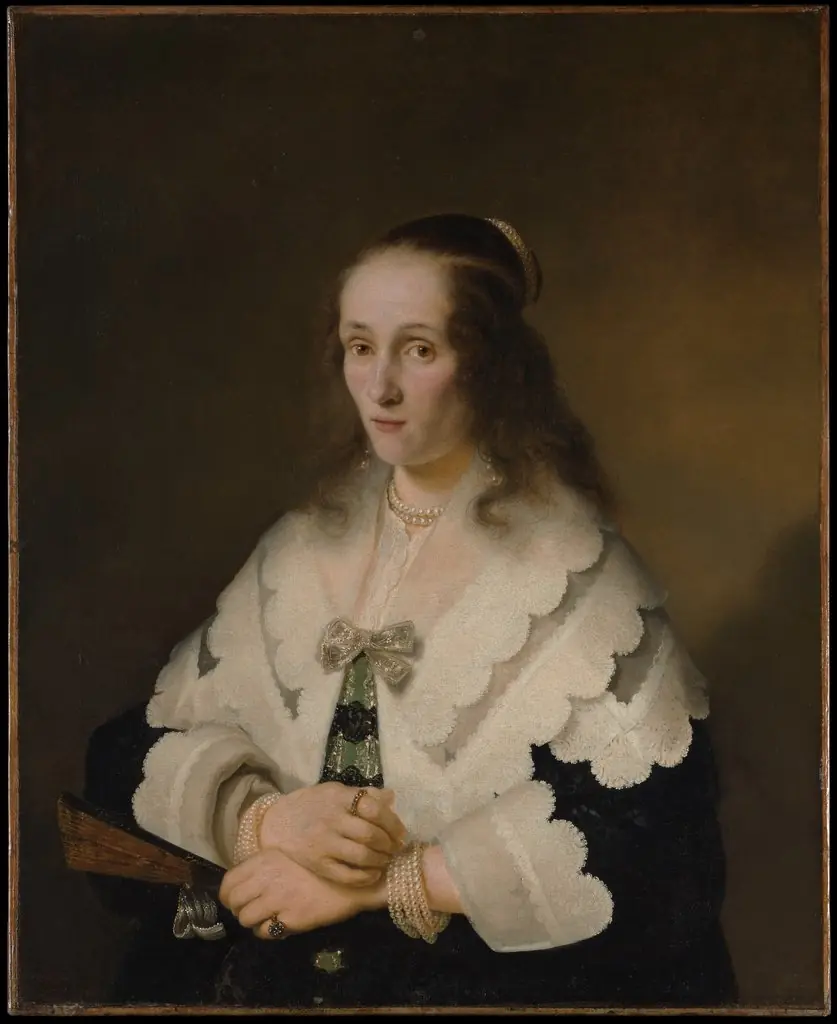 Portrait of a Woman
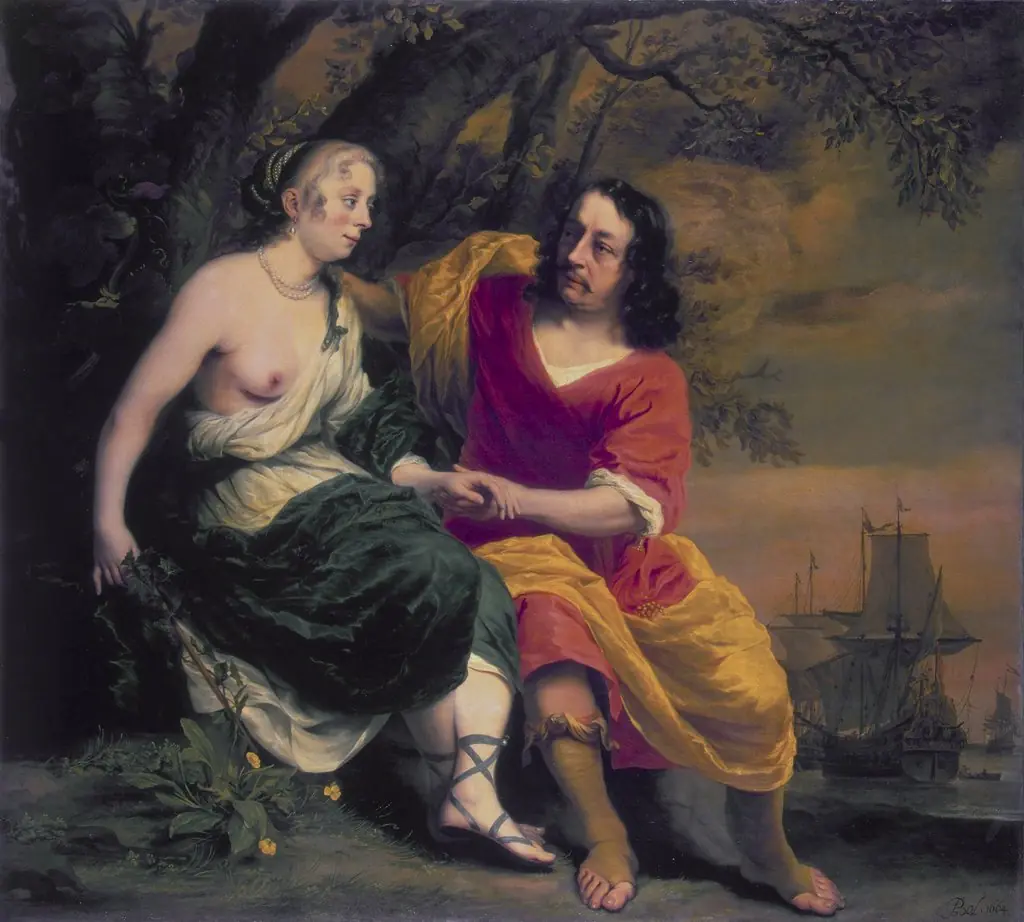 Bacchus and Ariadne
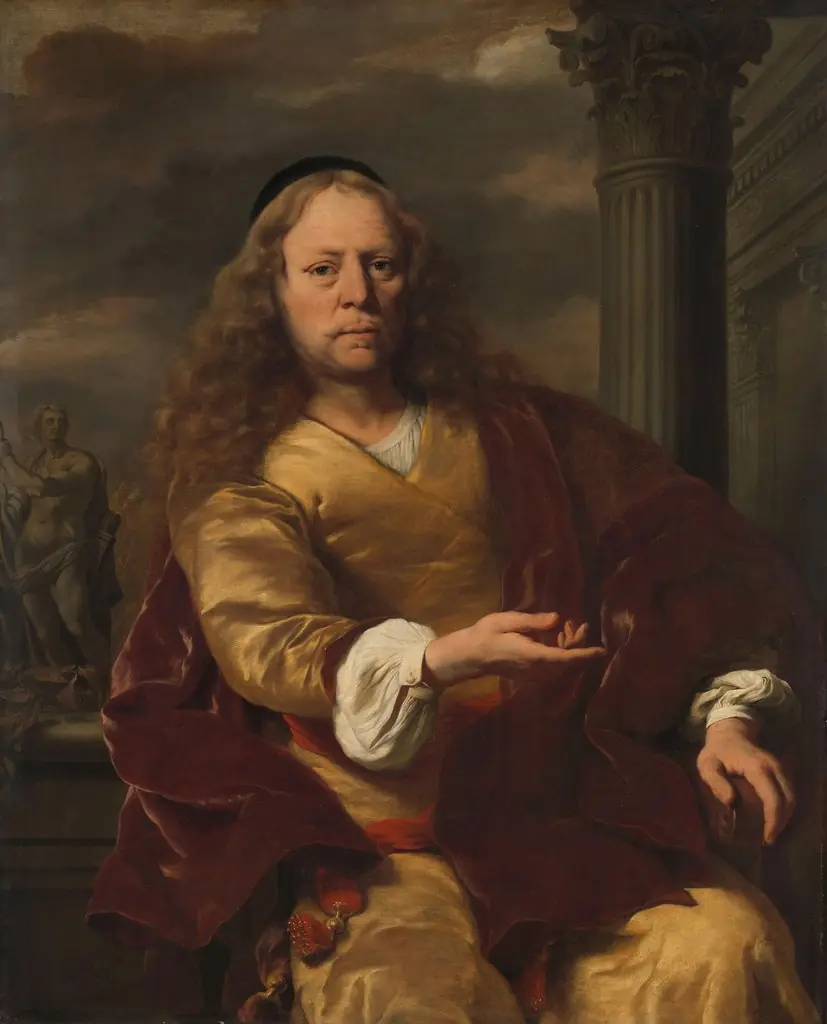 Portrait of a man
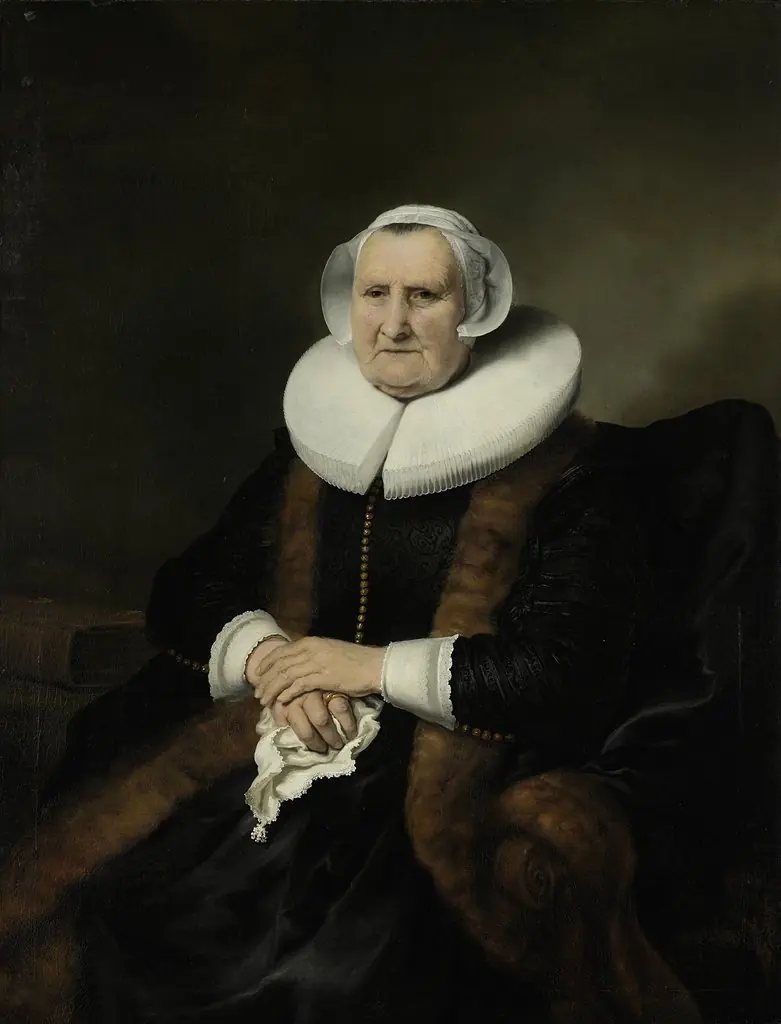 Portrait of an Old Lady, Possibly Elisabeth Bas
- Portrait of a man
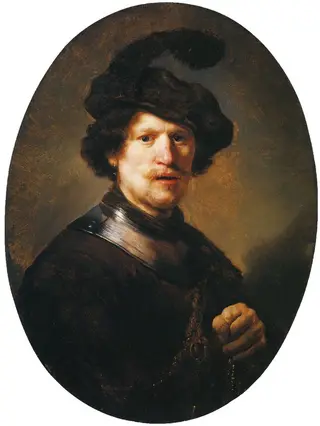 Man Wearing a Plumed Beret and Gorget
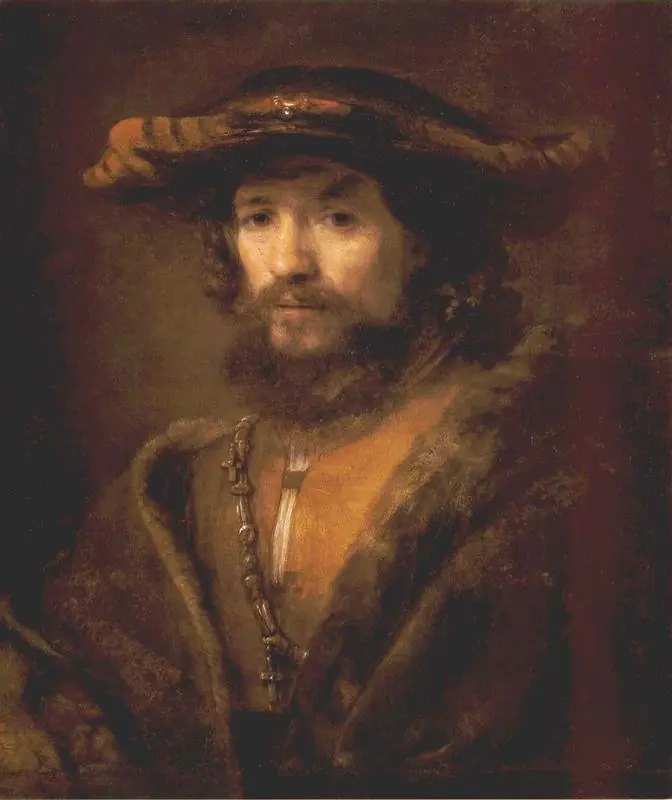 Bust of man wearing a large-brimmed hat
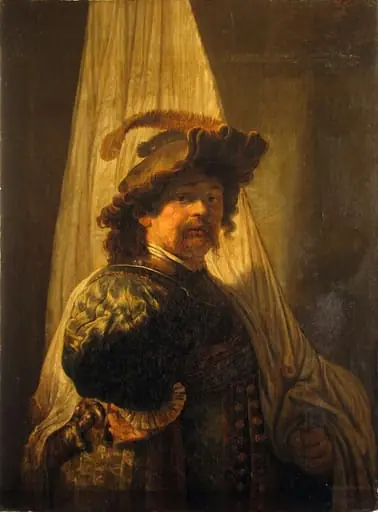 Stegar civil
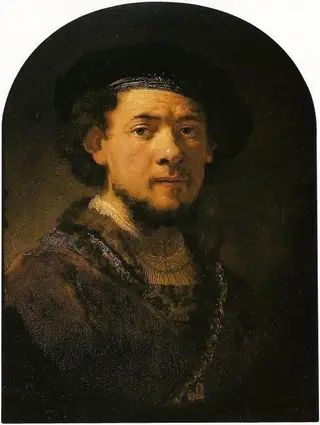 Portrait of a Young Man with a Golden Chain
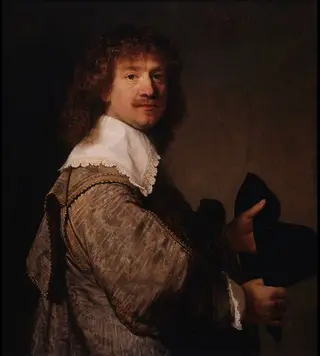 Portrait of a Man Holding a Hat
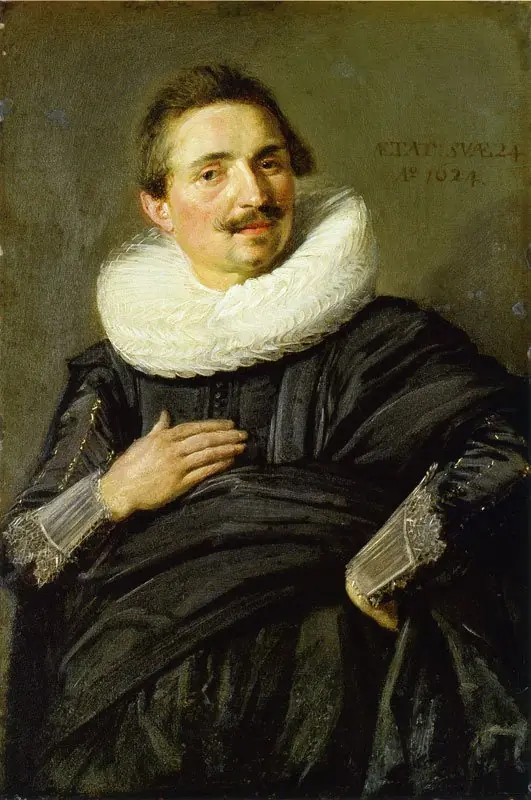 Portrait of a 24-year-old man
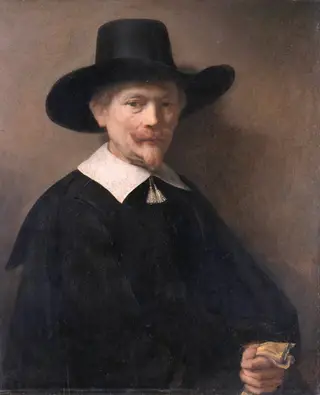 Portrait of a man with gloves in hand
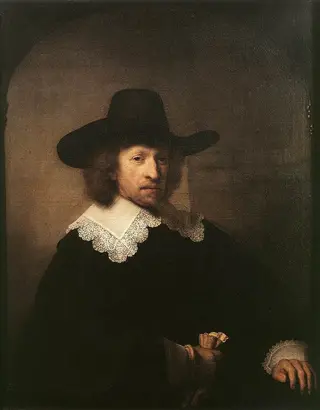 Portrait of Nicolas van Bambeeck in a Picture Frame
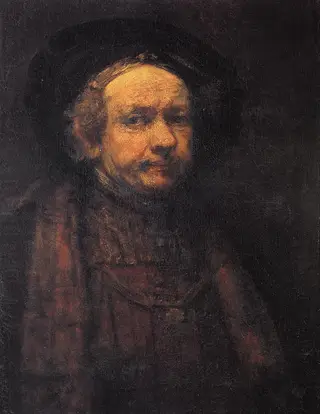 Self-portrait
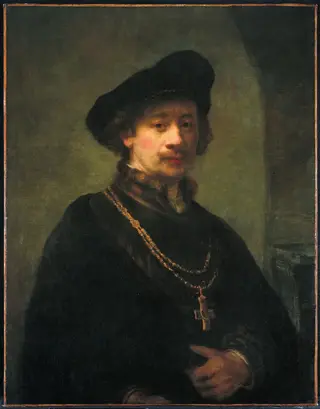 Self-portrait with beret, gold chain, and cross
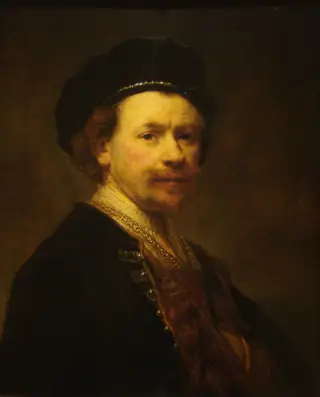 Self-portrait wearing a beret