Artwork
Portrait of the Three Regentesses of the Leprozenhuis, Amsterdam
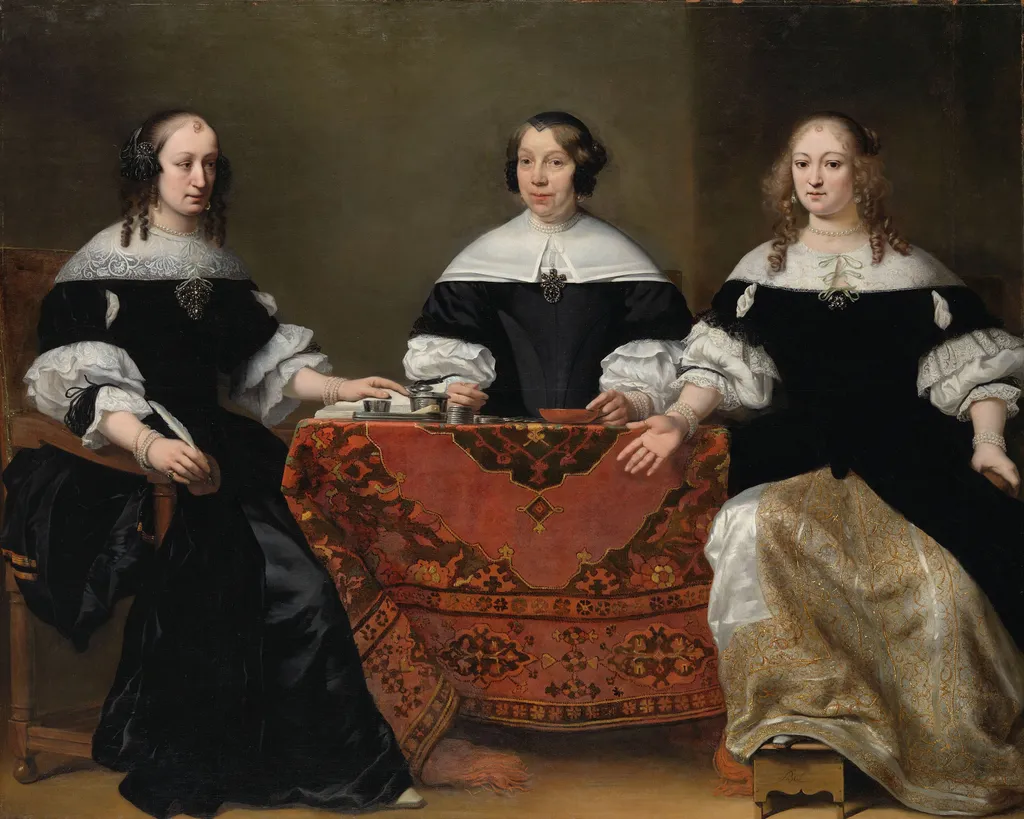
Portrait of the Three Regentesses of the Leprozenhuis, Amsterdam is an oil painting by Ferdinand Bol. It dates from 1668 and is held in the collection of the Amsterdam Museum.
About this work
This painting is called Portrait of the Three Regentesses of the Leprozenhuis, Amsterdam. It was made by Ferdinand Bol in 1668. The painting shows three women who managed a leper colony in Amsterdam, which is an interesting fact about the people in the portrait. You can learn more about this kind of art by looking at the work of Ferdinand Bol.
Subject & Meaning
Ferdinand Bol portrays the women seated at a table covered with an oriental cloth, utilizing specific objects to symbolize their administrative roles.
The painting depicts three regentesses of the Amsterdam Leprozenhuis (Leper House), specifically Clara Abba, Elisabeth van Duijnen, and Agatha Munter, who were appointed by the mayors to manage household affairs. Ferdinand Bol portrays the women seated at a table covered with an oriental cloth, utilizing specific objects to symbolize their administrative roles. Writing utensils and coins are placed on the table as direct symbols of their function in supervision and purchasing.
The composition focuses entirely on the figures against a neutral background, a deliberate choice by Bol to avoid the biblical references found in earlier versions of this subject. The women are dressed in formal attire featuring lace, pearl jewelry, and a widow's hood on the central figure, emphasizing their status and authority within the institution.
Technique & Style
Executed in oil on canvas, the portrait measures 170 cm in height and 208 cm in width. The composition centers on three seated women arranged around a table draped with an oriental cloth, their attire characterized by puffed sleeves, lace collars, pearl necklaces, bracelets, and earrings. A neutral background focuses attention on the figures and their attributes: an inkstand and coins signify their administrative roles, while the middle sitter wears a widow’s hood. The right-hand figure rests her foot on a small stool that bears the artist’s signature.
A 2017 restoration revealed pentimenti through advanced scanning, uncovering an earlier, younger head beneath the painted likeness of Elisabeth van Duijnen. This discovery indicated successive alterations, including potential overpainting or studio collaboration, rather than a single campaign.
History & Provenance
The Portrait of the Three Regentesses of the Leprozenhuis, Amsterdam, painted by Ferdinand Bol in 1668, is held in the Rijksmuseum in Amsterdam. It entered the collection through a loan from the municipality of Amsterdam in 1885, following the demolition of the Leprozenhuis buildings and the liquidation of its estate in 1866. The work is part of the Rijksmuseum's holdings and has been exhibited as part of the museum's collection displays, including during the 2017 Ferdinand Bol and Govert Finck double exhibition, when it underwent restoration using advanced scanning techniques to examine its paint layers.
The painting was created as a companion piece to Bol's earlier depiction of the regents of the Leprozenhuis, reflecting the traditional practice of commissioning group portraits of administrative officials. It was originally displayed in the house above a marbled mantelpiece, with the coats of arms of the three regentesses, Clara Abba, Elisabeth van Duijnen, and Agatha Munter, positioned on either side of the frieze. The attribution of these coats of arms has been subject to scholarly discussion, with notes indicating possible misidentifications in the arrangement.
The work was later donated to the Rijksmuseum by the Amsterdam city government in 1885, becoming part of its permanent collection. It has since been featured in various exhibitions, including retrospectives on Bol and technical studies of his materials and methods.
Context
Portrait of the Three Regentesses of the Leprozenhuis, Amsterdam (c. 1668) belongs to a long Dutch tradition of regents- and regentessesportretten that recorded civic governance through standardized formats emphasizing status and duty. Ferdinand Bol’s composition follows Werner van den Valckert’s earlier model for the same institution, depicting the women seated at a table with writing tools and coins, symbols of their administrative roles, but replaces Van den Valckert’s moralizing background with a neutral setting to focus attention on the sitters’ attire and dignity.
Bol’s work reflects his position within Amsterdam’s portrait market after leaving Rembrandt’s studio in 1641. His regentsportretten, including a companion piece of the male regents painted in 1649, demonstrate how specialized group portraiture served civic identity and institutional memory. The painting’s later history, transferred from the dissolved Leprozenhuis to the Rijksmuseum in 1885, anchors it in the broader canon of Dutch institutional portraiture, where such works became historical documents of social order as well as artworks.
Overview
Ferdinand Bol’s oil painting, executed around 1668, depicts three women who served as regentesses of Amsterdam’s leper hospital. The work is a formal group portrait, now part of the Rijksmuseum’s collection, and offers a rare visual record of female civic administrators in the Dutch Golden Age.
Own this work as a print
Artist & collection
Artist
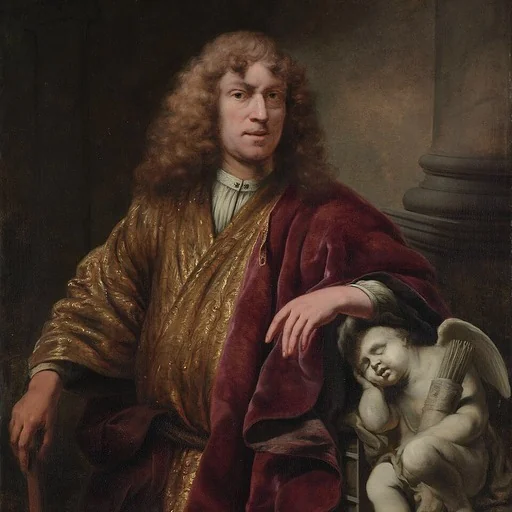
Ferdinand Bol (24 June 1616 - 24 August 1680) was a Dutch painter, etcher and draftsman.

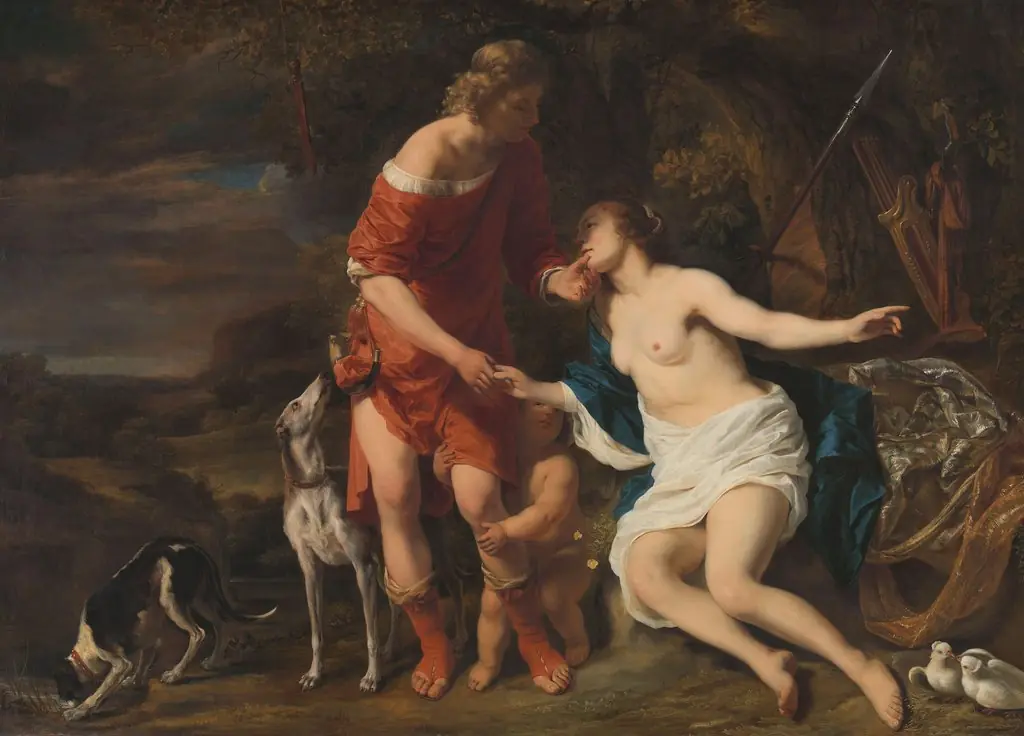 Venus and Adonis
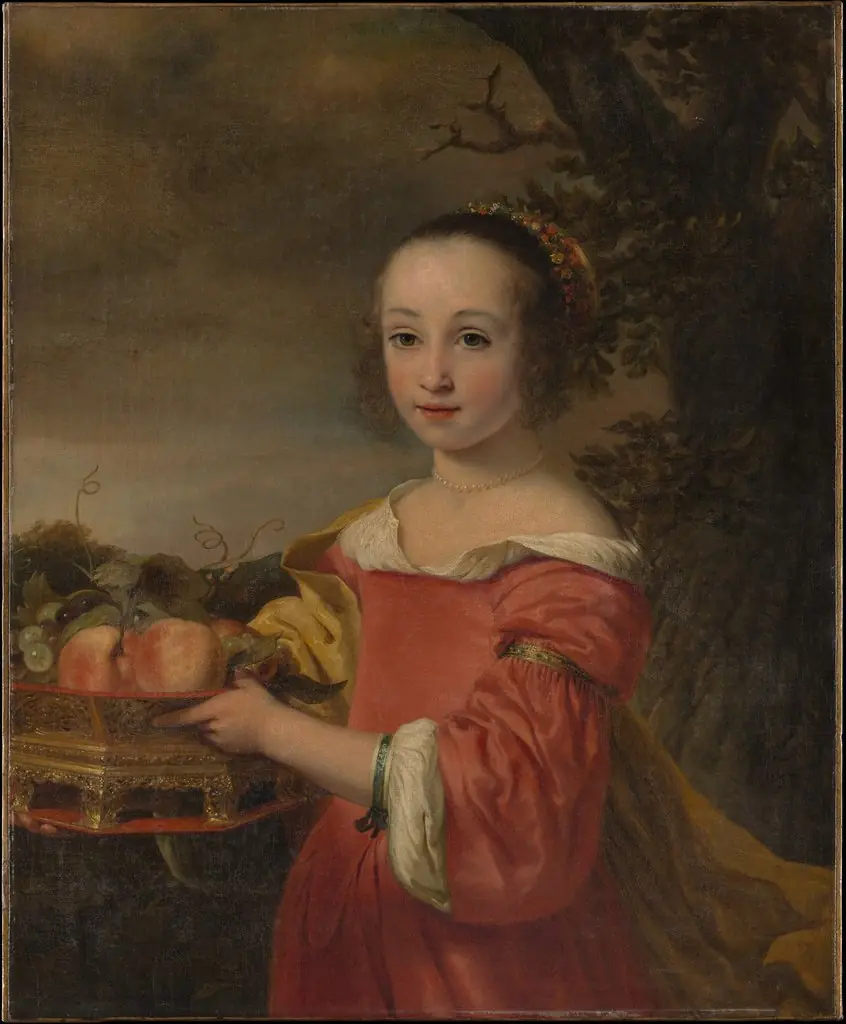 Petronella Elias (1648–1667) with a Basket of Fruit
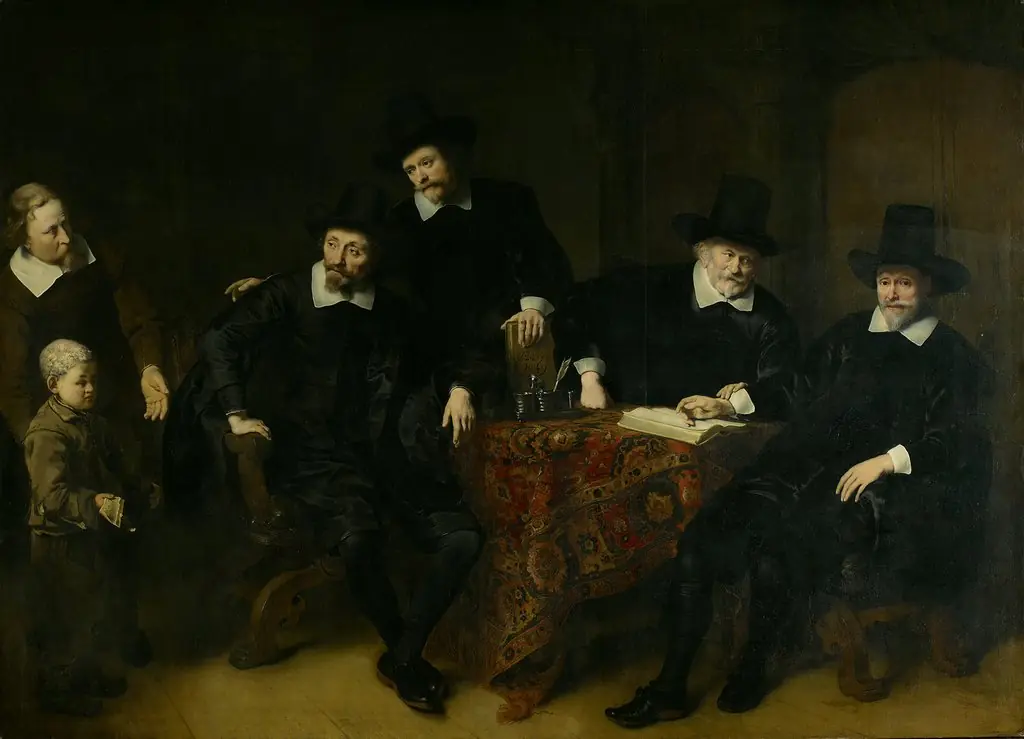 The Regents of the Leper's house in Amsterdam in 1649
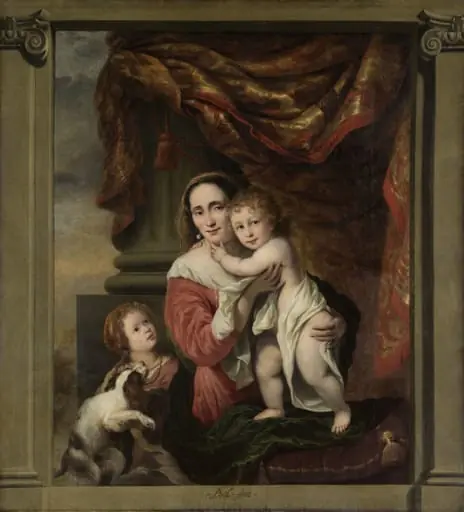 Caritas: Joanna de Geer (1629-1691) with her Children Cecilia Trip (1660-1728) and Laurens Trip (b. 1662)
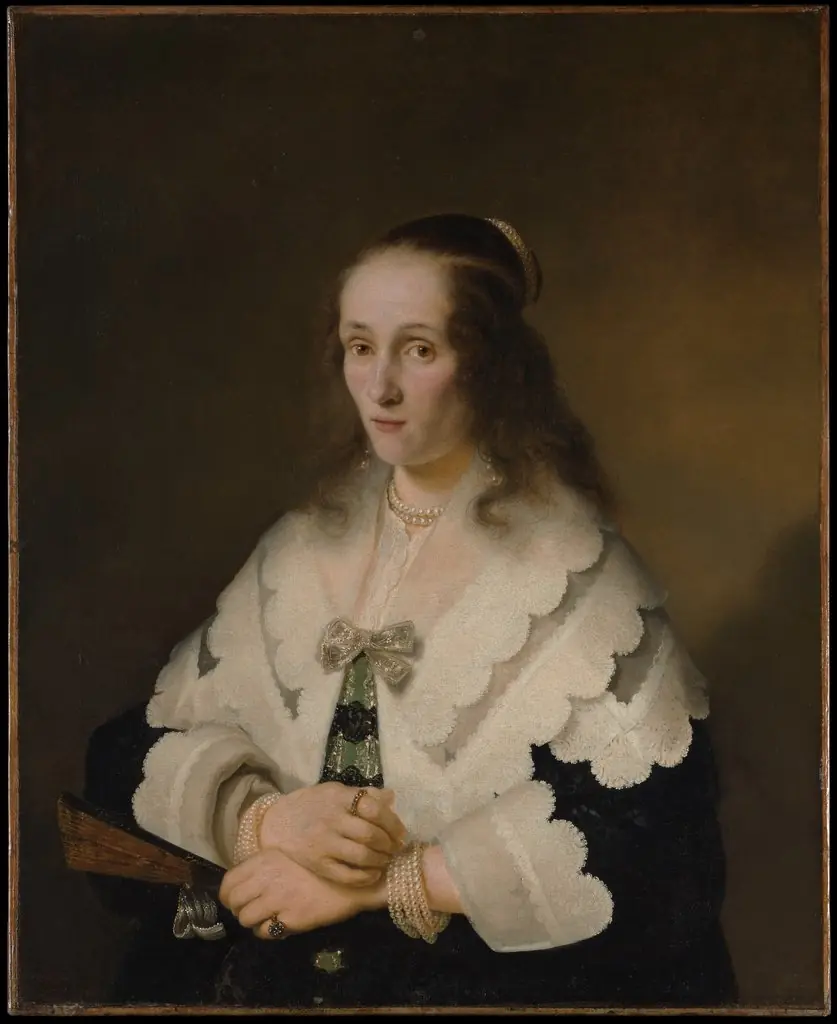 Portrait of a Woman
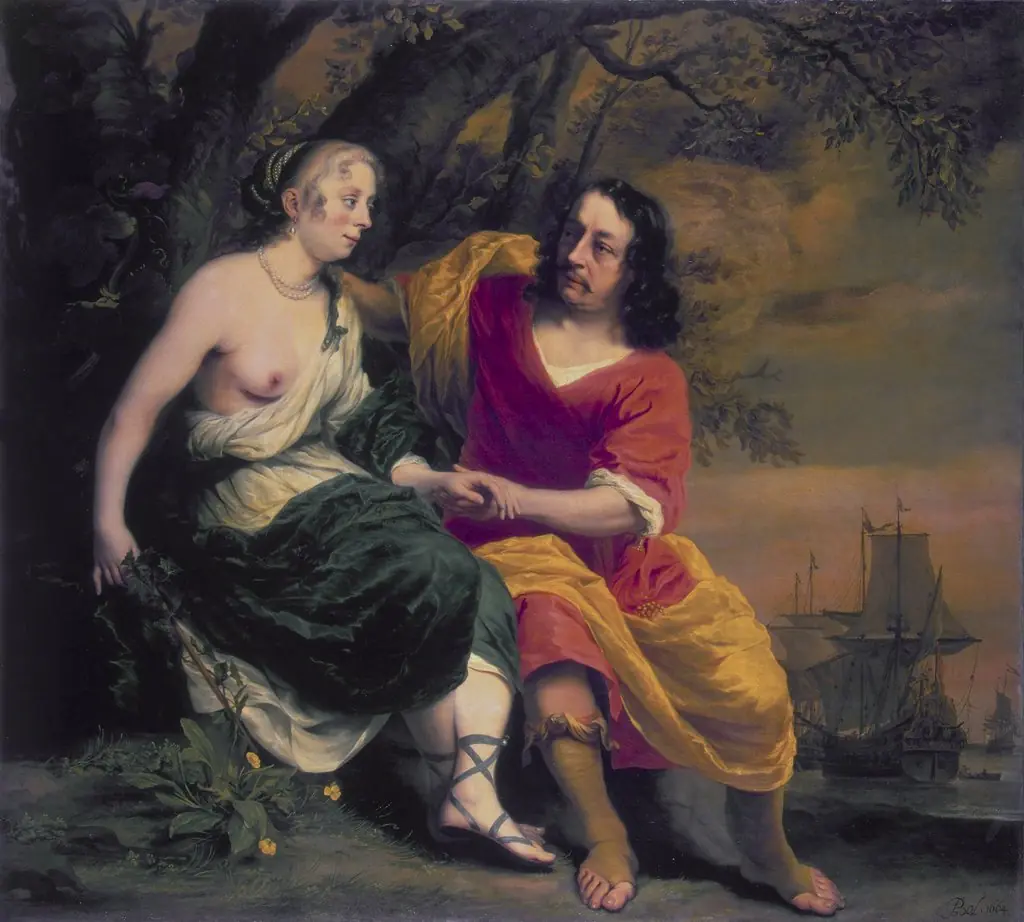 Bacchus and Ariadne
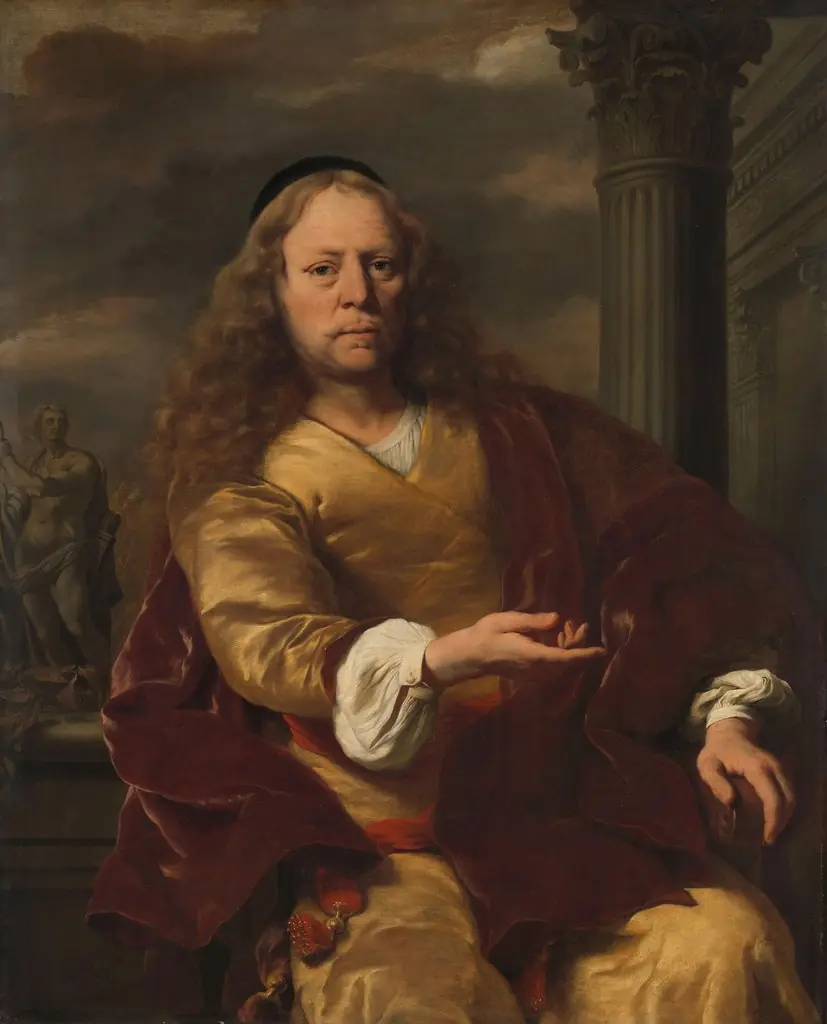 Portrait of a man
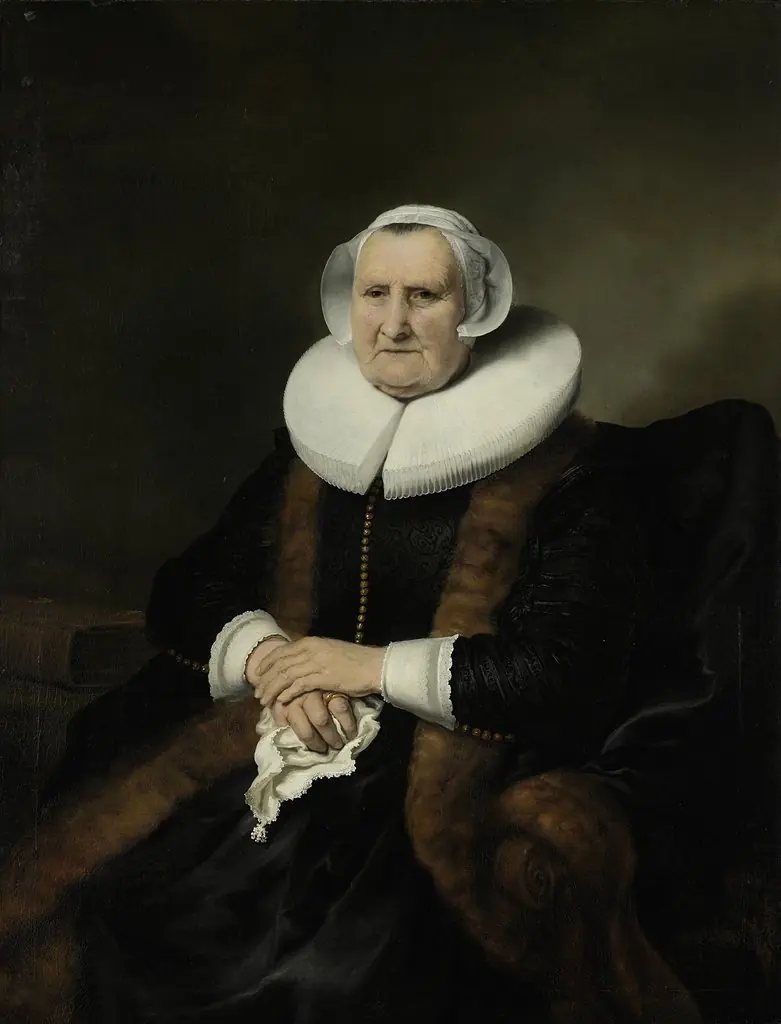 Portrait of an Old Lady, Possibly Elisabeth Bas
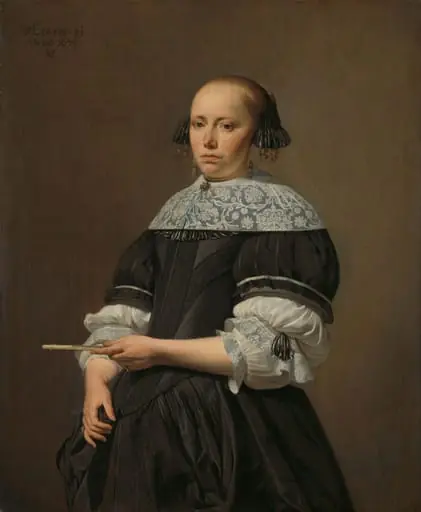 Portrait of Elisabeth Pietersdr Kessels (1640-1717)
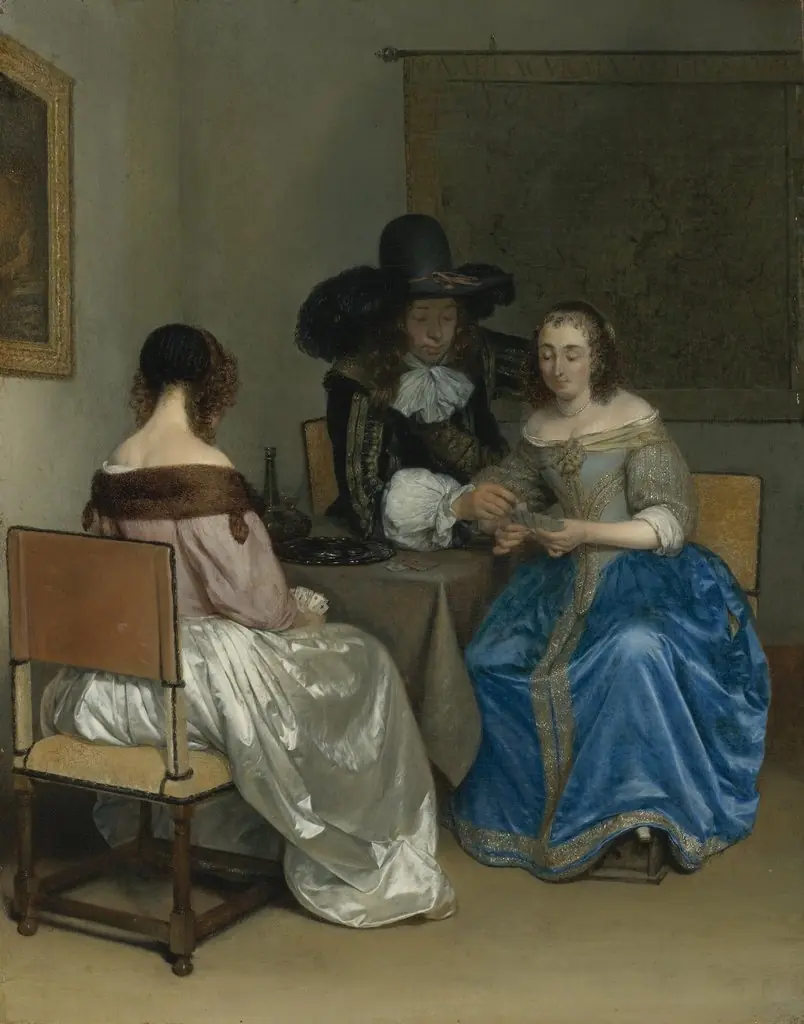 The Card Players
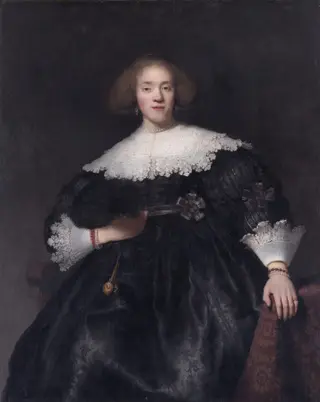 Portrait of a Young Woman with a Fan
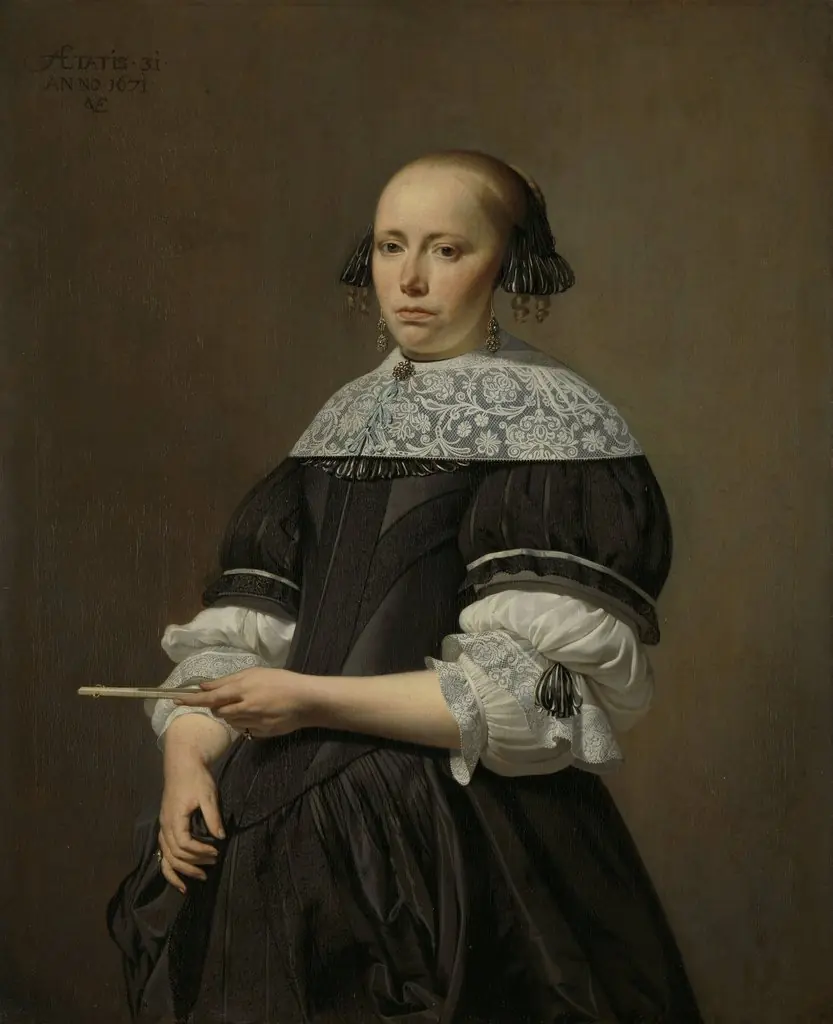 Elisabeth van Kessel (1640-1717). Wife of Willem Jacobsz Baert
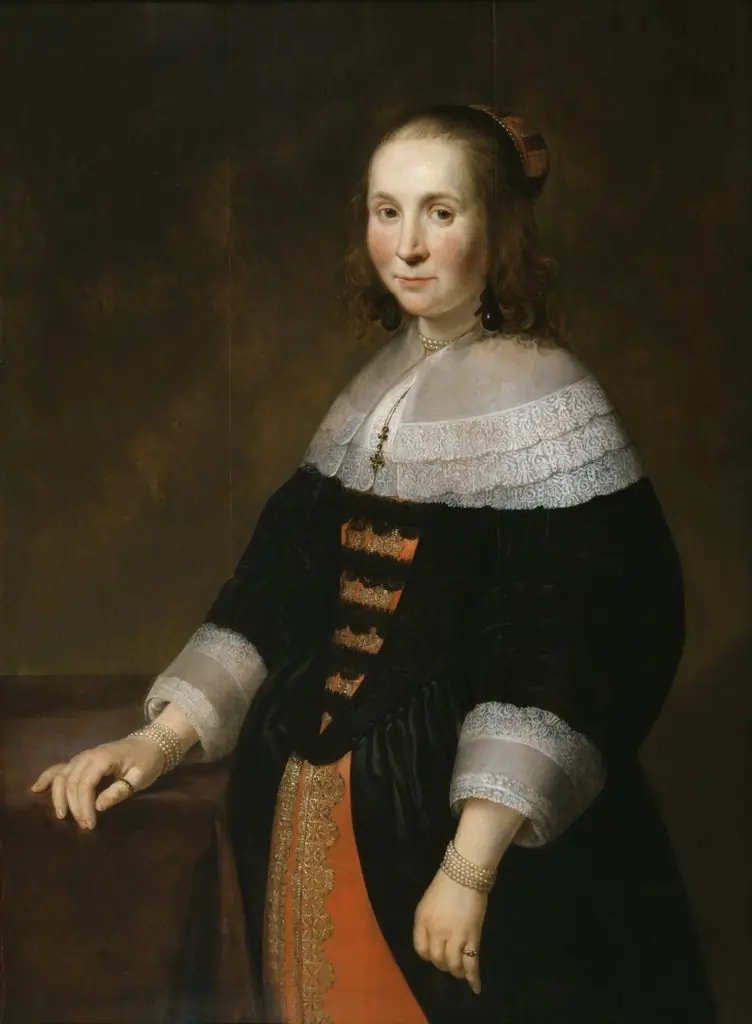 Portrait of a Wife
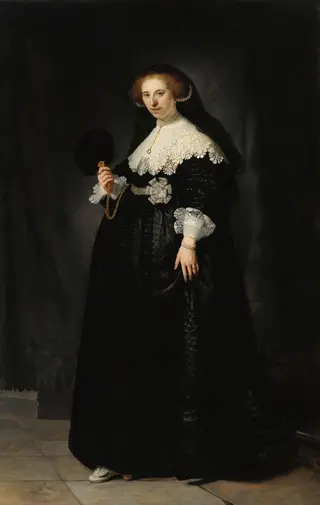 Portrait of Oopjen Coppit
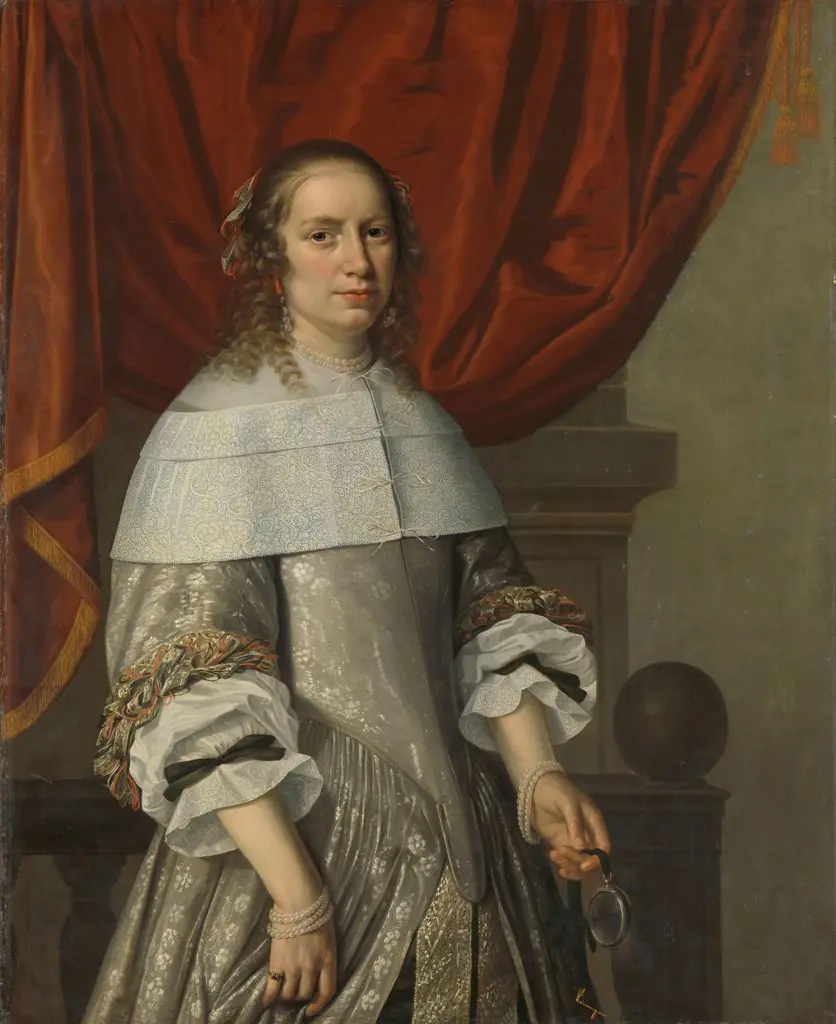 Portrait of a woman
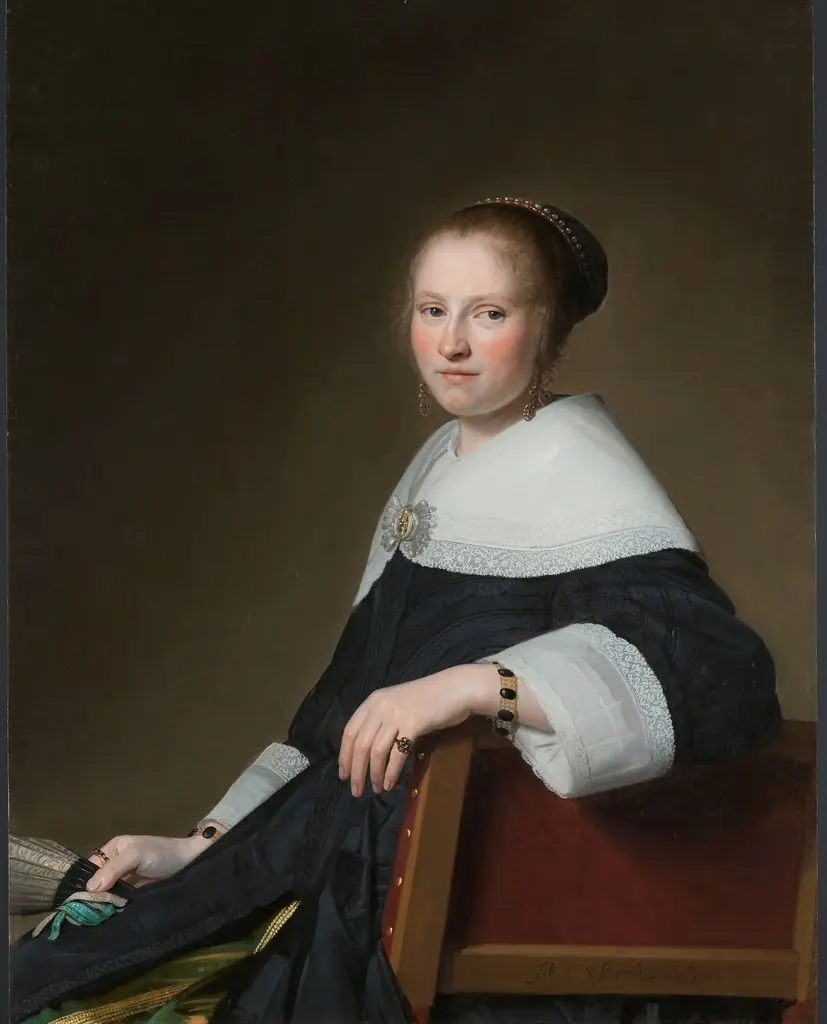 Portrait of Maria van Strijp
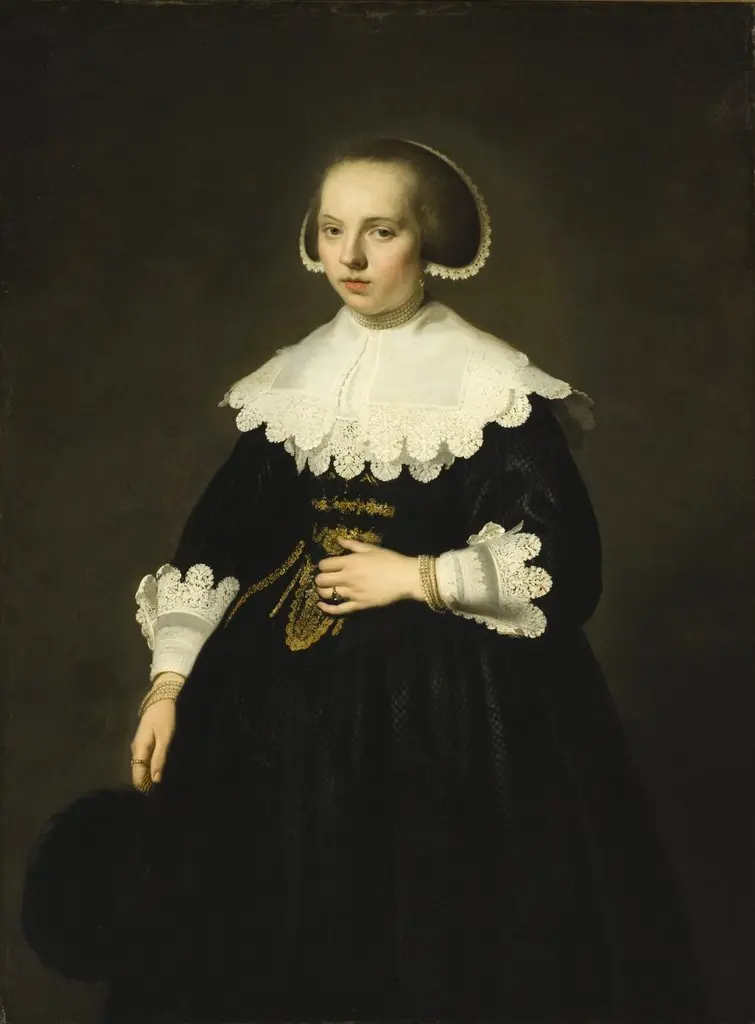 Portrait of a Young Woman
 Portrait of the Family of Dirck Bas Jacobsz, Burgomaster of Amsterdam