Artwork
Portrait of Oopjen Coppit
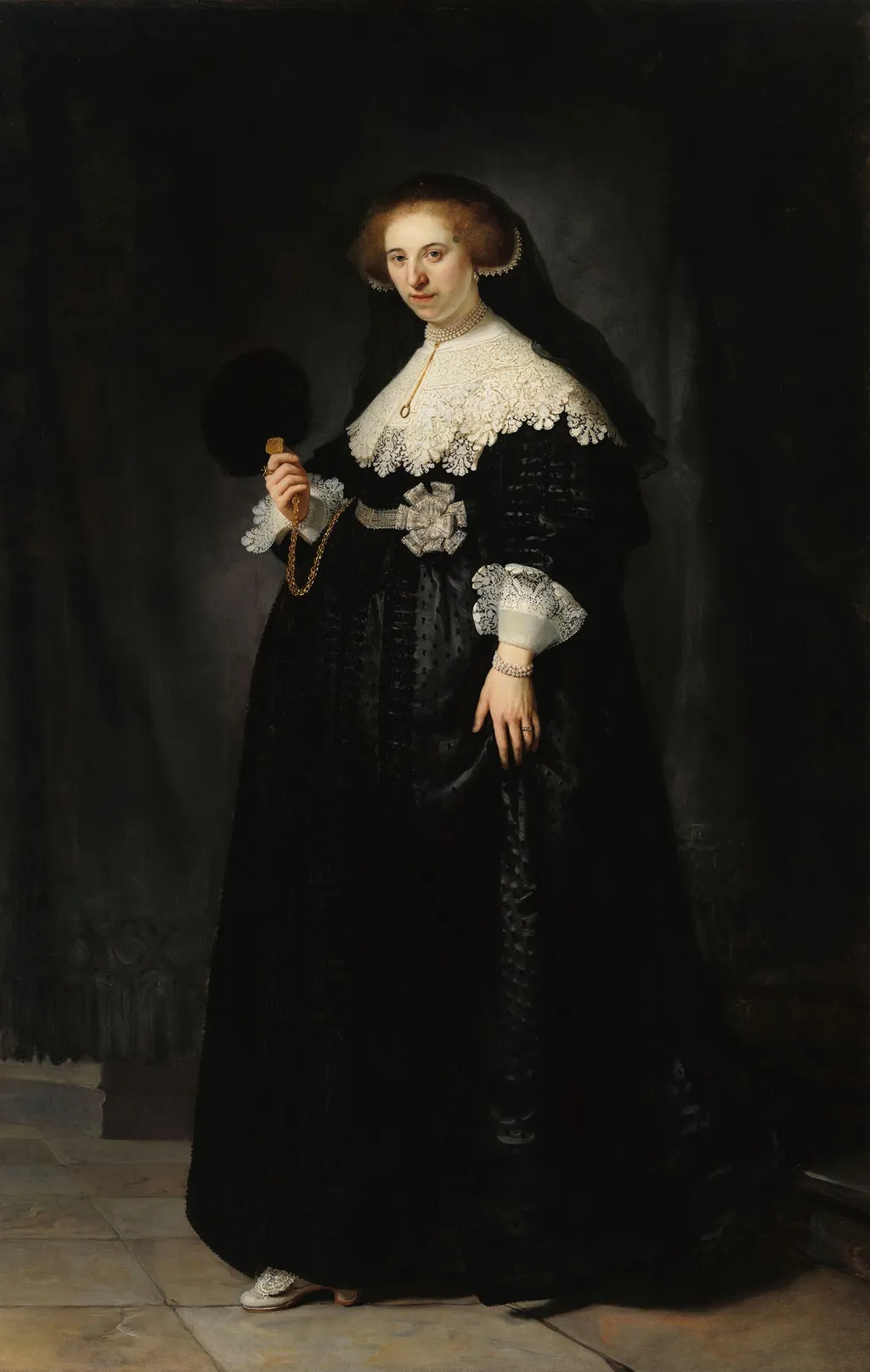
Portrait of Oopjen Coppit is an oil painting by the Dutch Golden Age artist Rembrandt van Rijn. It dates from 1634 and is held in the collection of the Rijksmuseum.
About this work
Subject & Meaning
The work’s pairing with Rembrandt’s Portrait of Maerten Soolmans suggests it was commissioned to mark a significant event, likely their marriage in 1633.
The double portrait depicts Oopjen Coppit, a young woman from a wealthy Amsterdam family, painted by Rembrandt in 1634. She is shown in an elegantly austere black dress, a fashion that signaled status and modesty among the Dutch elite of the period. The sitter’s direct gaze and composed posture convey self-assurance and social standing, underscoring her role within the prosperous merchant class of the Dutch Golden Age.
The work’s pairing with Rembrandt’s Portrait of Maerten Soolmans suggests it was commissioned to mark a significant event, likely their marriage in 1633.
The portrait’s restrained palette and formal presentation reflect the conventions of elite portraiture in 17th-century Amsterdam, emphasizing dignity and lineage over ostentation. As a pendant to Soolmans’s image, the painting serves as a visual record of conjugal union and familial prestige, aligning with contemporary practices of self-representation among Amsterdam’s merchant patriciate.
Technique & Style
Portrait of Oopjen Coppit is an oil painting on canvas created by Rembrandt in 1634. As a work of the Dutch Golden Age, the piece measures 207 cm in height and 132 cm in width. The medium consists of oil paint applied to a canvas support, characteristic of the artist's portraiture from this period. The work is classified within the genre of portraiture and depicts the subject Oopjen Coppit.
History & Provenance
The portrait was painted in 1634 by Rembrandt as a commissioned work. It remained in the French branch of the Rothschild family for over a century before its acquisition by the Louvre and the Rijksmuseum in 2015. Prior owners included Eric de Rothschild, Roelof Meurs Pruyssenaar, Pieter van Winter, Lucretia Johanna van Winter, Willem van Loon, Annewies van Winter, Gustave Samuel de Rothschild, and Robert de Rothschild.
The work has been displayed only once in 150 years, during a joint exhibition in 1956 organized by the Rijksmuseum Amsterdam and the museum Boijmans Van Beuningen de Rotterdam.
The Portrait of Oopjen Coppit is jointly owned by the Rijksmuseum in Amsterdam and the Musée du Louvre in Paris, having been acquired in September 2015 from the Rothschild family in a shared arrangement, with each museum paying 80 million euros. The painting is held in the Rijksmuseum's collection and displayed in the Nightwatch hall. It is part of the Department of Paintings of the Louvre.
Prior to the 2015 acquisition, the work had belonged to the French branch of the Rothschild family for more than a century, during which it was shown publicly only once, at a joint exhibition organized in 1956 by the Rijksmuseum Amsterdam and the Museum Boijmans Van Beuningen in Rotterdam. Following the joint purchase, the two museums agreed to host the painting on an alternating basis.
Context
The portrait entered public view only once in roughly 150 years, during a joint 1956 exhibition organized by the Rijksmuseum Amsterdam and the Museum Boijmans Van Beuningen in Rotterdam. In September 2015 the Louvre and the Rijksmuseum Amsterdam acquired the work, along with the companion portrait of Maerten Soolmans, from the Rothschild family for 80 million euros each, subsequently displaying the paintings alternately.
Legacy
For over a century, the painting remained in the possession of the French branch of the Rothschild family, during which time it was rarely seen by the public. In fact, across a span of 150 years, the work was exhibited only once, appearing in a joint show organized by the Rijksmuseum and the Museum Boijmans Van Beuningen in 1956.
The portrait's modern legacy was defined in September 2015 when the Louvre and the Rijksmuseum jointly acquired the piece and its companion portrait from the Rothschilds. This acquisition, valued at 80 million euros for each institution, established a unique rotating display arrangement between the two museums, ensuring the work's continued prominence in public collections.
Overview
Created in 1634 by Rembrandt van Rijn, this oil painting portrays Oopjen Coppit, a Dutch woman of the Golden Age. It forms one half of a marital pair, the companion piece showing her husband. The work belongs to the Rijksmuseum’s collection, exemplifying the period’s portraiture conventions.
Own this work as a print
Artist & collection

Artist
Rembrandt Harmenszoon van Rijn, known mononymously as Rembrandt, was a Dutch Golden Age painter, printmaker, and draughtsman.


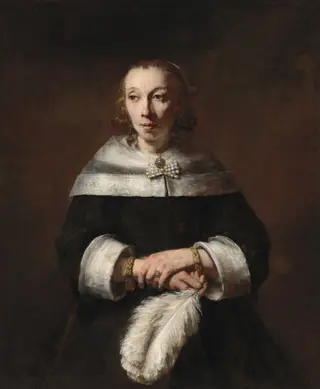
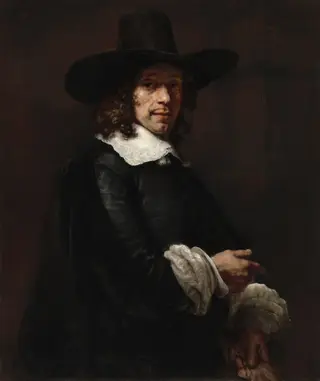
- Portrait of a Young Woman with a Fan
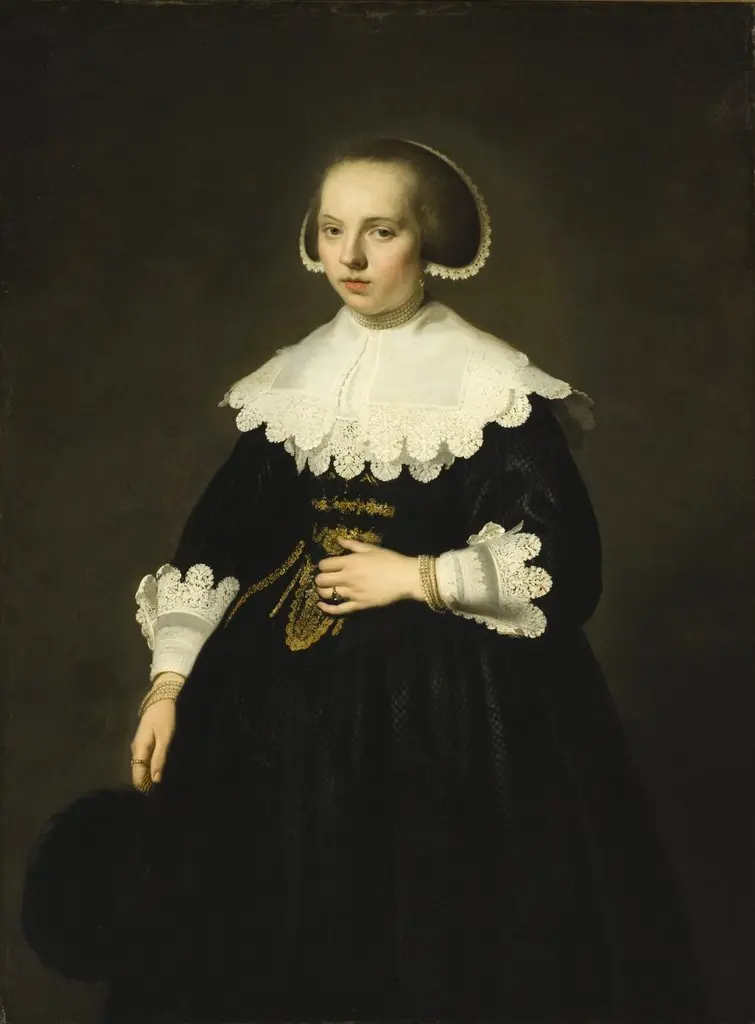 Portrait of a Young Woman
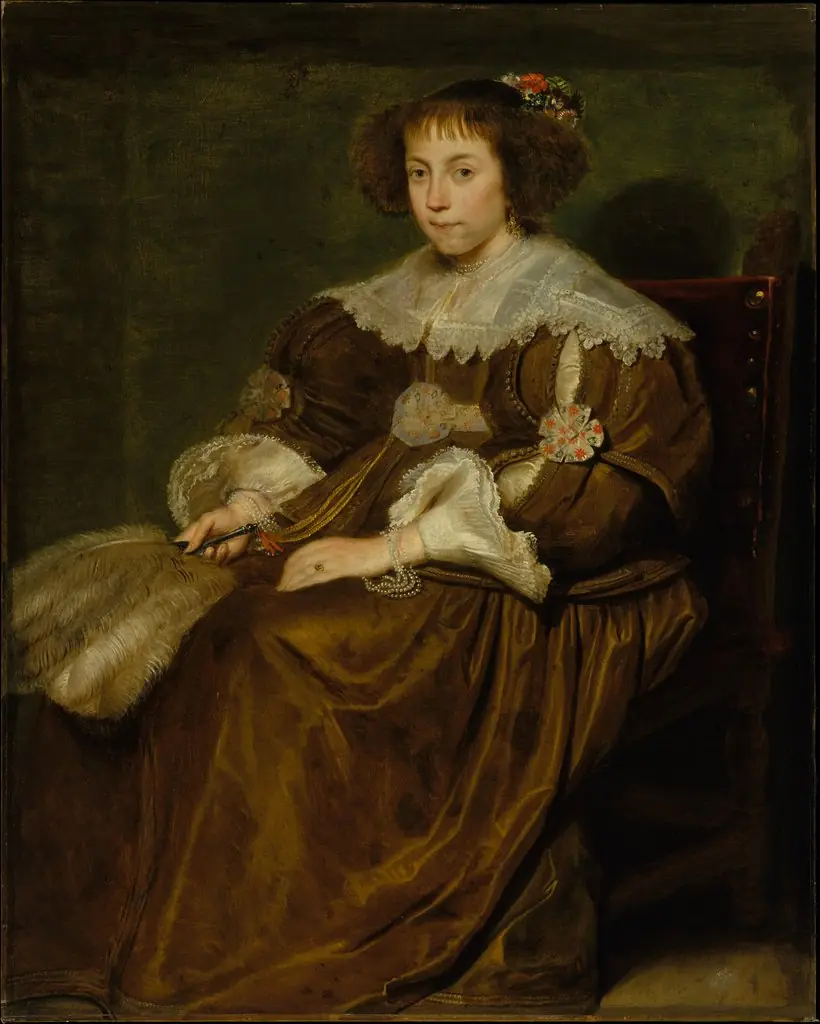 Portrait of a Young Woman
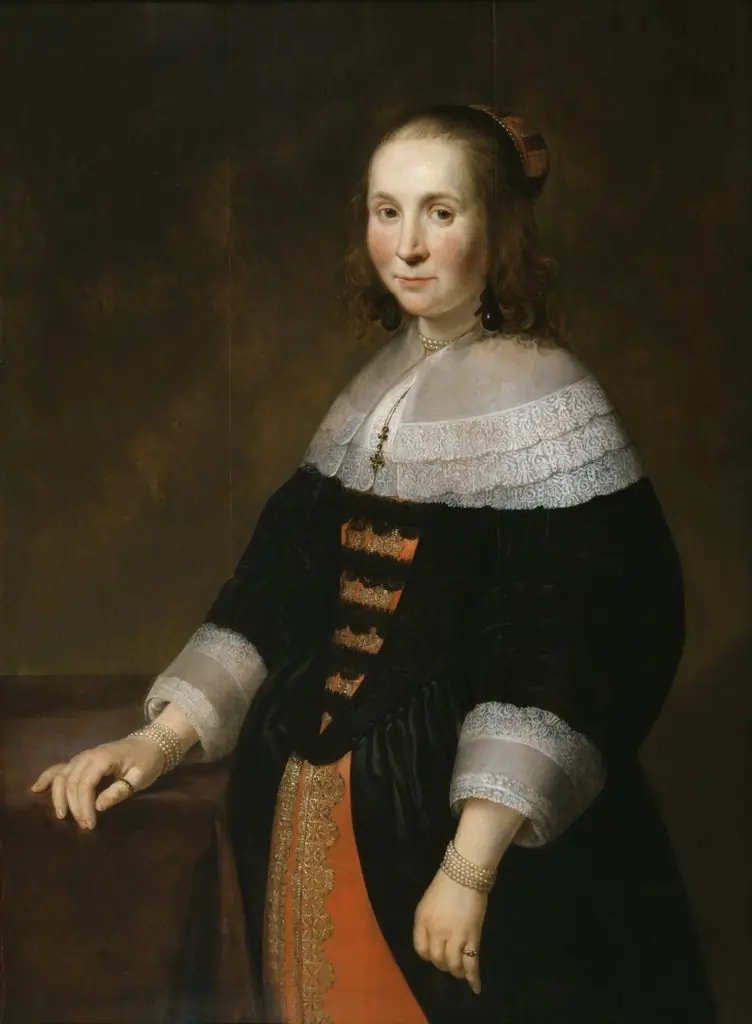 Portrait of a Wife
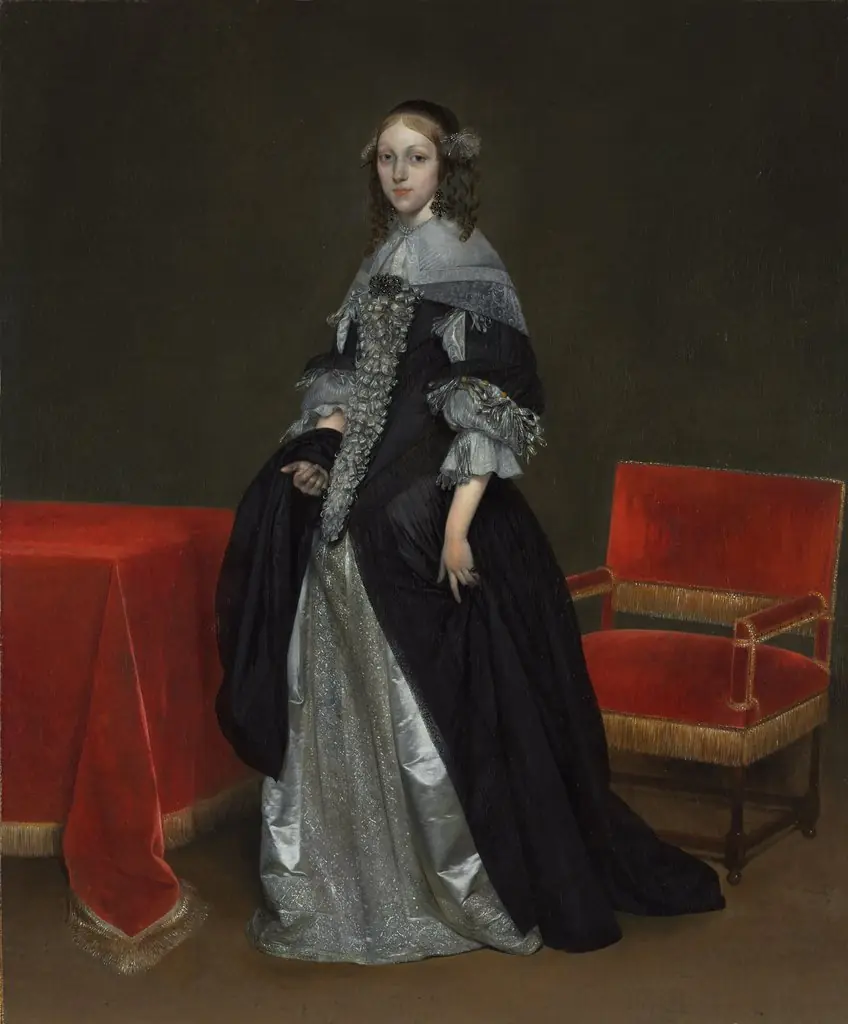 Portrait of a Woman
 Portrait of Elisabeth Pietersdr Kessels (1640-1717)
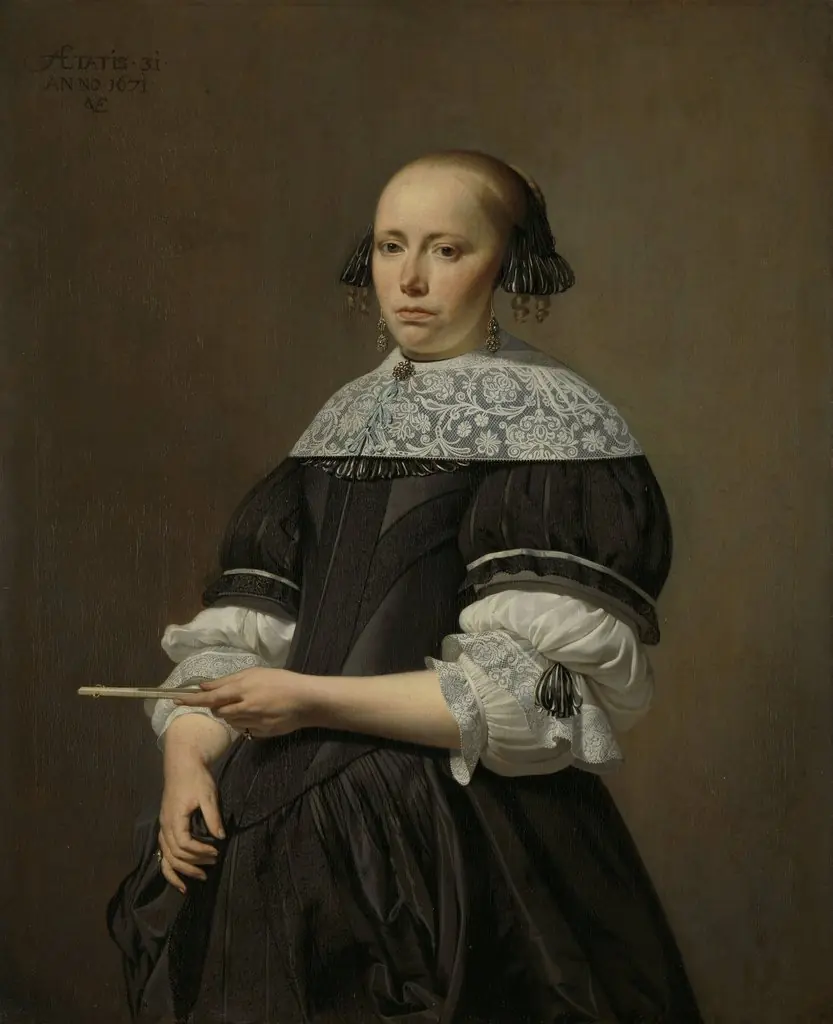 Elisabeth van Kessel (1640-1717). Wife of Willem Jacobsz Baert
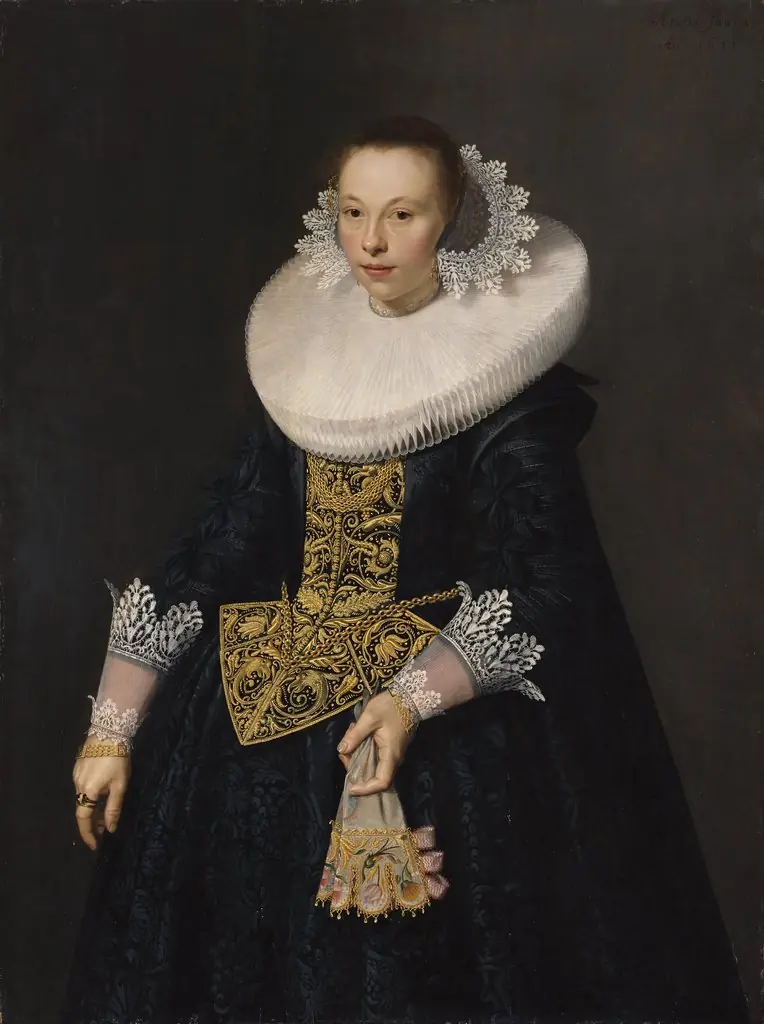 Portrait of a Young Woman
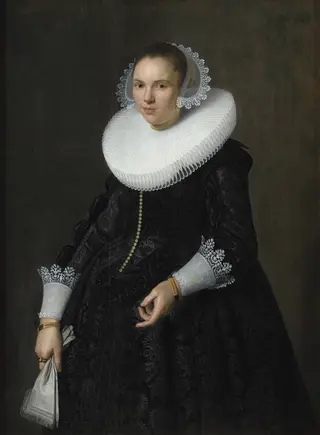 Portrait of a Lady
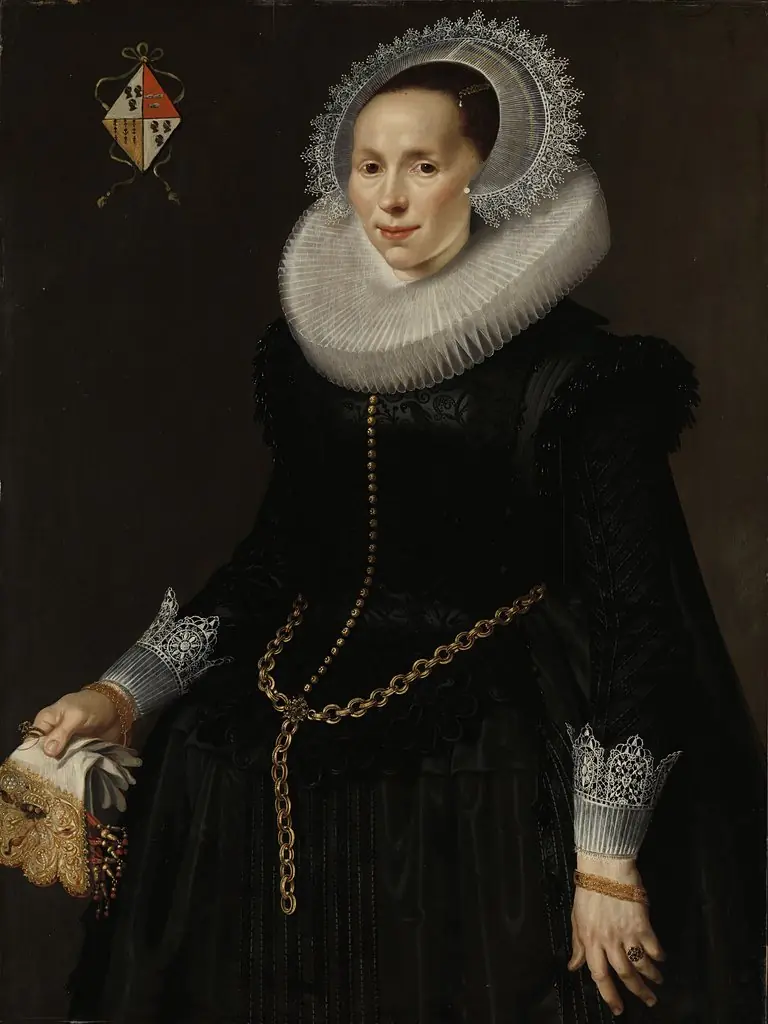 Portrait of Johanna Le Maire (c. 1601-60)
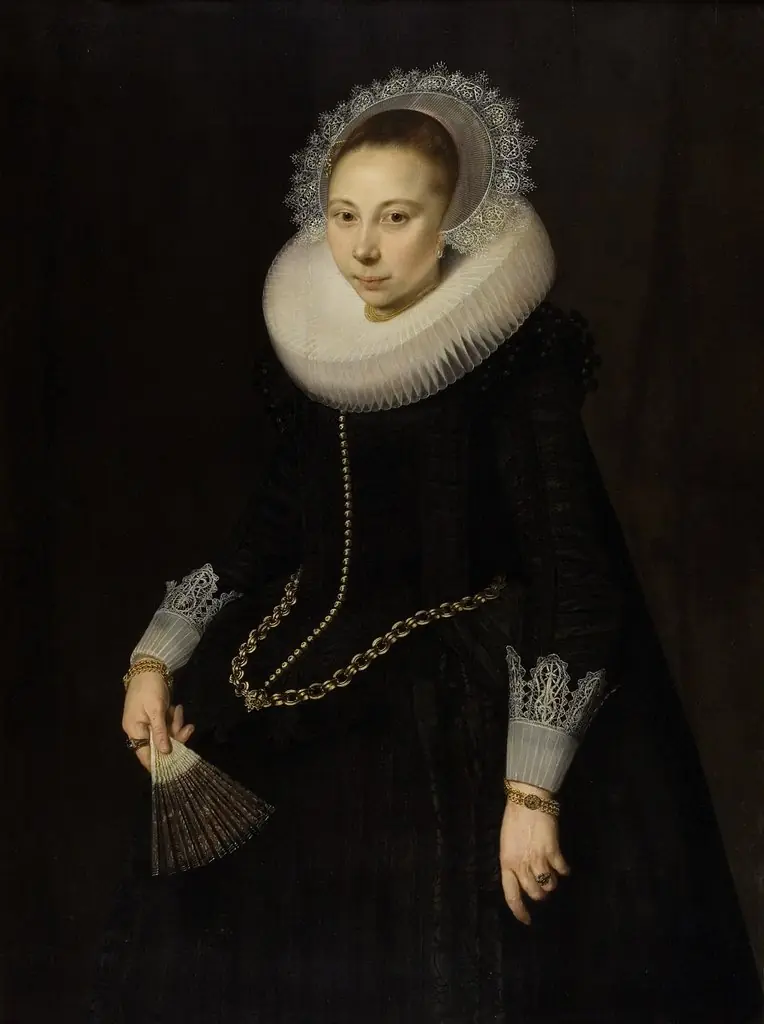 Portrait of Maria Overrijn van Schoterbosch (1599/1600-1638)
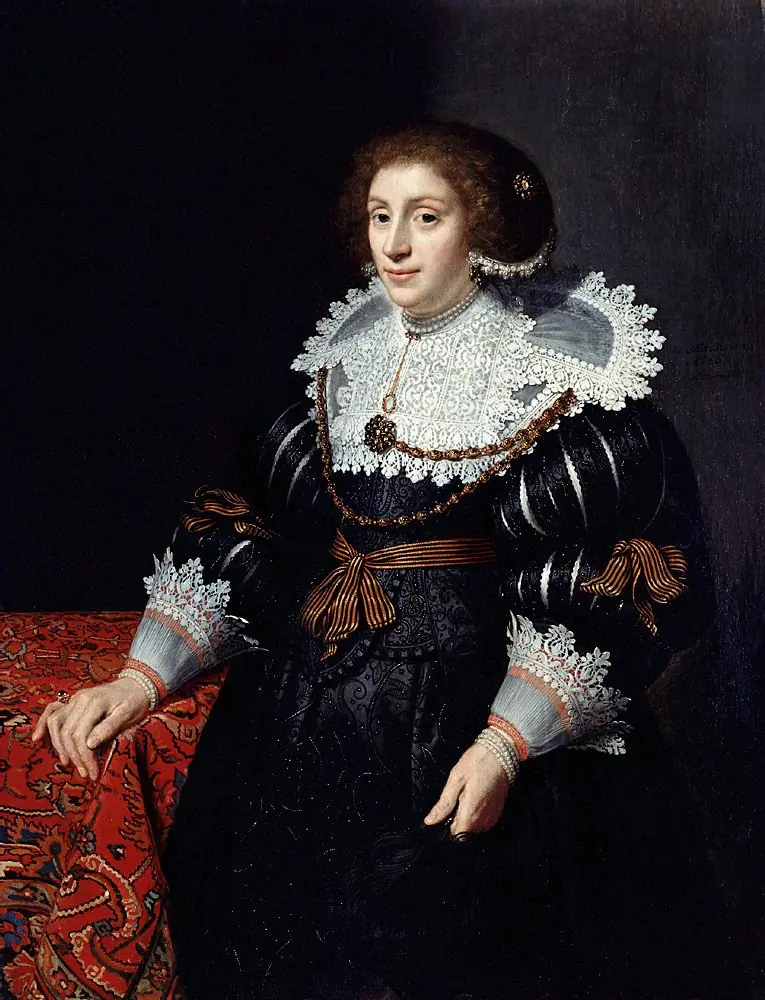 Portrait of a Woman