Artwork
The peace negotiation between Claudius Civilis and Quintus Petillius Cerealis on the demolished bridge
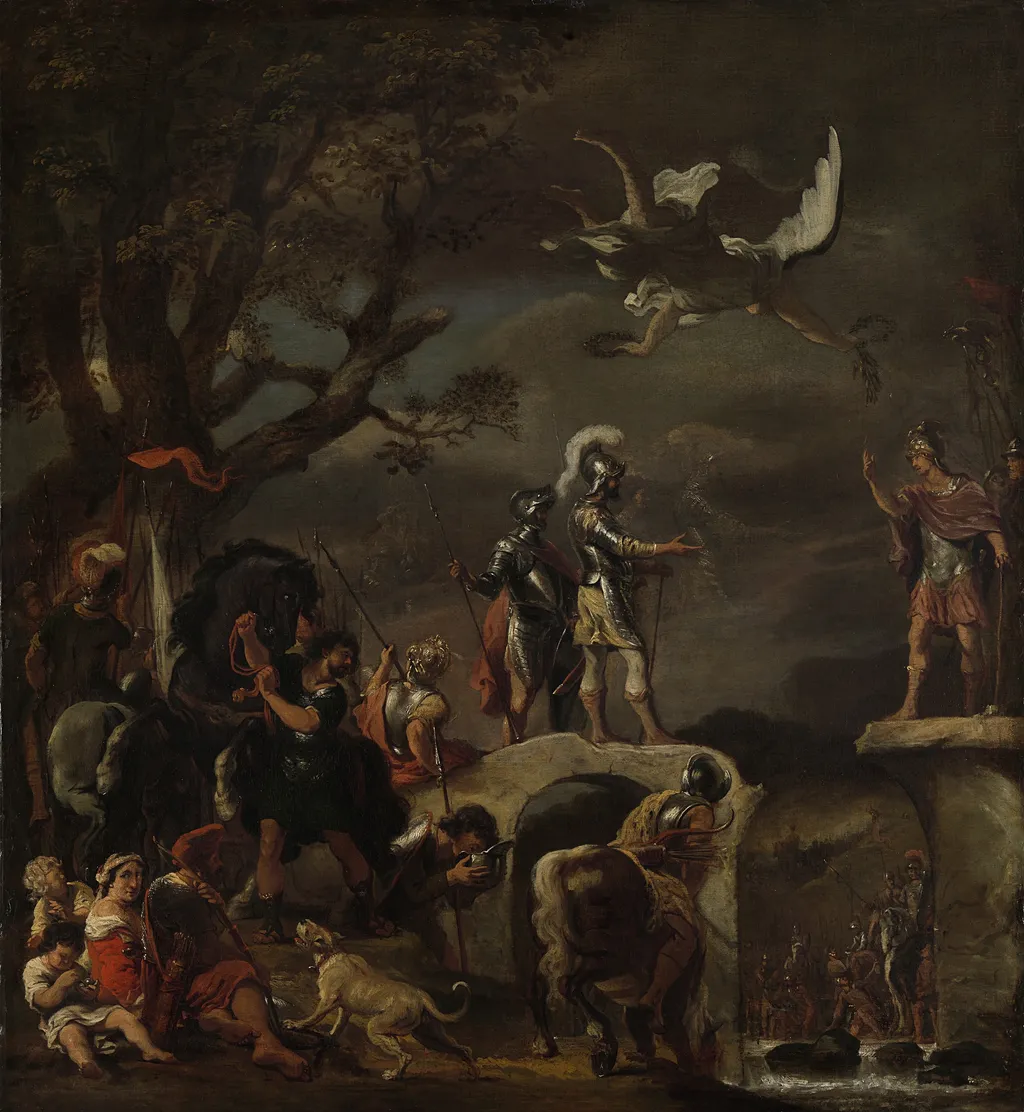
The peace negotiation between Claudius Civilis and Quintus Petillius Cerealis on the demolished bridge is an oil painting by the Dutch Golden Age artist Ferdinand Bol. It dates from 1660 and is held in the collection of the Rijksmuseum.
About this work
Subject & Meaning
The scene takes place on a demolished bridge, serving as a neutral ground for the diplomatic encounter between the two opposing commanders.
Ferdinand Bol's 1660 oil painting depicts the historical peace negotiation between the Batavian leader Claudius Civilis and the Roman general Quintus Petillius Cerealis. The scene takes place on a demolished bridge, serving as a neutral ground for the diplomatic encounter between the two opposing commanders. As an illustration of a peace process, the work visualizes the moment of reconciliation following the Batavian Revolt against Roman rule.
The composition focuses on the interaction between Civilis and Cerealis, highlighting the cessation of hostilities rather than the violence of the conflict itself.
Technique & Style
Executed in 1660, this work by Ferdinand Bol is an oil painting on canvas. The composition measures 122 cm in height and 112.5 cm in width. As a painted work from the mid-seventeenth century, it utilizes traditional oil pigments applied to a woven textile support, a standard practice for large-scale history paintings of the Dutch Golden Age. The piece is classified formally as a painting depicting a specific historical peace negotiation.
History & Provenance
The painting titled "The peace negotiation between Claudius Civilis and Quintus Petillius Cerealis on the demolished bridge" was executed by Ferdinand Bol in 1660 as an oil on canvas work. It entered the collection of the Rijksmuseum, where it remains on display. The artwork measures 122 cm in height and 112.5 cm in width. Its creation is documented in the Rijksmuseum catalogue and matches the date recorded in contemporary sources.
Context
Ferdinand Bol's 1660 oil painting depicting the peace negotiation between Claudius Civilis and Quintus Petillius Cerealis on the demolished bridge, housed in the Rijksmuseum, has been studied within the context of Dutch Golden Age historical narratives. Scholarship emphasizes its role in illustrating political reconciliation themes prevalent in 17th-century Dutch art, particularly in works commissioned by civic authorities. The piece reflects Bol's engagement with historical subjects beyond his well-documented portraiture, situating it within broader discussions of narrative painting in the Dutch Republic.
Its composition and subject matter have been analyzed for their contribution to the visual documentation of colonial-era political processes, though specific critical reception details remain sparsely documented in extant sources.
Overview
This 1660 oil painting by Ferdinand Bol captures a pivotal moment of negotiation between Roman and Batavian leaders amidst a backdrop of destruction, specifically on a demolished bridge.
Legacy
As a work by a prominent pupil of Rembrandt, it contributes to the understanding of the master's influence on subsequent generations of Dutch painters, though its specific impact on art history is not broadly highlighted in available sources.
Own this work as a print
Artist & collection
Artist
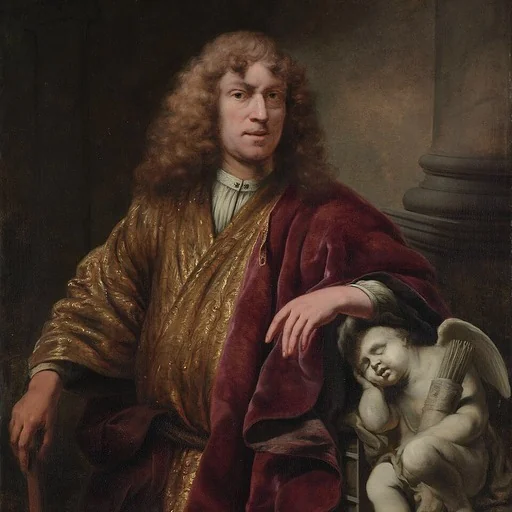
Ferdinand Bol (24 June 1616 - 24 August 1680) was a Dutch painter, etcher and draftsman.

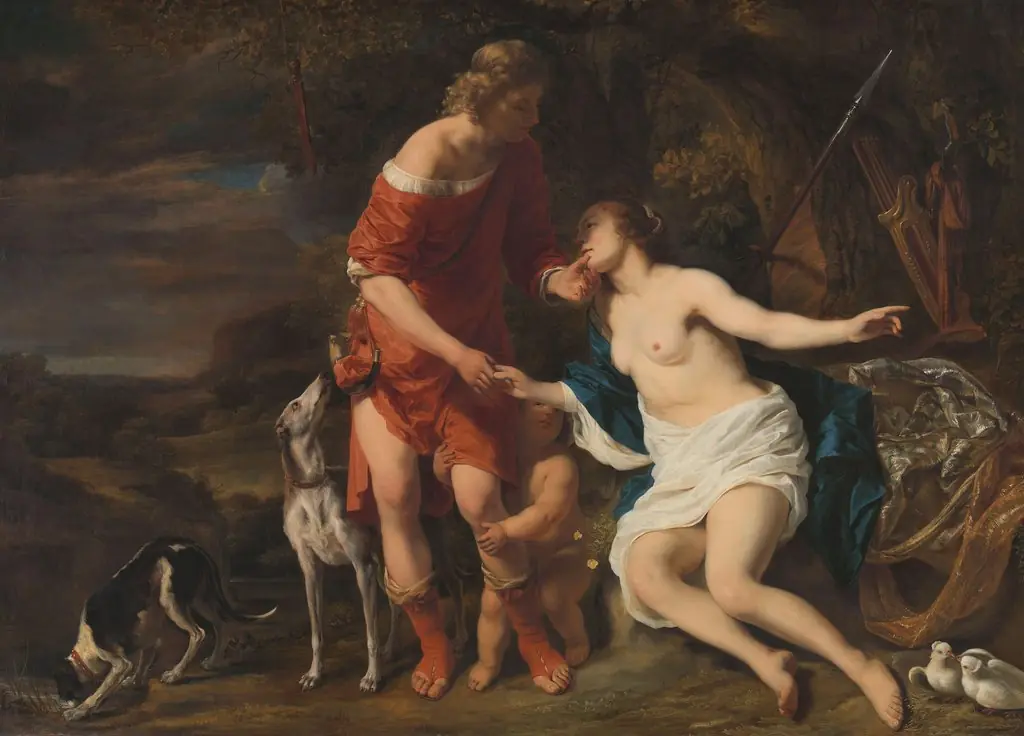 Venus and Adonis
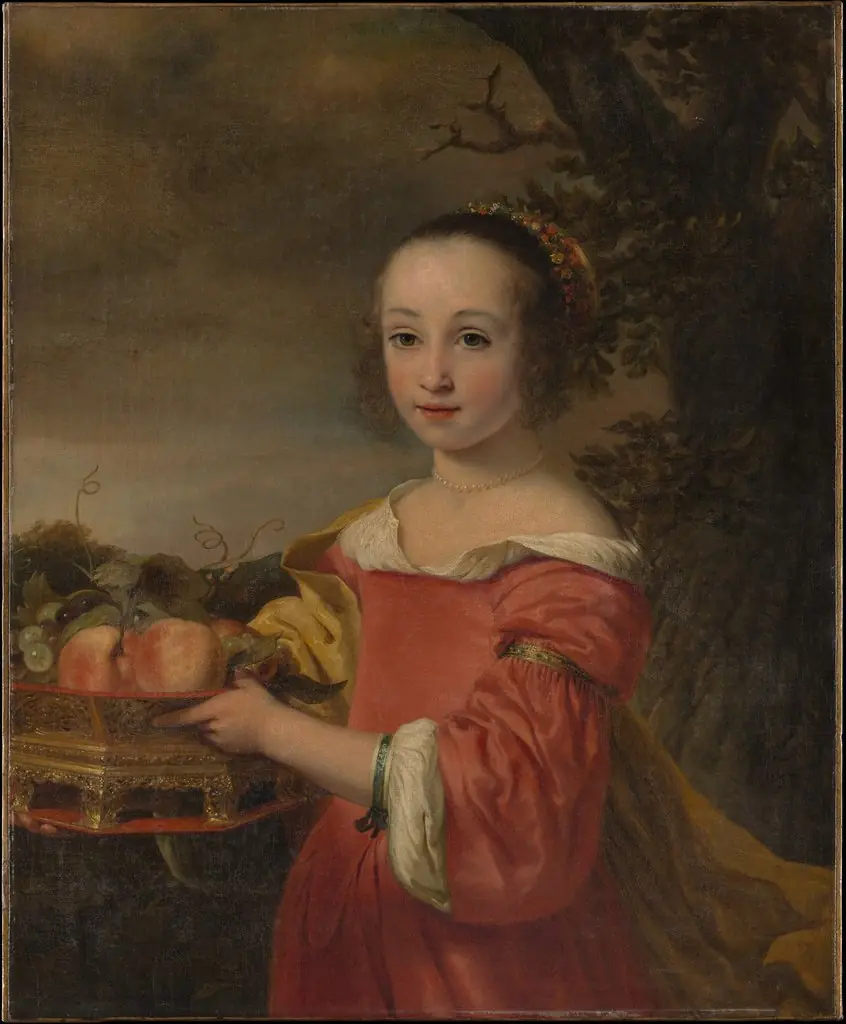 Petronella Elias (1648–1667) with a Basket of Fruit
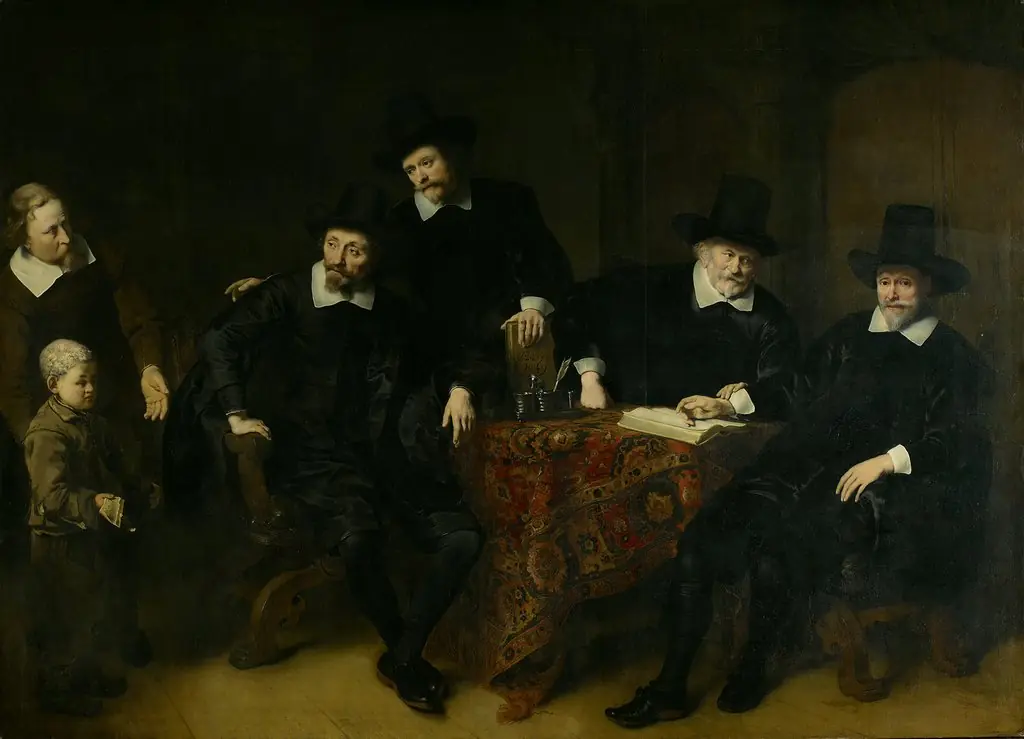 The Regents of the Leper's house in Amsterdam in 1649
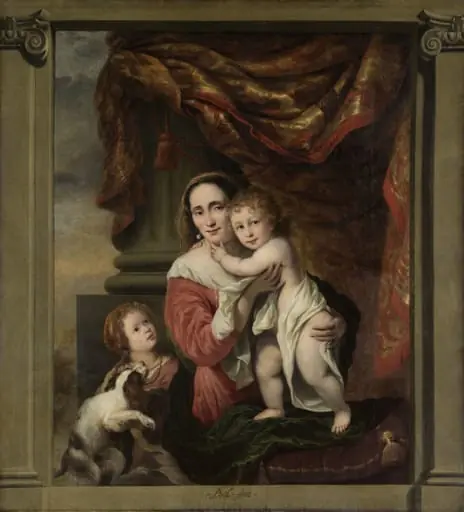 Caritas: Joanna de Geer (1629-1691) with her Children Cecilia Trip (1660-1728) and Laurens Trip (b. 1662)
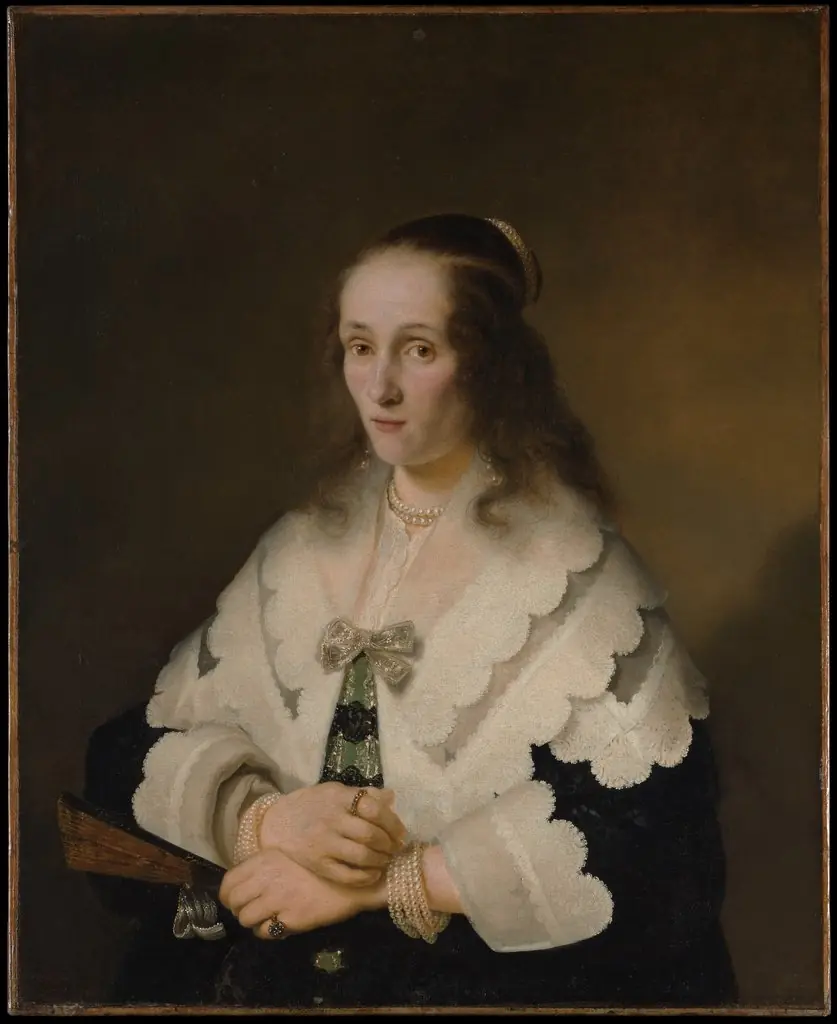 Portrait of a Woman
 Bacchus and Ariadne
 Portrait of a man
 Portrait of an Old Lady, Possibly Elisabeth Bas
- The Battle of Israel and Amalek
 Indische Könige huldigen Alexander dem Großen
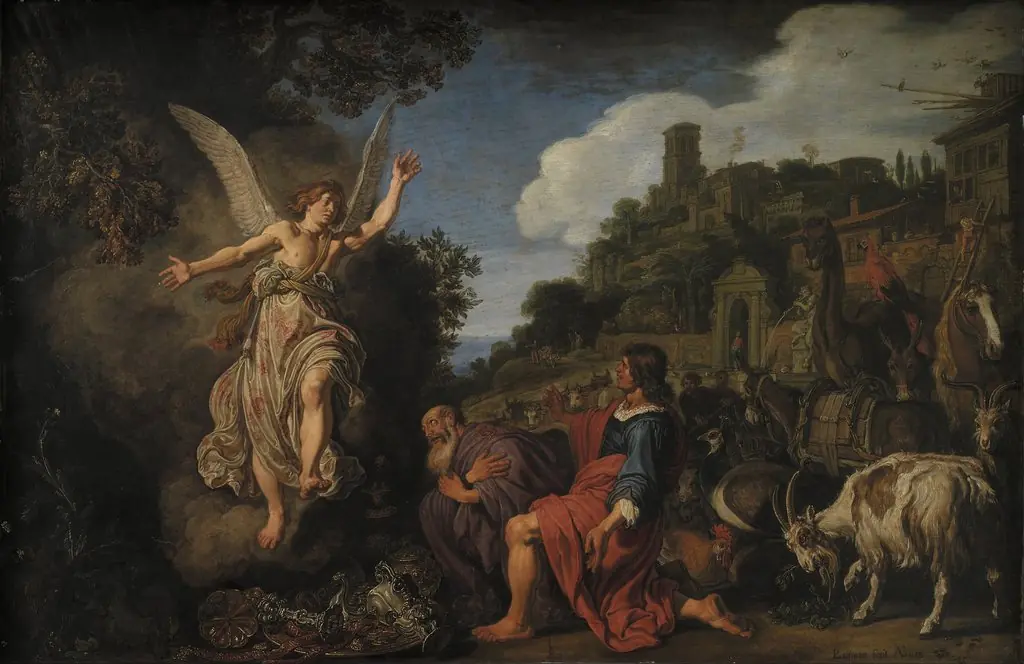 The Angel Raphael Takes Leave of Old Tobit and his Son Tobias
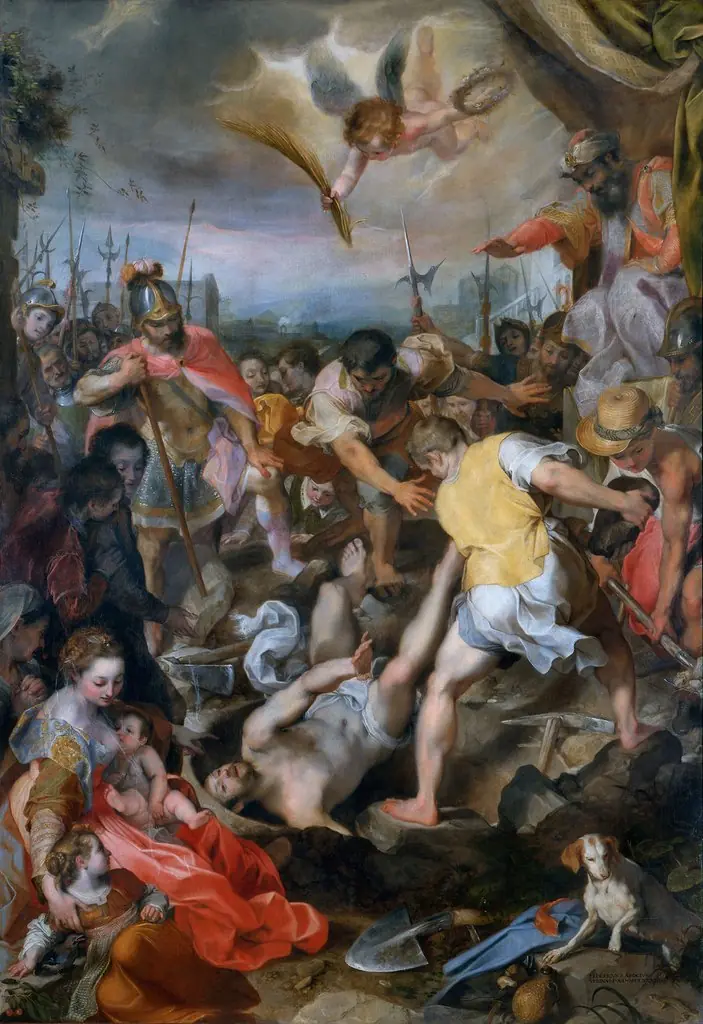 Martirio di san Vitale
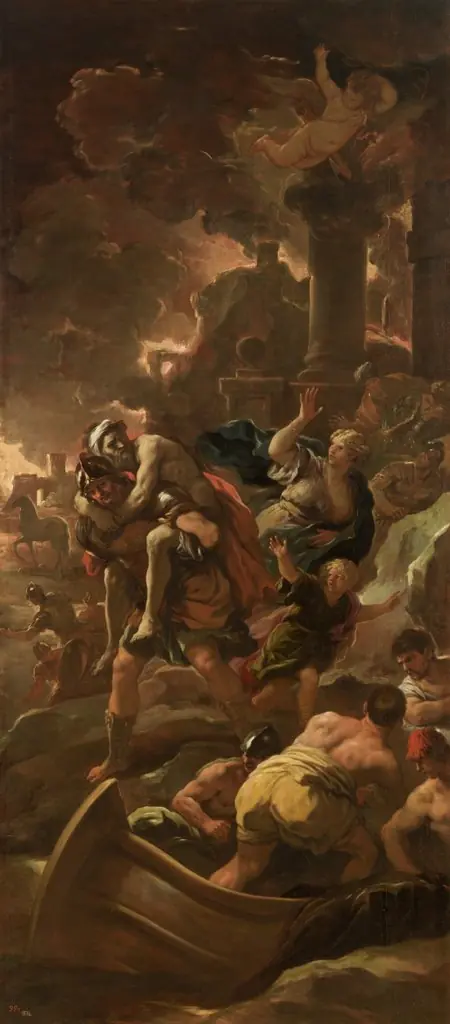 Eneas, fugitivo con su familia
 Prins Svens lig bliver fundet
 Annunciation to the Shepherds
 Mountainous Landscape with a Woman Riding
 The meeting of Jacob and Esau
 The Angel Raphael Takes Leave of Old Tobit and his Son Tobias
 The Road to Calvary
 Death of Decius Mus