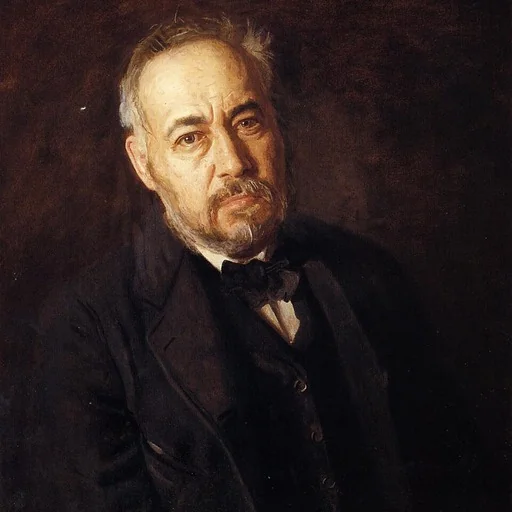
Subject
River
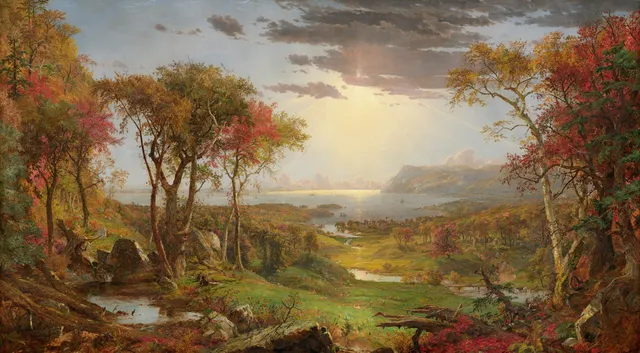
River is a subject in art. The gallery holds 200 works in this subject in art, including works by Thomas Eakins, Jean Baptiste Camille Corot and Thomas Cole.
The river is among the most enduring motifs in world art, valued both as subject and as a compositional device that channels the eye through space. Few works exploit this better than the Chinese handscroll. Attributed to the Northern Song master Zhang Zeduan (c. 1085–1145), "Along the River During the Qingming Festival" — ink and color on silk, roughly 25 by 529 centimetres — unfurls left to right along the Bian River through the bustling capital of Kaifeng, its central "Rainbow Bridge" the pivot of a panorama of boats, markets, and crowds. Here the river is literally the thread on which the painting hangs.
In Europe, the river became a staple of the seventeenth-century Dutch Golden Age, whose painters set a low horizon and let broad waterways recede toward distant towns, organizing flat land and big skies into measured depth. That tradition of the river as a leading line into the landscape would echo through the next two centuries of Western painting.
Nothing made the river more emblematic than the Hudson River School, often called America's first native art movement. Its founder, Thomas Cole (1801–1848), gave the genre its manifesto in "View from Mount Holyoke, Northampton, Massachusetts, after a Thunderstorm—The Oxbow" (1836), where the Connecticut River's looping curve divides storm-darkened wilderness from sunlit, cultivated farmland. The school's second generation — Jasper Francis Cropsey, whose blazing "Autumn—On the Hudson River" (1860) astonished London audiences, and Albert Bierstadt, working in the glowing, light-saturated manner termed Luminism — extended Cole's reverent nationalism across the continent.
The Impressionists reinvented the riverbank as a place of modern leisure and shifting light. Monet and Renoir painted side by side at the resort of La Grenouillère on the Seine in 1869, dissolving water into flickering, broken touches of color. Alfred Sisley, who lived along the Seine west of Paris from 1872 to 1877, made the river his life's theme; his "The Bridge at Villeneuve-la-Garenne" (1872) renders water, sky, and reflection in cool, luminous harmonies.
From Song handscrolls to Impressionist suburbs, the river has carried changing meanings — civic prosperity, divine wilderness, fleeting sensation — while remaining art's natural emblem of passage, time, and the boundary between the wild and the settled.
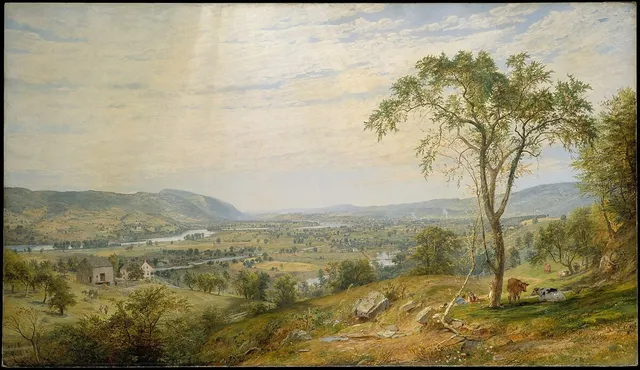
Key artists
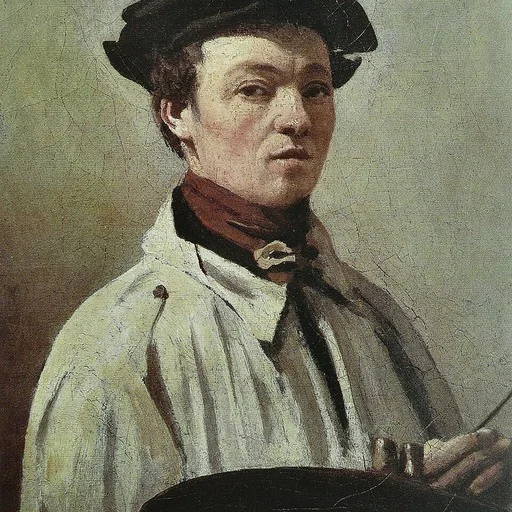
Overview
The river, a natural stream of freshwater flowing toward a lower body of water, ranks among the most enduring and versatile subjects in the history of art. Defined hydrologically as a channelled watercourse shaped by gravity, precipitation, and drainage basins, the river has appeared in at least 484 works in the collection under discussion, spanning from serene pastoral views to dramatic historical narratives. Its recurrence stems from a dual nature: rivers are simultaneously geographical features and potent symbols of life, movement, and transformation. Artists have long recognized that rivers structure human settlement, sustain civilizations, and offer compositional devices, perspective lines, and reflective surfaces that animate pictorial space. Whether depicted as tranquil rural waterways or as sites of technological and historical drama, rivers serve as both setting and protagonist in visual culture.
Iconography & meaning
The iconography of rivers in art accumulates layers of meaning from geography, mythology, and social function. In ancient Greek tradition, rivers were personified as gods, a convention that persisted into European painting and sculpture, as seen in Peter Paul Rubens's The Four Continents, where the Danube, Ganges, Rio de la Plata, and Nile embody their respective continents. The River Styx, boundary between life and death in Greek mythology, became a powerful motif for existential transition, most famously depicted in Eugène Delacroix's Dante and Virgil Crossing the Styx. Rivers also mark rites of passage and historical turning points: Caesar's crossing of the Rubicon, George Washington's 1776 crossing of the Delaware, and the obsolescence of naval technology in J. M. W. Turner's The Fighting Temeraire all exploit the river as a threshold between states of being. In landscape painting, rivers often create dichotomies between wilderness and civilization, most explicitly in Thomas Cole's The Oxbow, where the Connecticut River separates untamed forest from cultivated settlement. The reflective quality of water allows artists to explore light, color, and atmospheric effects, while the river's flow introduces temporal and narrative dimensions into static images.
Across movements & periods
The treatment of rivers in art evolved significantly across movements and periods, reflecting changing relationships between humans and nature. In Romanticism, exemplified by Turner and Cole, rivers became stages for sublime emotion and national identity, with the Thames and Hudson respectively serving as symbols of technological transition and manifest destiny. The Hudson River School, founded by Cole, institutionalized the river as a vehicle for exploring the moral and aesthetic dimensions of American expansion. Impressionists such as Renoir shifted attention toward the sensory immediacy of riverine leisure, capturing light on water with broken brushwork. Post-Impressionist and modernist approaches, including Vincent van Gogh's nocturnal river scenes and Georges Seurat's pointillist treatments, increasingly emphasized formal experimentation over narrative content. John Abbott McNeill Whistler's nocturnes pushed this further toward abstraction, using the river as a pretext for tonal harmony. Across these developments, the river remained constant as a subject while its meanings multiplied: from divine or mythological agent to economic artery, from national symbol to formal pretext for exploring color and atmosphere.
Notable depictions
Several canonical depictions stand out for their historical importance and artistic innovation. Thomas Cole's The Oxbow (1836), full title View from Mount Holyoke, Northampton, Massachusetts, after a Thunderstorm, The Oxbow, presents a panoramic view of the Connecticut River that encodes debates about wilderness and civilization in antebellum America. J. M. W. Turner's The Fighting Temeraire (1839) uses the Thames as the setting for an allegory of technological obsolescence, the ghostly warship towed by a steam tugboat against a dying sunset. John Constable's The Hay Wain (1821), depicting a hay wagon crossing the River Stour, became an iconic image of English rural life. Emanuel Leutze's Washington Crossing the Delaware (1851) transformed a military river crossing into a foundational national myth. Albert Bierstadt's Valley of the Yosemite (1864) rendered the Merced River as part of an awe-inspiring western wilderness. In a different register, Delacroix's Barque of Dante (1822) and subsequent treatments of the Styx explored the river as metaphysical boundary. More recently, Leonid Afremov and associated artists have continued the tradition with palette-knife technique and vibrant color, emphasizing the river's reflective and emotional qualities in contemporary contexts.
Legacy
The river's afterlife in visual culture extends beyond individual masterpieces to shape enduring conventions and contemporary practice. The Hudson River School's elevation of the river to national symbol influenced American environmental consciousness and conservation movements, while Turner's treatment of water and light affected subsequent generations of landscape and marine painters. The personification of rivers in allegory, from Rubens's continental Rivers to modern advertising and political imagery, persists as a visual shorthand for collective identity and natural abundance. In contemporary art, rivers continue to attract practitioners drawn to their ecological fragility and formal possibilities; the monitoring of river health, pollution, and climate change has introduced new thematic urgency. The collection's 484 river depictions, spanning from Cole's wilderness narratives to modern expressive treatments, testify to the motif's remarkable persistence. Whether as historical stage, spiritual threshold, or formal experiment, the river remains indispensable to art's engagement with nature, time, and human experience.
Works
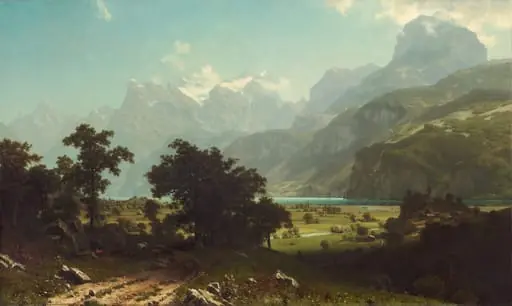 Lake Lucerne
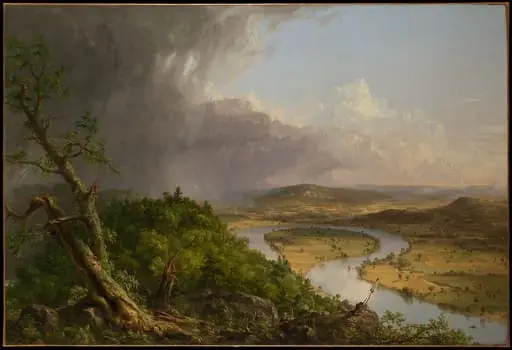 View from Mount Holyoke, Northampton, Massachusetts, after a Thunderstorm—The Oxbow
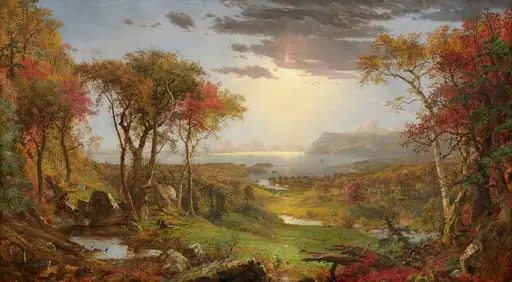 Autumn - On the Hudson River
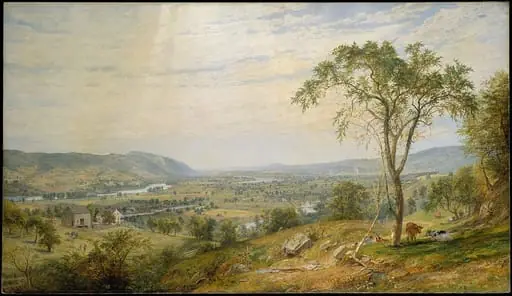 The Valley of Wyoming
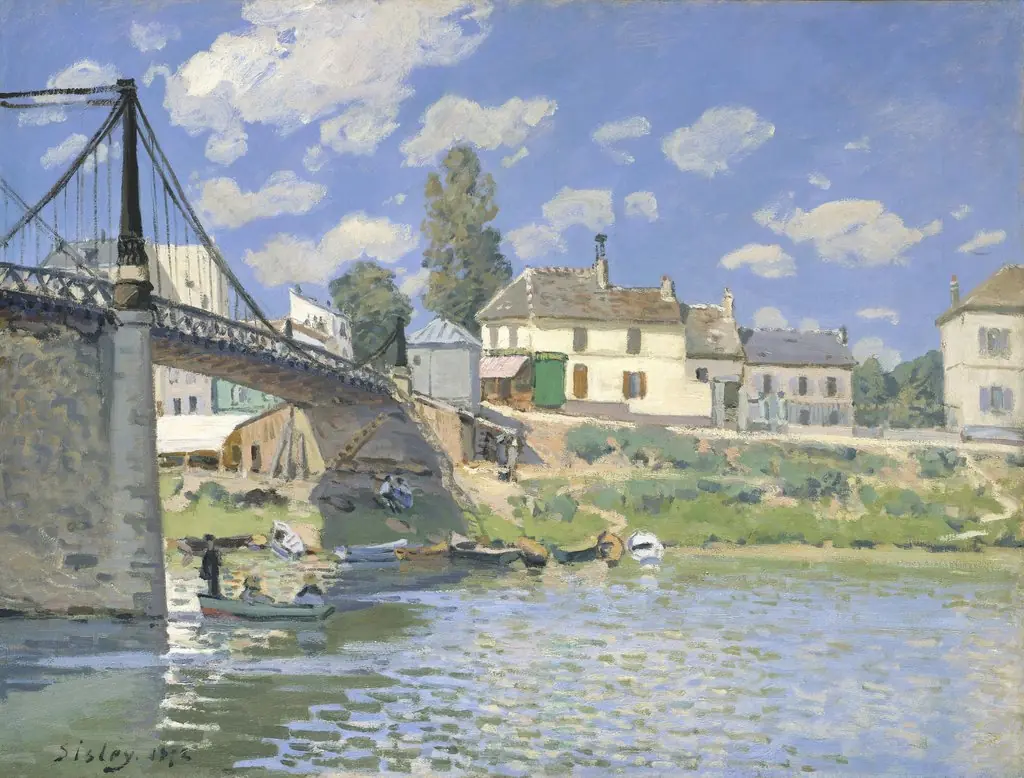 The Bridge at Villeneuve-la-Garenne
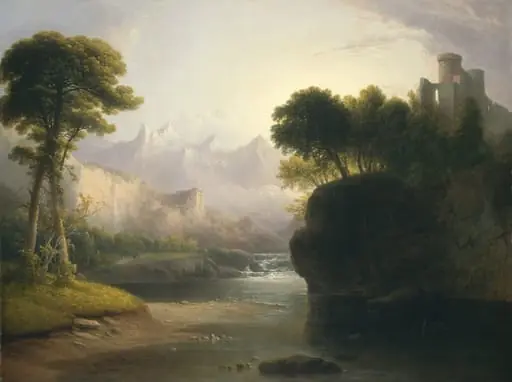 Fanciful Landscape
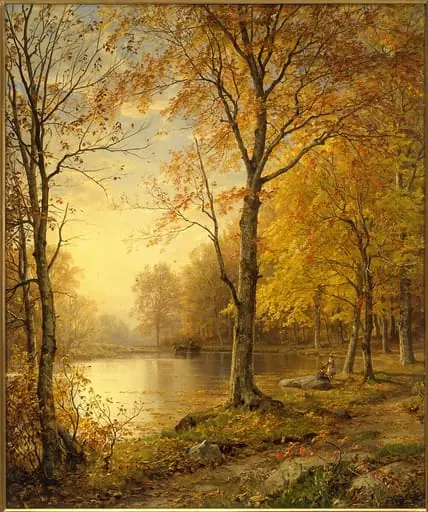 Indian Summer
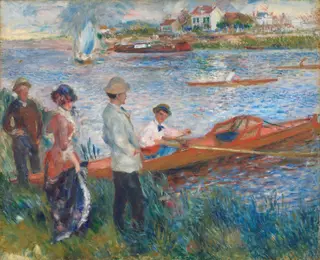 Oarsmen at Chatou
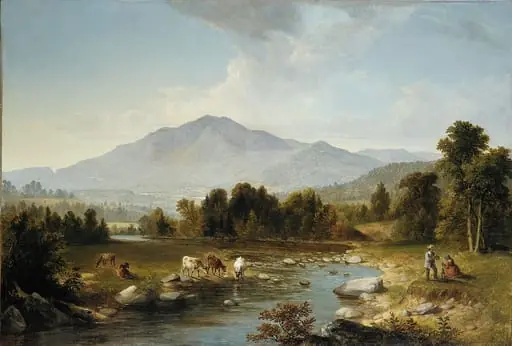 High Point: Shandaken Mountains
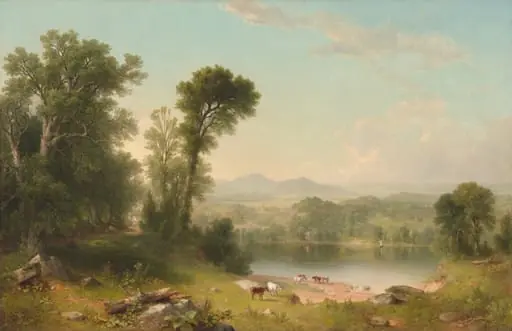 Pastoral Landscape
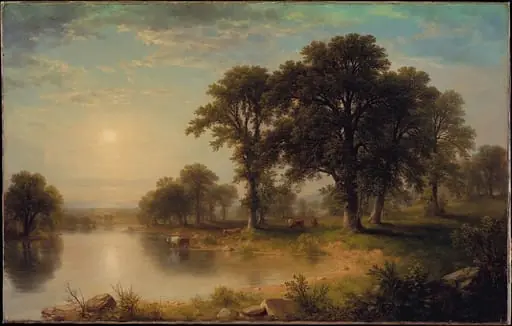 Summer Afternoon
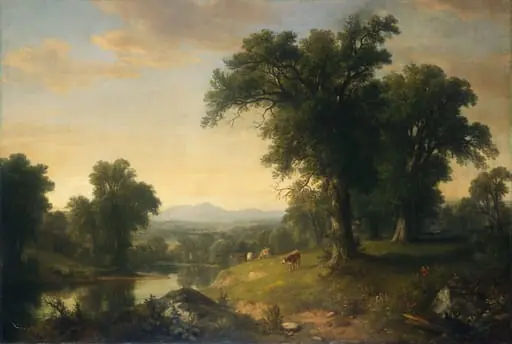 A Pastoral Scene
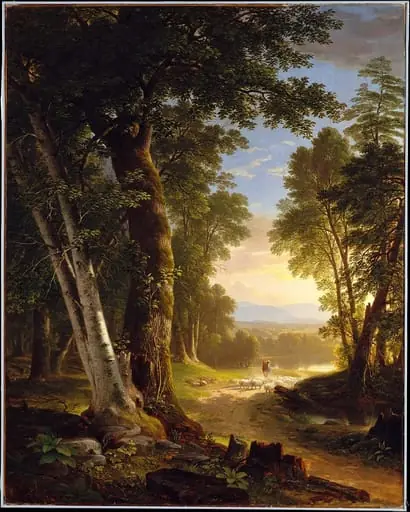 The Beeches
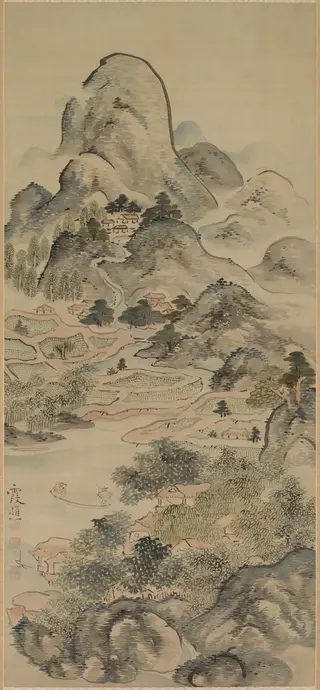 Fishing in Springtime
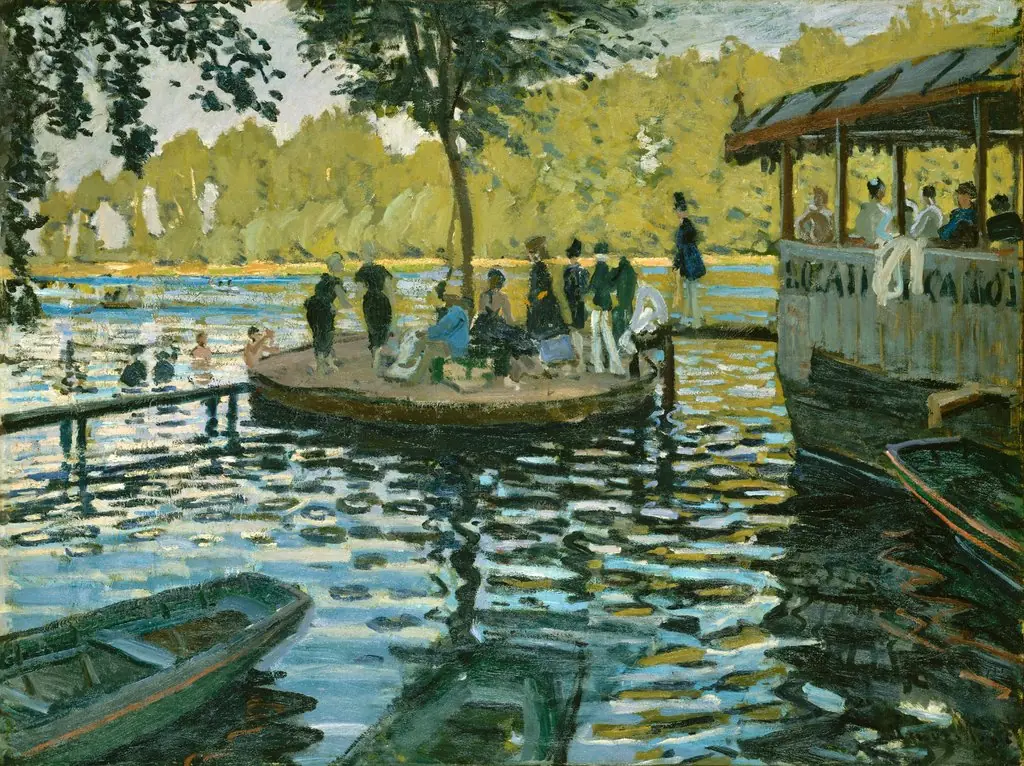 La Grenouillère
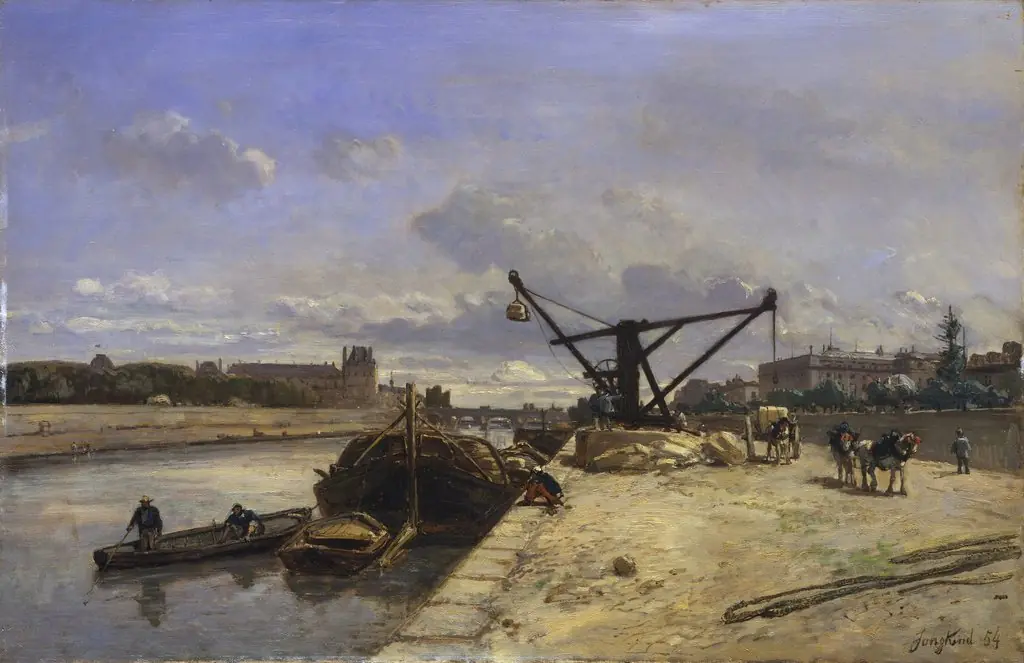 View from the Quai d'Orsay
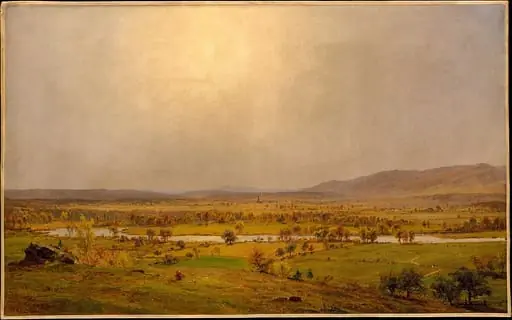 Pompton Plains, New Jersey
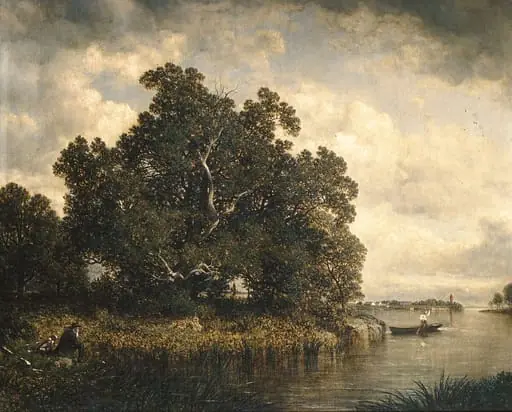 Bayside, New Rochelle, New York
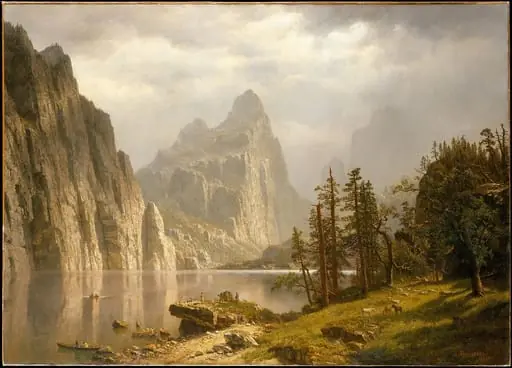 Merced River, Yosemite Valley
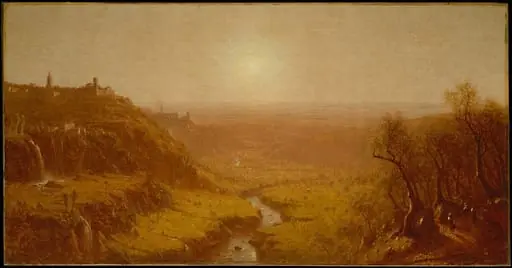 Tivoli
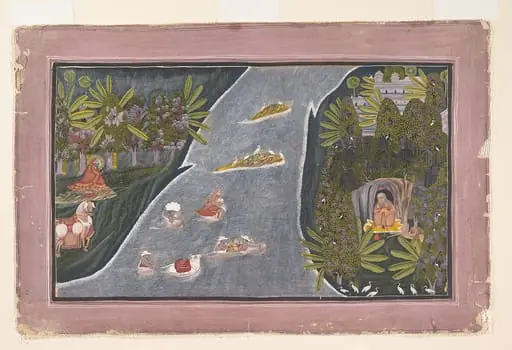 Untitled
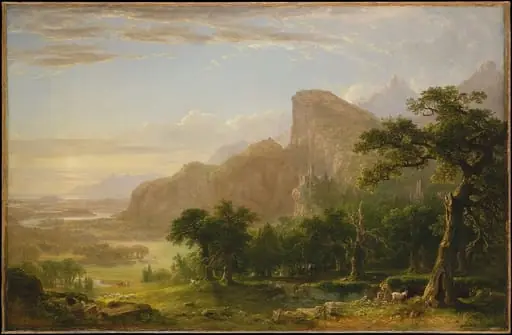 Landscape—Scene from "Thanatopsis"
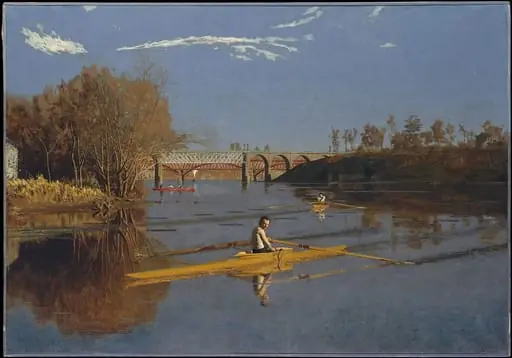 The Champion Single Sculls (Max Schmitt in a Single Scull)
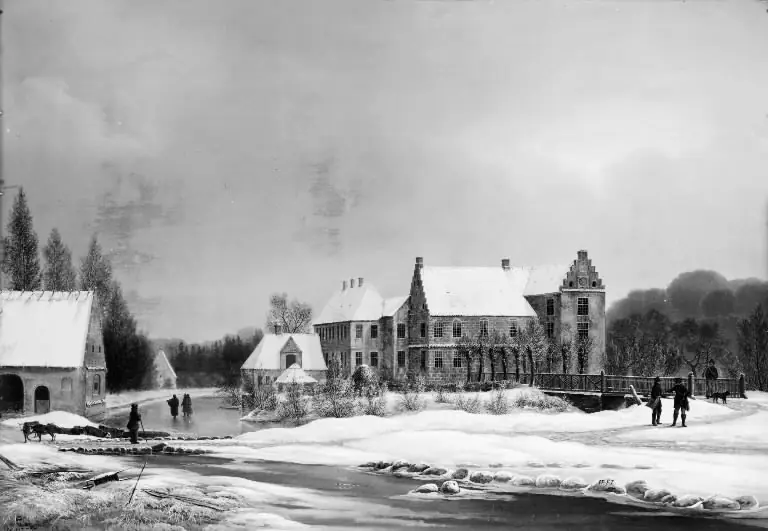 Prospekt af hovedgården Lykkesholm på Fyn. Vinter
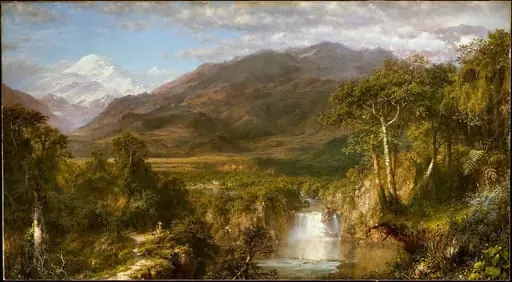 Heart of the Andes
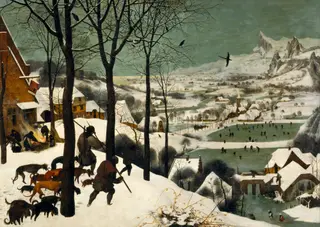 The Hunters in the Snow
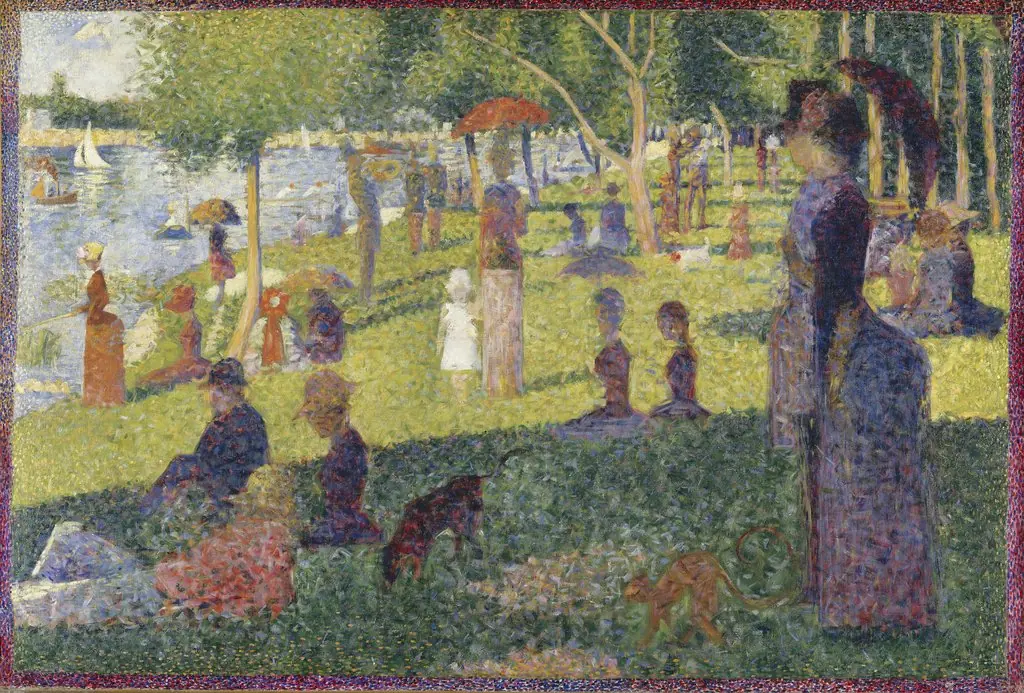 Final study for "La Grande Jatte"
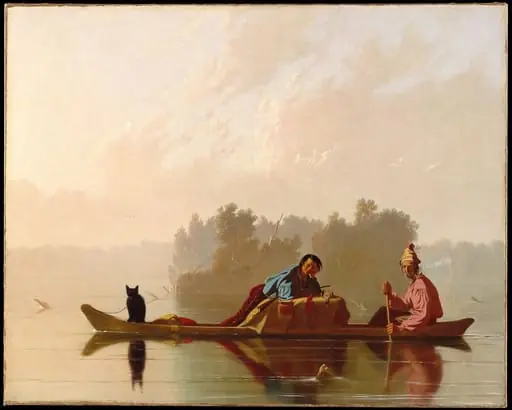 Fur Traders Descending the Missouri
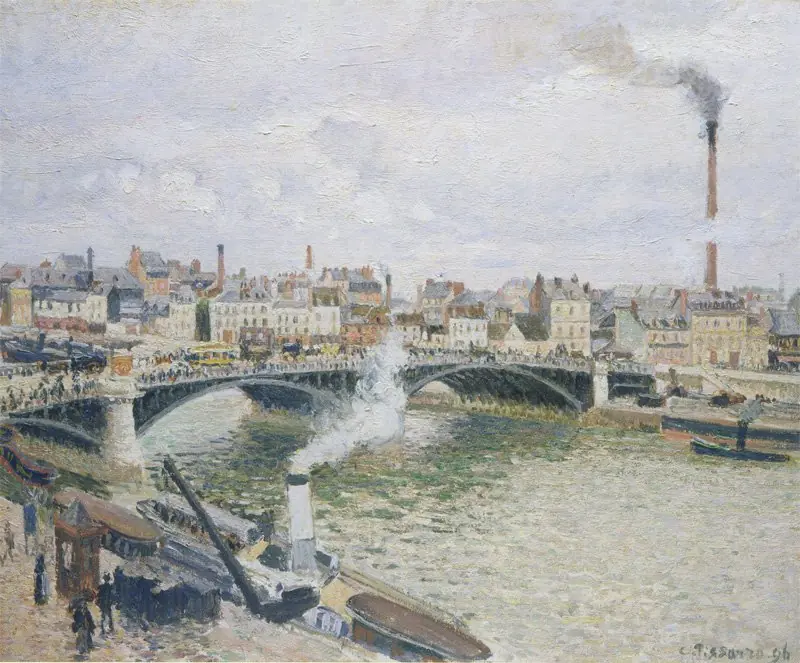 Morning, An Overcast Day, Rouen
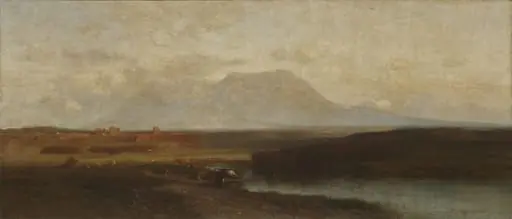 Spanish Peaks, Southern Colorado, Late Afternoon
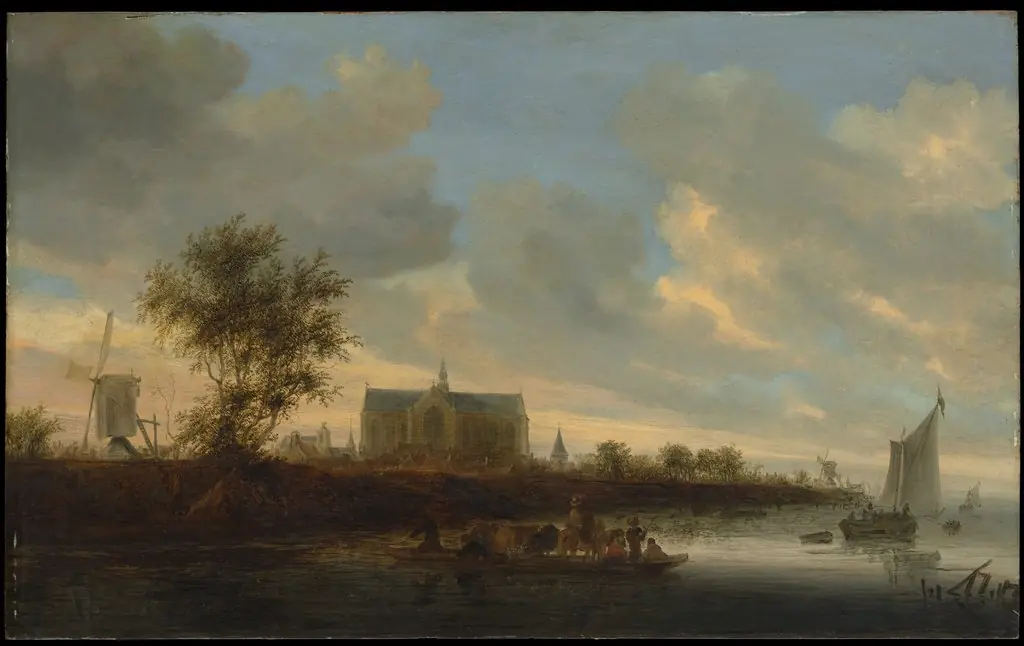 View of the Town of Alkmaar
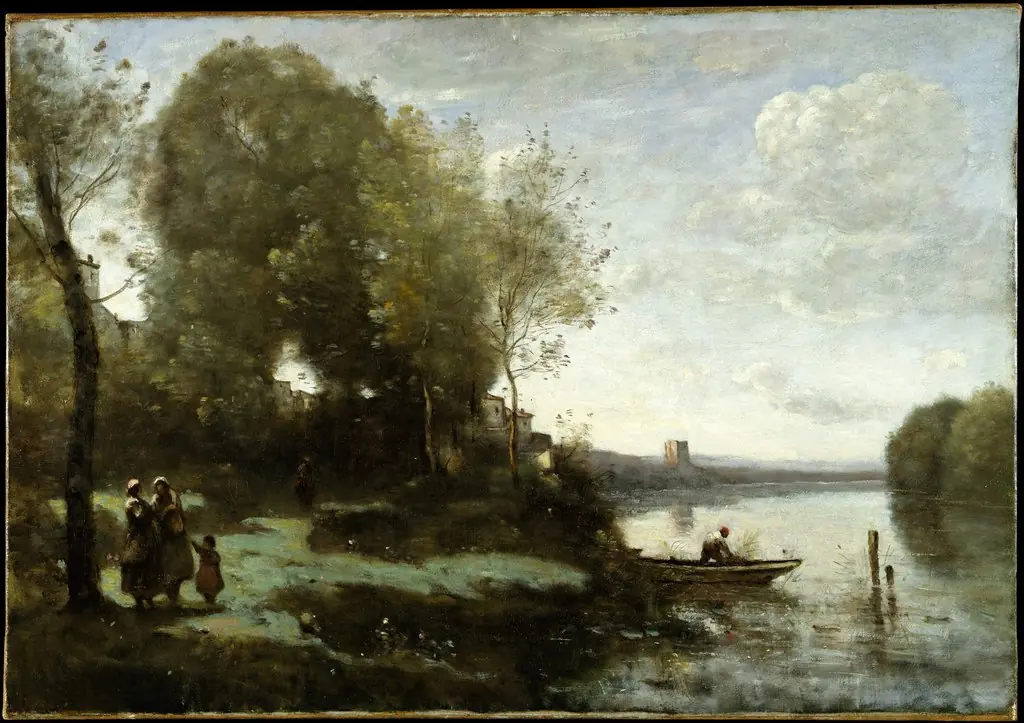 River with a Distant Tower
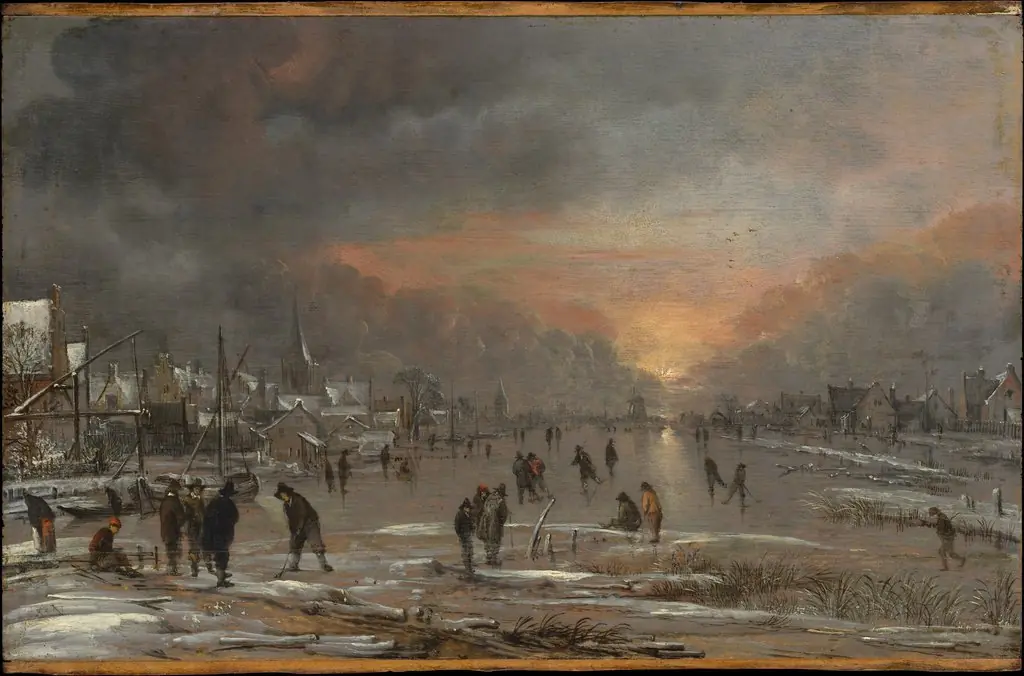 Sports on a Frozen River
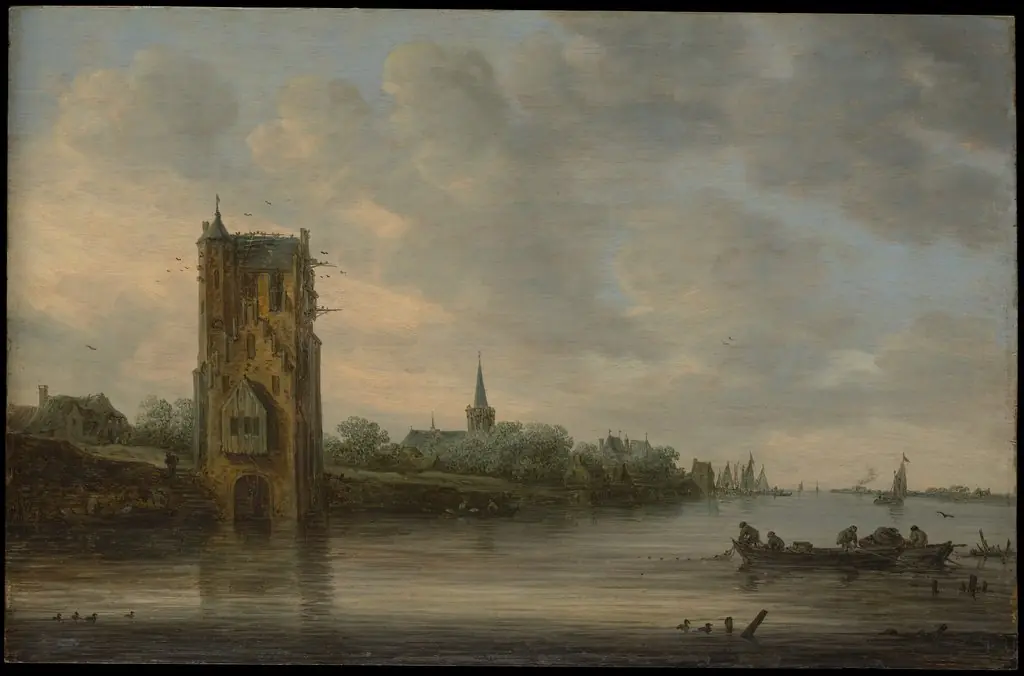 The Pelkus Gate near Utrecht
 Eurydice Bitten by the Snake
 Cows Crossing a Ford
 Pitched It Sheer into the River . . . Where It Still Is Seen in the Summer
 The Seine: Morning
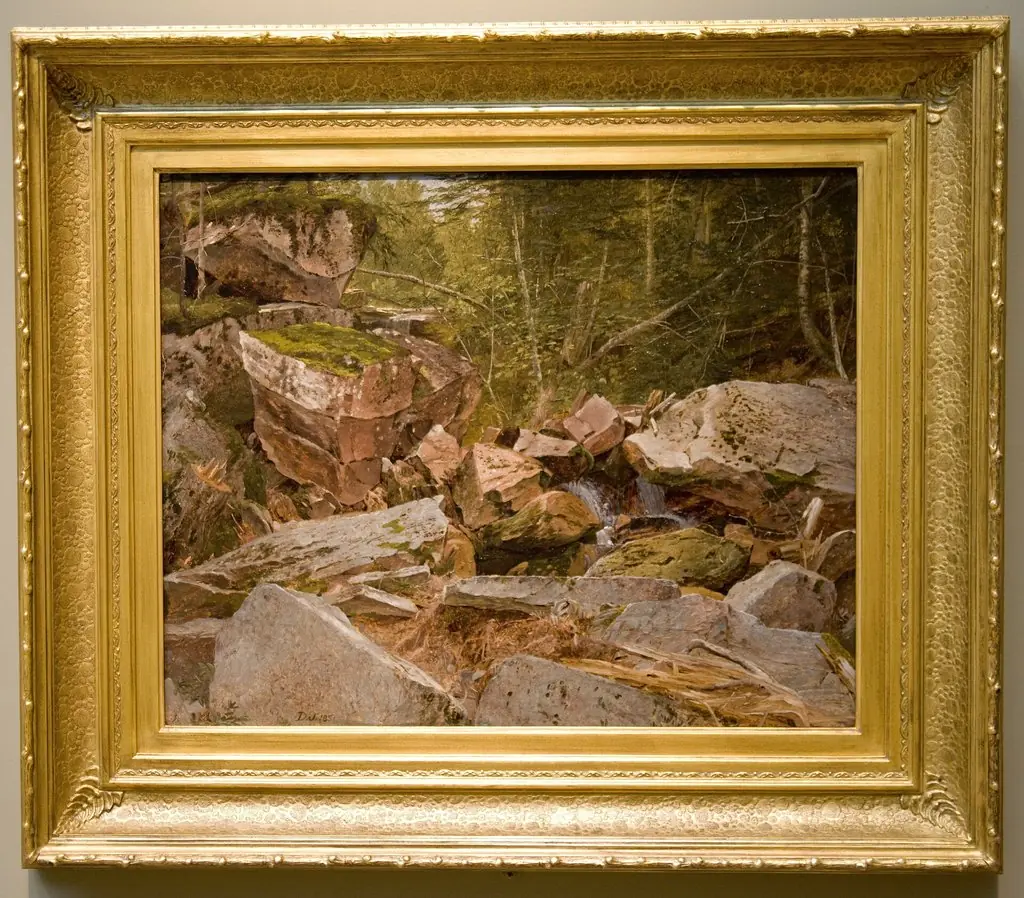 Study, North Conway, New Hampshire
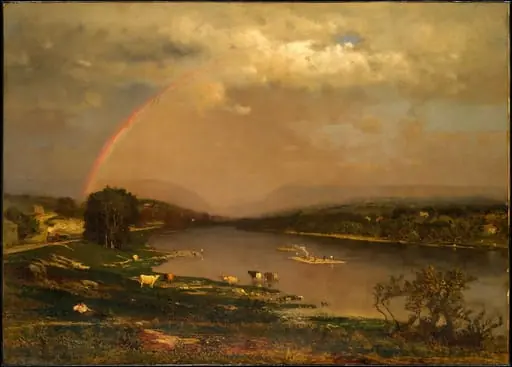 Delaware Water Gap
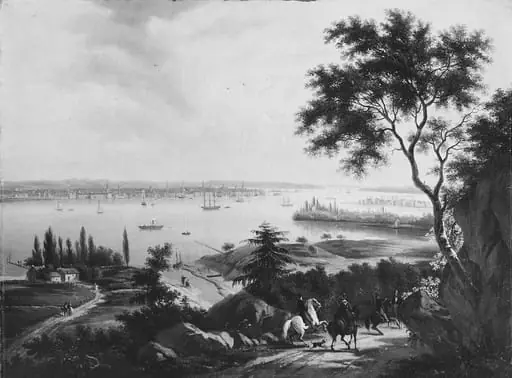 View of New York from New Jersey
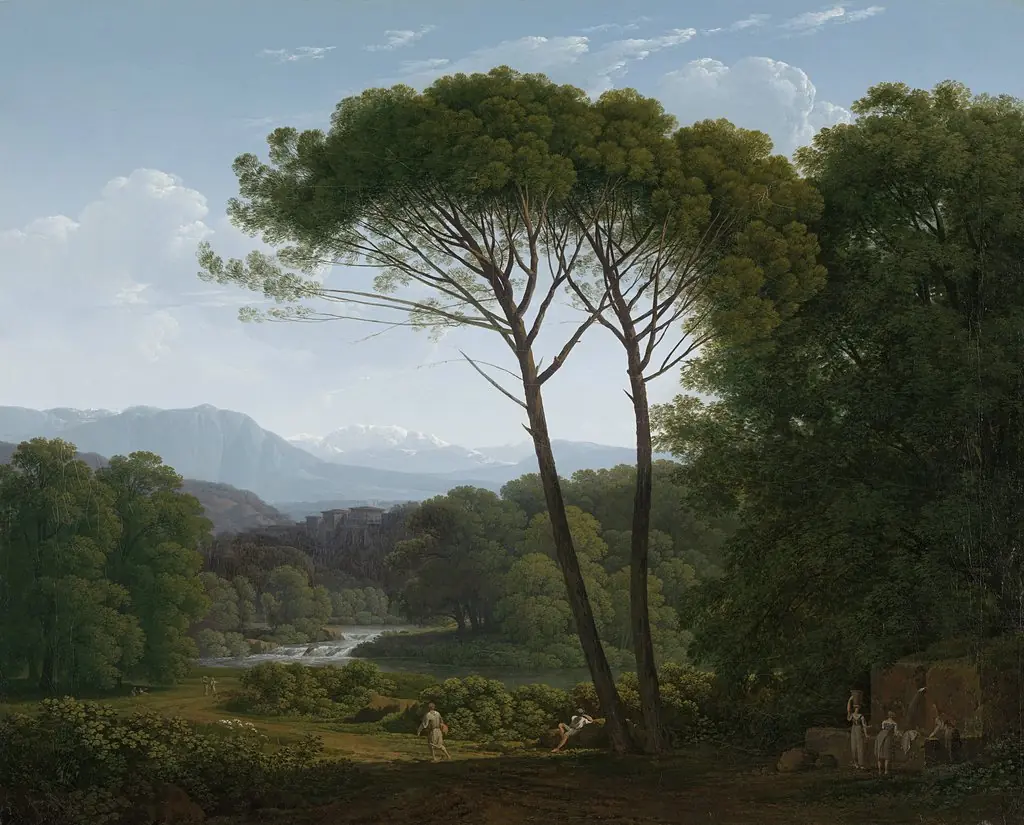 Italianate Landscape with Pines
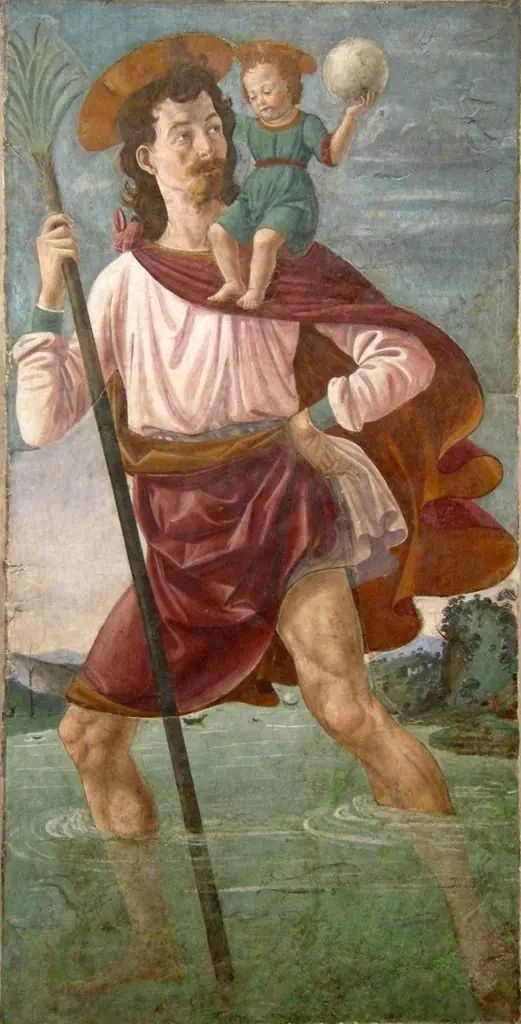 Saint Christopher and the Infant Christ
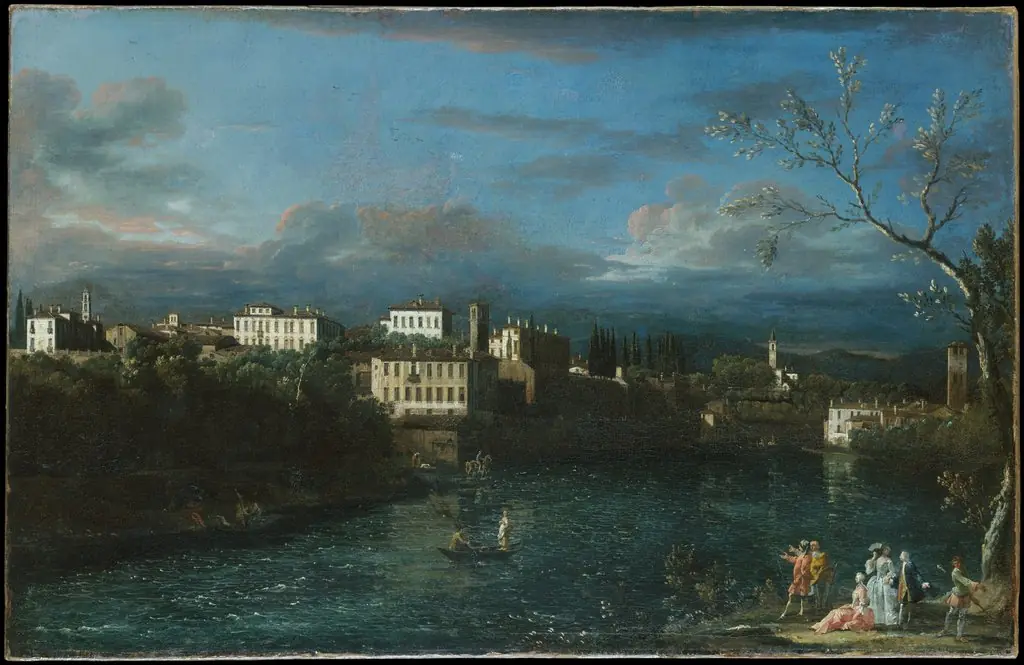 Vaprio d'Adda
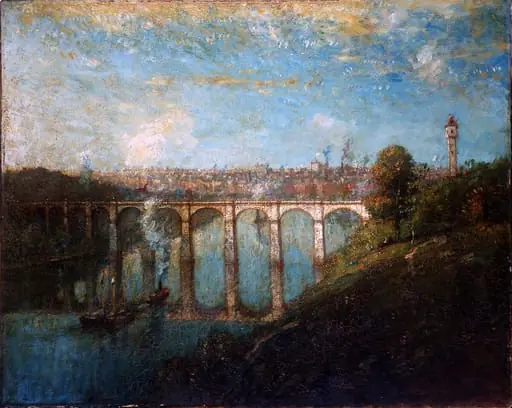 High Bridge, New York
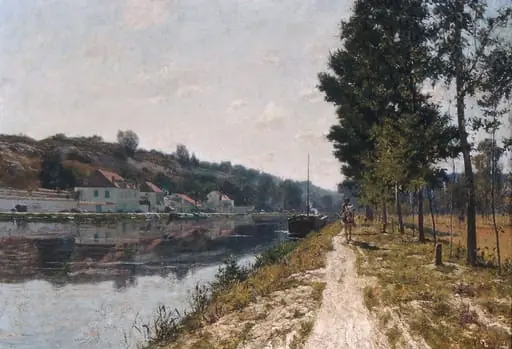 Banks of the Loing
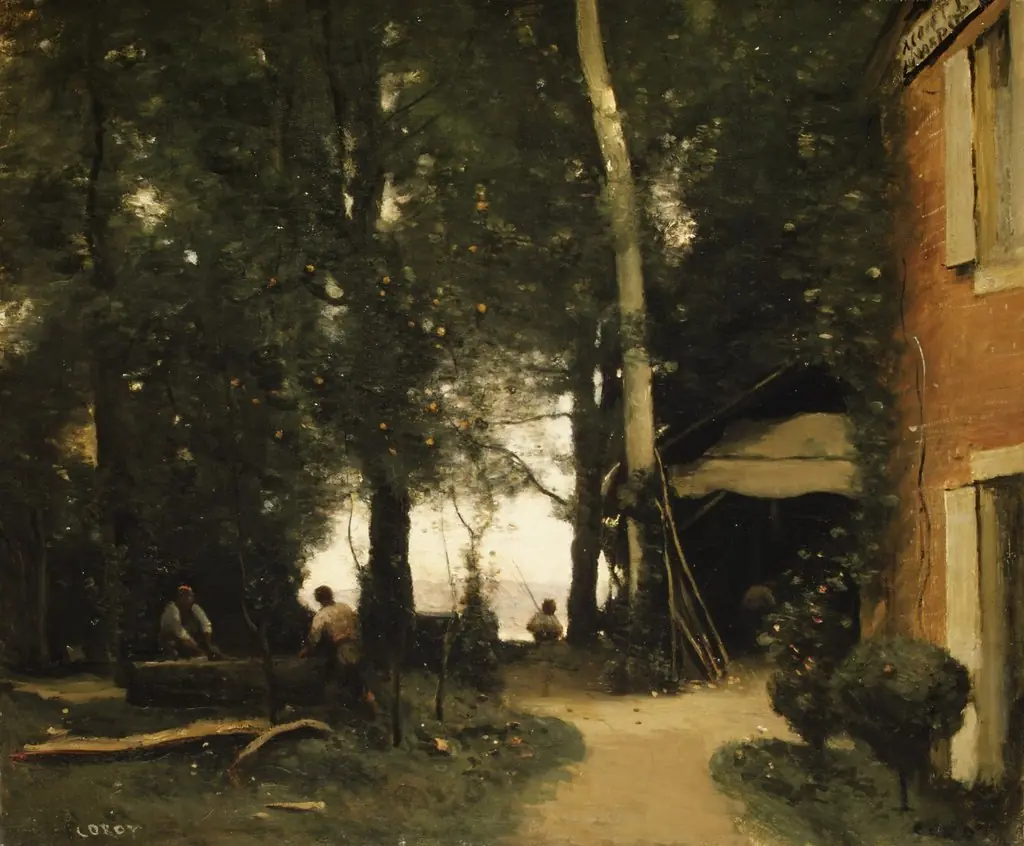 The Banks of the Seine at Conflans
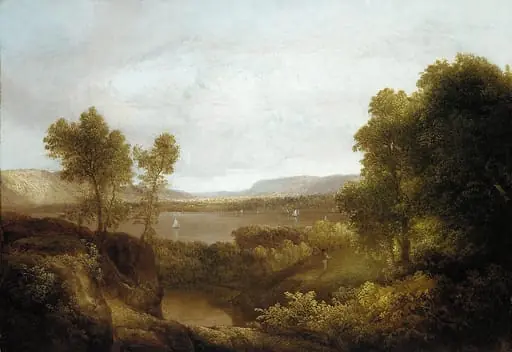 On the Hudson
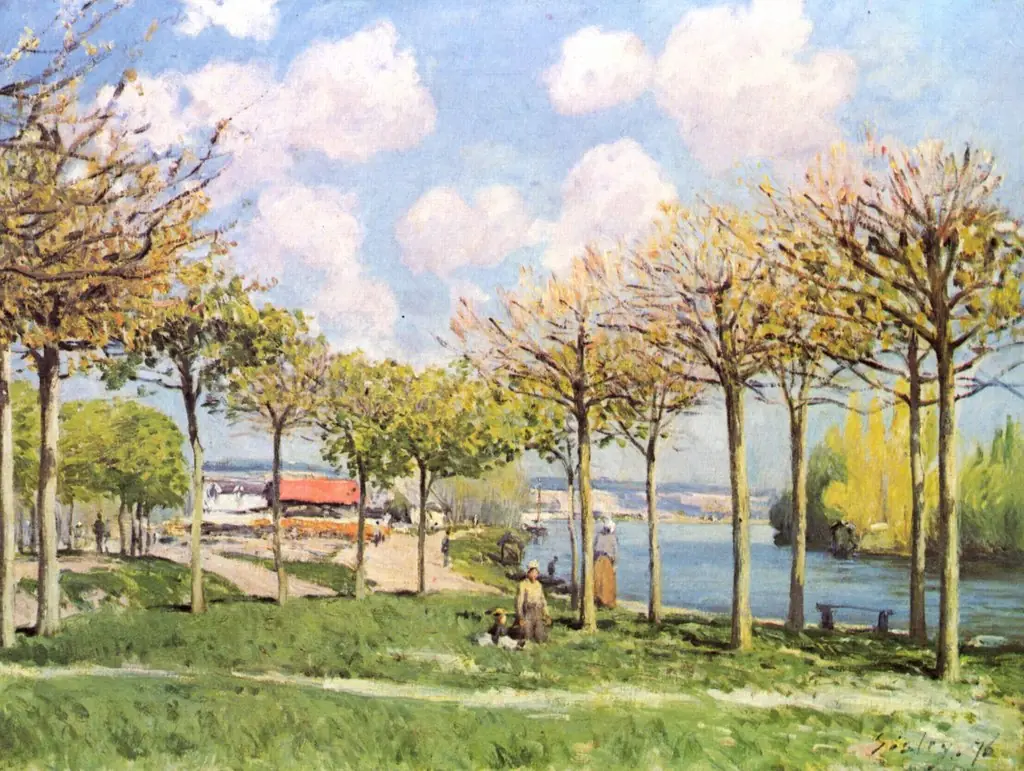 The Seine at Bougival
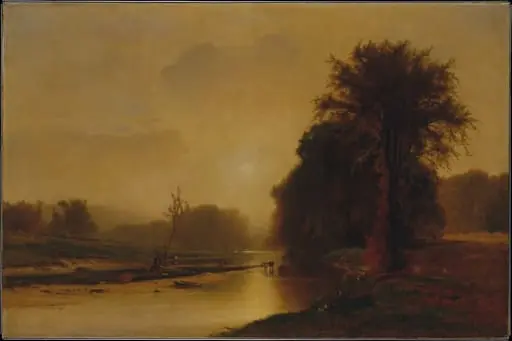 Autumn Meadows
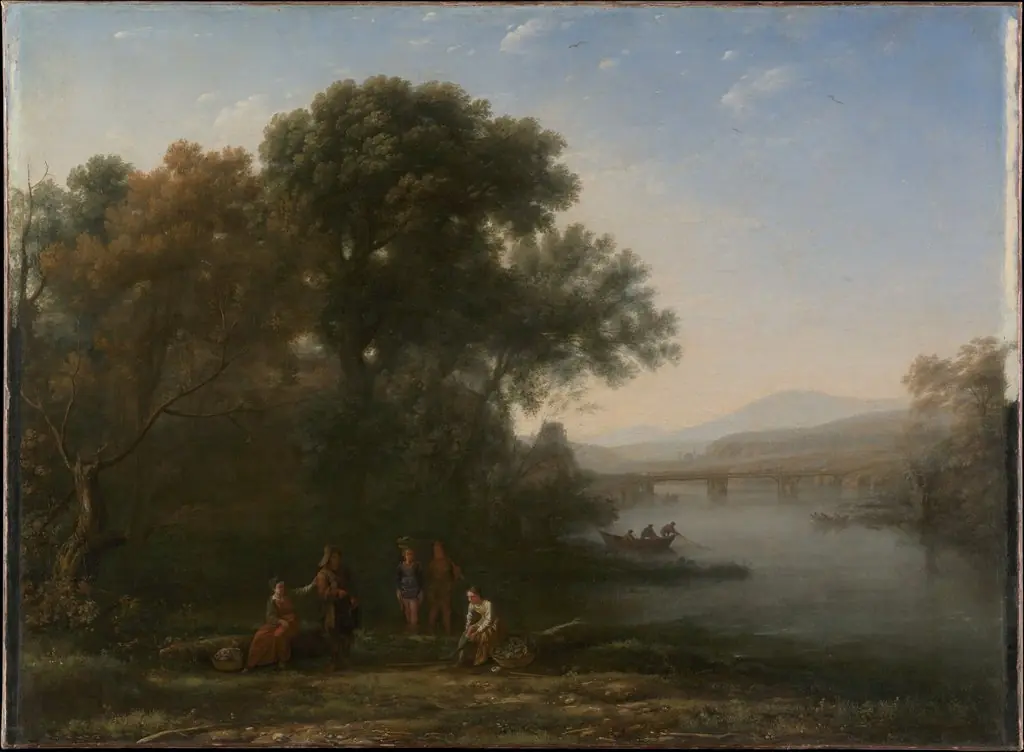 The Ford
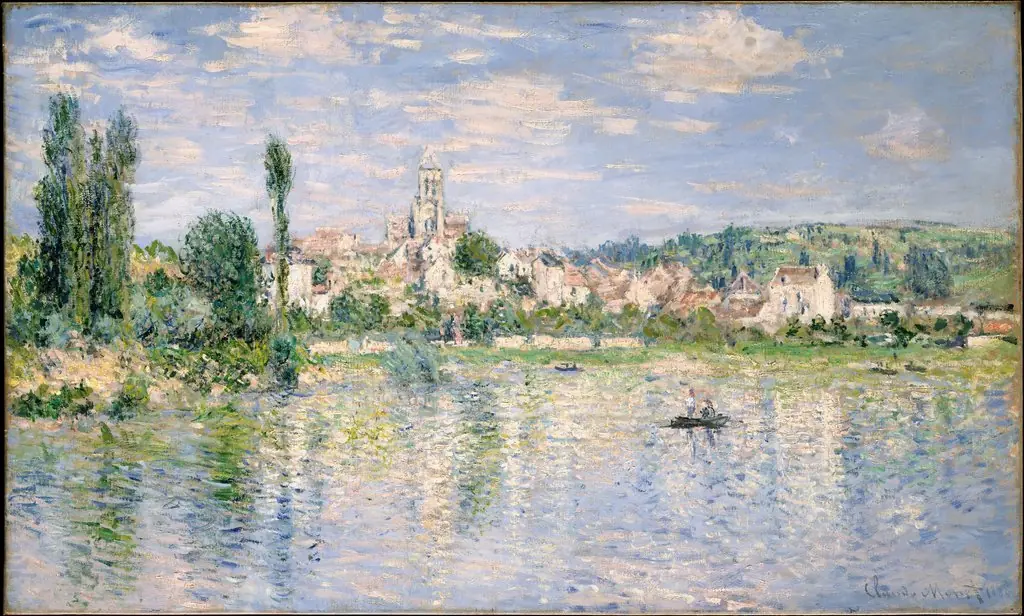 Vétheuil in Summer
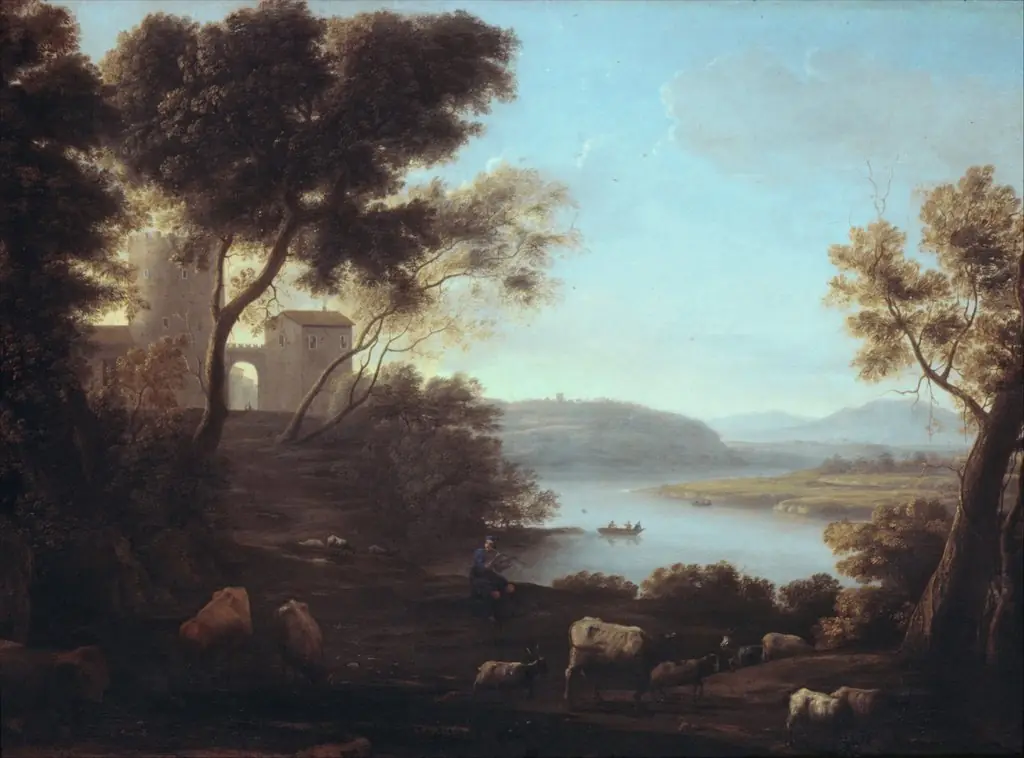 Pastoral Landscape: The Roman Campagna
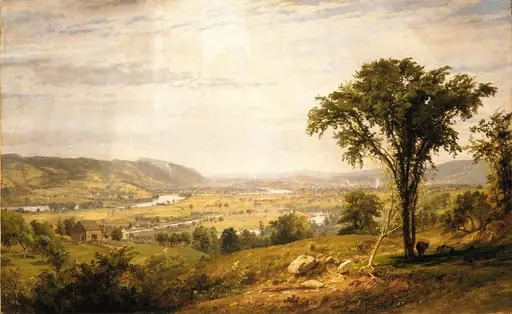 Wyoming Valley, Pennsylvania
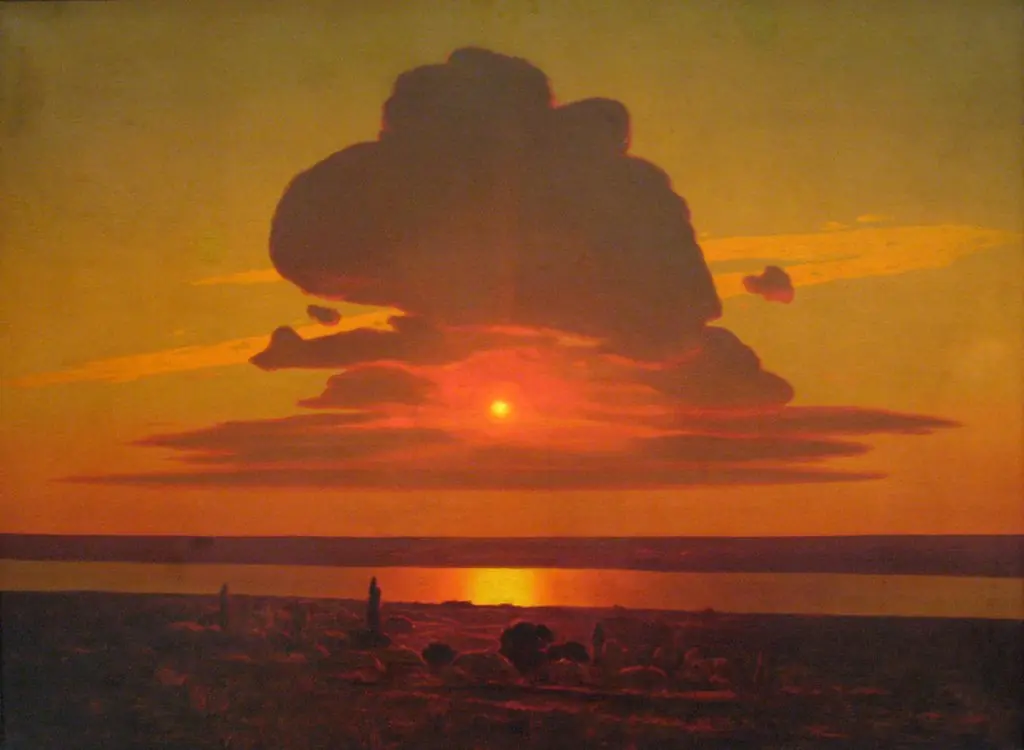 Red Sunset on the Dnieper
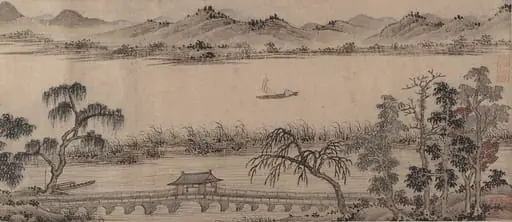 明 佚名 仿趙孟頫 垂虹亭圖 卷|Pavilion of the Hovering Rainbow Bridge
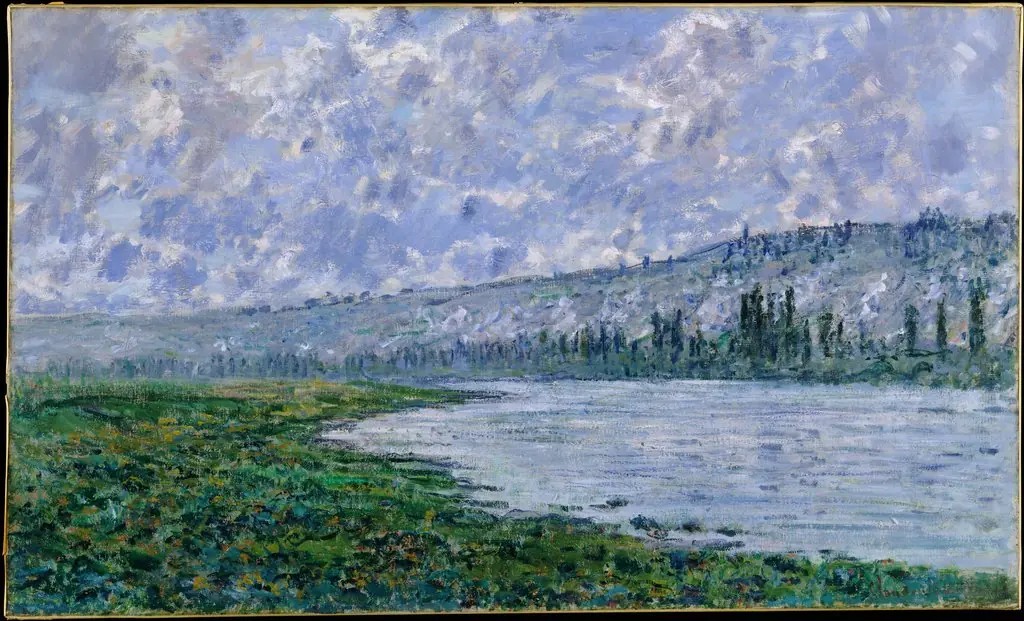 The Seine at Vétheuil
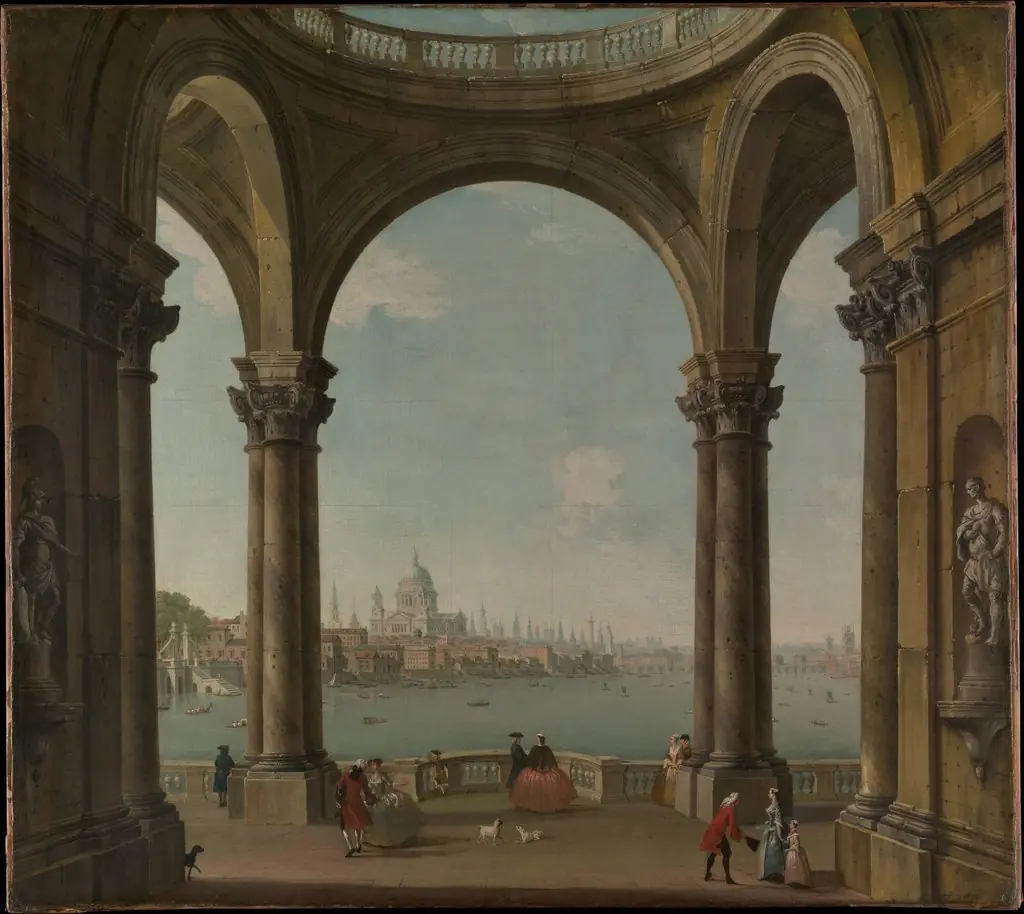 Capriccio with St. Paul's and Old London Bridge
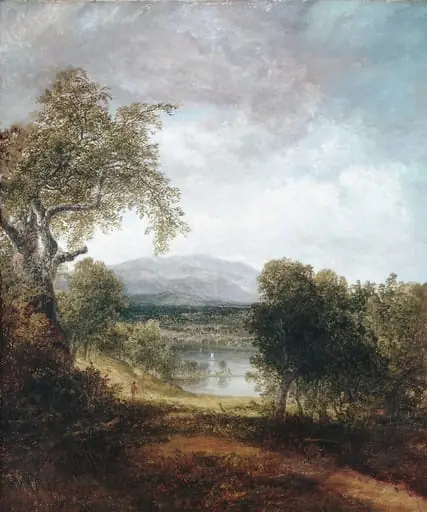 A River Glimpse
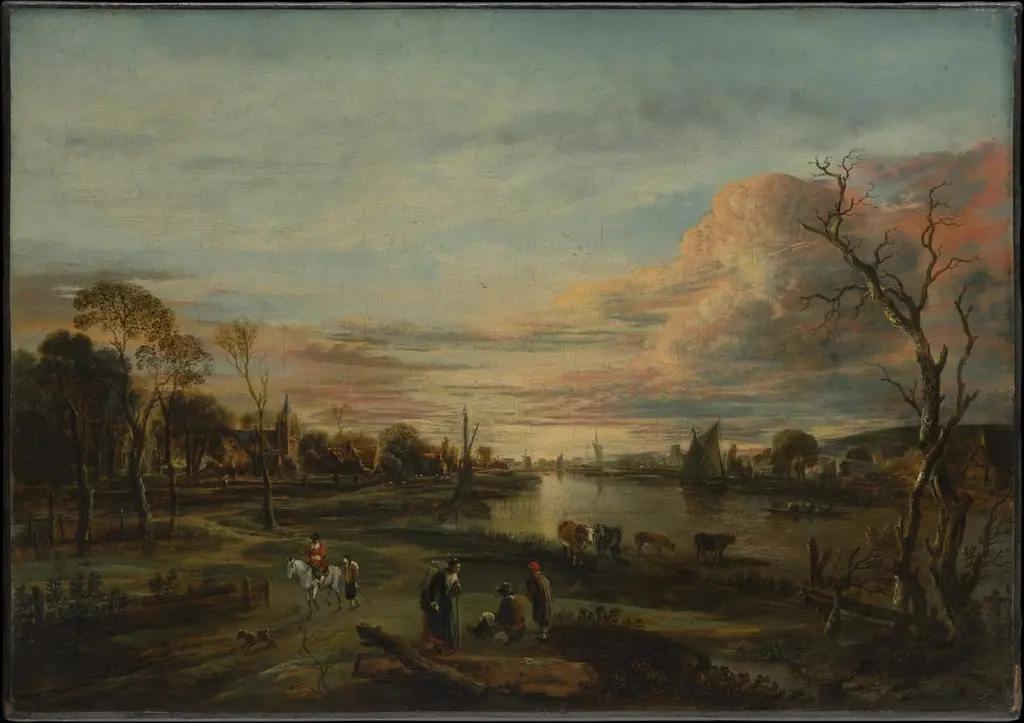 Landscape at Sunset
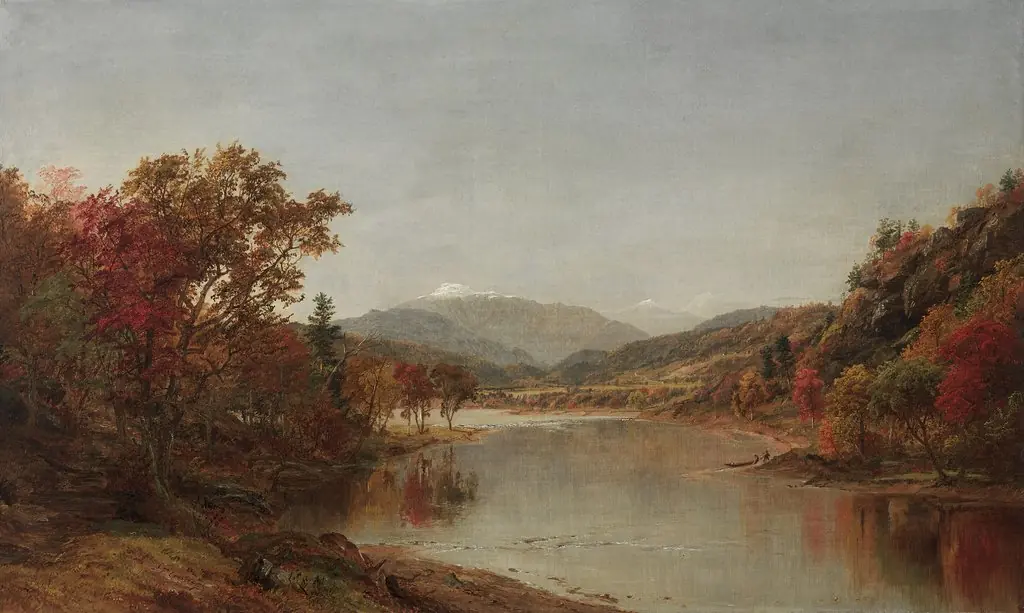 Mount Washington, New Hampshire
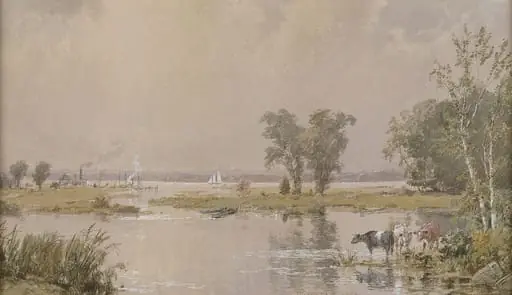 Hackensack Meadows
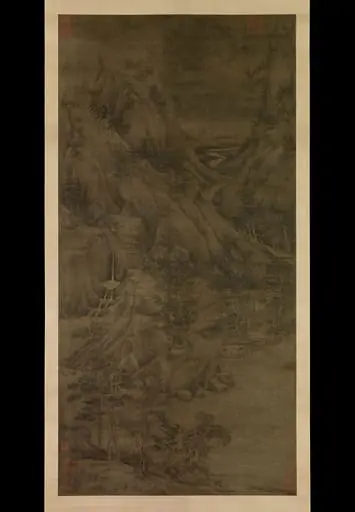 五代 傳董元 溪岸圖 軸|Riverbank
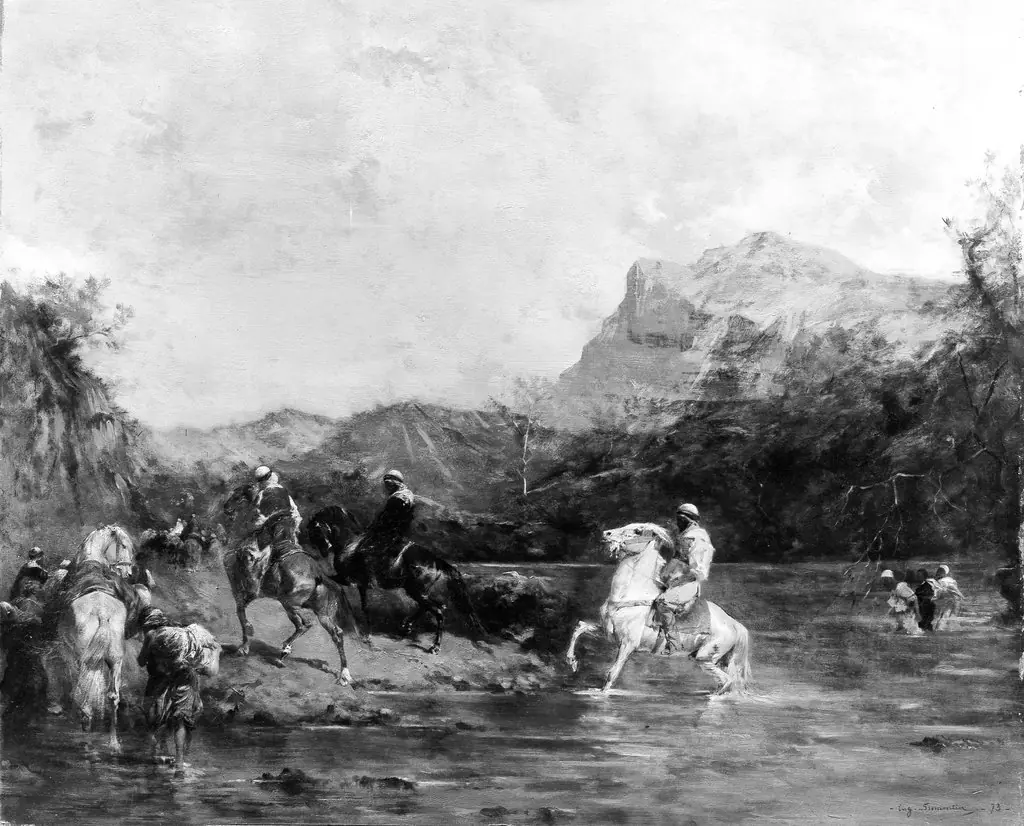 Arabs Crossing a Ford
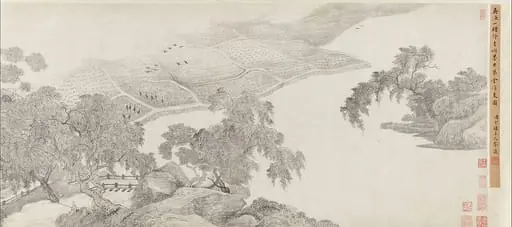 清 吳歷 墨井草堂消夏圖 卷|Whiling Away the Summer at the Ink-Well Thatched Hut
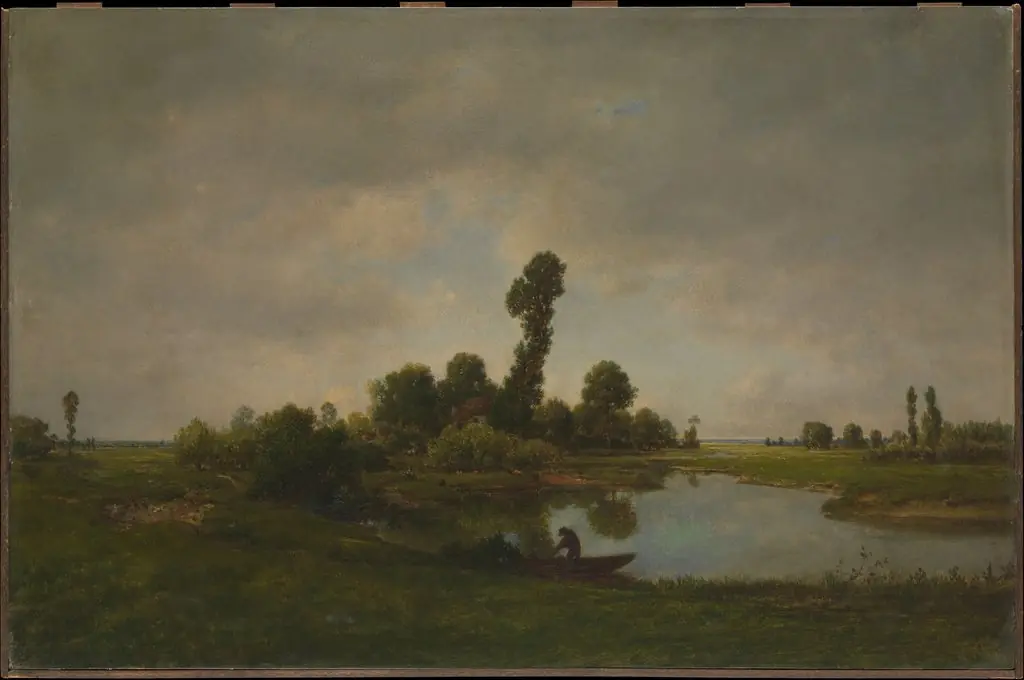 A River Landscape
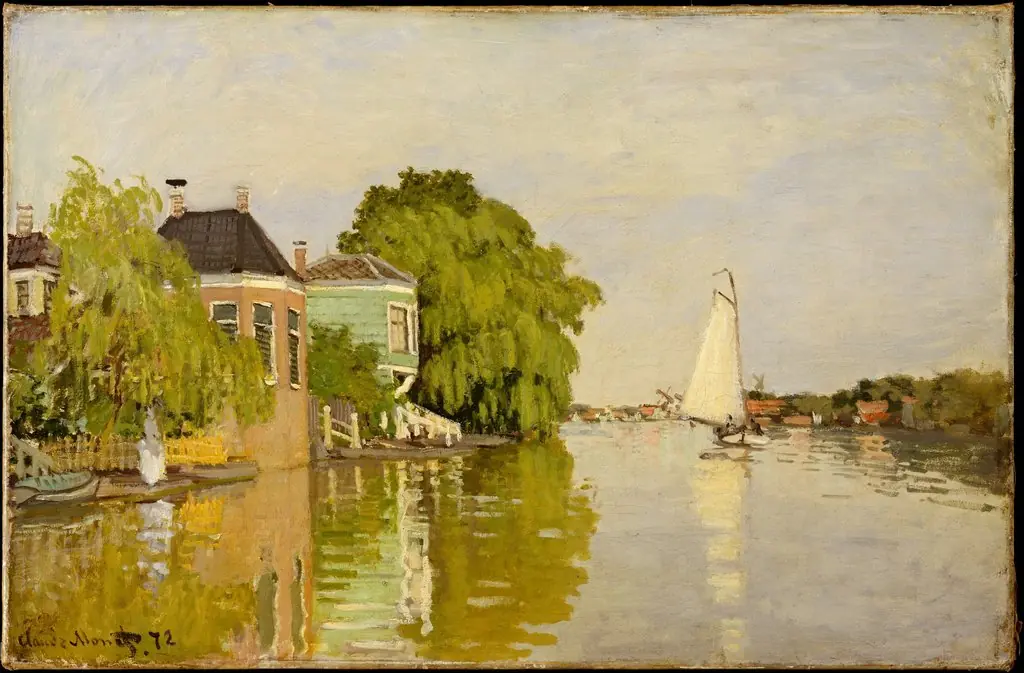 Houses on the Achterzaan
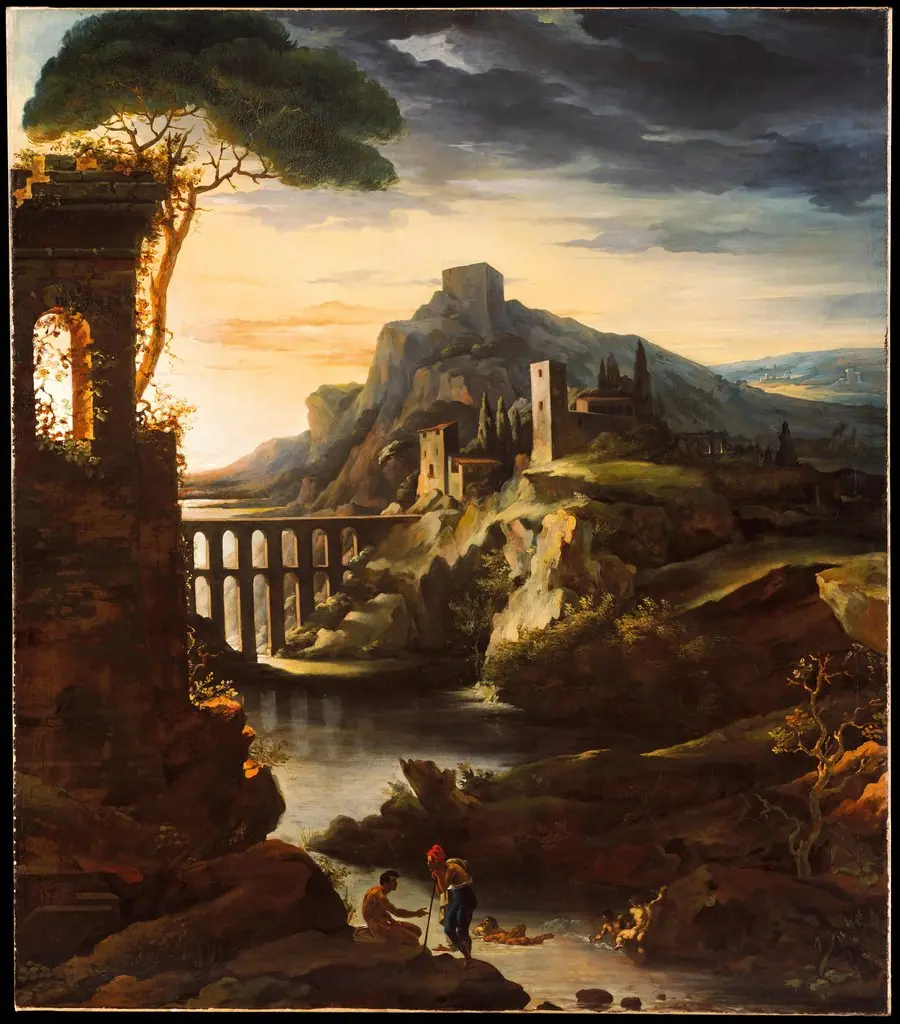 Evening: Landscape with an Aqueduct
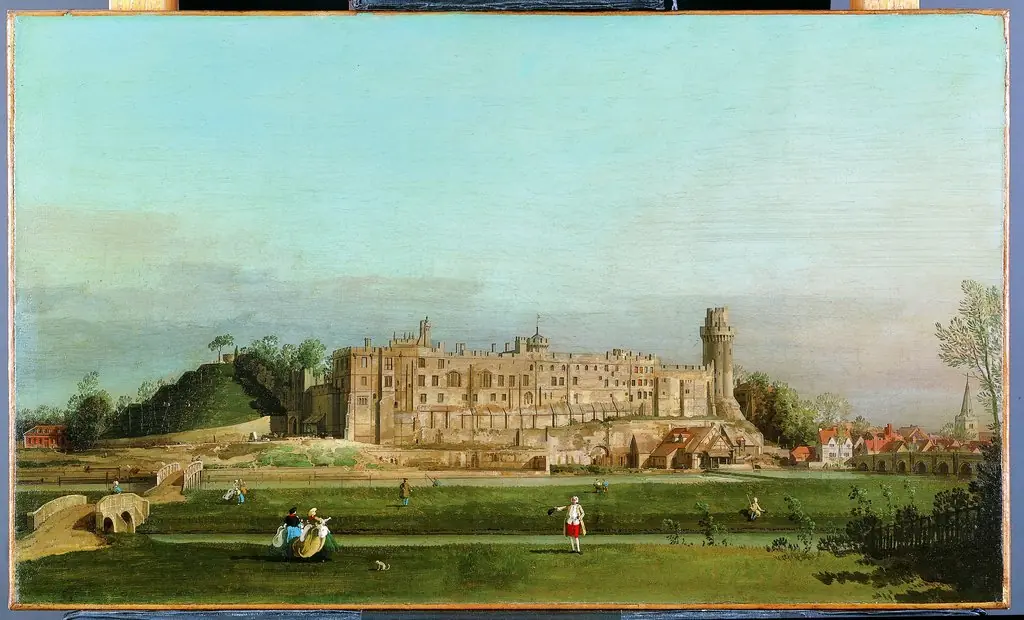 Warwick Castle
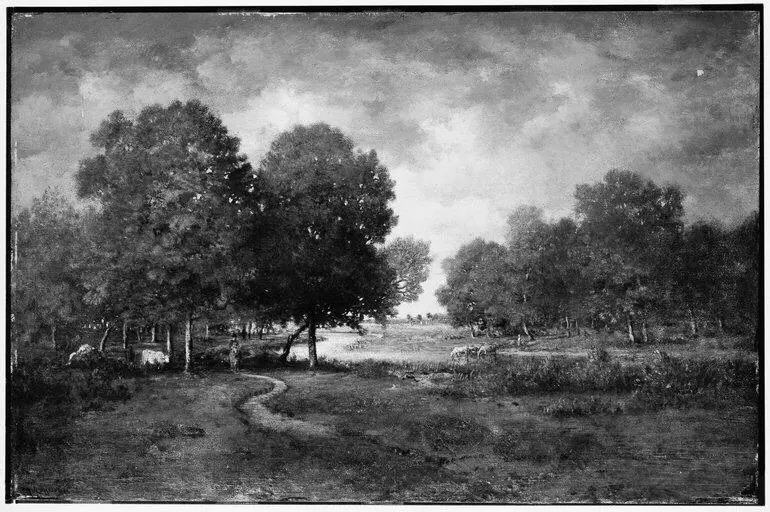 A River in a Meadow
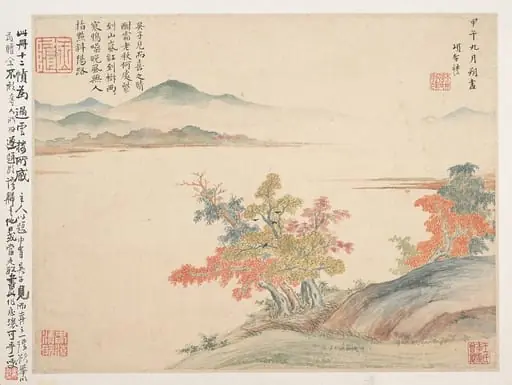 明/清 項聖謨 秋景圖 冊頁|Autumn Landscape, leaf from Album for Zhou Lianggong
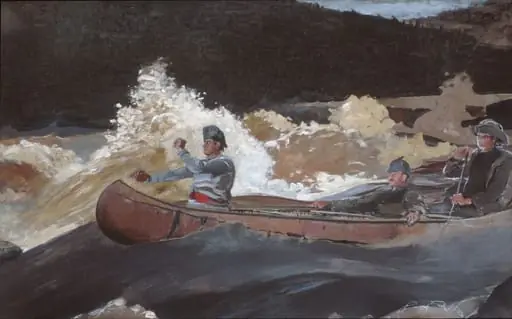 Shooting the Rapids, Saguenay River
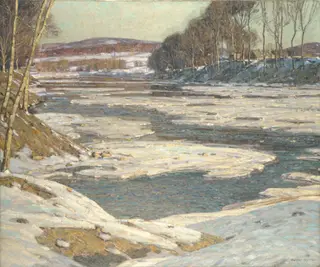 An Opalescent River
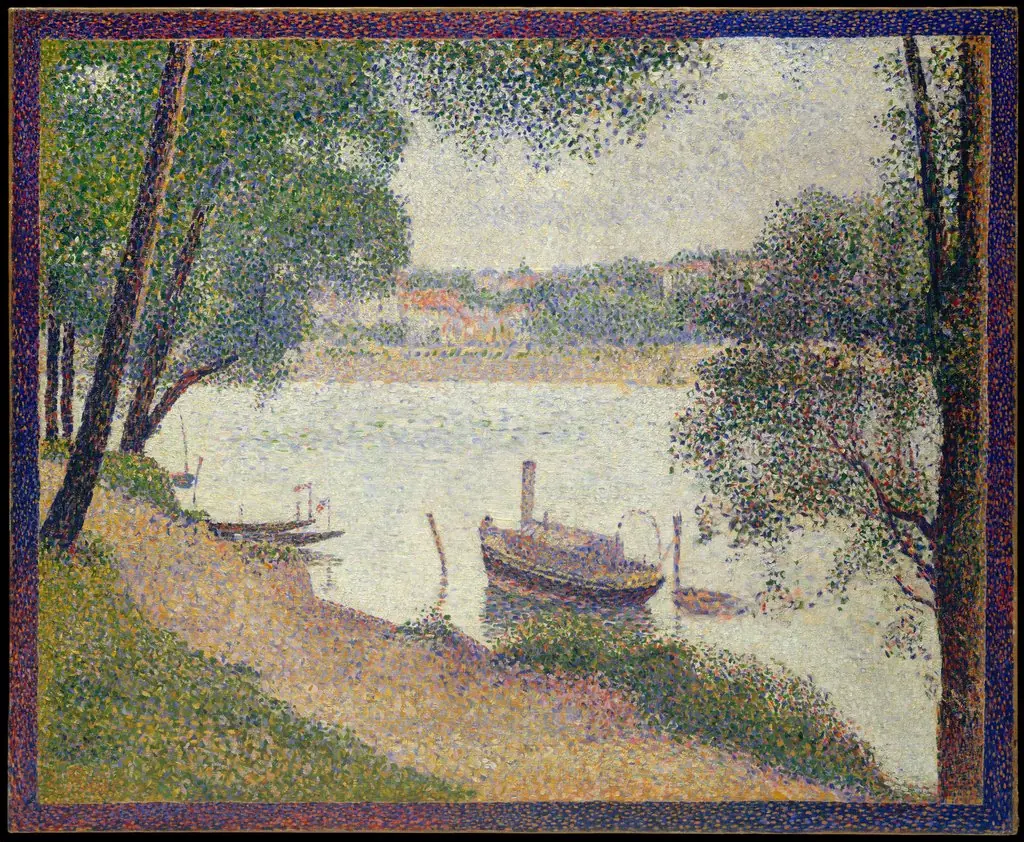 Gray Weather, Grande Jatte
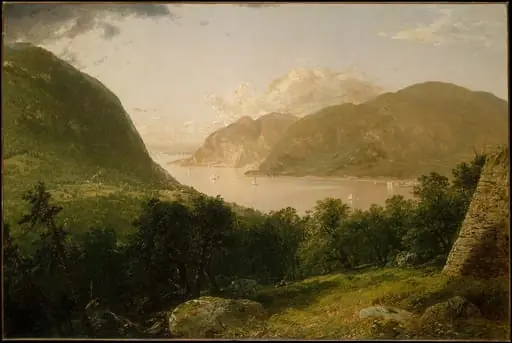 Hudson River Scene
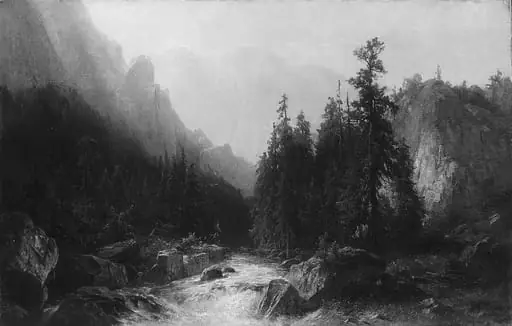 After the Storm
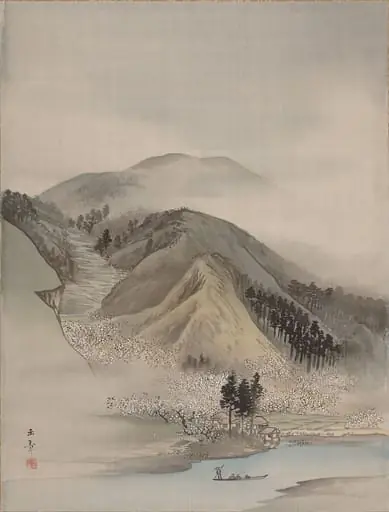 Untitled
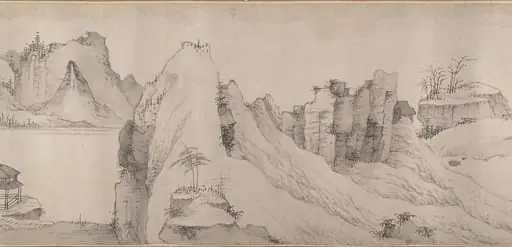 清 傳弘仁 寺橋山色圖 卷|River Scene in Winter
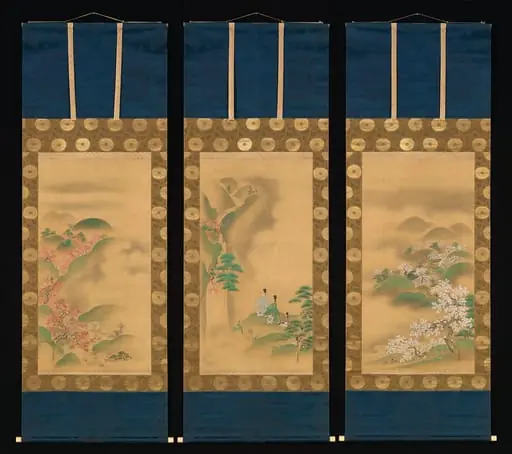 狩野常信筆 滝見業平図|Nunobiki Waterfall, Mount Yoshino, and Tatsuta River
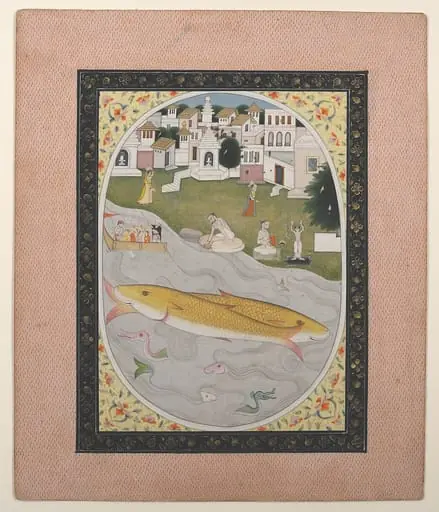 Untitled
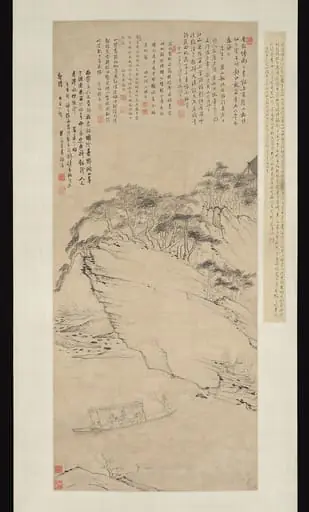 清 倣梅清 響山泛舟圖 軸|Boating beneath Echo Hill
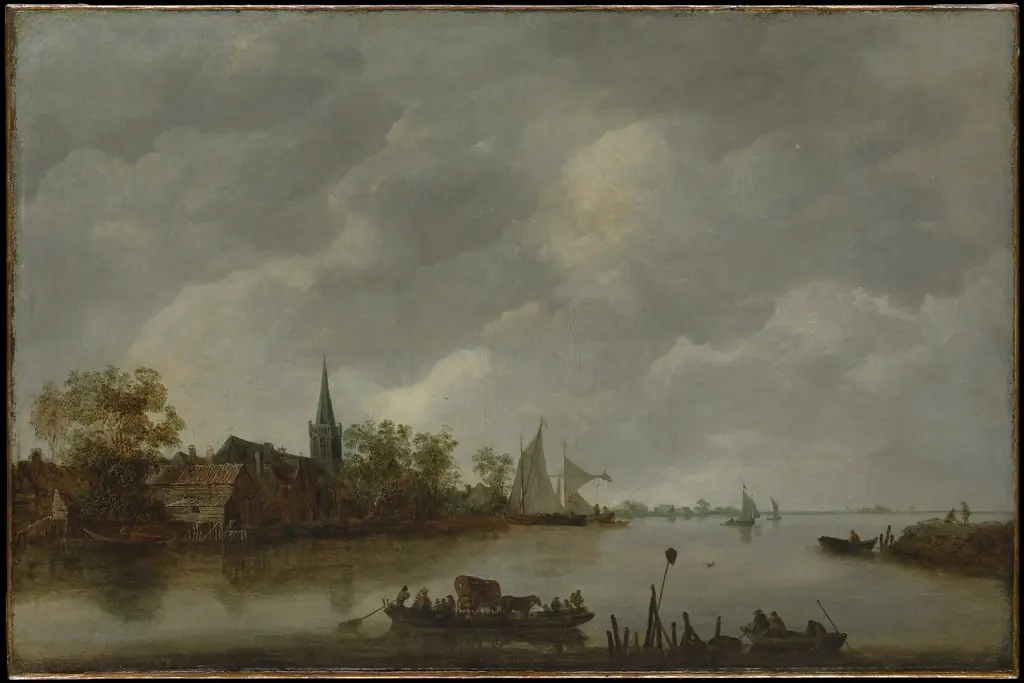 River View with a Village Church
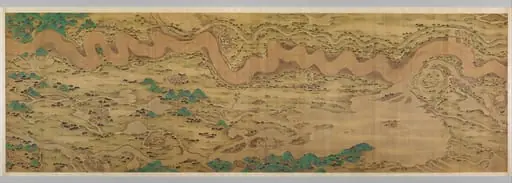 清 佚名 黃河萬里圖 卷|Ten Thousand Miles along the Yellow River
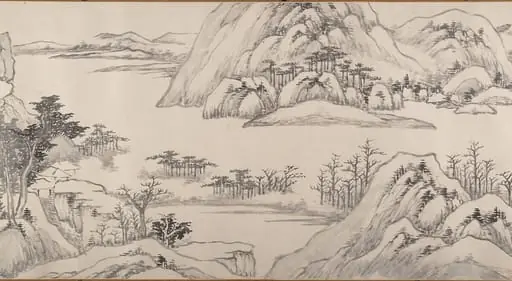 Untitled
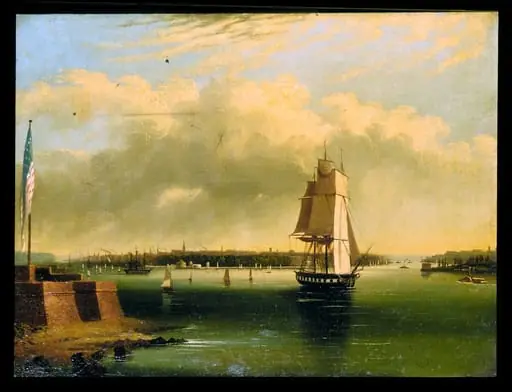 Bay and Harbor of New York from Bedlow's Island
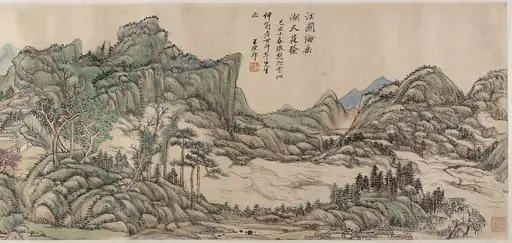 清 王原祁 江國垂綸圖 卷|Fishing in River Country at Blossom Time
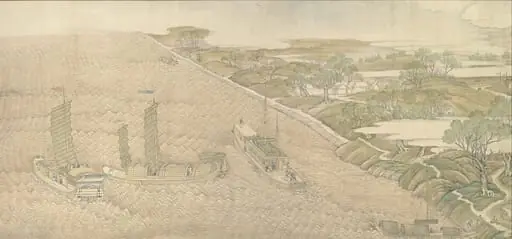 清 徐揚等 乾隆南巡圖, 第四卷﹕黃淮交流|The Qianlong Emperor's Southern Inspection Tour, Scroll Four: The Confluence of the Huai and Yellow Rivers (Qianlong nanxun, juan si: Huang Huai jiaoliu)
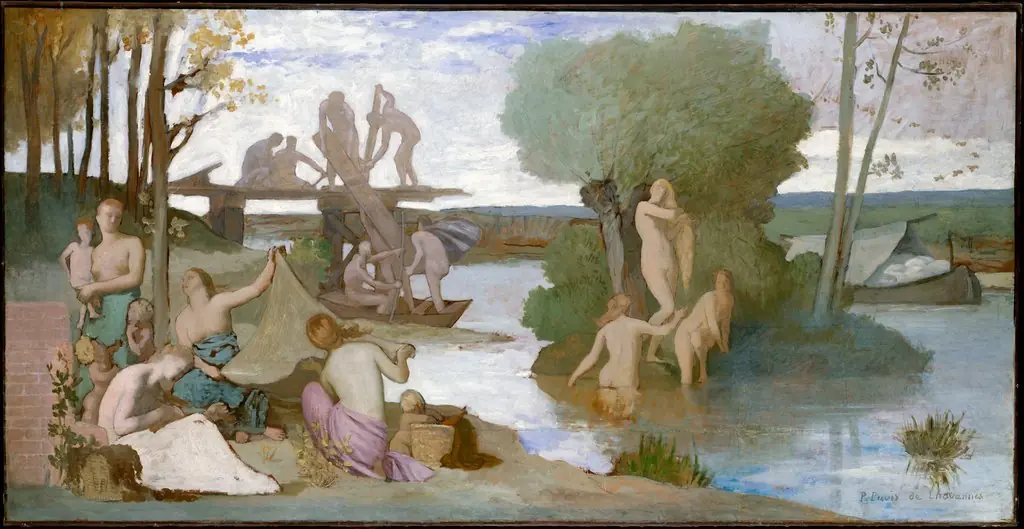 The River
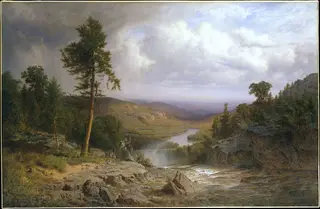 Tennessee
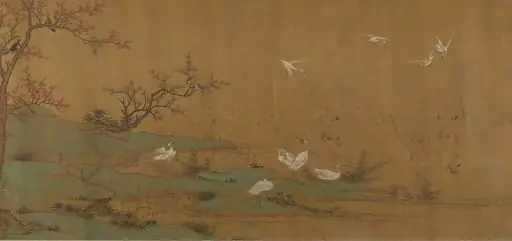 明 佚名 舊傳刁光 叢簧集羽 卷|River Scene with Birds and Bamboo
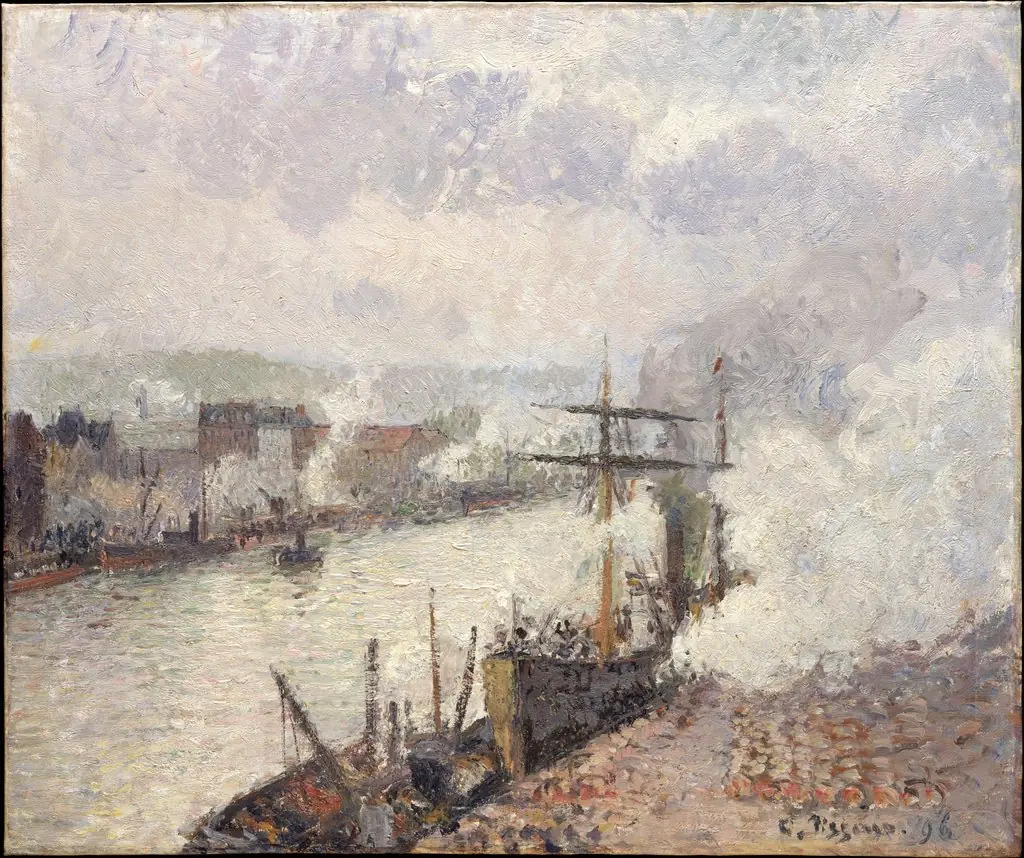 Steamboats in the Port of Rouen
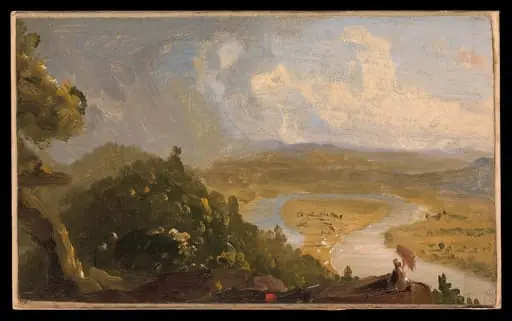 Sketch for View from Mount Holyoke, Northampton, Massachusetts, after a Thunderstorm (The Oxbow)
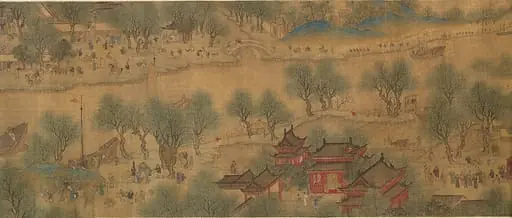 清 佚名 清明上河圖 卷|Spring Festival on the River
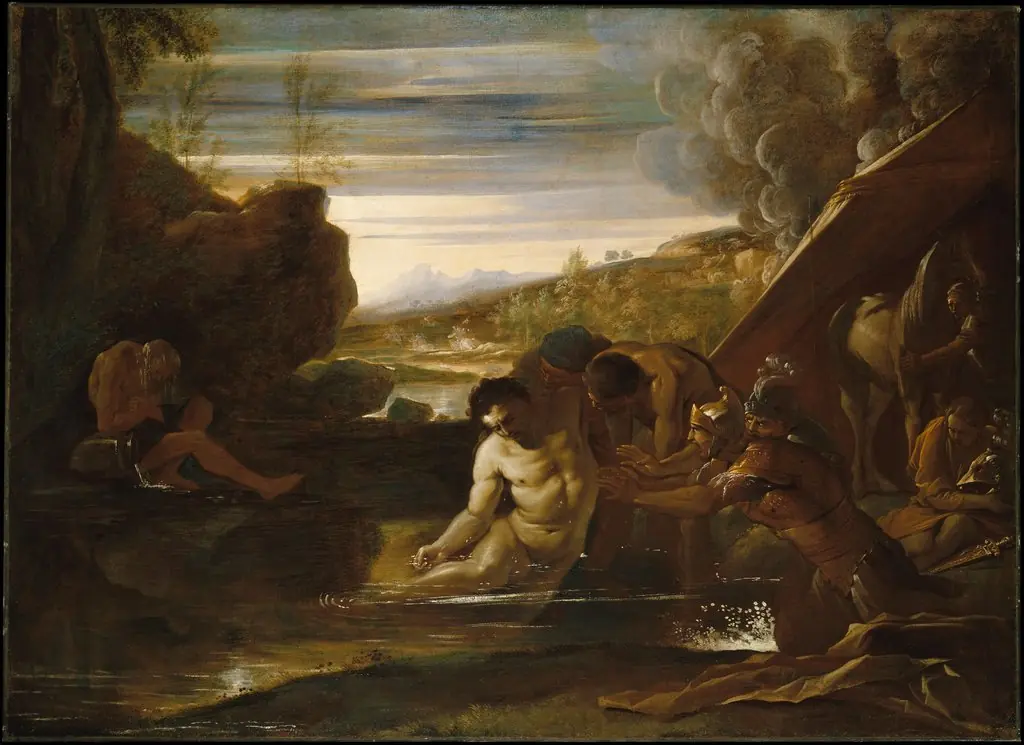 Alexander the Great Rescued from the River Cydnus
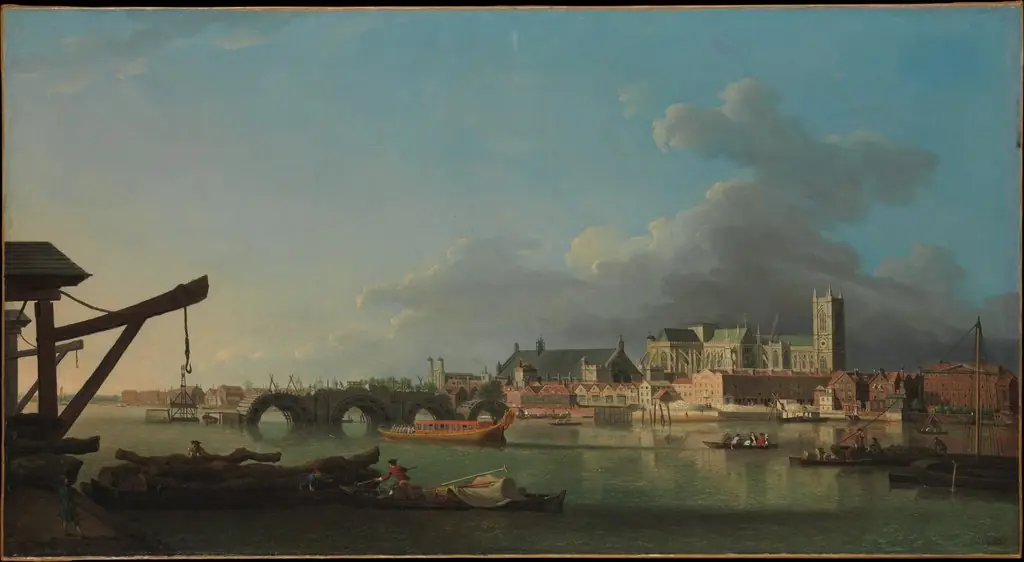 The Building of Westminster Bridge
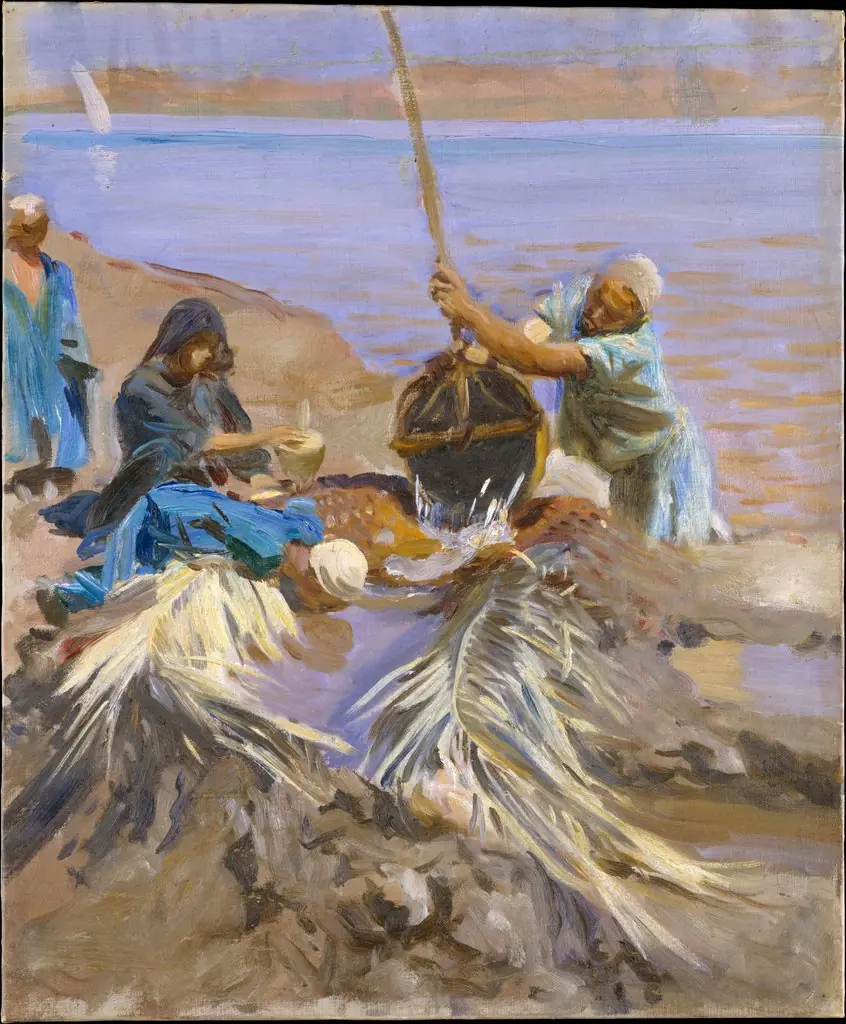 Egyptians Raising Water from the Nile
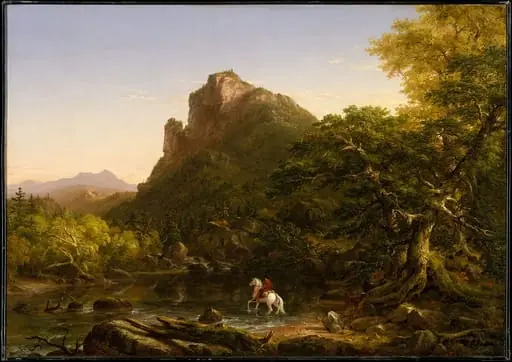 The Mountain Ford
 北宋 傳趙令穰 江村秋曉圖 卷|南宋 舊傳 趙令穰 江村秋曉圖 卷|River Village in Autumn Dawn
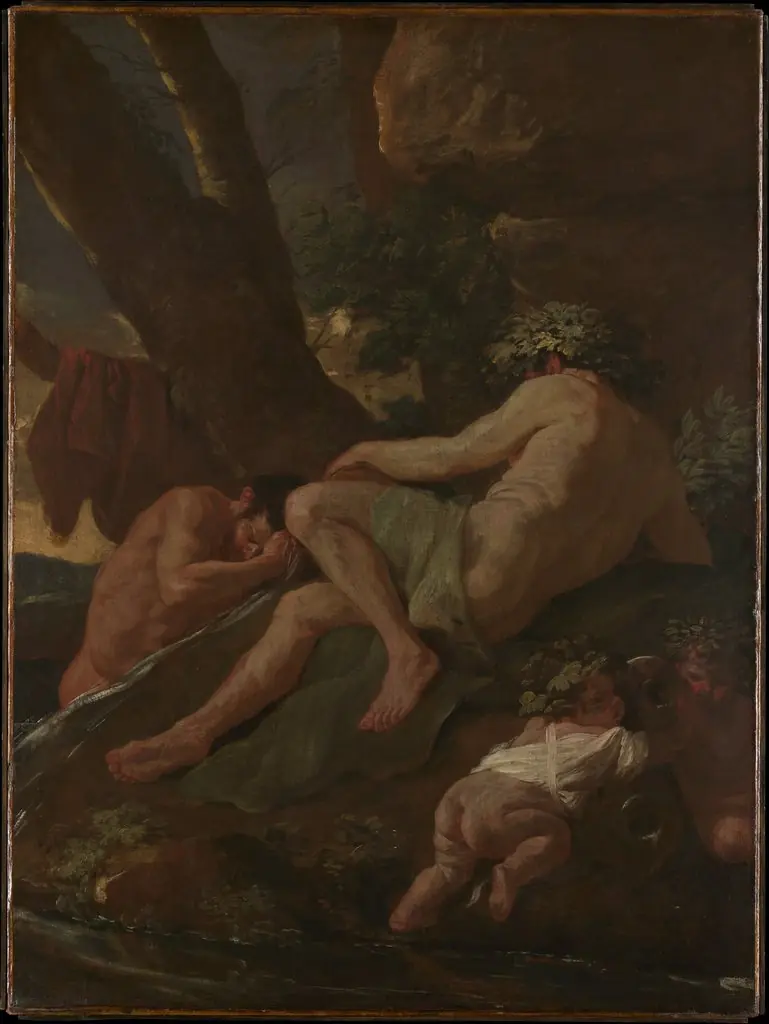 Midas Washing at the Source of the Pactolus
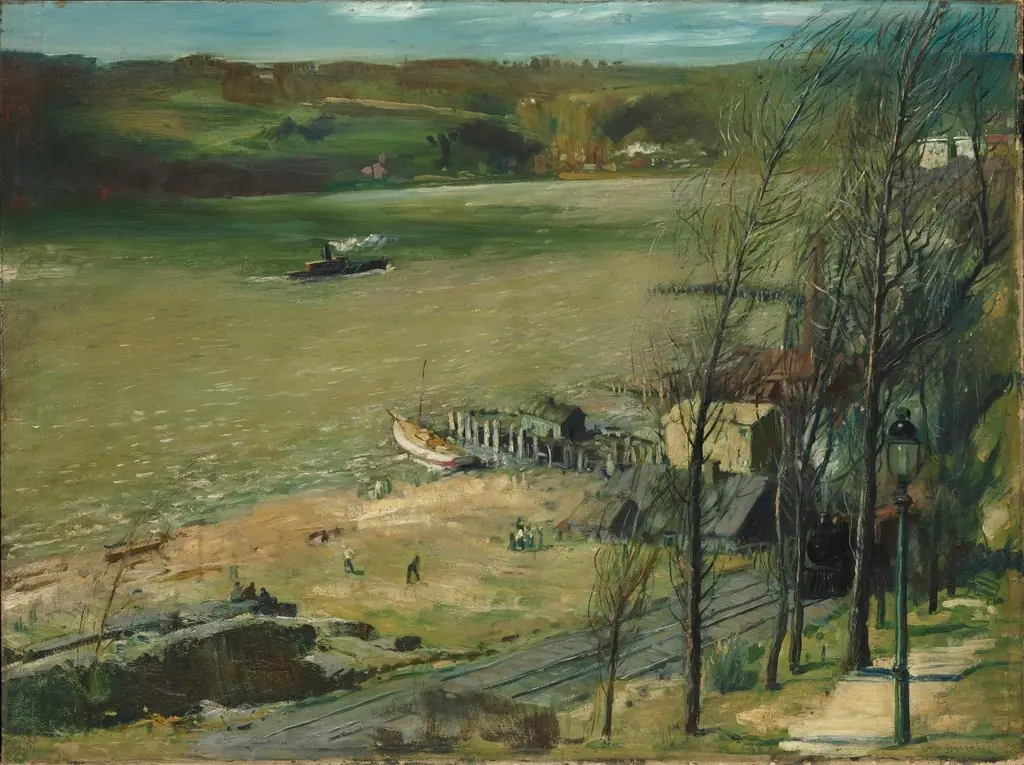 Up the Hudson
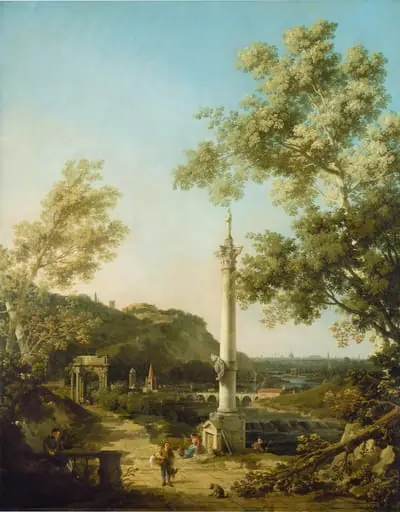 English Landscape Capriccio with a Column
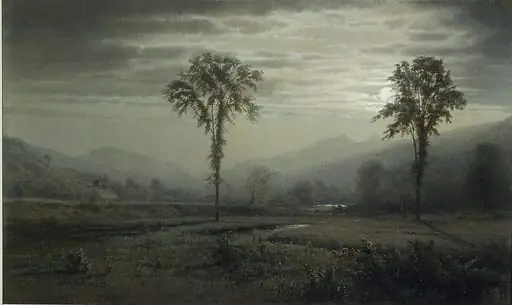 Moonlight on Mount Lafayette, New Hampshire
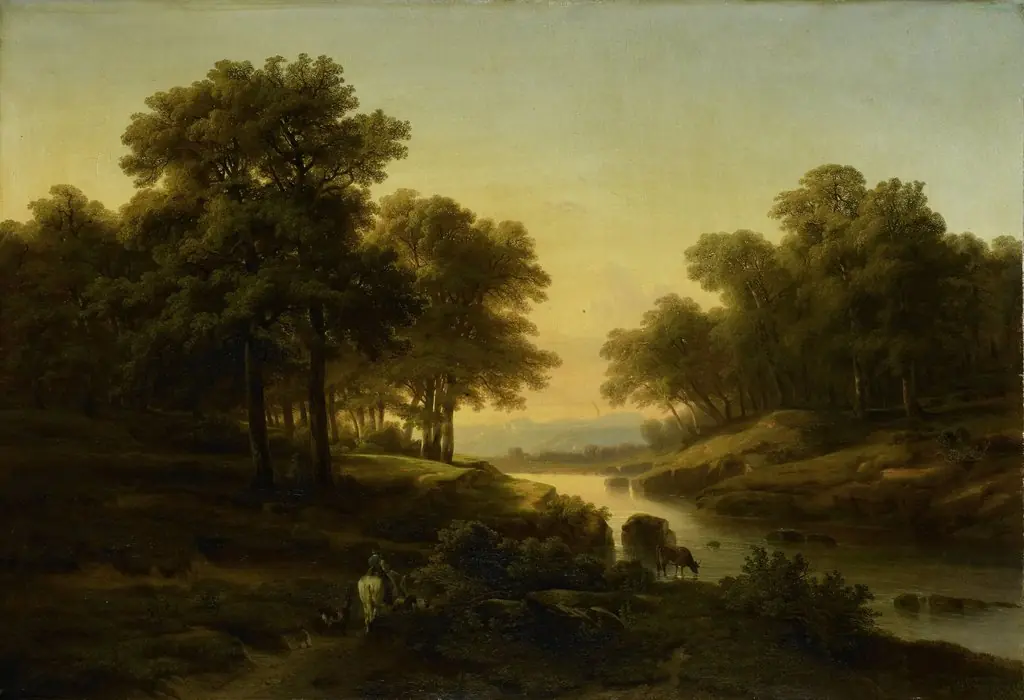 Landscape
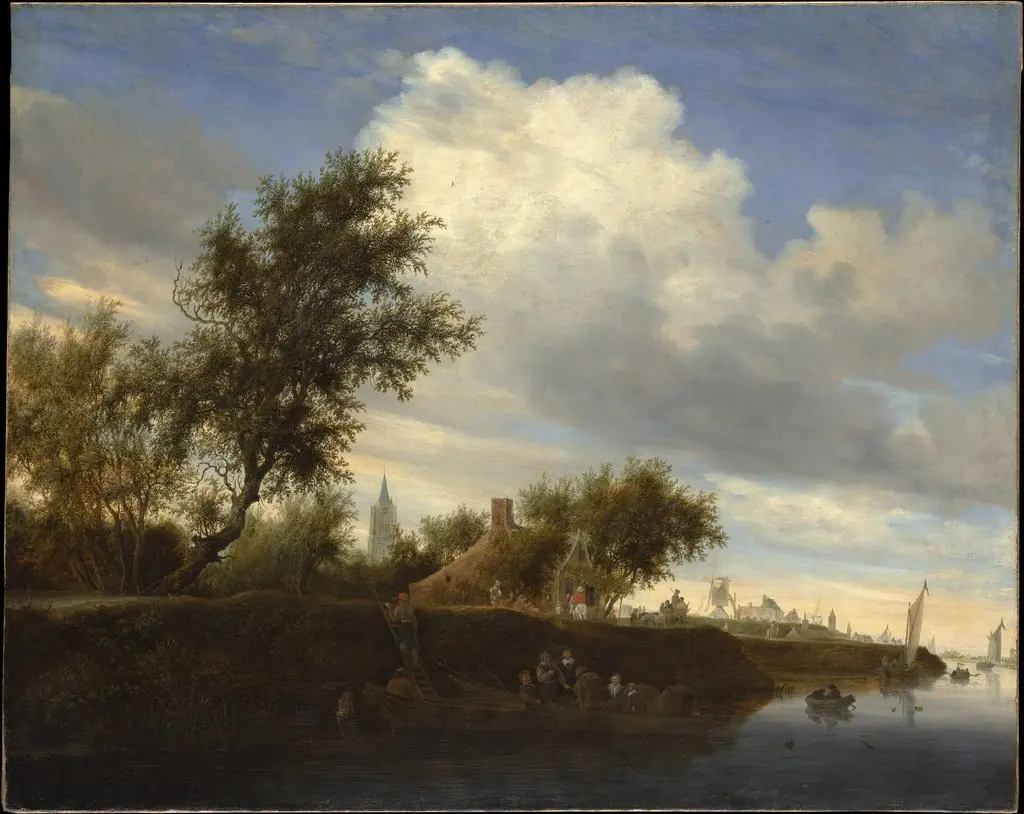 Ferry near Gorinchem
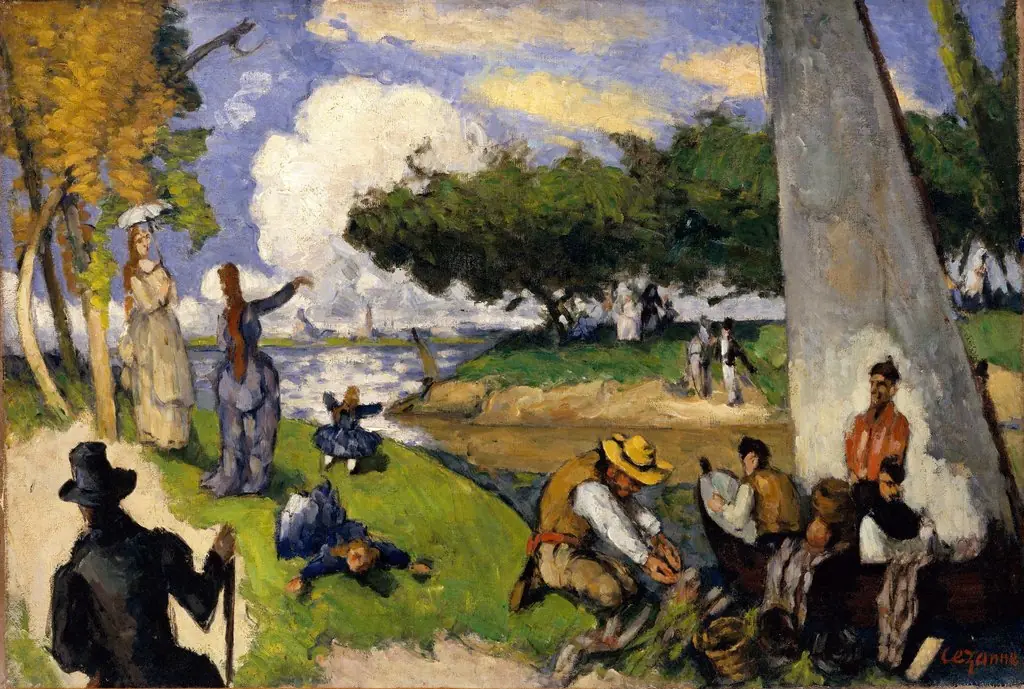 The Fishermen (Fantastic Scene)
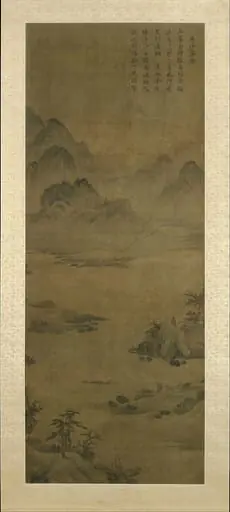 모래밭에 내려앉는 기러기 조선|平沙落雁圖 朝鮮|Wild geese descending to sandbar
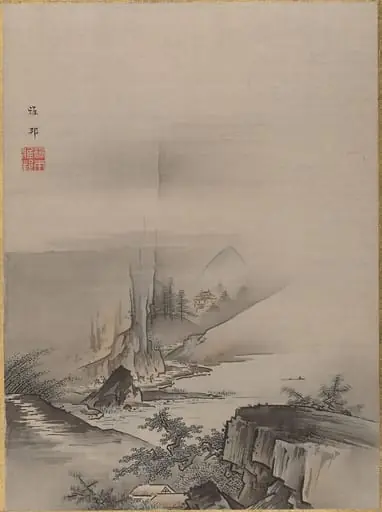 Untitled
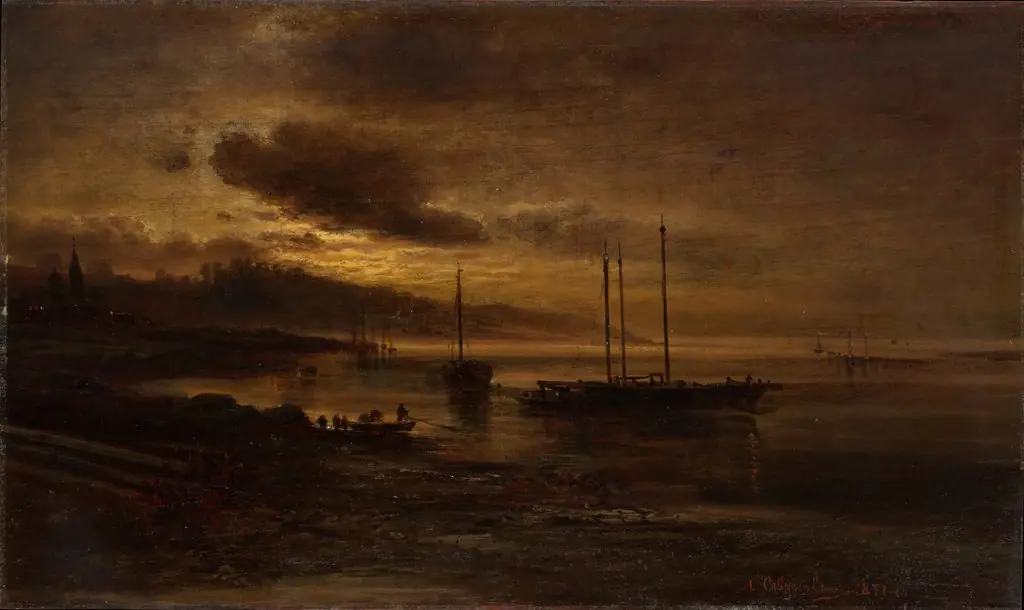 Night Scene on the Volga
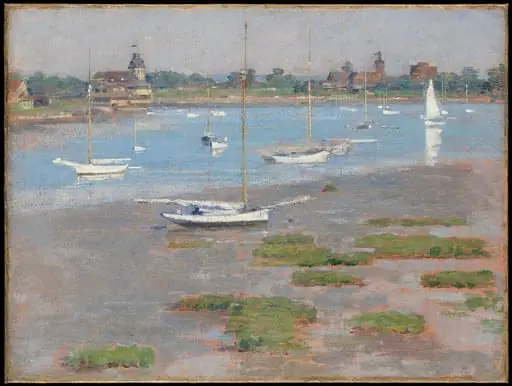 Low Tide, Riverside Yacht Club
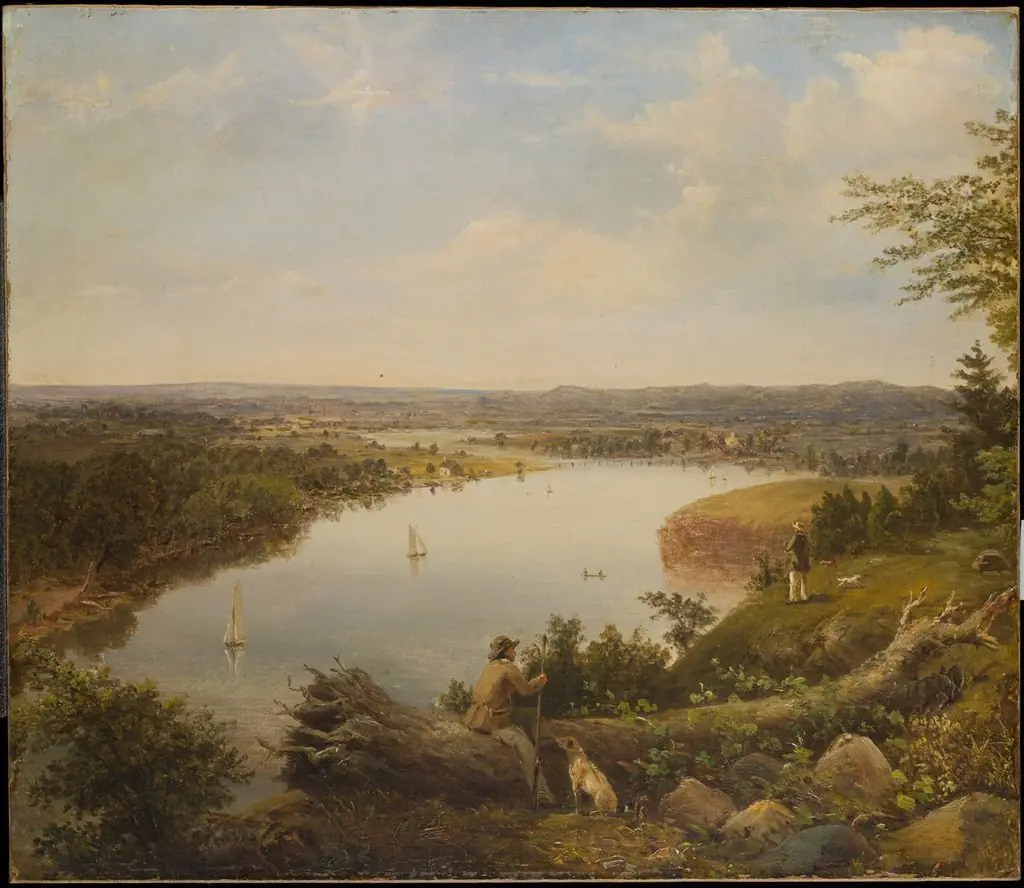 The Hudson River Valley near Hudson, New York
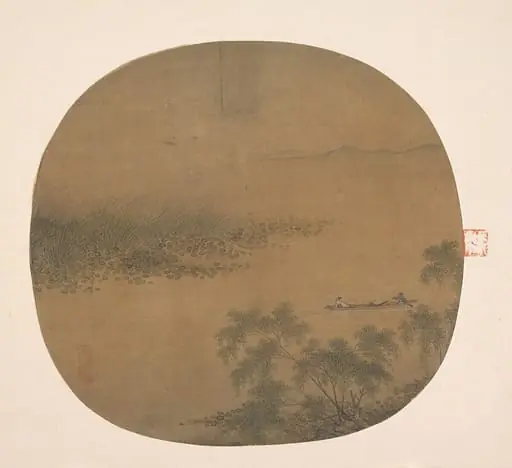 南宋 佚名 泛舟柳塘圖 團扇|Boating by a Willow Bank
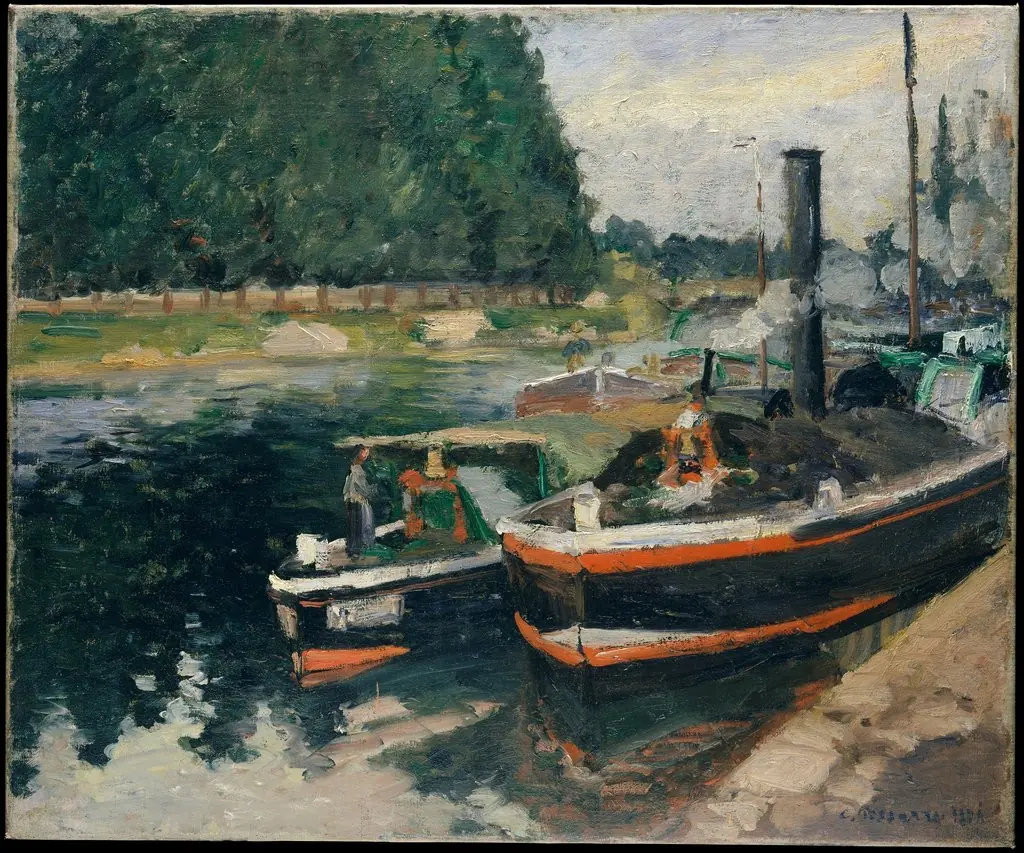 Barges at Pontoise
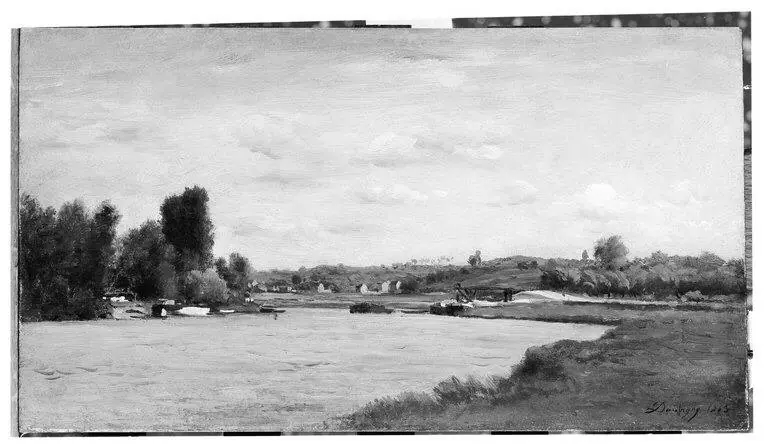 Landscape on a River
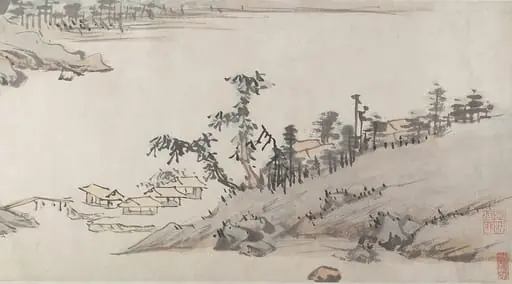 Untitled
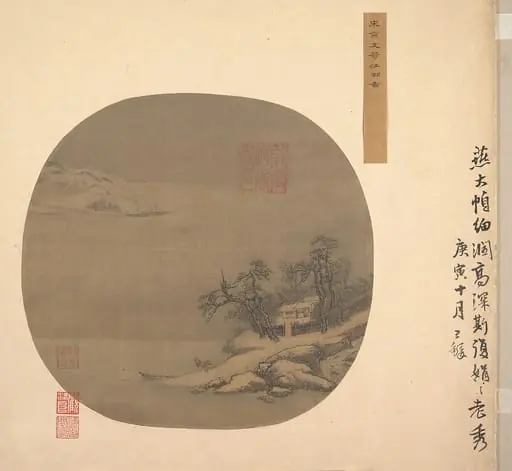 南宋 佚名 江邨圖 團扇|River Hamlet
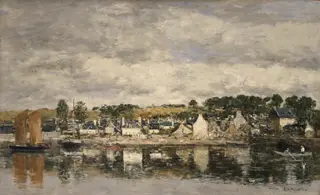 Village by a River
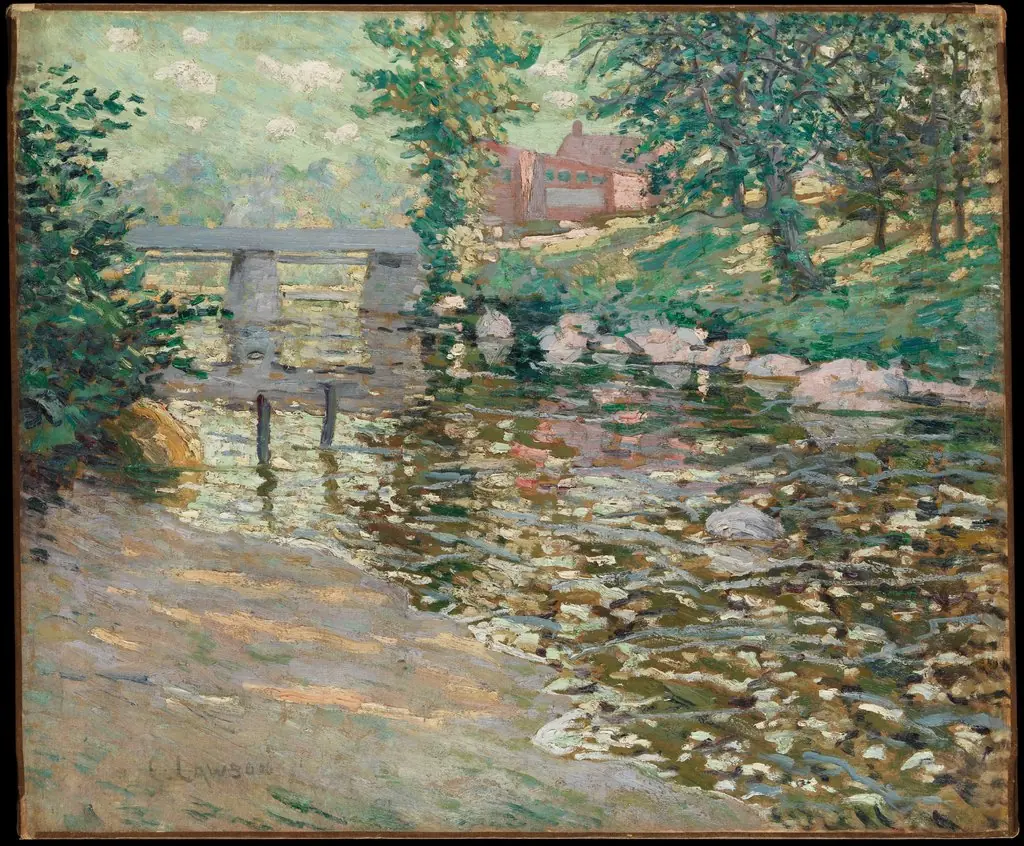 The Bronx River
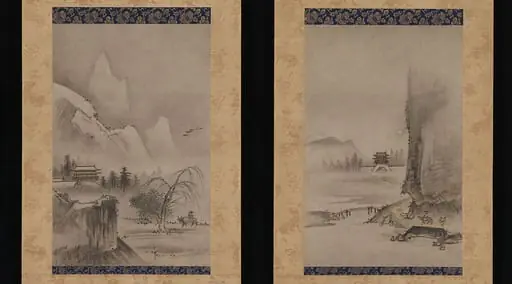 鑑貞筆 瀟湘八景中の二景図|Two Views from the Eight Views of the Xiao and Xiang Rivers
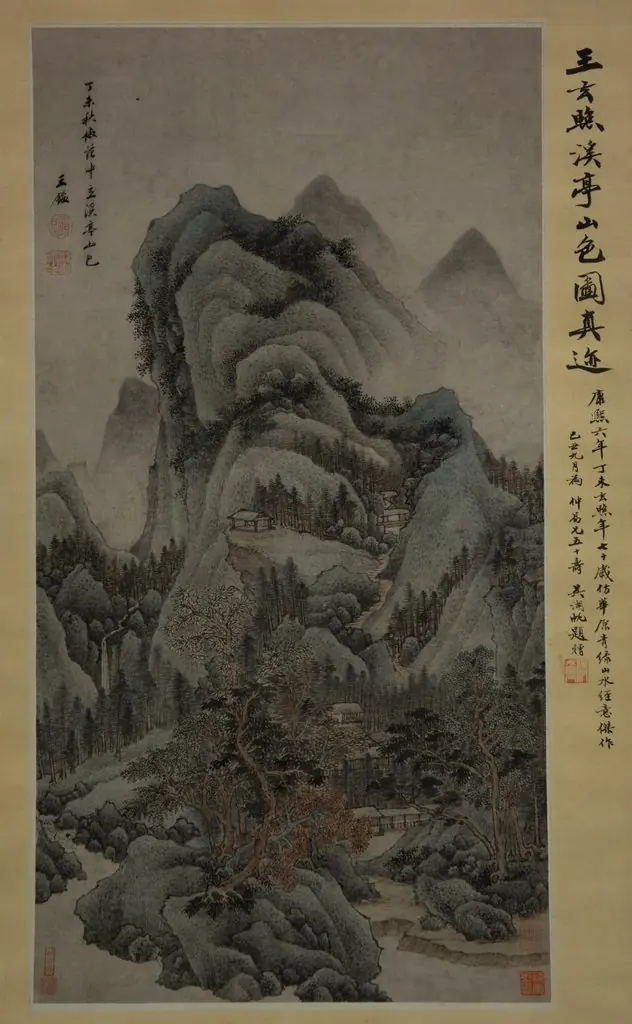 Mountain Scenery with Streams and Pavilions in the Style of Fan Kuan
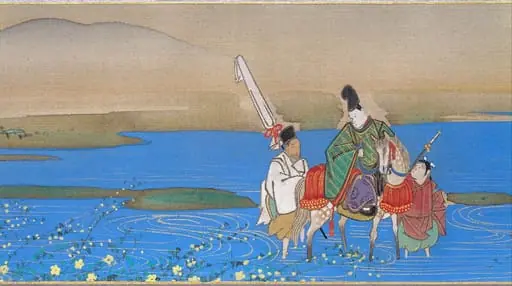 Untitled
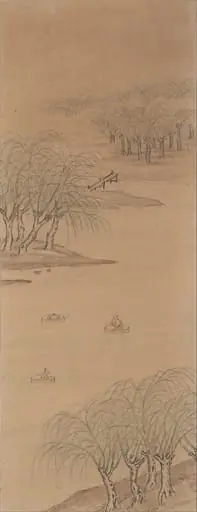 Untitled
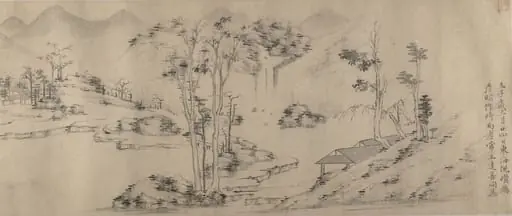 Untitled
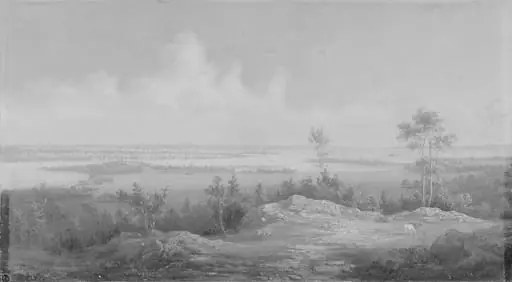 View of New York from New Jersey
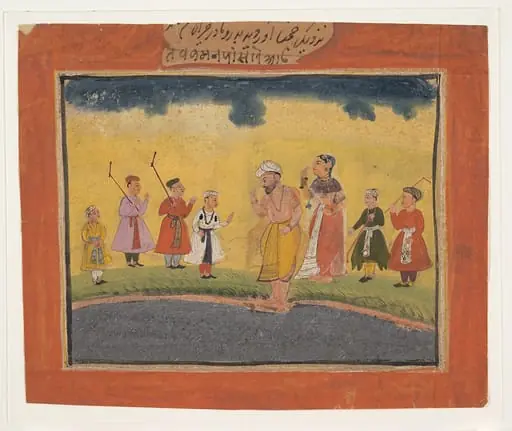 Untitled
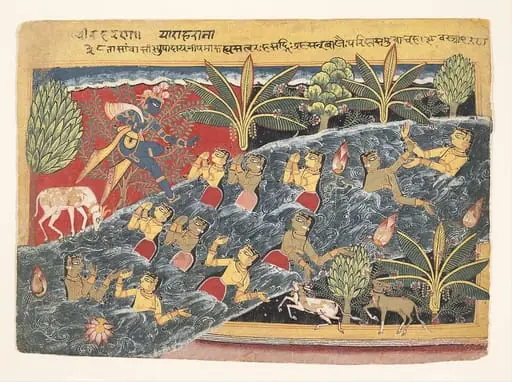 Untitled
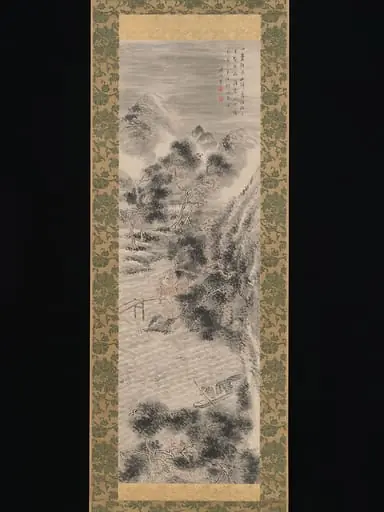 Untitled
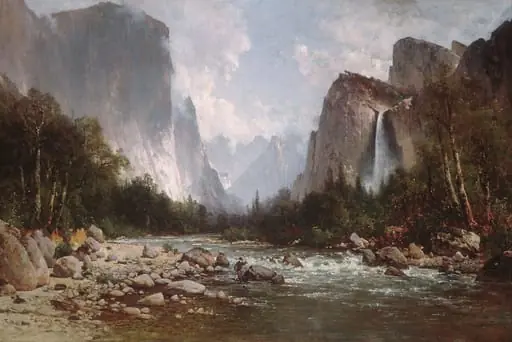 View of Yosemite Valley
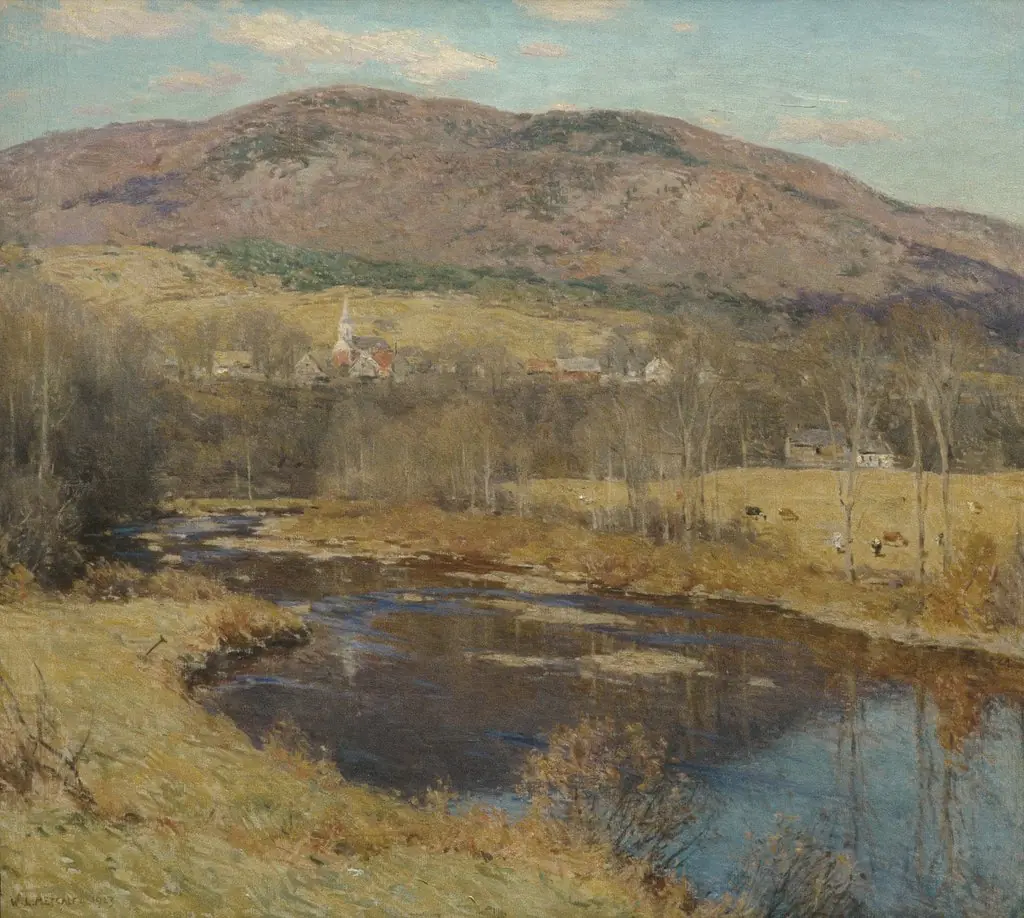 The North Country
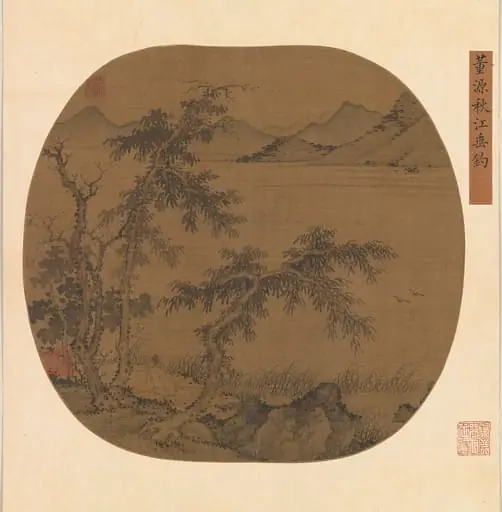 元 盛著 秋江垂釣圖 團扇|Angling in the Autumn River
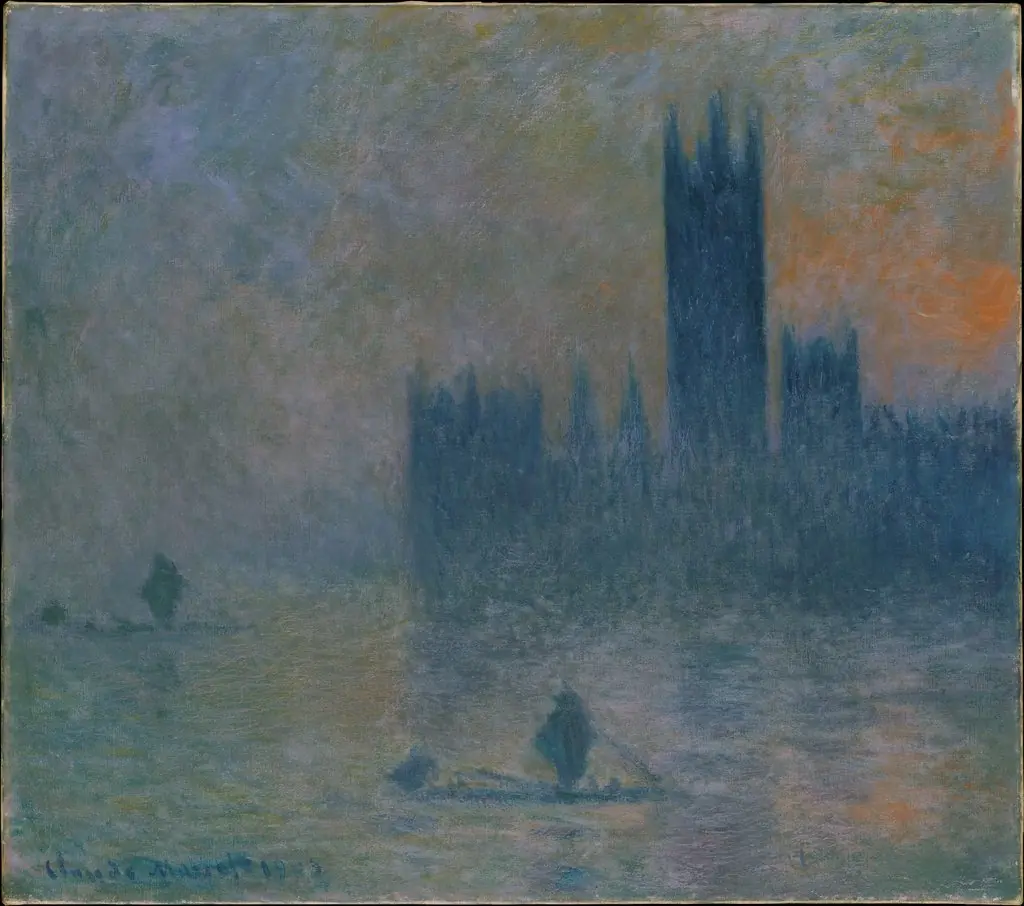 The Houses of Parliament (Effect of Fog)
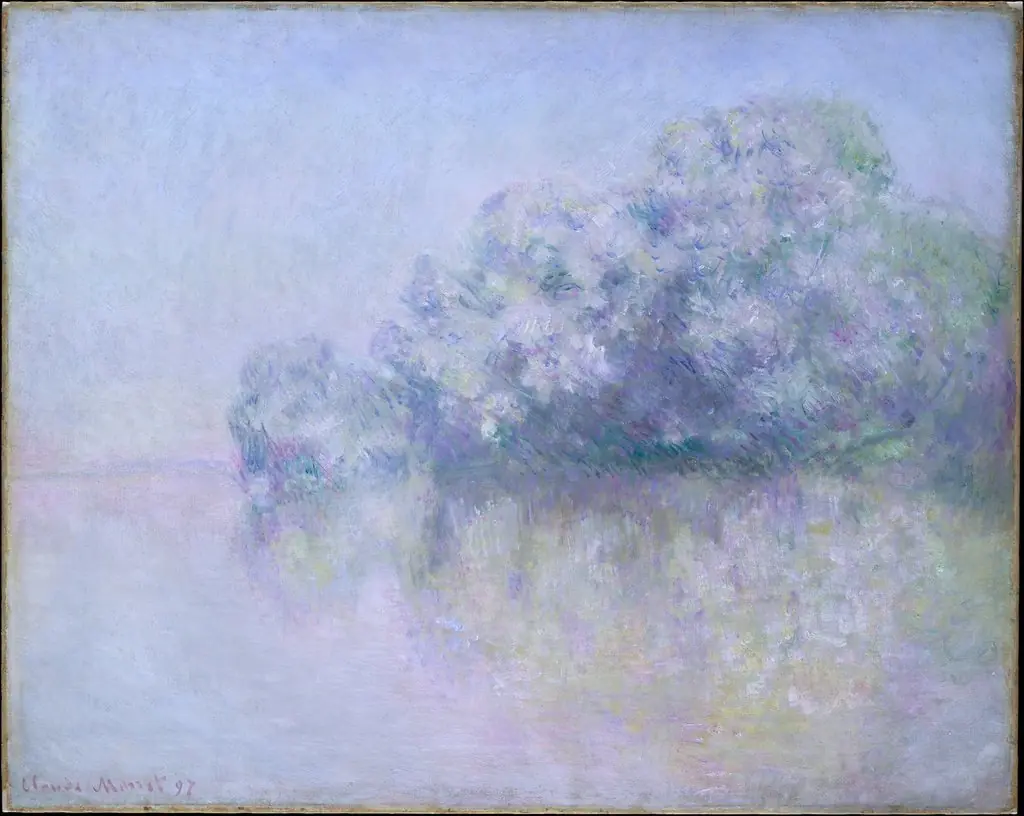 Île aux Orties near Vernon
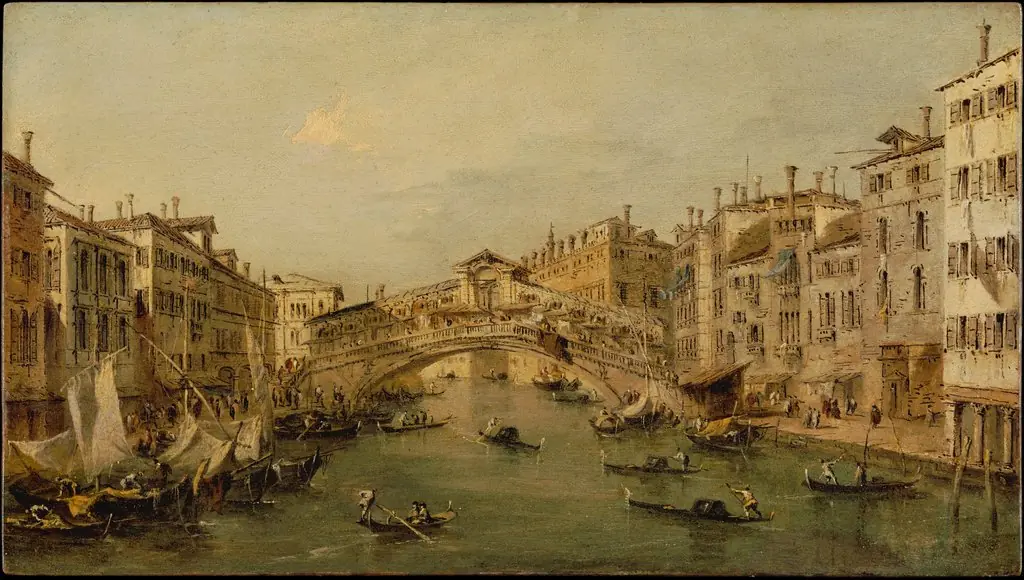 Venice: The Rialto
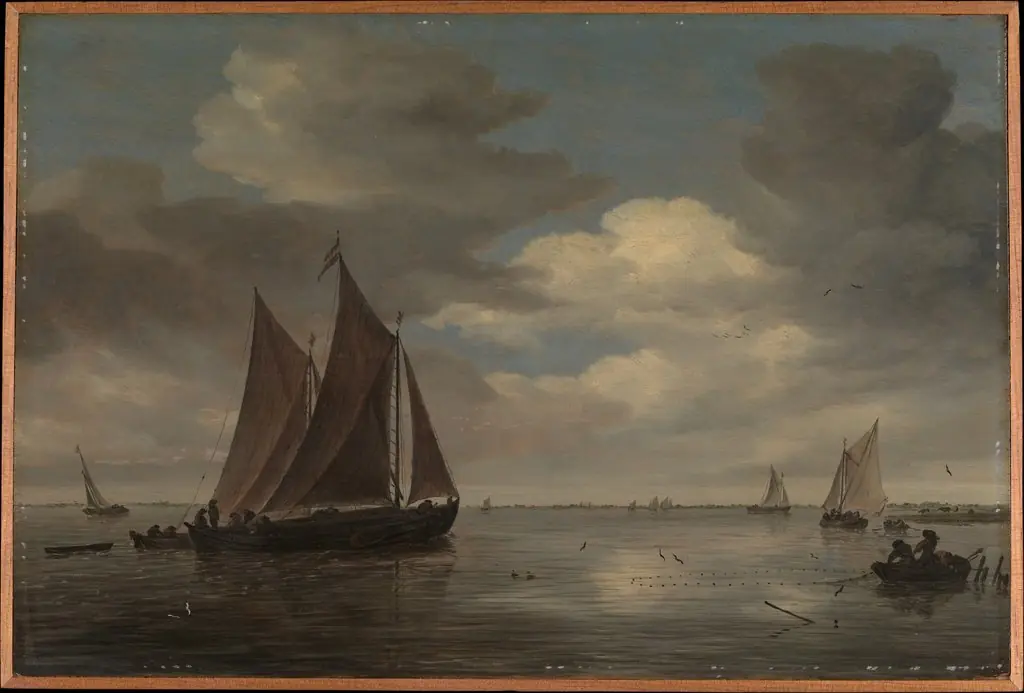 Fishing Boats on a River
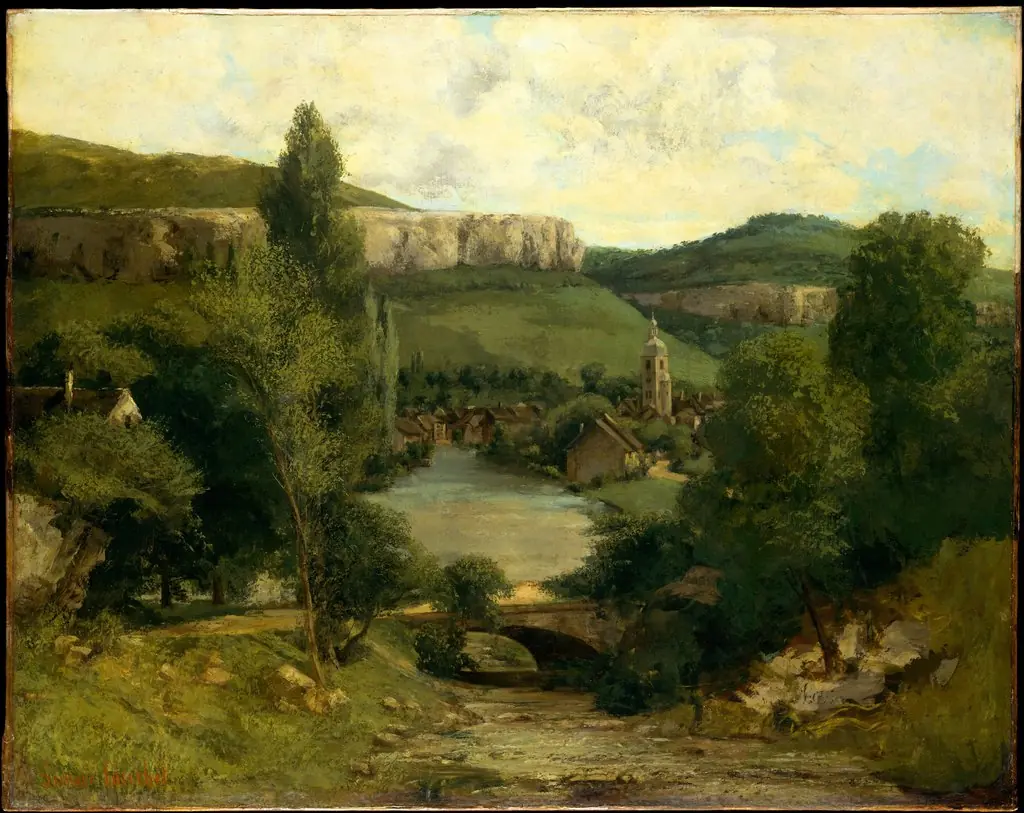 View of Ornans
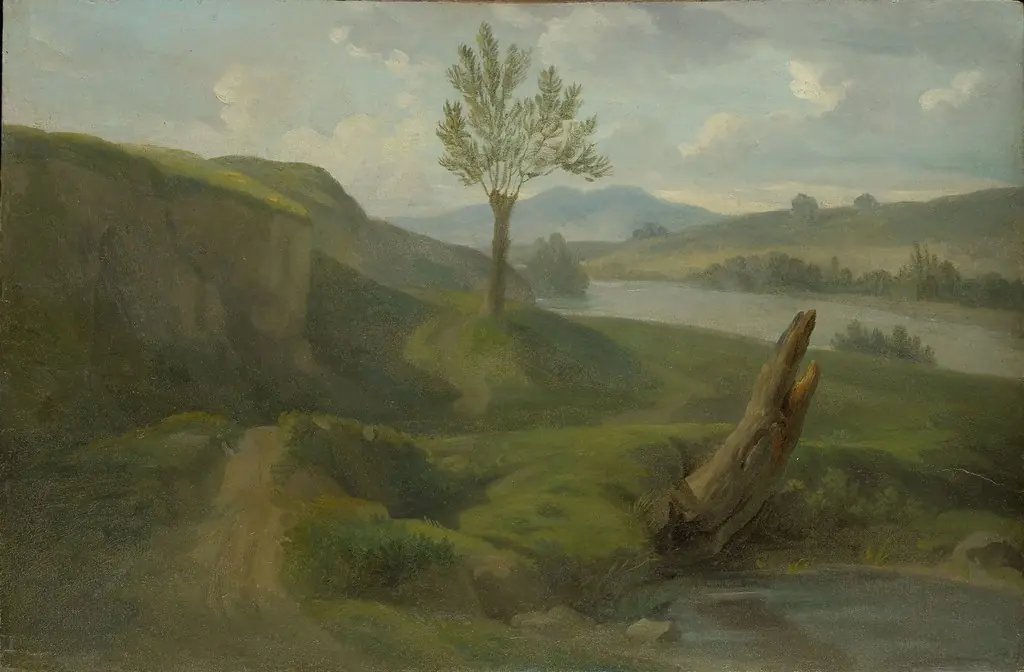 River Landscape
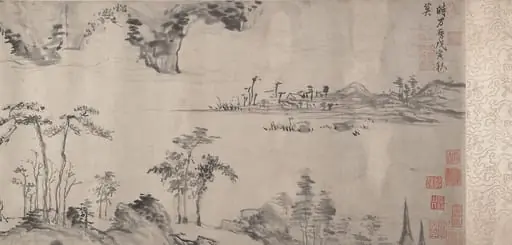 明 傳項元汴 秋江圖 卷|River Landscape
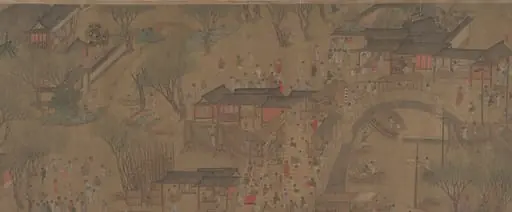 清 佚名 清明上河圖|Going Upriver on the Qingming Festival
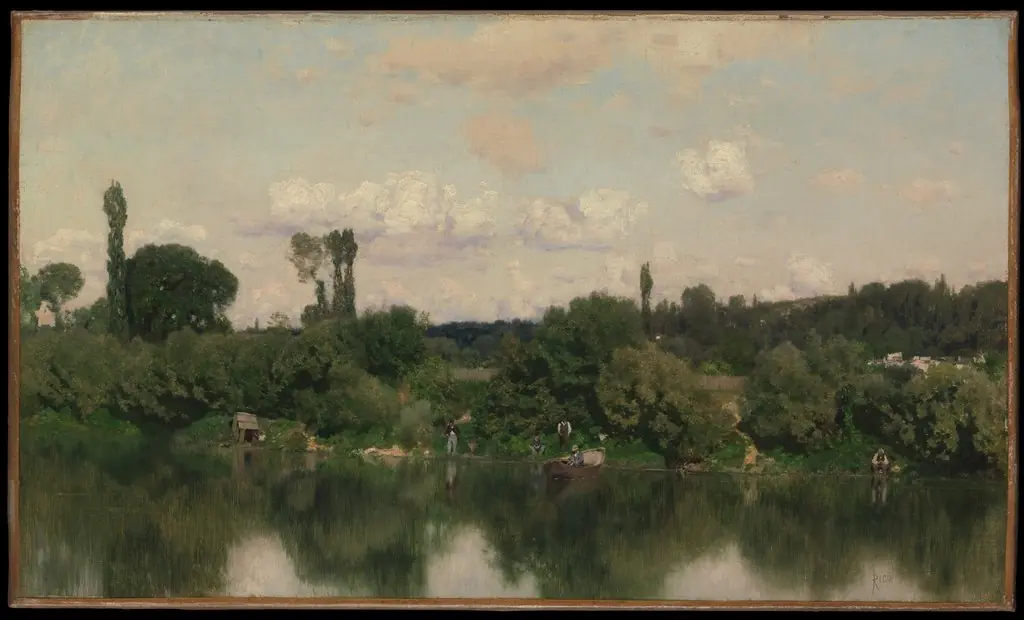 On the Seine
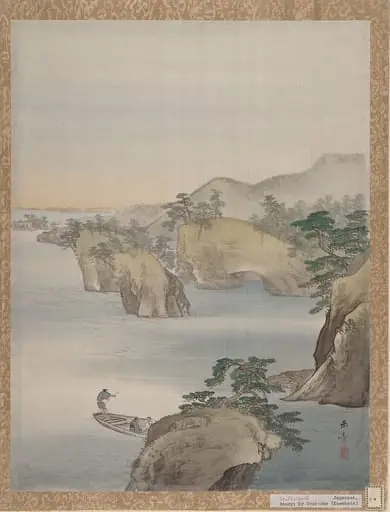 Untitled
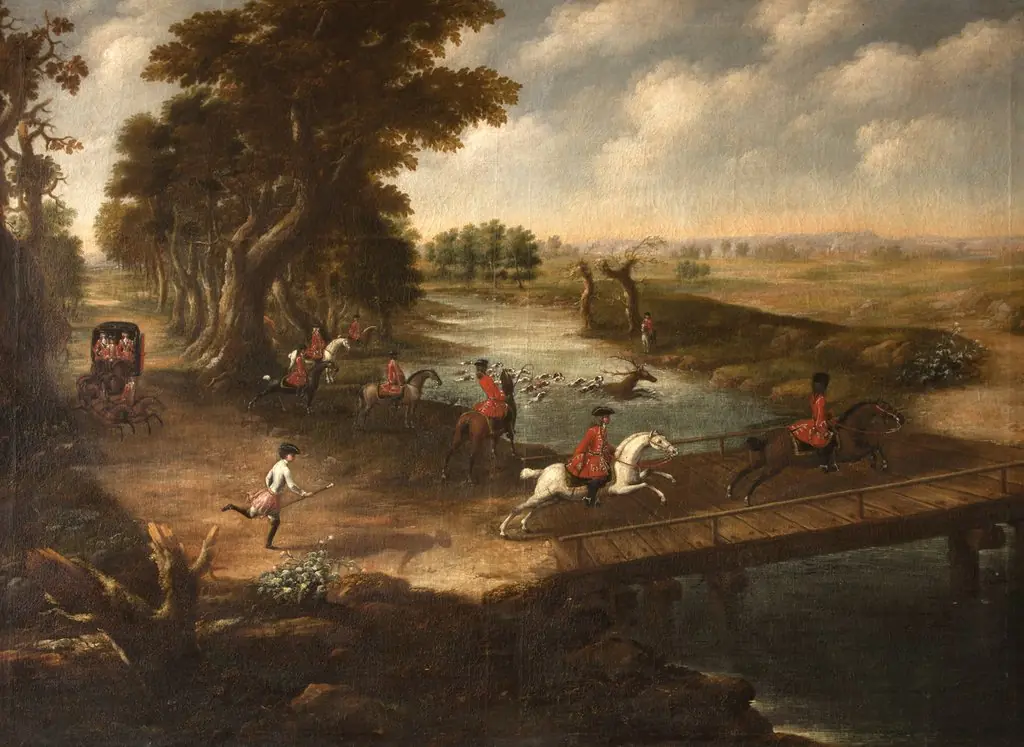 En jagt af kongelige personer
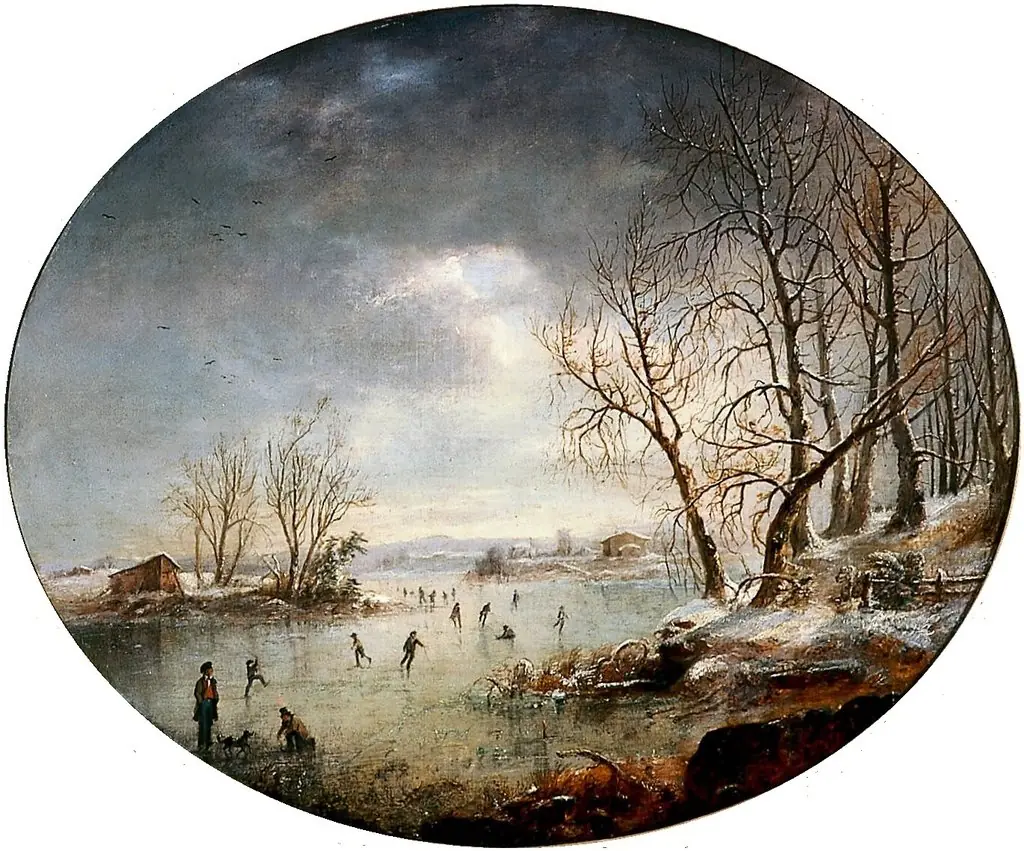 Winter Scene in New Jersey
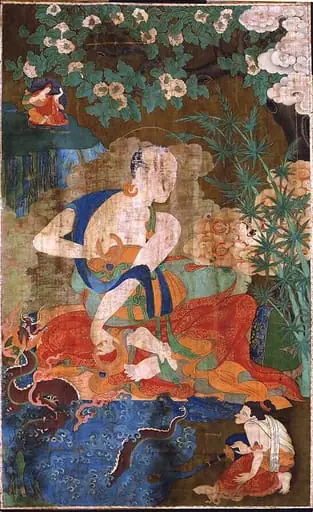 Untitled
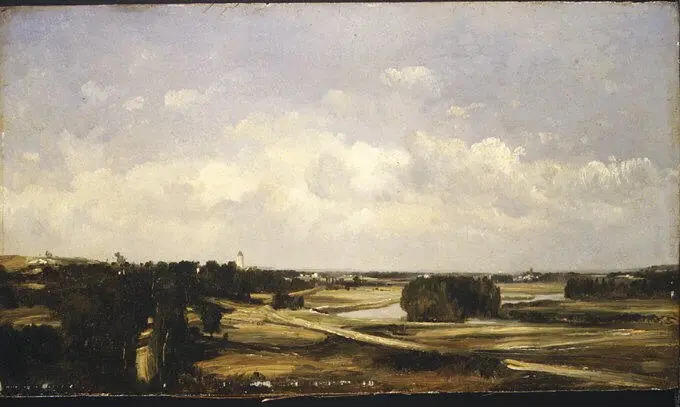 Valley of the River Loire
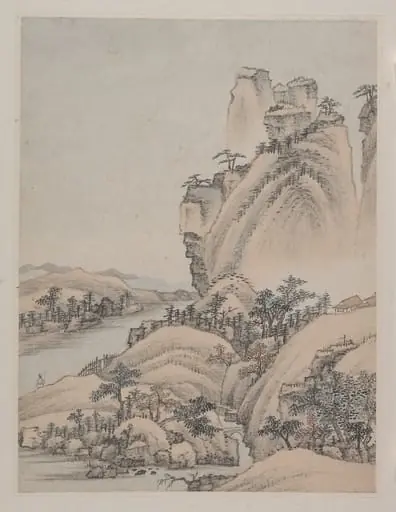 清 蕭雲從 山水圖 冊|Landscapes
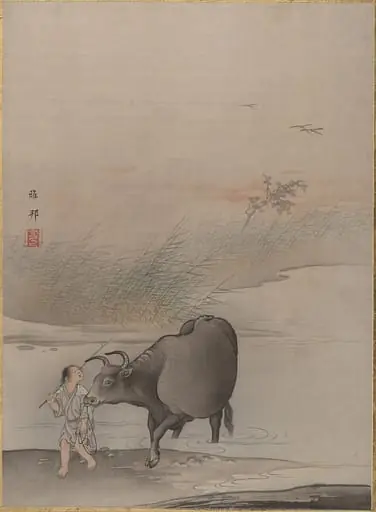 Untitled
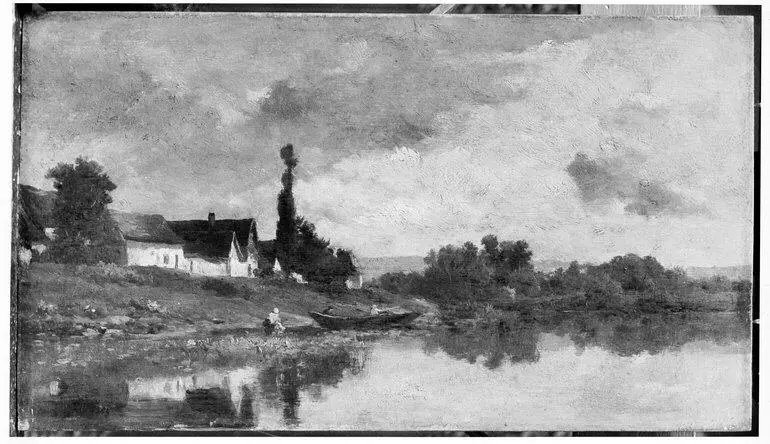 Portejoie on the Seine
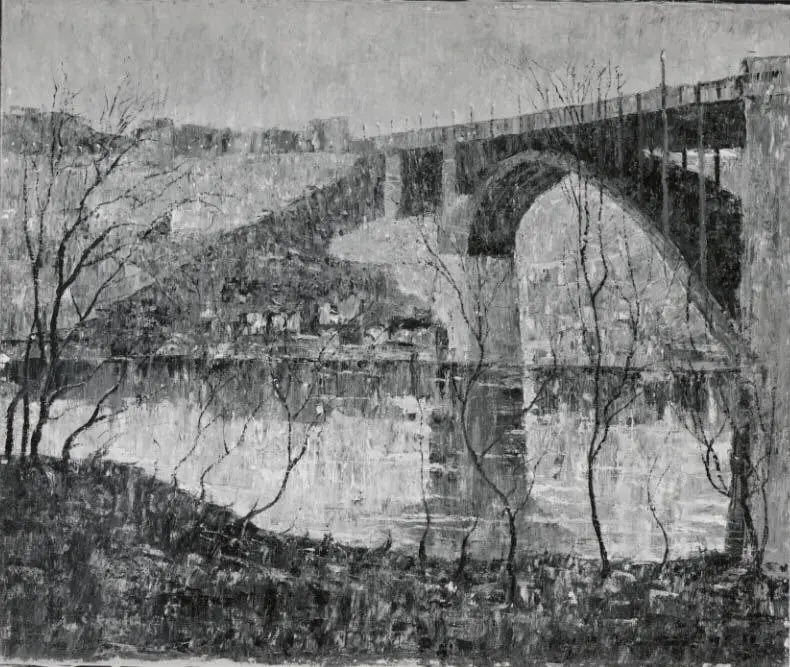 Harlem River
 The Banks of the Rance, Brittany
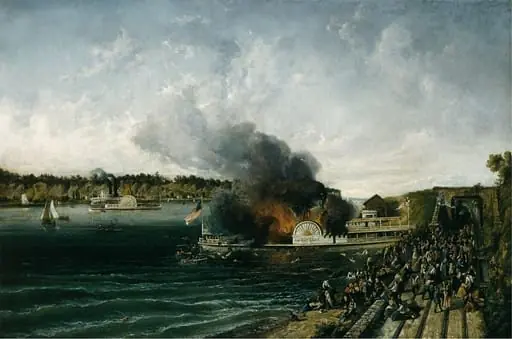 Burning of the Sidewheeler Henry Clay
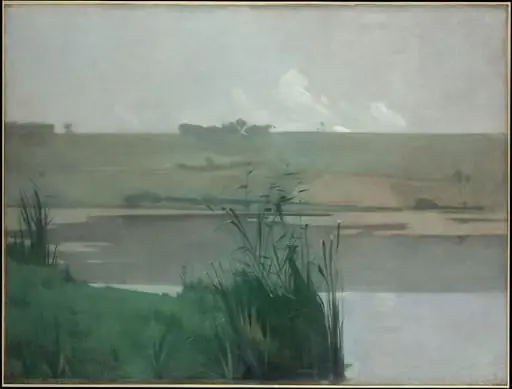 Arques-la-Bataille
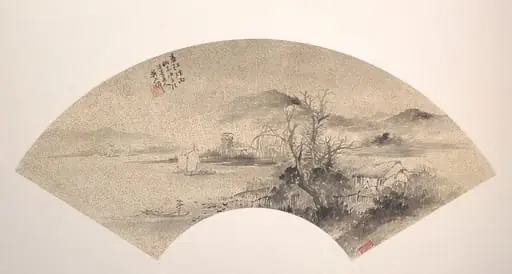 近代 吳石僊 春江煙雨 扇面|Misty Rain on the River in Spring
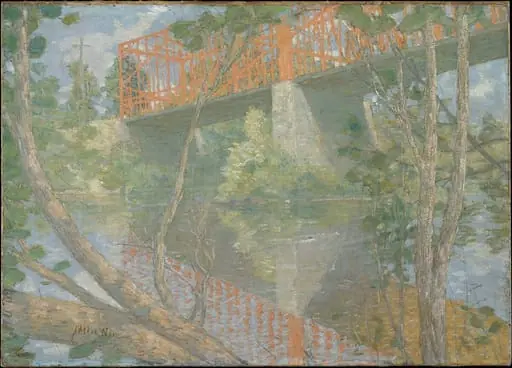 The Red Bridge
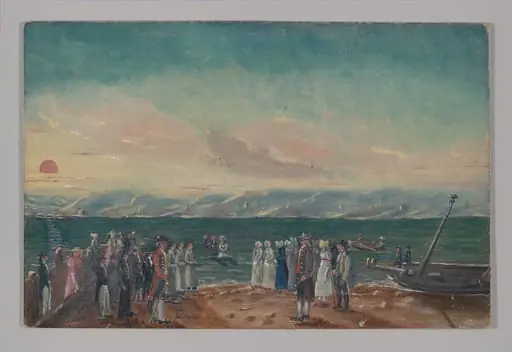 Baptism
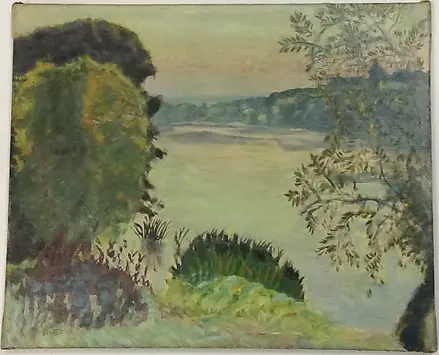 The Seine at Vernon
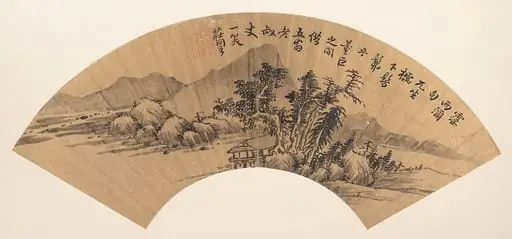 明/清 莊冏生 山水 扇面|River Landscape
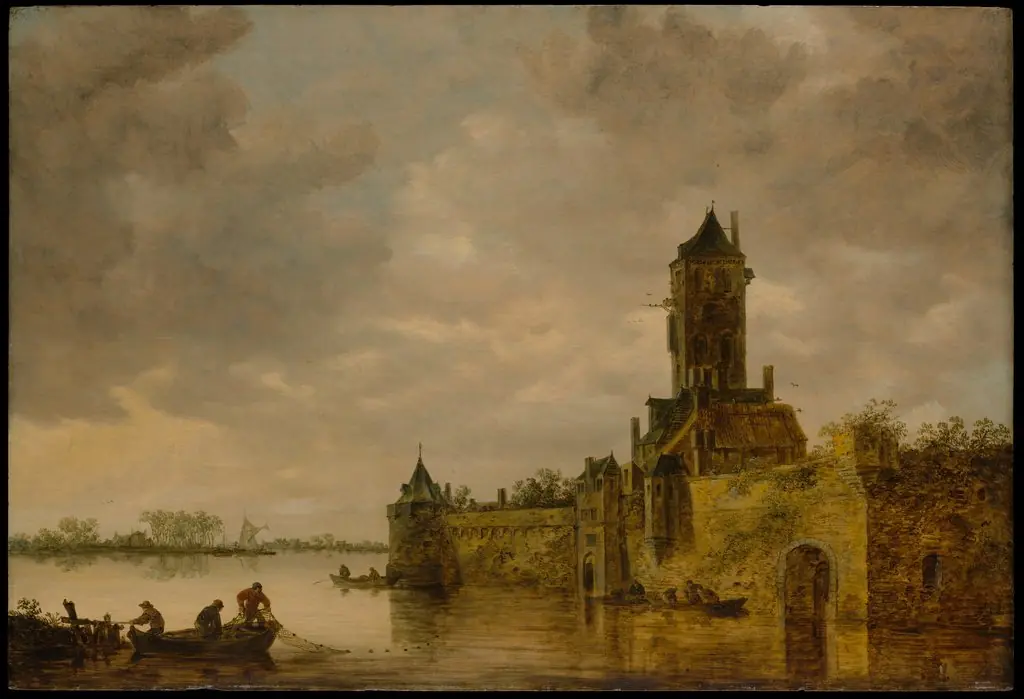 Castle by a River
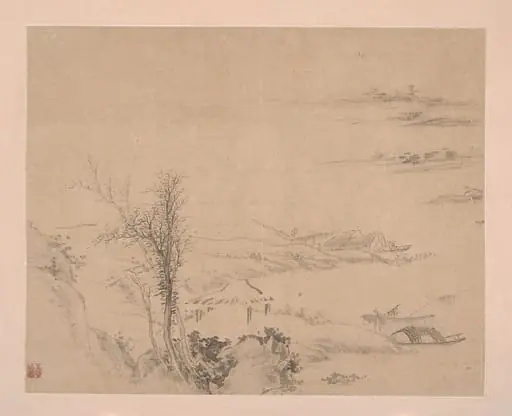 Untitled
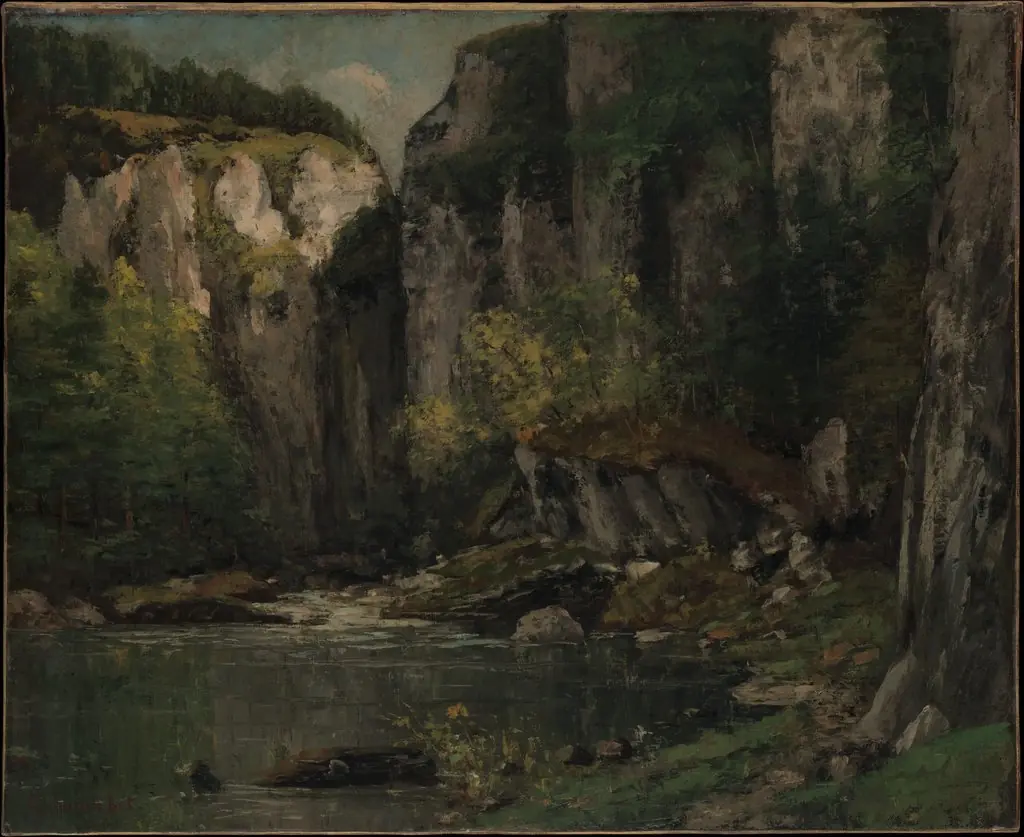 River and Rocks
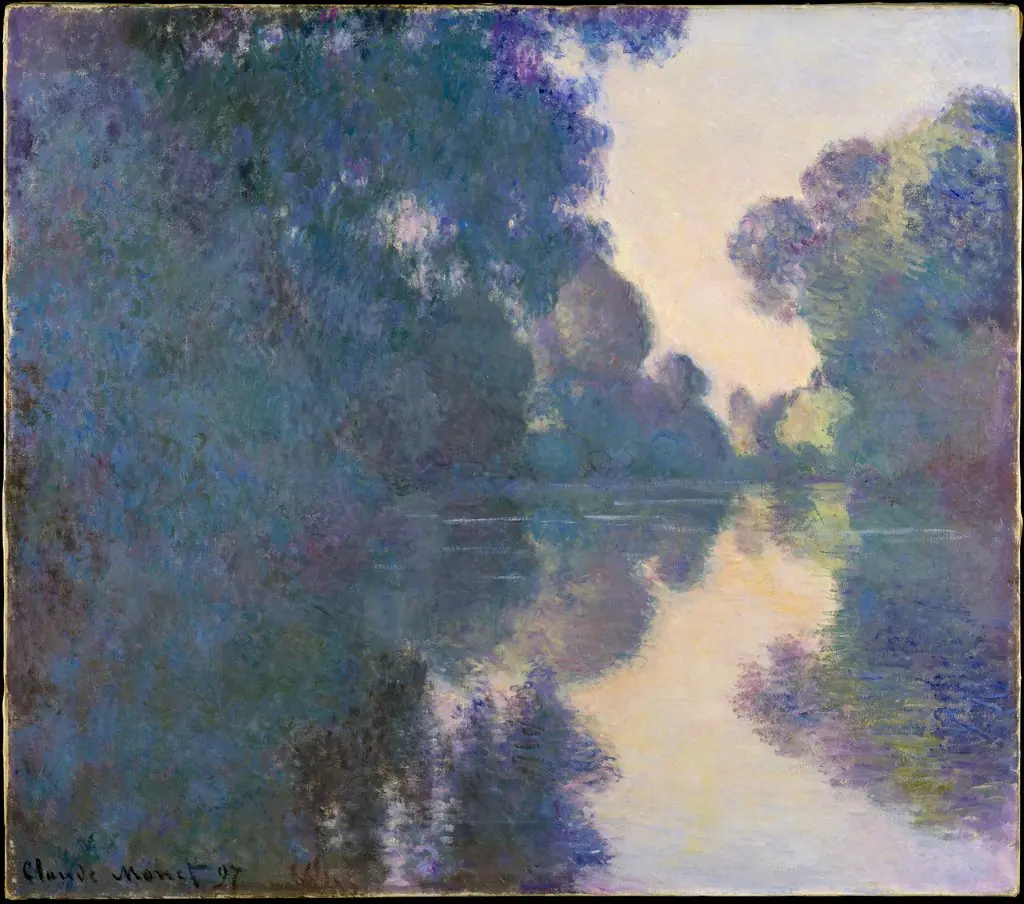 Morning on the Seine near Giverny
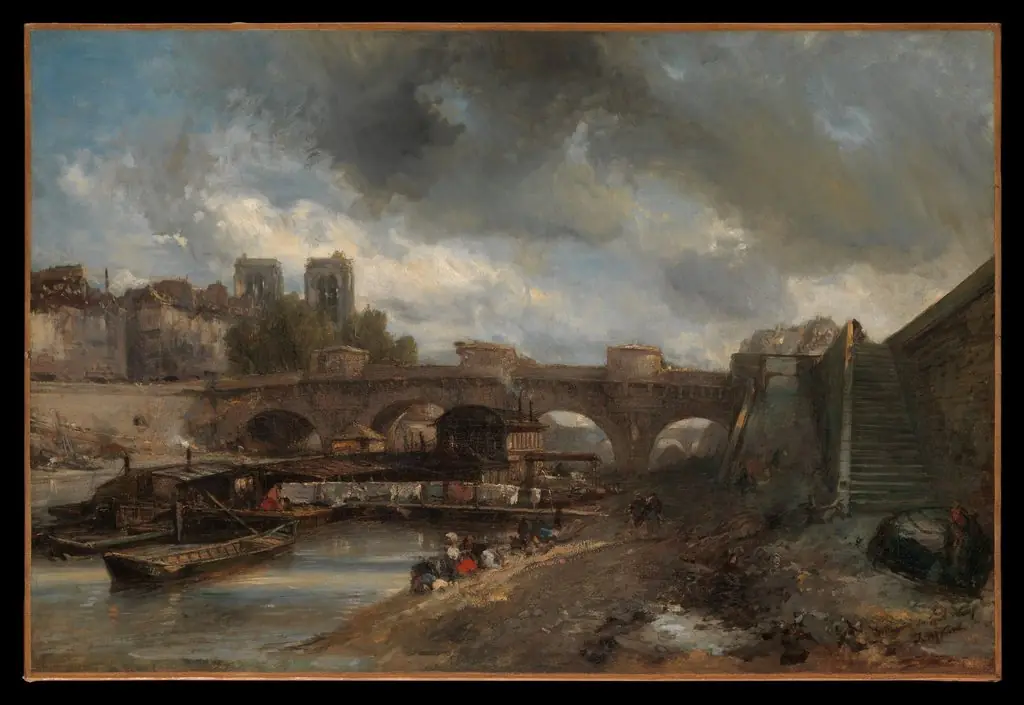 The Pont Neuf
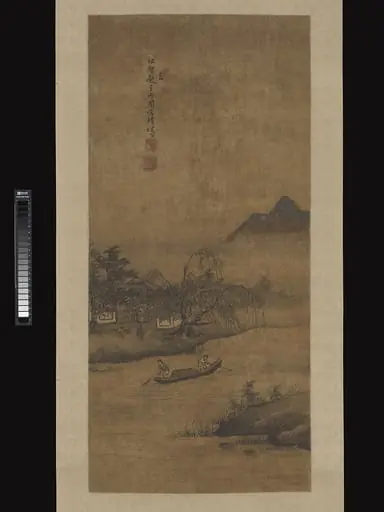 明 周文靖 漁隱圖 軸|Rustic retreat among fishermen
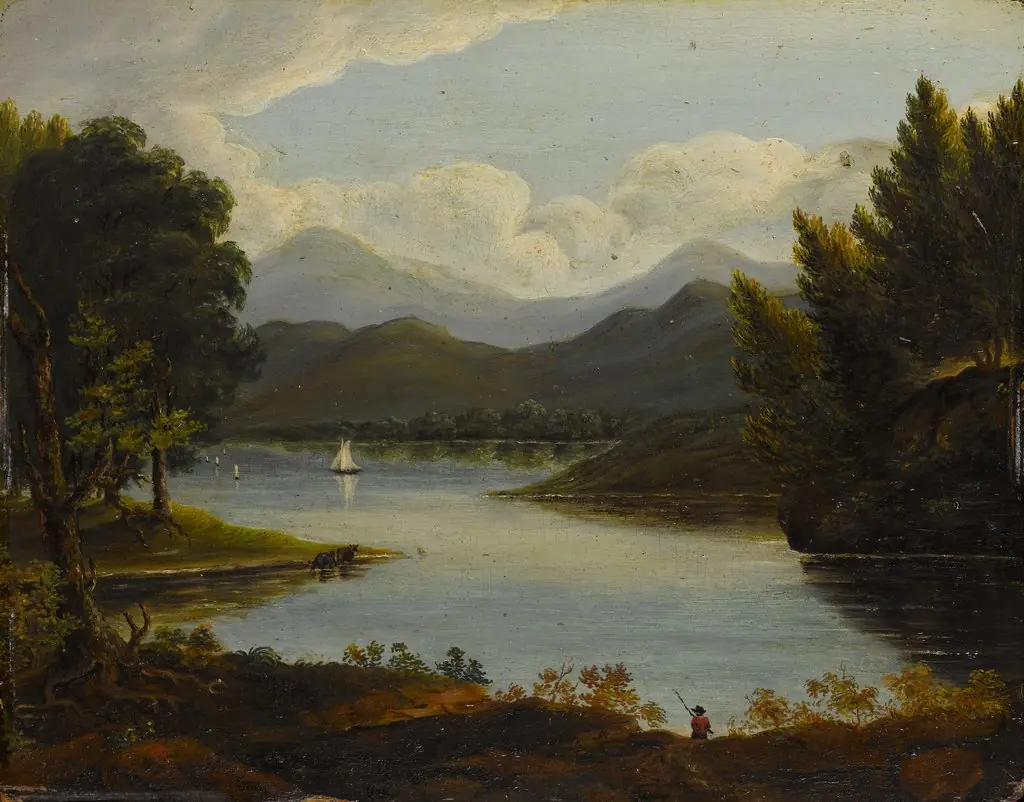 Hudson River Scene
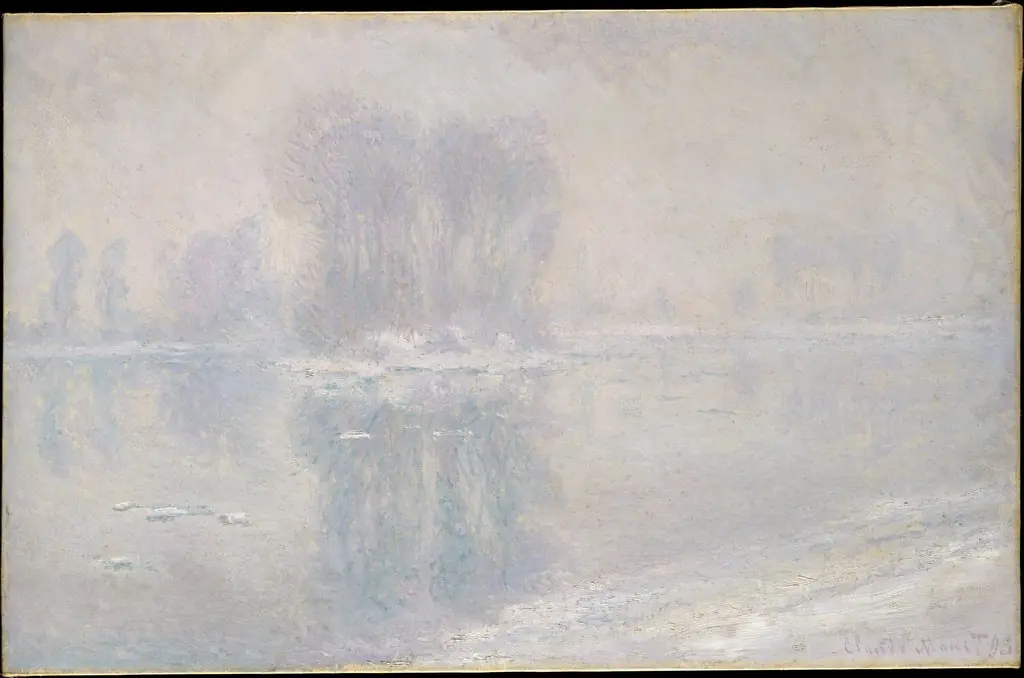 Ice Floes
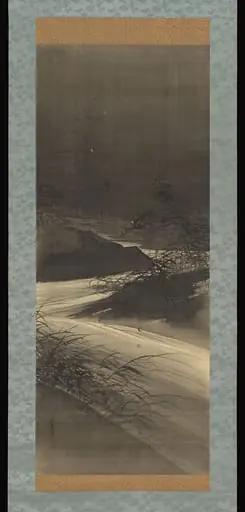 Untitled
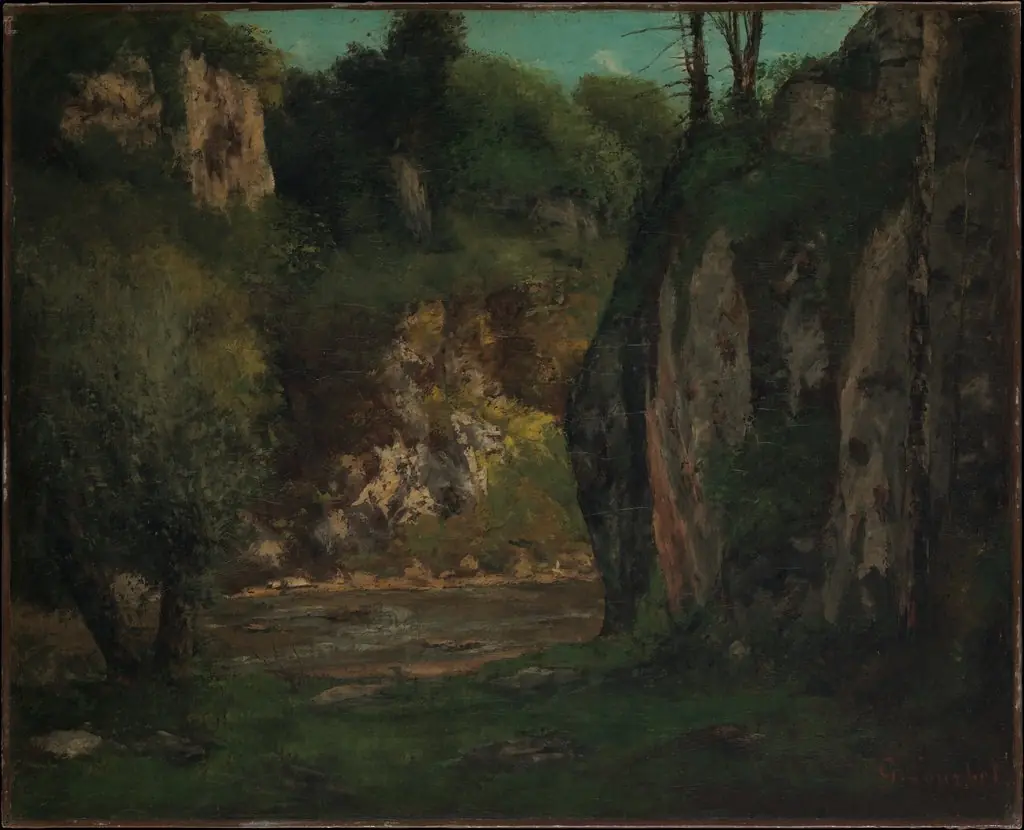 The Hidden Brook
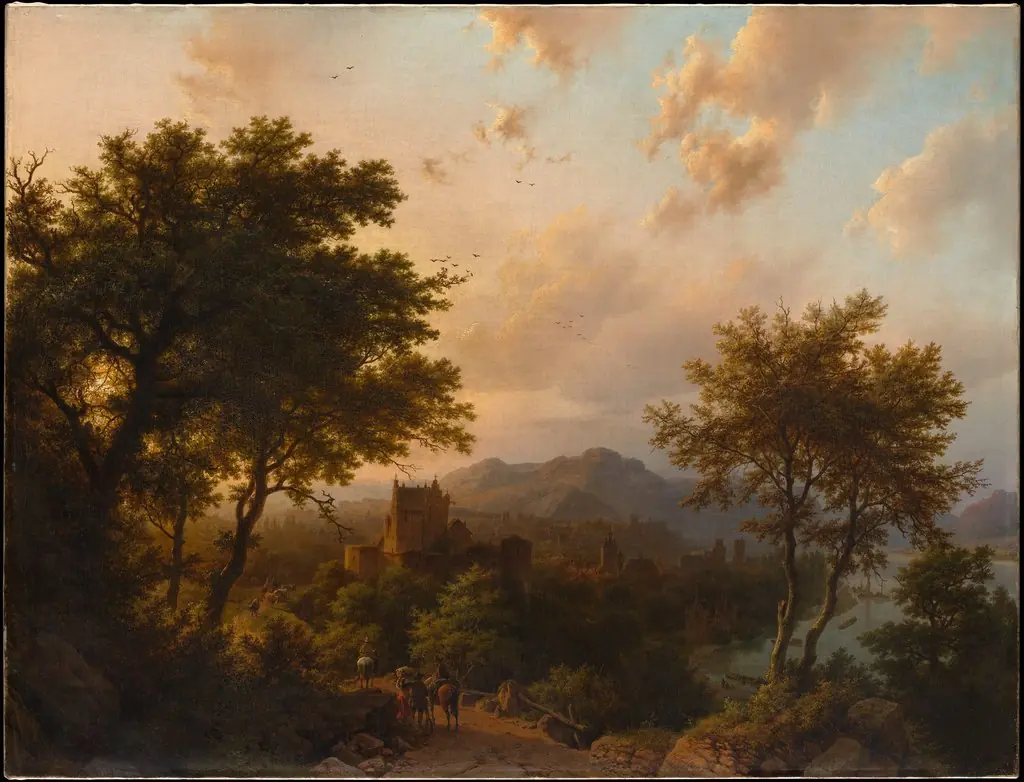 Sunset on the Rhine
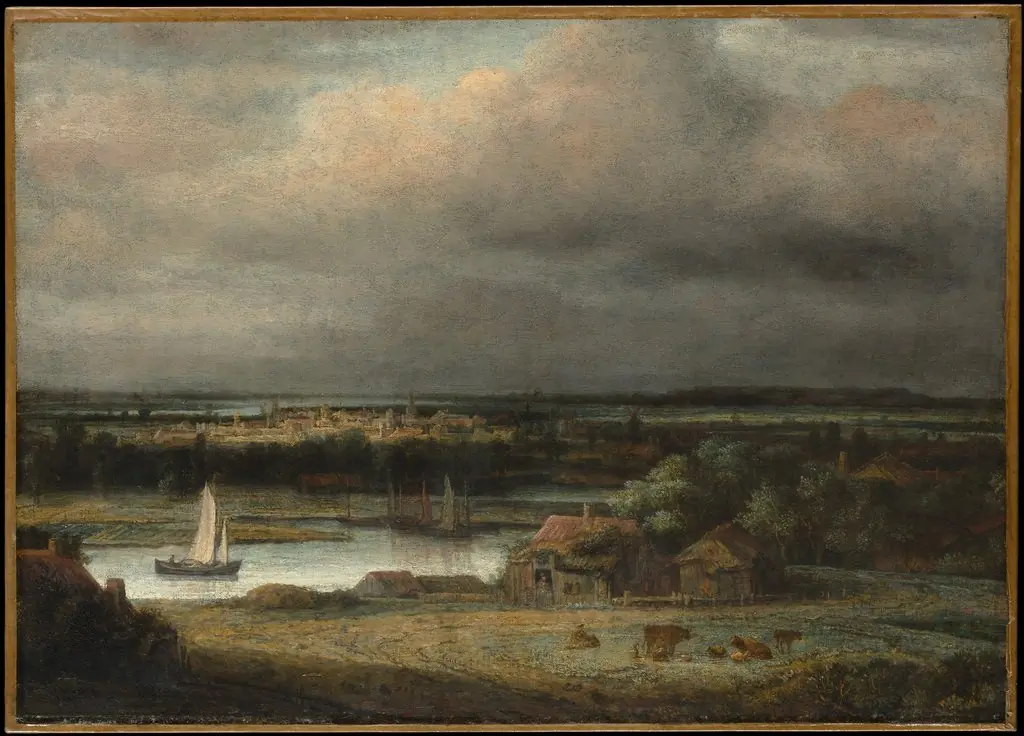 Wide River Landscape
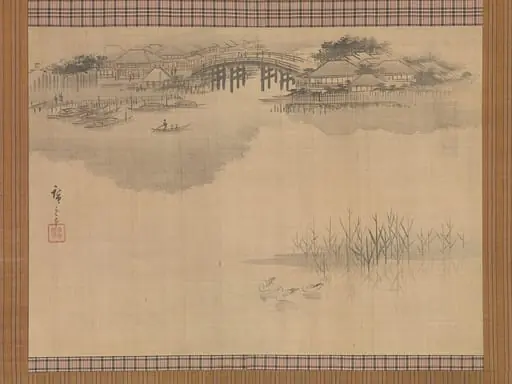 Untitled
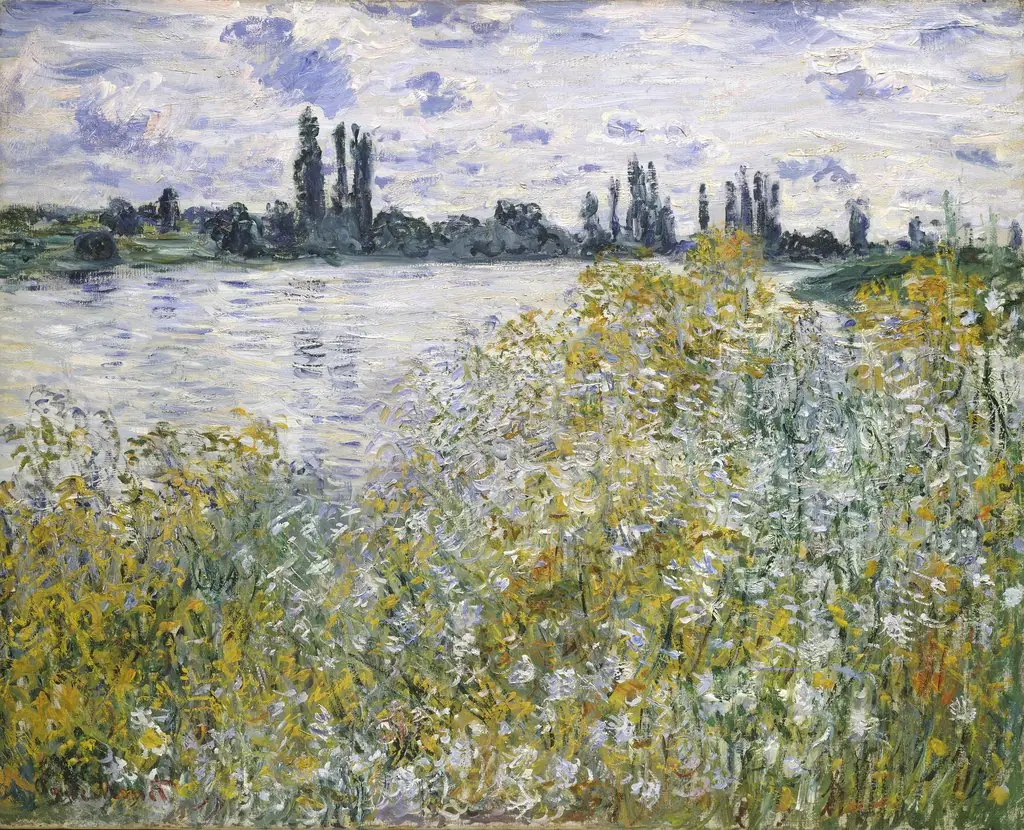 Île aux Fleurs near Vétheuil
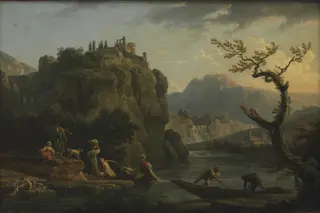 Mountain Landscape with a River
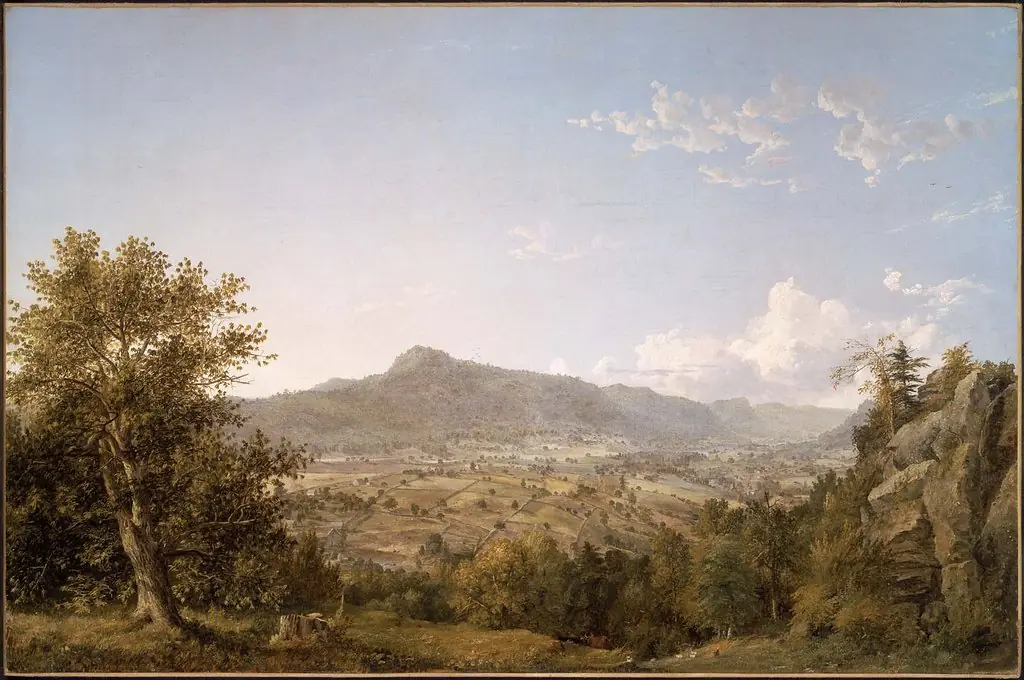 Schatacook Mountain, Housatonic Valley, Connecticut
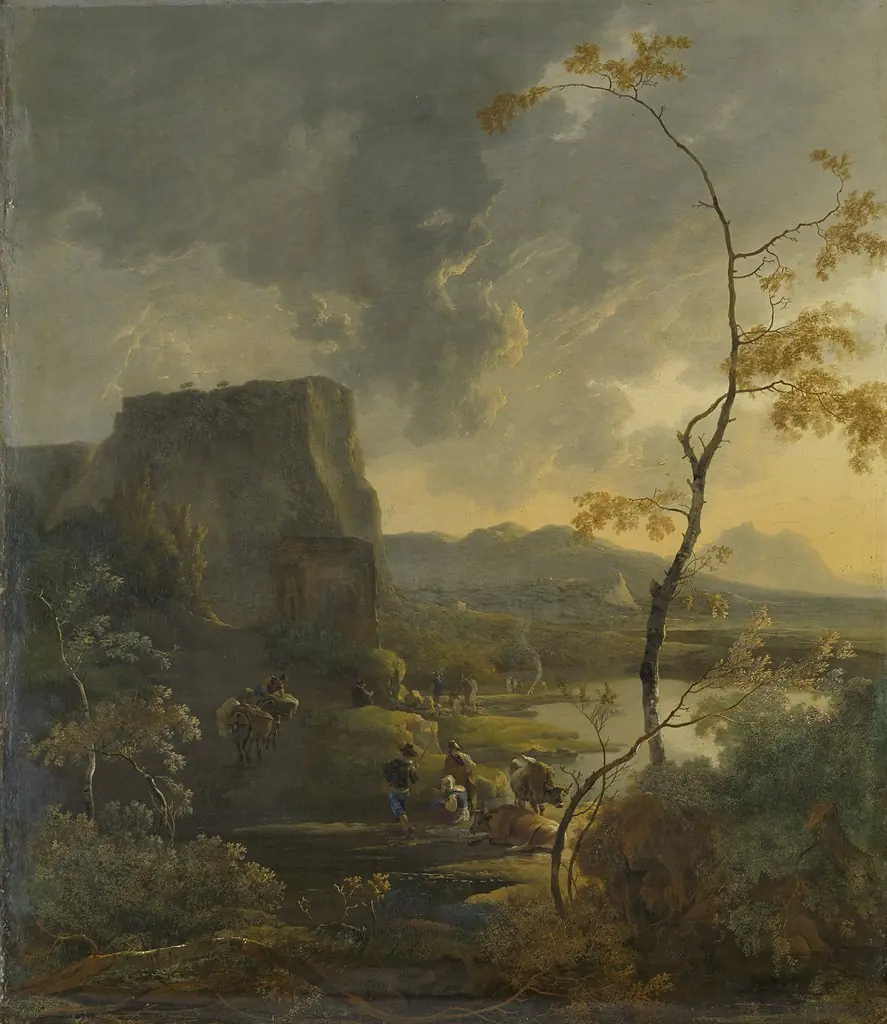 Italian landscape with ancient tempietto
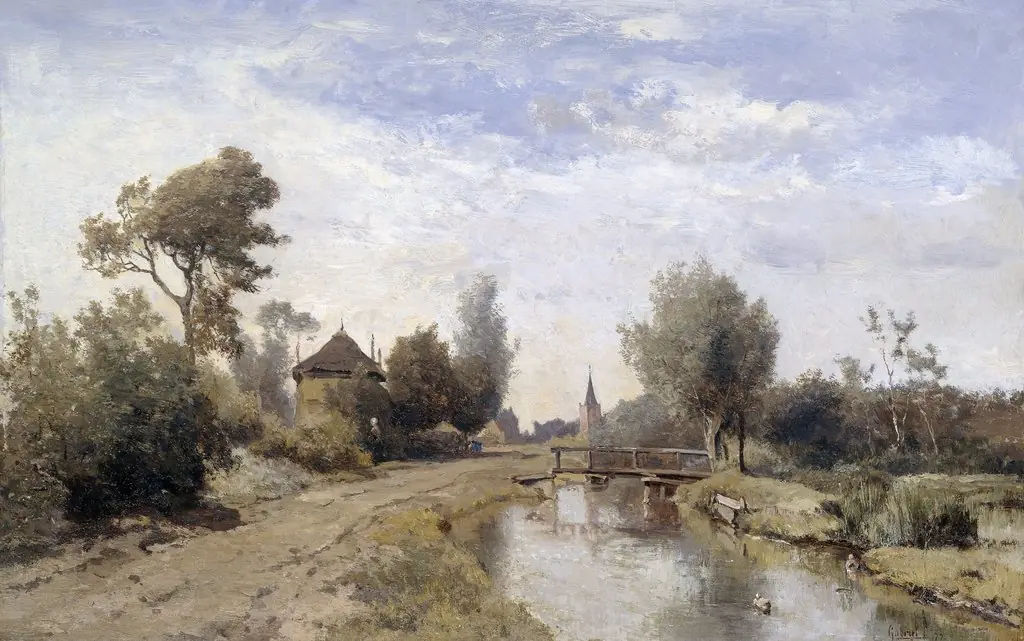 Landscape at Kortenhoef
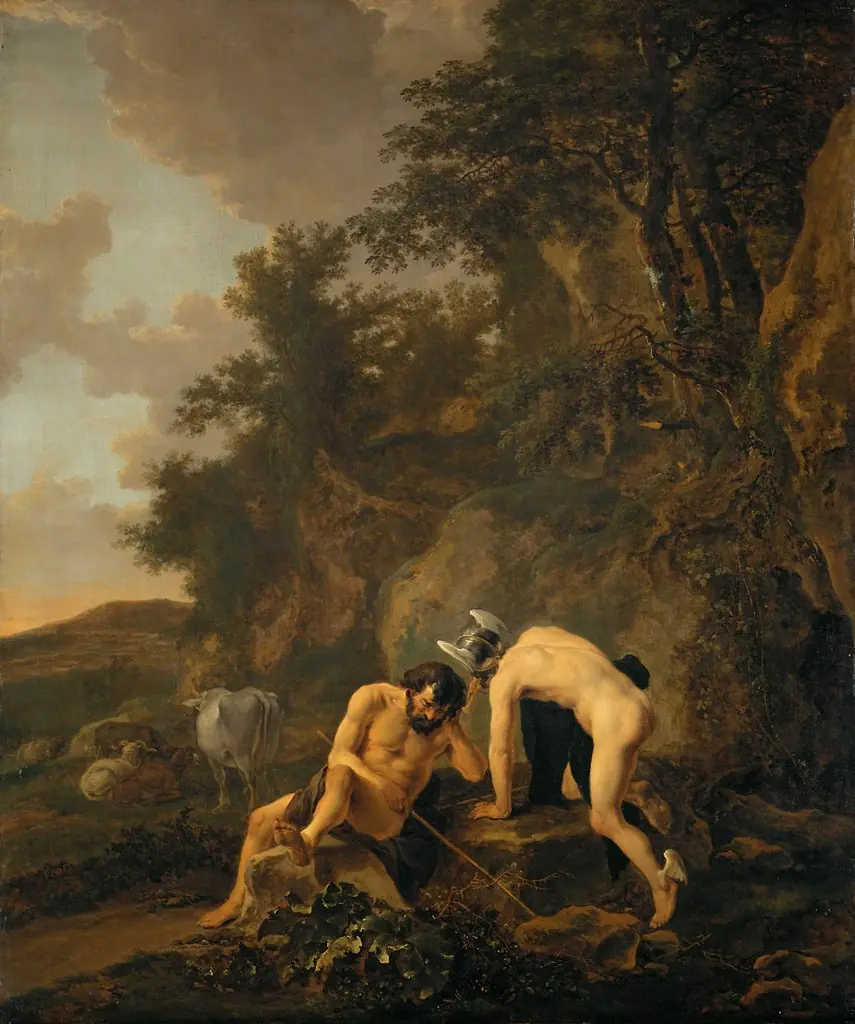 Southern rocky landscape with Mercury and Argus
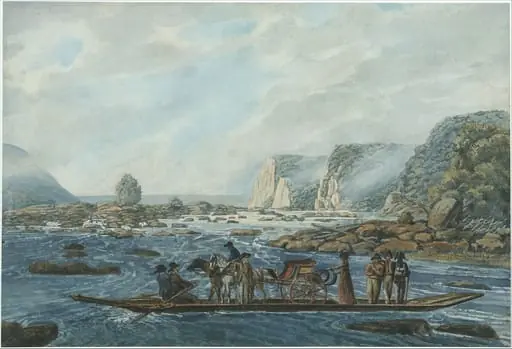 A Ferry Scene on the Susquehanna at Wright's Ferry, near Havre de Grace
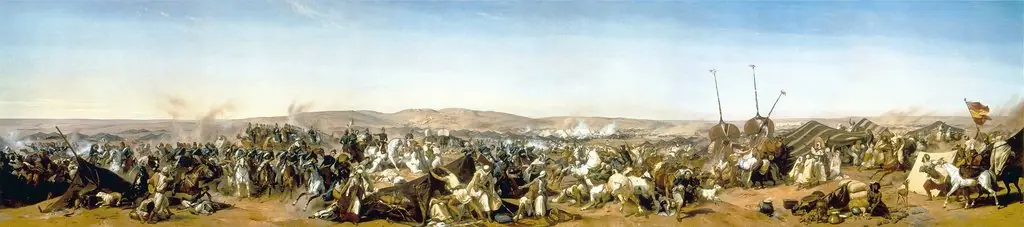 The seizure of Abd-el-Kader's camp in 1843
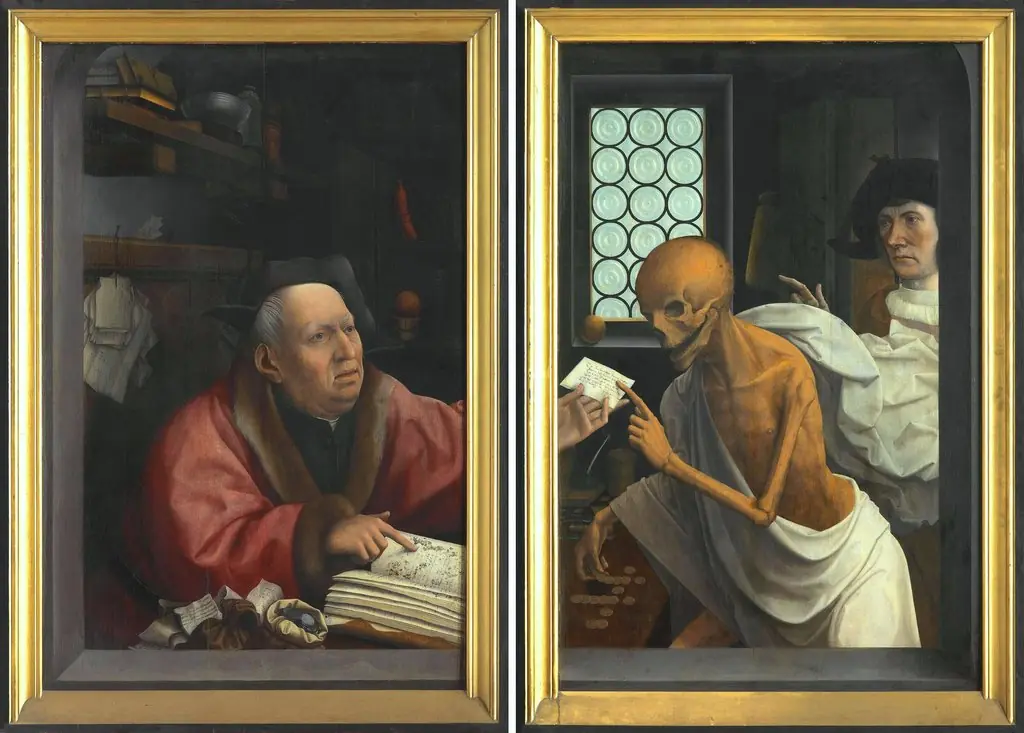 Death and the Miser (outer doors); St. Nicolas with donor and St. Godelieve with donor (inner doors)
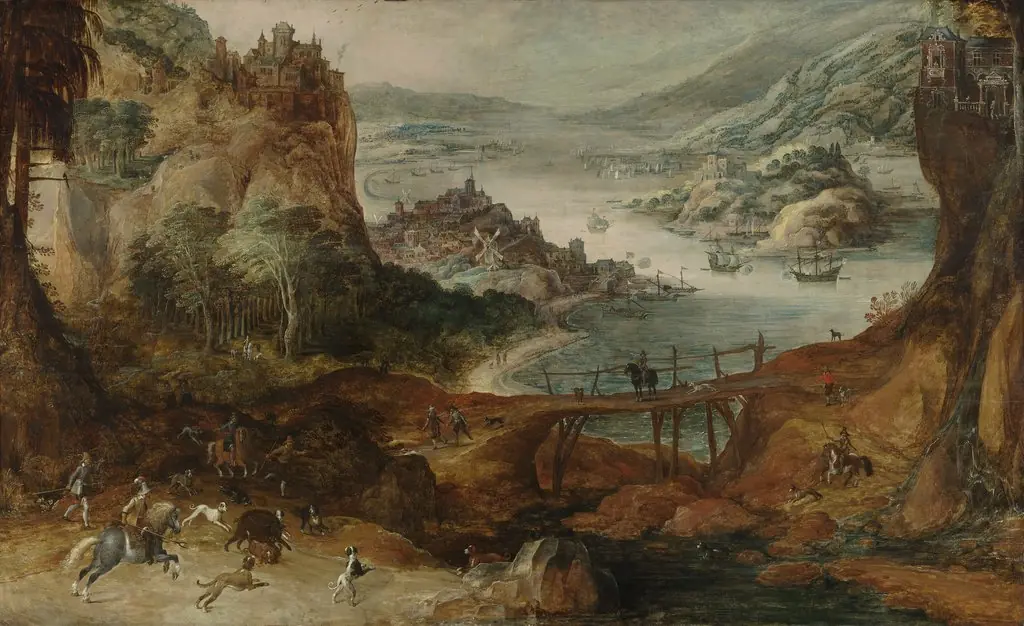 River landscape with boar hunt
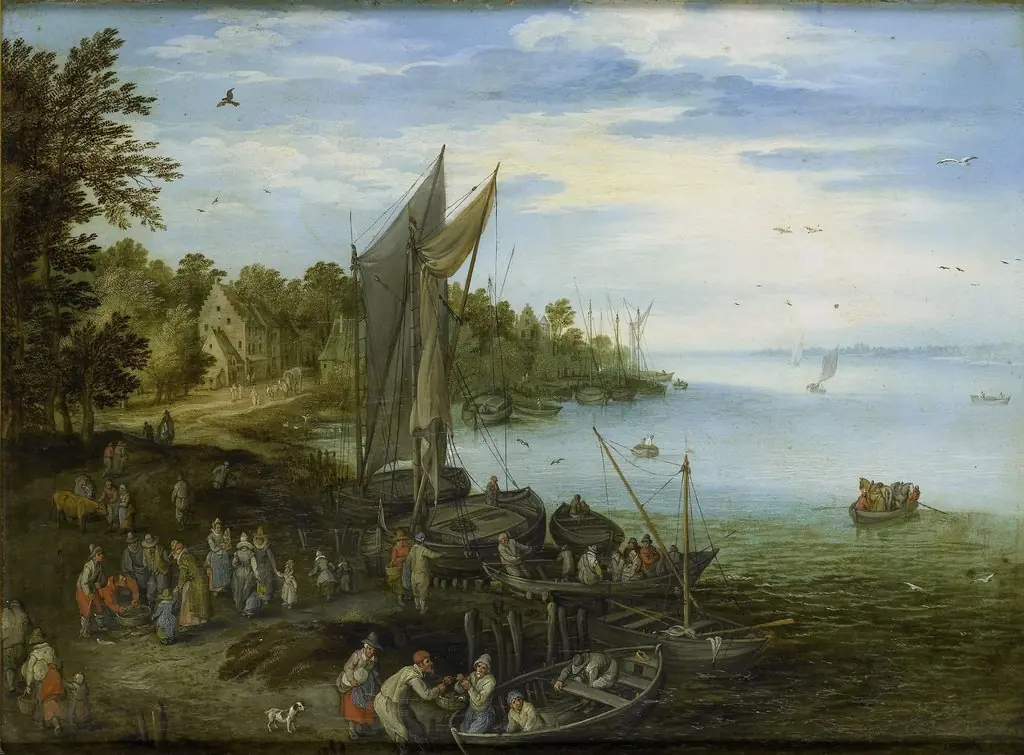 River Bank
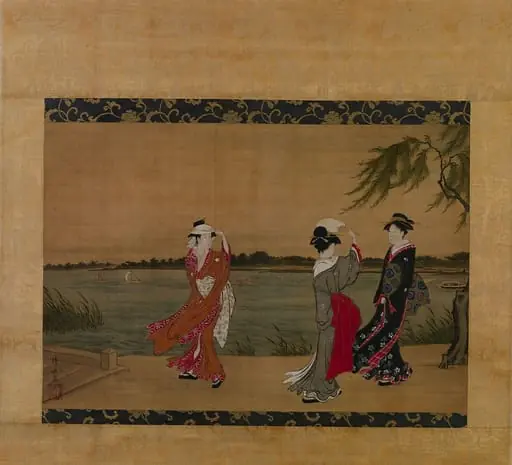 Untitled
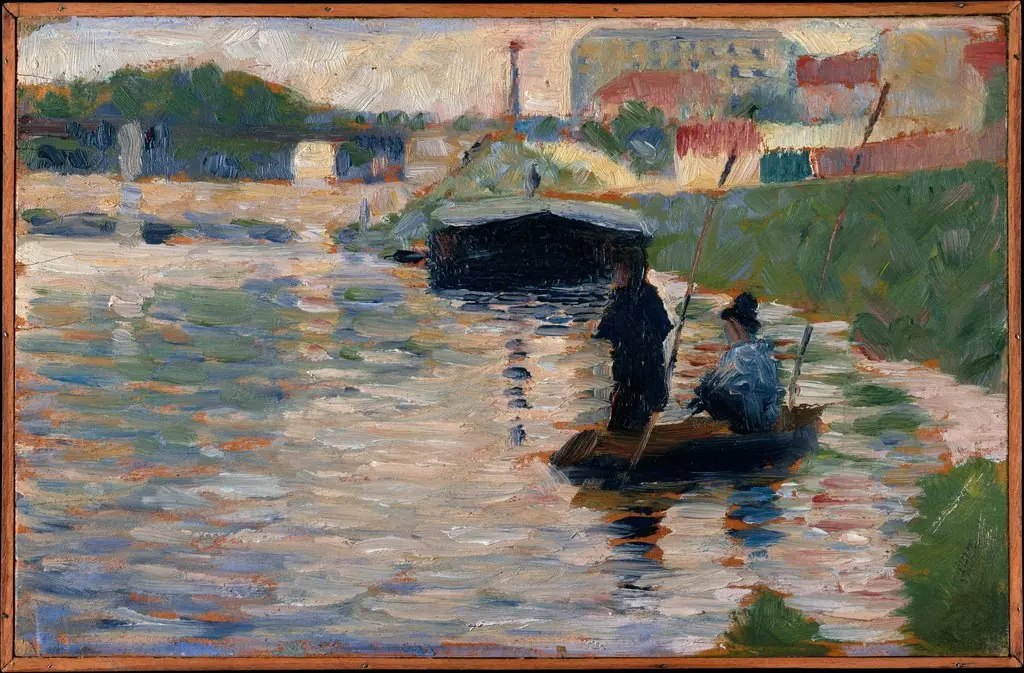 View of the Seine
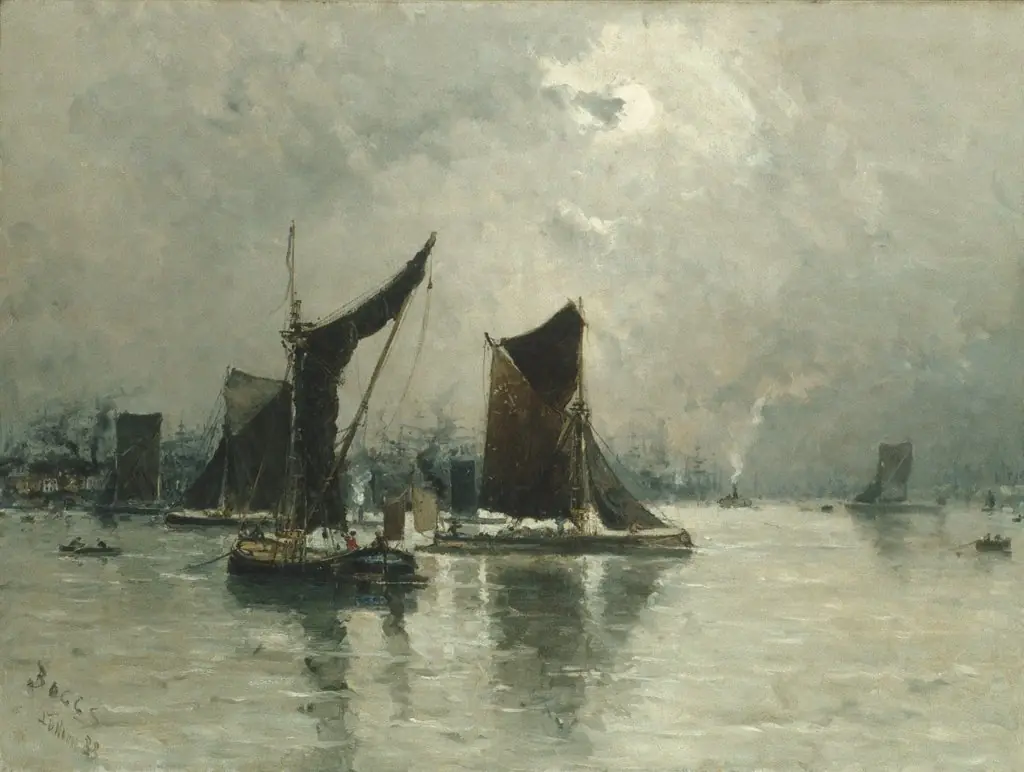 On the Thames
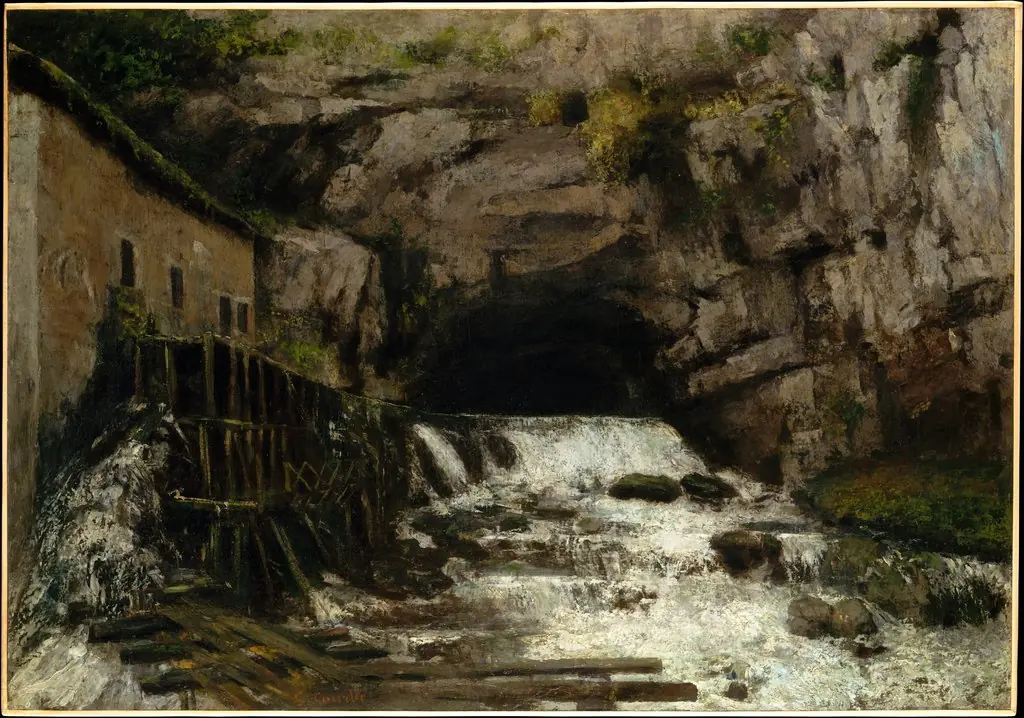 The Source of the Loue
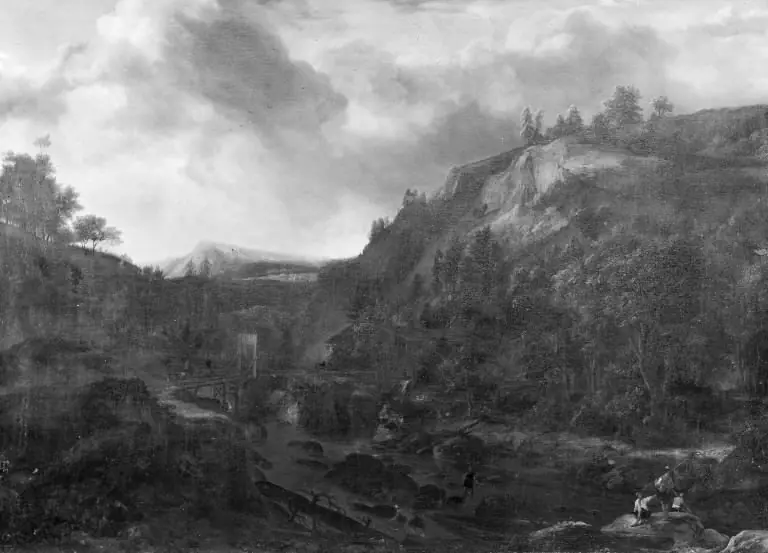 Mountain Scenery with a River
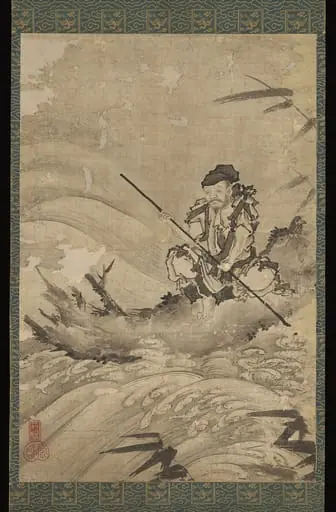 張騫図|The Chinese Explorer Zhang Qian on a Raft
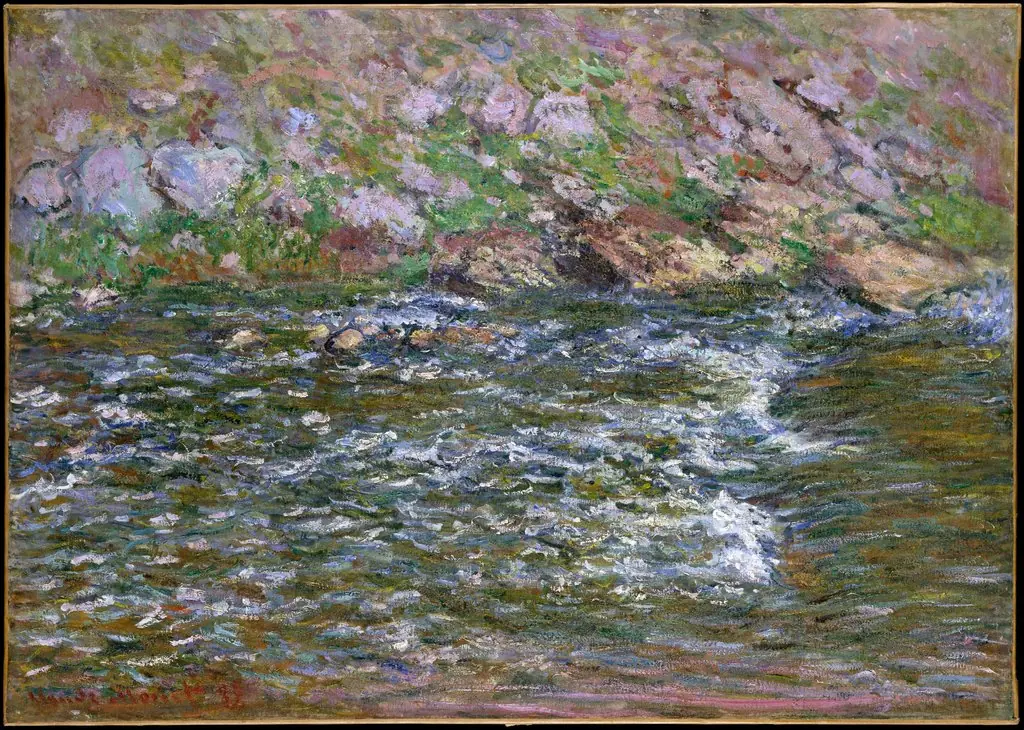 Rapids on the Petite Creuse at Fresselines
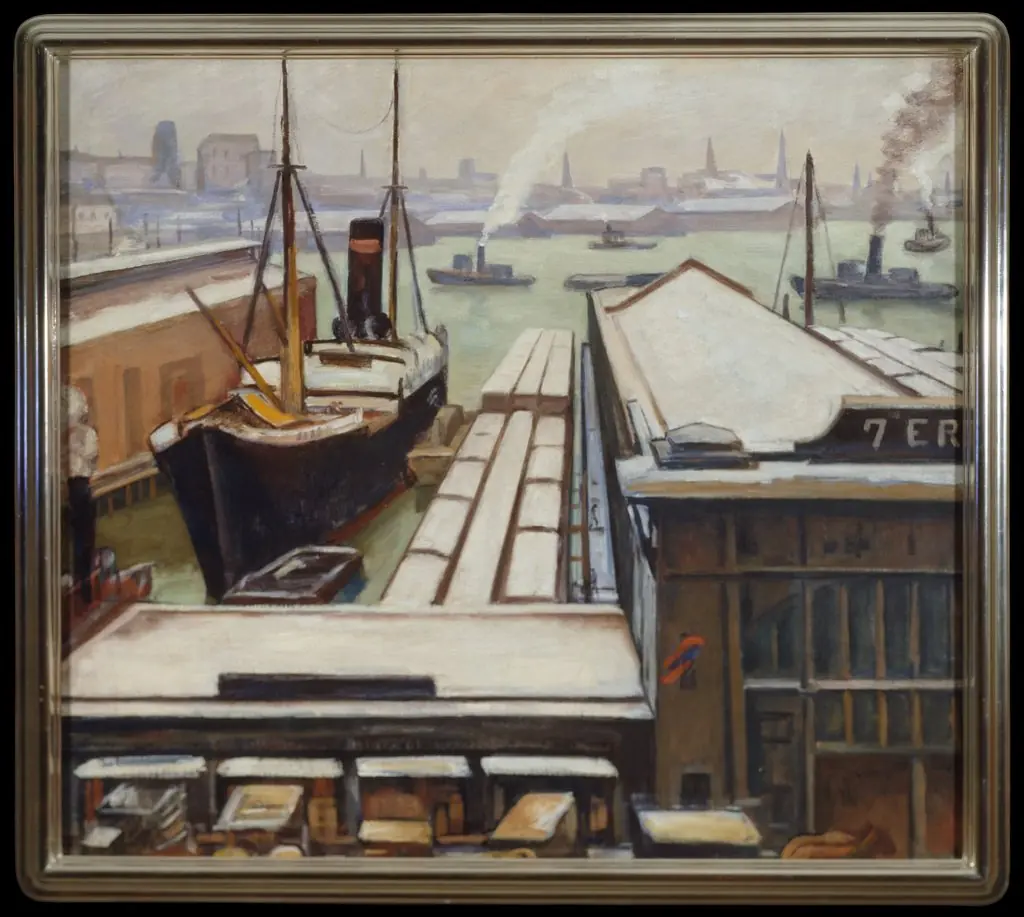 East River
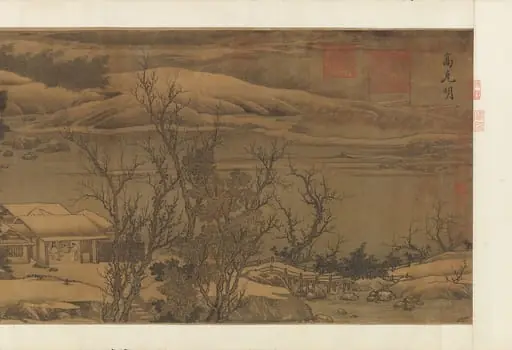 南宋 傳 劉松年 溪山雪意圖 卷|Snowy landscape with rustic riverside retreat
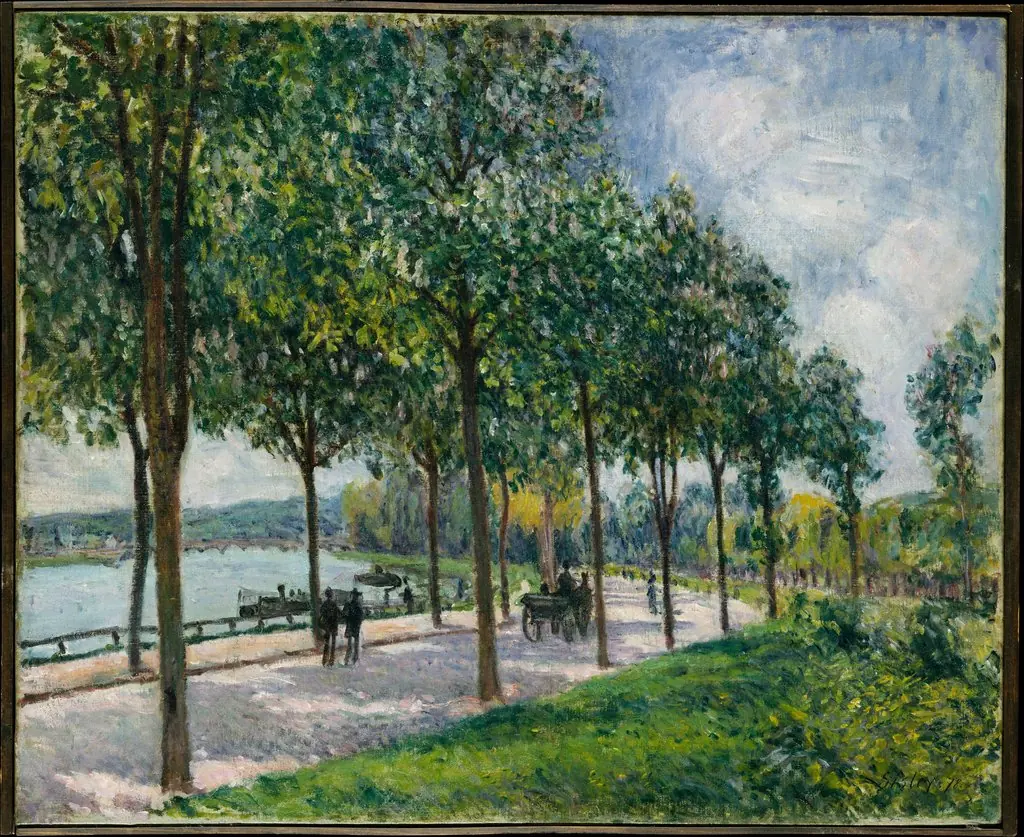 Allée of Chestnut Trees
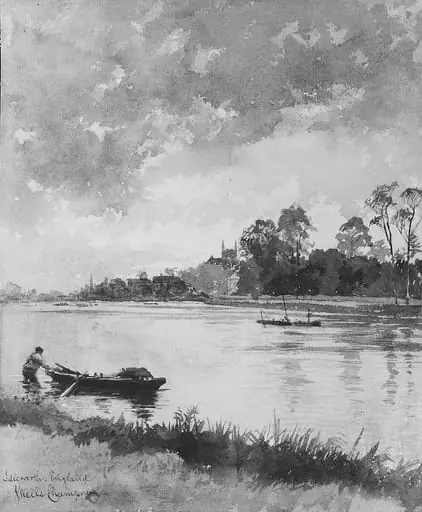 River Scene in England
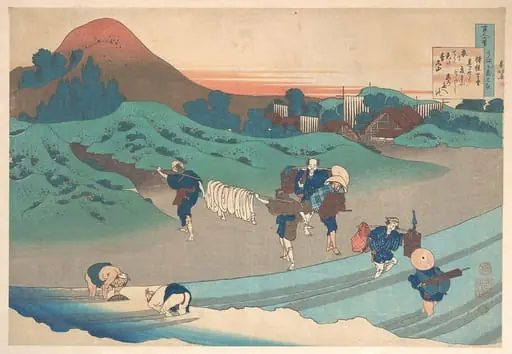 百人一首 うはかゑとき 持統天皇|Poem by Jitō Tenno (Empress Jitō), from the series One Hundred Poems Explained by the Nurse (Hyakunin isshu uba ga etoki)
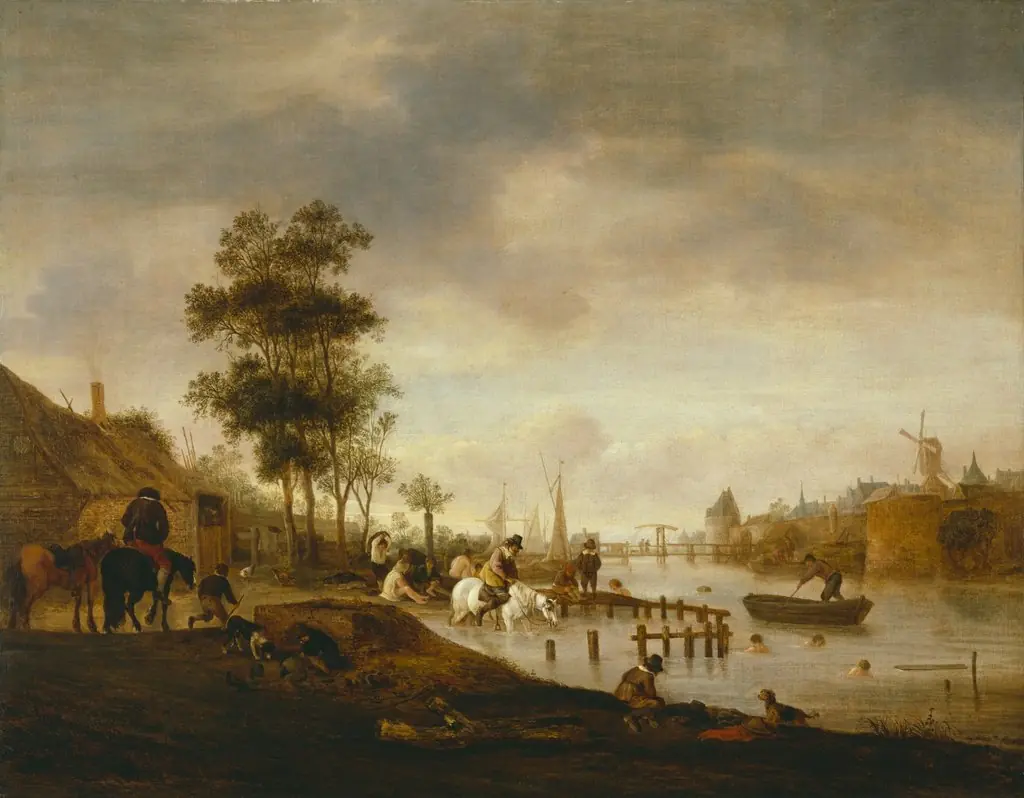 River Landscape with Swimmers
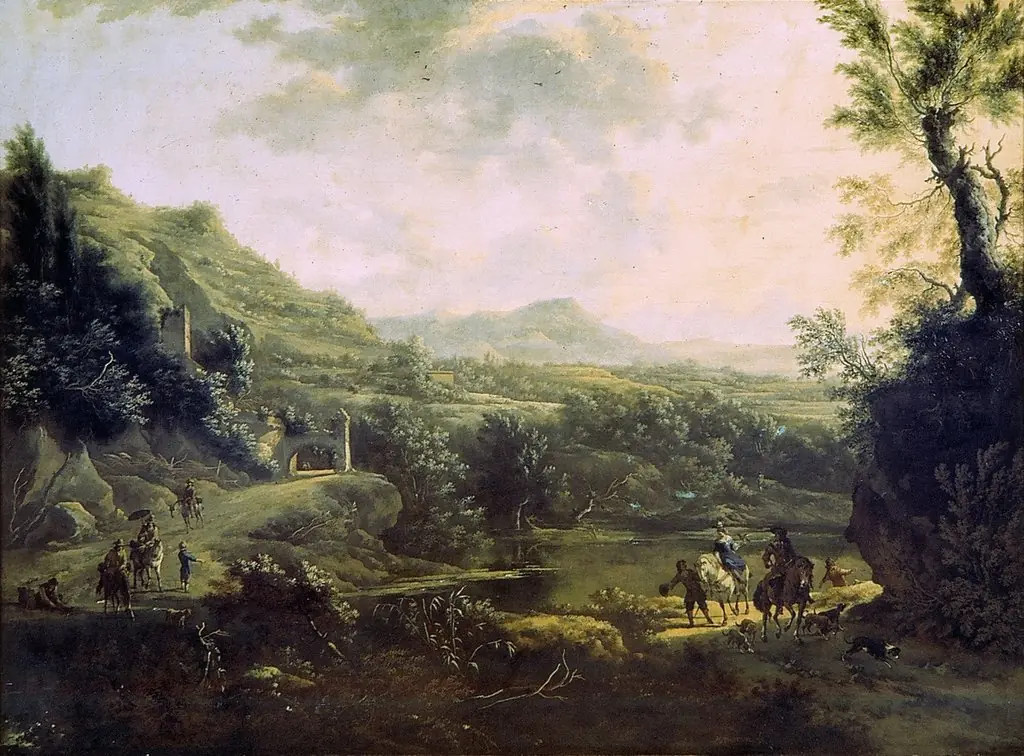 Italian landscape with fortress on the rocks
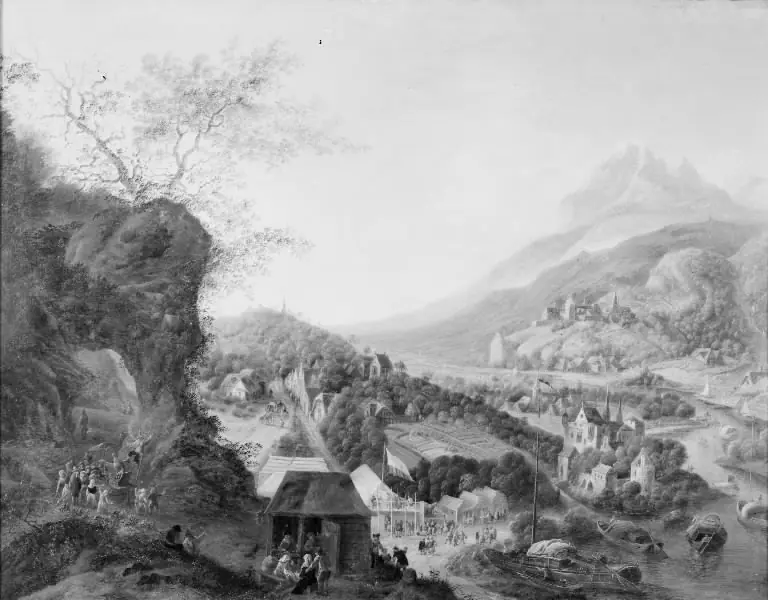 Mountain Scenery with River
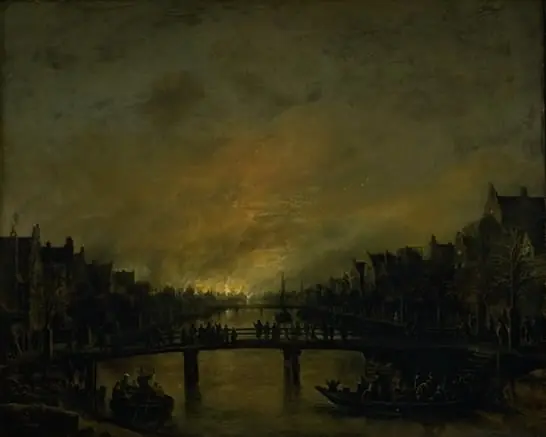 Fire at Amsterdam by Night
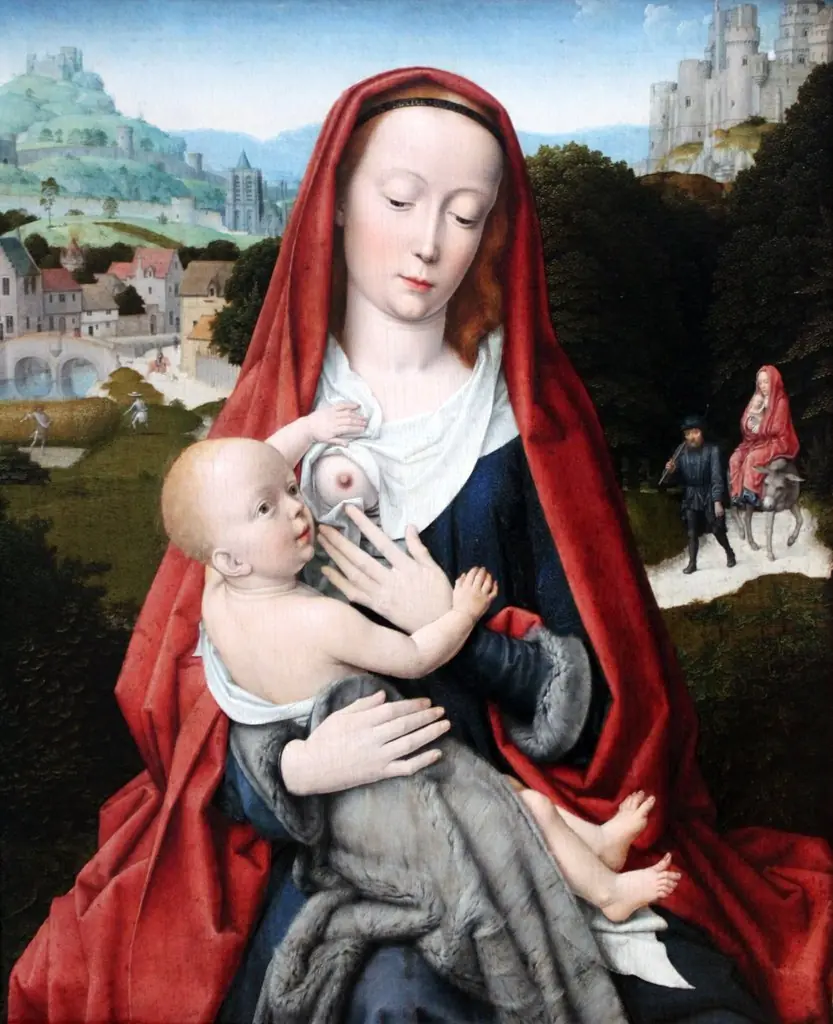 Madonna and Child
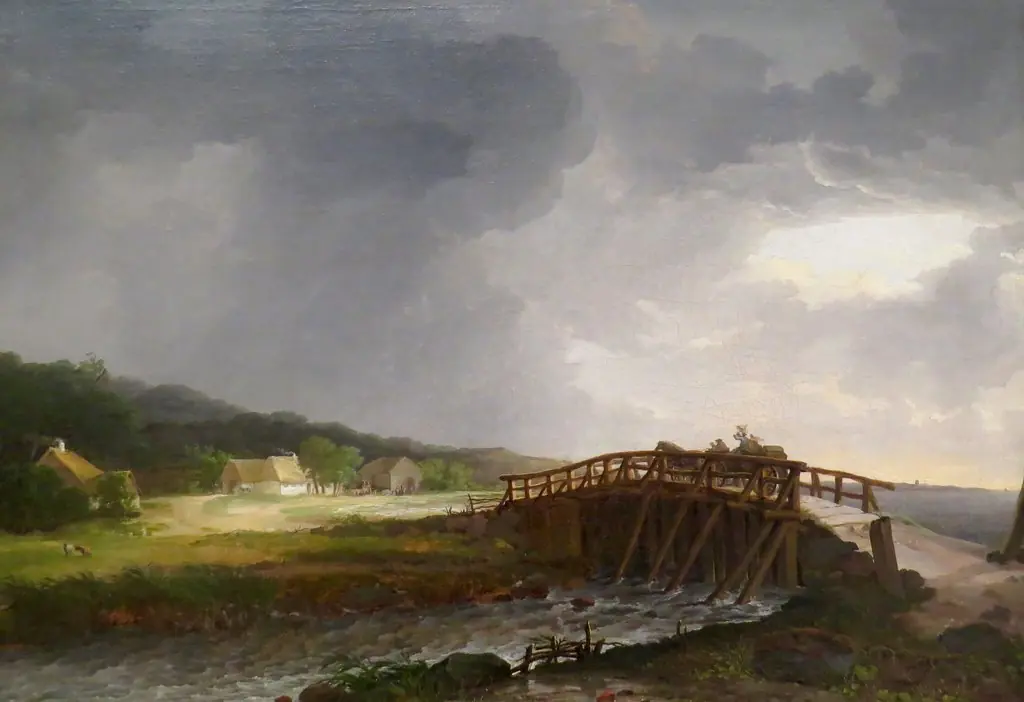 The Bridge across Tryggevælde River with a View of Køge, Zealand
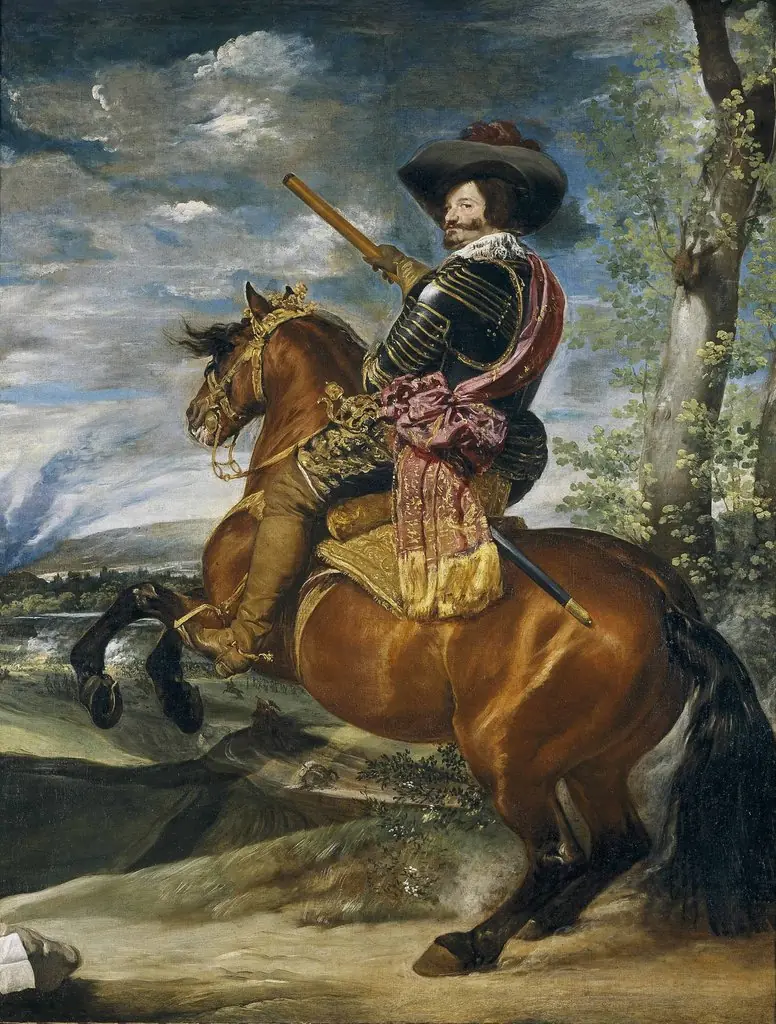 Equestrian Portrait of the Count-Duke of Olivares
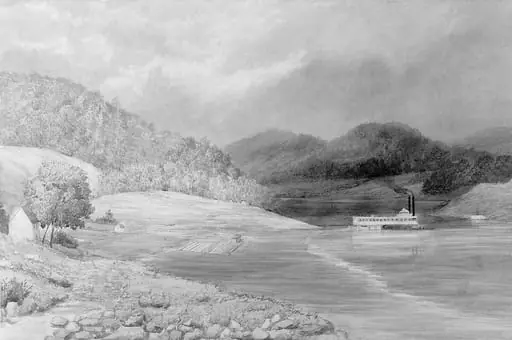 The Ohio River near Wheeling, West Virginia
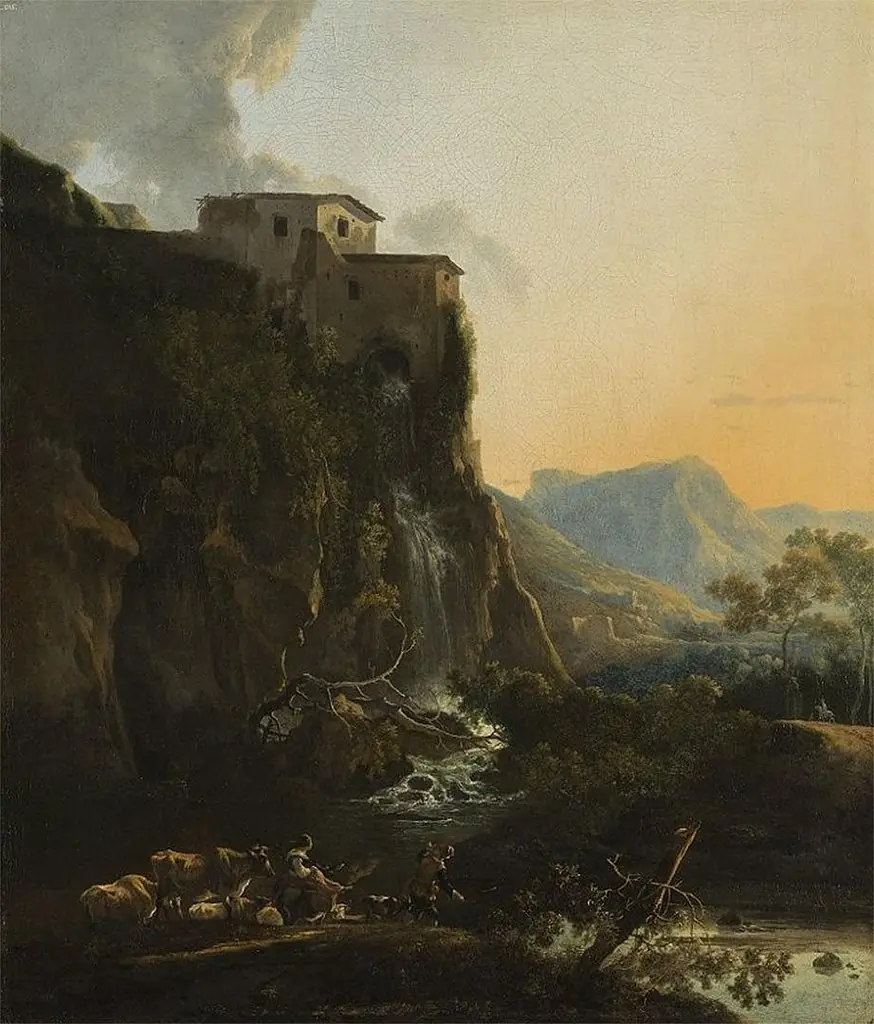 Mountainous Landscape
Frequently asked questions
What is River?
River is a subject in art. A river is a natural stream of fresh water that flows on land or inside caves towards another body of water at a lower elevation, such as an ocean, lake, or another river.
How many River works does Artifact World Gallery have?
Artifact World Gallery holds 200 public-domain River works, all free to view and download.
Who are the key River artists?
Key River artists in the collection include Thomas Eakins, Jean Baptiste Camille Corot and Thomas Cole.
Where can I see River works?
River works in the collection are held by Metropolitan Museum of Art, National Library of Wales and Statens Museum for Kunst.