Artwork
Don Francisco Fernández de Córdoba y Mendoza
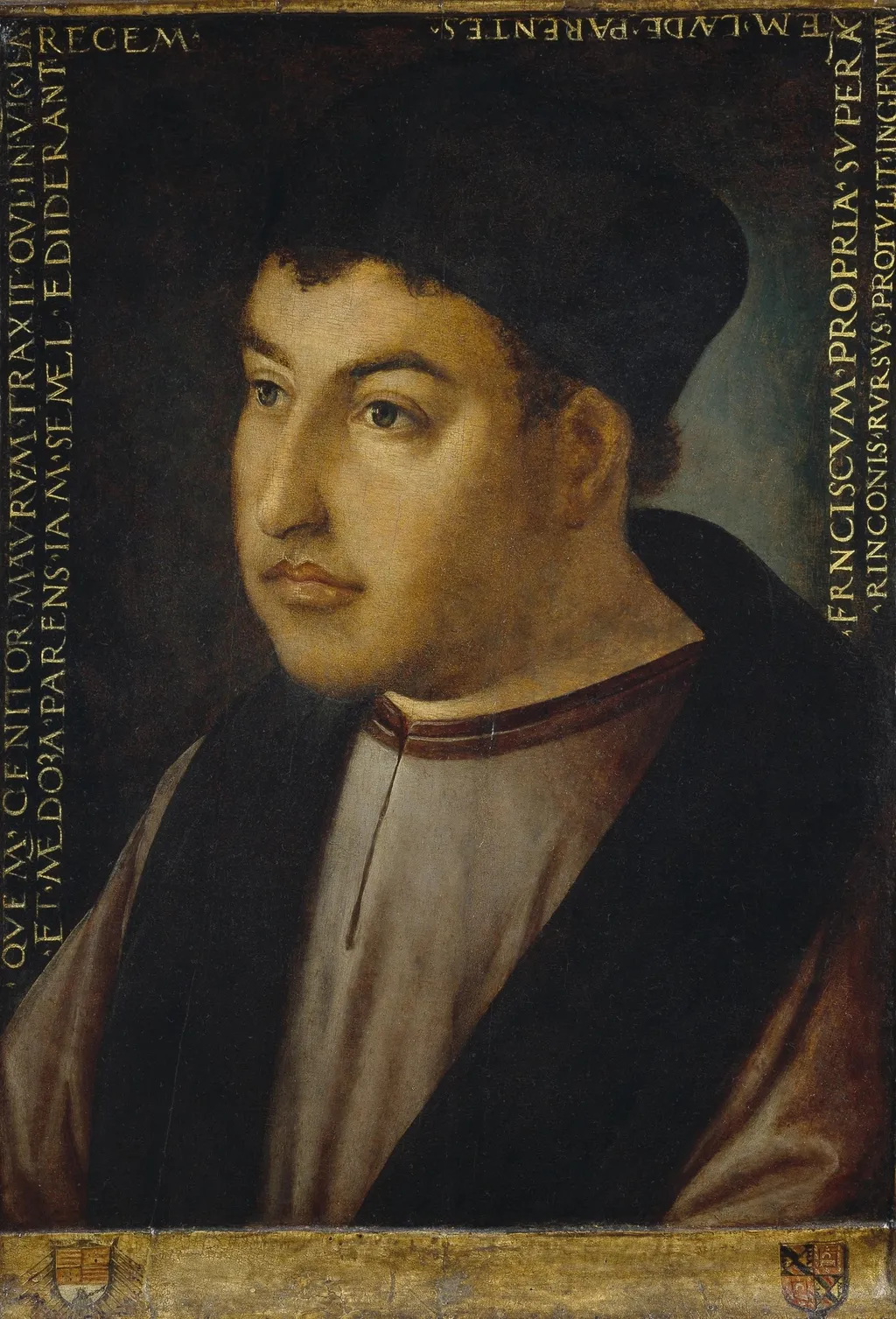
Don Francisco Fernández de Córdoba y Mendoza is an oil painting by the High Renaissance artist Fernando del Rincón. It dates from 1520 and is held in the collection of the Museo del Prado.
About this work
Subject & Meaning
Rendered in oil on canvas, the work measures 51 cm by 40 cm and was created by Fernando del Rincón in 1520, now housed in the Museo del Prado.
The portrait shows Francisco Mendoza, a nobleman of the Spanish aristocracy, distinguished by his elaborate attire and the prominent display of his family coat of arms. The composition emphasizes his status and lineage, reflecting the importance of heraldry in 16th‑century portraiture. Rendered in oil on canvas, the work measures 51 cm by 40 cm and was created by Fernando del Rincón in 1520, now housed in the Museo del Prado.
Technique & Style
The work is an oil painting on canvas, created in 1520 by Fernando del Rincón. It portrays Francisco Mendoza, displaying his coat of arms, and measures 51 centimeters in height by 40 centimeters in width. The piece belongs to the portrait genre and is housed in the Museo del Prado collection.
History & Provenance
The portrait of Don Francisco Fernández de Córdoba y Mendoza was created in 1520 by the artist Fernando del Rincón. Executed in oil paint on canvas, the work measures 51 cm in height and 40 cm in width. The painting depicts Francisco Mendoza alongside his coat of arms. It is currently held in the collection of the Museo del Prado.
The portrait of Don Francisco Fernández de Córdoba y Mendoza is held in the collection of the Museo del Prado. While specific accession numbers are not provided in the available records, the work is cataloged as a painting by Fernando del Rincón depicting Francisco Mendoza with a coat of arms. The piece, executed in oil on canvas in 1520, measures 51 cm in height and 40 cm in width. No exhibition history is documented in the provided sources.
Overview
Don Francisco Fernández de Córdoba y Mendoza is a portrait painted in oil by Fernando del Rincón, dated to 1520. The work portrays a somber figure, identified as Francisco Mendoza, set against a plain black background, with notable details including a coat of arms and faded Latin inscriptions on the frame.
Context
Painted during the early 16th century, this work reflects the artistic influences of its time, blending traditional representations of nobility with the emerging techniques of the Renaissance, such as chiaroscuro.
Legacy
While specific impacts or widespread recognitions of this piece are not prominently documented, it contributes to the broader understanding of 16th-century portraiture and the artistic practices of Fernando del Rincón during this period.
Own this work as a print
Artist & collection
Artist
Fernando del Rincón had a habit of painting people exactly as they were, no flattery, no fuss.

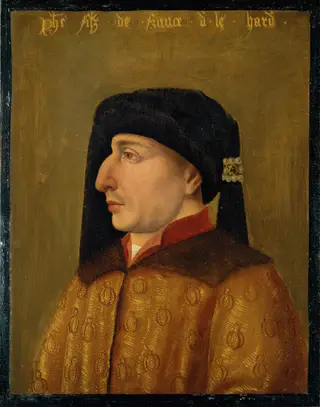 Herzog Philipp der Kühne (1342-1404) von Burgund im Profil
![Monk Saint [?] with a Model of a Church, by Bartolomeo degli Erri](https://artifactworldgallery.com/img/bartolomeo-degli-erri--monk-saint-with-a-model-of-a-church--737af76ce54f07ee-w320.webp) Monk Saint [?] with a Model of a Church
Monk Saint [?] with a Model of a Church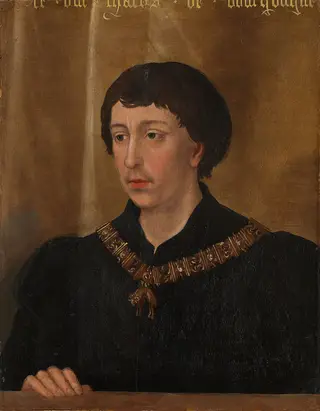 Herzog Karl der Kühne (1433-1477) von Burgund
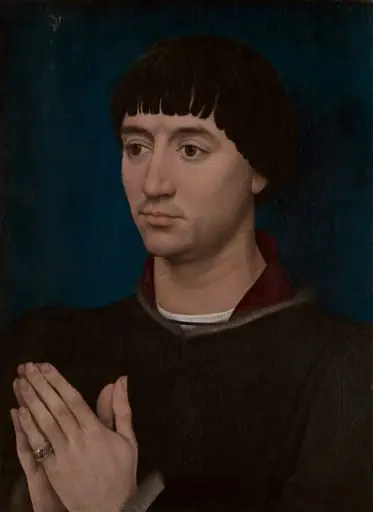 Portrait of Jean Gros (recto); Coat of Arms of Jean Gros (verso)
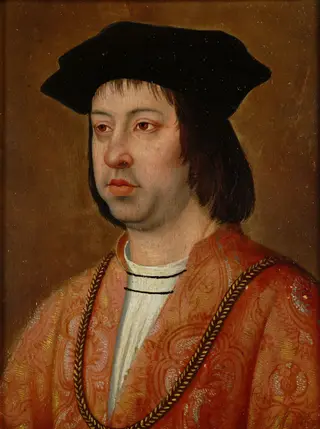 König Ferdinand II. (1452-1516) von Aragon
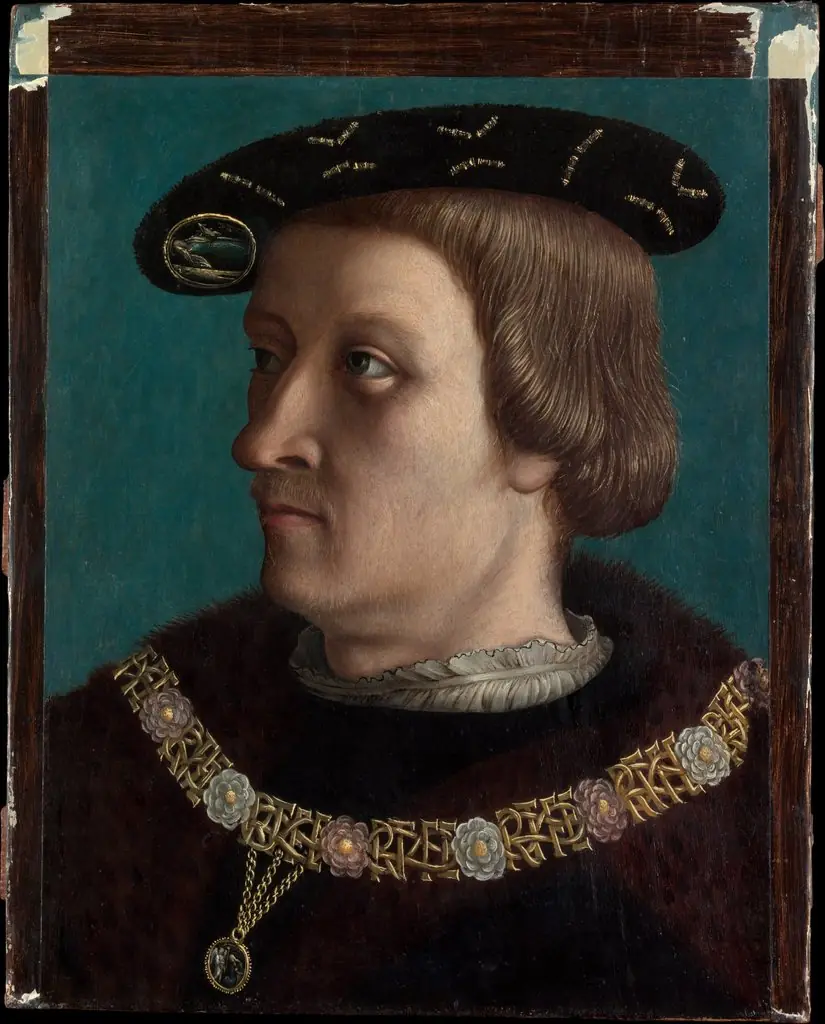 Portrait of a Man Wearing the Order of the Annunziata of Savoy
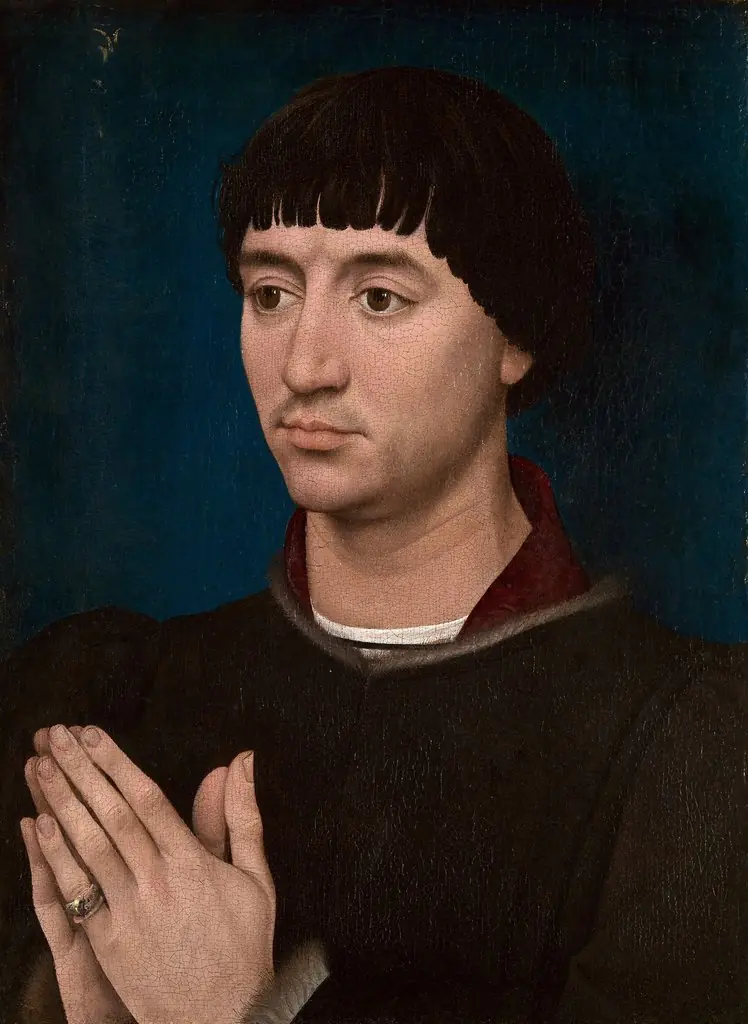 Portrait of Jean Gros
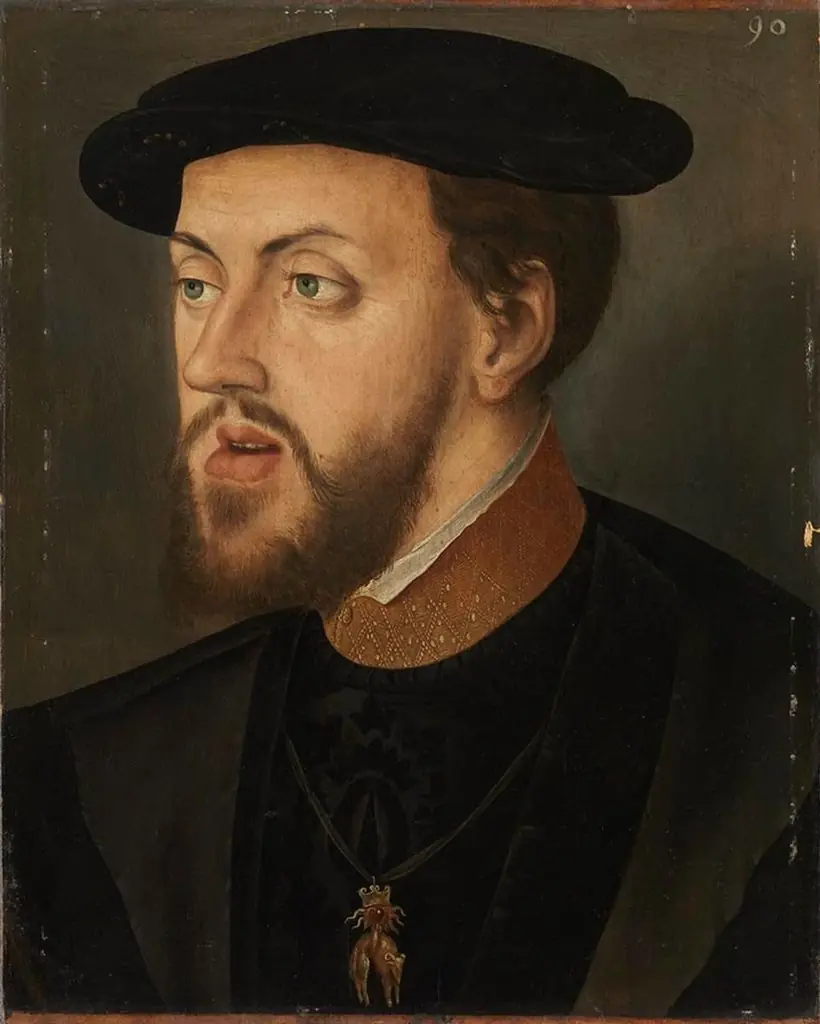 Emperor Charles V
 Philip the Good
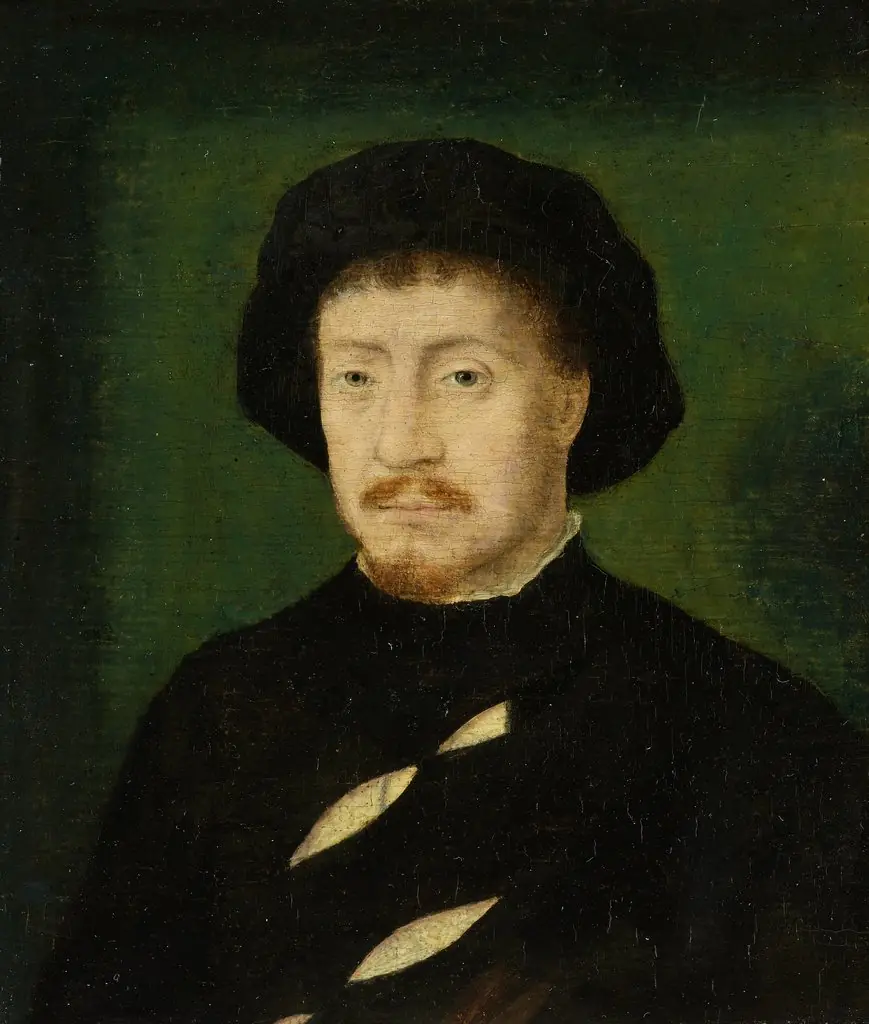 Portrait of a Man
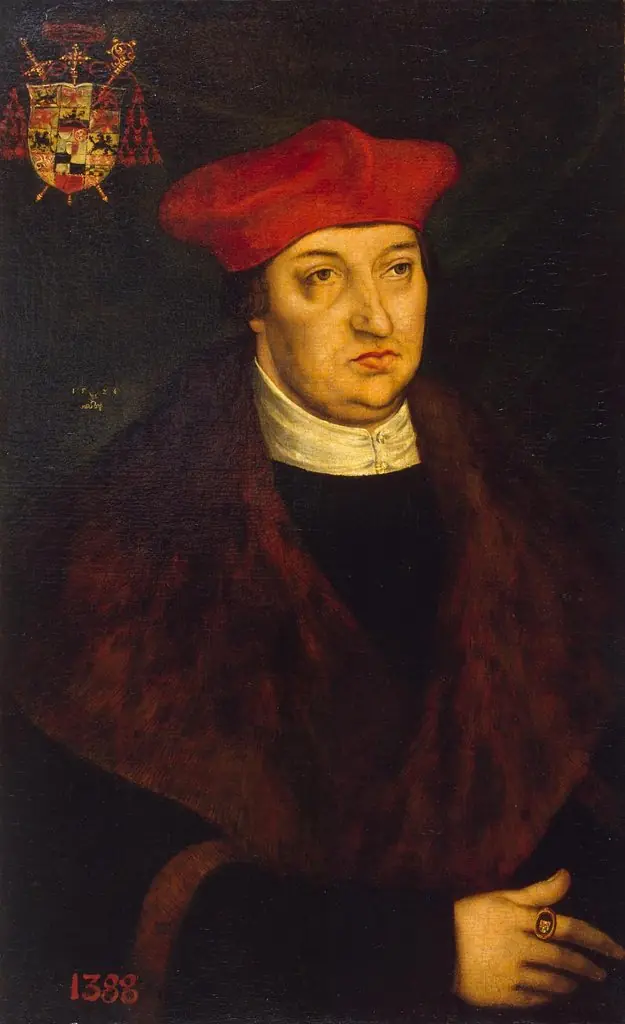 Portrait of Cardinal Albert of Brandenburg
- Portrait of Francisco de los Cobos y Molina
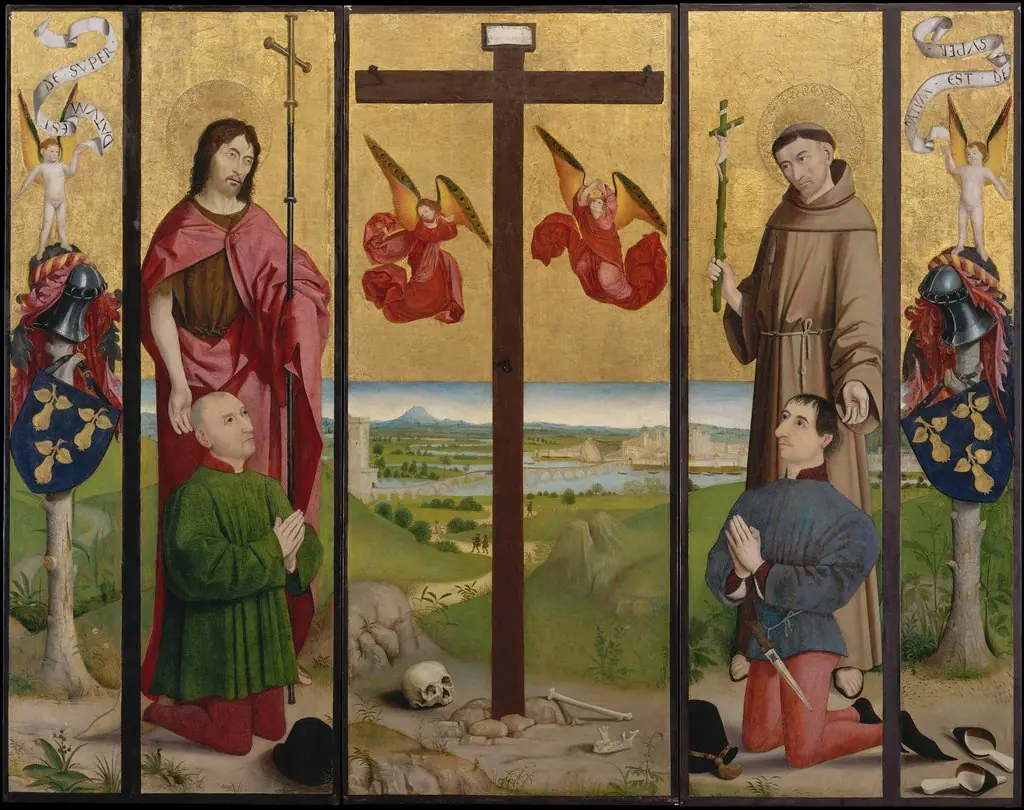 The Pérussis Altarpiece
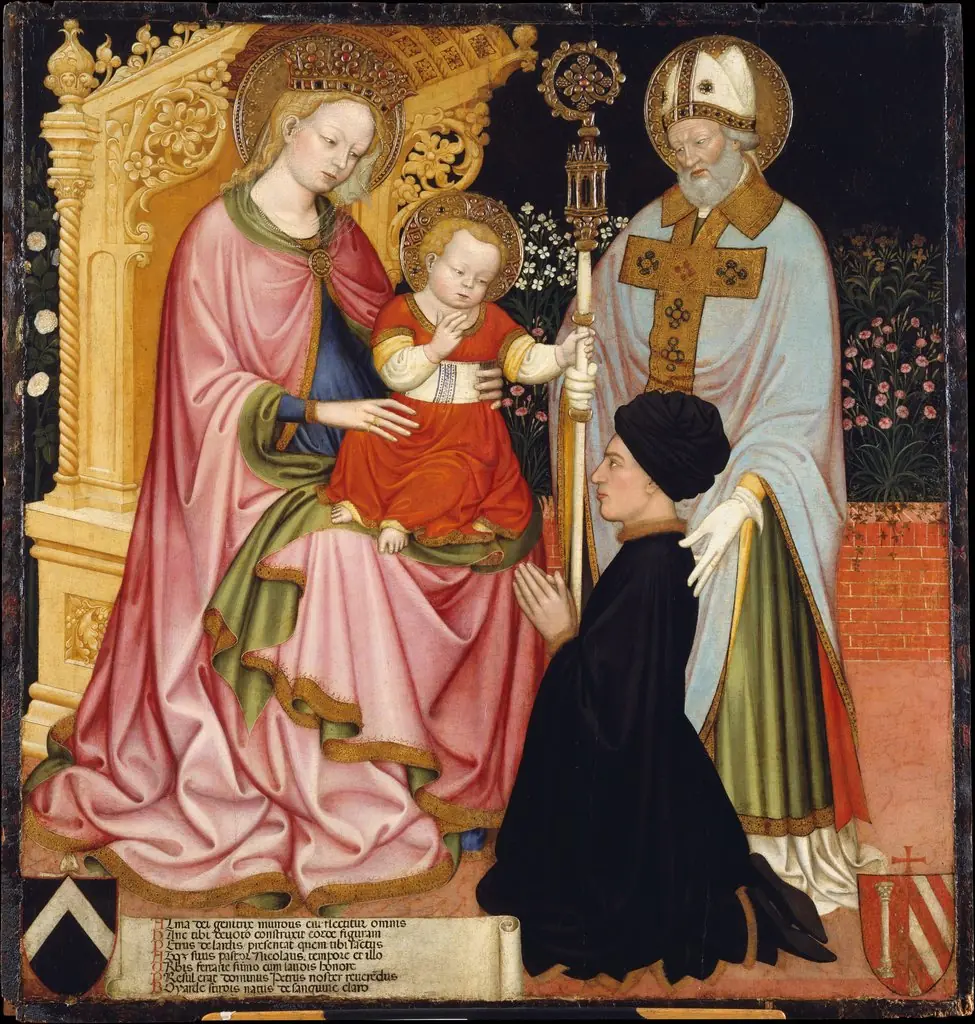 Madonna and Child with the Donor, Pietro de' Lardi, Presented by Saint Nicholas
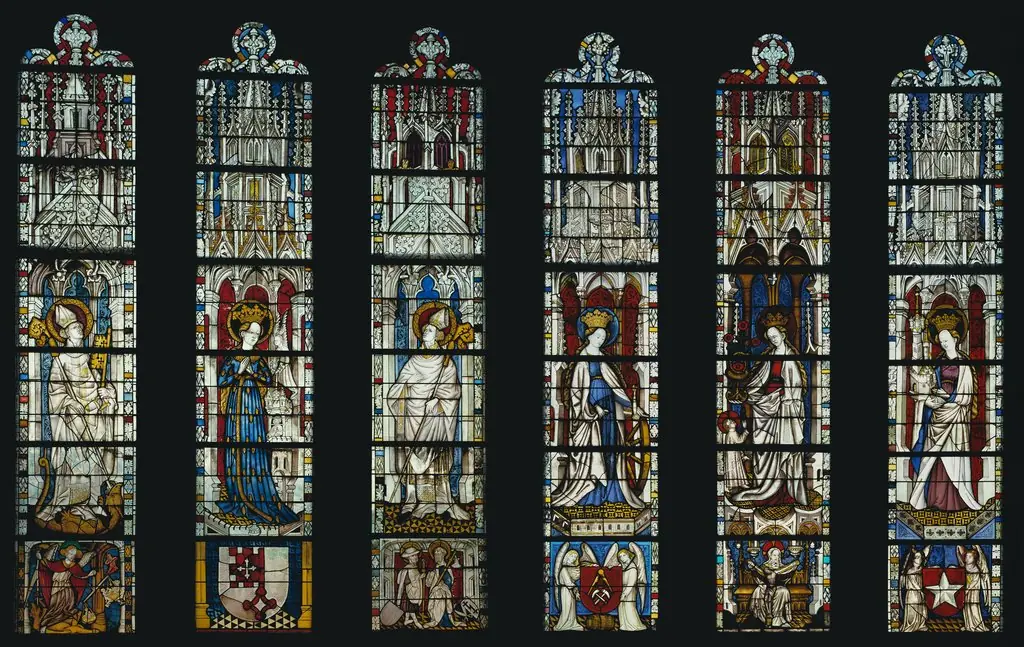 The Virgin Mary and Five Standing Saints above Predella Panels
 Portrait of a Woman, possibly Ginevra d'Antonio Lupari Gozzadini
 The Seven Sacraments
 Portrait of a Woman Holding a Book
 An Artist Painting a Heraldic Shield in a Cabinet of Curiosities
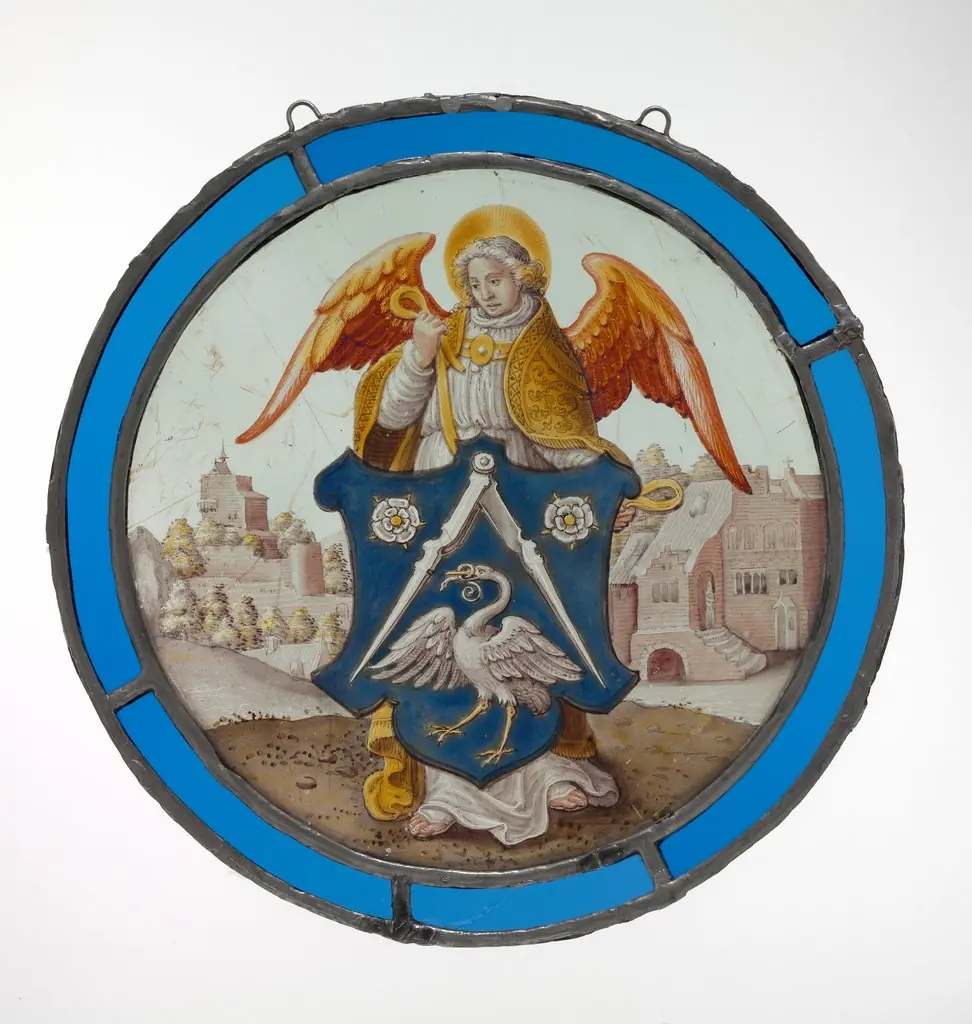 Angel Supporting a Heraldic Shield