Artwork
Roma Caves, Granada
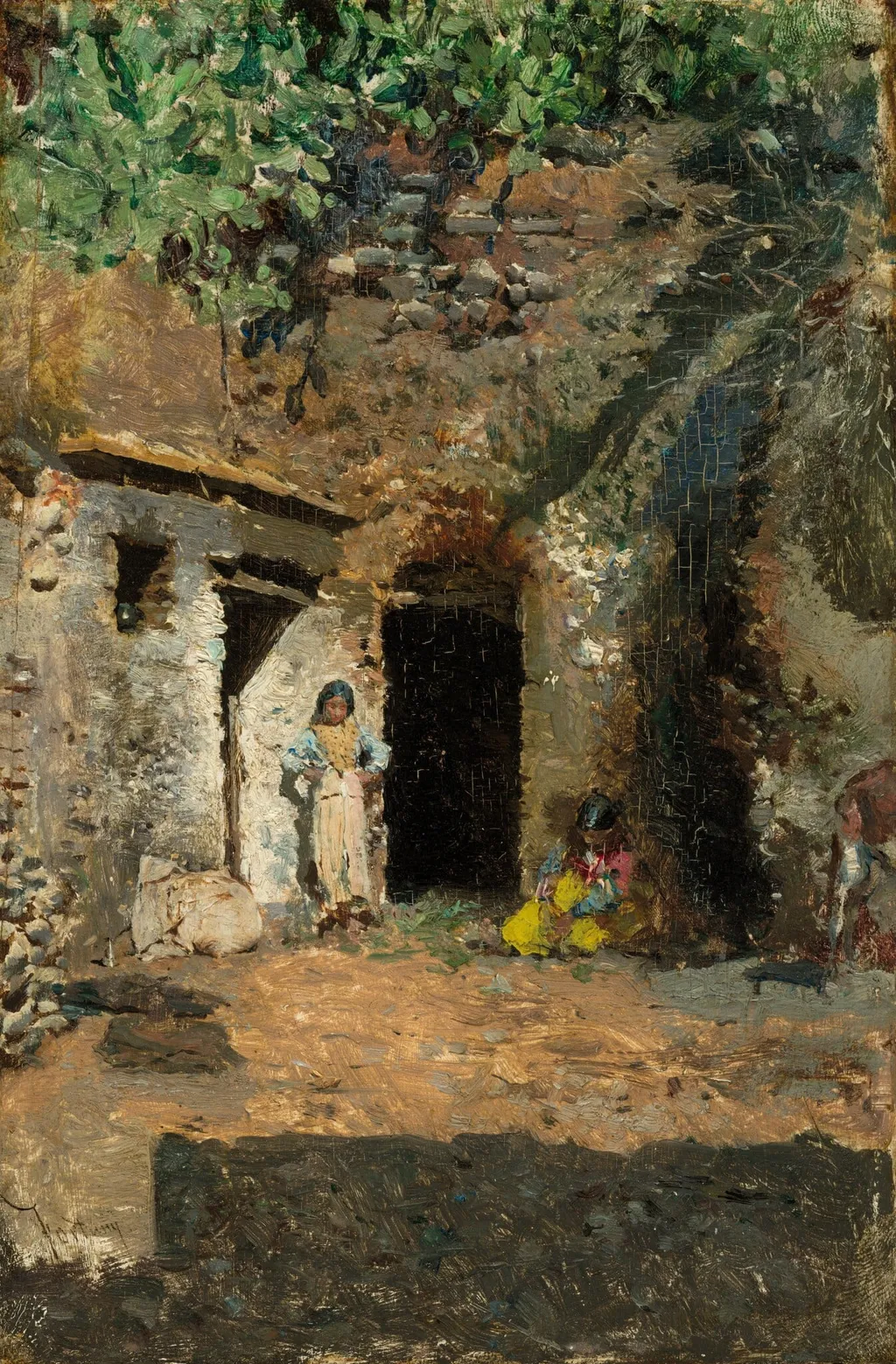
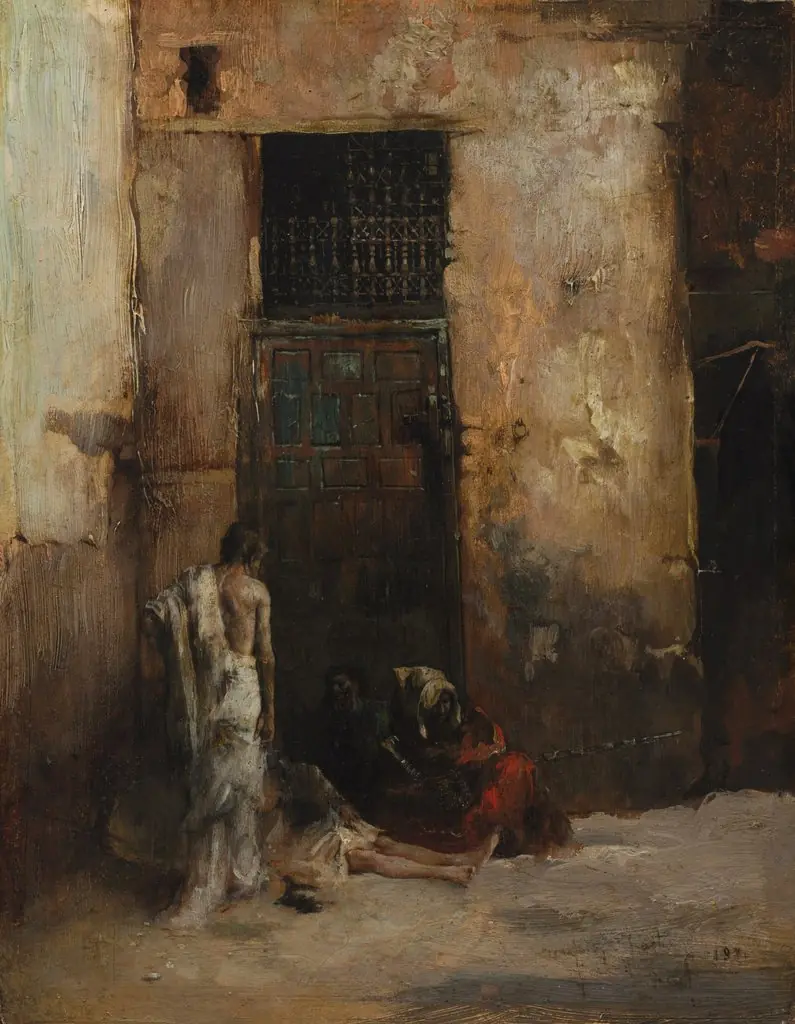
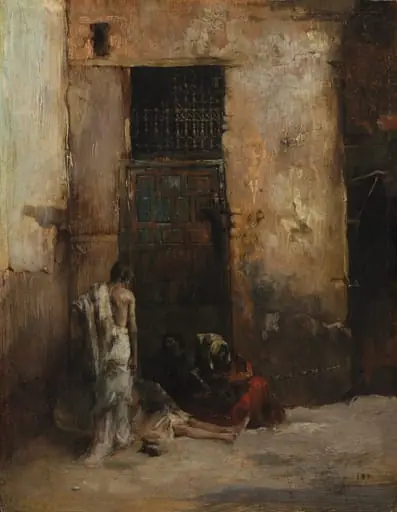
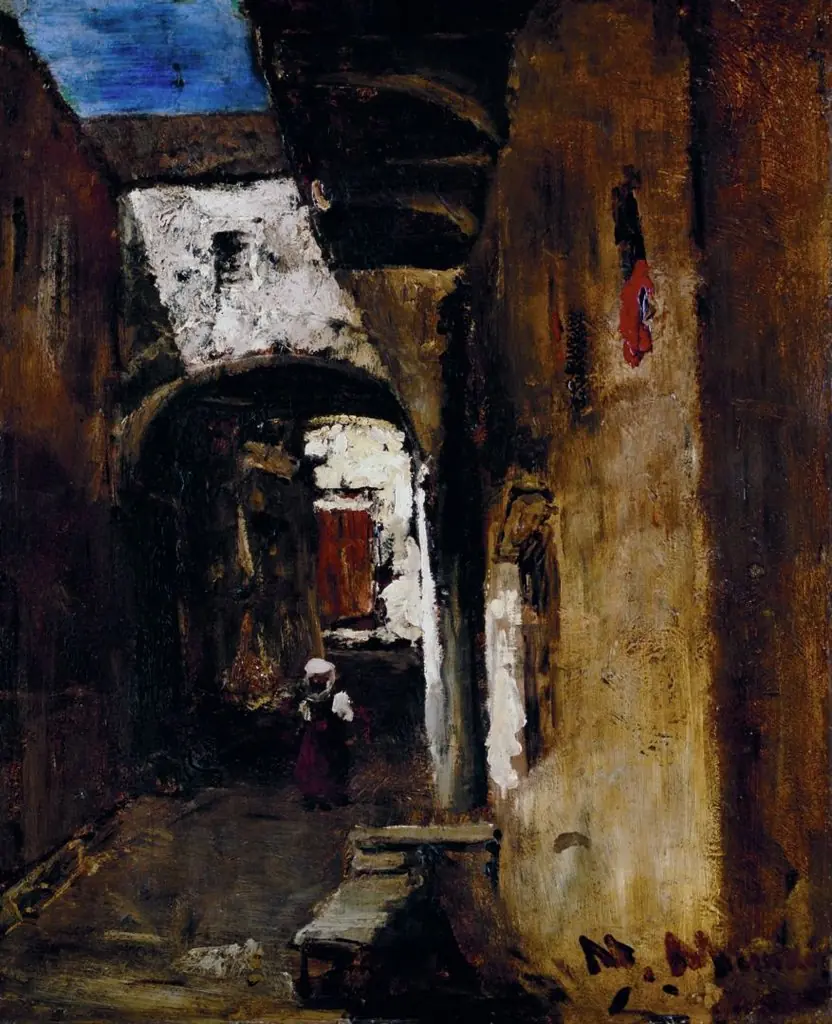
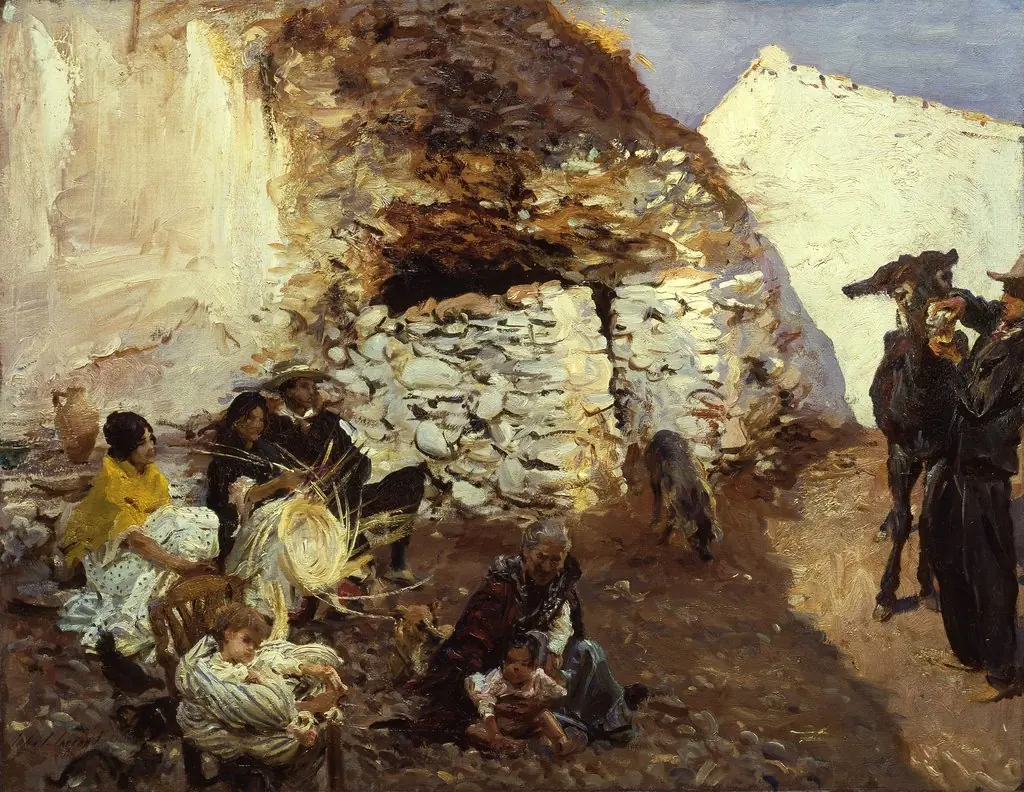
Roma Caves, Granada is an oil painting by the Impressionist artist Mariano Fortuny Marsal. It dates from 1871 and is held in the collection of the National Gallery of Art.
- Inscription
- Inscribed:lower left: Fortuny
About this work
Technique & Style
Executed in 1871, this work is an oil painting applied to a wood panel support. The composition measures 19.05 cm in height and 12.7 cm in width, indicating a small-scale format characteristic of the artist's detailed approach. As a classified painting, the piece utilizes traditional oil mediums to render its subject matter on the rigid wooden surface.
History & Provenance
The painting remained in that institution's holdings until 2016, when it was acquired by the National Gallery of Art.
Mariano Fortuny Marsal executed Roma Caves, Granada in 1871 as an oil painting on wood. Upon completion, the work remained in the artist's possession until his death in 1874. It subsequently entered the collection of William H. Stewart in New York.
Following Stewart's death, the painting was sold at his estate auction held by the American Art Association in New York on February 3–4, 1898, where it appeared as lot 80 on the second day.
William A. Clark of New York acquired the piece after the auction. Upon Clark's death, he bequeathed the artwork to the Corcoran Gallery of Art in Washington in April 1926. The painting remained in that institution's holdings until 2016, when it was acquired by the National Gallery of Art.
The painting is held by the National Gallery of Art, Washington, D.C., accessioned as part of the Corcoran Collection. It entered the Corcoran Gallery of Art in 1926 through the bequest of William A. Clark and was transferred to the National Gallery of Art in 2016. The work has not been identified in any major loan exhibition listings in the provided sources.
Context
Mariano Fortuny Marsal's 1871 oil painting Roma Caves, Granada entered the Corcoran Gallery of Art's collection through William H. Stewart's 1898 estate sale and William A. Clark's bequest in 1926; the National Gallery of Art acquired it in 2016. The work reflects Fortuny's Spanish heritage and Orientalist fascination with Moorish landscapes, situating it within 19th-century academic painting's engagement with exotic subjects.
Legacy
The painting's arrival at the Corcoran Gallery of Art through William A. Clark's bequest in 1926 cemented its institutional presence, while its subsequent acquisition by the National Gallery of Art in 2016 ensured continued public access. This trajectory reflects its recognized significance within Fortuny Marsal's oeuvre and the broader narrative of 19th-century Spanish-influenced painting in American collections.
Overview
Mariano Fortuny Marsal’s oil on wood, dated around 1871, depicts an interior cavern in Granada. The composition is anchored by a dimly lit, uneven floor and damp stone walls that recede into shadow. A woman in a pale dress stands toward the rear, clutching a small object, while a figure wrapped in a red cloth sits on the ground in the foreground. The overall atmosphere is one of quiet enclosure and muted illumination.
Subject & Meaning
The scene suggests a moment of contemplation within a secluded grotto, perhaps alluding to local legend or everyday life in the Andalusian countryside. The contrast between the woman’s light garment and the red‑clad figure may hint at themes of purity versus vitality, or the juxtaposition of the spiritual and the earthly within the cavern’s natural setting.
Own this work as a print
Artist & collection