Artwork
Montaigne Visiting Torquato Tasso in Prison
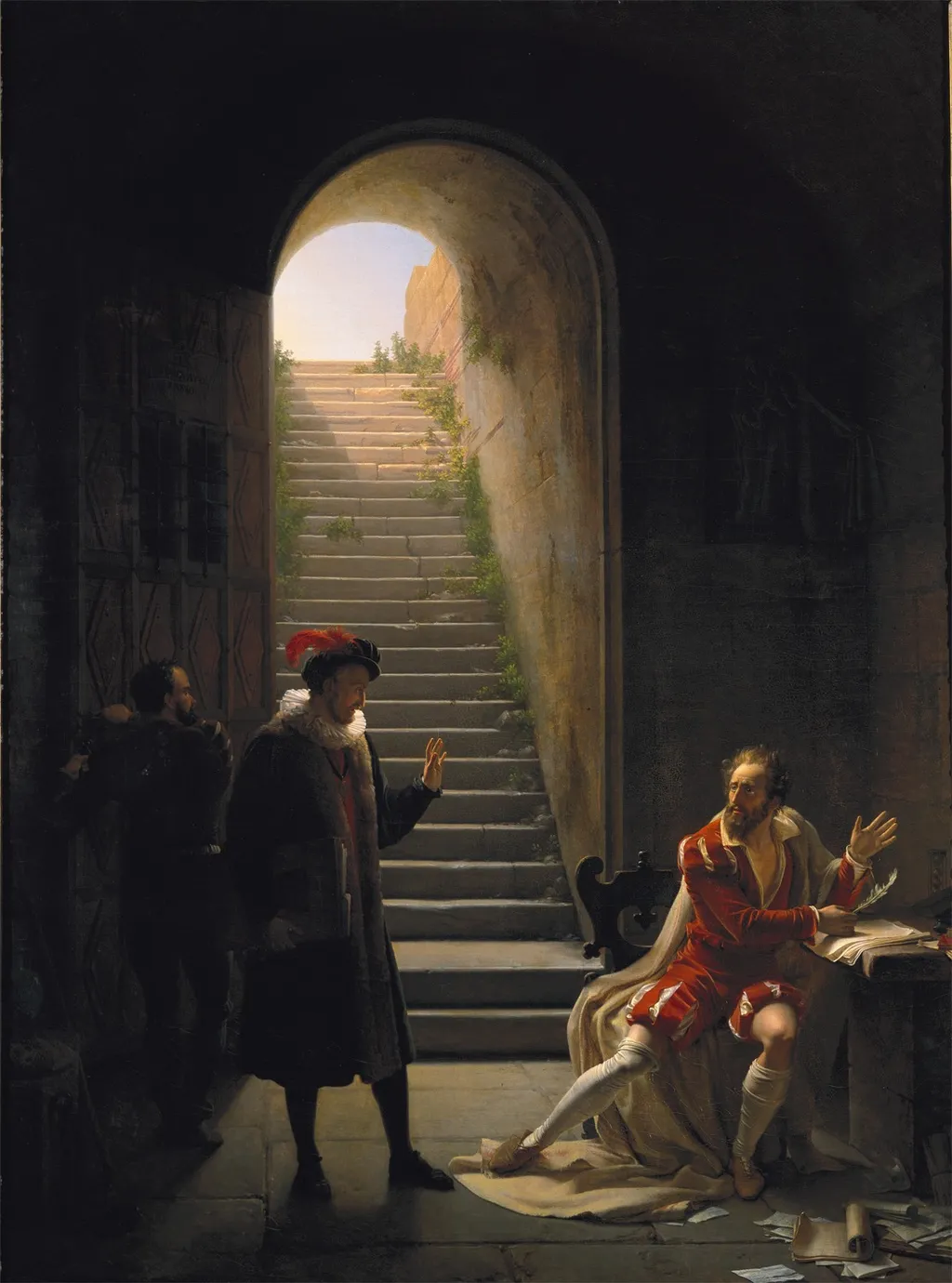
Montaigne Visiting Torquato Tasso in Prison is an oil painting by François Fleury-Richard. It dates from 1821 and is held in the collection of the Museum of Fine Arts of Lyon.
About this work
Overview
Fleury François Richard’s 1821 oil on canvas, titled Montaigne Visiting Torquato Tasso in Prison, depicts a historic encounter between the French essayist Michel de Montaigne and the Italian poet Torquato Tasso during Tasso’s confinement. The work entered the Museum of Fine Arts of Lyon in 1822 after being acquired at the behest of Lyon’s mayor, Baron Rambaud, and was first shown publicly at the Paris Salon of that year.
Subject & Meaning
The composition presents a dimly lit chamber where Tasso, seated at a desk, receives Montaigne, who stands opposite him. Both figures are captured in the act of gesturing, suggesting a dialogue that bridges literature, philosophy, and the experience of exile. The setting underscores the tension between intellectual exchange and the harsh realities of imprisonment.
Technique & Style
Richard employs a restrained palette of warm, muted tones, accentuated by a strong chiaroscuro effect. Light streams from an open doorway, illuminating the central figures while the surrounding stone walls recede into shadow, creating depth and a dramatic focus on the interaction. The careful handling of light and texture reflects the artist’s late‑career refinement.
History & Provenance
After its debut at the 1822 Paris Salon, the painting was promptly purchased for Lyon’s municipal collection at the request of Baron Rambaud, who served as mayor. It has remained in the Museum of Fine Arts of Lyon since its acquisition, forming part of the institution’s early‑19th‑century holdings.
Context
Created toward the end of Richard’s career, the work aligns with the Romantic fascination with historical and literary subjects, particularly the tragic figure of Tasso, whose life and confinement were popular themes in 19th‑century art and literature. The inclusion of Montaigne adds a French intellectual dimension, linking two prominent cultural figures across national borders.
Artist & collection
Artist
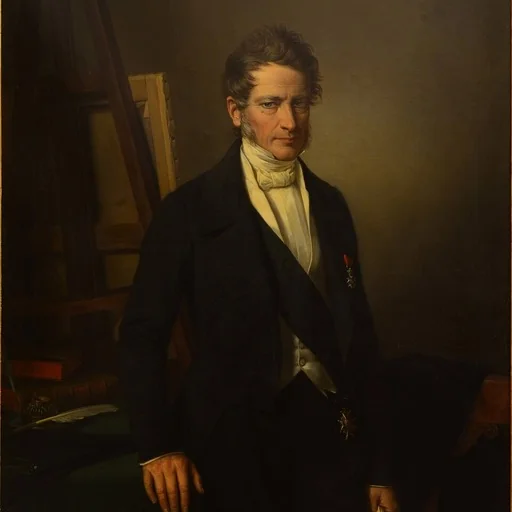
Fleury François Richard (25 February 1777, Lyon – 14 March 1852, Écully), sometimes called Fleury-Richard, was a French painter of the Lyon School.

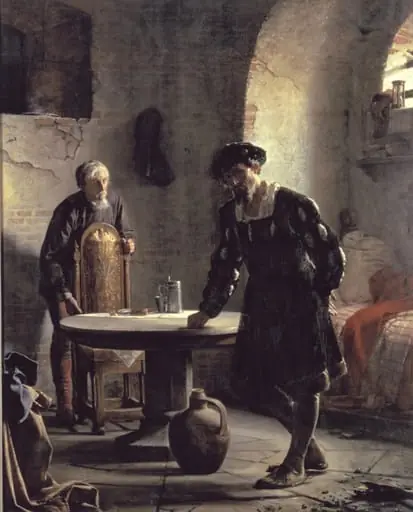
- King Christian II in Prison
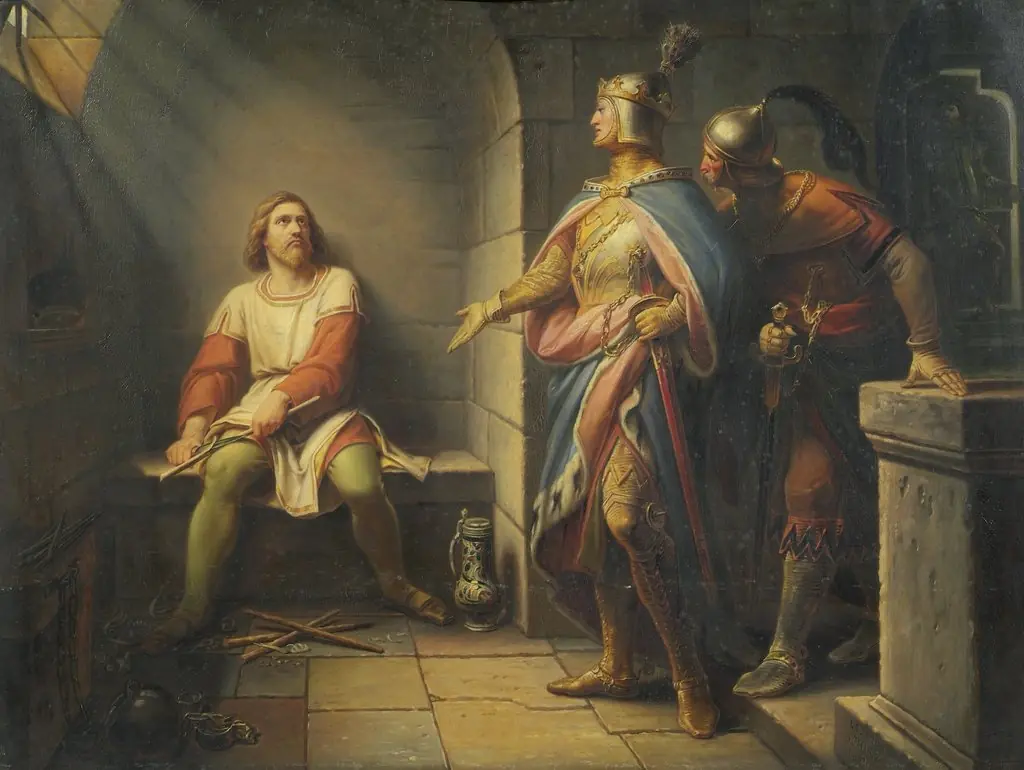 Ludwig der Bayer verkündet Friedrich dem Schönen 1314 seine Freilassung und bietet ihm die Mitregentschaft an
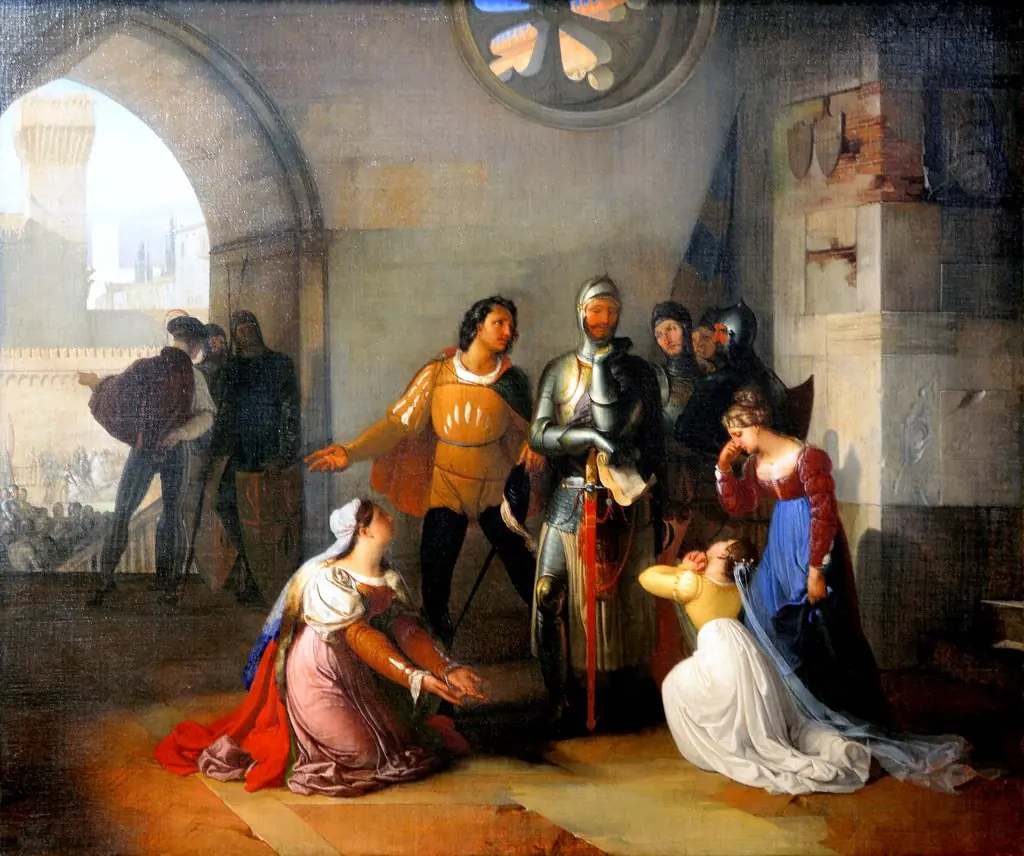 Pietro Rossi called to command the Venetian army
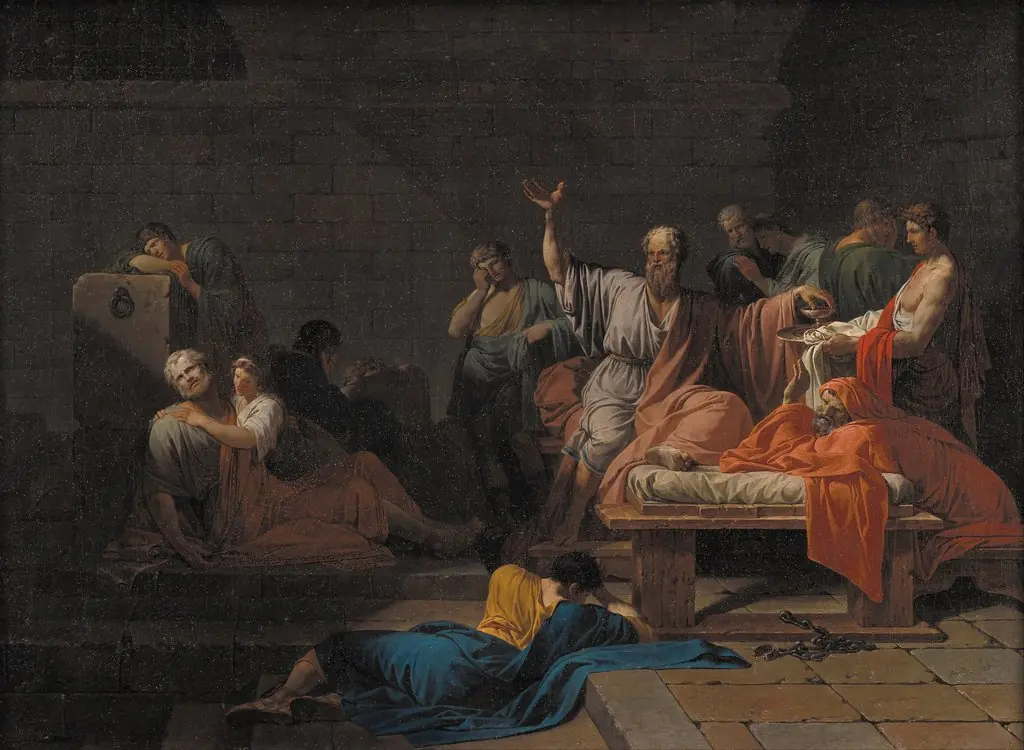 The Death of Socrates
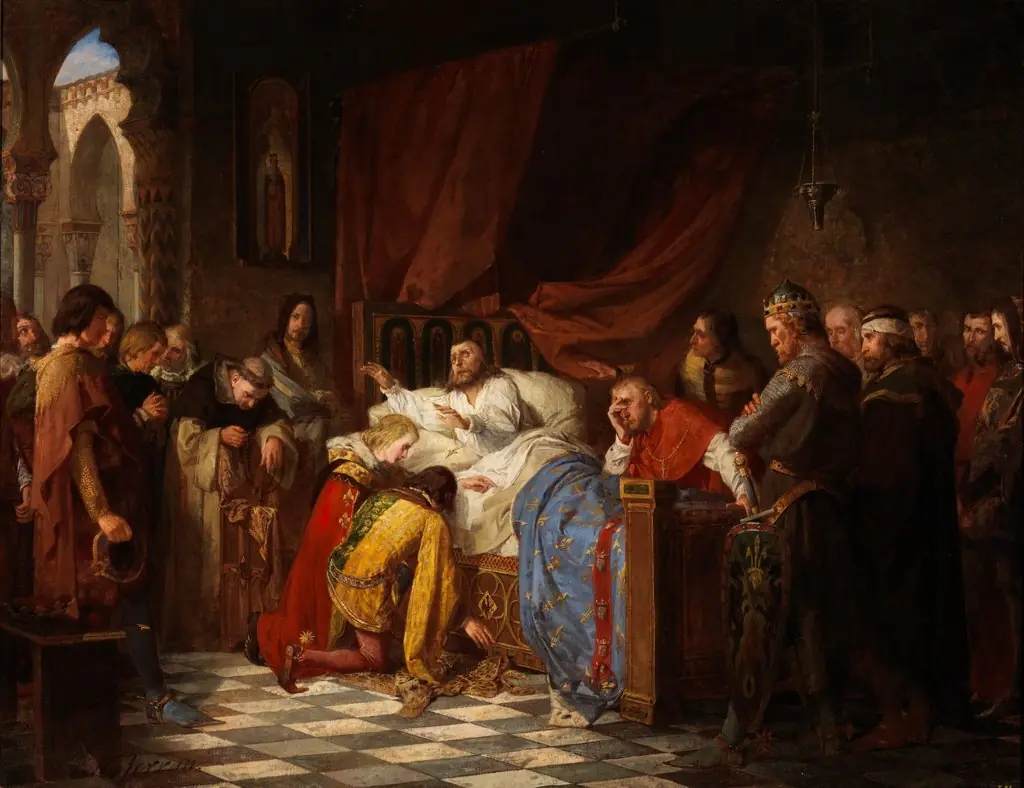 Felipe III de Francia moribundo bendiciendo a sus hijos
 The Death of Socrates
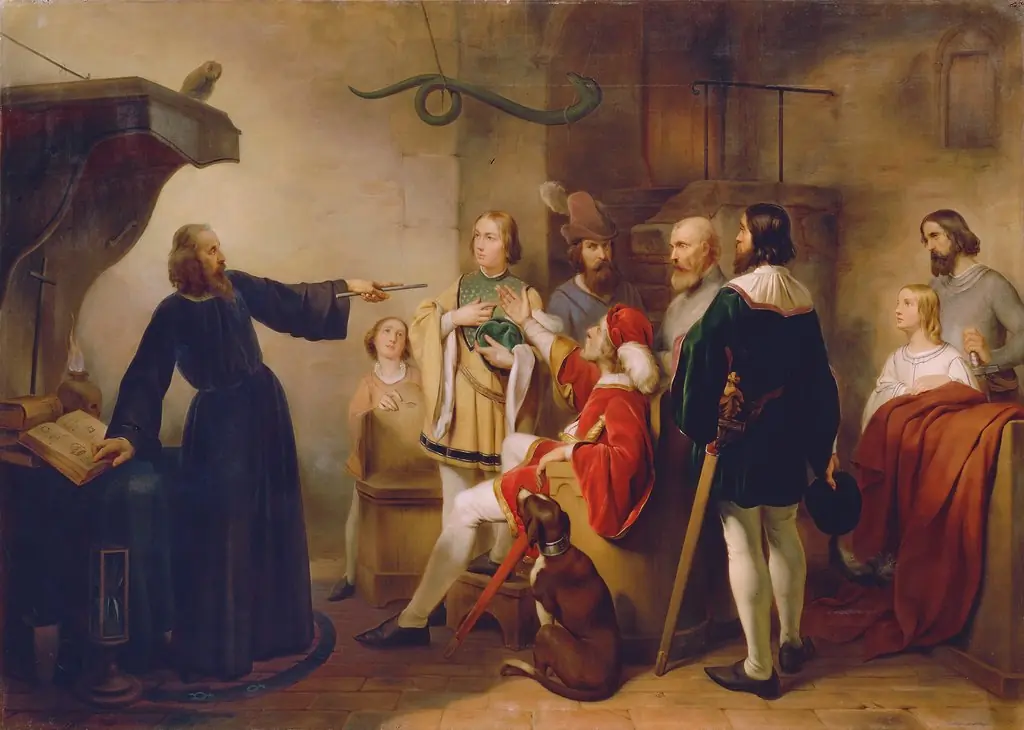 Ein Astrologe weissagt Rudolf von Habsburg
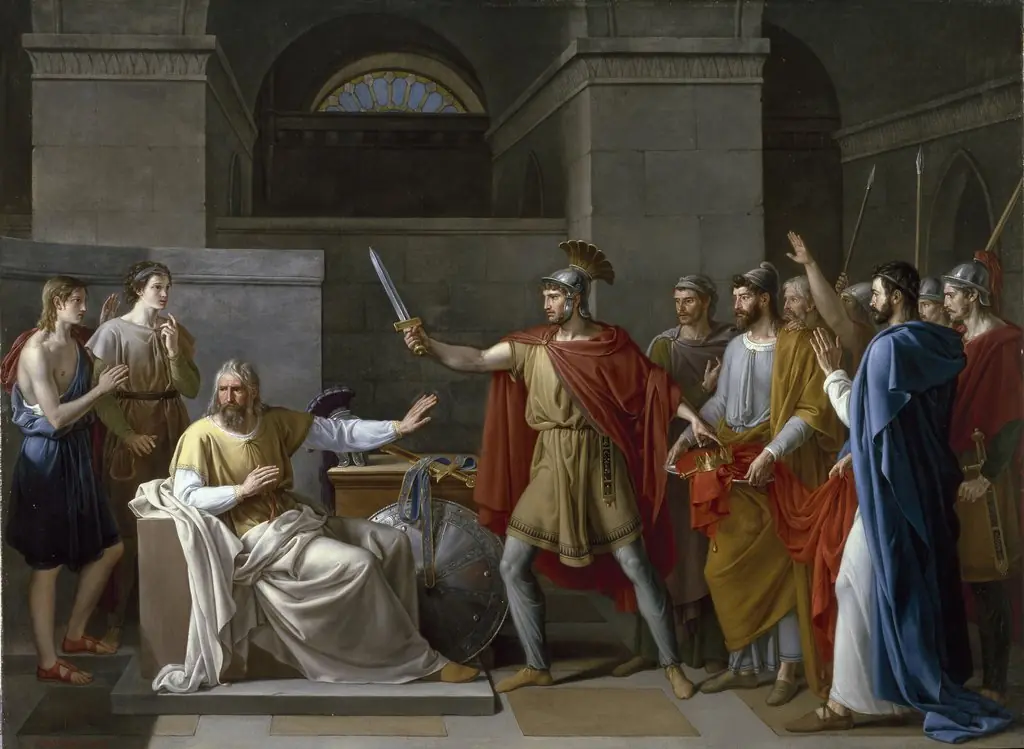 Wamba renouncing the Crown
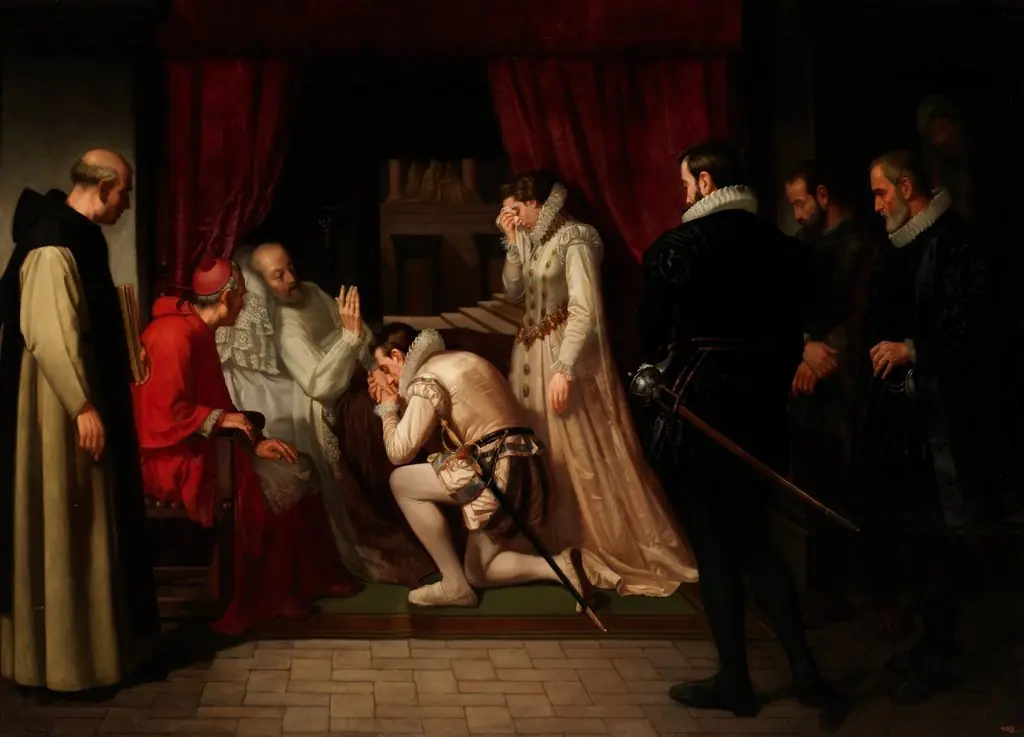 Últimos momentos de Felipe II
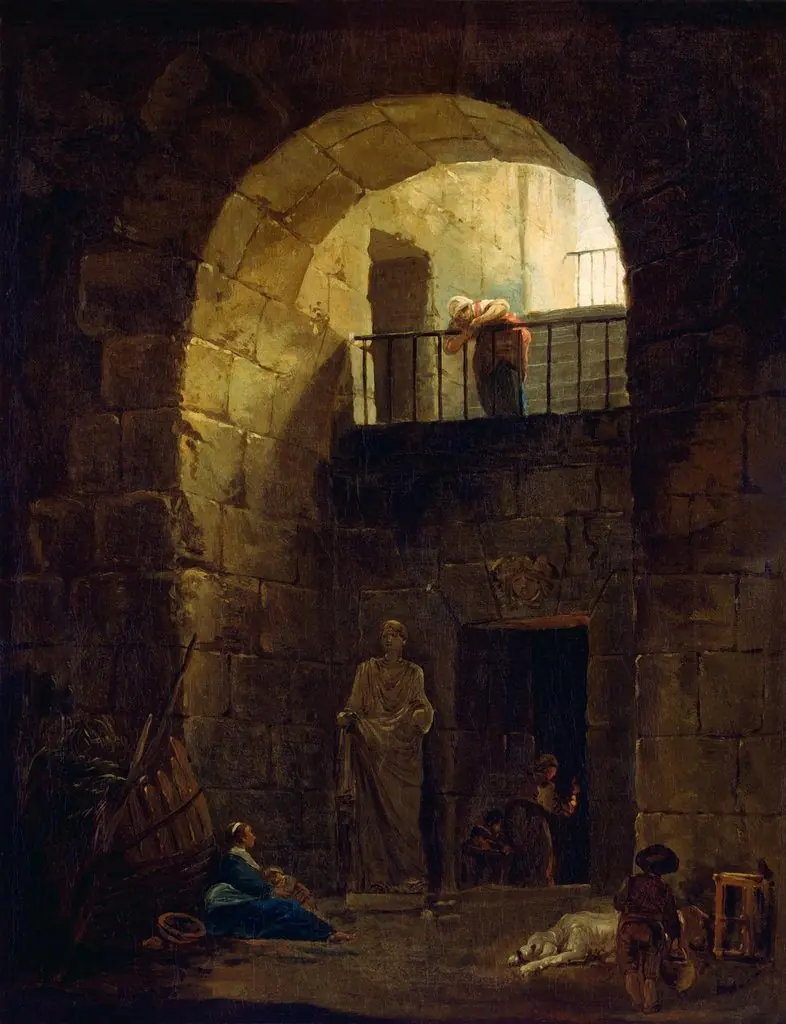 Neglected Statue
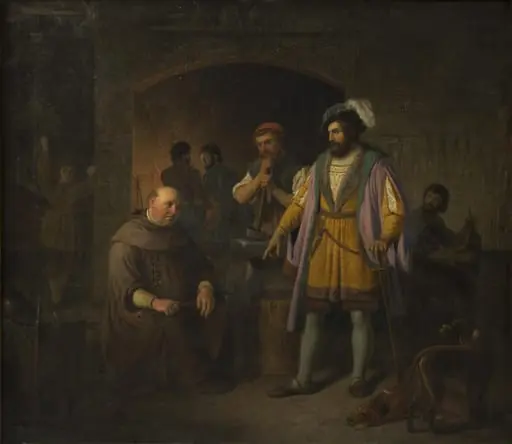 Jens Holgersen Ulfstand kurerer abbeden til Bækkeskov for hans fedme ved at tvinge ham til at arbejde i sin smedie
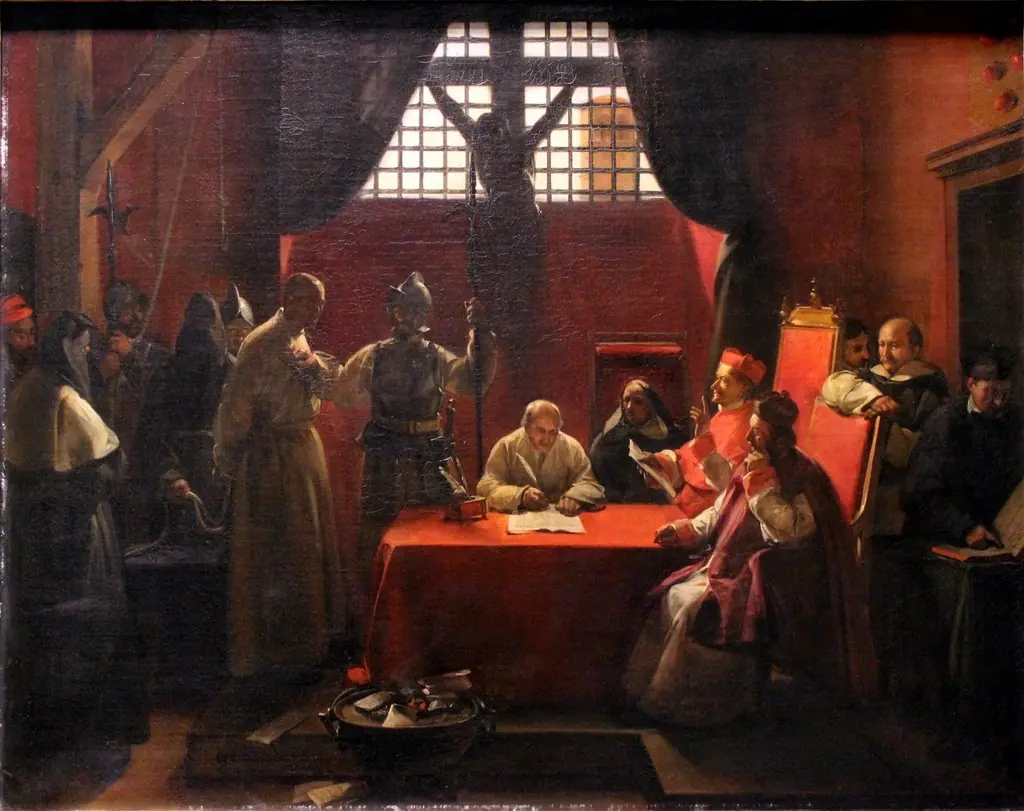 The Examination of Savonarola