Art Museum
Museum of Fine Arts of Lyon

Image: Wikimedia Commons.
Museum of Fine Arts of Lyon is an art museum in Lyon, France. 315 works from its collection are in this catalog, including Paolo Veronese and Jean Baptiste Camille Corot.
About Museum of Fine Arts of Lyon
The Museum of Fine Arts of Lyon (French: Musée des Beaux-Arts de Lyon, pronounced [myze de boz‿aʁ də ljɔ̃] ) is a municipal museum of fine arts in the French city of Lyon. Located near the Place des Terreaux, it is housed in a former Benedictine convent which was active during the 17th and 18th centuries. It was restored between 1988, and 1998, remaining open to visitors throughout this time despite the ongoing restoration works. Its collections range from ancient Egyptian antiquities to the Modern art period, making the museum one of the most important in Europe. It also hosts important exhibitions of art, for example the exhibitions of works by Georges Braque and Henri Laurens in the second half of 2005, and another on the work of Théodore Géricault from April to July 2006.
Overview & History
The Museum of Fine Arts of Lyon, housed in the former Benedictine Abbey of Saint-Pierre, is one of the largest museums in France. Its origins date to 1792 when the Municipal Council designated the abbey to conserve medals and artistic monuments following the expulsion of the nuns during the French Revolution. The building was not sold or destroyed due to its proximity to the city hall.
The museum was officially inaugurated on September 20, 1814, by the Count of Artois, having received its first major deposits of paintings from the Louvre in 1803. The institution underwent a vast renovation project between 1990 and 1998, resulting in its current layout of 70 rooms spread across 14,500 square meters, encompassing the Saint-Pierre Palace, the church, and the New Saint-Pierre wing.
Founding Collections & State Deposits
In 1801, Lyon was selected as one of fifteen cities to receive state museums outside Paris, receiving the largest allocation of items with 110 paintings sent between 1803 and 1811. These works, seized during the Revolution and Napoleonic conquests, formed the museum's original core and included masterpieces by 16th-century Venetian painters like Tintoretto and Veronese, as well as 17th-century French masters such as Philippe de Champaigne and Charles Le Brun. Flemish painters like Rubens and Jordaens were also included to inspire local silk designers.
Early acquisitions were further bolstered by works from the Louvre, including The Adoration of the Magi by Rubens and The Circumcision by Le Guerchin, alongside purchases like St. Francis by Zurbaran.
Paintings Department & Evolution
The Department of Paintings presents a comprehensive panorama of European art from the 12th century to the present day, arranged chronologically across 35 rooms. A unique 'flower room' was created in 1815 to provide models for Lyon's silk industry designers, featuring 17th-century Nordic and French works. The museum was a pioneer in France for acquiring Impressionist works, purchasing a painting by Paul Gauguin as early as 1913, and building a significant collection of works by Renoir, Manet, and Monet.
The collection highlights include major 17th-century Italian and French art, 19th-century masterpieces, and modern works, with specific notable pieces such as Corneille de Lyon's Portrait of a Man and works by Nicolas Poussin, Fragonard, and Ingres.
Architecture & Decorative Arts
The museum's architecture reflects centuries of modification, with significant enhancements made by architect R. Dardel in 1834, who added sumptuous décor now visible in the Medal Room. Architect A. Hirsch later restructured the south wing to display preparatory drawings for the Pantheon in Paris by P. Chenavard. The monumental staircase, decorated between 1876 and 1891, features monumental compositions by Pierre Puvis de Chavannes, including The Sacred Woods, Dear to Art and the Muses.
The former cloister has been transformed into a municipal garden in the center of the town, decorated with 19th-century statues, while the deconsecrated church now exhibits sculptures from the 19th and early 20th centuries.
Archaeology & Ancient Collections
The museum's archaeological collections are extensive, featuring a prominent display of sarcophagi and a dedicated room for the 6th-century BC marble Greek Kore statue. The Egyptian department displays 600 works across nine rooms in a thematic sequence, including cylinder seals, clay tablets, and bas-reliefs. Roman sculpture is presented across several rooms, showcasing marble statues such as a torso of Venus and a child on a cockerel, alongside small bronze figurines of gods like Mercury, Mars, and Venus from the Roman Pantheon.
The collection also includes works from the Middle Ages and the Renaissance, such as a sculpted group of The Announcement to Mary, reflecting an ambitious acquisition policy that spanned from antiquity to Islamic art.
Numismatics & Works on Paper
The museum houses the second-largest 'médaillier' (coin and medal collection) in France after Paris, containing nearly 50,000 coins, medals, seals, and related objects. This collection has held a prominent place in the European numismatic world since its inception in the 19th century and includes significant discoveries such as the treasuries of the Terreaux and the Célestins. The Department of Works on Paper, created at the start of the 19th century, contains over 8,000 items including drawings, prints, engravings, and watercolors.
These works are based on line rather than color and represent a vast array of artistic production from the Middle Ages through the 20th century.
Modern Acquisitions & Legacy
Following World War II, the museum enriched its resources through retrospectives of modern artists like Picasso and Matisse, leading to major acquisitions such as Portrait of an Athlete by M. Larionov. The 1990s renovation project, led by curator Philippe Durey and architects P.C. Dubois and J.M. Wilmotte, modernized the facility while preserving its historical integrity. A prestigious collection from J. Delubac, including Woman Seated on the Beach by Picasso, was added in 1997, further strengthening the museum's contemporary holdings.
The institution continues to grow through an active acquisition policy that seeks to represent absent artists while underscoring the distinctive features of its diverse collections, reflecting its role as a major cultural center in Lyon.
What to see at Museum of Fine Arts of Lyon
Start with The Flight into Egypt by Nicolas Poussin.
See all highlights at Museum of Fine Arts of Lyon →Museum of Fine Arts of Lyon by the numbers
- Founded
- 1801
- Visitors / year
- 356,369
- Collection
- 72,673 objects
Works from Museum of Fine Arts of Lyon
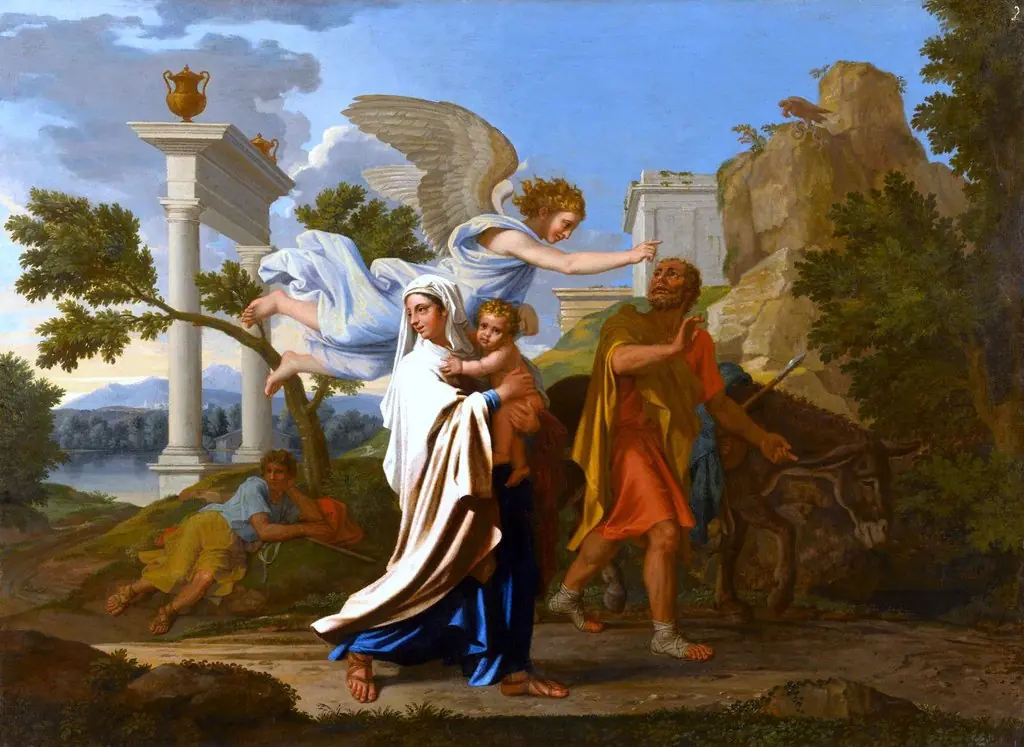 The Flight into Egypt
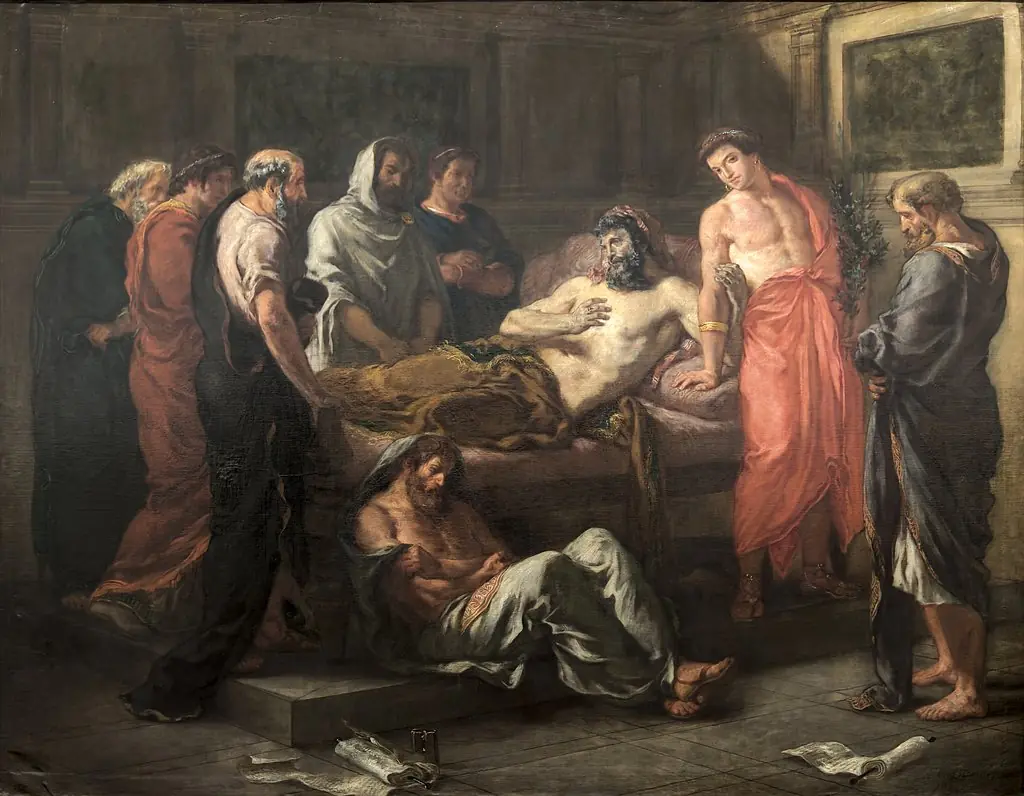 Last Words of the Emperor Marcus Aurelius
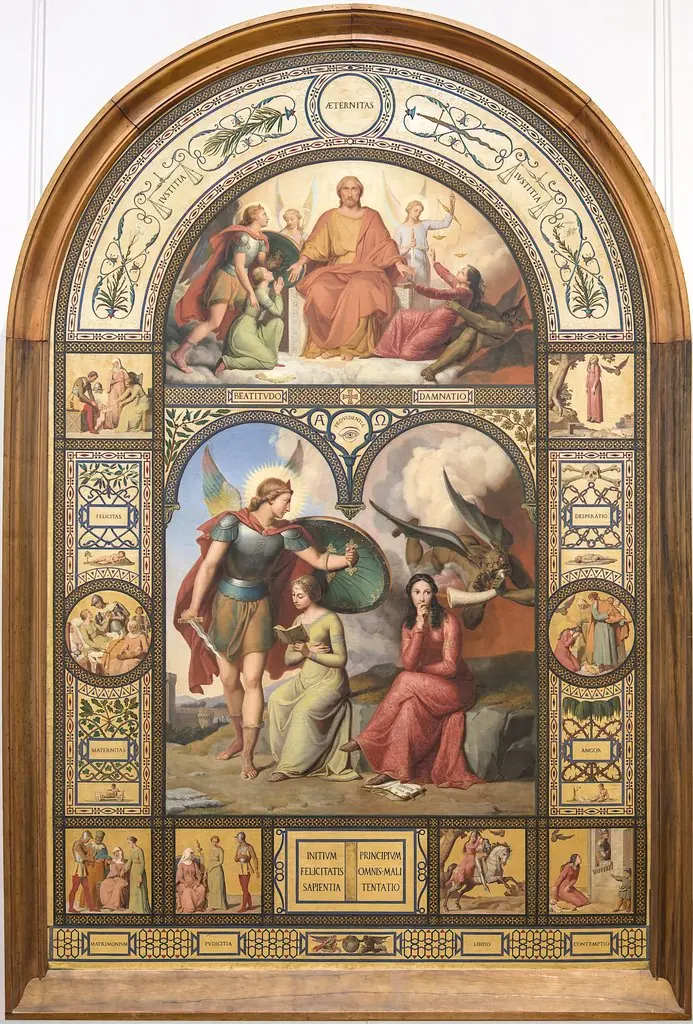 Good and Evil
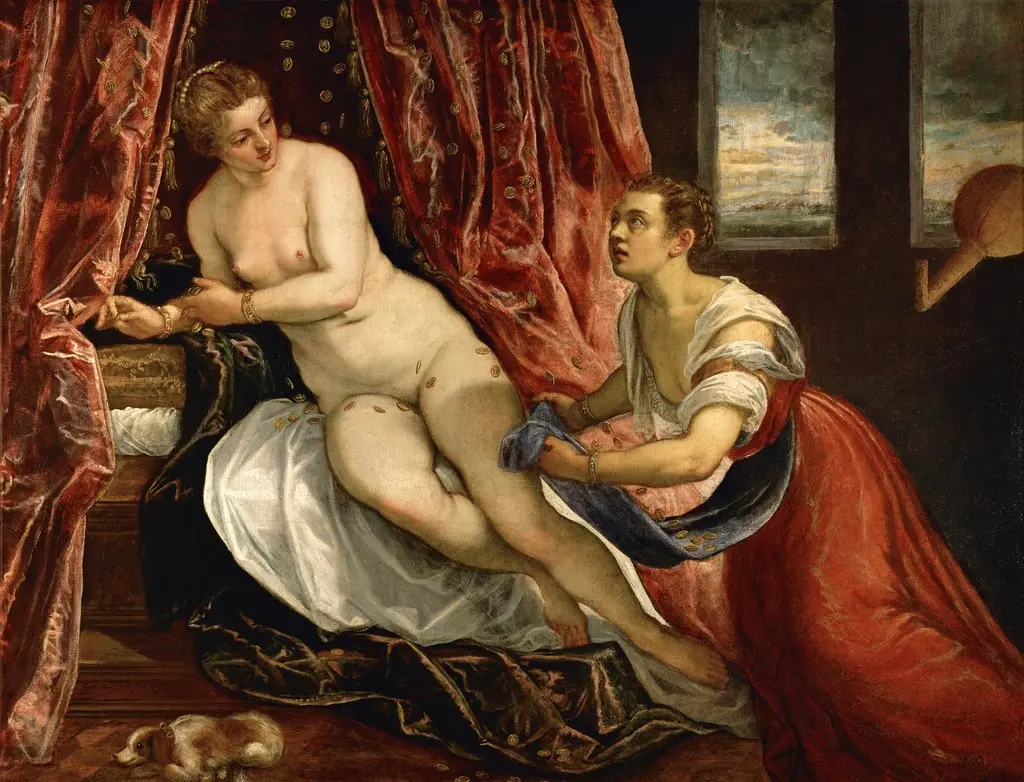 Danae
Danae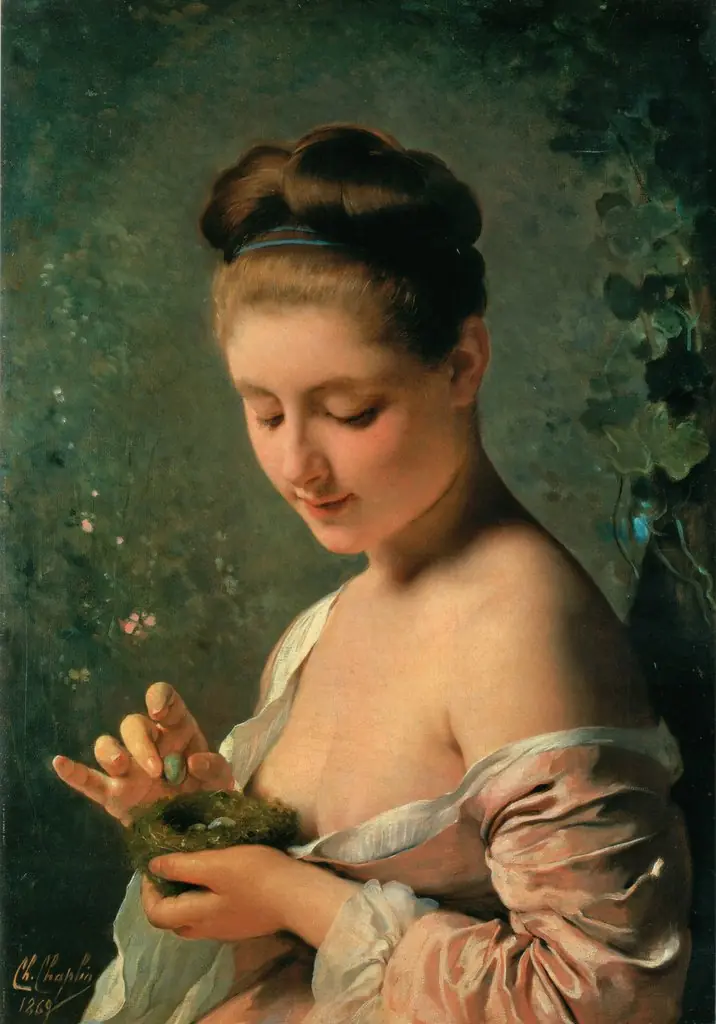 Girl with a Nest
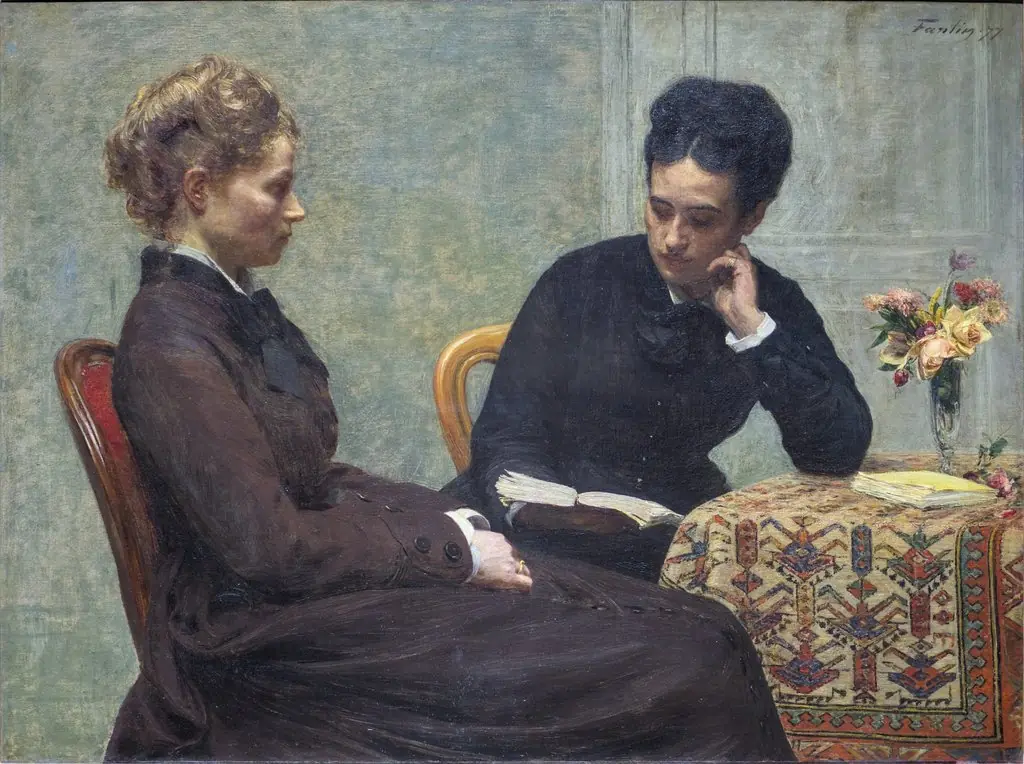 The Reading
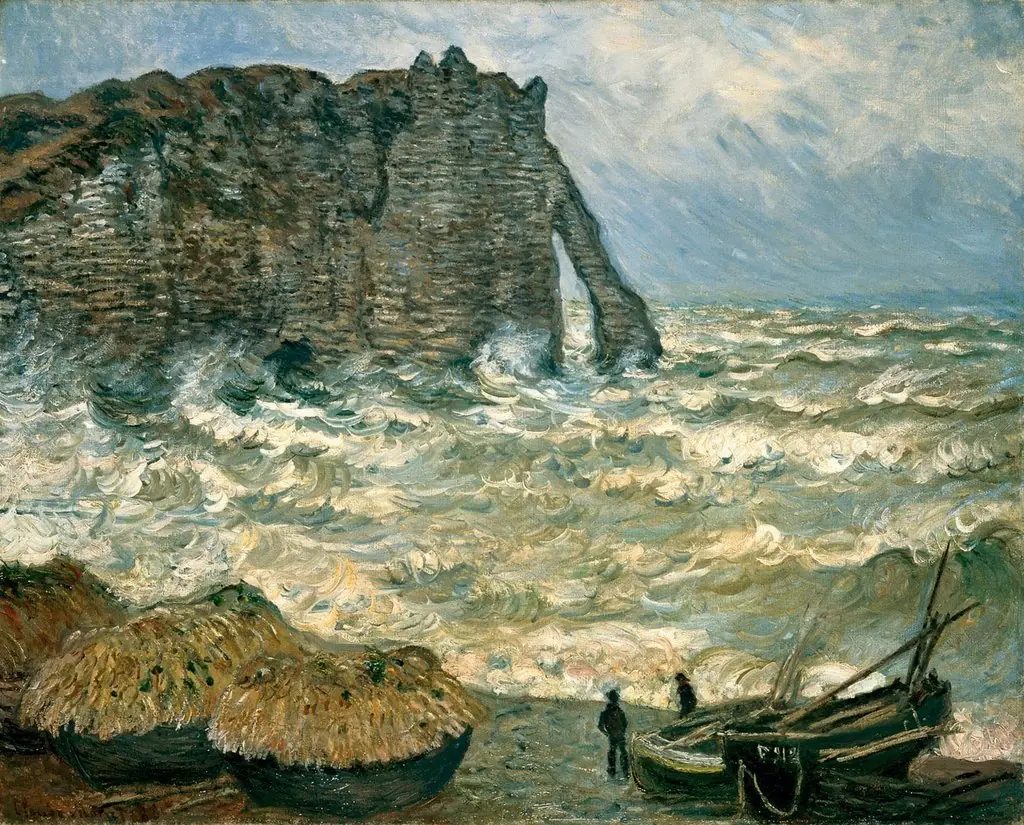 Etretat, Rough Seas
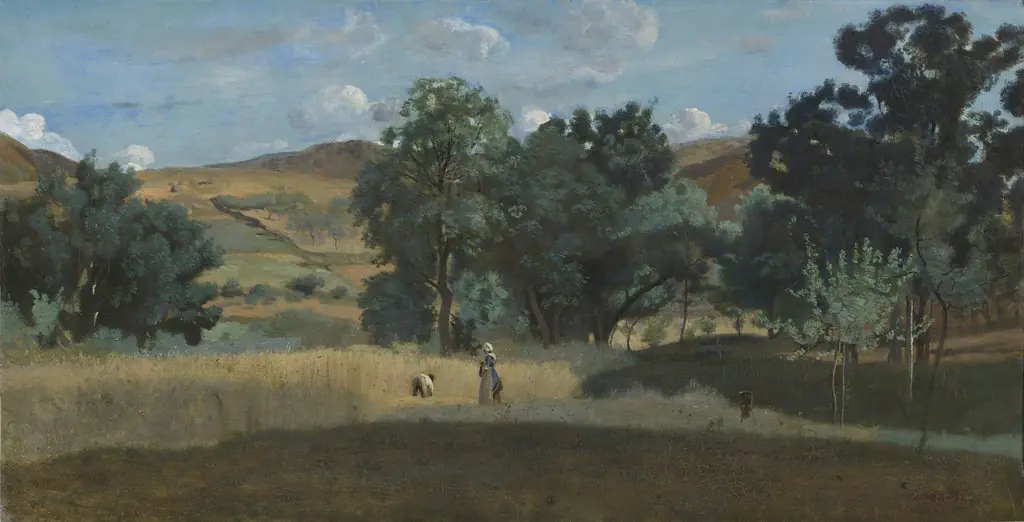 Champ de blé dans le Morvan
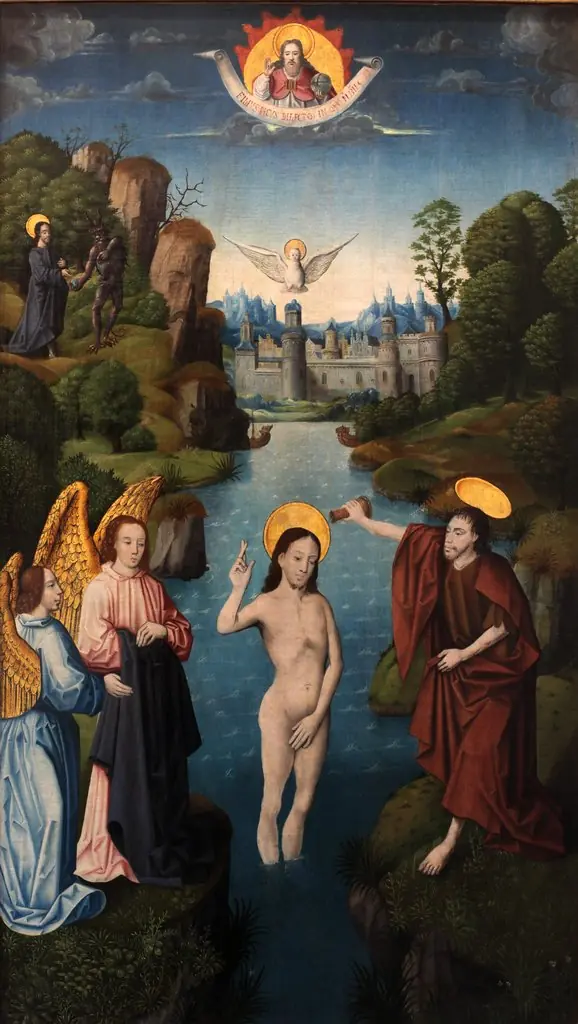 Le baptême du Christ
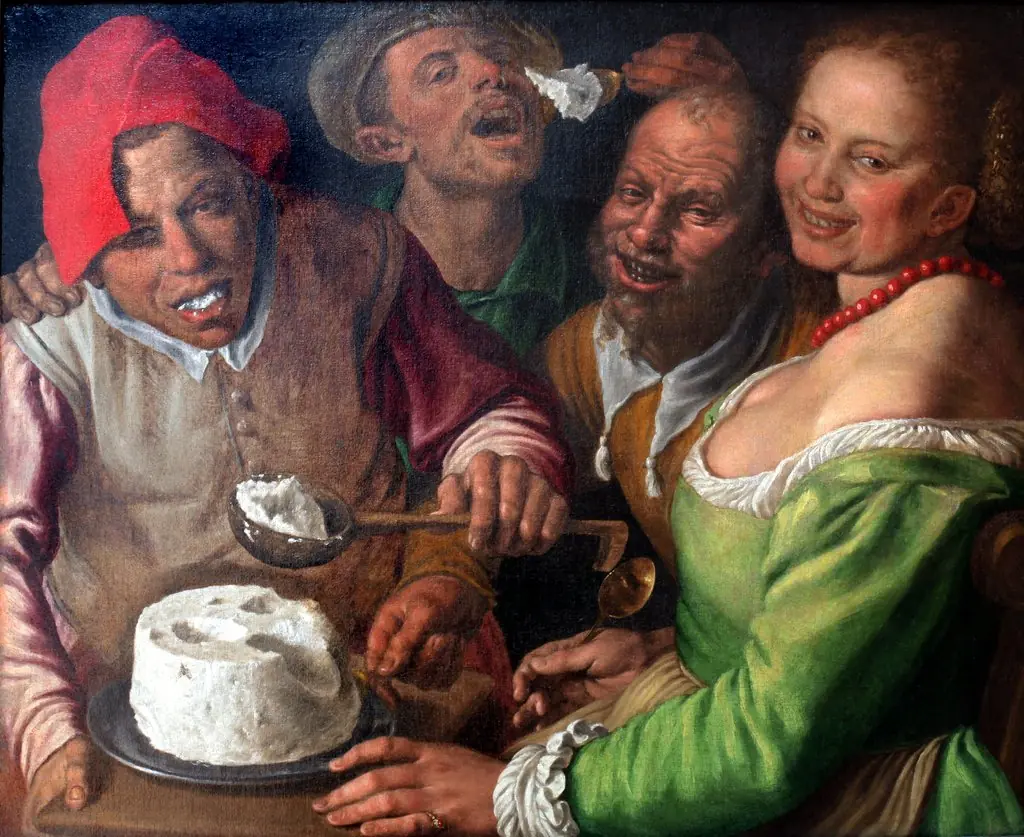 The Ricotta Eaters
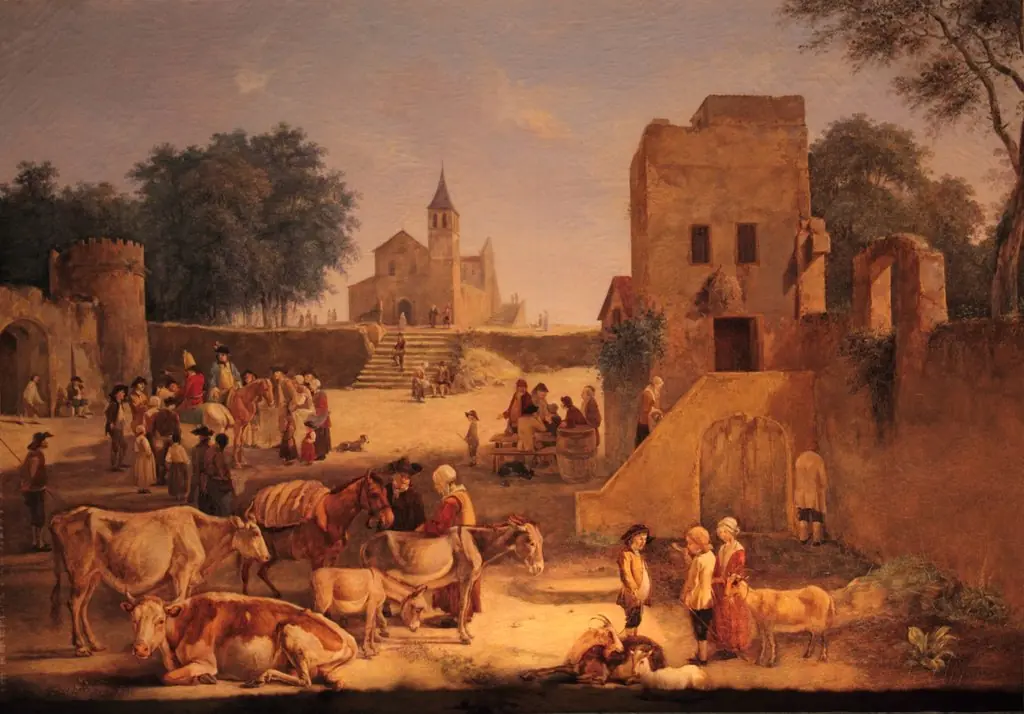 Animal market
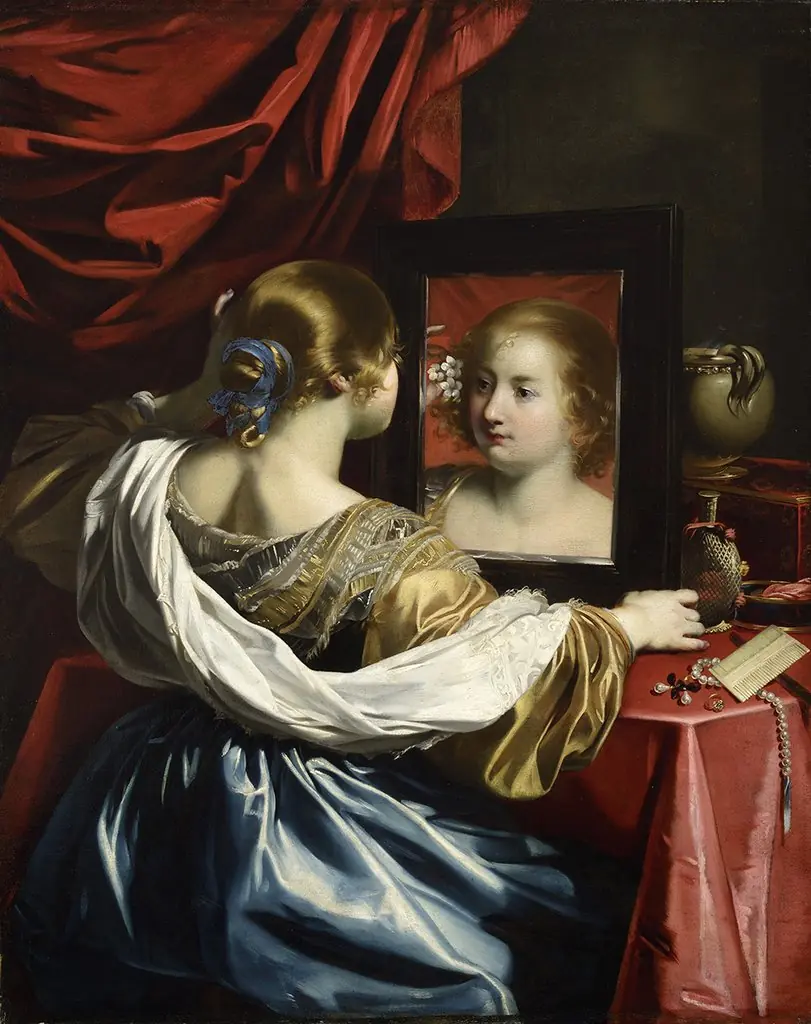 Vanity
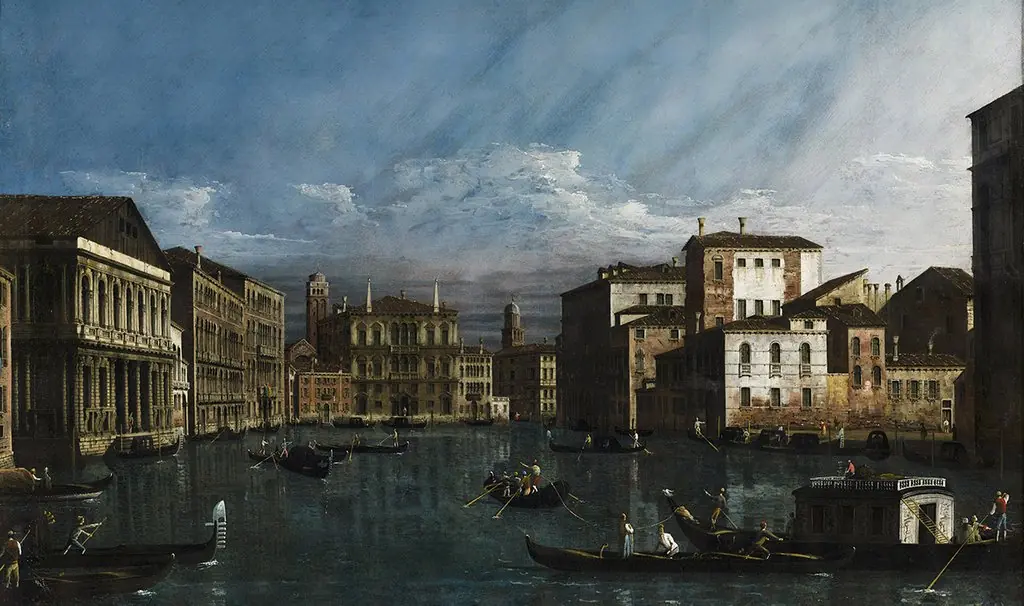 The Grand Canal in Venice
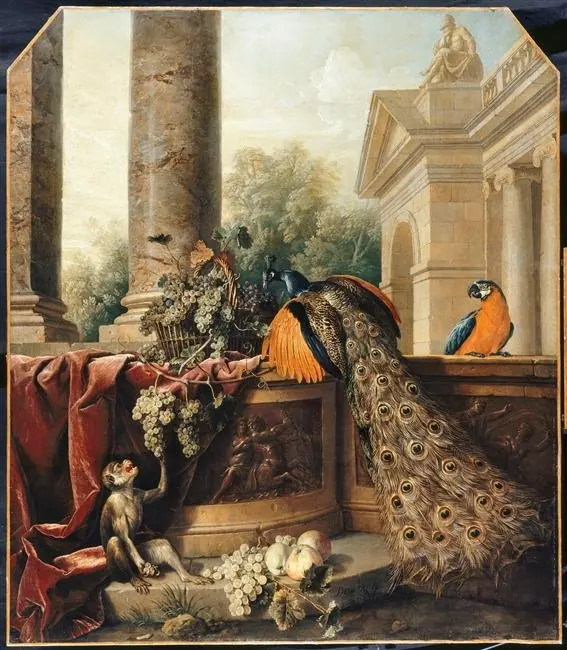 Still Life with a Peacock
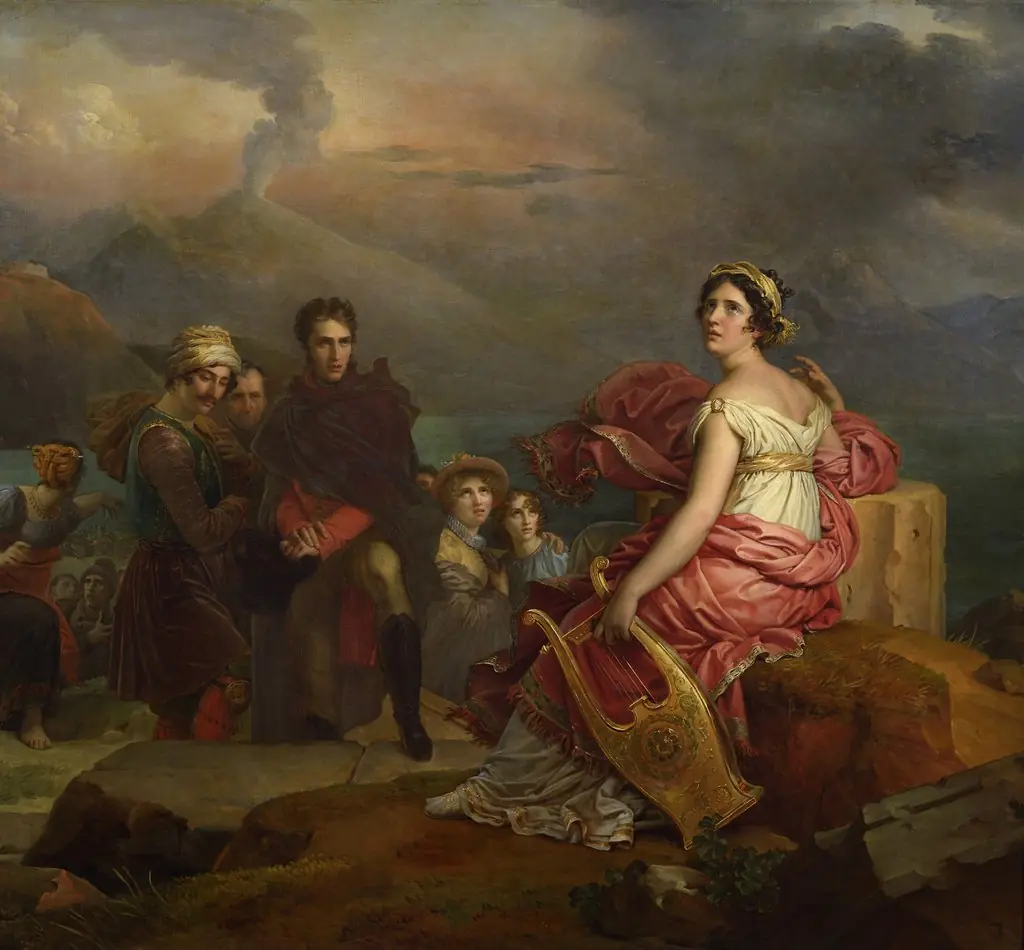 Corinne au Cap Misène
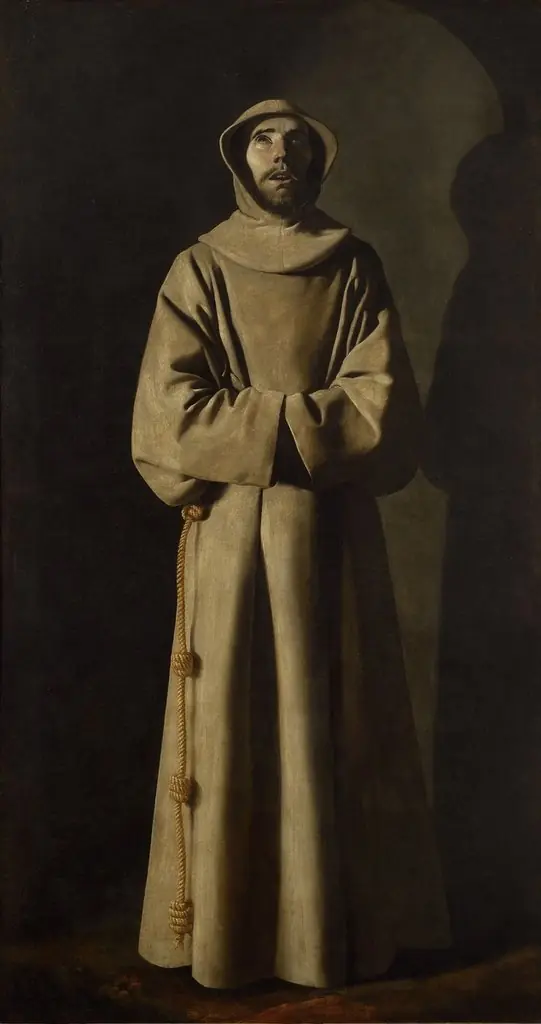 Saint Francis of Assisi
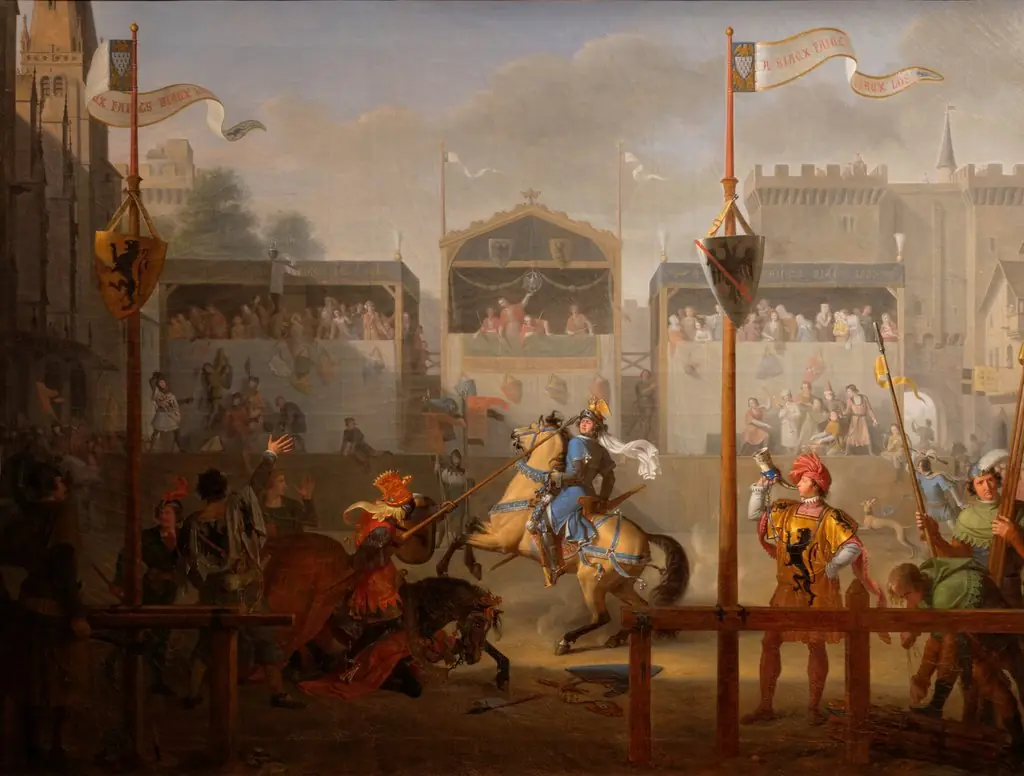 The Tournament
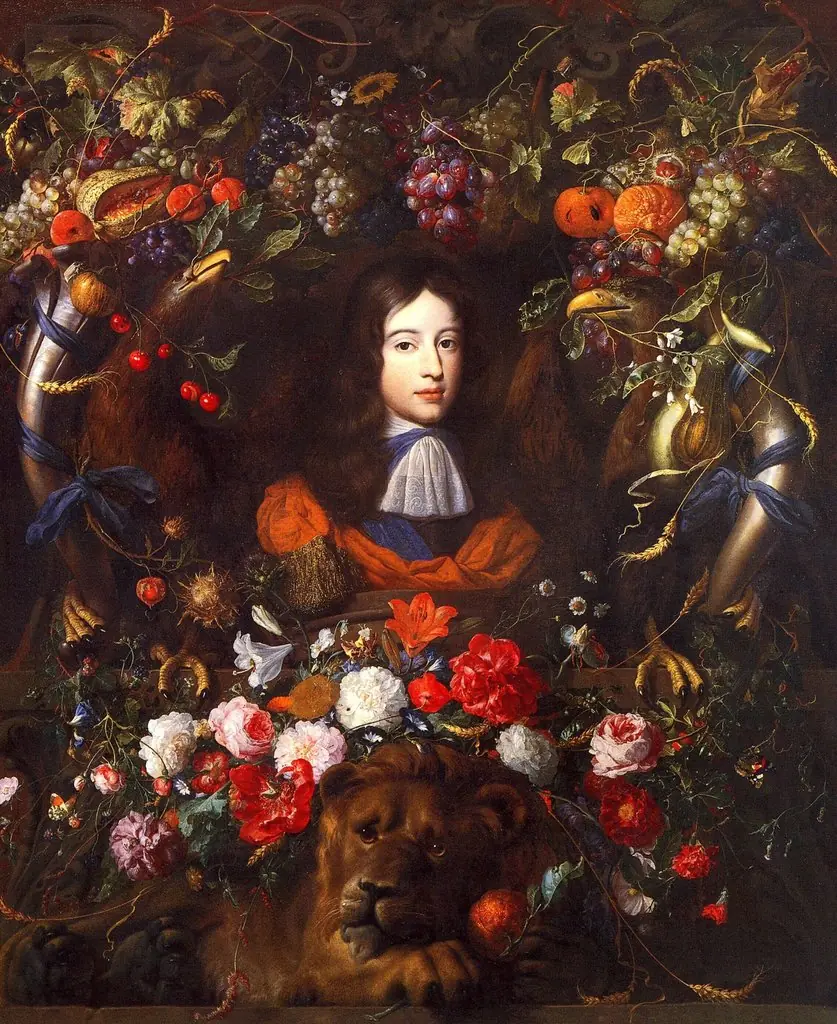 Flower garland with portrait of William III of Orange, aged 10
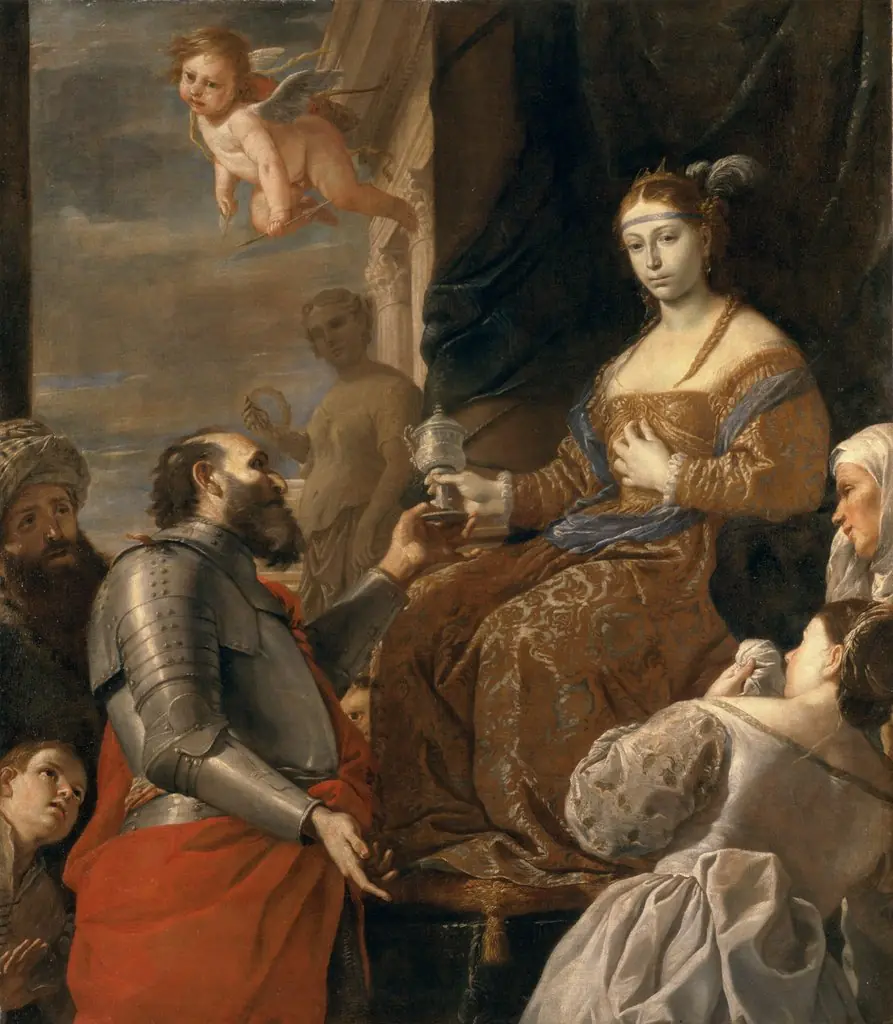 Death of Sophonisbe
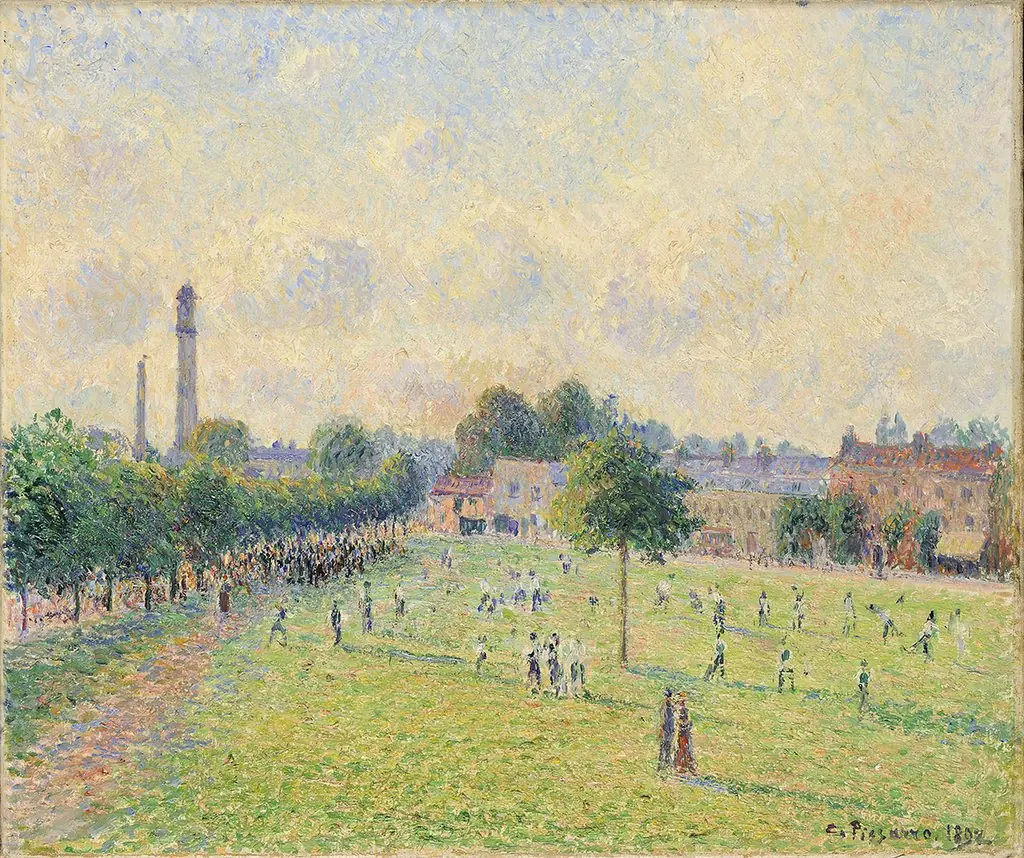 Kew Greens
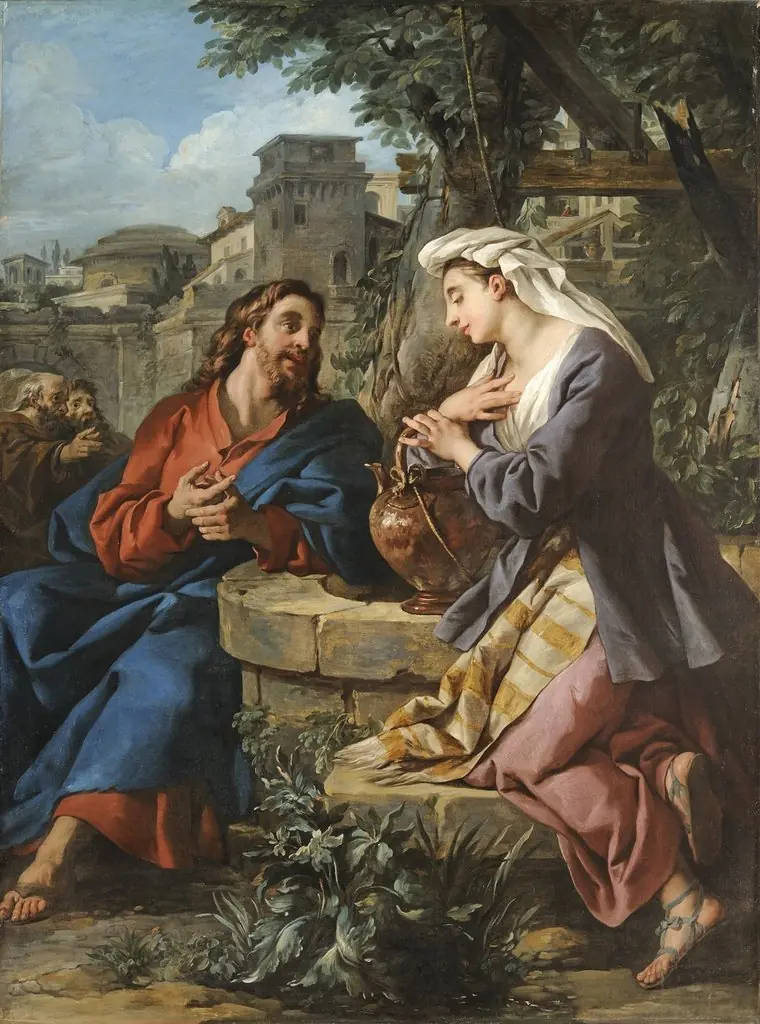 Christ and the Samaritan Woman
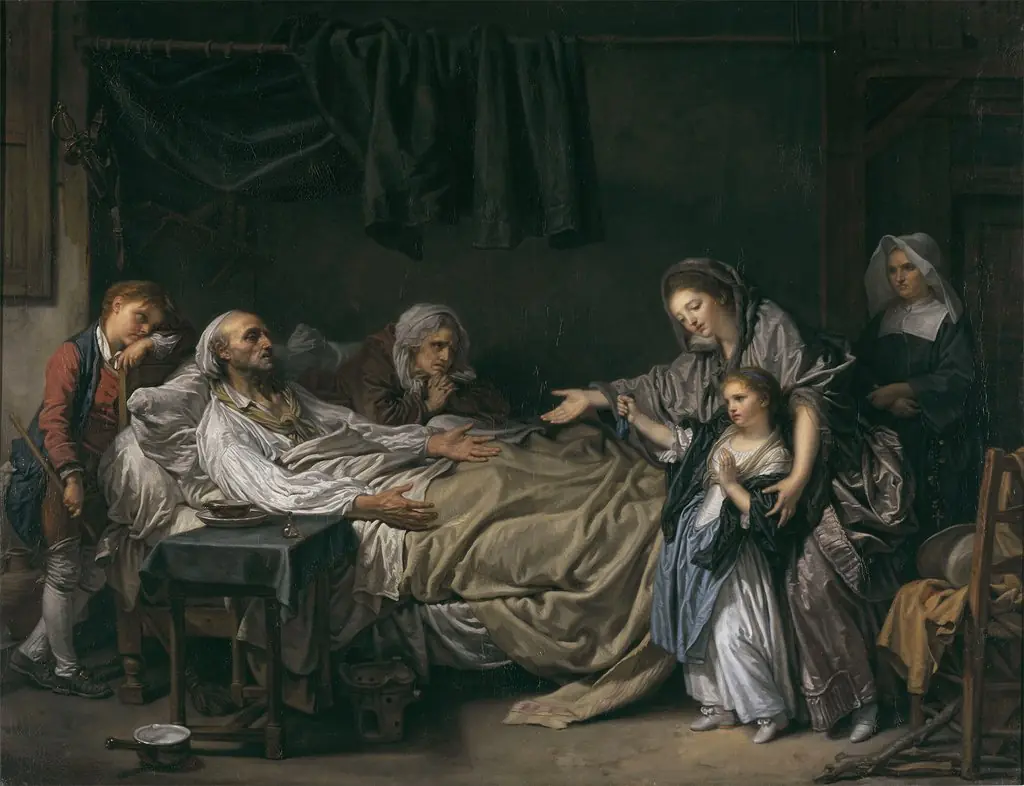 The Lady Giving Charity
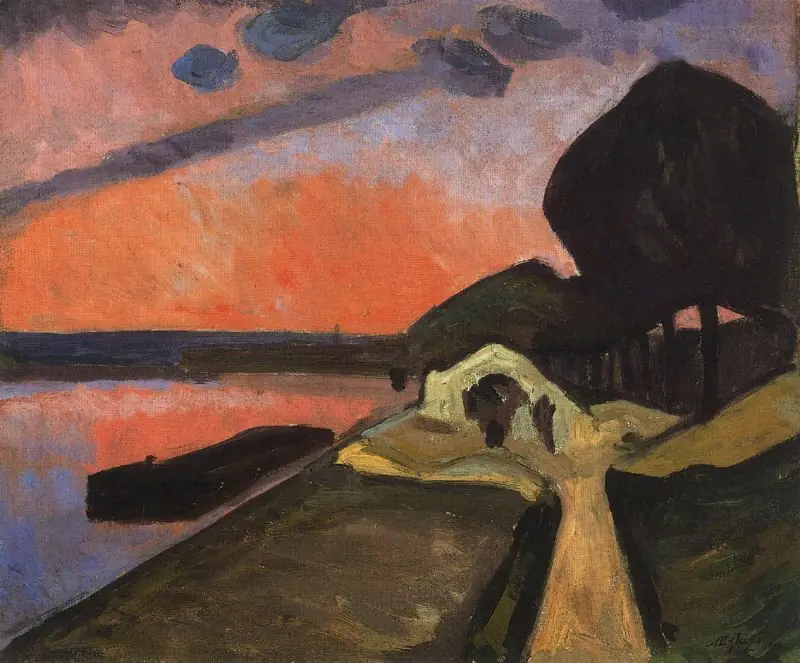 The Banks of the Marne
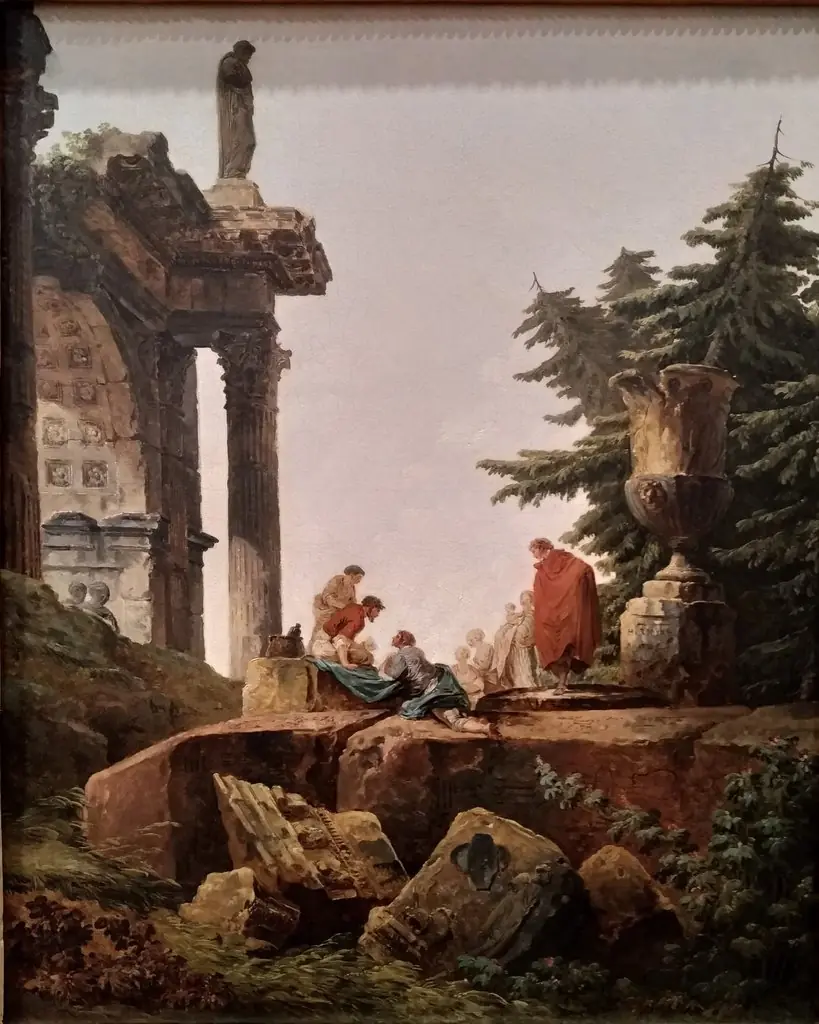 Arch of Triumph in Ruins
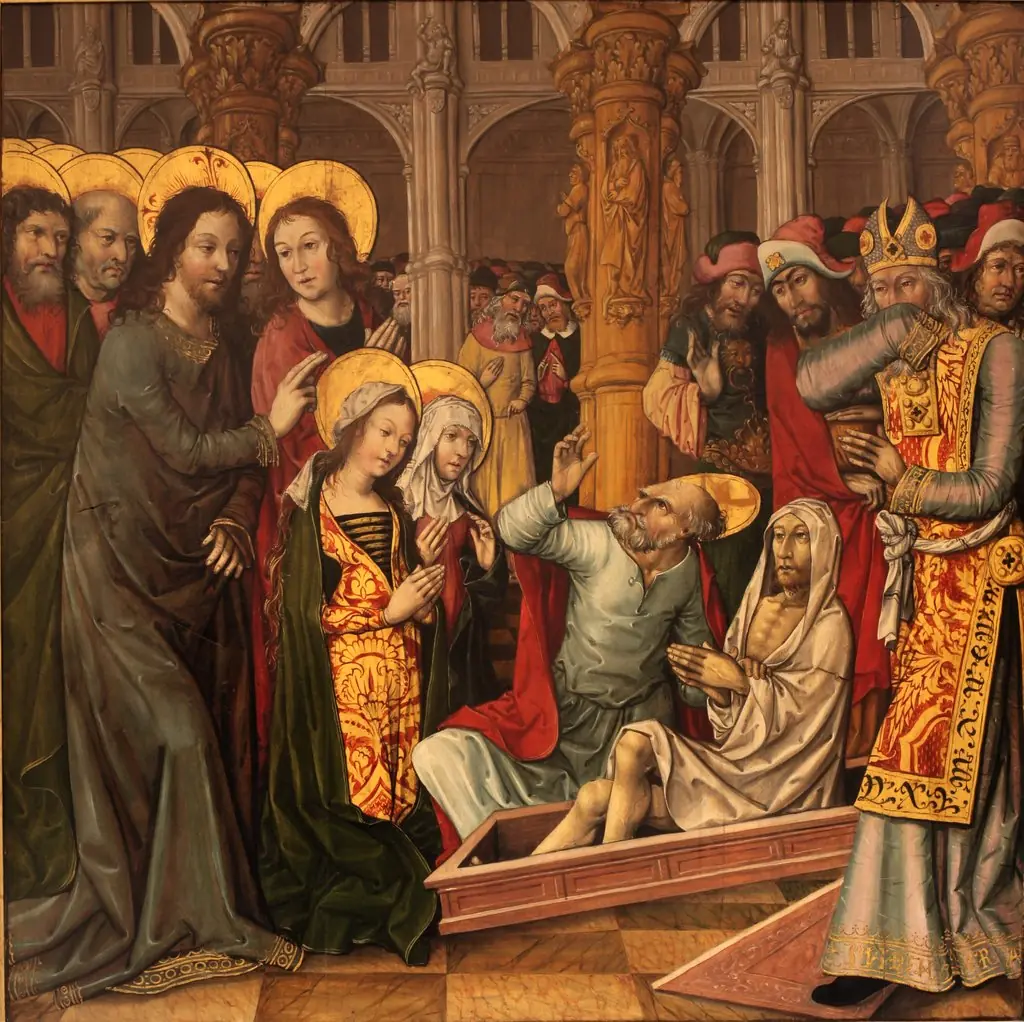 The resurrection of Lazarrus
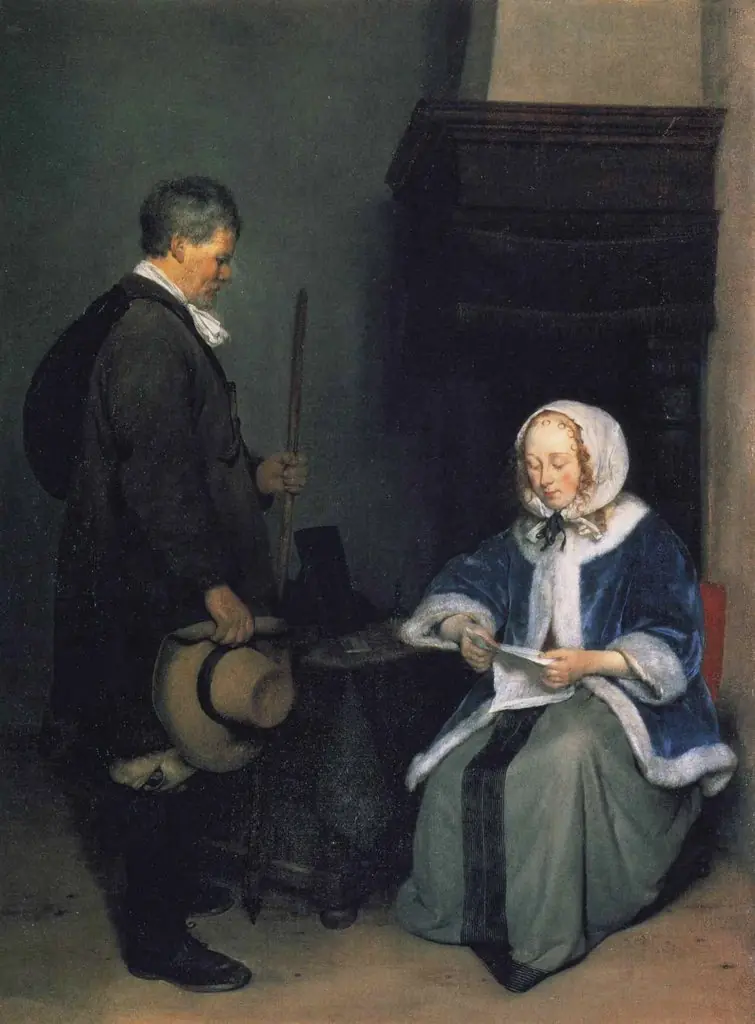 Sitting Lady Reading a Letter with a man
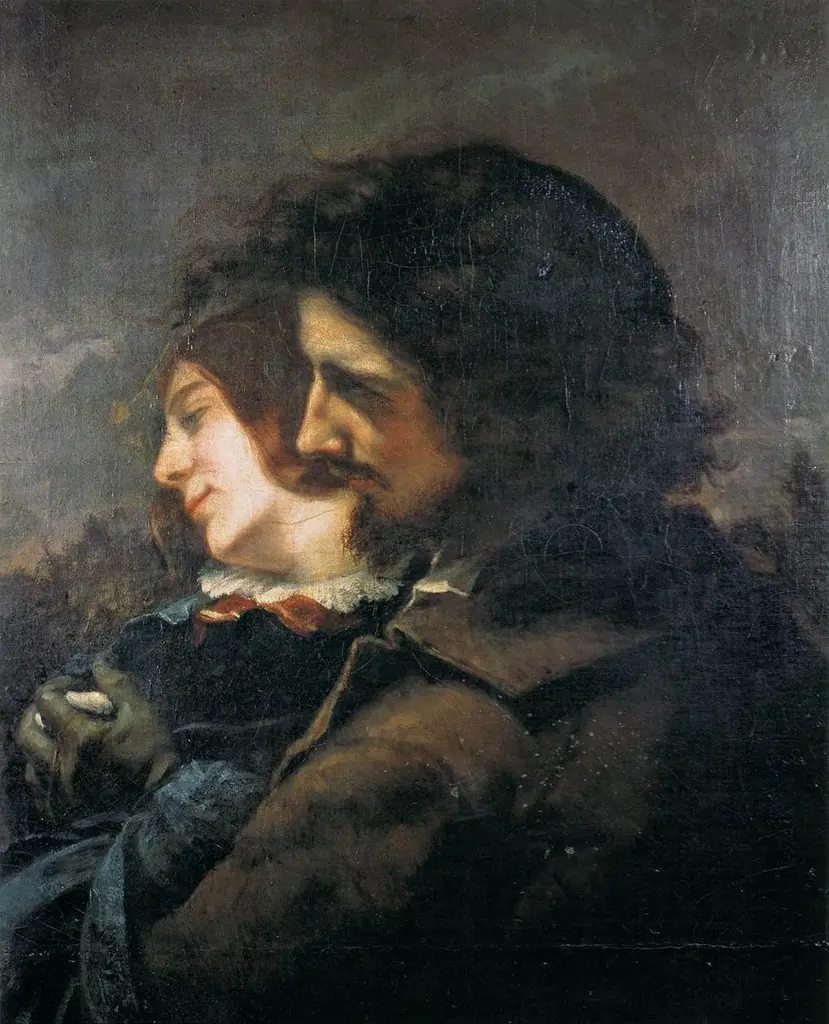 The Happy Lovers
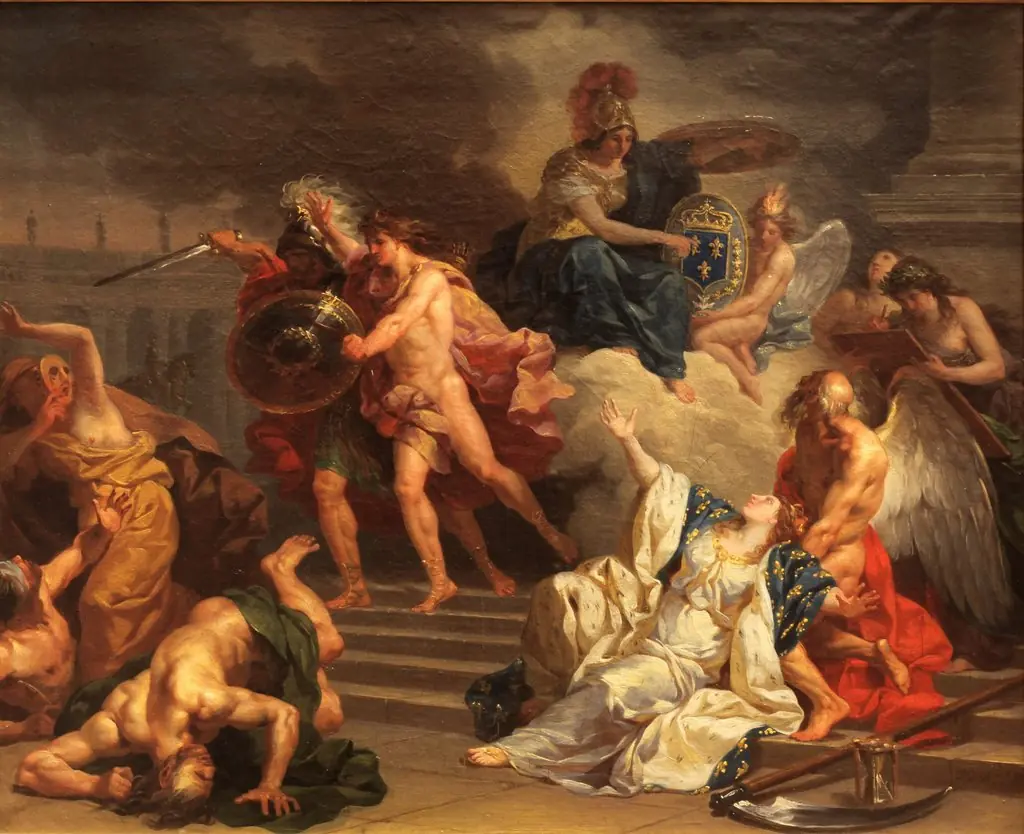 France comforted by Time
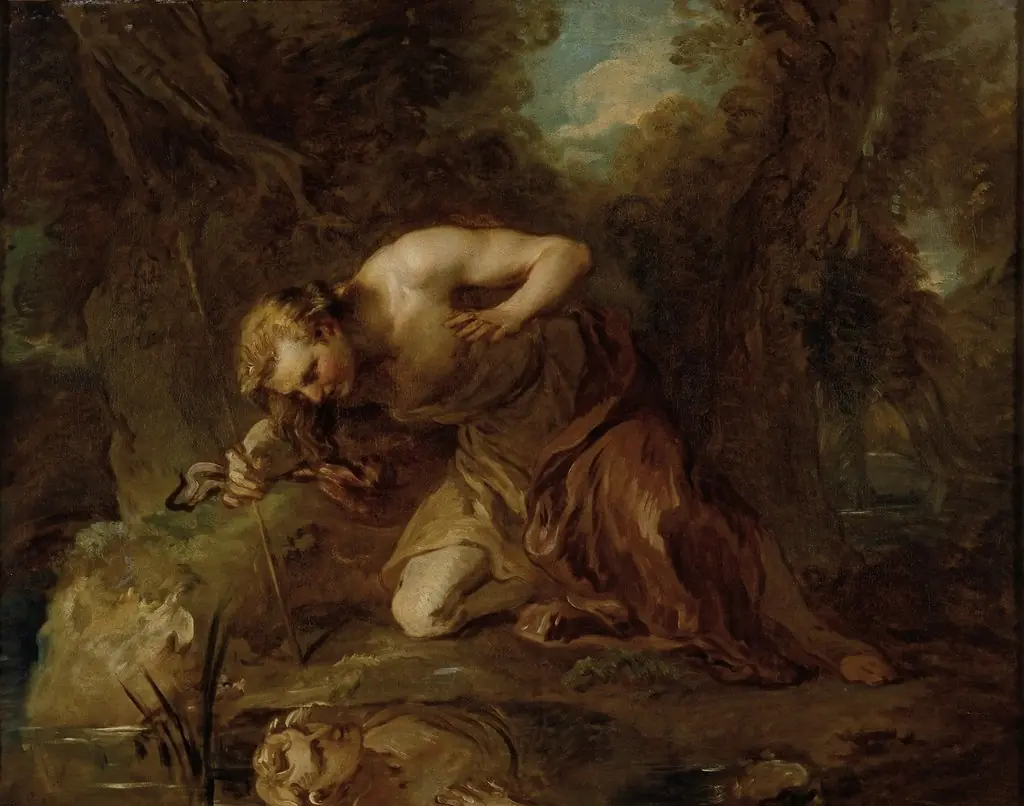 Narcissus
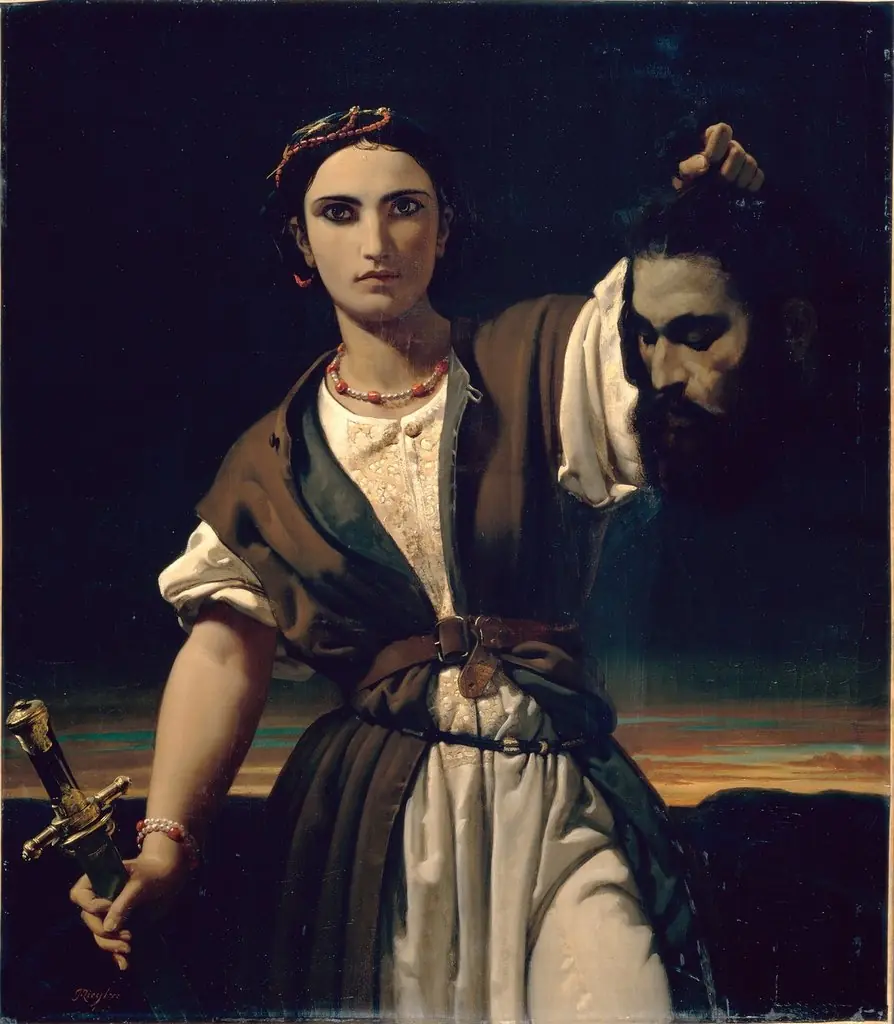 Judith
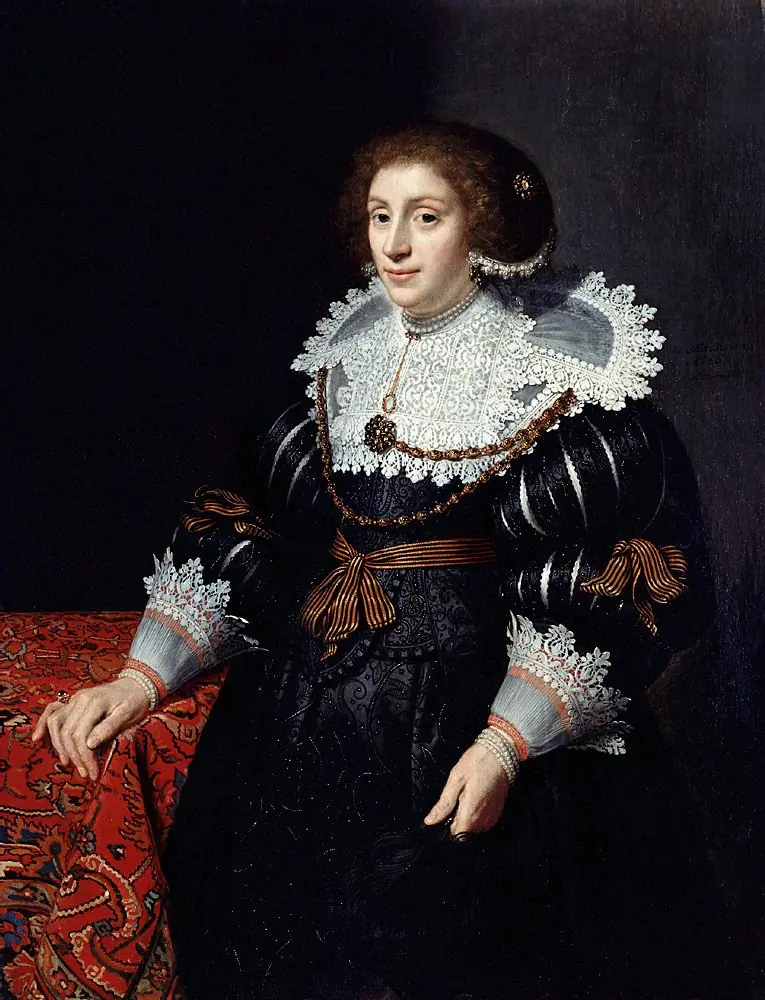 Portrait of a Woman
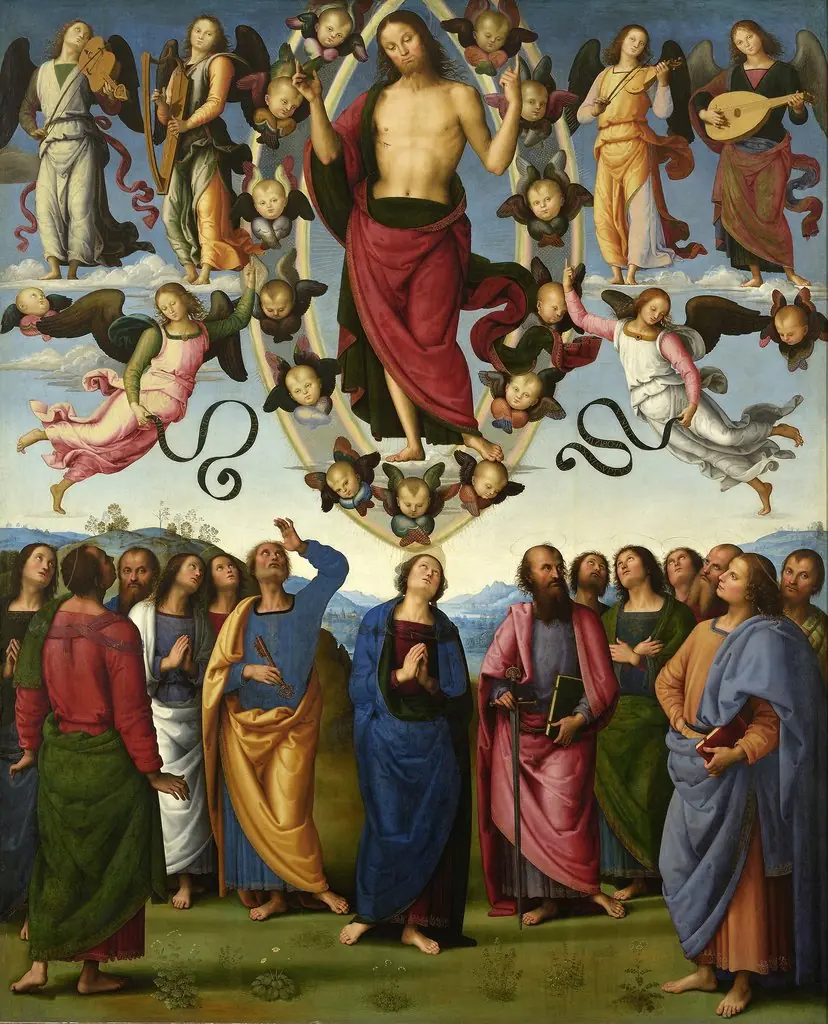 Ascension of Christ
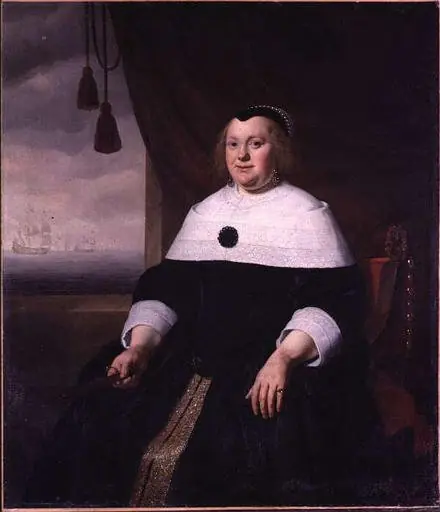 Portrait of Maria Smit, wife of Gideon de Wildt
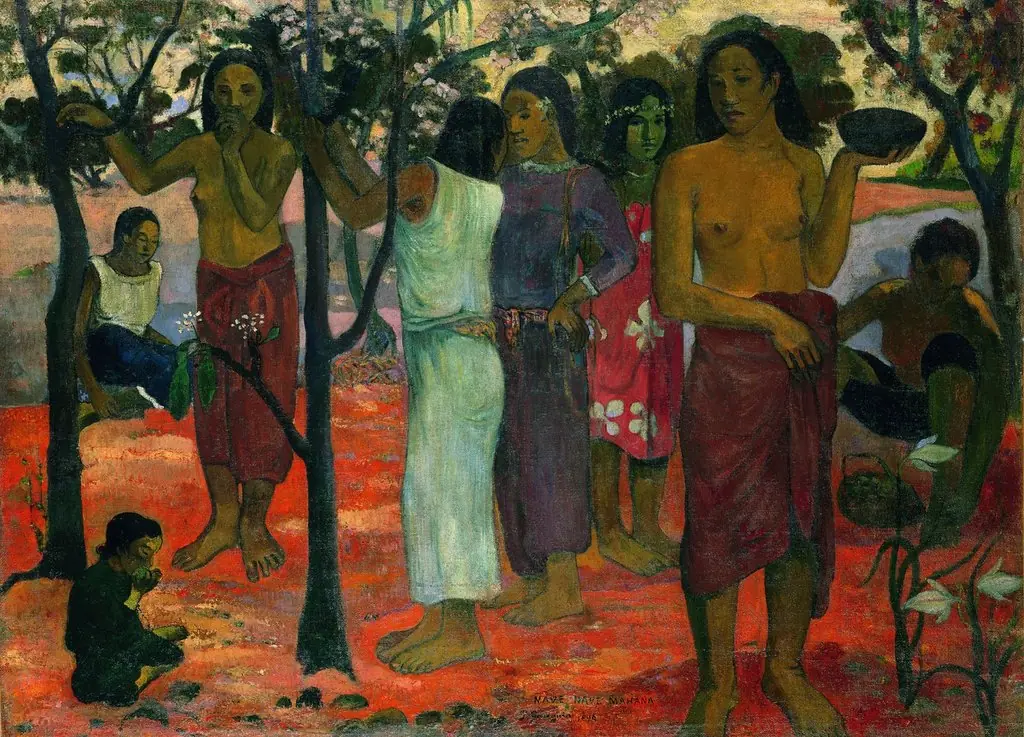 Nave Nave Mahana
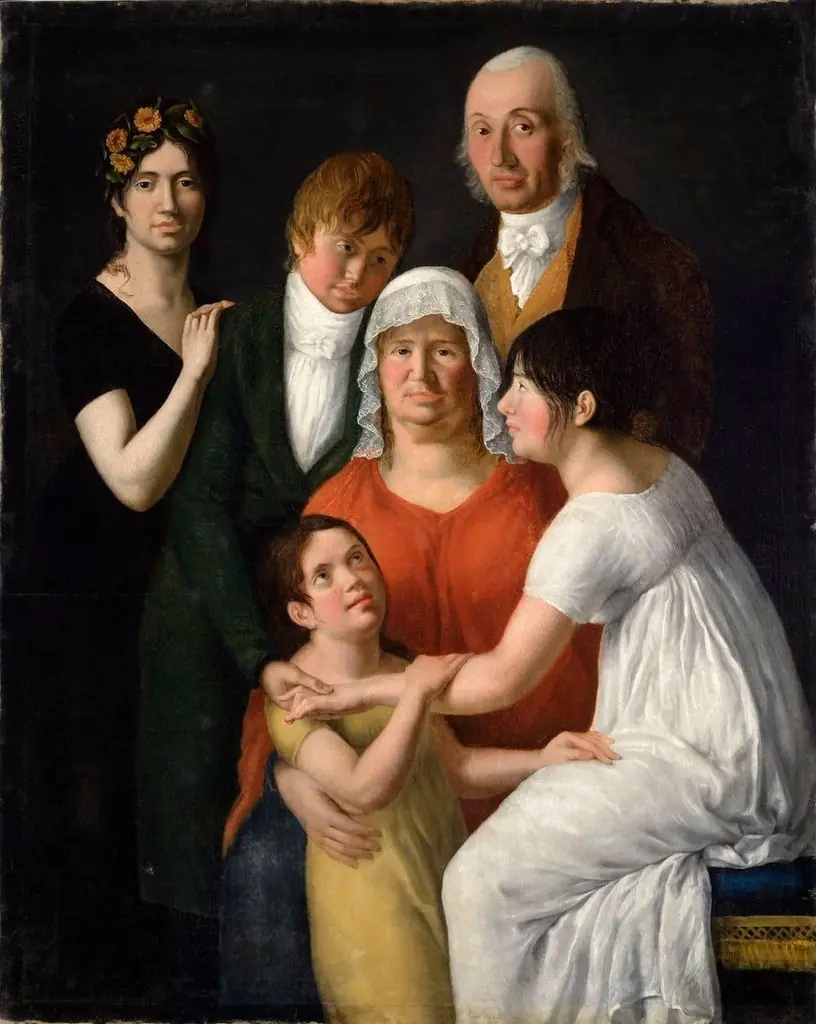 The Messageot Charve Family
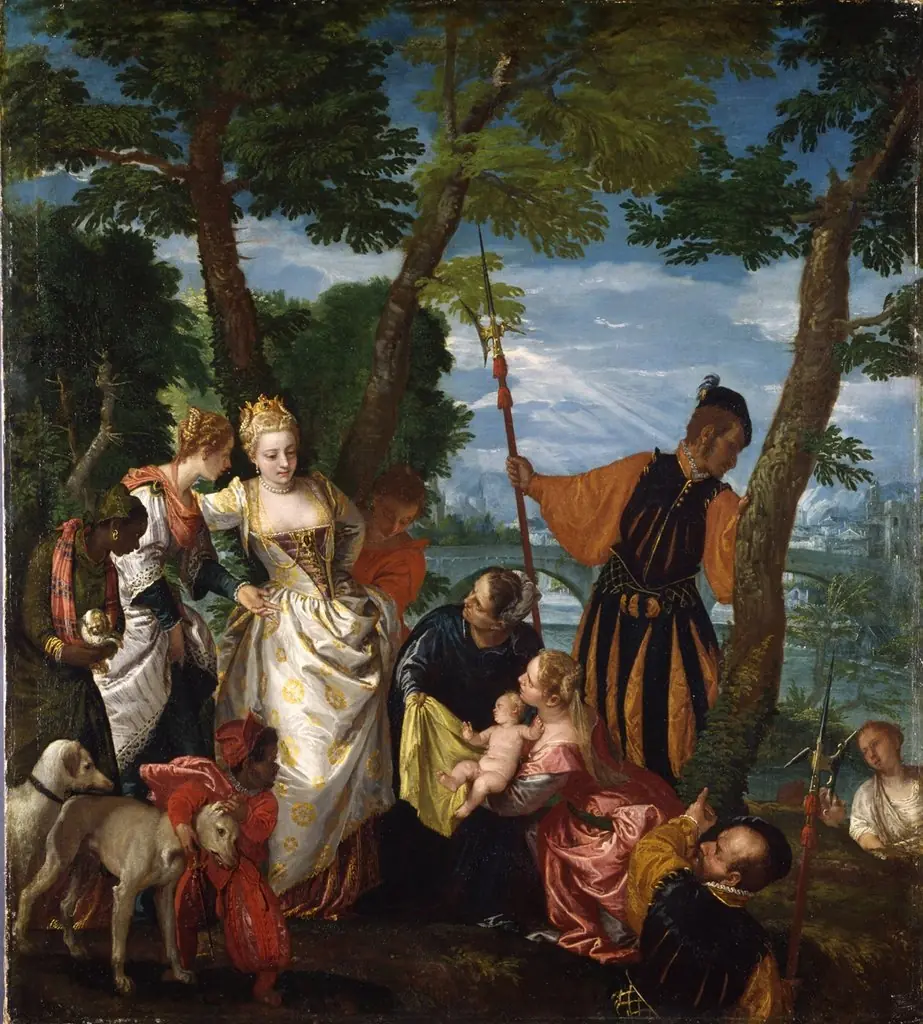 The Finding of Moses
Plan your visit
Museum of Fine Arts of Lyon
- Website
- www.mba-lyon.fr
Museums near Museum of Fine Arts of Lyon
- Art Museum Musée d'art moderne (Saint-Étienne) Saint-Priest-en-Jarez, France
- Art Museum Palais des Papes Avignon, France
- National Museum Museo Egizio Turin, Italy
- Art Museum Kunstmuseum Basel Basel, Switzerland
- Art Museum Foundation E.G. Bührle Collection Zurich, Switzerland
- Art Museum Kunsthaus Zürich Zurich, Switzerland


What's on
Visites en famille Visite en famille 18 mois - 3 ans : Le jardin d’Elena
From 7 Jun 2026