Artwork
Wamba renouncing the Crown
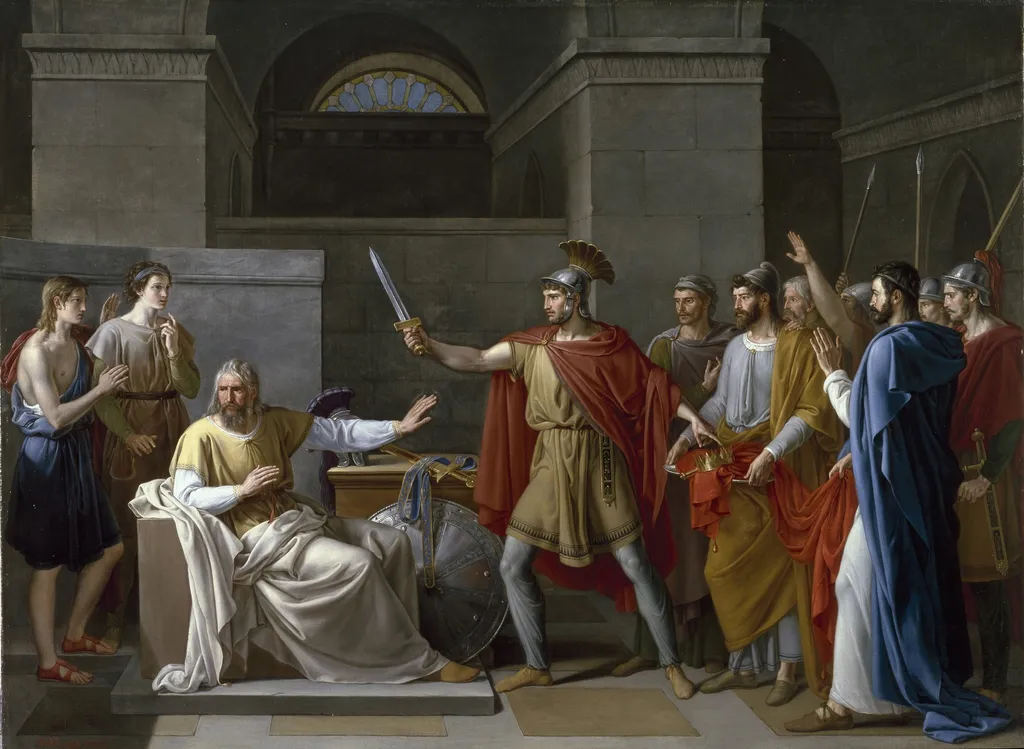
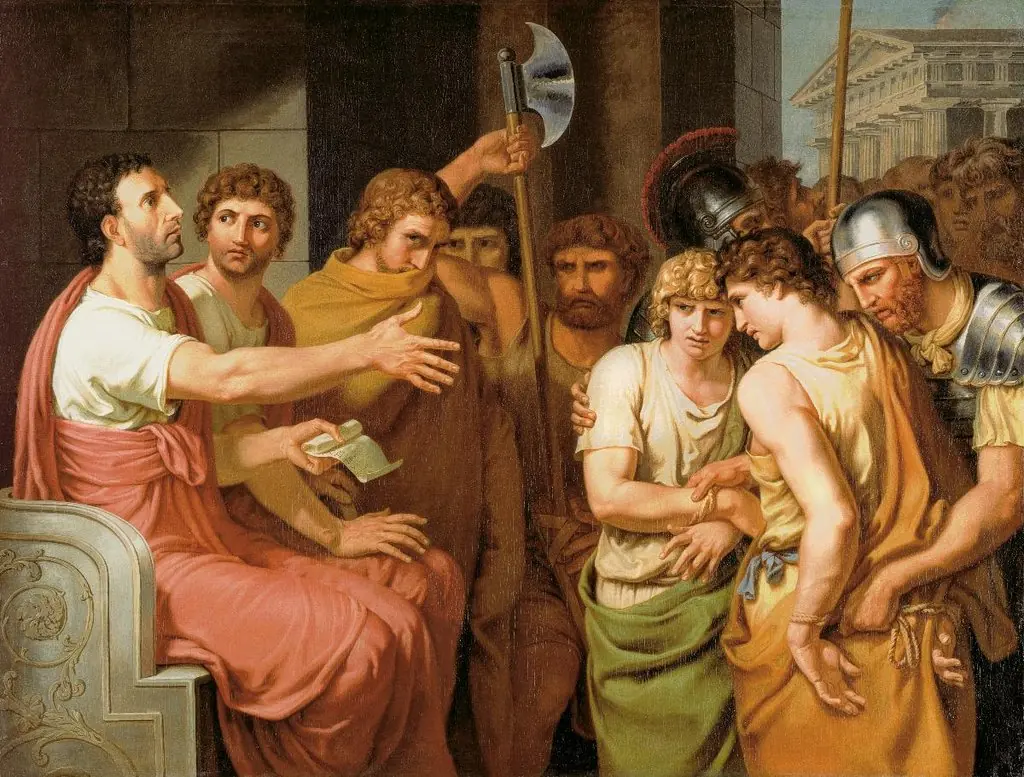
Wamba renouncing the Crown is an oil painting by Juan Antonio de Ribera. It dates from 1819 and is held in the collection of the Museo del Prado.
About this work
Subject & Meaning
The composition centers on the monarch alongside specific regalia and martial objects, including the crown itself, a combat helmet, and a shield.
Juan Antonio de Ribera's 1819 oil painting depicts the Visigothic King Wamba in the act of renouncing his crown. The composition centers on the monarch alongside specific regalia and martial objects, including the crown itself, a combat helmet, and a shield. These elements visually narrate the historical moment of abdication, symbolizing the transition from military authority to a life of religious devotion or retirement.
The inclusion of the helmet and shield alongside the crown highlights the contrast between the king's former role as a warrior and his current decision to relinquish power.
Technique & Style
Juan Antonio de Ribera executed Wamba renouncing the Crown in oil paint on canvas in 1819. The work measures 219 cm in width by 163 cm in height and portrays a figure discarding a crown amid symbols of combat, including a helmet and shield. Its formal composition emphasizes stark contrasts and restrained coloration to convey the subject’s decisive rejection of authority, reflecting neoclassical stylistic tendencies through balanced structure and controlled brushwork.
History & Provenance
The painting is housed in the Museo del Prado collection. Its accession number is not specified in the available sources. The work has been exhibited in the museum's galleries as part of its permanent holdings, though specific exhibition dates are not documented in the provided information.
Overview
Juan Antonio de Ribera, a Spanish painter active in the early nineteenth century, completed the oil work Wamba renouncing the Crown in 1819. The canvas, now part of the Museo del Prado’s holdings in Madrid, portrays a dramatic encounter set within a vaulted stone chamber, where a central figure in a red cloak gestures with a sword toward a kneeling opponent.
Context
The early 1800s saw Spanish artists turning to early medieval and early modern episodes to explore themes of authority, loyalty, and sacrifice. Ribera’s choice of Wamba, a relatively obscure Visigothic ruler, reflects contemporary Romantic fascination with the past as a source of moral exempla, aligning his work with broader European trends in historic painting.
Own this work as a print
Artist & collection
Artist
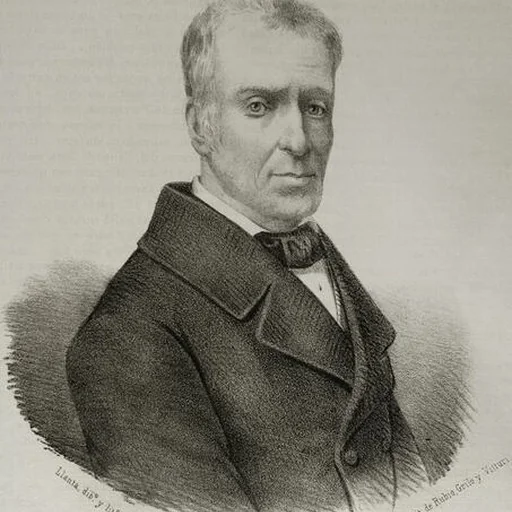
Juan Antonio Ribera Fernandez (also known as Juan Antonio de Ribera; May 27, 1779 – June 15, 1860) was a Spanish painter.

- Brutus entdeckt die Namen seiner Söhne auf der Liste der Verschwörer und verurteilt sie zum Tode
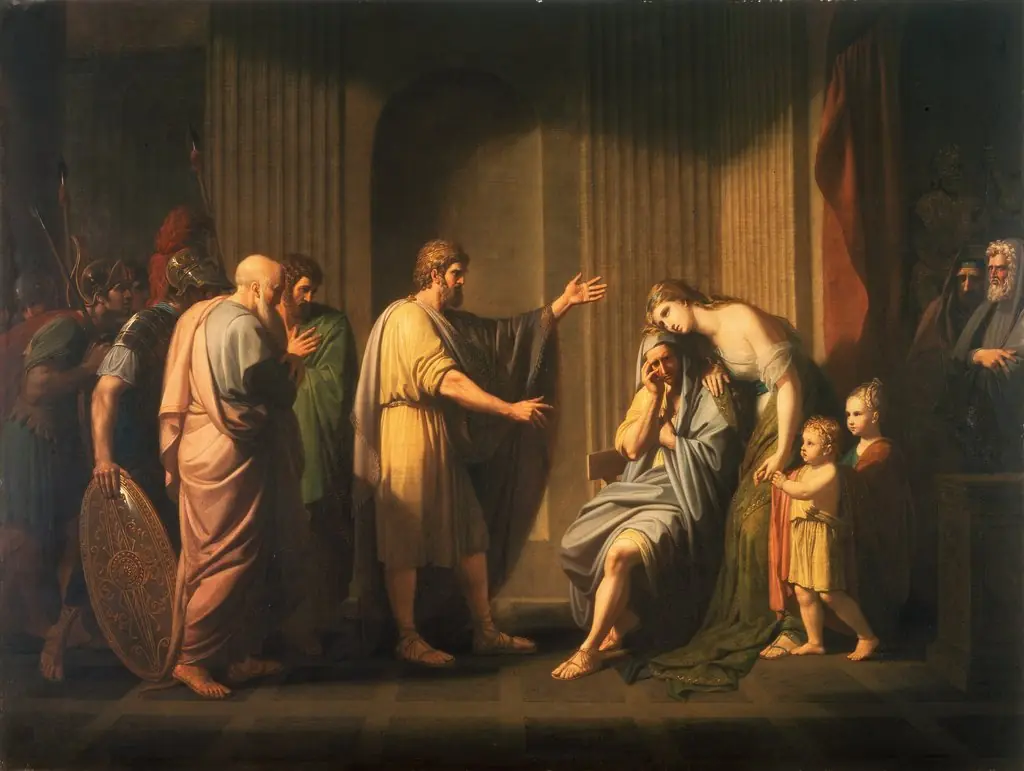 Cleombrotus Ordered into Banishment by Leonidas II, King of Sparta
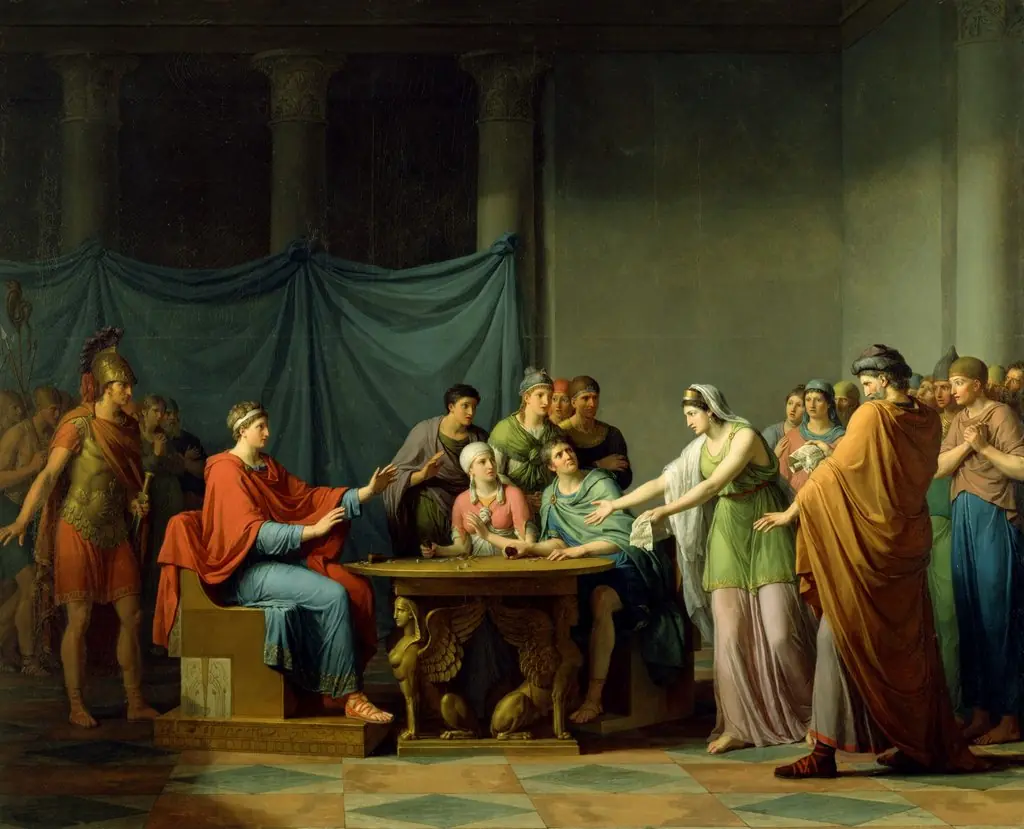 Berenice Reproaching Ptolemy
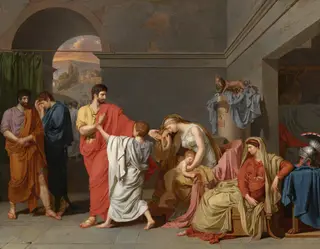 Coriolanus Taking Leave of his Family
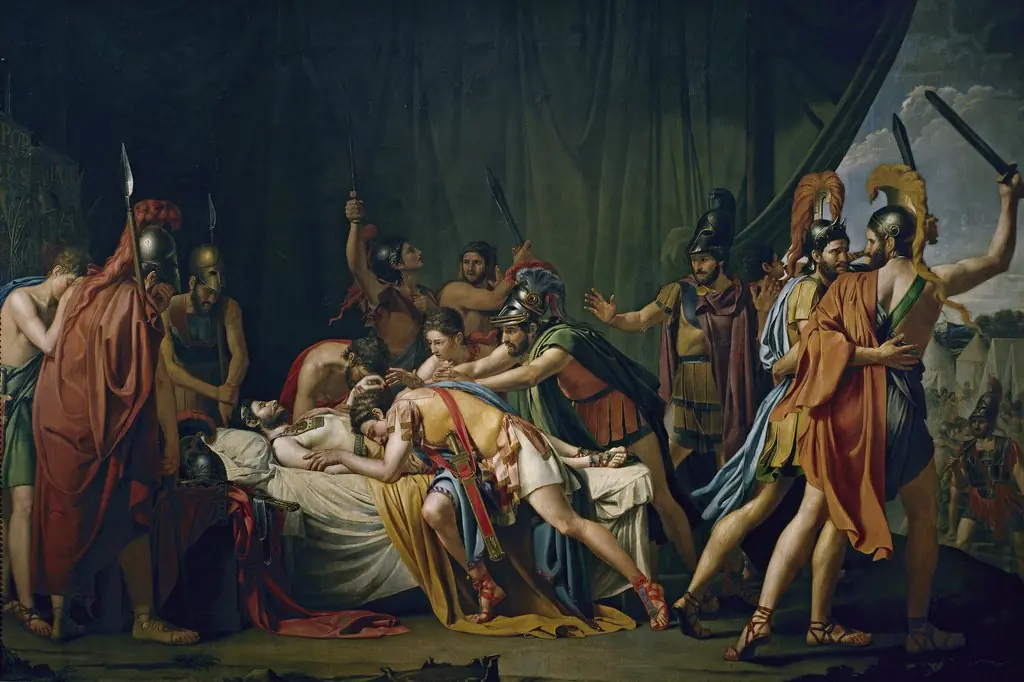 The Death of Viriatus, Chief of the Lusitanians
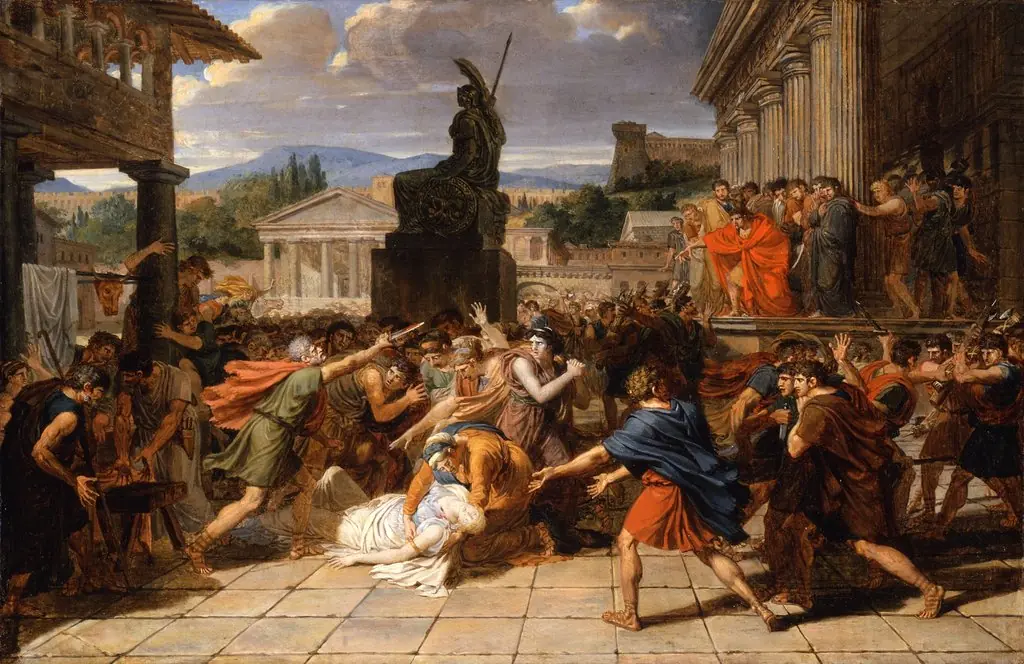 The Death of Virginia
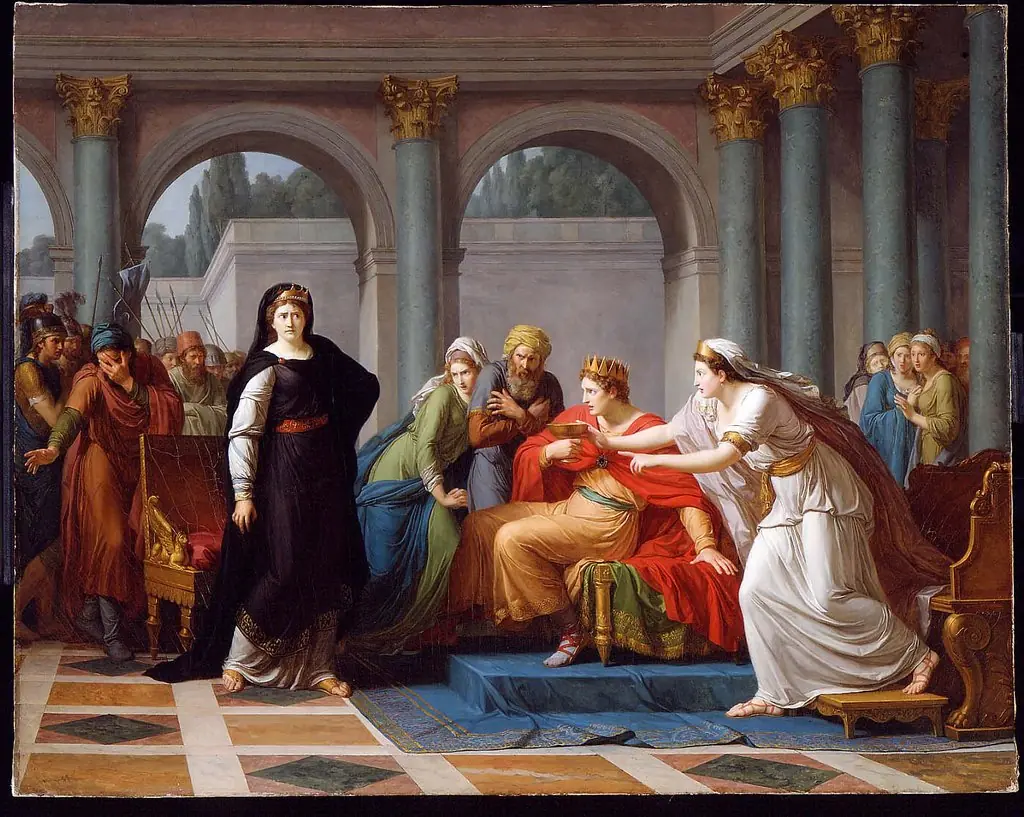 "Seigneur! Voyez ces yeux" (Cleopatra Discovered by Rodogune to Have Poisoned the Nuptial Cup)
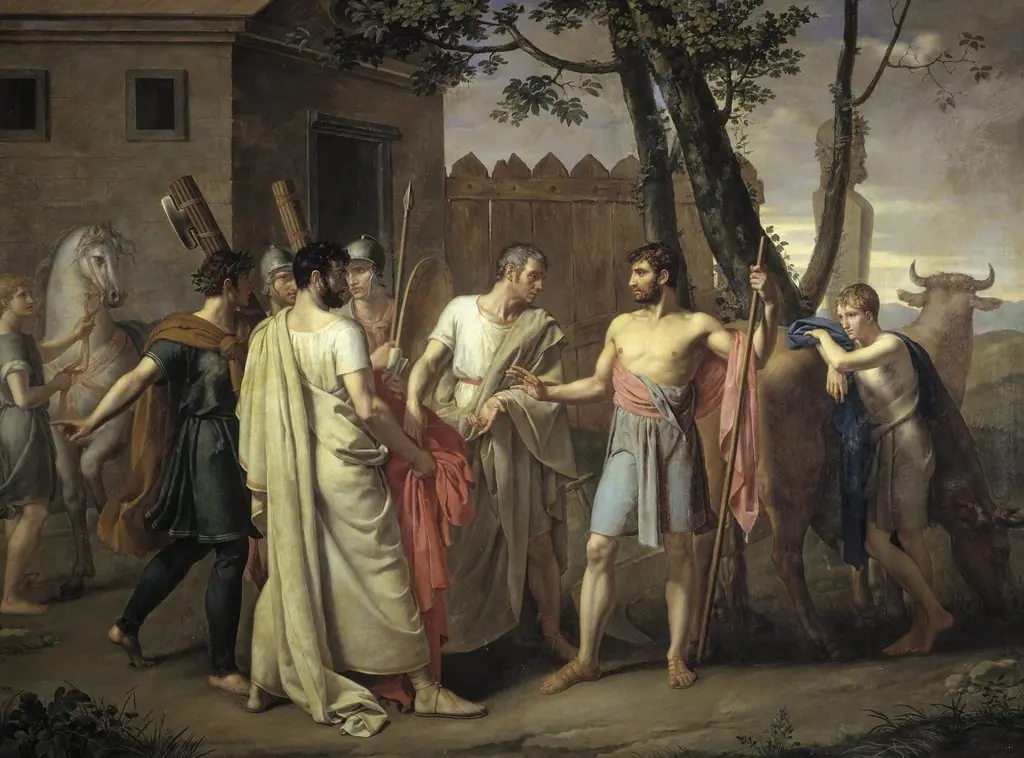 Cincinnatus abandons the Plough to dictate Laws to Rome
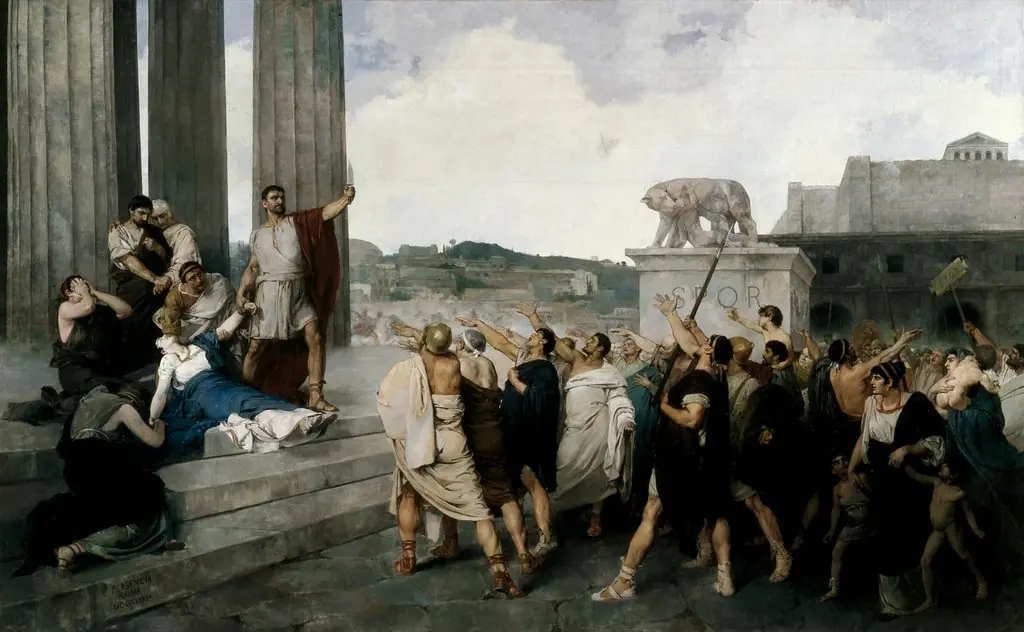 Origen de la República Romana (año 598 antes de la era cristiana)
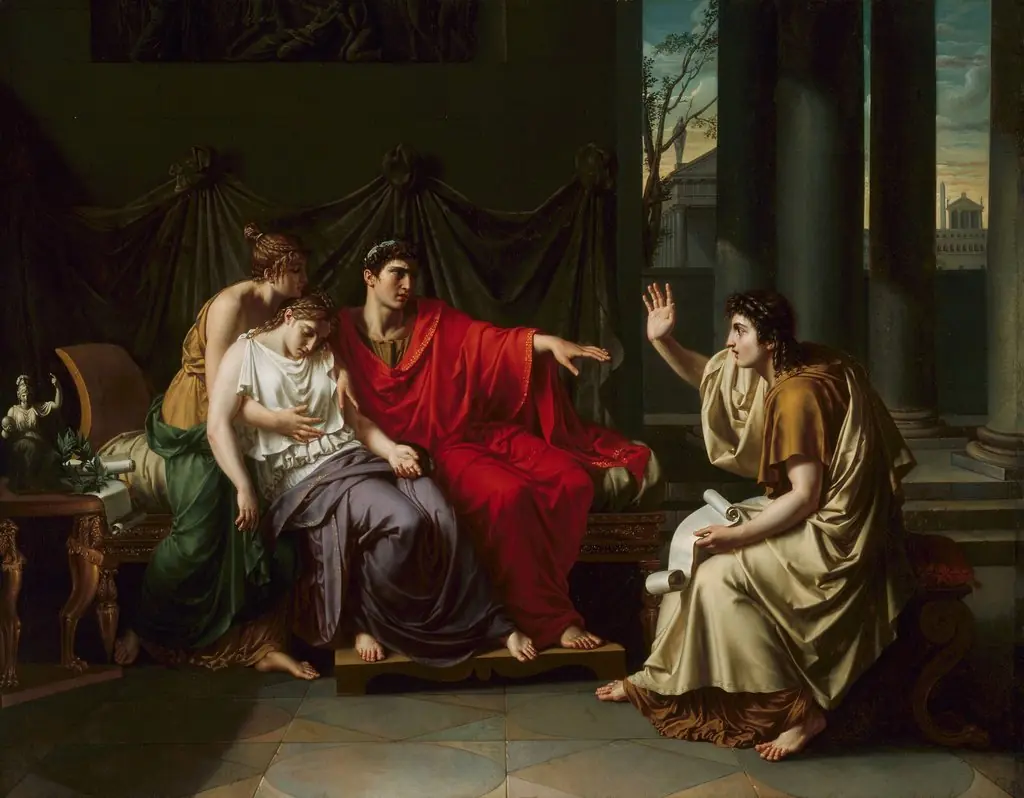 Virgil Reading the "Aeneid" to Augustus, Octavia, and Livia
 Virgil Reading the "Aeneid" to Augustus, Octavia, and Livia
 The Death of Socrates