Artwork
Portrait of Karolina Schultz
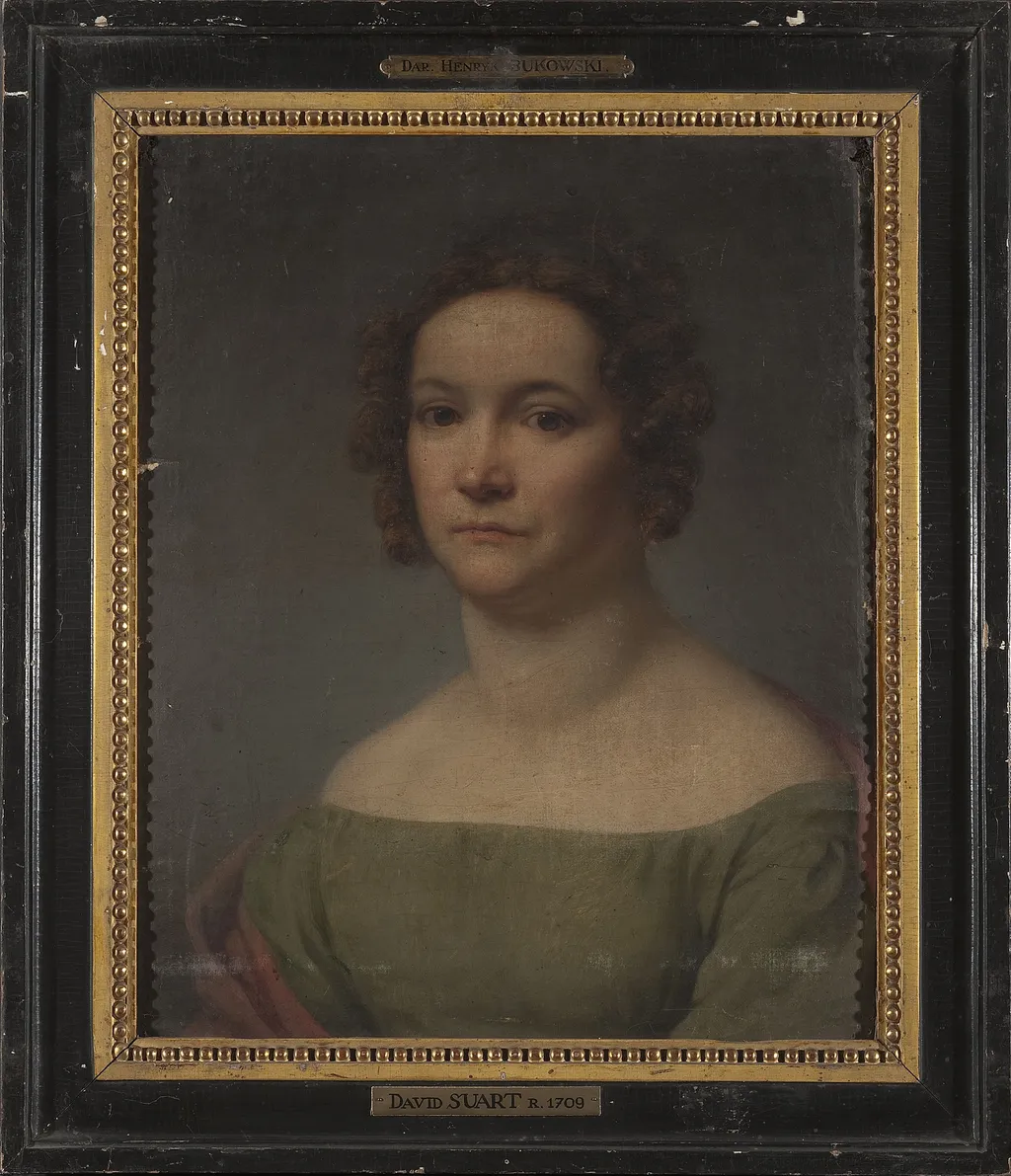
Portrait of Karolina Schultz is an unspecified painting by Franciszek Ksawery Lampi. It dates from 1827 and is held in the collection of the National Museum in Warsaw.
About this work
Overview
Painted circa 1827 by Franciszek Ksawery Lampi, this portrait depicts Karolina Schultz, a woman of likely aristocratic or bourgeois standing in Congress Poland.
Painted circa 1827 by Franciszek Ksawery Lampi, this portrait depicts Karolina Schultz, a woman of likely aristocratic or bourgeois standing in Congress Poland. Lampi, born in Austria to Italian parents, settled in Warsaw after 1815 and became known for his restrained, intimate portraits. The painting resides today in the National Museum in Warsaw, reflecting the artist’s role in shaping the visual culture of the Polish elite during the early 19th century.
Subject & Meaning
Karolina Schultz is portrayed with quiet composure, her gaze directed slightly to the right, suggesting a momentary pause rather than a formal pose. The absence of symbolic objects or elaborate settings shifts focus to her presence alone. The simplicity of her attire and the neutral background imply an emphasis on personal dignity rather than social status, aligning with Romantic ideals that valued inner character over external display.
Technique & Style
Lampi employs soft brushwork and muted tones to convey texture and form without ornamentation. The green dress and red shawl are rendered with subtle gradations of light, creating volume without theatricality. The gray background isolates the figure, enhancing the sense of stillness.
Hair is suggested with loose, fluid strokes, avoiding rigid detail, which contributes to the portrait’s intimate, unposed atmosphere.
History & Provenance
The painting entered the collection of the National Museum in Warsaw at an early stage, likely through acquisition or donation in the 19th century. Its continuous presence in the museum’s holdings indicates its recognized significance within Polish art circles. No records suggest significant alterations or transfers, preserving its original condition and attribution to Lampi.
Context
Created during the early years of Congress Poland under Russian rule, the portrait reflects a cultural moment when Polish identity was being reasserted through art. Lampi, though foreign-born, became a central figure in Warsaw’s artistic community. His portraits of local elites offered a quiet alternative to the grand historical narratives favored elsewhere, emphasizing individuality amid political uncertainty.
Legacy
Lampi’s approach to portraiture influenced a generation of Polish artists who favored psychological depth over ceremonial grandeur. While not widely known outside Poland, his work, including this portrait, remains a touchstone for understanding the evolution of domestic portraiture in the region. The painting endures as a quiet example of how personal presence could be rendered with dignity in a time of national upheaval.
Own this work as a print
Artist & collection
Artist
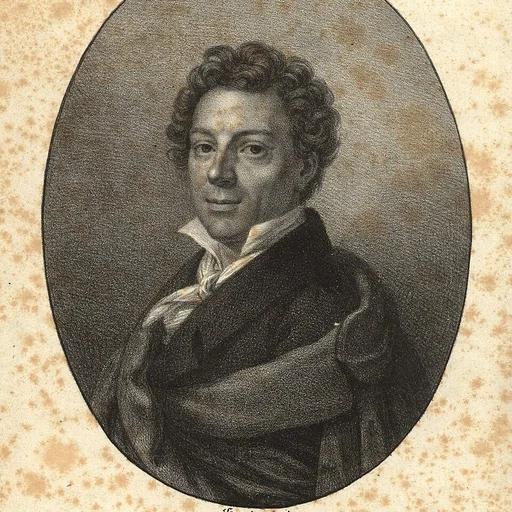
Franciszek Ksawery Lampi, also known as Franz Xaver Lampi (22 January 1782 – 22 July 1852), was a Polish Romantic painter born in Austria of ethnic Italian background.

 Portrait of Wojciech Rogoziński
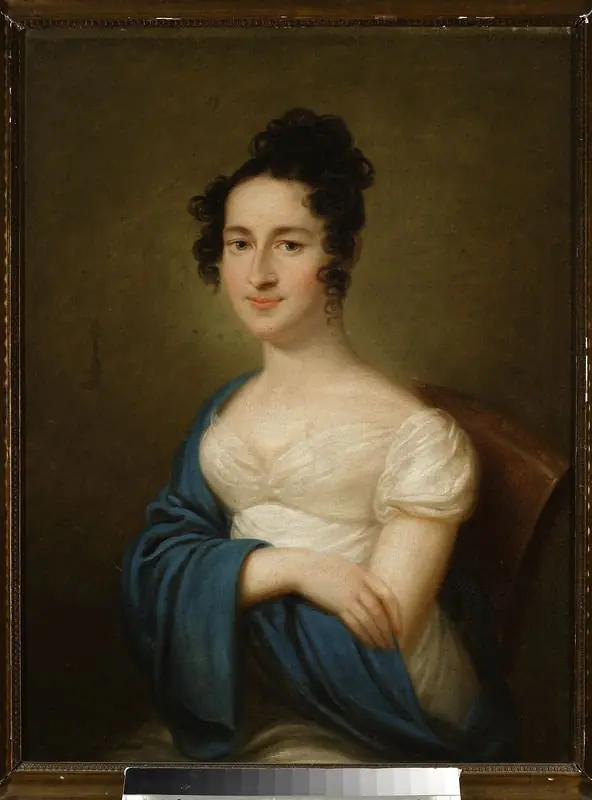 Portrait of Salomea Zawadzka née Mikołajewska
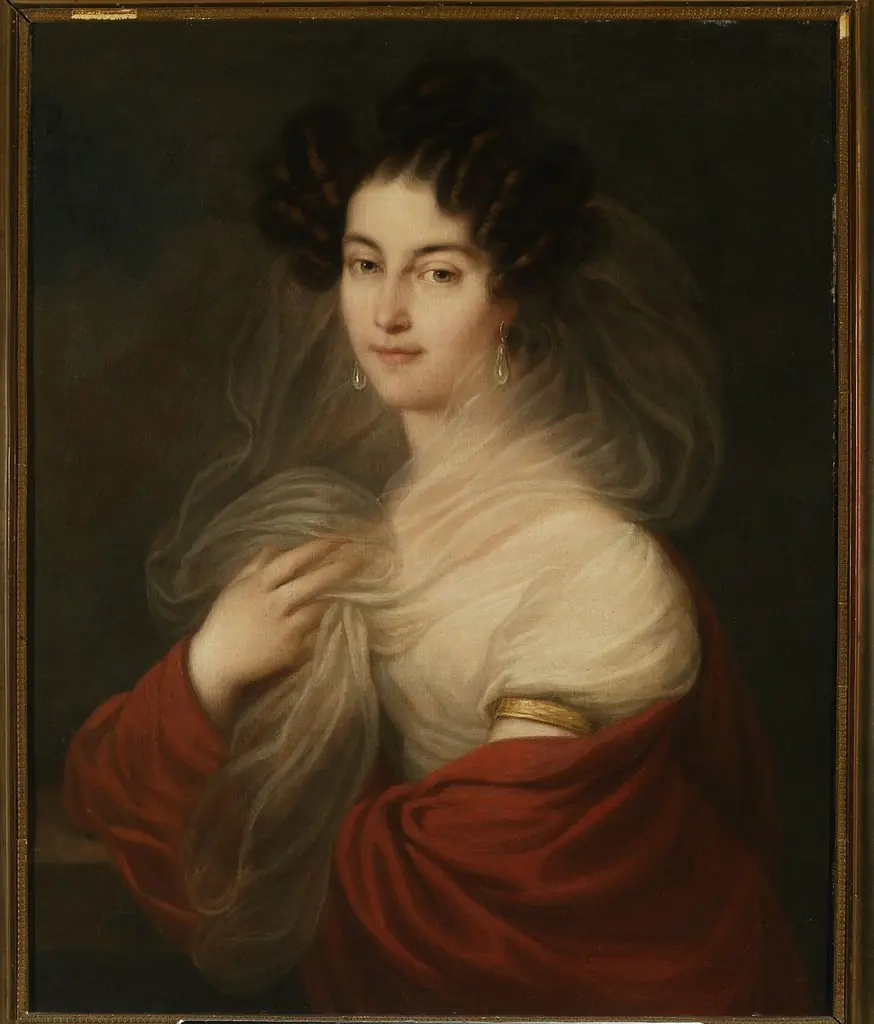 Portrait of Celina Radziwiłł née Sulistrowska (1805–1836)
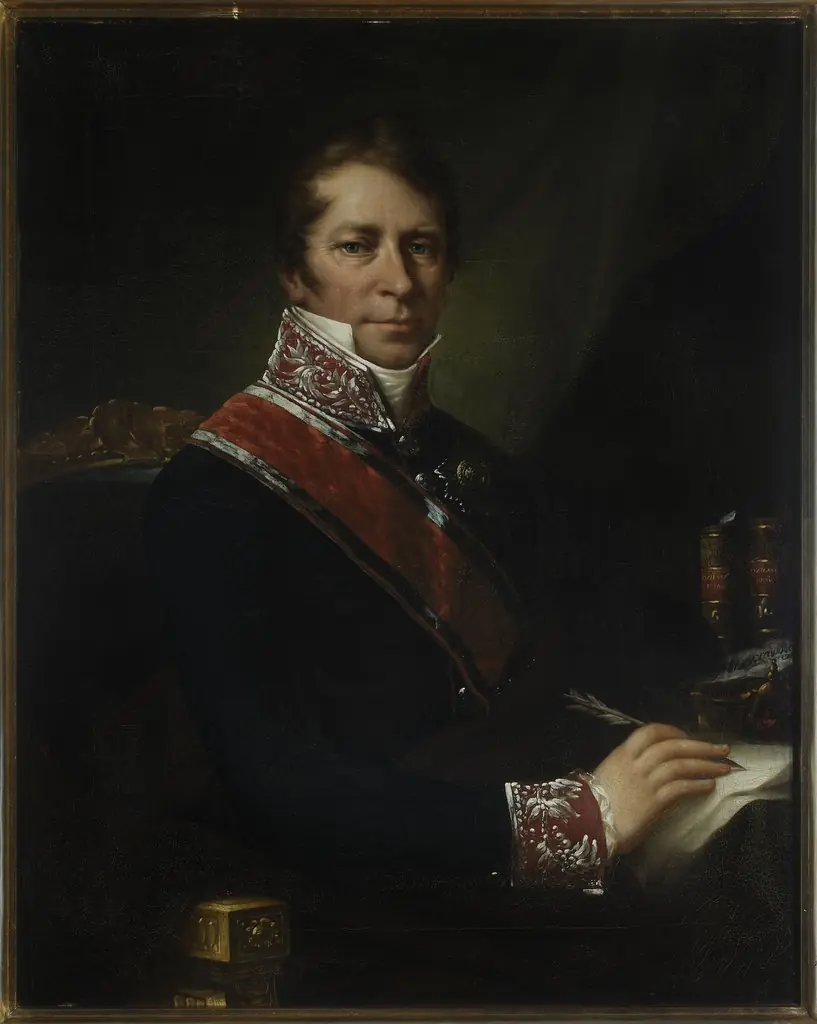 Portrait of Ksawery Potocki
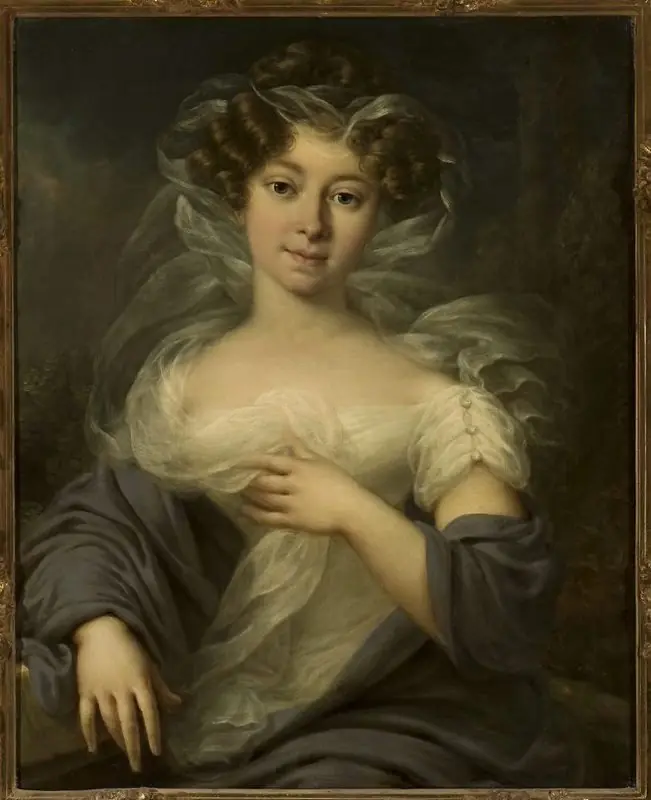 Portrait of Nina Łuszczewska née Żółtowska
 Portrait of Teresa Żebrawska née Hanowicz
 Portrait of Senator Chądzyński's Wife
 Portrait of Maria Magnuszewska
- Portrait of a Woman
 Portrait of a woman
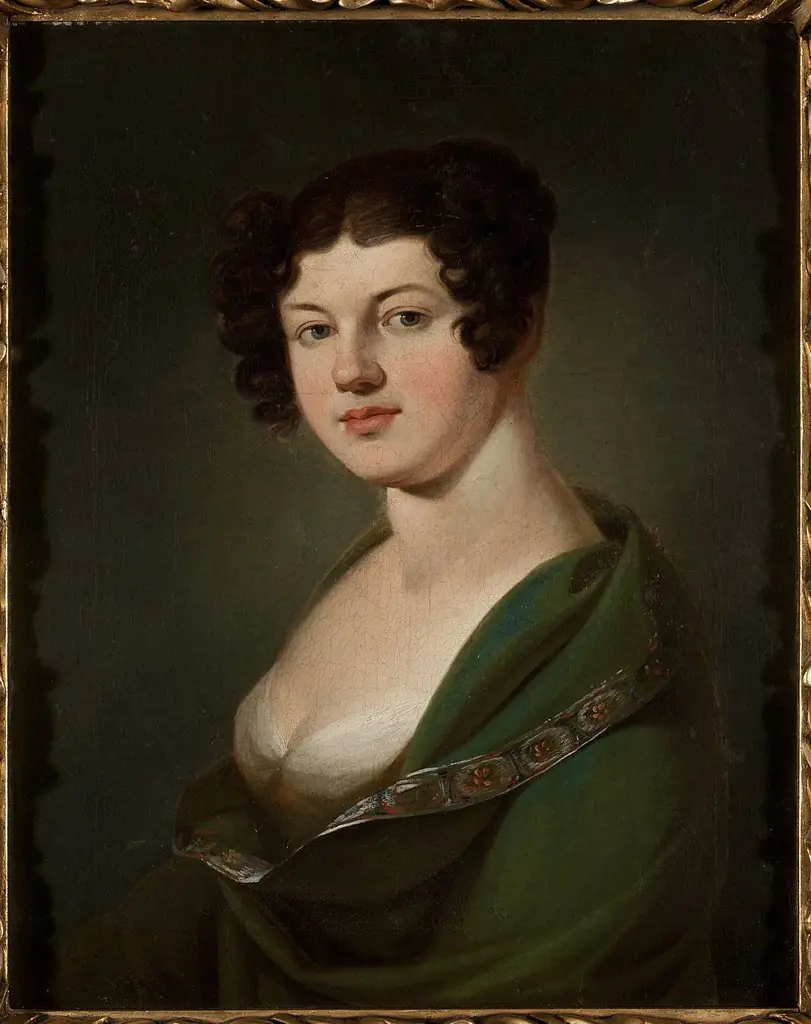 Portrait of Aniela Nowicka née Popławska
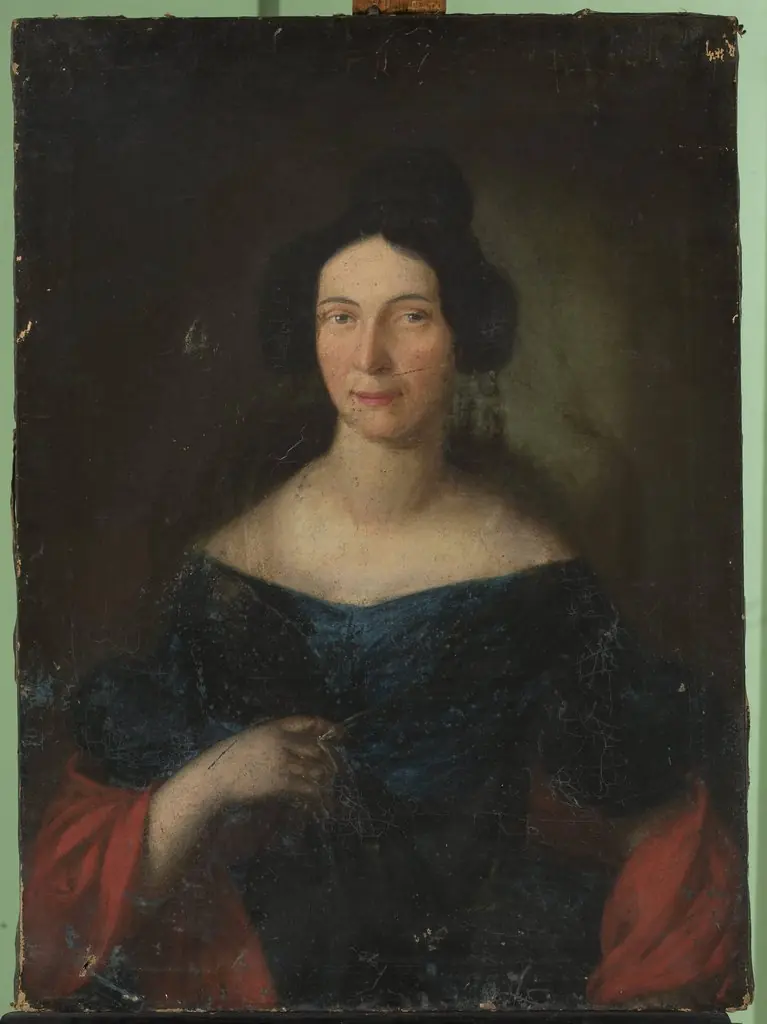 Portrait of a woman
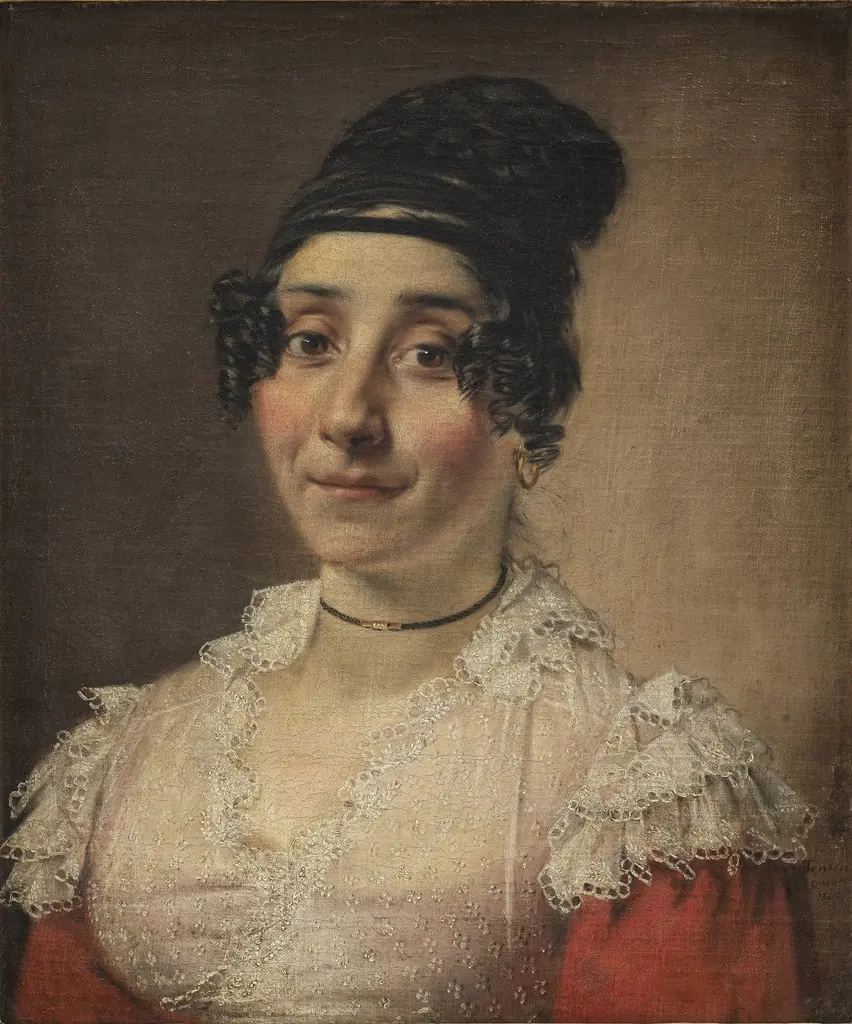 Portræt af fru Gumperd
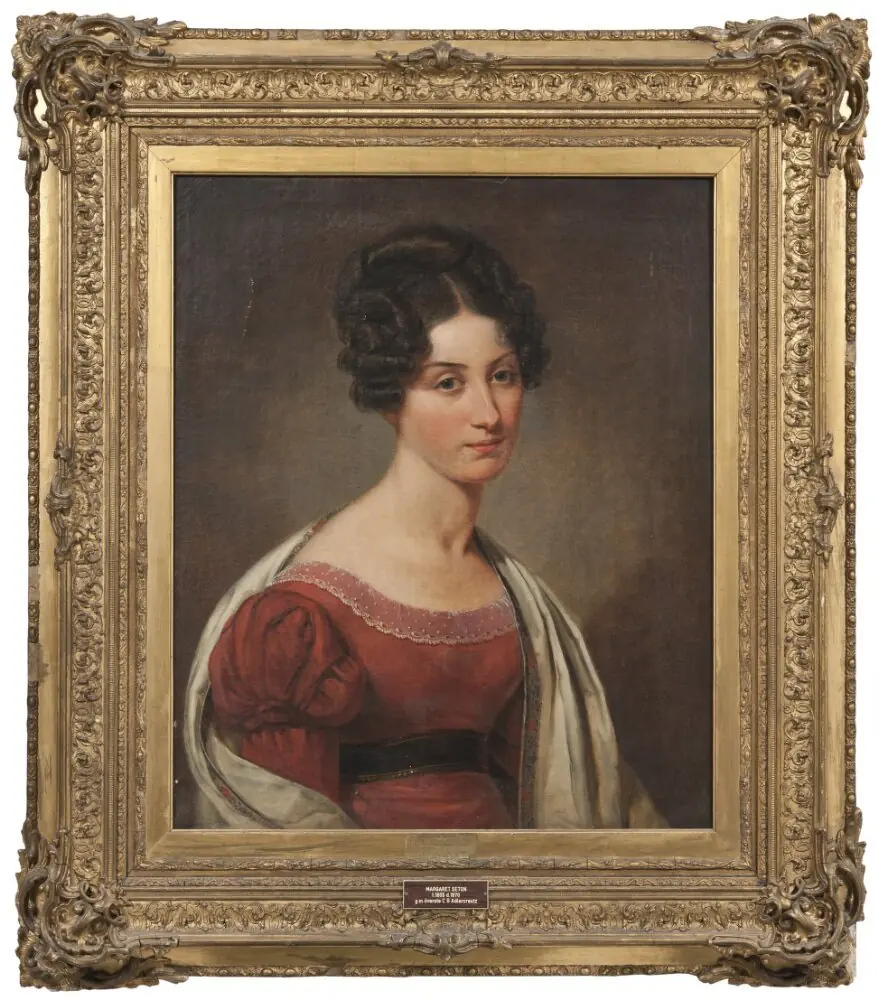 Margaret Seton (1805-1870), född i Skottland, verksam i Sverige, g.m. friherre överste Carl Gustaf Adlercreutz, sondotter till Alexander Baron Seton
 Portrait of Eufemia Wiśniewska née Borman
 Cecilia Santos
 Portrait of a young woman
 Actress Anna Nielsen
 Skuespilleren Anna Nielsen
 Portrait of Maria Christina Nijssen, Wife of Anthonie van der Hout