Artwork
Mummers
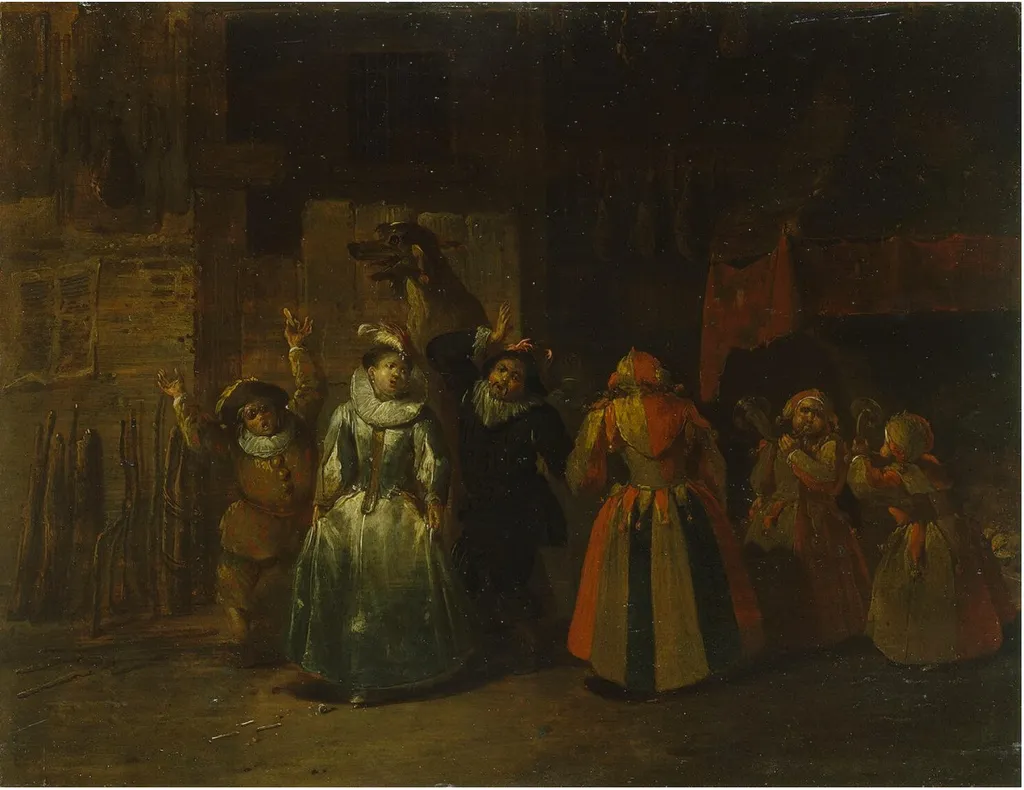
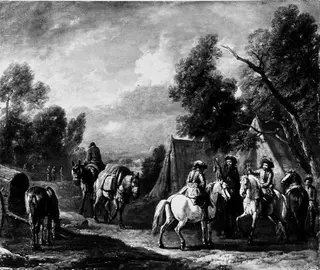
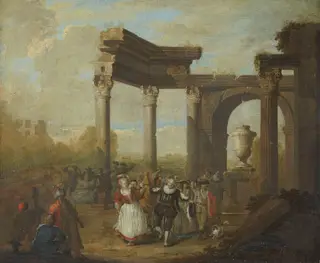
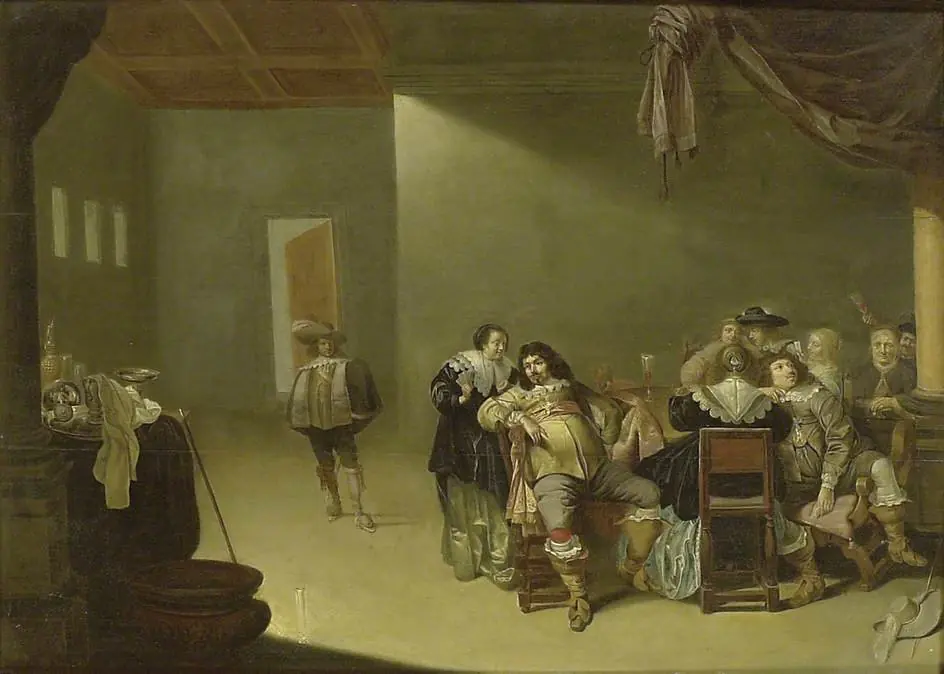
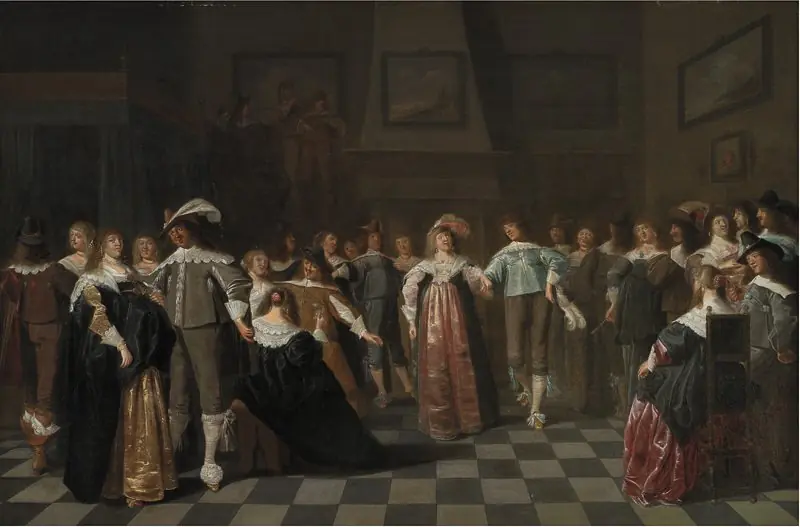
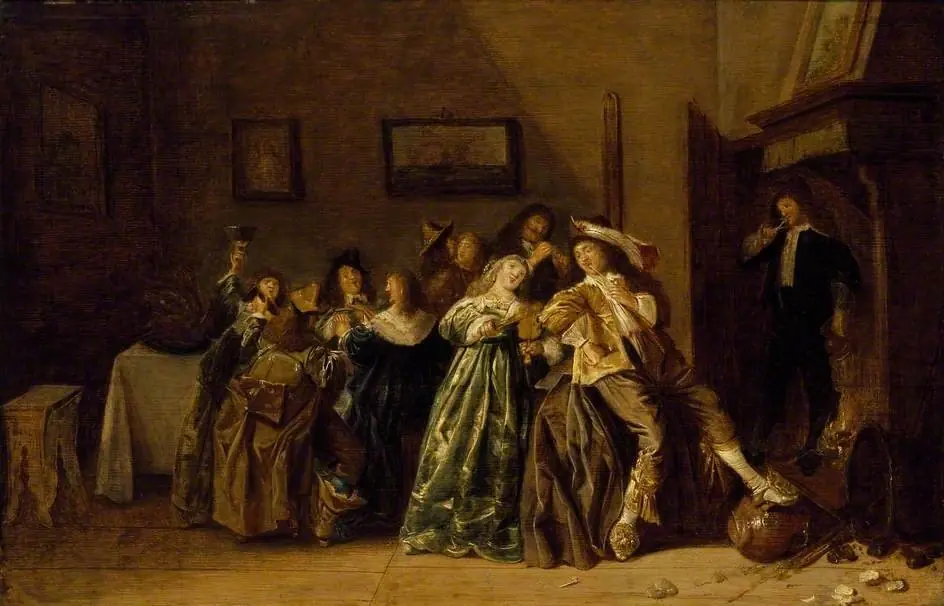
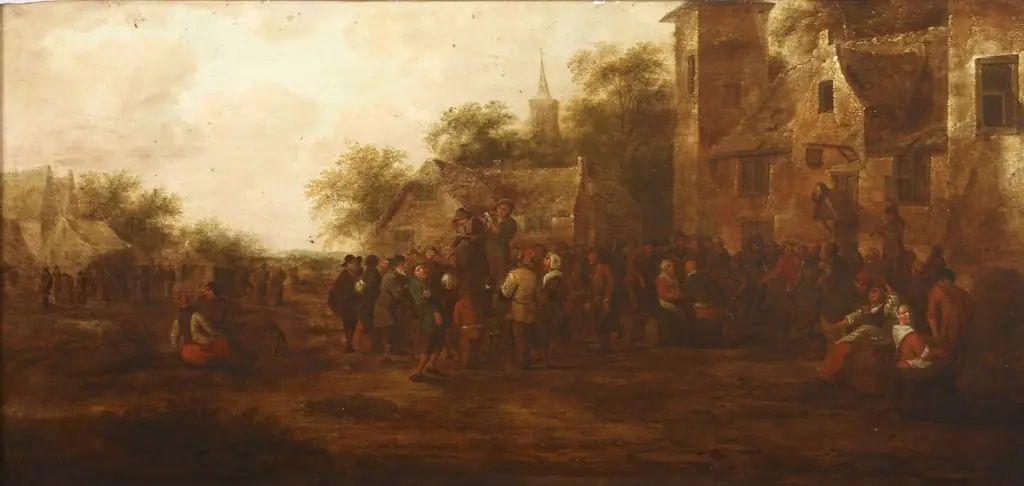
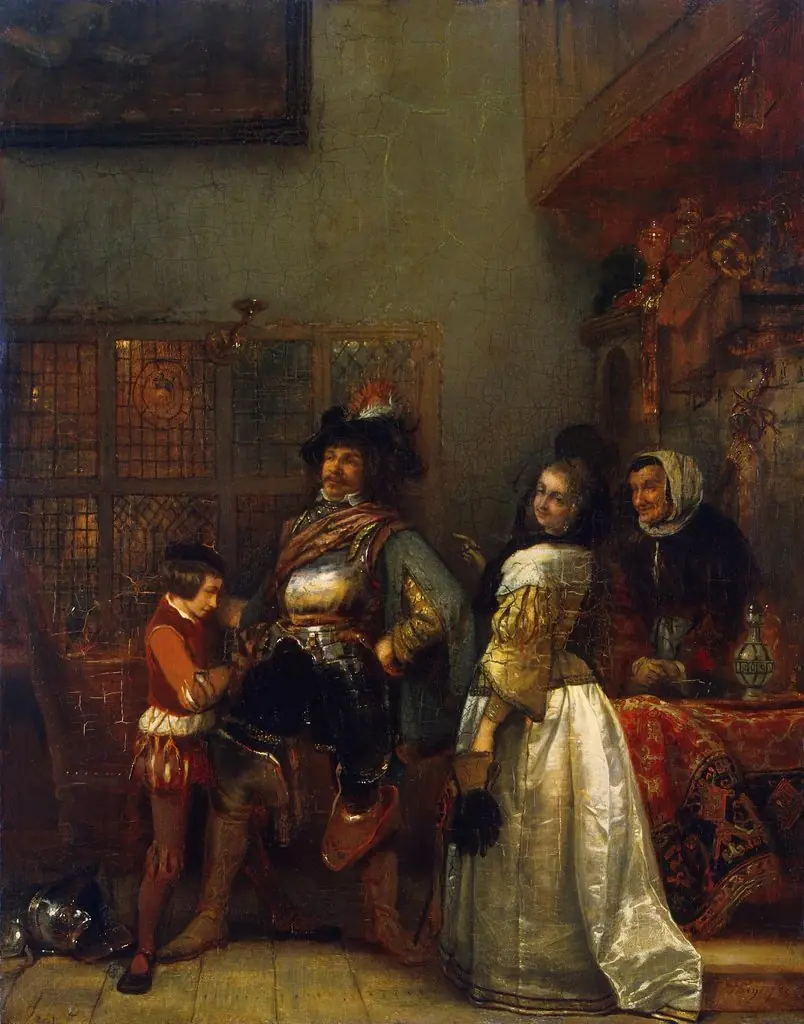
Mummers is an oil painting by the Flemish Baroque painting artist Frans Breydel. It dates from 1642 and is held in the collection of the Hermitage Museum.
About this work
Overview
Painted around 1642, Frans Breydel’s Mummers is an oil-on-canvas work capturing a moment of festive performance in 17th-century Flanders.
Painted around 1642, Frans Breydel’s Mummers is an oil-on-canvas work capturing a moment of festive performance in 17th-century Flanders. Though Breydel later gained recognition for landscapes and battle scenes, this early piece reflects his engagement with genre subjects. The painting is part of the State Hermitage Museum’s collection, preserving a rare glimpse into popular entertainment of the period.
Subject & Meaning
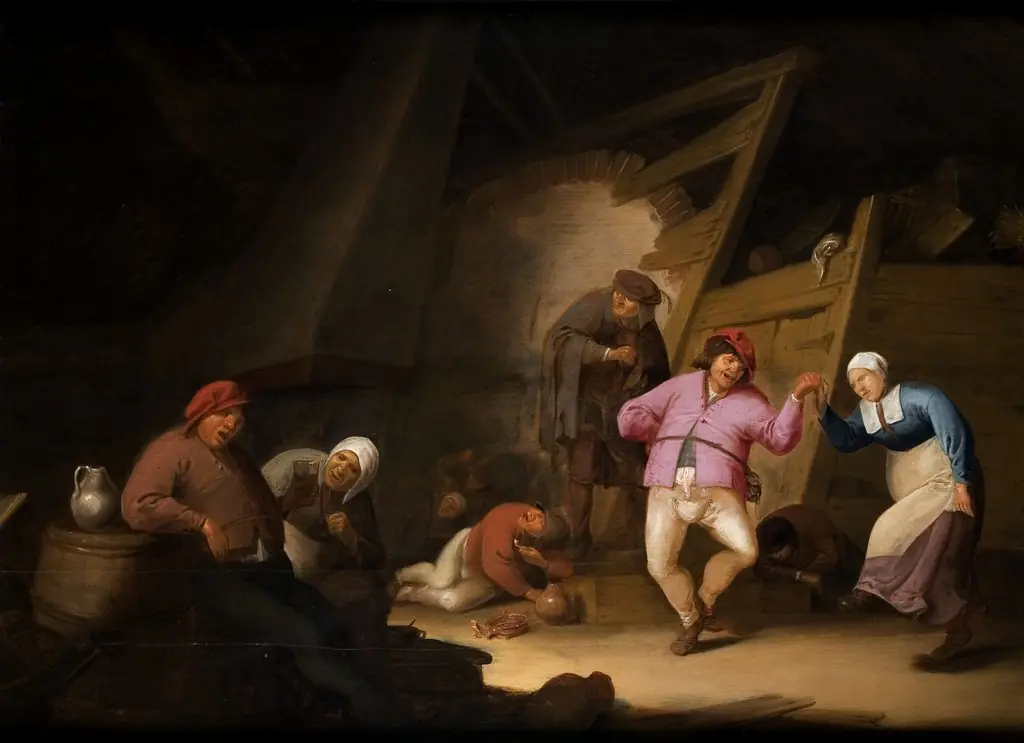
The painting portrays six figures in elaborate, period-specific costumes, likely participants in a mumming ritual, a tradition of masked, costumed performers who enacted playful or satirical skits during seasonal celebrations. Their gestures and expressions suggest interaction with an unseen audience or prop, emphasizing the performative nature of the scene. A large dog at their rear adds a sense of domestic intimacy, grounding the spectacle in everyday life.
Technique & Style
Breydel employs precise brushwork and careful lighting to render textures, fabric, fur, wood, with tactile realism. The dim interior is illuminated by a soft, directional light that highlights facial expressions and costume details without overwhelming the scene. The composition is tightly arranged, drawing attention to the figures’ coordinated postures and the subtle spatial depth created by the wall hanging and scattered sticks on the floor.
History & Provenance
Frans Breydel came from a family of Antwerp painters active across generations, though his own oeuvre is less documented than his relatives’. Mummers is among the few surviving genre works from his early career. The painting entered the Hermitage collection in the 18th or 19th century, likely through imperial acquisitions of Northern European art, and has remained in its holdings since.
Context
Mumming was a widespread folk practice in Northern Europe, often tied to winter festivals and carnival traditions. In Antwerp, such performances blended local customs with theatrical influences from the court and urban culture. Breydel’s depiction aligns with a broader trend in Flemish painting of the time, where artists turned to scenes of common life with increasing attention to psychological nuance and material detail.
Legacy
While Breydel’s later works in landscape and military themes overshadowed his early genre pieces, Mummers remains a significant example of how Flemish painters captured transient social rituals. The painting contributes to the understanding of how everyday entertainment was elevated into art, offering insight into the visual culture of the Dutch and Flemish provinces during the Baroque era.
Artist & collection
Artist
Jan Frans van Bredael or Jan Frans van Bredael the Elder (1& April 1686 – 19 February 1750) was a Flemish painter known for his landscapes, battle scenes and equestrian paintings.