Artwork
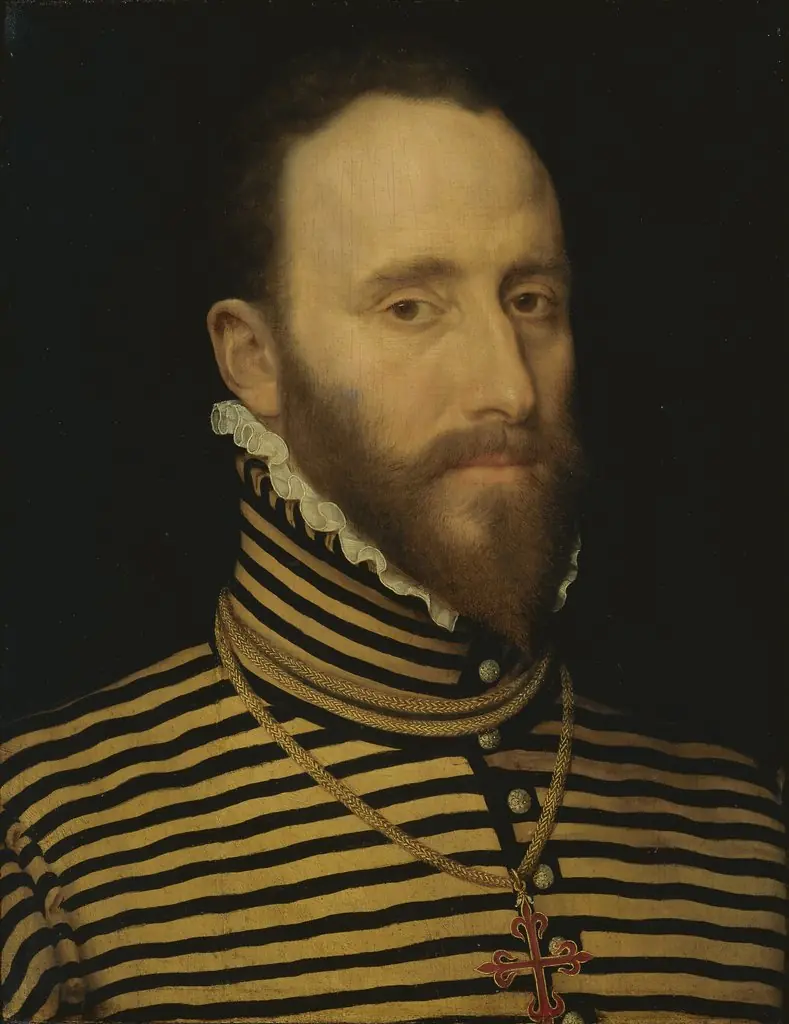
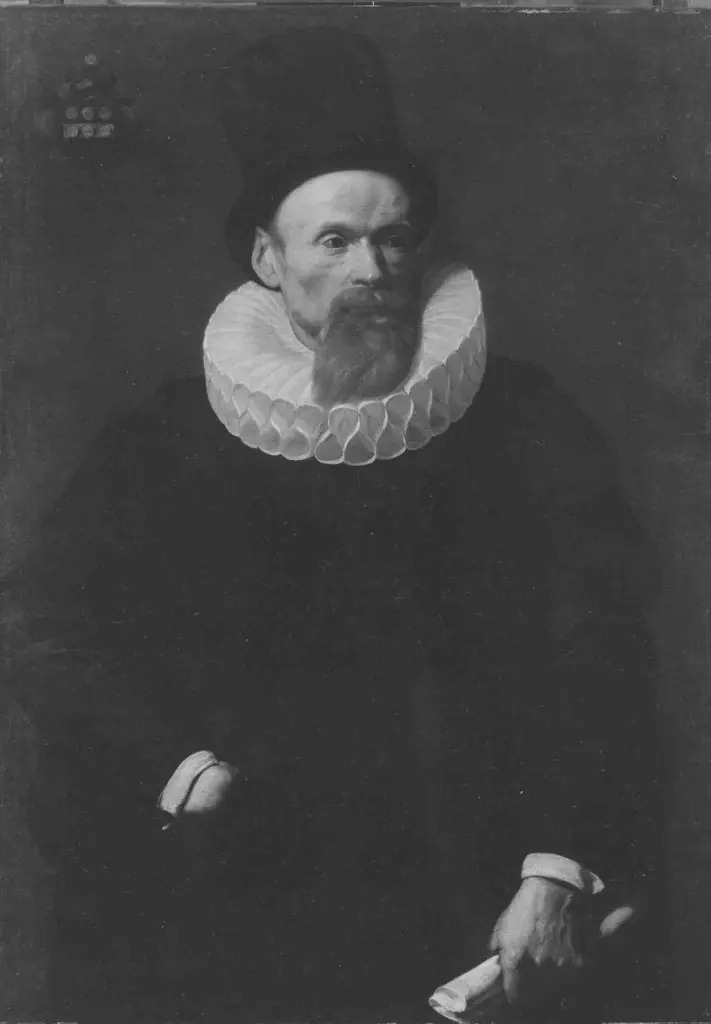
Portrait of an unknown man
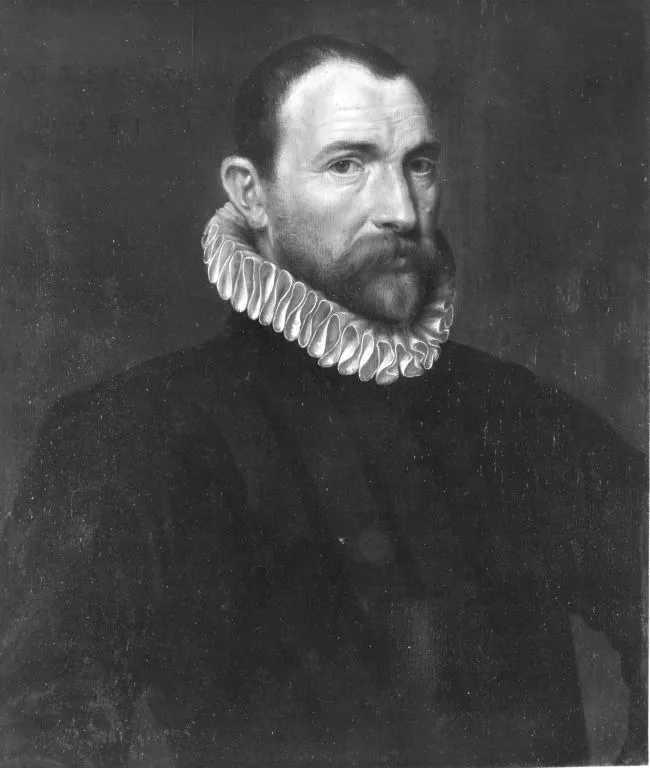
Portrait of an unknown man is an unspecified painting by the Mannerist artist Frans Pourbus the Elder. It is held in the collection of the Bavarian State Painting Collections.
About this work
Subject & Meaning
The source material provides no further details regarding specific iconography, symbolic elements, or deeper allegorical meanings associated with the figure.
The work depicts a man, identified in the records simply as an unknown individual. Created by Frans Pourbus the Elder in 1581, the painting functions strictly as a portrait of this male subject. The source material provides no further details regarding specific iconography, symbolic elements, or deeper allegorical meanings associated with the figure.
Consequently, the representation remains a straightforward depiction of a man without attributed narrative or symbolic layers in the available documentation.
History & Provenance
The Portrait of an unknown man by Frans Pourbus the Elder is held by the Bavarian State Painting Collections. Within this institution, the work resides in the Alte Pinakothek in Munich. The painting, created in 1581, depicts a male subject and measures 60 cm in height by 51 cm in width.
The provided sources do not contain specific inventory numbers, accession identifiers, or a record of the work's exhibition history.
Overview
Frans Pourbus the Elder, a Flemish painter active in the later sixteenth century, executed the work titled Portrait of an unknown man in 1591. The oil painting presents a solitary male sitter rendered against a dark backdrop, emphasizing the figure’s features. It is part of the collection of the Alte Pinakothek in Munich and exemplifies the artist’s skill in portraiture during the Mannerist phase of his career.
Technique & Style
Pourbus employs a tight, detailed brushwork that captures the texture of skin, hair, and fabric with precision. The chiaroscuro treatment, deep shadows behind the sitter and subtle illumination on his face, creates a three‑dimensional effect typical of late Renaissance portraiture. The composition adheres to Mannerist conventions, with an elongated neck and slightly exaggerated proportions that heighten the figure’s elegance while maintaining realistic detail.
Context
The painting emerges from a Flemish artistic environment that valued individualized portraiture for both civic and private patrons. During the late sixteenth century, artists like Pourbus blended Northern realism with Italianate Mannerist influences, resulting in works that combined meticulous detail with stylized elegance. This portrait exemplifies that synthesis, illustrating how regional painters responded to broader European trends while serving local demand for personal likenesses.
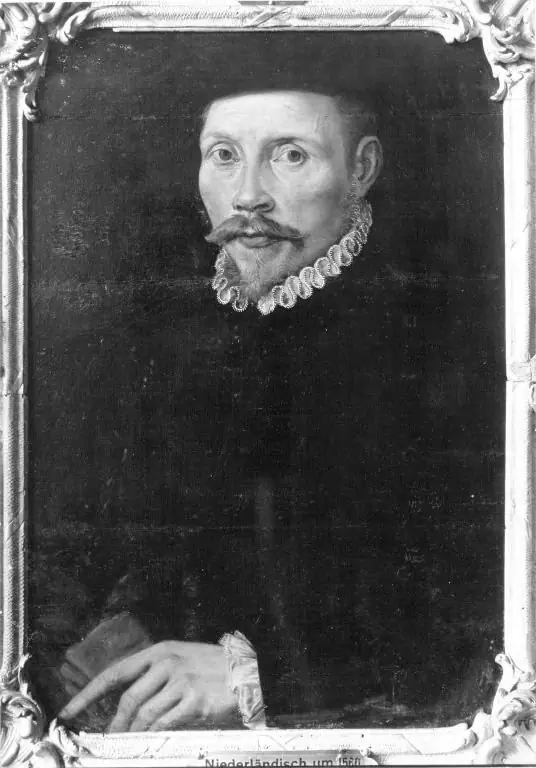
Artist & collection
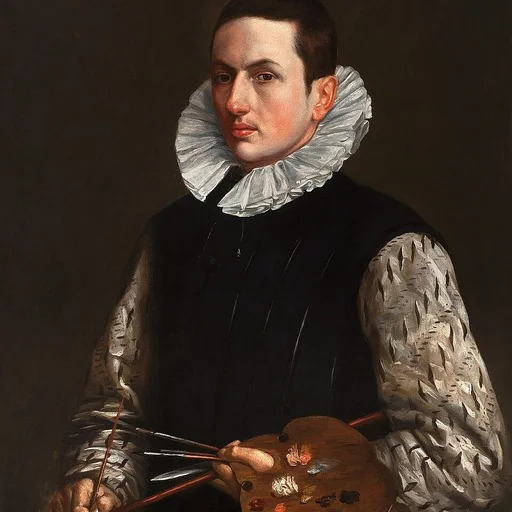
Artist
Frans Pourbus the Elder (Bruges, 1545 – Antwerp, 19 September 1581) was a Flemish Renaissance painter who is known primarily for his portraits and religious compositions, as well as a few genre scenes.

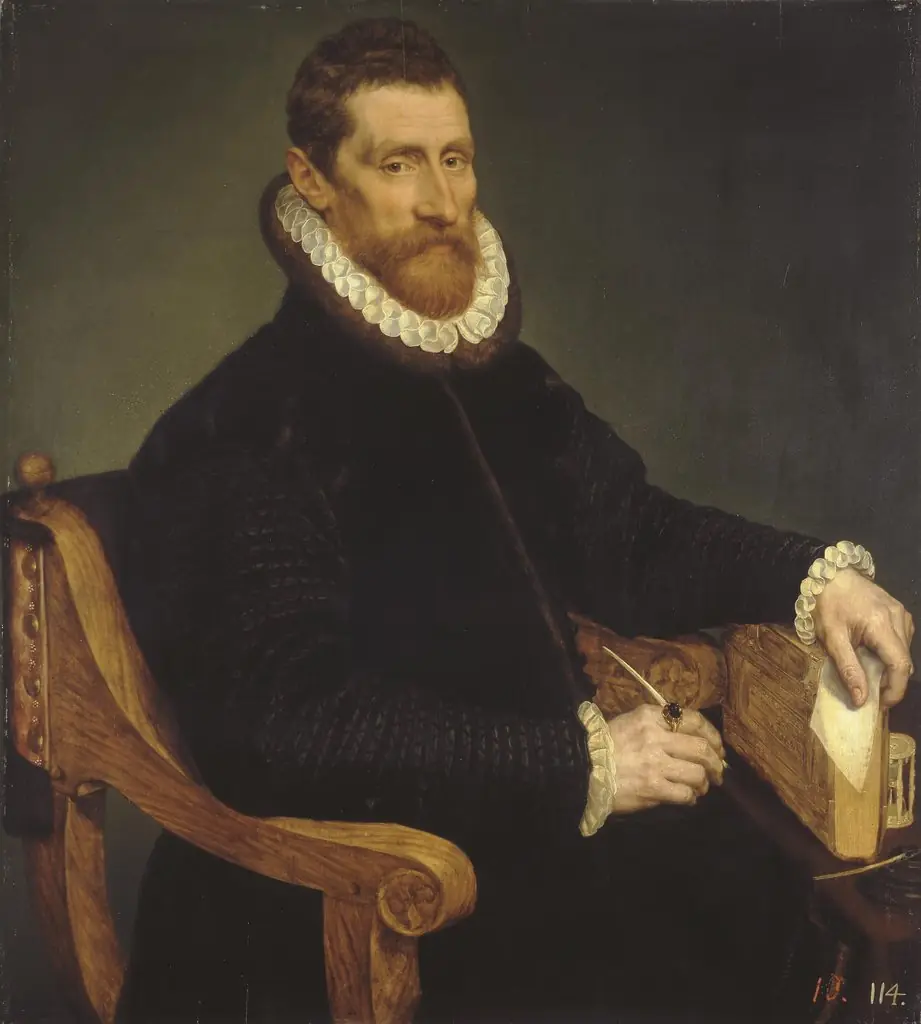
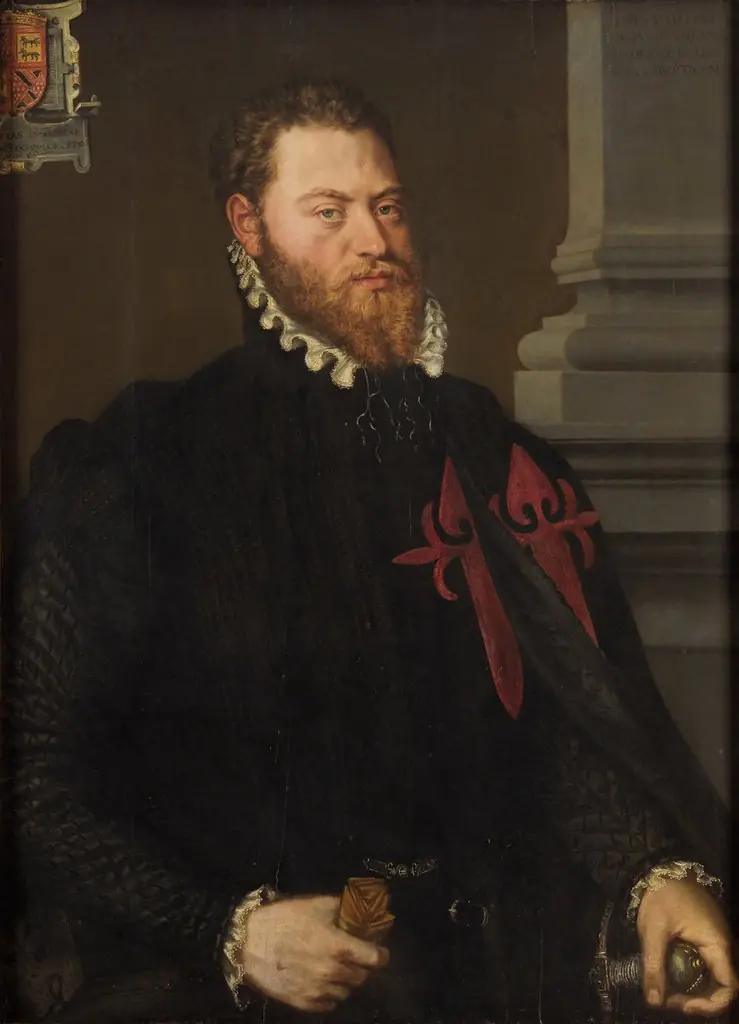
- Bildnis eines Mannes
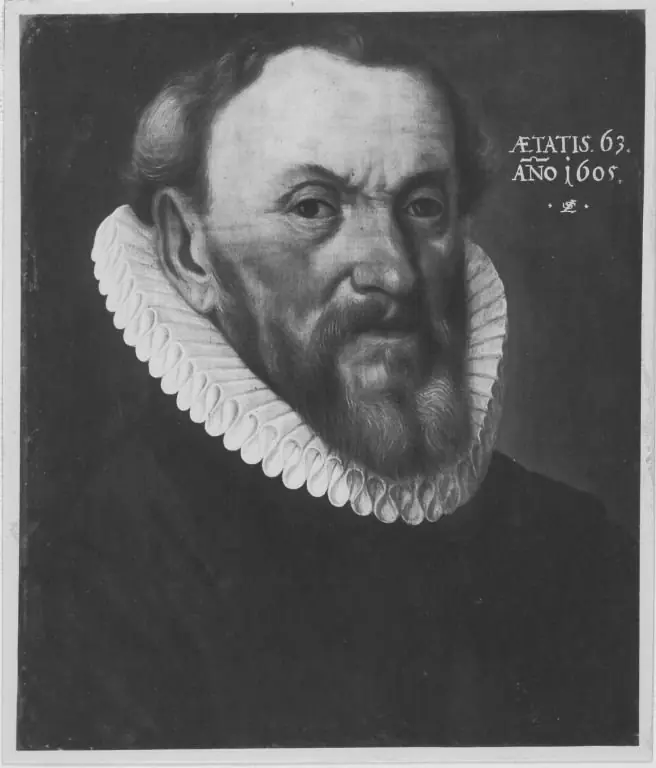 Bildnis eines bärtigen Mannes
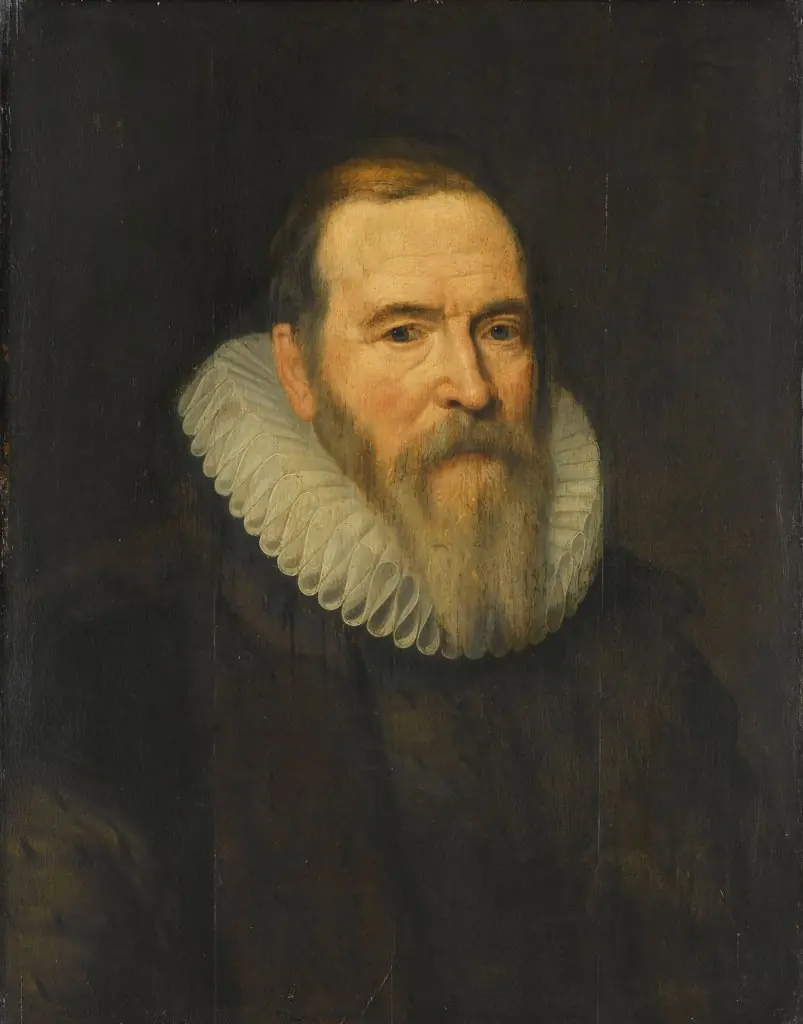 Portrait of Johan van Oldenbarneveldt (1547-1619)
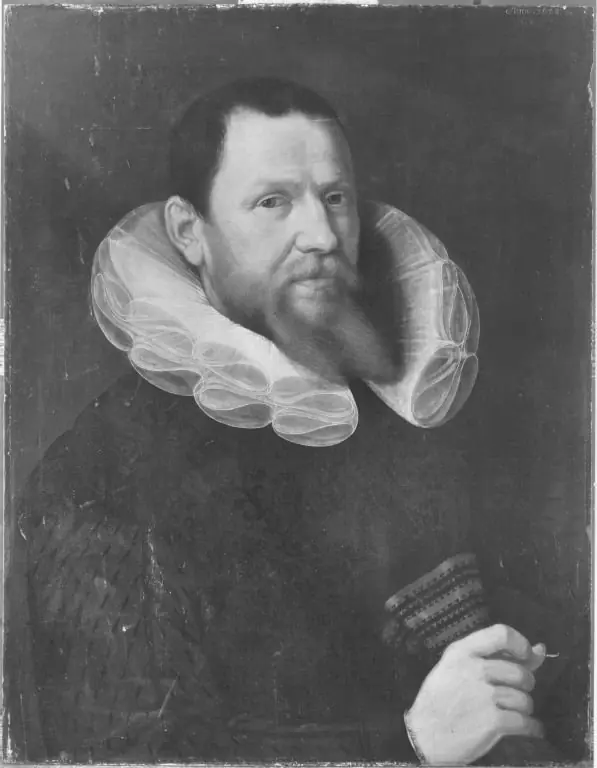 Bildnis eines Mannes
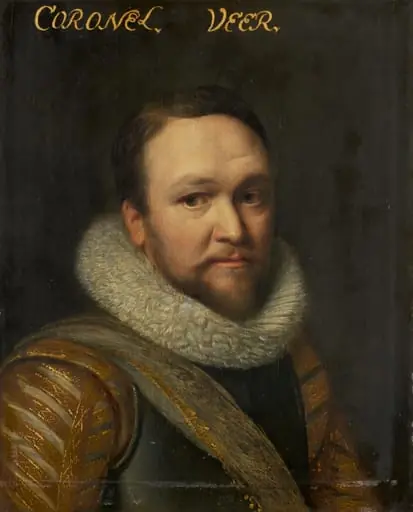 Untitled
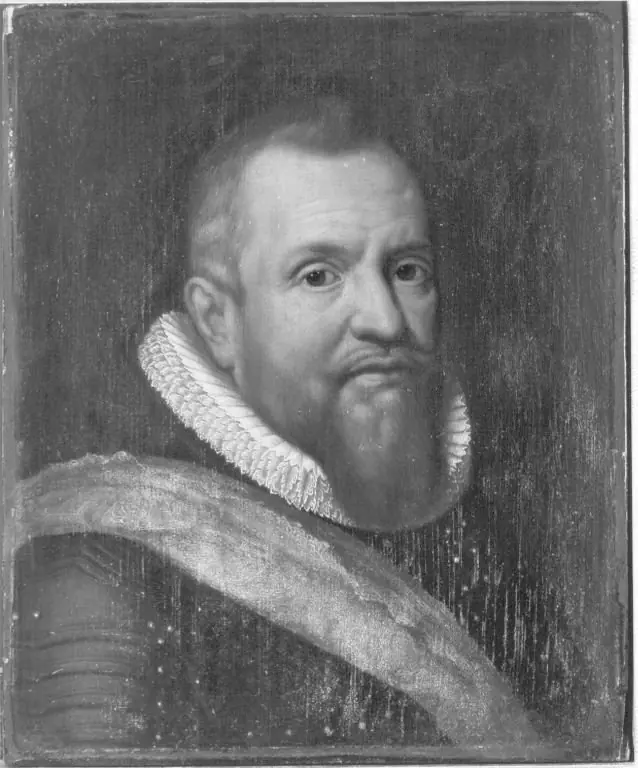 Bildnis des Willem Lodewijk, Graf von Nassau-Dietz (1560-1620)
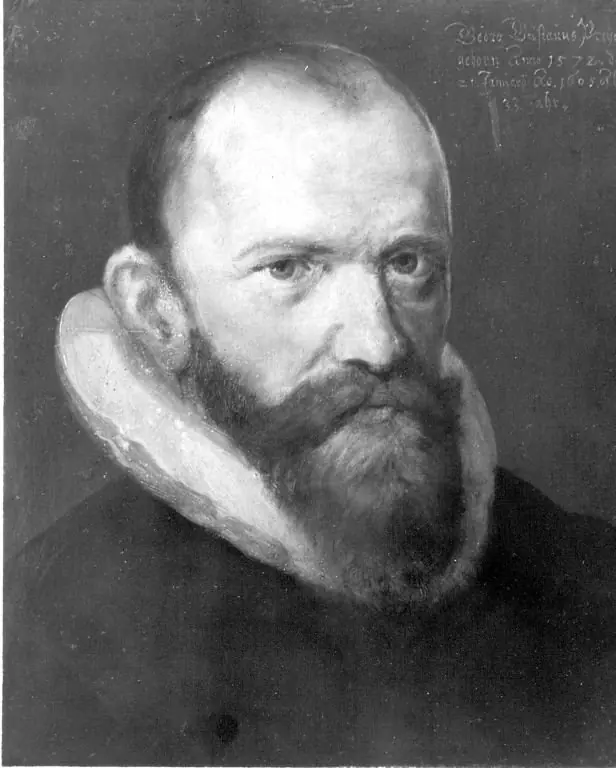 Bildnis des Georg Gustav Preyel
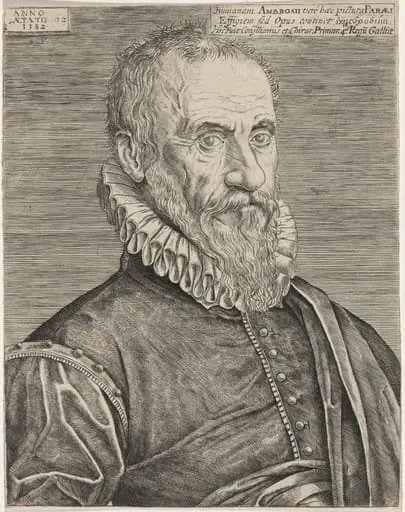 Ambrosius Parens
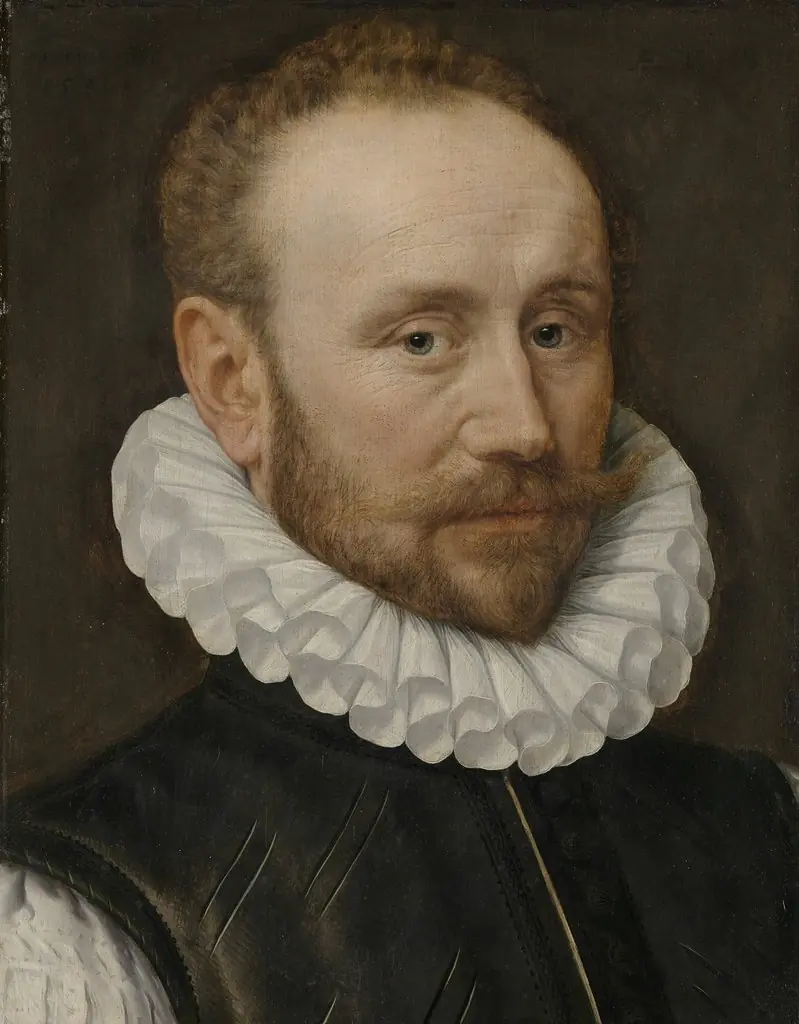 Portrait of a Man
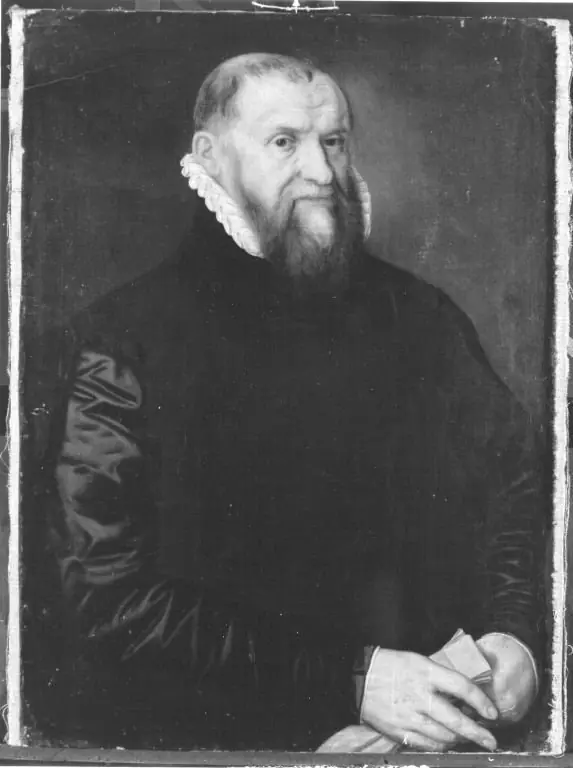 Bildnis eines Mannes (Art des)
 Portrait of a red-bearded man
 Portrait of a Man