Artwork
Portrait of the Emperor Joseph II of Austria
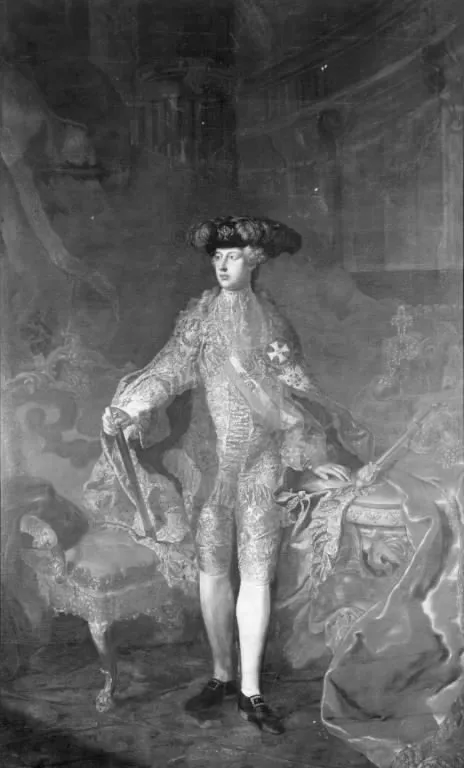
Portrait of the Emperor Joseph II of Austria is an oil painting by the Rococo painting artist Franz Xavier Karl Palko. It dates from 1765 and is held in the collection of the Statens Museum for Kunst. This 1765 oil painting by Franz Xaver Karl Palko depicts Emperor Joseph II of Austria in ornate attire.
About this work
Subject & Meaning
The sitter is Joseph II, Holy Roman Emperor, depicted in the prime of life as ruler and reformer.
The sitter is Joseph II, Holy Roman Emperor, depicted in the prime of life as ruler and reformer. Palko’s portrait presents Joseph in three-quarter view, wearing the insignia of the Order of the Golden Fleece suspended from a ribbon across his chest, a clear emblem of his imperial dignity and dynastic legitimacy. The sober palette and restrained pose emphasize his Enlightenment-era image as a modern, rational monarch rather than a distant sovereign, aligning with his reputation for administrative and religious reforms across the Habsburg lands.
The work thus functions as a state portrait, projecting authority through the Golden Fleece while signaling Joseph’s self-fashioning as an enlightened reformer who sought to modernize governance and society within his domains.
Technique & Style
The painting is executed in oil on canvas, a standard medium for eighteenth-century portraiture in Central Europe. The artist employed a smooth, refined handling to articulate the emperor’s facial features and costume, with careful modulation of light and shadow to convey three-dimensional form. The composition centers on a three-quarter view of Joseph II, who is portrayed in contemporary court attire, including a dark coat and white cravat, against a neutral background that focuses attention on his physiognomy and regalia.
The large scale, 279 cm high by 168 cm wide, conforms to the conventions of grand portraiture of the period, intended for display in an institutional or palatial setting.
Stylistically, the work aligns with the late Baroque to early Neoclassical transition, marked by restrained modeling and a subdued palette that emphasizes dignity and authority.
History & Provenance
Created in 1765, the Portrait of the Emperor Joseph II of Austria is an oil-on-canvas painting executed by Franz Xavier Karl Palko. The work depicts Joseph II, Holy Roman Emperor, and measures 279 cm in height by 168 cm in width. It is currently held in the collection of the Statens Museum for Kunst.
The specific commissioning circumstances and the detailed chain of ownership prior to its arrival at the museum are not detailed in the provided sources.
Overview
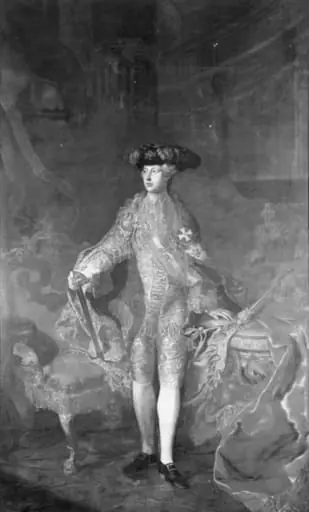
This 1765 oil painting by Franz Xaver Karl Palko depicts Emperor Joseph II of Austria in ornate attire. The work is part of the Statens Museum for Kunst collection.
Artist & collection
Artist
Franz Xaver Karl Palko (3 March 1724 – c. 1767) was a Silesian painter; known primarily for religious scenes, although he also did portraits and engravings.

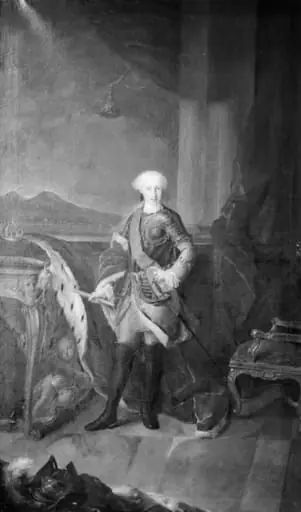 Portrait of King Ferdinand IV of the Two Sicilies
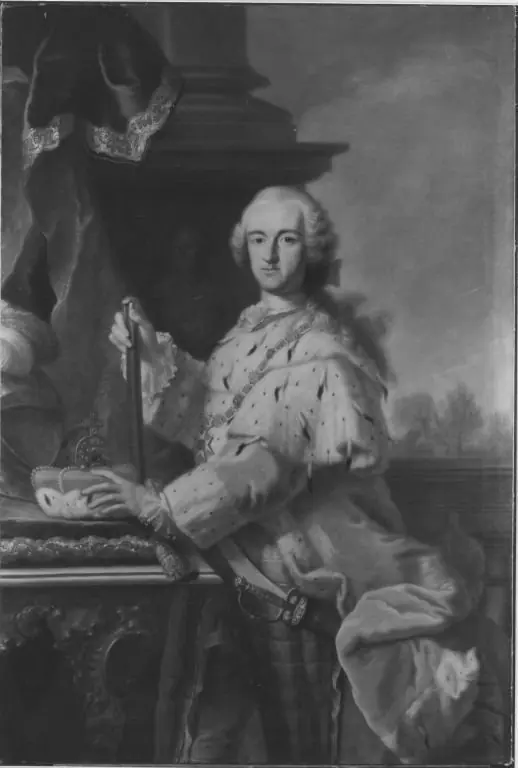 Bildnis des Kurfürsten Karl Theodor von Pfalz-Bayern (Werkstatt)
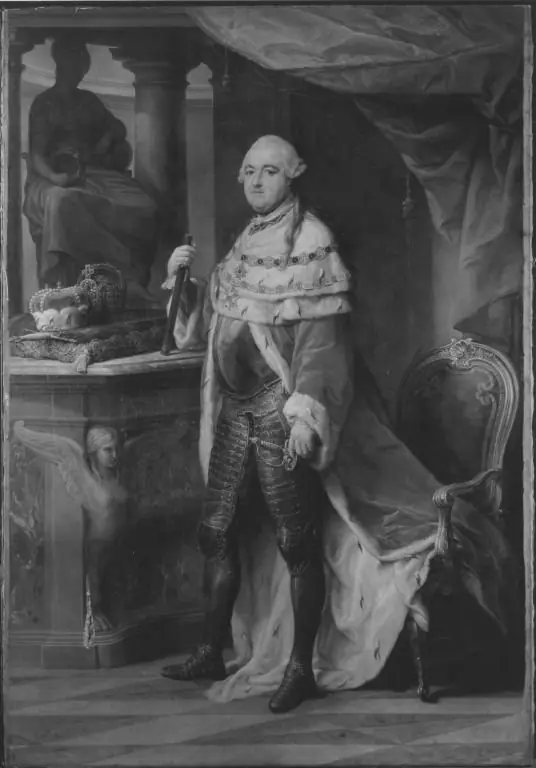 Kurfürst Karl Theodor von der Pfalz
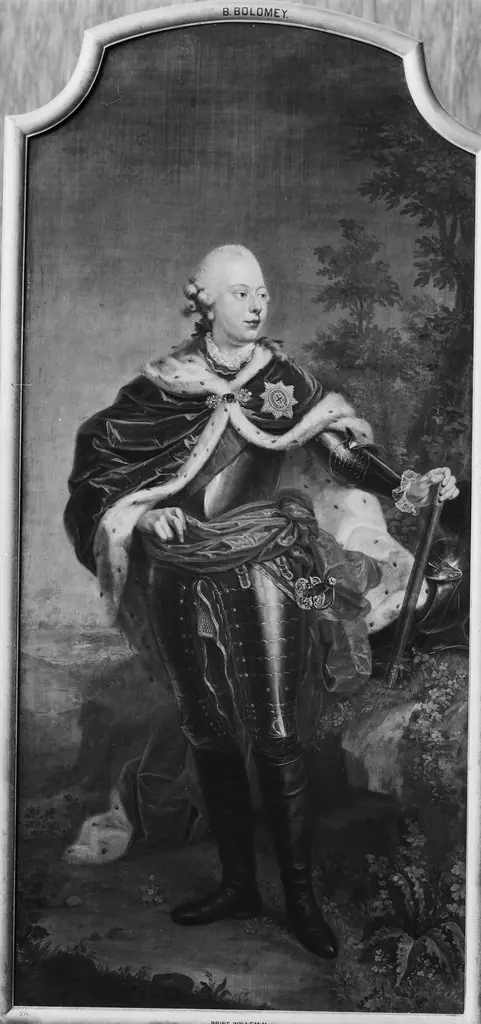 Willem V (1748-1806), Prince of Orange-Nassau
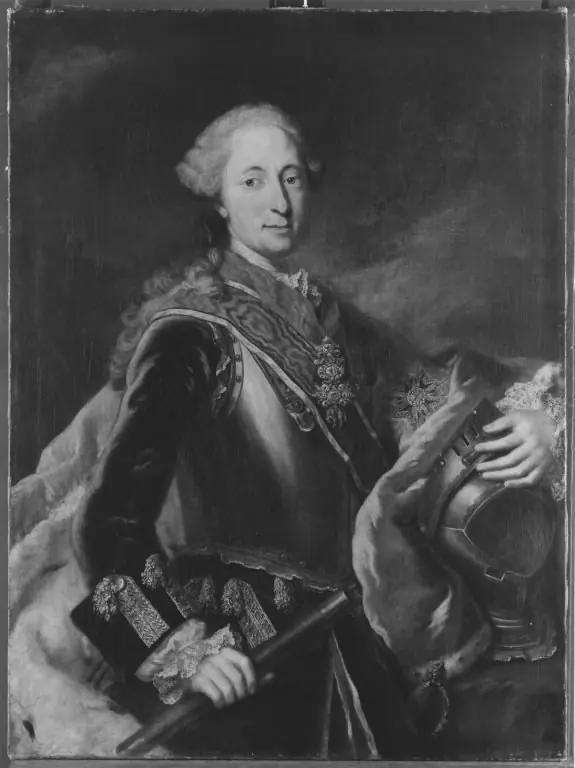 Kurfürst Max III. Joseph von Bayern (zugeschrieben)
 Willem V (1748-1806), Prince of Orange-Nassau
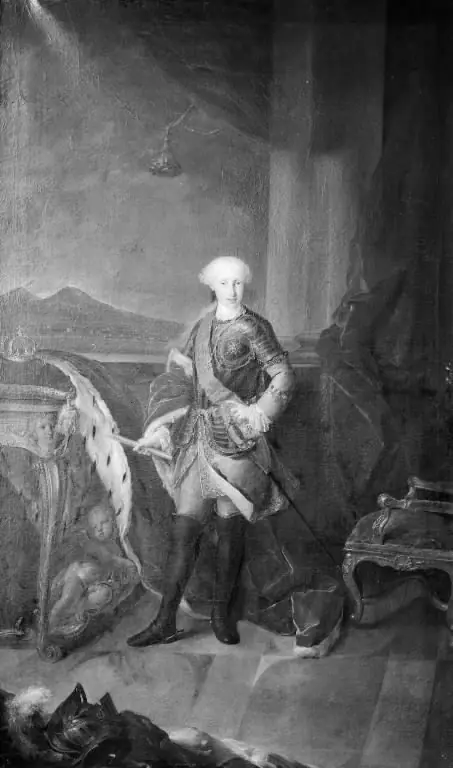 Portrait of King Ferdinand IV of the Two Sicilies
 Bildnis von Christian IV., Herzog von Pfalz-Zweibrücken (1722-1775)
 Bildnis eines sächsischen Prinzen
 Maximilian, Archduke of Austria (1756-1801)