Artwork
Bildnis von Christian IV., Herzog von Pfalz-Zweibrücken (1722-1775)
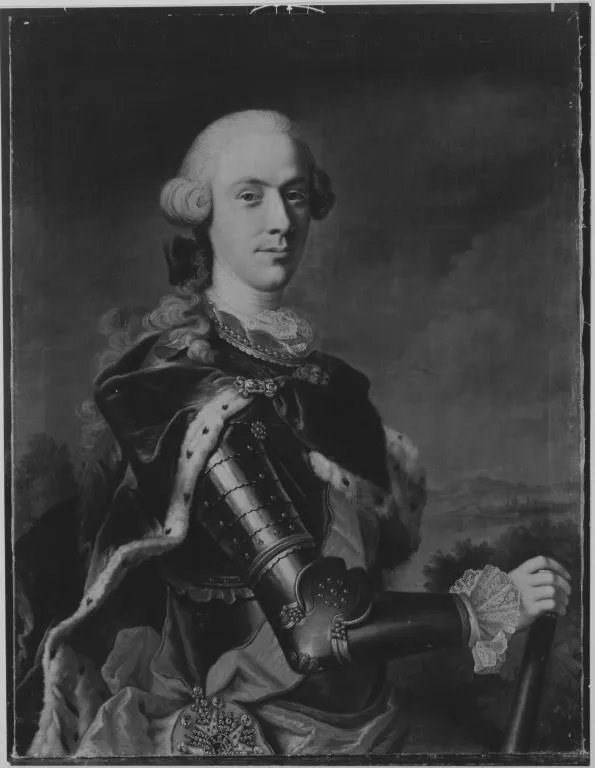
Bildnis von Christian IV., Herzog von Pfalz-Zweibrücken (1722-1775) is an unspecified painting by the Rococo painting artist Johann Georg Ziesenis. It dates from 1749 and is held in the collection of the Bavarian State Painting Collections.
About this work
History & Provenance
The work is currently held in the collection of the Bavarian State Painting Collections, specifically located at the Alte Pinakothek.
The portrait of Christian IV, Count Palatine of Zweibrücken, was created by Johann Georg Ziesenis in 1749. This oil painting depicts the duke and measures 95 cm in height by 72 cm in width. The work is currently held in the collection of the Bavarian State Painting Collections, specifically located at the Alte Pinakothek.
No further details regarding the specific commission, original ownership chain, or the precise creation process beyond the inception year are provided in the available records.
The portrait is held in the collection of the Bavarian State Painting Collections and is displayed at the Alte Pinakothek. The work was created in 1749 by Johann Georg Ziesenis and depicts Christian IV, Count Palatine of Zweibrücken. While the painting's current location and institutional ownership are documented, the provided records do not specify an inventory or accession number, nor do they list any past or current exhibition history for the piece.
Context
The portrait was created in 1749 by Johann Georg Ziesenis, a leading German painter of the late-Baroque and early-Classical periods known for his court portraits and genre scenes, as documented in the work's cataloguing within the Alte Pinakothek's collection. The painting's reception and scholarly interpretation are tied to its depiction of the historical figure Christian IV, Count Palatine of Zweibrücken, whose lineage and patronage reflect the broader cultural networks of German nobility in the mid-18th century. Its placement within the Bavarian State Painting Collections underscores its significance as part of a larger corpus of German portraiture from the era, contributing to ongoing discussions about the evolution of courtly representation in European art history.
Overview
Painted in 1749 by Johann Georg Ziesenis, this oil portrait depicts Christian IV, Duke of Palatinate-Zweibrücken, at the age of twenty-seven. The work presents the sitter in a half-length format, characterized by the artist's precise handling of textures and light. Christian IV is shown wearing a dark velvet coat adorned with gold buttons, a white cravat, and a polished breastplate that signifies his military rank, all topped by a powdered wig typical of mid-18th-century aristocracy.
His right hand rests firmly on the back of a chair, a conventional pose denoting authority and stability, while his gaze engages the viewer directly. The background consists of a dark, indistinct landscape that recedes into shadow, ensuring the figure remains the sole focal point. Created early in Ziesenis's career, shortly after he established his workshop in Copenhagen, this portrait exemplifies the transition from the ornate Rococo style toward a more sober, naturalistic approach to royal portraiture.
It serves as a significant document of the Duke's image during his early reign and highlights Ziesenis's skill in rendering the material richness of courtly attire alongside the psychological presence of the subject.
Subject & Meaning
The portrait records Christian IV as a noble figure of the mid‑18th century, emphasizing his status through elaborate dress and posture. The inclusion of a metal chest plate and a velvet coat with gold buttons signals both military affiliation and aristocratic rank, while the composed pose conveys authority and dignity appropriate to a ruling count.
Technique & Style
Ziesenis employs a restrained chiaroscuro, allowing light to model the sitter’s face and hands against a deep, shadowy background. The brushwork is smooth, with fine gradations of tone that render the textures of silk, velvet, and metal. Subtle shading around the cheekbones and jawline creates a three‑dimensional presence without overt dramatization.
Artist & collection

 Portrait of Freiherr von Münchhausen
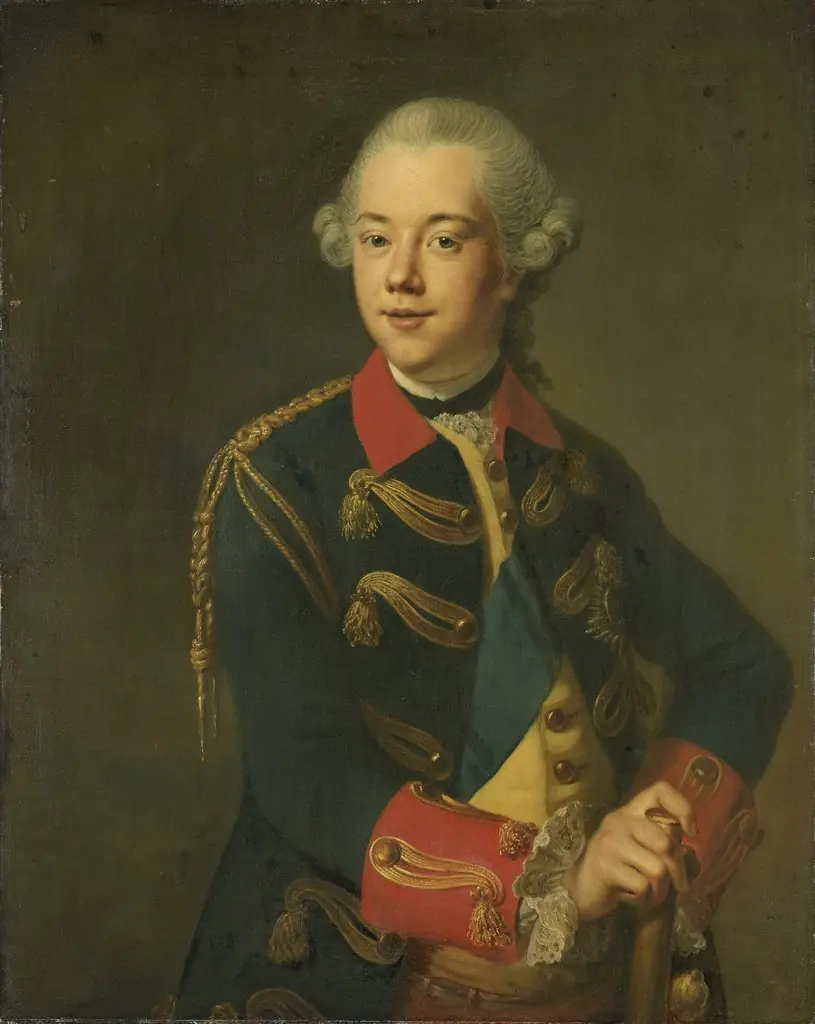 Portrait of William V, Prince of Orange-Nassau
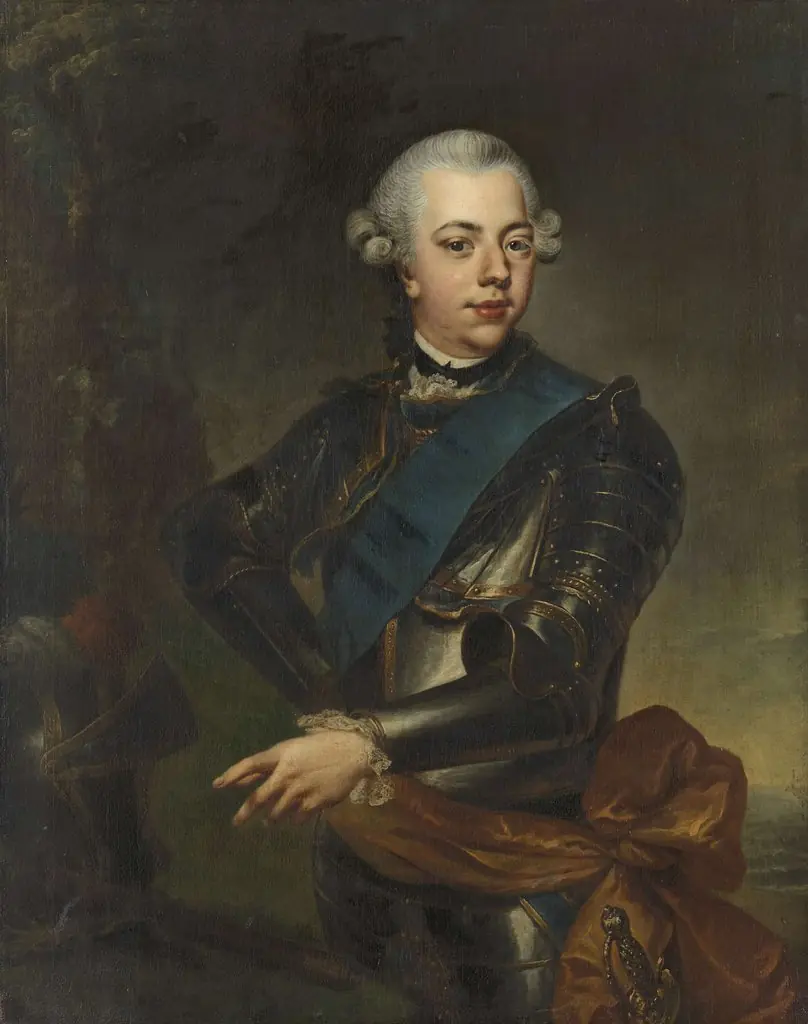 Willem V (1748-1806), prins van Oranje-Nassau
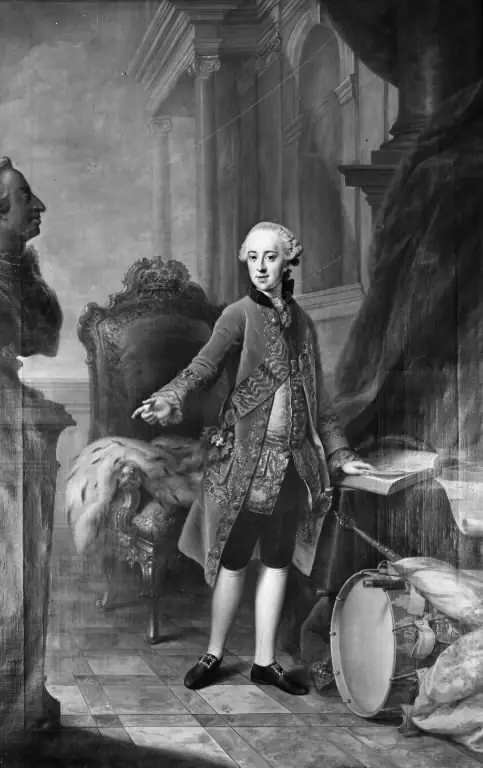 Portrait of Frederik, Heir Presumptive
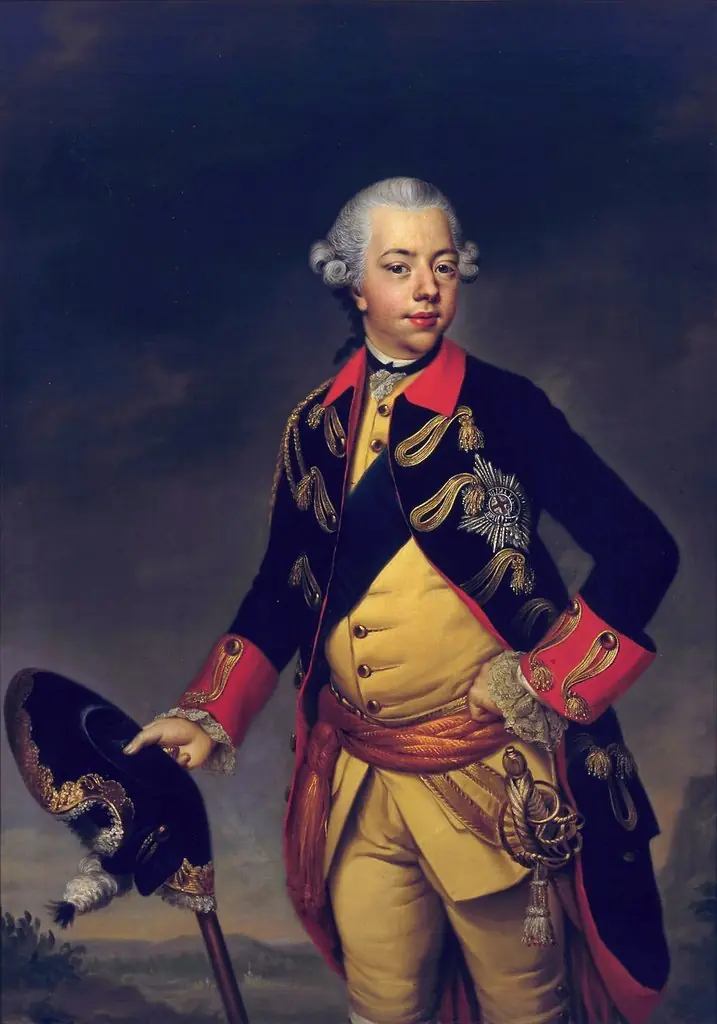 Portrait of Willem V (1748-1806), Prinz von Oranien-Nassau
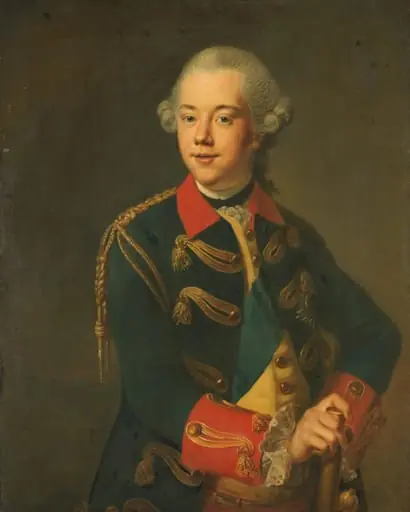 Portrait of William V, Prince of Orange-Nassau
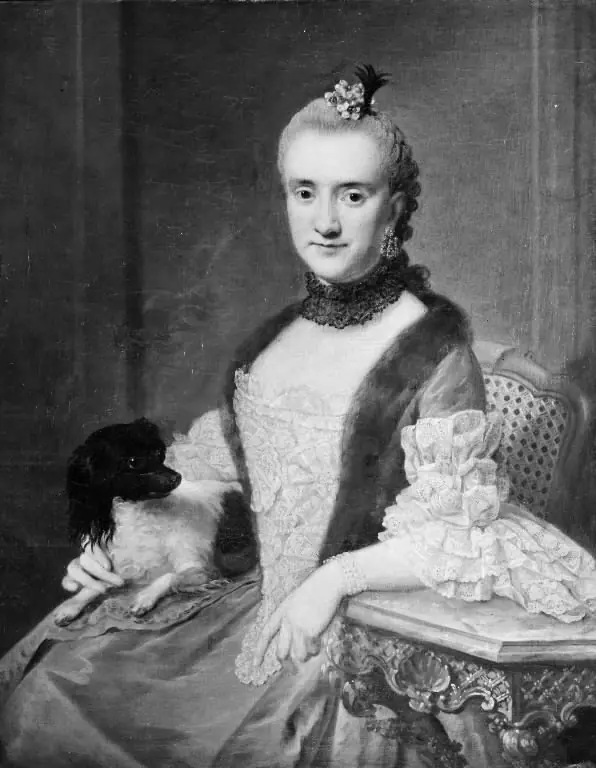 Portrait of Freifrau von Münchhausen
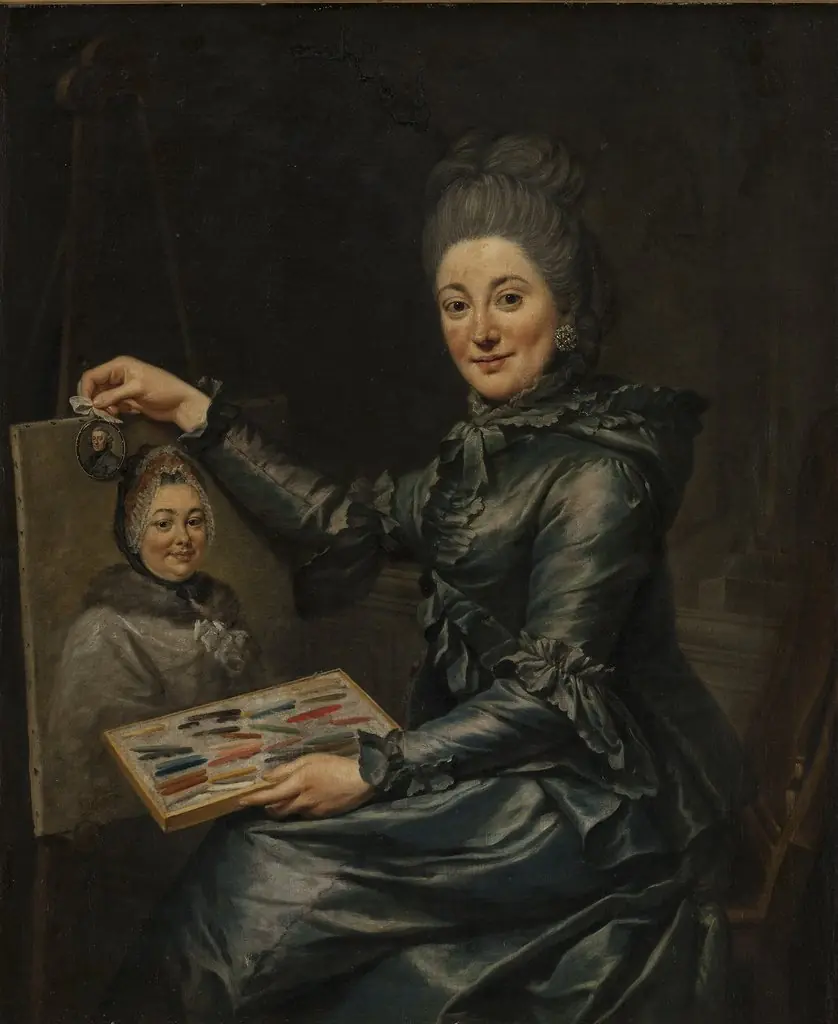 Portrait of the Artist's Daughter Elisabeth, Married Lampe
- Clement Francis of Bavaria
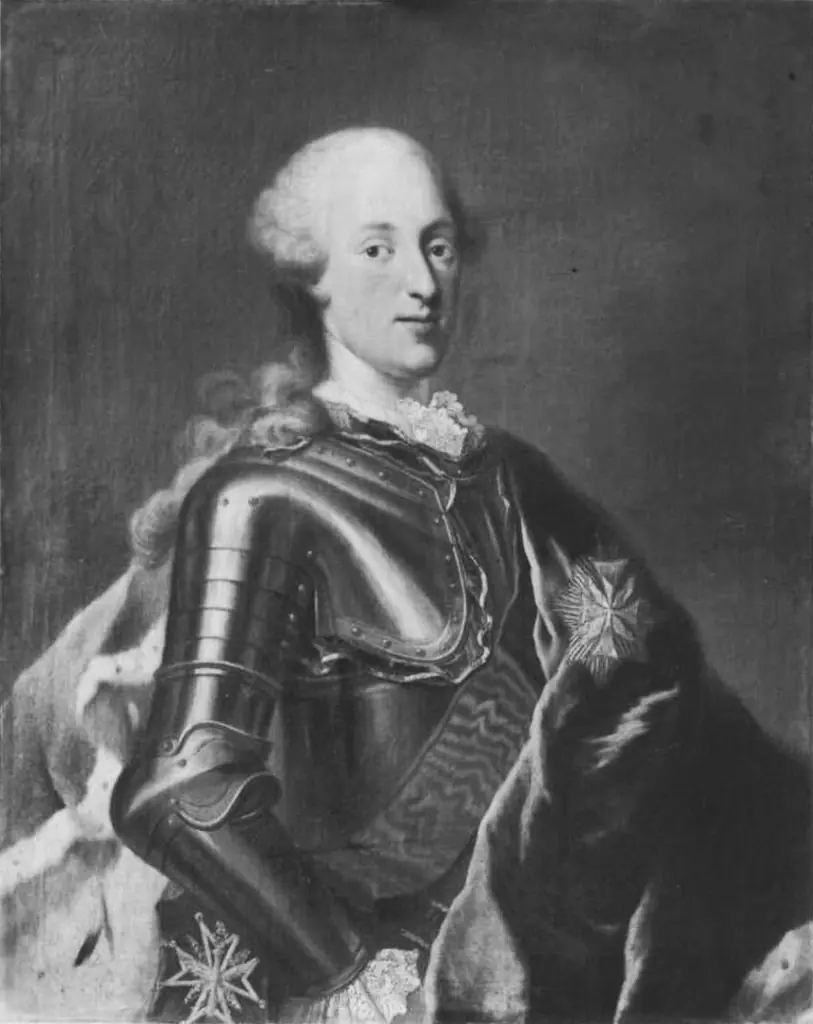 Bildnis eines sächsischen Prinzen
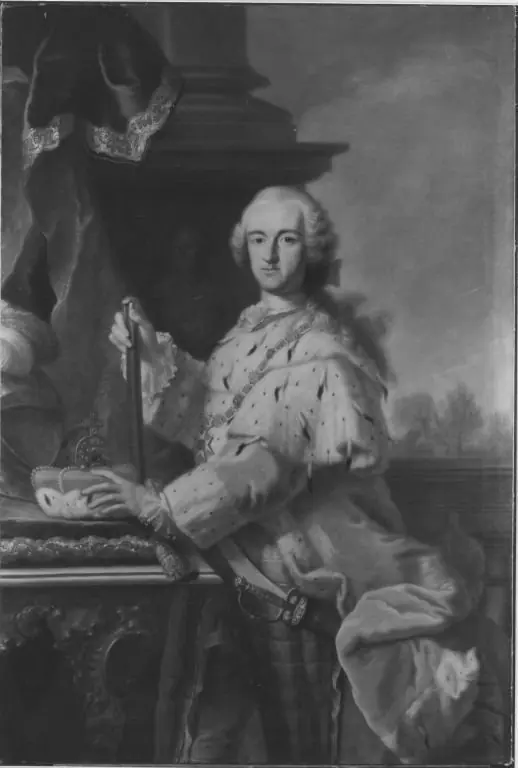 Bildnis des Kurfürsten Karl Theodor von Pfalz-Bayern (Werkstatt)
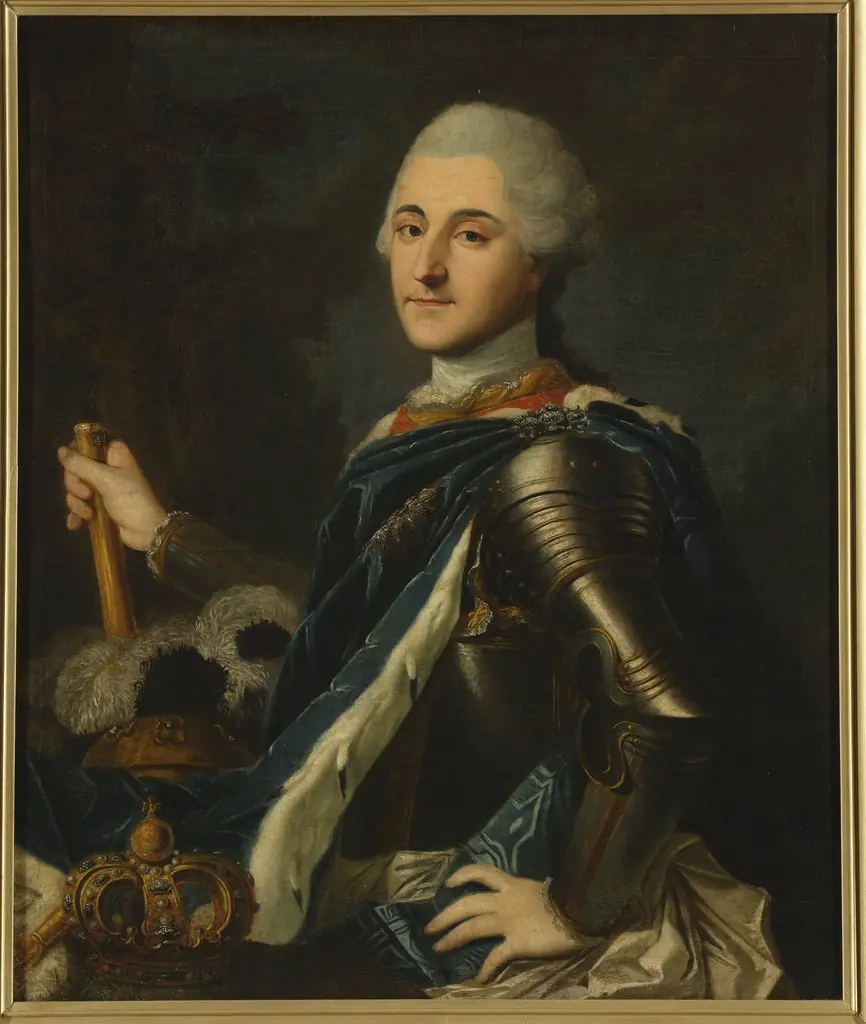 Portrait of king Stanisław August in armour
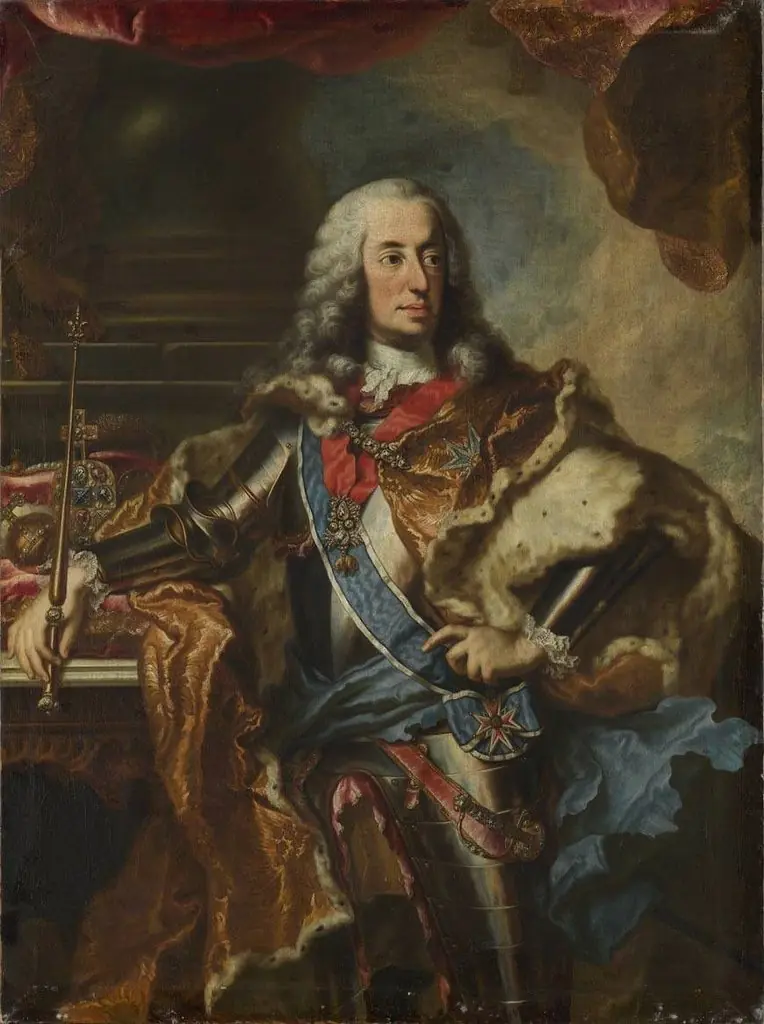 Kurfürst Karl Albrecht als Kaiser Karl VII. (1697-1745)
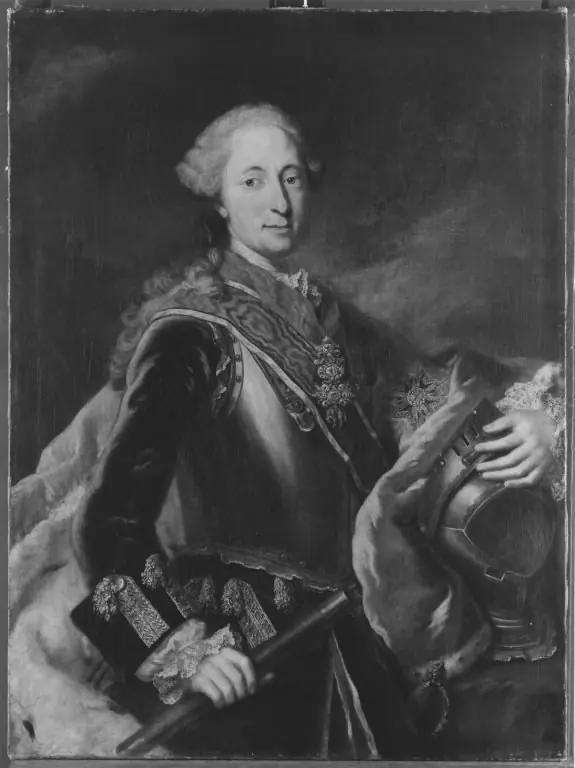 Kurfürst Max III. Joseph von Bayern (zugeschrieben)
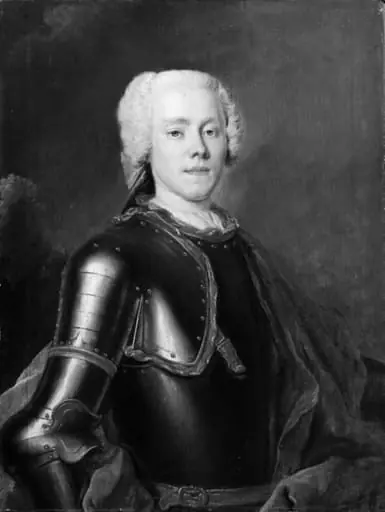 Portrait of Count Jørgen Scheel (1721-1786)
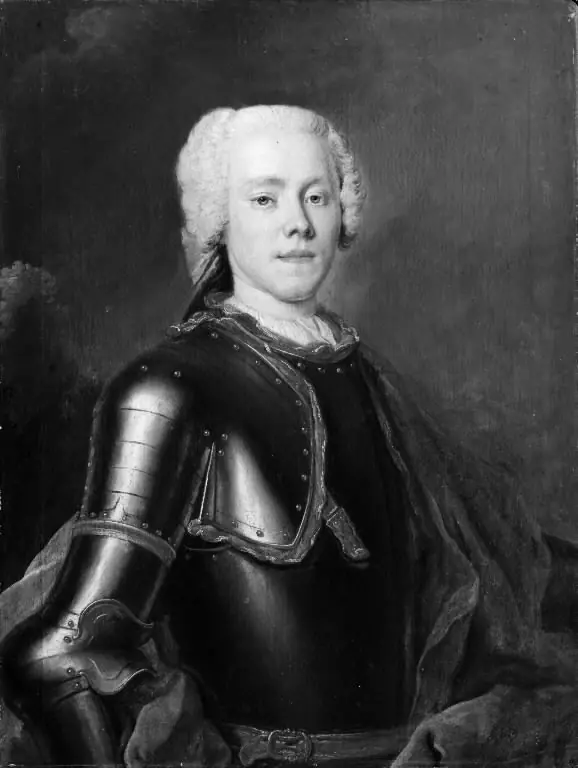 Portrait of Count Jørgen Scheel (1721-1786)
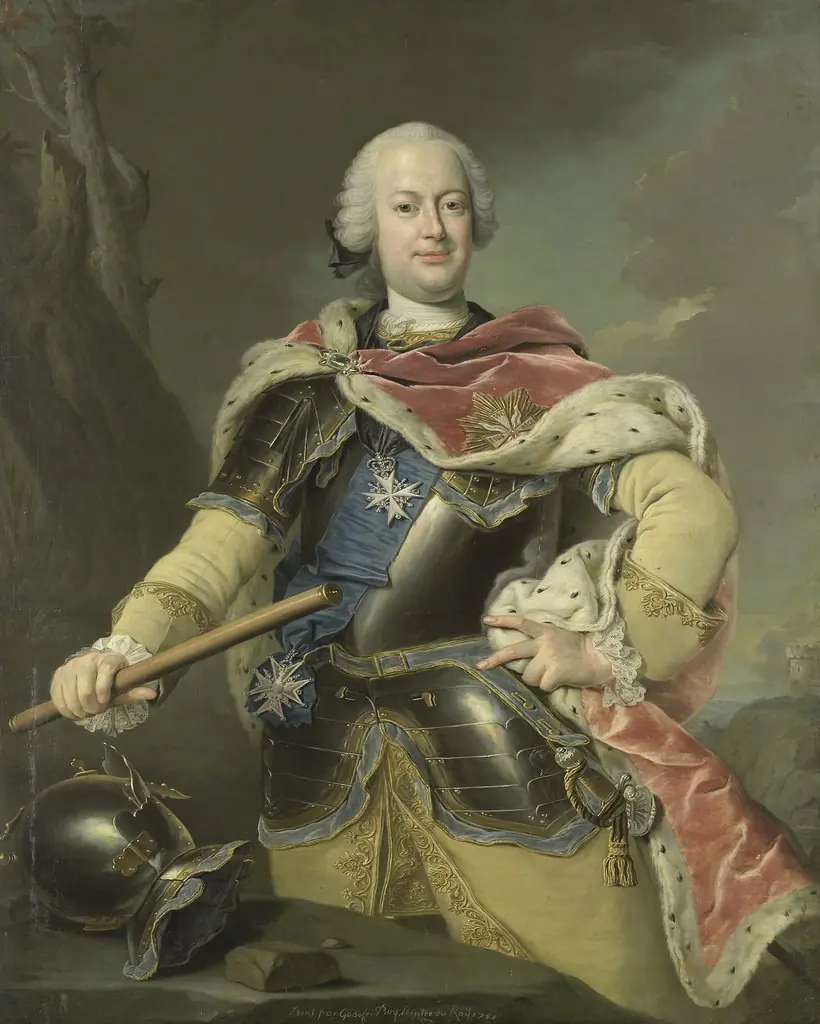 Friedrich Christian (1722-63), Elector of Saxony and King of Poland
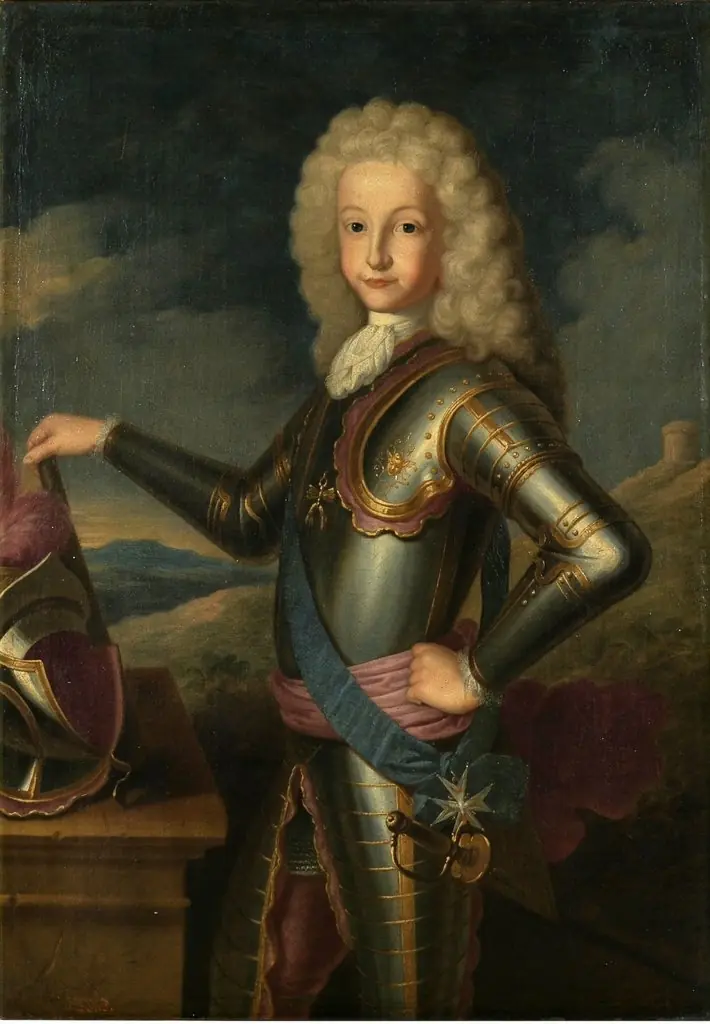 Luis I con armadura a los 10 años
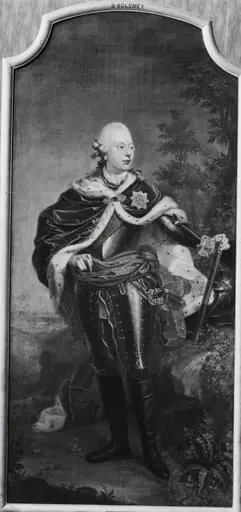 Willem V (1748-1806), Prince of Orange-Nassau
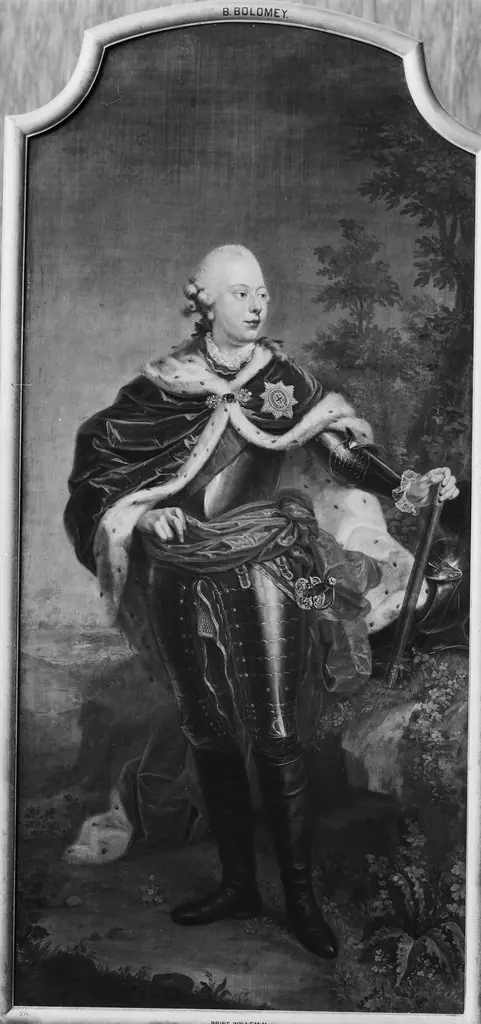 Willem V (1748-1806), Prince of Orange-Nassau