Artwork
Bamboo in Rain; Bamboo in Wind
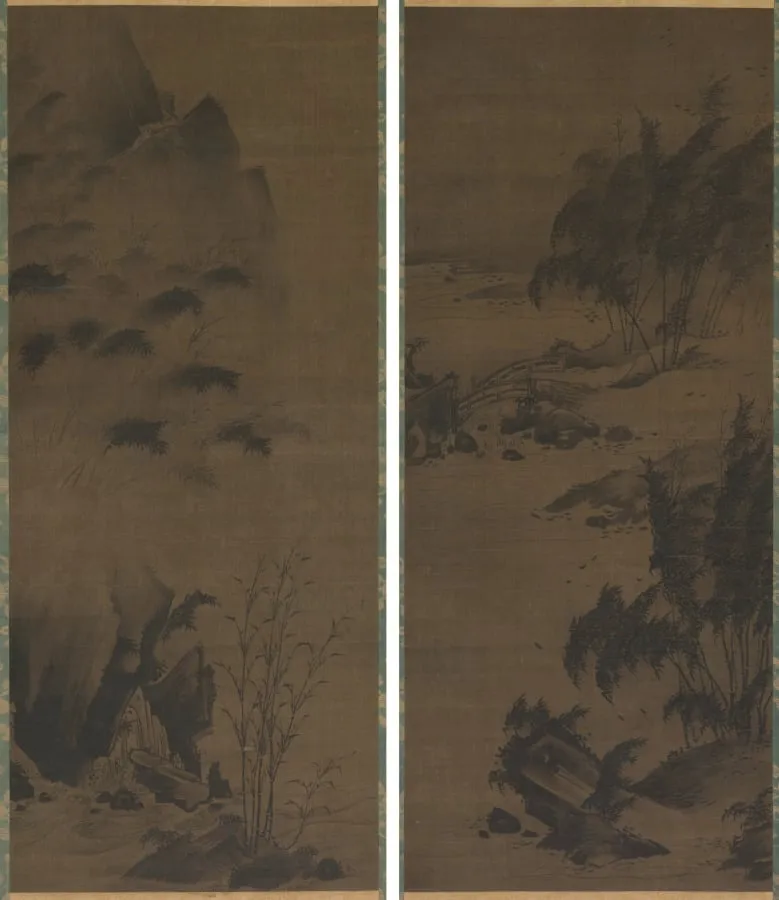
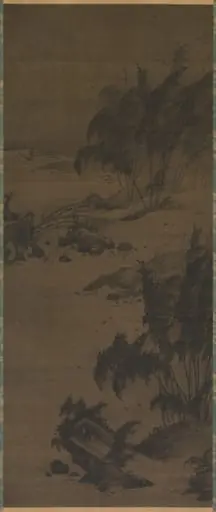
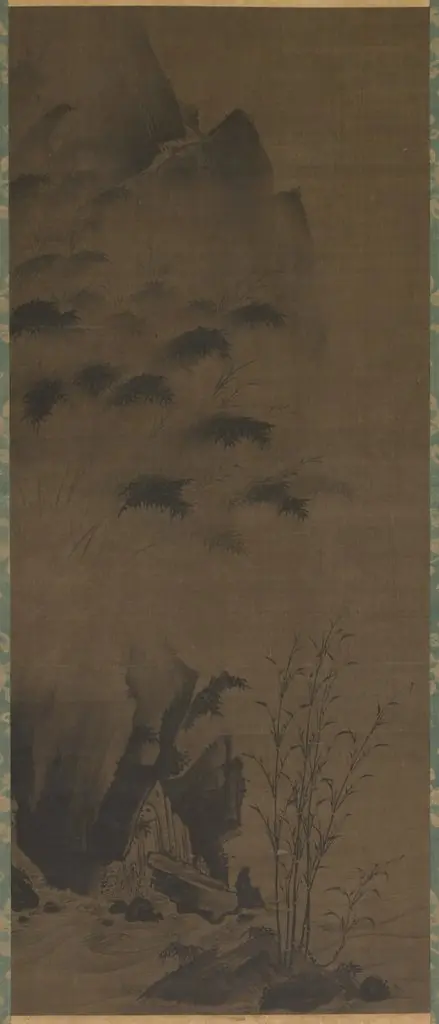
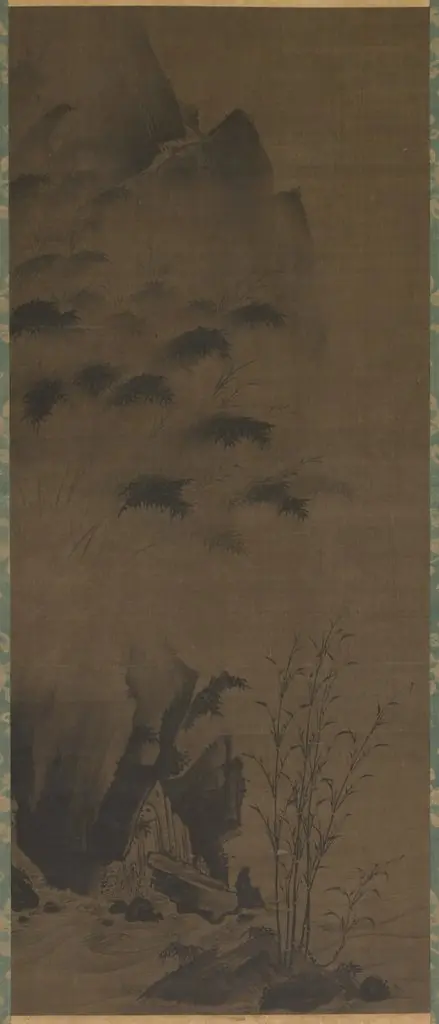
Bamboo in Rain; Bamboo in Wind is an unspecified painting by the Renaissance artist Genga. It dates from 1504 and is held in the collection of the Cleveland Museum of Art. These two ink paintings, placed side by side, depict bamboo subjected to rain in one panel and wind in the other.
- Accession no.
- 1975.71
- Credit line
- Gift in memory of Mrs. Samuel Savage
About this work
Overview
Executed on paper, each work employs monochrome brushwork to render the foliage and surrounding rocks, creating a stark contrast between light and dark areas.
These two ink paintings, placed side by side, depict bamboo subjected to rain in one panel and wind in the other. Executed on paper, each work employs monochrome brushwork to render the foliage and surrounding rocks, creating a stark contrast between light and dark areas. The pair belongs to a tradition of multi‑panel sets that often illustrated seasonal or atmospheric themes in East Asian visual culture.
Subject & Meaning
The images focus on bamboo, a plant long associated with resilience and flexibility in East Asian symbolism. By presenting the same vegetation under differing weather conditions, rain and wind, the works suggest a meditation on change, endurance, and the natural cycles that affect even the most steadfast elements of the landscape.
Technique & Style
Both panels are rendered in ink wash, with vigorous, irregular strokes that define the rugged rocks and tangled bamboo clumps. The composition relies on strong tonal contrasts, where deep, saturated blacks meet lighter washes, emphasizing texture and movement. The brushwork shows affinities with Korean ink traditions, though it also reflects stylistic traits found in Japanese painting of the sixteenth century.
History & Provenance
Long attributed to the Japanese painter Genga of the sixteenth century, the works lack any artist’s seal or signature. The attribution was originally based on stylistic comparison with signed pieces by Genga. Recent scholarship, however, questions the certainty of this identification, noting that the dramatic forms and tonal treatment could indicate a Korean hand or a Japanese artist heavily influenced by Korean models.
Context
In the broader practice of East Asian art, such paired paintings were often commissioned for specific architectural settings, palace chambers, temple rooms, or private studies, where they would complement the surrounding décor and convey thematic coherence, frequently linked to the four seasons or the passage of time.
Artist & collection

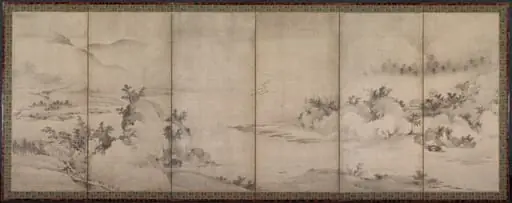 Landscape with Motifs from the Eight Views of Xiao-Xiang
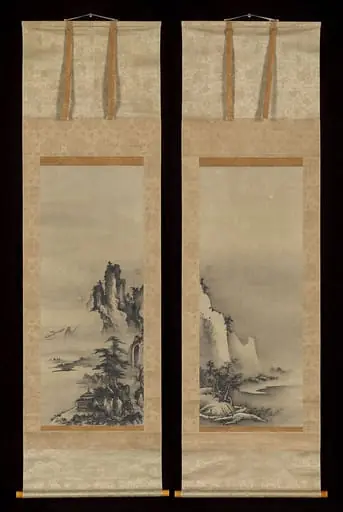 秋冬景山水図|Landscapes of Autumn and Winter
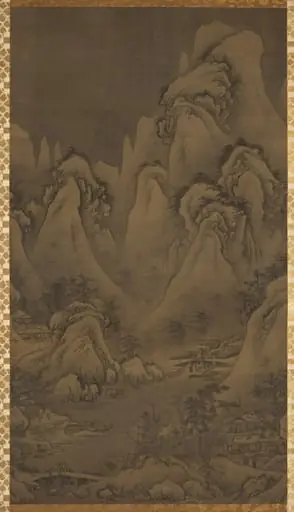 Winter Landscape
 Landscape in the Style of Juran
 Lonely Temple and Towering Cliff
 Untitled
 Bamboo in Four Seasons: Summer and Winter
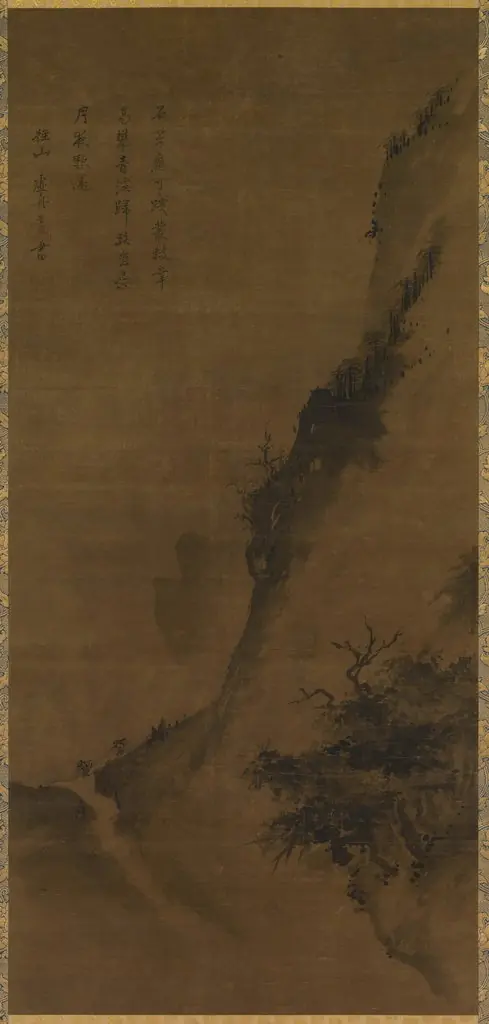 Landscape with Woodcutters Returning Home
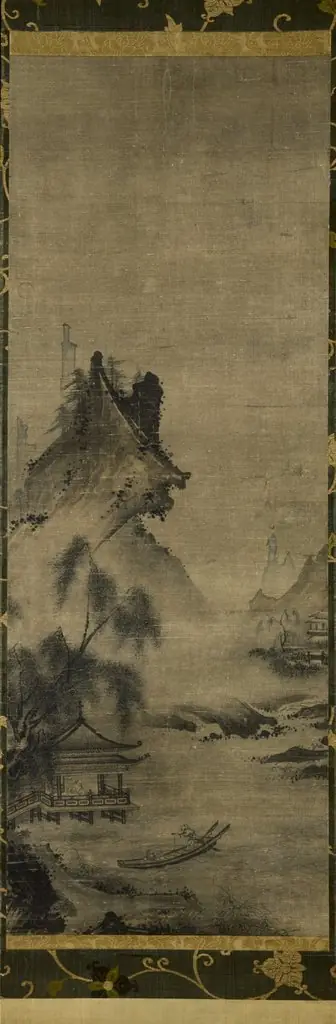 Lakeside Retreat
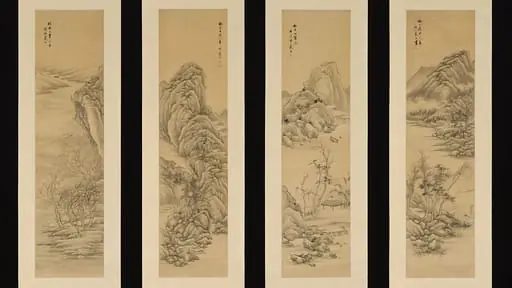 清 戴熙 仿古山水四屏 軸|Landscapes after old masters