Artwork
秋冬景山水図|Landscapes of Autumn and Winter
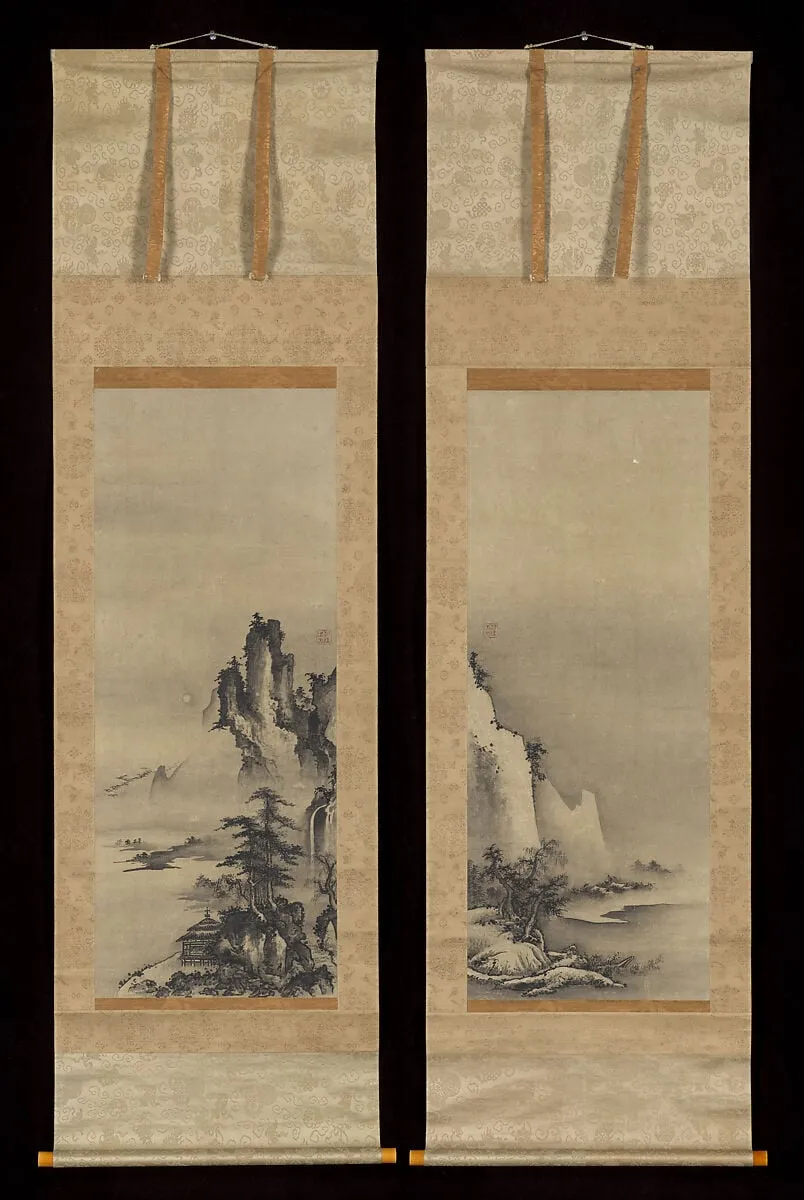
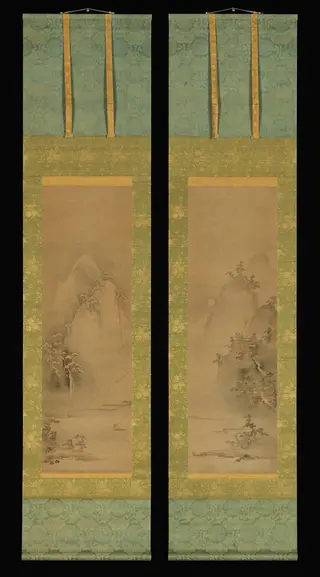
秋冬景山水図|Landscapes of Autumn and Winter is an ink painting by the Baroque artist Tenshō Shūbun. It dates from 1412 and is held in the collection of the Metropolitan Museum of Art.
About this work
Subject & Meaning
Executed in 1412 and attributed to the early Muromachi master Tenshō Shūbun, the hanging scrolls combine ink with subtle color to render an autumn-winter scene.
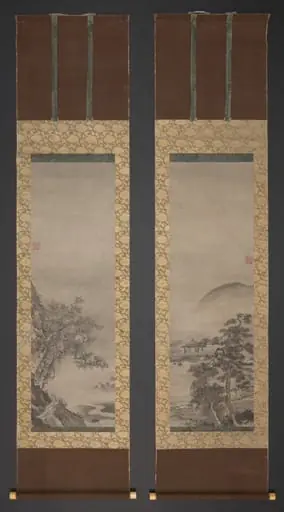
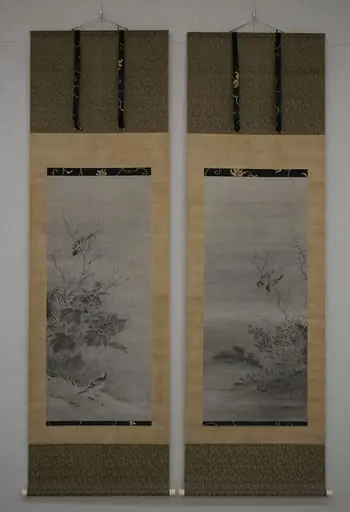
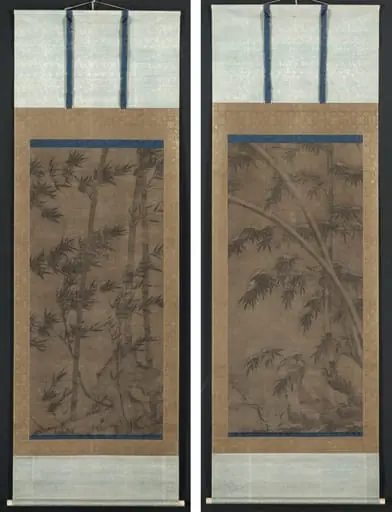
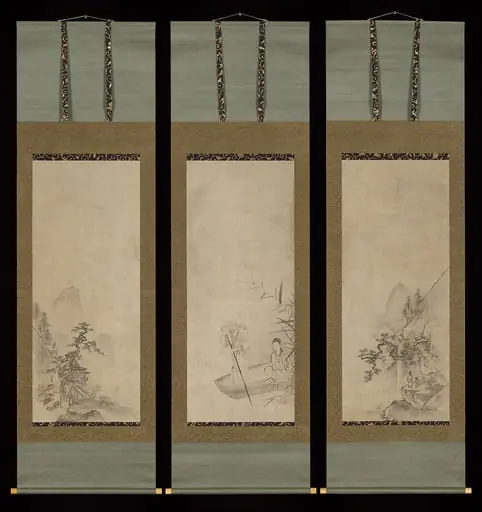
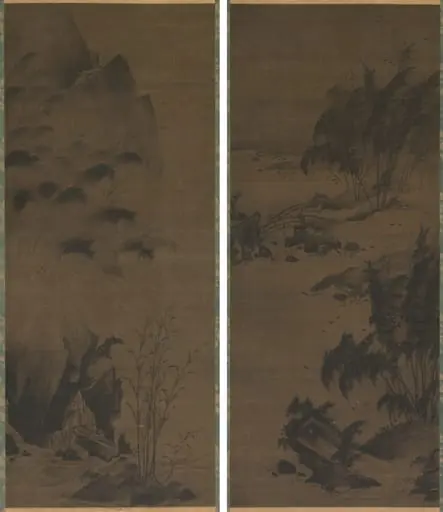
The diptych titled 秋冬景山水図 (Landscapes of Autumn and Winter) portrays trees within a seasonal landscape, marking the work's primary subject. Executed in 1412 and attributed to the early Muromachi master Tenshō Shūbun, the hanging scrolls combine ink with subtle color to render an autumn-winter scene. The painting is classified as a landscape and is now held by the Metropolitan Museum of Art.
Its depiction of trees functions iconographically as a focal element that anchors the composition and suggests the transitory nature of the seasons.
Technique & Style
Executed on paper in a diptych of hanging scrolls, the work combines ink with light mineral pigments. Trees and distant mountain forms are rendered with abbreviated, calligraphic brushwork, while foreground elements use denser ink to articulate texture. The format is typical of Muromachi-period ink landscape practice, employing fluid ink washes to create atmospheric recession and suggest seasonal mood.
History & Provenance
The diptych of hanging scrolls titled Landscapes of Autumn and Winter is dated to 1412 and attributed to the Japanese artist Tenshō Shūbun. Executed in ink and color on paper, the work originates from Japan and currently resides in the collection of the Metropolitan Museum of Art in New York, under accession number 53.123.1. The pair of scrolls measures 94.3 centimeters in height and 36.7 centimeters in width. The precise commissioning patron is not detailed in the available records.
Overview
Tenshō Shūbun's Landscapes of Autumn and Winter is a diptych of hanging scrolls, originally created in 1412. Rendered in ink and subtle color on paper, these works depict two distinct seasonal scenes. One scroll portrays the sparse beauty of late autumn, characterized by bare trees, while its companion piece captures the serene, snow-covered hills of winter. This pair exemplifies a contemplative approach to landscape painting.
Legacy
Shūbun's original diptych played a significant role in establishing a distinctive tradition within Japanese landscape painting. It helped popularize a quiet, contemplative approach to depicting nature, characterized by its reliance on ink washes, sparse compositions, and the evocative use of empty space. This aesthetic fostered a style that prioritized subtle suggestion and emotional resonance over literal representation.
Artist & collection