Artwork
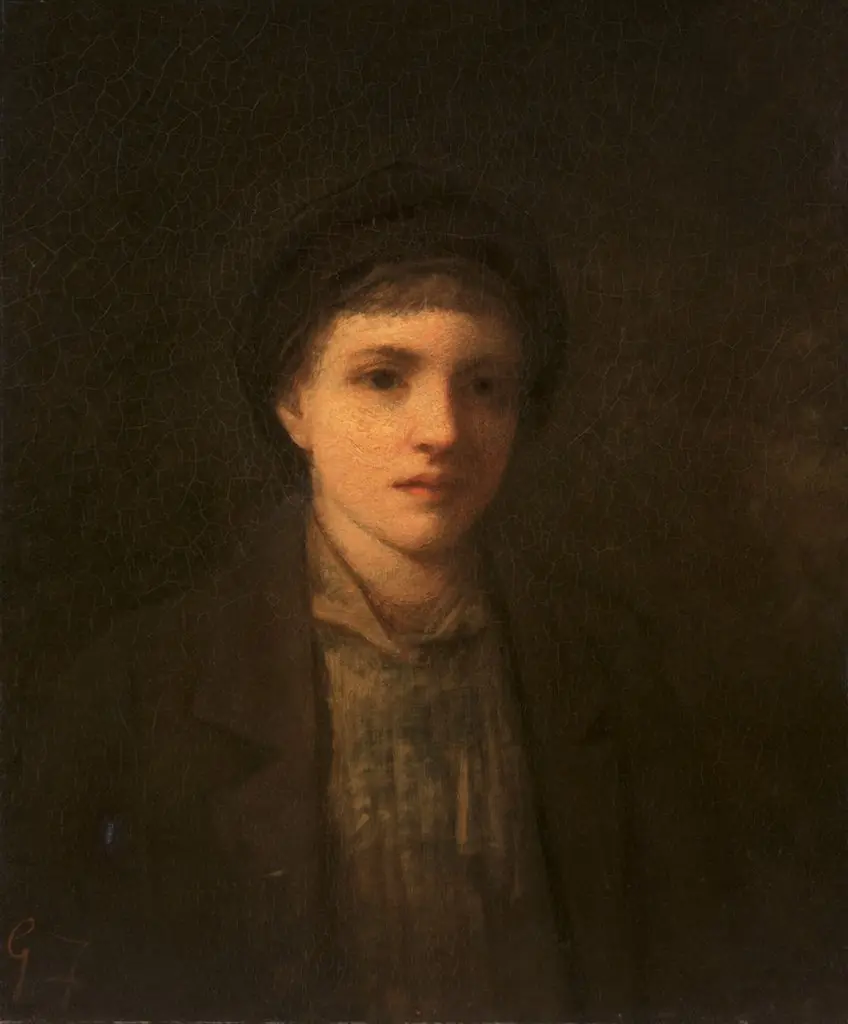
Ideal Head of a Boy (George Spencer Fuller)
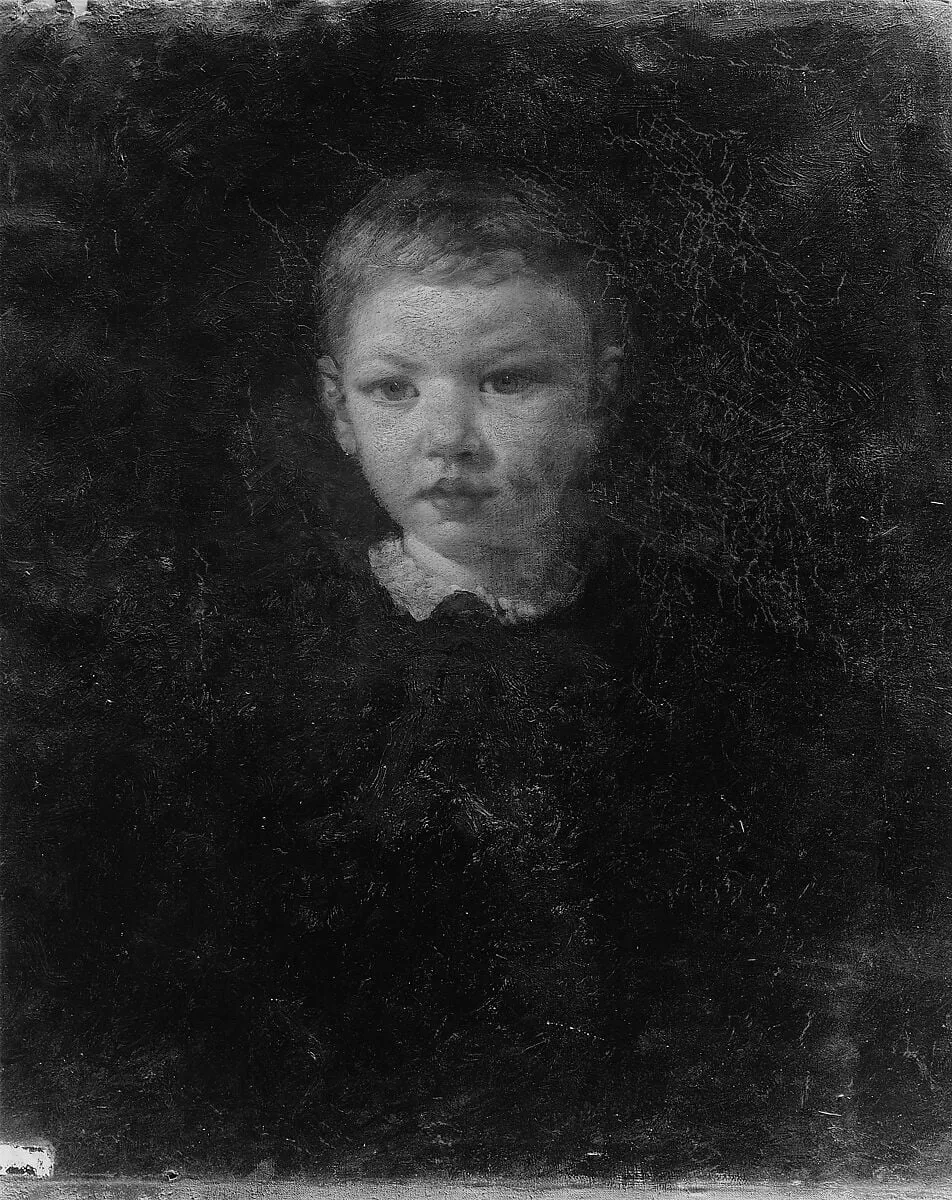
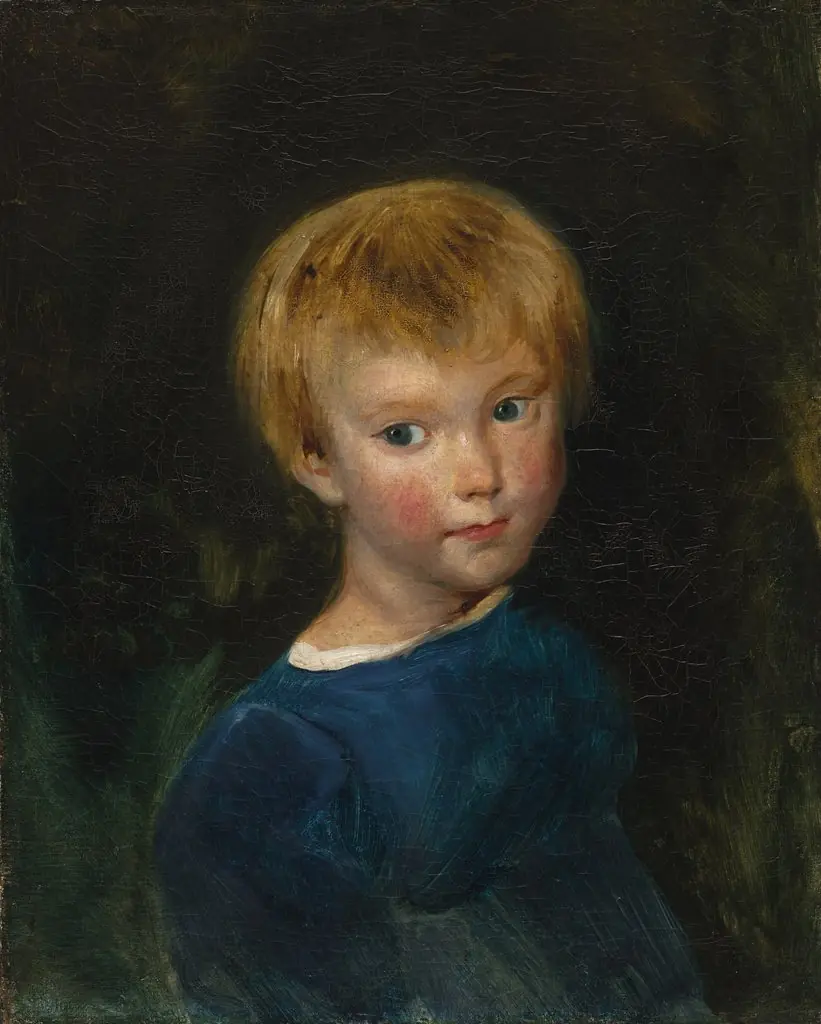
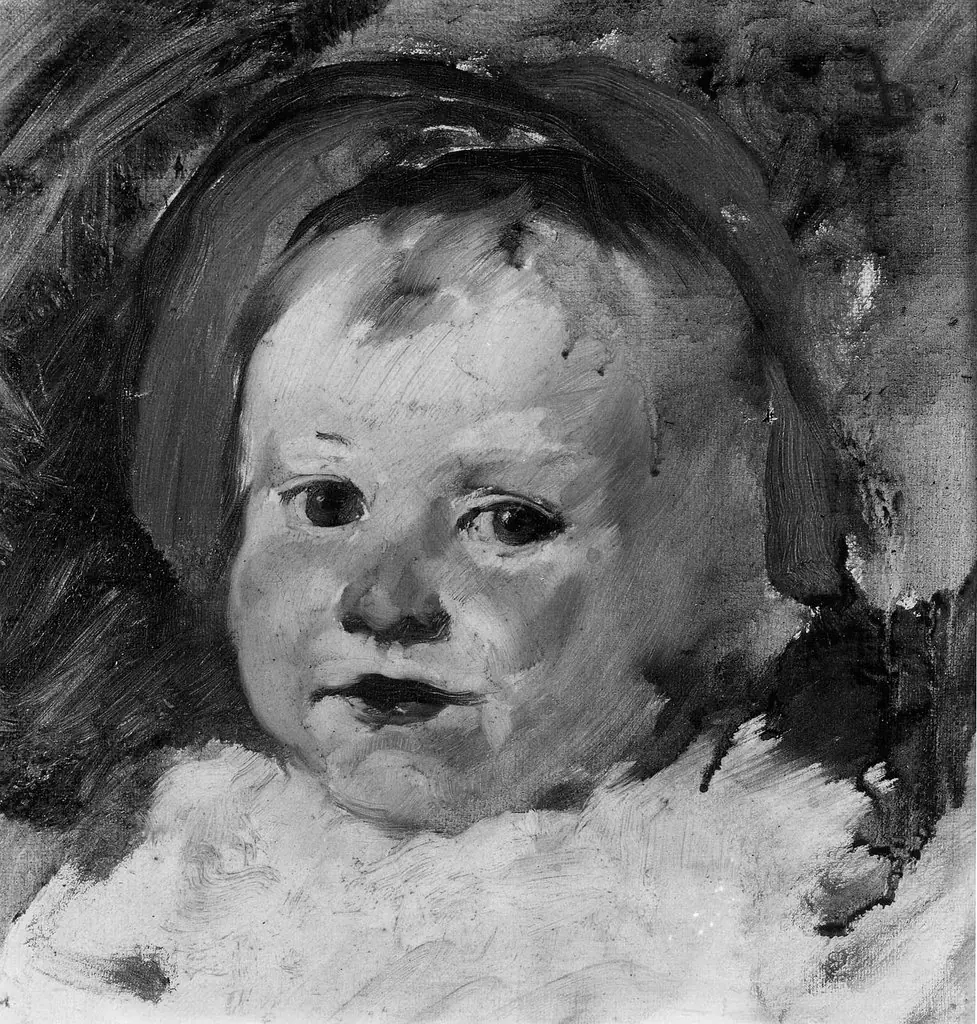
Ideal Head of a Boy (George Spencer Fuller) is an oil painting by the Impressionist artist George Fuller. It dates from 1870 and is held in the collection of the Metropolitan Museum of Art.
About this work
History & Provenance
The work’s early history is undocumented in the sources, which confirm only its attribution to Fuller, the sitter’s identity, and its date of execution.
The painting was created in 1867 by George Fuller as a portrait of George Spencer Fuller. It entered the collection of the Metropolitan Museum of Art, where it remains held. The work’s early history is undocumented in the sources, which confirm only its attribution to Fuller, the sitter’s identity, and its date of execution.
George Fuller's Ideal Head of a Boy, painted in 1867, is held in the collection of the Metropolitan Museum of Art in New York. The work is classified within The American Wing of the museum. While the provided sources confirm the artwork's location and its inclusion in the museum's permanent collection, they do not specify the unique inventory or accession number assigned to the piece.
Additionally, the available documentation does not contain details regarding a specific exhibition history for this portrait, noting only its creation date and physical dimensions of 69.2 by 55.9 centimeters.
Overview
Ideal Head of a Boy (George Spencer Fuller) is an oil on canvas painting created by American artist George Fuller around 1870. This work, housed in the American Wing, presents a sensitive depiction of a young male subject. It stands out for its departure from the conventional portraiture of its period, offering a more intimate and naturalistic portrayal.
Subject & Meaning
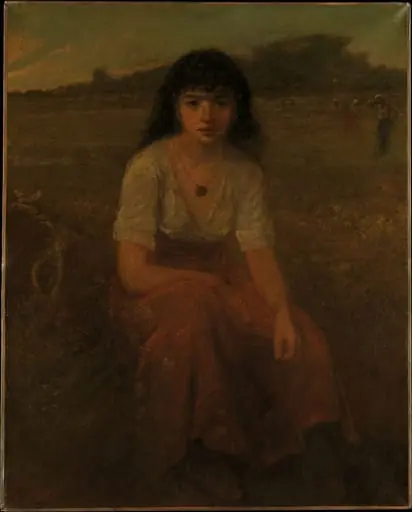
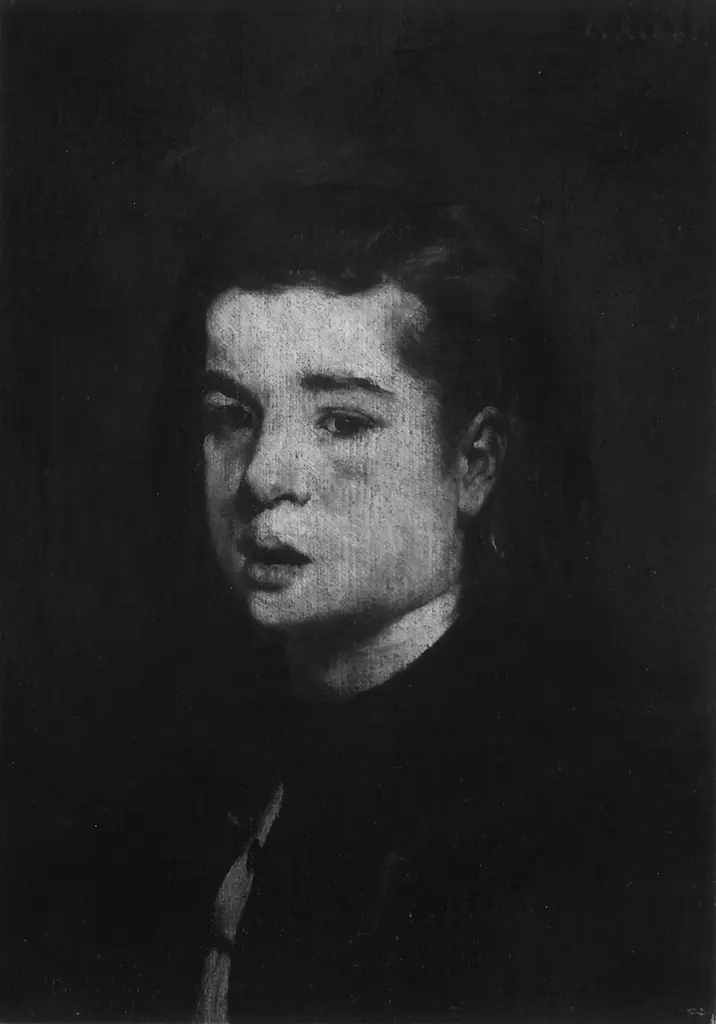
The painting features a young boy whose gaze directly engages the viewer. His dark, curling hair frames a softly illuminated face, with lips slightly parted, suggesting an imminent thought or word. This portrayal moves beyond a mere likeness, aiming for an "ideal" yet relatable quality that evokes a sense of genuine presence, distinct from the formal rigidity common in contemporary portraits.
Technique & Style
Fuller achieved the work's contemplative atmosphere through a distinctive painting technique. He applied thin layers of oil paint, allowing light to subtly permeate the surface and create a luminous effect. This method, reminiscent of chiaroscuro, skillfully employs contrasts of light and shadow to model the boy's features, lending depth and a gentle sculptural quality to his face.
Context
Created during a period when American portraiture often favored stiff, formal compositions, Fuller's approach in this work was notably progressive. The naturalistic rendering of the boy, who appears unposed and approachable, offered a stark contrast to the prevailing conventions. This informal quality imbues the subject with an immediacy and authenticity that was uncommon for its time.
Artist & collection