Artwork
Jacob van Ruisdael Sketching a Watermill
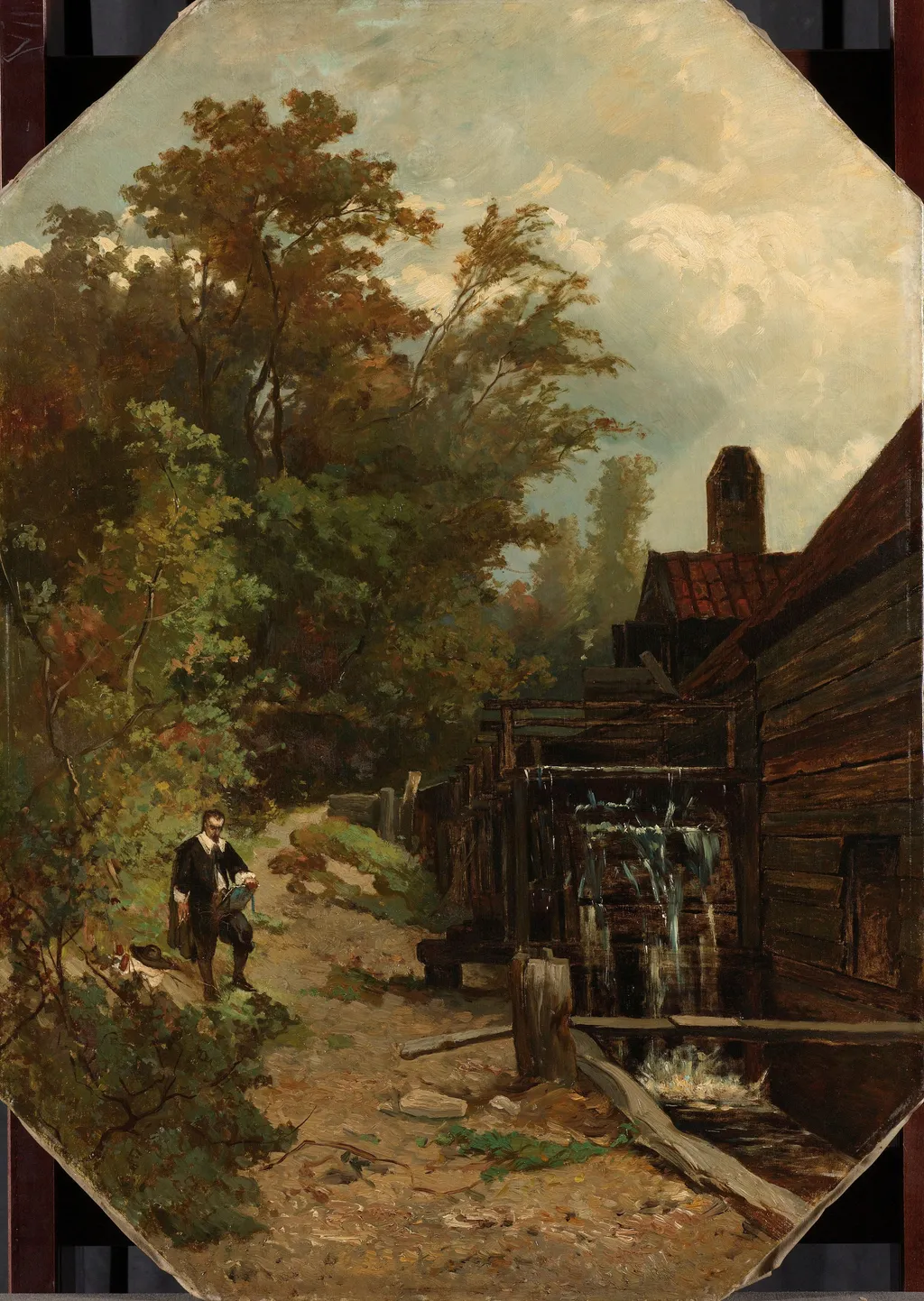
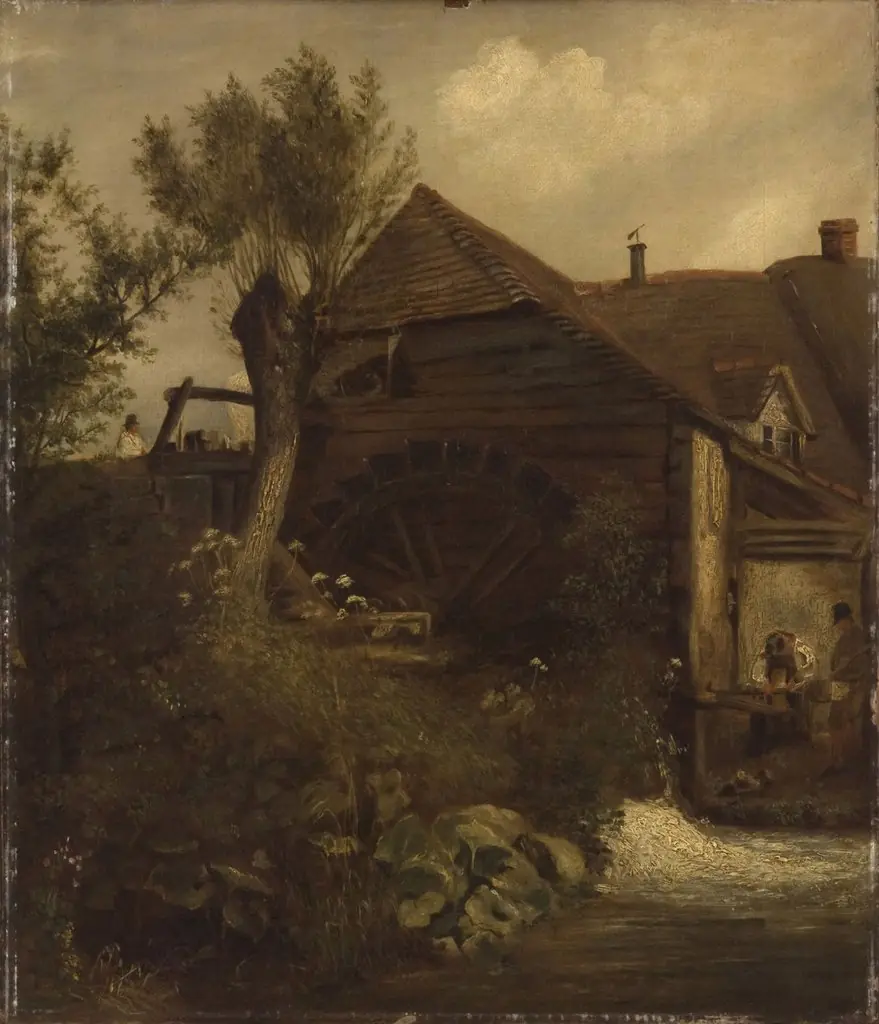
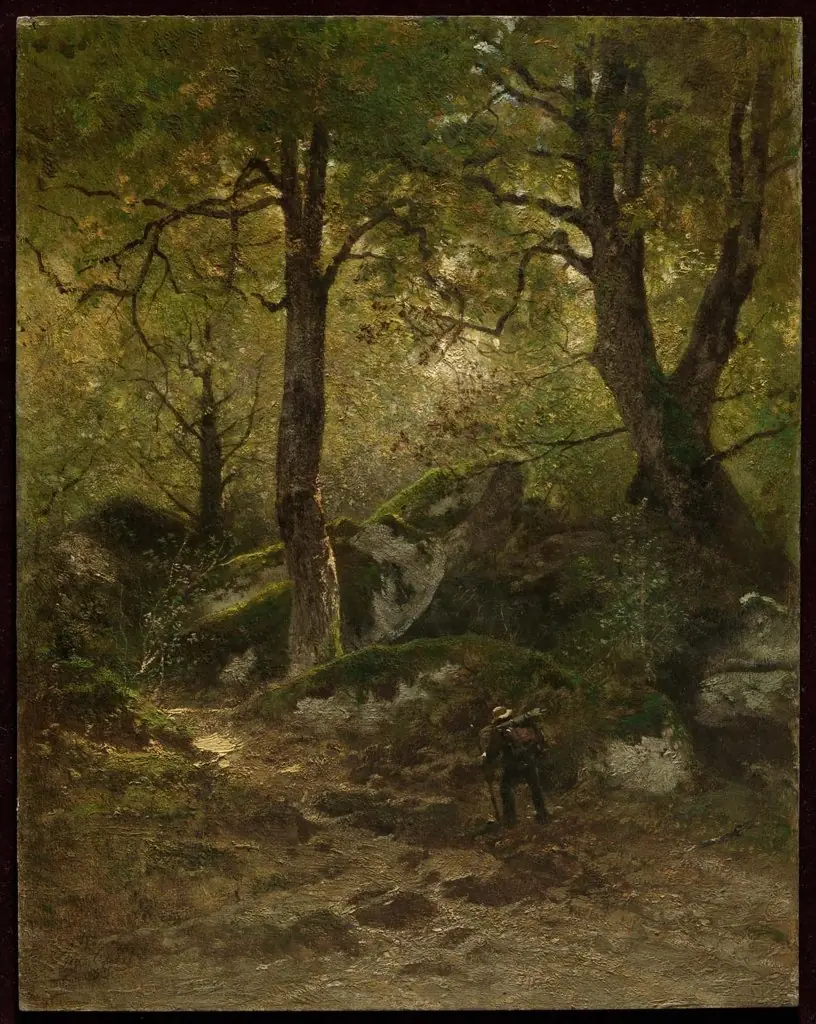
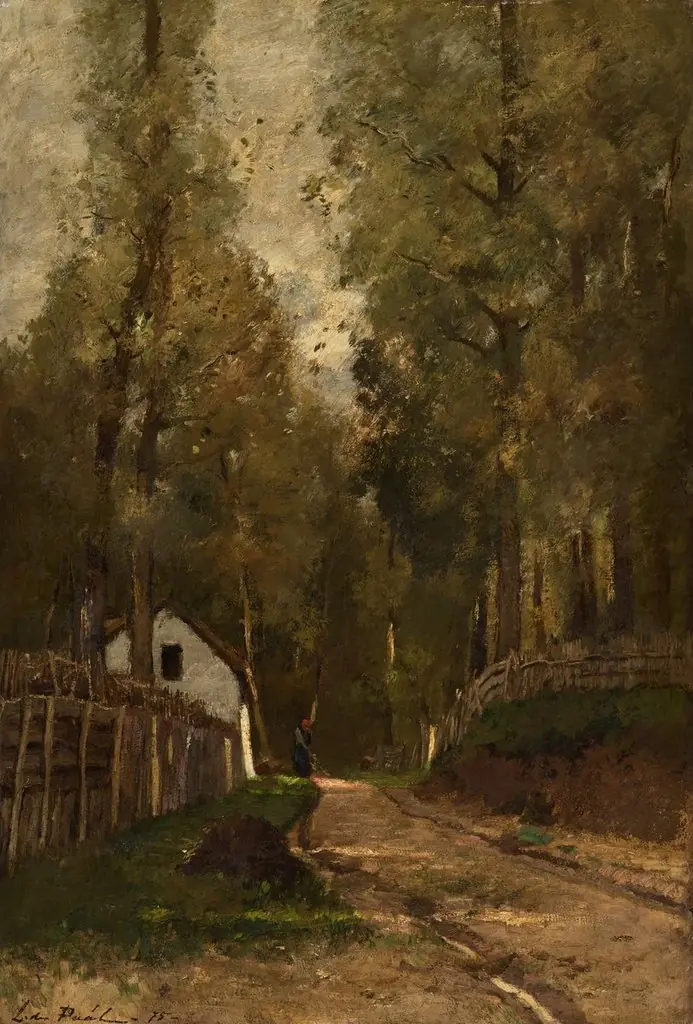
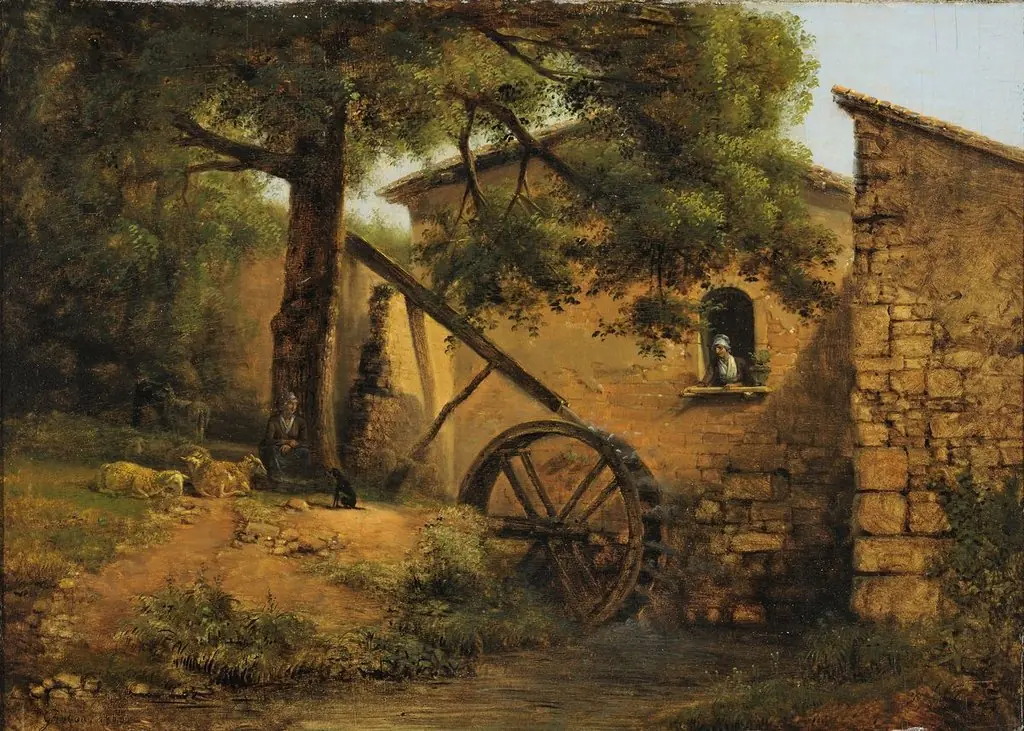
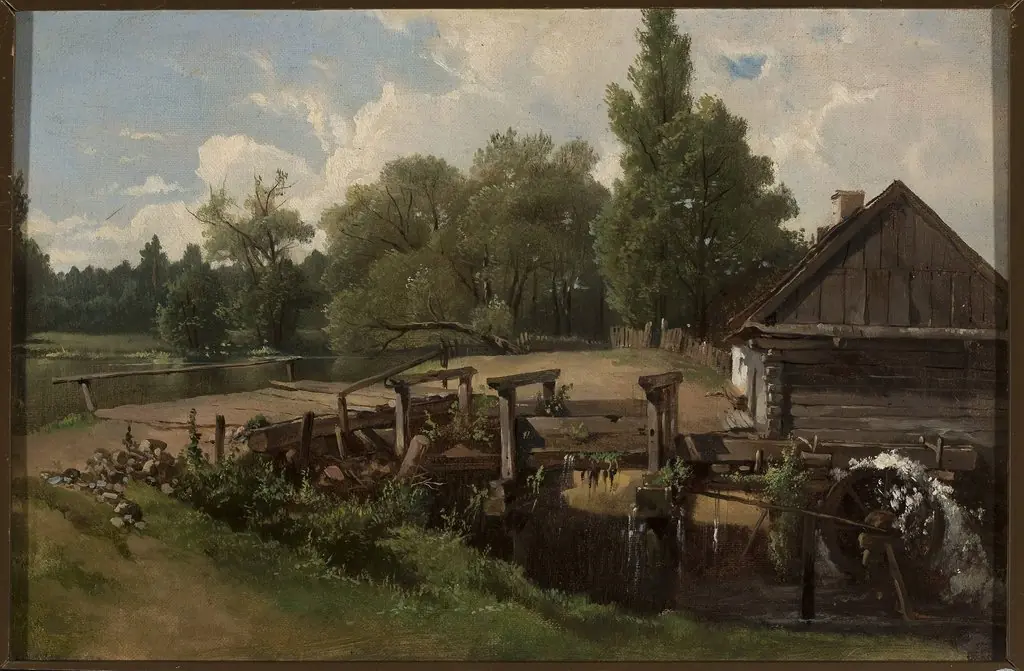
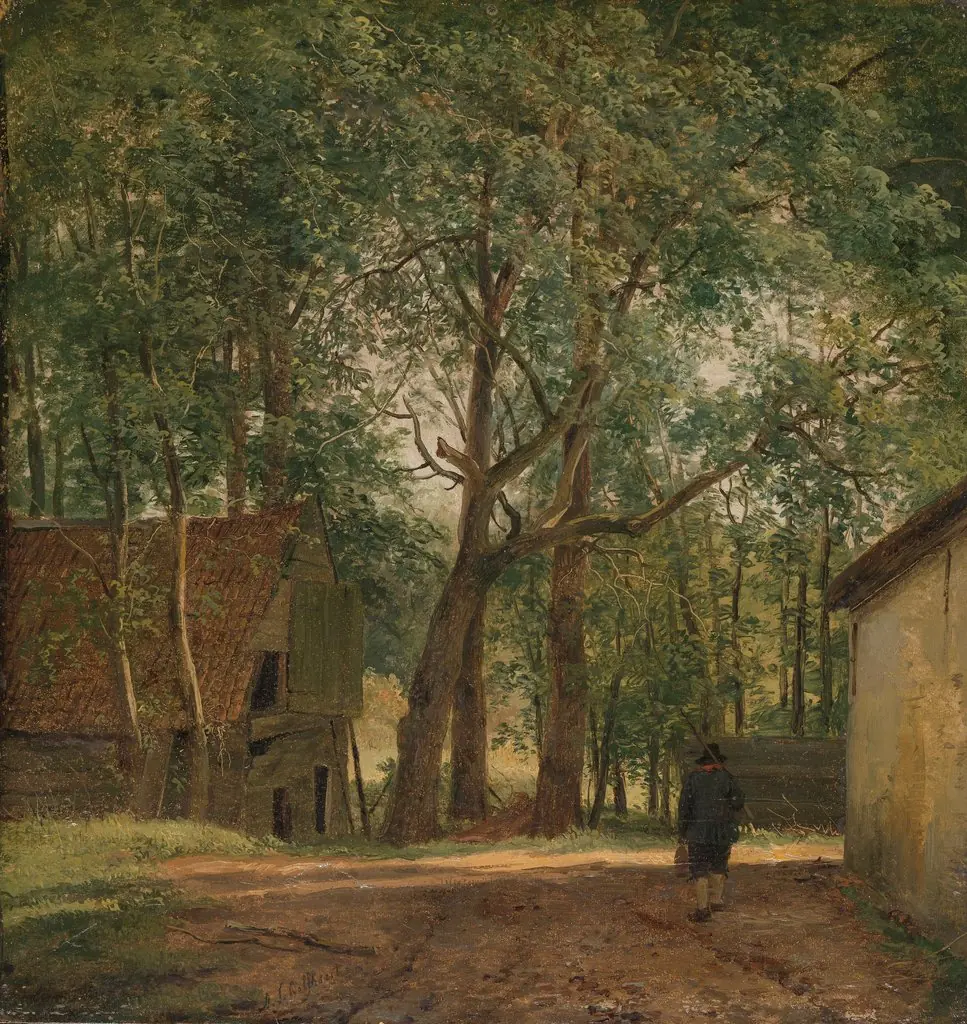
Jacob van Ruisdael Sketching a Watermill is an oil painting by the Barbizon school artist Gerard Bilders. It dates from 1864 and is held in the collection of the Rijksmuseum.
About this work
Technique & Style
The handling of the oil medium allows for the rendering of the landscape elements and the central subject of the watermill sketch.
Created in 1864, Jacob van Ruisdael Sketching a Watermill is an oil painting executed on a canvas support. The work measures 86.5 cm in height and 61.5 cm in width. As a landscape painting, the piece depicts a scene featuring a tree, consistent with the genre's focus on natural settings.
The handling of the oil medium allows for the rendering of the landscape elements and the central subject of the watermill sketch.
History & Provenance
Gerard Bilders created this oil on canvas painting in 1864 while working in the Netherlands. The artwork, which measures 86.5 by 61.5 cm, falls into the landscape genre and depicts a tree alongside its titular subject. The creation history and early ownership chain prior to institutional acquisition are not documented in the available sources, though the work is currently held in the Rijksmuseum.
The painting Jacob van Ruisdael Sketching a Watermill by Gerard Bilders is held in the collection of the Rijksmuseum in the Netherlands. While the work depicts a landscape scene, the museum's records associate the piece with the artist Albert Gerard Bilders and date its inception to January 1, 1864. The provided sources identify the location as the Rijksmuseum but do not supply a specific inventory or accession number for the work. Furthermore, the available documentation contains no information regarding the painting's exhibition history or past public displays.
Legacy
The watercolor sketch attributed to Jacob van Ruisdael, later associated with Gerard Bilders, contributed to the evolving discourse on Dutch landscape art in the 19th century. Though unsigned and difficult to authenticate, its compositional study of a watermill influenced subsequent artists exploring naturalistic rendering of water and architecture. The work's attribution history reflects broader challenges in reconstructing the oeuvre of early Dutch landscape painters, particularly those working in sketch form.
Its presence in the Rijksmuseum collection underscores institutional recognition of its significance within the trajectory of Dutch realism.
Overview
Created in 1864, this oil painting by Dutch landscape artist Gerard Bilders portrays a solitary figure sketching beside a watermill. The composition combines a quiet path, a modest industrial structure, and a surrounding woodland, rendered with a focus on atmospheric light and texture. The work is part of the Rijksmuseum’s collection.
Subject & Meaning
A man in a dark coat pauses on a dirt track, clutching a sketchbook as he observes the nearby mill and its turning wheel. The scene suggests a moment of contemplation, linking the artist’s own practice of drawing from nature with the everyday labor of the mill’s operation, set against a backdrop of seasonal foliage.
Context
Situated within the broader 19th‑century shift toward plein‑air observation, the piece aligns with the Barbizon School’s emphasis on direct study of nature. Bilders’ choice of a modest watermill and a solitary figure reflects contemporary interest in rural industry and the artist’s own engagement with the natural environment.
Own this work as a print
Artist & collection
Artist
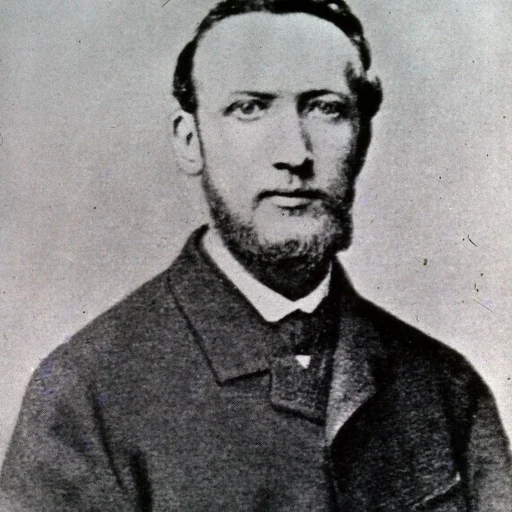
Albertus Gerardus "Gerard" Bilders (9 December 1838 – 8 March 1865) was a Dutch landscape painter, associated with some members of the Hague School, such as Anton Mauve and Willem Maris.