Artwork
The Last Supper
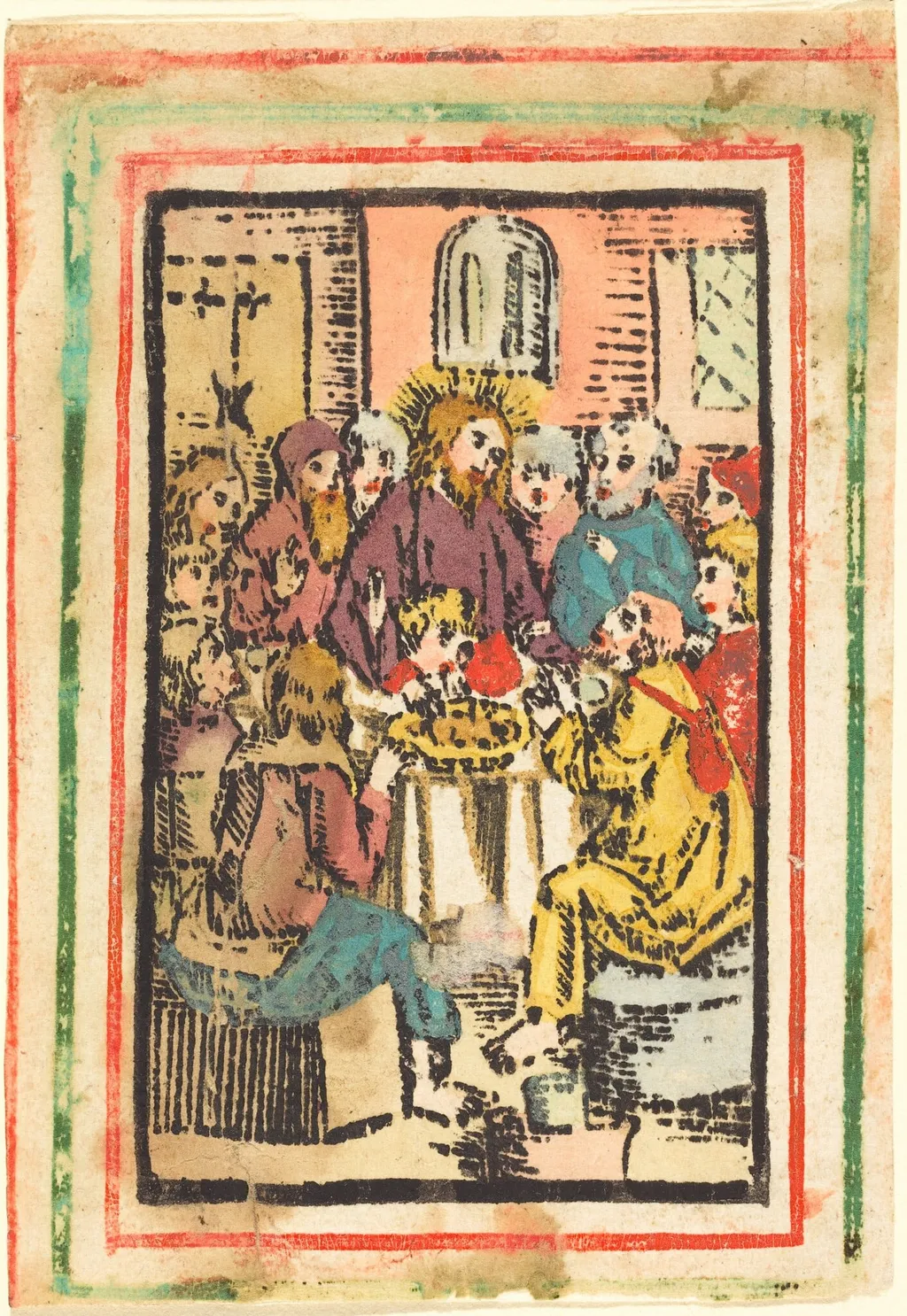
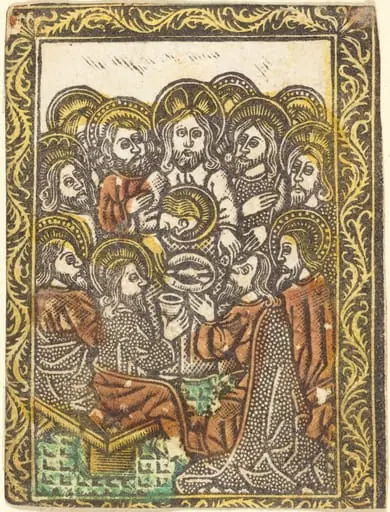
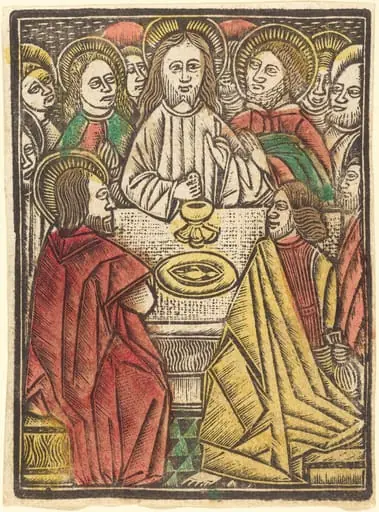
The Last Supper is an ink print by the Renaissance artist German 15th Century. It dates from 1490 and is held in the collection of the National Gallery of Art.
About this work
Overview
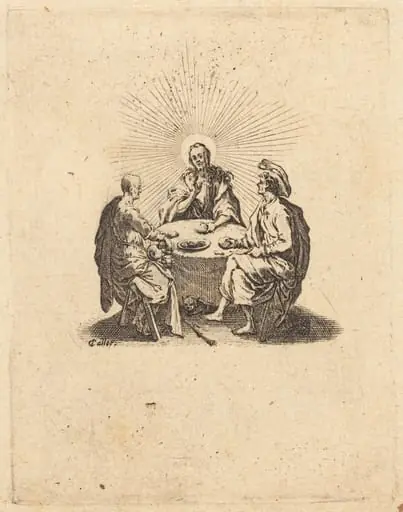
This hand-colored woodcut depicts the moment Jesus announces that one of his disciples will betray him. Produced as a printed image, it was designed for wide distribution, making religious narratives accessible beyond elite audiences. The scene is rendered in a compact, linear style with eight distinct colors applied by hand, enhancing emotional impact without the cost of painting.
Subject & Meaning
The composition captures the immediate reaction of the Twelve Apostles to Christ’s revelation. Each figure displays a unique expression of shock or sorrow, emphasizing the human drama of the moment. The single window behind them, glowing faintly, suggests divine presence amid human turmoil, reinforcing the spiritual gravity of the event.
Technique & Style
Executed as a woodcut, the image relies on bold outlines and simplified forms typical of the medium. Hand-coloring with hues like vermilion, lavender, and rose adds emotional nuance, contrasting vividly against the dark background. The flat perspective and lack of spatial depth reflect the priorities of mass-produced religious imagery over naturalistic illusion.
History & Provenance
Created during the early modern period, this print belongs to a tradition of devotional imagery produced for popular consumption. Its affordability and reproducibility allowed it to circulate widely among laypeople, serving both educational and devotional purposes. Exact origins remain undocumented, but similar prints were common in German and Netherlandish workshops.
Context
In an era before widespread literacy, visual prints like this played a crucial role in conveying biblical stories. The choice of the Last Supper, a pivotal moment in Christian theology, aligned with reformist efforts to make sacred narratives tangible. Its color palette and emotional intensity mirror broader trends in popular religious art seeking to evoke piety through immediacy.
Legacy
This woodcut stands as an example of how print technology democratized religious imagery. While overshadowed in fame by Leonardo’s fresco, it represents a parallel tradition: one rooted in accessibility, repetition, and communal devotion. Its survival offers insight into how ordinary believers engaged with sacred stories outside ecclesiastical spaces.
Artist & collection

Artist
This 15th-century German artist carved vivid religious scenes into metal and wood, then hand-painted them in bright, symbolic colors.

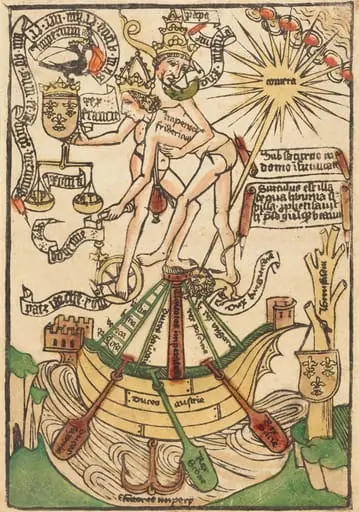 Allegory of the Meeting of Pope Paul II and Emperor Frederick III
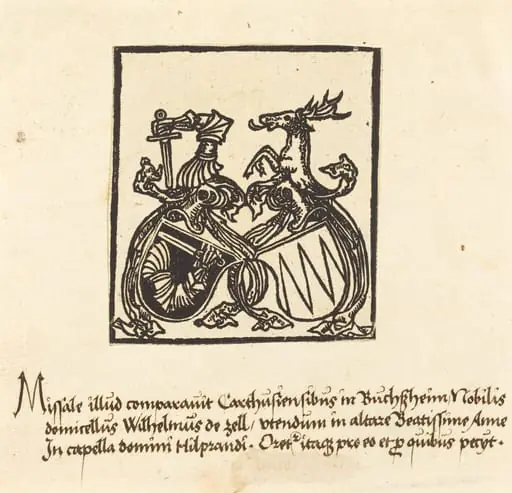 Bookplate of Wilhelm von Zell
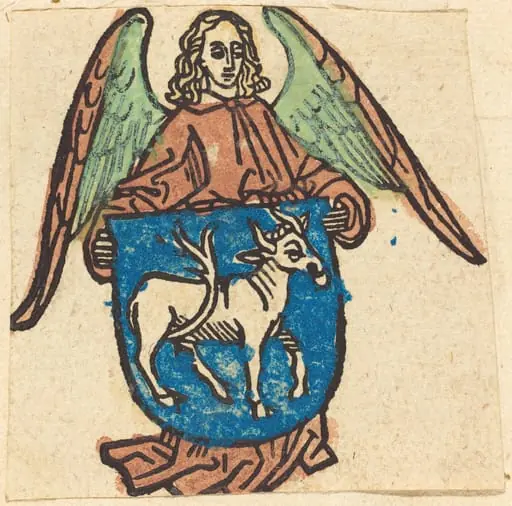 Bookplate of Hilprand Brandenburg of Bibrach
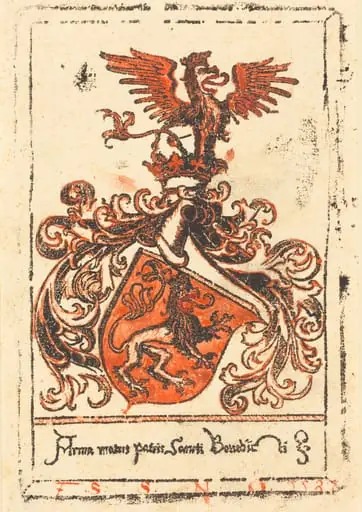 Bookplate of the Abbey of Ottobeuren
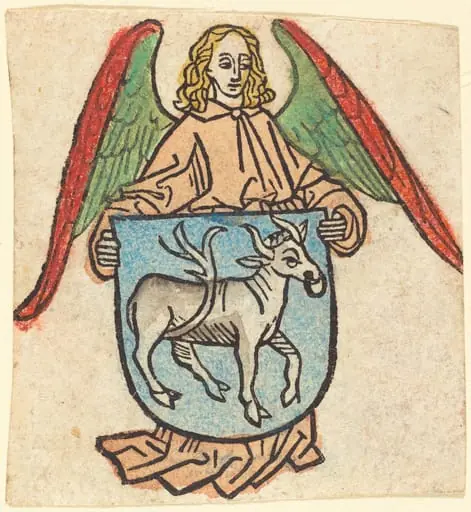 Bookplate of Hilprand Brandenburg of Bibrach
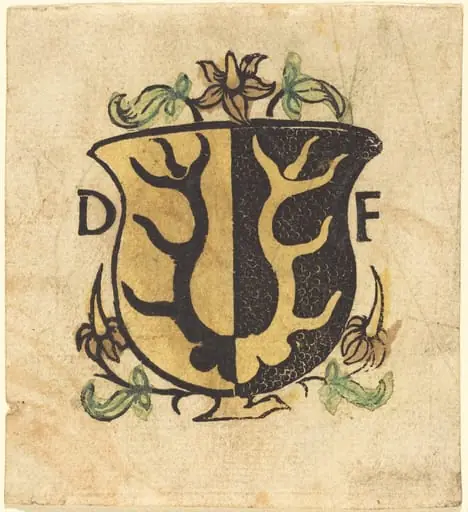 Bookplate of Dominicus Frauenfelder
![Studies for Six Figures (sheet from a model book) [recto], by German 15th Century](https://artifactworldgallery.com/img/german-15th-century--studies-for-six-figures-sheet-from-a-model-book-recto--4837429e0755bc3f-w320.webp) Studies for Six Figures (sheet from a model book) [recto]
Studies for Six Figures (sheet from a model book) [recto]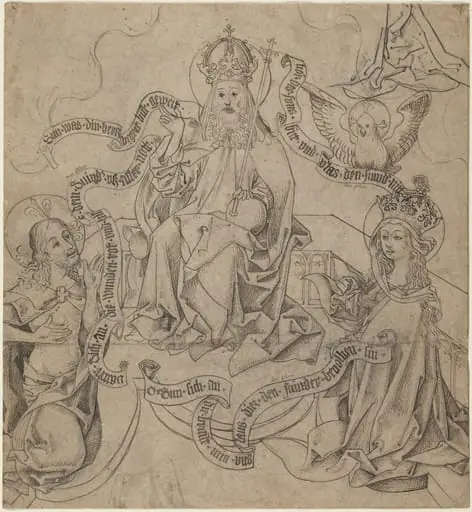 Christ and Mary Interceding with God the Father