Artwork
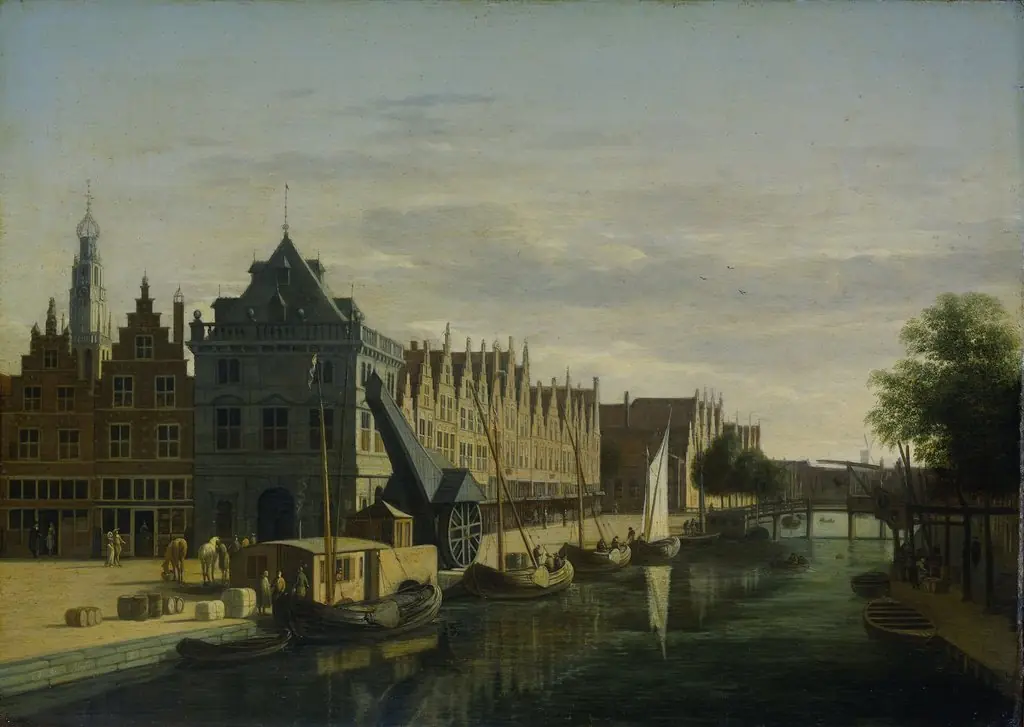
The Nieuwe Gracht at Haarlem, being built with New City Wall
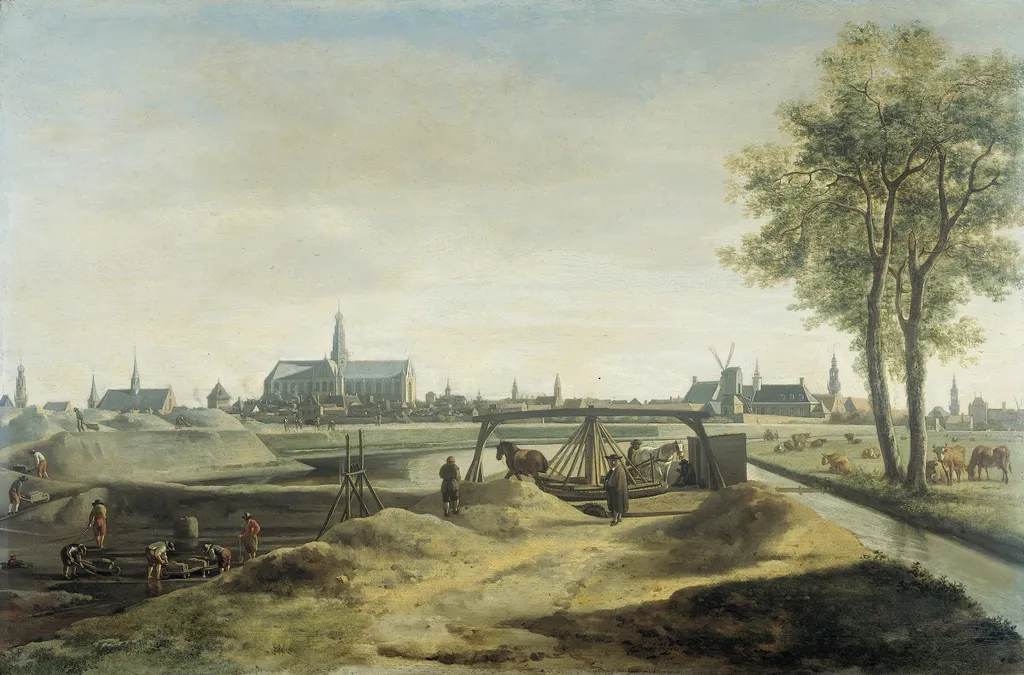
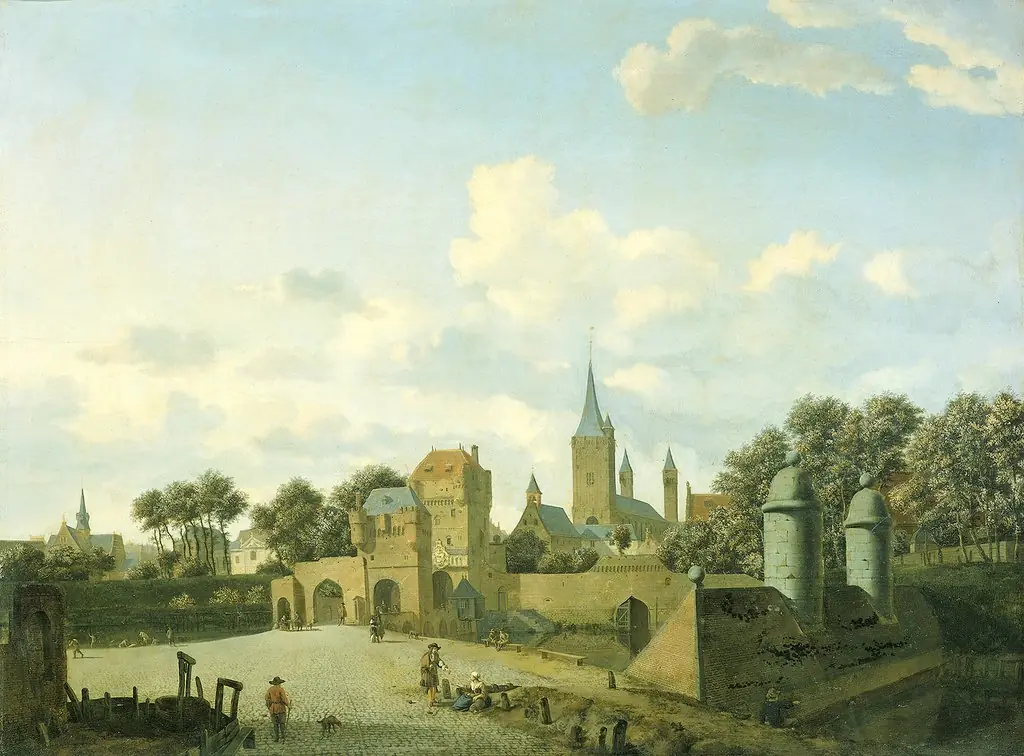
The Nieuwe Gracht at Haarlem, being built with New City Wall is an oil painting by the Dutch Golden Age artist Gerrit Adriaenszoon Berckheyde. It dates from 1671 and is held in the collection of the Rijksmuseum.
About this work
Subject & Meaning
As a cityscape, the work serves as a documentary record of Haarlem's architectural expansion and civic improvements during the Dutch Golden Age.
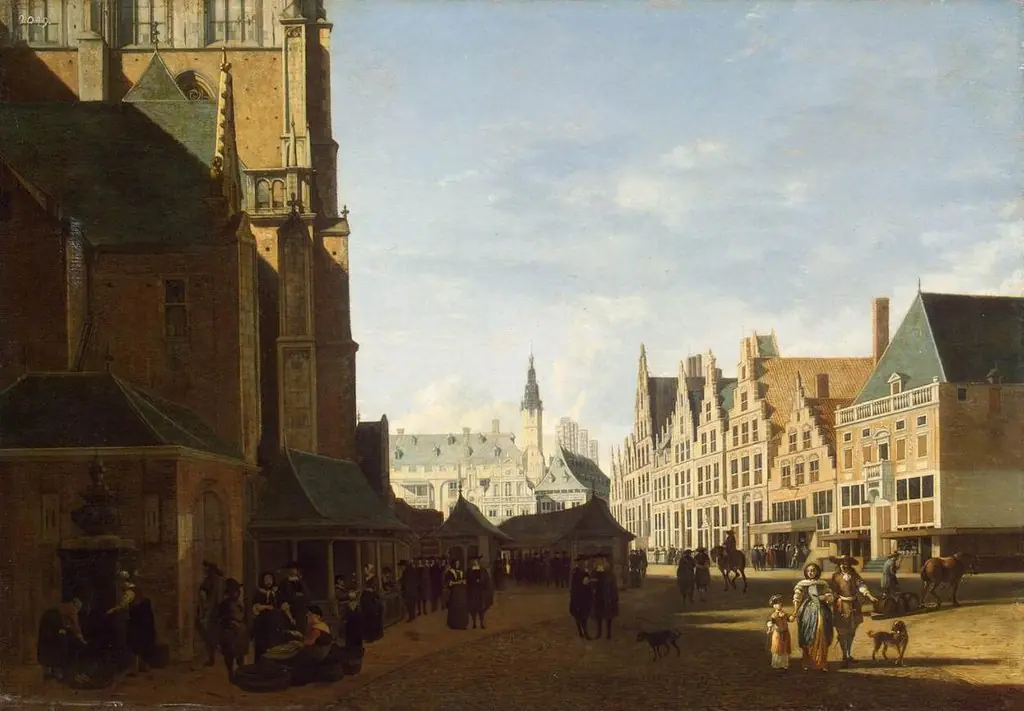
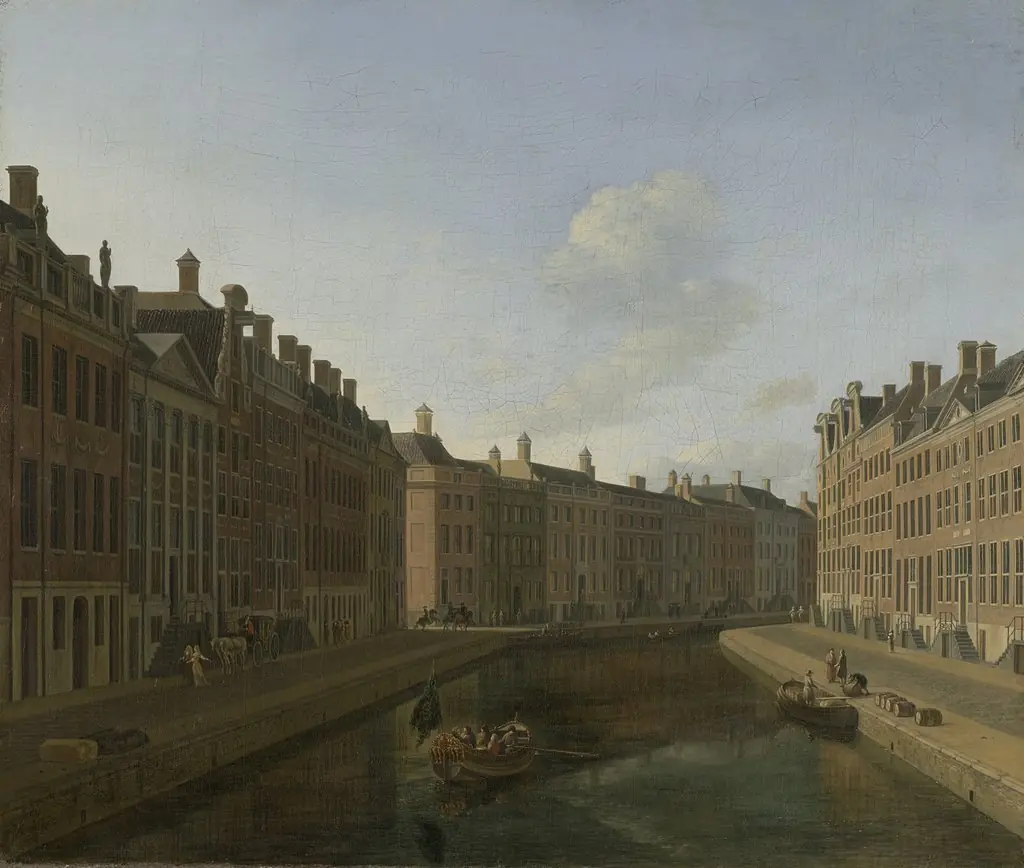
The painting depicts a contemporary view of Haarlem under construction, specifically focusing on the Nieuwe Gracht canal and the Staten Bolwerk, a new city wall. The scene captures the urban development of the city in 1671, featuring the Grote Kerk as a prominent landmark within the evolving landscape. As a cityscape, the work serves as a documentary record of Haarlem's architectural expansion and civic improvements during the Dutch Golden Age.
Technique & Style
The work is an oil painting on wooden panel, typical of 17th-century Dutch cityscapes. Berckheyde applies thin, smooth brushwork to render architectural detail with precise linear clarity, while subtle tonal modeling defines spatial depth. The composition emphasizes the newly constructed Nieuwe Gracht canal and its surrounding fortifications, rendered in a balanced, orderly arrangement characteristic of the genre.
Light falls evenly across the façade of the Grote Kerk, highlighting the texture of the stonework and the reflective surface of the water. The painting’s handling of perspective and architectural accuracy underscores its documentary intent, yet retains a refined compositional harmony that distinguishes Berckheyde’s mature style.
The surface remains well-preserved, with only minor craquelure consistent with age, and the panel support shows no structural distortion. Formal qualities include a restrained palette of earth tones and blues, contributing to a cohesive visual rhythm.
The work measures 41.3 cm in height by 63 cm in width.
History & Provenance
Gerrit Adriaenszoon Berckheyde completed this oil painting on panel in 1671. The work depicts the construction of the new city wall along the Nieuwe Gracht in Haarlem, featuring the Grote Kerk and Staten Bolwerk.
The painting's ownership history includes possession by Frits Lugt and the auction house Frederik Muller & Co. It subsequently entered the collection of Jacques Goudstikker. Today, the artwork is held by the Fondation Custodia as part of the Jacques Goudstikker collection and is located at the Rijksmuseum. It has been featured in the exhibition "Blik op Haarlem."
The painting is held in the Rijksmuseum, Amsterdam, where it forms part of the institution’s permanent collection. It entered the museum as part of the Jacques Goudstikker collection, though its accession number remains unspecified in available documentation.
Prior to its acquisition by the Rijksmuseum, the work passed through the hands of collector Frits Lugt and the auction house Frederik Muller & Co. It has been included in at least one documented exhibition: Blik op Haarlem.
Legacy
The painting has been cited as an early example of a cityscape that blends topographical accuracy with painterly atmosphere, influencing later Dutch urban views. Its inclusion in exhibitions such as Blik op Haarlem helped maintain public visibility of Berckheyde’s work. Provenance records show ownership by Frits Lugt, Frederik Muller & Co, and Jacques Goudstikker, contributing to its scholarly attention.
The work is held by the Rijksmuseum and featured in the Fondation Custodia collection, underscoring its continued relevance in museum displays.
Overview
Gerrit Adriaenszoon Berckheyde’s 1671 oil on canvas records a moment of urban development in Haarlem. The composition captures a bustling riverside where laborers are constructing a new defensive wall alongside a freshly dug canal, while the town’s familiar skyline, church spires, windmills and distant rooftops, looms behind.
Context
During the mid‑1600s Haarlem expanded its defenses in response to regional conflicts, prompting the construction of new walls and canals. Berckheyde’s depiction aligns with contemporary interest in documenting infrastructural progress, a theme also found in the works of his brother, the painter of similar city views, and in the broader Dutch emphasis on orderly, prosperous urban environments.
Own this work as a print
Artist & collection
Artist
Gerrit Adriaenszoon Berckheyde
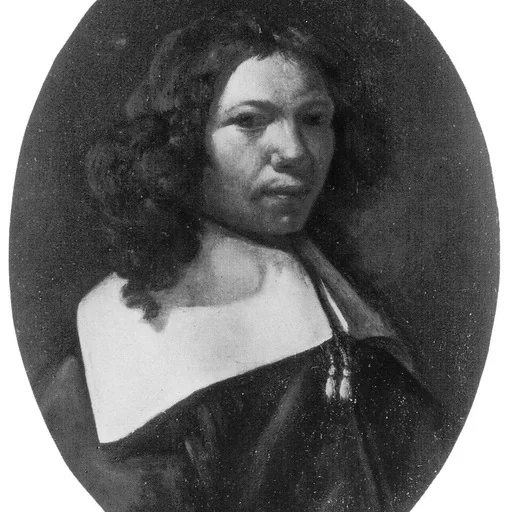
Gerrit Adriaenszoon Berckheyde (1638 – 10 June 1698) was a Dutch Golden Age painter, active in Haarlem, Amsterdam, and The Hague, who is best known today for his cityscapes.