Artwork
The Herengracht Bend
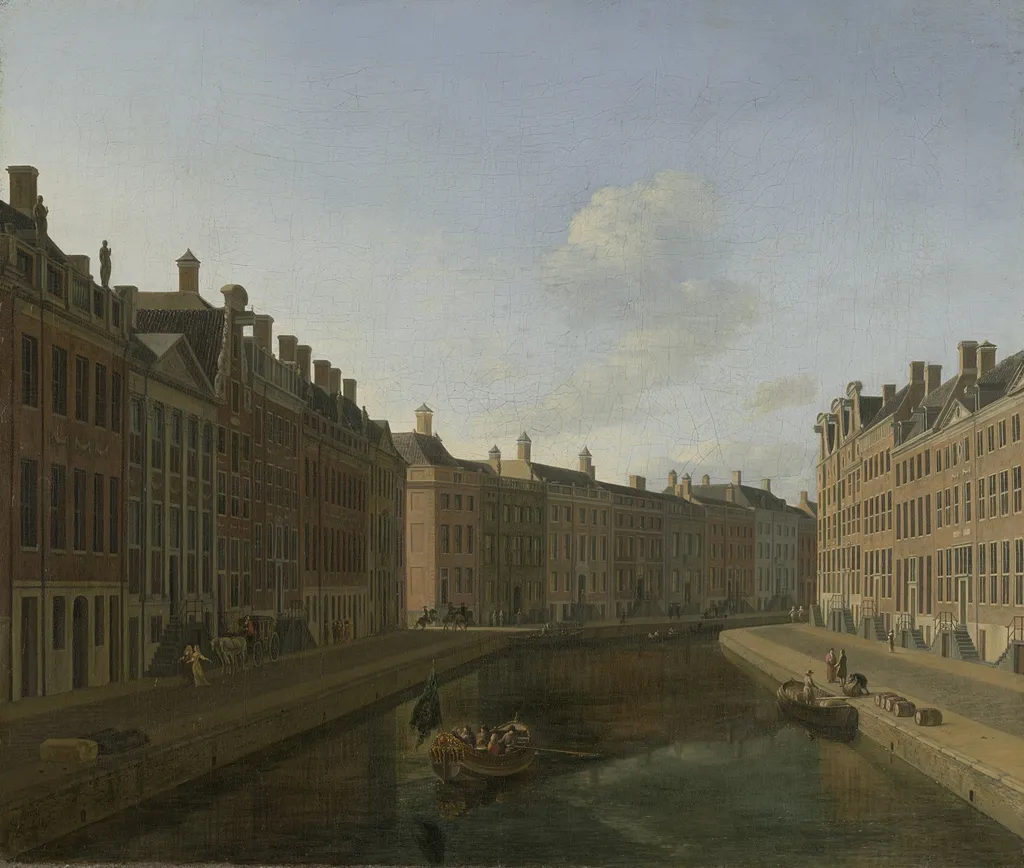
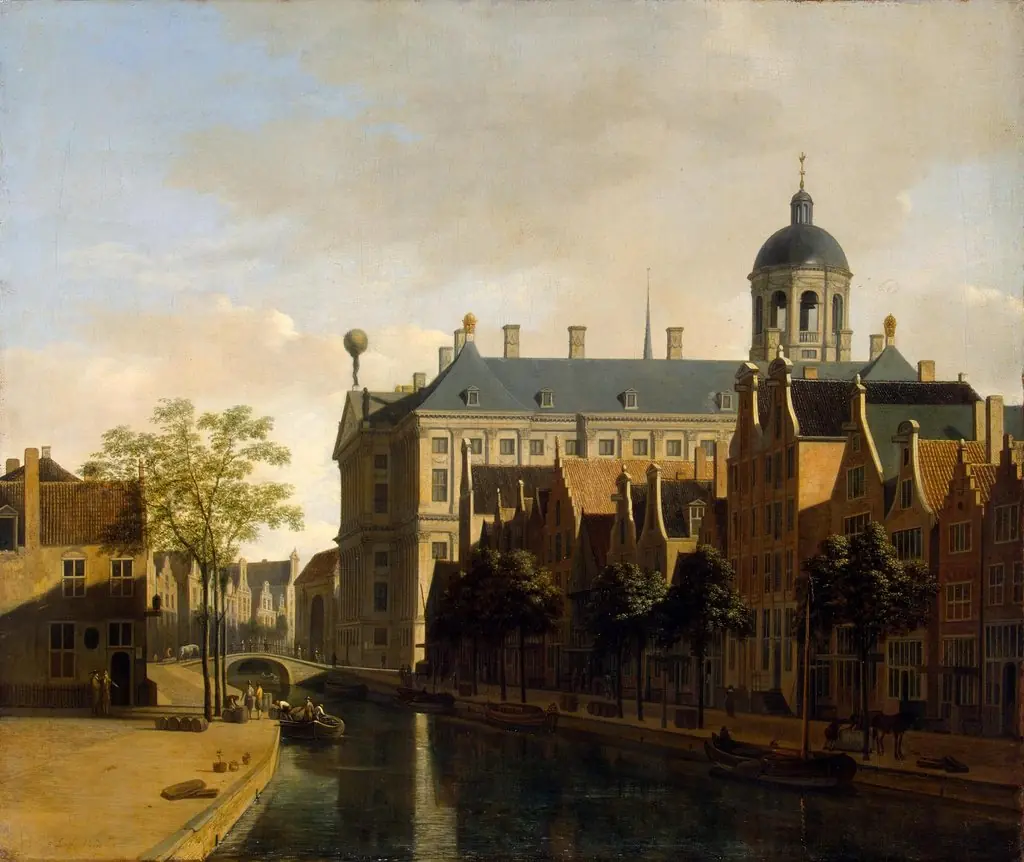
The Herengracht Bend is an oil painting by the Dutch Golden Age artist Gerrit Adriaenszoon Berckheyde. It dates from 1693 and is held in the collection of the Amsterdam Museum.
About this work
Subject & Meaning
It records a fashionable riverside stretch lined with merchant houses, symbolizing the prosperity and social standing of the city’s elite families.
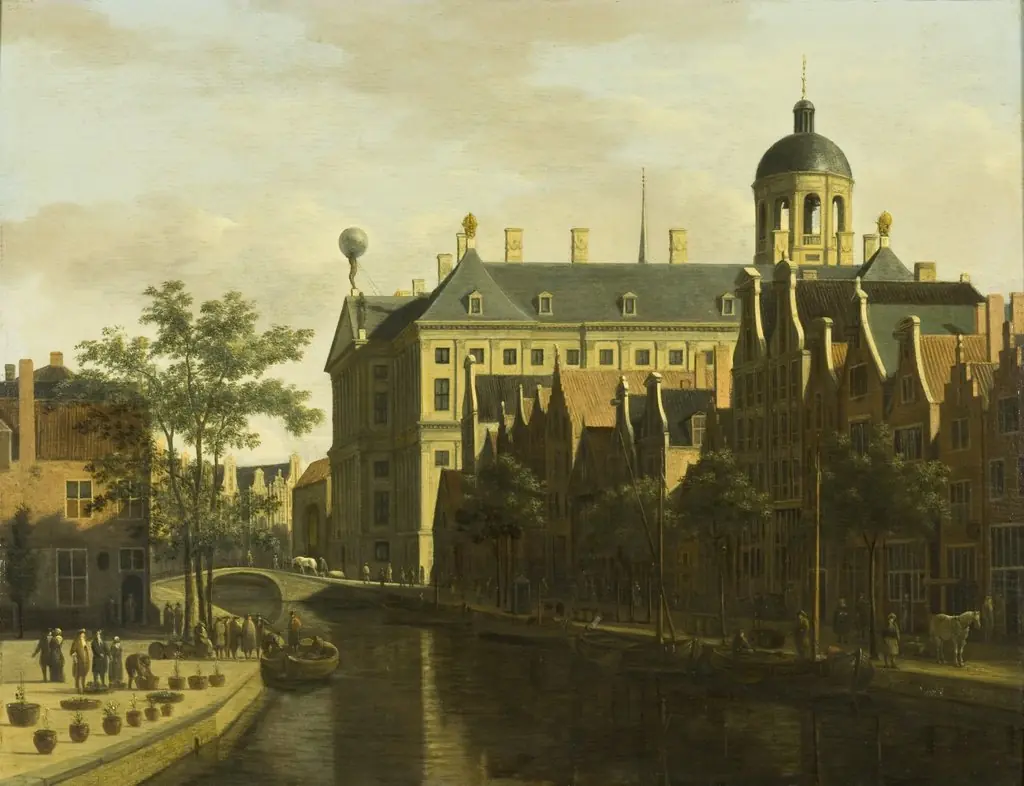
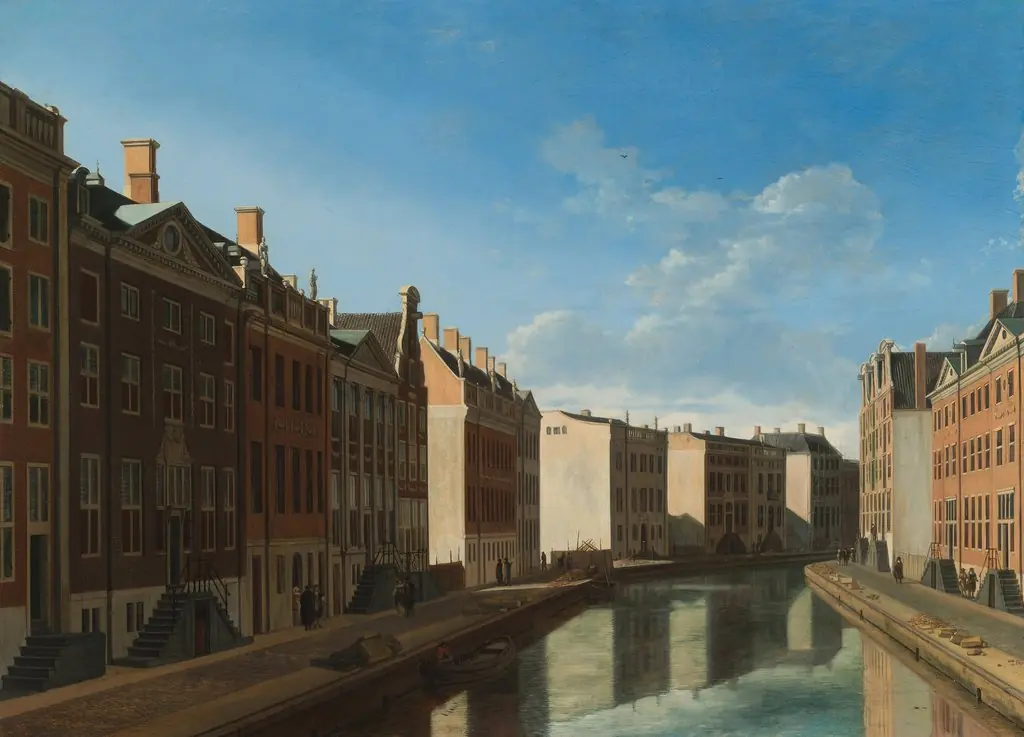
The painting shows a view of the Herengracht canal’s distinctive curve in Amsterdam, known as the Gouden Bocht. It records a fashionable riverside stretch lined with merchant houses, symbolizing the prosperity and social standing of the city’s elite families. The composition emphasizes architectural detail and orderly urban planning, reflecting the cultural confidence of late 17th‑century Amsterdam.
The work serves as both a topographical record and an implicit statement of wealth, capturing a specific bend that was a prestigious address for wealthy patrons. Its depiction of the canal underscores the integration of commerce, residence, and civic pride in Dutch urban life during the period.
Technique & Style
Created in 1685, The Herengracht Bend is an oil painting executed on a canvas support. The work measures 53 cm in height and 62 cm in width. Classified as a cityscape, the piece depicts the Gouden Bocht section of the Herengracht canal in Amsterdam.
The artist, Gerrit Adriaenszoon Berckheyde, utilized oil paint to render this urban view, capturing the specific architectural and atmospheric qualities of the location.
History & Provenance
The painting was created in 1685 by Gerrit Adriaenszoon Berckheyde, as evidenced by both the artist’s records and the work’s cataloguing.
By 1876 the painting was in the possession of Jacobus Salomon Hendrik van de Poll, whose name appears in the provenance chain maintained by the Rijksmuseum.
The work has remained in the Rijksmuseum, Amsterdam, since its acquisition, where it is currently held.
The Herengracht Bend is held in the collection of the Rijksmuseum in Amsterdam. The work is also associated with the Amsterdam Museum, which shares the location designation in available records. While specific inventory or accession numbers are not provided in the source material, the painting's provenance includes ownership by Jacobus Salomon Hendrik van de Poll prior to its current institutional custody.
No exhibition history is documented in the provided sources. The artwork, created in 1685, remains a significant cityscape within these Dutch collections.
Overview
Gerrit Adriaenszoon Berckheyde, a Dutch painter of the late 17th century, created an oil painting in 1693 that portrays a segment of Amsterdam’s Herengracht canal known as the Gouden Bocht, or Golden Bend. The work is part of the Rijksmuseum’s collection and exemplifies the city‑scape genre popular in the Dutch Golden Age.
Context
The Gouden Bocht was a fashionable address in 17th‑century Amsterdam, lined with the homes of wealthy merchants and officials. Berckheyde’s depiction aligns with contemporary interest in documenting the city’s architectural grandeur and the orderly, prosperous life of its inhabitants.
Own this work as a print
Artist & collection
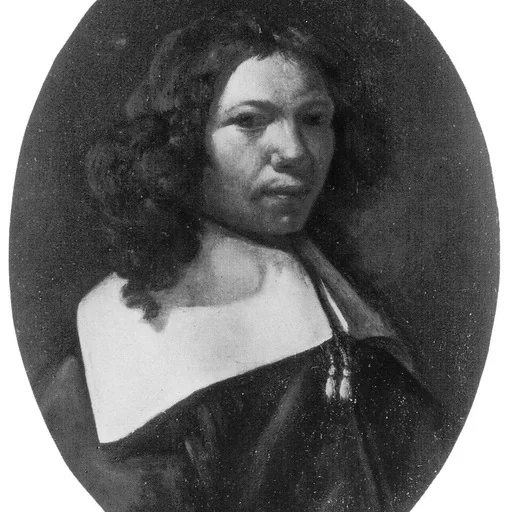
Artist
Gerrit Adriaenszoon Berckheyde
Gerrit Adriaenszoon Berckheyde (1638 – 10 June 1698) was a Dutch Golden Age painter, active in Haarlem, Amsterdam, and The Hague, who is best known today for his cityscapes.

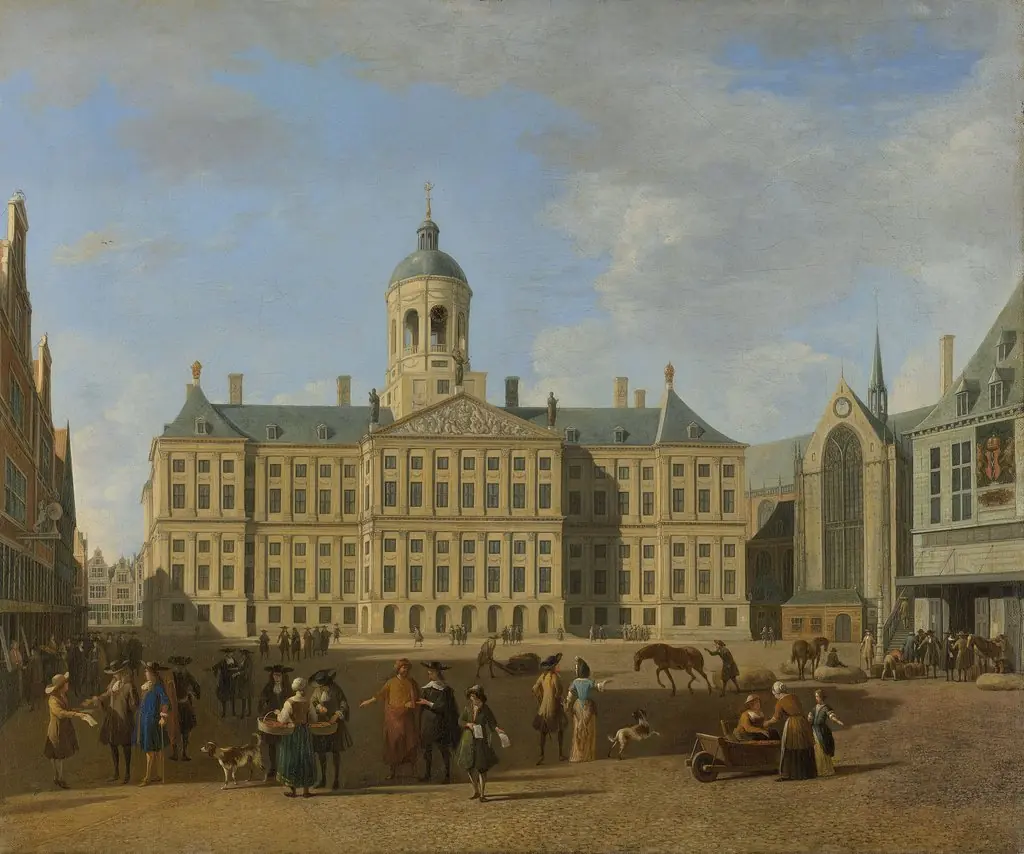 The town hall on the Dam in Amsterdam
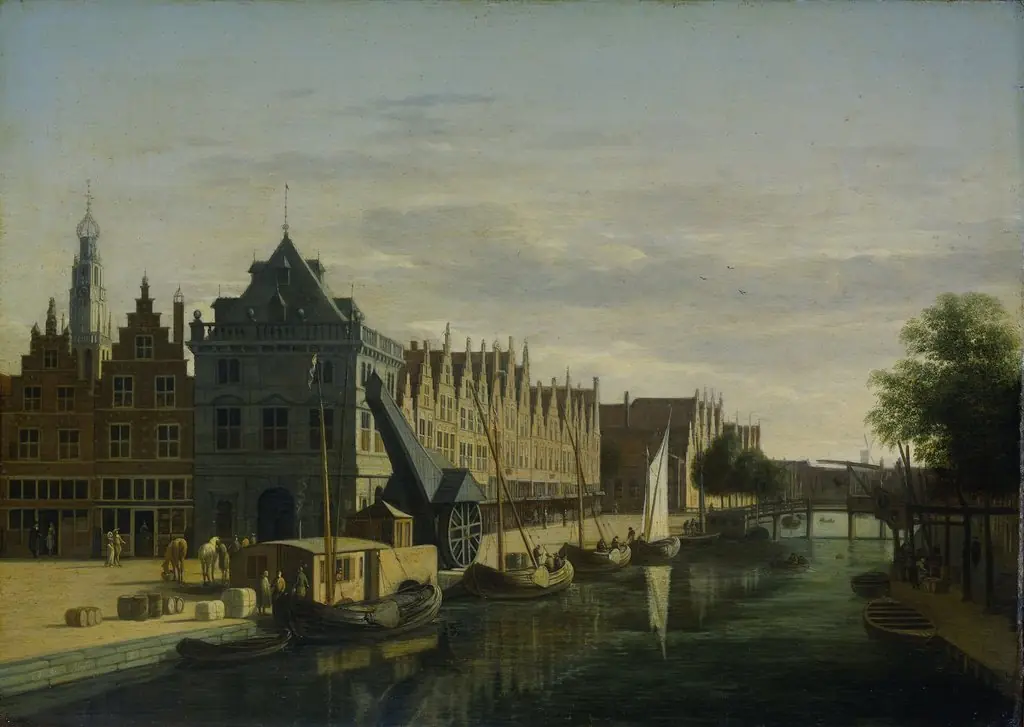 The Waag (weigh-house) and Crane on the Spaarne, Haarlem
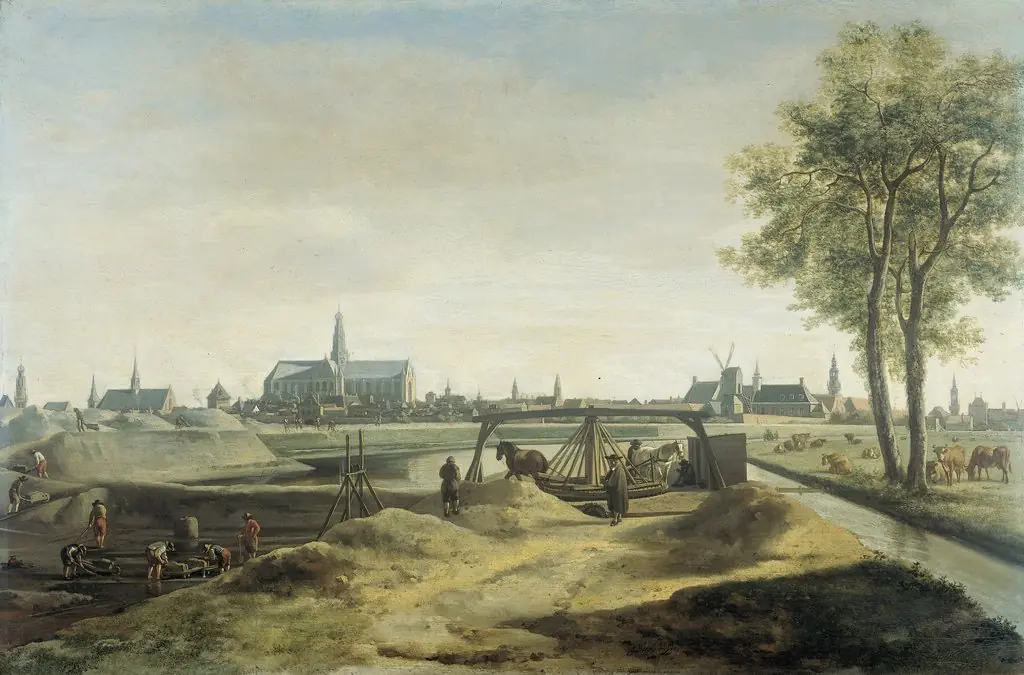 The Nieuwe Gracht at Haarlem, being built with New City Wall
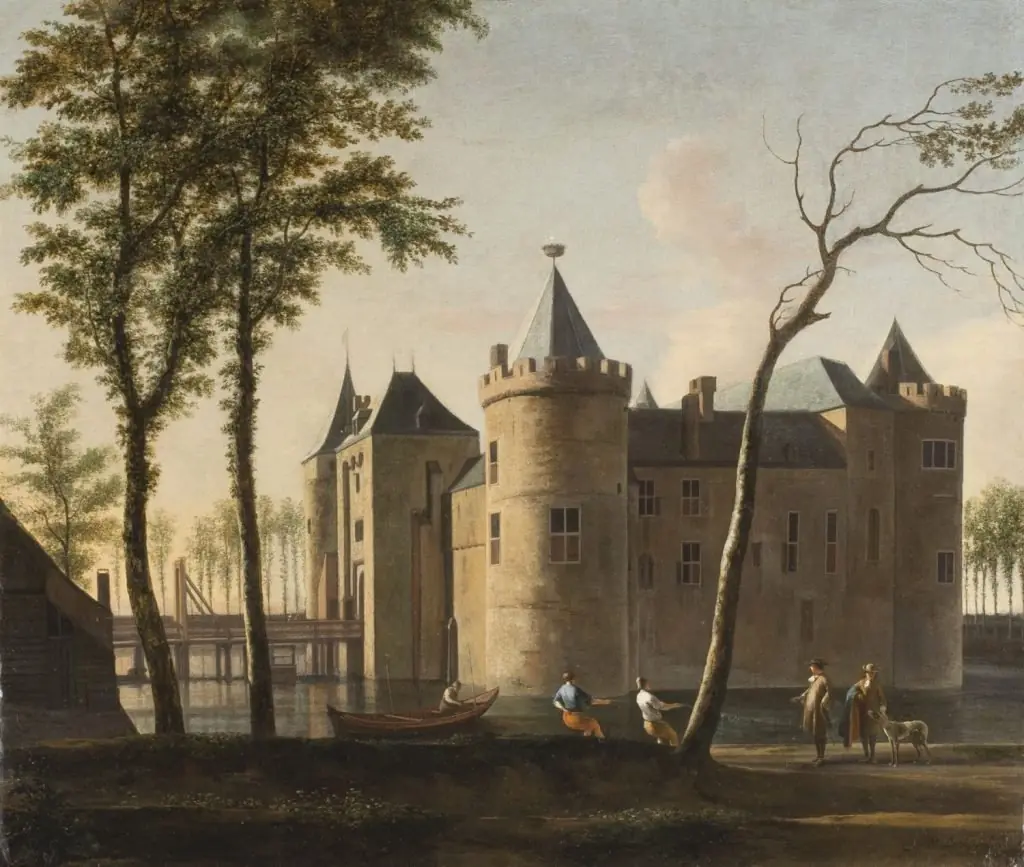 View of Muiderslot
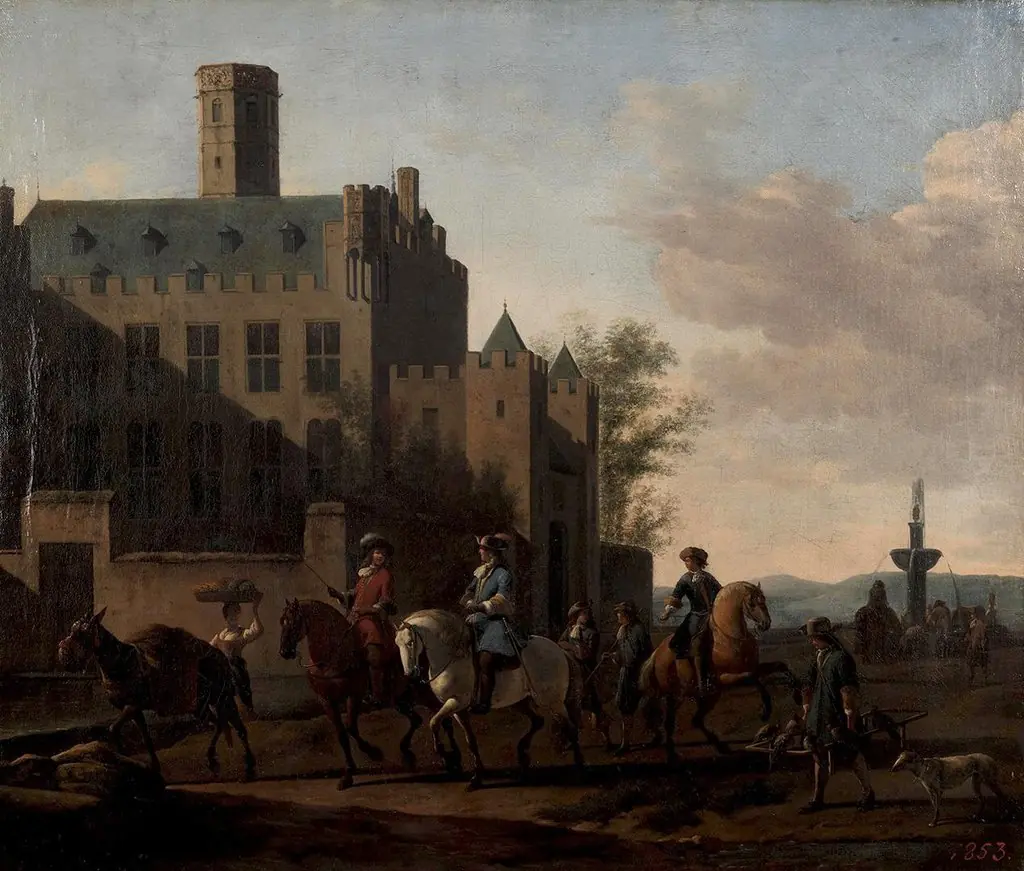 Leaving for the Hunt
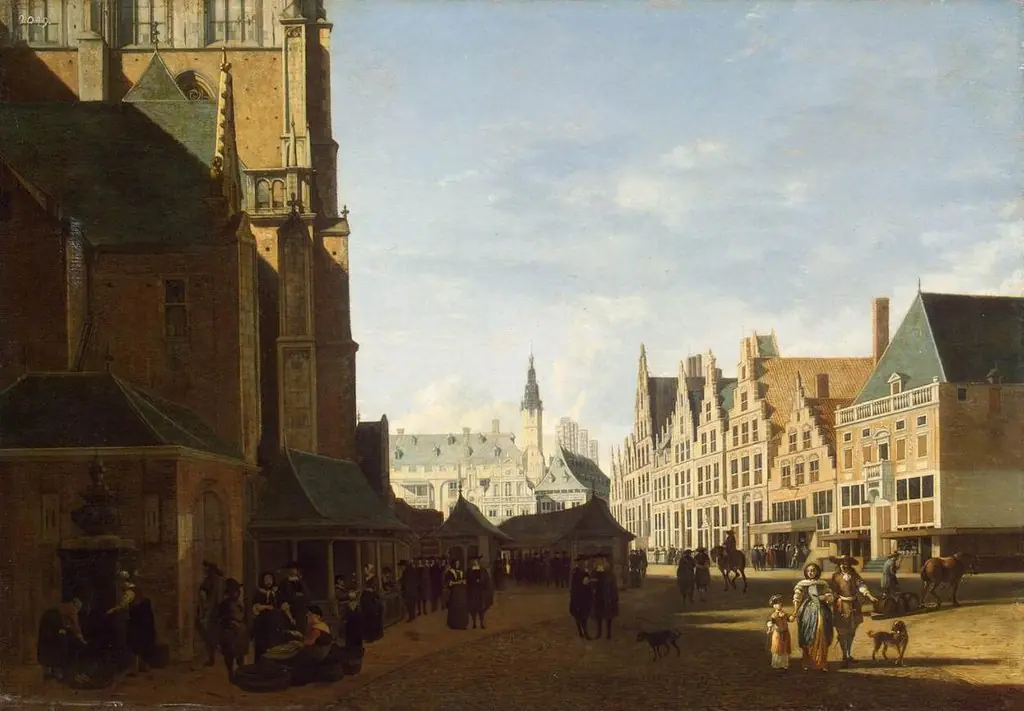 Groote Market in Haarlem
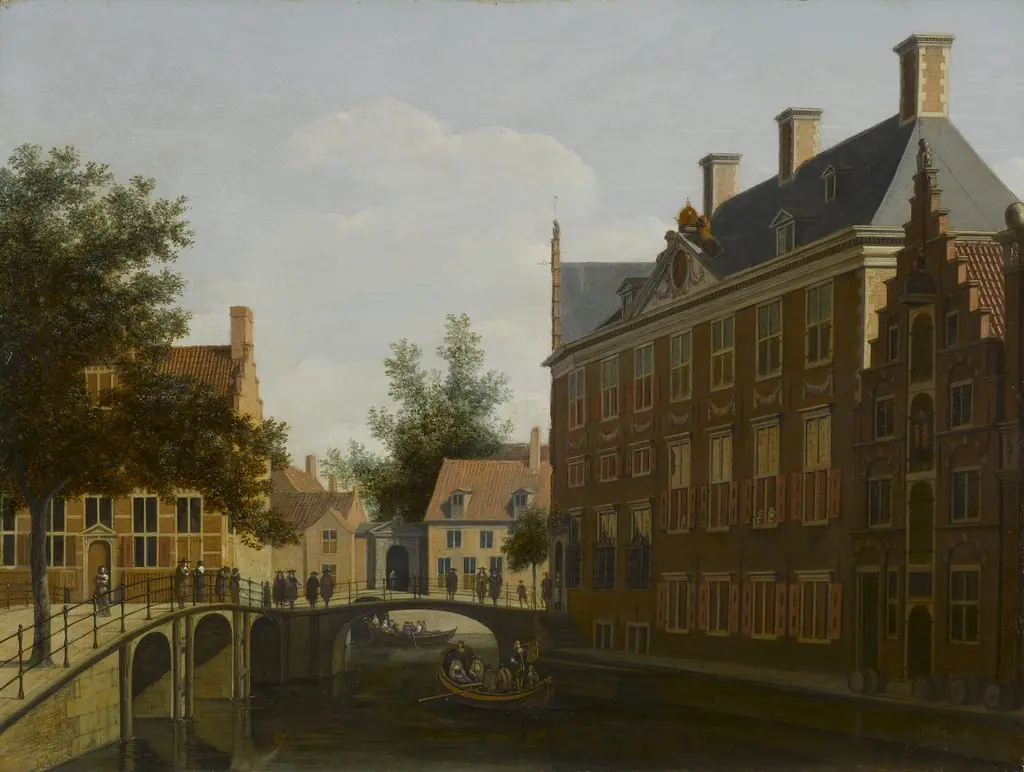 The Oude Zijds Herenlogement (gentlemen's hotel) in Amsterdam
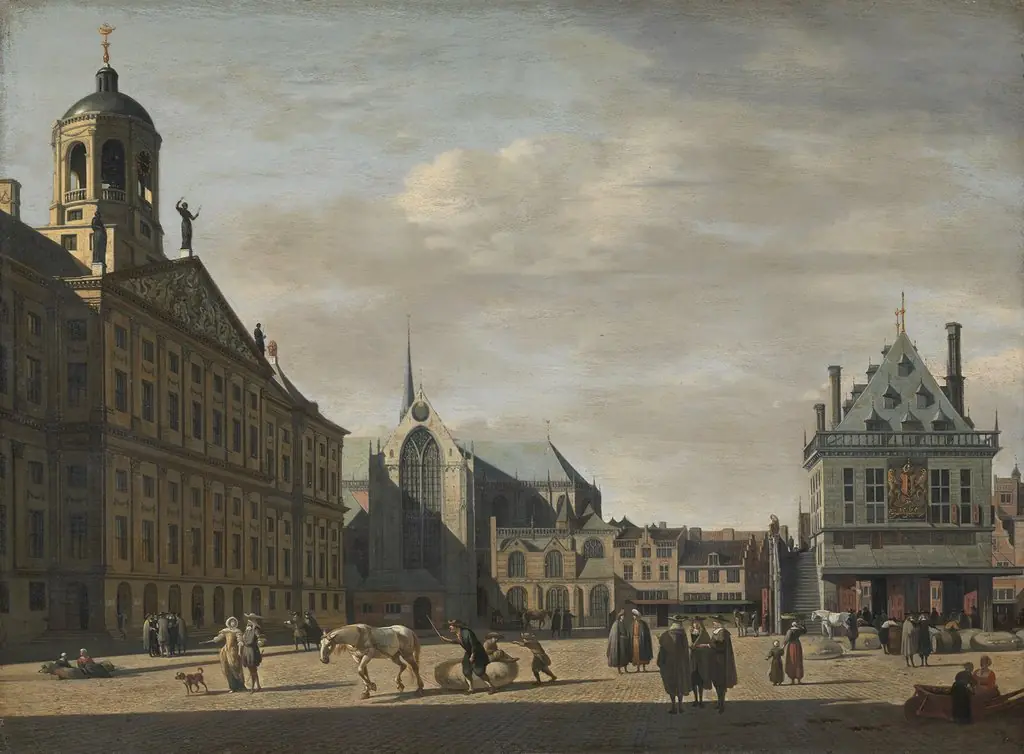 View of Dam Square, with the Old Weigh House