Artwork
Asia
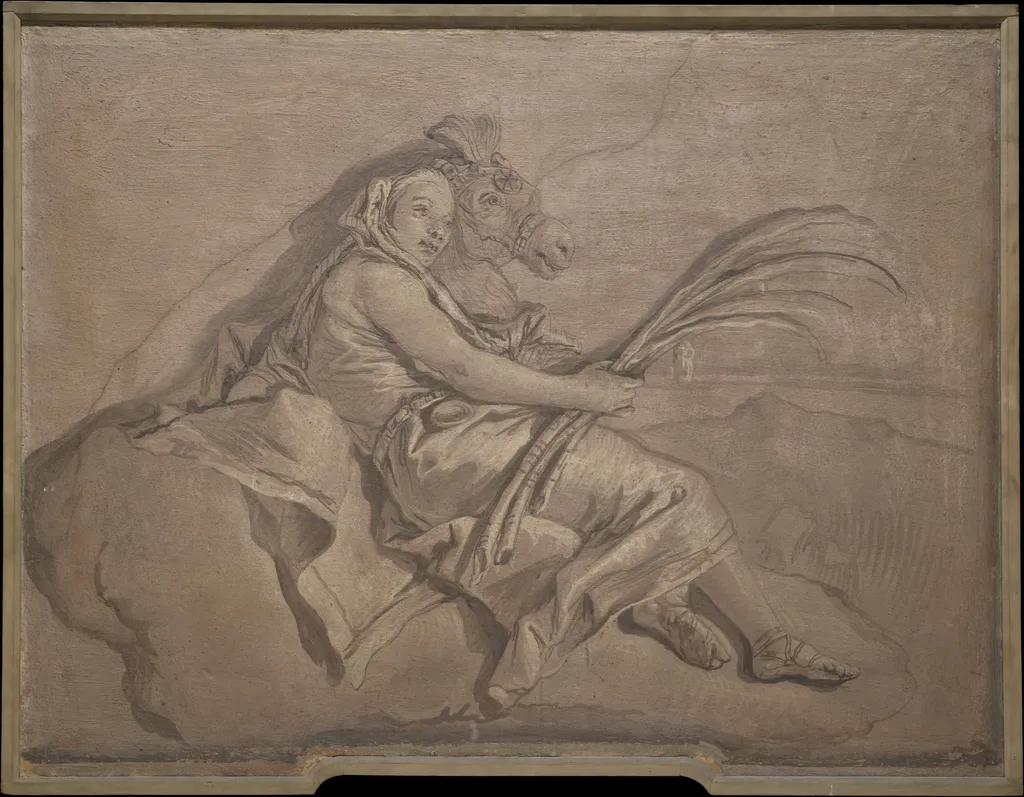
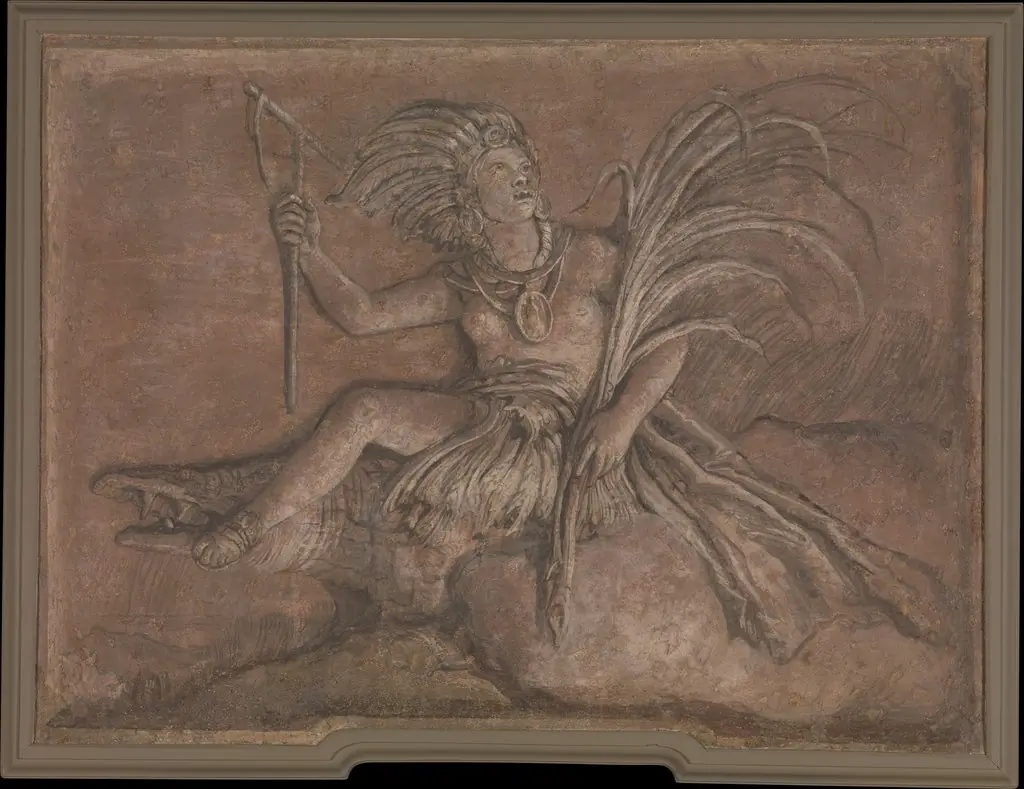
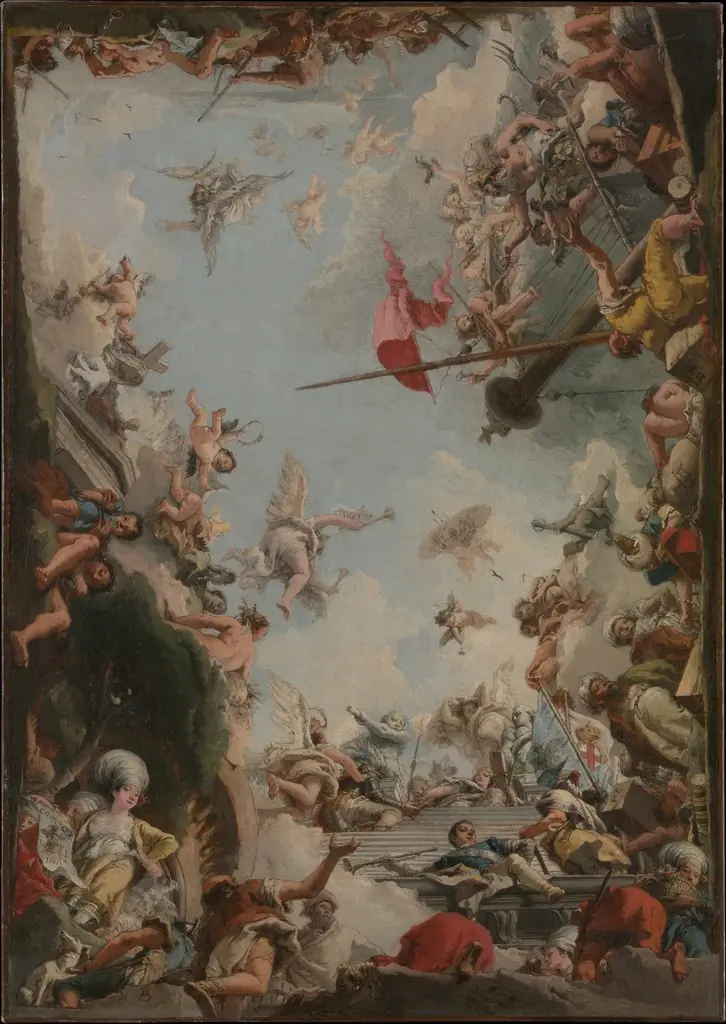
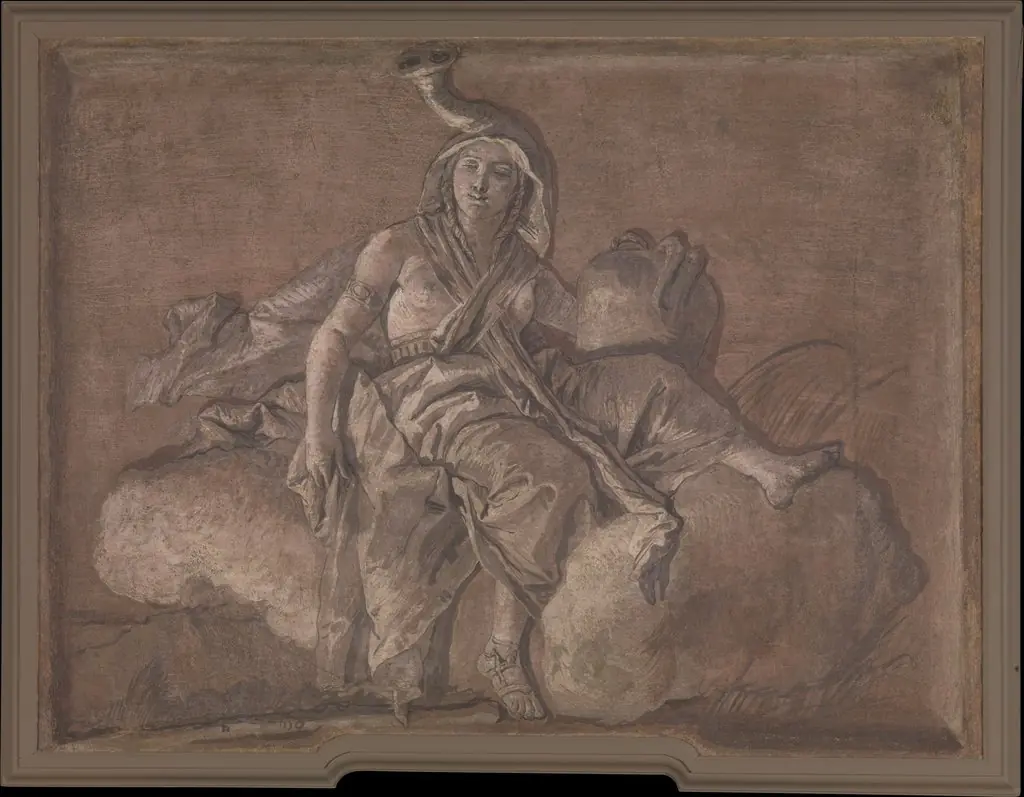
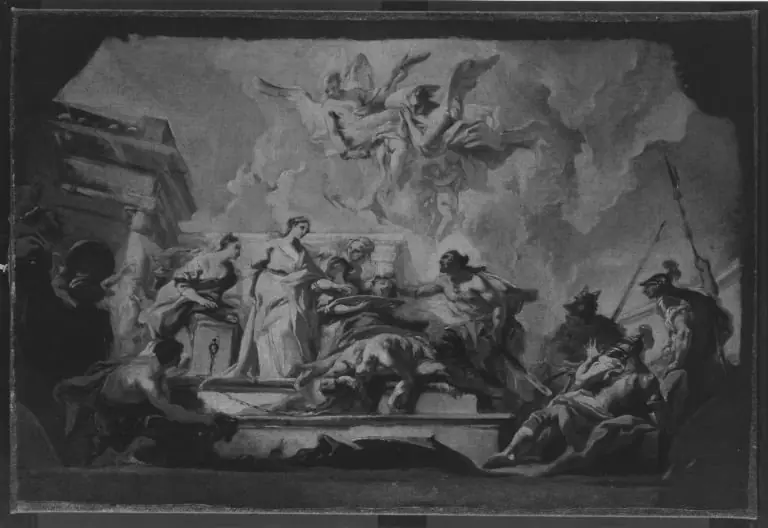
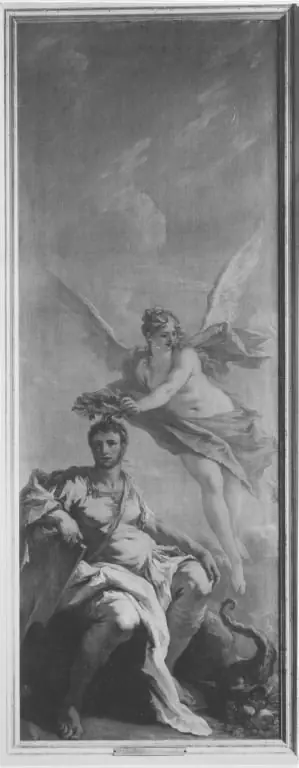
Asia is an unspecified painting by the Rococo painting artist Giovanni Domenico Tiepolo. It dates from 1775 and is held in the collection of the Metropolitan Museum of Art.
About this work
Subject & Meaning
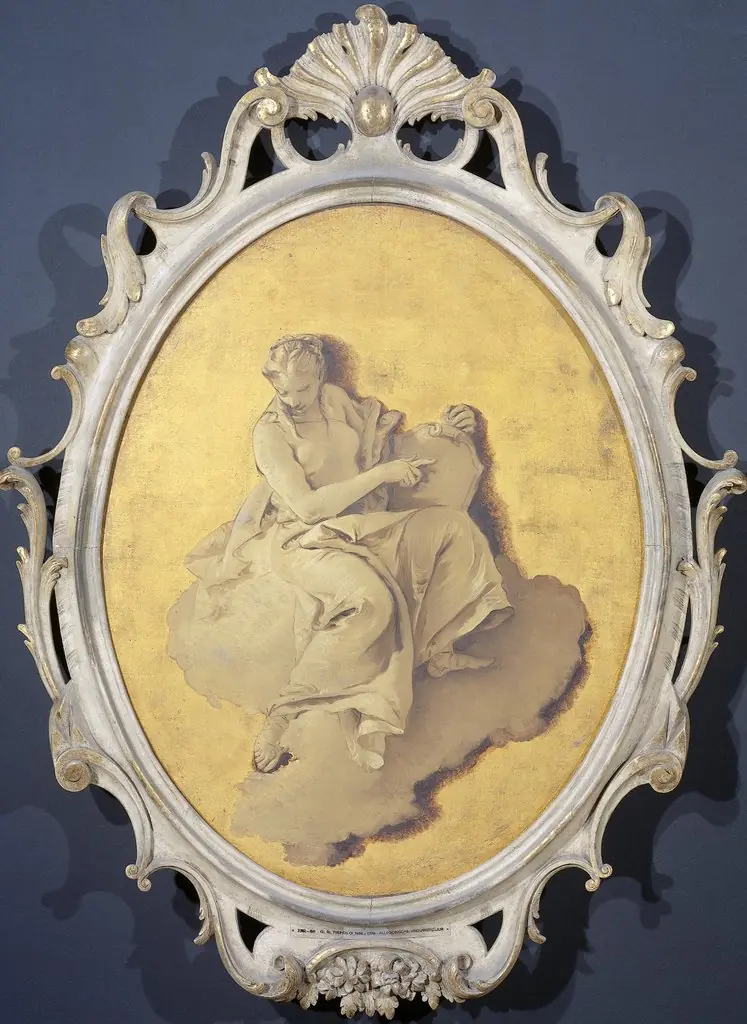
The artwork employs traditional iconography to convey its meaning, centering on the figure of a woman who serves as the personification of the continent itself.
Giovanni Domenico Tiepolo’s 1775 painting Asia functions as an allegorical representation of the continent. The artwork employs traditional iconography to convey its meaning, centering on the figure of a woman who serves as the personification of the continent itself. Accompanying this female allegory is a horse, an element that contributes to the symbolic vocabulary used to characterize Asia within the context of 18th-century allegorical traditions.
Together, the woman and the horse form the primary visual and symbolic components of the composition, communicating the work's representative and allegorical significance.
History & Provenance
The painting Asia by Giovanni Domenico Tiepolo, created in 1775, is held in the collection of the Metropolitan Museum of Art in New York. The work is classified as an allegorical painting depicting a woman and a horse. While the specific inventory or accession number is not provided in the available sources, the museum's records confirm its presence in their collection.
No exhibition history is detailed in the provided documentation. The painting measures 81.9 cm in height and 106 cm in width. Its provenance within the museum system is established, though earlier ownership or specific exhibition dates remain unspecified in the current source material.
Context
Giovanni Domenico Tiepolo’s 1775 canvas Asia, an allegorical composition featuring a woman and a horse, exemplifies the artist’s late‑period easel work within the broader trajectory of 18th‑century Italian painting. The piece entered the collection of the Metropolitan Museum of Art, where it is displayed as part of the museum’s European paintings holdings. Scholarship emphasizes its role as a representative example of Tiepolo’s continued engagement with classical allegory, situating the work alongside his more celebrated fresco cycles while highlighting the subtle narrative strategies characteristic of his contemporary output.
Overview
Giovanni Domenico Tiepolo, the son of the renowned Giovanni Battista Tiepolo, completed Asia in 1775 during the Rococo era. This painting presents an allegorical scene featuring a female figure and a horse, intended to personify the continent. The work is currently housed within the collection of The Metropolitan Museum of Art, representing a facet of 18th-century European art.
Technique & Style
Tiepolo employs a focused composition, placing the allegorical figures prominently against a simple background to enhance their impact. The woman's flowing attire and unbound hair suggest movement, while her serene face belies the powerful tension in her strong grip on the horse. The animal itself is rendered with taut muscles and a wild mane, conveying untamed energy within the scene.
Own this work as a print
Artist & collection
Artist
Giovanni Domenico Tiepolo (August 30, 1727 – March 3, 1804) was an Italian painter and printmaker in etching. He was the son of artist Giovanni Battista Tiepolo and elder brother of Lorenzo Baldissera Tiepolo.