Artwork
Grablegung Christi
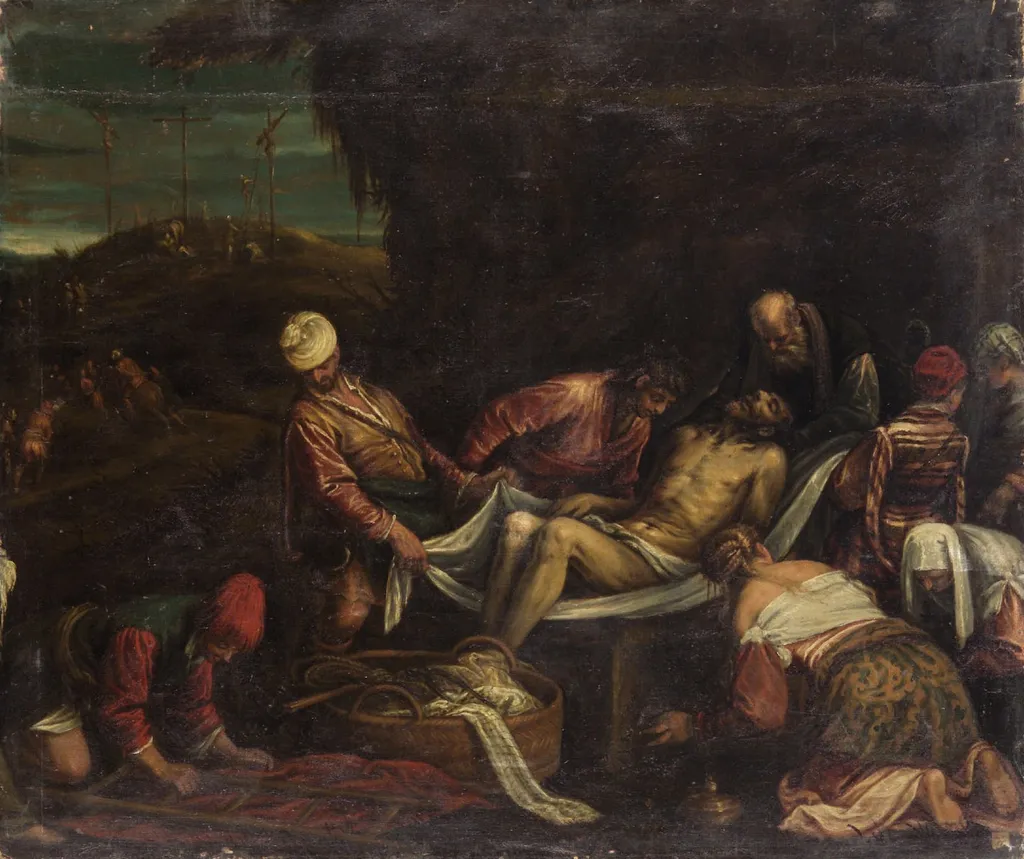
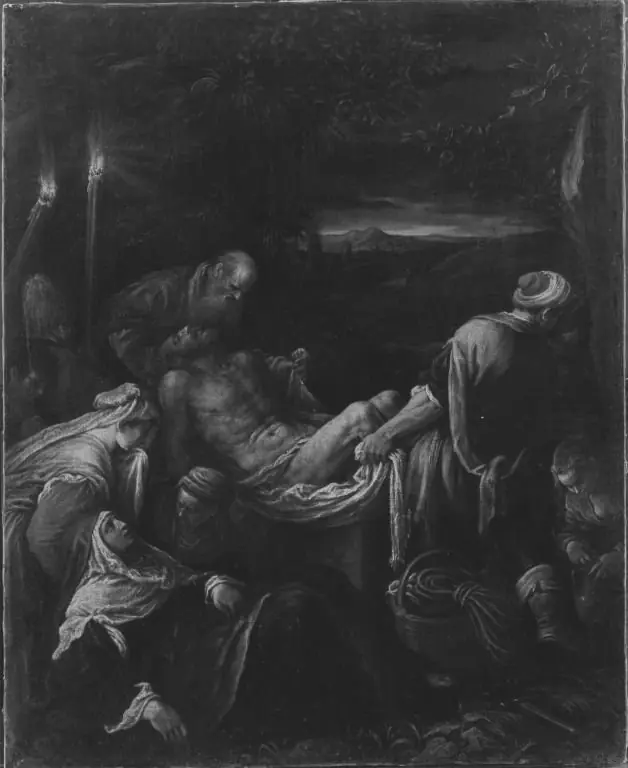
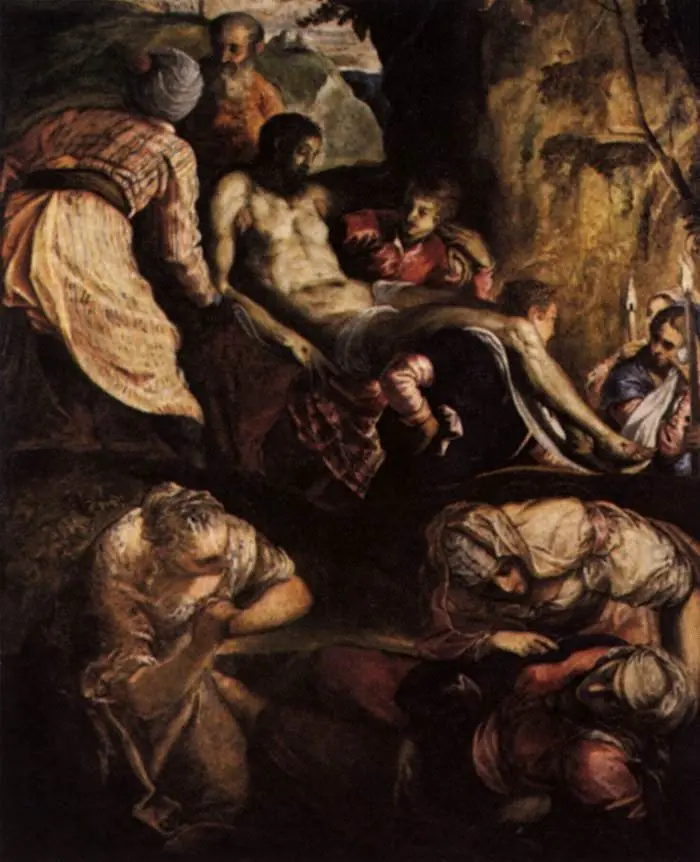
Grablegung Christi is an unspecified painting by the Mannerist artist Girolamo da Ponte. It dates from 1593 and is held in the collection of the Kunsthistorisches Museum.
About this work
Subject & Meaning
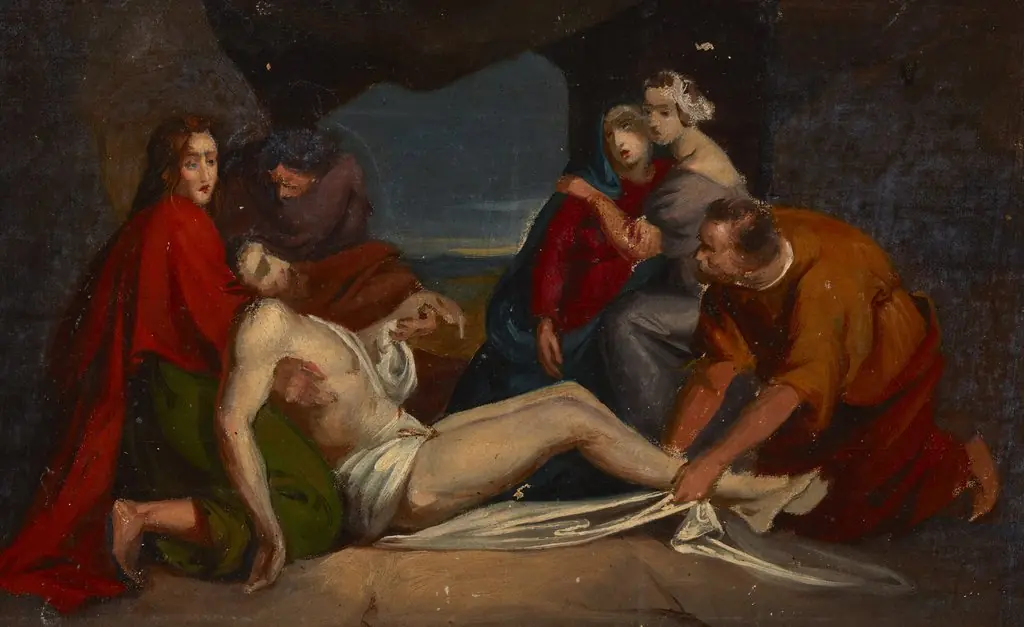
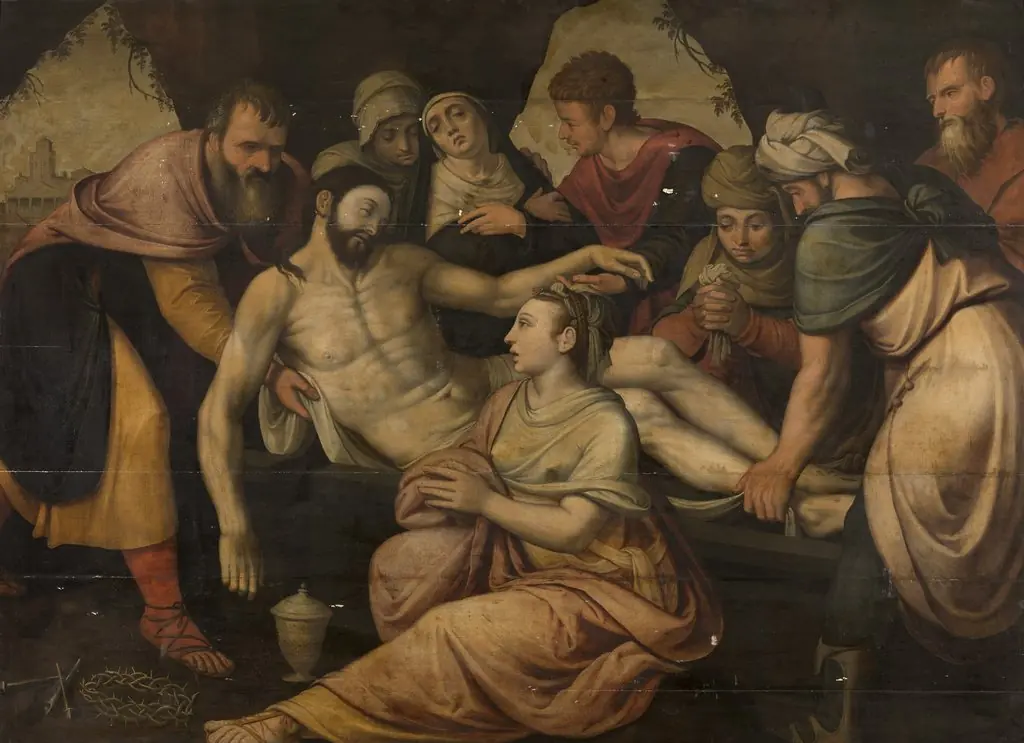
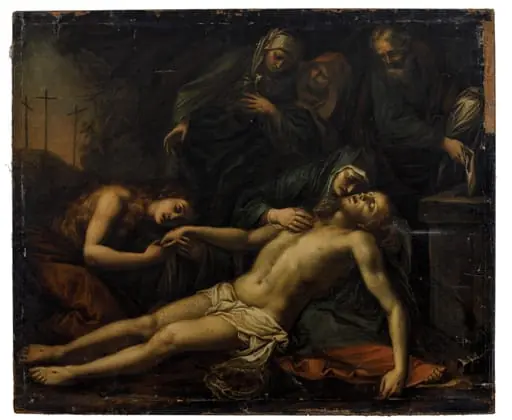
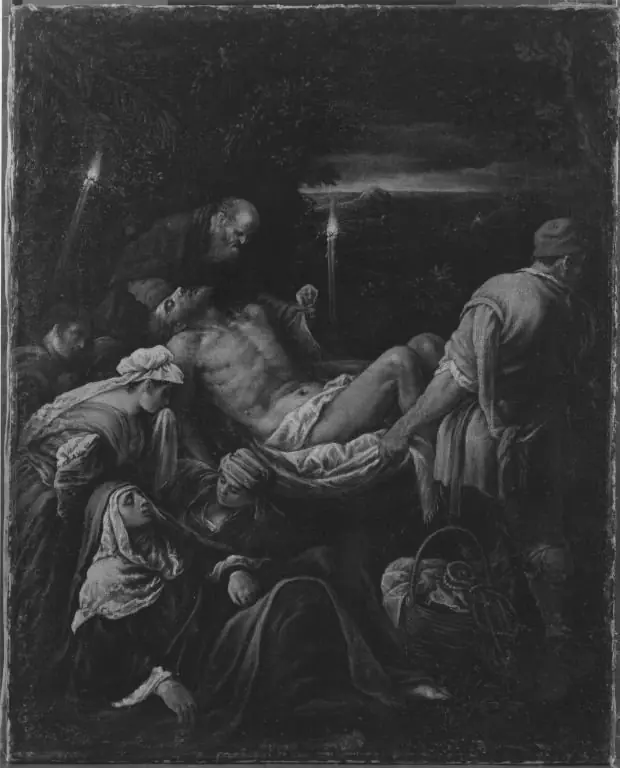
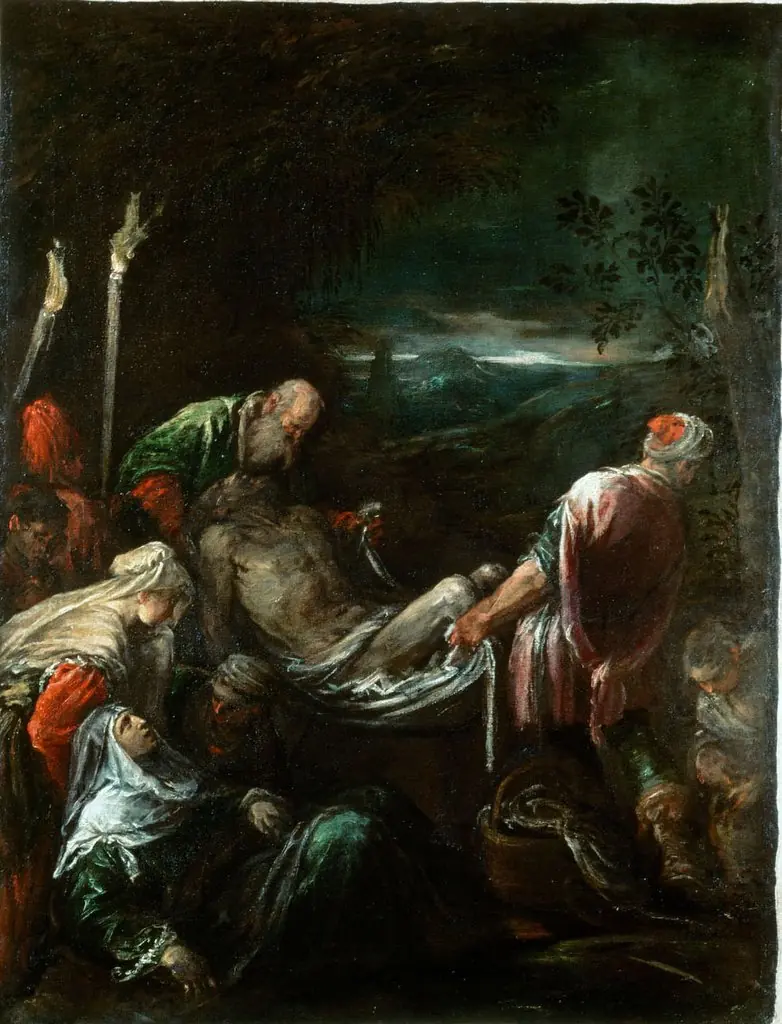
As a work of religious art, the composition focuses on the deposition and preparation of Jesus Christ's body for burial.
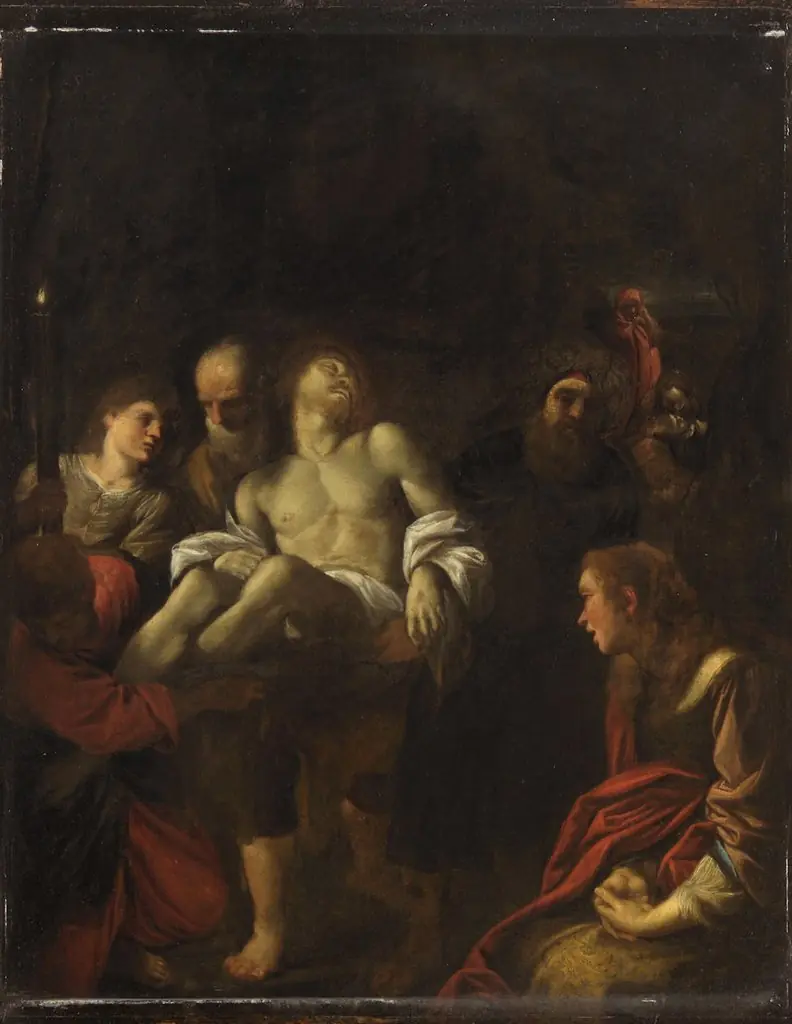
Girolamo da Ponte's 1585 painting, titled Grablegung Christi, depicts the Entombment of Christ, a pivotal moment in Christian narrative following the Crucifixion. As a work of religious art, the composition focuses on the deposition and preparation of Jesus Christ's body for burial. The title and subject matter explicitly identify the scene as the entombment, emphasizing the solemn transition from death to the promise of resurrection central to Christian theology.
The artwork serves as a visual meditation on sacrifice and divine mortality, characteristic of the religious genre prevalent in late sixteenth-century Venetian painting.
History & Provenance
The painting was created in 1585 by Girolamo da Ponte for the Kunsthistorisches Museum in Vienna, where it remains in the collection and is displayed in its original location.
The work depicts the entombment of Christ and is categorized as religious art.
Its dimensions are 105.5 cm in height and 125 cm in width.
Grablegung Christi is held in the permanent collection of the Kunsthistorisches Museum, where it is catalogued as part of that institution's holdings of religious paintings by Girolamo da Ponte (also known as Gerolamo Bassano). The work, dated 1585, is recorded in the museum's inventory with dimensions of 105.5 cm in height by 125 cm in width.
No specific exhibition history beyond its placement in the Kunsthistorisches Museum collection is documented in the available sources.
Legacy
The Grablegung Christi by Girolamo da Ponte, painted in 1585, is housed in the Kunsthistorisches Museum in Vienna and is recognized as a significant religious artwork depicting the entombment of Christ. Its composition and devotional intensity contributed to the evolution of Venetian funerary painting in the late Renaissance, influencing subsequent artists in the region who emphasized emotional realism in sacred scenes. The work remains part of the museum's permanent collection and is studied for its technical mastery and spiritual gravitas.
Overview
Grablegung Christi is a 1593 painting by Girolamo da Ponte (also known as Gerolamo Bassano), a late Renaissance artist and youngest son of Jacopo da Bassano. The work is part of the Mannerist movement and is housed in the Kunsthistorisches Museum.
Technique & Style
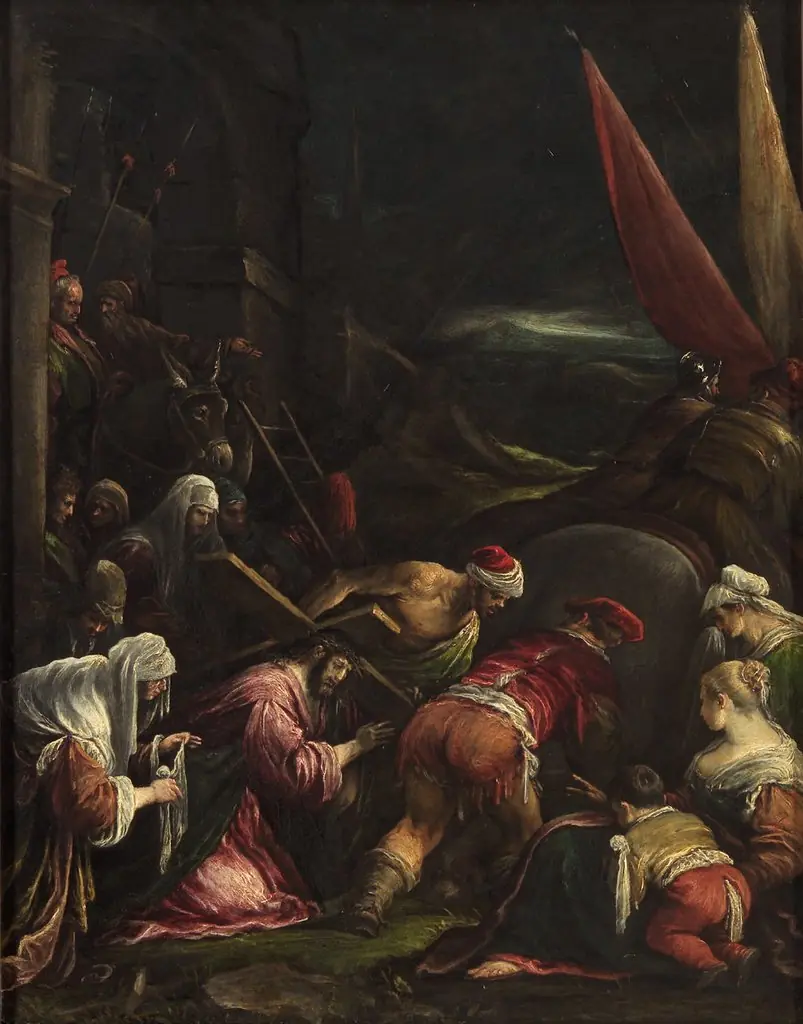
Characteristic of the Mannerist style, the painting features stylized figures and a dramatic composition, emphasizing emotional intensity within a dark, interior setting juxtaposed with a natural outdoor scene.
Context
As a work of the late Renaissance, Grablegung Christi sits within the broader artistic shift towards Mannerism, distinguished by its departure from the harmony of the High Renaissance in favor of more expressive and often somber themes.
Artist & collection
Artist
Girolamo da Ponte also known as Gerolamo Bassano (3 June 1566 in Bassano del Grappa – 8 November 1621 in Venice) was an Italian painter of the Renaissance period.