Artwork
Portrait of a Young Woman
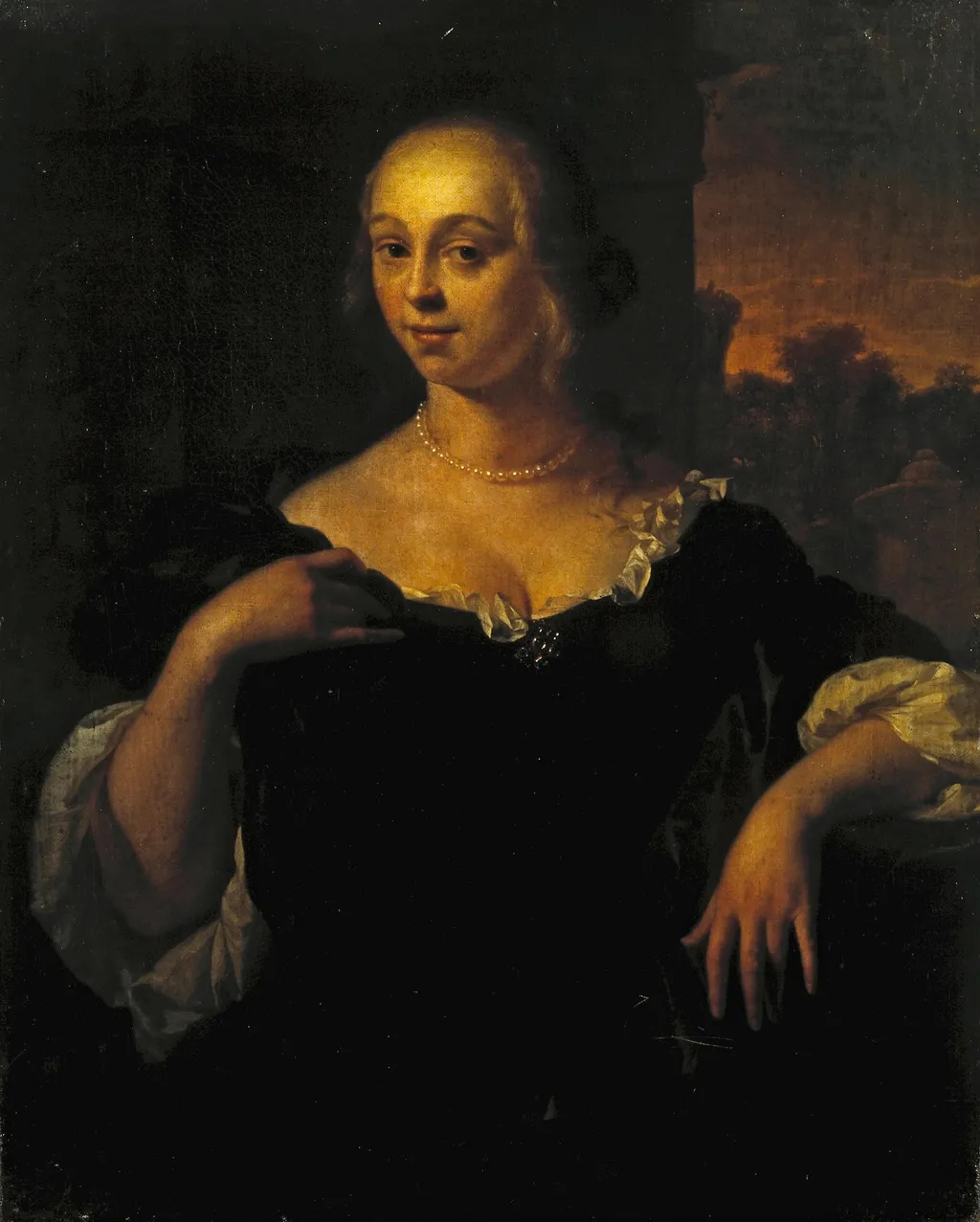
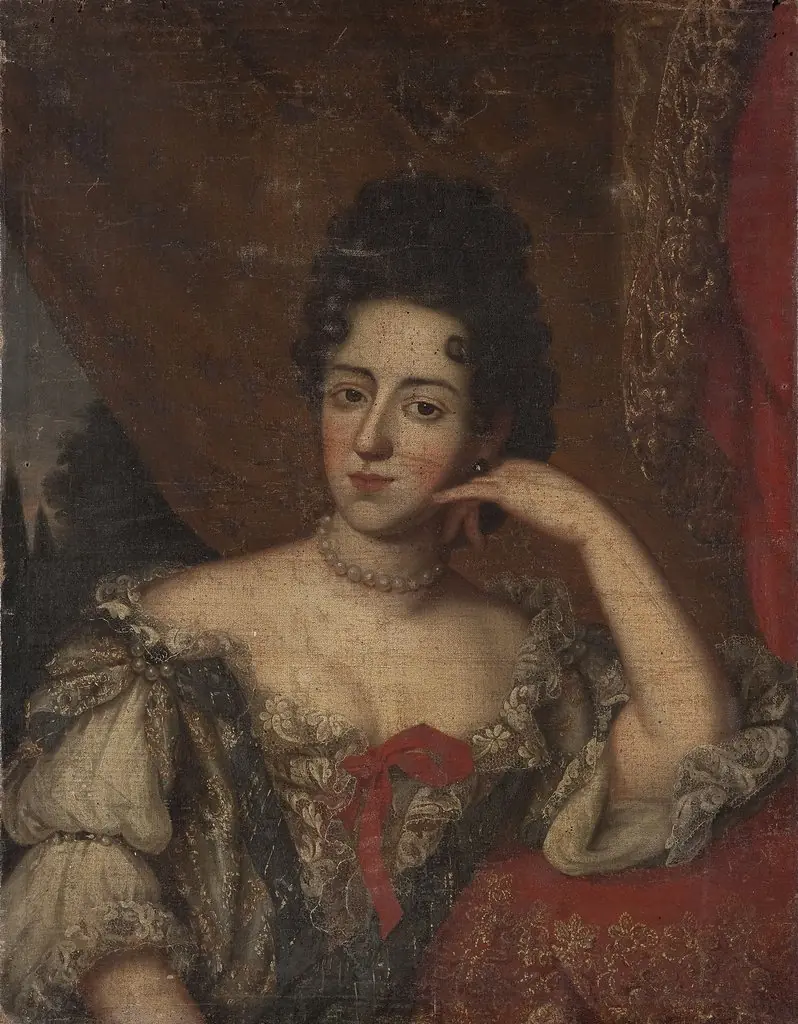
Portrait of a Young Woman is an oil painting by the Dutch Golden Age artist Godfried Schalcken. It dates from 1698 and is held in the collection of the Hermitage Museum.
About this work
Overview
Measuring 42 by 34 centimetres, this half-length portrait exemplifies the fashionable portraiture style that Schalcken adopted in the later phase of his career.
Portrait of a Young Woman is an oil on canvas painting by the Dutch Golden Age artist Godfried Schalcken, dated 1694. Measuring 42 by 34 centimetres, this half-length portrait exemplifies the fashionable portraiture style that Schalcken adopted in the later phase of his career. The work is held in the collection of the Hermitage Museum in Saint Petersburg, where it entered as part of the Pyotr Semyonov-Tyan-Shansky collection. Though Schalcken achieved his greatest fame for meticulously rendered nocturnal genre scenes illuminated by candlelight, this portrait demonstrates his sustained engagement with formal portraiture during the 1690s, a period when he had established himself among the leading portrait painters of the Dutch Republic.
Subject & Meaning
The painting depicts an unidentified young woman shown in three-quarter view, her head turned slightly to her left. She is dressed in a dark gown with a wide neckline edged with white ruffled trim, with sheer white sleeves gathered at the elbows. A single strand of pearls encircles her neck, signalling her social status. Her right hand rests upon her chest while her left arm extends downward with relaxed fingers. The composition follows the conventions of Dutch elite portraiture of the late seventeenth century, in which suitable accoutrements were incorporated to indicate the sitter's rank. The restrained palette and dignified pose emphasise decorum and refinement rather than narrative drama. The dark, undefined background with a warm brownish area to the right, suggesting distant landscape or sky, keeps the viewer's attention fixed upon the sitter's presence and the subtle modulation of light across her features.
Technique & Style
Schalcken executed the portrait in oil on canvas, employing the smooth, highly finished technique associated with the Leiden fijnschilders, the fine painters tradition in which he had been trained. Strong directional light illuminates the sitter's face, chest, and hands, creating pronounced shadows against the dark ground, an approach that reflects his mastery of chiaroscuro. The palette is dominated by deep blacks and browns contrasted with warm ochre and peach tones in the skin. The brushwork appears smooth and blended in the flesh tones, with more visible texture in the fabric and background. The surface shows fine craquelure throughout, consistent with the painting's age. This handling of paint and light demonstrates the influence of his teacher Gerard Dou, one of Rembrandt's most celebrated pupils, whose polished style Schalcken adapted for portraiture.
History & Provenance
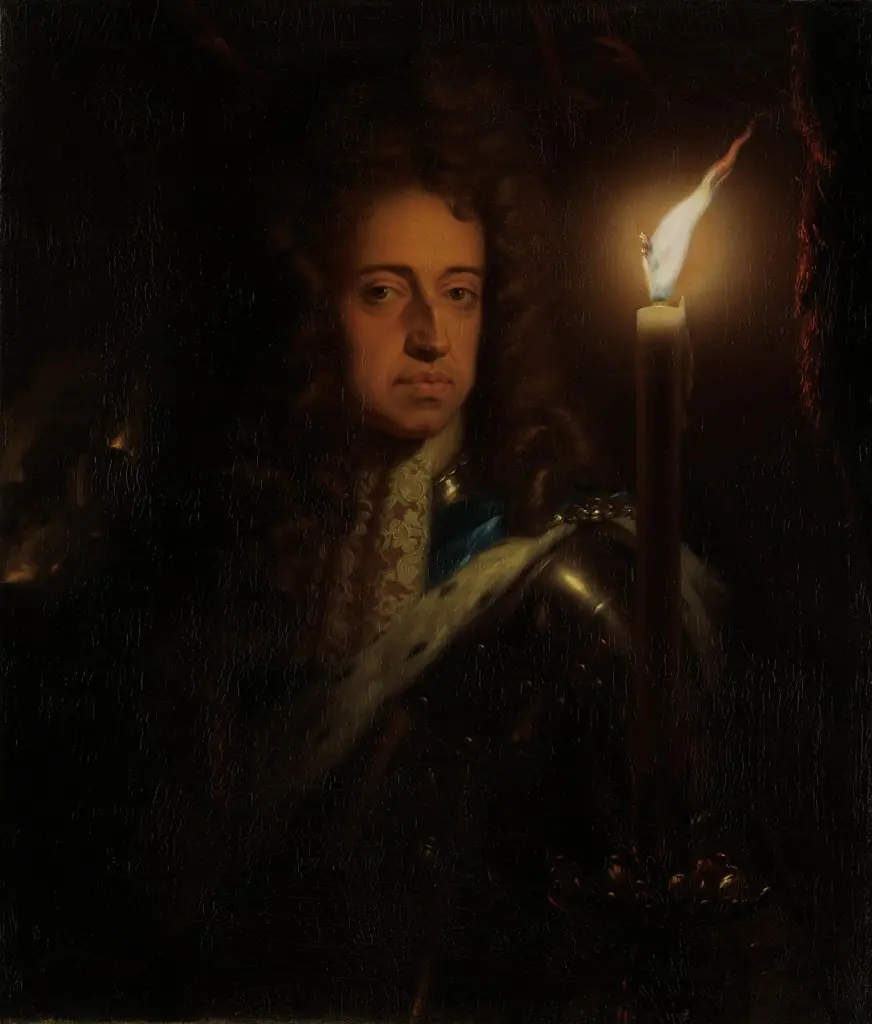
The painting was created in 1694 in the Netherlands, during the period when Schalcken was resident in The Hague, where he had settled in 1691 after returning from England. He had spent the years 1692 to 1697 in London, where he painted portraits for the court, including his notable candlelit portrait of William III of England now in the Rijksmuseum. The work is documented as having belonged to the Pyotr Semyonov-Tyan-Shansky collection before entering the Hermitage Museum, where it remains today. The Hermitage's accession records reflect its place within one of Russia's most important collections of Dutch painting.
Context
Schalcken's turn to portraiture in 1676 coincided with the popularity of the half-length and knee-length portrait format introduced and made fashionable by Bartholomeus van der Helst in the mid-century. By the 1690s, Schalcken had become an internationally renowned artist, having received commissions from Cosimo III de' Medici for a self-portrait for the Uffizi collection in Florence, and later entering the service of Johann Wilhelm, Elector Palatine in Düsseldorf from 1703. His earlier training under Samuel van Hoogstraten in Dordrecht and subsequently under Gerard Dou in Leiden positioned him within a lineage of Rembrandt's artistic descendants. While critical attention has focused predominantly on his candlelit genre scenes, which inspired Sheridan Le Fanu's 1839 gothic tale and its 1979 BBC adaptation, his portraiture maintained steady demand among Dutch and international patrons throughout his career.
Legacy
Portrait of a Young Woman occupies a modest but representative place within Schalcken's oeuvre, illustrating how a painter celebrated for intimate nocturnal scenes could translate his sensitivity to light and surface into the more conventional demands of formal portraiture. The painting's presence in the Hermitage, among the most comprehensive collections of Dutch art outside the Netherlands, ensures its accessibility to scholars and the public. Schalcken's broader reputation has experienced periodic reassessment, with his technical virtuosity consistently acknowledged even as critical taste has shifted between appreciation for his polished finish and preference for the more expressive brushwork of his contemporaries. The work contributes to understanding how portrait conventions persisted and evolved in the Dutch Republic during the final decades of the seventeenth century, as artists trained in the Leiden tradition adapted their skills to meet continuing demand from the prosperous mercantile and civic elite.
Own this work as a print
Artist & collection
Artist
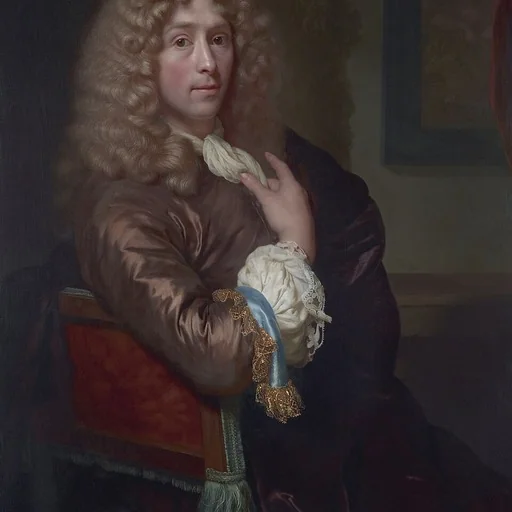
Godfried Schalcken (8 October 1643 – 16 November 1706) was a Dutch artist who specialized in genre paintings and portraits.

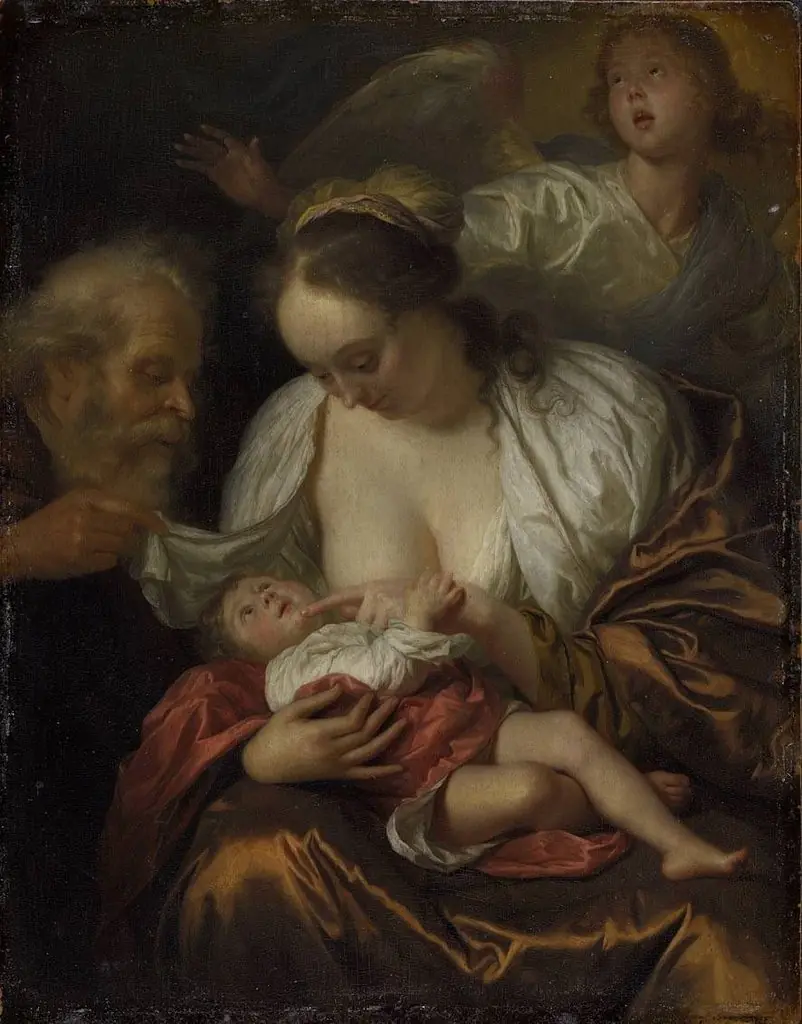
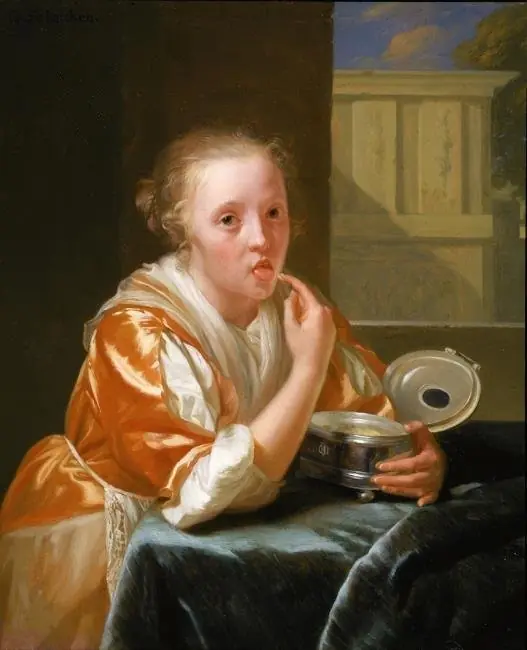
- Portrait of a young woman
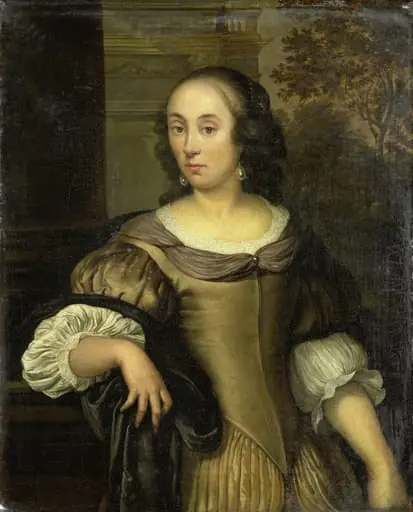 Portrait of a young woman
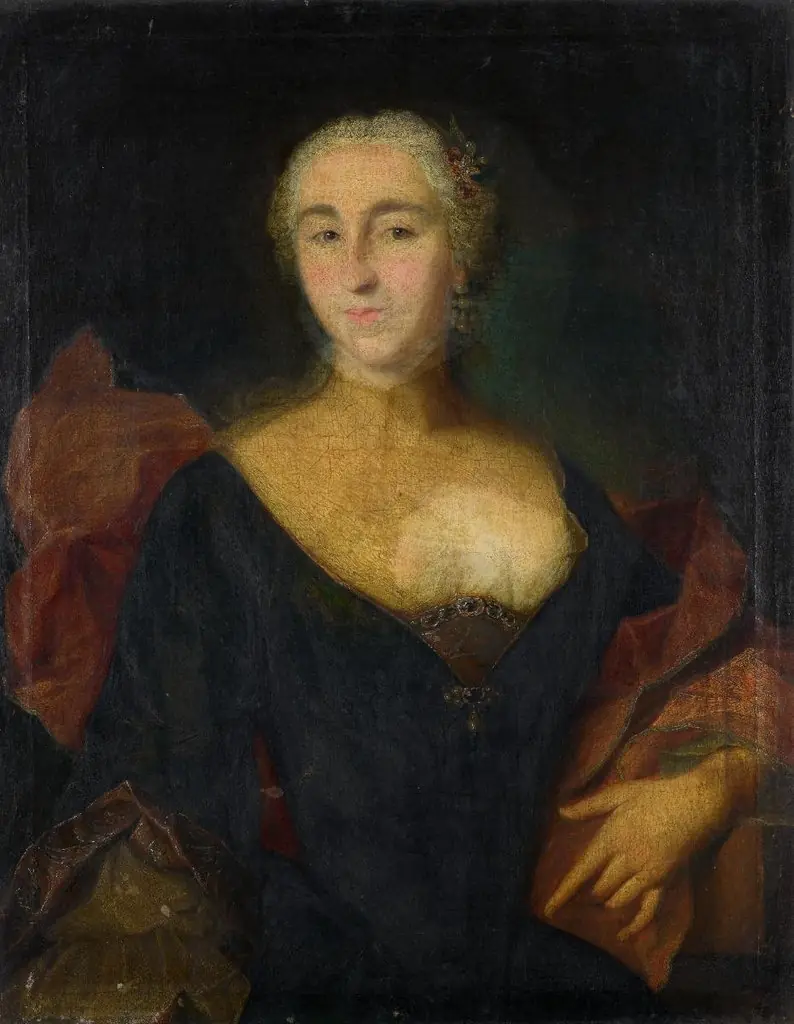 Bildnis einer jüngeren Dame
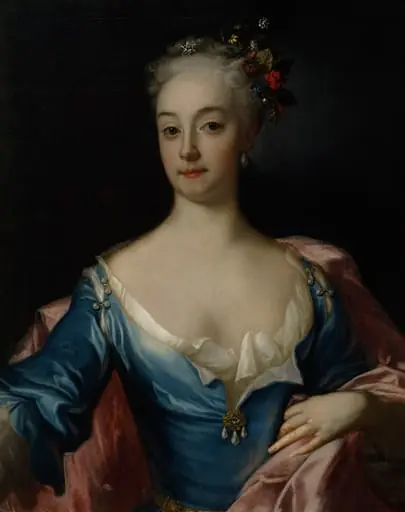 Anna Dorothea Amiga
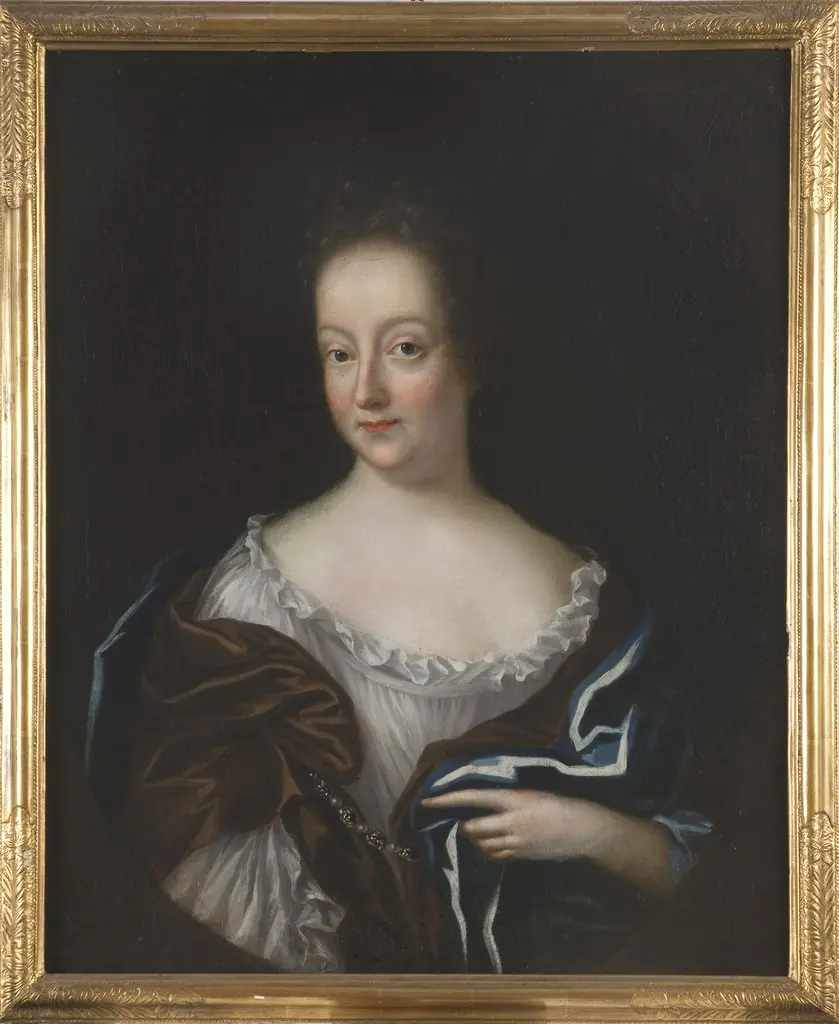 Beata Elisabet von Königsmarck (1637-1723), grevinna, gift med greve Pontus Fredrik De la Gardie
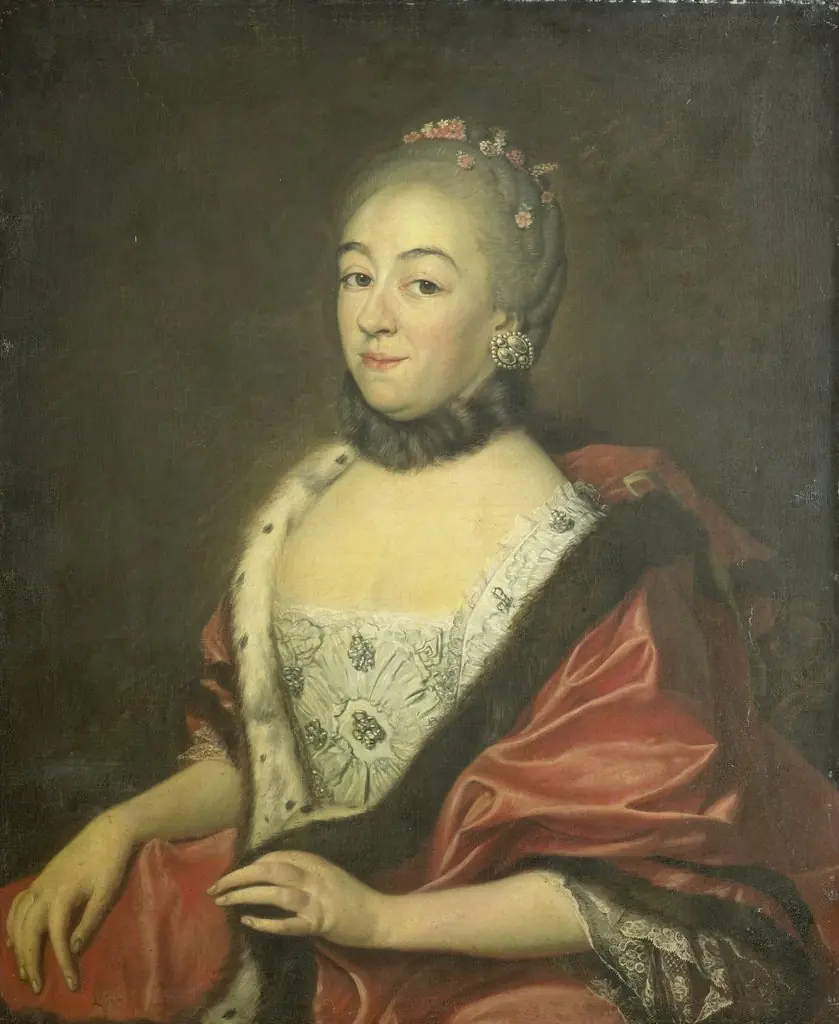 Sandrina van den Broecke, Wife of George Lodewijk Matthes
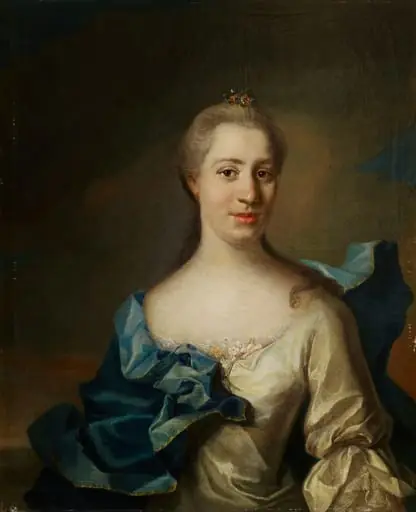 Maria Charlotta Silfverstjerna
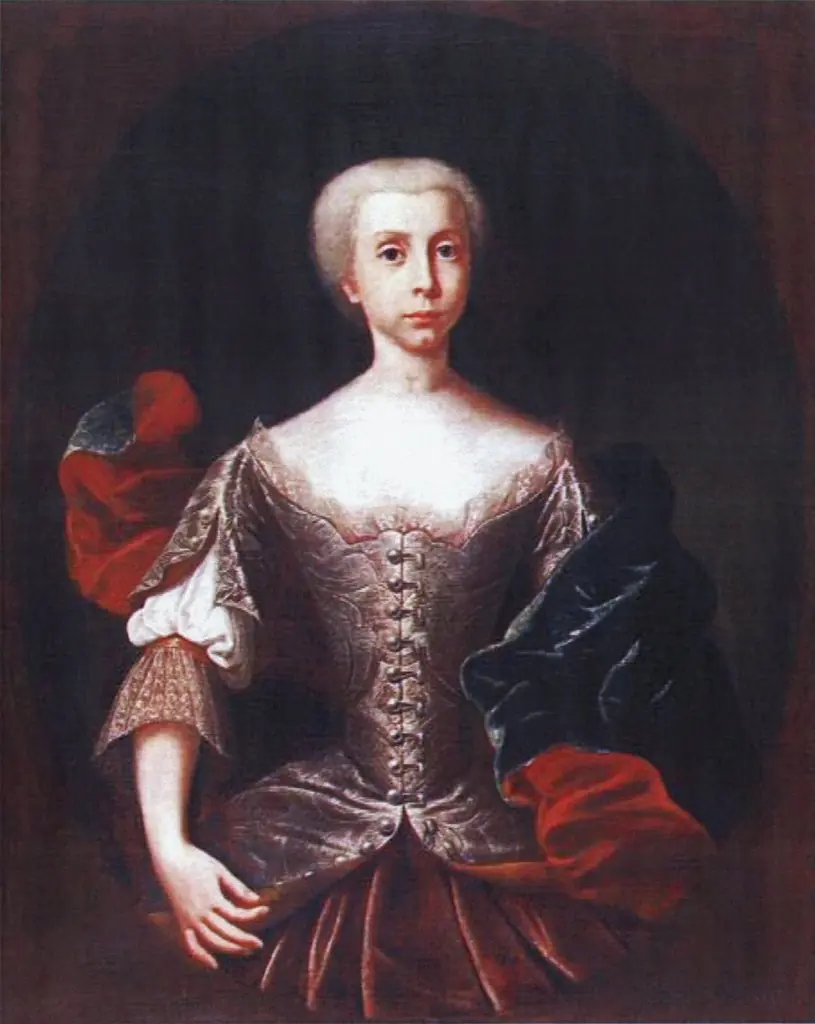 Portrait of D. Maria Bárbara de Bragança
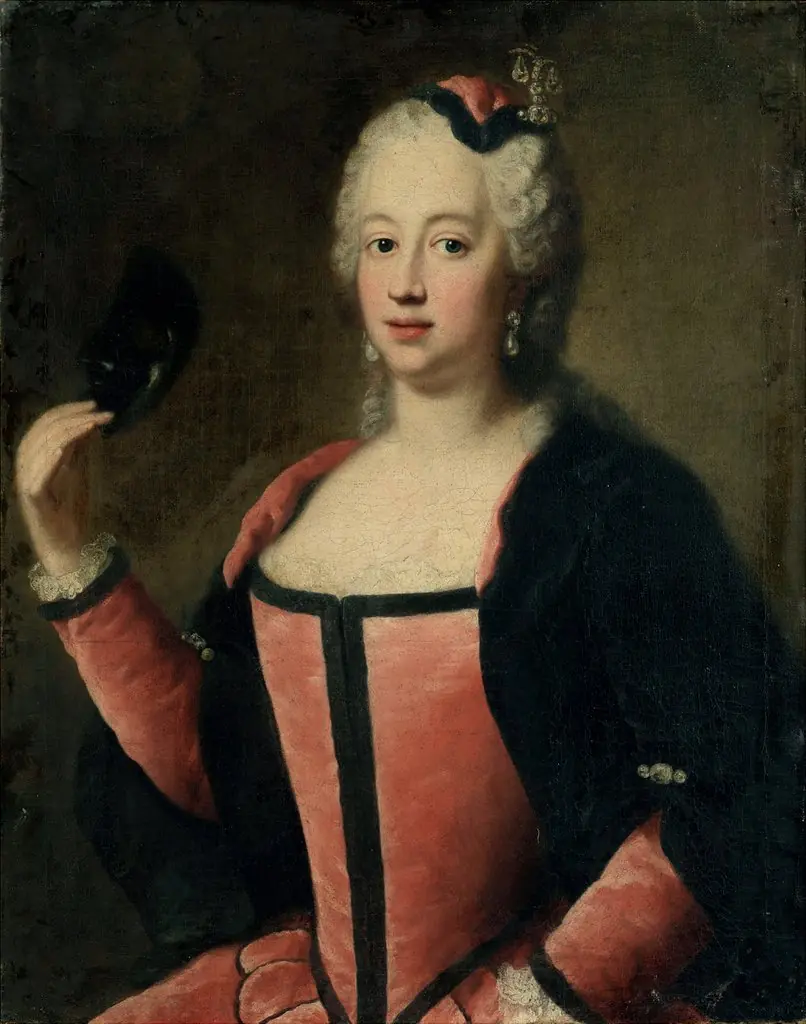 Maria Anna of Sulzbach
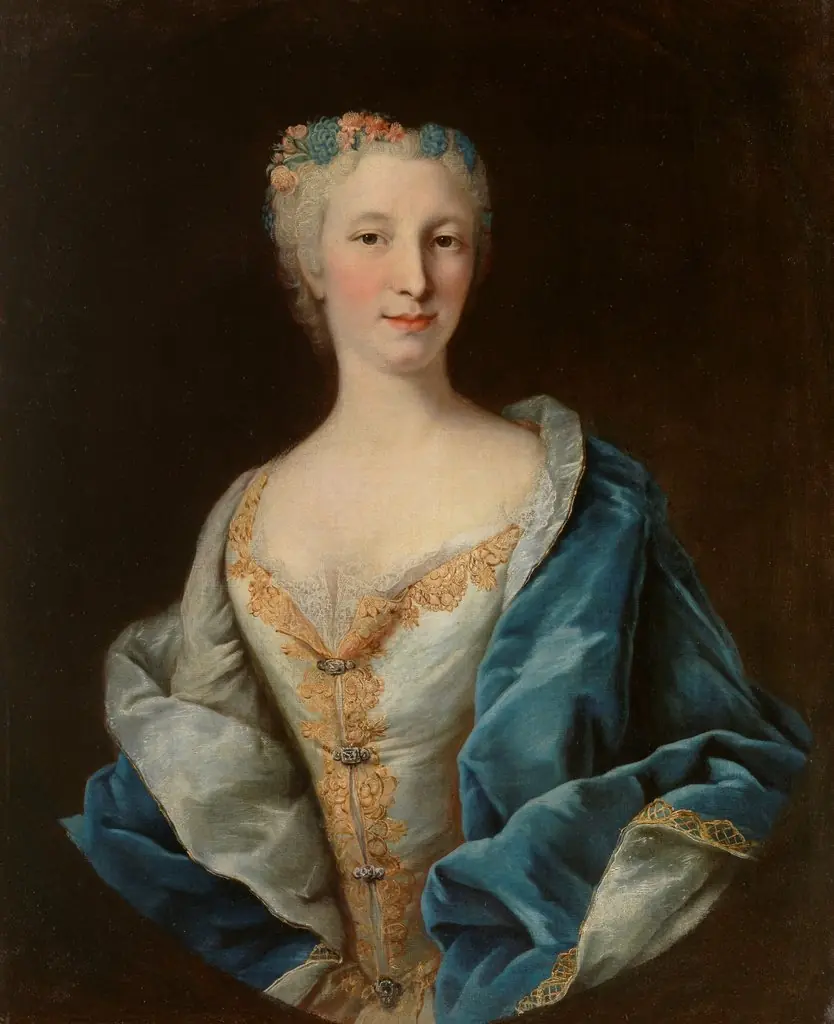 Retrato de dama
 Portrait of Teresa Kunegunda Sobieska (1676–1730) /?/ aka Countes Hedwig of Neuburg
 Dame i ungarsk dragt