Artwork
Cleopatra
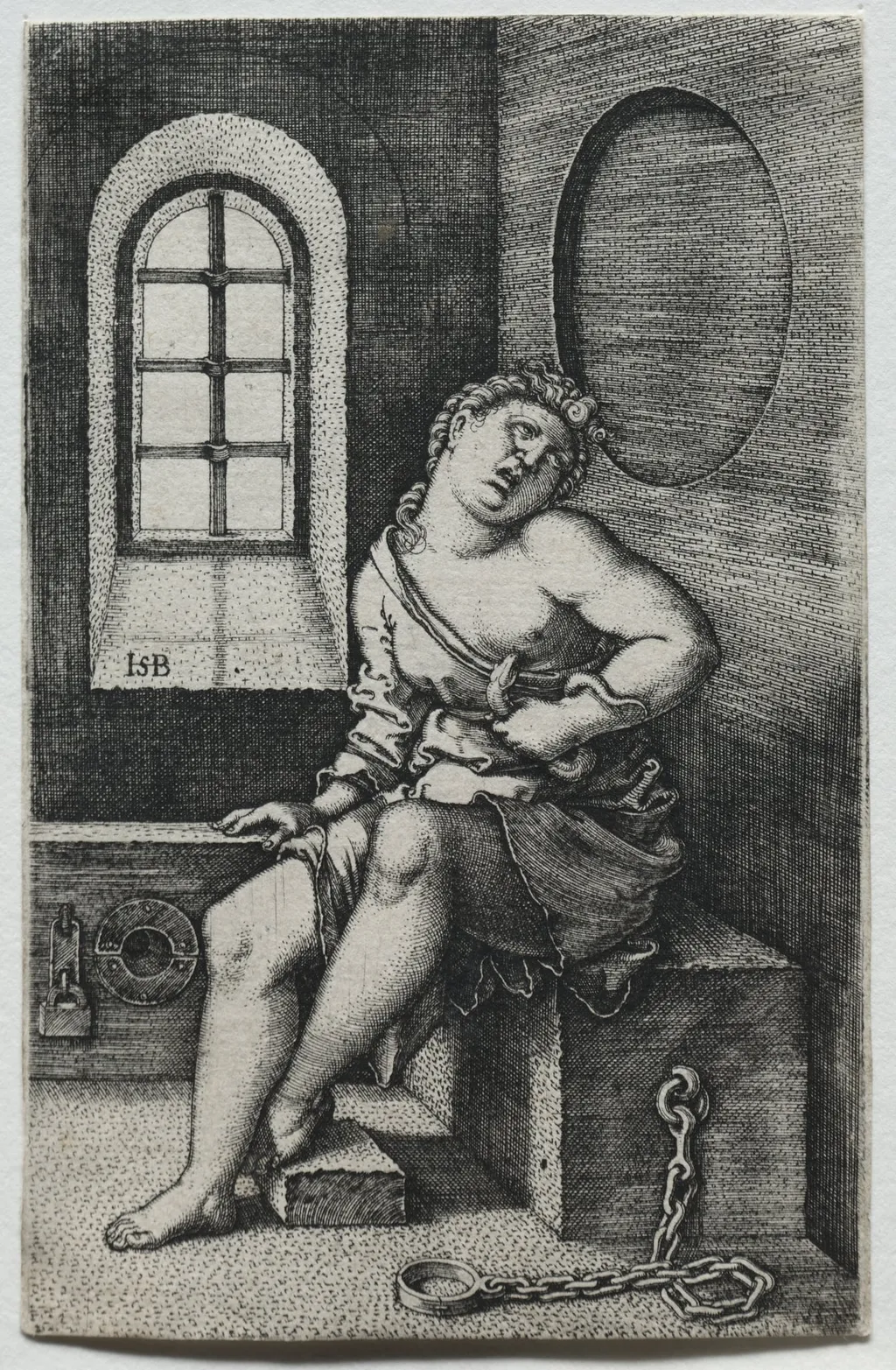
Cleopatra is a print by Sebald Beham. It dates from 1535 and is held in the collection of the Cleveland Museum of Art.
- Accession no.
- 1946.395
- Credit line
- Mr. and Mrs. Lewis B. Williams Collection
About this work
Overview
Hans Sebald Beham, a German artist of the early 16th century, produced this engraving around 1535 during his time in Nuremberg.
Hans Sebald Beham, a German artist of the early 16th century, produced this engraving around 1535 during his time in Nuremberg. A leading figure among the 'Little Masters,' he was known for finely detailed small-scale prints. This work, depicting Cleopatra, exemplifies his skill in rendering complex narratives within compact formats, using precise line work and tonal contrast to evoke emotional depth.
Subject & Meaning
The print portrays Cleopatra in a moment of quiet despair, kneeling with one leg bent and a chain fastened to her ankle. Her loose hair and draped garment suggest vulnerability, while the tools and chain on the floor imply confinement. Rather than celebrating her power, the image focuses on her captivity, aligning with Renaissance interpretations that emphasized tragic downfall over imperial grandeur.
Technique & Style
Beham employed fine-line engraving to achieve sharp detail and subtle gradations of light and shadow. The contrast between the dimly lit figure and the brighter window behind her heightens the sense of isolation. Delicate hatching defines fabric folds and architectural elements, while the restrained composition directs attention to the figure’s posture and expression, characteristic of his meticulous approach to small-format prints.
History & Provenance
Created during Beham’s mature period, the engraving was likely made for a private collector interested in classical themes. Though specific early ownership records are scarce, similar works by Beham circulated widely in German and Netherlandish collections. Its survival in multiple institutional holdings suggests it was valued for its technical refinement and narrative subtlety.
Context
In the 1530s, German artists increasingly turned to classical mythology and history as subjects, often filtered through humanist ideals. Cleopatra’s portrayal as a fallen ruler resonated with contemporary moral tales about power and fate. Beham’s choice to depict her in captivity, rather than in triumph, reflects a broader trend toward psychological realism in Renaissance printmaking.
Legacy
Beham’s 'Cleopatra' contributed to the enduring visual language of the tragic queen in Northern European art. His ability to convey complex emotion in miniature influenced later engravers and reinforced the potential of print as a medium for intimate storytelling. Though less celebrated than his contemporaries, his work remains a key reference in the study of 16th-century graphic arts.
Own this work as a print
Artist & collection
Artist
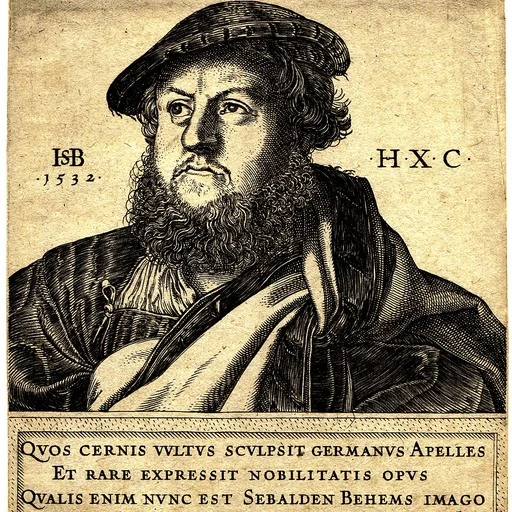
Sebald Beham (1500–1550) was a German painter and printmaker, mainly known for his very small engravings.


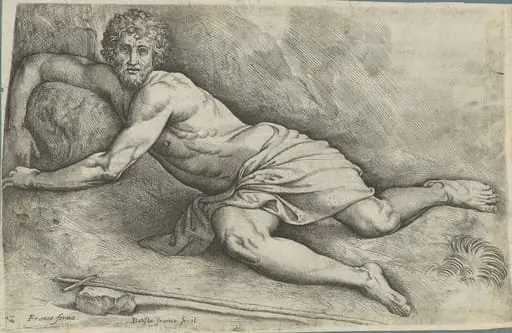 Saint John the Baptist
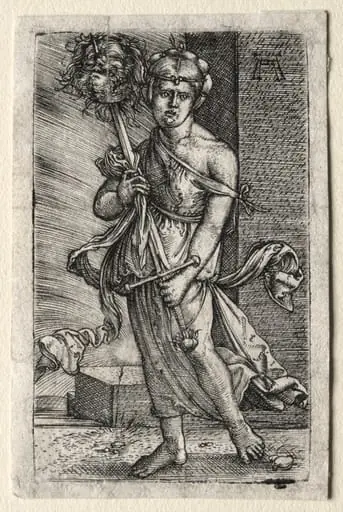 Judith
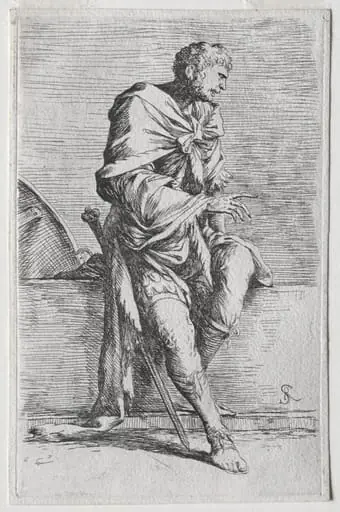 The Figurine Series: Figurina
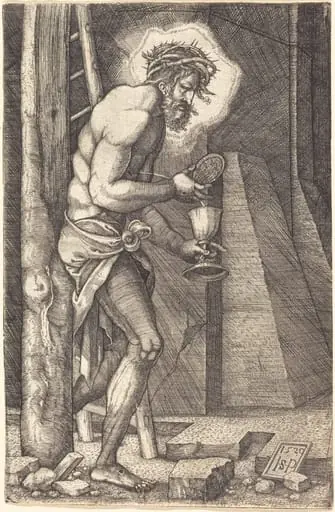 Christ as Man of Sorrows at the Foot of the Cross
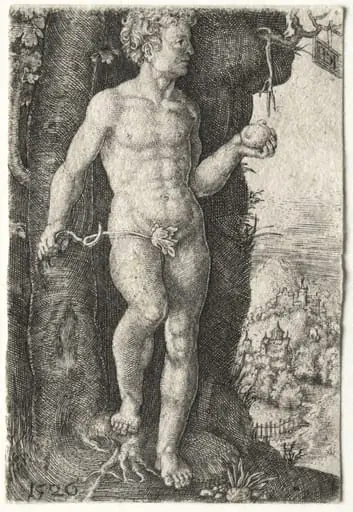 Adam
Adam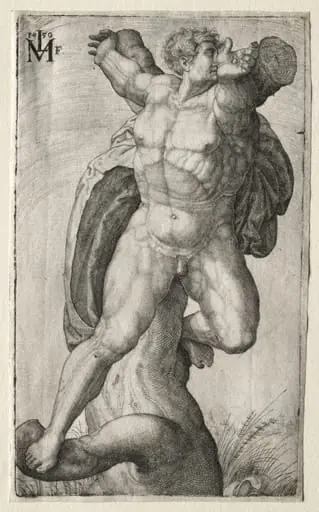 Crucified Man
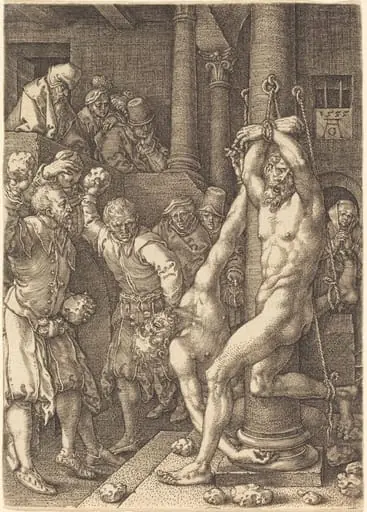 The Two Elders Stoned by the People
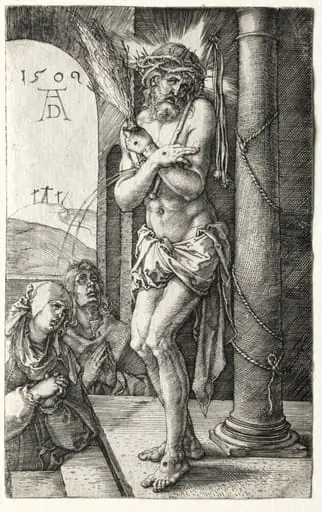 Man of Sorrows by the Column
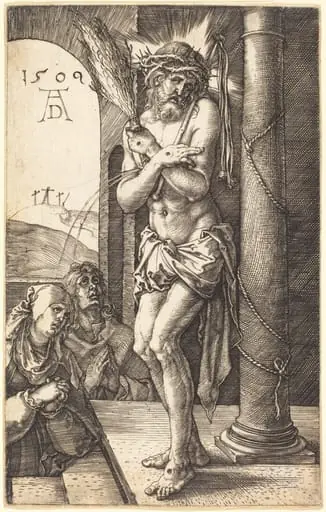 The Man of Sorrows Standing by the Column
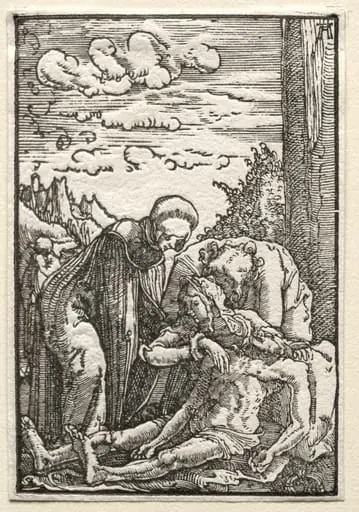 The Fall and Redemption of Man: The Lamentation beneath the Cross
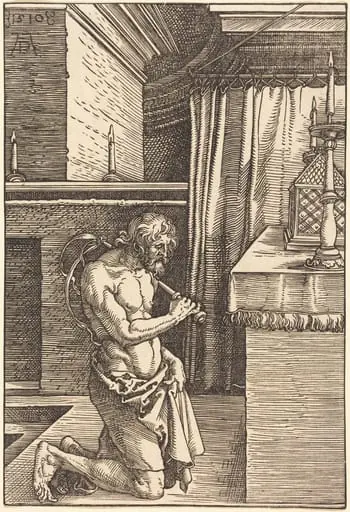 King David Doing Penance
- Cleopatra Seated