Artwork
Excursion Boat
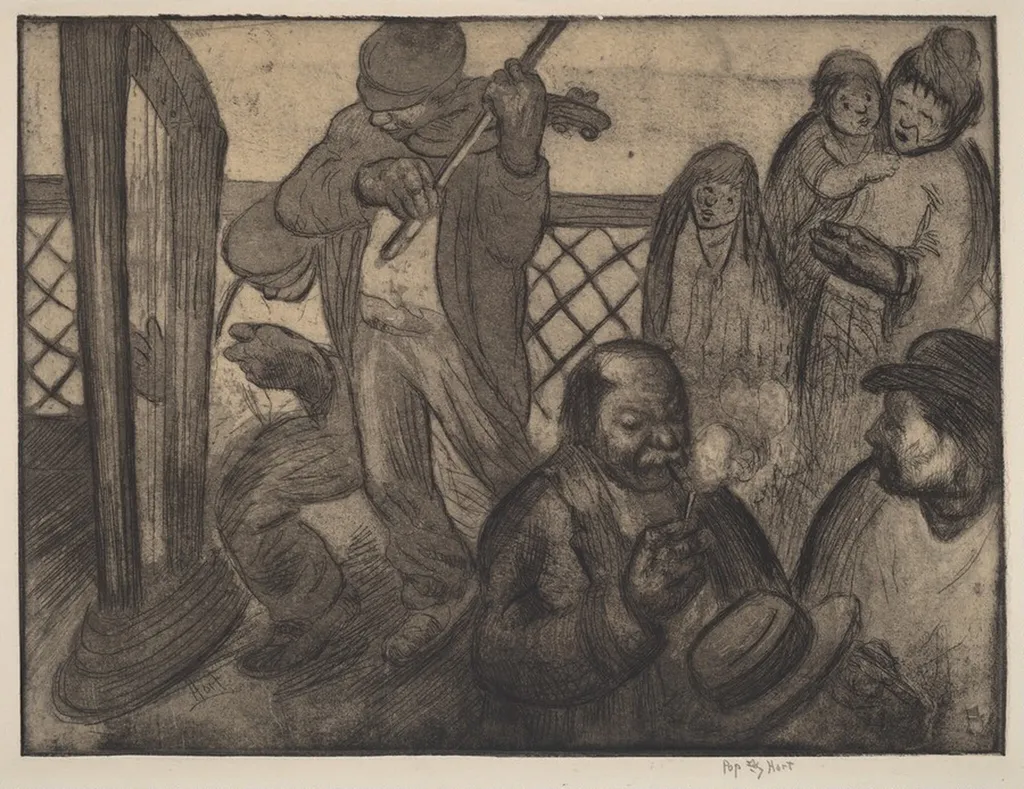
Excursion Boat is an ink print by George Overbury Hart. It dates from 1926 and is held in the collection of the National Gallery of Art.
- Inscription
- Inscribed:lower left in plate: Hart; lower right in graphite: Pop Hart; lower center edge in graphite by unknown hand: Excursion Boat PW164 Etching & Aquatint #2146
About this work
Overview
Created in 1926 by George Overbury Hart, Excursion Boat is a print made using etching and aquatint techniques. It captures a quiet moment aboard a small river vessel, rendered with fine linear detail and tonal variation. The work belongs to a series of urban and rural scenes Hart produced during the 1920s, reflecting everyday American life through intimate, observational imagery.
Subject & Meaning
The scene depicts four individuals on a modest excursion boat: one man stands with a pole, another sits forward with a pipe, and two women stand nearby, one with hands in pockets. Their postures suggest a pause in travel, not activity. The absence of dramatic action or setting implies a contemplative mood, emphasizing routine leisure rather than spectacle, typical of Hart’s interest in unadorned human moments.
Technique & Style
The boat’s diamond-patterned sides and textured fabric folds are rendered with deliberate, slightly irregular strokes, giving the image a hand-drawn immediacy.
Hart employed etching to define sharp, angular lines and aquatint to build subtle gradations of tone. The boat’s diamond-patterned sides and textured fabric folds are rendered with deliberate, slightly irregular strokes, giving the image a hand-drawn immediacy. The background’s simplified wooden wall lacks detail, directing focus to the figures and their quiet interactions through controlled contrast and sparse composition.
History & Provenance
Excursion Boat was produced during Hart’s active period as a printmaker in New York, when he was associated with the Society of American Etchers. The work was likely printed in a small edition, common for artist-led printmaking at the time. It entered institutional collections in the mid-20th century, preserved as an example of American printmaking’s realist tradition.
Context
In the 1920s, American artists increasingly turned to scenes of ordinary life as a counterpoint to industrial modernism. Hart’s work aligns with regionalist and Ashcan School sensibilities, valuing authenticity over idealization. The boat, a common vessel on eastern waterways, reflects accessible recreation for working-class urbanites, a theme resonant in the era’s social and cultural shifts.
Legacy
Though not widely exhibited today, Excursion Boat remains a representative example of early 20th-century American printmaking. Its restrained technique and focus on unremarkable moments influenced later artists interested in narrative intimacy over grandeur. The work endures in museum archives as a quiet testament to the dignity of everyday transit and stillness.
Artist & collection


![Men Drinking at a Table [verso], by George Overbury Hart](https://artifactworldgallery.com/img/george-overbury-hart--men-drinking-at-a-table-verso--7e9475e5b5079377-w320.webp)
![Chicken Vendors [recto], by George Overbury Hart](https://artifactworldgallery.com/img/george-overbury-hart--chicken-vendors-recto--d97b582e13465974-w320.webp)
- Chestnut Vendors (Marchands de marrons)
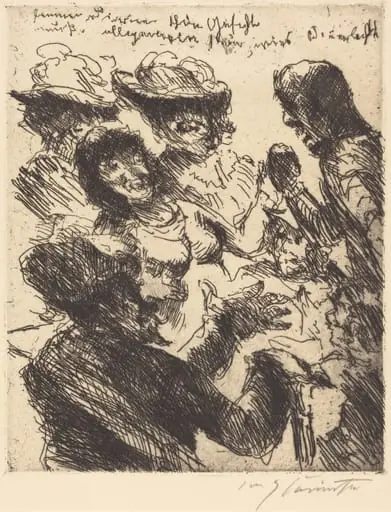 "Einer dirne schön gesicht muss allgemein sein wie's sonnenlicht" ("A Pretty Girl's Face is Like the Sunshine")
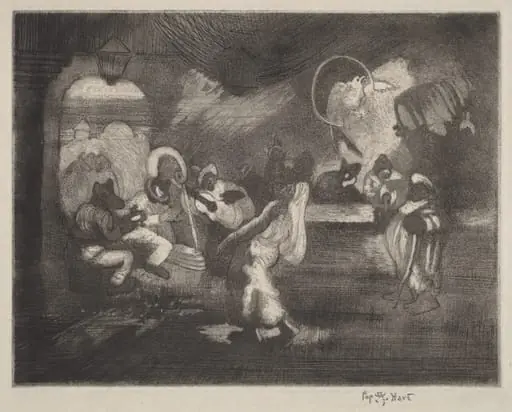 Dias de Fiesta, No. 2
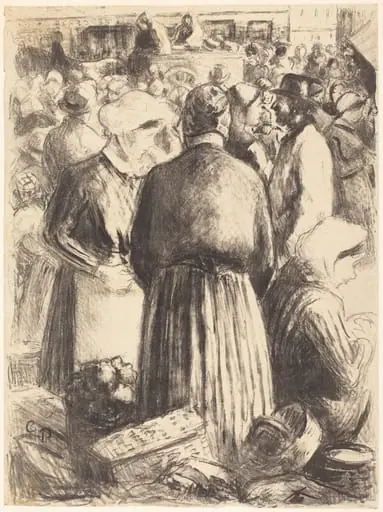 Market at Pontoise (Marché a Pontoise)
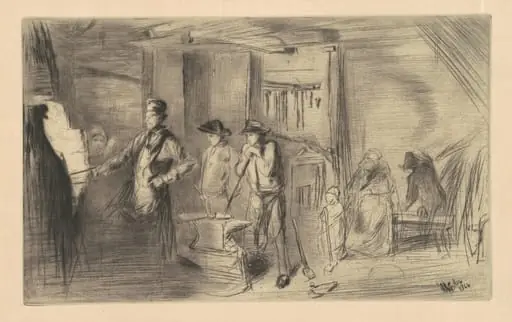 The Forge
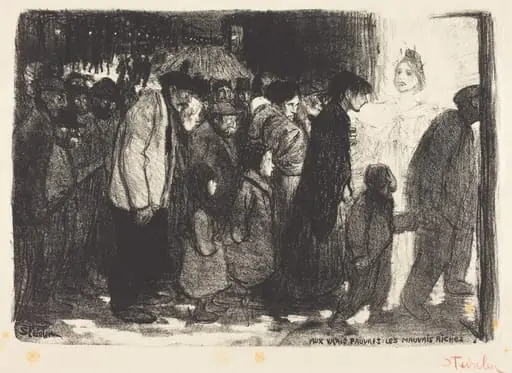 To the True Poor: The Wicked Rich (Aux vrais pauvres: Les mauvais riches)
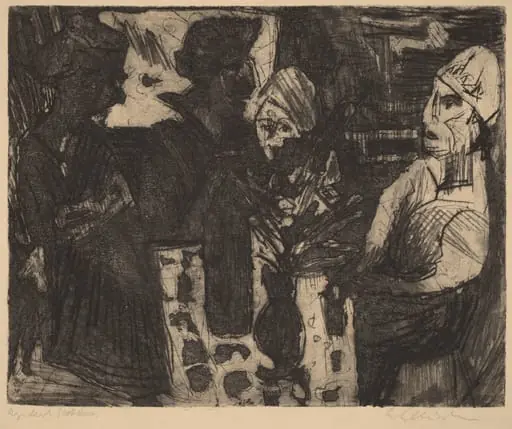 Women at a Table in a Room (recto) / Nude Woman (verso)
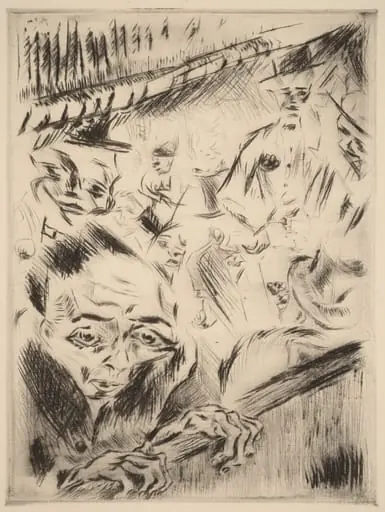 Robert in the Theater
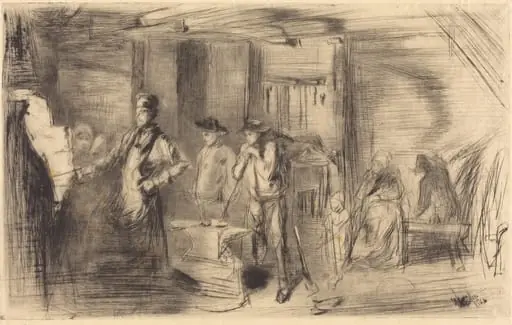 The Forge
 Untitled
 The Music Room
 The Couple in the Crowd