Artwork
Lute Player
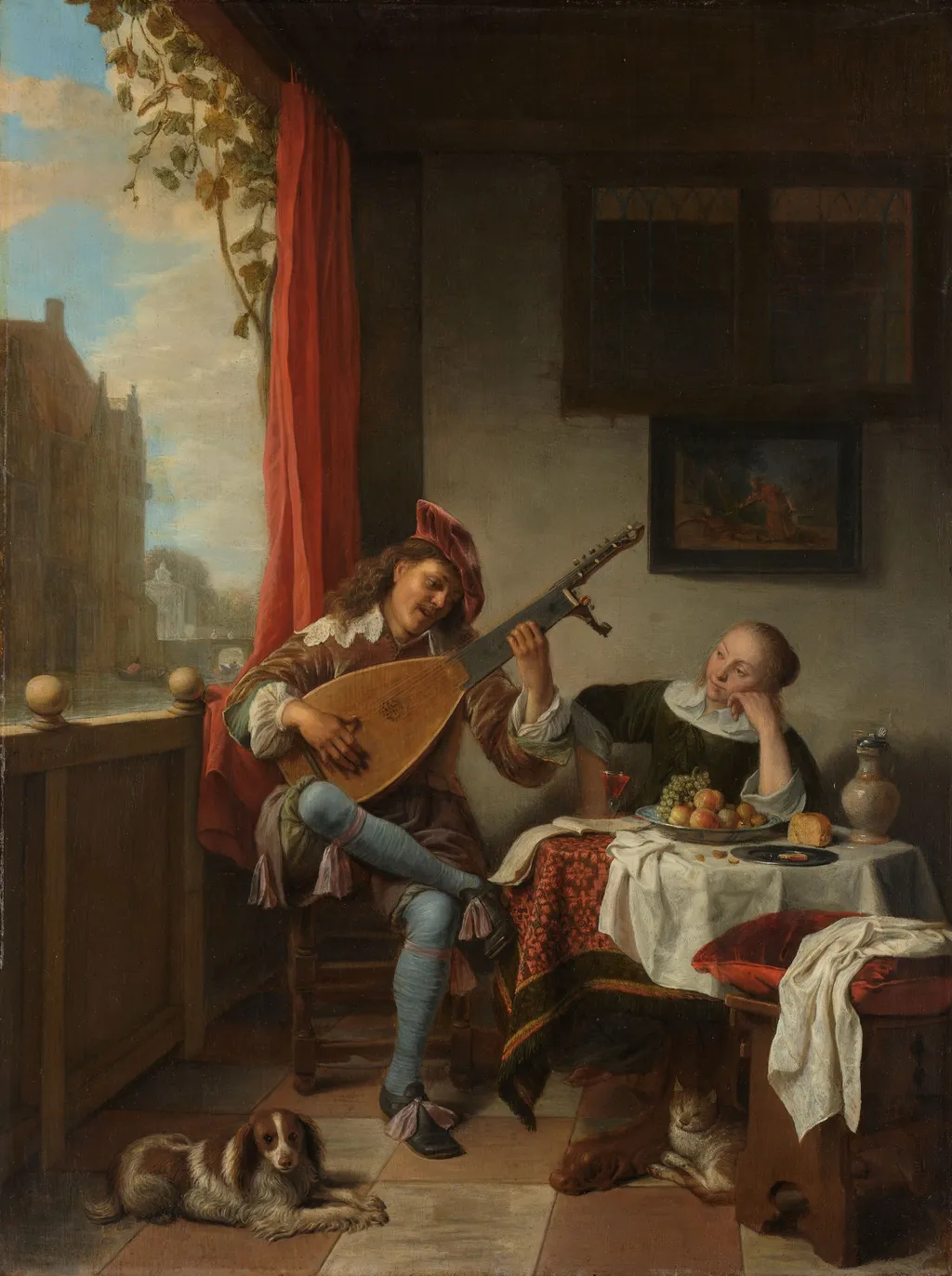
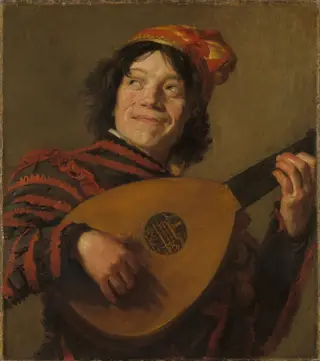
Lute Player is an oil painting by the Dutch Golden Age artist Hendrik Martenszoon Sorgh. It dates from 1661 and is held in the collection of the Rijksmuseum.
About this work
Subject & Meaning
As a work of genre art created in 1661, the piece captures a moment of musical performance rather than a specific historical or mythological narrative.
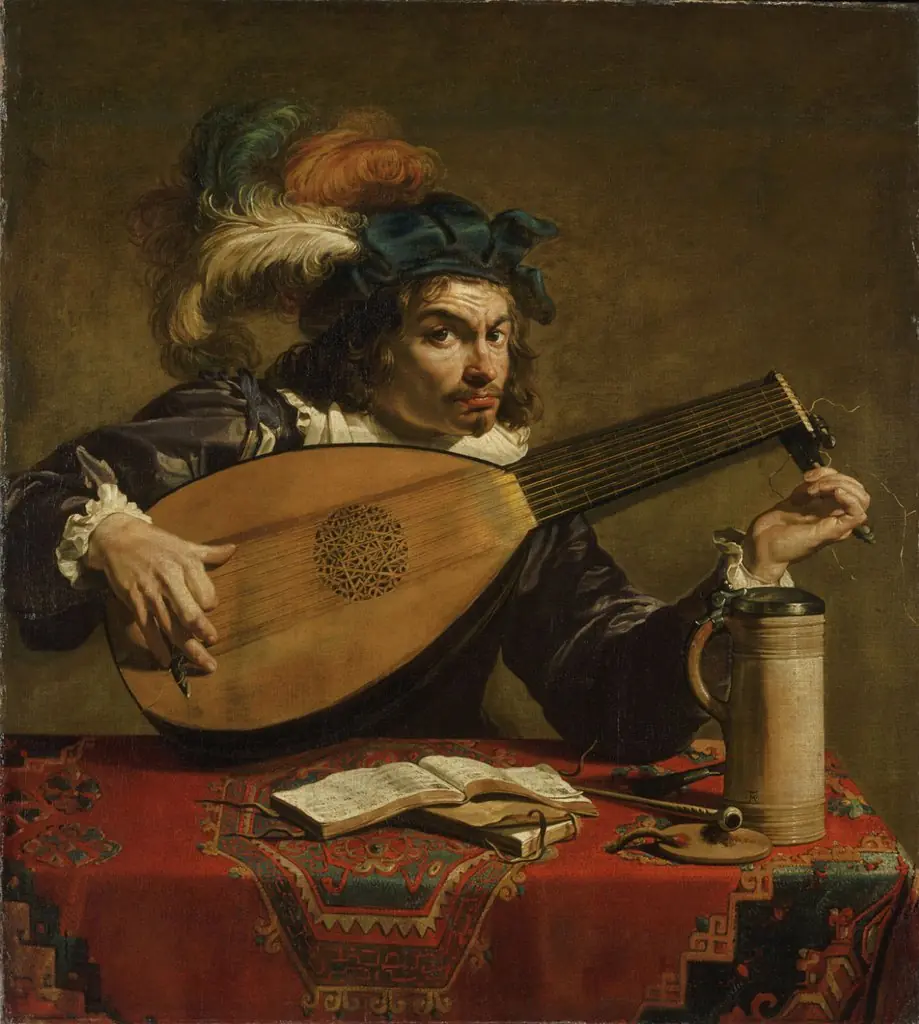
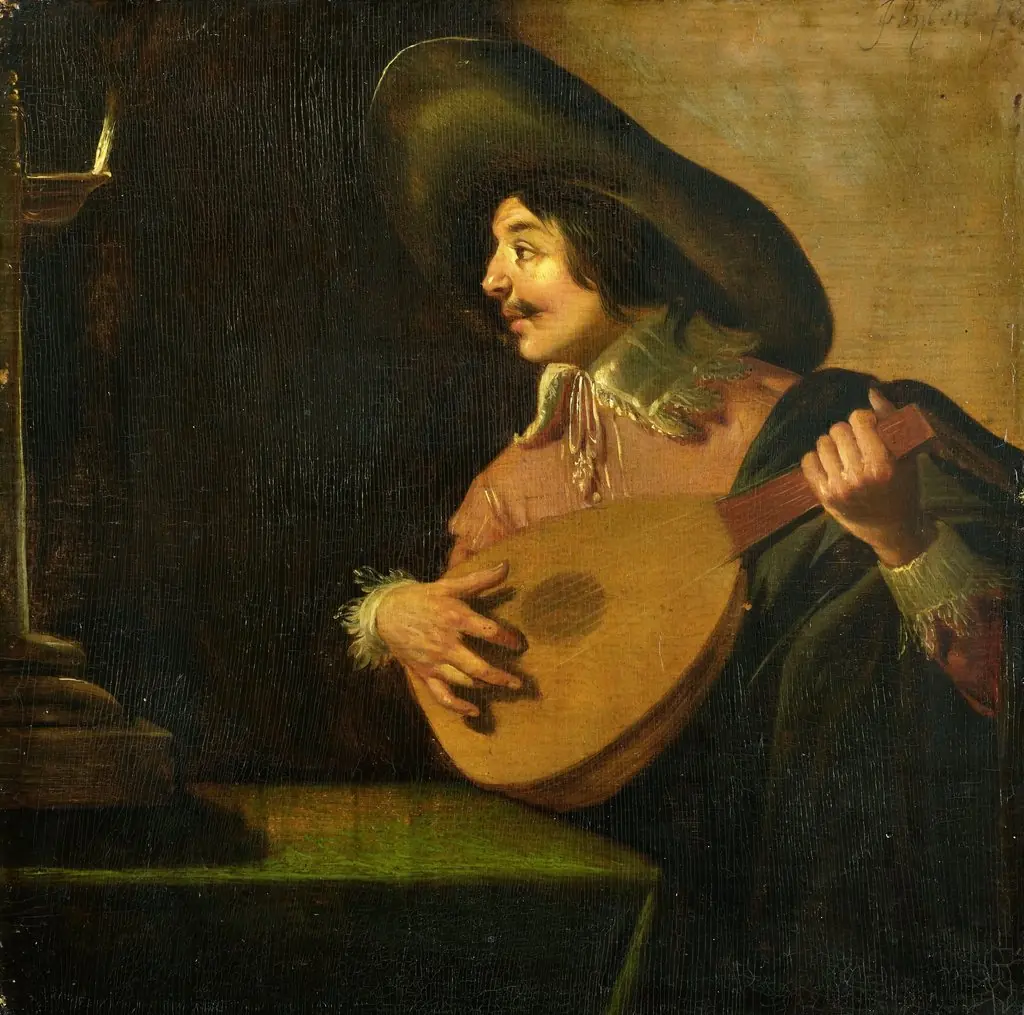
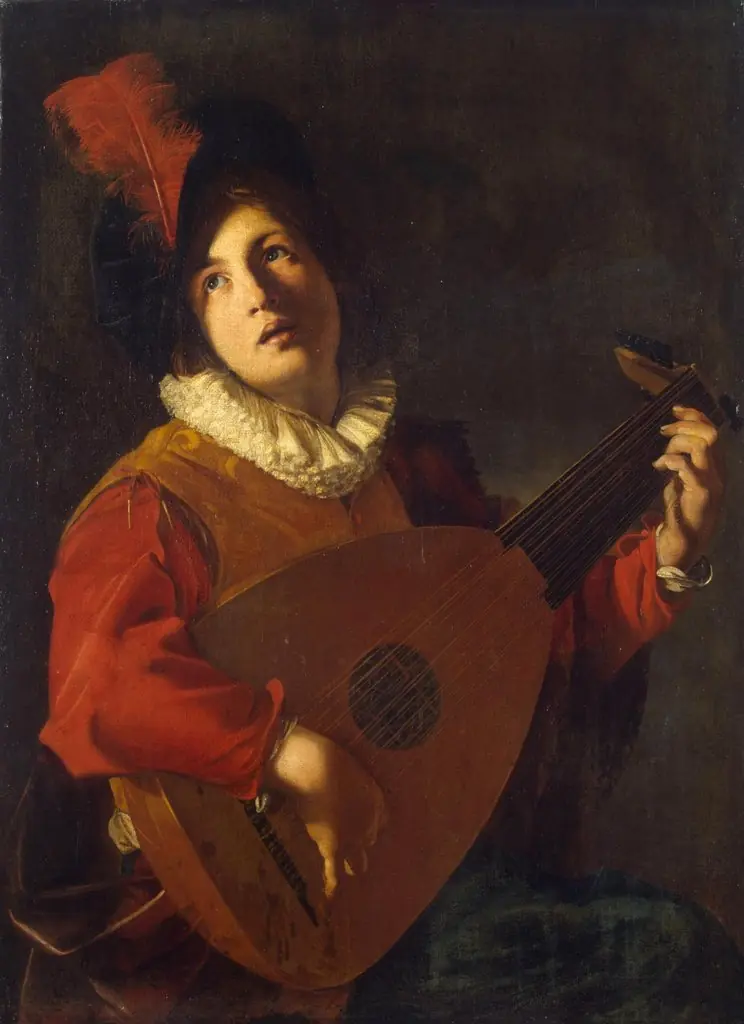
The painting depicts a genre scene featuring a figure playing a lute, an instrument explicitly identified as the central object of the composition. As a work of genre art created in 1661, the piece captures a moment of musical performance rather than a specific historical or mythological narrative. The subject matter aligns with the tradition of Dutch genre painting, focusing on everyday life and domestic activities.
While the specific symbolic meaning of the lute within this particular composition is not detailed in the available records, the depiction of the instrument is the primary iconographic element defining the work's identity.
Technique & Style
Executed in 1661, this genre scene by Hendrik Martenszoon Sorgh is an oil painting on panel. The work measures 51.5 cm in height and 38.5 cm in width. Stylistically, the composition focuses on the depiction of a lute, characteristic of the artist's engagement with domestic interior subjects. The piece is currently held in the collection of the Rijksmuseum.
History & Provenance
Hendrik Martenszoon Sorgh created the oil painting Lute Player in 1661. Executed on a panel measuring 51.5 by 38.5 units, the work depicts a genre scene featuring a lute. Historical records indicate that the piece was once owned by Leendert Dupper.
The painting is currently held in the collection of the Rijksmuseum. Its exhibition history includes a presentation in the show titled Vermeer and the Masters of Genre Painting: Inspiration and Rivalry.
Context
The painting titled Lute Player was created in 1661 by Hendrik Martenszoon Sorgh, a Dutch artist active during the mid-17th century. Executed in oil on panel, it depicts a musician engaged in private performance, reflecting the genre-scene tradition of everyday domestic and recreational activities. The work measures 51.5 cm in height and 38.5 cm in width and is housed in the Rijksmuseum, where it has been part of exhibitions examining the dynamics among Dutch Golden Age genre painters, including Vermeer and his contemporaries.
Legacy
The painting's genre scene format influenced later genre painters, with its depiction of a lute player inspiring variations in Dutch art. Its presence in the Rijksmuseum collection and inclusion in the exhibition Vermeer and the Masters of Genre Painting. Inspiration and Rivalry. cemented its reputation within Dutch genre painting circles.
The work's legacy is tied to its representation of 17th-century domestic music-making, reflecting broader cultural themes of the period.
Overview
Hendrik Martenszoon Sorgh’s oil painting Lute Player, executed in 1661, presents an intimate domestic scene. The work is part of the Rijksmuseum’s collection and exemplifies the Dutch genre tradition of portraying everyday life with careful observation and subtle narrative.
Own this work as a print
Artist & collection
Artist
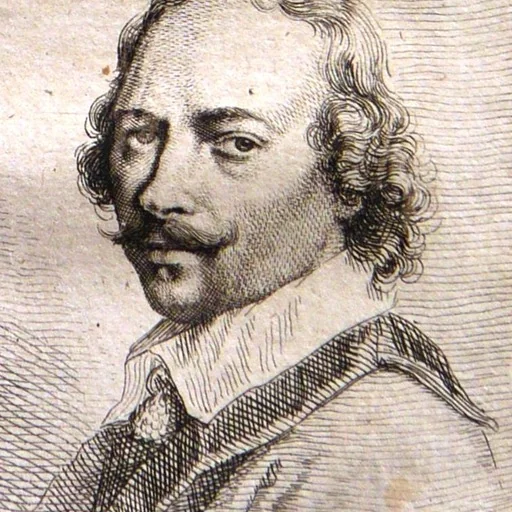
Hendrik Martenszoon Sorgh (1610–1670) was an artist, born in Rotterdam.