Artwork
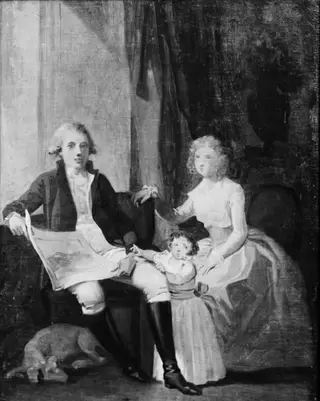
Self Portrait with his Wife Sanneke van Bommel and their two Children
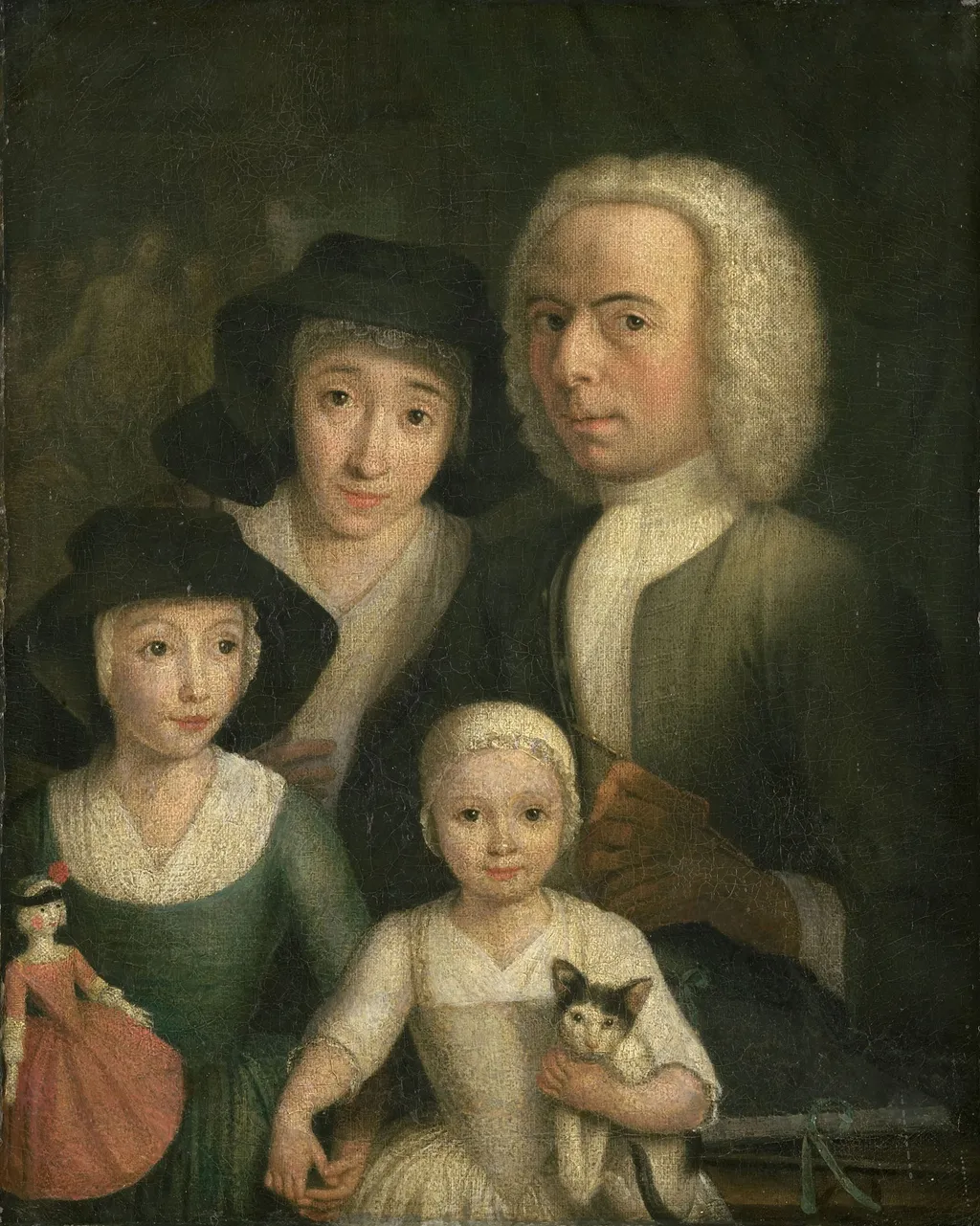
Self Portrait with his Wife Sanneke van Bommel and their two Children is an oil painting by the Rococo painting artist Hendrik Spilman. It dates from 1760 and is held in the collection of the Rijksmuseum.
About this work
Technique & Style
Hendrik Spilman created the work in 1760 using oil paint applied to a canvas support. The painting measures 37 cm in height and 30 cm in width. Classified as a portrait and self-portrait, the piece depicts the artist alongside his wife, Sanneke van Bommel, and their two children. The medium and dimensions are consistent with 18th-century Dutch portraiture practices.
History & Provenance
Hendrik Spilman created the oil painting Self Portrait with his Wife Sanneke van Bommel and their two Children in 1760. Executed on canvas, the work depicts the artist alongside his family. The piece currently resides in the collection of the Rijksmuseum, where it is held as part of their permanent holdings.
Overview
Created in 1760, this oil on canvas presents a domestic group portrait by the Dutch artist Hendrik Spilman. The work portrays the painter alongside his wife, Sanneke van Bommel, and their two daughters, arranged in a compact, intimate grouping. The composition is set against a dark, unadorned backdrop that draws the eye to the figures’ faces and gestures.
Subject & Meaning
The central figure, a man with white, curled hair, gazes solemnly forward, while his wife stands beside him, arm linked to their younger daughter. The older child, dressed in white, cradles a small dog, and the youngest, in a green dress, holds a doll. The arrangement emphasizes familial bonds and the roles of each member within the household.
Context
Family group portraits were a common genre in Dutch art of the Enlightenment period, reflecting both personal pride and social status. Spilman’s work aligns with this tradition, presenting a modest yet carefully rendered domestic scene that conveys the values of familial unity and the emerging middle‑class identity of the time.
Own this work as a print
Artist & collection

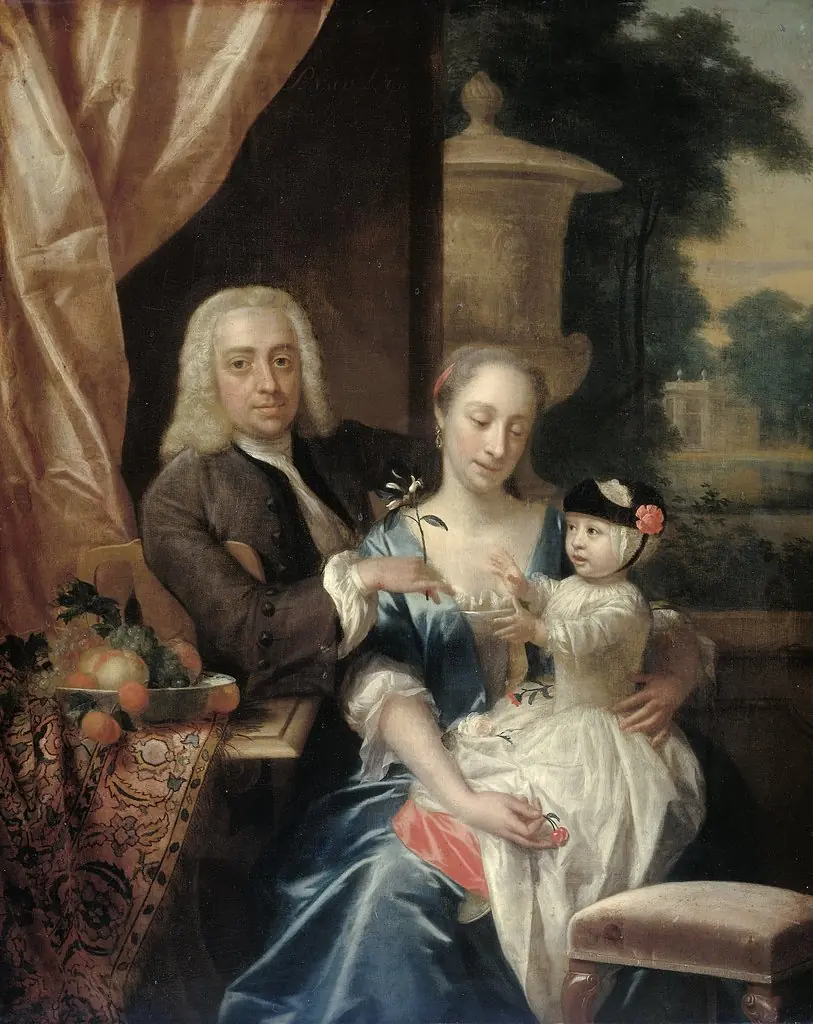 Family Portrait of Isaac Parker, his Wife Justina Johanna Ramskrammer and their young Son Willem Alexander
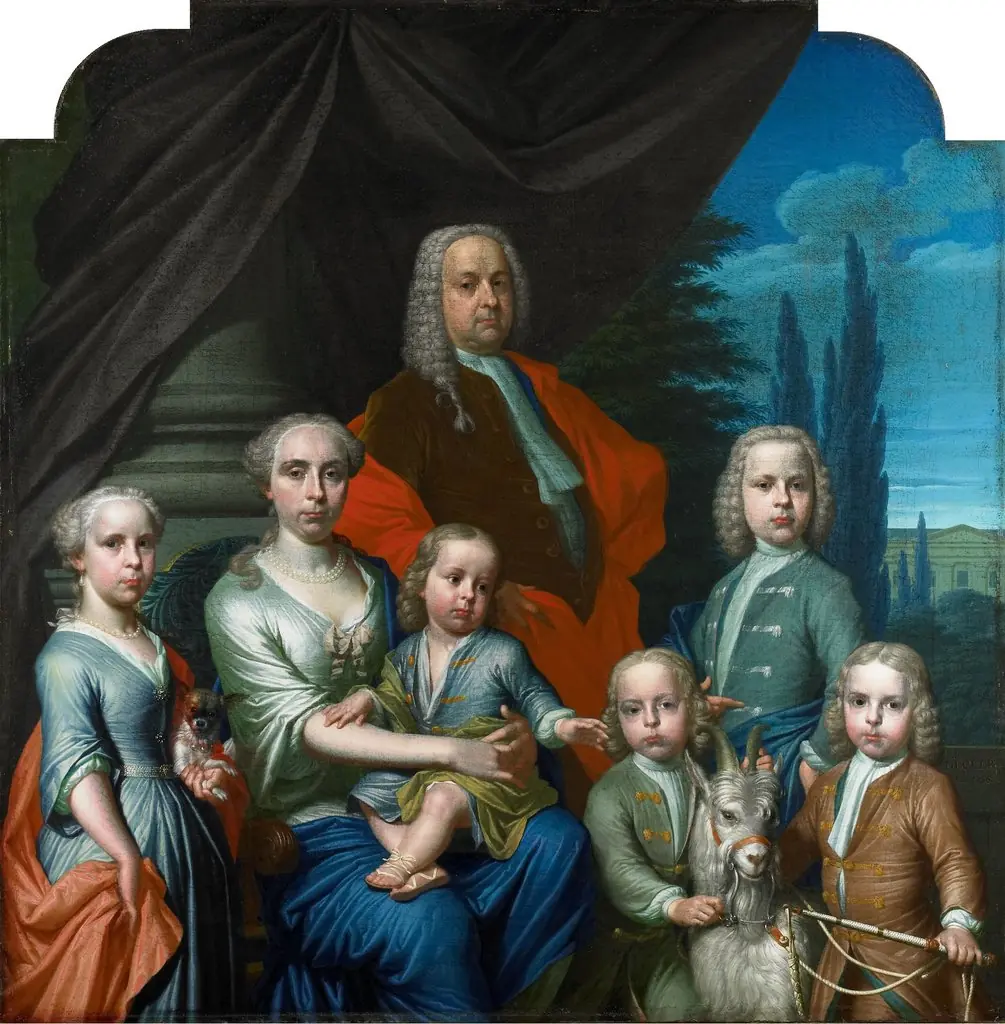 Willem Philip Kops, with his Wife and Children
 Willem Philip Kops (1695-1756), with his Wife and Children
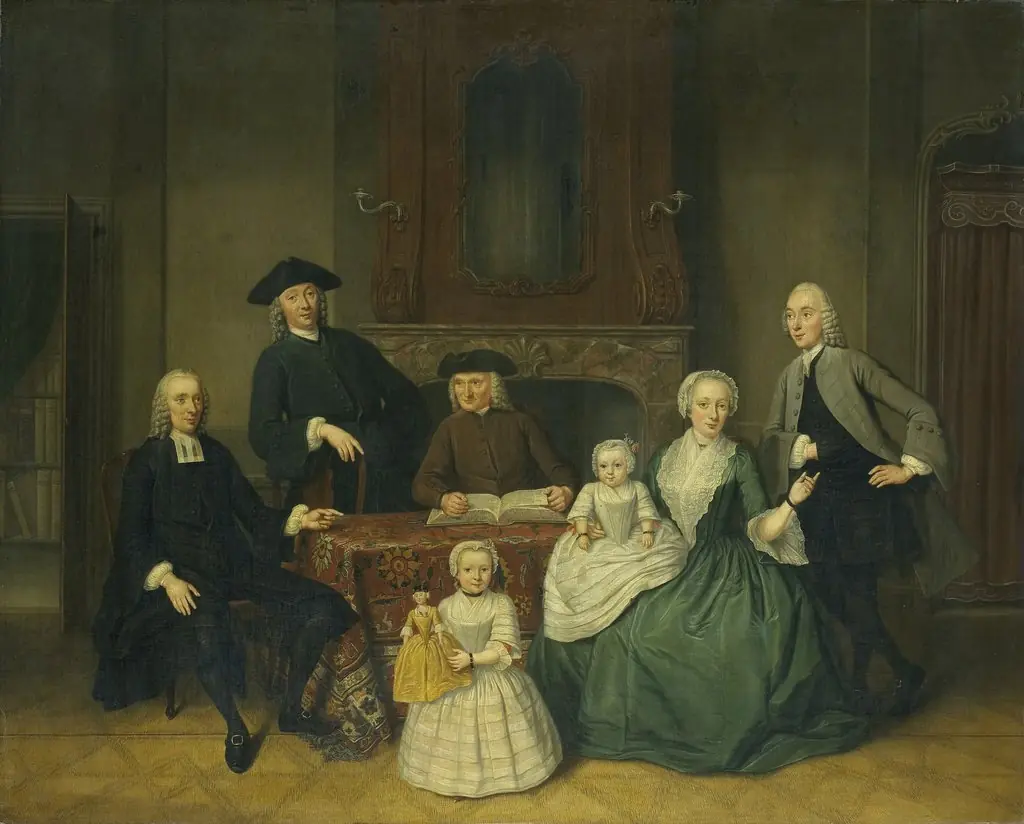 Portrait of the Brak Family, Amsterdam Mennonites
 Portrait of the Brak Family, Amsterdam Mennonites
 Family Group in an Interior
 Portrait of Johan Willem Parker, Lord of Saamslag, Geersdijk, Wissekerke, Cats and Soelekerke, Burgomaster of Middelburg, Deputy of Walcheren in Zeeland
 Family Group near a Harpsichord
 Portrait of Theodorus Bisdom van Vliet and his Family
 Peder Anker med hustru og datter