Artwork
Portrait of the Brak Family, Amsterdam Mennonites
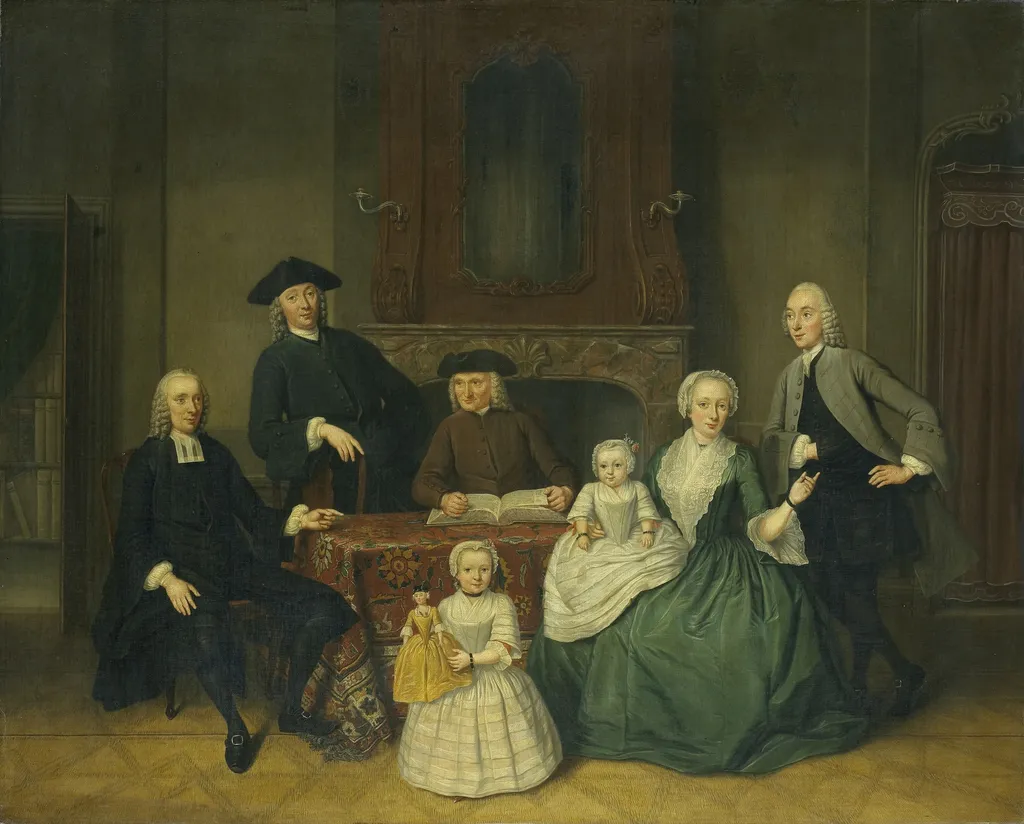
Portrait of the Brak Family, Amsterdam Mennonites is an oil painting by the Rococo painting artist Tibout Regters. It dates from 1752 and is held in the collection of the Rijksmuseum.
About this work
Technique & Style
The work is an oil painting executed on canvas, reflecting mid-18th-century Amsterdam Mennonite portraiture.
The work is an oil painting executed on canvas, reflecting mid-18th-century Amsterdam Mennonite portraiture. Its formal composition presents a group arrangement of family members that emphasizes domestic propriety and collective identity, characteristic of civic group portraiture of the period. The handling of light and detail in the rendering of clothing and interior space demonstrates Regters' technical proficiency within the Dutch Baroque tradition, while the scale and spatial depth contribute to a sense of gravitas appropriate to the sitters' social standing.
History & Provenance
The Portrait of the Brak Family, Amsterdam Mennonites is an oil painting on canvas by Tibout Regters, dated 1752. The work entered the collection of the Rijksmuseum, where it is presently held. No further details of commission, intermediate ownership, or acquisition history are documented in the available sources.
The painting is held in the collection of the Rijksmuseum, Amsterdam. It is inventoried there as SK-C-1273.
It has been exhibited at the Rijksmuseum in Amsterdam in 2012 as part of the display on Dutch group portraits of the eighteenth century.
Overview
Tibout Regters painted this oil work in 1752, depicting a seven‑member Amsterdam Mennonite family gathered around a table. The composition is set within an interior featuring a fireplace, and the figures are presented in formal dress typical of the mid‑eighteenth century. The canvas now belongs to the Rijksmuseum’s collection.
Subject & Meaning
The portrait captures a domestic scene of quiet contemplation, with the parents, their children, and a youngest child clutching a doll. The arrangement emphasizes familial unity and the social standing of the household, reflecting the values of modest prosperity and piety associated with the Mennonite community of the period.
Own this work as a print
Artist & collection

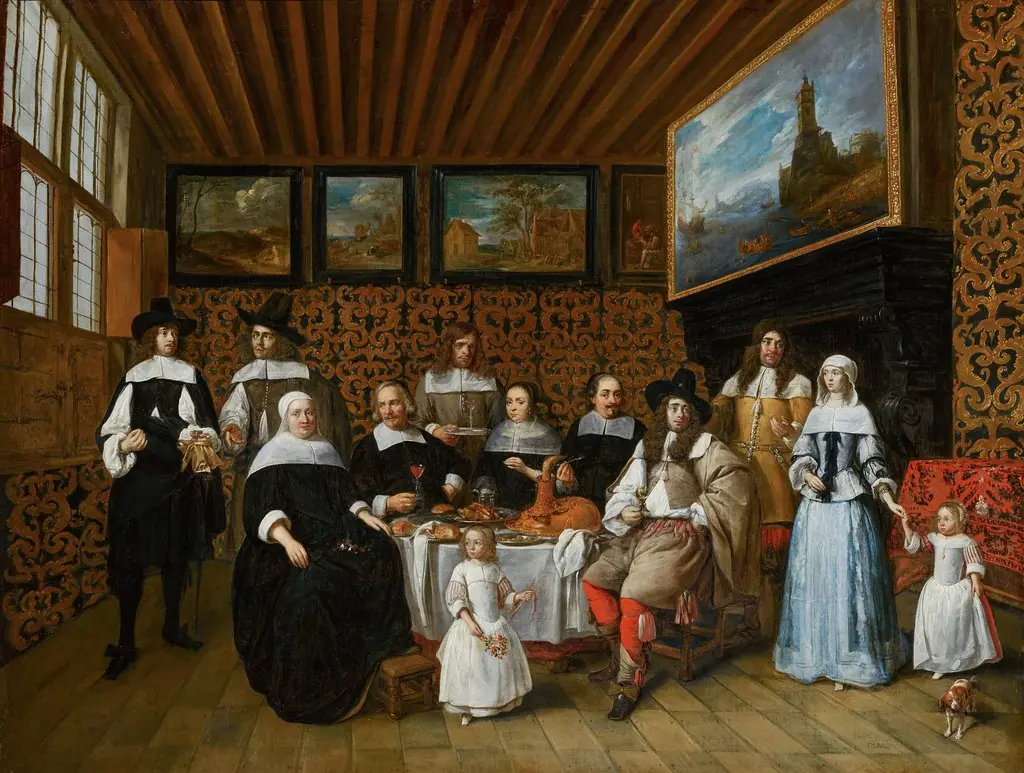 Family Portrait
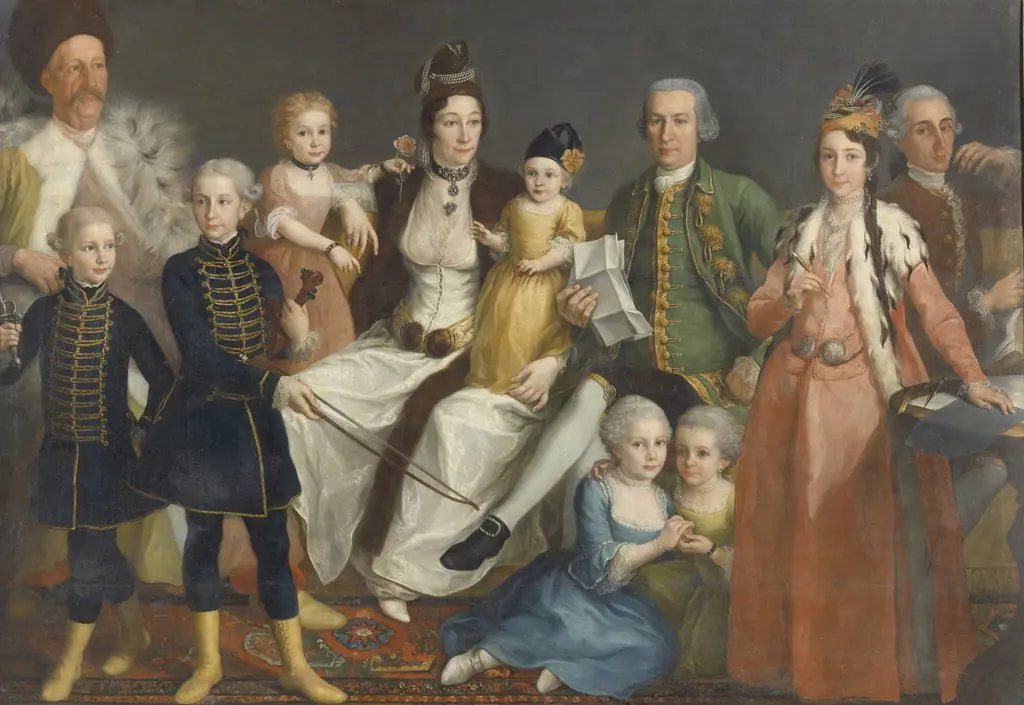 Portrait of David George van Lennep, Chief Merchant of the Dutch Factory at Smyrna (Izmir) and his Wife and Children
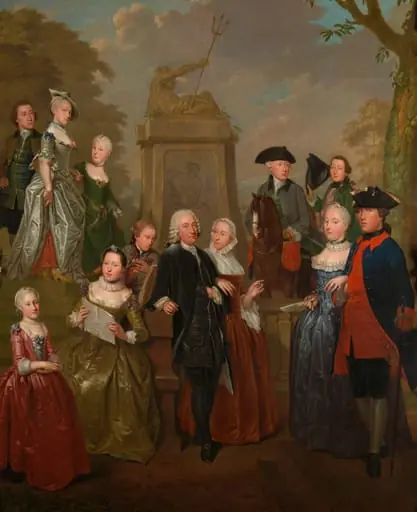 Portrait of Theodorus Bisdom van Vliet and his Family
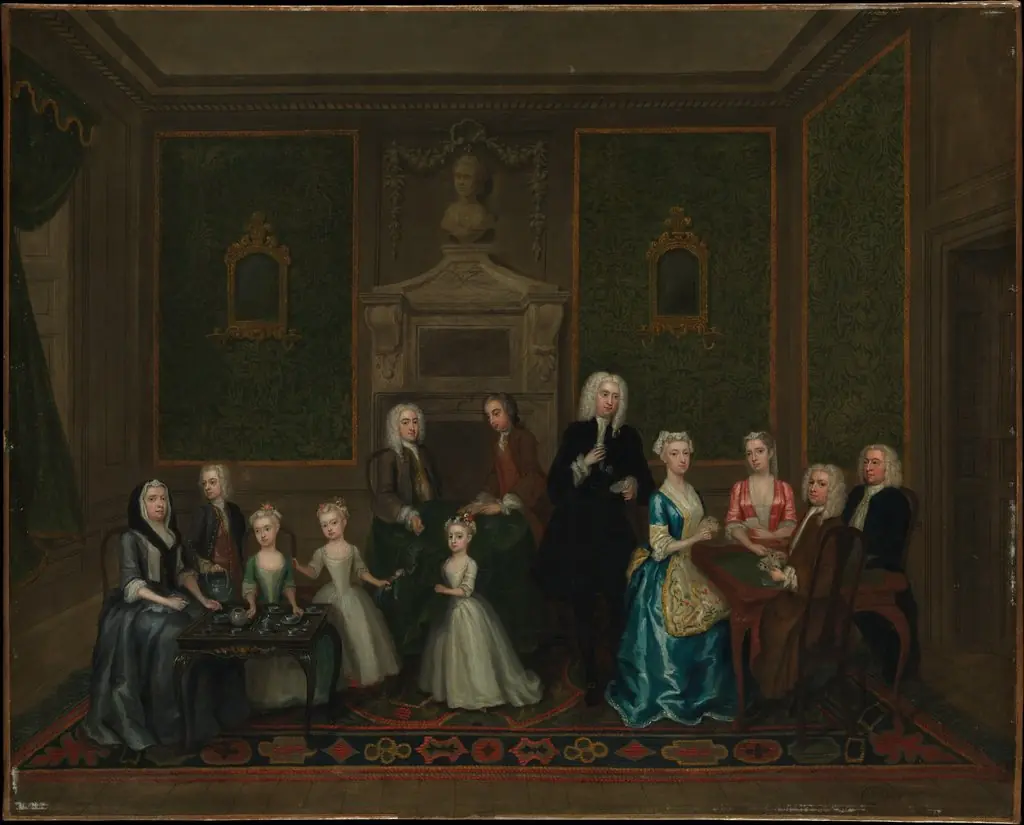 The Strong Family
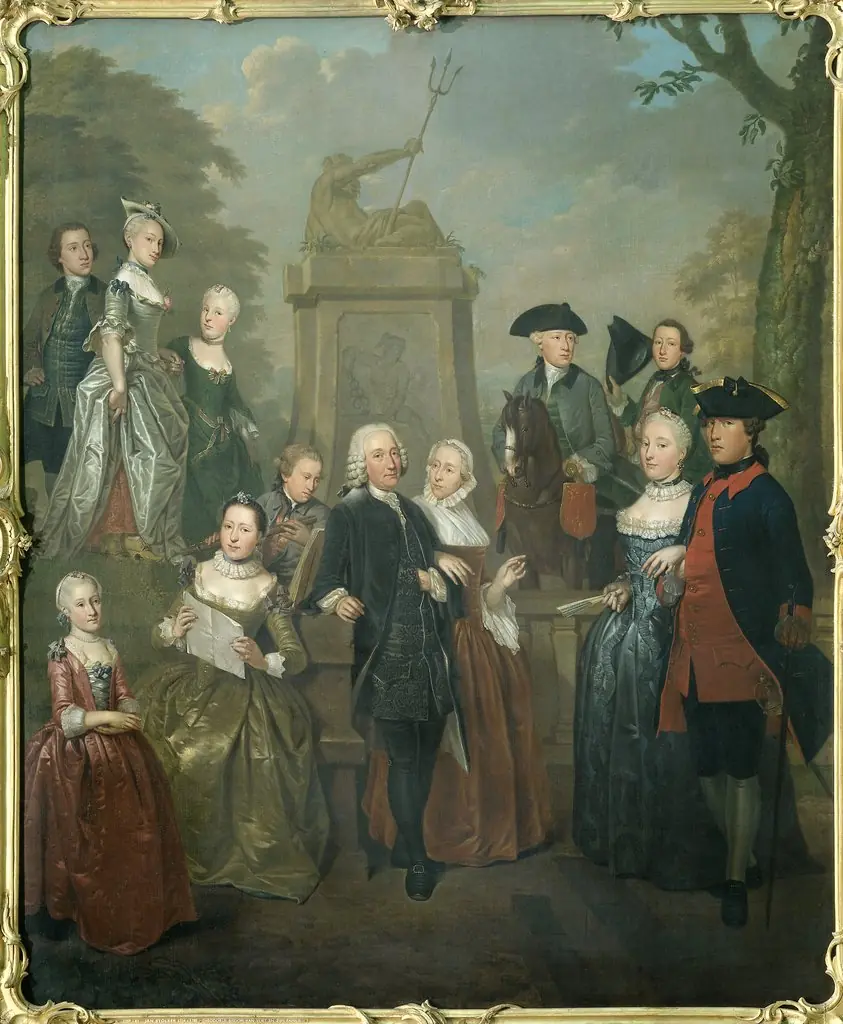 Portrait of Theodorus Bisdom van Vliet and his Family
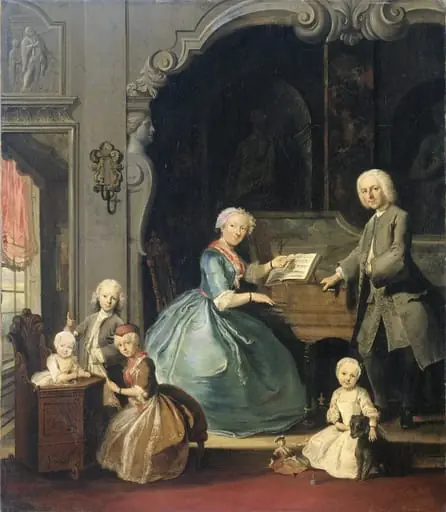 Familiegroep bij een klavecimbel
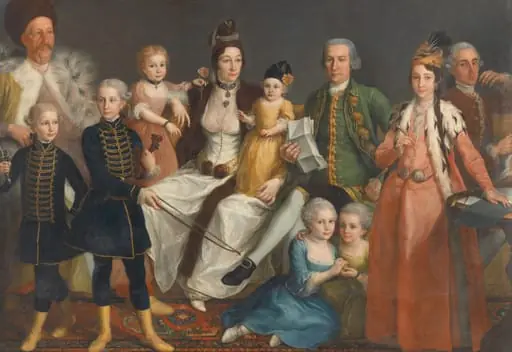 Portrait of the Van Lennep Family, a Merchant Family in Izmir
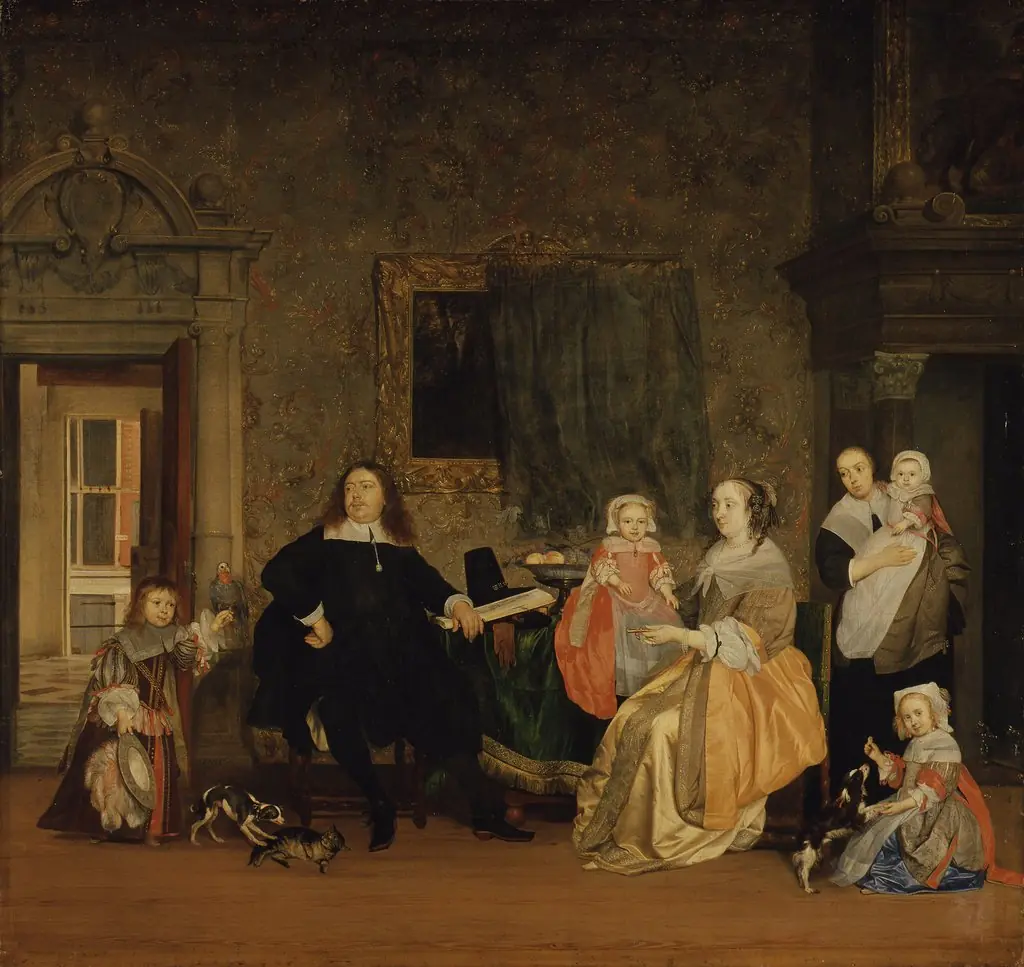 Portrait of the Family Hinlopen
 Family Group near a Harpsichord
 Portrait of Pieter Cornelis Hasselaer (1720–1797) and his Children