Artwork
Two Disciples at the Tomb
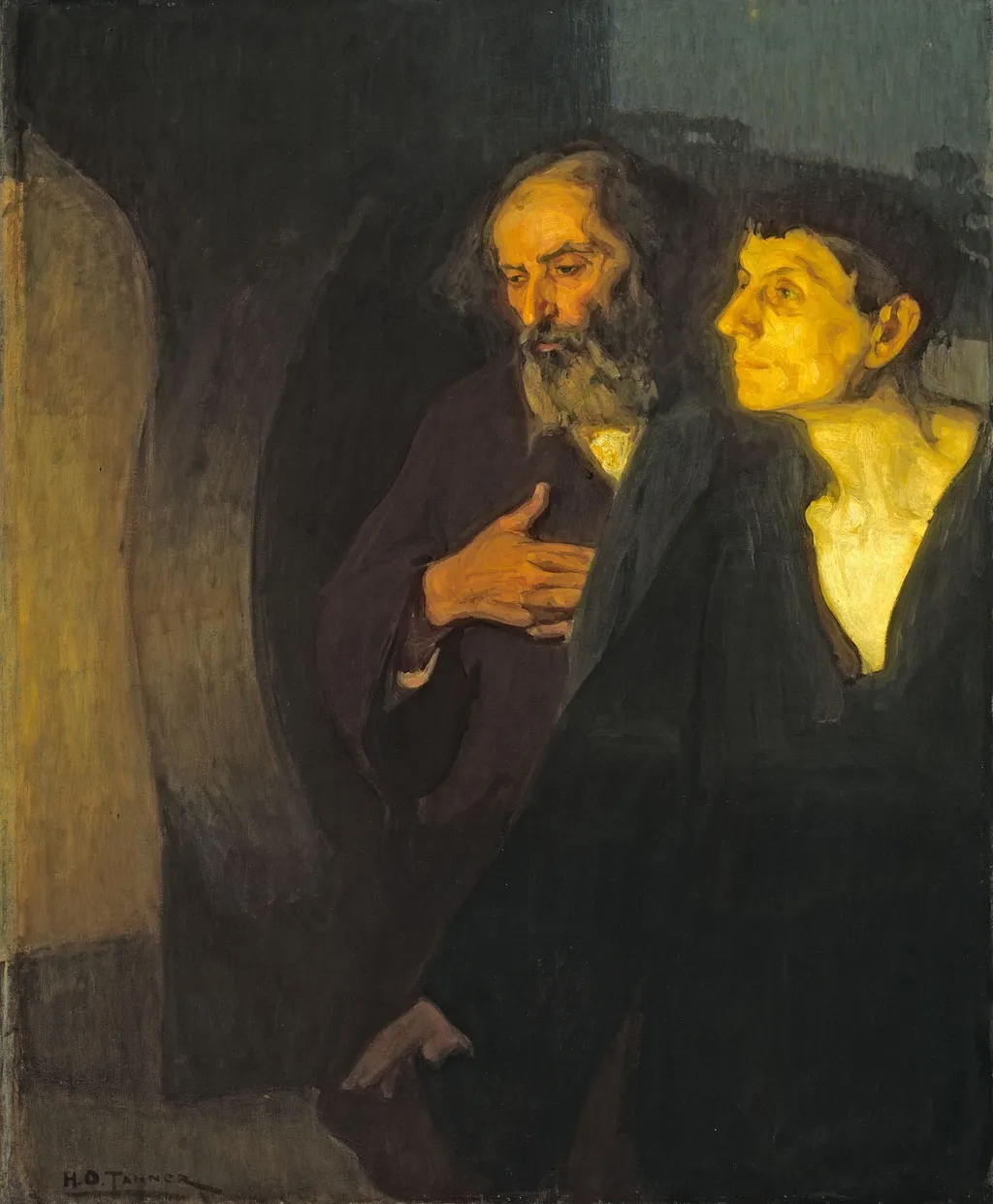
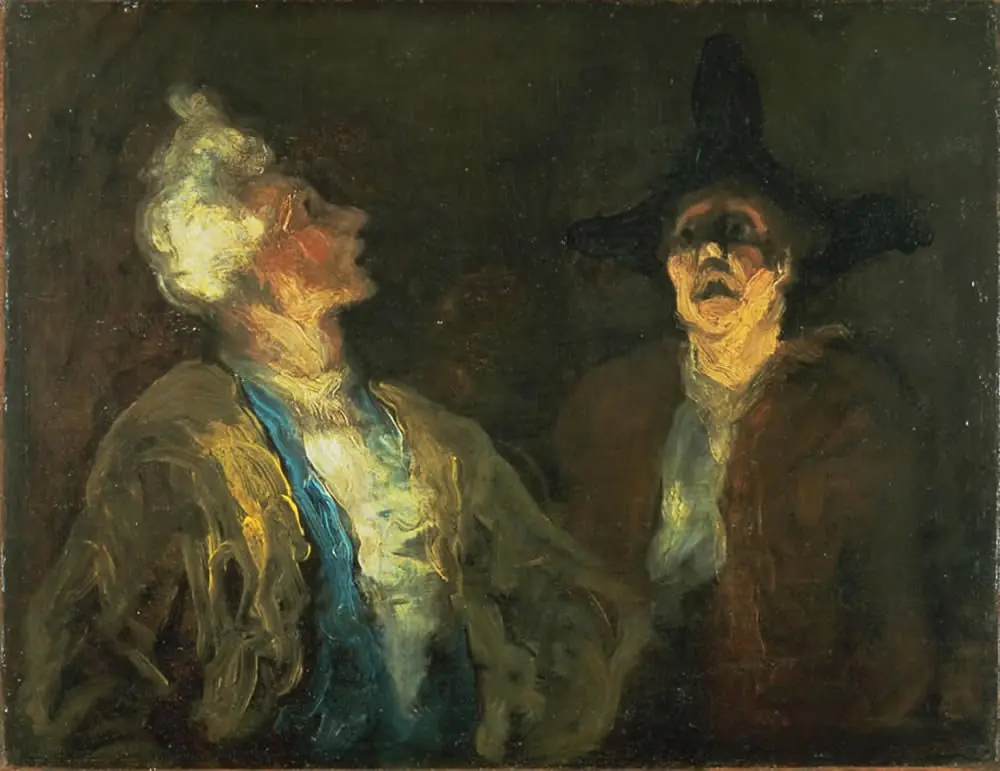
Two Disciples at the Tomb is an oil painting by the American Impressionist artist Henry Ossawa Tanner. It dates from 1906 and is held in the collection of the Art Institute of Chicago.
About this work
Subject & Meaning
Tanner’s composition emphasizes quiet contemplation, inviting viewers to engage with the spiritual significance of the scene.
The work portrays two figures standing before an empty tomb, a visual reference to the biblical account of the Resurrection. The empty tomb functions as a symbol of Christ's victory over death and the promise of salvation, while the apostle’s presence underscores witness to the miracle. Tanner’s composition emphasizes quiet contemplation, inviting viewers to engage with the spiritual significance of the scene.
Technique & Style
Executed in oil on canvas, Tanner’s 1906 composition employs a restrained, luminous palette to convey the spiritual moment at Christ’s empty tomb. The handling balances broad, softly modeled passages with delicate, linear drapery to articulate the disciples’ draped garments and the rocky sepulcher. Light is treated atmospherically, diffusing across the scene to focus attention on the central void of the tomb and the figures’ contemplative postures.
The canvas’s dimensions (129.5 × 105.7 cm) allow a close, intimate viewing experience that heightens the quiet drama of the subject.
The work’s restrained realism and subdued palette underscore Tanner’s mature style, emphasizing spiritual resonance over overt narrative detail.
History & Provenance
Henry Ossawa Tanner created the oil painting Two Disciples at the Tomb in 1906. Executed on canvas, the work measures 129.5 cm in height and 105.7 cm in width. The piece was produced as a religious genre painting depicting an empty tomb and an apostle. The artwork is held in the collection of the Art Institute of Chicago, where it remains located.
Henry Ossawa Tanner's 1906 painting Two Disciples at the Tomb is held in the collection of the Art Institute of Chicago. The work, executed in oil on canvas, depicts the biblical scene of the empty tomb and is cataloged within the museum's religious art holdings. Specific inventory or accession numbers are not provided in the available records, though the piece is confirmed as part of the institution's permanent collection. The source material does not list any exhibition history for this specific work.
Context
Henry Ossawa Tanner's 1906 painting Two Disciples at the Tomb portrays a biblical scene of apostles at Christ's empty grave, reflecting his focus on religious narrative and spiritual themes. The work is housed in the Art Institute of Chicago, where it is recognized as part of Tanner's mature period characterized by luminous realism and symbolic depth. Scholarship emphasizes its significance within early 20th-century American religious art and Tanner's exploration of faith through historical and devotional subjects.
Overview
Henry Ossawa Tanner’s oil painting Two Disciples at the Tomb, executed in 1906, presents a quiet biblical moment within a restrained interior. Two figures in dark robes occupy the foreground, one clutching a book while the other gazes upward toward an empty burial chamber. The work resides in the collection of the Art Institute of Chicago.

Own this work as a print
Artist & collection
Artist
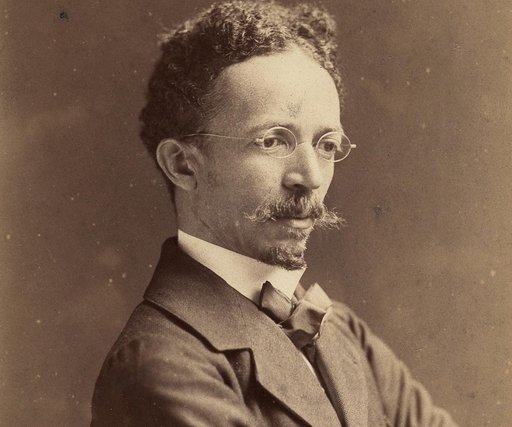
Henry Ossawa Tanner was an American artist who spent much of his career in France.