Artwork
View on Dinant
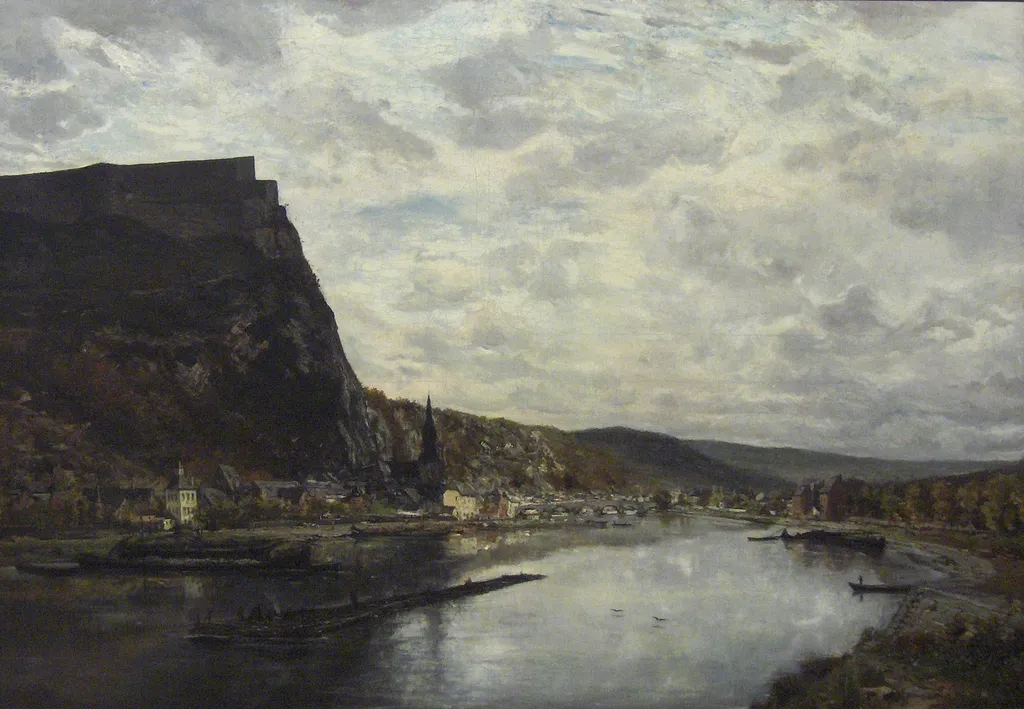
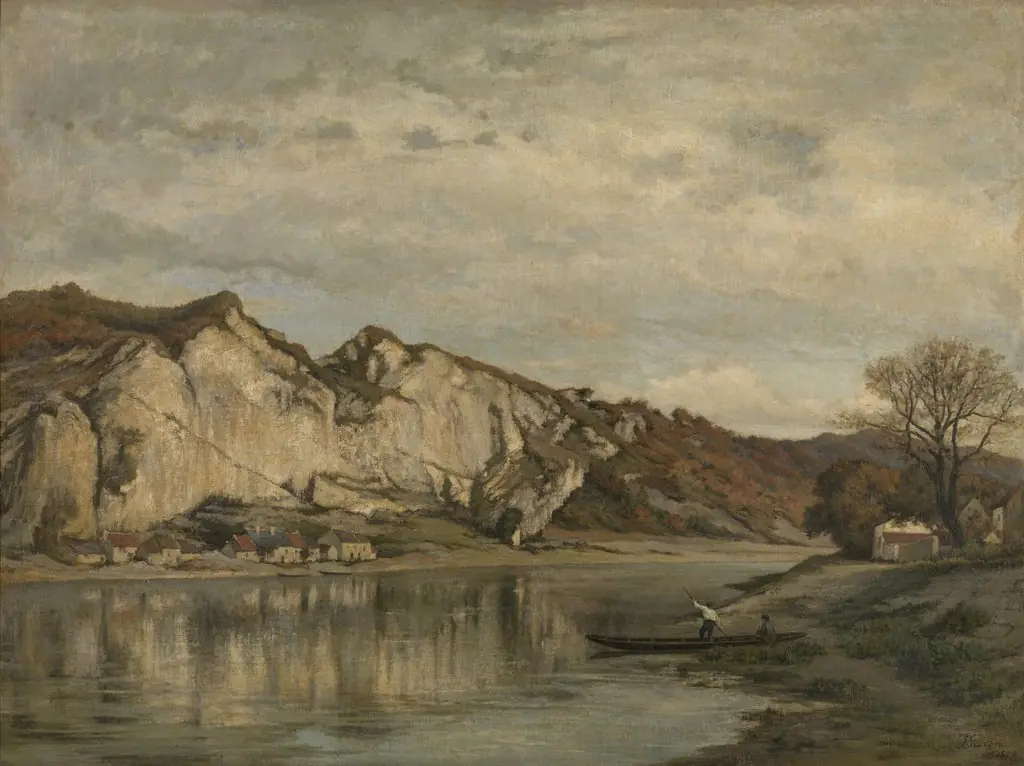
View on Dinant is an oil painting by Hippolyte Boulenger. It dates from 1870 and is held in the collection of the Royal Museums of Fine Arts of Belgium.
About this work
Subject & Meaning
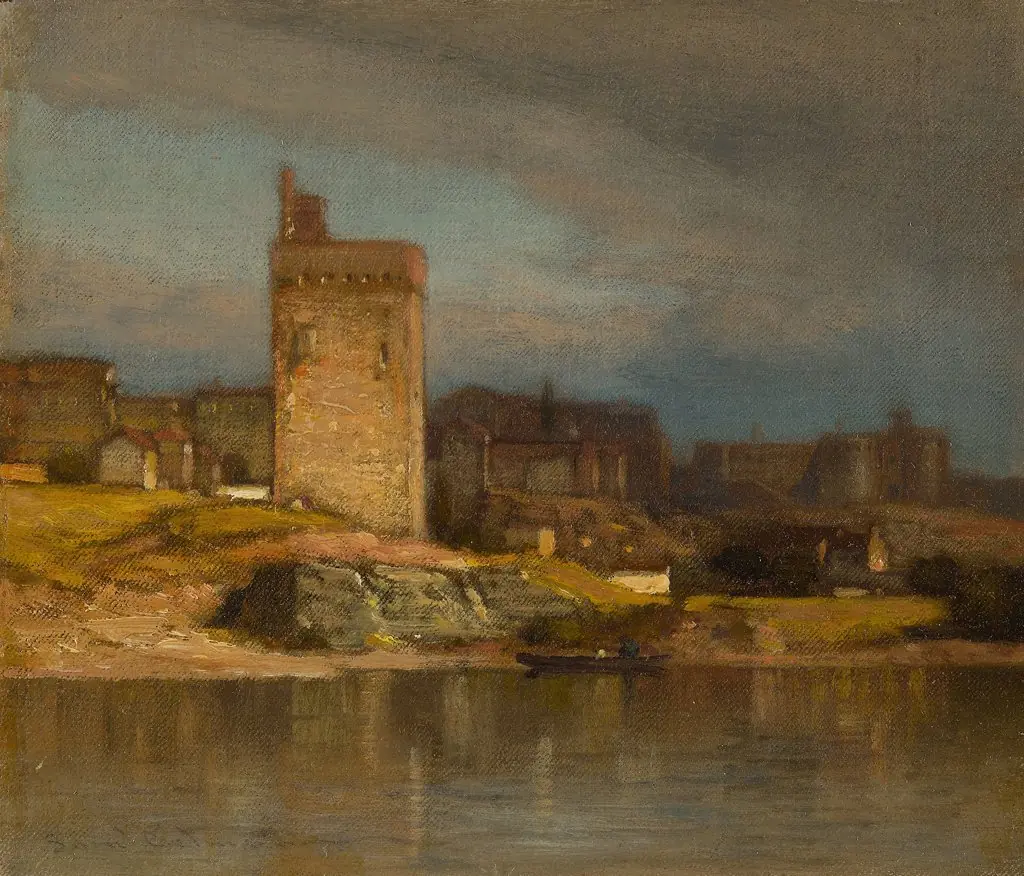
Hippolyte Boulenger's 1870 oil painting presents a landscape view of the Belgian town of Dinant situated along the Meuse River.
Hippolyte Boulenger's 1870 oil painting presents a landscape view of the Belgian town of Dinant situated along the Meuse River. The composition features specific architectural and natural landmarks, including a church building, residential houses, and the prominent Citadel of Dinant rising above the settlement. Mountains form the backdrop to this riverside scene, grounding the urban elements within a rugged topography.
As a work of landscape painting, the piece functions as a topographical representation of the location, documenting the relationship between the built environment and the surrounding valley without relying on allegorical symbolism.
History & Provenance
View on Dinant is an oil painting on canvas created in 1870 by the Belgian landscape artist Hippolyte Boulenger. The work depicts the town of Dinant along the Meuse River, featuring its citadel, church, and surrounding riverine scenery. It was executed during a period when Boulenger was actively exploring naturalistic representations of the Belgian countryside, reflecting his commitment to plein-air painting and detailed atmospheric observation.
The painting entered the collection of the Royal Museums of Fine Arts of Belgium, where it remains part of their holdings as a representative example of 19th-century Belgian landscape art.
The painting View on Dinant is held in the collection of the Royal Museums of Fine Arts of Belgium. Created in 1870 by Hippolyte Boulenger, the work depicts the Meuse river and the Citadel of Dinant. The provided sources confirm its location within this specific institution but do not list a specific inventory or accession number. Furthermore, no information regarding the exhibition history of this artwork is available in the current records.
Context
View on Dinant, painted by Hippolyte Boulenger in 1870, exemplifies his mature landscape style characterized by meticulous naturalistic detail and atmospheric rendering. The work depicts the Meuse River, the Citadel of Dinant, and surrounding topography with precise architectural and geographical accuracy, reflecting 19th-century Belgian landscape traditions. Its formal qualities and subject matter align with contemporary Belgian academic approaches to plein-air painting while demonstrating Boulenger's individual focus on regional topography.
The painting remains part of the permanent collection at the Royal Museums of Fine Arts of Belgium, where it has been exhibited since its acquisition.
Legacy
View on Dinant was painted by Hippolyte Boulenger in 1870 and is held in the collection of the Royal Museums of Fine Arts of Belgium. The work depicts the town of Dinant on the Meuse river, featuring its citadel, church, and surrounding landscape rendered in oil on canvas. It was created during the late 19th century as part of Boulenger's oeuvre of naturalistic landscapes.
The painting's subject matter and execution contributed to his reputation as a leading figure in the Belgian landscape tradition. Its presence in a major national collection has ensured continued scholarly attention to Boulenger's impact on regional art history.
Overview
View on Dinant is a 1870 oil painting by Hippolyte Boulenger, a Belgian artist known for his landscapes. It is part of the Royal Museums of Fine Arts of Belgium collection.
Technique & Style
Boulenger employed chiaroscuro to create depth and dimensionality in the foreground. The contrast between light and dark adds volume and texture, drawing the viewer's eye into the scene. The use of light and shadow creates a sense of drama and tension.
Own this work as a print
Artist & collection
Artist
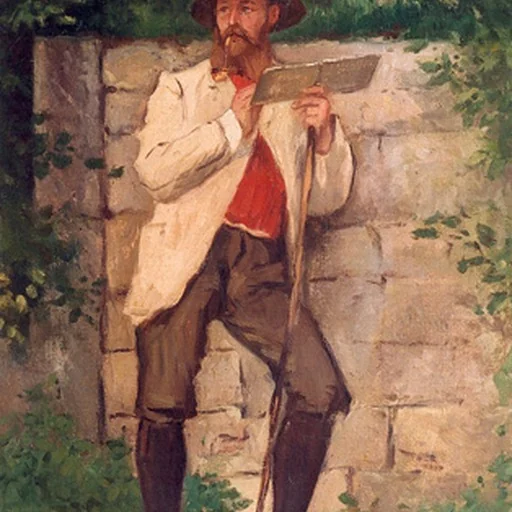
Hippolyte Emmanuel Boulenger (3 December 1837 – 4 July 1874) was a Belgian landscape painter influenced by the French Barbizon school, considered to be "the Belgian Corot".

Museum
Royal Museums of Fine Arts of Belgium
Continue through works from the same source collection.
 Rocher de Frêne near Profondeville
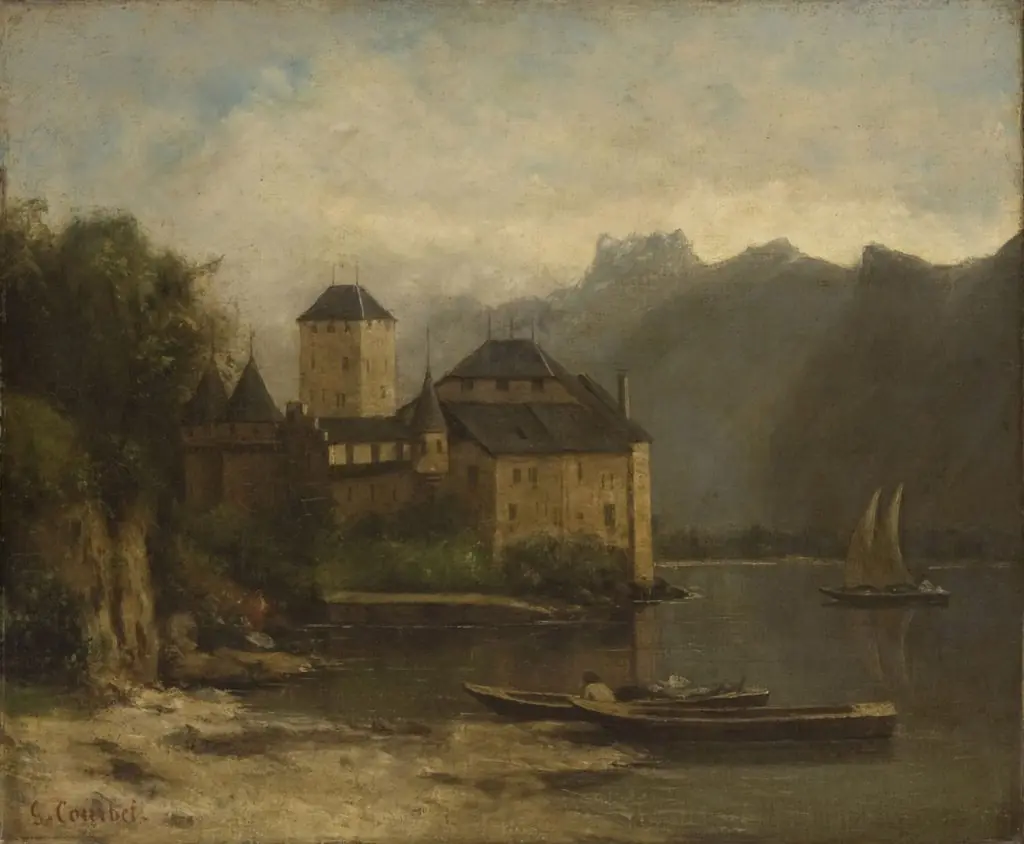 Château Chillon
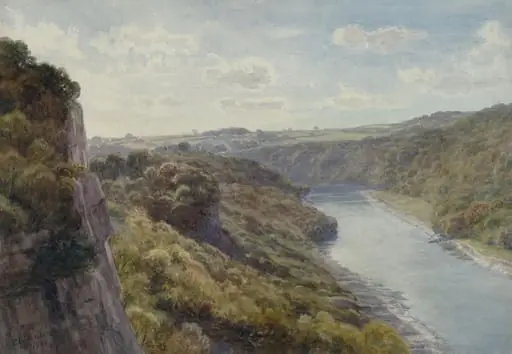 The Wye Valley above Chepstow
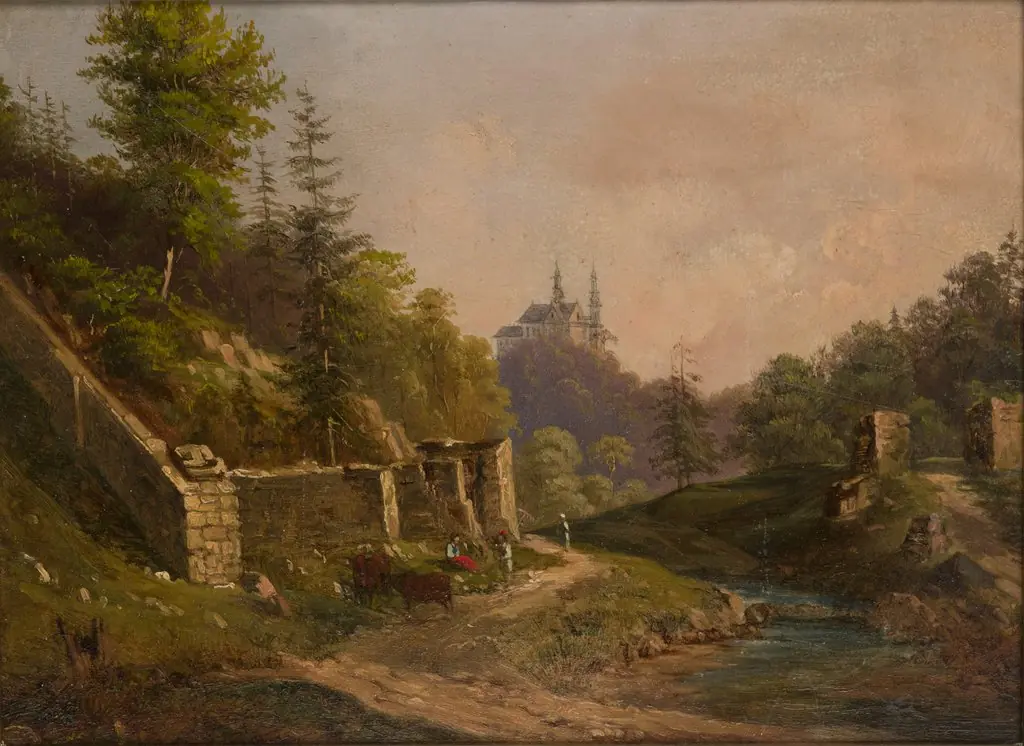 View of Czerna near Krzeszowice
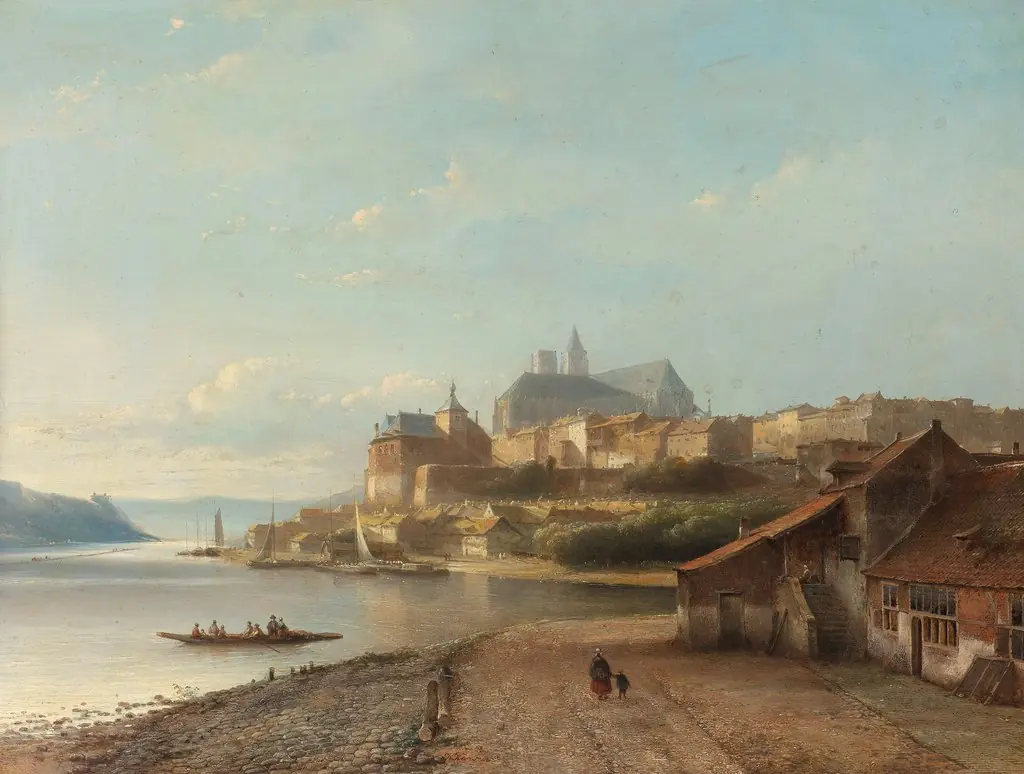 Rhine Fantasy
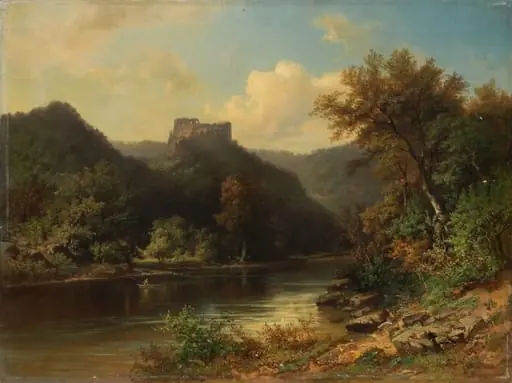 Cetatea Saskő
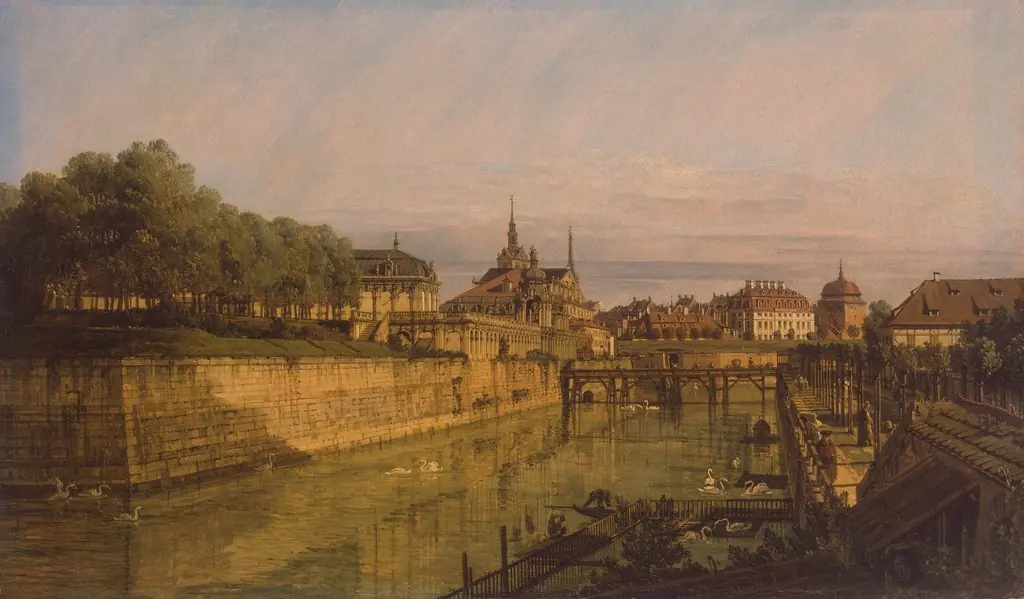 The Moat of Zwinger in Dresden
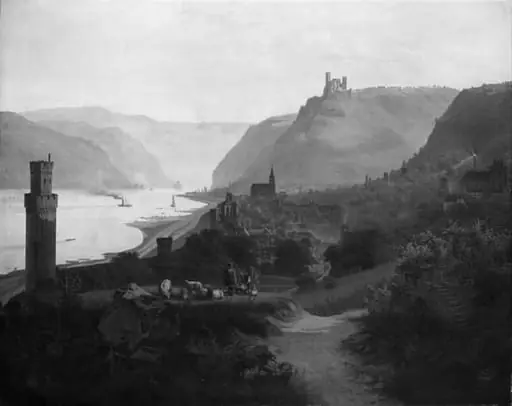 View of Oberwesel and the Rhine. Germany
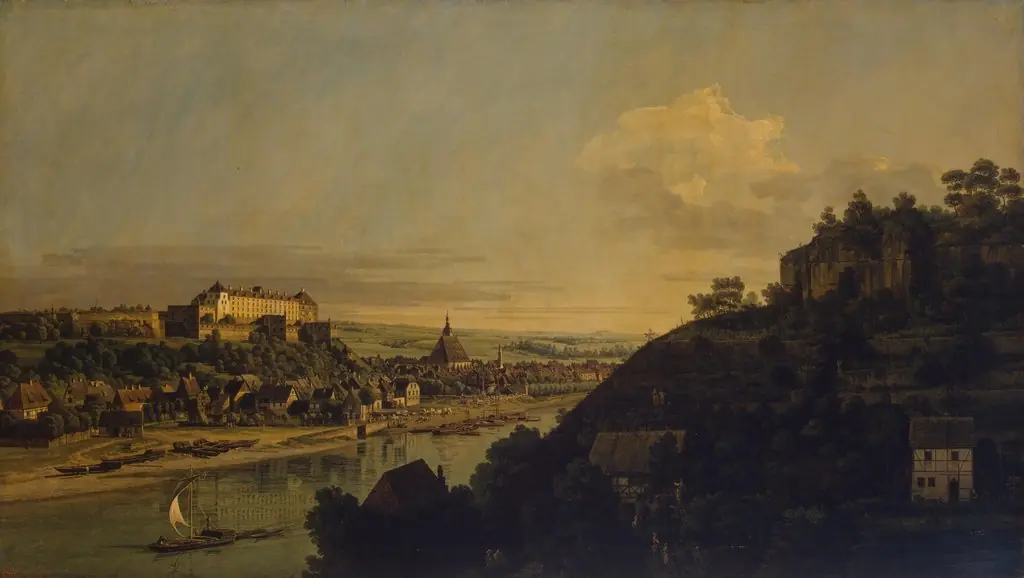 View of Pirna from the Right Bank of the Elba above the Town
 Old Tower at Avignon
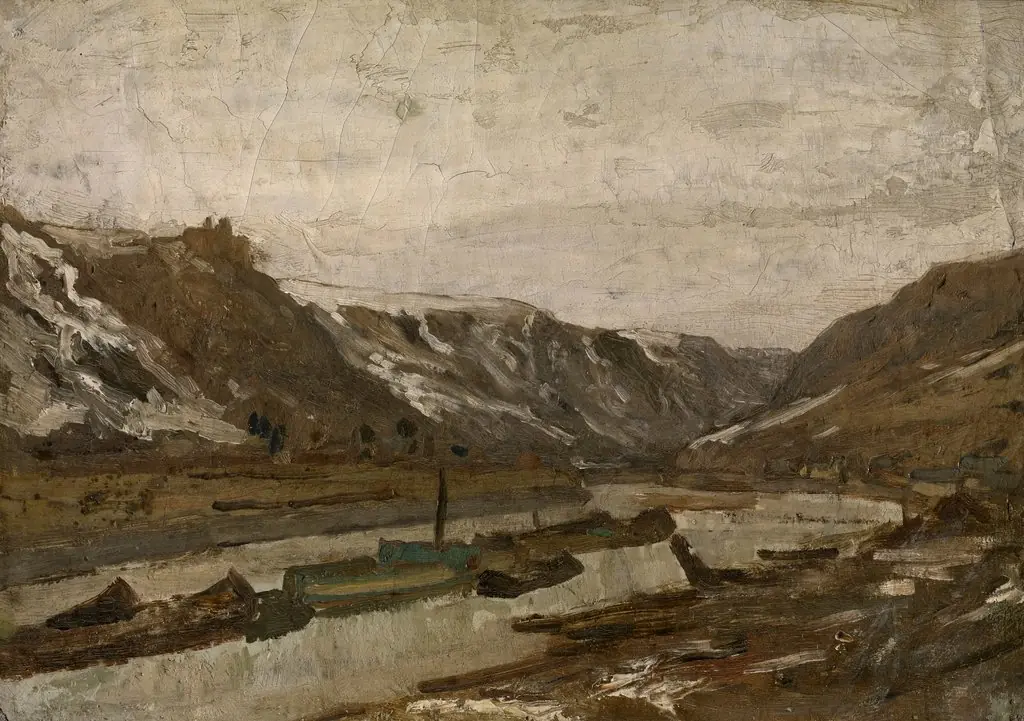
- Barges in Dinant