Artwork
Josaphat Valley at Schaarbeek
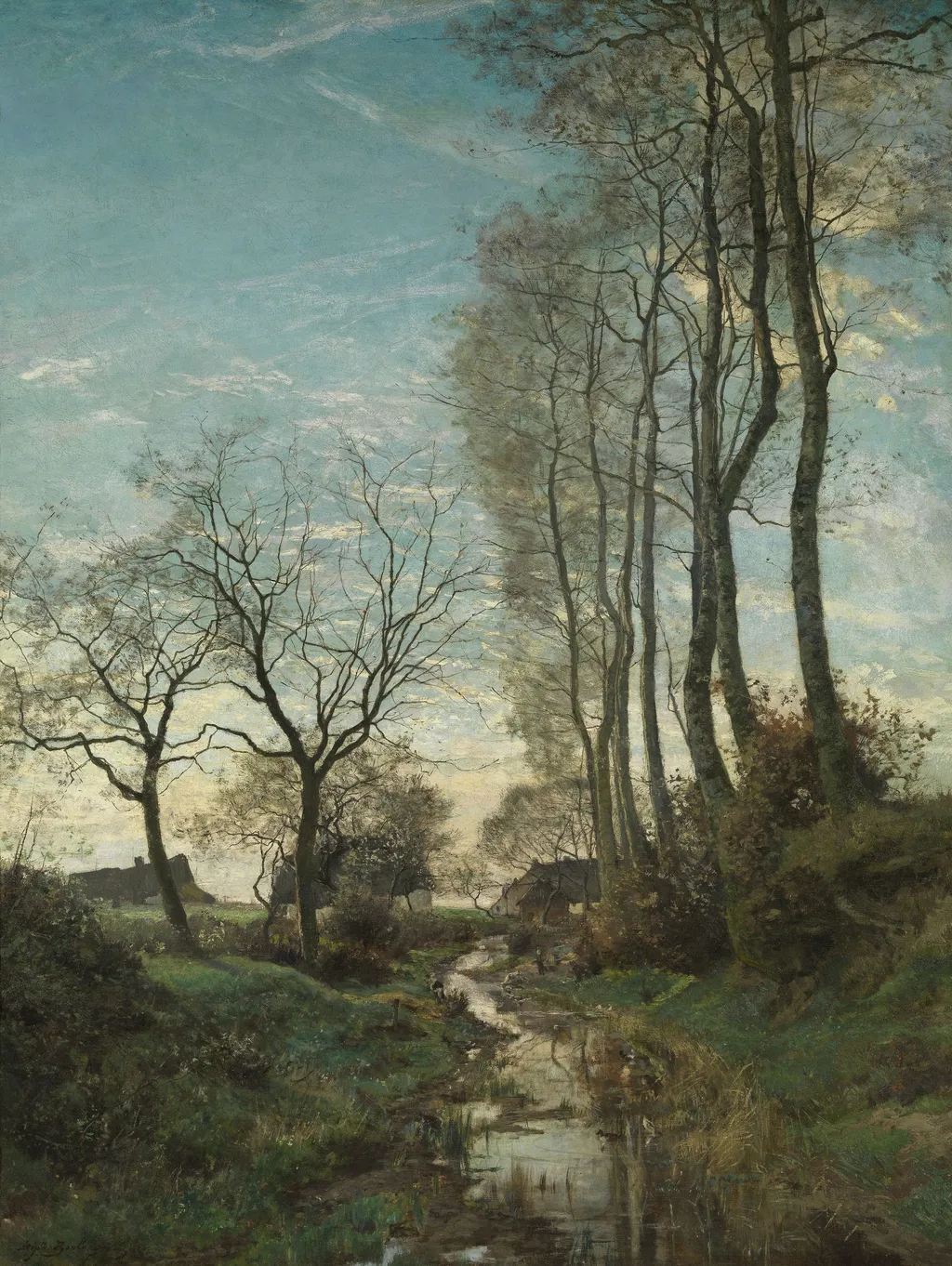
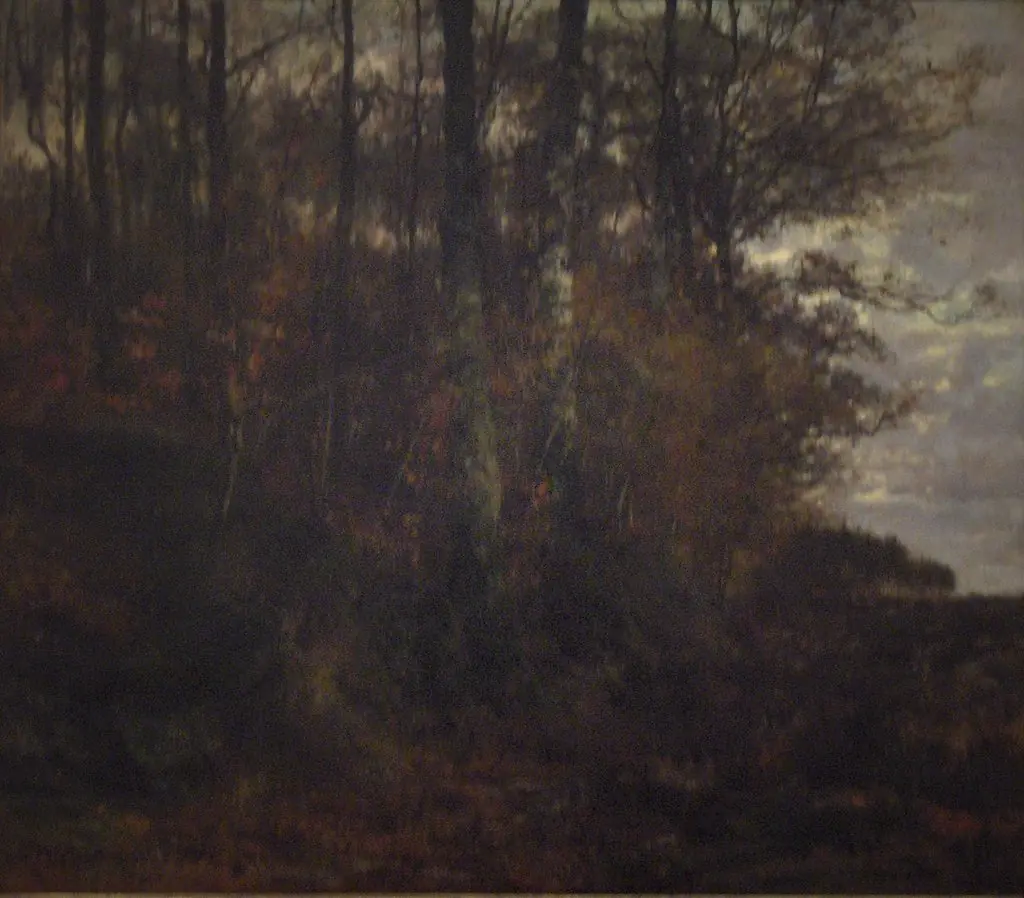
Josaphat Valley at Schaarbeek is an oil painting by the Barbizon school artist Hippolyte Boulenger. It dates from 1860 and is held in the collection of the Royal Museum of Fine Arts Antwerp.
About this work
Subject & Meaning
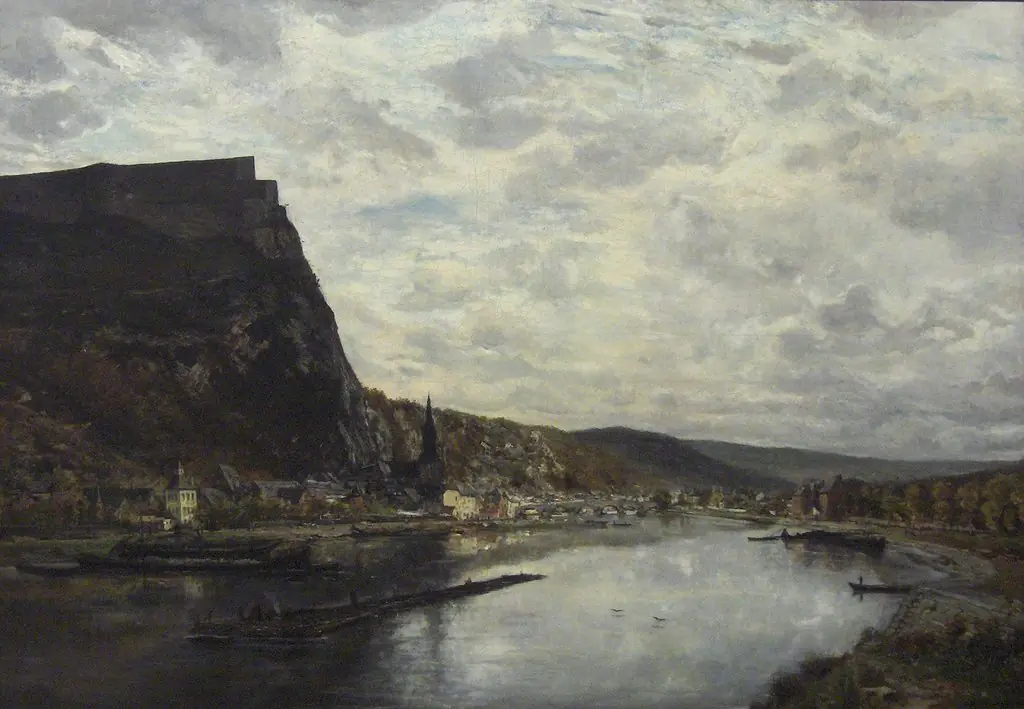
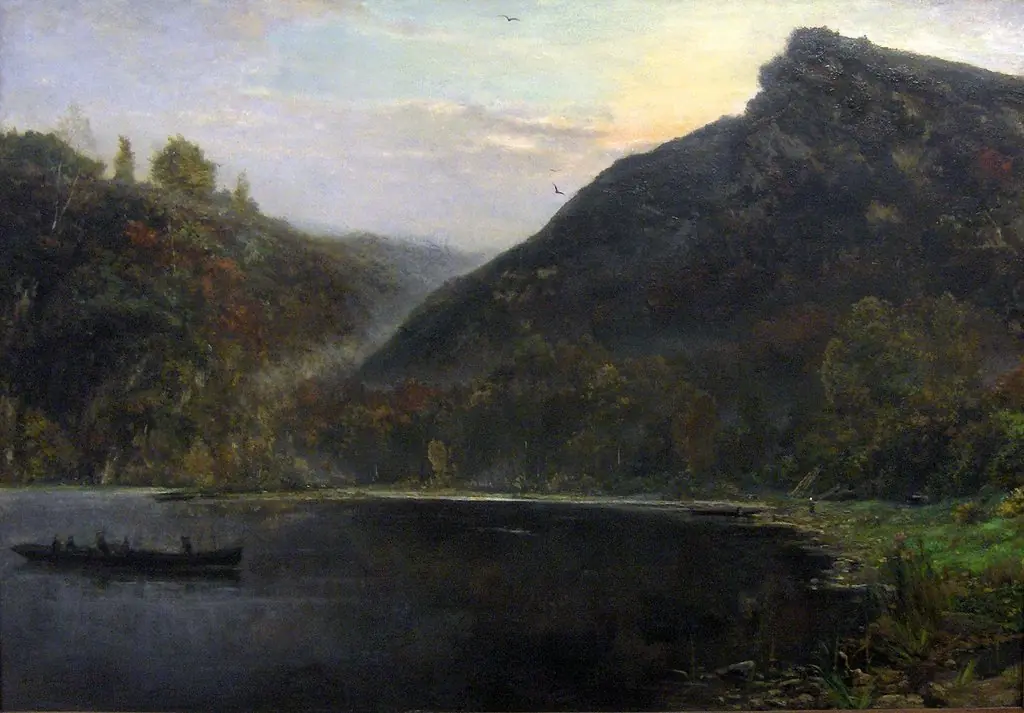
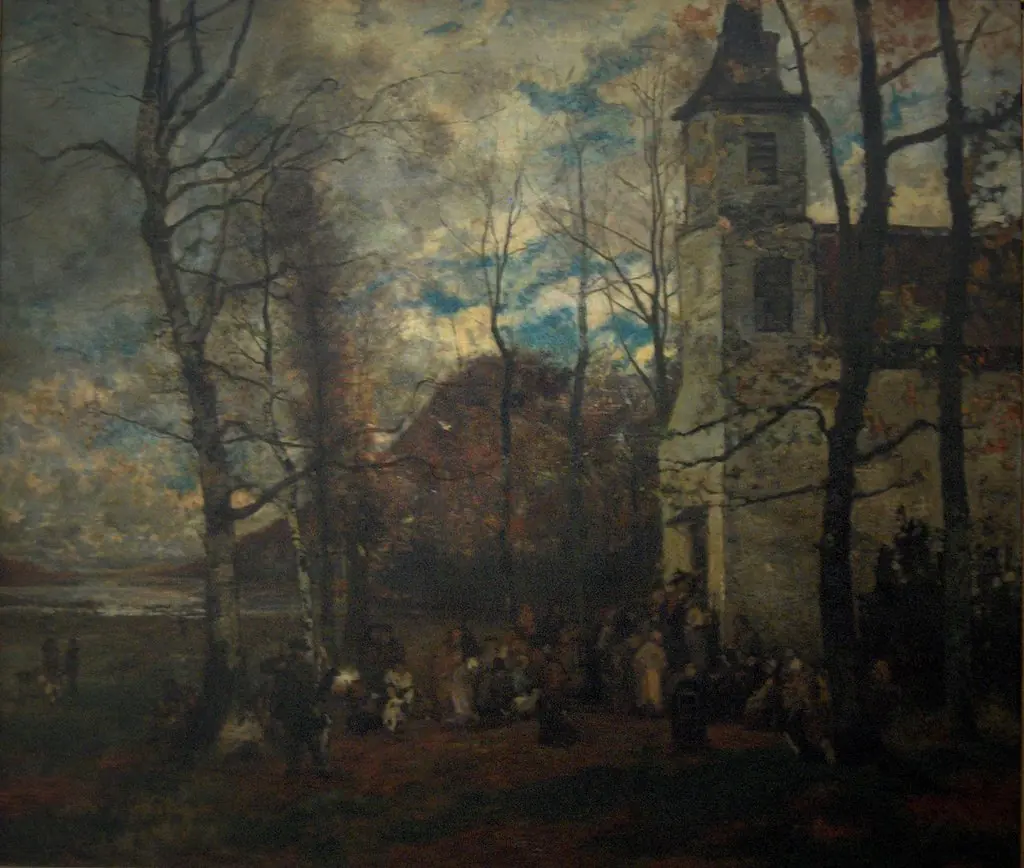
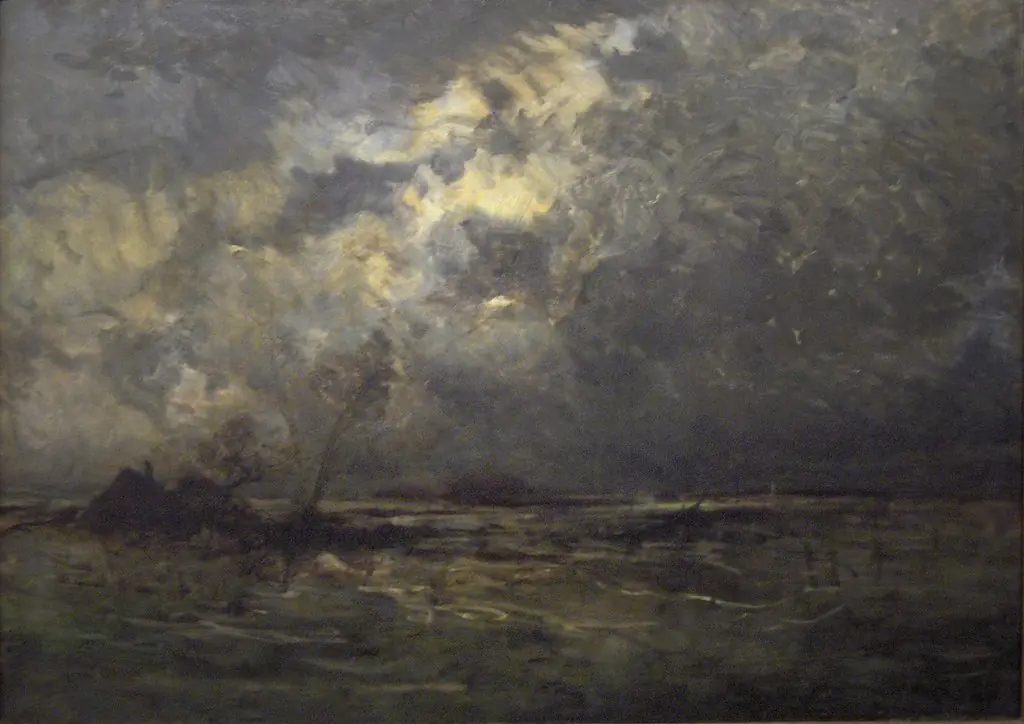
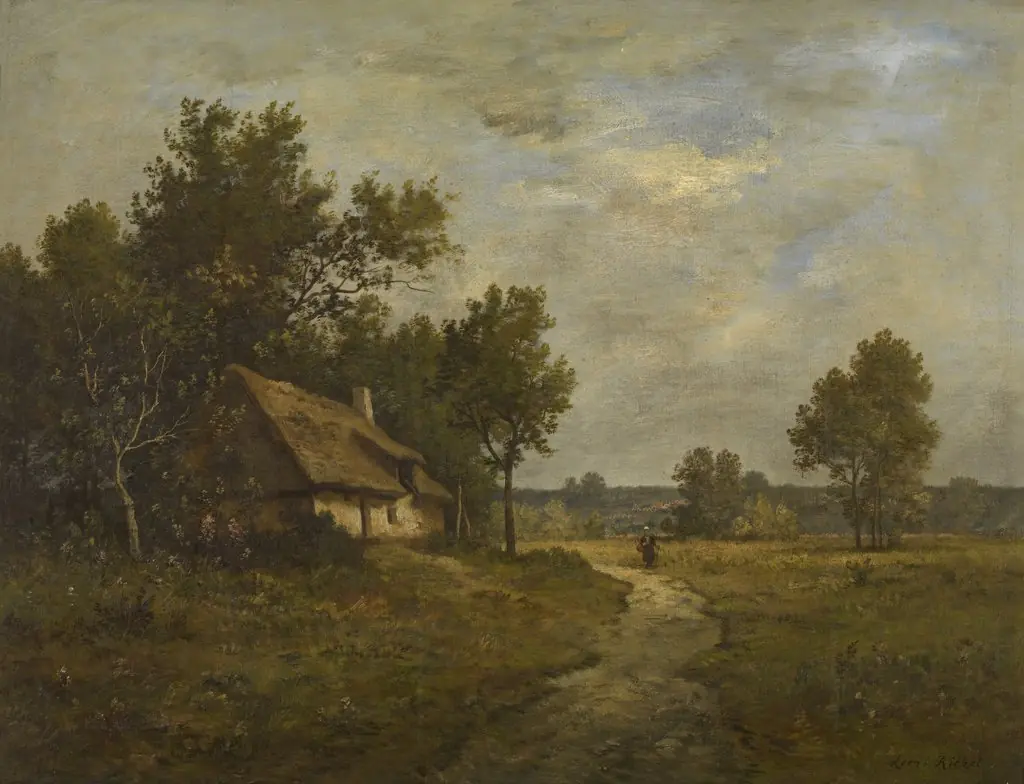
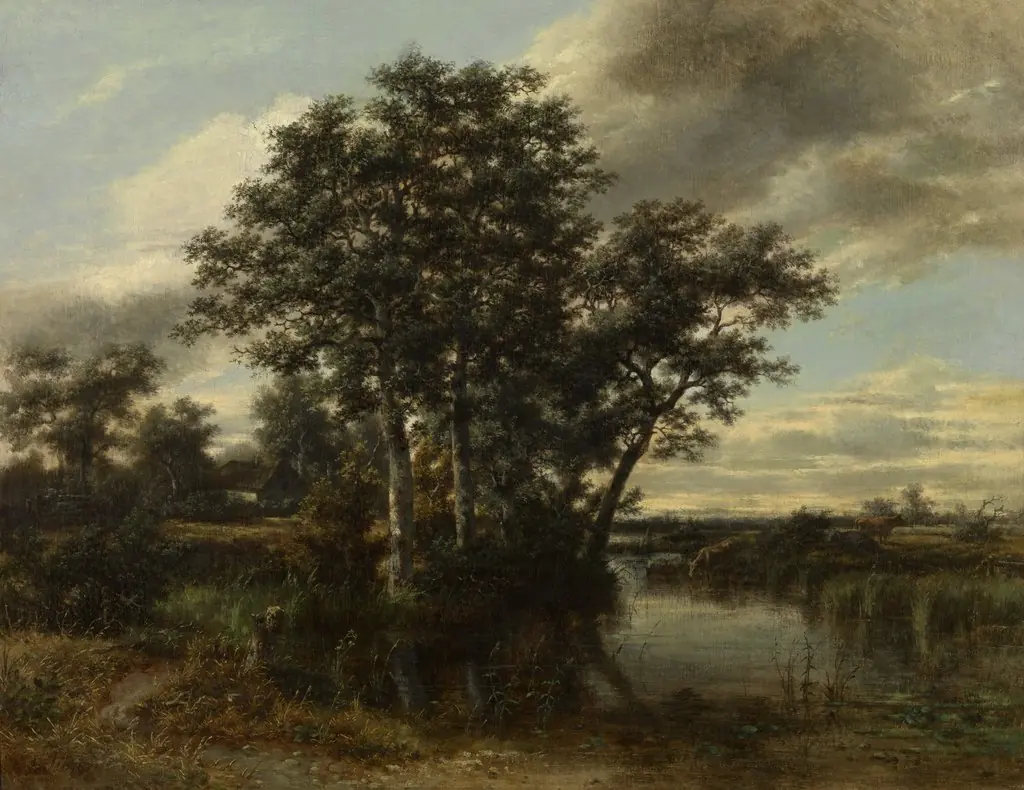
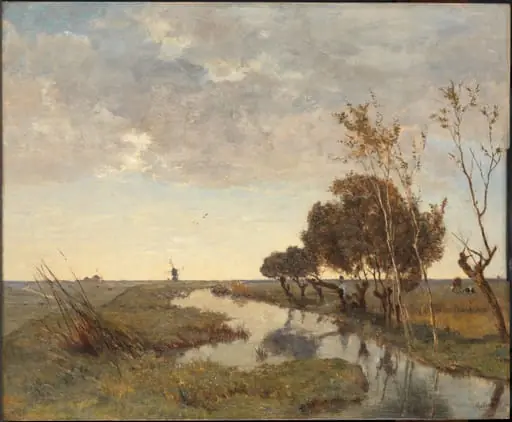
The work depicts the Josaphat Valley located in Schaarbeek, featuring prominent trees within the landscape.
The work depicts the Josaphat Valley located in Schaarbeek, featuring prominent trees within the landscape. As a landscape painting, the subject focuses on the natural scenery of this specific Belgian location rather than allegorical figures or complex narrative scenes. The composition captures the valley environment as observed by the artist, emphasizing the terrain and vegetation characteristic of the area in the mid-19th century.
Technique & Style
The work is executed in oil paint on canvas, a standard support for 19th‑century landscape painting. Its handling reflects the plein‑air practice of the Barbizon school, with loose brushwork that emphasizes atmospheric effects over precise detail. The composition balances a modest topography of the Schaarbeek valley with a prominent tree that anchors the scene, while the tonal range and subtle gradations of light convey a naturalistic yet lyrical mood.
These stylistic choices align with Boulenger’s broader approach to plein‑air realism, where the materiality of oil on canvas is used to capture fleeting environmental conditions.
History & Provenance
Hippolyte Boulenger created the oil painting Josaphat Valley at Schaarbeek in 1860. While some records suggest a potential inception window extending to 1870, the specific date of 1860 is established as the primary year of creation. The work, executed on canvas, depicts the Josaphat valley and trees within a landscape composition.
It currently resides in the collection of the Royal Museum of Fine Arts Antwerp, where it is held as part of their permanent holdings. No specific details regarding the original commission or intermediate ownership transfers prior to its museum acquisition are provided in the available documentation.
The painting Josaphat Valley at Schaarbeek by Hippolyte Boulenger is part of the collection of the Royal Museum of Fine Arts Antwerp, where it is catalogued under its inventory number. It has been exhibited at the museum, forming part of displays of 19th-century landscape painting.
Context
Hippolyte Boulenger painted Josaphat Valley at Schaarbeek in 1860, a landscape that reflects the realist tradition of the Barbizon school and his focus on naturalistic depiction of topography. The work entered the collection of the Royal Museum of Fine Arts Antwerp, where it remains on display. Contemporary scholarship identifies it as part of Boulenger’s mature period, characterized by precise atmospheric rendering and thematic interest in religiously significant natural sites.
Its composition and treatment of light influenced later Belgian landscape painters, situating it within broader 19th-century developments in plein air practice.
Overview
Created in 1860, this oil painting by Belgian artist Hippolyte Boulenger portrays a tranquil forest landscape known as Josaphat Valley near Schaarbeek. The composition centers on a solitary, leaf‑less tree against a muted sky, with a narrow stream winding through the foreground and distant structures faintly visible among the trees. The overall tone is subdued, emphasizing the calm of an evening scene.
Own this work as a print
Artist & collection
Artist
Hippolyte Emmanuel Boulenger (3 December 1837 – 4 July 1874) was a Belgian landscape painter influenced by the French Barbizon school, considered to be "the Belgian Corot".