Artwork
Plate 29: Geese with Poppies and a Cyclamen
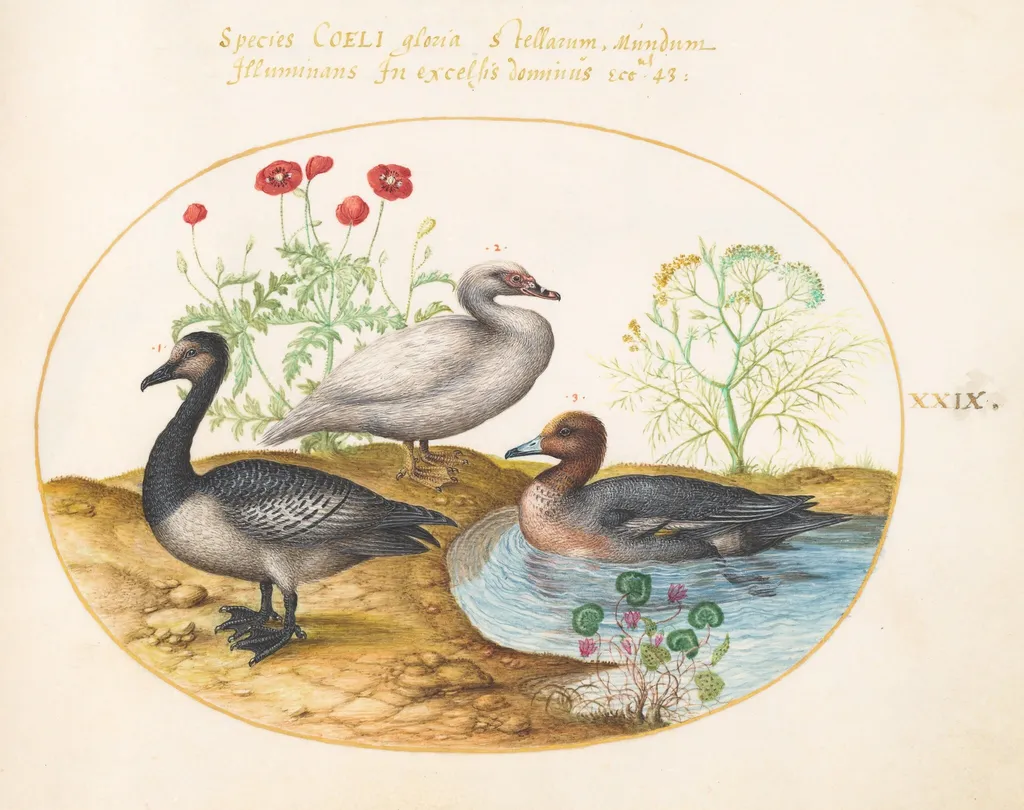
Plate 29: Geese with Poppies and a Cyclamen is a gouache drawing by the Renaissance artist Joris Hoefnagel. It dates from 1594 and is held in the collection of the National Gallery of Art.
- Inscription
- Inscribed:Upper center in (gold?): Species COELI gloria stellarum, mundum / Illuminans In excelsis dominus Ecc[us] .43: (“The glory of the stars is the beauty of heaven; the Lord enlightens the world on high.” Ecclesiasticus 43:10) (Latin Vulgate Bible); center right in (gold?): XXIX.; birds in image numbered .1., .2., and .3., in red ink Facing page: Upper center in black ink: Omnes dii gentium d[a]emonia.Dominus / autem Coelos fecit. ps: 95: -- (“For all the gods of the Gentiles are devils; but the Lord made the heavens.” Psalms 95:5) (Latin Vulgate Bible); lower center in red/violet ink: Domine, dominus noster, quam admirabile est nome[n] tuum / In universa terra: quoniam elevata est magnificentia tua /super COELOS.ps: 8. (“O Lord our Lord, how admirable is your name in the whole earth! For your magnificence is elevated above the heavens.” Psalms 8:2) (Latin Vulgate Bible)
About this work
Overview
Created around 1594, Plate 29: Geese with Poppies and a Cyclamen is a watercolor and gold paint drawing on parchment by Joris Hoefnagel, a Flemish artist renowned for natural history illustrations and manuscript illuminations.
Subject & Meaning
The piece depicts two geese in a serene pond setting, surrounded by vibrant red poppies, green foliage, and yellow flowers. The composition highlights Hoefnagel’s blend of artistic flair and scientific attention to detail in capturing flora and fauna.
Technique & Style
Hoefnagel employed soft, realistic colors and gentle lines to portray the subjects. The incorporation of gold paint, particularly in the border, adds a touch of elegance. The overall effect is one of calm realism, achieved through meticulous detail work.
History & Provenance
As one of the last prominent manuscript illuminators, Hoefnagel’s work contributed to the emergence of floral still-life painting in late 16th-century northern Europe. Plate 29 exemplifies his transitional role between illuminated manuscripts and the development of still-life genres.
Context
This drawing reflects the scientific curiosity and artistic innovation of the late Renaissance, where detailed observation of nature began to influence artistic production, paving the way for later naturalist and still-life traditions.
Legacy
Plate 29 showcases Hoefnagel’s influence on the evolution of natural history illustration and floral still-life painting, leaving a legacy in the intersection of art and scientific observation in European art history.
Own this work as a print
Artist & collection

Artist
Joris Hoefnagel or Georg Hoefnagel (1542 – 24 July 1601) was a Flemish painter, printmaker, miniaturist, draftsman and merchant.

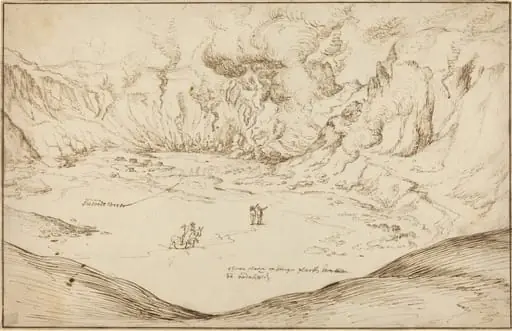 Forum Vulcani: The Hot Springs at Pozzuoli
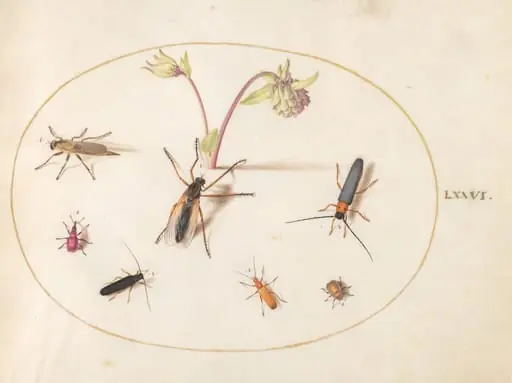 Plate 76: Insects with a Pink and Cream Columbine
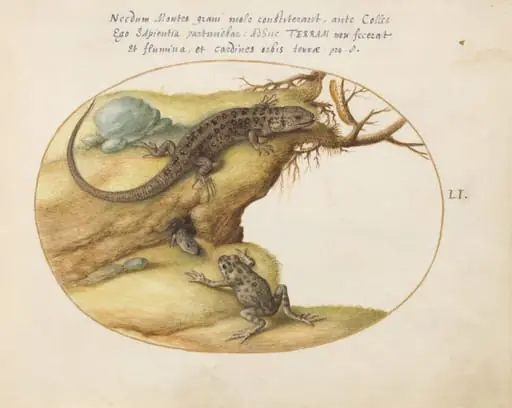 Plate 51: Two Sand Lizards, a Common Parsley Frog(?), and a Caterpillar
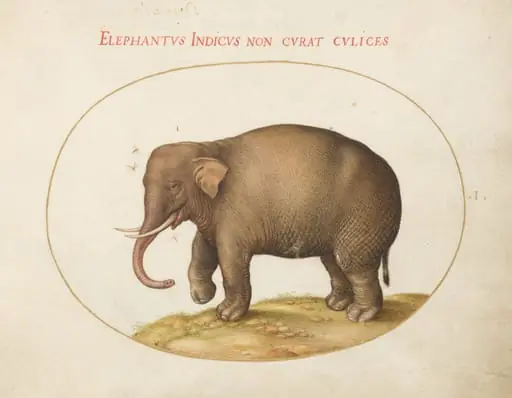 Plate 1: Elephant with Insects
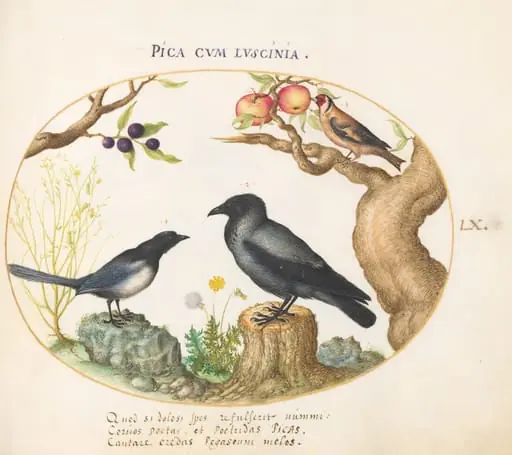 Plate 60: Magpie, Crow, and Goldfinch
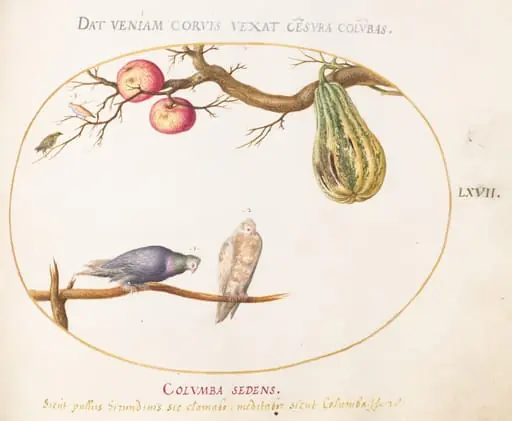 Plate 67: Two Doves beneath a Gourd and Apples
 Plate 31: Seven Moths
 Plate 21: Swamp Hen and Woodcock with a Streaked Rosefinch, a Finch, and Oak Galls
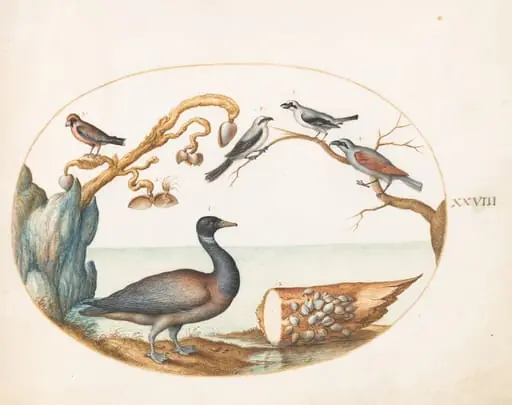
- Plate 28: Barnacle Goose with Shrikes and Other Birds
 Plate 32: A Green-Winged Teal, a Juvenile Green Woodpecker, and Two Other Birds
 Plate 42: Two Gray Geese with a Third Bird and Hanging Grapes
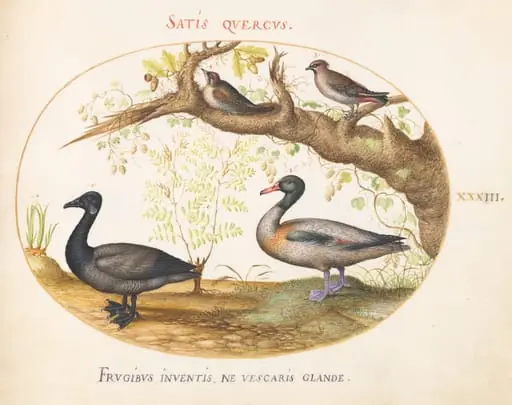 Plate 33: A Pair of Bohemian Waxwings, a Shelduck(?), and a Brant Goose with a Ginger Plant
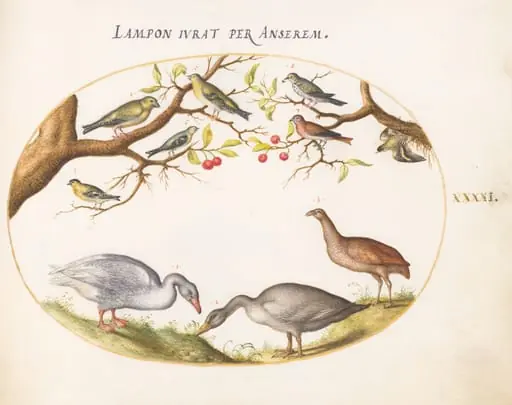 Plate 41: Two Gray Geese with Songbirds in a Cherry Tree
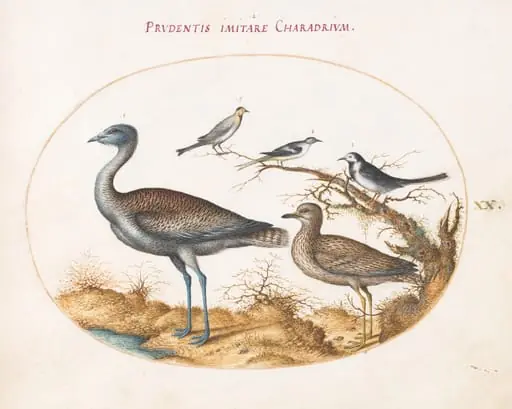 Plate 20: A Plover with Four Other Birds