Artwork
Plate 51: Two Sand Lizards, a Common Parsley Frog(?), and a Caterpillar
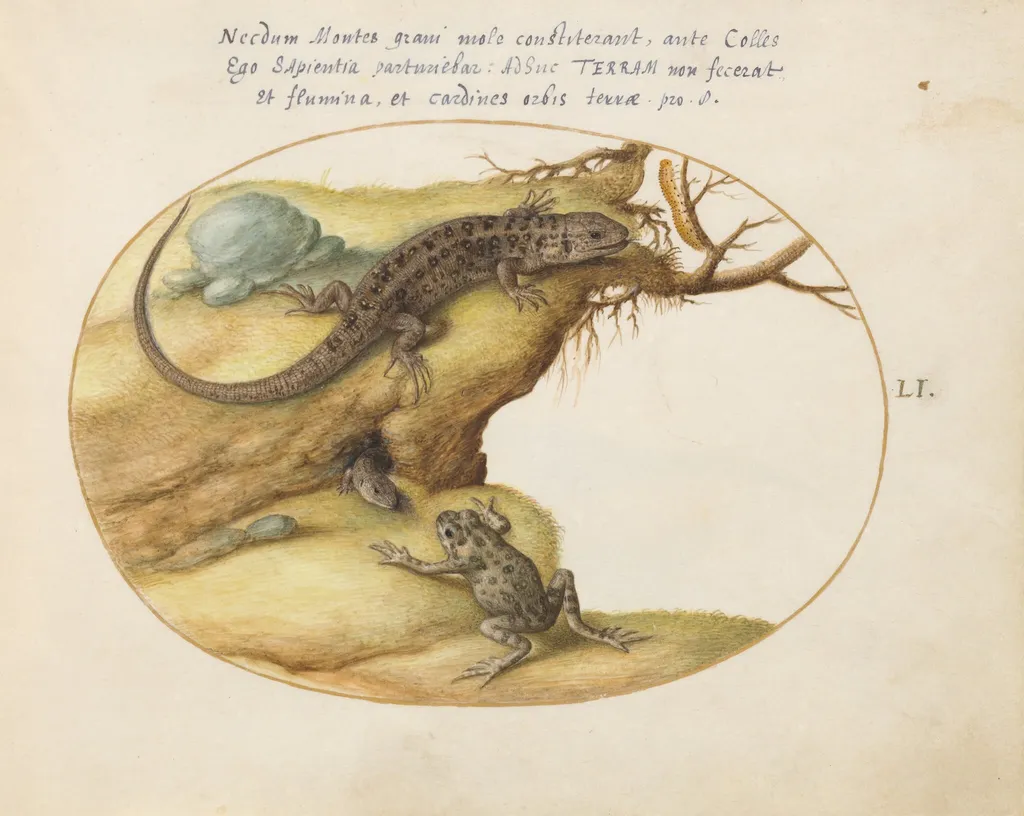
Plate 51: Two Sand Lizards, a Common Parsley Frog(?), and a Caterpillar is a gouache drawing by the Renaissance artist Joris Hoefnagel. It dates from 1594 and is held in the collection of the National Gallery of Art. Plate 51: Two Sand Lizards, a Common Parsley Frog(?
- Inscription
- Inscribed:upper center in black ink: Necdum Montes gravi mole constiterant, ante Colles / Ego Sapientia parturiebar: Adhuc TERRAM non fecerat / Et flumina, et cardines orbis terrae.pro.8. (“The mountains with their huge bulk had not as yet been established, before the hills I [wisdom] was brought forth: he had not yet made the earth, nor the rivers, nor the poles of the world.” Proverbs 8:25-26) (Latin Vulgate Bible); right center in (gold?): LI. Facing page: upper center in brown ink: Priusquam MONTES fierent, et crearetur terra, et orbis: / A seculo et usq[ue] in seculum tu es DEVS ps:89 (“Before the mountains were brought forth or ever you had formed the earth and the world, even from everlasting to everlasting, you are God.” Psalms 89:2) (Latin Vulgate Bible); lower center in red/violet ink: TERRA mota est: Etenim Coeli distillaverunt a facie / Domini DEI sinai. Ps: 67. (“The earth shook, the heavens also dropped at the presence of the God of Sinai.” Psalms 67:9) (Latin Vulgate Bible)
About this work
Overview
Plate 51: Two Sand Lizards, a Common Parsley Frog(?), and a Caterpillar is a watercolor and gold paint drawing on parchment, created by Flemish artist Joris Hoefnagel around 1594. This intricate piece showcases Hoefnagel's characteristic blend of scientific observation and decorative flair.
Subject & Meaning
The drawing depicts a naturalistic scene within a circular frame, featuring two sand lizards entwined around a tree branch, a possibly misidentified Common Parsley Frog on the ground, and a caterpillar on a leaf. The composition highlights Hoefnagel's attention to the interaction between flora and fauna.
Technique & Style
Hoefnagel employed watercolor and gold paint on parchment to achieve a delicate, detailed effect. The strategic use of gold paint accents the texture of the lizard's scales and the tree's bark, enhancing the visual depth and ornateness of the piece.
History & Provenance
Created circa 1594, this work is part of Hoefnagel's contributions to the evolution of topographical drawing and early floral still-life painting in northern Europe. His work influenced the development of these genres during the late 16th century.
Context
Reflecting the Renaissance's growing interest in natural history, Hoefnagel's precise yet decorative approach to illustrating flora and fauna was characteristic of his time. The circular frame and use of gold paint also nod to the miniature and illumination traditions he was known for.
Own this work as a print
Artist & collection

Artist
Joris Hoefnagel or Georg Hoefnagel (1542 – 24 July 1601) was a Flemish painter, printmaker, miniaturist, draftsman and merchant.

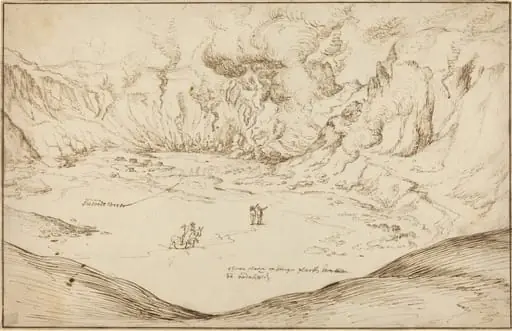 Forum Vulcani: The Hot Springs at Pozzuoli
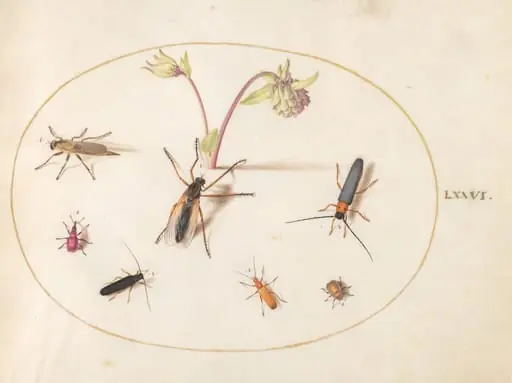 Plate 76: Insects with a Pink and Cream Columbine
 Plate 1: Elephant with Insects
 Plate 60: Magpie, Crow, and Goldfinch
 Plate 67: Two Doves beneath a Gourd and Apples
 Plate 31: Seven Moths
 Plate 21: Swamp Hen and Woodcock with a Streaked Rosefinch, a Finch, and Oak Galls
 Plate 50: An Avocet with Two Other Birds
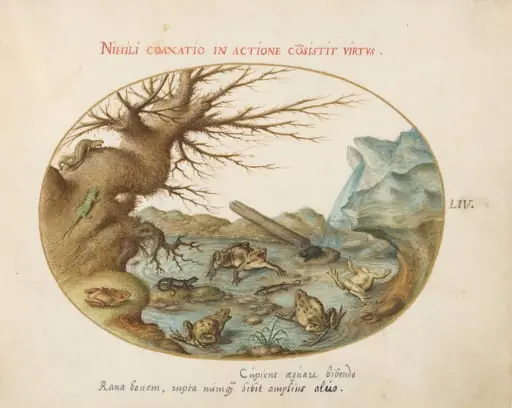
- Plate 54: Frogs, Lizards, and Salamanders(?) in a Landscape
 Plate 52: Two Sand Lizards
 Plate 57: A Snake, a Fire Salamander, and a Snakelike Creature with Two Legs
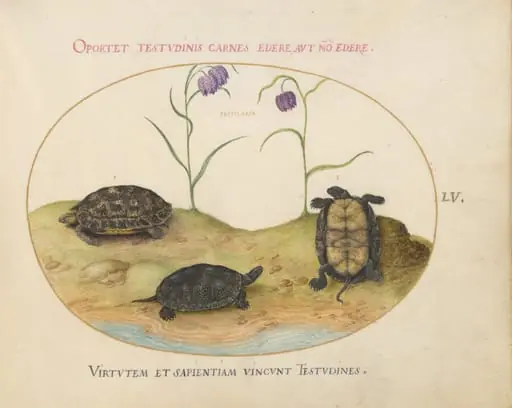 Plate 55: A Hermann's or Greek Tortoise, Two European Pond Turtles, and Two Fritillaria
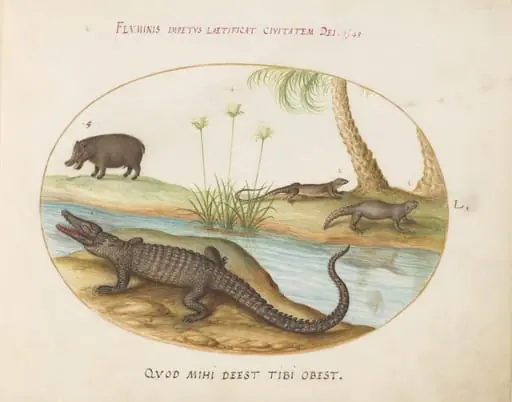 Plate 50: A Crocodile, a Hippopotomus, a Land Crocodile or Tegu Lizard(?), and a Crocodile or Spiny-Tailed Lizard with a Papyrus Plant
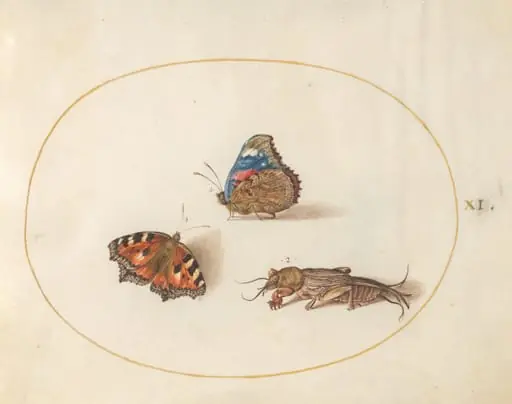 Plate 11: Small Tortoiseshell and Red Admiral Butterflies with a Mole Cricket
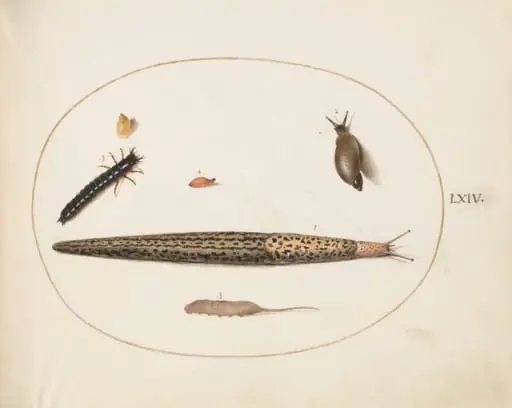 Plate 64: Leopard Slug, Ground Beetle Larva, a Rat-tailed Maggot, and Other Creatures
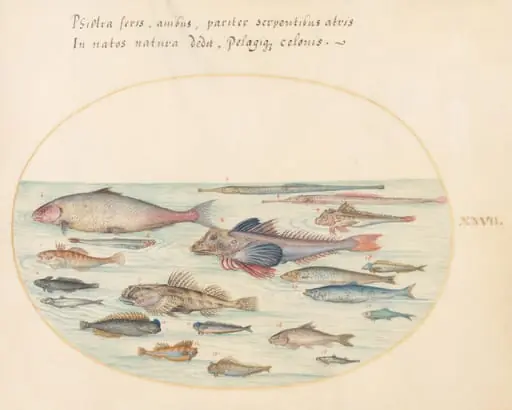 Plate 27: Blennies, Scorpion Fish, and Other Fish
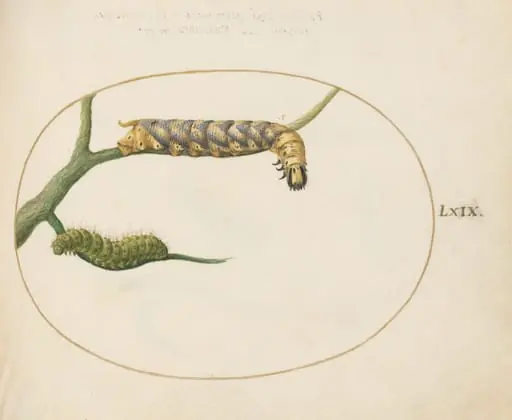 Plate 69: Emperor Moth Caterpillar with a Second Caterpillar on a Branch
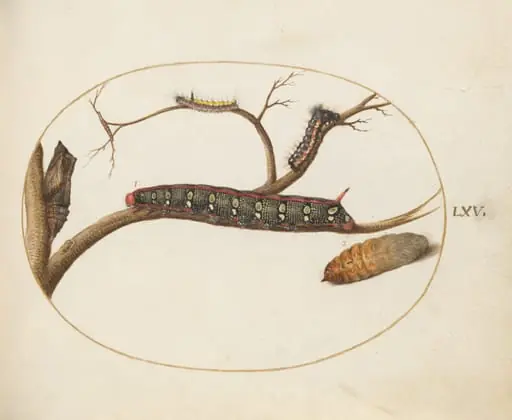 Plate 60: Leafy Spurge Hawkmoth Caterpillar, Gray Dagger Caterpillar, and Pupae