Artwork
Plate 76: Insects with a Pink and Cream Columbine
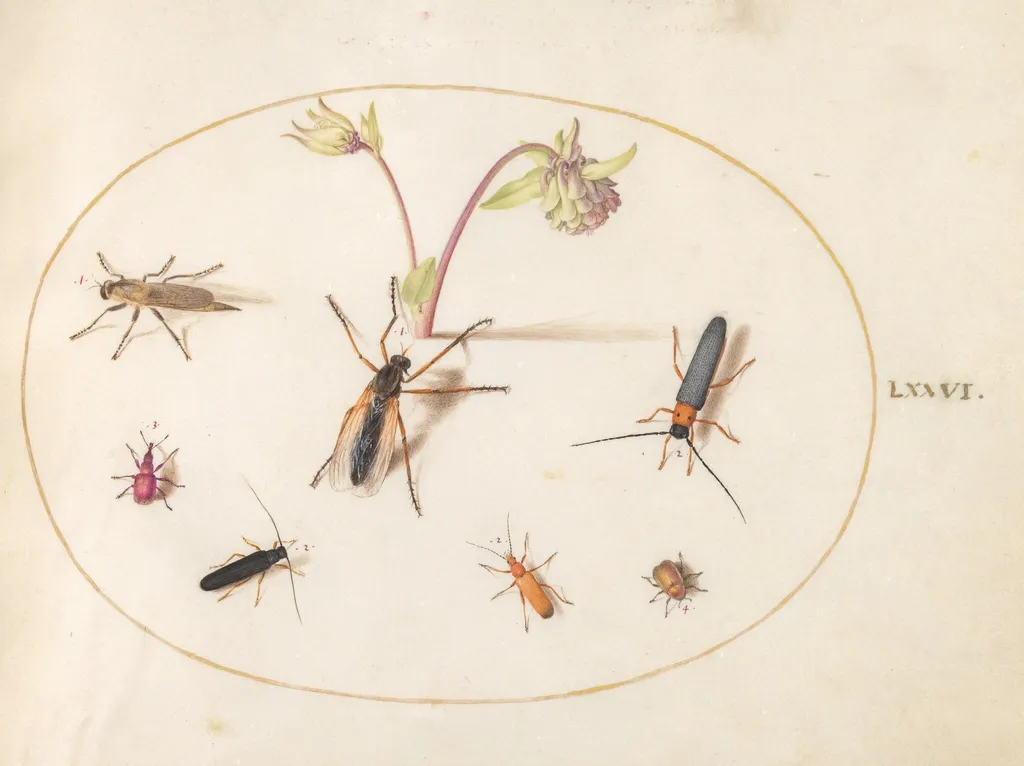
Plate 76: Insects with a Pink and Cream Columbine is a gouache drawing by the Renaissance artist Joris Hoefnagel. It dates from 1594 and is held in the collection of the National Gallery of Art.
- Inscription
- Inscribed:Insects in image numbered .1., 2., .3., and .4., in red ink; center right in brown ink: LXXVI. Facing page: Upper center in red ink: Florete flores quasi lilium, et date odorem, et frondete in / gratia, et collaudate canticum, et benedicite dominum / In operibus suis.Ecc[us] 38. (“Send forth flowers, as the lily, and yield a smell, and bring forth leaves in grace, and praise with canticles, and bless the Lord in his works.” Ecclesiasticus 39:19) (Latin Vulgate Bible)
About this work
Overview
It depicts a delicate pink‑and‑cream columbine flower surrounded by a cluster of insects, bees, flies and beetles, rendered with meticulous attention to form.
Created circa 1594, this miniature drawing by the Flemish artist Joris Hoefnagel combines watercolor and gold pigment on a parchment support. It depicts a delicate pink‑and‑cream columbine flower surrounded by a cluster of insects, bees, flies and beetles, rendered with meticulous attention to form. The gold‑infused background gives the composition a luminous, almost ornamental quality, characteristic of late‑Renaissance manuscript illumination.
Subject & Meaning
The work presents a naturalistic study of a single flower and its associated fauna, emphasizing the interdependence of plant and insect life. By isolating the columbine and its visitors, Hoefnagel highlights the intricate details of each creature, suggesting both an aesthetic appreciation and an early scientific curiosity about the roles these insects play in pollination and ecosystem dynamics.
Technique & Style
Hoefnagel employed fine watercolor washes to model the soft petals of the columbine, while using precise, almost microscopic brushwork for the insects’ bodies and wings. Gold leaf or powdered gold is applied to the background, creating a reflective surface that contrasts with the muted botanical tones. The overall effect merges the decorative elegance of illumination with the observational rigor of natural history illustration.
History & Provenance
The drawing belongs to a series of plates produced for Hoefnagel’s manuscript projects, which were among the last substantial examples of Flemish illumination before the medium fell out of favor. The piece likely originated in the artist’s workshop in Antwerp and has passed through private collections before entering a museum holding of early scientific art, where it remains a reference for the convergence of art and early taxonomy.
Own this work as a print
Artist & collection

Artist
Joris Hoefnagel or Georg Hoefnagel (1542 – 24 July 1601) was a Flemish painter, printmaker, miniaturist, draftsman and merchant.

 Forum Vulcani: The Hot Springs at Pozzuoli
 Plate 51: Two Sand Lizards, a Common Parsley Frog(?), and a Caterpillar
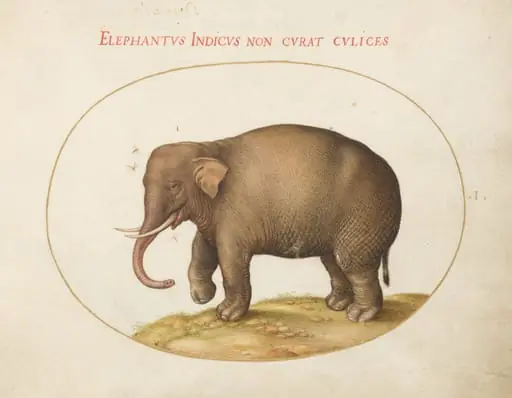 Plate 1: Elephant with Insects
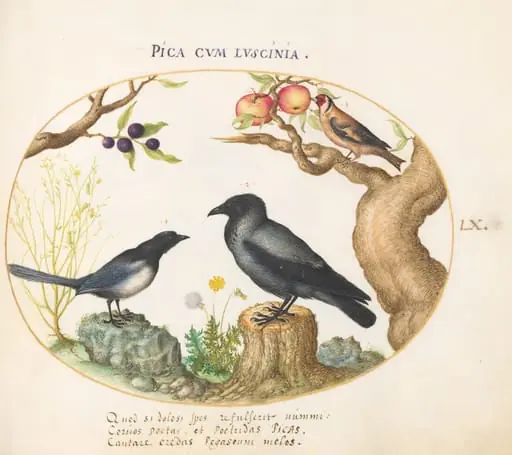 Plate 60: Magpie, Crow, and Goldfinch
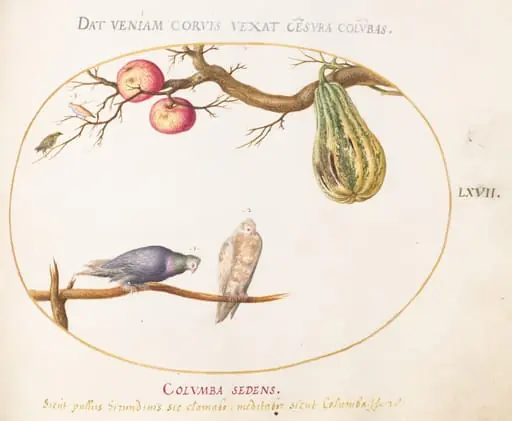 Plate 67: Two Doves beneath a Gourd and Apples
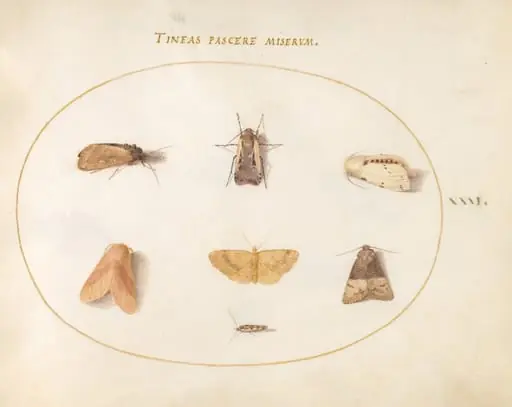 Plate 31: Seven Moths
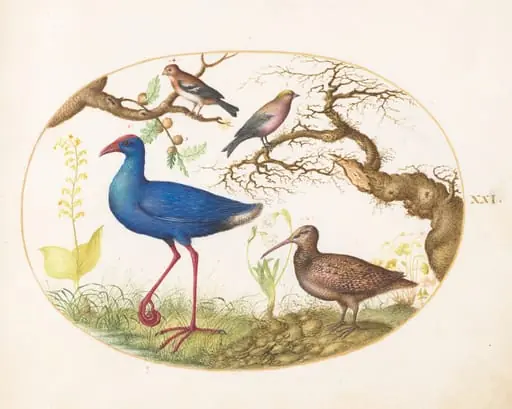 Plate 21: Swamp Hen and Woodcock with a Streaked Rosefinch, a Finch, and Oak Galls
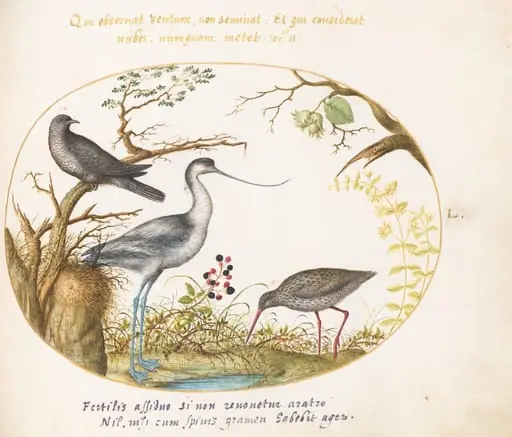 Plate 50: An Avocet with Two Other Birds
- Plate 72: Shield Bug, Cinnamon Bug, Wasp, and Other Insects
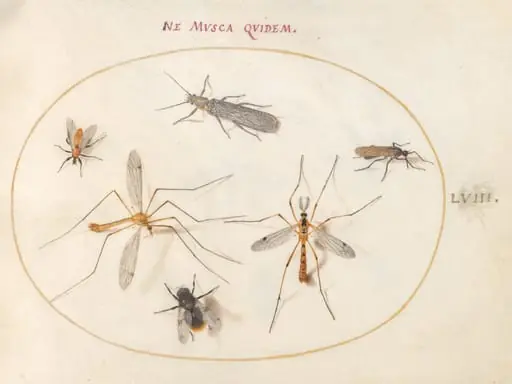 Plate 58: A Bee and Five Other Insects
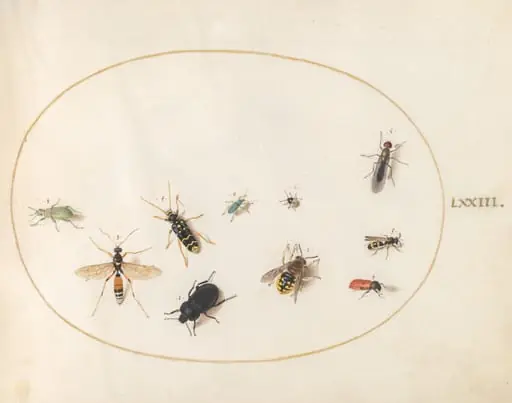 Plate 73: Ten Insects
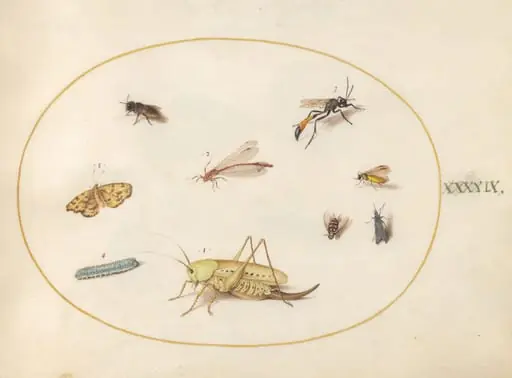 Plate 49: A Grasshopper, a Caterpillar, a Butterfly, a Moth, and Other Insects
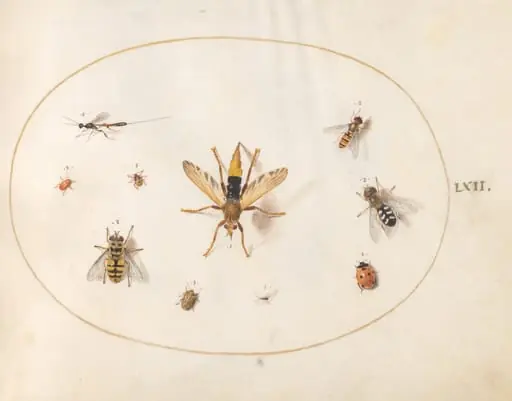 Plate 62: Ten Insects
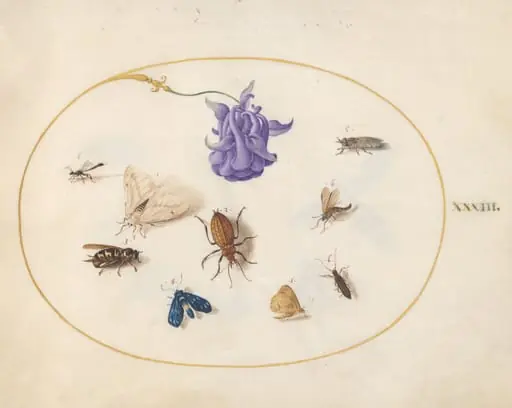 Plate 33: Moth and Butterfly with other Insects and a Columbine Flower
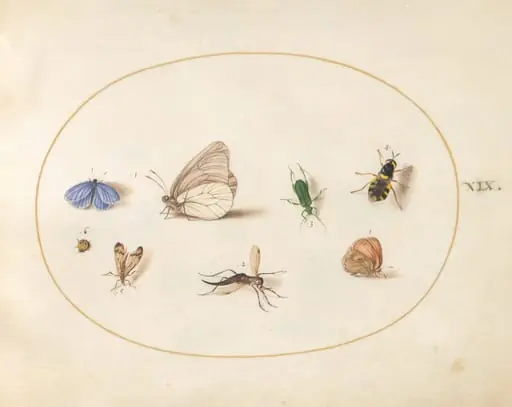 Plate 19: Two Butterflies with Five Other Insects
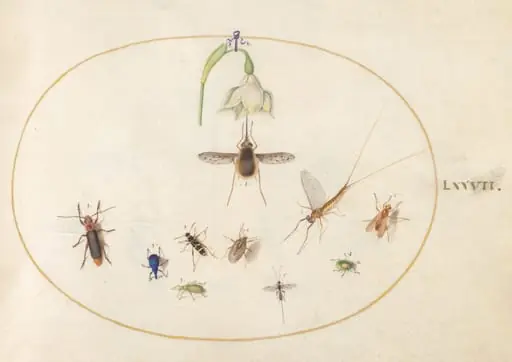 Plate 77: Dotted Bee Fly with a White Flower, a Mayfly, a Blue Weevil, and Other Insects
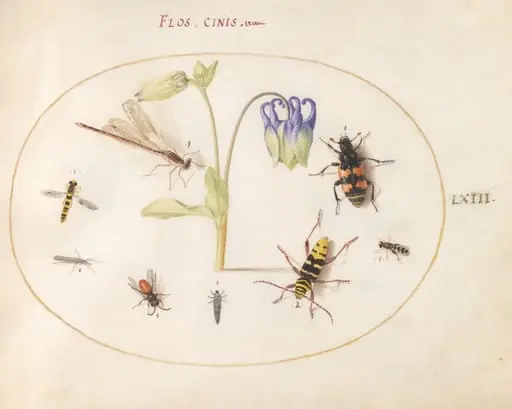 Plate 63: A Dragonfly, a Spotted Longhorn, a Sexton Beetle, and Other Insects with a Blue and White Columbine
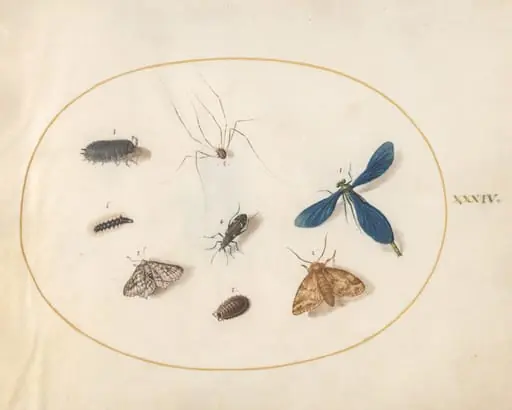 Plate 34: Two Moths with a Spider, a Caterpillar, a Damselfly, and Other Insects