Artwork
Plate 70: Empty Oval
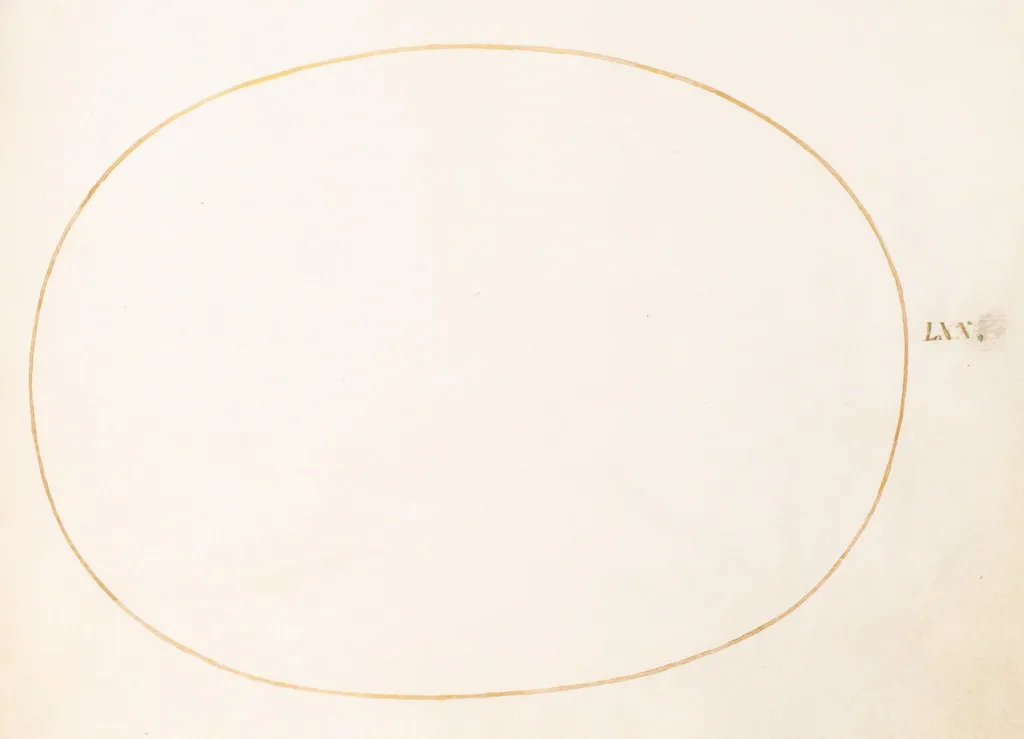
Plate 70: Empty Oval is a watercolor drawing by the Renaissance artist Joris Hoefnagel. It dates from 1594 and is held in the collection of the National Gallery of Art.
- Inscription
- Inscribed:Center right in (gold?): LXX. Facing page: upper center in black ink: Volatilia ad sibi similia conveniunt: Et Veritas ad / eos qui operantur illam, revertetur. Ecc./ (“Birds resort unto their like: so truth will return to them that practice her.” Ecclesiasticus 27:10) (Latin Vulgate Bible); lower center in black ink: Parus versicolor per noctem tinninat omnem: / At sua vox nulli, iure placere potest.
About this work
Overview
Its restrained composition, a nearly vacant oval framed in gold, contrasts with the intricate botanical studies for which he was better known.
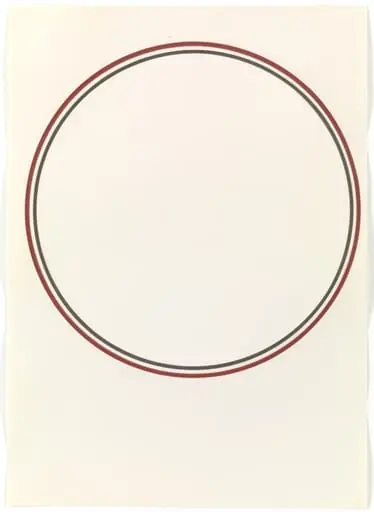
Joris Hoefnagel produced Plate 70: Empty Oval circa 1594, employing watercolor and gold pigment on parchment. The work exemplifies his dual role as both manuscript illuminator and naturalist, bridging medieval traditions with emerging still-life genres in northern Europe. Its restrained composition, a nearly vacant oval framed in gold, contrasts with the intricate botanical studies for which he was better known.
Subject & Meaning
The drawing presents a minimalist motif: an empty oval delineated by a fine gold border. Rather than depicting flora or fauna, Hoefnagel isolates the ornamental frame itself, reducing imagery to its structural essentials. This absence may reflect deliberate restraint, inviting contemplation of negative space or serving as a conceptual placeholder within a larger series.
Technique & Style
Hoefnagel’s method combines meticulous draftsmanship with luminous materials. Gold paint, applied in a slender, uniform line, encircles the parchment, its metallic sheen accentuated by the support’s subtle texture. Watercolor glazes, if present, are scarcely visible, preserving the work’s austerity. The precision of the gold border underscores his training in manuscript illumination, where fine detail was paramount.
History & Provenance
Created during Hoefnagel’s mature period, Empty Oval likely formed part of a larger compendium, possibly a pattern book or natural history manuscript. Its survival as an individual sheet suggests later separation from its original context. The work’s provenance remains undocumented, though its materials and technique align with late 16th-century Flemish illumination practices.
Context
Hoefnagel’s output straddled scientific illustration and decorative art at a time when northern European artists increasingly valued empirical observation. While his floral and insect studies anticipated still-life painting, Empty Oval diverges, emphasizing design over representation. Its spare composition may reflect the period’s interest in geometric purity or serve as a meditative counterpoint to his more elaborate works.
Own this work as a print
Artist & collection

Artist
Joris Hoefnagel or Georg Hoefnagel (1542 – 24 July 1601) was a Flemish painter, printmaker, miniaturist, draftsman and merchant.

 Forum Vulcani: The Hot Springs at Pozzuoli
 Plate 76: Insects with a Pink and Cream Columbine
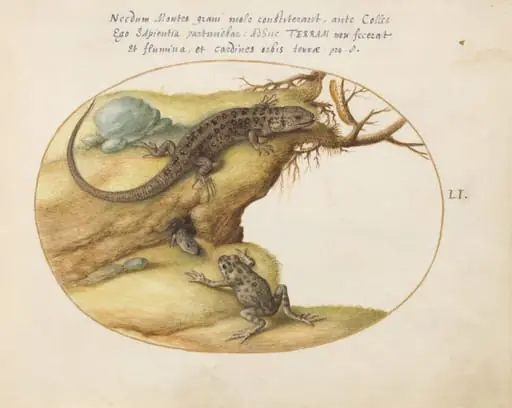 Plate 51: Two Sand Lizards, a Common Parsley Frog(?), and a Caterpillar
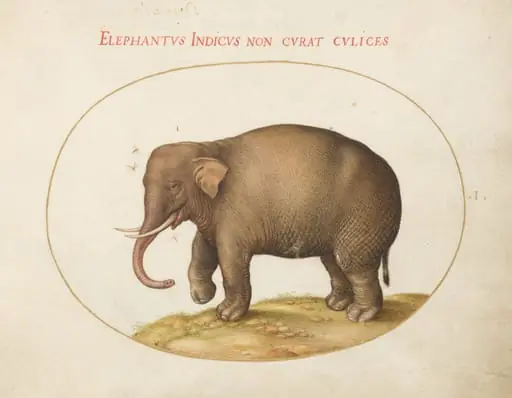 Plate 1: Elephant with Insects
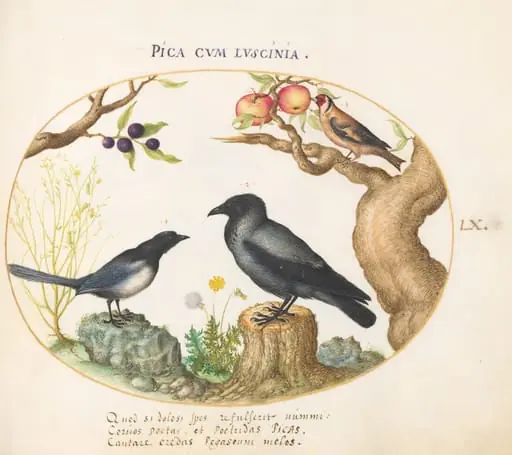 Plate 60: Magpie, Crow, and Goldfinch
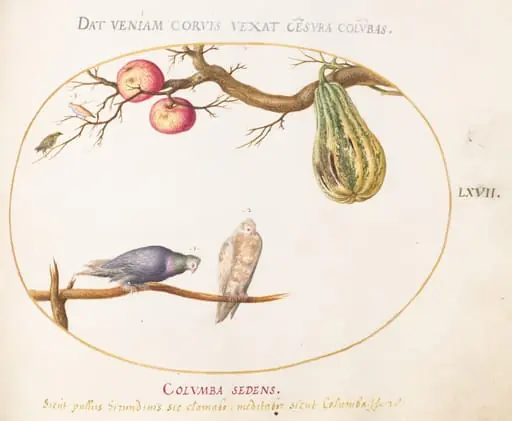 Plate 67: Two Doves beneath a Gourd and Apples
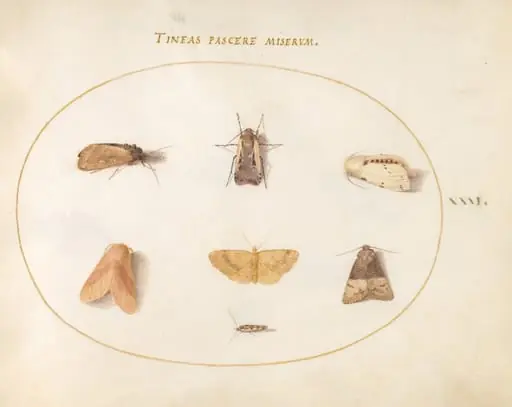 Plate 31: Seven Moths
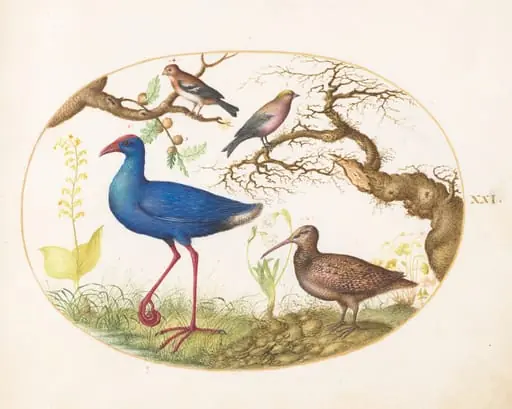 Plate 21: Swamp Hen and Woodcock with a Streaked Rosefinch, a Finch, and Oak Galls