Artwork
Plum Blossom
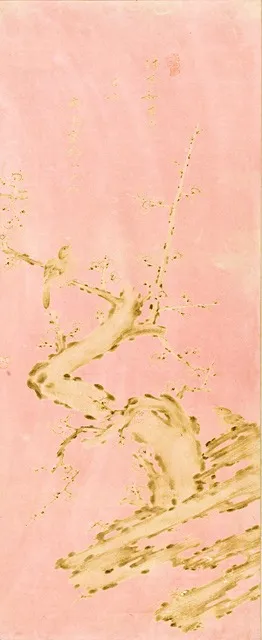
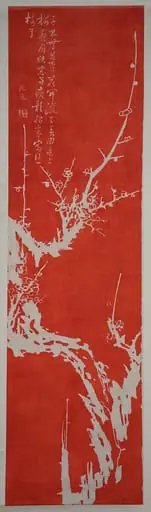
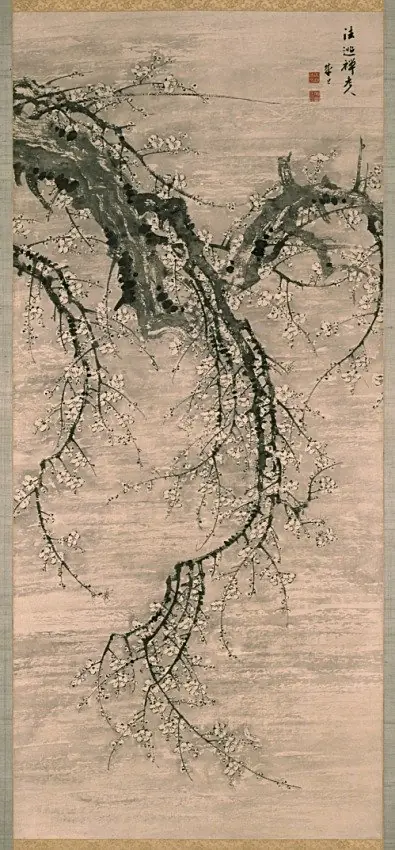
Plum Blossom is an unspecified painting by Unknown. It dates from 1750 and is held in the collection of the Los Angeles County Museum of Art.
About this work
Overview
The work reflects a tradition of botanical symbolism in East Asian art, where natural forms convey deeper philosophical ideas.
This painting depicts a single branch of plum blossoms rendered in ink on paper. The composition is sparse, emphasizing the resilience of the tree in winter. No figures or background details are present, focusing attention solely on the delicate blooms and gnarled branches. The work reflects a tradition of botanical symbolism in East Asian art, where natural forms convey deeper philosophical ideas.
Subject & Meaning
Plum blossoms, among the first to bloom in late winter, symbolize endurance and renewal in Chinese culture. Their presence amid snow and frost suggests quiet strength and hope. The painting does not idealize the subject but captures its raw, weathered form, aligning with Daoist and Chan Buddhist ideals of simplicity and natural order. The blossoms are not numerous, reinforcing the theme of perseverance through hardship.
Technique & Style
Executed in monochrome ink, the brushwork varies between bold, dry strokes for the trunk and fine, wet lines for the petals. The artist employs ink gradation to suggest volume and texture without color. Negative space is used deliberately, allowing the viewer’s eye to complete the form. The style is restrained, avoiding ornamentation, and prioritizes expressive line over realistic detail.
History & Provenance
The painting’s origin is attributed to a Southern Song dynasty artist, though the signature is illegible or absent. It was likely part of a private collection before entering institutional care in the early 20th century. Its condition suggests careful preservation, with no signs of significant restoration. Documentation is limited, but stylistic analysis places it within the literati painting tradition of the 12th to 13th centuries.
Context
During the Southern Song period, scholar-officials increasingly turned to ink painting as a medium for personal expression, distinct from courtly commissions. Plum blossoms were a favored subject among these literati, who saw in them an allegory for moral integrity. This work aligns with a broader trend of nature-focused art that valued inner reflection over external grandeur.
Legacy
The painting exemplifies a lasting aesthetic in East Asian art that privileges restraint and symbolic depth. Later artists and collectors admired its quiet discipline, influencing generations of ink painters across China, Japan, and Korea. Though not widely exhibited, it remains a reference point in studies of literati painting and the cultural significance of botanical motifs.
Artist & collection

 Domestic Scene
 Giacomo and Cardinal Marco, investing Andrea, Abbot of San Zeno, with his Benefice
 The Nymph of Fontainebleau
 Portrait of a Woman
 Madonna and Child with Saints in the Enclosed Garden
 Venus and Minerva
 Family Group of Four on Sofa
 Wall painting from Room H of the Villa of P. Fannius Synistor at Boscoreale